
With NINJA GAIDEN: Ragebound, The Game Kitchen proves that it knows how to reinterpret the 2D action-platformer formula through a modern lens, while still keeping a firm grip on the genre’s core mechanics.
Since its debut in 1988, Ninja Gaiden has been a cornerstone of the genre. One of its defining traits has always been its high difficulty level, and anyone who played those early entries surely remembers just how demanding they were.
With the franchise’s revival under Tomonobu Itagaki and its transition from 2D to 3D, the series underwent a profound evolution. Despite these changes, its reputation as a challenging and unforgiving game remained intact.
Following the recent release of Ninja Gaiden 4, developed by PlatinumGames, many players had almost forgotten how compelling and challenging a two-dimensional entry in the series could still be.
Fortunately, The Game Kitchen has shown both the skill and sensitivity required to reimagine a 2D Ninja Gaiden action-platformer for a contemporary audience. A refreshed visual presentation—while still heavily inspired by 8-bit and 16-bit productions—and fast, responsive gameplay provide the framework for an experience that never betrays the essence of the series.
The developers have not abandoned the element that defines the franchise more than any other: difficulty. However, they have introduced several quality-of-life features in a subtle and non-intrusive way. This is a topic we will explore later, as these changes, while optional and relatively minor, do have some impact on the very nature of the gameplay.
Friends and Enemies: A Necessary Bond
As inseparably linked as the Ninja Gaiden name may be to Ryu Hayabusa, this time players are in for a surprise. The opening places us in the shoes of the founder of the Hayabusa Clan, setting in motion the events that precede the original Ninja Gaiden. We then take control of Kenji, one of Ryu’s disciples, in an introductory stage that introduces most of the game’s mechanics.
After this opening sequence, the game employs a simple yet effective narrative device to build its level progression and introduce its cast. Kenji’s story, as he struggles to repel a demonic invasion of Hayabusa Village, alternates with that of Kumori, a member of the Black Spider Clan.
This rival clan is also struck by the demonic assault, and Kumori is tasked with stopping the rise of the Demon Lord.
The destinies of the two protagonists become intertwined when both suffer mortal wounds. Finding themselves near each other, Kumori binds her soul to Kenji’s. This forced coexistence compels the two rivals to work together in order to eliminate the looming threat.
Naturally, this narrative development translates into new gameplay mechanics, allowing Kenji to harness the abilities of his unwilling ally.
A Contemporary Yet Faithful Aesthetic
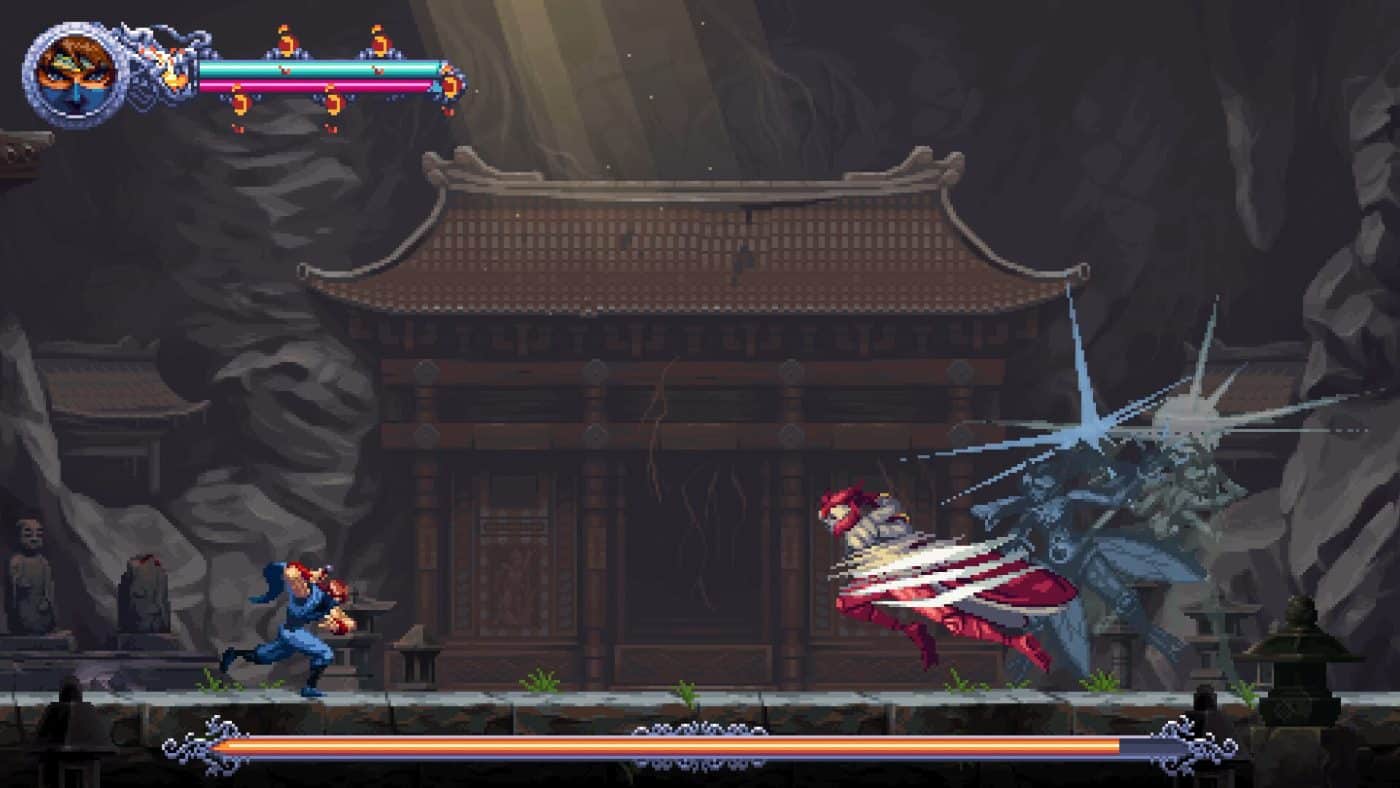
NINJA GAIDEN: Ragebound brings the classic 2D action-platform formula into the modern era. This update affects both the audiovisual presentation and the combat and level design systems.
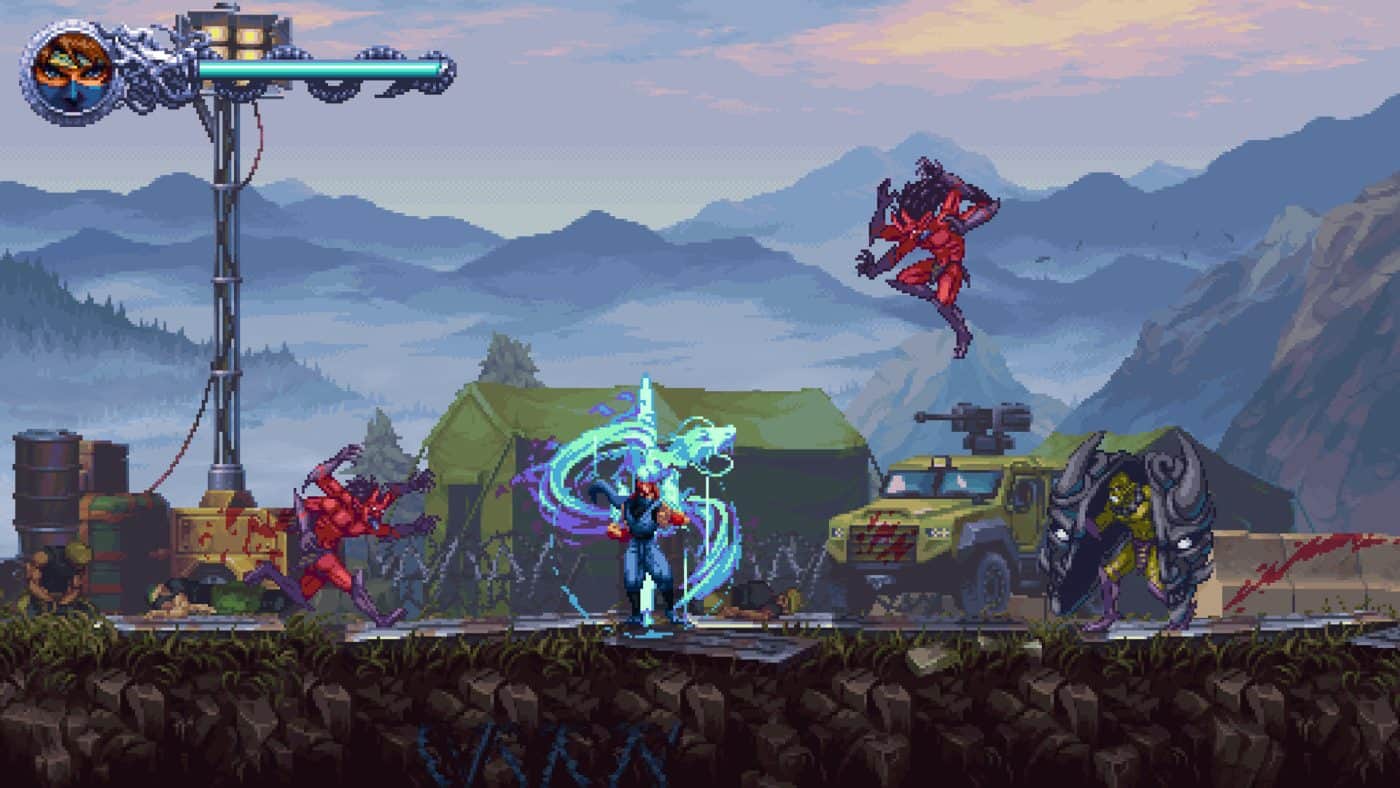
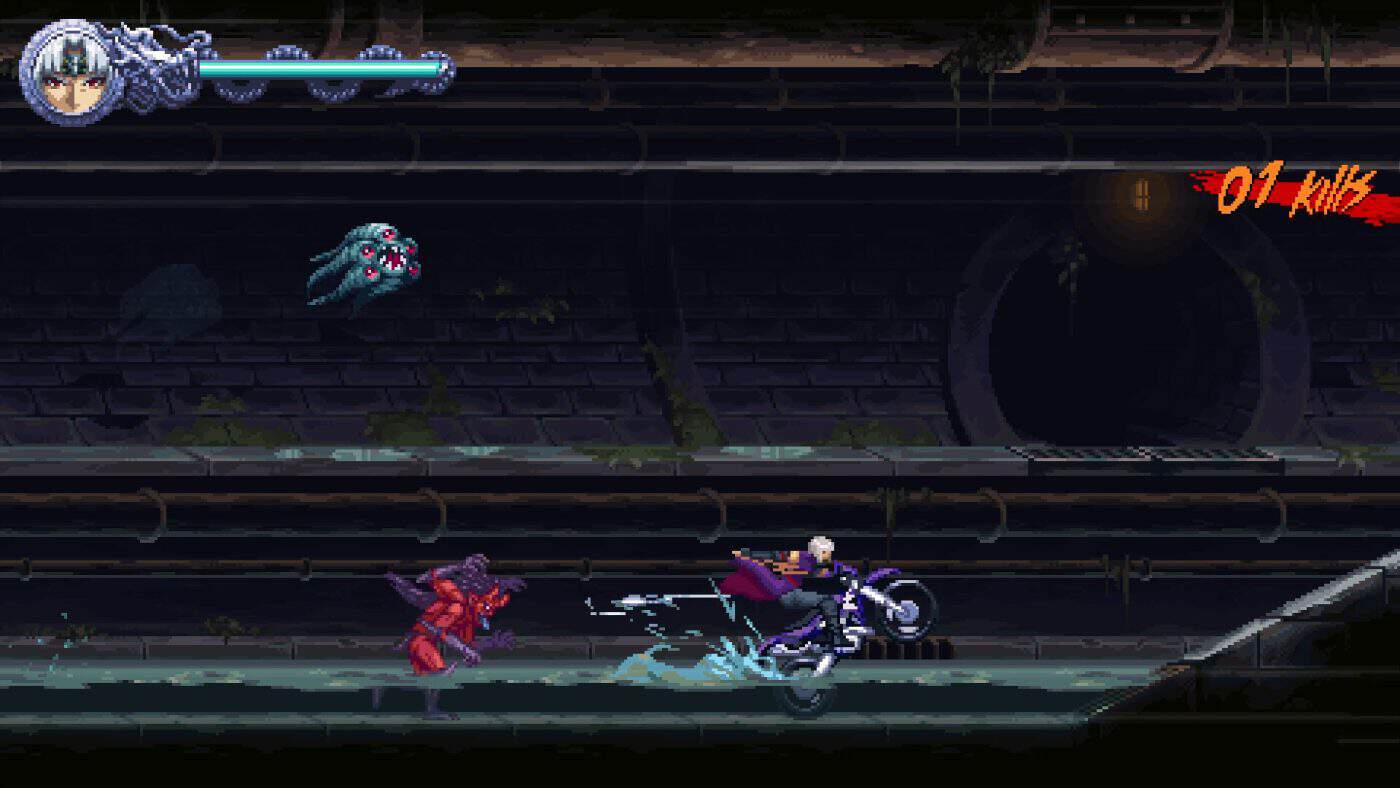
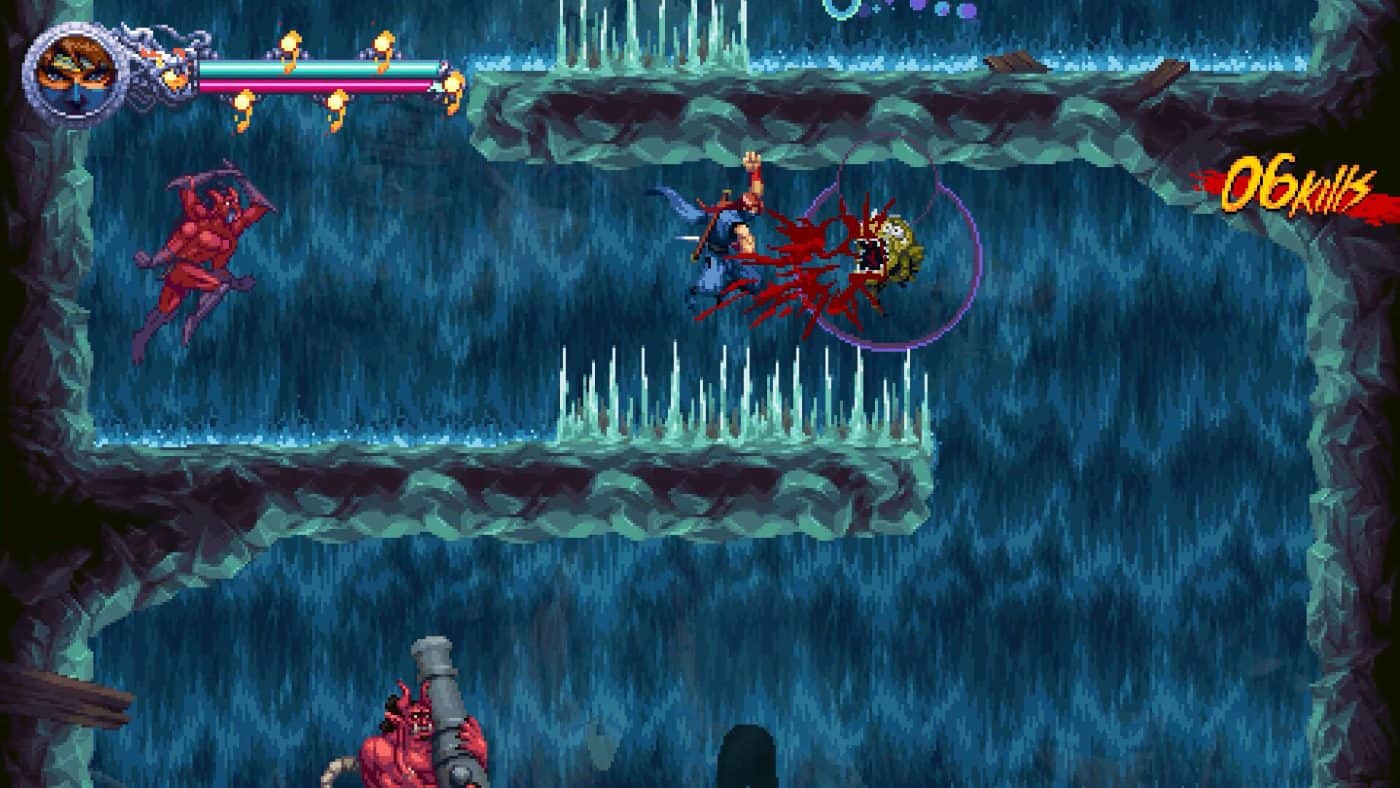
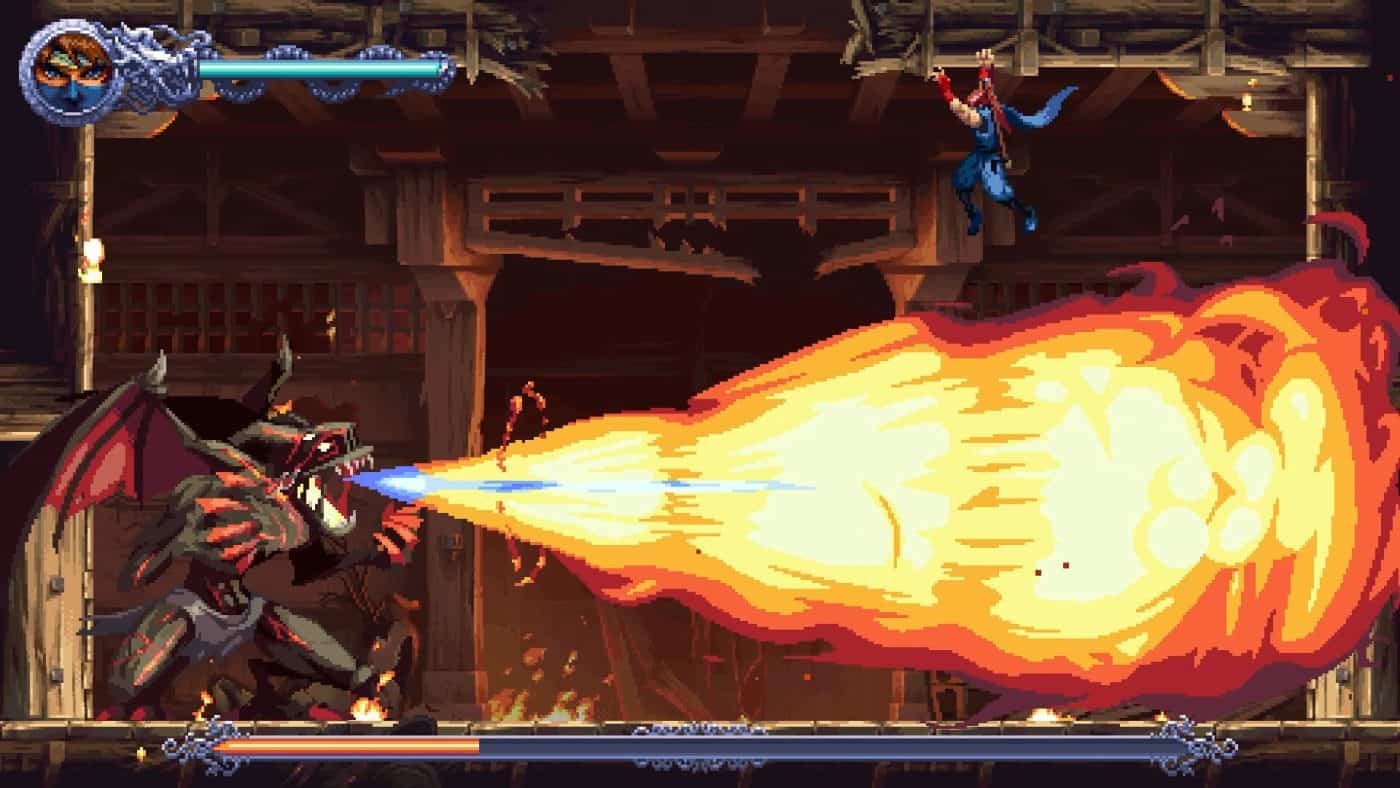
The pixel art is minimalist and strongly recalls the classic Ninja Gaiden titles of the SNES and SEGA eras. However, this stylistic choice is not a lack of care. The visual impact is impressive, and the simplicity feels like a deliberate artistic decision meant to evoke the aesthetics of that period.
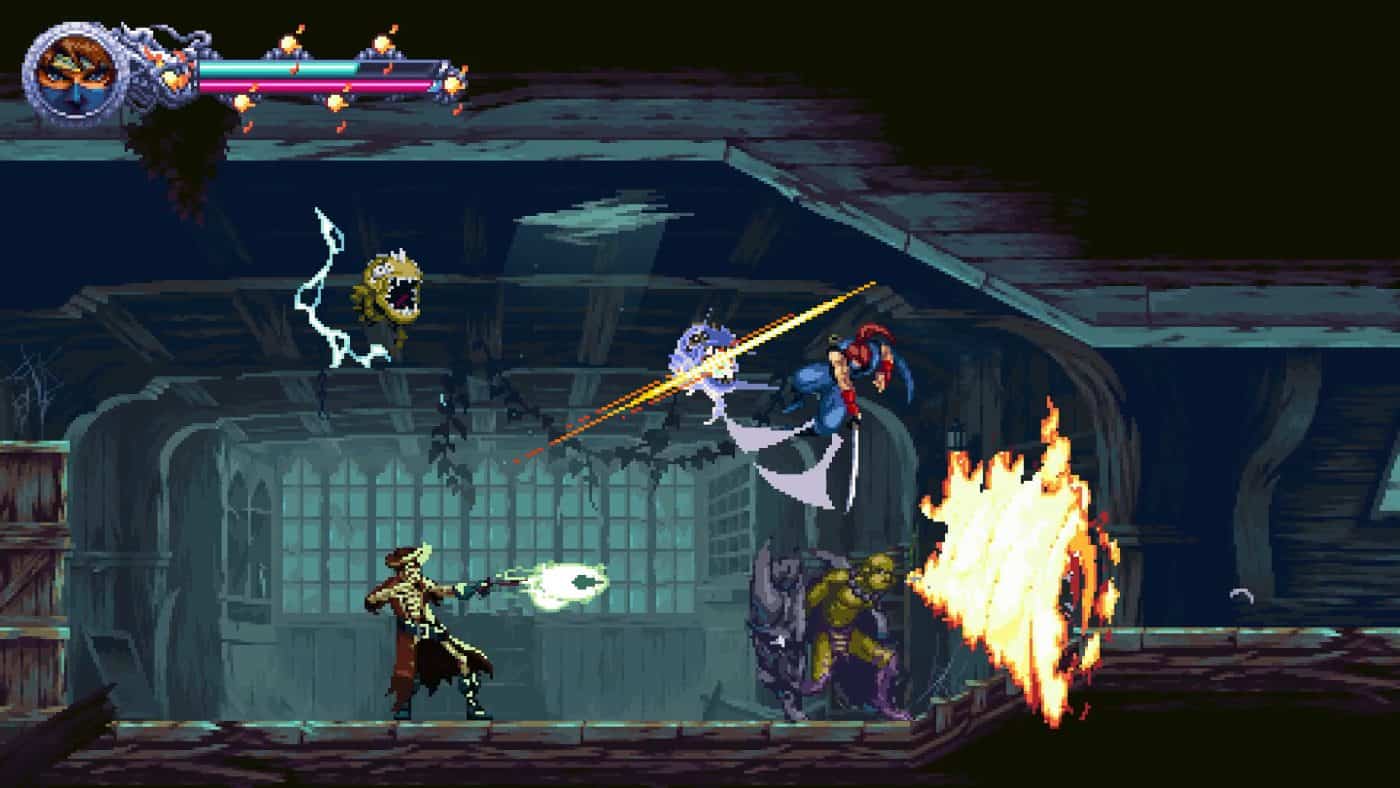
The audio design and soundtrack meet modern production standards, featuring well-crafted tracks that successfully capture the atmosphere of the late 1980s and early 1990s. The animations are solid, enemy variety is commendable. The bosses are generally inspired and challenging, with the exception of one encounter that, in my opinion, does not fully succeed.
The stages are well designed and develop both vertically and horizontally with considerable attention to detail. Secret areas and destructible walls conceal collectibles throughout the levels. Players aiming for 100% completion will need to tackle platforming sections that are often extremely demanding.
The combat system is fast, responsive, and carries with it all the strengths and weaknesses of the genre’s great classics. Among these is the infamous knockback effect suffered after taking damage. In platforming sections especially, a single hit can easily send players plummeting into a pit. Inputs also require precision and composure: a poorly timed command can ruin a jump or attack.
Abilities and Mechanics
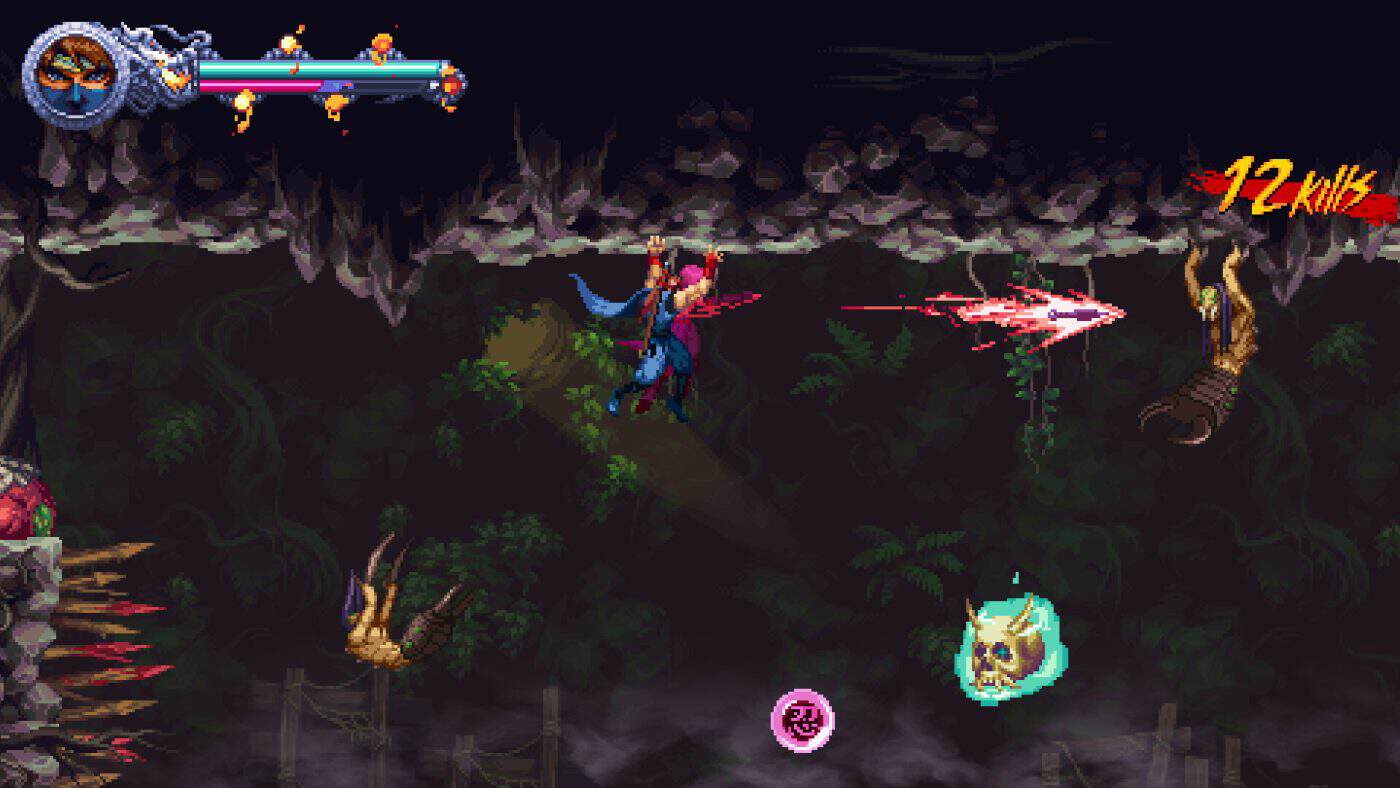
As in classic Ninja Gaiden titles, Kenji can climb and cling to nearly every surface. In addition to basic attacks, jumping, dodging (which includes invincibility frames), and lunging attacks, the protagonist can also take advantage of his bond with Kumori.
This is represented through two gauges: one for health and another for Ki. The latter is consumed when using Kunai and can be replenished by attacking enemies.
Two special abilities are also available: the Guillotine and Hypercharge.
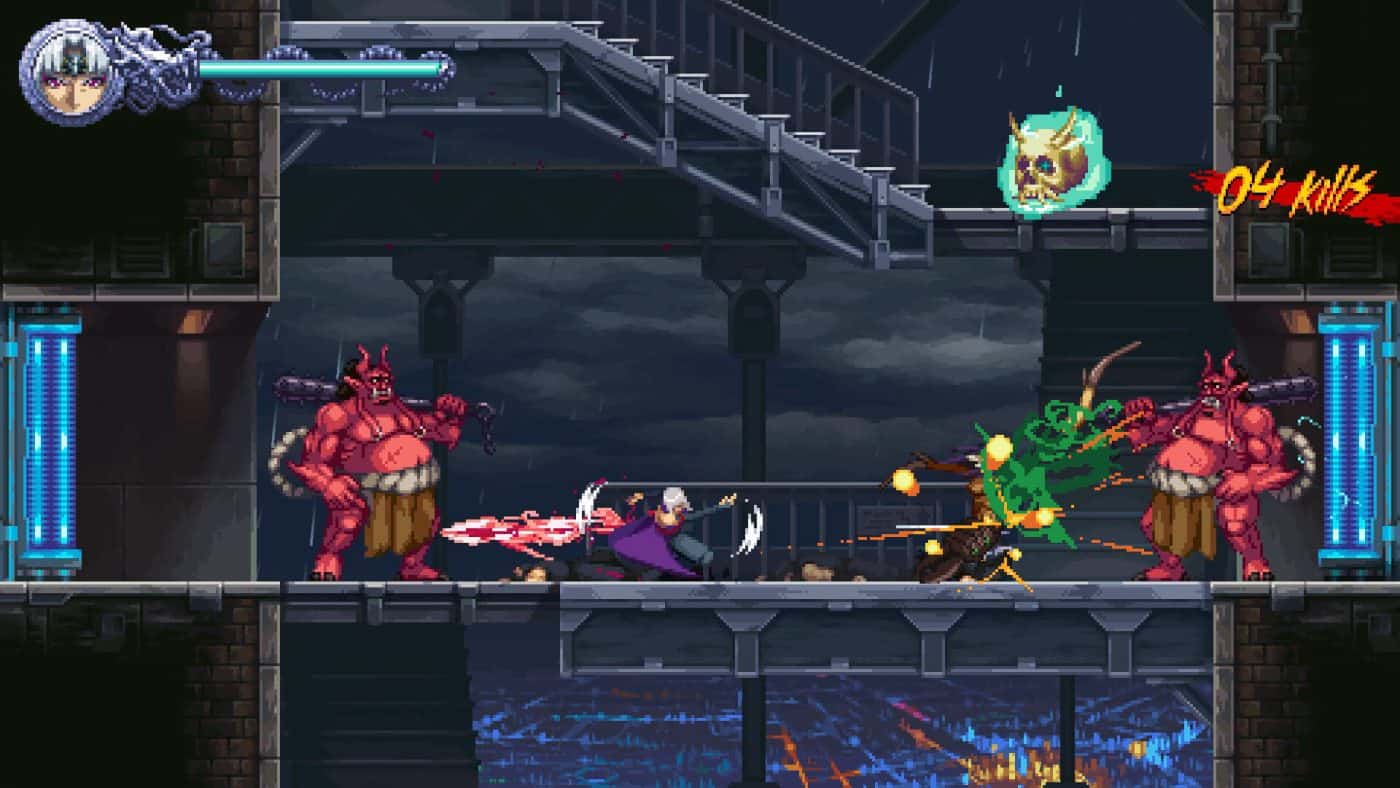
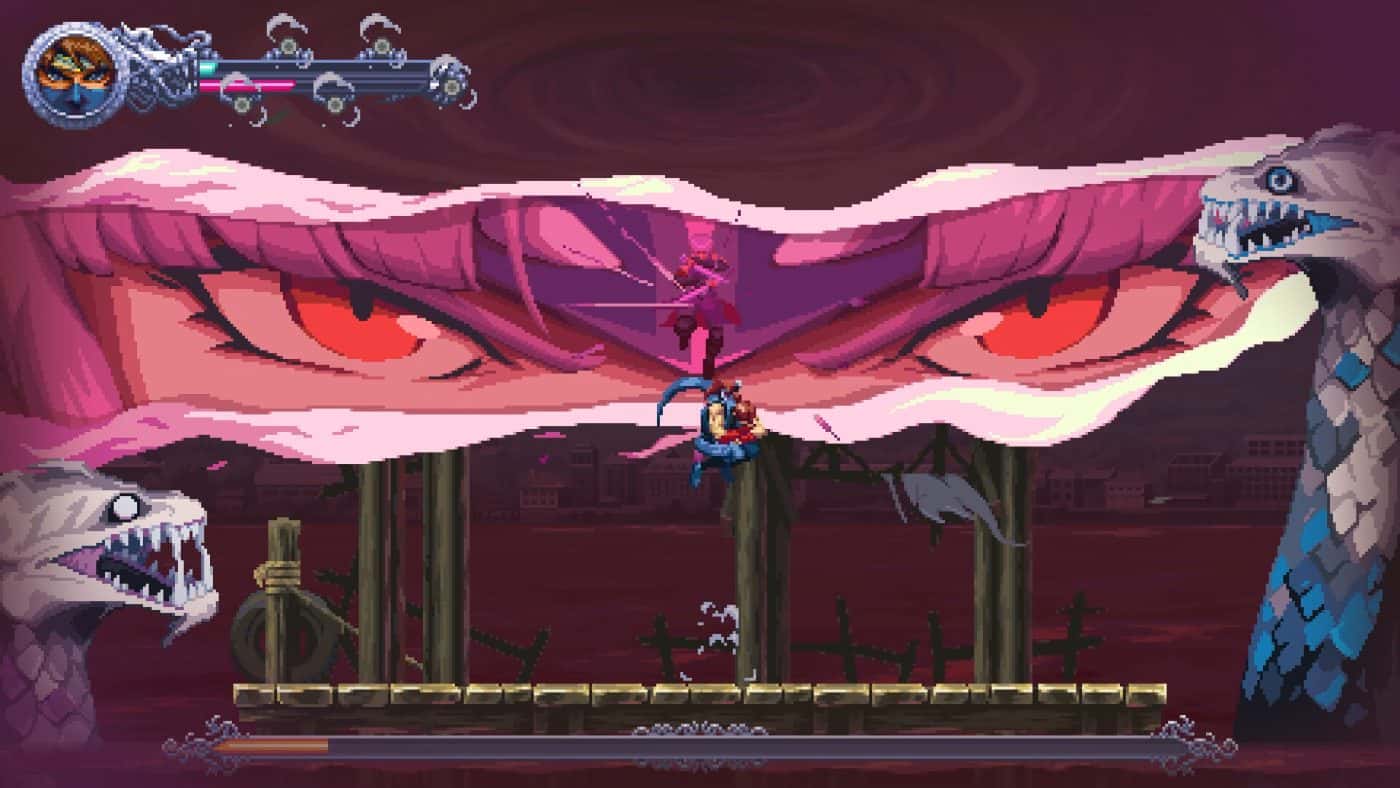
The Guillotine is an aerial technique that allows players to bounce off both enemies and projectiles. Beyond dealing minor damage, this move enables access to higher areas. Helps overcome obstacles, and even allows enemies to be like temporary platforms. It also plays a crucial role in the Demon Altar sections. Areas tackled as Kumori, where platforming, precision, and timing become essential. Some of these sections are optional, while others are mandatory for progression.
Most enemies can be defeated with a single strike, but certain creatures are considerably more resilient. This is where Hypercharge comes into play. By defeating specific enemies surrounded by a special aura, players can store energy and later unleash it against tougher opponents.
Finally, there is the Ragebound Art, a powerful special ability activated after filling the Rage Orb meter through successful attacks.
Upgrades
In NINJA GAIDEN: Ragebound, the upgrades offered by the blacksmith Muramasa are closely tied to endgame progression and collectible hunting.
Stages contain two types of collectibles: scarabs and skulls. Certain levels also feature scrolls that unlock special stages once collected.
The score awarded at the end of each level depends on several factors. They include completion speed, combo performance, and optional objectives. Each stage contains three optional challenges, which become increasingly difficult as the adventure progresses. High rankings also unlock new abilities and amulets in Muramasa’s shop.
Scarabs serve as the currency used with the blacksmith. Some amulets provide beneficial effects, while others impose significant drawbacks but increase the final stage rating by one point. Kenji can equip two amulets simultaneously, and the same applies to Kumori. Unlike the protagonist, however, Kumori can also choose between different secondary attacks and alternative Ragebound Arts.
Endgame and Longevity
Despite the 4 chapters composed of numerous stages, the hunt for collectibles, the variety of equipable abilities, and the game’s strong replay value make NINJA GAIDEN: Ragebound a surprisingly long-lasting experience.
The game features three endings: two obtained through a moral choice made after the final battle, and a third unlocked by completing the game on Hard difficulty.
Completionists can also devote themselves to finding every scroll required to access the optional stages. Achieving 100% completion is far from easy, largely due to Kumori’s Demon Altar sections, which represent some of the toughest challenges in the entire game.
A Note on Accessibility
NINJA GAIDEN: Ragebound includes an Assist Mode that allows players to adjust incoming damage, game speed, and the infamous knockback mechanic.
The latter, while often frustrating, is a fundamental component of this genre’s design philosophy. It is easy to understand players’ frustration, particularly during the second half of the adventure, where platforming sections demand near-perfect precision. Yet even when performing flawlessly, a poorly timed enemy attack can completely derail a sequence.
That said, everyone is free to use these accessibility options and experience the game however they prefer. At the same time, any critical evaluation of NINJA GAIDEN: Ragebound should also take into account the experience originally envisioned by its developers.
My Two Cents
NINJA GAIDEN: Ragebound succeeds in bringing the series back to its 2D roots without feeling like a mere exercise in nostalgia. The Game Kitchen demonstrates a deep understanding of the source material, reinterpreting it with respect while also injecting its own stylistic and gameplay identity.
The result is a fast-paced and demanding 2D action-platformer that embraces the franchise’s punishing nature while refining it through smart, modern mechanics. A few minor shortcomings do little to undermine an otherwise solid foundation. The game is capable of delivering moments of great satisfaction while balancing them with more punishing sections that remain faithful to the series’ original spirit.
What we have here is a convincing return, one that speaks both to longtime fans and newcomers alike. Despite its modern presentation, Ninja Gaiden still embraces the very mechanics that made the franchise both beloved and dreaded by generations of players.
To quote The Leopard: “If we want things to stay as they are, things will have to change.”
 8.5/10