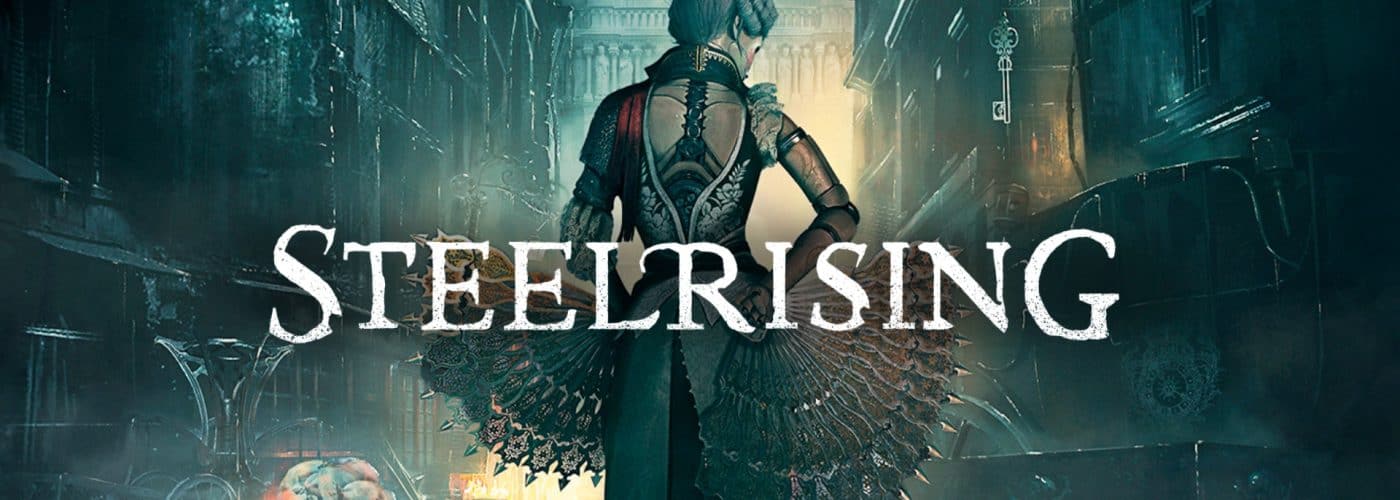
What if the French Revolution had been fought not only with muskets and swords, but with armies of machines? Steelrising answers that question through an ambitious action RPG set in a beautifully reimagined Paris.
The soulslike landscape now counts numerous productions that try to reinterpret the formula soulslike made famous by FromSoftware, often simply recycling its mechanics inside fantasy or dark-medieval settings. Steelrising, developed by the French studio Spiders, instead takes a much less conventional path, transplanting the genre’s structure into an alternate version of eighteenth-century Paris. The result is a work that blends history, science fiction, and steampunk flourishes, building a universe as captivating as it is original.

The narrative starts from a simple but effective idea: during the French Revolution, King Louis XVI manages to keep control of the country thanks to an army of automatons engineer Vaucanson designed. These machines, originally built to serve the crown, turn into tools of repression, and violence and fear come to dominate the capital’s streets. Aegis enters this setting, a human-shaped automaton who finds herself caught up in a mission destined to change France’s fate.
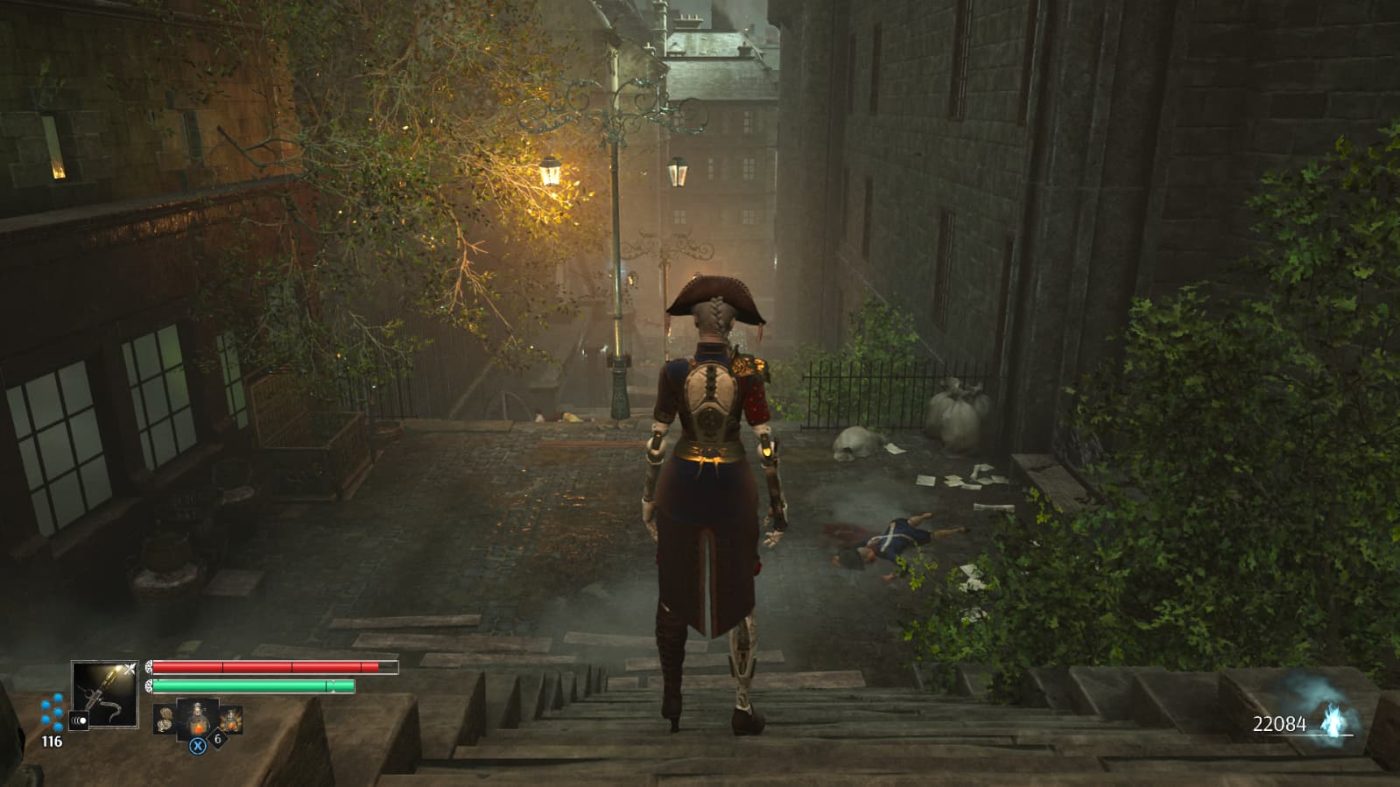
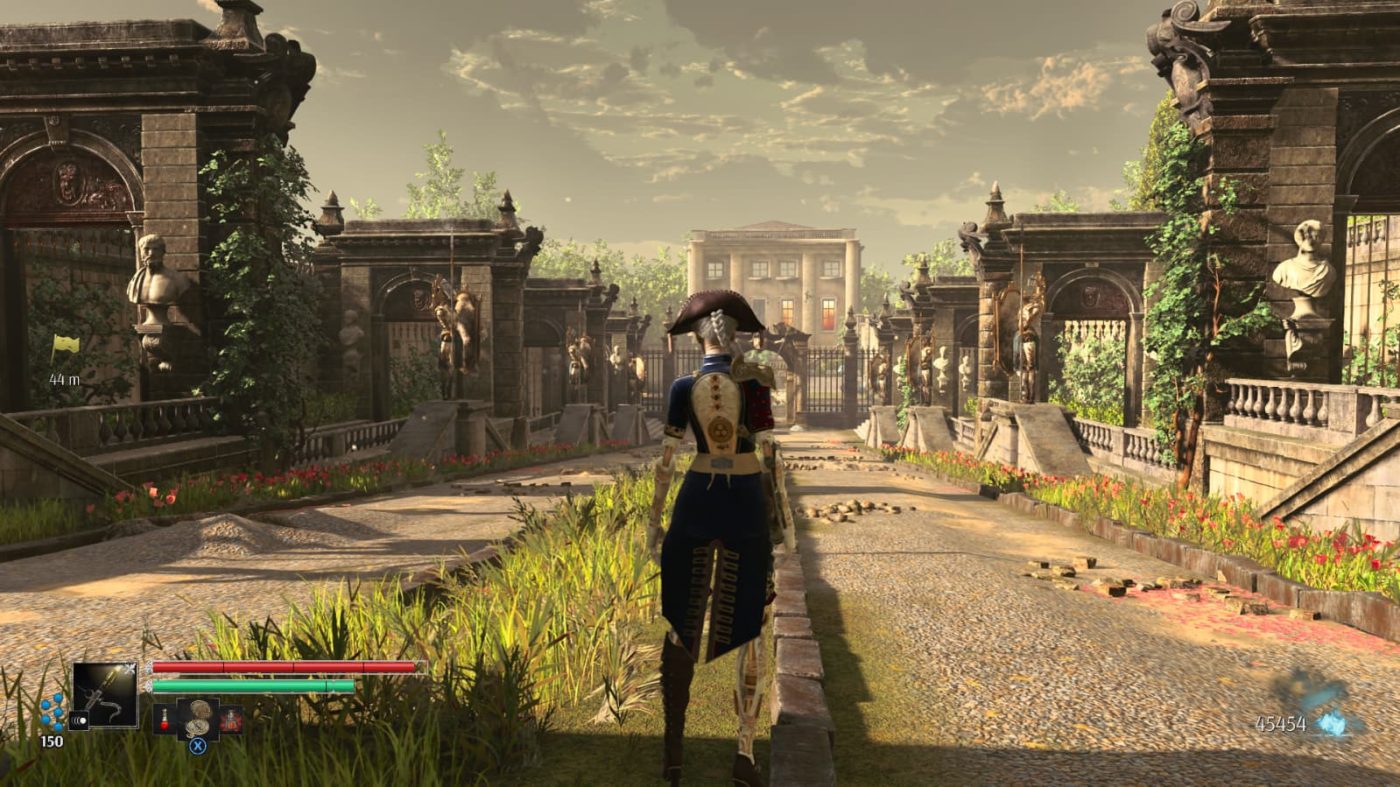
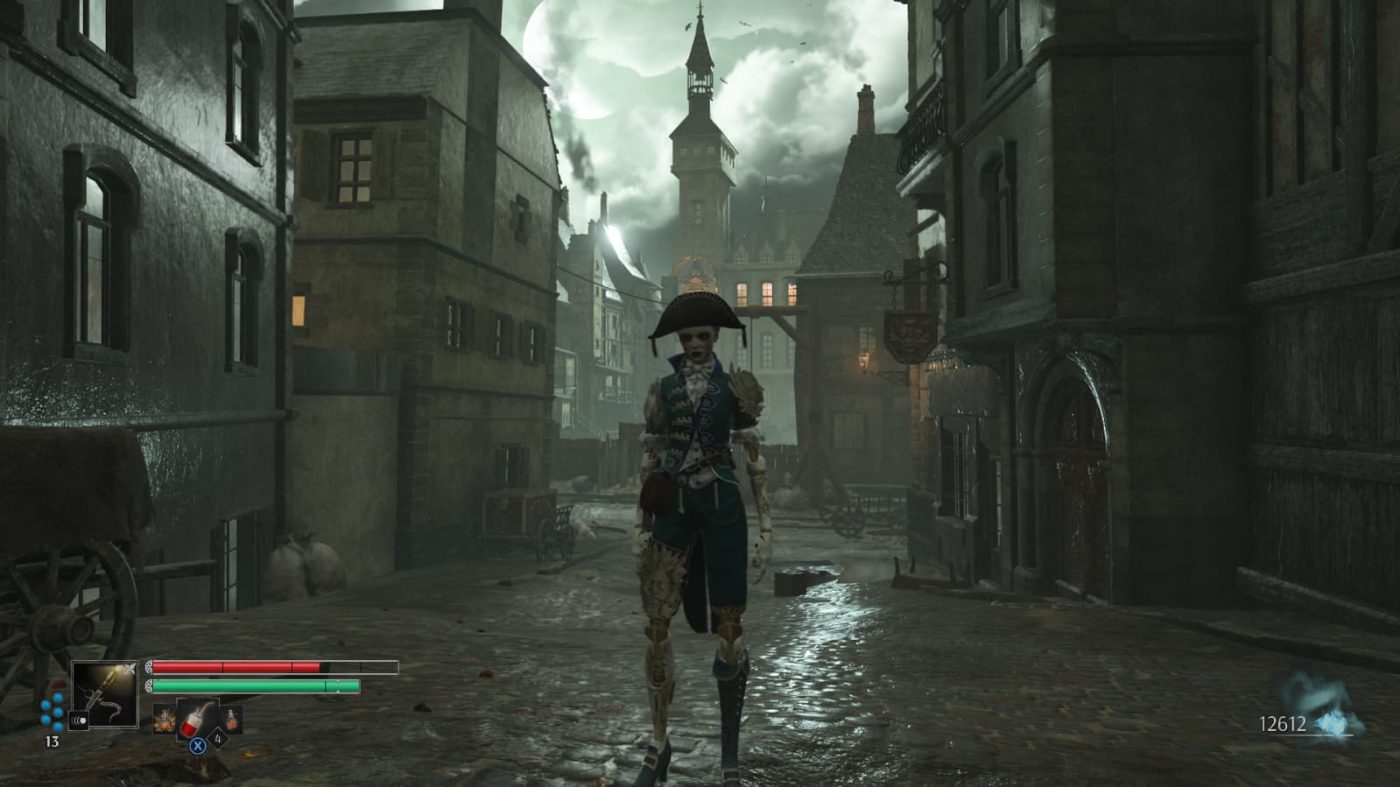
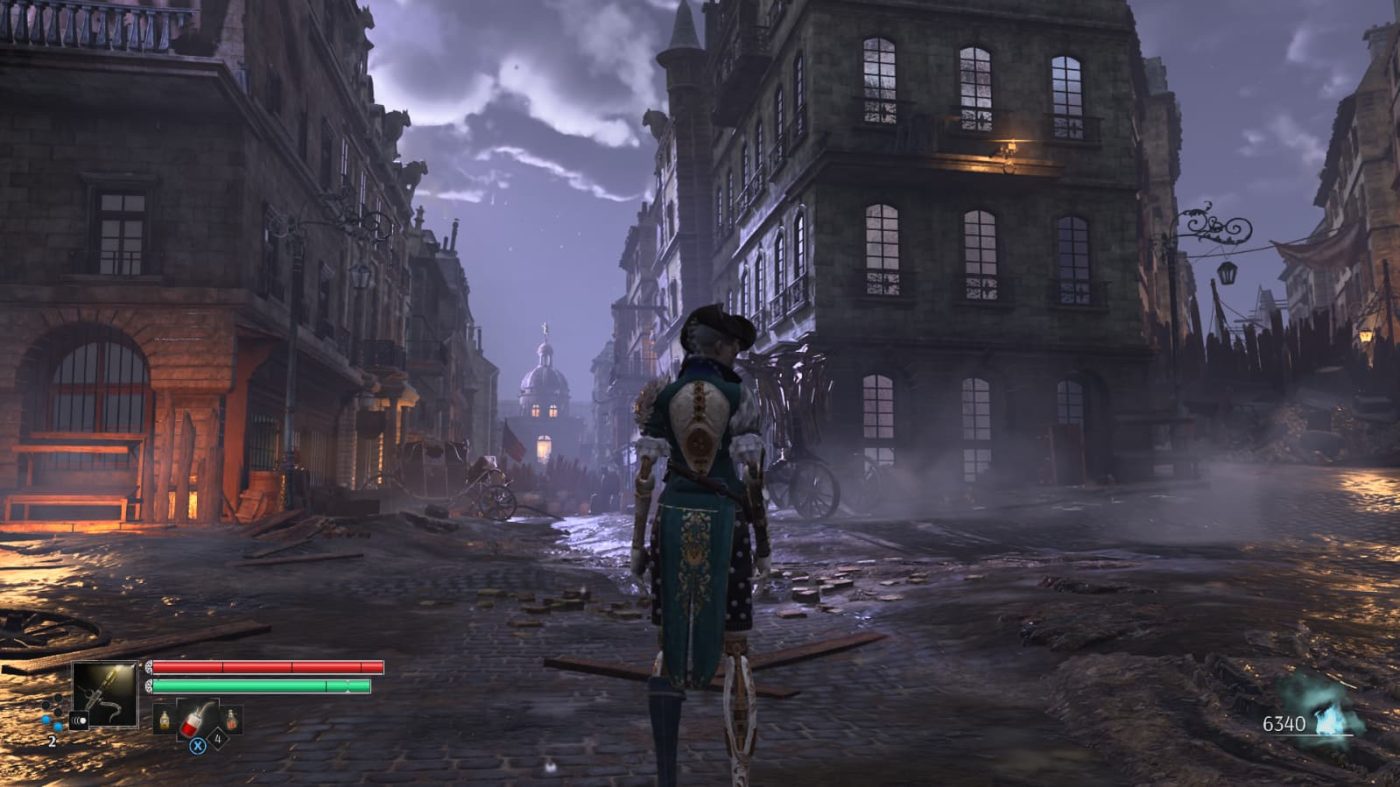
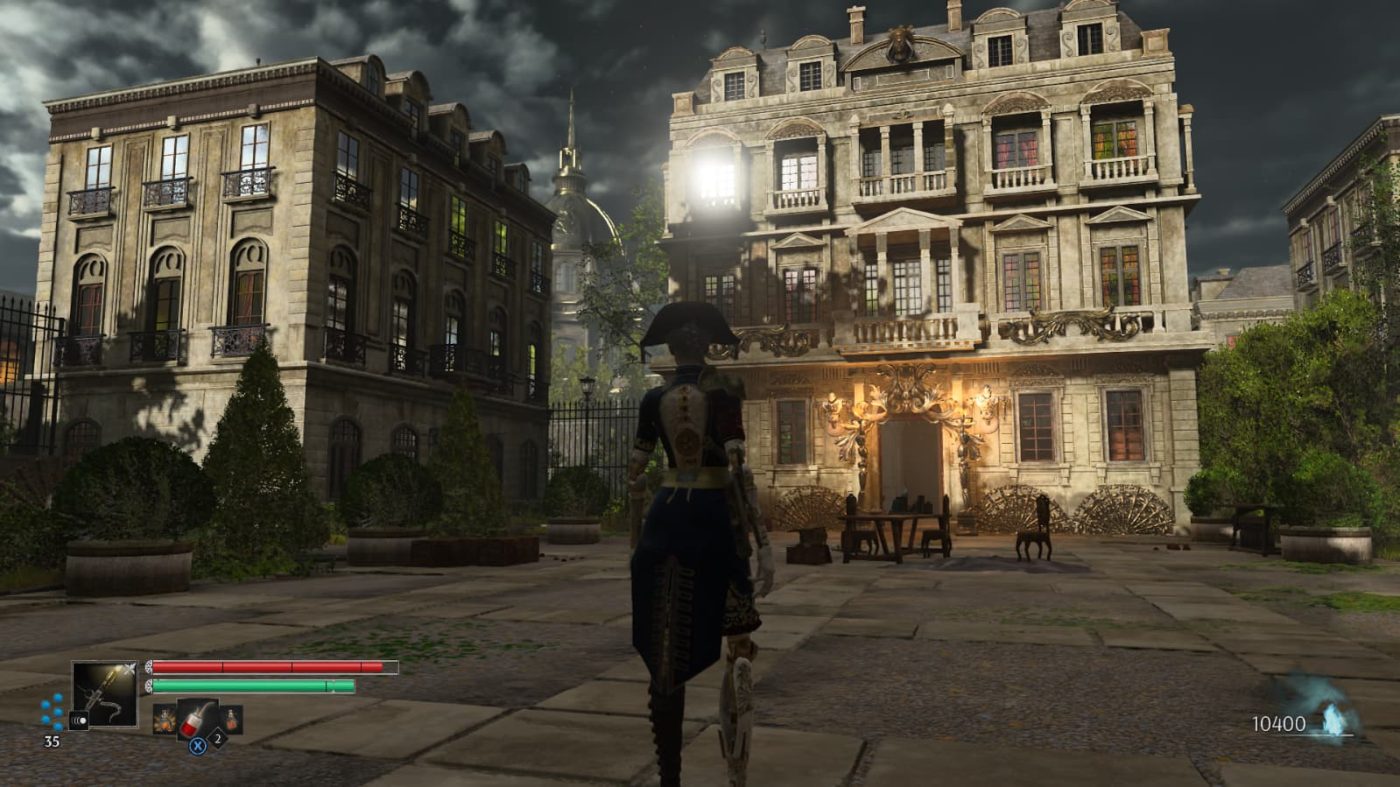
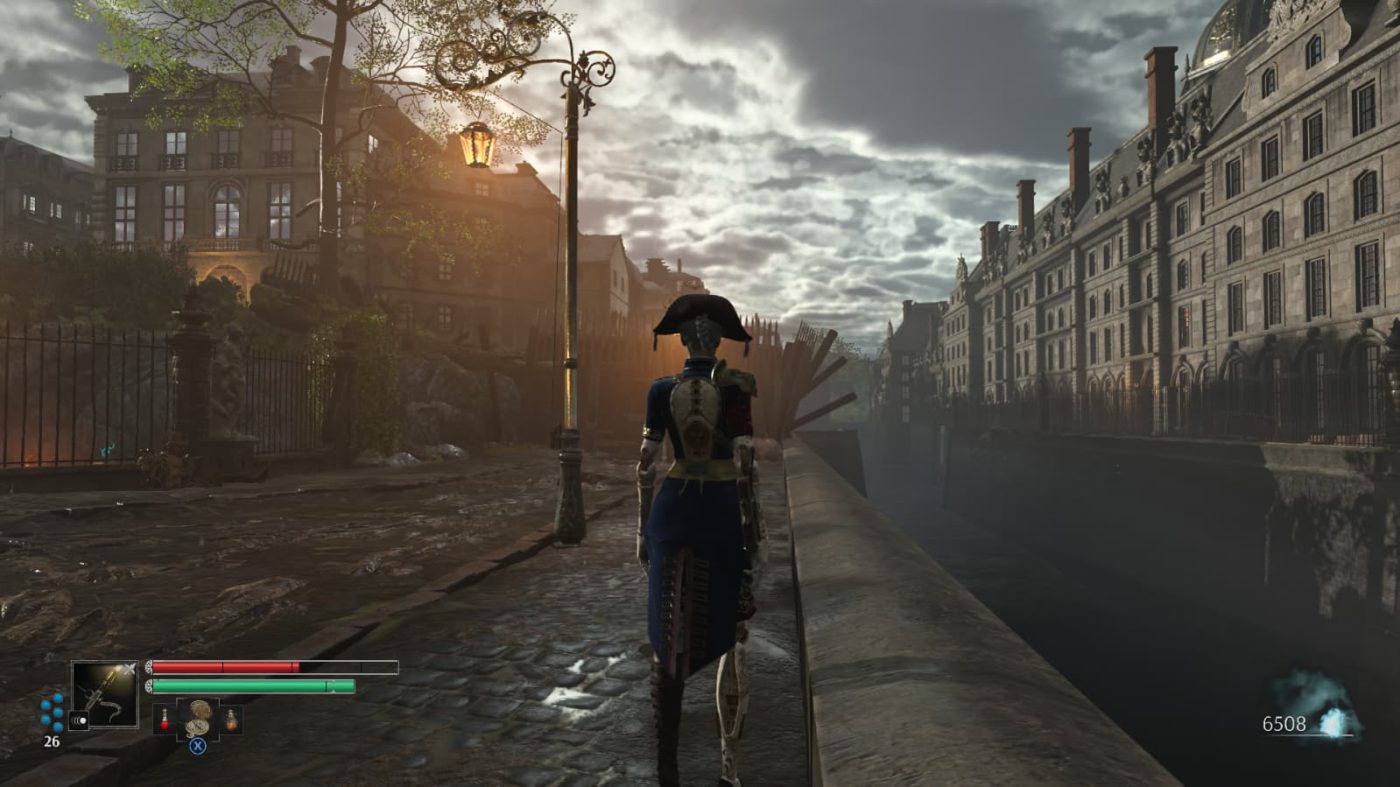
From the very first hours, the developers’ intent to offer something different from the classic fantasy soulslike becomes evident. Ruined castles, dragons, and knights give way to aristocratic palaces, royal gardens, working-class neighborhoods, and mechanical workshops, all reinterpreted through a steampunk vision that fuses historical elements with imagination. This choice gives the game a strong personality and immediately sets it apart from many other productions in the same genre.
Naturally, the action component remains the heart of the experience. Exploration unfolds through demanding fights, aggressive enemies, and bosses that demand attention, move study, and careful resource management. However, Steelrising introduces a few small variations on the traditional formula, such as greater mobility for the protagonist and a customization system that lets players adapt their combat style to their own preferences.
One of the most interesting aspects concerns the construction of the game world itself. The Paris Spiders imagined doesn’t just serve as an evocative backdrop; it becomes an integral part of the experience. Real historical monuments coexist with gigantic machines, automatons, and impossible inventions, creating an alternate reality that manages to feel credible even while taking considerable liberties with historical events.
From an artistic standpoint, the title relies heavily on atmosphere. The settings display a good level of detail and effectively convey the contrast between the elegance of the French aristocracy and the chaos the revolt unleashes. The use of mechanical elements, gears, and automatons also helps define a recognizable visual identity that accompanies the player throughout the entire adventure.
Steelrising never hides its inspirations; if anything, it embraces them openly. At the same time, though, it avoids becoming a mere imitation, striving to stand out through its setting, its narrative construction, and a handful of gameplay solutions that ease the genre’s typical rigidity. Not every one of these choices lands perfectly, but they still show the studio’s determination to offer an experience with its own identity.

Spiders Takes the Stage
Talking about Steelrising inevitably means talking about Spiders too, a French studio that has built a clear identity in the gaming landscape over the years. Without triple-A budgets behind it, the team has always tried to stand out through role-playing and action games marked by original settings, a strong narrative component, and a clear willingness to experiment. Titles like Mars: War Logs, The Technomancer, and GreedFall have shown the studio’s steady growth, both technically and in design terms. With Steelrising, Spiders decides to take on a particularly demanding genre: the soulslike.
It’s a bold choice, given how closely this genre is now tied to FromSoftware’s work and how hard it is to offer something original without simply inviting comparison to far more celebrated productions. The studio, however, avoids chasing those models directly and instead builds a project that leans mainly on its own creativity.
One aspect that clearly emerges during the adventure is the intent to offer an experience accessible to a wider audience. While keeping a typical soulslike structure, the developers introduce a few solutions designed to reduce frustration, such as an optional Assist Mode that lets players adjust several difficulty parameters. This choice has sparked mixed opinions among genre fans, but it shows the team’s determination to make the game more inclusive without completely altering its identity.
The choice of setting also testifies to the studio’s personality. Instead of relying on classic fantasy, Spiders builds an alternate Paris dominated by automatons, gears, and impossible technologies, fusing historical and science-fiction elements into an original universe. This art direction perfectly reflects the team’s philosophy, which has always favored creating strongly characterized worlds over simply following market trends.
On the publishing front, Nacon releases the project; the company has notably expanded its catalogue in recent years, investing in AA productions with a strong identity. The collaboration between Spiders and Nacon proves coherent, since both companies share the goal of making ambitious games while operating with fewer resources than the industry’s giants.
From a production standpoint, Steelrising probably represents one of the most demanding projects the French studio had tackled up to that point. Building a large explorable city, an articulated combat system, and such a refined art direction required a clear step up from earlier work. The result inevitably carries a few technical limits, but the team’s growth across numerous aspects is just as evident. What stands out most is the project’s ambition. Spiders doesn’t simply replicate a successful formula; it tries to adapt it to its own sensibility, introducing personal ideas on both the narrative and gameplay fronts. Some choices work better than others, but the desire to build a recognizable work comes through constantly throughout the experience.
France According to Spiders
Steelrising’s story starts from an evocative reinterpretation of French history. The developers imagine an alternate reality in which technology’s intervention completely upends the French Revolution. In this version of events, King Louis XVI manages to crush the popular uprising thanks to a powerful army of automatons the famous inventor Jacques de Vaucanson designed, turning Paris into a city oppressed by violence and by the monarchy’s absolute control.
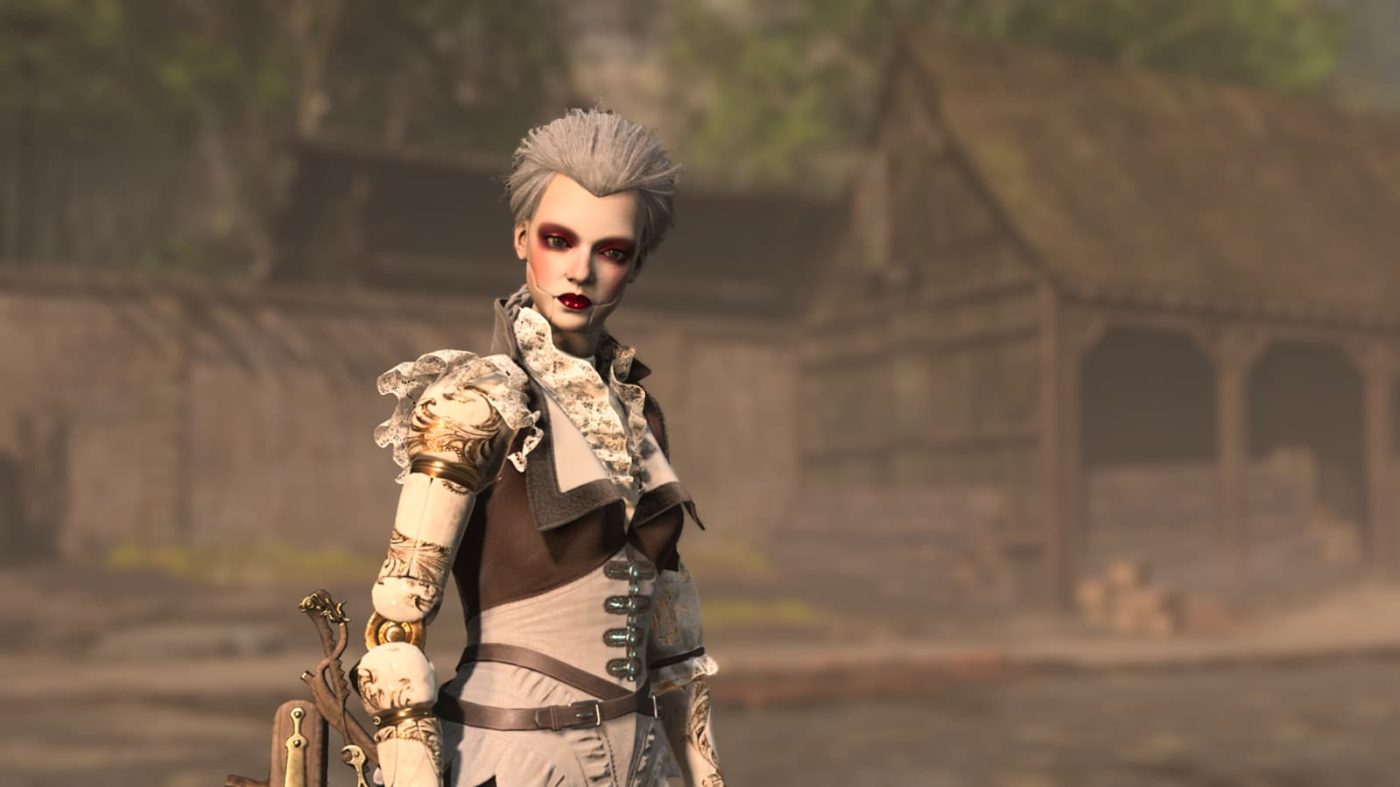
The adventure’s protagonist is Aegis, a new-generation automaton built to serve as Queen Marie Antoinette’s bodyguard. Unlike the other machines populating the kingdom, Aegis shows a surprising independence of thought, and the queen tasks her with reaching Paris to find out what is really happening and stop the madness that has by now overtaken the country. From this point, a long journey begins across a capital devastated by civil war, where deranged automatons patrol the streets and the population lives in terror.
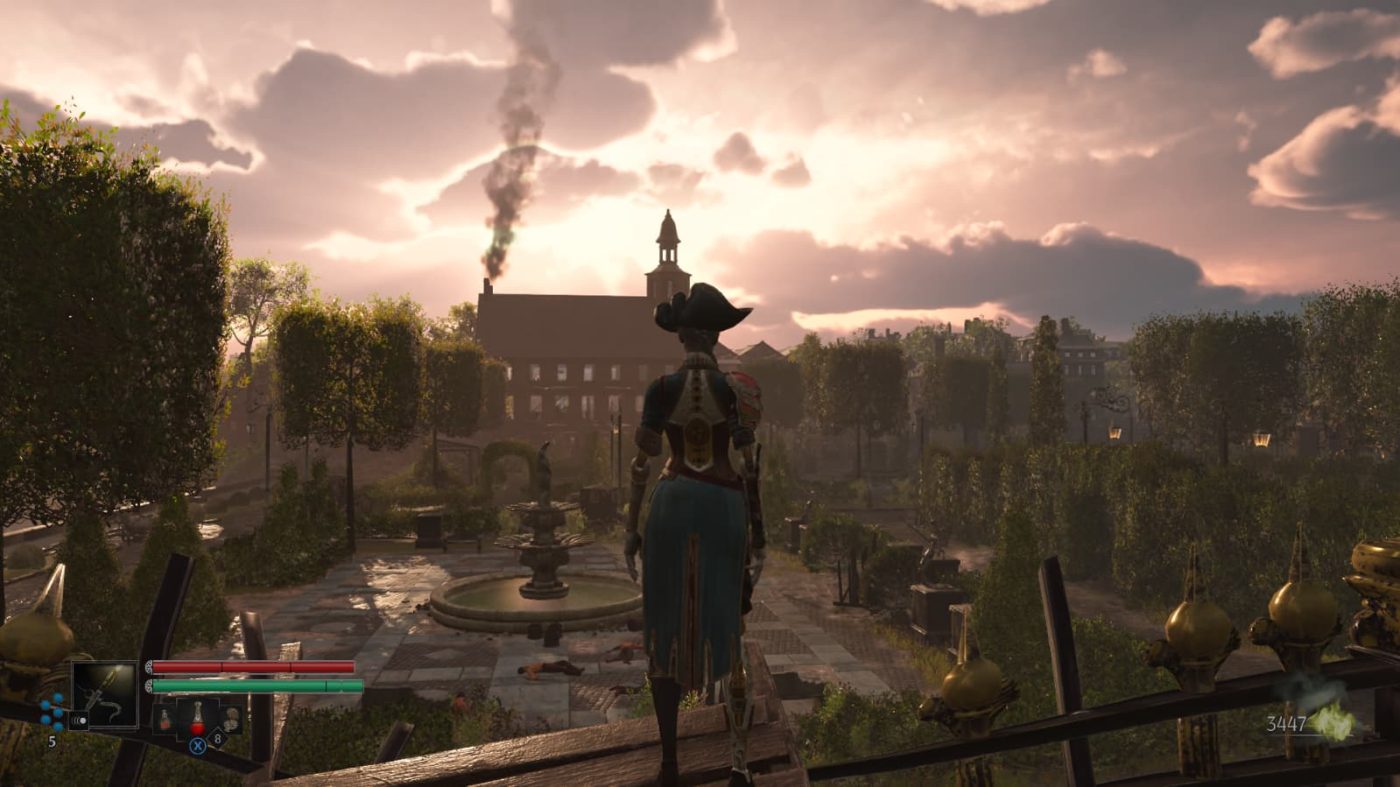
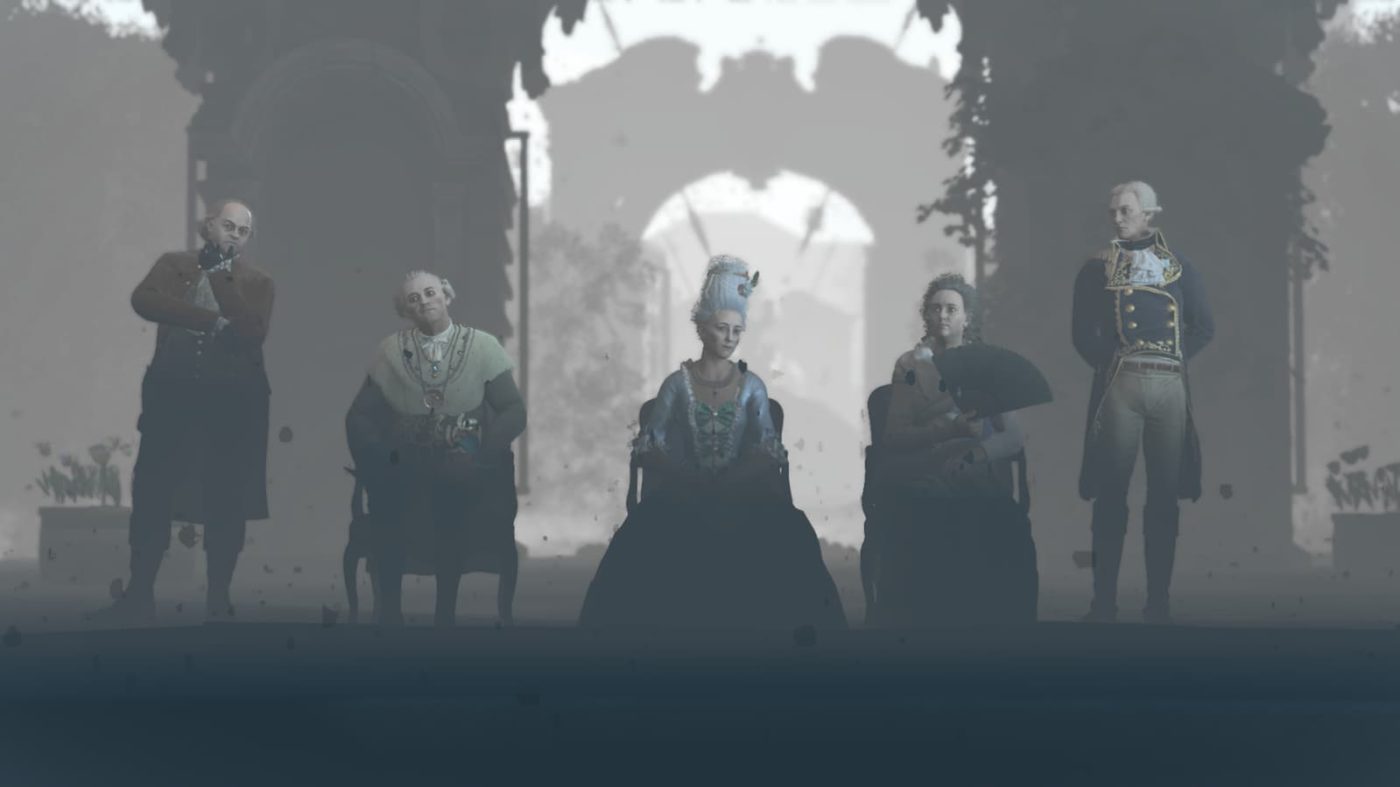
Throughout the adventure, Aegis crosses numerous city districts, exploring noble palaces, royal gardens, factories, hospitals, and working-class areas now reduced to rubble. Along the way, she meets several characters who really existed, reinterpreted through the game’s particular alternate vision. Historical figures such as Maximilien Robespierre, Gilbert du Motier de La Fayette, and other protagonists of the era take on important roles within the story, shaping how events unfold and offering different points of view on the conflict tearing France apart.
The narrative progression revolves around trying to understand the causes of the king’s downward spiral and stopping the mechanical army that keeps sowing death in the streets of Paris. To succeed, Aegis must face increasingly sophisticated automatons, explore secret laboratories, and gather information useful for piecing together what lies behind the kingdom’s transformation.
The narrative alternates between main missions and side quests that let players dig into collateral events and get to know the characters they meet along the way better. While following a fairly linear structure, the game leaves room for numerous conversations, documents, and environmental storytelling that progressively enrich the alternate historical context the developers built.
One of the plot’s most interesting aspects lies precisely in how it blends real historical facts with completely fanciful inventions. The French Revolution remains the starting point of the entire story, but the presence of technology, automatons, and Vaucanson’s machines reshapes it, giving rise to an alternate timeline that stays coherent and credible within the rules the game establishes.
Without spoiling the ending, it’s fair to say the story keeps a good pace throughout the adventure. Between plot twists, new allies, and battles against increasingly powerful foes, Aegis’s mission gradually leads to a conclusion that satisfyingly wraps up the main narrative threads. Despite taking considerable liberties with real history, Steelrising manages to build an original tale that fits well within its particular reinterpretation of revolutionary France.

Reinterpreted Reality
If the plot of Steelrising drives the adventure, its narrative component gives it a well-defined personality. Spiders builds a story that draws on a real historical period to develop a completely alternate tale, avoiding a simple reconstruction of the French Revolution. The narrative finds its strength precisely in this balance between reality and fiction, creating a credible universe despite the presence of automatons, war machines, and impossible technologies.
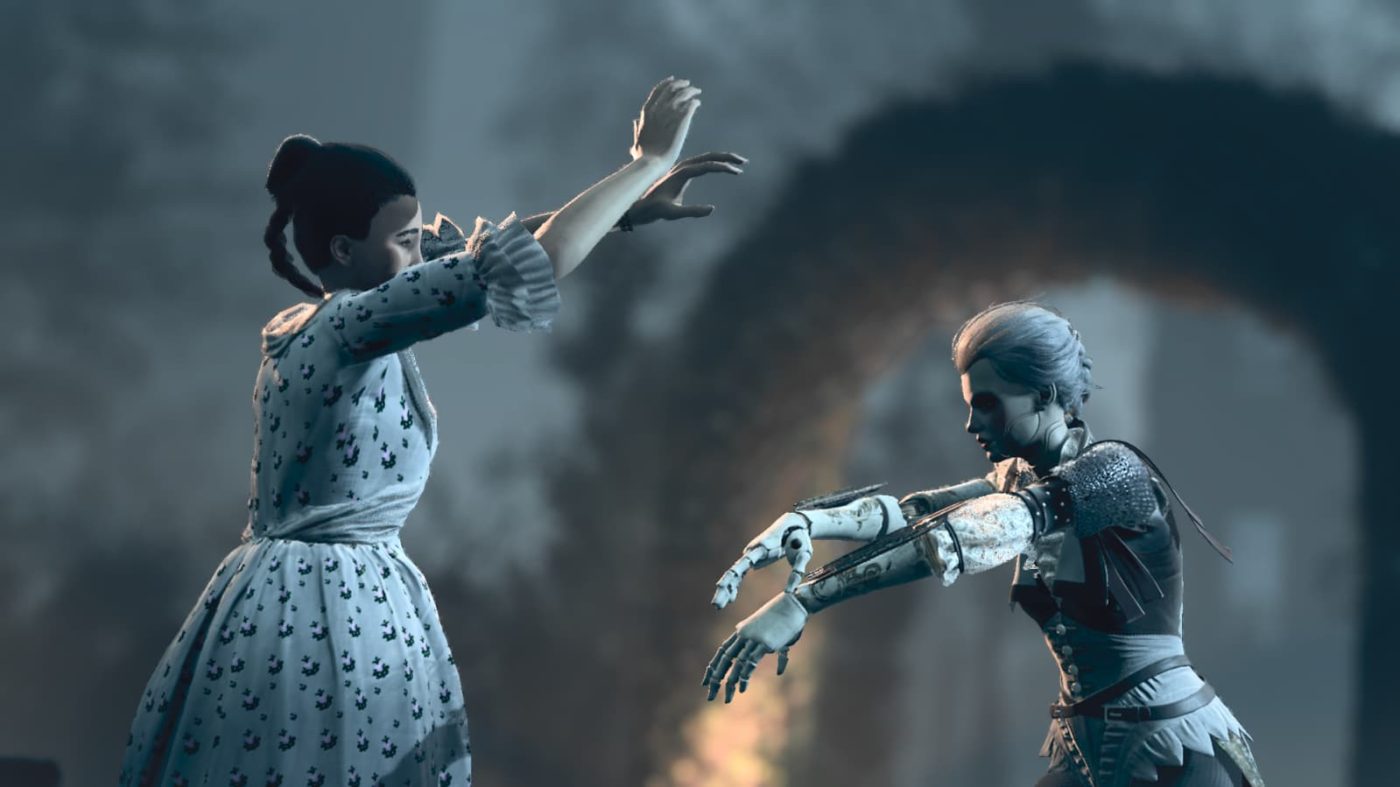
The protagonist, Aegis, stands as one of the work’s most interesting elements. Although she is an automaton, the character shows a sensitivity and a capacity for judgment that set her apart from the other machines right from the start. Her journey involves not only facing increasingly dangerous enemies but also understanding the world around her and the people she meets. This characterization helps make her a convincing figure, one who can accompany the player throughout the entire adventure without ever coming across as excessively distant or impersonal.
The supporting characters also play an important role in building the story. Including real historical figures adds greater charm to the whole narrative, especially since the developers don’t just namedrop them but reinterpret them within this alternate reality. With a few inevitable creative liberties, the result generally holds together and helps enrich the historical context the game imagines.
In terms of writing, Steelrising maintains a good balance between dialogue, documents, and narrative sequences. The conversations come across as clear and functional to the story’s development, without overindulging in lengthy explanations. Alongside them, letters, notes, and other elements scattered across the scenarios let players dig deeper into the game world and better understand the events that pushed France to the brink of collapse.
Among the main themes, power naturally emerges. The game reflects on the consequences of an authority that technology renders practically uncontrollable. The army of automatons symbolizes absolute domination, one capable of wiping out any form of opposition and of turning a tool originally meant to serve humanity into an instrument of oppression.
Another central theme is the relationship between man and machine. Without venturing into particularly philosophical territory, the game often draws attention to the boundary between human and automaton, especially through Aegis. Her decisions, the way she relates to other characters, and her growing autonomy feed an interesting reflection on identity and free will.
The theme of revolution and social change also runs through the story. Although the steampunk lens reshapes events, the conflict between monarchy and people always stays in the background, adding depth to the narrative context. The game doesn’t claim to teach a history lesson; it uses this period as a foundation for building an original, thought-provoking story.
The narrative does have a few limits, though. Some supporting characters would have deserved deeper development, and at certain points the pacing slows down because of less incisive dialogue. A few narrative turns also feel fairly predictable, especially for anyone used to this kind of story. Still, these flaws don’t undermine the screenplay’s overall quality, because the narrative ranks among Steelrising‘s best-achieved aspects. Without reaching the excellence of the genre’s best narrative productions, the game tells an engaging story, supported by an original setting and themes it develops with consistency.
Creativity and Excellent Art Direction
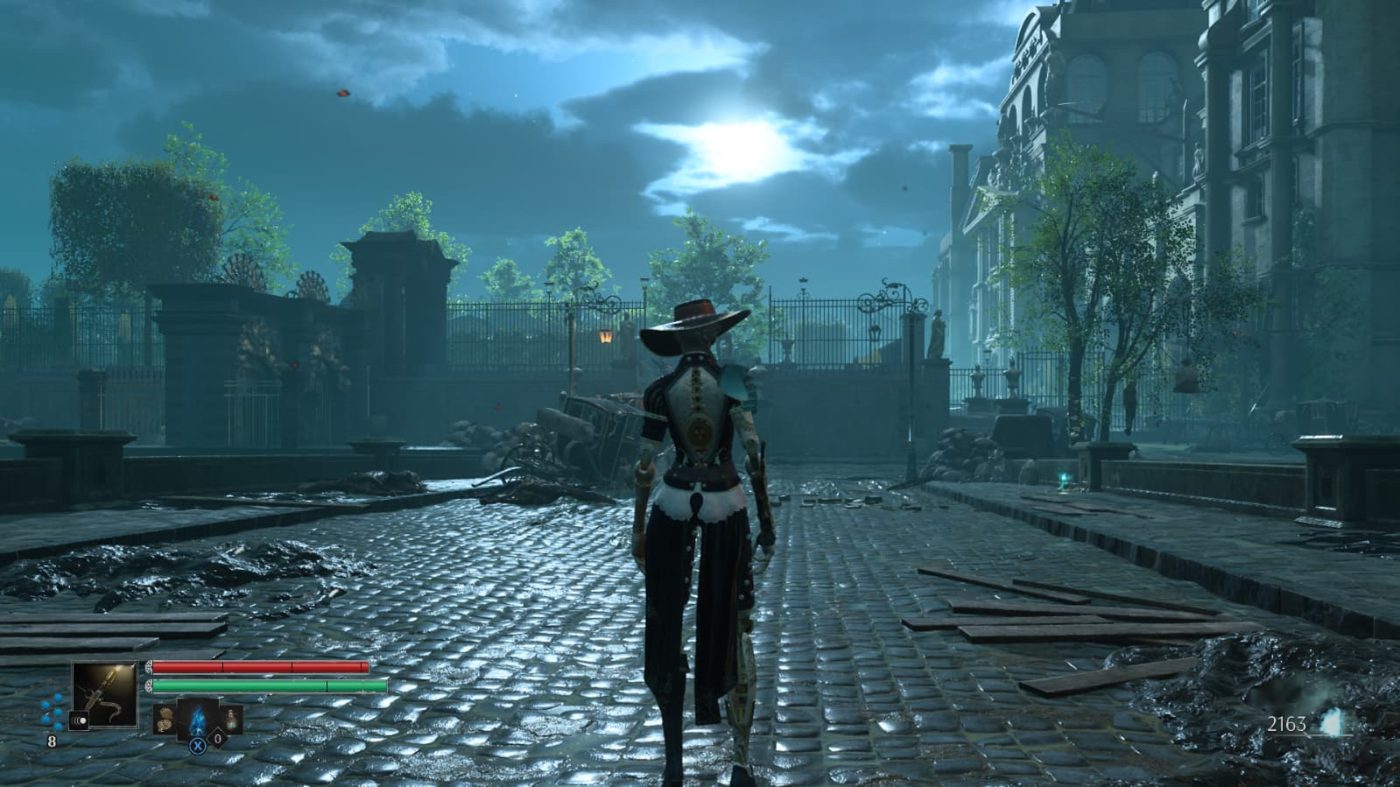
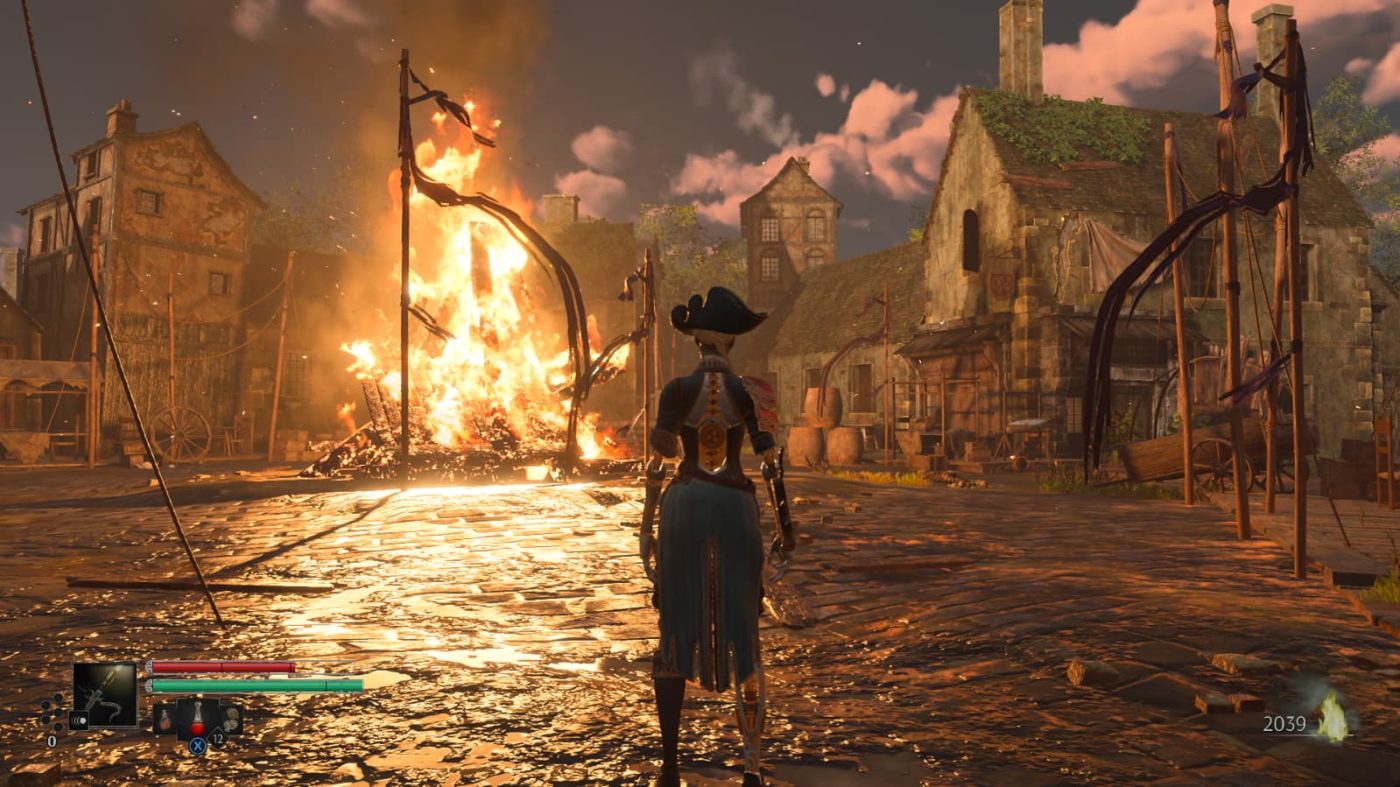
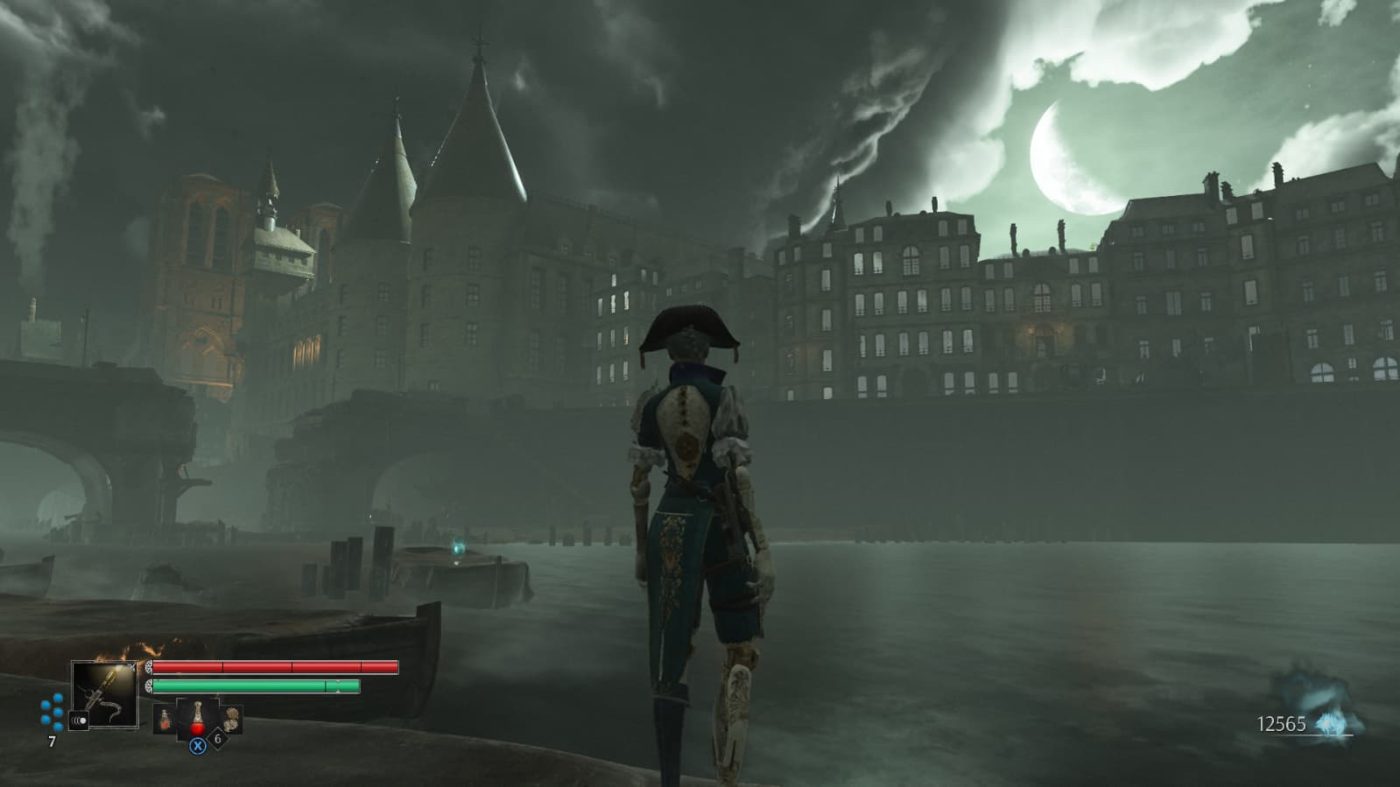
From a technical standpoint, Steelrising presents itself as an AA production that, while unable to compete with industry giants in terms of budget, still manages to offer a remarkable visual package, one marked above all by a strong artistic identity. Creative direction, more than raw graphical quality, represents one of the work’s most valuable elements, allowing the title to stand out within the soulslike landscape.
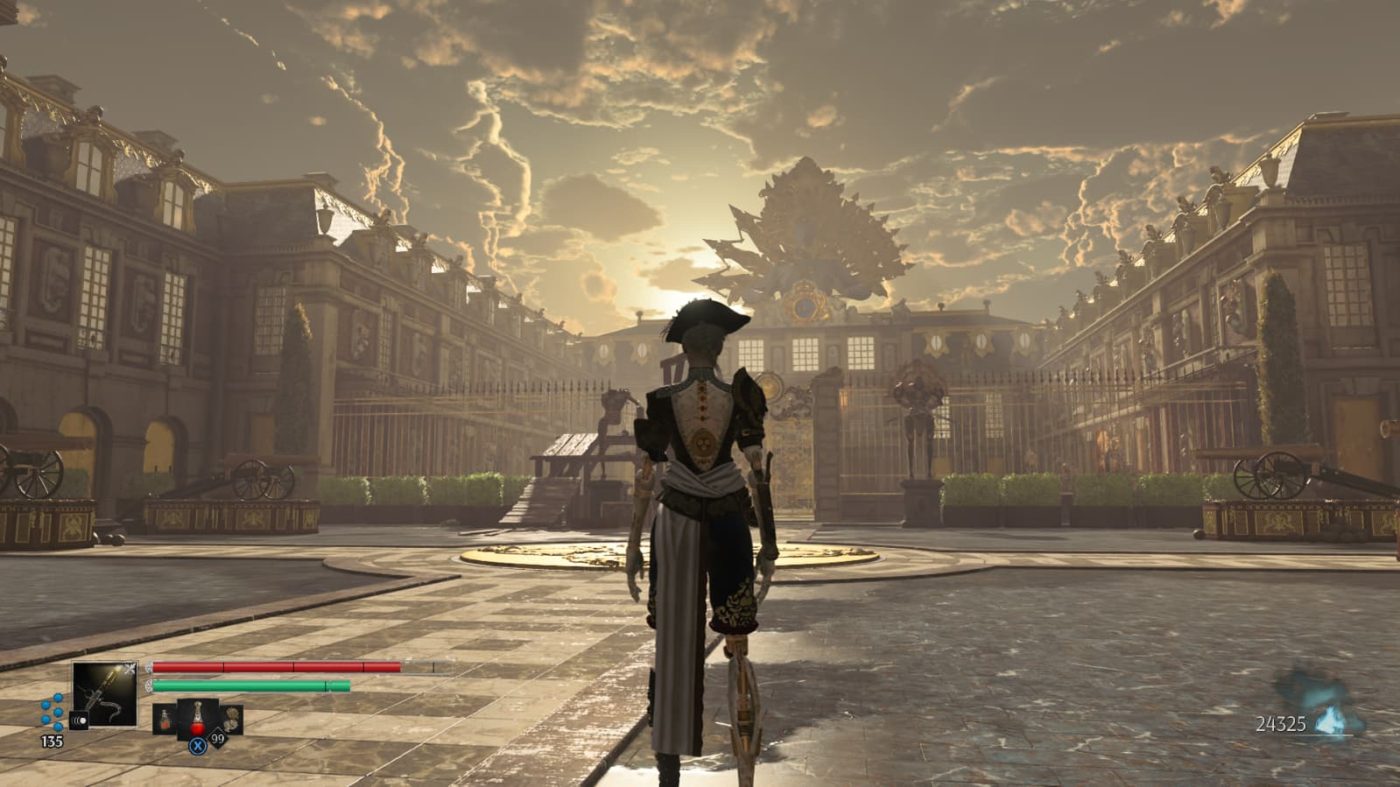
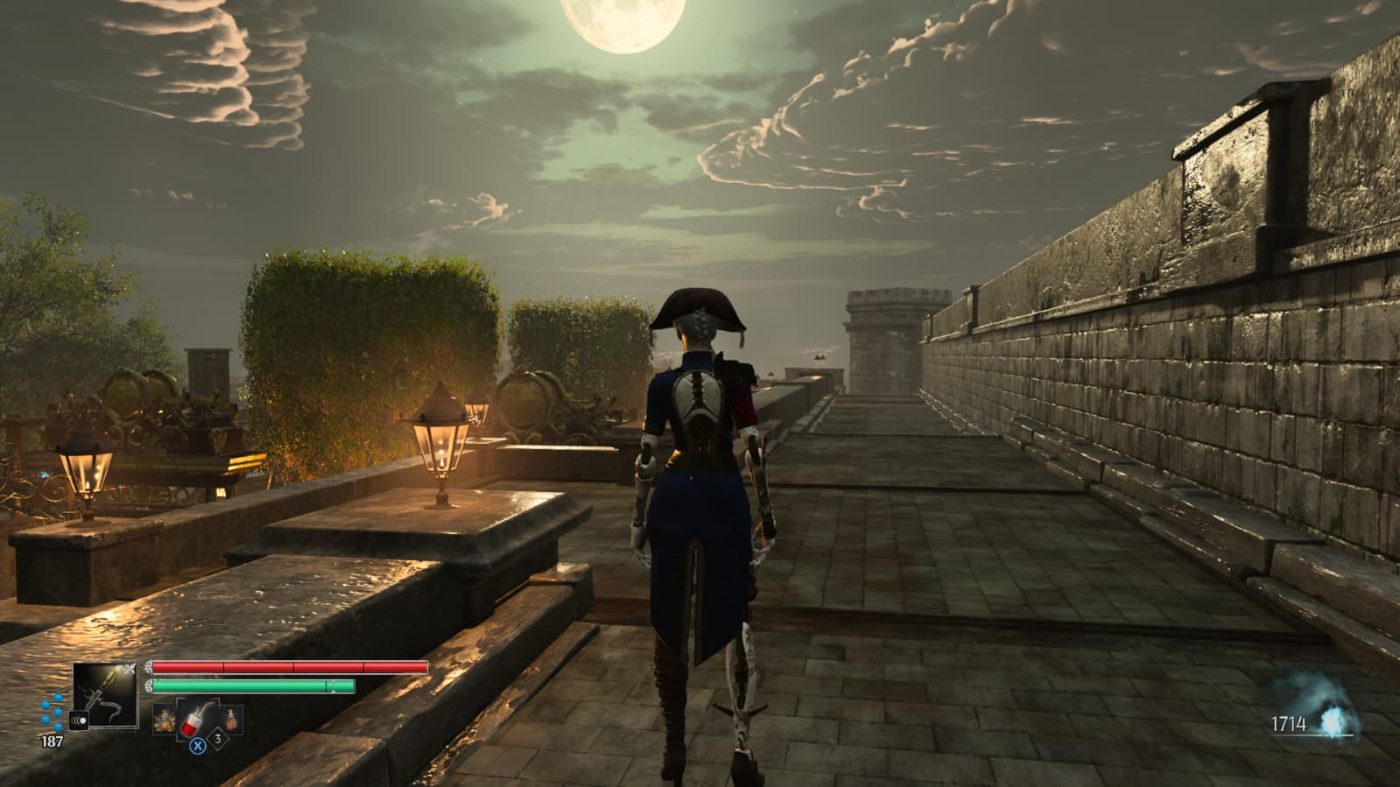
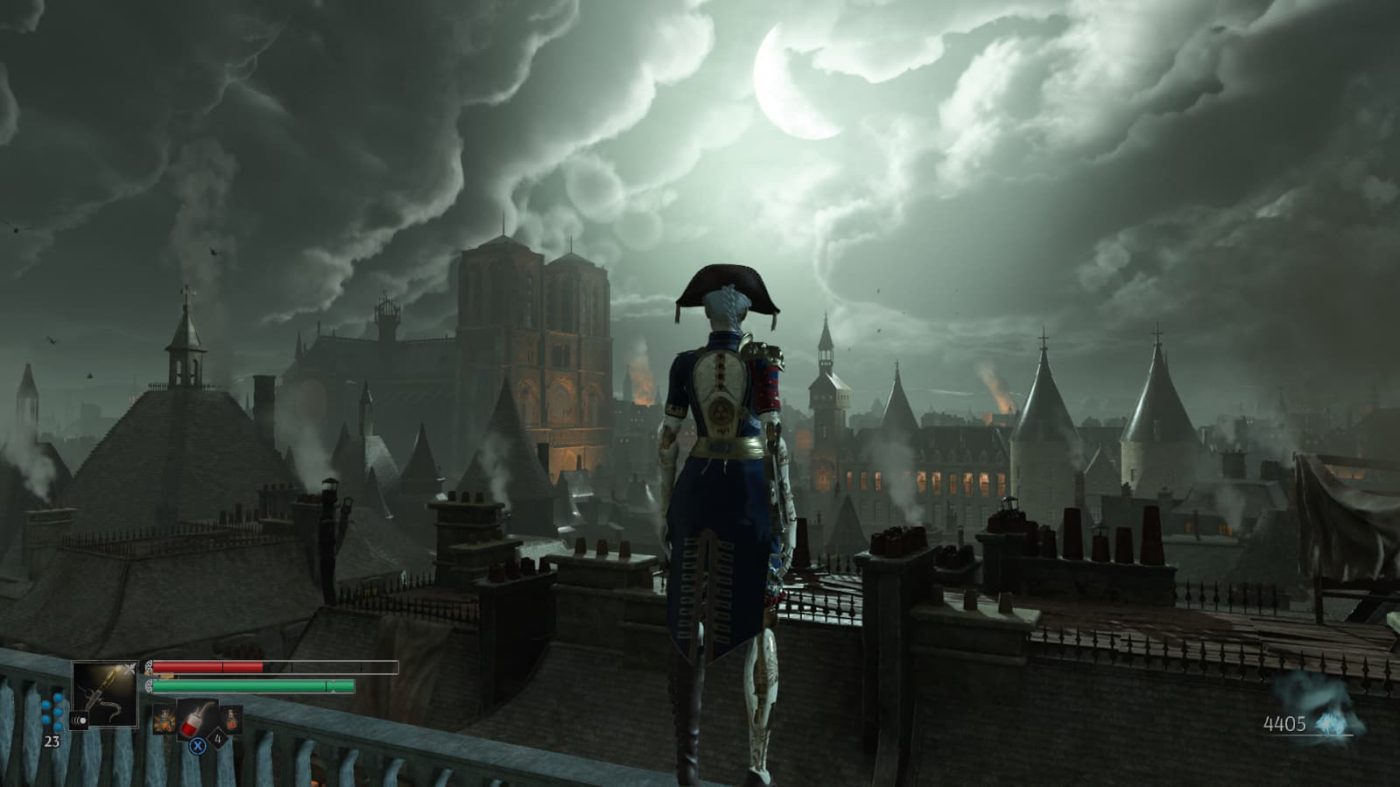
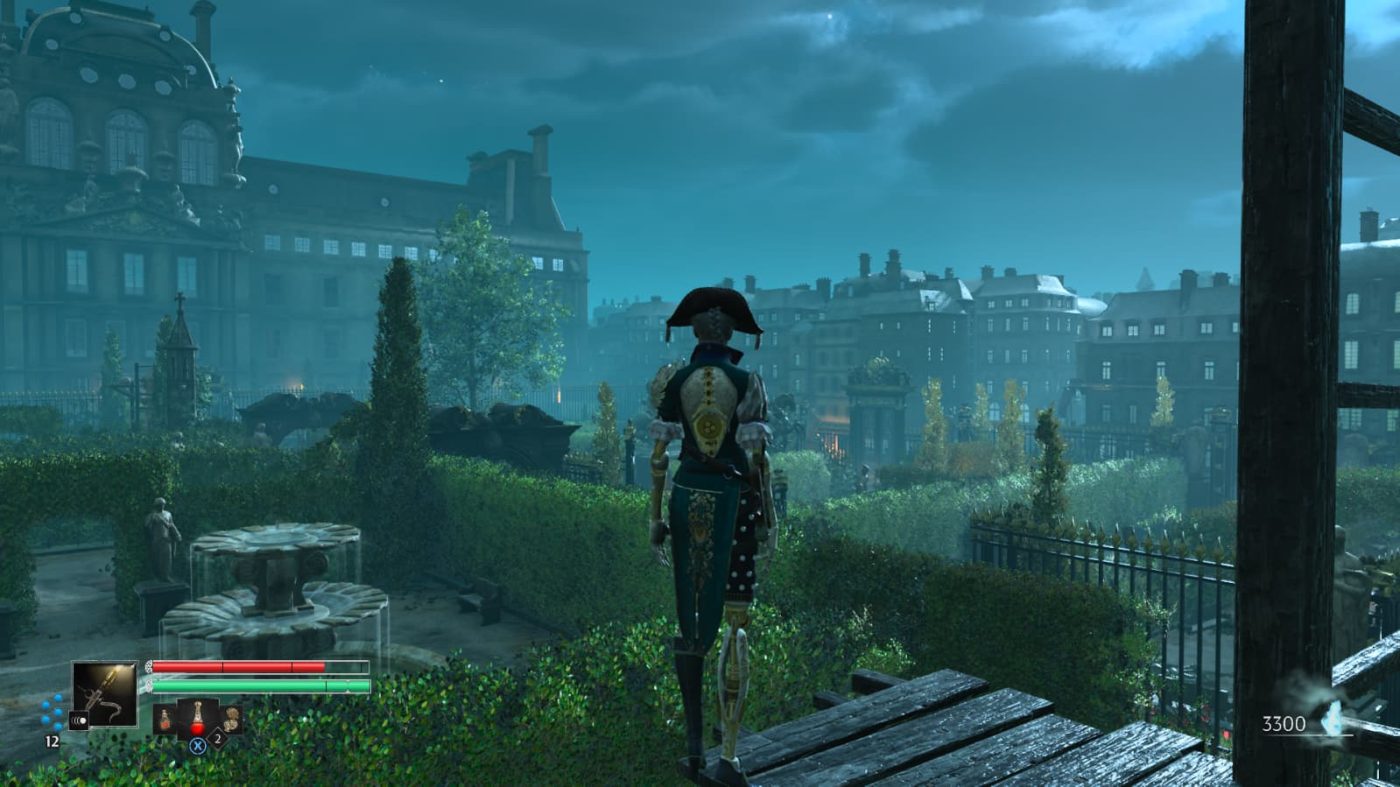
Recreating late-eighteenth-century Paris undoubtedly forms the heart of the entire production. The developers reinterpret the French capital through a steampunk lens, mixing real historical monuments with gigantic gears, automatons, mechanical workshops, and technologies out of time. The result is a city that retains the charm of its historical era while also taking on a completely new identity, one that keeps the player curious throughout exploration.
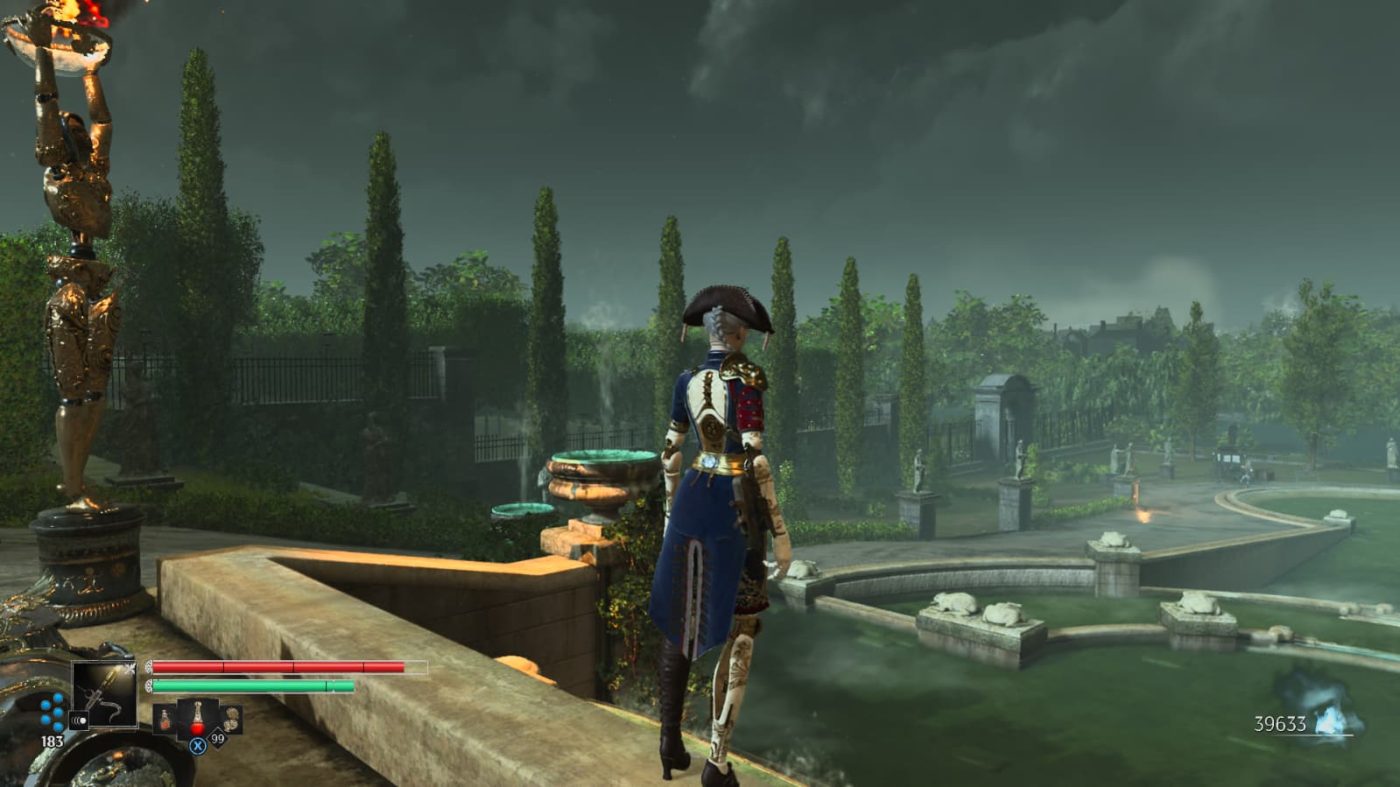
The settings are generally varied and well realized. Aristocratic districts, royal gardens, factories, city alleys, and historic palaces each show distinct visual traits, keeping the journey from becoming monotonous. Every area carries its own personality and manages to tell something about the game world even through small environmental details, such as destroyed buildings, abandoned automatons, or machinery still running.
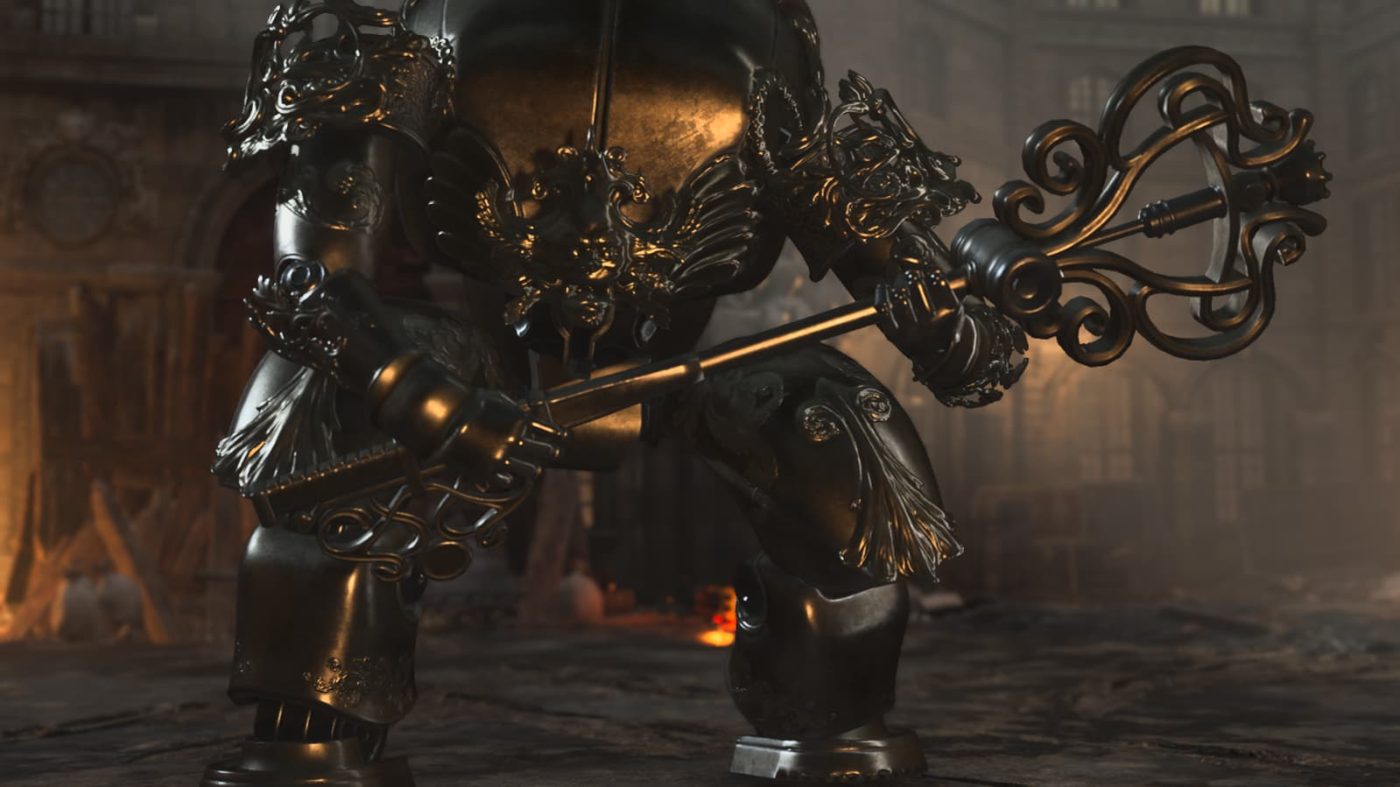
Art direction probably represents the graphics department’s high point. The steampunk aesthetic strikes a good balance, never coming across as excessive or cartoonish. The automatons, in particular, show a design inspired by clocks and the era’s sophisticated mechanisms, setting them clearly apart from the classic fantasy enemies found in most soulslikes. The bosses benefit from this approach too, often featuring original, immediately recognizable designs.
From a purely technical standpoint, though, a few limits emerge. Textures aren’t always consistent, and some scenario elements look less polished than others. The animations, while generally convincing during combat, sometimes show a certain stiffness in interactions and narrative sequences. These aspects constantly remind players of the production’s AA nature.
Lighting does a good job of enhancing the environments, especially during night sections or interiors. Light, shadow, and reflections help create an evocative atmosphere, even without relying on particularly advanced technology. The particle effects during fights also look pleasant and make some abilities and special attacks more spectacular.
On the performance front, Steelrising holds up fairly well in most situations, though occasional frame-rate dips do occur in more detail-heavy areas or during the busiest fights. A handful of small visual bugs and a few collision quirks join them — flaws that don’t seriously undermine the experience but that reveal polish that isn’t always impeccable.
Even so, the technical and artistic package still manages to effectively support the whole adventure, because the art direction compensates for much of these shortcomings through an original aesthetic and an extremely fascinating reinterpretation of revolutionary Paris. This strong visual personality is precisely what makes Steelrising instantly recognizable and stands as one of its main strengths.
Sound Design That More Than Delivers
The audio design plays a fundamental role in defining the experience’s identity. The developers built a soundscape consistent with the steampunk setting and the narrative’s tone, trying to enhance both exploration and combat. The result is a solid package, one that supports the game’s atmosphere even if it isn’t always memorable.
The soundtrack accompanies the player with orchestral compositions that recall eighteenth-century France’s historical context, while also integrating darker, more modern sounds to suit the narrative universe’s alternate nature. The music never feels intrusive and kicks in mainly during boss fights, the most important narrative sequences, and moments of greater tension. Although few tracks truly stick in memory once the adventure ends, the game always deploys them appropriately and keeps immersion high.
The work the team put into the automatons’ sound design proves very convincing, though. Each enemy comes with the characteristic noise of gears, pistons, and moving mechanical parts, details that often let players sense their presence even before spotting them visually. This attention to detail strengthens the game universe’s credibility and makes every fight more engaging.
The weapon sound effects also come across well realized. Swords, halberds, metal fans, hammers, and other gear produce different sounds depending on material and attack type, giving a good sense of impact during fights. Elemental abilities, such as ice- or fire-based ones, also get distinctive sound effects that make the different techniques immediately recognizable.
Ambient audio effectively contributes to building the atmosphere. Walking through the streets of Paris, players can pick up on machine noise, creaking automatons, wind between buildings, and numerous other details that make the scenarios feel more alive. Without reaching particularly high levels of complexity, these elements help the player sink into the developers’ particular reinterpretation of the French capital.
The voice acting stays at a good quality level. The main characters’ performances come across as convincing and adequately support the narrative sequences. The dialogue, too, generally sounds well delivered, adding personality to the protagonists and to the many historical figures players meet during the adventure.
From a technical standpoint, the audio mix stays well balanced. Music, dialogue, and sound effects coexist without drowning each other out, letting players clearly distinguish every element even during the most frantic combat phases. This matters in a title where reading enemy animations and sound cues can make the difference during the toughest fights.
The audio package, in short, wins players over more through its consistency than its ability to surprise. Without offering a soundtrack destined to rank among the genre’s most memorable, the work put into sound effects, voice acting, and acoustic setting effectively accompanies the whole experience. It’s a package that solidly supports the gameplay and helps showcase the original steampunk imagery Spiders built, fully living up to the rest of the production.

Essential and Recognizable
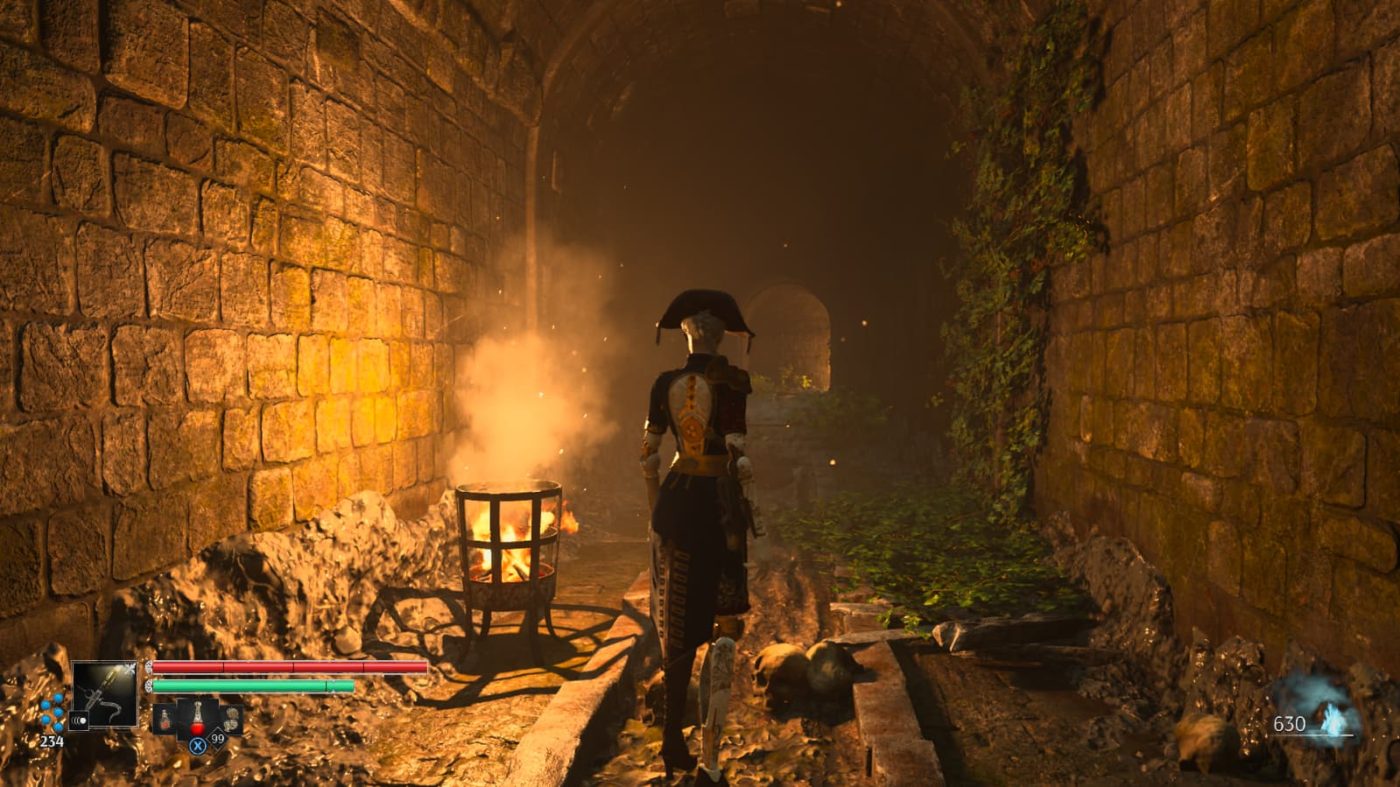
One of the aspects that sets Steelrising apart most from other soulslikes is the relationship between world building and gameplay. Spiders places the genre’s foundations within an extremely recognizable alternate historical context, building a world that isn’t just a backdrop for combat but an essential component of the experience. Paris during the French Revolution, reinterpreted through a steampunk lens, gives personality to every phase of the adventure.
Exploration follows the genre’s classic interconnected structure. Areas develop through main paths, shortcuts, hidden passages, and side zones that reward the player’s curiosity with gear, materials, and optional missions. The map manages to offer a good variety of routes and encourages careful observation of the environment.
Gameplay naturally revolves around combat. Aegis wields a fairly varied arsenal that includes swords, halberds, hammers, armored fans, chains, and numerous other weapons, each with different speed, reach, and special abilities. This variety lets players adapt their combat style to their own preferences and encourages experimentation throughout the adventure.
One of the main differences compared to other soulslikes lies in the protagonist’s greater mobility. Aegis can perform quick dodges, dashes, and particularly fluid movements that make fights more dynamic. This agility noticeably changes the pace of combat, rewarding reflexes and positioning rather than stamina management alone.
The progression system proves well structured too. Players can invest the experience points they earn from defeating enemies to improve attributes such as power, agility, endurance, or elemental capacity, allowing for different builds. The numerous weapons and their respective upgrades further expand the customization options, even without reaching the depth of other genre entries.
Side quests, documents, and character dialogue also enrich the world building. These elements deepen France’s situation and let players learn more about both the main events and the stories of the citizens caught up in the civil war. Without being particularly innovative, this environmental storytelling helps make the world more believable.
A few limits do show up, though. Enemy AI occasionally displays predictable behavior, and some areas tend to repeat similar situations. Compared with the best soulslikes, the level design also seems less intricate and offers slightly more guided exploration.
Gameplay and world building work well together. Steelrising doesn’t reinvent the soulslike formula, but it interprets it competently, adding an original setting, an agile protagonist, and a few interesting solutions that keep the experience enjoyable from start to finish. Without reaching the genre’s peaks, the title manages to build its own identity and shows how a good artistic idea can elevate even well-established mechanics.
Convincing
After finishing Steelrising, the impression is one of a project that, without reaching the excellence of the soulslike genre’s great exponents, still manages to build its own identity. Spiders’ main achievement lies in reinterpreting the formula through an original setting and a handful of gameplay ideas that give the whole production personality.
The element that stands out most is undoubtedly the art direction. Paris during the French Revolution, reinterpreted through a steampunk lens, represents a setting rarely explored in gaming and immediately sets itself apart. Historical monuments, automatons, mechanical laboratories, and aristocratic palaces coexist naturally, creating a credible, fascinating world that accompanies the player throughout the whole adventure.
The combat system also proves solid. While drawing on many mechanics typical of soulslikes, it introduces a more agile and dynamic protagonist, making fights slightly faster than in other titles of the same genre. The good variety of weapons and builds also lets players customize their playstyle, offering fair freedom of approach.
From a narrative standpoint, Steelrising offers an interesting story, especially thanks to its reinterpretation of the French Revolution. The presence of historical characters and the idea of an automaton army serving the monarchy make the narrative universe original and engaging, even if the script doesn’t always fully exploit the setting’s potential.
The main limits emerge, instead, when comparing the title with the genre’s best representatives. The level design, while well crafted, turns out less intricate and surprising, and some areas tend to repeat similar situations. Enemy AI also occasionally shows predictable behavior and doesn’t always offer the level of challenge one would expect from a soulslike.
On the technical side, the verdict is equally balanced. The production generally feels solid, but a few animations, textures, and small bugs constantly remind players that this is an AA project. Fortunately, these imperfections only marginally affect the experience and don’t undermine the fun.
The introduction of the Assist Mode, which lets players customize several difficulty parameters, deserves particular praise. Although it has sparked debate within part of the community, this option makes the game more accessible without forcing players who want a traditional challenge to alter the original experience. It’s a smart solution that shows attention toward a wider audience.
Steelrising is a title that wins players over mainly through its own personality. It doesn’t revolutionize the soulslike genre and shows some technical and structural limitations, but it compensates for these shortcomings with inspired art direction, an original setting, and enjoyable gameplay. It’s a work that demonstrates Spiders’ growth and confirms how a smaller studio can deliver a solid experience when clear ideas and a strong creative identity underpin it.

 7.8/10