
In short
Far removed from the conventions of traditional fairytales, Well Dweller establishes a distinctive identity through the striking contrast between storybook charm and grotesque, unsettling imagery. Kyle Thompson’s metroidvania draws its artistic strength from the uneasy interplay of innocence and cruelty, shaping a dark fairytale that stands out for its evocative visual style, rewarding exploration, and fluid movement.
A tiny bird, a decidedly unreliable kingdom, and enough grotesque creatures to ruin any bedtime story: Well Dweller makes darkness look surprisingly charming.

Well Dweller makes a striking first impression by bringing together elements that rarely sit comfortably alongside one another: the charm of a fairytale and the unease of a waking nightmare. Its world pairs endearing characters with grotesque creatures, vibrant colours with landscapes ravaged by decay, and playful imagery with an undercurrent of genuine menace.
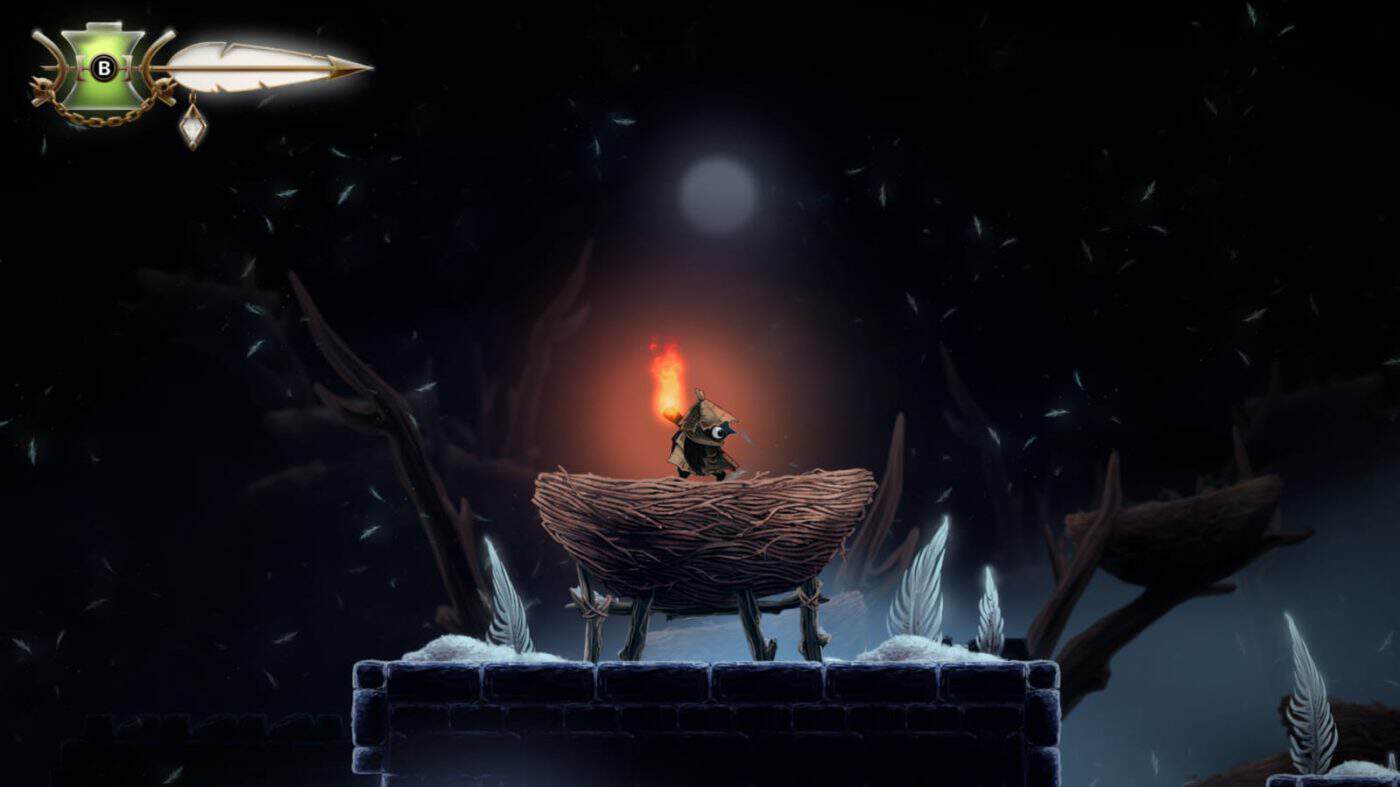
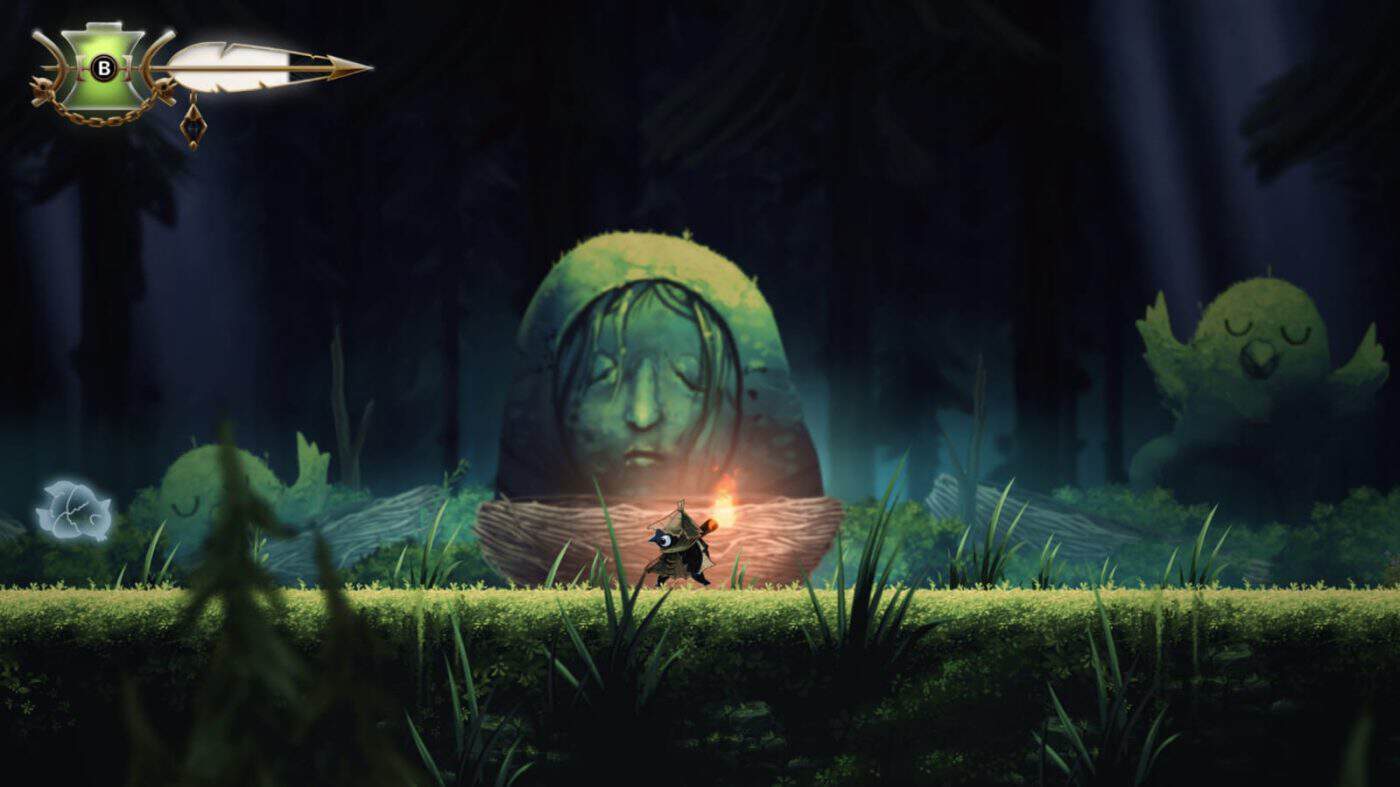
Developed by Kyle Thompson, the creator of Islets and Crypt Custodian, and published by Top Hat Studios, this 2D metroidvania invites players into a kingdom where fairytale wonder has given way to something far more unsettling, and even the most innocuous corners of the world seem to harbour a darker secret. At the heart of this adventure is Glimmer, a tiny bird embarking on a journey that dwarfs him in both scale and danger. His weapon of choice is an unassuming matchstick, a deceptively simple tool that becomes central to the game’s identity.
The contrast between Glimmer’s fragile appearance and the hostile kingdom he must navigate gives the adventure much of its appeal: he is an unlikely hero in a world that offers little in the way of safety or reassurance. Survival depends on the player’s ability to explore its decaying landscapes, overcome hostile creatures, acquire new abilities, and put the resources found along the way to good use.
Beneath its unusual aesthetic, Well Dweller builds on the established foundations of the metroidvania genre, placing exploration at the heart of an interconnected world that gradually reveals its secrets. Progress is not confined to a succession of discrete levels; instead, players must familiarise themselves with the kingdom’s layout, uncover hidden routes, and return to previously visited locations as new abilities open up paths that were once inaccessible. Combat, puzzles, secrets, and boss encounters complement this structure, ensuring that exploration is continually punctuated by challenges that test the player’s growing capabilities.
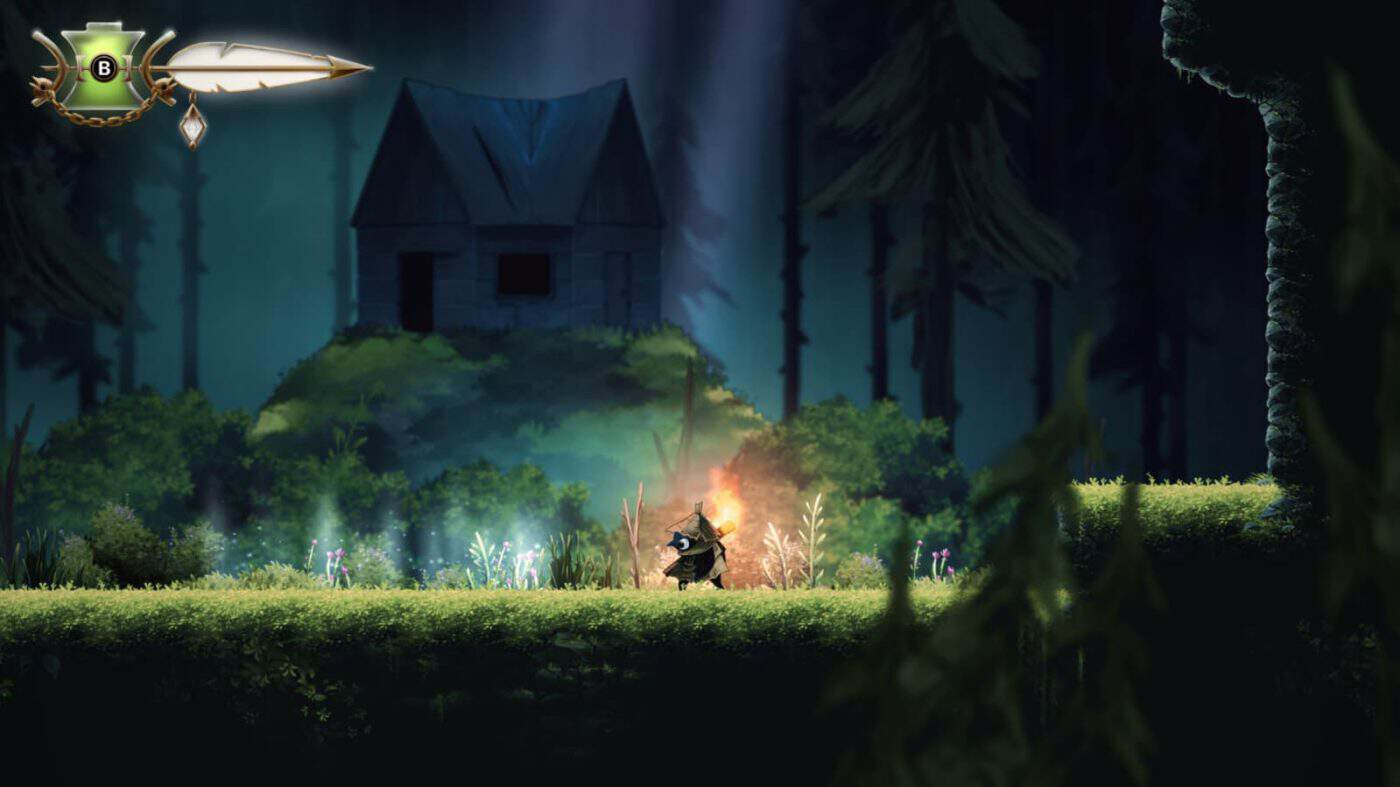
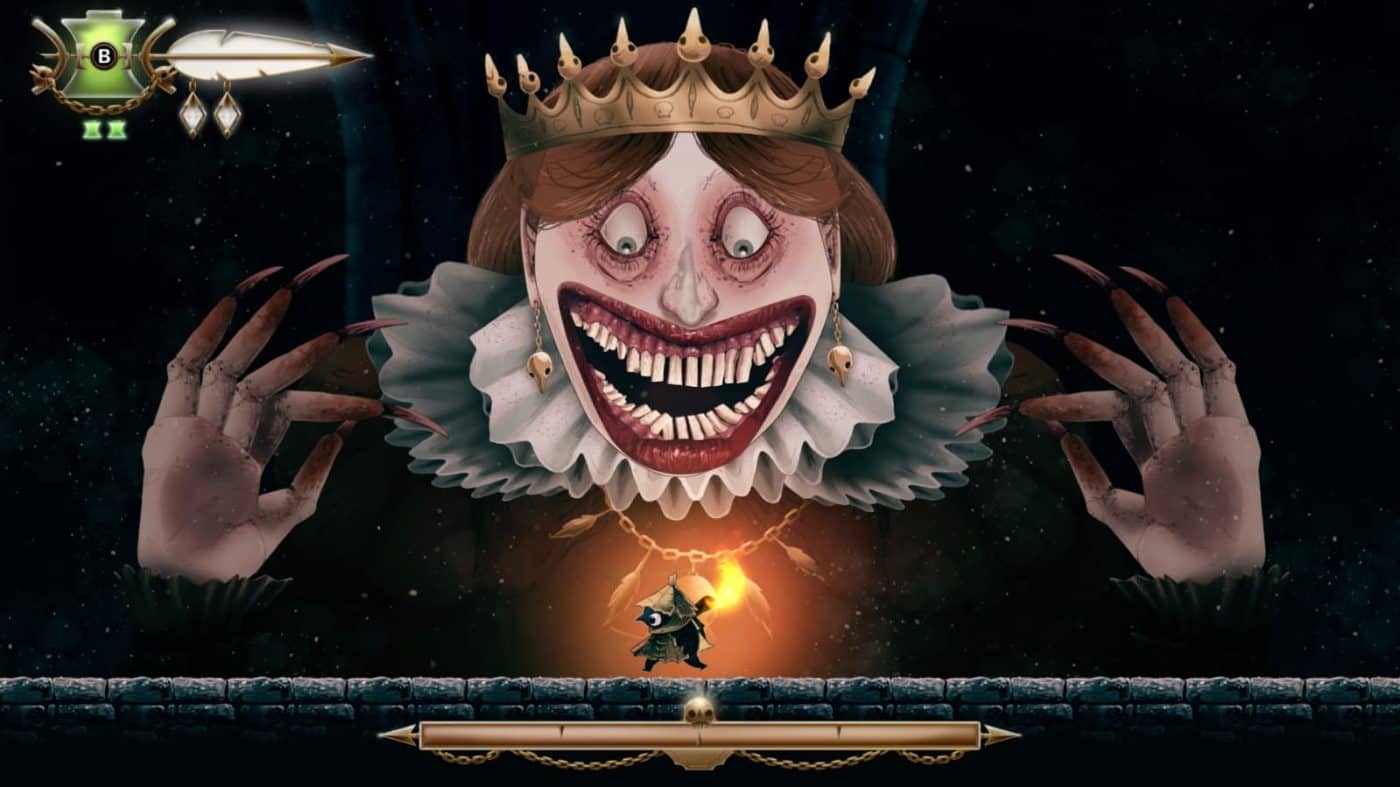
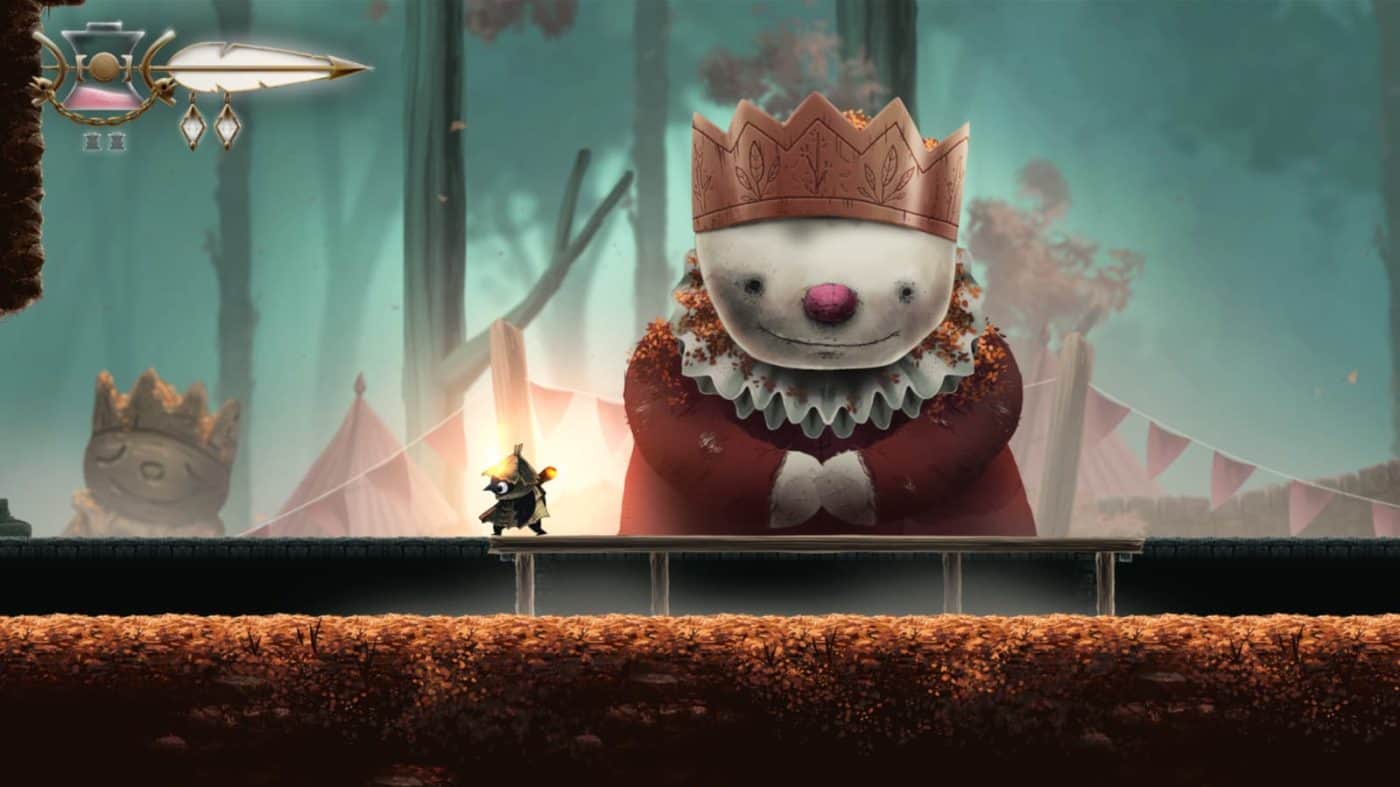
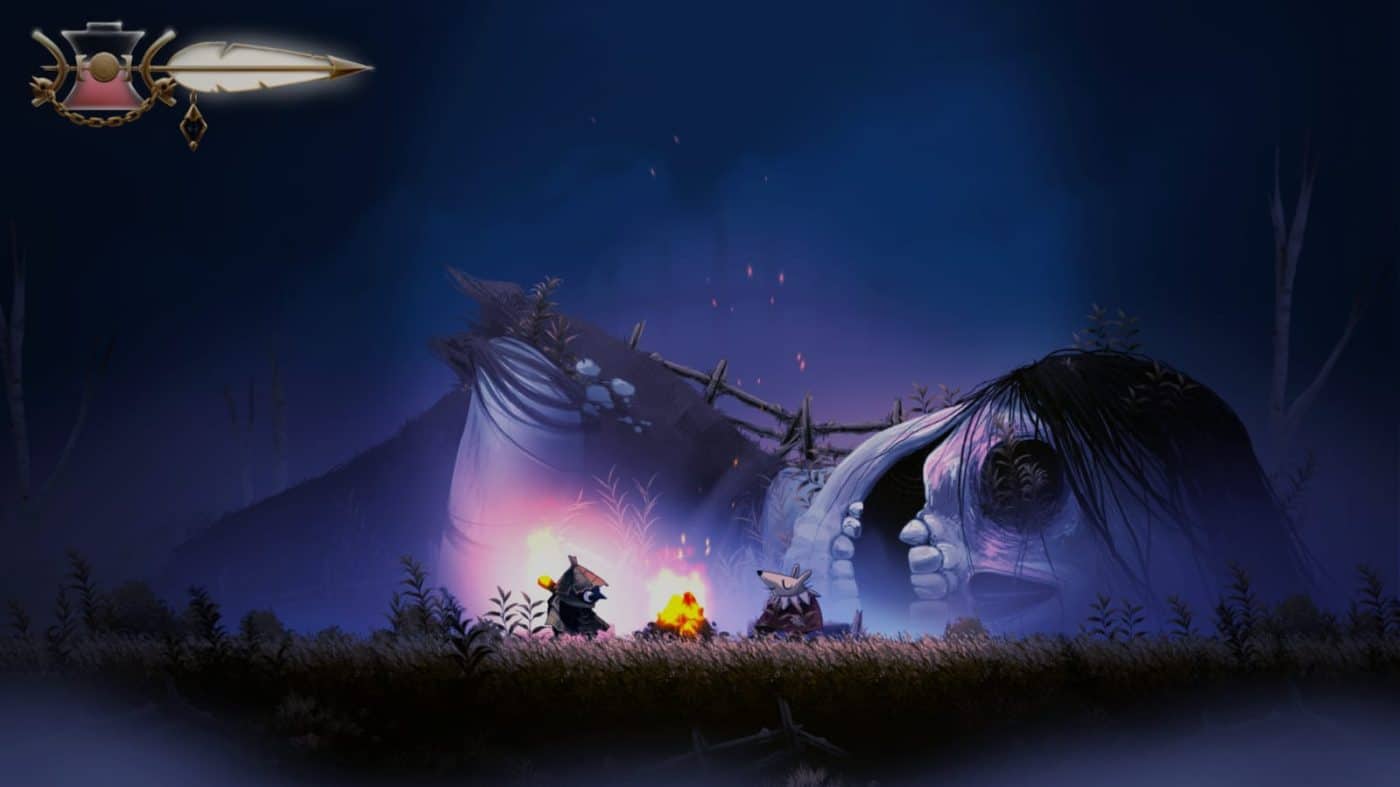
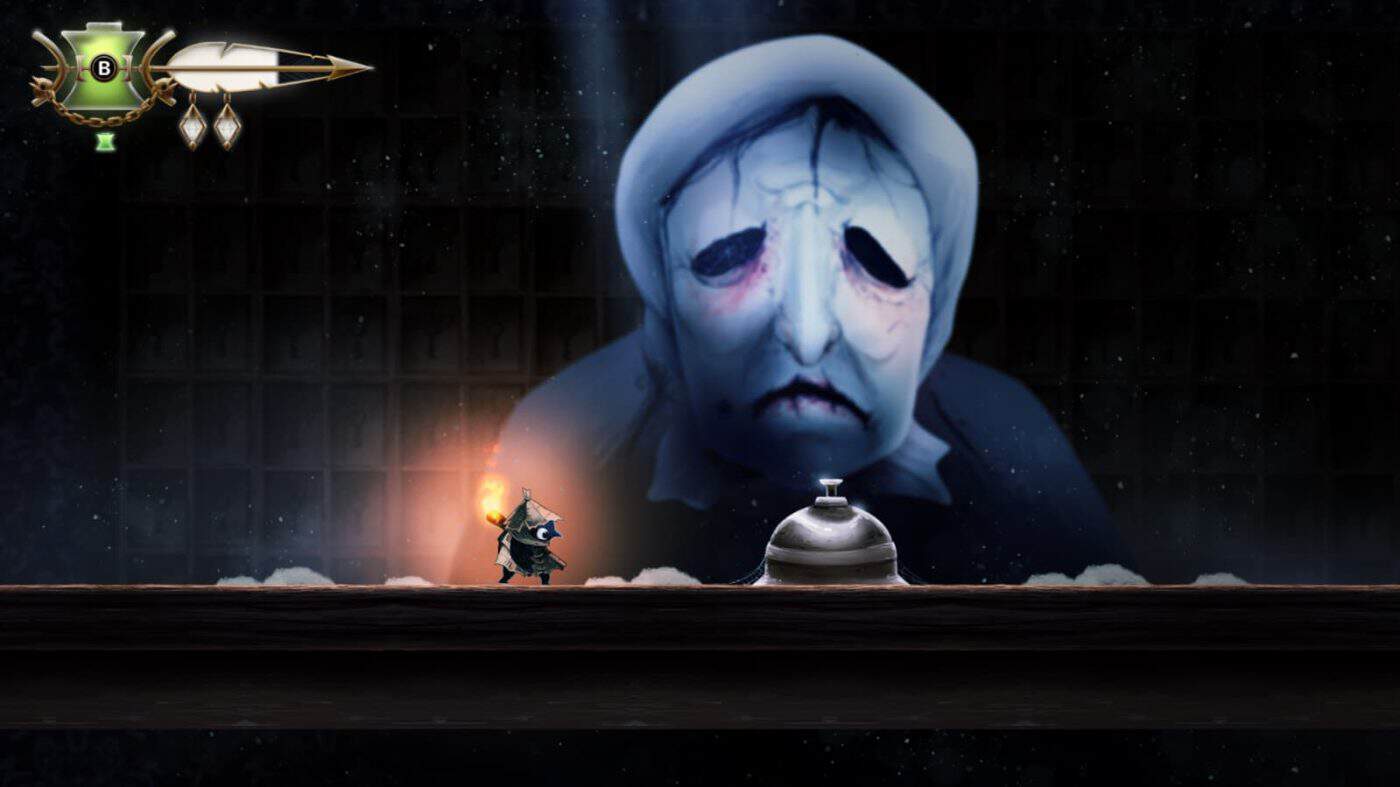
Yet it is the art direction that truly sets Well Dweller apart. This is not simply a dark or abandoned kingdom, but a world that appears to be decaying from within. Crumbling architecture, overgrown environments, forgotten spaces, and the creatures that inhabit them evoke the remains of a fairytale long past its happy ending. Rather than leaning on the familiar visual conventions of dark fantasy, Thompson favours an illustration-led aesthetic that allows colour and grotesquery to coexist in striking contrast. The result is a storybook world with something deeply unsettling lurking beneath its surface, where whimsical designs and seemingly harmless characters share space with genuinely nightmarish creations. That persistent friction between the inviting and the disturbing gives the game much of its visual personality.
The kingdom also feels more convincing for the characters who inhabit it. Glimmer’s journey brings him into contact with creatures whose lives extend beyond the role of obstacles, offering glimpses of those struggling to survive under the queen’s rule. Among them are Ilda, a small mouse fleeing the queen’s control, and Looter, a mysterious scavenger who combs the ruins for anything of value.
Their presence lends the world a greater sense of personality and suggests a broader existence beyond Glimmer’s immediate concerns, helping the kingdom feel like a place shaped by its own inhabitants rather than a series of environments arranged around the protagonist.
Glimmer’s matchstick, meanwhile, is more than a visual flourish or a makeshift weapon. Its dual role in combat and illumination ties the protagonist’s defining feature directly to the gameplay, making it an integral part of how players engage with the world.
As the adventure progresses, new abilities and collectible items expand Glimmer’s capabilities, allowing him to tackle increasingly demanding challenges and reach areas that previously lay beyond his grasp. This gradual expansion of the player’s options reinforces the familiar metroidvania rhythm of exploration, discovery, and returning to old ground with a new perspective.
Ultimately, Well Dweller finds its distinctive voice in the uneasy space between fairytale whimsy and outright horror. Its cast of small animals and eccentric characters might suggest a gentler adventure, but the kingdom they inhabit is a place of decay, danger, and cruelty. By bringing this contrast to the fore, Thompson gives a familiar genre framework a strong visual identity and a world that feels distinctly his own. At the heart of it all stands Glimmer, a tiny bird armed with a matchstick and faced with a kingdom far greater than himself: an unlikely protagonist whose journey captures the peculiar charm and unsettling imagination at the heart of Well Dweller.
The Creative Mind Behind Well Dweller
At the helm of Well Dweller is Kyle Thompson, an independent developer whose work stands out for its distinctive art direction and thoughtful approach to the metroidvania genre.
Thompson previously developed Islets and Crypt Custodian, two projects that provide a glimpse into the creative sensibilities underpinning his latest project. With Well Dweller, he builds on the strengths of his previous work while pursuing a distinct artistic direction, once again placing a strong sense of identity at the heart of the experience.
Publishing is handled by Top Hat Studios and Doyoyo Games, whose involvement brings additional support to a project shaped by a clearly defined creative vision.
Their role is particularly significant within the independent games landscape, where the right publishing partnerships can help distinctive projects reach a wider audience without losing sight of what sets them apart. In Well Dweller, Thompson’s creative identity remains central, giving the game a character that feels personal rather than dictated by prevailing market trends.
Well Dweller launched on 22 September 2026, debuting simultaneously across major platforms and joining Xbox Game Pass at launch. This broad release has brought Thompson’s latest work to a wider potential audience, while underscoring how effective publishing partnerships can help indie developers expand the reach of their games without diluting the vision that makes them distinctive.

A Tiny Flame Against the Darkness
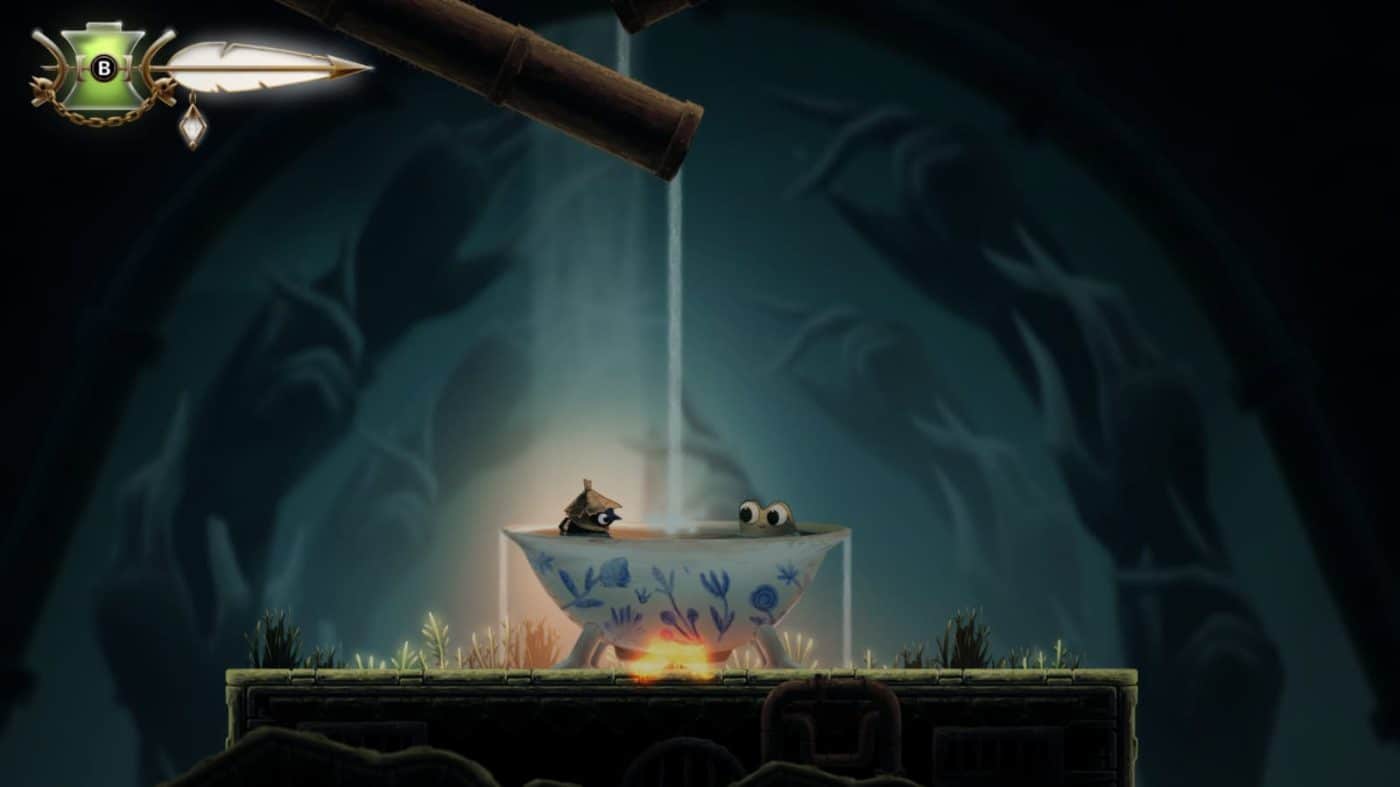
Well Dweller unfolds in a fairytale kingdom consumed by corruption, where the remnants of a once-thriving world provide the backdrop for a perilous journey. Its protagonist, Glimmer, is a tiny bird who lives in a secluded refuge at the bottom of a well, deep within the forest. Neither a seasoned warrior nor an extraordinary hero, he has little to rely on beyond a humble matchstick. Yet when tragedy strikes his family, this unlikely protagonist is forced to venture beyond the confines of his sheltered existence and into a kingdom where danger lurks around every corner.
The events that set the story in motion are as sudden as they are devastating. One night, a deranged hunter abducts Glimmer’s mother and siblings, tearing his family from the safety of their home. Left with no choice but to pursue them, Glimmer ventures into the world beyond the well, embarking on a desperate search that will take him far beyond the boundaries of the life he once knew. His journey soon brings him into contact with a kingdom under the grip of an evil queen, whose rule has cast a shadow over the land and the creatures struggling to survive within it.
Glimmer’s purpose is clear: find his missing family and confront the queen. Reaching that goal, however, means traversing a hostile realm shaped by decay, danger, and uncertainty. From crumbling ruins to treacherous passages, every new stretch of the journey presents obstacles to overcome and threats to survive. His matchstick is his most distinctive asset, serving as both a weapon against the creatures he encounters and a source of light in the kingdom’s darkest corners. Small as it may be, its dual purpose reflects the precarious position in which Glimmer finds himself: a fragile protagonist forced to press forward through a world that offers little respite.
His travels also bring him into contact with other inhabitants whose lives have been shaped by the queen’s reign. Ilda, a small mouse fleeing the queen’s control, is among those Glimmer encounters along the way. Her presence offers another glimpse into the plight of the kingdom’s inhabitants, many of whom are struggling to escape the forces that govern their lives. Glimmer also meets Looter, a mysterious scavenger who searches the ruins for anything of value. Their paths cross as Glimmer explores an abandoned castle, adding another encounter to a journey shaped as much by the characters he meets as by the dangers he must overcome.
Reaching his destination requires more than simply pressing forward. The kingdom is an interconnected world of hidden passages, crumbling structures, and areas that remain inaccessible until Glimmer develops the means to reach them. New abilities gradually expand his possibilities, allowing him to overcome obstacles that once blocked his path and uncover routes into previously unexplored territory. As the search for his family progresses, exploration becomes an essential part of the journey, encouraging him to venture off the beaten path and discover what lies beyond the most immediate route to his goal.
As Glimmer ventures deeper into the kingdom, the challenges standing between him and his goal grow increasingly formidable, with boss encounters marking key milestones along the way. His journey ultimately brings him to the queen’s chambers, where his search for his missing family reaches its climax. There, he must confront and burn the queen, bringing his quest to its conclusion and opening the way to reunite with his siblings.
At its core, Well Dweller follows a deceptively simple premise: a tiny bird must brave a hostile kingdom to rescue his family and confront the ruler responsible for the danger surrounding them.
As the adventure unfolds, this personal quest takes shape through encounters with the kingdom’s inhabitants, the discovery of its hidden corners, and the gradual expansion of the world available to explore. Glimmer begins at the bottom of a well with little more than a matchstick, but his journey carries him steadily towards the seat of the kingdom’s power.
The search for his missing family provides the narrative’s driving force, giving purpose to his exploration and direction to his eventual confrontation with the queen.

A World Between Wonder and Dread
At the heart of Well Dweller lies a dark reimagining of the traditional fairytale, one that draws on the genre’s capacity for cruelty, melancholy, and the macabre rather than its more familiar promise of wonder and enchantment. Kyle Thompson builds the game’s narrative identity around the tension between these opposing sensibilities, bringing together imagery that feels disarmingly whimsical and themes that are considerably more unsettling. The result is a world in which innocence and danger are never entirely separate, and where the familiar conventions of the fairytale take on a decidedly darker edge.
The kingdom is inhabited by small, endearing animals and eccentric characters whose designs often invite an immediate sense of affection. Yet this apparent gentleness belies a world marked by death, persecution, and violence, populated by creatures that can be as grotesque as they are imaginative.
What sets Well Dweller apart is not simply its use of horror within a fairytale setting, but the seamless interplay between its disarming charm and underlying sense of unease. Its whimsical elements are integral to the game’s identity, just as its darker moments serve a purpose beyond mere shock value. Together, they shape a world in which tenderness and cruelty are not opposing forces, but inseparable parts of the same unsettling vision.
This balance is particularly effective because the game rarely settles into a single emotional register. Its humour and charm remain present even as the narrative ventures into increasingly disturbing territory, making the contrast all the more pronounced.
An endearing character may find themselves caught in tragic circumstances; a seemingly innocuous encounter may conceal something far more sinister; and an environment that evokes the charm of an illustrated storybook can reveal a much more threatening side. The fairytale becomes unsettling precisely because its sense of wonder remains intact.
This approach recalls older fairytale traditions, in which the marvellous and the frightening have always existed side by side, and where the journey towards a happy ending is rarely without suffering. Thompson has spoken of his desire to recreate this interplay between lighter moments and more macabre material, a sensibility that runs throughout the experience.
Beneath this tonal contrast, family provides the narrative’s emotional anchor. Glimmer’s journey begins not with a grand ambition or a desire to prove himself, but with the loss of those closest to him. His determination to find his missing family gives the adventure an immediate, deeply personal motivation, one that remains meaningful as he ventures further into the kingdom.
The scale of the world may expand, and the dangers he faces may become increasingly formidable, but the reason for his journey never loses its clarity. The threat is personal before it is anything else: it has already entered Glimmer’s life and taken from him what matters most. This straightforward emotional premise allows the story to establish a genuine point of connection without relying on elaborate exposition or an unnecessarily convoluted plot.
The importance of family extends beyond Glimmer’s immediate circumstances, offering a glimpse into the fragile communities struggling to survive under the queen’s rule. In this kingdom, safety is never guaranteed, and its most vulnerable inhabitants must find ways to hide, adapt, and endure.
Glimmer’s home, concealed at the bottom of a well deep within the forest, encapsulates this precarious existence. It is a sanctuary removed from the dangers of the wider world, but that very isolation also speaks to the limited freedom available to those who cannot safely venture beyond it.
The well provides shelter, but no lasting security: it offers a measure of protection from the dangers beyond its confines without dispelling the threat that looms over the kingdom. This fragile sense of safety gives Glimmer’s departure its emotional weight. To find his missing family, he must leave behind the only home he has ever known and venture into the very world from which it once sheltered him.
From this sense of vulnerability emerges one of the game’s defining themes: persecution. The suffering inflicted on the birds is more than the catalyst for Glimmer’s quest; it helps establish the oppressive conditions that shape life throughout the kingdom.
The queen’s cruelty has disrupted the relationship between its inhabitants and the world around them, turning fear into an everyday reality. The consequences are reflected not only in the characters’ circumstances but also in the atmosphere of the environments they inhabit. Decay, desolation, and the ever-present possibility of danger reinforce the impression of a realm whose inhabitants have been forced to adapt to a life under threat.
Well Dweller approaches this subject through the heightened logic of the fairytale rather than through explicit political commentary. The queen embodies an archetypal form of oppressive authority, wielding her power to satisfy her own desires while leaving the most vulnerable to suffer the consequences. The narrative is less interested in explaining the structures that sustain her rule than in showing what that rule means for the creatures living beneath it.
This emphasis keeps the conflict accessible while allowing its implications to resonate beyond the immediate circumstances of Glimmer’s quest. The relationship between innocence and violence is equally apparent in the protagonist himself. Glimmer is a small, unassuming creature whose appearance offers little indication of the challenges he will eventually face. Set against a kingdom that seems to dwarf him, he lacks the imposing presence traditionally associated with heroic figures.
His vulnerability remains an essential part of his character, even as he confronts the forces standing between him and his family. Rather than presenting heroism as the absence of fear or weakness, the game finds it in the determination to keep moving forward despite both. The contrast between Glimmer’s diminutive stature and the hostility of his surroundings reinforces the sense that his journey is an extraordinary undertaking precisely because he is so ill-equipped for it.
This tension also allows Well Dweller to retain the visual and emotional language of a children’s story without being confined by its conventions. Its whimsical characters and storybook imagery coexist with grotesque creatures, cruelty, and situations that carry a genuine sense of menace. The juxtaposition gives the world its distinctive character, repeatedly challenging the expectations established by its outwardly charming appearance. What initially seems harmless may prove dangerous, while moments of apparent darkness can still leave room for warmth or humour.
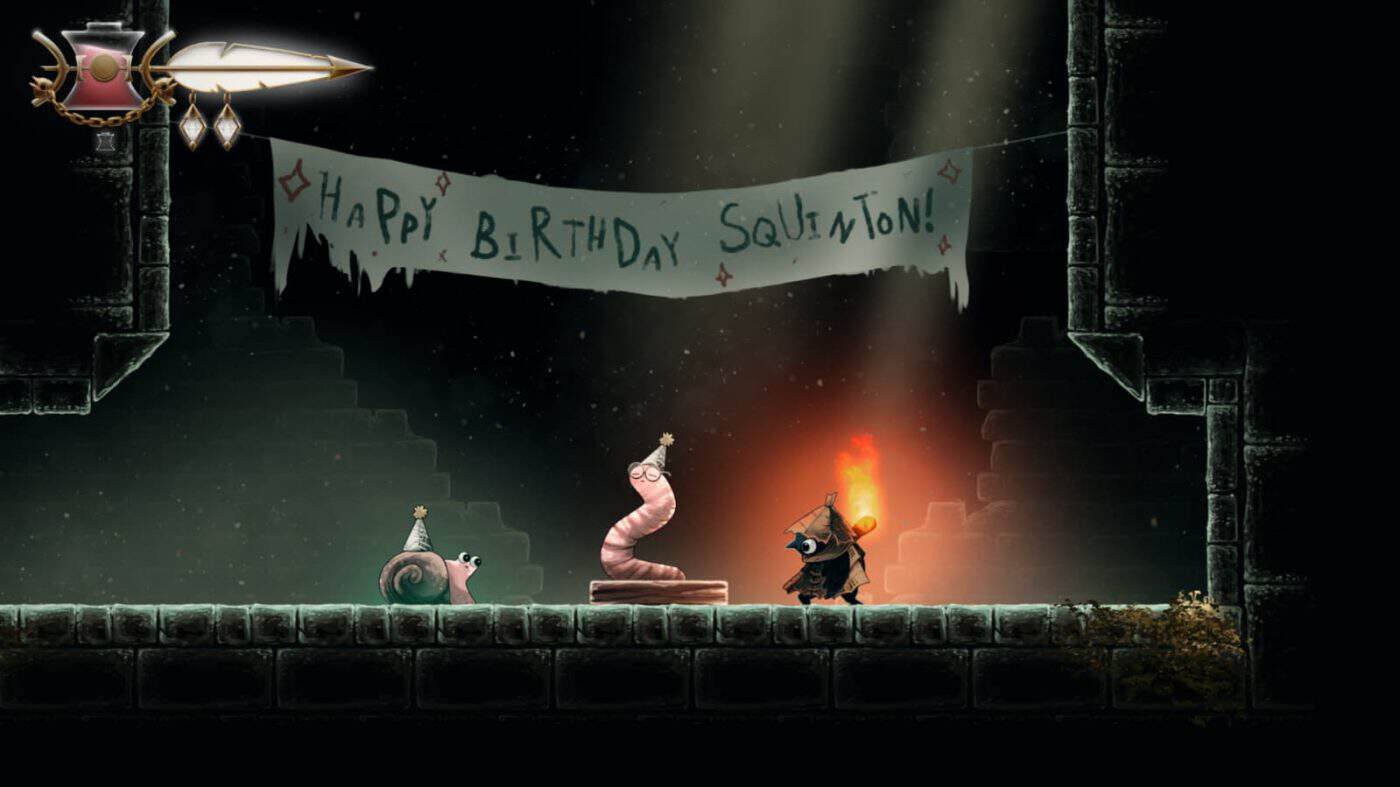
A further part of the game’s appeal lies in the gradual discovery of a world that extends beyond Glimmer’s personal struggle. Its characters, environments, and smaller details suggest a kingdom with its own history and inhabitants, rather than a setting that exists solely to facilitate the protagonist’s journey. Humour plays an important role in establishing this sense of personality.
Eccentric characters, peculiar behaviour, and absurd situations provide moments of levity without undermining the darker realities of the world. Instead, they lend the narrative a greater sense of variety, preventing its oppressive atmosphere from becoming monotonous.
The kingdom can be cruel without being entirely devoid of hope, just as its moments of levity never make it truly safe. This shifting emotional register is central to the game’s identity, allowing warmth and unease to coexist without either losing its impact.
Ultimately, Well Dweller finds its narrative voice in the uneasy coexistence of tenderness and horror, innocence and cruelty, family and persecution, humour and melancholy, wonder and decay. Its appeal rests less on intricate plotting than on the consistency of its creative vision: a fairytale world whose charm is inseparable from the darkness lurking beneath its surface.
By drawing on the more macabre traditions of the genre while preserving its capacity for warmth, absurdity, and wonder, Thompson creates an experience that feels both familiar and distinctly unsettling. The result is a storybook kingdom that invites curiosity while refusing to offer complete reassurance, and a narrative whose most defining quality is its ability to make the enchanting and the disturbing feel like two inseparable parts of the same world.

A Beautifully Twisted Take on the Metroidvania
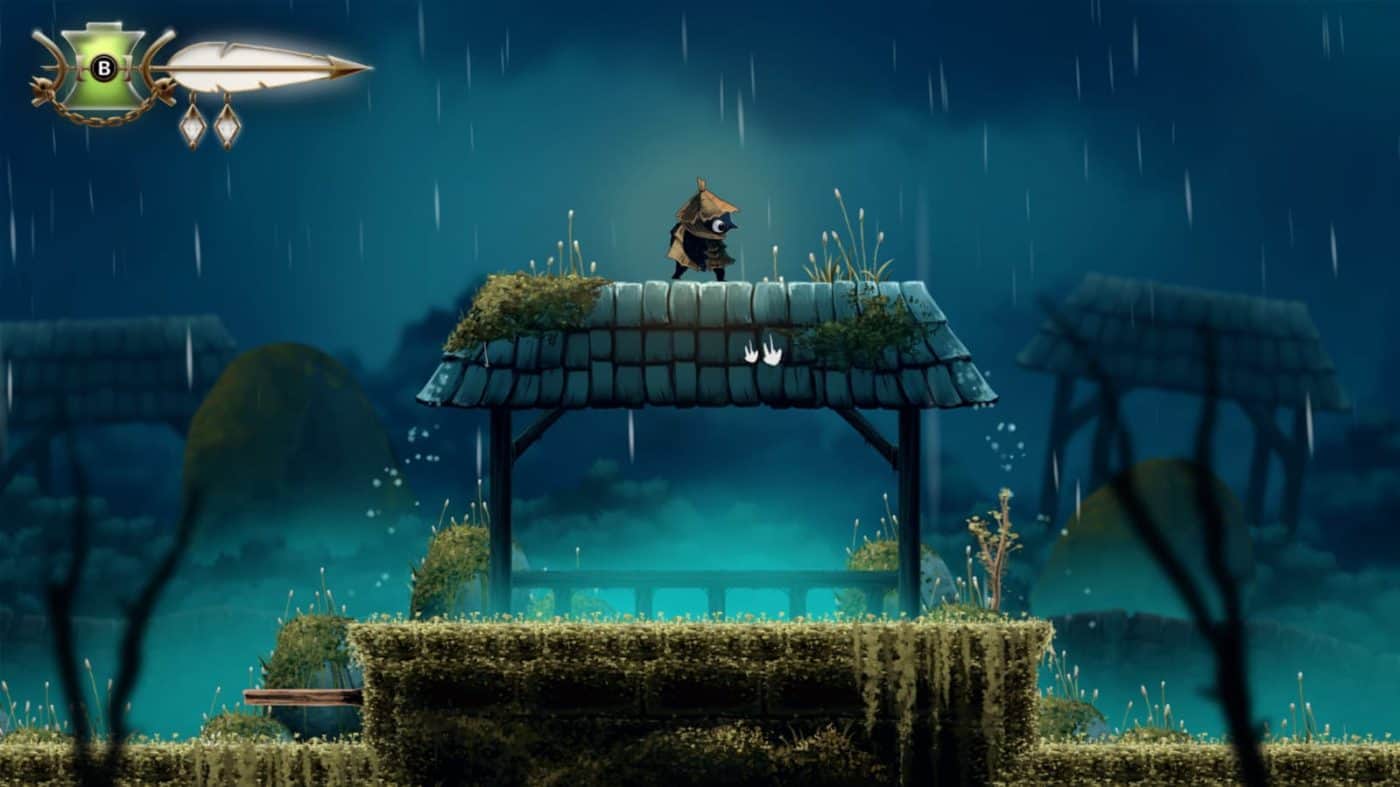
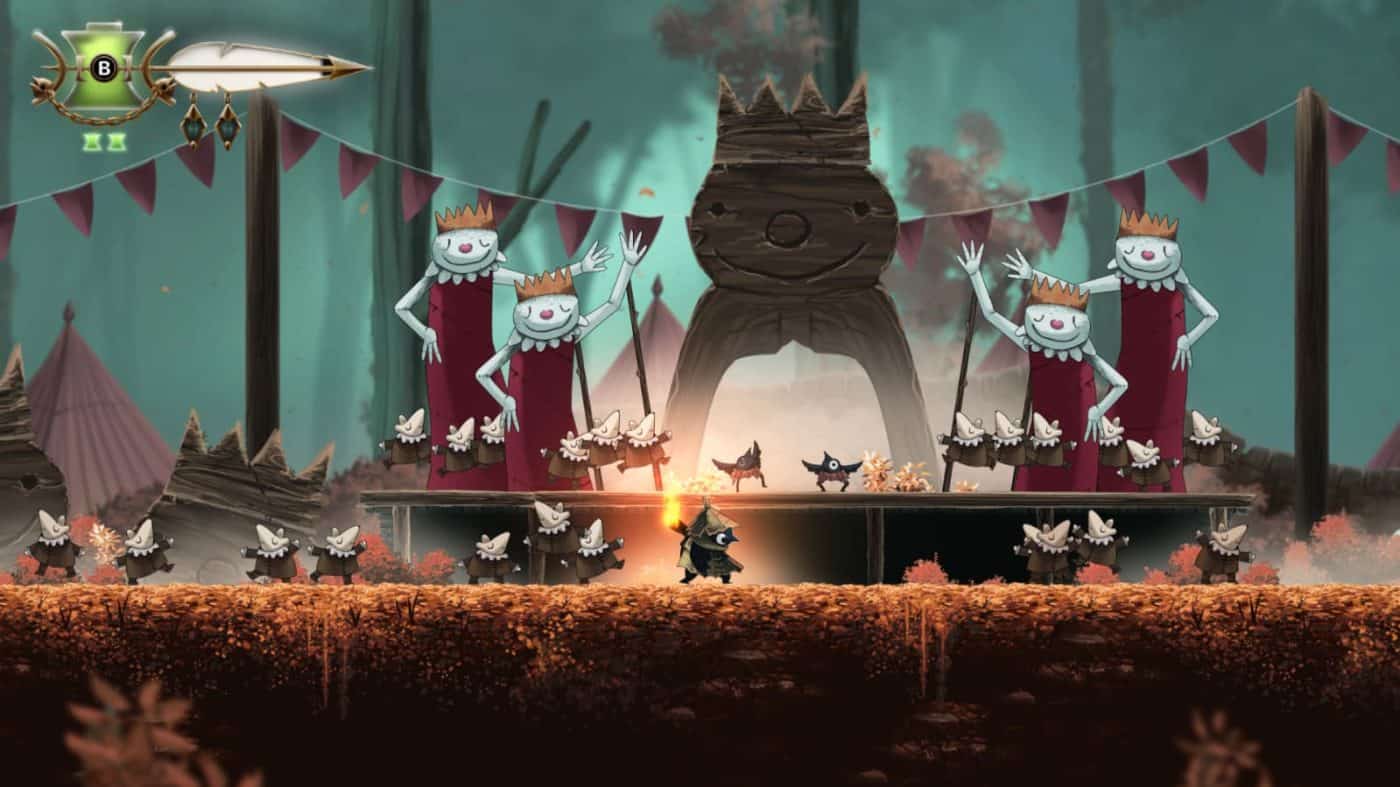
Artistically, Well Dweller makes its strongest impression through a distinctive hand-drawn aesthetic that gives its world the appearance of a dark fairytale brought to life. Its two-dimensional presentation draws on the visual language of illustrated storybooks, combining whimsical character designs with grotesque imagery and environments steeped in decay. This contrast is central to the game’s identity: rather than serving as a decorative backdrop, the artwork establishes the atmosphere, shapes the player’s perception of the kingdom, and reinforces the uneasy relationship between fairytale wonder and horror that runs throughout the experience.
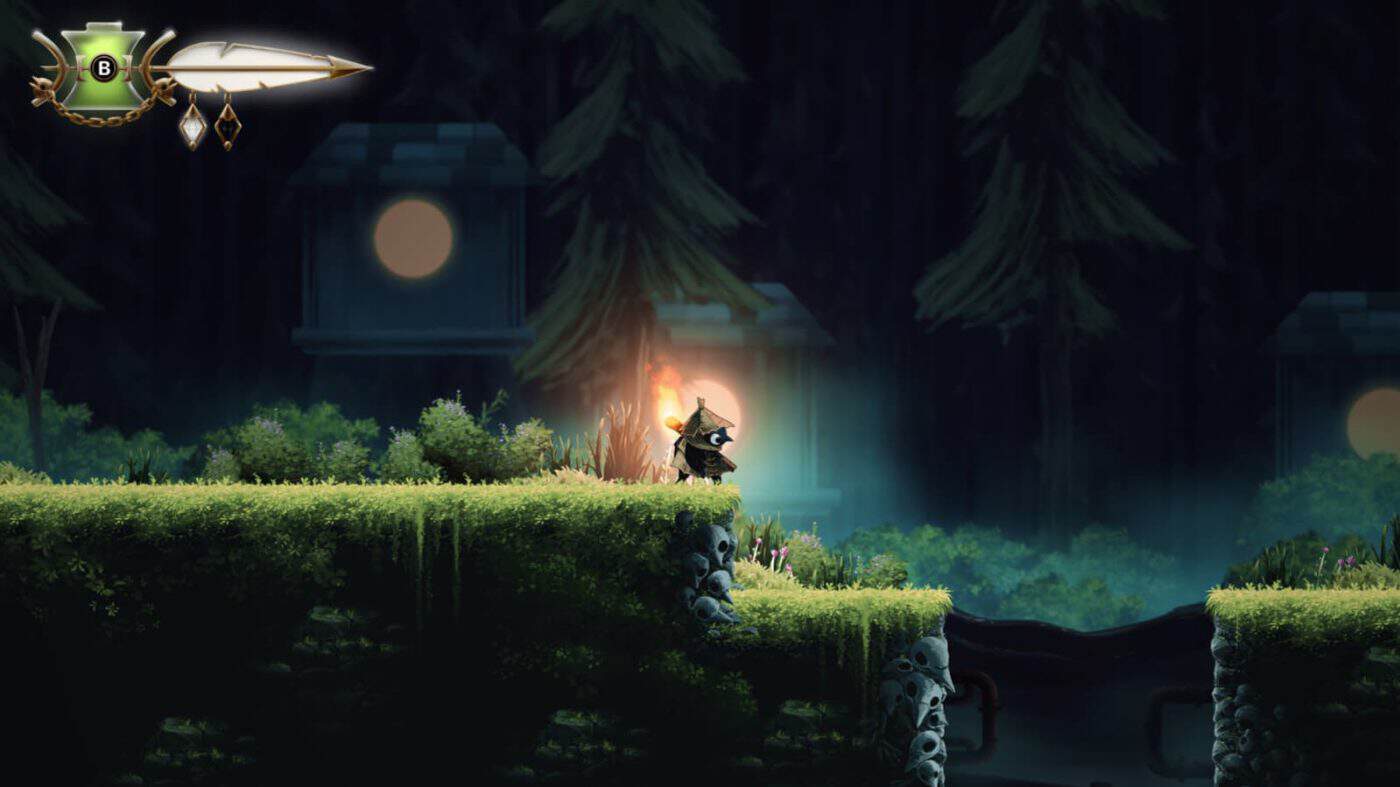
The world unfolds across dense forests, crumbling ruins, abandoned structures, caves, and settlements, with each environment displaying a considerable level of visual detail. Crucially, this richness rarely comes at the expense of readability. As a side-scrolling metroidvania built around exploration, Well Dweller needs to communicate the layout of its environments clearly, and its visual design generally succeeds in balancing intricate artwork with the practical demands of navigation.
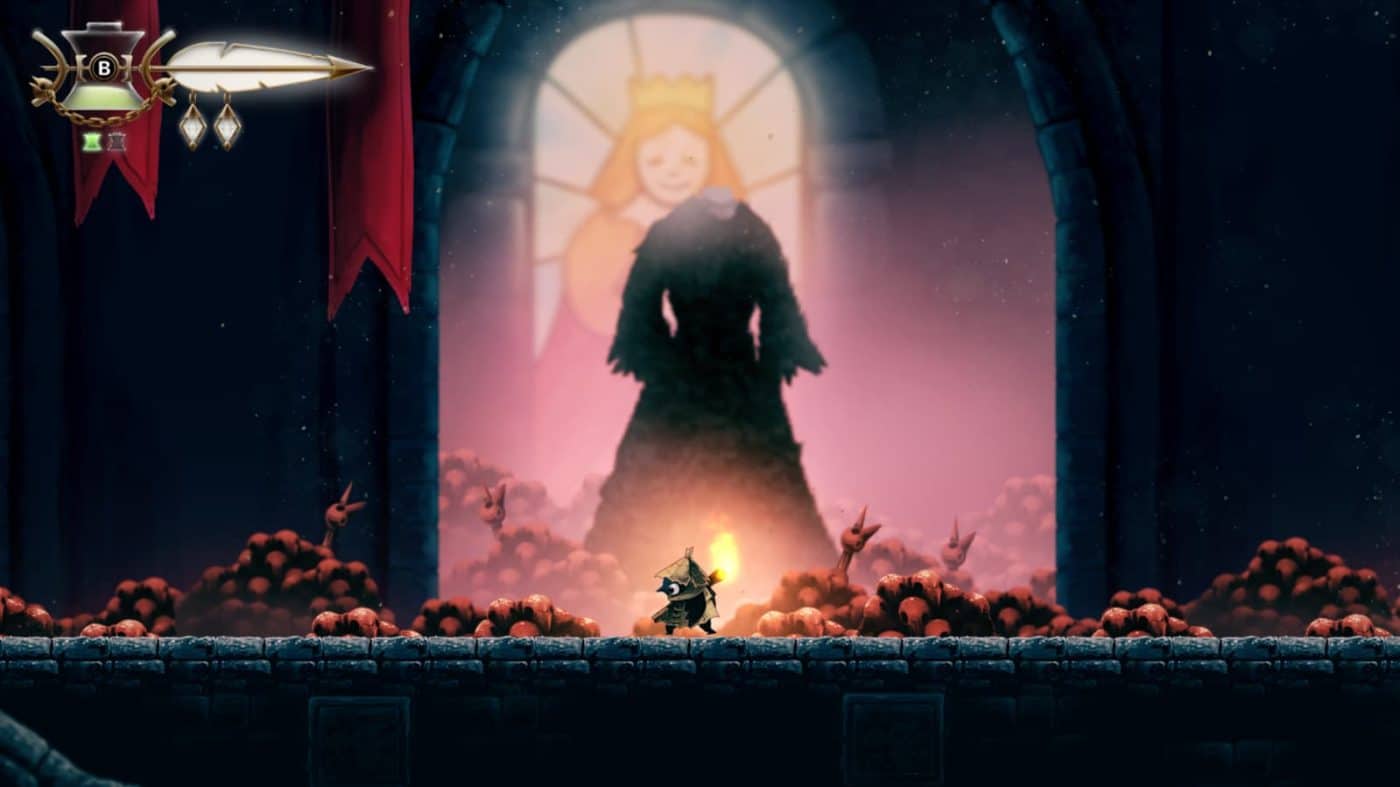
The environmental art is particularly effective in the way it contrasts brighter, more inviting locations with darker, more oppressive spaces. These shifts lend the journey a welcome sense of variety while reflecting the gradual decay of the kingdom Glimmer must traverse.
Thompson’s artistic influences draw on the imagery of traditional fairytale illustrations, with echoes of medieval-inspired artwork and antique prints. Rather than reproducing these references literally, he filters them through a highly individual visual language, bringing together rounded silhouettes, expressive animal characters, and an extensive cast of grotesque creatures.
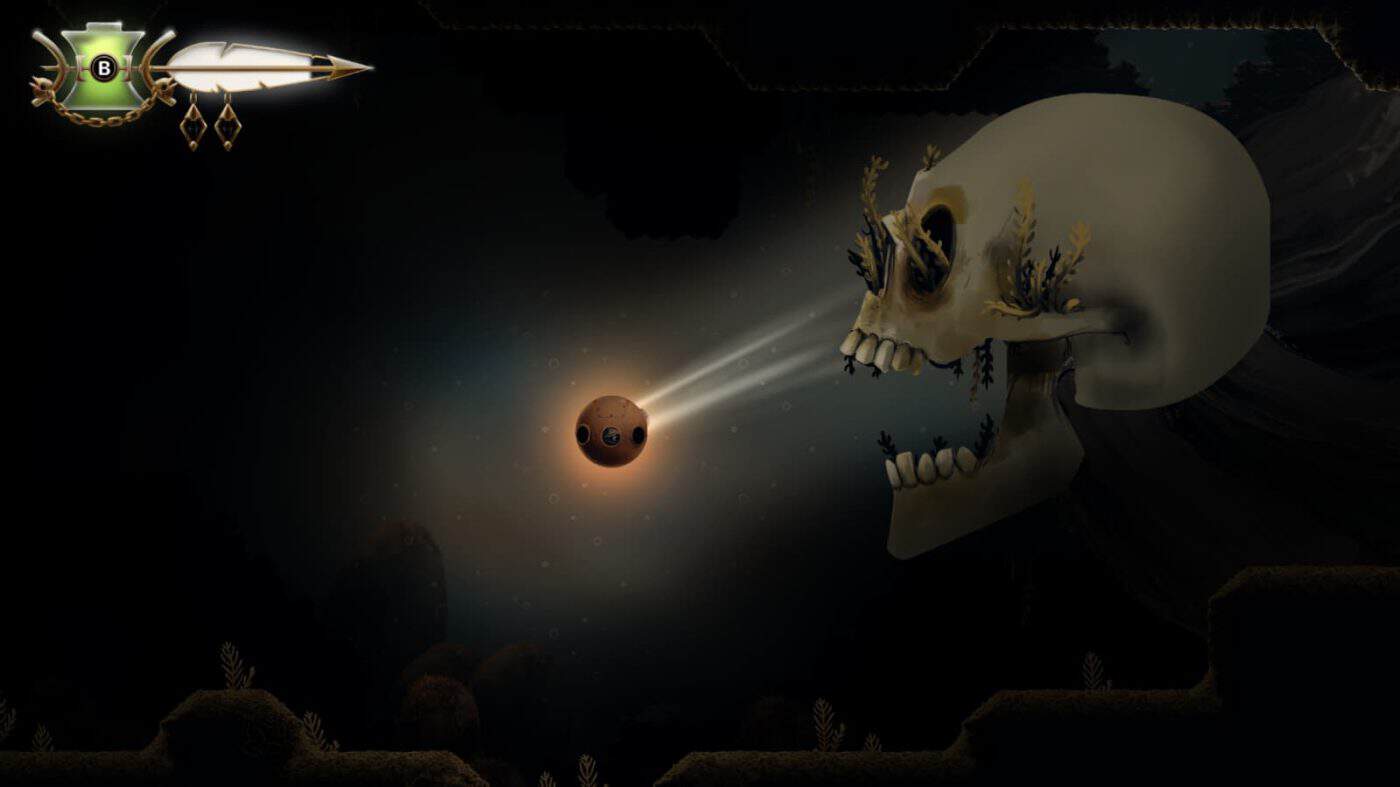
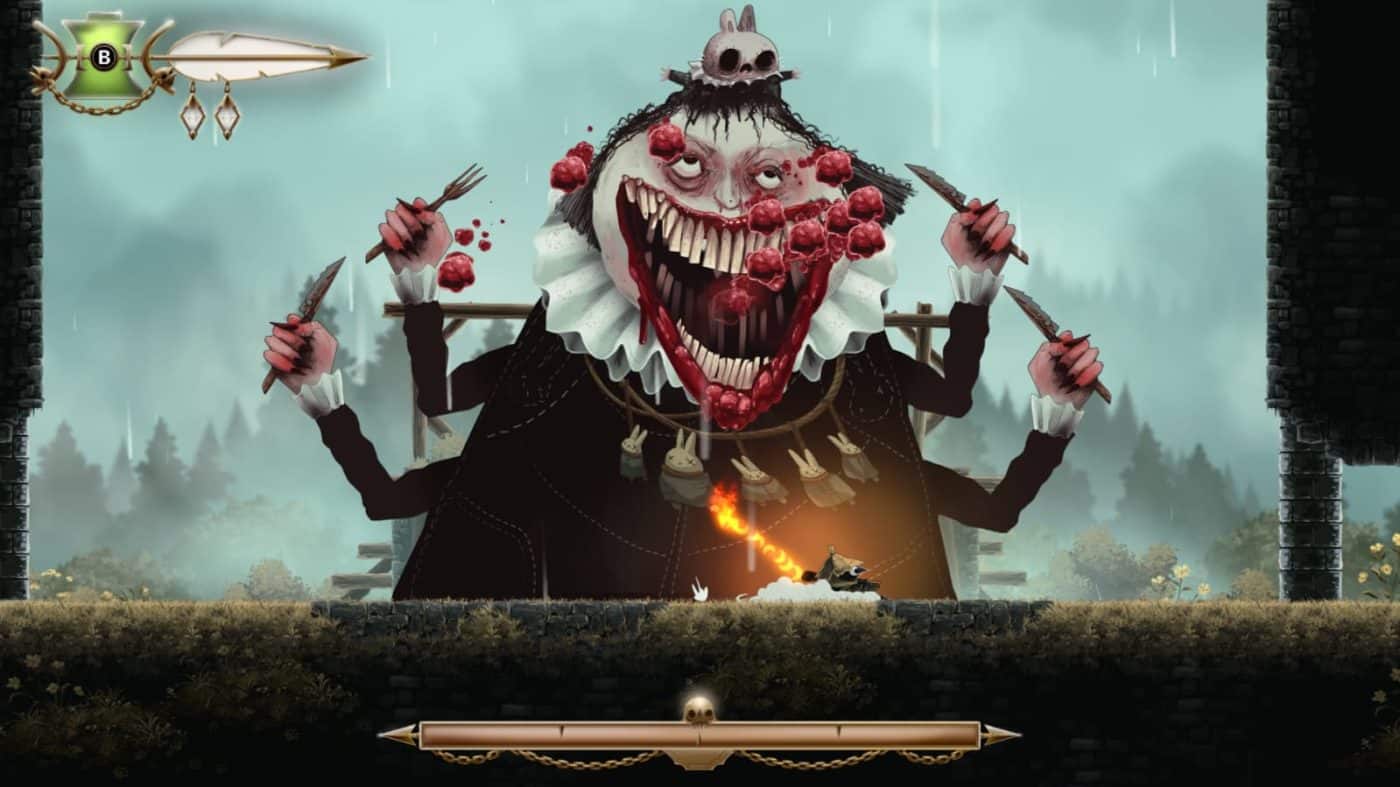
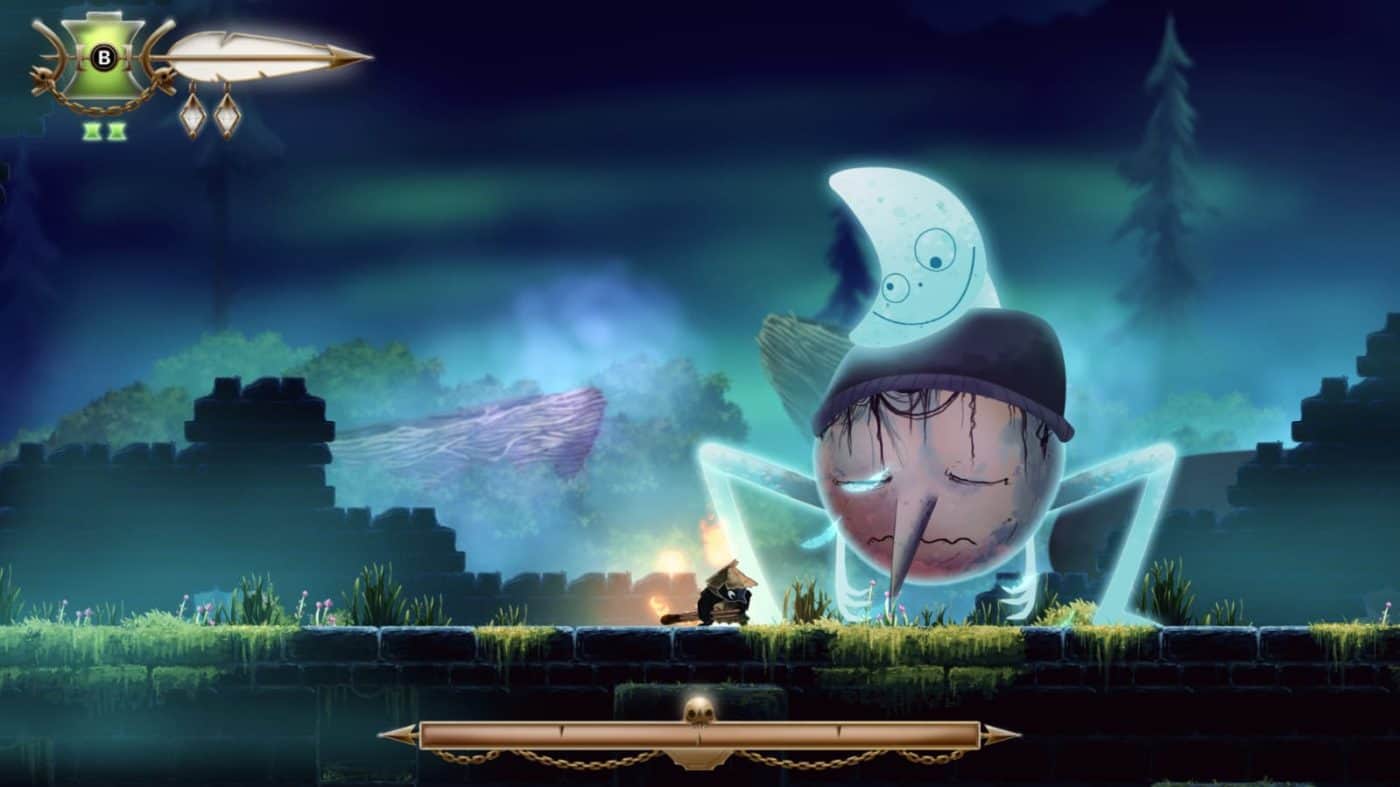
The resulting contrast is often striking. Characters that initially appear harmless or endearing share the world with monsters whose distorted proportions and unsettling designs introduce a much darker sensibility. The bosses represent the most dramatic expression of this approach, turning the game’s seemingly whimsical visual language into something imposing and often nightmarish. Their designs capture what makes Well Dweller’s art direction so effective: the ability to draw on the familiarity of a fairytale while continually subverting its more comforting associations.
The distinct identities of the game’s biomes further strengthen its world-building. The different areas are not merely variations on a common backdrop, but environments shaped by their own combinations of colour, lighting, architecture, and vegetation. This helps the kingdom retain a coherent visual identity without becoming repetitive over the course of the adventure.
Forests and more natural settings make use of foliage and mist to evoke a sense of fairytale wonder, while locations marked by greater decay rely on ruined structures and darker palettes to convey a more oppressive atmosphere. Light also plays a particularly effective role, especially in conjunction with Glimmer’s matchstick. Its small flame stands out against the surrounding darkness, making an otherwise modest gameplay element a natural part of the game’s visual language.
The quality of the animation plays an equally important role in shaping Well Dweller’s visual identity. Characters move with a fluidity and expressiveness that bring the hand-drawn aesthetic to life while preserving the clarity essential to gameplay. Glimmer’s movements remain consistently readable as he runs, jumps, attacks, and dodges, while enemy animations provide clear visual cues that help players recognise incoming threats and anticipate their attacks.
Boss encounters are particularly effective showcases of this craftsmanship, combining imposing character designs with distinctive movement patterns and varied attack sequences that lend each confrontation a greater sense of scale and spectacle.
Animation is therefore more than a means of adding life to the game’s characters: it is an integral part of its visual storytelling and combat design, helping establish the rhythm of each encounter while giving the creatures Glimmer faces a distinct presence and identity.
Underpinning this presentation is a development pipeline suited to the project’s two-dimensional foundations. Well Dweller is built using GameMaker, an engine with which Thompson has a longstanding familiarity, having begun his development journey with GameMaker and Flash. The project also uses Spine for animation and Photoshop for its visual assets, tools that support the illustrated presentation at the heart of the experience.
What matters most, however, is not the technology itself but the consistency with which it serves the game’s artistic ambitions. The resulting presentation feels cohesive, with the technical choices reinforcing rather than distracting from the identity established by the artwork.
That same consistency extends to the interface and map, both of which feel integrated into the world rather than detached from it. Their illustrated presentation maintains the aesthetic established by the environments and characters, preserving the impression of navigating a storybook kingdom even when consulting information about its layout.
The map is particularly effective as an extension of the game’s sense of discovery, gradually helping the player make sense of the interconnected world as new routes become accessible. It reinforces the idea that the kingdom is not simply a succession of isolated locations, but a place whose broader structure emerges through exploration.
Taken as a whole, Well Dweller demonstrates a considered level of artistic and technical craftsmanship. Its stylised two-dimensional graphics may appear deceptively simple at first glance, but their effectiveness depends on the careful coordination of environmental detail, expressive animation, character readability, and visual variety. Each element serves a clear purpose, contributing to a visual identity that remains consistent without compromising the readability its exploration and combat systems demand. Ultimately, it is this integration of art direction and gameplay presentation that gives Well Dweller its strongest visual asset: a world that feels at once enchanting, grotesque, and unmistakably its own.
Echoes of a Fading Fairytale
The audio design of Well Dweller reflects the same creative sensibility that defines the rest of the game: an understated approach in which atmosphere, rather than spectacle, takes centre stage. The soundtrack is composed by Eric Thompson, Kyle’s brother and longtime collaborator, who has also worked on the music for his previous games. Their established partnership lends the score a natural place within the game’s broader creative vision, with Kyle responsible for the art, programming, and design, and Eric shaping the musical dimension of the experience. This close collaboration helps ensure that the soundtrack feels intrinsically connected to the world it accompanies, reinforcing its identity without ever overwhelming it.
Melancholy is the defining quality of the score, although it is tempered by passages of warmth, tranquillity, and occasional lightness. Rather than relying on ominous drones or persistently sombre melodies to emphasise the kingdom’s darker side, the music often favours a more delicate, contemplative register. Its compositions settle naturally into the background, accompanying Glimmer’s journey without dictating the player’s emotional response. This restraint proves particularly effective in a game whose identity depends on the uneasy coexistence of fairytale charm and underlying horror. The music sustains that tension with a light touch, allowing the world’s more unsettling details to emerge without sacrificing its moments of tenderness.
During exploration, the soundtrack works primarily through atmosphere and subtle variation. As Glimmer moves between the kingdom’s different regions, shifts in mood and musical texture help establish the character of each location while preserving a consistent identity across the adventure. Some tracks lean into melancholy and introspection; others adopt a more peaceful, dreamlike quality, while certain passages evoke the wonder traditionally associated with fairytales. These changes give the journey a quiet musical progression, reflecting the shifting character of the world without resorting to conspicuous transitions or dramatic flourishes.
Equally effective is the way Well Dweller balances its music with the sounds of the surrounding world. At key moments, the score fades into the background, allowing ambient sounds to establish a stronger sense of place and giving the environments a more immediate, tangible presence. This restraint lends exploration a quieter, more intimate quality, drawing attention to details that might otherwise go unnoticed while making the music’s return all the more impactful. Silence becomes an expressive tool in its own right, rather than simply a pause between musical passages. By allowing the soundscape to breathe, the game creates a more natural ebb and flow between the stillness of exploration and the mounting tension of the encounters that lie ahead.
As the action intensifies, the soundtrack shifts accordingly, taking on a more energetic character that heightens the tension of combat. Boss encounters benefit particularly from this change in pace, with more driving compositions lending the battles a greater sense of urgency and momentum. Even at its most intense, however, the music retains the melodic sensibility and fairytale character that define the wider score. Rather than disrupting the atmosphere established during exploration, these shifts build naturally upon it, reinforcing the danger of each confrontation while preserving the game’s distinctive identity. The contrast between contemplative exploration and the heightened intensity of combat gives the soundtrack a natural sense of progression, allowing each to enrich the other without sacrificing the cohesion of the overall experience.
The score also contributes to the emotional identity of the environments themselves. Variations in mood, texture, and rhythm help distinguish different stages of Glimmer’s journey, with some compositions favouring a more introspective atmosphere and others introducing more pronounced electronic elements and rhythmic patterns. This diversity lends the soundtrack a welcome degree of range without compromising its cohesion. Rather than assigning every location an exaggerated musical identity, the compositions often rely on subtle shifts in tone to complement the visual design and reinforce the character of each setting. Music consequently becomes another means of conveying the kingdom’s atmosphere, working alongside the artwork and environmental design to make its different regions feel distinct.
The sound effects follow the same philosophy of restraint, prioritising clarity and responsiveness over sheer impact. The crackle and strikes of Glimmer’s matchstick, his movements, enemy attacks, and the sounds of combat provide useful feedback throughout the adventure, helping the player follow the action and better understand the rhythm of each encounter. The matchstick is particularly important: although modest in appearance, it carries enough sonic weight to make its use feel tangible without disrupting the delicate balance of the presentation.
Enemy attacks and combat impacts likewise remain sufficiently distinct to support the action, ensuring that the sound design serves a practical purpose as well as contributing to the atmosphere. These effects rarely seek to impress in isolation; their value lies in how naturally they integrate with the game’s mechanics and visual language.
Ultimately, the strength of Well Dweller’s sound design lies in how seamlessly it serves the game’s broader artistic vision. The soundtrack captures the charm of its storybook setting without lapsing into sentimentality, deepens its more unsettling undertones without resorting to unrelenting horror, and sustains an undercurrent of melancholy without allowing it to define the entire experience.
This carefully maintained balance reflects the same interplay between tenderness and cruelty that shapes the game’s narrative and visual identity, leaving room for moments of warmth and levity amid the pervasive unease. Music and sound are therefore integral to more than the game’s atmosphere: they help preserve the delicate tonal balance that makes its world so distinctive, allowing its whimsical and darker elements to coexist as parts of a coherent artistic whole.


A Kingdom Waiting to Be Uncovered
At the core of Well Dweller is a sprawling, interconnected world that makes exploration the driving force of the adventure. Rooted in the familiar conventions of the metroidvania genre, its kingdom gradually opens up as Glimmer acquires new abilities, revealing paths, shortcuts, and hidden areas that were previously beyond his reach. Locked doors, distant platforms, concealed passages, and seemingly impassable obstacles continually hint at discoveries waiting to be made.
Each new ability encourages players to revisit familiar locations with a fresh perspective, recognising opportunities that were not apparent before. While the underlying structure will be familiar to anyone acquainted with the genre, Well Dweller understands the importance of pacing its discoveries, ensuring that progression feels purposeful and that returning to previously explored areas remains an integral part of the adventure rather than a mere formality.
This interconnected structure is brought to life through a succession of environments that vary considerably in both appearance and design. Forests, swamps, abandoned structures, and subterranean passages each introduce their own visual identity, inhabitants, and environmental challenges. More importantly, the level design consistently gives these differences a mechanical purpose. Narrow corridors, branching routes, and concealed passages form a network that rewards observation and encourages players to look beyond the most obvious path forward.
Verticality becomes increasingly important as Glimmer’s abilities expand, opening up new ways to navigate familiar spaces and reach areas that once seemed inaccessible. The result is a world that rarely feels like a simple sequence of rooms: its layout invites experimentation, rewards curiosity, and sustains the expectation that even the smallest detour might conceal something worth finding.
Movement is one of Well Dweller’s most accomplished aspects. Glimmer’s initial moveset is relatively modest, but new abilities progressively broaden his options, introducing additional ways to slide, wall-jump, and traverse the environment. Their value lies not simply in the greater freedom they provide, but in how naturally they become part of the game’s exploration. New techniques are woven into the level design, giving players opportunities to understand their practical applications while navigating the world. As a result, progression feels closely tied to the act of playing: each ability expands Glimmer’s capabilities while changing how the player interprets the spaces around him. Previously inaccessible routes become viable, familiar obstacles invite a second look, and the kingdom gradually reveals a greater degree of complexity than its initial layout might suggest.
Among the game’s most distinctive ideas is the role of Glimmer’s matchstick, an object that serves as both weapon and tool. Its initial function seems straightforward enough: a means of striking enemies and defending against the creatures that stand in Glimmer’s way. Yet the flame also interacts with elements of the environment and, in certain situations, contributes to traversal.
This dual purpose gives the matchstick a significance that extends beyond combat, making it a recurring point of interaction between the protagonist and the world around him. It is an economical design choice, but an effective one: rather than separating exploration and combat into entirely distinct systems, Well Dweller finds ways to connect them through an object that is central to Glimmer’s identity. The matchstick becomes one of the game’s defining mechanics, reinforcing the sense that its systems and its visual language belong to the same creative vision.
Combat, meanwhile, favours clarity and accessibility over mechanical complexity. Glimmer’s primary attack is a close-range strike with his matchstick, complemented by additional tools that allow him to engage enemies from a distance or inflict different types of damage. The fundamentals are easy to grasp, but encounters become more demanding as the adventure progresses. Enemies feature distinct behaviours and attack patterns, encouraging players to recognise visual cues, identify openings, and choose when to commit to an attack.
Movement and evasion are equally important, particularly when facing opponents that leave little room for error. Rather than building its combat around an elaborate combination of systems, Well Dweller relies on the interplay between a compact moveset and increasingly challenging enemy encounters. Its effectiveness therefore depends less on mastering a complicated array of inputs than on learning to read the action and respond with precision.
The trinket system adds a welcome layer of customisation, allowing players to adjust Glimmer’s capabilities through equippable items with different effects. Some improve his offensive potential, while others enhance particular attributes or provide advantages in combat and exploration. This flexibility gives players room to adapt their setup to their preferences, whether they favour a more aggressive approach or place greater emphasis on survivability.
The system is kept manageable by limiting the number of equipment slots available, requiring players to consider the relative value of each item rather than simply equipping every useful effect. These choices do not transform the underlying combat into an entirely different experience, but they introduce a useful degree of personalisation, allowing players to make small adjustments to their approach as the challenges become more demanding.
Curiosity is rewarded through hidden items, environmental puzzles, and optional routes that encourage a closer look at the world. Well Dweller rarely relies on elaborate logic puzzles to interrupt the flow of exploration. Instead, it makes effective use of environmental obstacles, interactive elements, and the abilities Glimmer acquires throughout his journey.
A seemingly insignificant detour might lead to an upgrade, a trinket, or another useful reward, giving players a tangible incentive to investigate beyond the main route. The pleasure comes from recognising a possibility that was easy to overlook, or returning to an earlier location and discovering that a new ability has changed what can be accomplished there. These moments help sustain the appeal of exploration without making every secret feel like an obligatory diversion.
As in any metroidvania, returning to previously explored areas is an integral part of Well Dweller’s progression, but the game generally gives these detours a clear purpose. Newly acquired abilities open up routes that were once out of reach, encouraging players to revisit familiar locations and uncover opportunities they could not previously pursue. Fast-travel points also help streamline these journeys, reducing unnecessary repetition and keeping the adventure moving at a steady pace. Backtracking remains a natural consequence of the kingdom’s interconnected design, but it rarely feels like an end in itself: each return offers the prospect of fresh discoveries, turning familiarity with the world into another incentive to explore it.
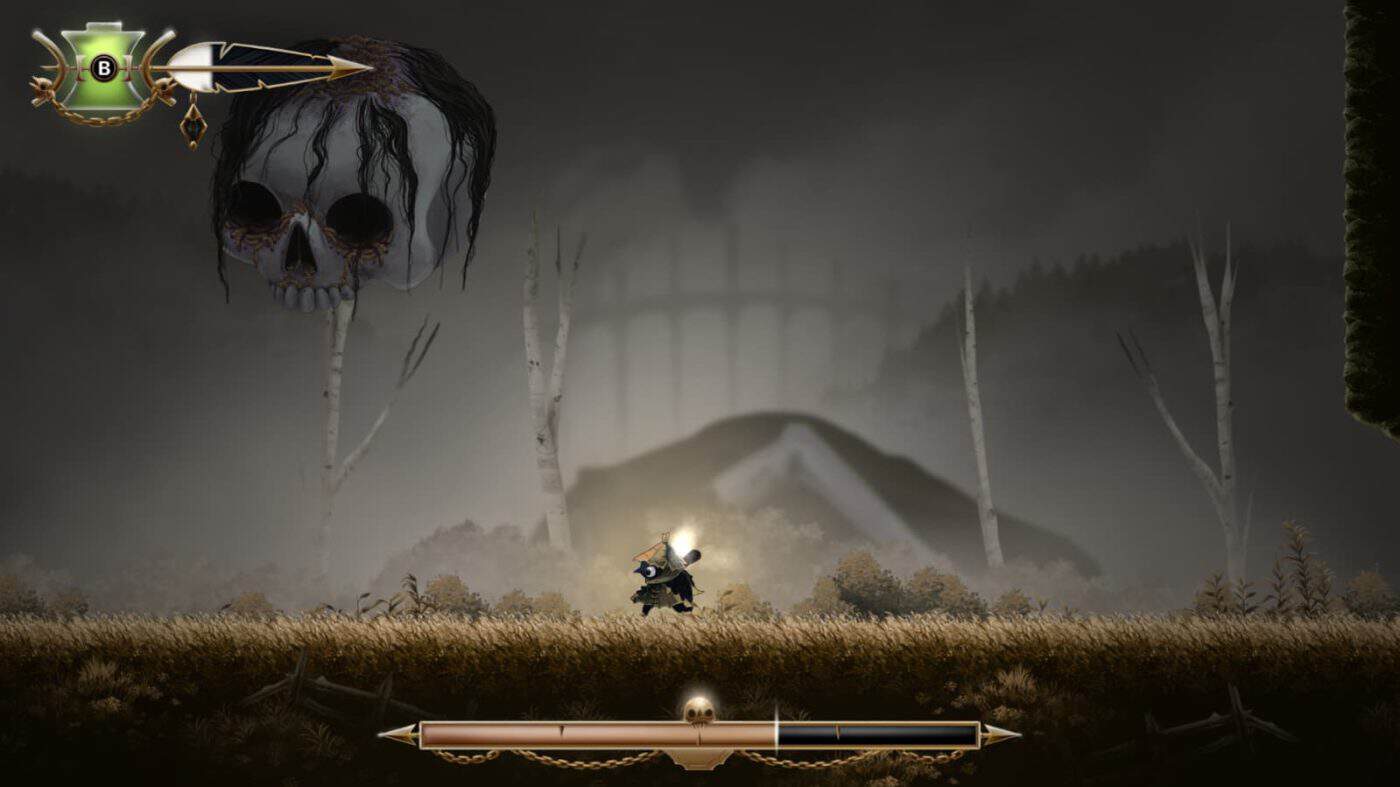
Boss encounters offer some of the game’s most memorable tests of skill, bringing movement, combat, and environmental awareness together in more demanding confrontations. Their larger scale and more elaborate attack patterns set them apart from ordinary enemies, requiring players to study their behaviour, manage their positioning, and respond to threats with greater precision. Some encounters incorporate traversal directly into their design, turning the arena into a test of navigation as well as combat. Others break from the expected rhythm of a conventional boss fight, introducing chase sequences in which survival takes precedence over attacking. This variety gives each encounter a distinct identity while testing different aspects of the skills players have developed throughout the adventure. At their best, these battles bring Well Dweller’s core mechanics together in demanding, well-integrated challenges that put the player’s hard-earned abilities to the test.
Ultimately, the strength of Well Dweller’s gameplay lies in how consistently its individual systems serve a shared purpose. Exploration drives progression, movement gives players the means to engage with an increasingly complex world, and the matchstick connects combat with environmental interaction. Trinkets provide room for customisation, hidden rewards encourage curiosity, and boss encounters test the skills developed along the way.
None of these elements fundamentally redefines the metroidvania genre, but their integration gives the experience a clear sense of direction. Well Dweller understands that the appeal of a well-designed interconnected world lies not simply in its size or the number of secrets it contains, but in the gradual revelation of its possibilities. The satisfaction comes from returning to a familiar place with a new ability, recognising a route that was previously out of reach, and discovering that a world once seemingly closed has opened up in ways the player could only begin to imagine.

Polished, Purposeful, but Rarely Revolutionary
Ultimately, Well Dweller is a game built on refinement rather than reinvention. Rather than attempting to redefine the metroidvania genre, it focuses on bringing its most enduring strengths together in a cohesive, carefully considered adventure. Exploration, movement, and progression form the backbone of the experience, supported by an art direction that gives the world a distinct identity. This approach makes for a confident and accessible game, even if its commitment to familiar conventions leaves relatively little room for genuine innovation.
Exploration is where Well Dweller makes its strongest impression. Its interconnected world strikes a satisfying balance between scale and cohesion, offering plenty of opportunities for discovery without making revisiting familiar areas feel like an exercise in repetition. As Glimmer acquires new abilities, previously inaccessible routes become viable, and environments that once appeared thoroughly explored gradually reveal further secrets. Environmental puzzles, hidden passages, and optional collectibles add depth to this process, rewarding players who take the time to look beyond the main route. The pleasure lies in the gradual revelation of possibilities: each new ability changes the way the kingdom can be navigated, making familiar places feel worth returning to.
This sense of discovery is reinforced by the thoughtful progression of Glimmer’s movement abilities. New techniques do more than expand his repertoire; they are integrated into the level design in ways that meaningfully alter how players interact with the environment. Obstacles that once brought exploration to a halt become opportunities, while previously overlooked routes acquire a new significance. It is a defining pleasure of the metroidvania genre, and Well Dweller understands how to make it rewarding. Progression feels tangible because every new ability serves an immediate gameplay purpose while also inviting players to reconsider the world they have already traversed.
Combat is less consistently successful. Built around Glimmer’s matchstick, ranged attacks, and a combination of movement and evasion, the system prioritises clarity and accessibility over complexity. There is a clear rationale behind this restraint: encounters remain readable, and success depends on recognising enemy patterns, choosing the right moment to attack, and positioning Glimmer effectively. Yet the system’s limitations become more noticeable as the adventure progresses. The relatively narrow range of offensive options can leave encounters feeling restrictive, particularly when compared with the greater variety offered by exploration.
Boss encounters produce more mixed results. Distinctive creature designs, varied attack patterns, and the integration of movement abilities give some confrontations a welcome sense of identity. At their best, these battles bring together the game’s core mechanics, demanding that players combine observation, precision, and adaptability rather than relying on straightforward attacks.
Not every encounter, however, achieves the same degree of inventiveness. While the strongest fights stand out for the way they use the tools already established by the game, others may feel less distinctive to players familiar with the genre. The result is a selection of encounters with memorable highlights, even if their overall impact is somewhat uneven.
The trinket system introduces a welcome degree of customisation, allowing players to fine-tune Glimmer’s abilities without adding unnecessary complexity. These equippable items provide a range of bonuses, giving players the freedom to prioritise offensive capabilities or other advantages according to their preferred playstyle. The limited number of available slots introduces a straightforward but meaningful element of strategy, as each choice requires players to weigh the benefits of one effect against those of another. While the system never develops into an especially elaborate layer of character customisation, its restraint works in its favour. It offers sufficient flexibility to make equipment choices consequential while preserving the accessibility and straightforward design that underpin the wider experience.
The adventure also makes room for well-timed variations that keep its core gameplay loop from becoming predictable. Chase sequences and more demanding platforming challenges interrupt the familiar rhythm of exploration, combat, and backtracking, introducing welcome changes of pace without disrupting the overall flow. Well Dweller also benefits from a well-judged length. A first playthrough typically takes around ten to twelve hours, with further time needed to uncover hidden areas and collect optional rewards. Rather than padding the experience to sustain the illusion of a larger adventure, the game maintains a relatively compact structure that gives its mechanics room to develop while ensuring the journey never outstays its welcome.
Where the game establishes a more immediately distinctive identity is in its artistic direction. The contrast between storybook charm and unsettling grotesquery gives Well Dweller much of its personality, bringing together endearing characters, grotesque creatures, and environments that balance visual warmth with an undercurrent of darkness. Its varied settings reinforce this identity, while the soundtrack deepens the atmosphere and sustains the tension between the whimsical and the macabre. Together, these elements do more than give the game a recognisable identity: they lend its familiar gameplay foundations a world that feels genuinely distinctive, imbuing the adventure with a personality that extends well beyond its mechanics.
Taken as a whole, Well Dweller is a well-crafted metroidvania whose greatest achievements lie in the cohesion of its design rather than the novelty of its ideas. Its exploration is consistently rewarding, its movement progression is thoughtfully integrated, and its artistic identity gives the adventure a character of its own. Combat is comparatively limited, and not every boss encounter reaches the same heights, but these shortcomings do not overshadow the strengths of the overall experience. The game knows what it wants to be and, for the most part, succeeds in delivering it.
Players seeking a radical reinvention of the genre may find Well Dweller’s ambitions somewhat restrained. For those who value thoughtfully designed environments, satisfying progression, and the peculiar charm of a dark fairytale, however, the game has plenty to offer.

 8/10
8/10