In short
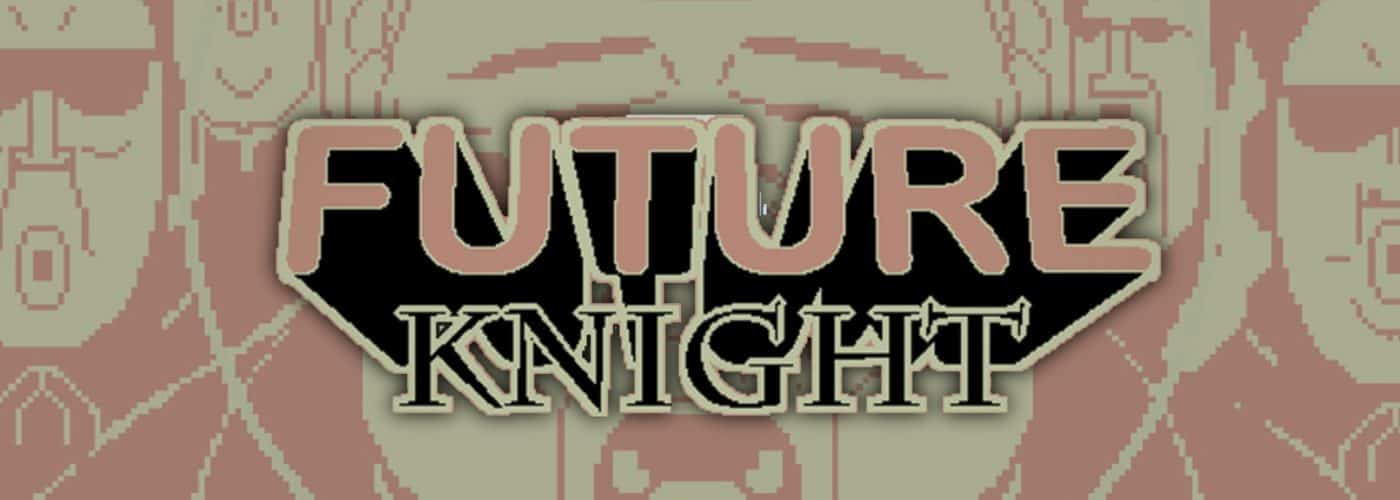
Future Knight, the 2D action game born from the collaboration between Studio Koba and Aeternum Game Studios, is played entirely inside an old Game & Watch and turns that LCD style into level design, colour puzzles and nonsense humour. The review analyses its duo of protagonists, the synergy between Future Knight and Two More, the vocal-line soundtrack and the surreal narrative, recognising solid gameplay that is coherent with the studio’s authorial vision. A few control imprecisions are noted, along with a short length of about 5 hours on normal difficulty, with replayability resting on hard mode and the pursuit of records.
Born from the collaboration between Studio Koba and Aeternum Game Studios, Future Knight pairs a distinctive visual identity with solid, satisfying gameplay.
When I discovered that Studio Koba was behind Future Knight, I was genuinely curious to see what would come of it. For those unfamiliar with the studio’s history, this is their third title, following Narita Boy and Haneda Girl. The studio’s philosophy goes beyond a mere claim to original style, aiming instead at a synergy between gameplay and authorial vision that elevates the product. It is a creative philosophy that blends surreal narrative, original ideas and emotion as its starting point, then builds toward an audiovisual concept that serves no purely decorative function, but becomes an integral part of the experience.
Beyond this, the development of Future Knight also benefited from the collaboration with Aeternum Game Studios. Their know-how focused mainly on the direction of the project, leaving the original concept to Studio Koba.
With this premise in place, this review will cover the most interesting aspects of the title as well as its weak points.
The Game & Watch Idea Between Music and Aesthetics
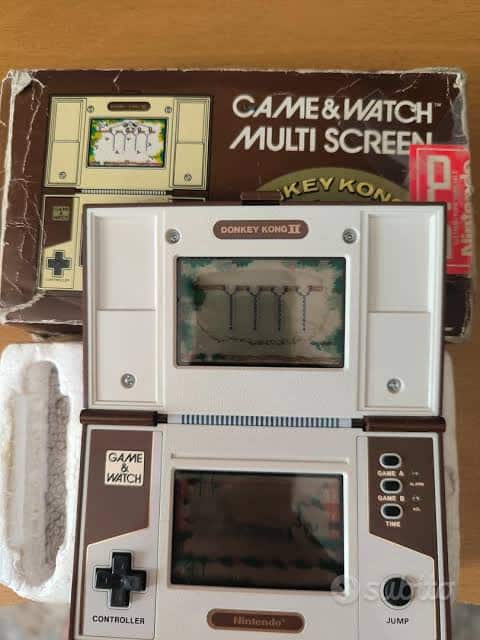
The aesthetic style of Future Knight is certainly original and “dated”. Anyone who experienced gaming in the 1980s and 1990s probably had a Game & Watch, or a clone of one, in their hands at some point. These devices, created by Gunpei Yokoi (the father of the Game Boy), were portable electronic games that integrated a liquid crystal display and directional buttons inside a plastic case.
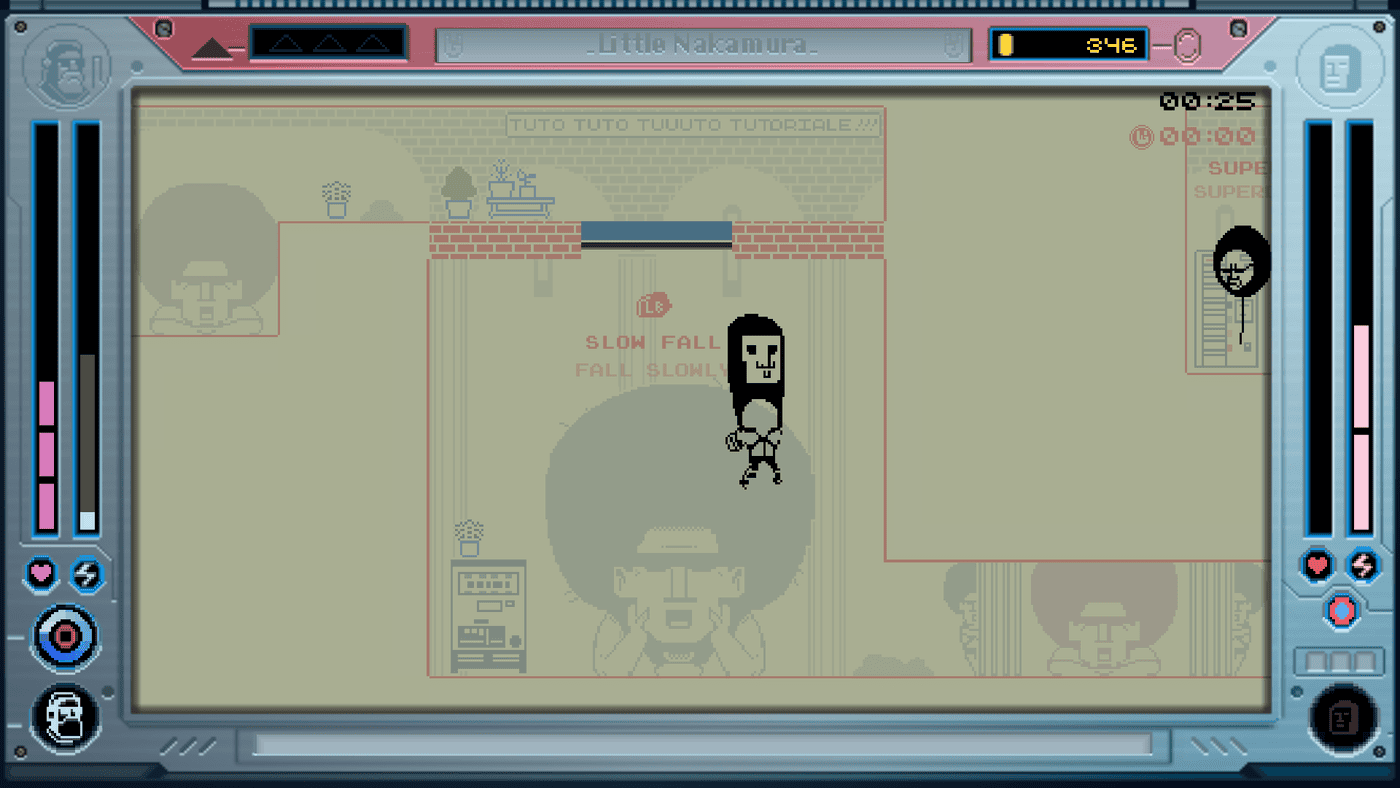
The game screen of Future Knight is indeed set inside one of these devices by Studio Koba and Aeternum Game Studios. Clearly, the developers did not make this choice for its own sake, but it has an impact on the gameplay and level design we will be discussing. The soft pastel colors of the background will accompany us throughout the adventure, and we will learn to recognize their functions and the constraints they impose. Moreover, the protagonist, the enemies and certain environmental elements stand out thanks to the classic black outline that characterized the LCD devices of the era. The animations, while deliberately “basic”, are faithful to the historical period they draw from and are also pleasant to watch.
The music in Future Knight lives up to its aesthetic counterpart. The old Game & Watch units had no true soundtrack: they could only produce monophonic sounds, dry electronic beeps and metallic trills. This limitation allowed developers to use such sounds to underscore events like impacts, hits, jumps or scores.
That said, Future Knight reworks and transforms the audio side, even while looking to the past. The compositions focus above all on the use of vocal lines: humming, vocalizations and words come together in simple, catchy melodies, but it does not stop there. The vocal lines, simple as they are, are harmonized with one another with great care and craftsmanship. Once again, then, we are looking at an element that does not merely embellish the game, but becomes an integral part of the experience.

Mechanics and Gameplay Dynamics
Future Knight is a 2D action game with a strong shoot ’em up identity. Studio Koba and Aeternum Game Studios built the core mechanic on the alternation between two characters, creating dynamics and even complex synergies. Their abilities, when combined and used in the right ways during the levels, offer several solutions for overcoming obstacles. From platforming to combat with enemies, the team formed by Future Knight and Two More is a duo full of surprises. Beyond Two More’s fundamental role in reaching secret rooms and their collectibles, some of its abilities can also make life easier during combat. Certain enemies, especially in the later stages, have weak points that only Two More can hit, which can literally take them out with a single hit.
At times, however, Two More’s platforming feels slightly imprecise, as does the control of some of its abilities. It is nothing serious, but during the search for collectibles, compounded by the presence of very few checkpoints not always placed in the best spots, the situation can become frustrating. That said, it is nothing serious, especially considering that Future Knight encourages an approach based on trial and error, typical of a certain videogame philosophy.
Let us now meet our “dynamic duo”.


Two Unlikely Heroes
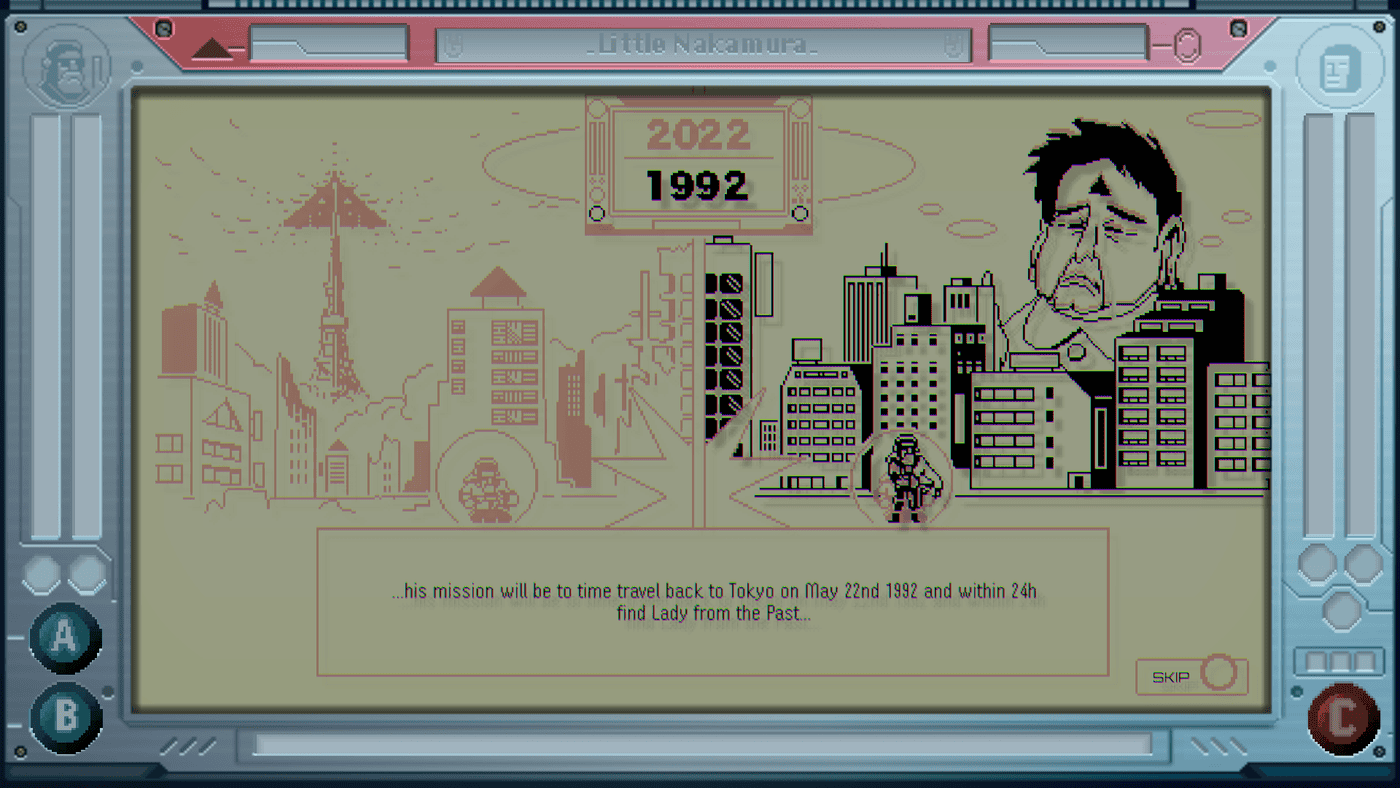
Everything begins in 1993, when an elderly woman, abandoned by her family, fills her time watching her favorite telenovela. When the broadcast is interrupted due to the death of the lead actor, the woman remains in front of the television, which continues to transmit nothing but static. It is precisely from this event that a catastrophe destined to involve all of humanity gets underway.
Having become the Lady of the Past, she manages to manipulate people’s minds, conquering the world and giving rise to a cult called the Present. Thirty years later, the only hope for stopping her is a cyborg built from the remains of the TV series’ actor and sent back in time to prevent all of this from happening. His name is Future Knight and, accompanied by a decidedly unusual ally, he will have to face a mission that promises to be as bizarre as it is insane.
From this premise, the two protagonists take shape.
The Future Knight
A cyborg equipped with a quantum pistol and melee attacks. In terms of mechanics, we can shoot, jump, perform melee attacks, including a special one, and dodge (with a generous invincibility window).
As for shooting and the special attack, we need to pay attention to the resources at our disposal. The indicators beside the case allow us to keep the situation under control: shooting consumes an energy bar and, once depleted, we will have to wait for it to recharge. The special attack and the dodge also have their own cooldown, so it is up to the player to decide when and how to use them.
Two More
It lives in symbiosis with Future Knight. As the game explicitly states, describes it as a benign tumor.Endowed with extreme mobility, it can dash, shoot at short range, roll, climb walls and pass through narrow spaces.
You can release it from the body of Future Knight at any moment, leaving him defenseless. Thanks to its mobility, we can perform two dashes in any direction, capable of even destroying certain barriers. The energy used for these dashes does not recharge on its own and is shared with the energy needed to shoot at short range. We can recall the body of Future Knight to the spot we reached with Two More. This advantage allows us to get through cramped spaces and take on powerful enemies, because the dashes can also be used as a weapon. An interesting synergy consists of “launching” ourselves toward the defenseless body of Future Knight to create a shockwave capable of dealing massive damage. Two More’s energy recharges gradually only when it re-enters the knight’s body.
A further advantage is that, if we take fatal damage as Future Knight, Two More automatically exits his body and we can wait for the latter to reconstitute itself. All these advantages come at a price, however: a single hit is enough to kill Two More and trigger the game over. Another option is to use the little ally as a sort of “parachute” to glide while we are in the air.
An honorable mention goes to the mechanic that allows Future Knight to save us if we fall into water or other substances. It cannot be exploited endlessly, but it can give us the push needed to clear an obstacle and avoid a game over.


Translating the Bizarre into Aesthetic Vision
Future Knight makes the bizarre and the grotesque a pillar of the title. Studio Koba and Aeternum Game Studios build a story that mixes science fiction, grotesque humor and surreal situations, starting from a premise as absurd as it is interesting. This vision does not translate into a mere aesthetic exercise, but extends its roots into the gameplay, the level design and the enemy design.
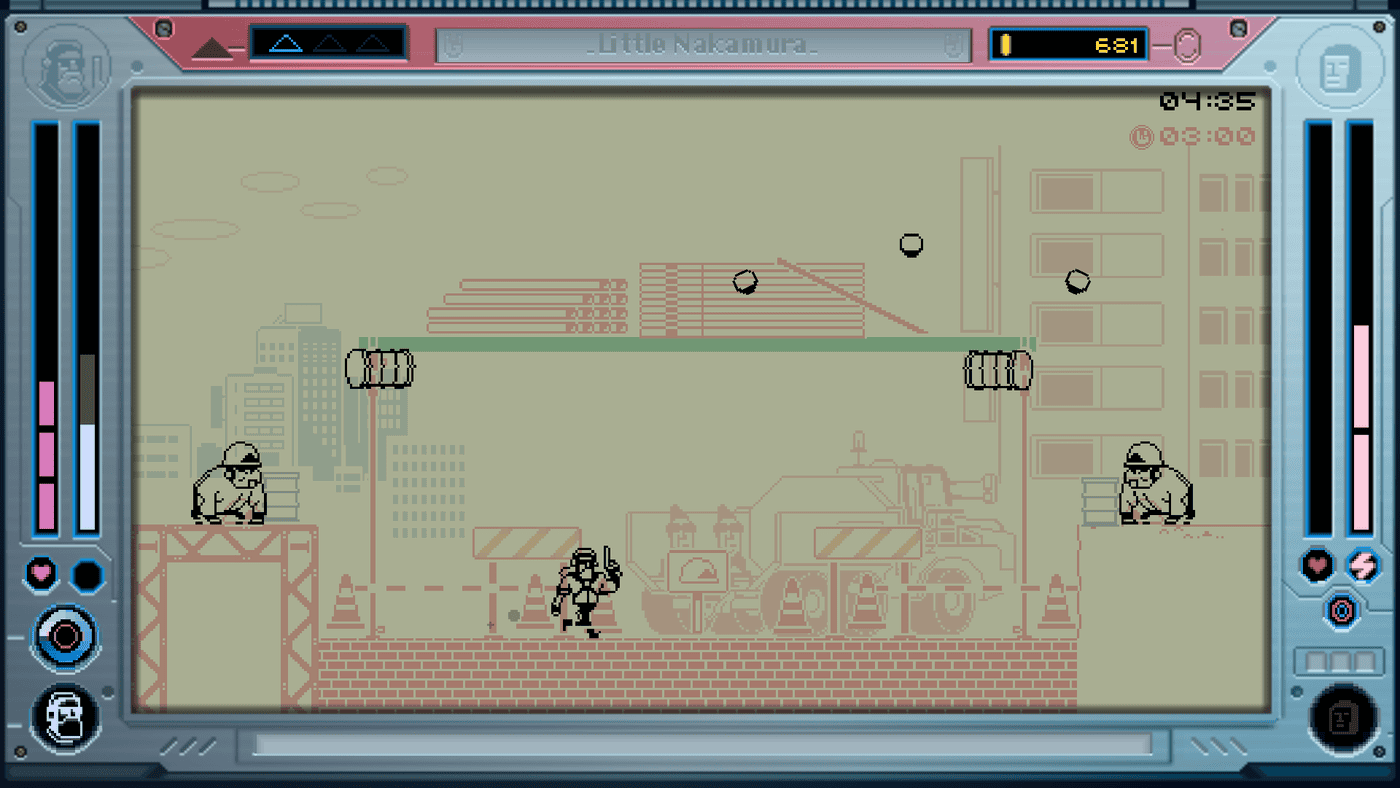
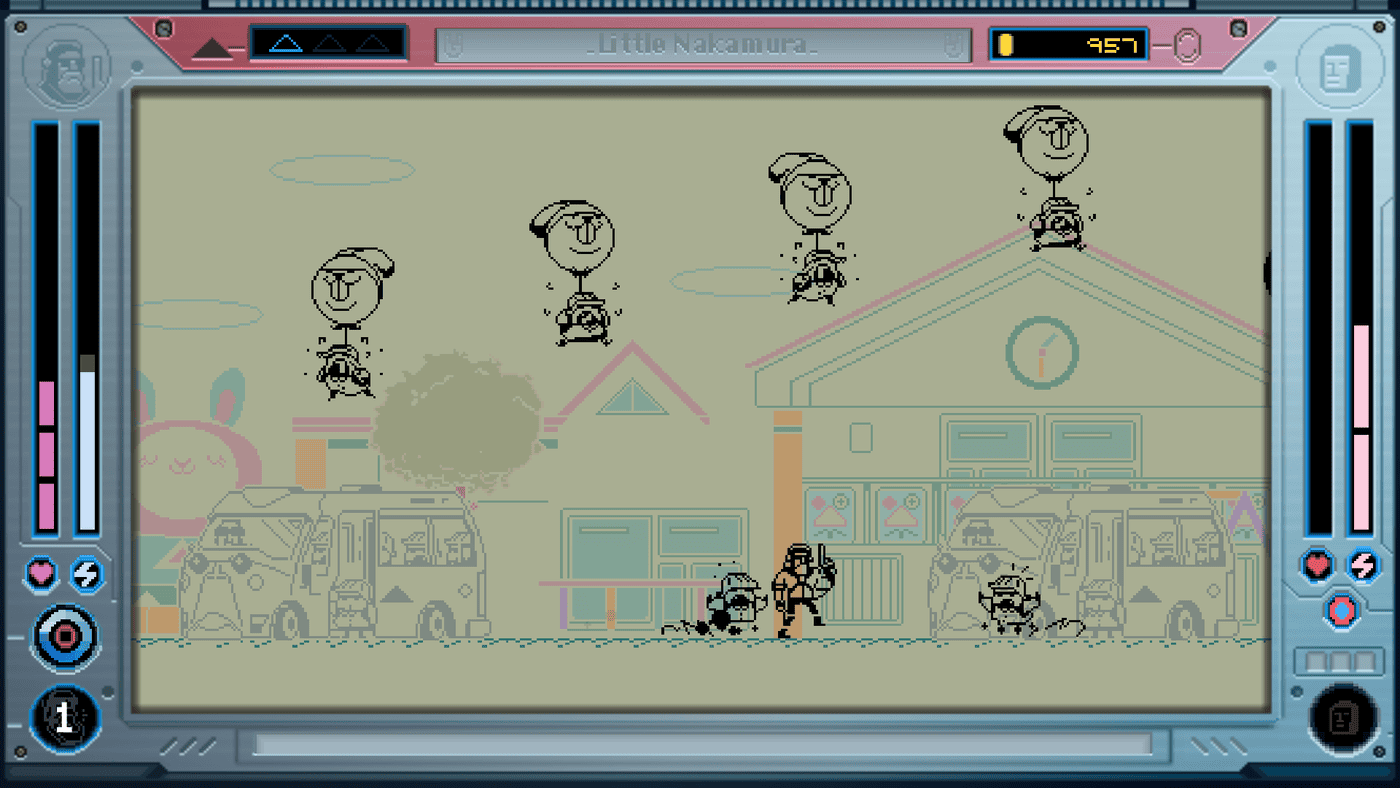
It is not just the protagonists: the enemies and bosses also seem to have stepped out of the craziest anime you have ever seen. Maniacs in the classic raincoat, kindergarten children, workers with simian features and old folks feeding pigeons are only some of the adversaries we will encounter. I would rather not spoil the bosses, because it would do you a disservice and ruin the pleasure of discovery.
I can assure you that everything we see recalls that Japanese nonsense iconography. The same goes for the narrative, made of absurd situations, grotesque characters and contrasts between catastrophic events and ridiculous motivations.

A Screen That Is a Stage
This whole aesthetic and narrative universe finds further expression in the design choice of setting the game inside an old Game & Watch. The idea returns that the aesthetic choice is an integral part of the gameplay and the design. The simplicity of the device and the pastel colors seem the perfect space in which to stage this vision.
The chromatic choices also affect the development of the level design. It is not immediately obvious at first, but you will learn to read the background and its colors. Every chromatic choice corresponds to a door, a ledge or a platform. Together with the active elements that simulate the liquid crystals, these devices paradoxically create a solid, smooth and readable system.
I will not hide from you that there is a bit of disorientation in the early stages, especially for those not used to this kind of setup. It also happened to me to miss a few secrets and have to replay the level. Fortunately, the system that associates a color with a specific interactive element of the background is well made and, over time, you get used to it.
An honorable mention goes to the cases we can purchase with the coins we will pick up in game.


Length, Replayability, and the True Ending
In this section I will discuss a topic that, depending on the player, can be perceived positively or negatively: longevity. Future Knight is a relatively short title. We have to tackle eight stages, plus a ninth that we unlock by meeting a specific condition, but let us take it one step at a time.
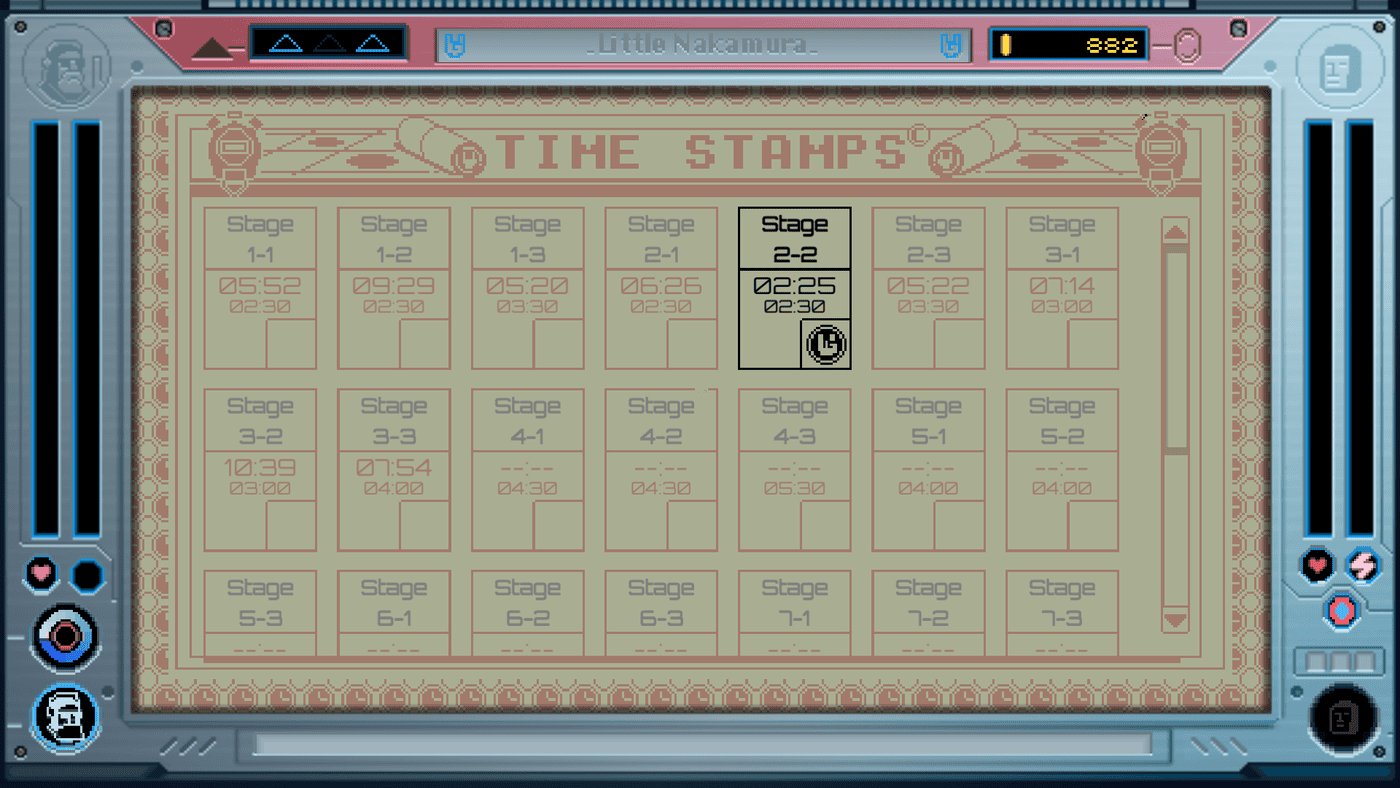
Each stage consists of three levels, with a boss fight in the third. Each level contains three collectibles, whose collection is necessary to unlock the ninth stage. Completing the secret stage, which essentially consists of a confrontation with the secret boss, allows us to reach the true ending. The game offers a normal and hard mode; in addition, by completing a level in less time, we can obtain a stamp that certifies our record.
I completed the game, collecting all the secrets and defeating the secret boss, in roughly 5 hours on normal difficulty. Hard mode and the hunt for record stamps certainly increase longevity. The end game, however, is based on clearing the same content in the shortest time possible and at a higher difficulty.
My Two Cents
Studio Koba and Aeternum Game Studios have built a 2D action game that makes its aesthetic identity and its unconventional approach two fundamental elements, but which does not merely rest on its laurels thanks to an original concept.
The idea of setting the adventure inside an old Game & Watch is not just an aesthetic gimmick. It influences the way we read the environments, tackle the levels and learn to recognize the elements we can interact with. The music, with its simple but carefully crafted vocal lines, also contributes to giving the experience its personality. It is precisely this coherence between artistic vision and gameplay that makes the difference.
The system built on the collaboration between Future Knight and Two More is another successful insight. The abilities of the two protagonists offer interesting solutions, pushing us to experiment and make the most of their peculiarities. A few imprecisions in Two More’s controls and some checkpoints not always well placed can create moments of frustration. Tthey do not compromise the experience as a whole.
The most evident limitation is probably its longevity. Five hours to complete the adventure and collect all the secrets is not much. Replayability relies mainly on hard mode and the pursuit of records. It is an aspect to keep in mind, but it does not erase the merits of a title that knows what it wants to be and manages to carry its idea forward with coherence.
All in all, Future Knight is a small project with a well-defined character. Capable of mixing nostalgia, experimentation and nonsense humor without sacrificing the solidity of its gameplay. It will not be a particularly long experience, but it is an adventure that deserves to be played.
 8/10
8/10