In short
Our review of Honeycomb: The World Beyond, the sci-fi survival sandbox by Frozen Way published by Snail Games USA, available from September 8, 2026 on PC, PlayStation 5 and Xbox Series X|S: an original idea of bioengineering applied to survival on the planet Sota7, undermined by poor visual readability, punishing collisions, frustrating traversal and a confusing narrative progression. Frozen Way’s post-launch hotfixes fix several bugs, but for now the experience remains more laborious than it should be, while still offering moments of genuine wonder for lovers of contemplative survival games.
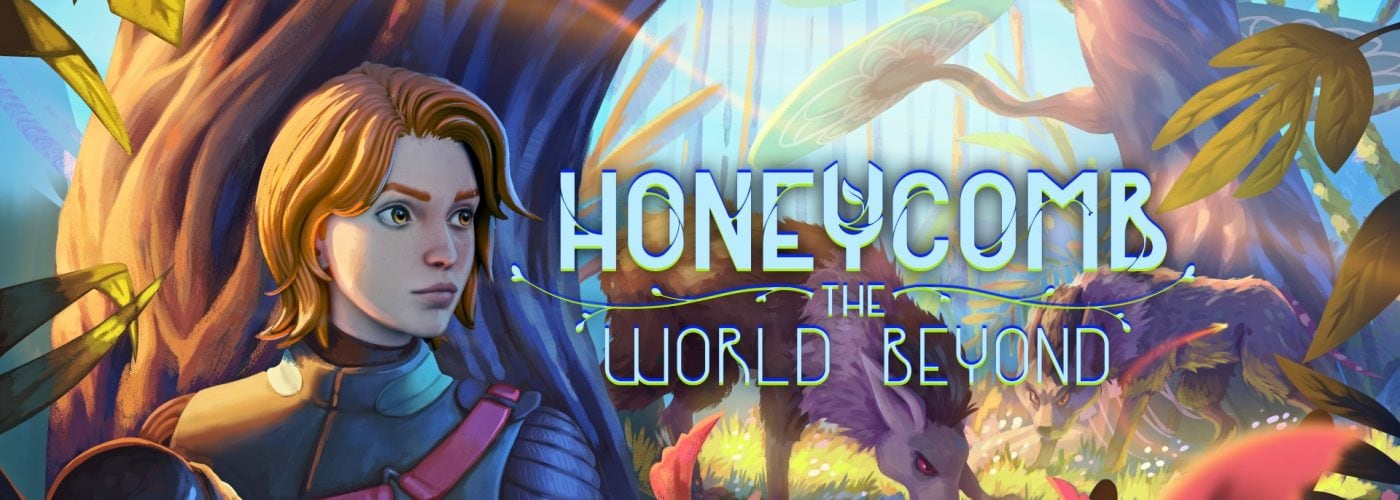
Developed by Polish studio Frozen Way and published by Snail Games USA, Honeycomb: The World Beyond is a sci-fi survival sandbox that launched on September 8, 2026. The game is available on PC via Steam and the Epic Games Store, as well as on PlayStation 5 and Xbox Series X|S.
In Honeycomb: The World Beyond, players take on the role of Hennessy, a bioengineer sent to the alien planet Sota7 by EON Corp to investigate its ecosystem and determine whether its biological diversity might hold the key to addressing the environmental crisis threatening life on Earth.
A World That Struggles to Be Seen
Sota7 is a lush planet, densely packed with vegetation, and this is precisely where the first problem arises: visual legibility. Sota7’s fauna and flora are so rich and uniform in their tones that telling objects of interest apart becomes a chore, to the point that scanning, the mode that highlights resources, becomes practically a permanent tool.
This is no exaggeration: over the course of a playthrough you end up living constantly through the filter of the scan, with the consequence that the world loses much of its visual appeal.
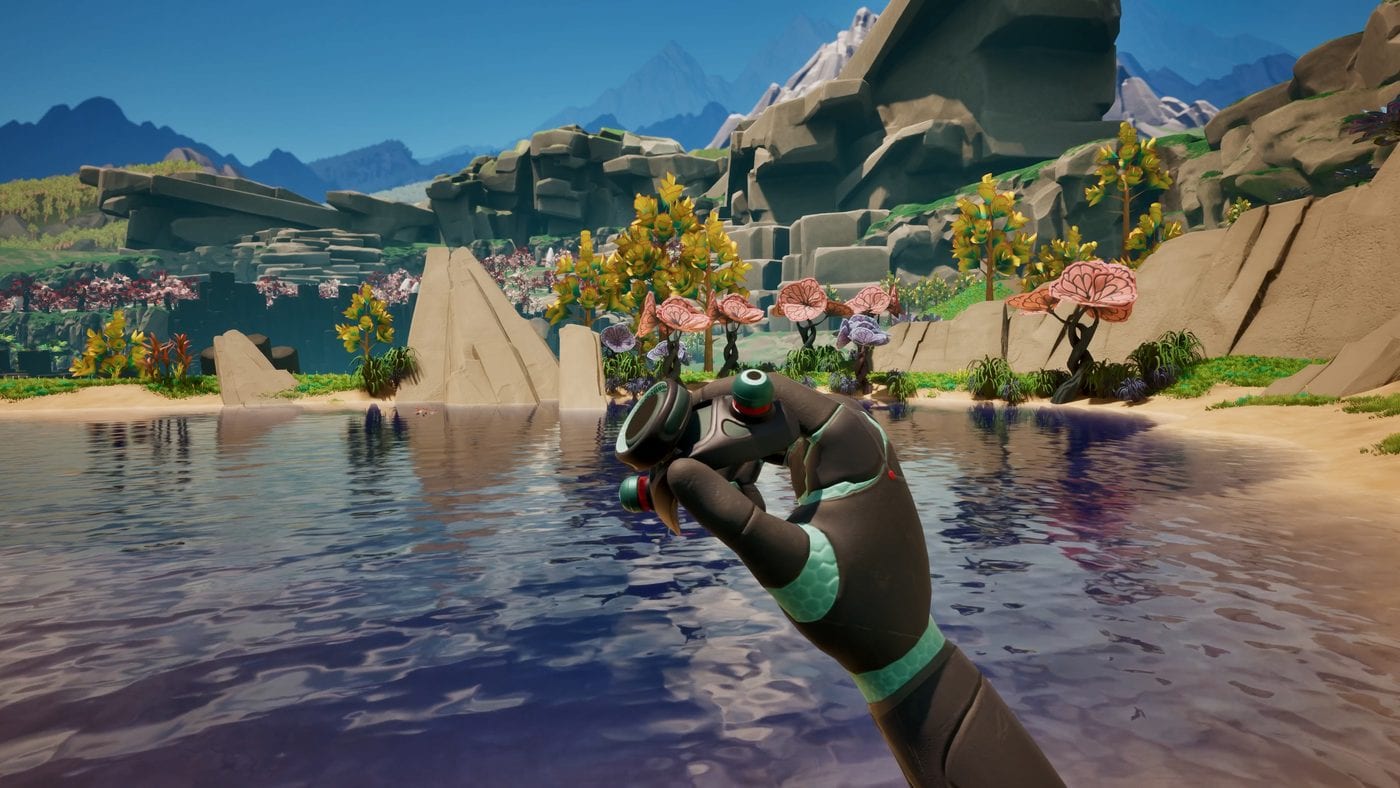
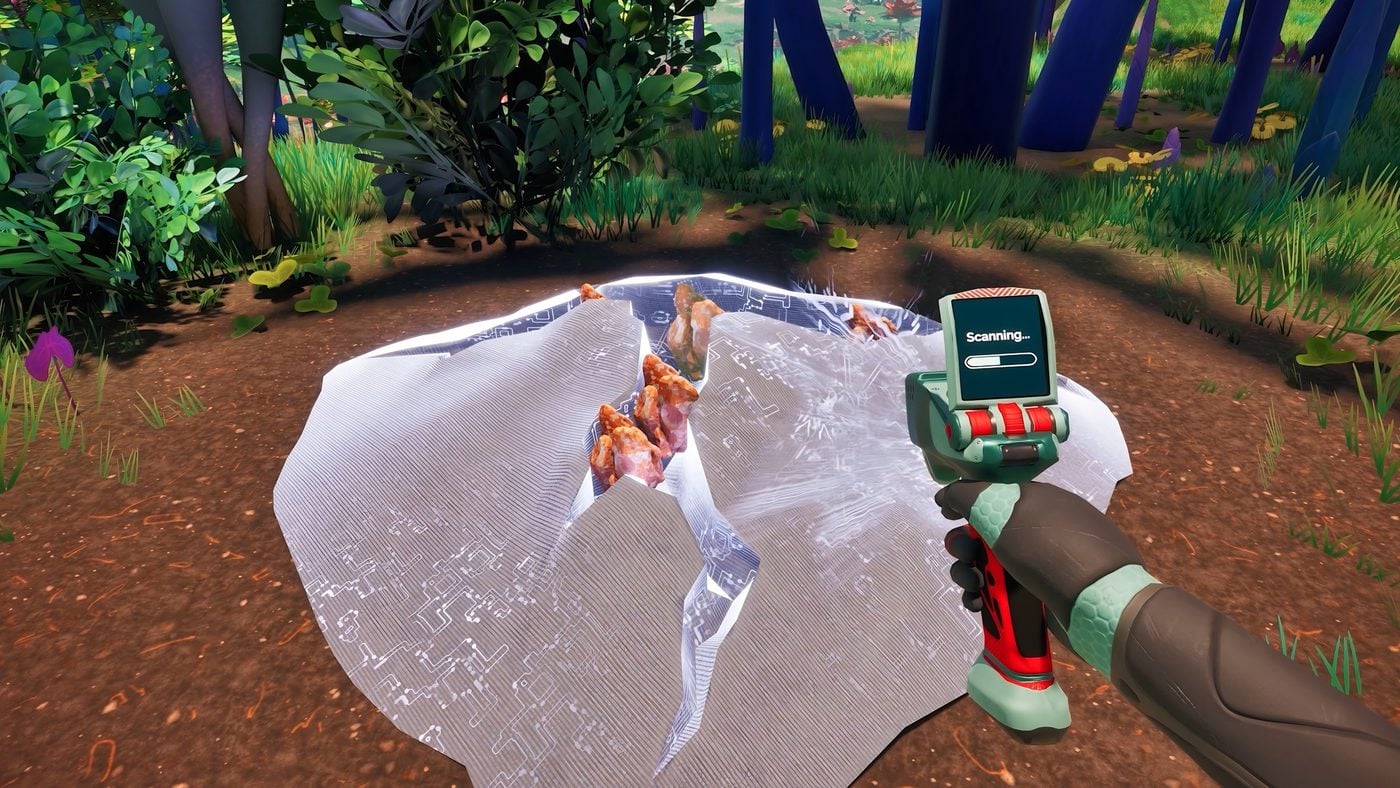
Which is a shame, because the art direction of Frozen Way undoubtedly has moments of grace. But a game that forces you to look at it almost exclusively in scanner mode is, in a sense, a game that hides from itself. Snail Games and Frozen Way should seriously consider more chromatic contrast between resources and environment, or a more discreet highlighting system.
Gameplay That Hinders More Than It Challenges
The second obstacle is more mechanical in nature. Honeycomb proved complicated and slow, even for players used to the harshest survival sandboxes. Collision with objects is excessive: trees are impassable barriers even where it would visually seem possible to slip between the trunks.
The hoverboard, one of the tools designed to speed up travel, gets stuck on every rock and every plant, sending poor Hennessy crashing to the ground. The paradoxical result is that it is almost always better to proceed on foot, in a world that nonetheless asks you to regularly reach points of interest very far apart from each other. Between long, slow walks and a vehicle that betrays you at the first stone, getting around becomes a nuisance rather than a moment of exploration.

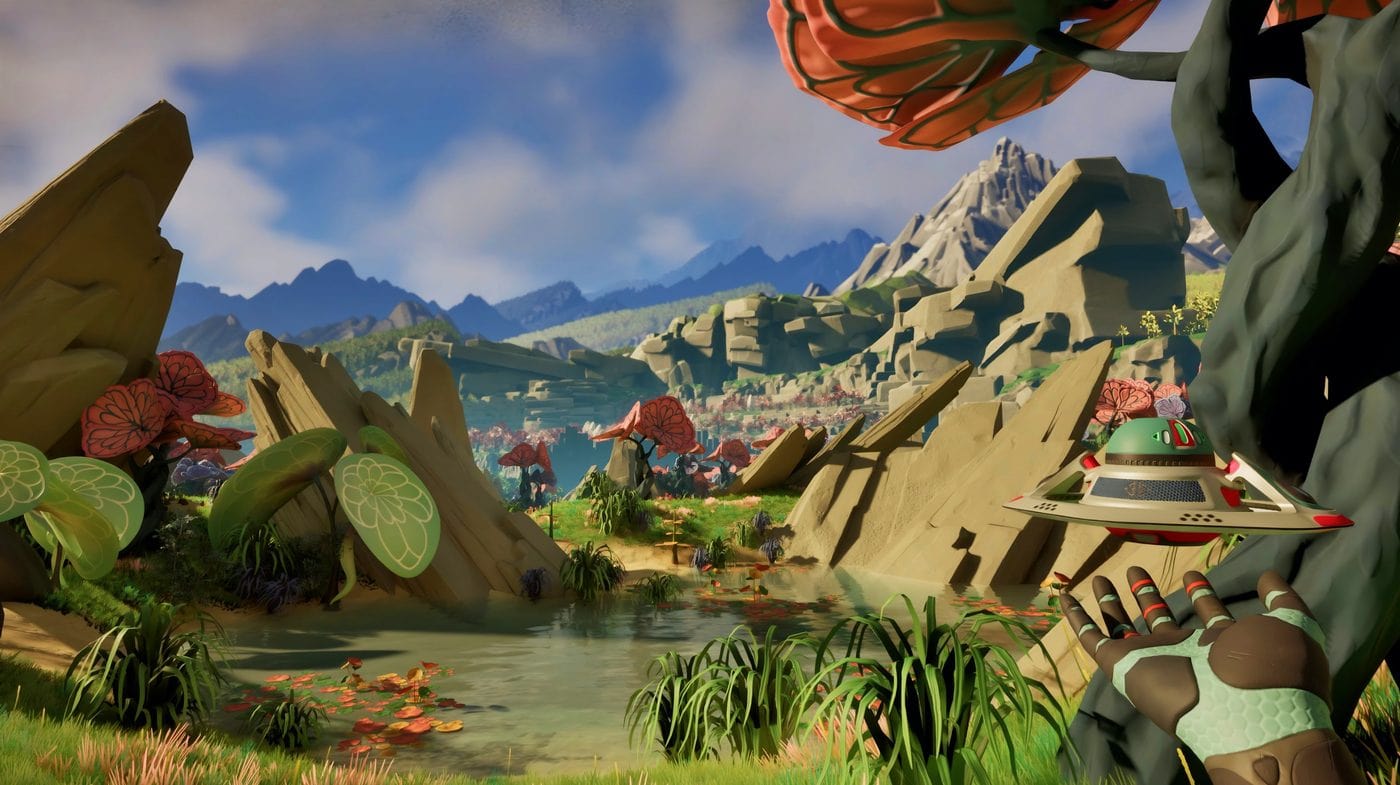

Building carries the same rigidity: the construction system proves inflexible, penalizing creativity. And Frozen Way is in fact already working on it: in the first post-launch hotfixes the developers made the “Unstuck” function more forgiving (it now works even when you are not standing still on the ground). They made the placement of objects and structures immediate, without waiting for progression, and fixed constructions that remained jammed due to the sleeping bag bug. As things stand, however, these remain continuous frictions that undermine the game’s already slow pace.
A Story That Gets Lost Along the Way
Where Honeycomb risks losing even the most patient players, however, is in its narrative structure. The steps required to advance the story are hard to understand and hard to complete. It is not uncommon to find yourself stuck on a quest for a very long time, with no clear hints about what the game expects you to do. It is an insidious flaw, because it turns the freedom typical of the sandbox into aimless wandering: progression does not flow, it grinds to a halt.
In a game that has made science and discovery its identity, having such a confused sense of direction is particularly damaging. A system of more explicit objectives, a more detailed quest log, or a hub that gives contextual hints about the next step would go a long way toward recovering what may be the most interesting part of the experience: the story of Hennessy and the future of Earth deserves to be told better than this.

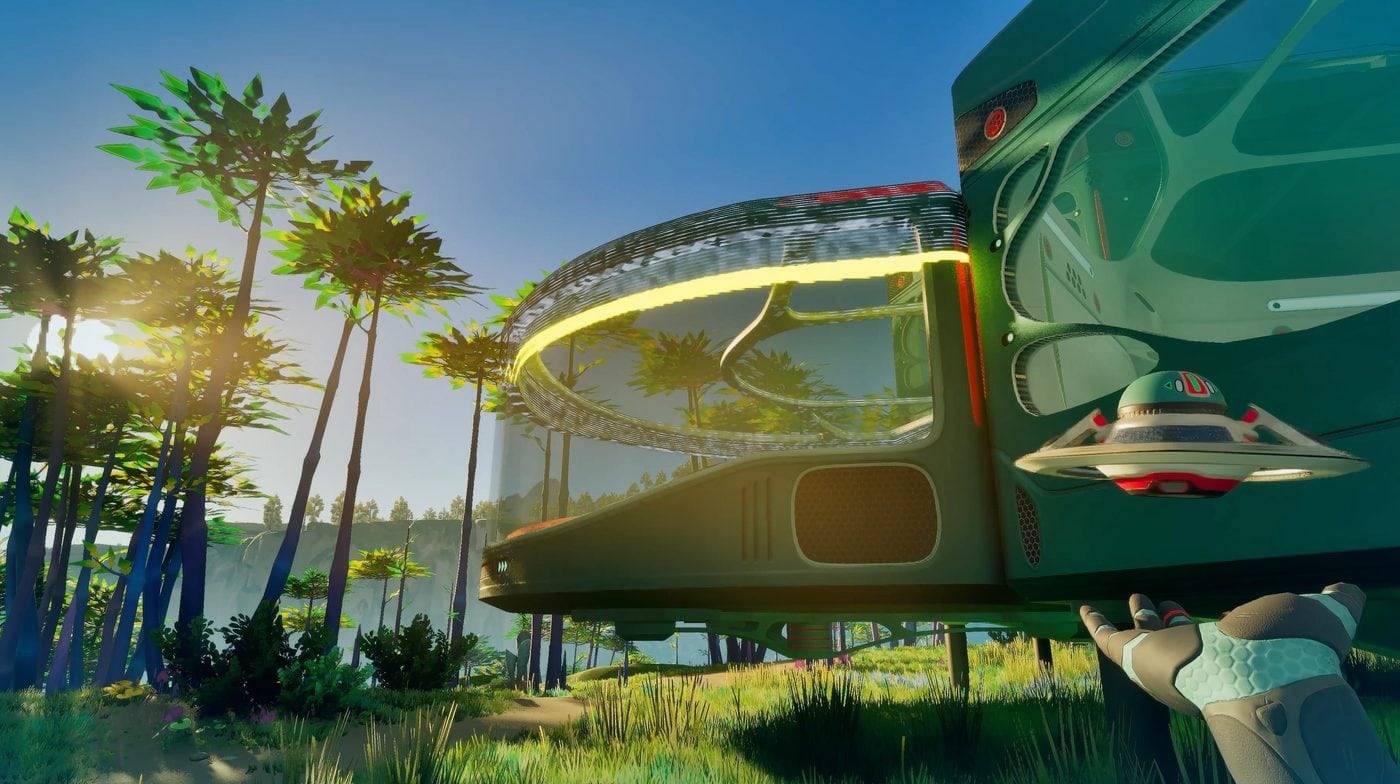
There is, however, a reassuring side to this: these blockers are not a problem affecting only a few unlucky players, so much so that Frozen Way has already released a series of targeted hotfixes.
Among the most significant fixes are the fix for the “Decrypting Lake’s Mysteries” quest, which would not complete when the Mystery Core had already been inserted into the wall, the restoration of quests granted to existing saves (such as “Second Life”), the rebuilding of empty nests, and the recovery of lost data boxes and map icons, up to an entire hotfix dedicated to repairing saves. That these interventions arrived so early and so frequently is a sign of attentiveness on the part of the developers.
Conclusions
Honeycomb: The World Beyond remains a courageous project, with a strong identity and a core idea, bioengineering applied to survival, that no other game has pursued with this conviction. But the execution stumbles: the scan that becomes a visual prosthesis, the punishing collisions, the uncontrollable hoverboard, and a narrative that grinds to a halt far too often make the experience more arduous than it needs to be.
For those who love slow, contemplative survival games and do not fear a few extra hours of frustration, the game can still offer genuine moments of wonder in front of an alien ecosystem to be understood before it is exploited; everyone else would do well to wait a few updates, hoping that Frozen Way refines the mechanics as promised. If you are curious to set foot on Sota7 and judge for yourself, you can find Honeycomb: The World Beyond on Steam, and perhaps keep an eye on future sales and patches, because the potential is all there.
 6.5/10