
The Slayer remains unstoppable. The same cannot be said for his latest adventure.
When DOOM: The Dark Ages launched, it was immediately clear that id Software had accomplished something far more ambitious than simply expanding one of gaming’s most iconic shooter franchises. This was not another installment built around the familiar cycle of demons, weapons and destruction. It was a deliberate attempt to redefine the very identity of DOOM: to evolve the series without sacrificing the brutal, uncompromising philosophy that had made the Slayer a legend.
Few franchises have faced the challenge of reinvention as many times as DOOM. Since its debut, the series has existed between two opposing forces: the need to preserve its identity and the necessity of evolving with each new generation of players.
With DOOM (2016), id Software achieved what once seemed impossible. After years of uncertainty surrounding the franchise, the studio delivered a revival that understood exactly what made the original games timeless.
It stripped away unnecessary elements and returned the focus to pure momentum, devastating weapon design and combat built around one simple principle: the player should always be the most dangerous thing in the room. It was a triumphant return, a game that did not attempt to imitate the past, but instead understood why the past mattered.
Then came DOOM Eternal, an even more ambitious evolution of the formula. Rather than simply expanding upon its predecessor, Eternal transformed DOOM into a far deeper and more demanding combat experience – one where every encounter became a carefully designed test of awareness, movement, decision-making and resource management.
Players were no longer simply encouraged to survive the battlefield; they were expected to master it. Weapon switching, enemy prioritization, precise movement and aggressive resource recovery became the foundation of a combat system built around constant pressure and mechanical excellence. For many fans, DOOM Eternal represented the absolute peak of the franchise – a bold, technically brilliant interpretation of what a modern arena shooter could become when pushed to its limits. Yet the very qualities that made DOOM Eternal such a remarkable achievement also became its greatest challenge. Its deeper systems and uncompromising design philosophy, while undeniably impressive changed the relationship between the player and the game.
Eternal was not simply a game to be experienced; it was a game to be mastered. It demanded commitment, precision and a willingness to fully embrace the depth of its systems, sometimes at the expense of the immediate accessibility and effortless momentum that had made DOOM (2016) so universally appealing. With The Dark Ages, id Software sought to answer that very dilemma. Rather than pushing the franchise further toward mechanical complexity, the studio chose refinement over escalation.
It delivered an experience that preserved DOOM’s trademark brutality while introducing a greater sense of control, clarity and physical impact. The result was a combat system that felt instantly recognizable yet confidently evolved.
The Shield Saw became the centerpiece of the experience, redefining how players approached encounters. Defensive timing, precise parries and aggressive counterattacks created a combat loop built around confidence and dominance. Instead of forcing players to constantly manage a complex network of abilities, The Dark Ages gave them something arguably more important: complete command over the battlefield. The Slayer was not simply surviving. He was imposing his will.
But the greatest evolution introduced by The Dark Ages was not mechanical: it was narrative. For decades, DOOM’s lore existed largely in the background. Ancient civilizations, forgotten wars and mysterious figures enriched the universe, but they rarely stood at the center of the experience. The Dark Ages changed that philosophy entirely.
Argenta, the Night Sentinels, the Khan Maykr, Valen, King Novik and Thira were no longer fragments of lore or pieces of historical background. They became the pillars of a darker, more intricate fantasy universe – one shaped by sacrifice, ambition and betrayal. For the first time in the franchise’s history, DOOM felt like a world with a past worth discovering, a mythology rich enough to exist beyond the battlefield. That transformation is exactly what made The Dark Ages – Revelations such a difficult undertaking.
Following one of the most ambitious entries in the franchise’s modern history was never going to be an easy task. The expansion carried the responsibility of expanding upon The Dark Ages’ mythology, exploring the events that shaped the Slayer’s destiny and building the narrative bridge toward DOOM (2016). The expectations were enormous.
Unfortunately, the reality is far more nuanced. DOOM: The Dark Ages – Revelations is not a failure, nor is it an expansion lacking in ambition or quality. At its best, it remains a technically impressive and meticulously crafted addition to the franchise, powered by id Software’s exceptional expertise in visual design, performance optimization and visceral combat system. Whenever Revelations focuses on combat, it reminds players why DOOM remains unmatched.
The problem is that too often, the expansion struggles to maintain the same confidence outside those moments. Rather than expanding upon the strongest elements of The Dark Ages, Revelations occasionally feels like a step backward: an experience that revisits ideas the previous game had already improved upon while failing to fully capitalize on its own narrative ambitions.
Its greatest weakness is not what it reveals, but what it leaves unanswered. The expansion introduces fascinating concepts and carries enormous potential, yet many of its most important characters and conflicts are handled with surprising restraint. Characters who played significant roles in The Dark Ages receive only limited development, while narrative turning points that should have carried significant emotional and dramatic weight often unfold with unexpected speed.
Major events are introduced, resolved and moved past before they have the opportunity to fully resonate, leaving the player with the persistent feeling that many of Revelations’ most compelling ideas deserved far more time and depth.
The result is a constant feeling of unrealized potential. Revelations repeatedly hints at a much larger story: a grander tragedy and a more dramatic turning point in DOOM’s history. But it rarely allows those ideas to fully breathe. What should have been a defining chapter in the Slayer’s journey instead becomes something far more restrained: a technically exceptional but uneven expansion that successfully bridges two important eras of DOOM’s mythology without ever fully establishing a legacy of its own.
A Compelling Narrative That Never Finds the Time to Fully Unfold
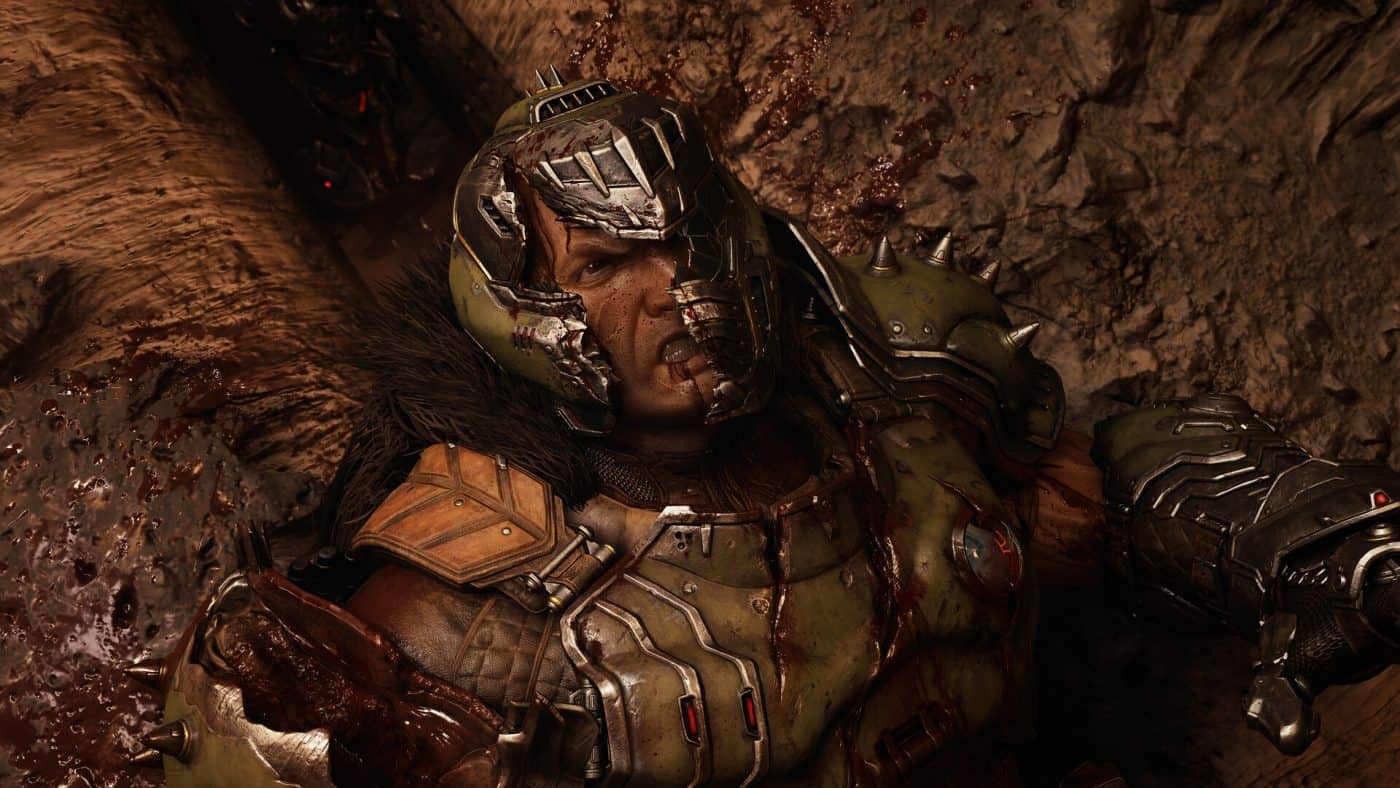
The narrative was, without question, the most exciting aspect of Revelations. From the very beginning, the expansion appeared to be positioned as a pivotal chapter in the Slayer’s mythology – the missing link between the ancient wars of The Dark Ages and the events that would eventually lead into DOOM (2016). Few moments in DOOM’s modern history carried such extraordinary narrative potential. Revelations had the opportunity to chronicle not only the fall of an entire civilization, but the tragedy behind the creation of the Slayer himself. Instead, the expansion chooses a far more intimate and restrained approach.
Rather than fully embracing the immense scale of its premise, Revelations turns its focus almost entirely inward, following the Slayer through his journey in the Purgatory while exploring the memories, trauma and experiences that shaped him long before he became the unstoppable force of vengeance known throughout the universe. This direction is not inherently flawed.
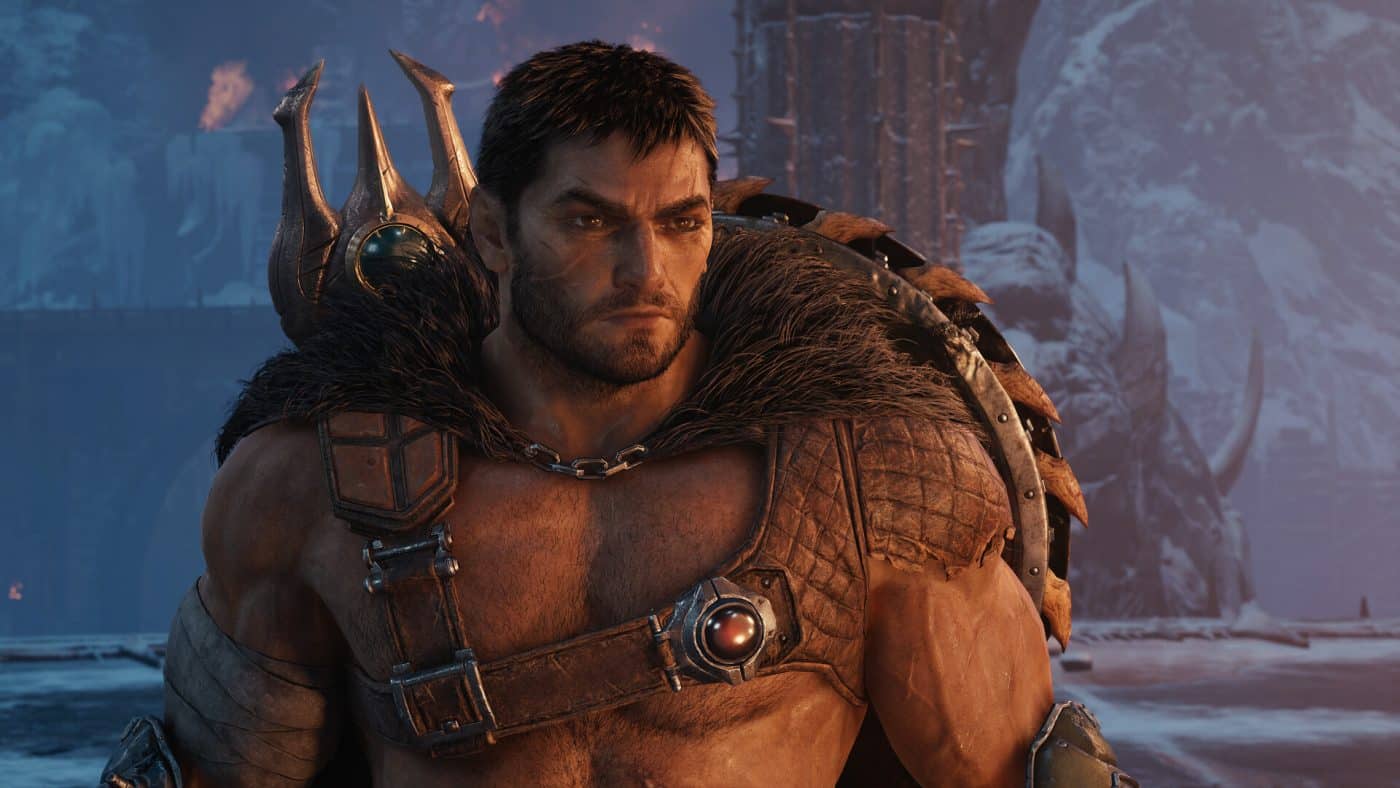
In fact, when Revelations slows down and focuses on the Slayer himself, it delivers some of its most memorable moments. For the first time, the series allows players to truly look beyond the myth and understand the individual beneath the armor: not simply as an unstoppable force of destruction, but as a warrior shaped by suffering, loss and a relentless pursuit of vengeance.
The sequences dedicated to the Slayer’s past are the emotional core of the entire expansion. Presented through a visual style that pays tribute to the classic DOOM games, these moments successfully bridge the franchise’s origins with its modern identity.
They are far more than simple callbacks to the series’ history; they are carefully crafted pieces of world-building that expand the Slayer’s mythology and offer a deeper understanding of the figure behind the legend. The confirmation of Flynn Taggart (the protagonist of the classic DOOM novels) as part of the official canon is another particularly rewarding detail for longtime fans.
Unfortunately, the same level of attention and care is not consistently applied to the wider story. The greatest disappointment of Revelations lies in how it handles the characters who helped define The Dark Ages. Thira, Valen, King Novik and Marok are not merely secondary figures within the mythology; they are essential pieces of the conflict that shaped the Slayer’s legacy. Yet, throughout the expansion, their arcs are frequently pushed into the background.
The result is a narrative that often feels strangely compressed. Major revelations arrive without the necessary buildup, crucial conflicts are resolved before they have the opportunity to fully develop and moments that should have represented monumental turning points in DOOM’s history rarely achieve the emotional impact they deserve.
This narrative shortcoming becomes particularly apparent in the way Revelations handles one of the most significant character deaths introduced in The Dark Ages. Given the role this figure holds within the identity of the game’s universe, the moment had all the potential to become a defining emotional turning point. Instead, the event is handled with surprising speed and limited emotional depth, preventing it from achieving the dramatic weight such a pivotal loss deserved.
The finale partially restores the sense of scale that the expansion occasionally struggles to maintain. The closing moments clearly suggest that a far greater conflict is approaching, hinting at a future chapter built around a war of unprecedented proportions. The post-credit sequence is particularly effective in this regard, raising new questions about Valen’s true ambitions while deliberately leaving Thira’s future and her role in the unfolding conflict open to interpretation.
The Return of DOOM Eternal’s Worst Habits
While the narrative delivers a mixed experience, it is the gameplay where Revelations reveals its most significant shortcomings. One of the greatest achievements of DOOM: The Dark Ages was its ability to accomplish what many considered nearly impossible: evolving the franchise’s legendary combat formula while preserving the brutality, depth, and satisfaction that have always defined the series. id Software did not simply simplify DOOM: it refined it. The studio carefully rebalanced the relationship between accessibility and complexity, creating a combat system where every action felt intentional, every mechanic served a clear purpose and every encounter rewarded both instinct and mastery.
The Slayer in The Dark Ages was a force of absolute dominance. Every weapon had a defined identity, every tool served a precise purpose and every encounter was built around a seamless interaction between aggression, defense and positioning. The shield was not another piece of equipment; it was the foundation upon which the entire combat philosophy was built. Perfect parries, battlefield awareness and relentless offense merged into a fluid combat rhythm that rewarded instinct as much as skill.
Most importantly, The Dark Ages gave players something that had occasionally been lost in the evolution of modern DOOM: the feeling of absolute control. Players were no longer simply responding to the chaos unfolding around them: they were commanding it. Every arena became a stage where the Slayer’s full power could be unleashed, transforming overwhelming waves of enemies into carefully orchestrated moments of precision, aggression and devastating efficiency.
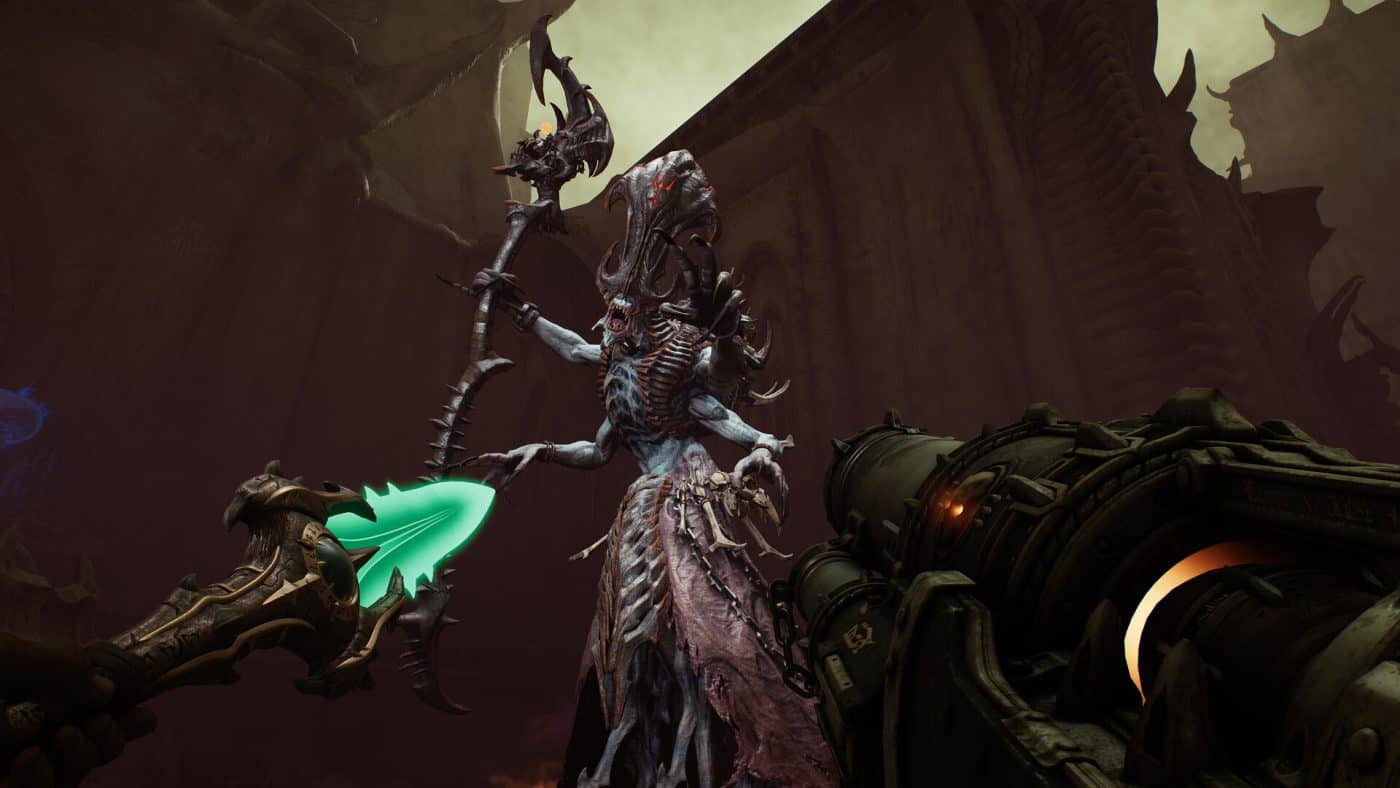
Revelations, unfortunately, makes the surprising choice to move away from this philosophy. Rather than expanding upon the foundation established by The Dark Ages, the expansion partially dismantles it. For a large portion of the experience, the shield is removed entirely, weakening the very system that gave combat its unique identity. In its place, id Software introduces the spear, a new addition to the Slayer’s arsenal that initially appears to represent the natural evolution of the combat system.
The concept itself is undeniably intriguing: a weapon built around precision, defensive timing and interaction with the game’s brutal combat mechanics. On paper, it seemed perfectly suited to enhance the aggressive yet controlled philosophy that made The Dark Ages so successful. In practice, however, the spear fails to reach that potential. Instead of adding a new layer of strategic depth, it often creates uncertainty within encounters that previously felt remarkably intuitive.
Defensive exchanges lose some of their rhythm, arena management becomes less immediate and several battles feel more chaotic rather than genuinely more challenging. The weapon does not feel like a natural extension of the Slayer’s power, but rather like a system that struggles to find its place within an already established combat philosophy.
The most disappointing aspect is the way Revelations fails to fully exploit the weapon’s concept. Given id Software’s exceptional work with enemy design and the dismemberment mechanics introduced in The Dark Ages, the spear could have become one of the most innovative additions in the franchise’s modern history. Instead, its functionality remains surprisingly limited, primarily affecting standard enemies and specific armor interactions. For a mechanic with such obvious potential, the result feels like one of the expansion’s clearest missed opportunities.
Yet the larger problem extends beyond the spear itself. Revelations also brings back several elements of DOOM Eternal’s more demanding combat philosophy: complex weapon rotations, constant resource management and a heavier reliance on mastering multiple mechanics simultaneously. These systems were impressive demonstrations of id Software’s technical ambition, but they also introduced a level of complexity that occasionally came at the expense of immediacy and flow.
The Dark Ages had found a smarter middle ground. It understood that depth does not come from forcing players to manage more variables, but from creating systems that naturally reward skill, awareness and aggression. Revelations moves away from that philosophy, reintroducing mechanical friction where its predecessor had achieved remarkable elegance.
The result is a combat experience that feels less instinctive and more demanding without necessarily becoming more rewarding. The Slayer remains devastating, the weapons still deliver the extraordinary impact expected from DOOM and the shooting mechanics remain among the best in the industry. However, the feeling of being an unstoppable warrior is no longer as consistently powerful. For a series built around the idea of turning the player into an unstoppable force of destruction, that loss of absolute battlefield control represents Revelations’ greatest gameplay weakness.
The Hardest Enemy Isn’t a Demon
Another design decision that many players had hoped was firmly in the franchise’s past makes an unfortunate return in Revelations: platforming. It was among the most polarizing aspects of DOOM Eternal, sparking widespread debate over whether precision traversal had a meaningful place in a series fundamentally built around relentless momentum, aggressive movement and uninterrupted combat. Instead of moving further away from that philosophy, Revelations embraces it once again, reintroducing platforming sequences that revive many of the same frustrations that divided the community years ago.
The issue, however, is not platforming as a mechanic. It is the way it clashes with DOOM’s core design philosophy. At its best, DOOM is built around constant forward momentum. Combat is a continuous rhythm of movement, aggression and split-second decision-making, encouraging players to remain on the offensive from the opening shot to the final kill.
Every arena is designed to sustain that momentum. By interrupting it with precision jumps, environmental traversal and platforming challenges that demand an entirely different pace, Revelations breaks the very cadence that makes DOOM so exhilarating. Instead of complementing the action, these sections repeatedly disrupt it.
The expansion also revives another longstanding issue that has followed the series throughout its modern era: environmental readability. There is no questioning id Software’s artistic craftsmanship. Once again, the studio delivers breathtaking environments, from colossal Argenta fortresses and towering gothic citadels to war-ravaged landscapes consumed by Hell. The scale and visual fidelity remain among the finest in the industry. Ironically, that same ambition often works against the player.
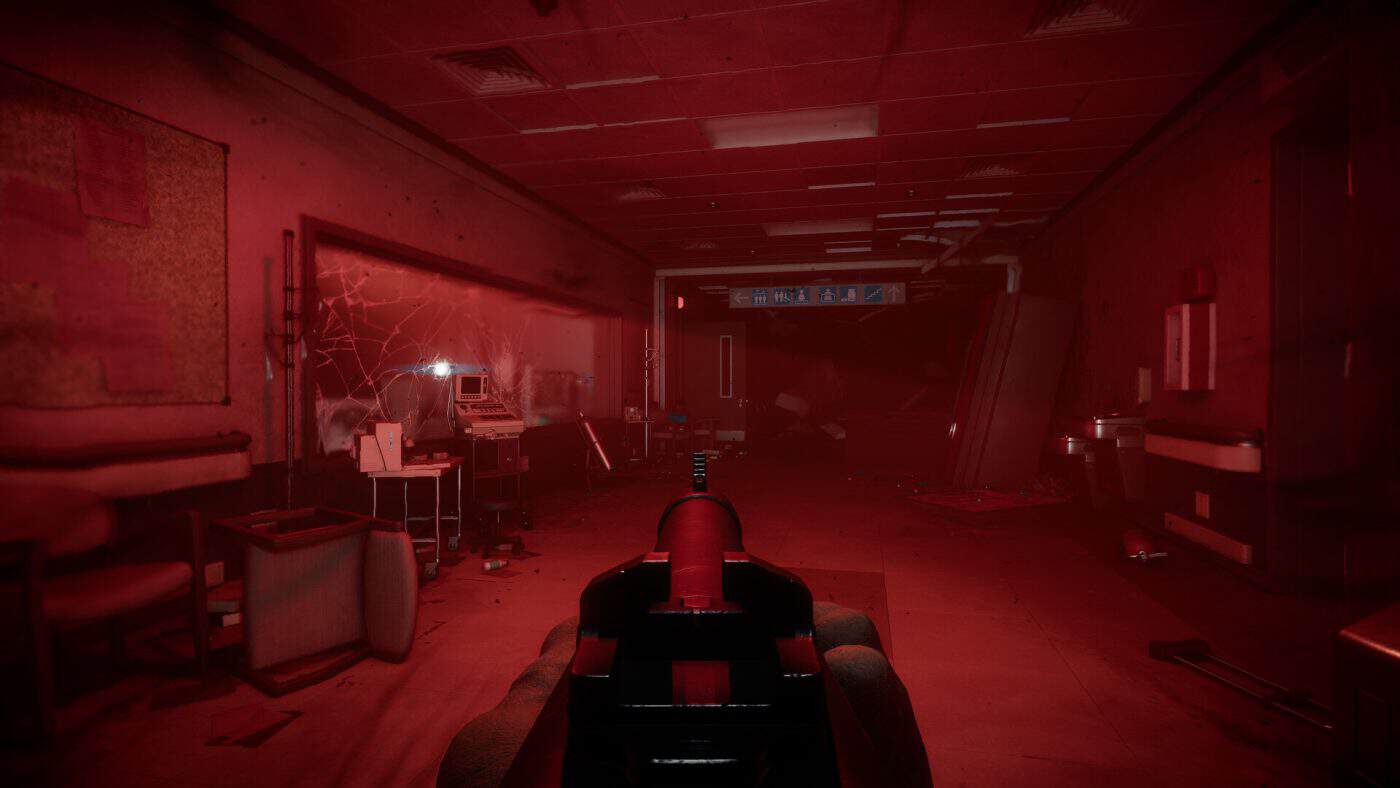
The density and complexity of the environments can make progression surprisingly difficult to read, not because the game presents meaningful navigational challenges, but because it frequently struggles to communicate the critical path with sufficient clarity. Too often, progression depends on locating an inconspicuous switch, identifying a barely visible doorway or discovering a hidden route that blends almost seamlessly into the surrounding architecture. What should feel like purposeful exploration instead becomes a process of trial and error that unnecessarily disrupts the pacing.
It is a recurring issue that undermines the expansion’s otherwise outstanding level design. Some of Revelations’ most frustrating moments do not stem from its demanding combat encounters, but from simply figuring out where the game expects the player to go next. The expansion’s deadliest opponent is not a Cyberdemon. It is not an Agaddon Hunter. It is the level design itself.
The Beating Heart of DOOM
If there is one element that continues to define DOOM’s enduring legacy, it is the unmatched quality of its gunplay. Even in Revelations, despite several questionable design decisions and mechanical choices that feel like a step back compared to the foundation established by The Dark Ages, the shooting remains the expansion’s greatest strength and most reliable pillar.
id Software’s mastery of weapon design remains virtually untouched. Every firearm feels carefully crafted to deliver maximum impact: the weight of each animation, the explosive sound design, the brutal visual feedback and the sheer intensity of every encounter combine to preserve the aggressive, visceral combat identity that has made DOOM one of the most influential shooters in history. Few games understand the importance of making every trigger pull feel meaningful, but DOOM continues to excel precisely because every shot carries purpose, power and personality. This exceptional level of consistency is ultimately what keeps DOOM: The Dark Ages – Revelations from becoming a far more disappointing experience.
While the expansion stumbles with some of its new mechanics, introduces design choices that often feel unnecessary and occasionally disrupts the extraordinary momentum that made The Dark Ages such a compelling experience, the foundation of id Software’s combat design remains impressively strong. When the weapons begin to roar, many of Revelations’ shortcomings momentarily fade away. The frustrations caused by its less convincing choices are replaced by the purest expression of what DOOM has always represented: a combat system defined by precision, aggression and absolute control.
The One Area Where Revelations Never Falters
From a technical standpoint, DOOM: The Dark Ages – Revelations leaves remarkably little room for criticism. The id Tech engine once again demonstrates why it remains one of the most advanced and technically impressive technologies in the industry. Performance is consistently excellent, even during the most chaotic encounters, where large-scale battles can fill the screen with vast numbers of enemies, elaborate particle effects, explosions, environmental destruction, and countless simultaneous animations without compromising the fluidity that has become one of the franchise’s defining strengths. Frame-rate stability remains outstanding throughout, while the sheer density of environmental detail delivers an exceptional level of visual fidelity.
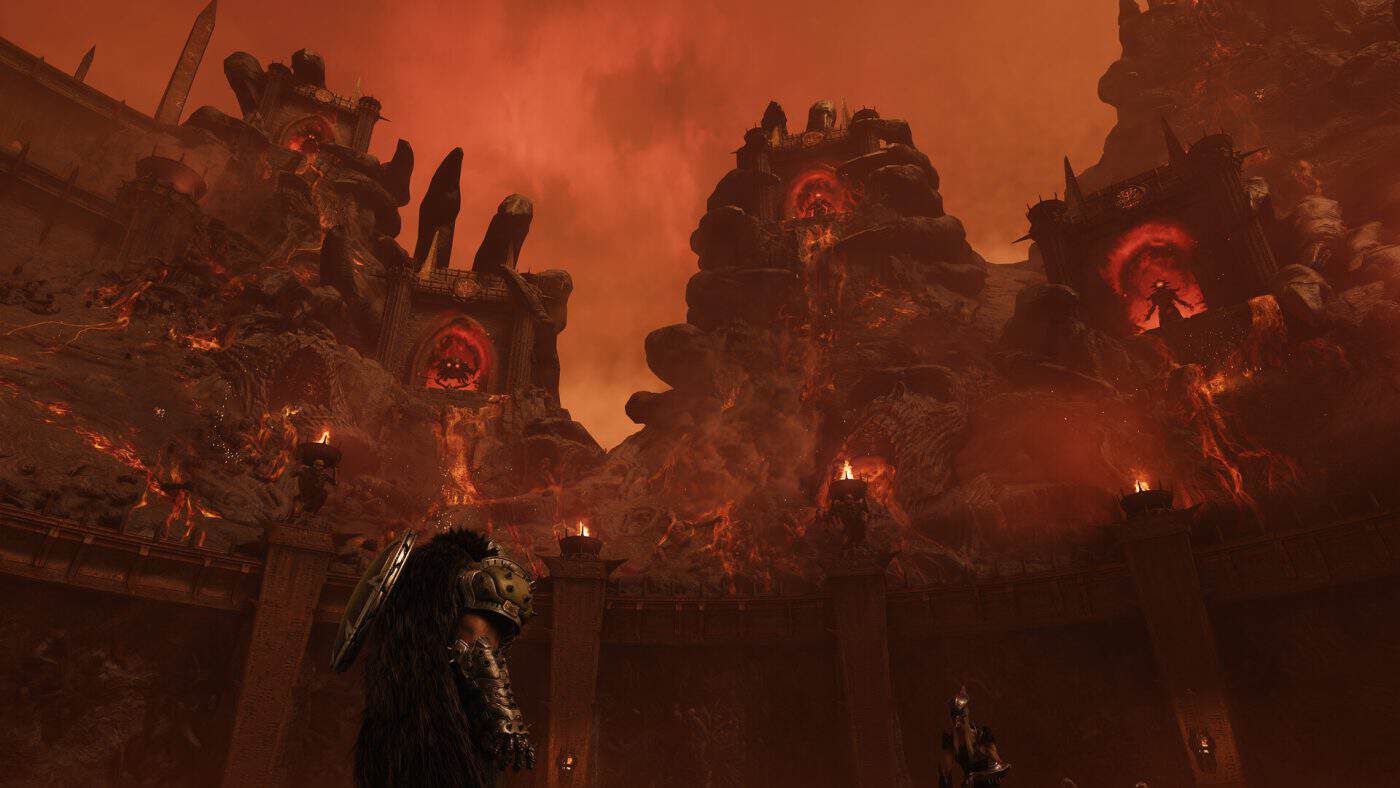
Yet, as has so often been the case with the series, it is the art direction that ultimately stands out as one of the expansion’s greatest achievements. The landscapes of Purgatory, the ruins of Argenta, and the new locations explored by the Slayer showcase an extraordinarily strong visual identity, blending imposing gothic architecture, oppressive dark-fantasy imagery, horror and science-fiction influences into a world that feels simultaneously ancient, hostile, and otherworldly.
Every environment feels crafted rather than simply created as a backdrop for combat. Architecture, lighting, environmental storytelling, monumental structures and subtle details work together to give each location its own character and history.
The Road Ahead for the Slayer
Despite the challenging period currently surrounding id Software, further complicated by Microsoft’s recent internal restructuring, Hugo Martin has confirmed that the next DOOM is already in the early stages of pre-production. While the project remains largely shrouded in secrecy, the lessons of The Dark Ages offer a clear indication of where the franchise should go next.
The priority should be to preserve the immediacy and fluidity that made The Dark Ages such a successful evolution of the modern DOOM formula, rather than returning to the mechanical complexity that occasionally weighed down DOOM Eternal. The strength of the latest installment lies precisely in its ability to make an extraordinarily deep combat system feel instinctive. The next entry should build upon that philosophy rather than dilute it with unnecessary layers of systems.
The narrative, meanwhile, has an opportunity to finally bring the modern saga full circle. The Dark Ages has expanded the mythology surrounding the Slayer and laid important foundations for what comes next; the logical progression would be to connect those events more directly with the beginning of the modern era established by DOOM (2016). Such a conclusion could finally transform the Slayer’s seemingly endless struggle against Hell into a definitive war, giving the character and the broader narrative arc the sense of culmination they have been building toward for years.
The Atlan should also make a return, but with far greater ambition and a much more central role in the overall experience. Rather than functioning as brief moments of spectacle, these colossal war machines could become a fundamental pillar of the next chapter’s design, with entire missions built around their deployment, movement and combat capabilities.
An expanded dismemberment and destruction system could make battles against other titanic entities more dynamic, allowing players to dismantle these colossal opponents rather than simply reducing their health bars. The concept already possesses the scale required to become one of the franchise’s defining mechanics if id Software chooses to develop it further.
More than anything, however, the next DOOM should fully embrace the concept of total warfare. The franchise has spent years expanding the scale of its conflicts, gradually moving beyond isolated arena battles and toward a broader vision of war. The Dark Ages represented the closest the series had ever come to portraying the Slayer not simply as an unstoppable force moving from one battlefield to another, but as a warrior fighting within the heart of a much larger, devastating conflict.
Such an evolution would allow id Software to expand the ambition of DOOM without compromising the core identity that has made the franchise legendary. The series does not need to become more complex for the sake of complexity; it needs to become broader in scope, more deliberate in its design and more meaningful in the weight of its conflicts. The future of DOOM should not be defined by adding unnecessary layers to its formula, but by amplifying the elements that have always made it exceptional: speed, brutality, precision and the overwhelming sense of power that comes with controlling the Slayer.
If id Software can successfully merge the accessibility, combat clarity and refined balance of The Dark Ages with a narrative ambitious enough to bring the modern saga toward its long-awaited conclusion, the next installment could become the definitive evolution of the franchise. Not simply another battle against Hell, but the war that the Slayer has been fighting toward all along.
 7/10
7/10