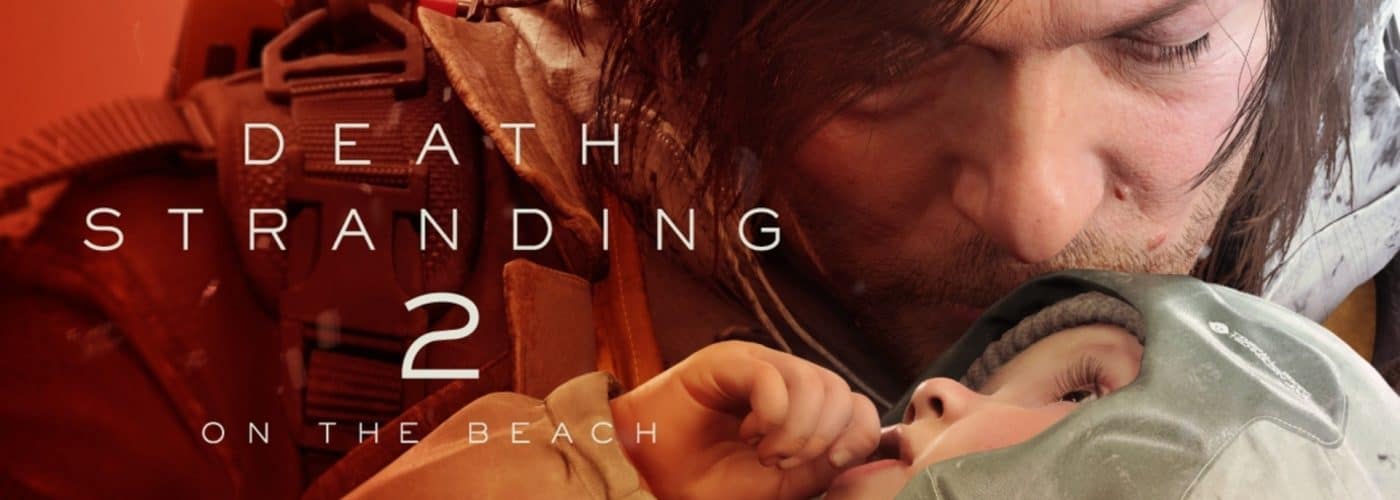
The road ahead is longer, stranger, and more dangerous than ever, but it also leads to one of the most ambitious and emotionally rewarding experiences of this generation.

Every journey begins with a distance. A geographic, emotional, or even existential distance. In the universe of Death Stranding, though, distance never simply marks a space to cross: it forms a fracture waiting to heal, a wound left by isolation, and also a chance to rediscover the value of human bonds. This reflection gives birth to Death Stranding 2: On the Beach, the new ambitious project from Hideo Kojima and Kojima Productions, a work that inherits the legacy of the first game and pushes its themes and ambitions further, deepening its questions about humanity’s future.
This time, though, Sam Porter Bridges‘ journey extends beyond unexplored territory and new borders to cross. It becomes, above all, an inner journey. Sam carries the weight of memory and the pain of loss, and he struggles to balance his need for connection against the risk of losing himself.
With Death Stranding 2, Kojima delivers one of the most ambitious productions of his career, combining spectacle and narrative depth with gameplay innovation in an experience that keeps challenging the line between video game and cinema.
Every element of the work — world-building, character writing, gameplay, and the direction of narrative sequences — builds toward a precise authorial vision. The game moves past its role as a storytelling tool and becomes an interactive language, one where the player lives the story and takes an active part in shaping it.
Death Stranding 2 doesn’t ask players to reach a destination. It asks them to understand the value of the path. Once again, the true meaning of the journey lives in the connections built along the way, not in the arrival point.
We Should Have Connected…
The adventure opens at a deliberately measured pace, echoing the contemplative approach of the first game. After the initial operations in Mexico, though, the narrative shifts tone completely. A traumatic event strikes Sam hard and marks the emotional structure of the whole story. From that point on, the protagonist faces a far more personal journey than before, shaped above all by guilt and loss, and by his inability to accept what happened.
The psychological weight on Sam’s shoulders follows the player all the way to the credits, turning every delivery and every mile into a metaphor for the pain he desperately tries to overcome. The evolution of the writing marks the biggest quality leap over the first game. Dialogue sounds more natural. Secondary characters gain more room. Every member of the Drawbridge adds something concrete to the story’s growth.
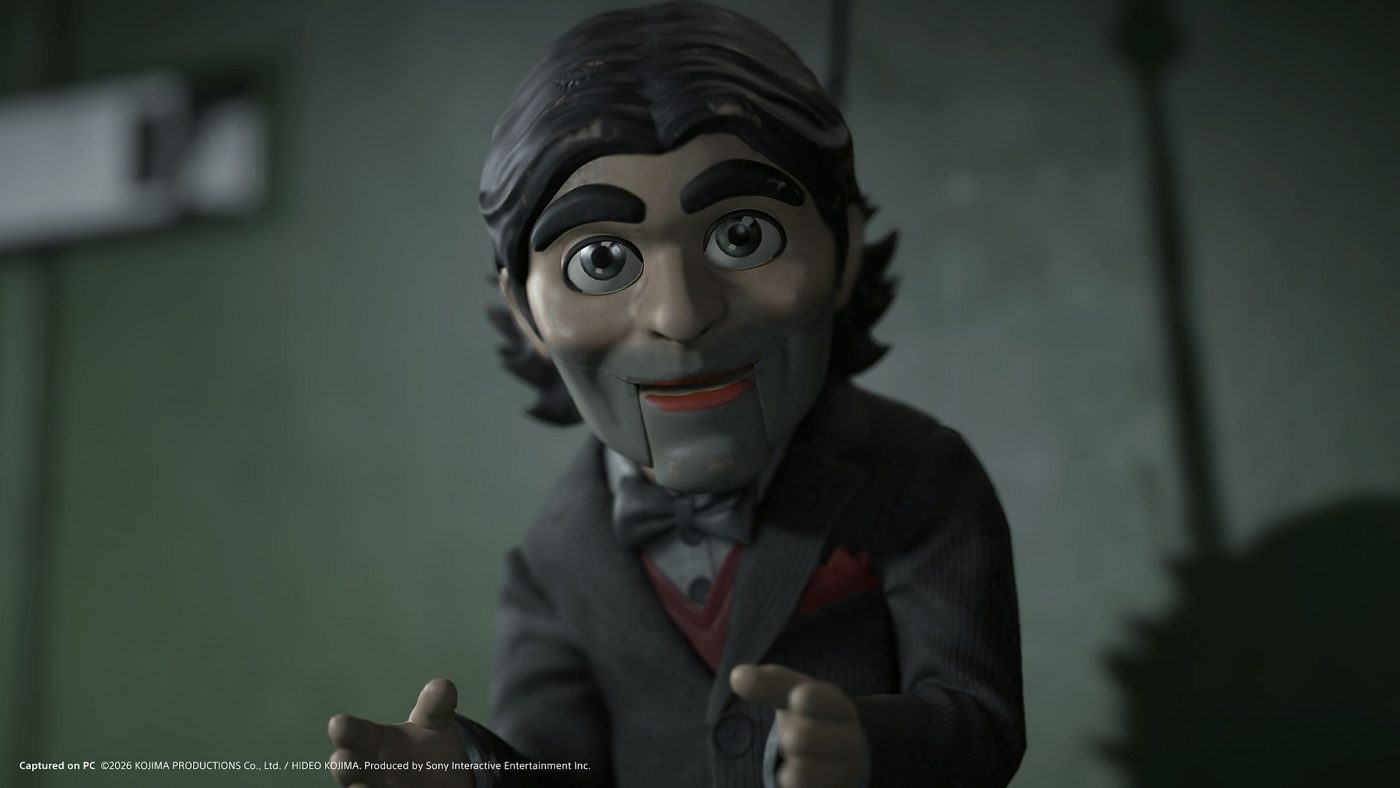
Dollman stands out among them all, a small living puppet destined to become Sam’s inseparable companion. Dollman goes beyond the role of simple guide and takes on the role of the protagonist’s conscience, mixing ironic remarks with surprisingly deep reflections. Fragile takes on a far more central narrative role, becoming a key figure in the new adventure, while Rainy, Tarman, and Charlie round out a truly successful cast, backed by convincing performances and by writing that makes every encounter along Sam’s path meaningful.
The story’s heart revolves around the consequences of global connection. The chiral network once represented humanity’s hope, and now its darker sides surface too. The rise of APAC, a private company specializing in fully automated deliveries, shows a future where efficiency and safety threaten to replace human relationships.
This exact contrast makes the screenplay of Death Stranding 2: On the Beach feel remarkably relevant today.
Tomorrow Is in Your Hands
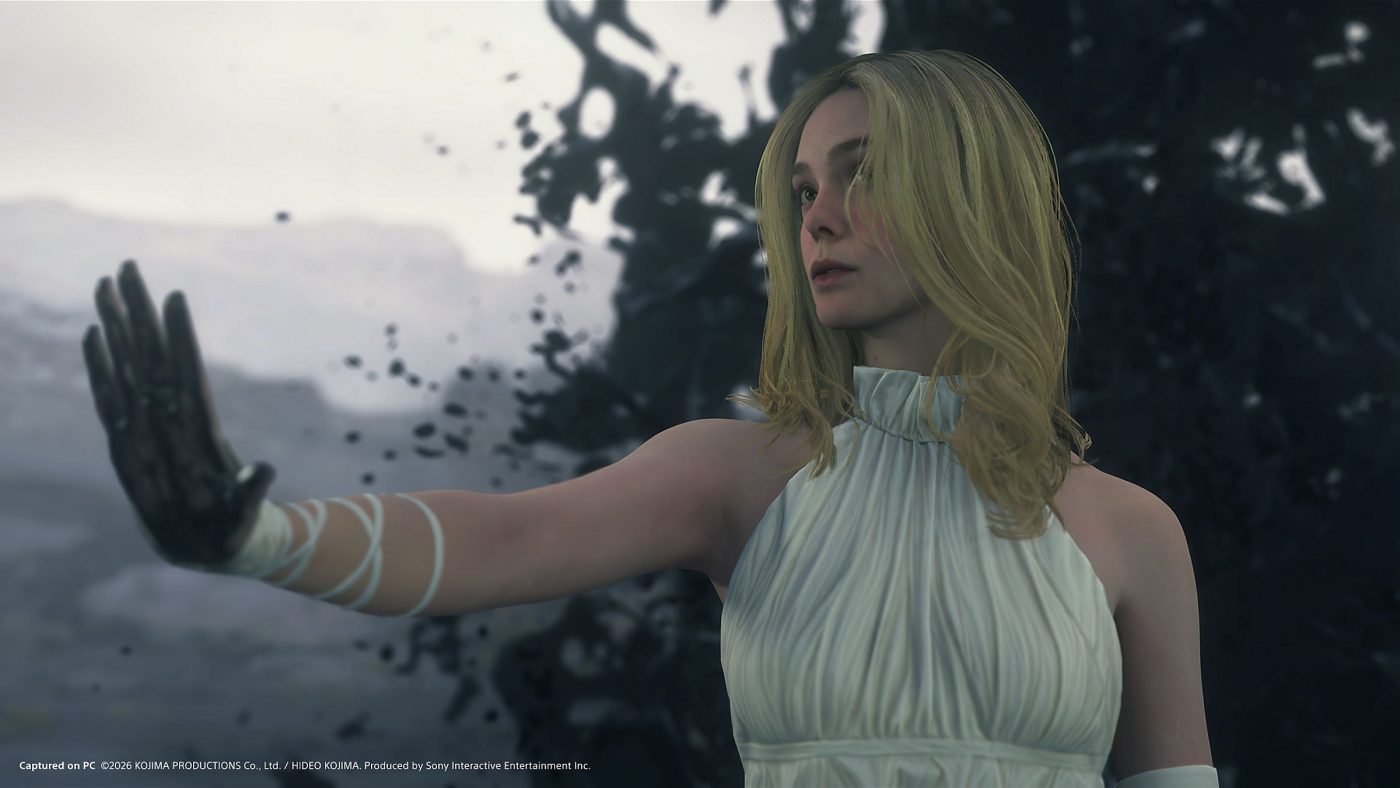
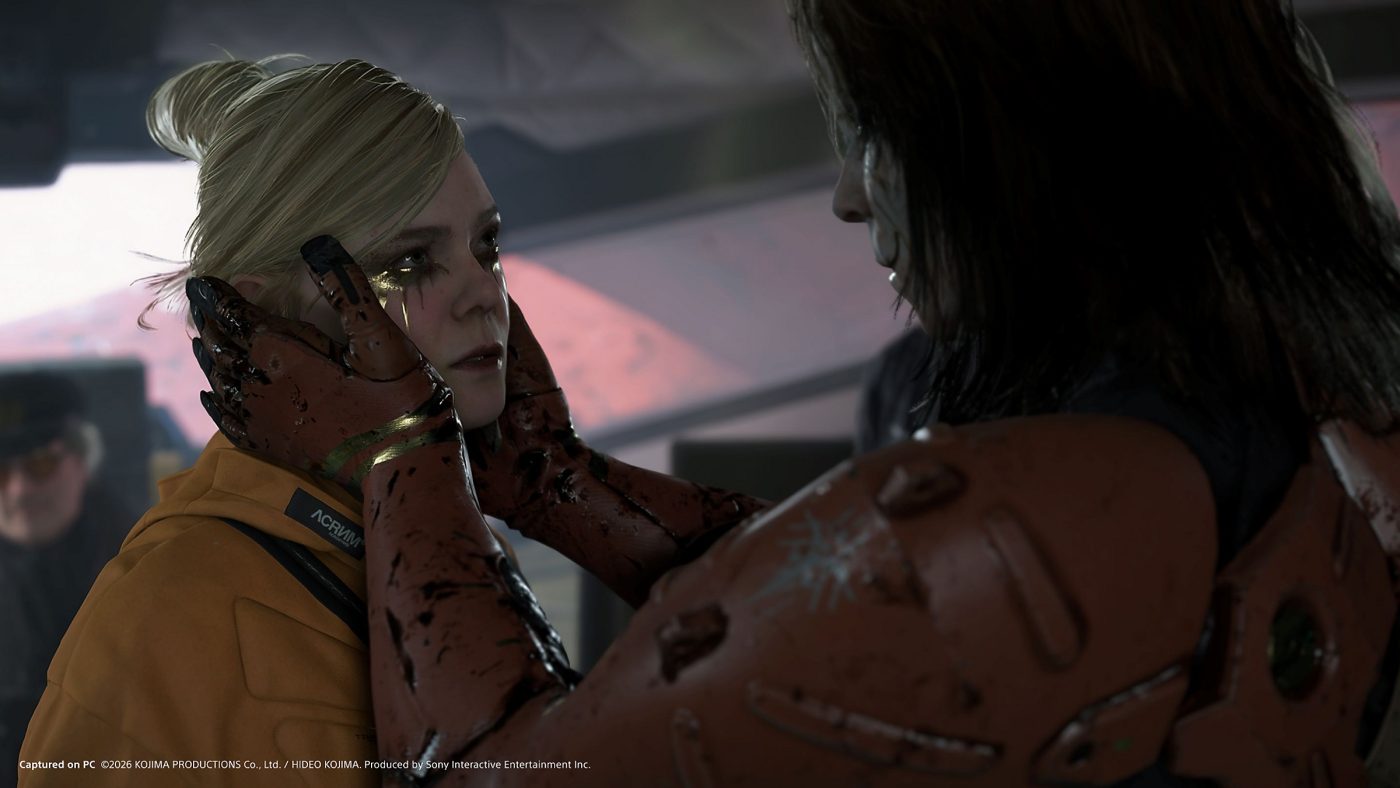
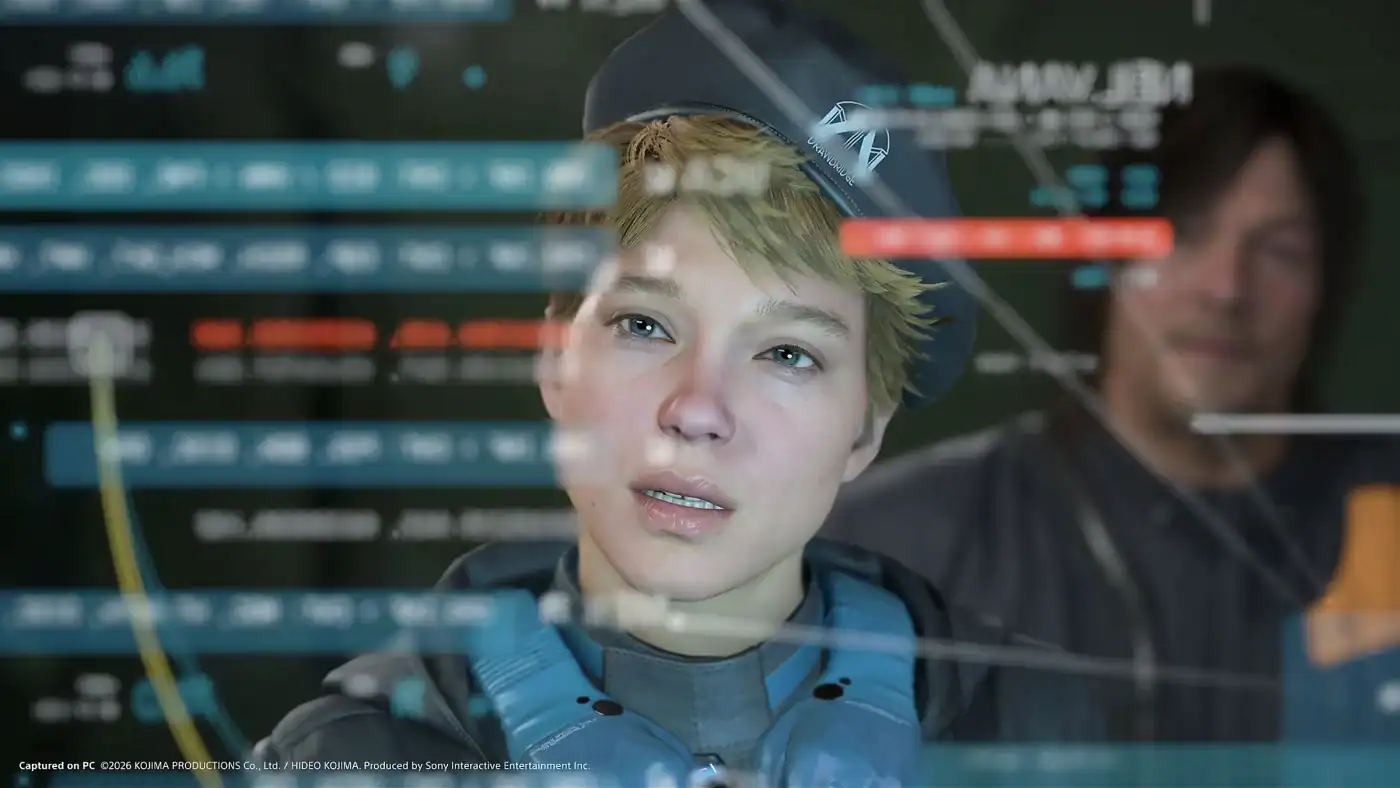
Among the new additions to Death Stranding 2: On the Beach, Tomorrow stands out as one of the most successful characters in the whole production. Played by an extraordinary Elle Fanning, Tomorrow stands out through a top-level performance, built on meticulous work on expressiveness and stage presence, down to the smallest gesture.
The first hours built around the character lead to one of the best-directed action scenes in the whole game: the clash against the Mecha Spettro. Here Kojima delivers spectacular direction built on long single takes and dynamic framing, with an impressive choreography that fuses arthouse cinema and Hollywood spectacle.
Tomorrow goes well beyond an action character, though. As the story progresses, her role keeps growing until she becomes one of the pillars of the whole narrative, guarding some of the most important secrets in the Death Stranding universe and playing a decisive part in the game’s final events.
Neil: The Ghost of the Past
From his first appearance, Neil, played by Luca Marinelli, inevitably brings Solid Snake to mind. The armor and the bandana, along with certain postures, look like a direct tribute to the Metal Gear Solid saga, though calling it simple nostalgia would undersell the character. Neil represents much more. Like Clifford Unger in the first game, he pulls Sam into scenarios suspended in time, turning every encounter into a battle that feels both spectacular and symbolic.
Every environment tells a fragment of his story. The section set in Mexico stands out as probably one of the technical peaks of the whole production, thanks to outstanding work on lighting and digital photography.
The underwater level, though, surprises with how it uses the environment’s verticality and builds tension through enemies, alternate paths, and sudden shifts in perspective. Clifford, thanks to Mads Mikkelsen’s magnetic presence, probably remains the most iconic character in the whole saga, but Marinelli still delivers a performance of the highest level. In the final sequences, the character reveals the full weight of his emotional power and becomes one of the pillars of the whole story.
Higgs Returns Crazier Than Ever
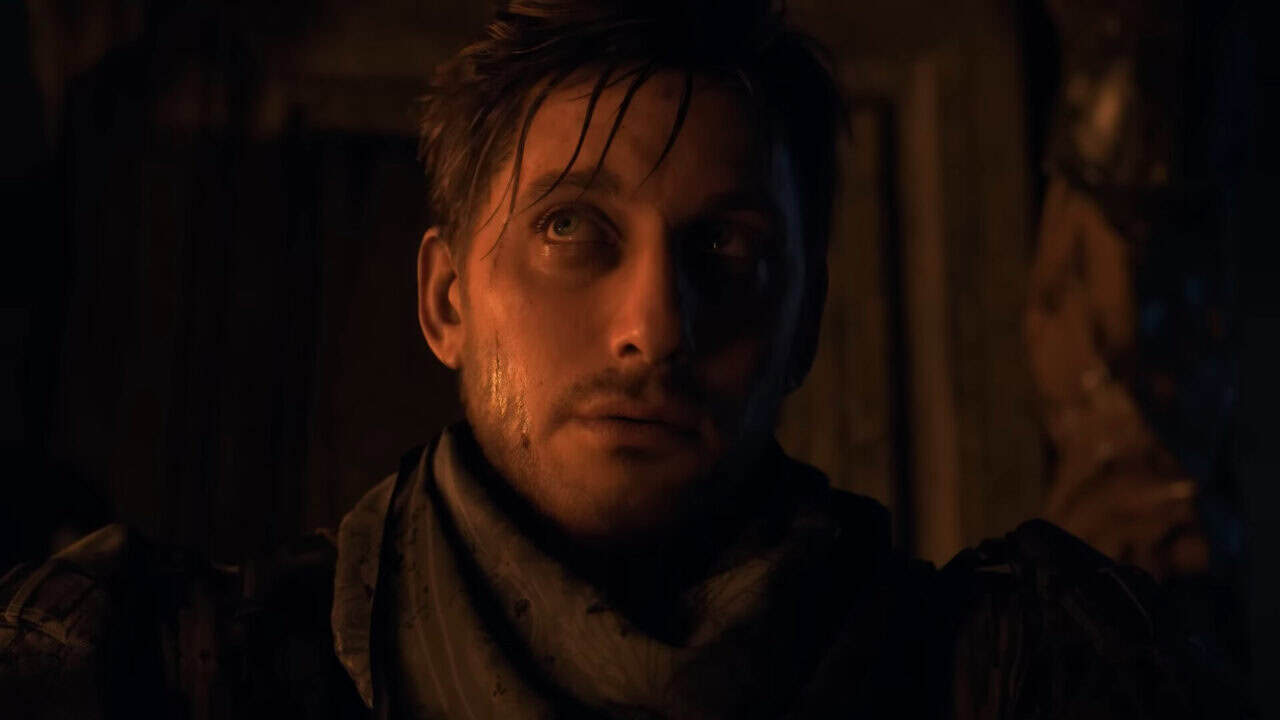
Higgs’s return also ranks among the production’s high points. More theatrical, unpredictable, and completely out of control compared to before, the character played by Troy Baker dominates every scene he appears in.
The new crow-inspired design, combined with the spectacular chiral guitar, turns every one of his fights into a genuine spectacle.
His appearances alternate between musical moments and over-the-top fights, with dialogue that swings constantly between irony, madness, and tragedy. The final battle stands without question as one of the most memorable boss fights Hideo Kojima has ever created.
The DHV Magellan: One of the Most Ambitious Sequences Kojima Has Ever Directed
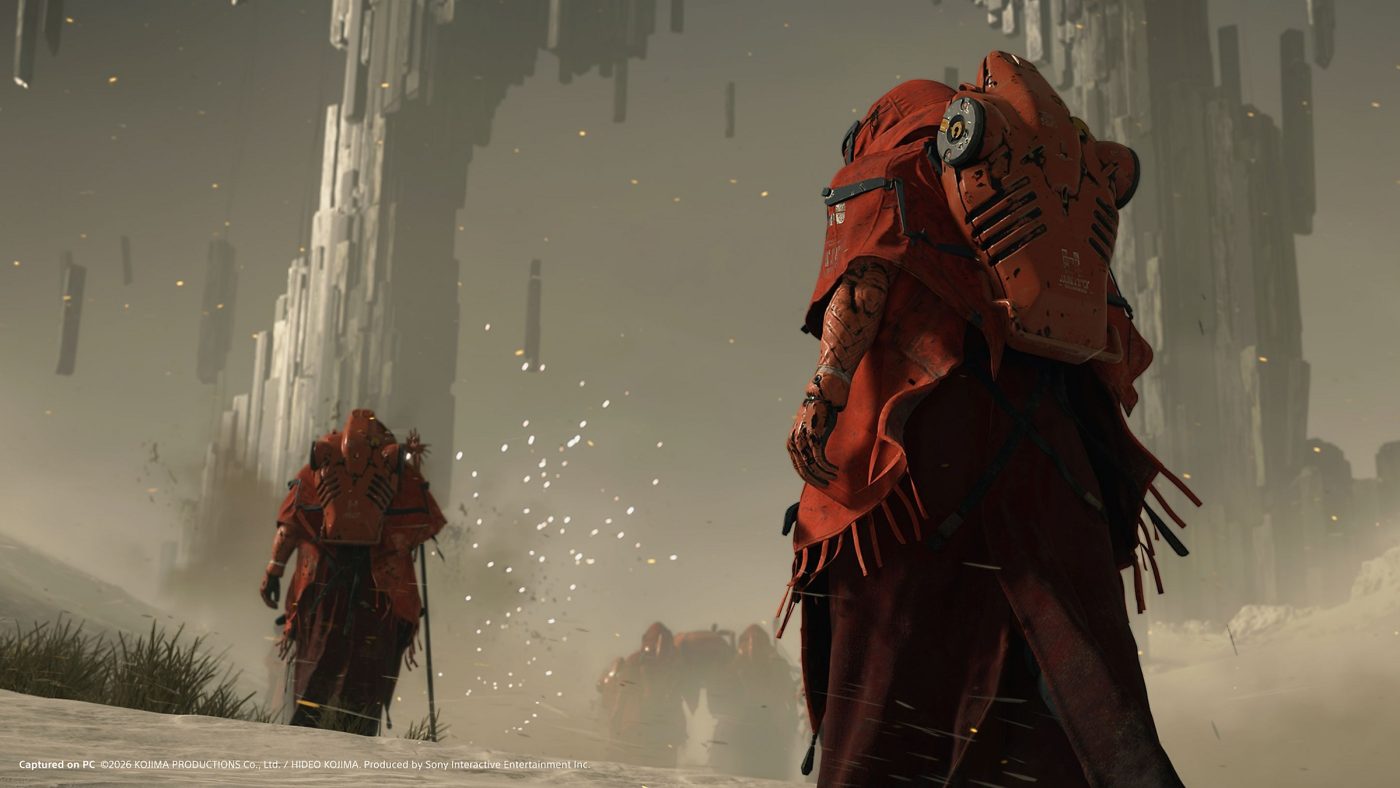
For most of the adventure, Sam uses the DHV Magellan as his mobile headquarters. This giant ship, capable of crossing the tar, hides far more than it seems to at first. Its design openly recalls Metal Gear Rex, while narrative revelations gradually turn it into one of the central elements of the whole story.
The last hours of the game build up to the famous Magellan Man sequence, probably the most spectacular moment Kojima has ever directed. The directorial choice completely surprises the player. Instead of handing over direct control of the giant machine, Kojima builds a double layer of spectacle: Sam fights on the beach against numerous Beached Creatures while, in the background, the Magellan wages a colossal battle that dominates the whole scene.
It’s an extremely bold staging choice, one that echoes ideas already seen in Metal Gear Solid 4 during the fight against Vamp, but here it reaches a far greater scale. The visual impact is simply extraordinary.
The Inevitable “Kojima Moments” and the Legacy of Metal Gear
Like every Kojima game, Death Stranding 2: On the Beach packs in references, easter eggs, and plenty of deliberately surreal moments. Among the funniest surprises, the famous VTuber Pekora turns up as a hidden Prepper in the mountain area. Completing her missions unlocks her signature hat, and Sam even gets to say the famous “Peko Peko.” The hot springs bring much lighter moments thanks to Dollman’s musical interludes, which break up the adventure’s pace perfectly.
Higgs also feeds this more eccentric side of the game with absolutely wild musical performances, culminating in a guitar duel that clearly pays tribute to the famous final showdown in Metal Gear Solid 4 — reinterpreted, though, with even more spectacle. For fans of The Phantom Pain, the tributes practically never stop.
Narrative parallels, visual callbacks, directorial choices, and a dense web of symbolism all combine to make Death Stranding 2: On the Beach feel like a spiritual heir to that creative vision Kojima never got to fully realize.
More Accessible Gameplay, Without Losing Its Identity
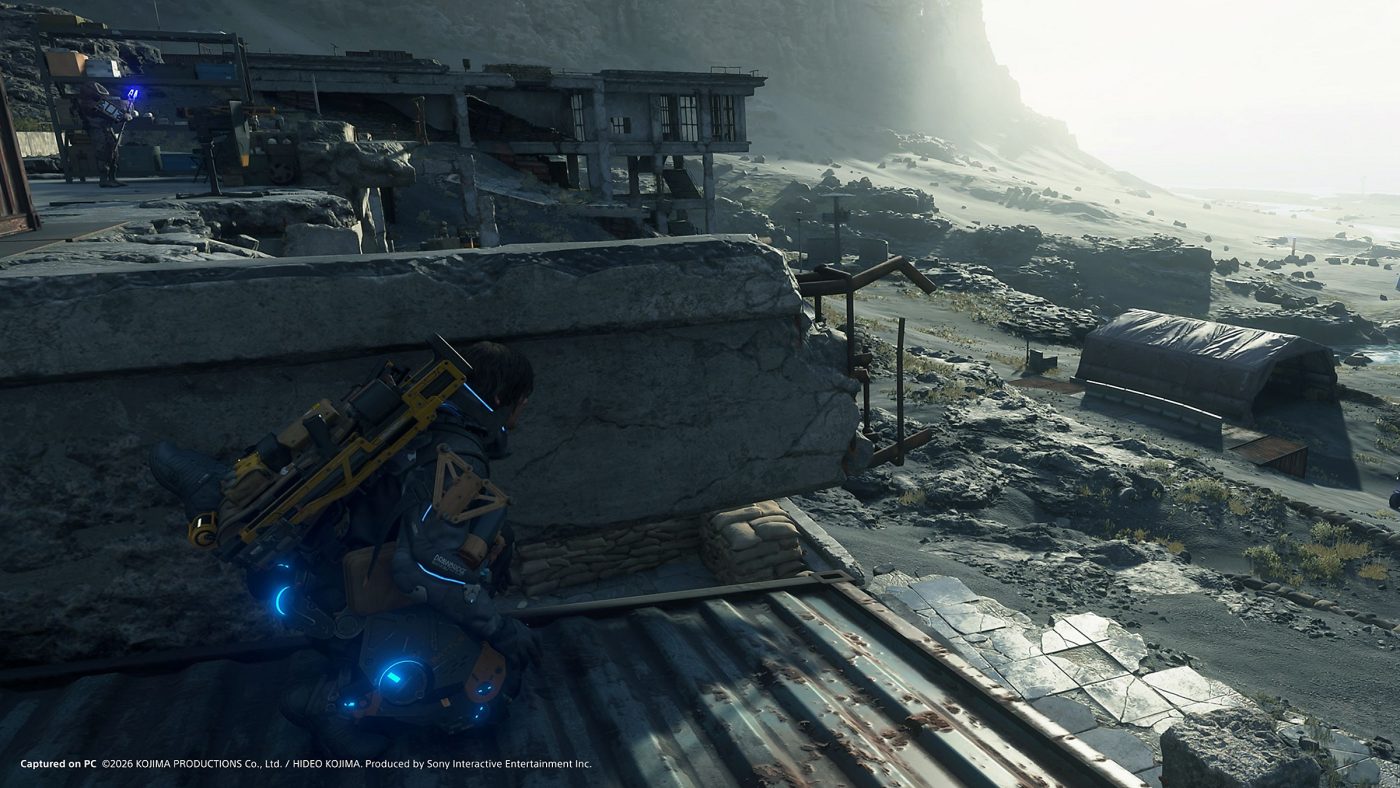
On the gameplay front, Death Stranding 2 chooses evolution over revolution. The soul of the experience stays true to the first game, but the team refines and expands every system. Deliveries feel much more dynamic thanks to a huge range of new tools. The world also introduces dynamic environmental events – earthquakes, avalanches, wildfires, sudden river floods – elements that reshape the path and force players to adapt their strategy.
New cargo launchers, armed vehicles, monorails, upgraded exoskeletons, and numerous transport technologies make every expedition far more varied than before. The combat system also takes a decisive step forward.
The new MF weapons prove devastating against Beached Creatures and Ghost Mech, while melee combat brings new animations, counter-moves, and a much smoother approach to stealth. Without ever turning into a pure shooter, Death Stranding 2 finally strikes a convincing balance between exploration, infiltration, and action.
A Genuine Technical Marvel
On the purely technical side, Kojima Productions delivers one of the most visually impressive productions of the whole generation. The Decima Engine reaches new heights of quality, handling fine detail, environmental rendering, and character representation with remarkable skill. Polygon models reach an exceptional level of definition, and atmospheric effects make every scenario feel extremely believable and immersive.
A top-tier art direction adds even more polish to the technical side, shifting brilliantly between vast, almost contemplative landscapes and devastated, unsettling territories marked by the cataclysm that transformed the game world. Every environment tells a story through its shape, its atmosphere, and the way light interacts with space. The PC version also performs very well, holding a high level of stability even on mid-range setups. Rare frame-rate drops appear only during the most chaotic sequences, where the number of particle effects and characters reaches extremely high levels.
 9.8/10