
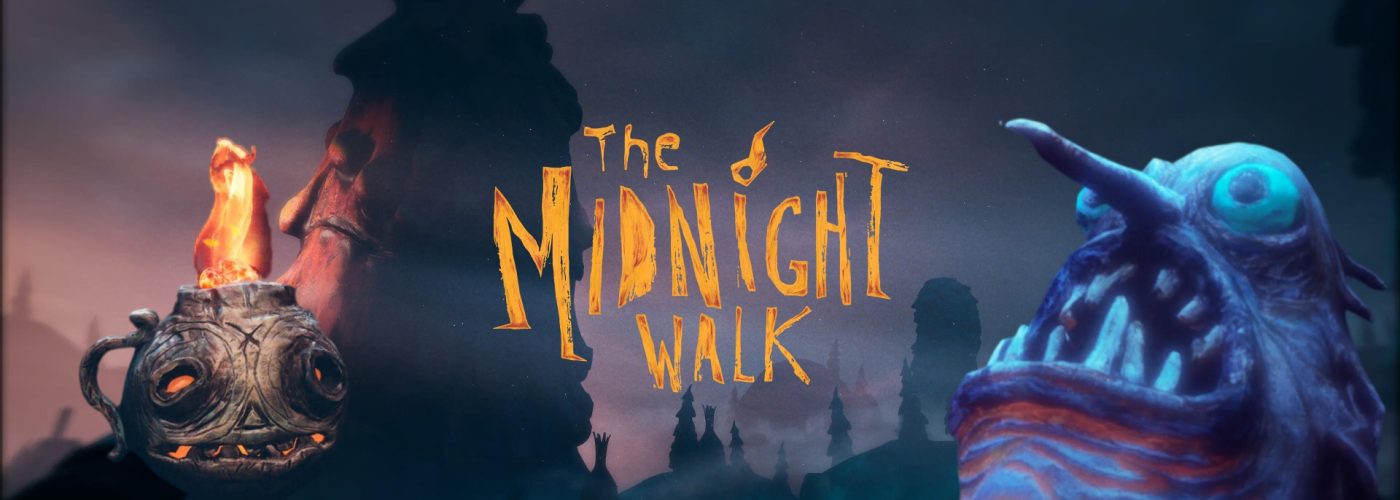
In short
MoonHood’s debut The Midnight Walk, published by Fast Travel Games on May 8, 2025 for Nintendo Switch 2, PC, PlayStation 5 and PlayStation VR2, earns a warmly positive verdict: a handcrafted fairytale built from over 700 clay sculptures scanned and animated in stop motion, whose minimal, listening-driven gameplay, poetic writing and exceptional sound design turn a slow walk through darkness into one of the year’s most quietly affecting indie experiences.
The most beautiful walk you’ll take through the dark.
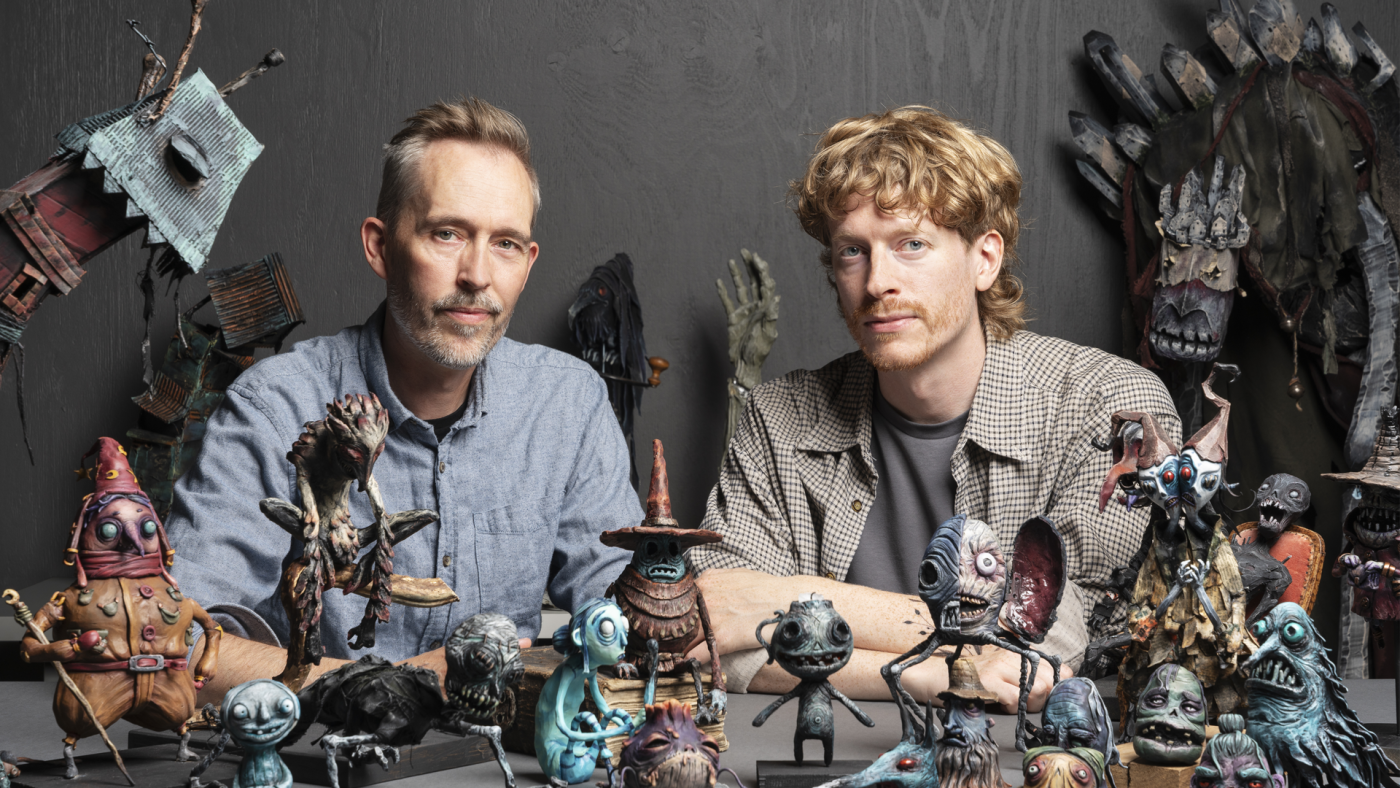
September 2023. After years spent building worlds suspended between fairy tale, melancholy, and imagination with games like Fe, Ghost Giant, and Lost in Random, Klaus Lyngeled and Olov Redmalm decide to take a new path.
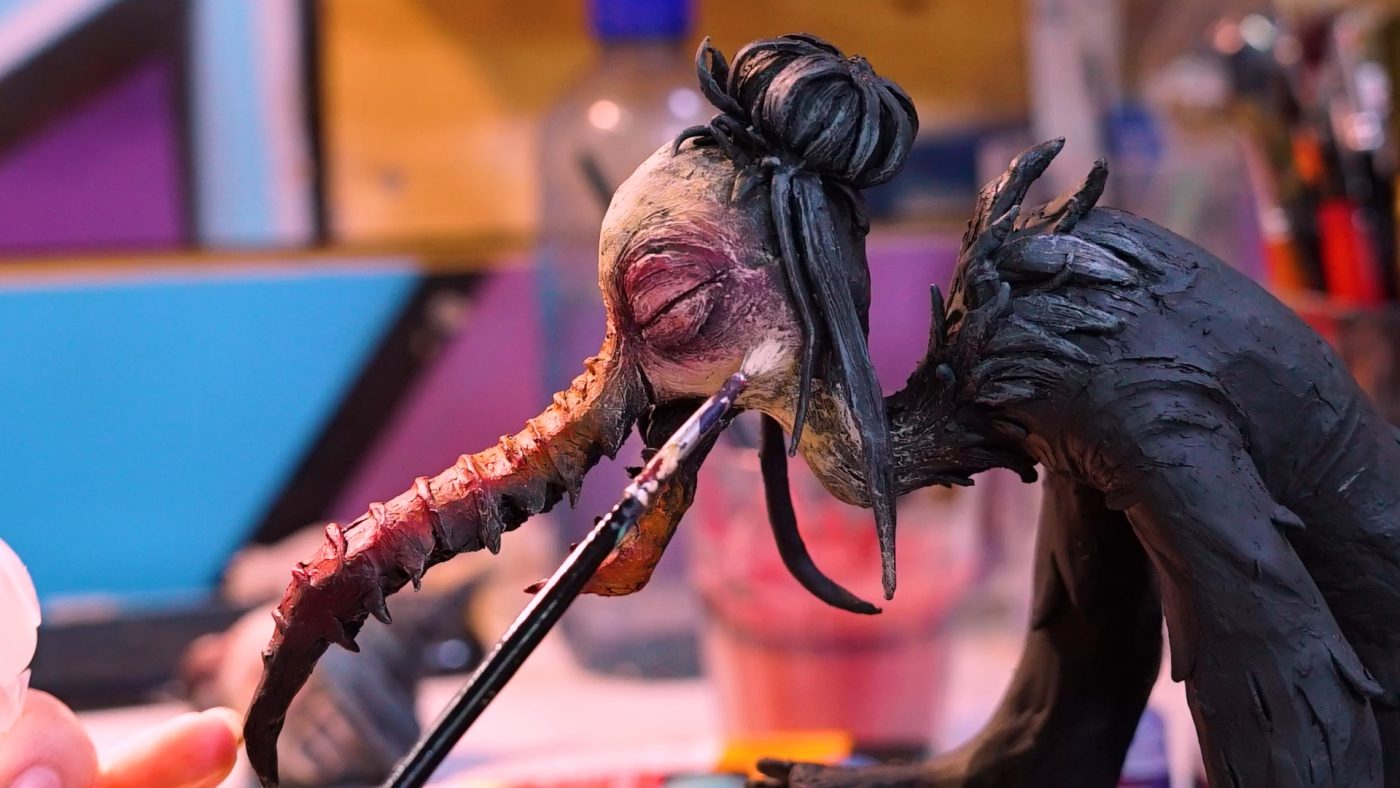
This is how MoonHood comes to life: an independent studio based in Gothenburg, founded around an idea as simple as it is radical – slowing down. In an industry that leans harder and harder toward massive productions, cutting-edge technology, and an almost obsessive pursuit of photorealism, the two creators choose the opposite direction. They decide to return to raw material, to their hands, to imperfection. They build a world on a worktable before it ever reaches a screen. Clay, cardboard, newspaper, glue, salvaged materials: the team shapes everything by hand, photographs it, scans it in 3D, and finally animates it in stop motion. It’s a long, patient, almost artisanal process, one that expresses a precise creative philosophy even before it tells a story.
The result of that vision takes shape on May 8, 2025, when Fast Travel Games publishes The Midnight Walk. It’s a work that builds its identity at the crossroads of different languages: video games, stop-motion cinema, sculpture, Nordic fairy tale, and philosophical narrative. Every choice, from the art direction to the world-building, seems to spring from the same question: what happens when we stop treating darkness as something to fight and start trying to understand it instead?

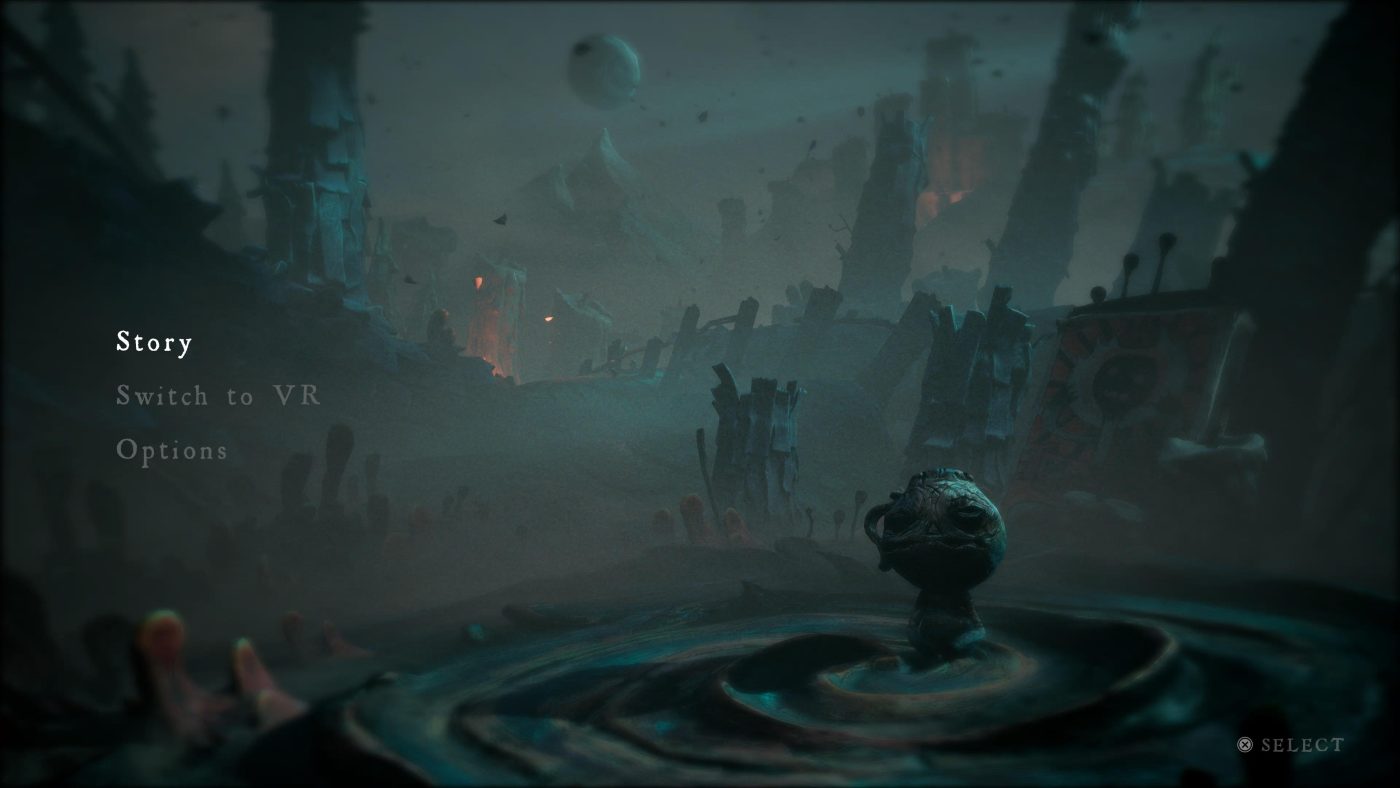
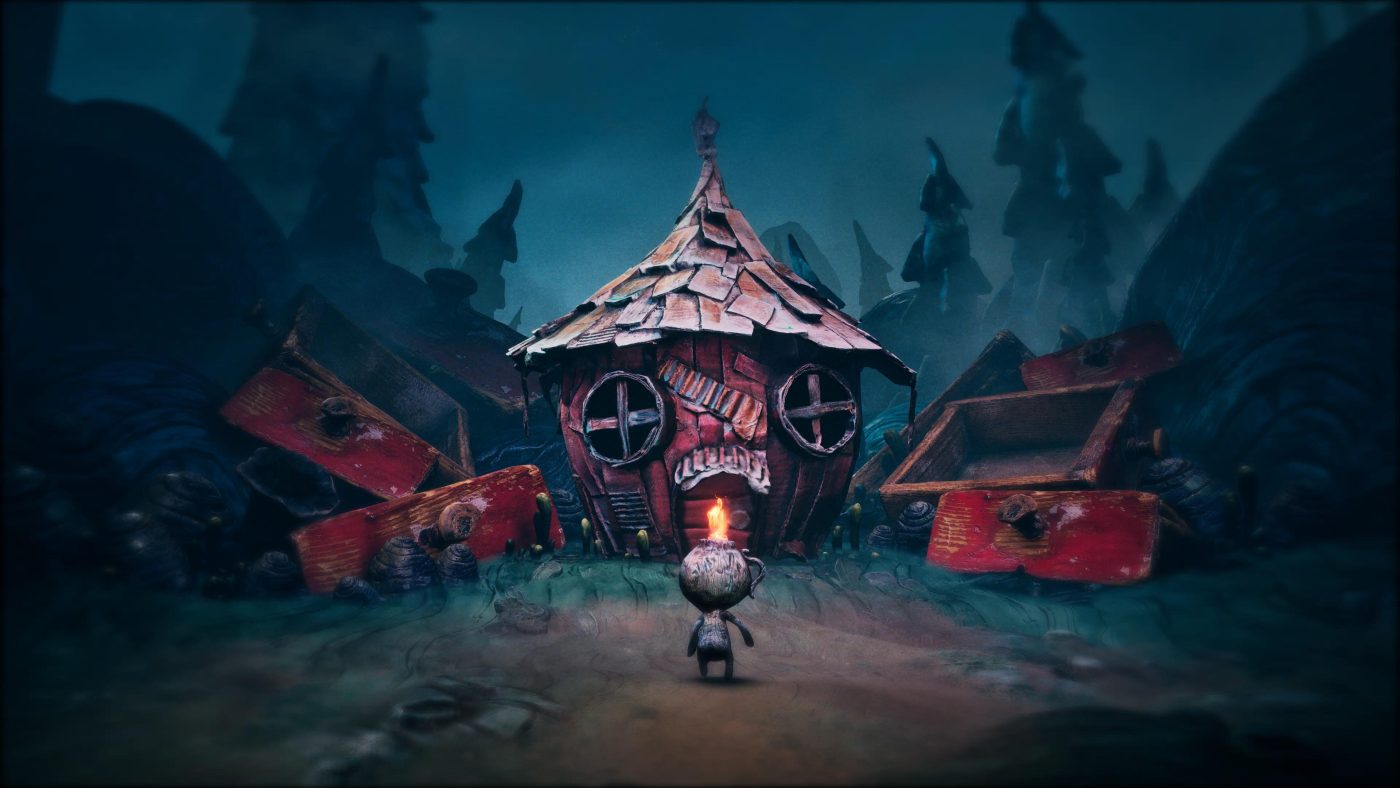
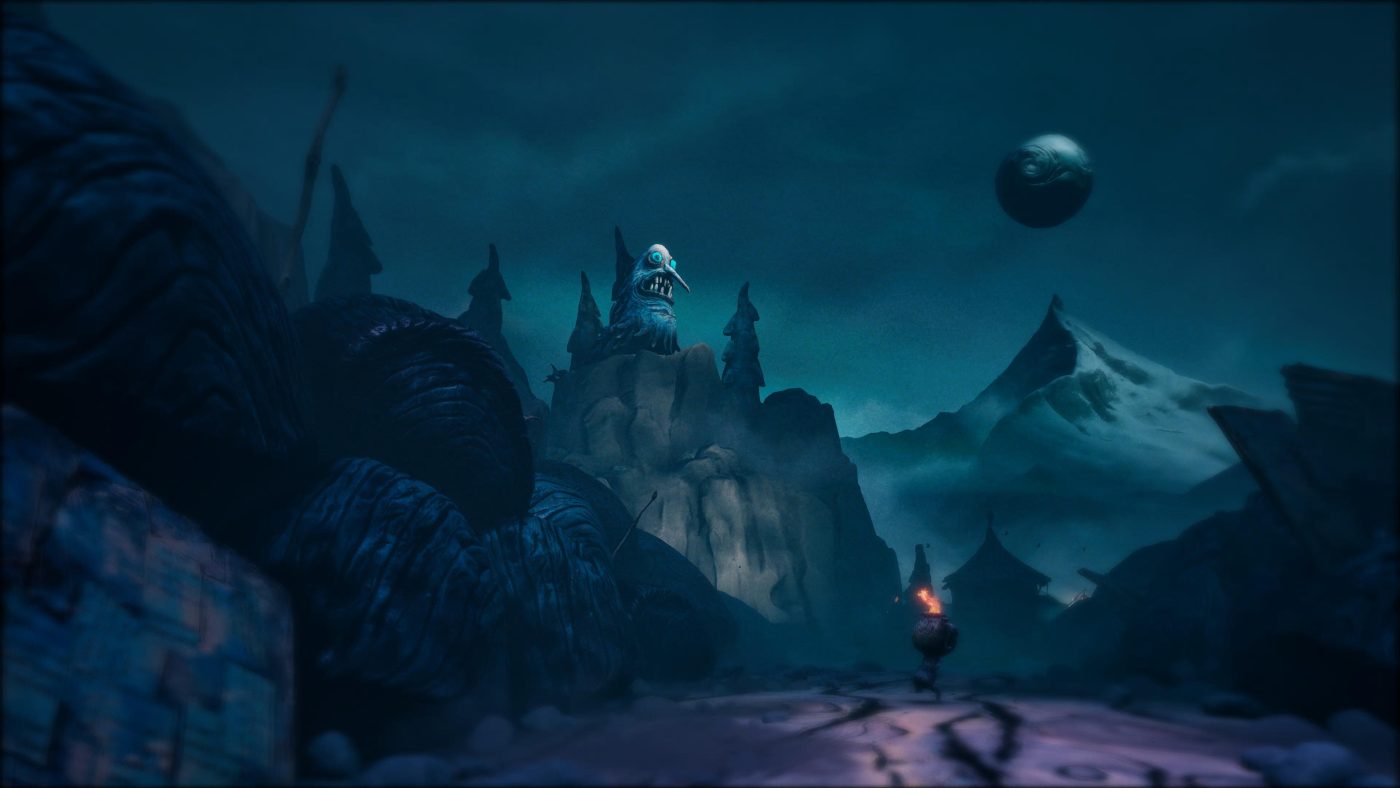
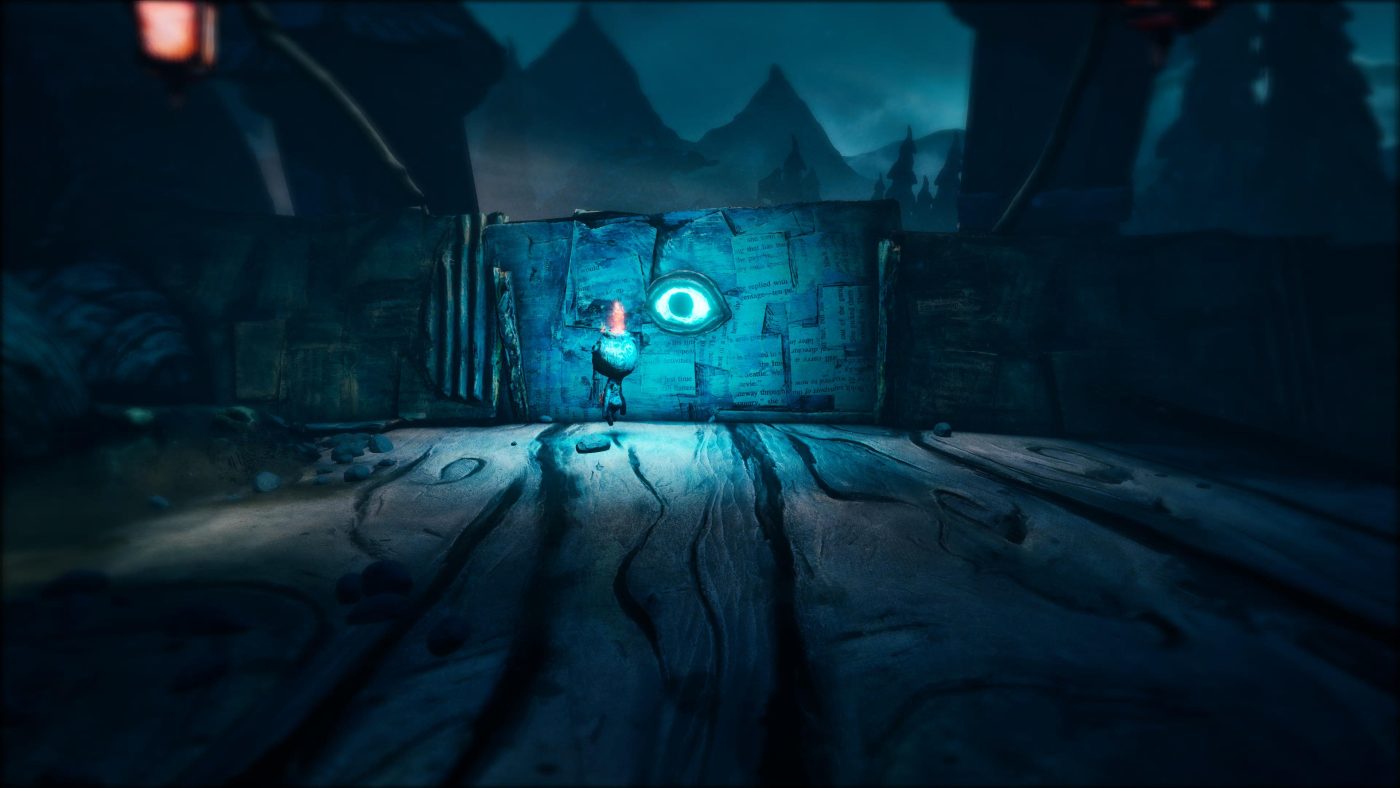
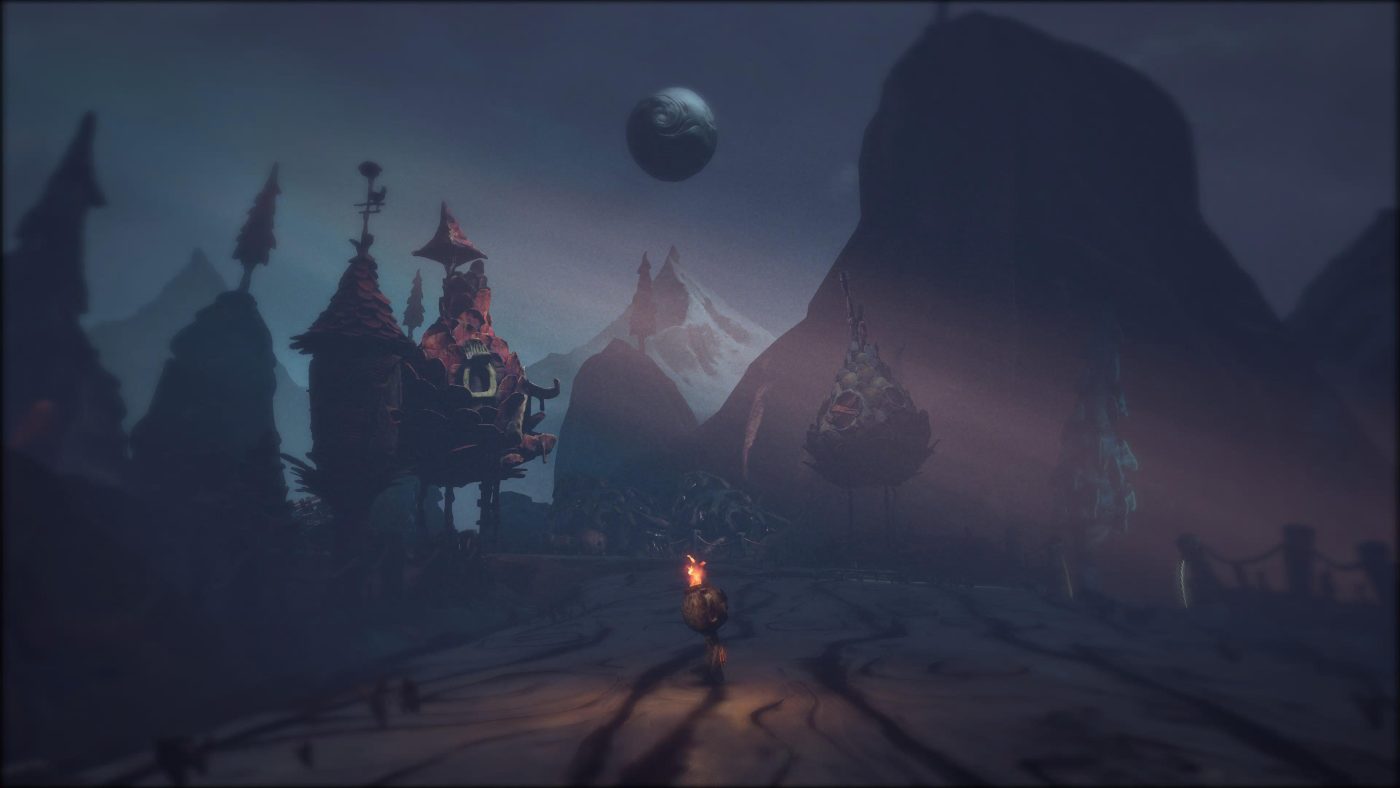
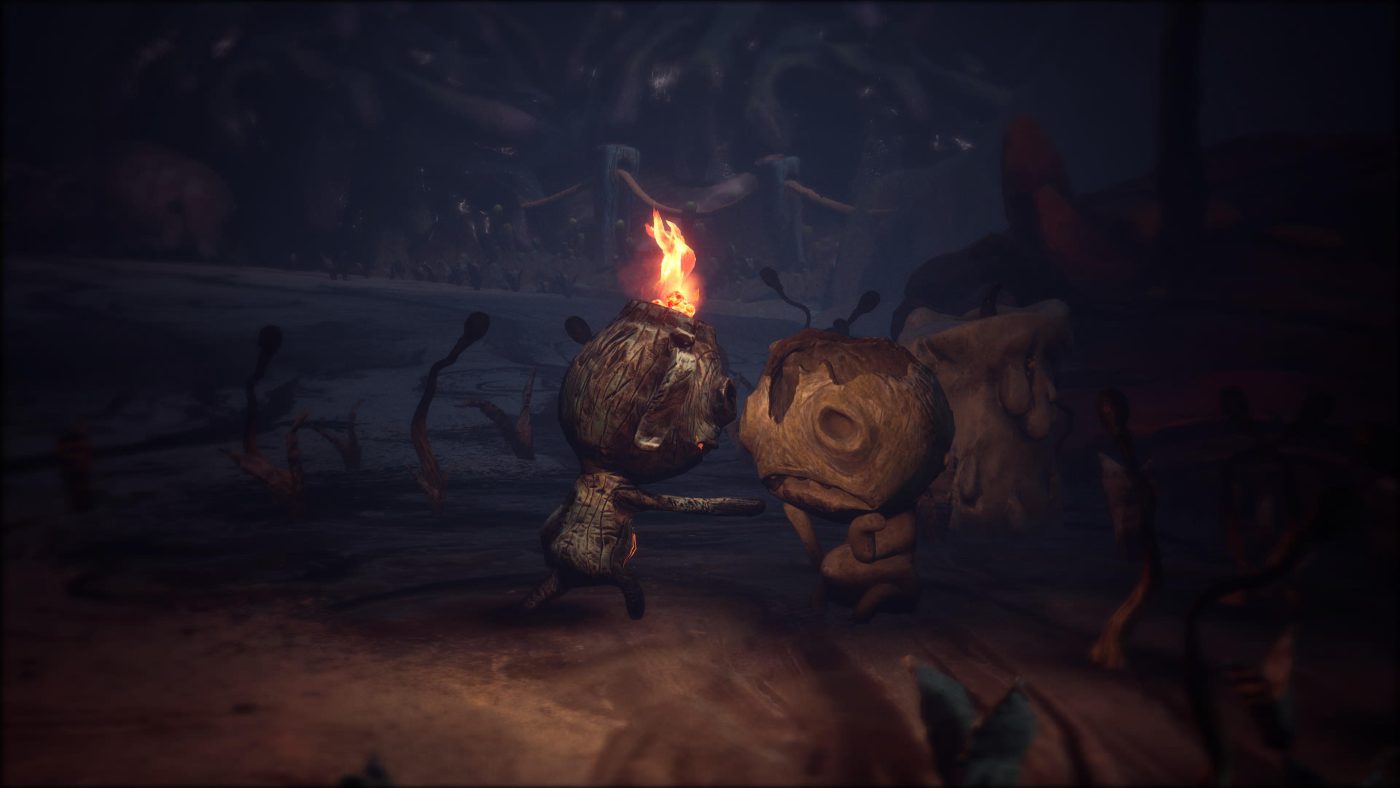
This exact feeling stays with the player from the very first minutes. The Midnight Walk doesn’t try to impress with spectacular effects or revolutionary mechanics. It works in a much quieter way – and maybe that’s exactly what makes it so powerful. Even before players grasp how the game works, they find themselves simply observing. Every environment, every creature, and every object carries the mark of the hands that shaped it. Over 700 clay sculptures, each modeled individually, then digitized and animated in stop motion, create a universe that seems to breathe, alive in its own imperfection.
The fingerprints the artists leave behind, the uneven surfaces, the cracks in the clay, and a physical texture no graphics engine could ever fake artificially all turn every scene into something surprisingly tangible. Players don’t just look at a virtual world: they constantly feel like they could reach out and touch it, almost sensing its texture under their fingers.
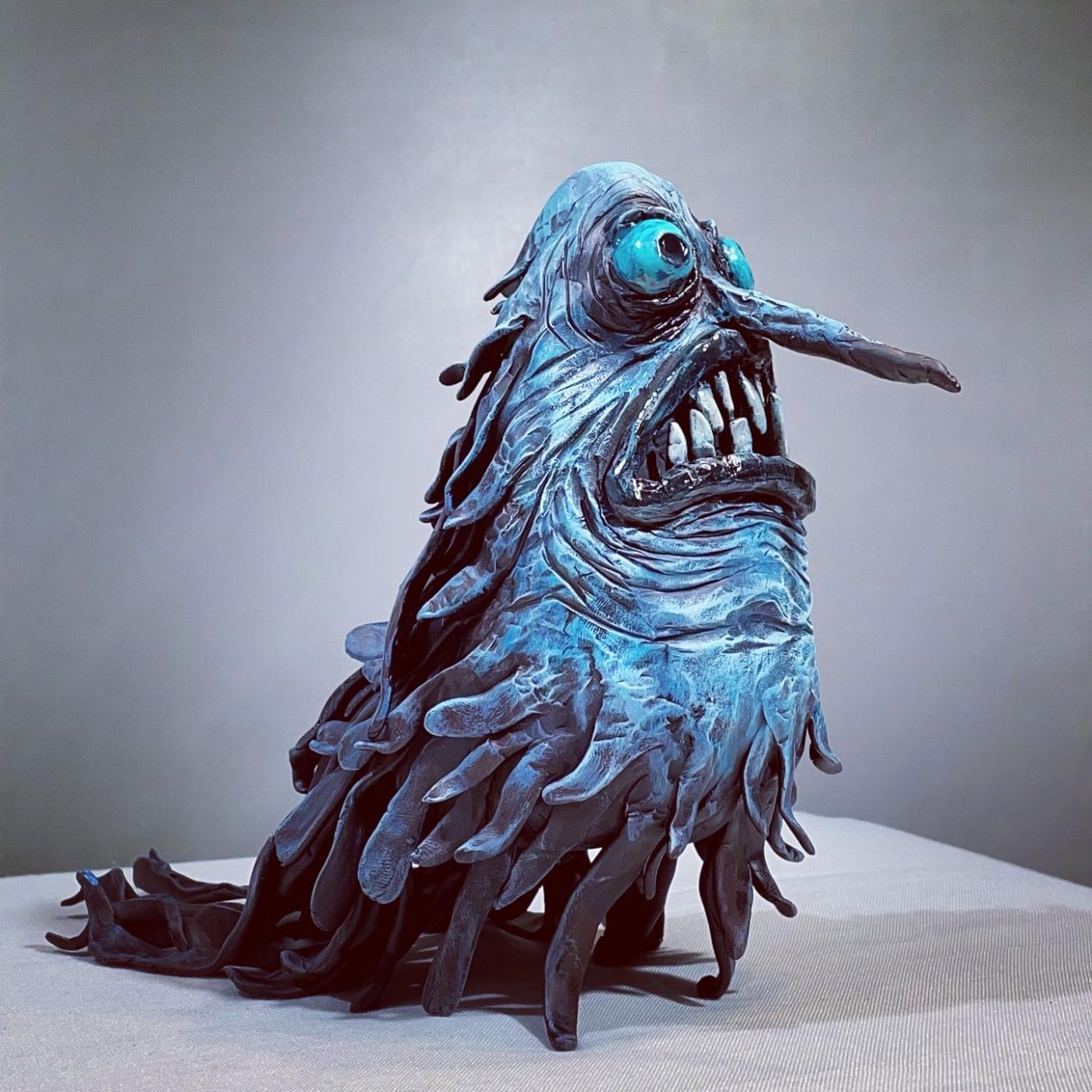
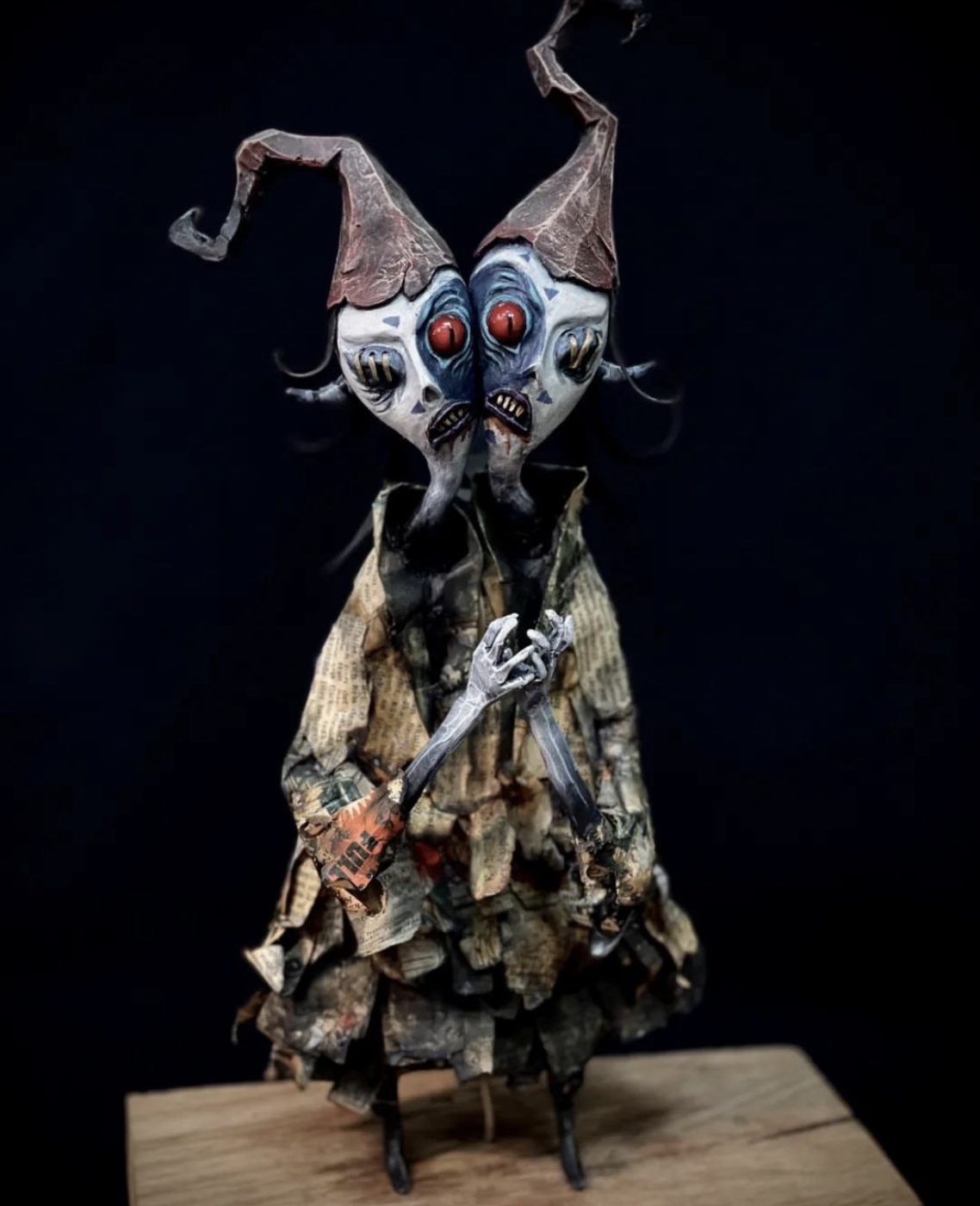
This exact material fragility becomes the game’s greatest expressive strength. While many contemporary productions chase technical perfection, The Midnight Walk deliberately shows its own imperfections and turns them into narrative language. That sense of precariousness that emerges from the clay, from the stop-motion movements, and from the sculpted surfaces isn’t just an aesthetic choice: it reflects a world that constantly lives on the border between light and darkness, between hope and despair, between what people fear and what they still don’t understand. It’s a subtle unease, never built through shock or excess, but through the sense that every element truly exists, with all its vulnerability.
In many ways, this path isn’t entirely new for Lyngeled and Redmalm either. The Midnight Walk gathers and completes an idea the two creators have pursued for nearly a decade: the fairy-tale, melancholic sensibility of Lost in Random, the almost obsessive attention to the physicality of objects already visible in Stick It to the Man, and the emotional delicacy of Ghost Giant find their most mature, coherent, and deliberate expression here. It’s not simply their most ambitious game, but the one in which every element – narrative, art direction, gameplay, and symbolism – finally seems to speak the same language.
This rare harmony is exactly what makes The Midnight Walk much more than a video game: a small piece of digital craftsmanship that, step by step, invites the player not just to walk through darkness, but to learn how to see it differently.
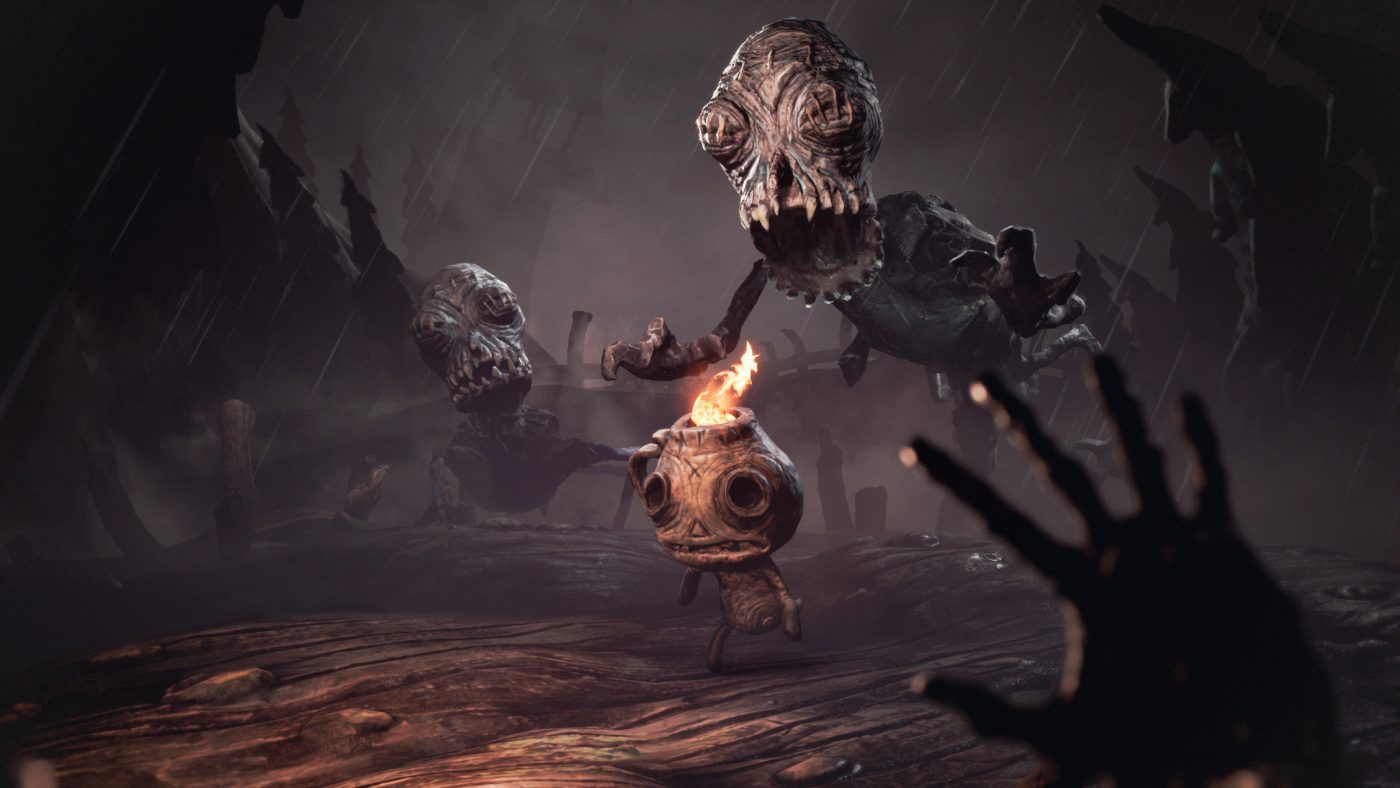
The Chosen One, Called to a Heroic Act, Must Cross the Darkness to Bring Back the Light
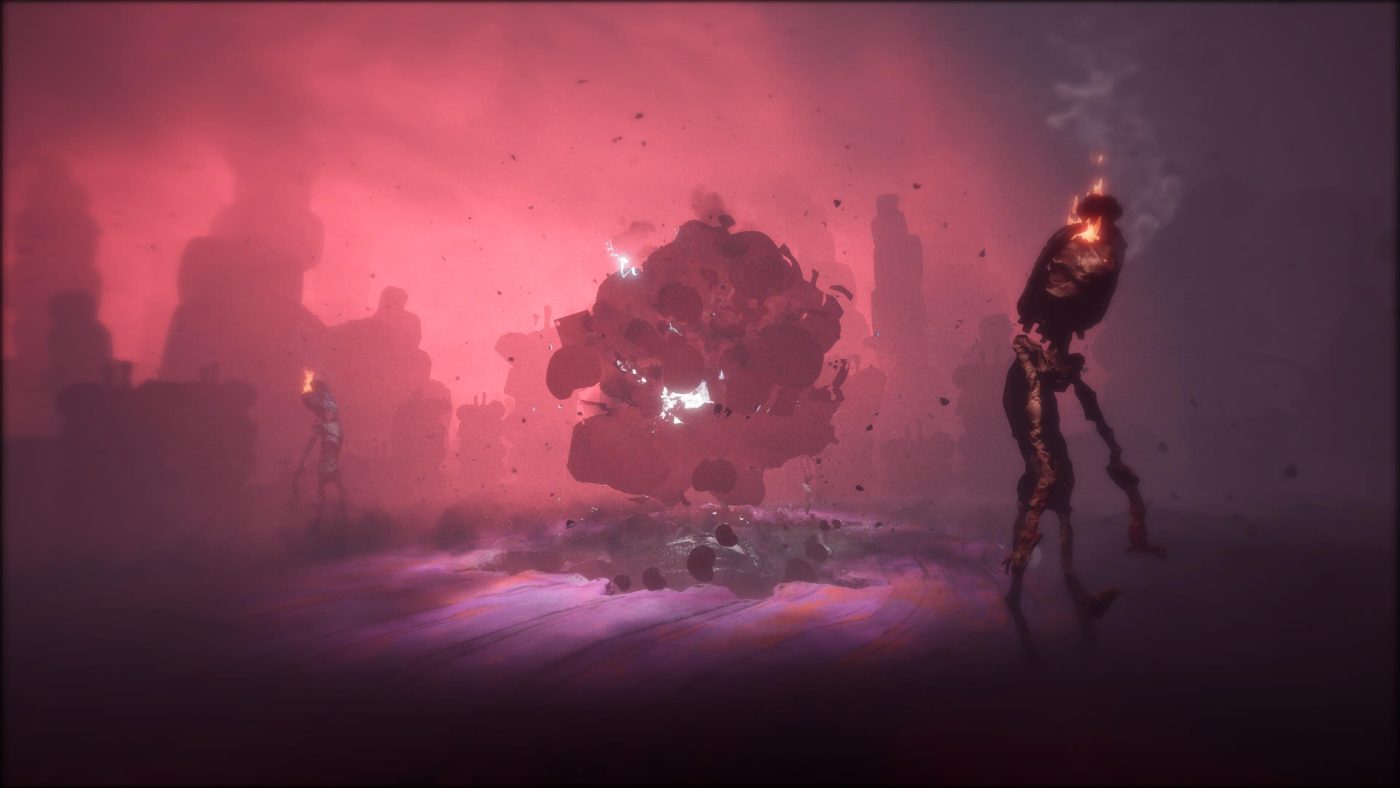
The story takes place in a world where the sun has gone out, plunged into an darkness that has stripped its inhabitants of every trace of civilization and driven them to desperate acts just to get fire. Darkness here stands for the end of the world.
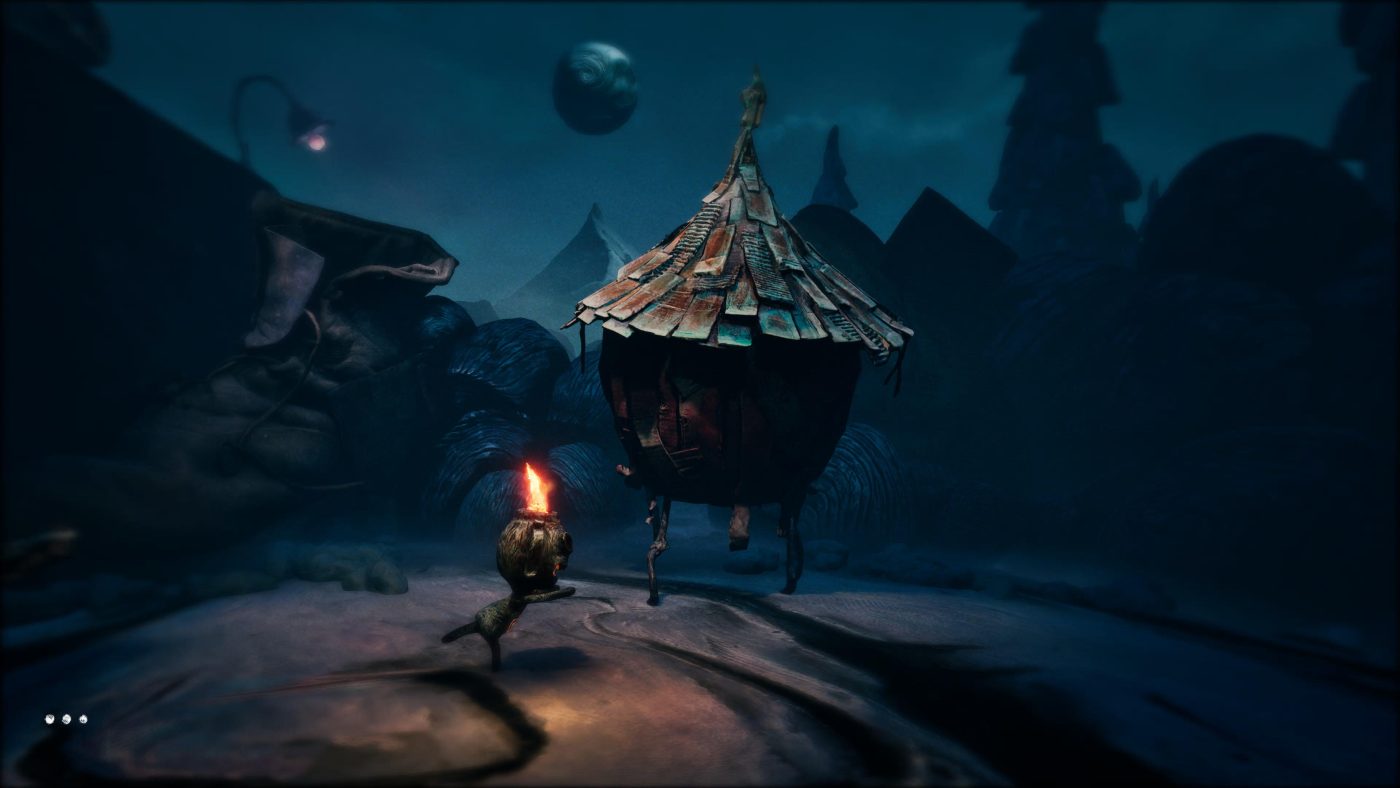
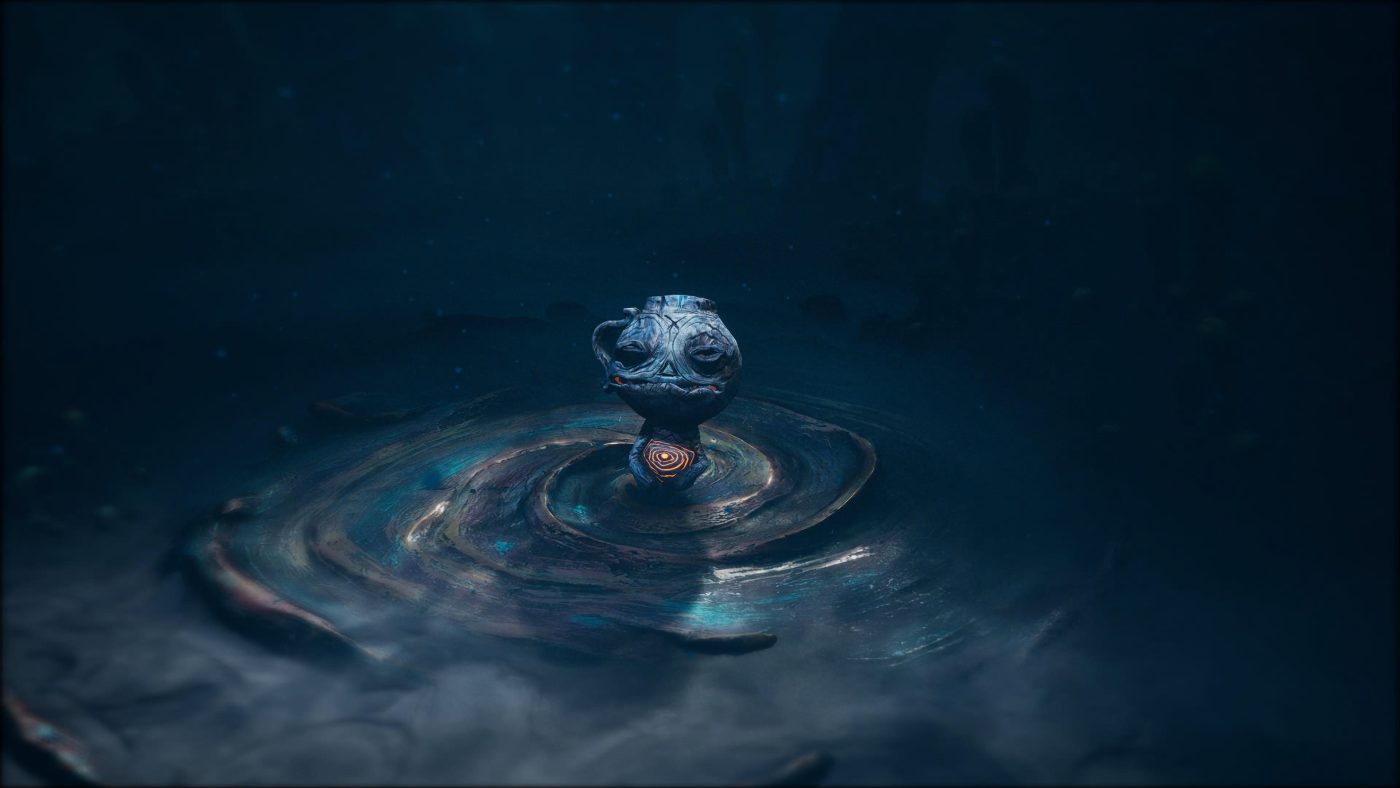
Within this setting moves the Burnt One, a silent first-person protagonist who meets Potboy almost immediately – a small lantern creature with a fragile flame – and forms a bond of mutual protection with him. Together they must climb to the top of Moon Mountain along a specific path – the Midnight Walk – where six self-contained stories each build around a different variation on the theme of fire and darkness.
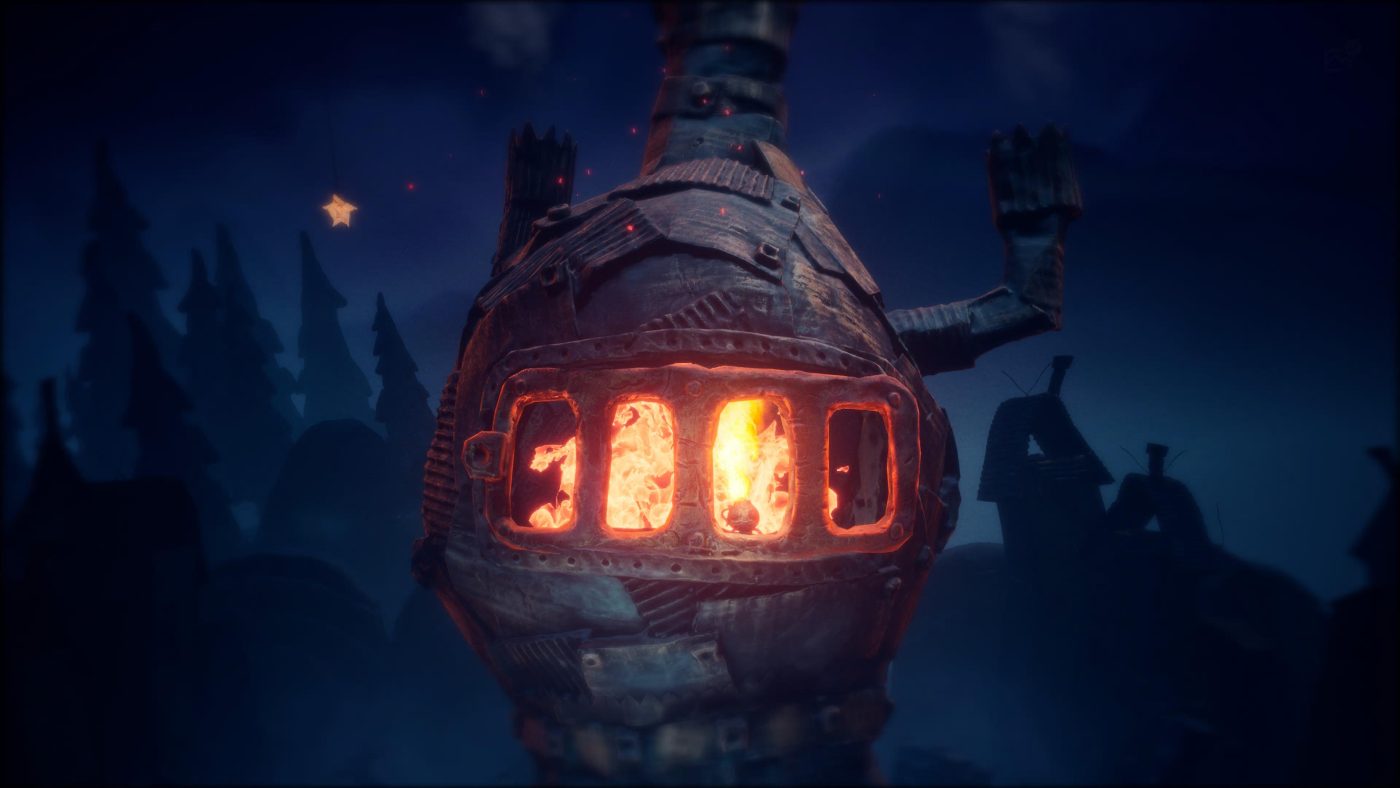
The Soothsayers (conjoined twins with an unsettling voice) hand the Burnt One his mission, asking him to “kindle” the path – in practical terms: light candles, cauldrons, and furnaces along the way, and return fire to the world.
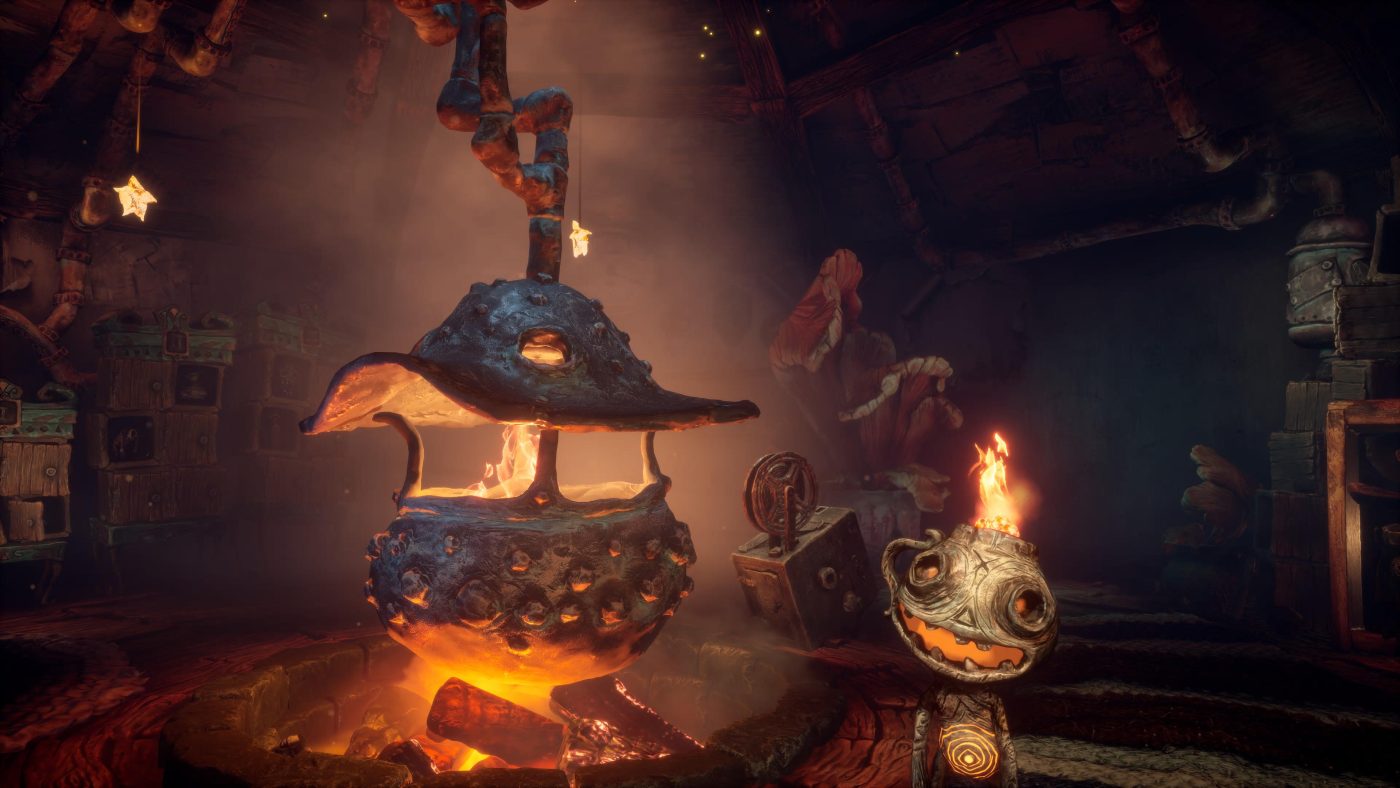
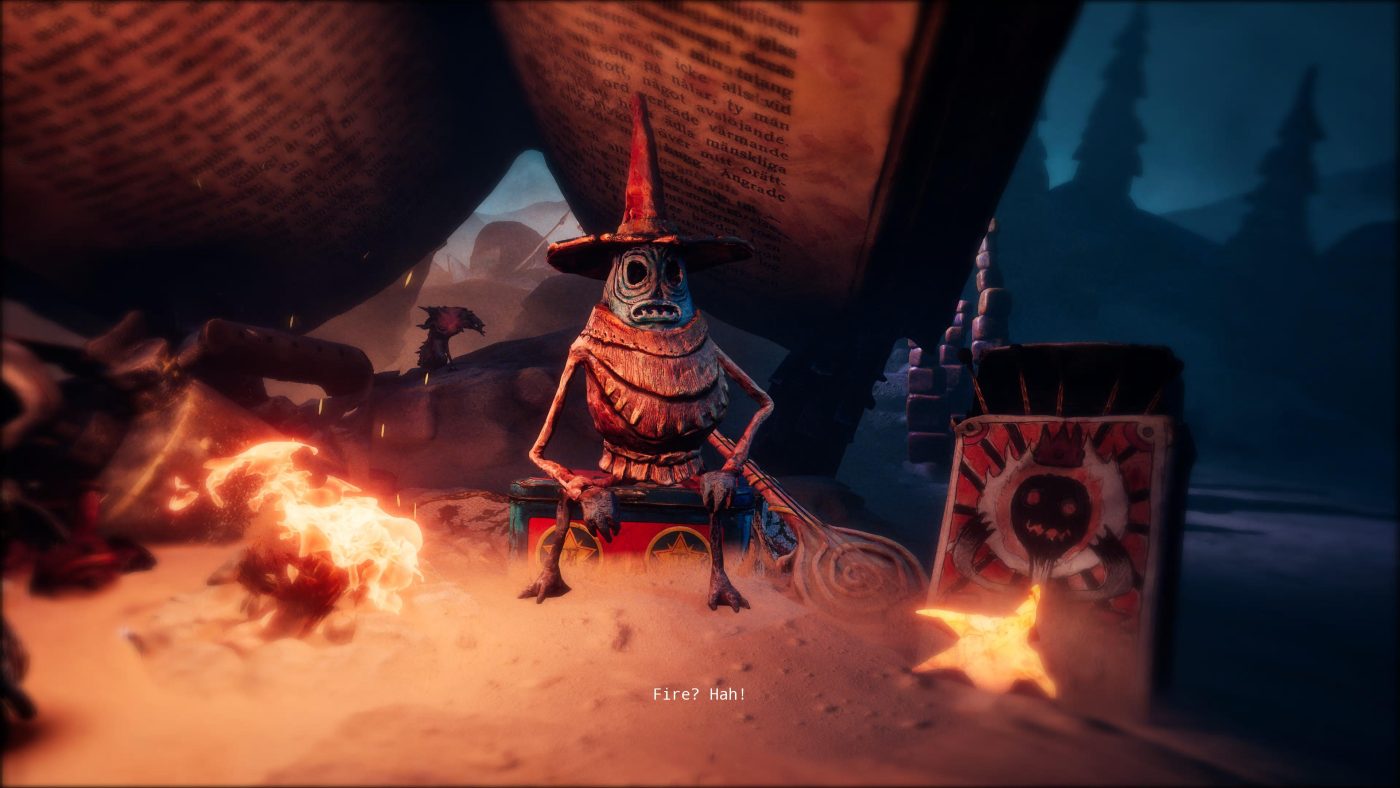
The Midnight Walk builds its narrative identity around an idea that keeps returning, transformed, in every episode: just as in the myth of Prometheus, fire isn’t only heat, weapon, or threat, but also light, understood both physically and as knowledge. And knowledge carries with it the chance to understand others instead of fearing them. The Dark himself makes this point when the Murkle accuses him of stealing the sun: he can’t possess what is, by definition, its absence. Darkness isn’t the enemy of light; it’s light’s condition. This distinction may seem to belong only to the game’s cosmology, but it actually runs through every conflict: whenever a character casts whoever holds – or has stolen – fire as an enemy to defeat, that reading proves both the simplest and the most incomplete one.
The episode that shows this most clearly takes place in Nobodyville. The “heads” who live there openly discriminate against the “limbtrees,” limbed beings the community finds so disgusting that it bans them outright: rumor holds that these bodies once used fire to wage war, and that’s reason enough to keep them out. This exclusion rests on fear rather than on any real knowledge of the people it targets – the same binary logic the game already dismantles around light and darkness, applied here to an entire community.
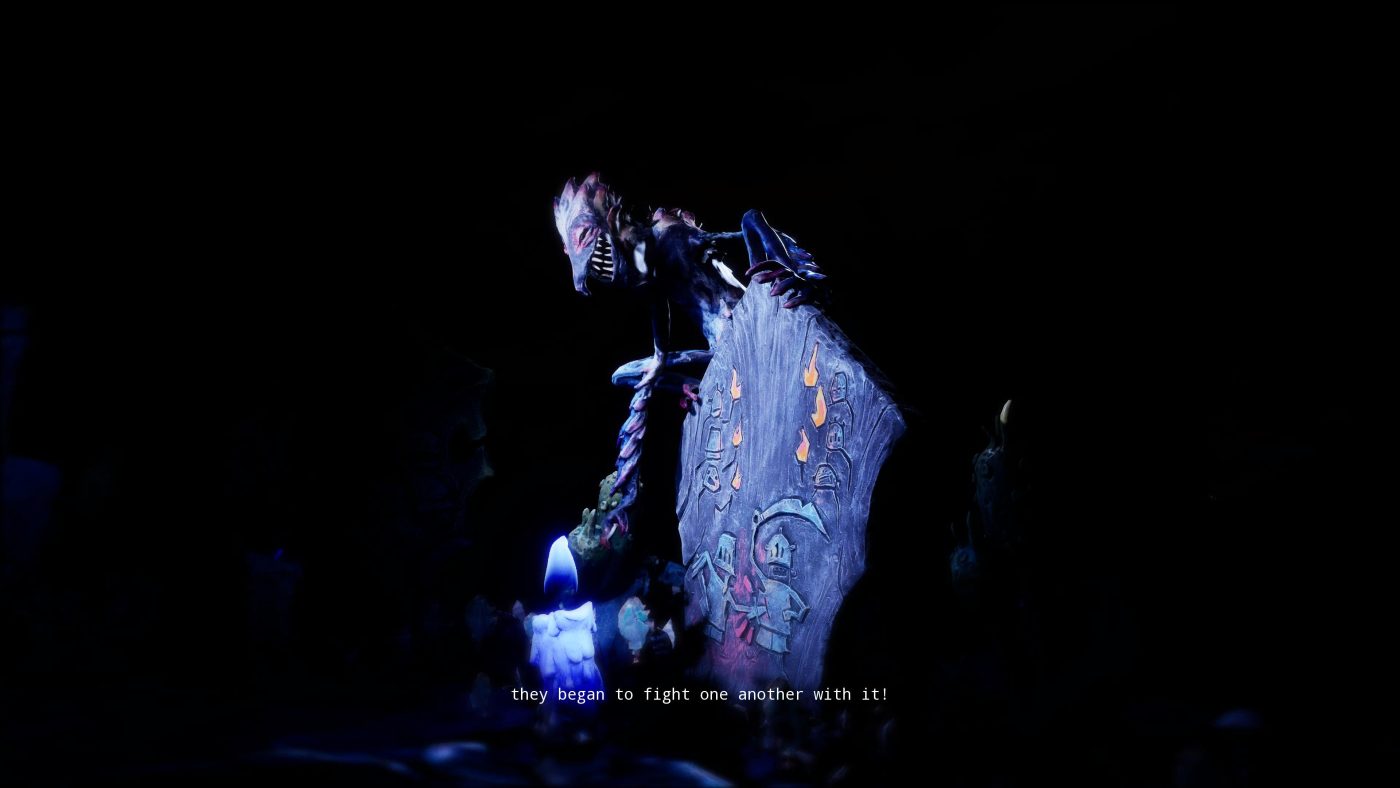
The heads ask the Burnt One to defeat Molgrim, whom they present simply as a monster hiding in a cave, guilty of devouring heads and flames. Only through Moonbird, and the story she chooses to tell, does the picture flip: the Molgrim lived in peace until the Somebody attacked them out of violence and sport, stealing their fire – and the moment they got it, they started fighting each other. Molgrim, the last of her kind, isn’t the original threat; she’s what remains after someone else stole the light before her without knowing how to carry it.
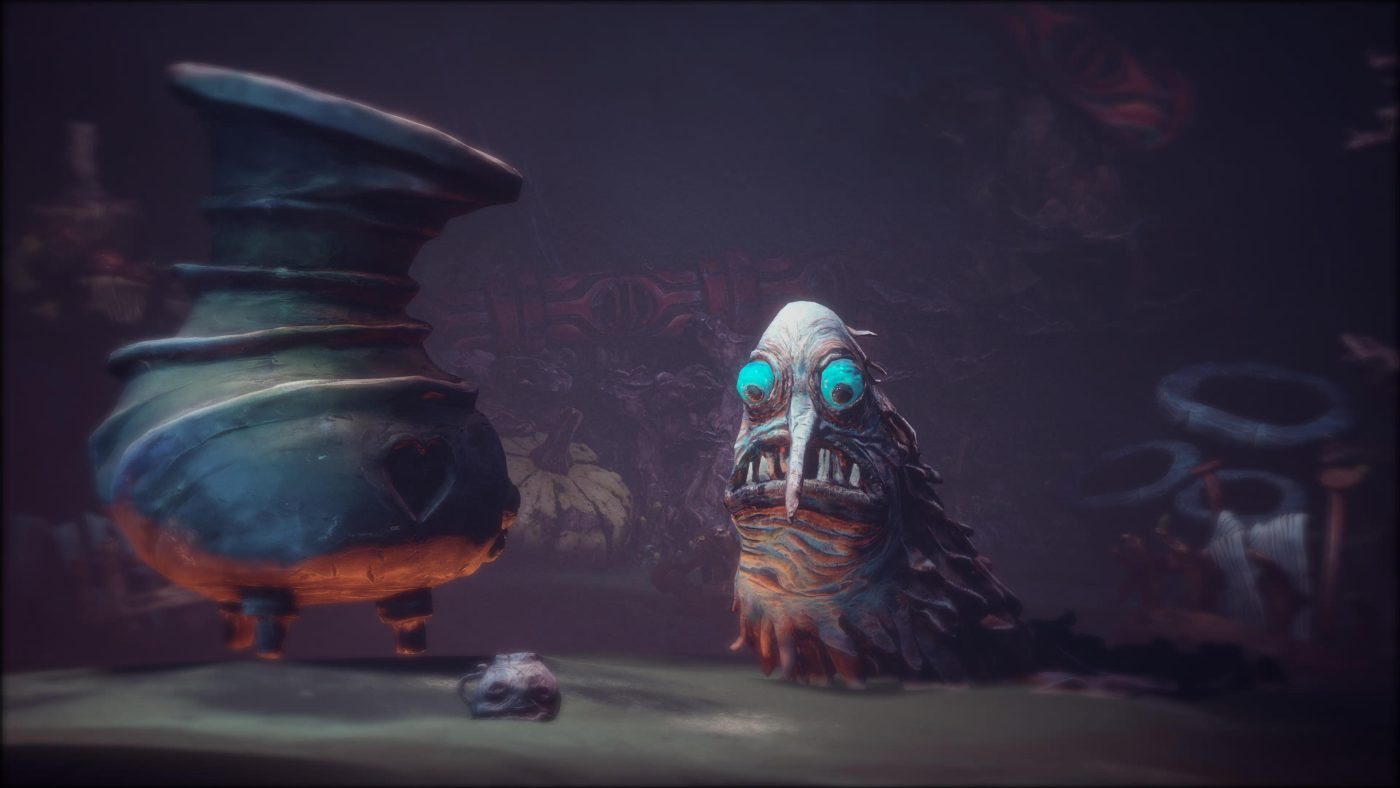
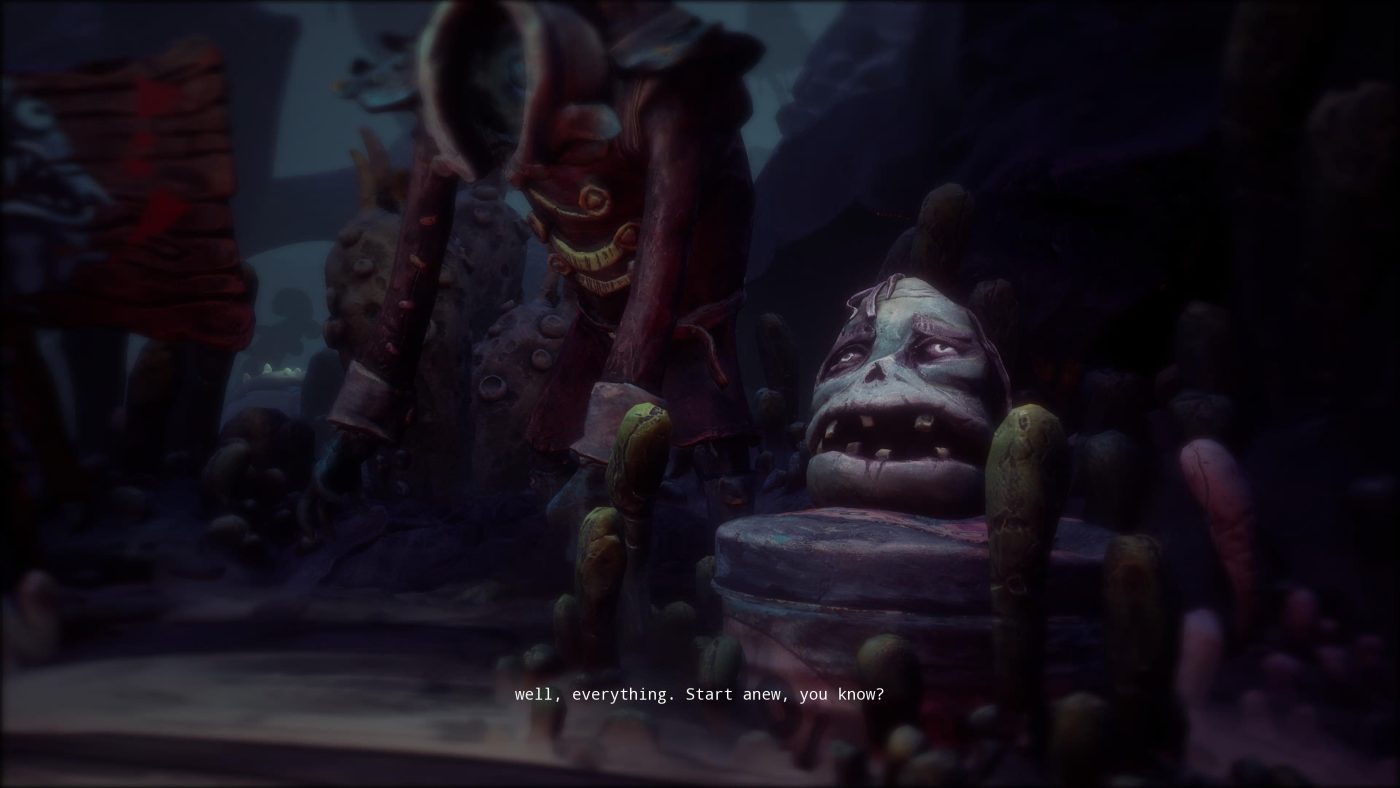
The game turns this idea into mechanics through a small but precise detail: the locked cabinets, shortcuts scattered across Nobodyville, only unlock once players listen to Moonbird and learn Molgrim’s true story. Understanding comes before crossing. And indeed, players don’t defeat Molgrim in combat: she calms down once the cauldron lights again, giving her back what she lost. Reconciliation, in this episode as throughout the game, never comes from defeating an enemy, but from recognizing a shared loss.
This same thread – fire as a way of seeing, not a weapon – shifts color chapter after chapter without ever breaking: war and possession in Coalhaven, discrimination and memory in Nobodyville, buried truth in Molgrim’s cauldron, domestic warmth in the Craftsman’s furnace.
At the center of everything sits the bond between the Burnt One and Potboy, the one emotional constant in a world that otherwise offers none. Potboy isn’t a functional companion in the gameplay sense – he’s the reason players agree to cross the darkness, and the risk of losing him is what the game builds every threat around. Housy, the walking house that follows and shelters them, gives this bond a physical space. It’s a shelter with no fixed location, one you walk alongside, just like Potboy’s flame.
The game’s language reinforces this frame. The English dub deliberately chooses a tone that feels indirect, almost archaic in its sentence construction, in line with the sources the developers name – Hans Christian Andersen, especially The Little Match Girl, filtered through the darker gaze of Over the Garden Wall. Characters speak in riddles rather than direct explanations, leaving players to piece the meaning together themselves: it’s the same demand for understanding that the game applies to the nature of the Dark, never fully defined, only sensed through his silences.
This whole structure culminates, literally, in a choice. Once players reach the top of Moon Mountain, the game asks them to decide – for the only time in the entire experience: burn, sacrificing Potboy to give the sun back to the world, or stop, keeping the group together but leaving the earth under a moon instead of a sun. This isn’t an ending that rewards one choice as the correct one; it’s the natural consequence of a game that, from its very first moment, has refused to treat light and darkness – and whoever carries them – as enemies of each other.
An Ancient Craft for a New World
Klaus Lyngeled and Olov Redmalm carry nearly a decade of shared work at Zoink Games with them, across Fe, Ghost Giant, and Lost in Random. The Midnight Walk represents the most mature synthesis of a creative method they’ve already tested and refined.
Olov has explained more than once, even when discussing earlier projects, that his work almost always starts from a mood or a sketch, never from mechanics. Once the team finds the theme, it works like a prism: every element of the game – narrative, art, even level design – has to pass through it and grow out of it, or the game risks losing its coherence. For Lost in Random that prism was randomness; here, the team openly builds it around the light-darkness-fire triad, and this method runs through everything The Midnight Walk puts on screen, from the writing to the art direction.
On the production side, the most radical choice – and also the riskiest for a debut studio – was to build the game world starting from real objects: more than 700 pieces hand-sculpted in clay, cardboard, newspaper, and other salvaged materials, then scanned in 3D and animated in stop motion. It’s a long process, one that costs time even before it costs budget, and MoonHood chose it anyway, as a statement of intent before it ever became a visual style.
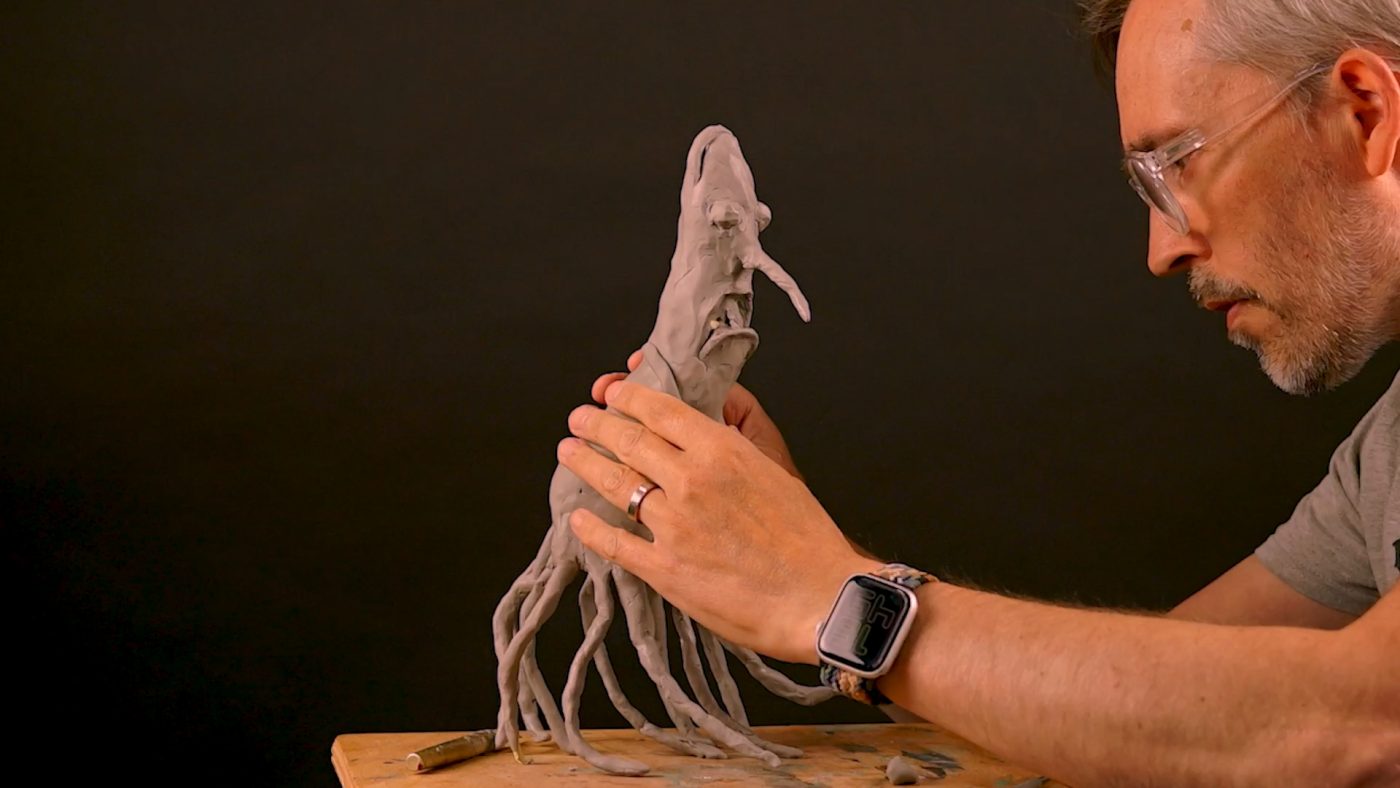
This isn’t an isolated case in the indie scene. A few years earlier, Polish developer Tomasz Ostafin – known as Petums – built an entire game world out of paper, scissors, and glue on his own, over nearly eight years of work, for Papetura, photographing and animating it piece by piece with no team behind him. There, fire was the threat the protagonist, a small folded sheet of paper, had to defend himself against. In his next project, Pirofauna, Ostafin flips that relationship: fire becomes the protagonist itself, a flame that crosses a dark, foggy forest, lighting up everyone it meets and helping instead of threatening.
The Midnight Walk shares this same reversal almost point for point – Potboy is nothing more than the same idea, scaled up from a single developer’s project to a studio with an established budget and team: the flame as a fragile companion to protect, not a weapon or a danger. Seeing the same insight emerge in such different production contexts, from Petums’s solo work to MoonHood’s larger structure, says something about the pull that fire as a character – rather than as a gameplay element – has on people who work with physical materials and stop motion.
Even one of the game’s most distinctive mechanics – the one that asks players to close their eyes to listen, orient themselves, or defuse a threat – grows out of a technical constraint rather than an upfront narrative idea: PS VR2 eye tracking. The team designed it for the VR version, and it worked so well that they brought it to the flat-screen version too, turning it into a core part of the game’s identity instead of a simple platform extra.
The reception The Midnight Walk received led, in June 2025, to the announcement of a film and TV adaptation led by Story Kitchen – the production company already behind adaptations like Sonic the Hedgehog and Tomb Raider – working directly with MoonHood. For a studio’s debut title, that’s no small signal: it confirms that the world Lyngeled and Redmalm built holds up beyond the medium where it began.
The Expressive Beauty of Craft-Making
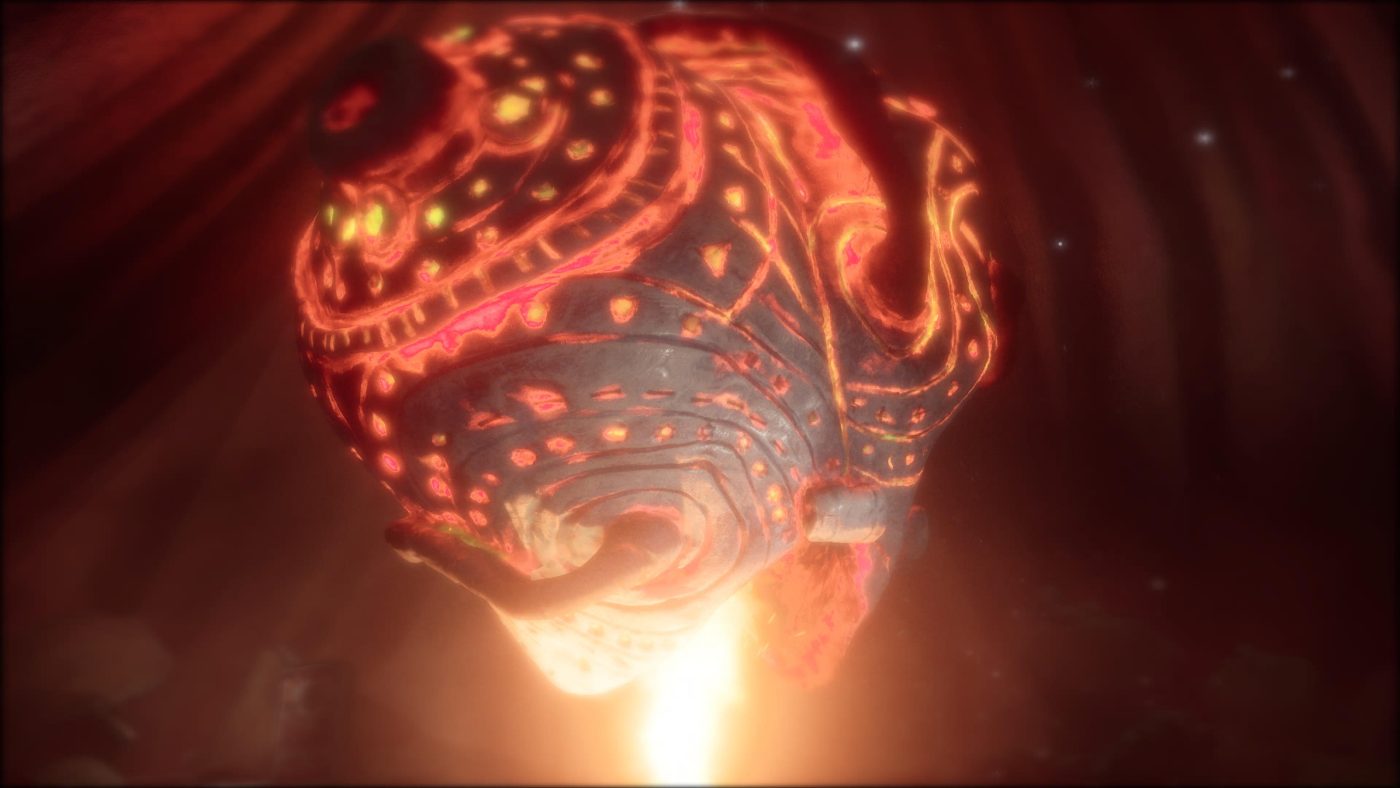
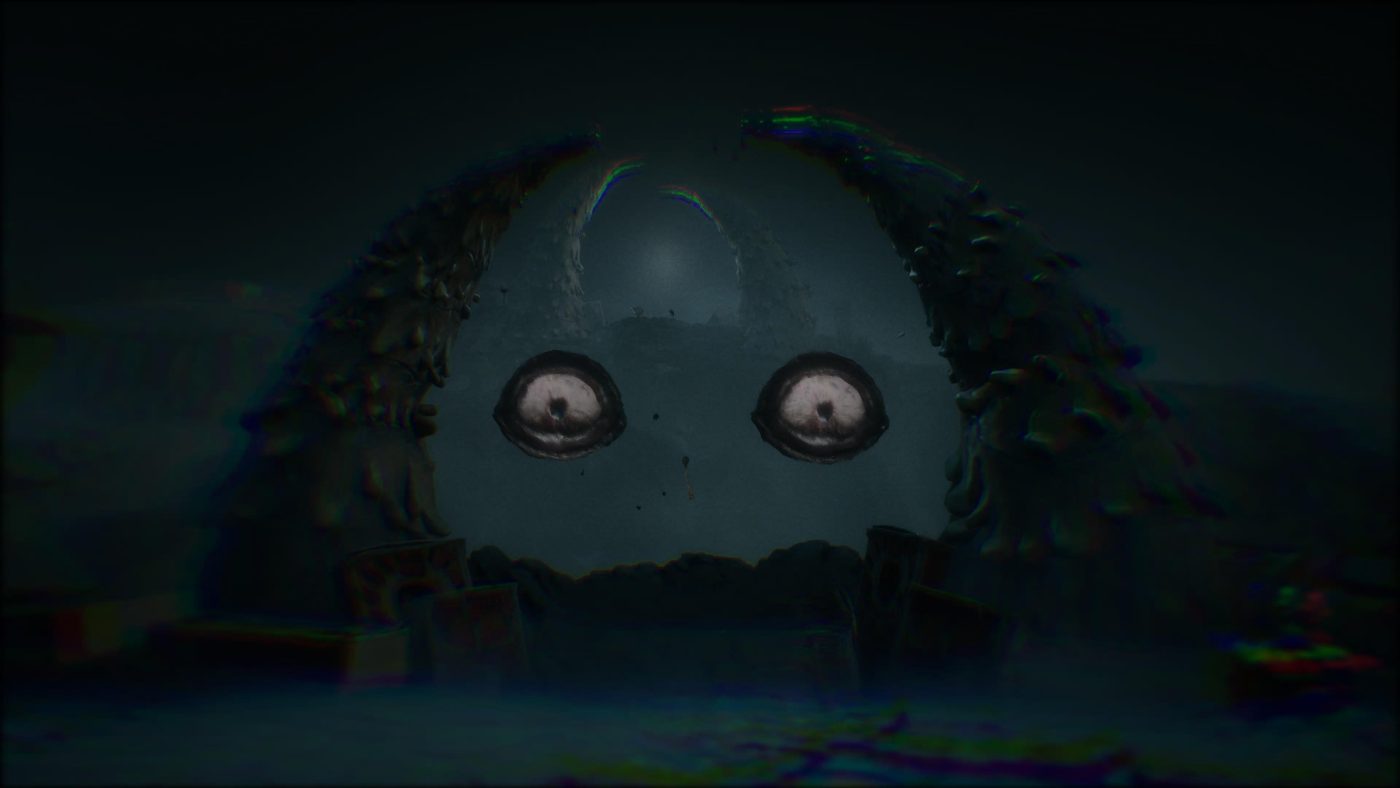
If the development story explains the choice to start from physical materials, The Midnight Walk finds its most distinctive voice in how that choice translates onto the screen. Every surface still carries the mark of the hand that shaped it: visible fingerprints in the clay, unsmoothed cracks, imperfections a digital model would normally correct. This is a texture that communicates fragility before the narrative ever puts it into words: a world that seems like it could fall apart as easily as someone built it, and that’s exactly why it conveys urgency in every environment players cross.
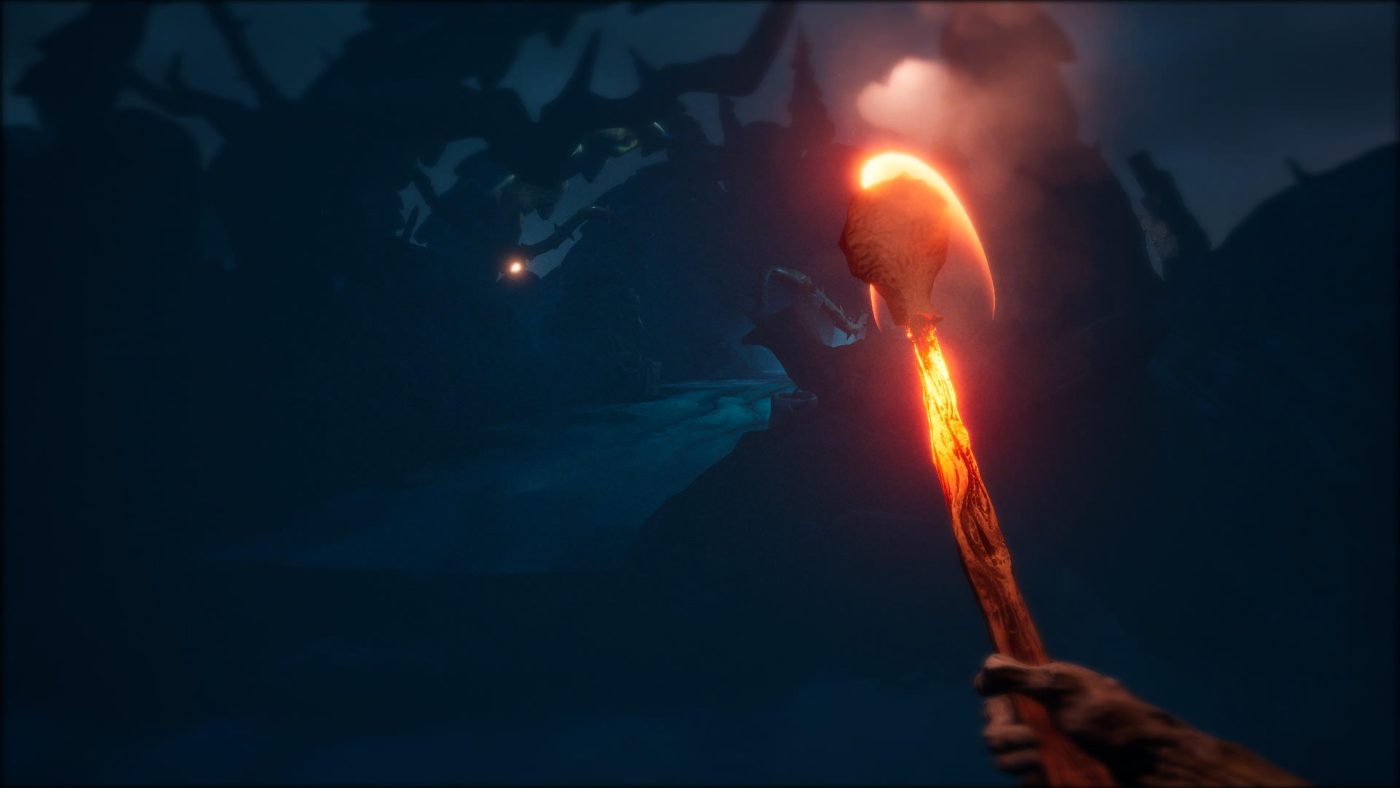
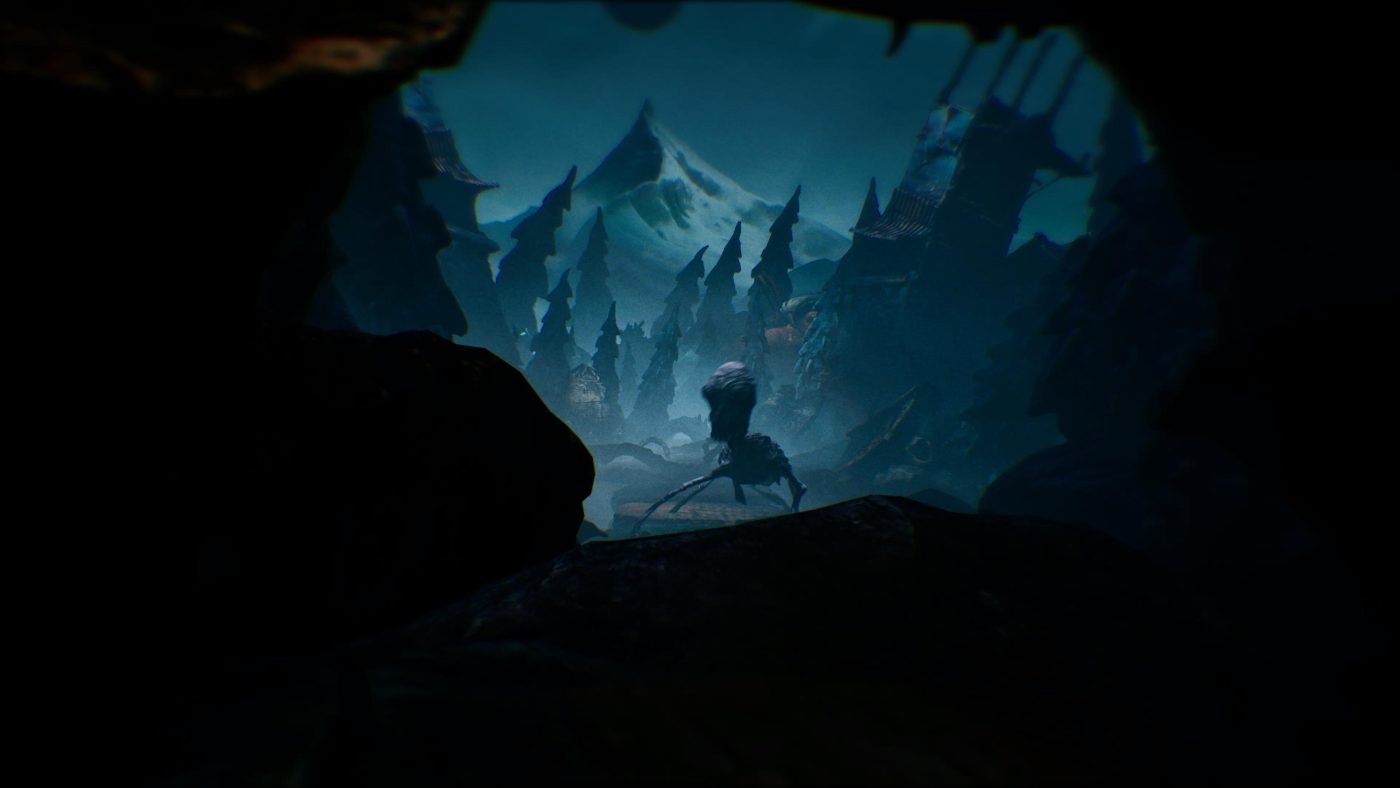
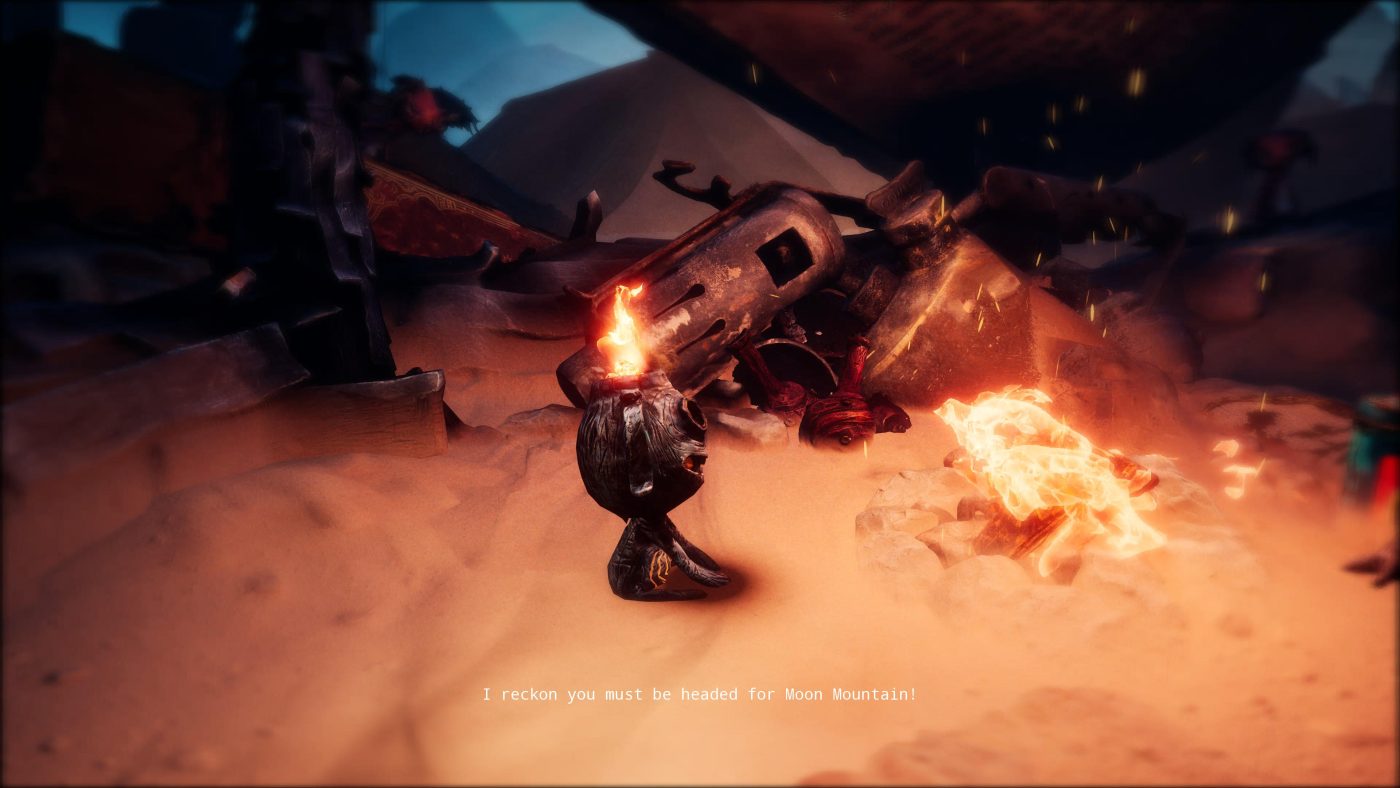
Light, here, isn’t just a gameplay element: it’s the tool the game’s cinematography uses to define every scene. The flames of Potboy and the matches carve out islands of warmth inside settings otherwise plunged into near-total darkness, and the sharp contrast between the two states – never blurred, always lit – visually delivers the same principle the writing explores in words: light exists only in relation to what surrounds it.
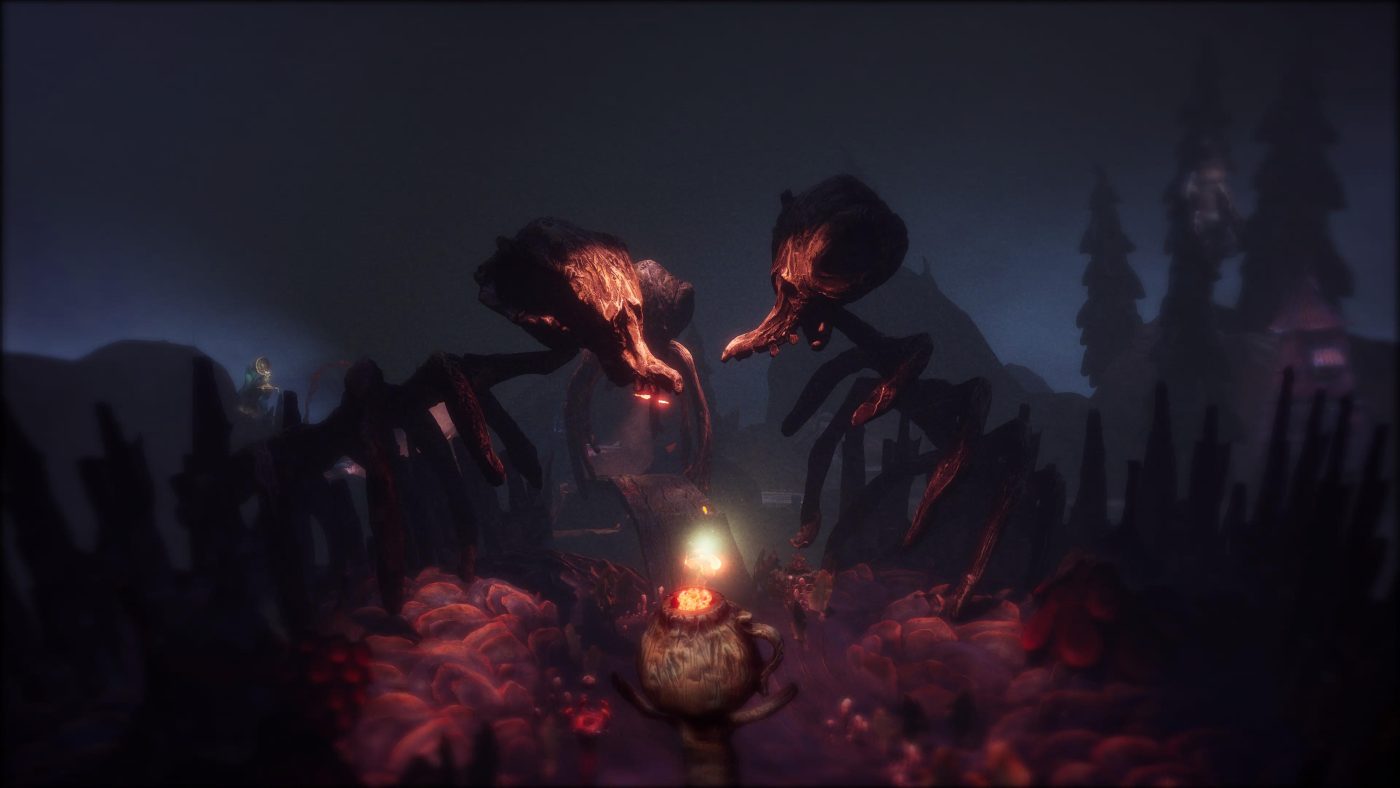
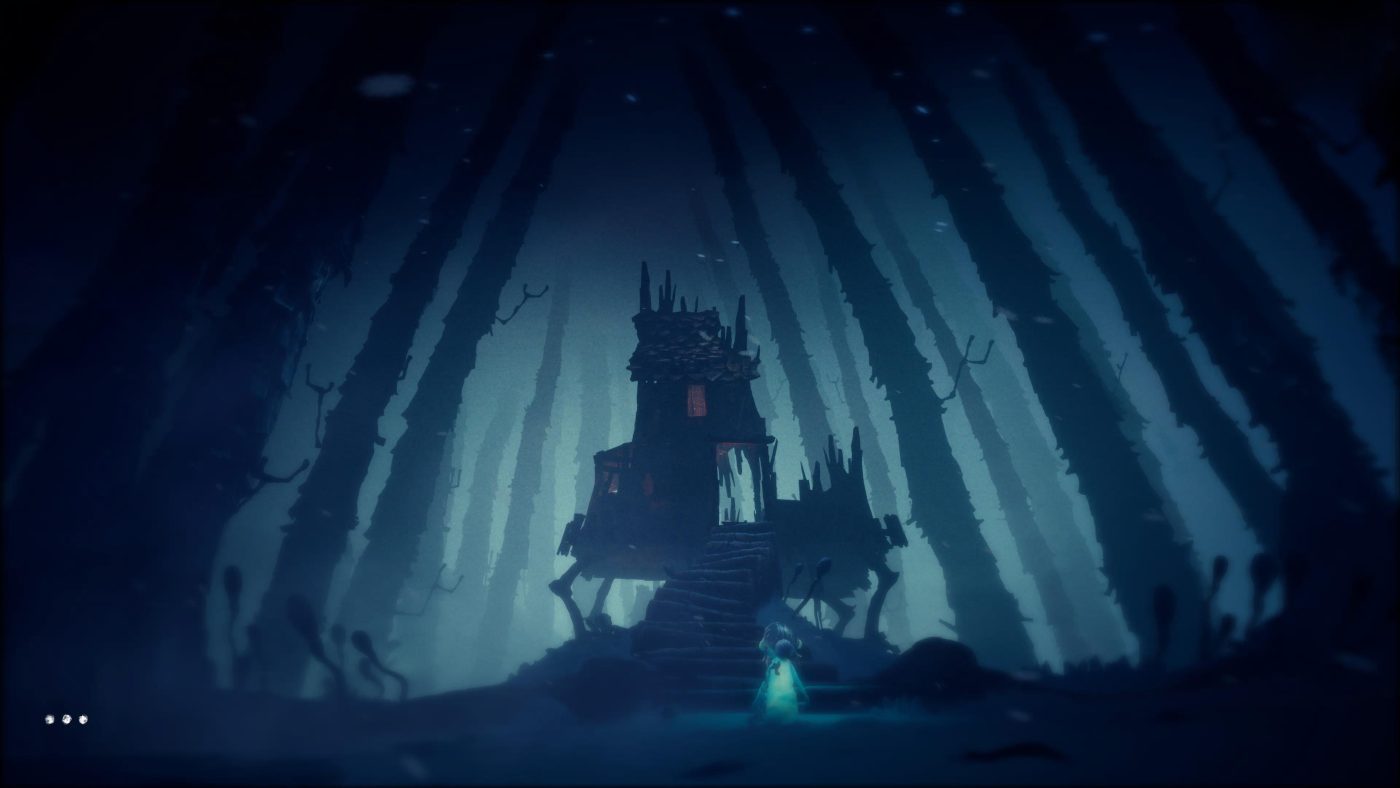
The references the team names – Hans Christian Andersen, Over the Garden Wall, David Lynch – come through clearly in how the settings take shape: the same attention Over the Garden Wall pays to a fairy-tale world that still feels unsettling, the same Lynchian skill for making the familiar feel unnerving. It’s easy to connect this style to a rougher, more expressive Tim Burton, given the elongated figures and the gothic-childlike aesthetic The Midnight Walk shares with his work, though the visible grain of the material puts it closer to a handmade diorama than to a cartoon.
This exact roughness marks the main difference from clean digital animation: The Midnight Walk never hides its production process. It doesn’t chase the illusion of a perfect world, but that of a constructed, handcrafted world, one that puts its own material effort on display. Maybe that’s exactly why, despite the absence of combat and the linearity of the path, it still manages to convey a sense of physical danger: players move through something that could literally crumble.
A Gameplay Built on Silence, Listening, and the Power of Small Things
Some video games seem afraid of empty space. Games that constantly try to fill every free moment with new abilities to unlock, systems to master, stats to improve, rewards to earn. In many cases, this abundance grows out of a desire to keep giving players something new to do, turning quantity into a stand-in for depth. The Midnight Walk, instead, takes a completely different path.
A riskier, more delicate path – and maybe that’s exactly why it stays so consistent with the project’s own nature: subtracting instead of adding, cutting instead of piling up, making room so that atmosphere, the journey, and the relationship with the surrounding world become the real protagonists of the experience.
From the very first moments of the adventure, it becomes clear that MoonHood didn’t design the gameplay as a simple pile of independent systems stacked on top of each other, but as an organic extension of the narrative, aesthetic, and philosophical vision that holds up every element of The Midnight Walk. Every mechanic, every interaction, and every design choice seems to circle back to the same question: how much does the game truly need in order to let the player enter this world, grasp its deepest nature, and feel part of its fragile balance?
The Swedish team’s answer looks simple on the surface, but it hides a precise statement of intent: nothing should exist without a reason. The Midnight Walk leaves no room for elements that only exist to artificially stretch out the experience, or to satisfy the contemporary industry’s growing habit of filling every space with side activities and content. Instead, every piece of gameplay looks designed to strengthen the relationship between the player and the world they’re exploring, keeping the same artisanal care that marks every corner of the universe MoonHood built.
This design philosophy inevitably echoes one of modern design’s core principles, one German architect Ludwig Mies van der Rohe put into words: “Less is more.” People often reduce this concept to a simple celebration of aesthetic minimalism, but it actually holds a much deeper reflection on the relationship between form, function, and meaning. The idea behind it isn’t just to cut what’s superfluous, but to understand how every element inside a work needs its own reason to exist, contributing harmoniously to the overall vision.
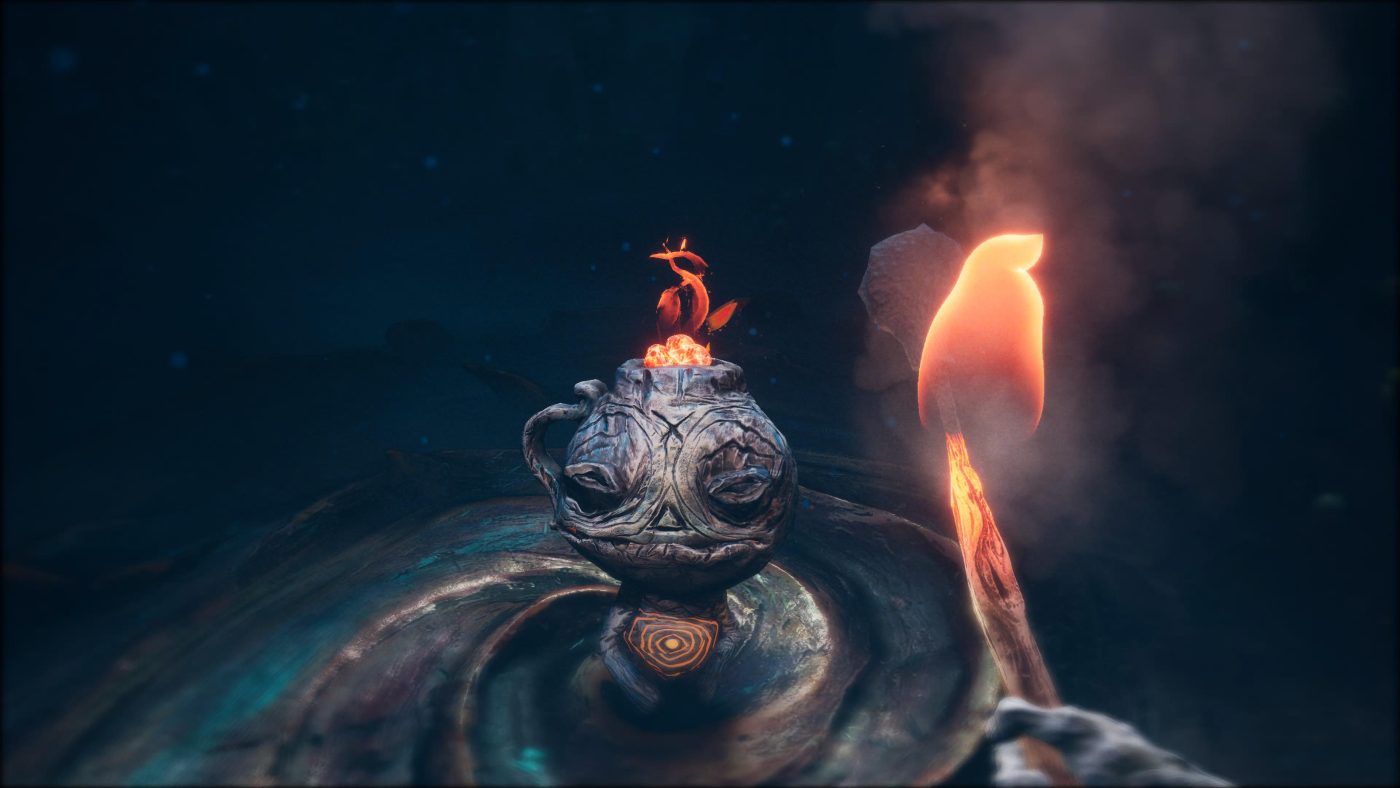
This exact principle seems to guide the work of Klaus Lyngeled and Olov Redmalm. Just as the team built the game world out of hundreds of hand-modeled physical objects, deliberately leaving imperfections, cracks, and traces of the creative process visible, the gameplay also embraces an almost artisanal essentialism.
There are no complex progression systems, skill trees, resources to stockpile, or side mechanics designed to pull the player away from the main journey. Every mechanic looks carved with the same care the team gave the settings: present not to fill space, but because it adds something meaningful to the overall experience.
This design consistency shows up immediately in the exploration structure too. The Midnight Walk turns down many of the tools that have become nearly mandatory in contemporary video game design. The interface stays as minimal as possible, free of intrusive elements that could break the direct connection between player and environment.
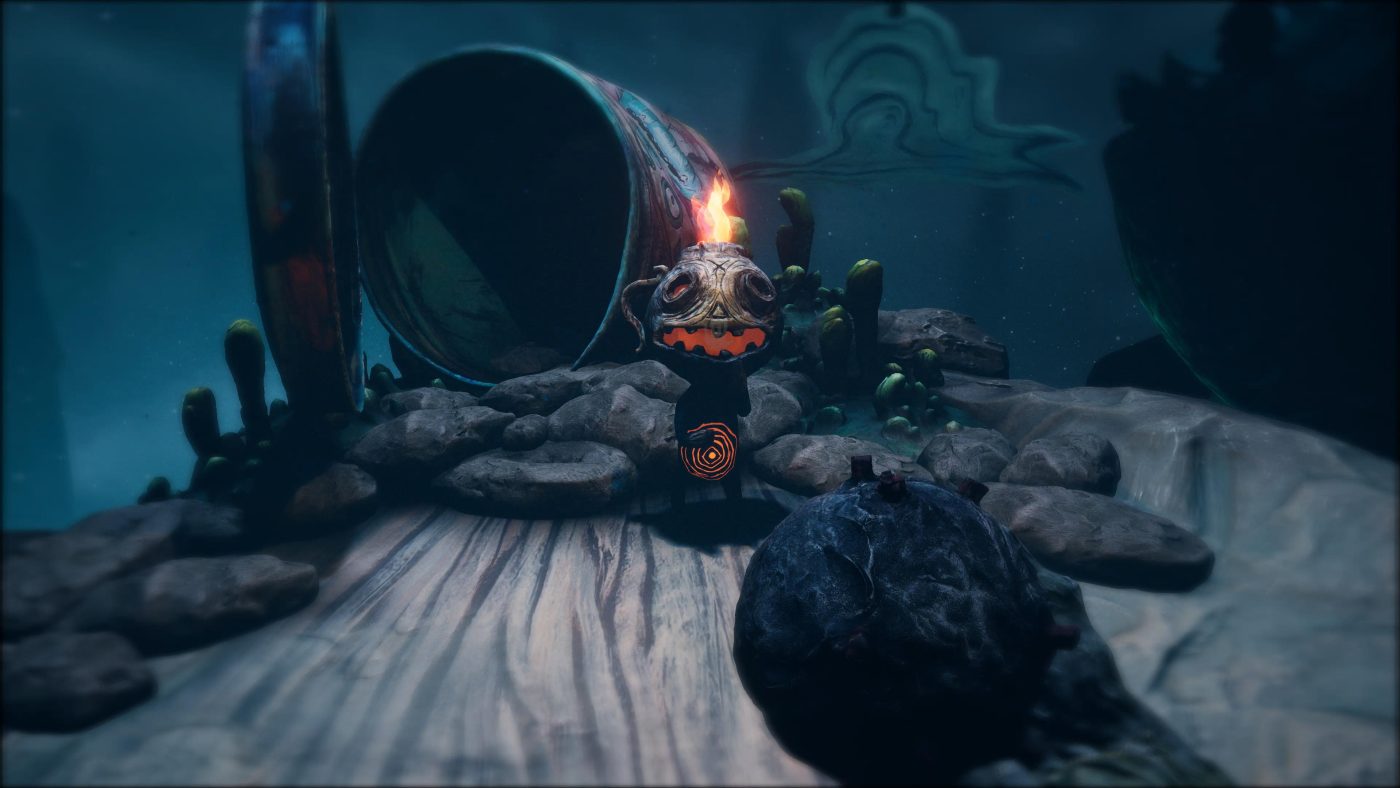
The game has no constant markers, no detailed digital maps, no endless string of prompts ready to tell players where to go and what to do. Instead, it relies on perception, curiosity, and the player’s own ability to observe their surroundings. Even the simple paper map for the different biomes players cross carries a symbolic weight beyond its practical use. It’s not a tool meant to turn exploration into a checklist of objectives, but almost an invitation to build a more human relationship with the journey.
Players get lost, notice the details, learn to recognize the environments, and keep moving forward – not because a marker points the way to the next destination, but because they genuinely want to discover what’s around the next corner.
At a time when many games seem built to optimize the player’s time, The Midnight Walk makes an almost revolutionary choice: it gives value back to slowness. It reminds players that even the simple act of walking can become a meaningful experience when the world they’re crossing has something to say.
Naturally, this philosophy shapes the protagonist’s interaction system too. The Burnt One isn’t a warrior; he carries no arsenal of offensive tools and doesn’t face the journey through brute force. His options stay limited, but that’s exactly why every gesture carries more weight. Players can explore, run when danger closes in, interact with the environment, use matches, handle small elements of the scenery, give orders to Potboy, and rely on his fragile flame to light the way.
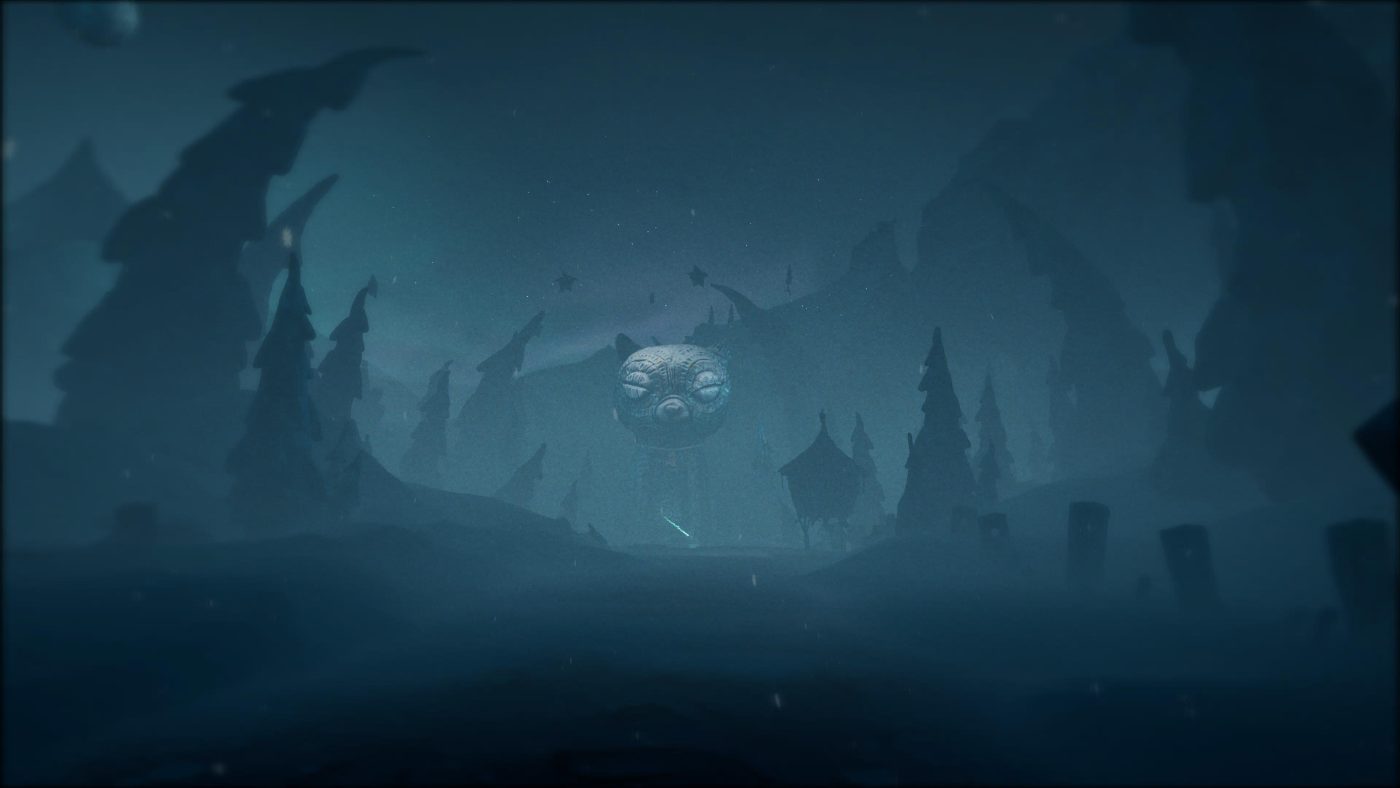
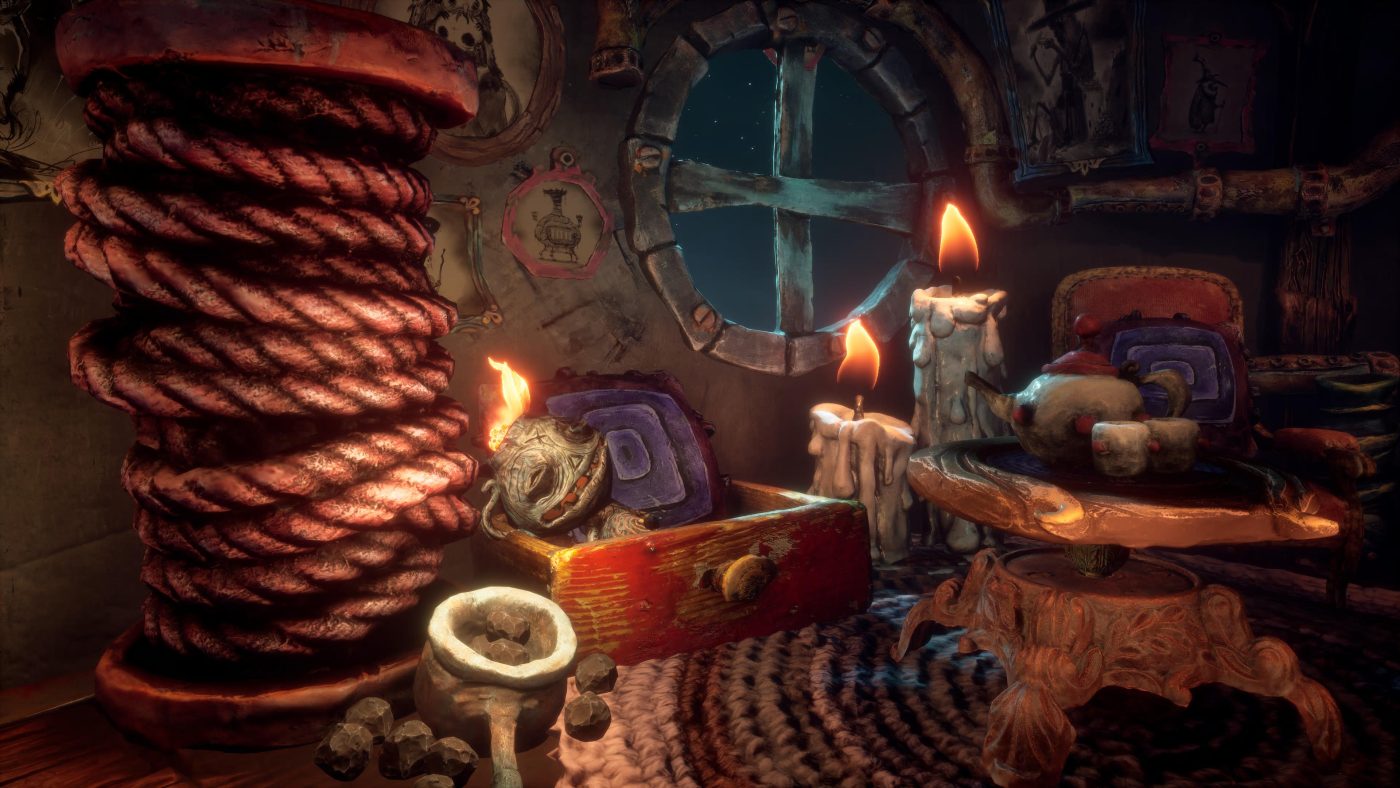
And Potboy himself sits at the beating heart of the entire gameplay formula. This small lantern creature isn’t simply a narrative companion or a mechanic that pushes progression forward: he’s the real key through which the player learns to understand this world’s rules. His light lets players push through the darkness, but at the same time it constantly reminds them how fragile what they’re protecting really is. Every flame lit, every candle illuminated, every obstacle players clear with his help strengthens the emotional bond the game builds slowly, never forcing it.
Among all the ideas The Midnight Walk offers, though, none captures the developers’ philosophy quite like the option to close your eyes. A mechanic that started out of PlayStation VR2’s eye-tracking capabilities, but that MoonHood turned into something far more meaningful than a simple technical feature.
Closing your eyes means agreeing to give up sight for a moment and trust your other senses instead. It means listening to what usually stays hidden, sensing invisible presences, picking up details a surface glance would miss, and understanding that the game’s reality doesn’t always match what appears right in front of you.
It’s a simple choice, almost elementary, yet deeply consistent with the message of the entire work. The Midnight Walk keeps talking about the need to look past first impressions, to stop automatically treating darkness as a threat and what we don’t understand as something to eliminate. And through gameplay too, it asks players to do the same thing: stop, listen, look closer. The entire adventure structure revolves around a handful of core elements: exploration, environmental puzzle-solving, stealth sections, and light management.
Fire, more than a simple gameplay resource, becomes the real language through which players interact with the world. It isn’t a weapon to use against their surroundings, but a tool for understanding and connection.
Even the tools that come closest to a traditional combat system, like the peculiar firearm that launches lit matches, follow this same philosophy. They don’t exist to eliminate the creatures living in the darkness, but to create opportunities, distract, clear obstacles, and find an alternate route. In a genre where players often face terror by fighting back, MoonHood instead chooses to put the player in the most vulnerable position possible: that of someone who has to understand before they can act.
The environmental puzzles follow the same approach. They never try to turn into elaborate brain-teasers that break the adventure’s rhythm; instead they become a natural part of the journey. The team builds them around observation, the relationship between light and darkness, and the player’s ability to correctly read what the world is trying to say. Some start out very simple, almost like an introduction, while others gradually combine more elements of the formula, making smart use of Potboy’s help and the particular nature of the universe MoonHood created.
The result is a deliberately restrained gameplay, one that probably won’t surprise players looking for great variety or a constantly evolving set of options. The Midnight Walk doesn’t want to be an experience built around the protagonist’s growth or the acquisition of new abilities. Its evolution works differently: it’s an emotional journey, a gradual understanding of the world and the creatures that live in it.
Housy, the walking house that accompanies the protagonist on the journey, embodies this philosophy perfectly too. Rather than a simple functional hub, it becomes a place to pause and reflect. A small safe space where players can watch Potboy rest, look over the objects they’ve collected, dig into story fragments, and catch their breath before heading back into the darkness. Its presence strengthens the sense of the journey, turning a simple management screen into a genuine emotional refuge.
Naturally, such a precise choice comes with trade-offs. The decision to keep gameplay essential inevitably leads to less mechanical variety than other productions in the same genre offer. Some situations tend to repeat, and especially in the later stages of the adventure, a certain repetitiveness creeps into the proposed solutions. It’s the price the game pays for an experience that never wants to betray its own identity.
But maybe this is exactly what makes The Midnight Walk so strong. MoonHood didn’t create a game that constantly tries to impress players with new options. It created a game that asks players to live it, not conquer it. An experience where the most important gesture isn’t necessarily pressing a button, defeating an enemy, or rushing to the final destination, but stopping for a few seconds and looking.
Because during the journey, players often find themselves naturally slowing down. They stop in front of a creature sculpted in clay, watch the delicate flicker of a flame, listen to the silence of a world that looks dead but still holds stories to tell. And when a video game manages to convince you that the most important moment isn’t reaching the end, but savoring every single step of the path, that means its gameplay formula has found something rare: an identity.
A Journey That Wins Over the Ears First, Then the Heart
At one point during our time in the world of The Midnight Walk, the game asks players to do something video games have always seemed to teach us not to do: close our eyes.
Voluntarily give up sight, trust the silence, follow a distant sound, let the world’s breath guide you instead of its image. It’s a gesture that looks simple, but it holds MoonHood’s entire philosophy inside it.
Because The Midnight Walk doesn’t just want players to watch it. It wants players to listen to it. It demands it, really. And once you grasp that, it becomes clear that the sound design isn’t just a technical piece of the production, but one of the foundations the entire experience rests on.
In a video game landscape where audio often plays second fiddle to visuals, MoonHood takes the completely opposite route. Here, sound never simply follows the action: it anticipates it, narrates it, completes it, and very often replaces it. It’s the medium through which players understand spaces, read characters’ emotions, sense danger, and build an almost physical relationship with a world that, despite being made of hundreds of clay sculptures, manages to feel alive. If the art direction gives this universe its shape, sound gives it breath.
It only takes a few minutes to notice the sound design’s exceptional quality – not so much for the immediate impact of its sound effects, but for how naturally they blend into the environment. Every location carries its own acoustic identity, a sonic signature that makes it instantly recognizable even before players see it.
Wind cuts through twisted trees with a dry, uneven rustle, wooden walkways creak under every step, cave walls throw back deep echoes that heighten the sense of isolation, while the simple crackle of Potboy’s flame turns, hour after hour, into something much bigger than a normal sound effect. It becomes company. A travel companion in the heart of the darkness. A fragile but essential reminder of life.
It’s striking how much the game manages to tell through seemingly insignificant noises. A door creaking open slowly, the distant sound of a creature dragging itself through the dark, the muffled cry of someone still out of sight. These are minimal details, but they build a constant tension that never comes from a sudden scream or a cheap scare. MoonHood almost entirely rejects contemporary horror’s more conventional language.
It doesn’t chase jump scares built on sudden volume spikes, nor does it use music to artificially telegraph danger. It relies instead on the power of waiting. Of doubt. Of uncertainty. That silence that suddenly turns unsettling precisely because something, somewhere, keeps quietly breathing.
And silence itself may well be the invisible protagonist of the entire audio design. A silence that never represents absence, but a space full of meaning. MoonHood shows rare maturity in knowing when to let the music speak and when to deliberately let it go quiet instead.
Some of the most intense sequences in the whole adventure carry no musical accompaniment at all. All that remains is the sound of footsteps, the wind, the creatures’ breathing, and the emotional pulse of the small flame lighting the way. It’s exactly in those moments that players feel the full weight of their own vulnerability. Because without a soundtrack guiding the emotions, every small sound suddenly carries enormous weight.
This focus on listening finds its brightest expression in the already-mentioned mechanic that lets players close their eyes. It started out to take advantage of PlayStation VR2’s eye-tracking system, but the team adapted it with surprising effectiveness to the traditional version as well, turning it into one of the whole production’s most compelling game-design ideas.
Closing your eyes means giving up the very sense video games have always built their language around in order to rely entirely on hearing. It means following distant bells, listening for a hidden voice’s call, locating an enemy without being able to see it, or discovering invisible elements of the scenery just by letting sound guide you. It’s an incredibly elegant design choice, because it isn’t just an original mechanic – it’s a perfect extension of the work’s message. Truly understanding this world takes more than looking at it. You have to learn to listen to it.
Naturally, sound design this accomplished couldn’t have reached these results without a soundtrack able to hold a constant conversation with it. Joel Bille, already known for the beautiful scores of Fe and Ghost Giant, delivers what is, at least in our own personal view, probably one of the most inspired compositions of his career. He doesn’t just write musical themes: he builds an emotional landscape that evolves alongside the Burnt One’s journey.
His melodies seem to rise straight out of the settings themselves, almost like a natural extension of the world rather than an outside accompaniment. They never try to dominate the scene. They caress it. They support it. They let it breathe.
The performance from the group Bortre Rymden plays a decisive role in shaping this sonic identity. By giving up the traditional symphony orchestra in favor of a small, tight ensemble, the team gives the soundtrack a rare intimacy for today’s video game landscape. Clarinets, saxophones, flutes, piano, violin, viola, cello, double bass, and tuba play off each other with unique naturalness, giving life to a score rooted in Scandinavian folk, one that constantly lets in jazz, chamber-music, and almost dreamlike influences.
Even the music, just like the game world, keeps the charm of living material. The musicians recorded most of the soundtrack’s thirty-six compositions live, leaving plenty of room for improvisation and interpretive sensitivity. This deliberate choice lets every track hold on to a deeply human spontaneity, far from the artificial, sterile perfection many contemporary productions chase.
The performance’s light imperfections, the instruments’ breaths and the nuances the recording lets emerge, inevitably echo those same irregularities that mark the clay sculptures MoonHood’s artists made by hand.
The same level of quality defines the English dub. The voice performances stand out as one of the main tools MoonHood uses to build its characters’ identities. No one speaks the way a real person would, and that’s exactly where their strength lies. The dialogue often takes on the rhythm of old nursery rhymes, of orally passed-down legends or folk tales from some undefined time. The lines brim with metaphors, symbolic images, and half-truths, constantly leaving it to the player to piece together the meaning hidden behind every word.
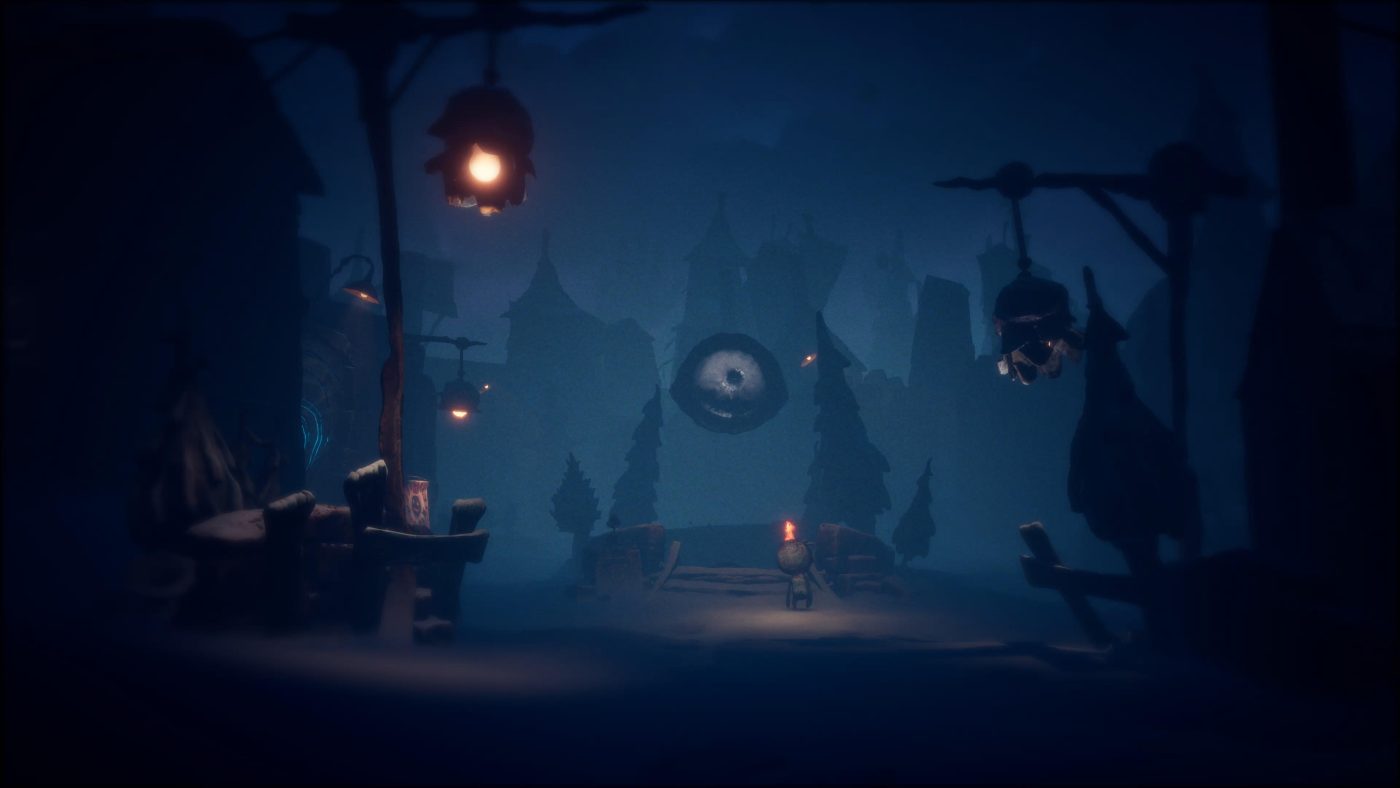
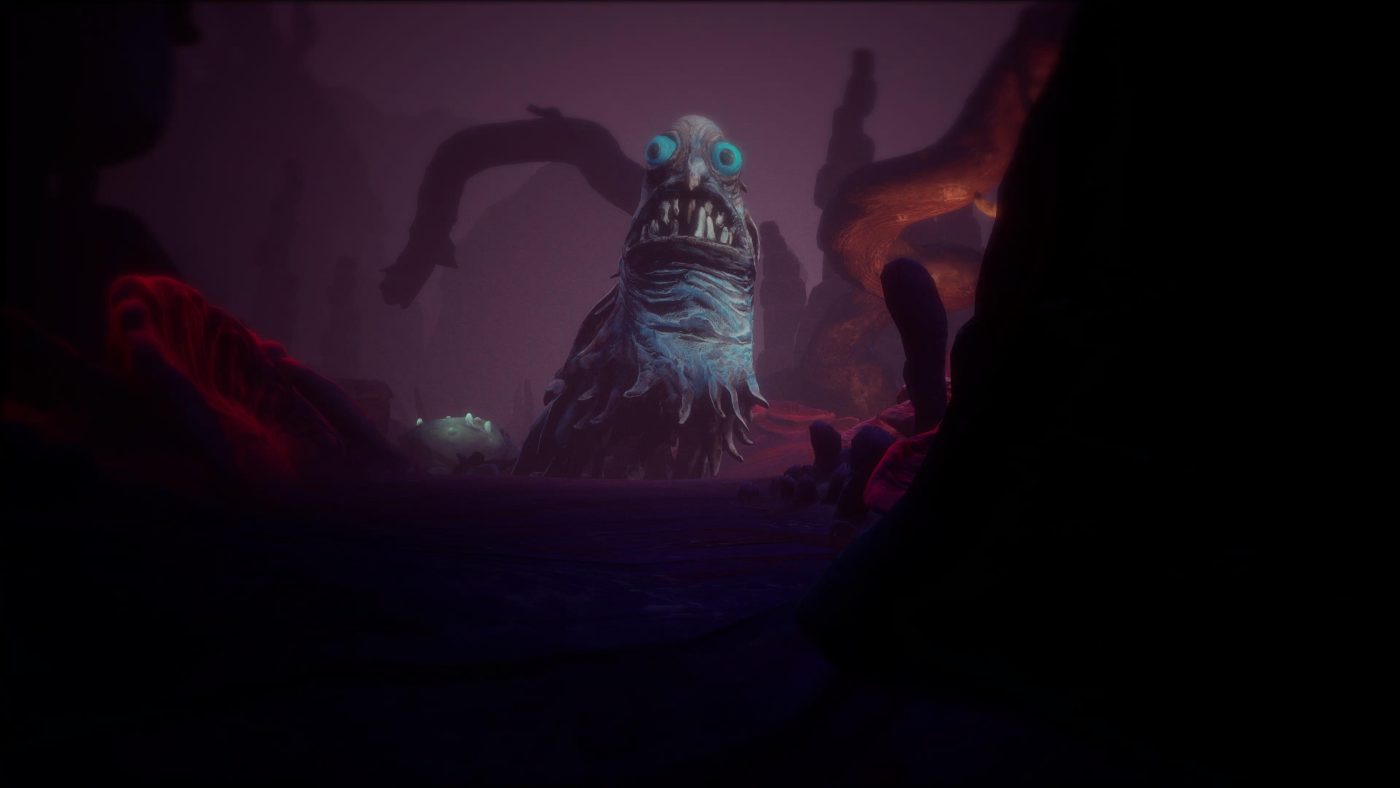
The Soothsayers speak with an almost liturgical cadence, unsettling and hypnotic; Moonbird carries a heartbreaking melancholy; the other creatures that populate the world of The Midnight Walk follow the same direction, constantly moving between a surprising childlike innocence and a darker, quieter pain. Even the most threatening entities never come across as simple animal growls or sounds without identity: every sound communicates suffering, hunger, loss, turning what might look like threats into beings capable of stirring empathy.
This extraordinary overall consistency is exactly what makes the sound design one of the most successful elements of The Midnight Walk. Nothing exists as mere decoration. Every note of the score, every ambient noise, every whispered voice, and even the delicate crackle of Potboy’s flame all come together to define a single, coherent expressive language. A language that doesn’t just accompany players, but slowly teaches them to perceive the world differently.
That’s why playing The Midnight Walk with a good pair of headphones isn’t simply the best way to appreciate its technical quality: it’s how the developers intended players to experience the work. Because only then do you notice that this world of clay doesn’t come alive just in front of your eyes. It breathes around you. It whispers in your ears. And it walks with you, step by step, through one of the most moving audio journeys the video game landscape has offered in recent years.
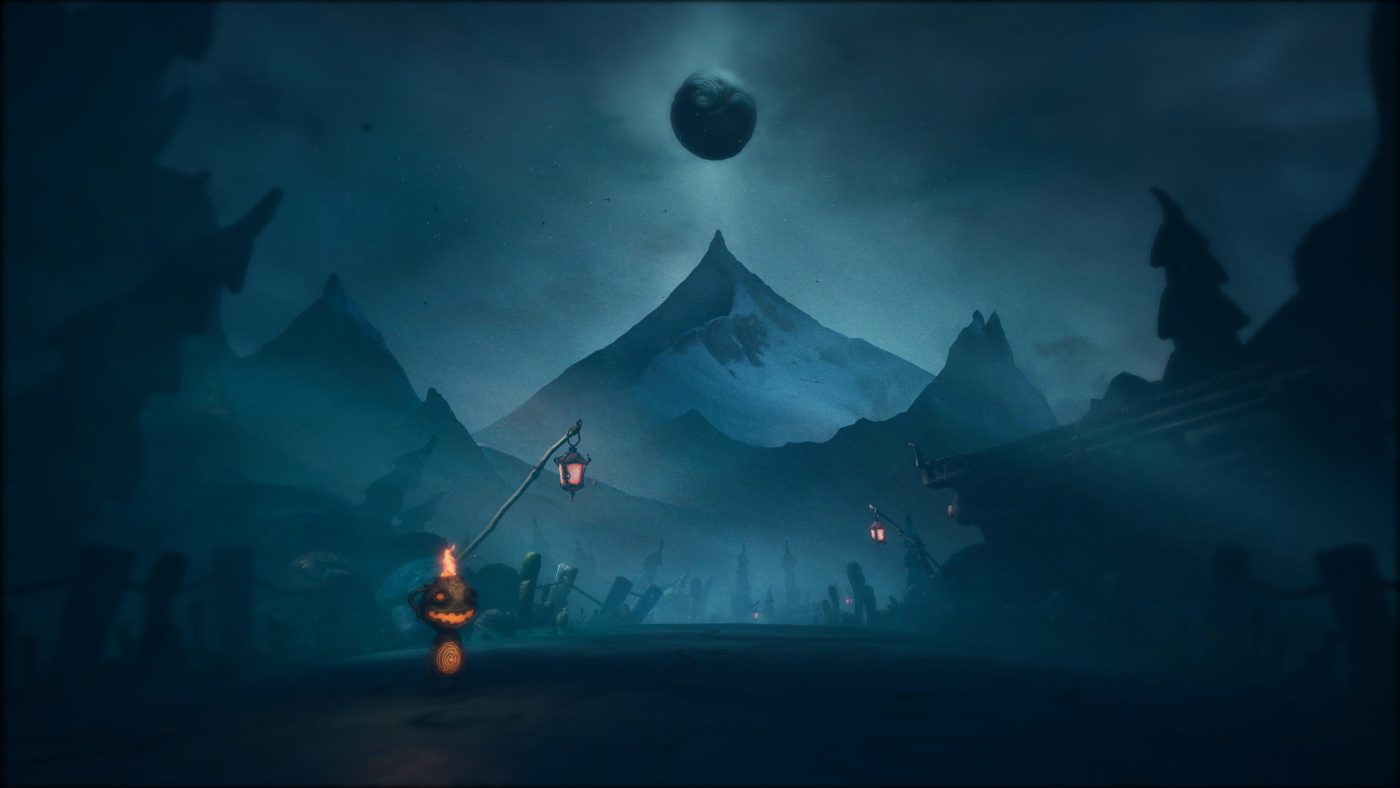
The Midnight Walk is available on Nintendo Switch 2, PC, and PlayStation 5, with a VR version for PlayStationVR2 and PC VR headsets.
Thanks to Fast Travel Games and MoonHood Studios for providing a PlayStation 5 code for this review.
 8.5/10