
The new trailer makes ILL look more real, and more disturbing, than ever before.

ILL has returned to the spotlight with a new trailer unveiled during PlayStation’s June State of Play, offering the clearest look yet at Team Clout’s long-awaited survival horror project, published by Mundfish Powerhouse. More than just another showcase, the footage presents a far more complete picture of the game’s world, gameplay, and unsettling vision, suggesting that ILL is finally beginning to live up to its extraordinary ambitions. For longtime followers, this latest reveal carries particular significance.
Ever since its debut, ILL has generated as much skepticism as excitement. Its promise of hyper-realistic body horror, advanced physics simulation, and unsettlingly organic creature animation immediately captured the industry’s attention. At the same time, the sheer technical fidelity of its early footage led many to question whether what they were seeing was genuine gameplay or simply an exceptionally polished concept designed to showcase technical possibilities.
Those doubts have lingered for years. Every new clip reignited debates across the community over how much of ILL‘s presentation reflected an actual playable experience and how much was carefully scripted for maximum impact. This latest trailer feels like Team Clout’s strongest response yet – not through words, but by presenting a project that appears significantly more cohesive and ultimately more believable than ever before.
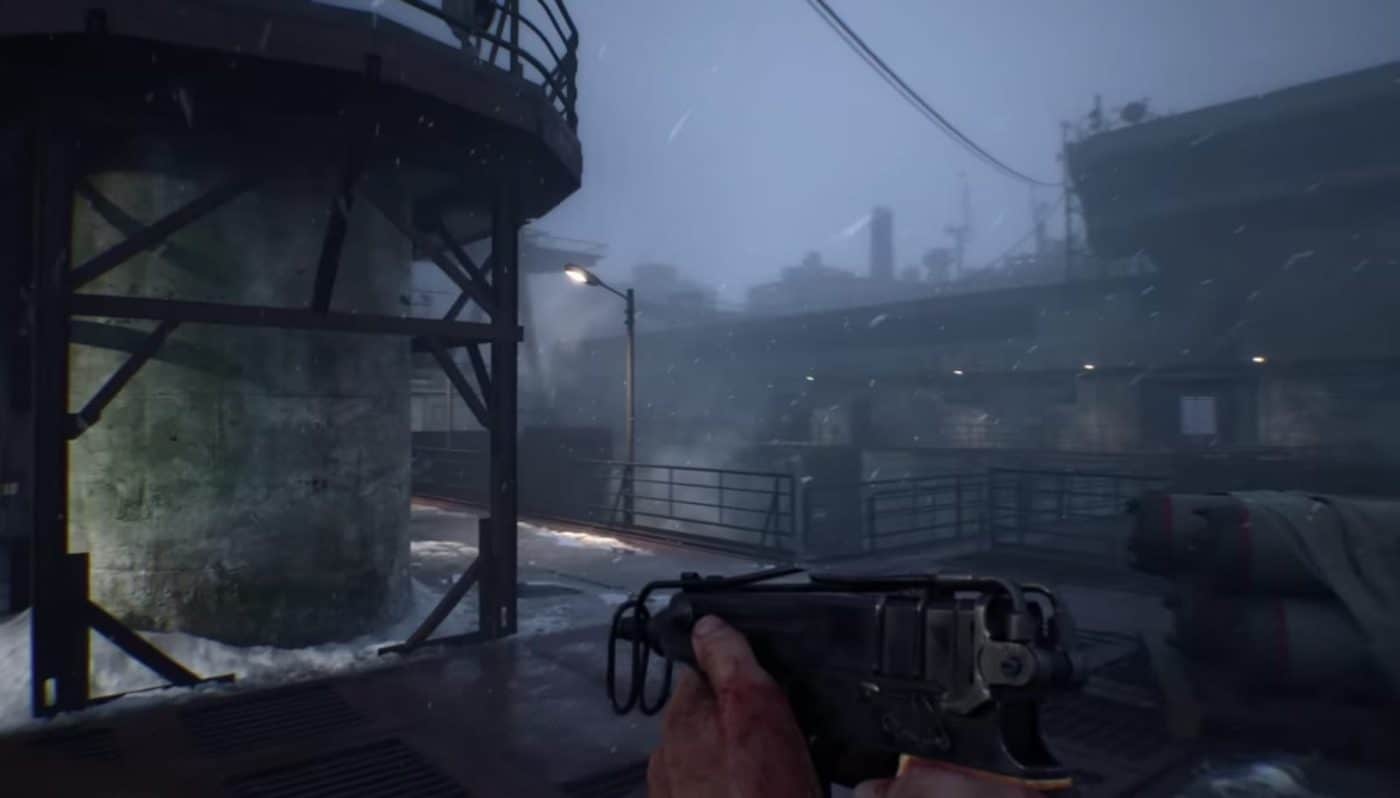
From Promise to Reality
The latest trailer had a clear mission: to prove that ILL is more than a striking technical showcase. While previous reveals left audiences wondering whether the project’s extraordinary visuals could ever translate into a fully realized game, this latest footage presents something far more convincing – a survival horror experience with a defined identity, coherent gameplay systems, and a world that finally feels tangible. Perhaps the biggest difference isn’t graphical fidelity, but context. Earlier trailers focused almost exclusively on grotesque creature designs, hyper-detailed animations, and moments of extreme body horror.
They were impressive, but they offered little insight into the game surrounding those technical achievements. This time, Team Clout takes a more deliberate approach, providing players with a stronger sense of place, purpose, and narrative direction.
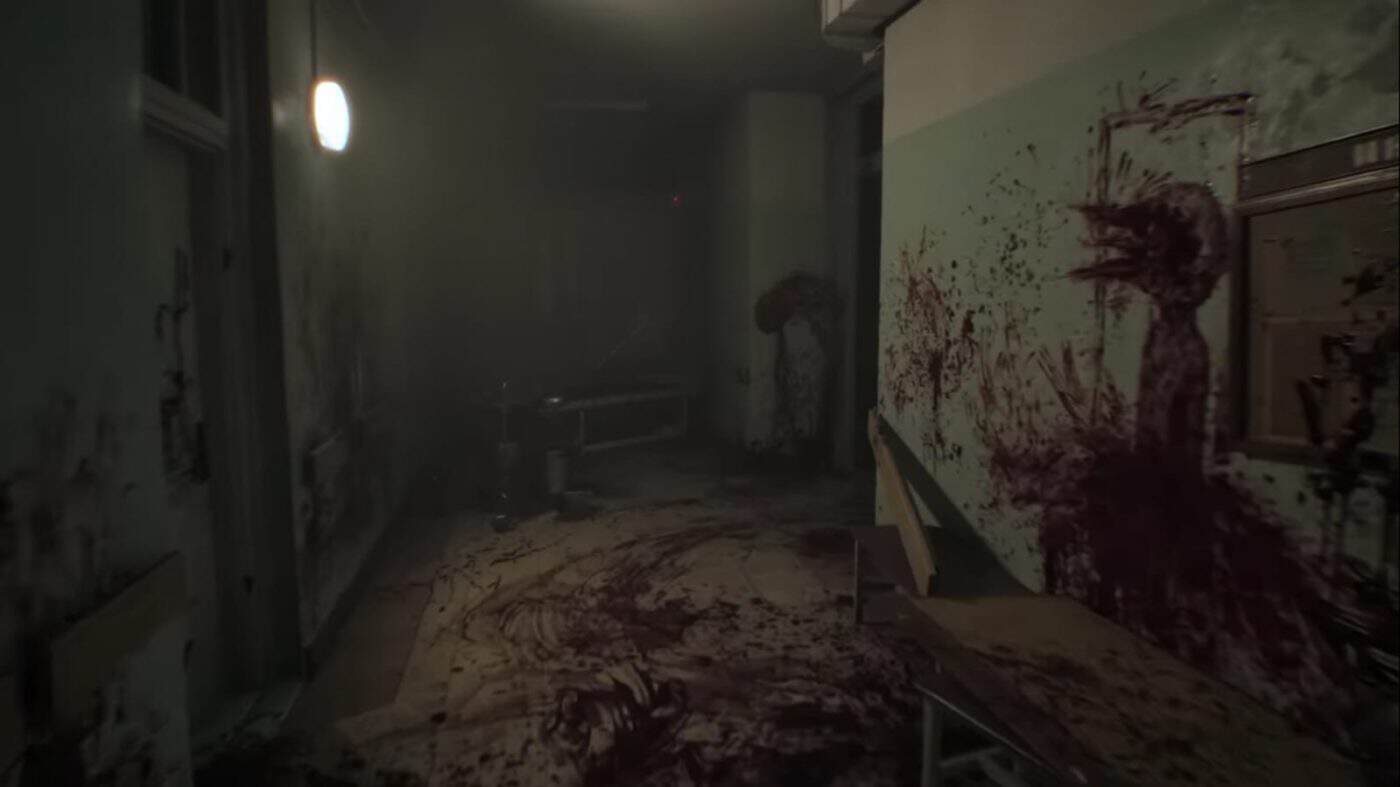
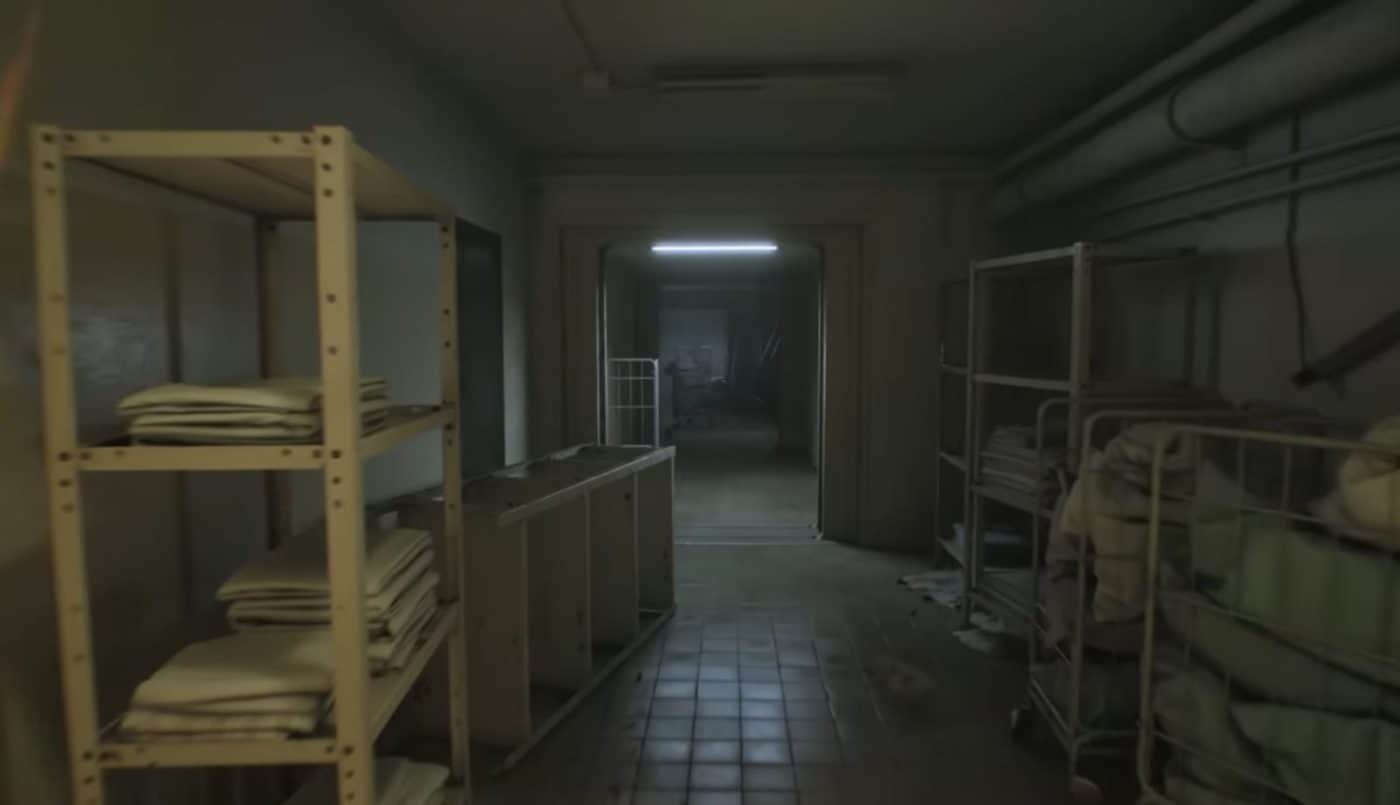
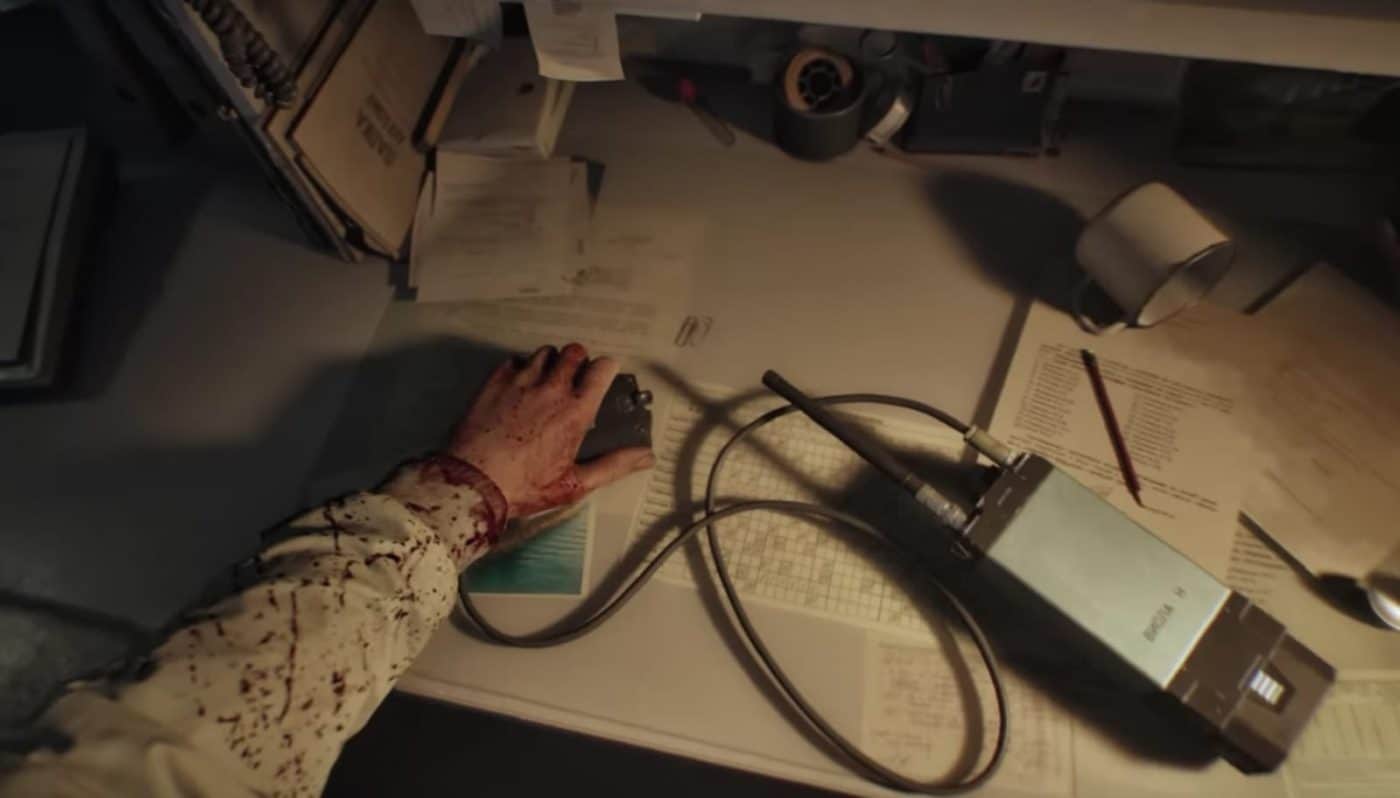
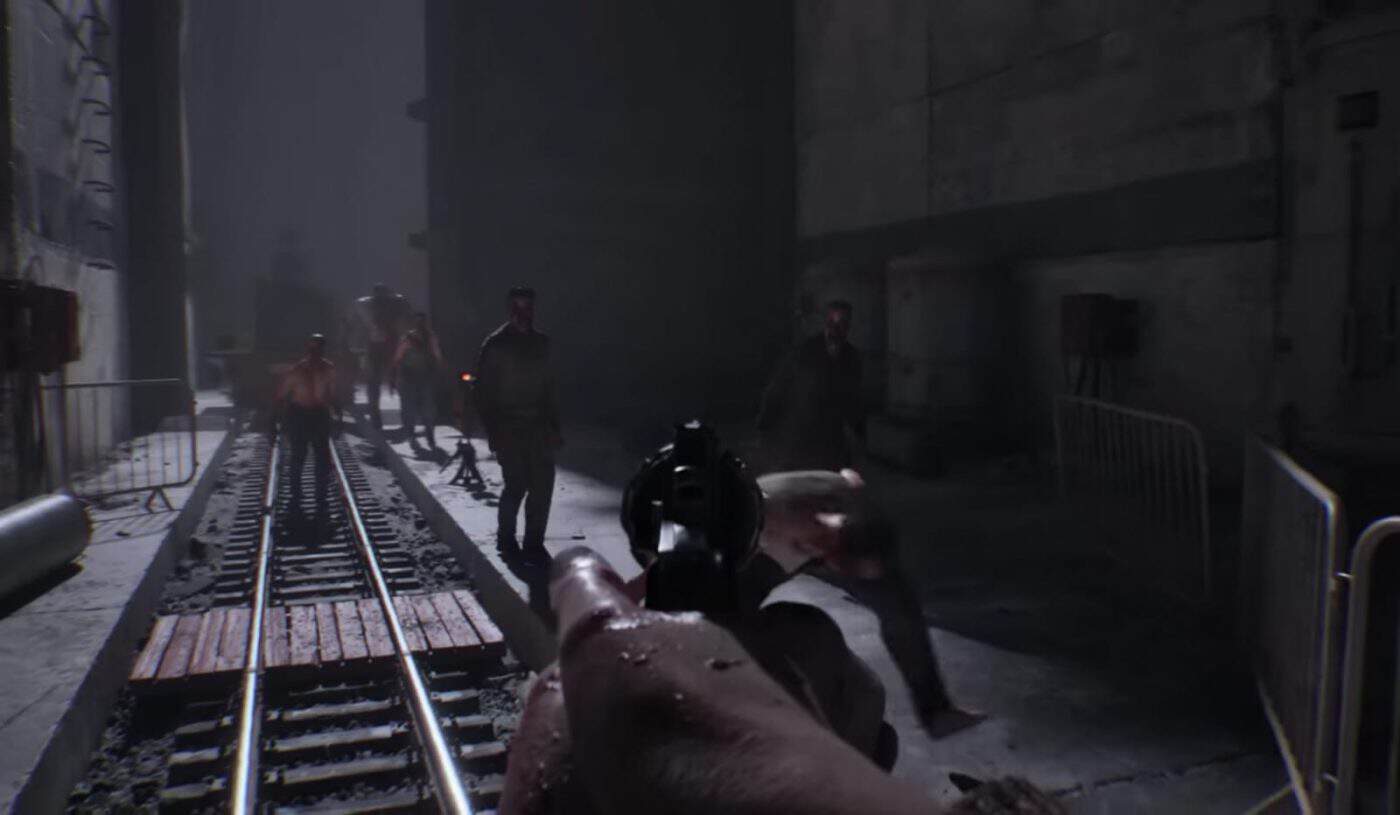
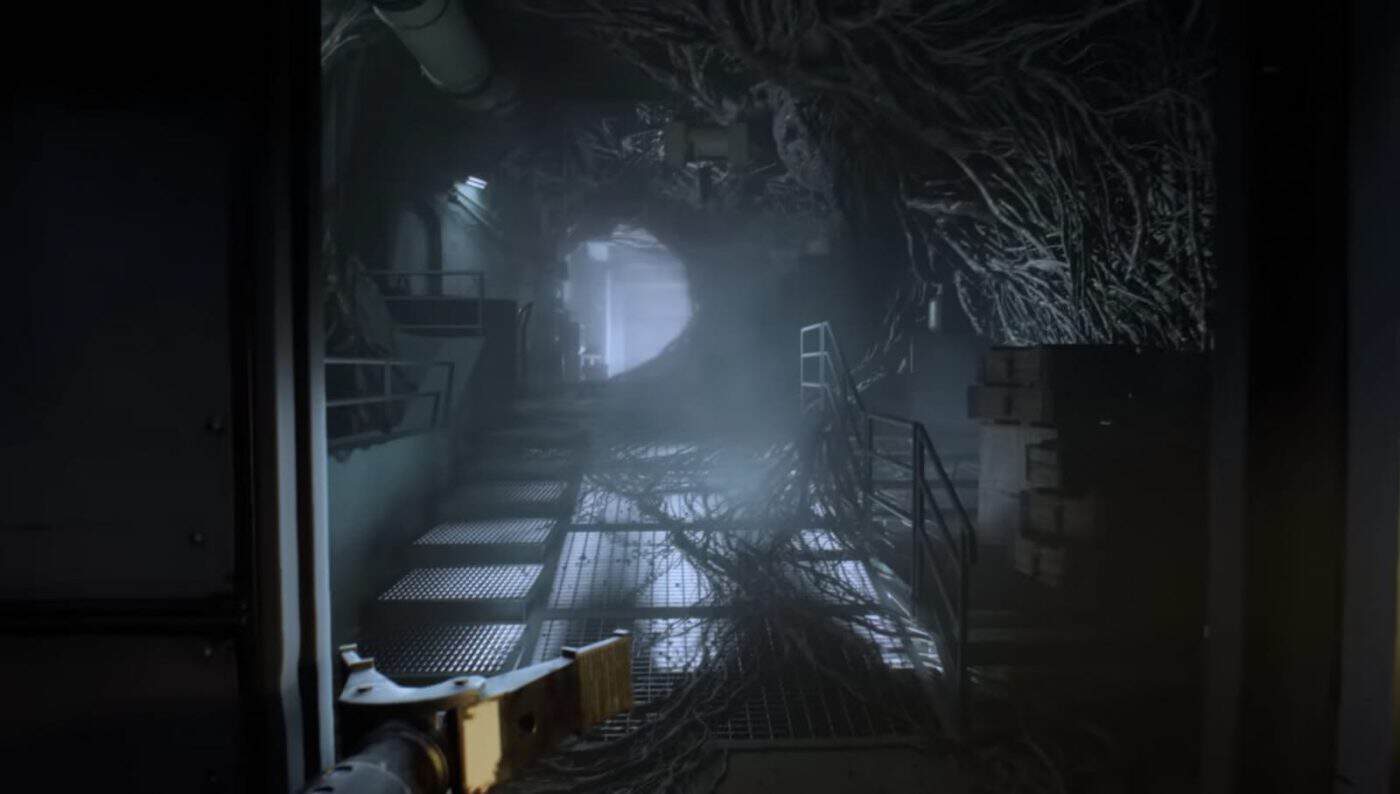
The story unfolds inside a vast research facility where a catastrophic experiment appears to have gone horribly wrong. A mysterious force has given rise to the Aberrations – grotesque, unpredictable creatures that have transformed the entire complex into a living nightmare. As the unnamed protagonist searches for someone of profound personal importance, survival becomes inseparable from uncovering the truth behind the collapse of the facility itself. On paper, the premise is hardly unfamiliar. Secret laboratories, biological disasters, and hostile research complexes have been staples of the survival horror genre for decades. What immediately distinguishes ILL, however, is not where the story takes place, but how that world is realized.
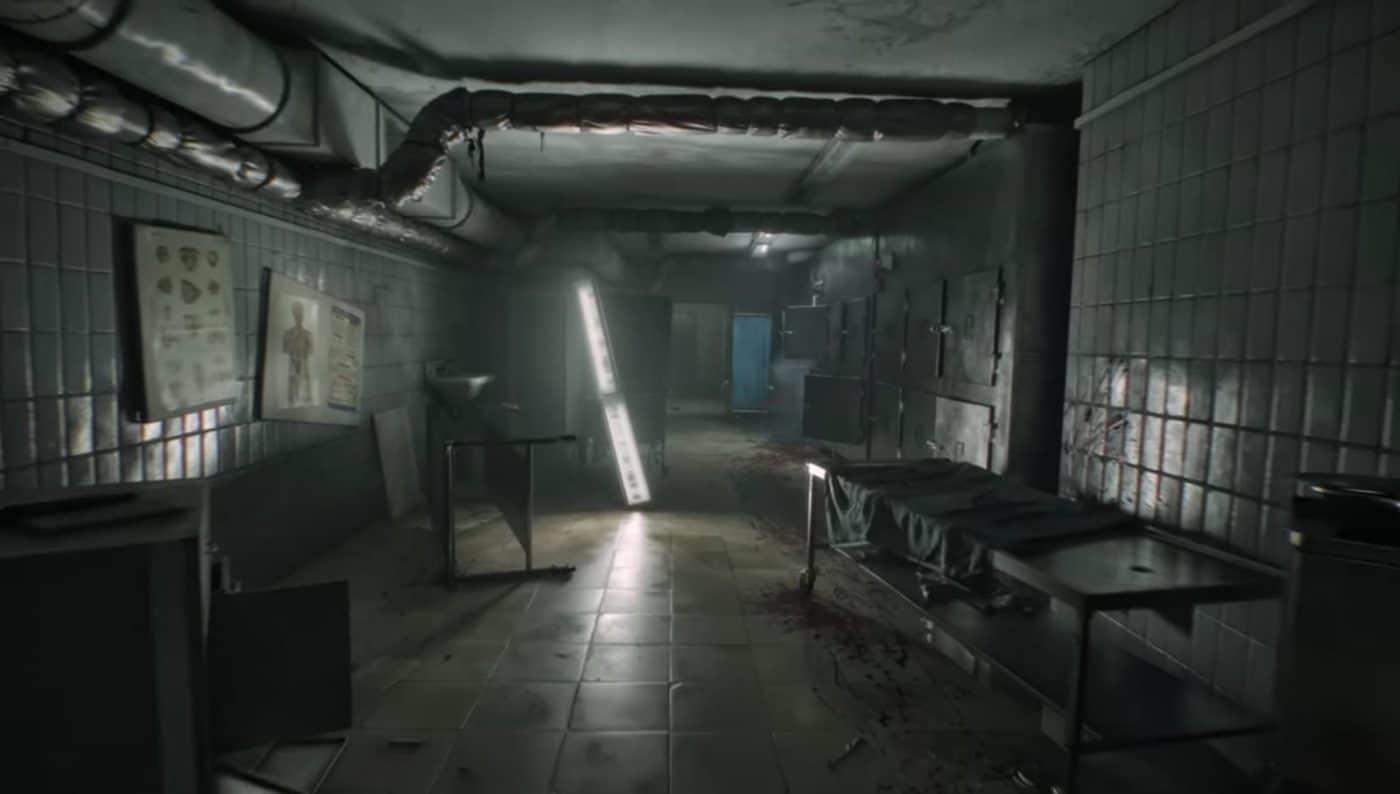
The facility doesn’t feel like a collection of levels designed for combat encounters. Instead, it behaves like a dying organism. Walls pulse with organic growth, corridors seem to breathe, and every room carries the unsettling impression that the environment itself has been infected by something beyond human understanding. Rather than serving as a passive backdrop, the setting becomes an active source of tension – one that feels just as threatening as the creatures lurking within it.
The aesthetic inevitably recalls the grotesque sensibilities of classic body horror cinema, but ILL avoids relying solely on familiar influences. Instead, it uses them as a foundation for a visual identity that feels distinctly its own, blending environmental storytelling, biological corruption, and oppressive atmosphere into a world that appears genuinely alive – and deeply wrong.
The Body as a Dynamic System
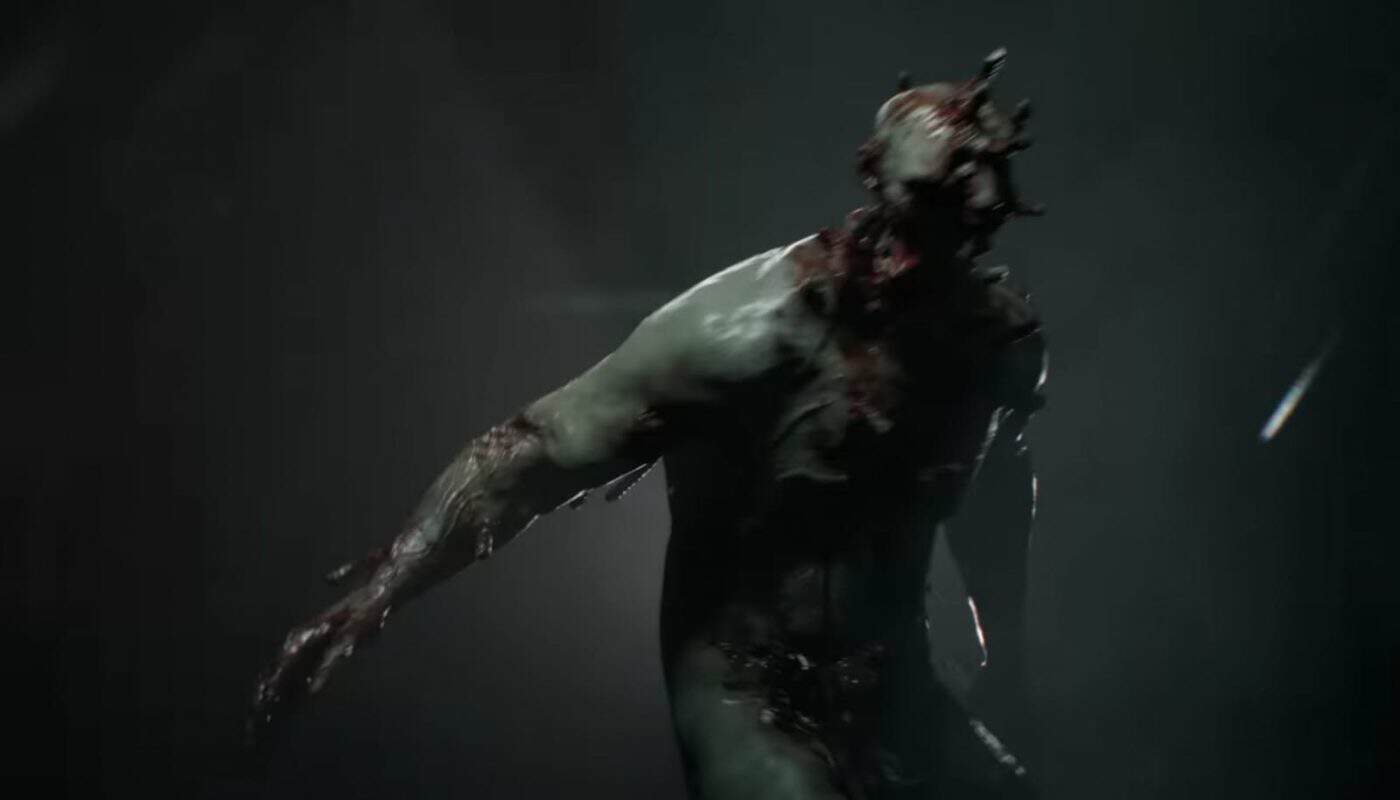
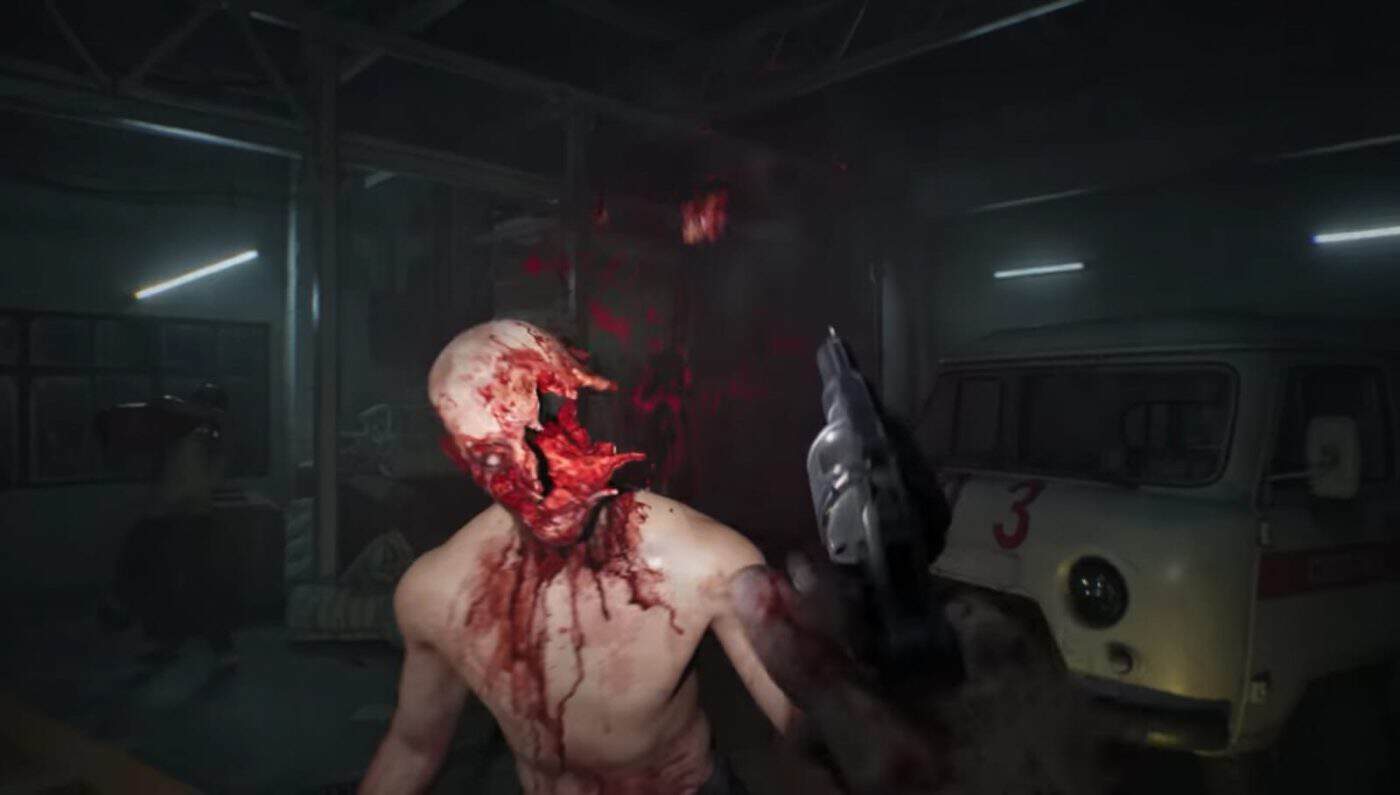
The most compelling technical leap showcased in the latest trailer is undoubtedly ILL’s approach to physicality and dynamic body simulation. More than any individual visual effect, the footage suggests that the project’s defining technological achievement lies in its advanced real-time damage and dismemberment system. Modern horror games have long accustomed players to severed limbs and reactive enemies, but ILL appears to push the concept considerably further. Rather than relying on scripted reactions, its creatures seem to possess fully simulated anatomies, with wounds dynamically influencing behaviour, mutilations producing unique physical responses, and animations continuously adapting to each creature’s evolving condition.
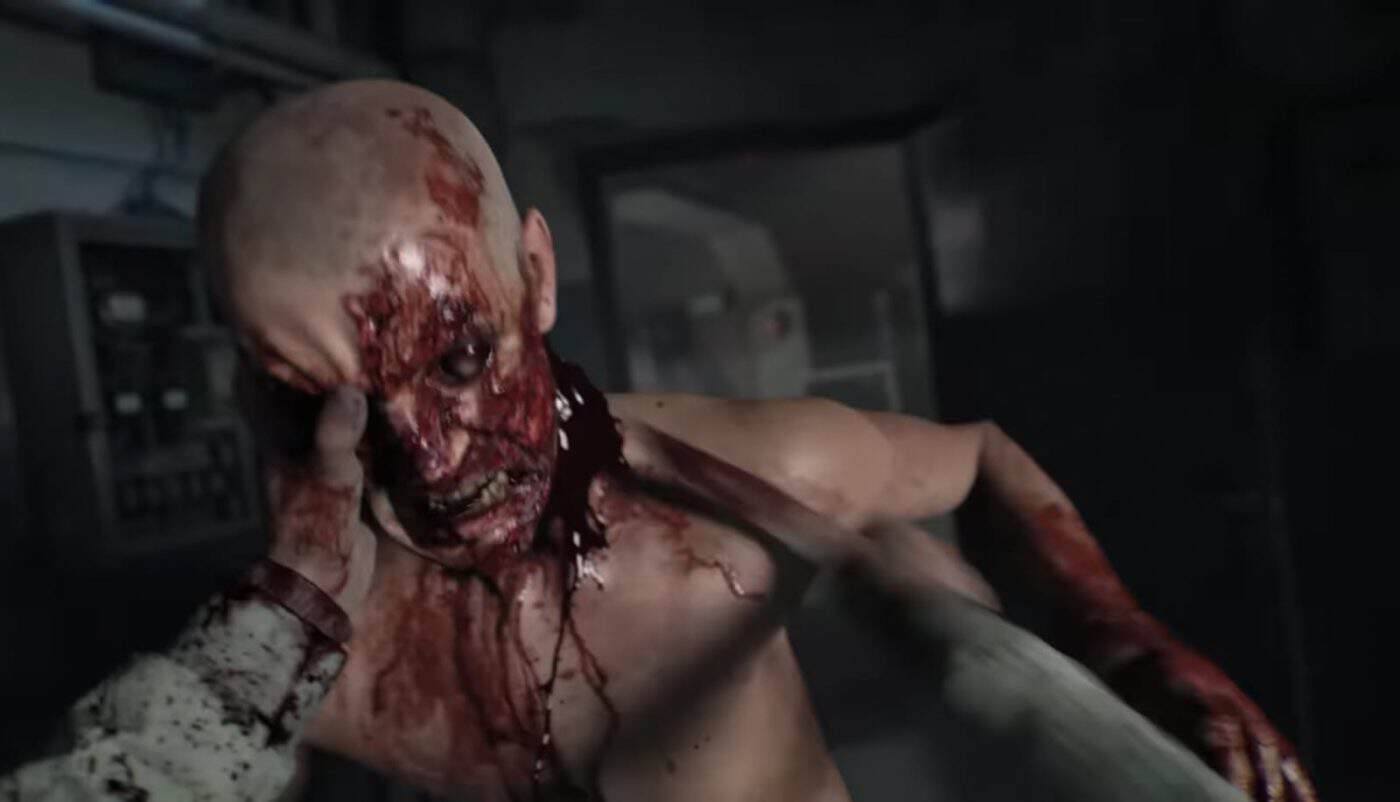
The result is an experience that feels less like a conventional survival horror game and more like an interactive exploration of body horror. The trailer rarely presents enemies that simply absorb damage before collapsing. Instead, it showcases bodies that buckle under impact, deform, convulse, lose limbs, and visibly react to trauma in unsettlingly believable ways.
It is a subtle distinction, yet one that fundamentally changes the nature of the horror. The fear does not stem solely from grotesque creature design, but from the convincing physicality with which these monsters inhabit the world – their weight, their movement, their apparent fragility, and the disturbing illusion that they are genuinely suffering. In many respects, the philosophy recalls the revolutionary dismemberment system introduced by the original Dead Space, reinterpreted through the capabilities of modern technology and elevated by an extraordinary level of visual fidelity.
Equally impressive is the work devoted to animation, which emerges as another defining pillar of the project. The Aberrations are unsettling not simply because of their appearance, but because of the way they move. Whereas many contemporary horror games feature monsters that quickly reveal recognisable behavioural patterns, the creatures in ILL remain deeply unpredictable even when they are not actively attacking. Their movements are irregular, unstable, and often disturbingly difficult to interpret, blurring the line between instinctive animal behaviour and something profoundly unnatural.
That unpredictability becomes one of the game’s most powerful horror tools. The player is never confronted with an enemy whose intentions are immediately readable, but with living entities whose next movement always feels uncertain. Every encounter carries an underlying sense of instability, creating sustained psychological tension rather than relying on scripted scares or shock value.
Suspense as a Weapon
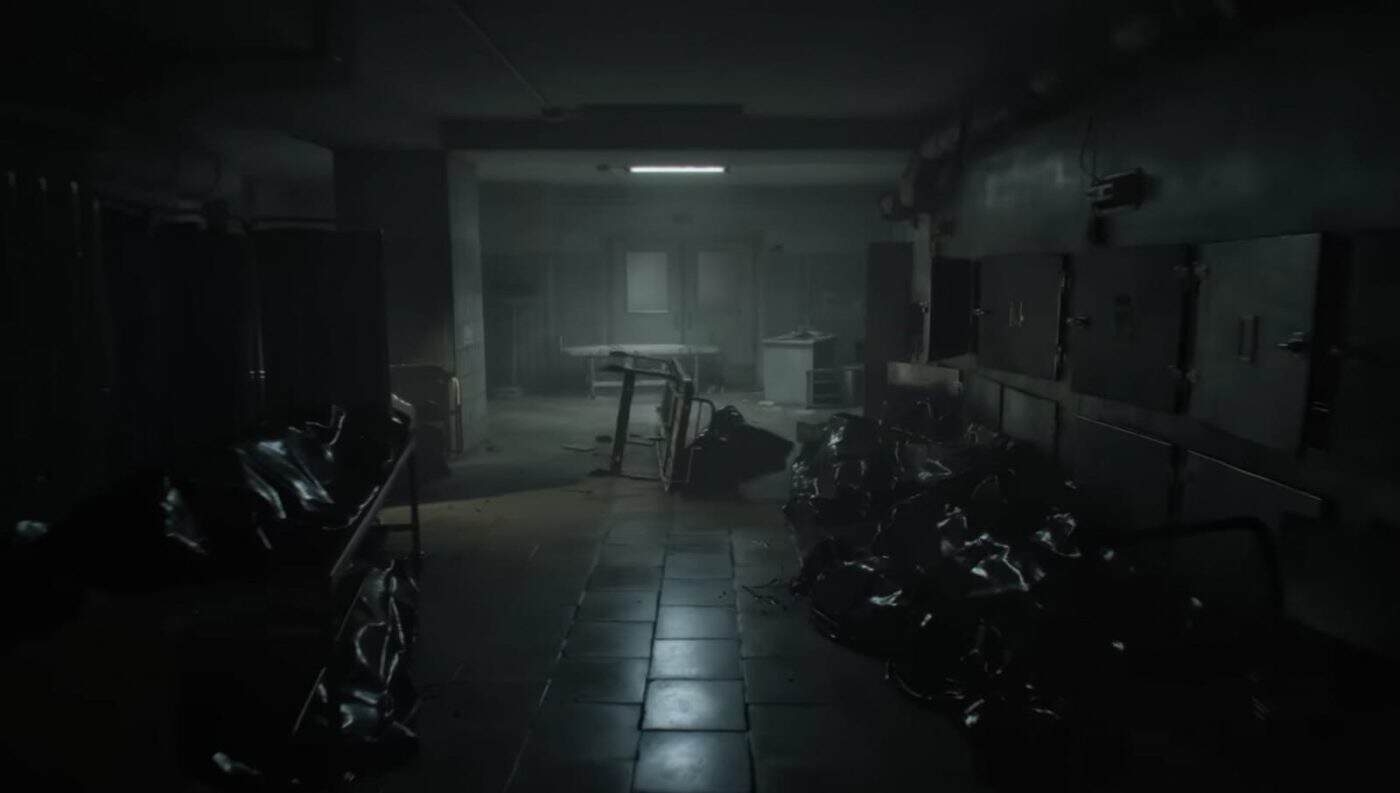
Another aspect that becomes increasingly apparent in the trailer is ILL’s strong cinematic influence. This extends beyond polished camera work or carefully composed framing, reaching into the very structure of its scenes, which feel shaped more by horror cinema than by traditional video game language. ILL appears to draw heavily from contemporary film grammar, prioritising atmosphere, anticipation, and visual storytelling over constant interactivity.
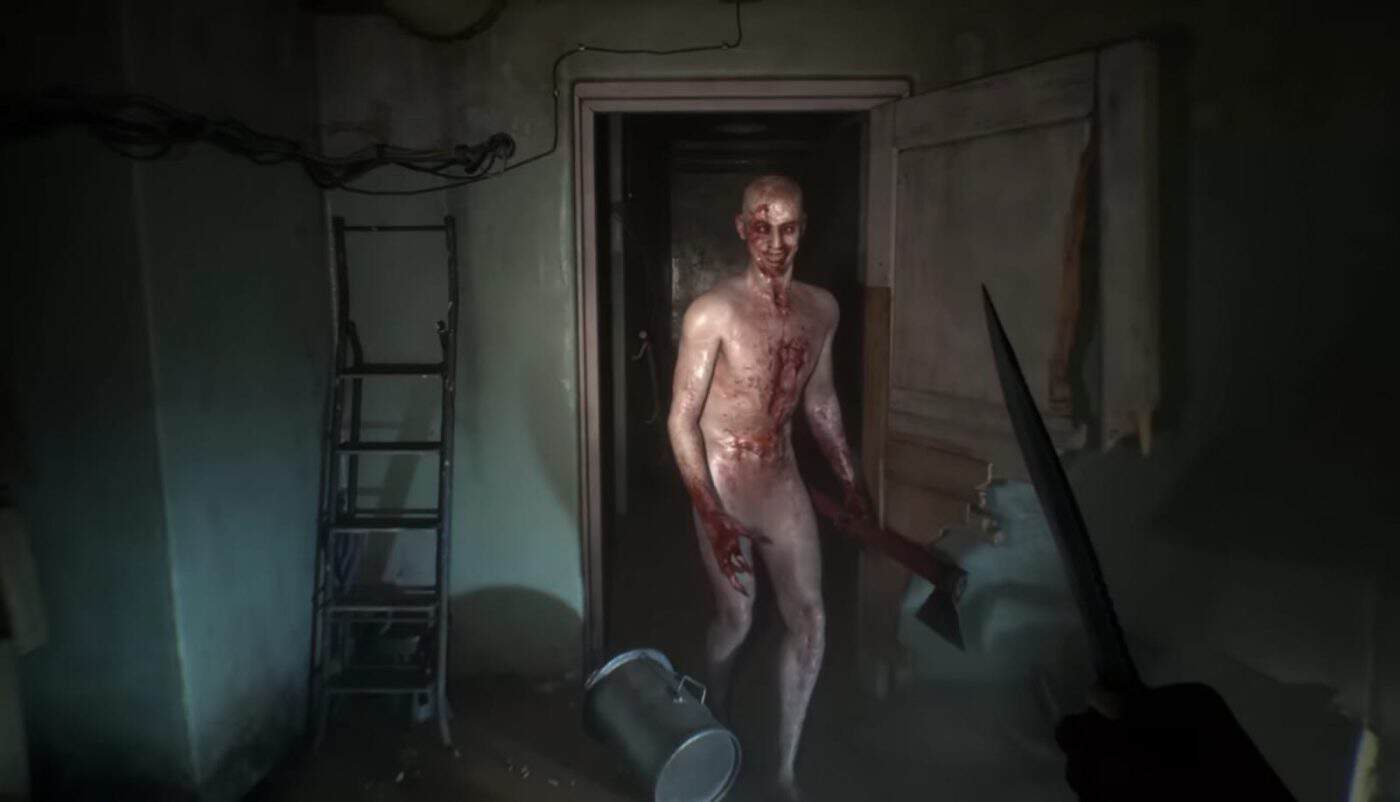
This creative direction is further supported by the team’s background. Several developers have previously worked in the film industry, particularly in visual effects for horror productions, and that experience is clearly reflected in the design of the game’s creatures, environments, and suspense-driven sequences. Rather than presenting threats in a direct manner, the trailer consistently relies on suggestion: distant sounds echo through empty spaces, movement is briefly glimpsed at the edge of the frame, doors shift without explanation, and shadows hint at a presence long before anything is fully revealed.
The horror is deliberately restrained, allowing tension to build through implication rather than exposition. This measured pacing stands as one of ILL’s key features. By prioritising restraint, the game appears to move away from the more action-oriented conventions of modern survival horror, instead embracing a slower, more psychologically grounded approach to building tension.
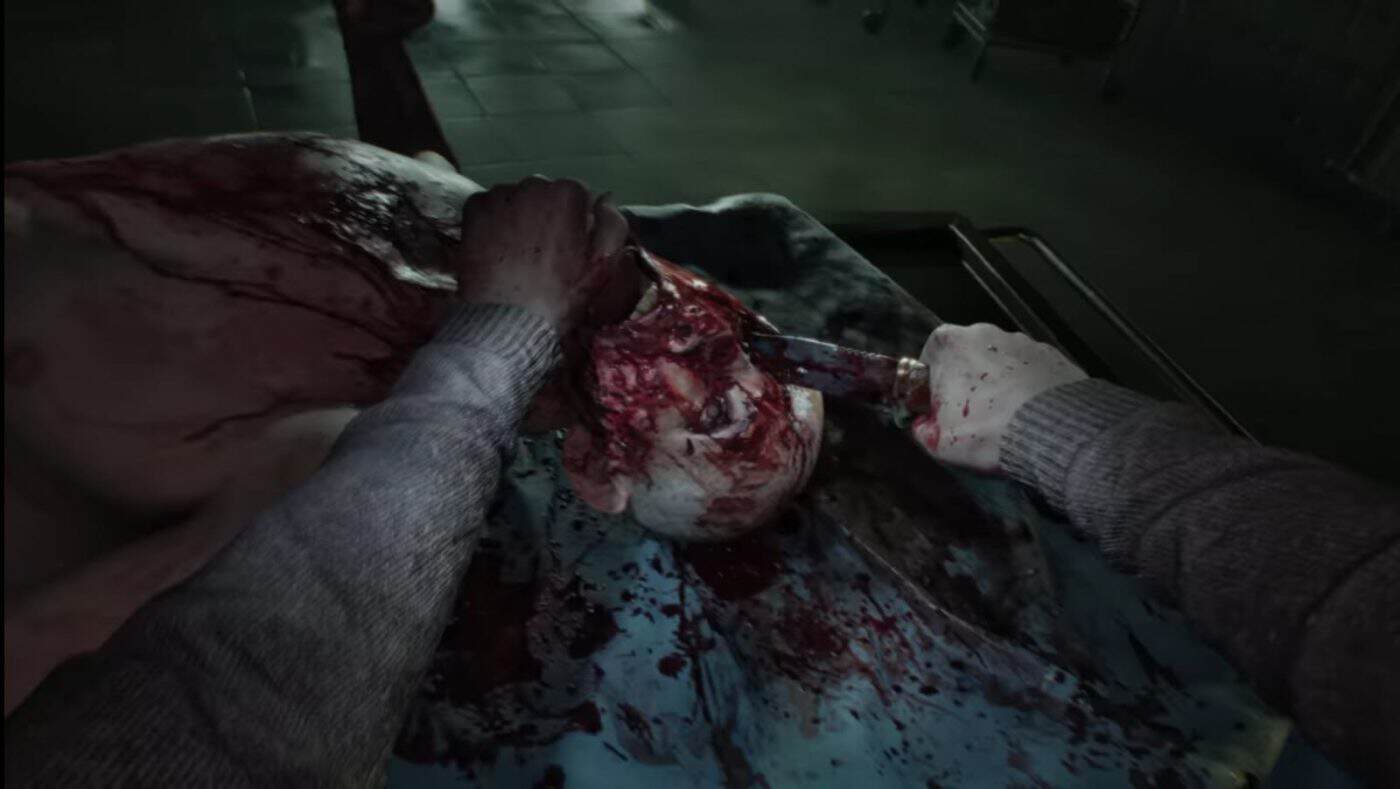
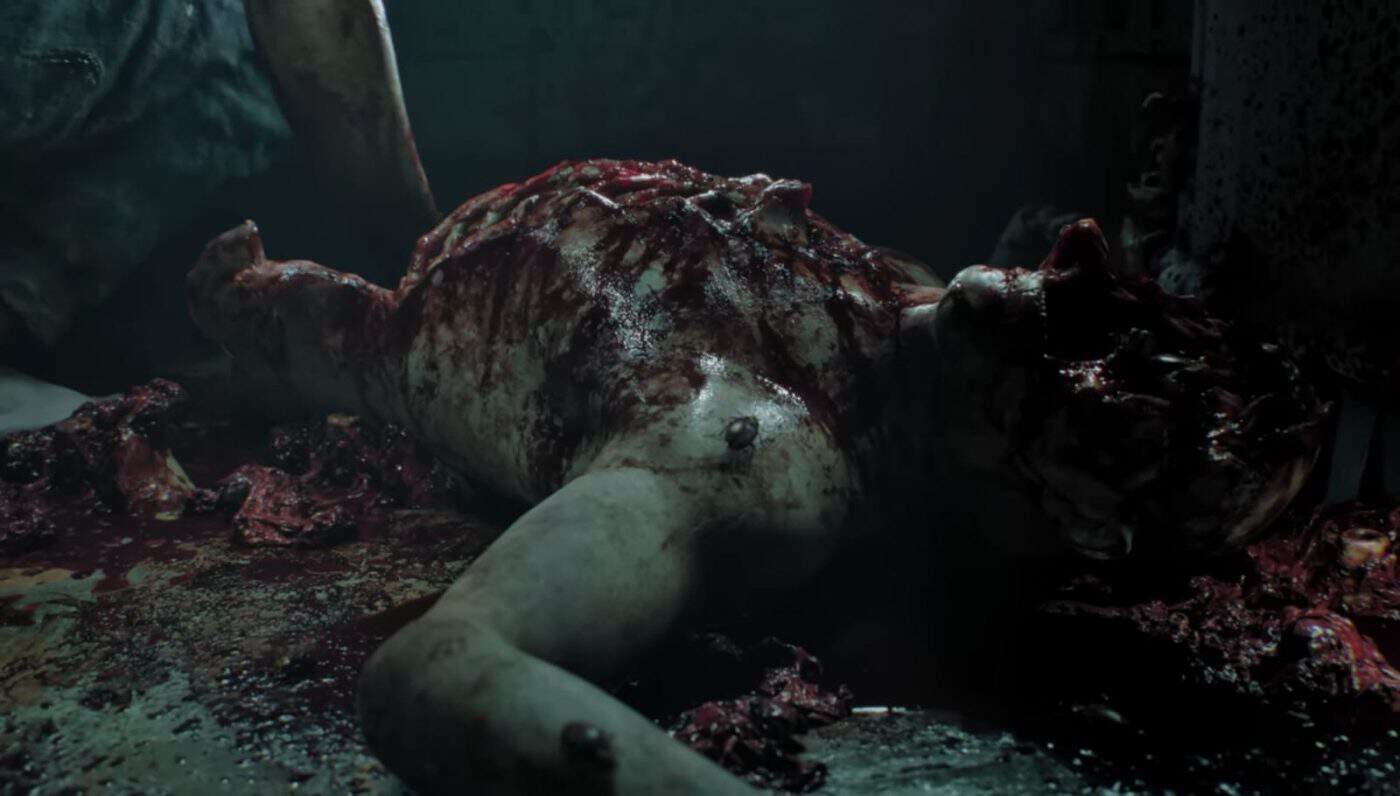
That said, moments of direct and uncompromising violence are still present. The trailer includes sequences of striking brutality that have already drawn attention for their raw, explicit nature. However, it would be reductive to frame ILL as a mere exercise in gore. The developers have emphasised that violence is intended as a narrative and emotional device, designed to reinforce vulnerability and deepen psychological engagement, rather than serve as gratuitous spectacle.


Something Is Coming
Following this new trailer, ILL appears noticeably more concrete and fully realised than in previous showings. However, several key questions remain unanswered. How much of what has been shown will ultimately make it into the final release? How deep will the survival systems go? And what balance will the game strike between exploration, narrative, and action?
At this stage, these remain open questions, with no definitive answers yet. For now, however, those answers are not essential. What matters is that ILL has clearly moved beyond being a technical curiosity, emerging instead as one of the most closely watched survival horror projects in the industry – driving a level of anticipation rarely seen since the era of P.T.
If the final game delivers even a fraction of what this trailer suggests, Team Clout could be shaping not only a visually striking horror experience, but one of the most ambitious and unsettling games in recent years. Following this latest presentation, that possibility feels increasingly tangible than speculative. The countdown to its 2027 release is now underway.
For further details on ILL, you can refer to our dedicated first-look coverage here.