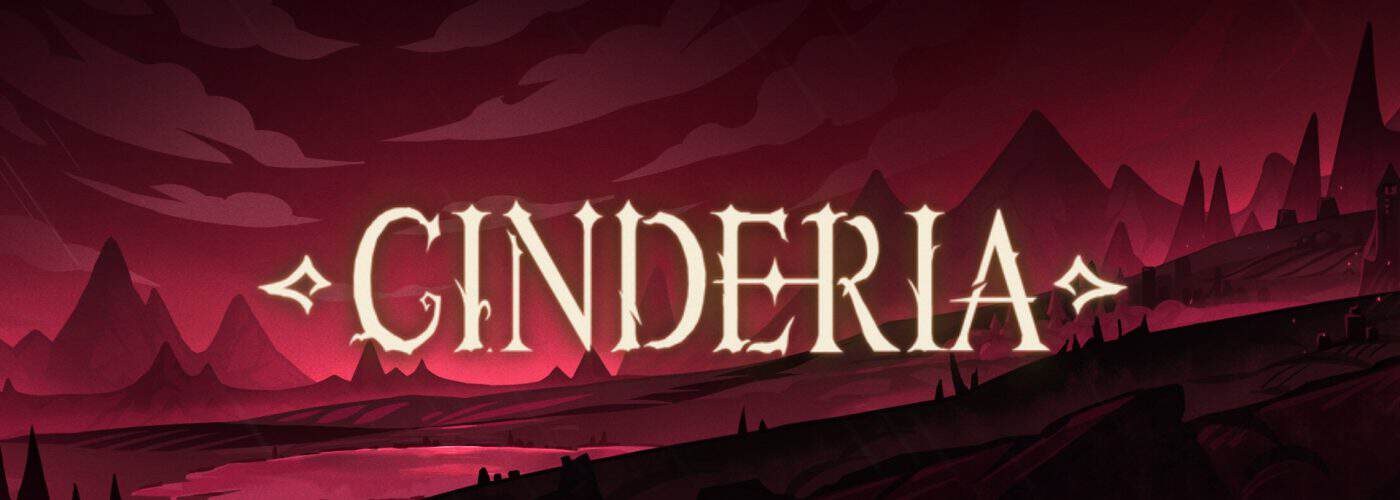
MyACG Studio has launched Cinderia in Early Access. An action roguelite that draws inspiration from many of the genre’s defining titles while still managing to retain its own identity and style.
Cinderia is not trying to reinvent the roguelite formula or revolutionize the genre. Instead, it focuses on delivering a fast-paced, enjoyable, and rewarding experience. While it clearly takes cues from games such as Hades and, to some extent, Cult of the Lamb, particularly in its visual presentation, it ultimately stands on its own thanks to a distinctive artistic direction and a satisfying gameplay loop.
Every run feels meaningful, leaving you with a tangible sense of progression and that familiar urge to jump straight into “just one more run.”
Its progression structure allows players to tailor each run around specific goals. Cinderia features a wide range of resources that can be used to unlock and improve various aspects of the game world.
Like many roguelites, the experience revolves around a dual progression system: exploring and fighting through procedurally generated stages while steadily improving a central hub using resources gathered during each run.
A Dark Fairy Tale
Cinderia opens with a simple yet effective premise, telling the story of a world brought to ruin through the lens of a dark fairy tale.
A once-thriving kingdom now lies in decay, consumed by corruption. The flames of the Ash Witch have devastated the land, and her magic does more than burn. It infects the environment and anyone unfortunate enough to come into contact with it.
Nothing seems capable of stopping this mysterious corruption, except for a handful of individuals. Some possess the rare ability to resist, and even absorb his dark magic without completely losing their humanity.
From this premise, our journey begins. While straightforward, the narrative setup does an excellent job of contextualizing several of the game’s most interesting in-game mechanics.


Cinderia: Progression and Combat
Visually, Cinderia occasionally brought Cult of the Lamb to mind, though the similarities largely end there. Its base management systems and combat design follow a different path, with combat in particular proving deeper and more complex than expected.
Progression revolves around three core pillars: Embers, which grant passive abilities; Spell Cards, which unlock active skills; and equipment.
The Embers system deserves special attention. As established in the game’s opening narrative, power comes at a cost. Each Ember carries a Taint value. Once the accumulated total surpasses 100, players receive a negative status effect. Continuing to stack Taint increases corruption further, unlocking additional penalties along the way.
The result is an engaging risk-versus-reward system. Passive bonuses can become incredibly powerful, but only if players are willing to accept the consequences.
Equipment is handled through a limited number of gear slots. As expected from the genre, gear is lost at the end of each run, and its rarity ranges from common to legendary.
One particularly interesting feature is the upgrade process. Equipment can be dismantled on the fly to obtain Shards. After defeating an area boss, players gain access to a special room where those Shards can be used to improve gear quality, provided they have accumulated enough of the resource.


Map Design and the Central Hub
Cinderia’s map structure is well balanced and thoughtfully designed. After clearing a room, players collect their reward and choose the next destination, with icons clearly indicating the type of reward waiting ahead.
Question-mark rooms are among the most interesting encounters. These areas can contain events, minigames, and survivors who can be rescued and transported back to the refuge. Some eventually become playable characters, while others unlock new hub features and services.
Throughout a run, players gather a variety of resources. Aside from gold, which can only be spent during the run itself, most currencies can be invested in the central hub.
Marble Fragments, for example, are used by the carpenter to expand the refuge and construct new facilities required by rescued NPCs. To access new services, players must build the appropriate area for each character.
Some of these interactions, such as the Witch’s room, function similarly to Hades II’s Cauldron system, albeit in a more streamlined form. Each time the Occultist receives additional pages, players unlock new quality-of-life improvements for future runs.
Permanent character upgrades are also available, allowing players to spend souls dropped by enemies to enhance stats and abilities.


Early Access Impressions
Cinderia proves that a game can wear its inspirations on its sleeve without sacrificing originality. While none of its mechanics are particularly revolutionary, they are implemented with care and come together in a highly satisfying way.
Even in its current Early Access state, the hub offers a surprising amount of content and progression opportunities. Rescued NPCs contribute meaningfully to long-term growth, reinforcing the constant sense of advancement that drives the experience forward.
Special mention should go to the four playable characters I unlocked during my time with the game. Each features a unique core mechanic that significantly alters how they play. While they share the same gear pool, their Ember and Spell Card selections are entirely character-specific, resulting in impressive build variety and customization potential.
Cinderia places a strong emphasis on its action and roguelite foundations. This is evident in the map structure, build-crafting systems, and combat design, which is fast, demanding, and rarely forgiving.
Boss encounters are visually striking and provide a meaningful challenge. My main criticism concerns the aggressive nature of some bosses and the surrounding environment. While visually appealing, combat arenas can occasionally become difficult to read, especially when multiple enemies attack simultaneously and dodge cooldowns need to be carefully managed. Environmental hazards are also sometimes hard to spot, leading to instances of frustrating cheap damage.
Even accounting for these issues, along with some minor quirks involving projectile behavior and aiming, Cinderia is an Early Access title that genuinely surprised me. For fans of the genre, it already offers a compelling and highly enjoyable experience while we wait to see what the full release will bring.
Free review copy of this product received from the developers