
Second Trailer, Bosses, Companions, and Progression Systems
GPTRACK50 announced that Stupid Never Dies arrives in fall 2026 on PC via Steam and PlayStation 5. The official communication includes the release of a second trailer, a new key visual showing all eleven of Davy’s styles, and detailed information on dungeon bosses, companions, and the systems that structure the experience outside of combat.
For anyone who hasn’t followed the project from the start: Stupid Never Dies is a single-player 3D action RPG developed by GPTRACK50, a studio founded in Osaka in 2022 by Hiroyuki Kobayashi with a team of veterans whose credits include Devil May Cry, Dragon’s Dogma, and Resident Evil. The protagonist is Davy, the lowest-ranking zombie in the entire hierarchy of the monster world – a coward by nature, driven by a personal and almost naive goal: bring Julia, the frozen human woman he fell in love with at first sight, back to life, and finally take her on a date. We covered the project in detail back in January, after its reveal at The Game Awards 2025, and again in March, when the first gameplay trailer began to show its concrete structure.

Davy’s Eleven Styles
The new key visual brings together for the first time all eleven styles available through the Style Eat system, the core mechanic that lets Davy devour enemies, absorb their abilities, and transform his body and combat approach. We broke them down one by one in the article on the first gameplay trailer, but seeing them gathered in a single image clarifies the ambition behind the system: Zombie, Werewolf, Harpy, Golem, Vampire, Will-o’-the-Wisp, Cyclops, Snow Fairy, Merfolk, Lich, and Demon. Eleven combat options, eleven distinct playstyles.
The Companions
The second trailer introduces the cast of characters who support Davy from outside the dungeon. These aren’t simple narrative presences: each one manages a specific functional hub, which points to a progression structure more articulated than previous materials suggested.
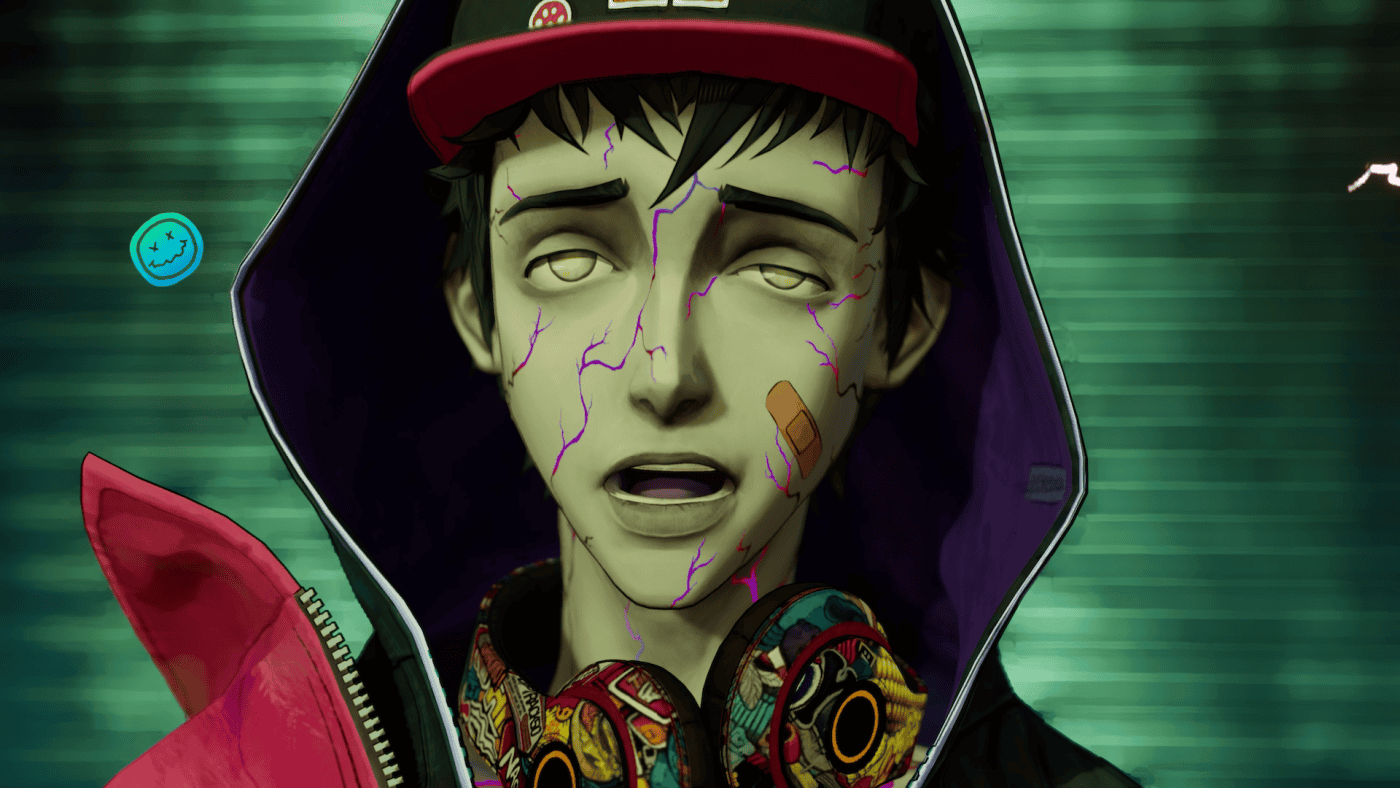
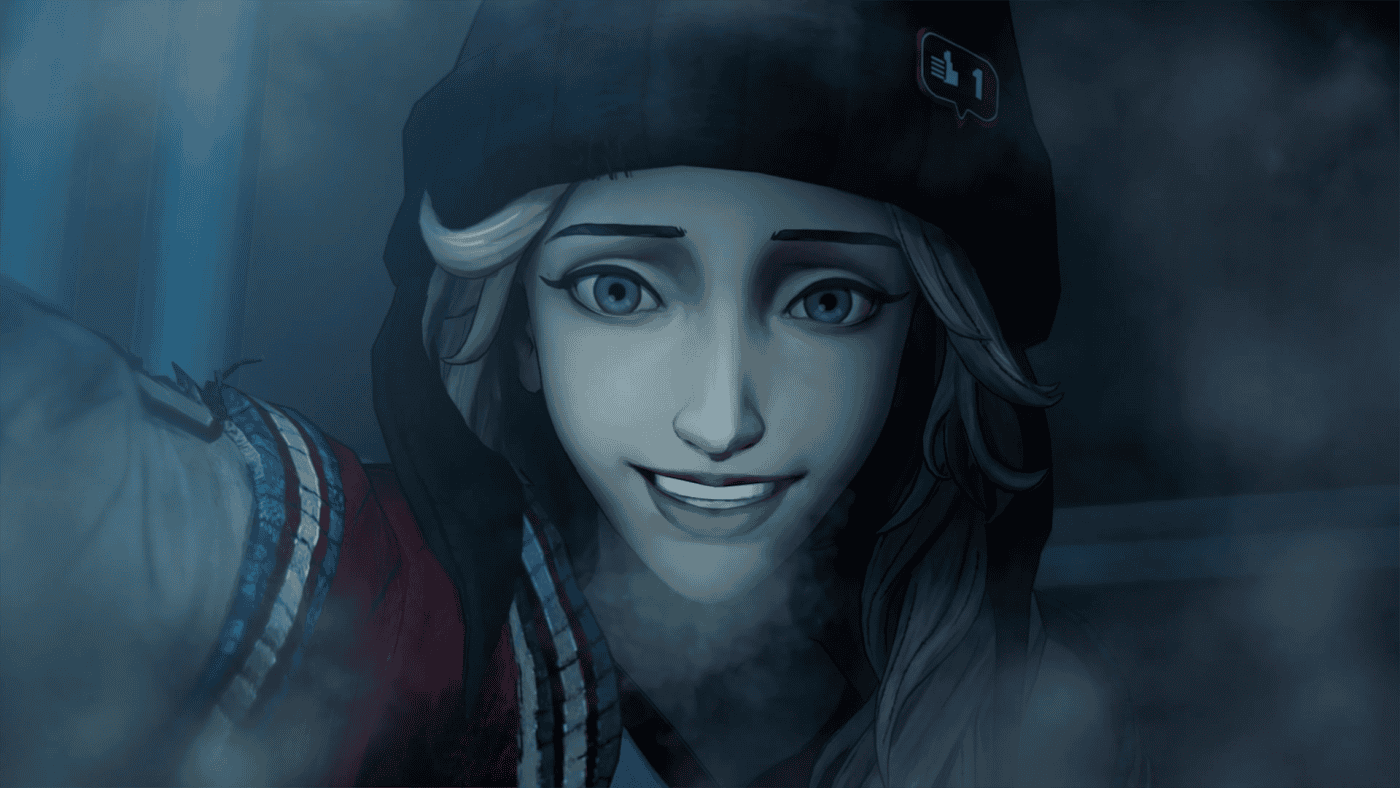
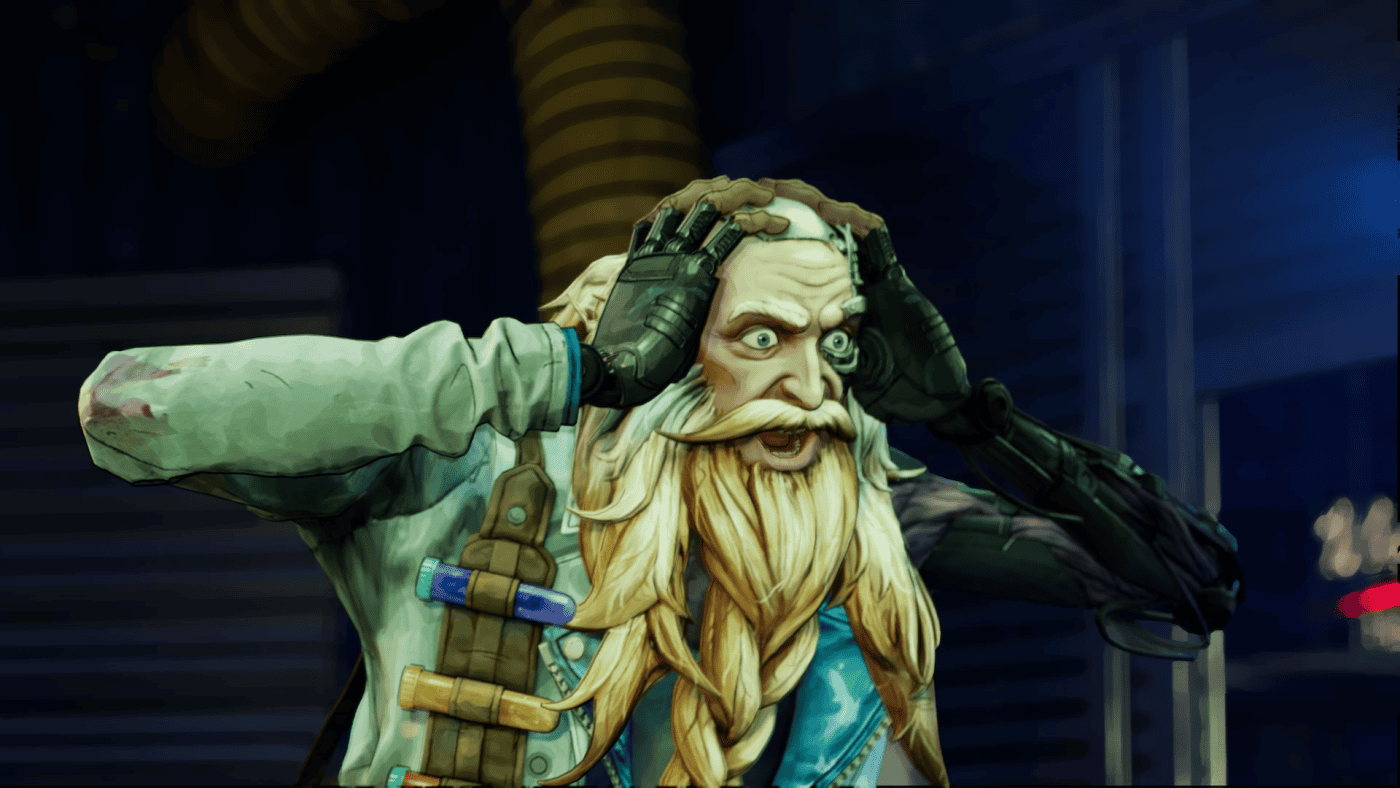
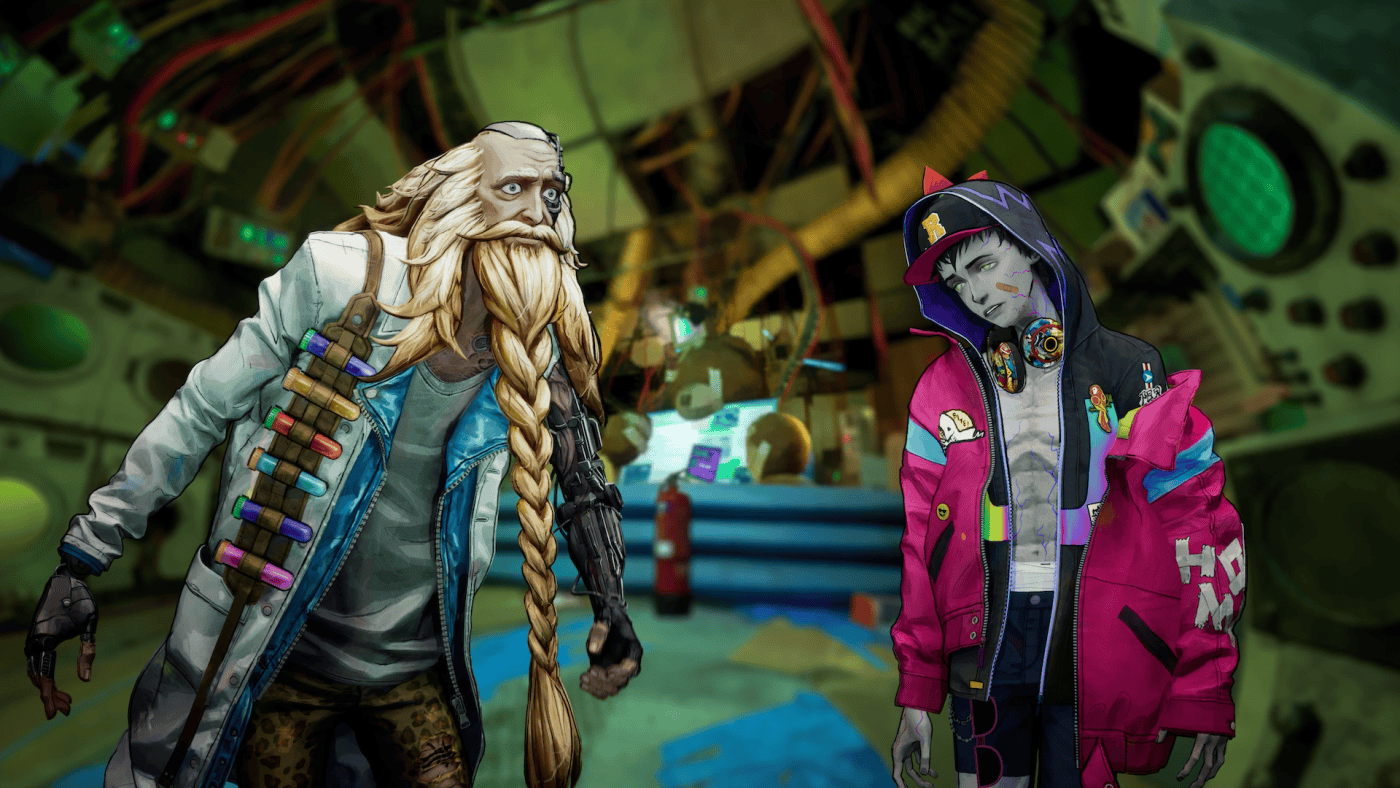
Dr. Frank calls himself the “supreme intellect of humanity.” His “Jupiter Target” database lets the player check acquired styles, defeated enemies, and explored areas, and claim Enemy Statues, Pins, Badges, Stickers, and other items based on accumulated progress. He serves as the central reference point for collection management.
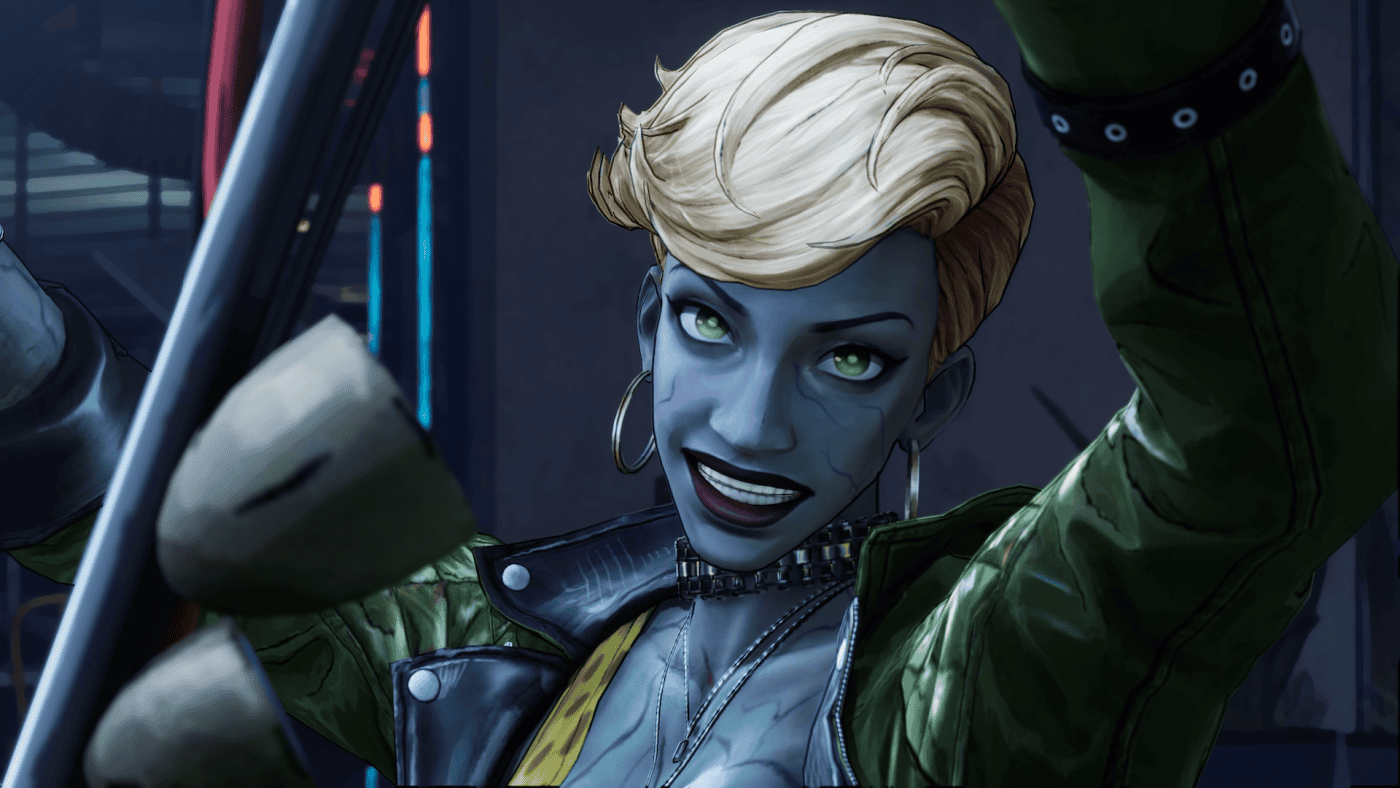
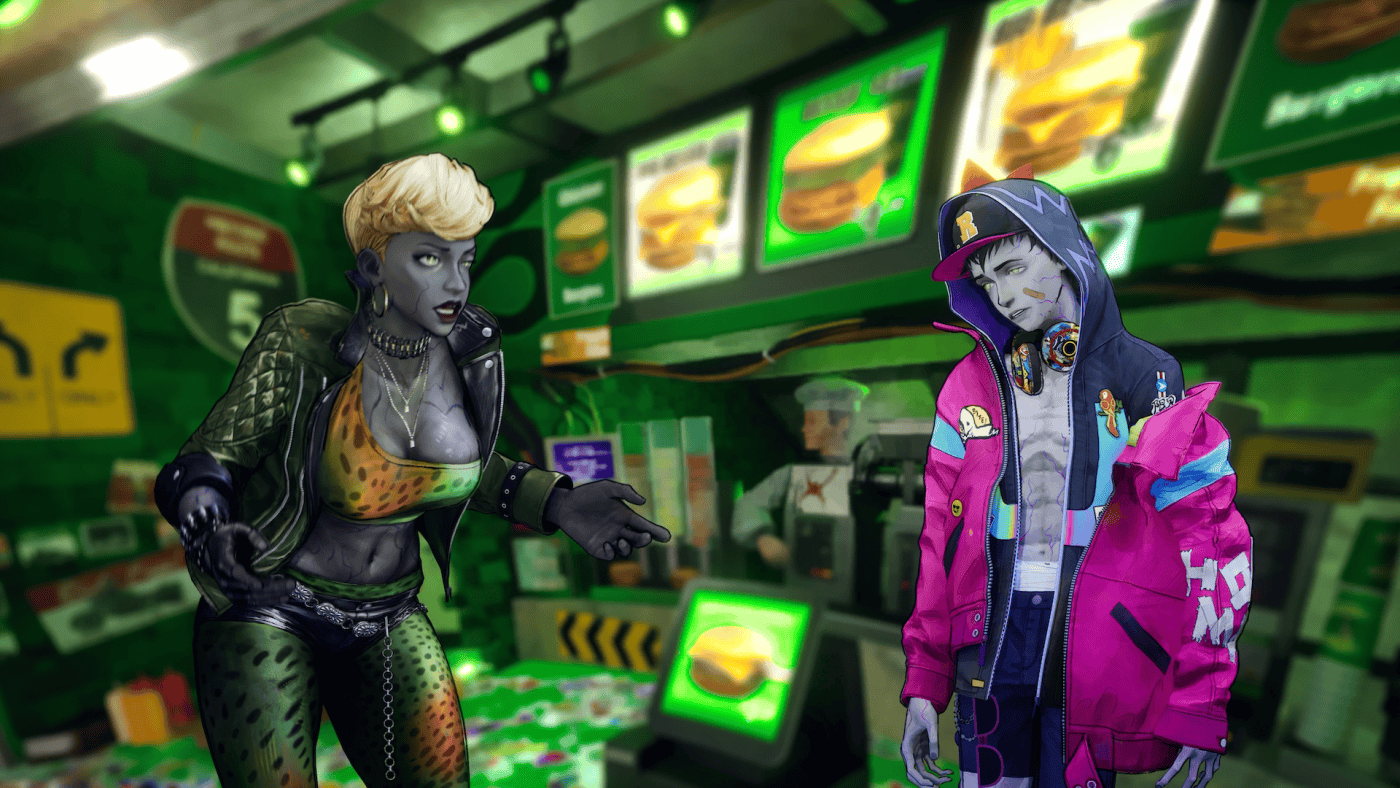
Bessie is a tomboyish biker zombie with a forceful personality, who in life tolerated no obstacles on the road – not from the police, not from the mafia. Her job is to bring Davy back to the surface from the dungeon on her bike. Her hub goes by “Bessie Burger”: here the player unlocks Zombie Skills and raises their rarity level, with direct effects on the options available during dungeon sessions.
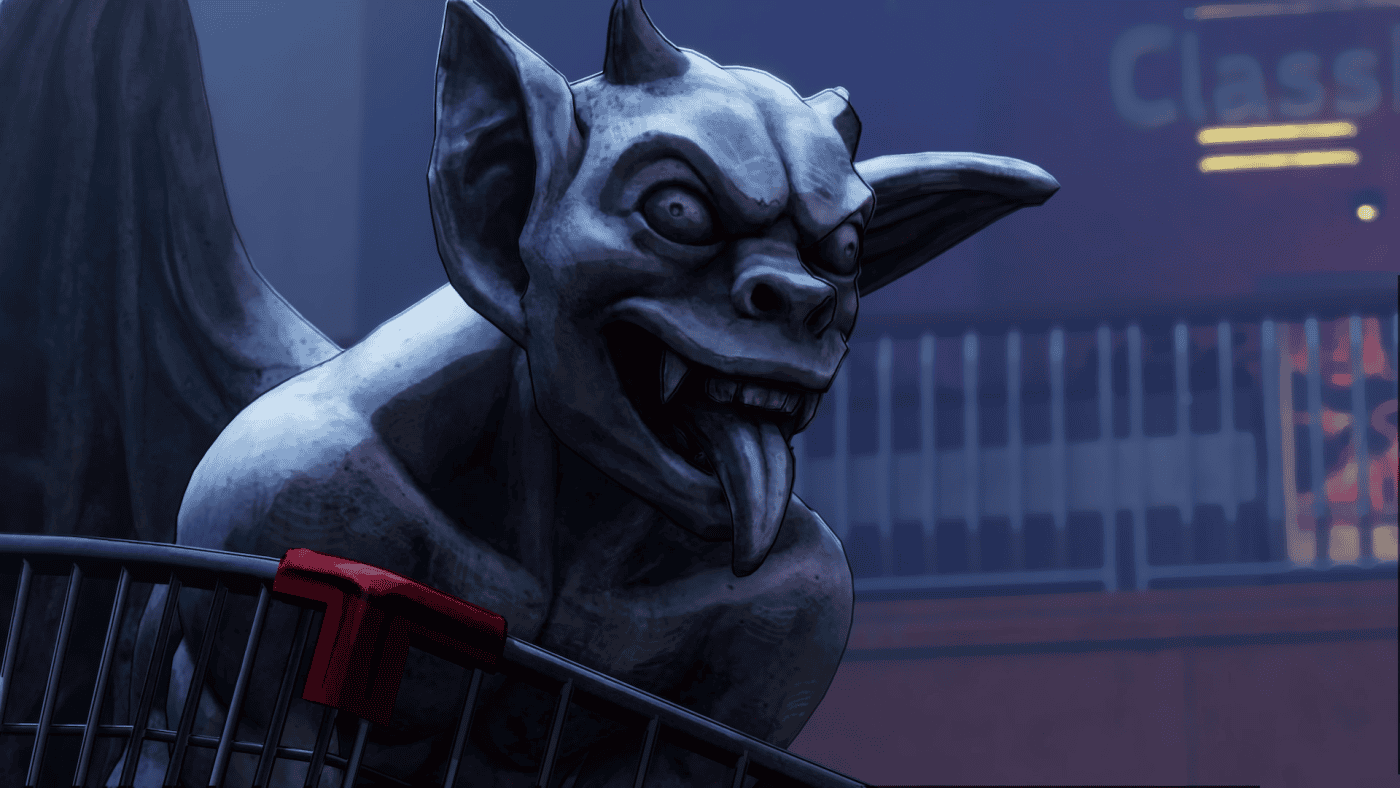
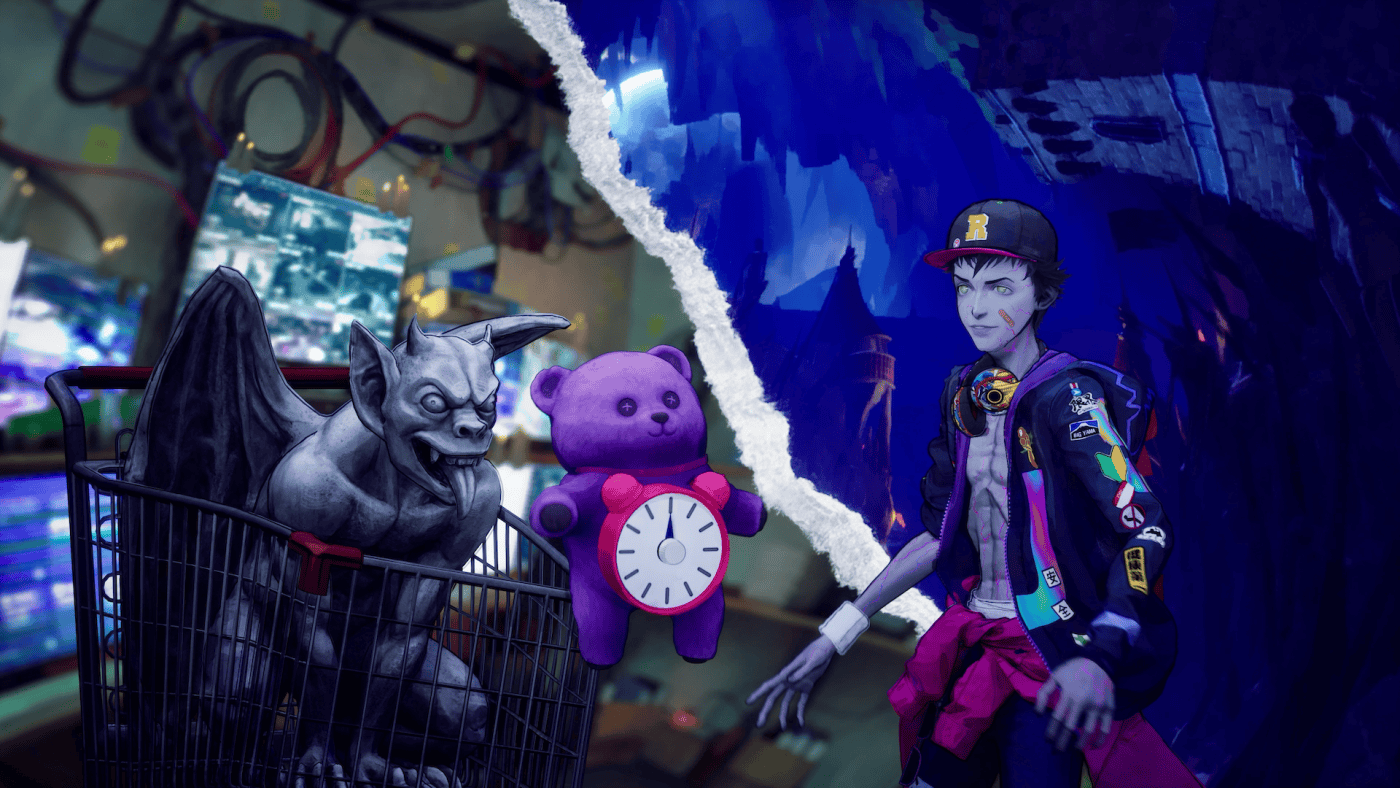
Goyle is a stone statue that cannot move on his own, but possesses clairvoyance and clairaudience. From the “Security Room” he relays information about the dungeon to Davy, and at the end of each session makes available a detailed breakdown of the last dive – statistics, materials needed for Bessie Burger orders, progress toward Frank’s database rewards.
Acelino is a Chihuahua man – not a werewolf, he makes that clear – the doctor’s assistant, with a reputation as a playboy. He oversees the Body Hack system, the mechanic for Davy’s physical customization that we had already identified in the first trailer analysis as the second central axis of progression, complementary to Style Eat. His tattoo shop, “Ink on the Brain,” is where the player develops and manages OT Gear (Overtech Gear) and embeds it into Davy’s body.
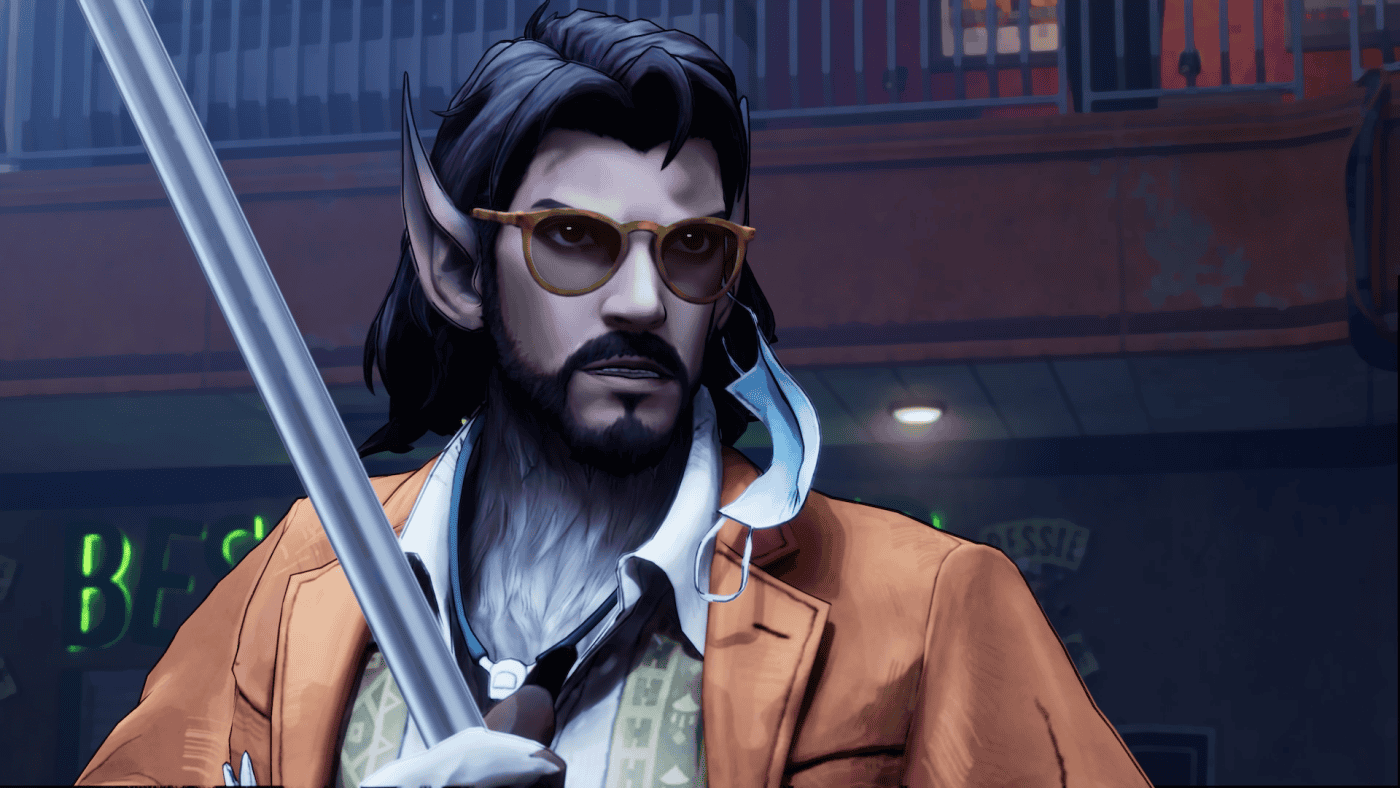
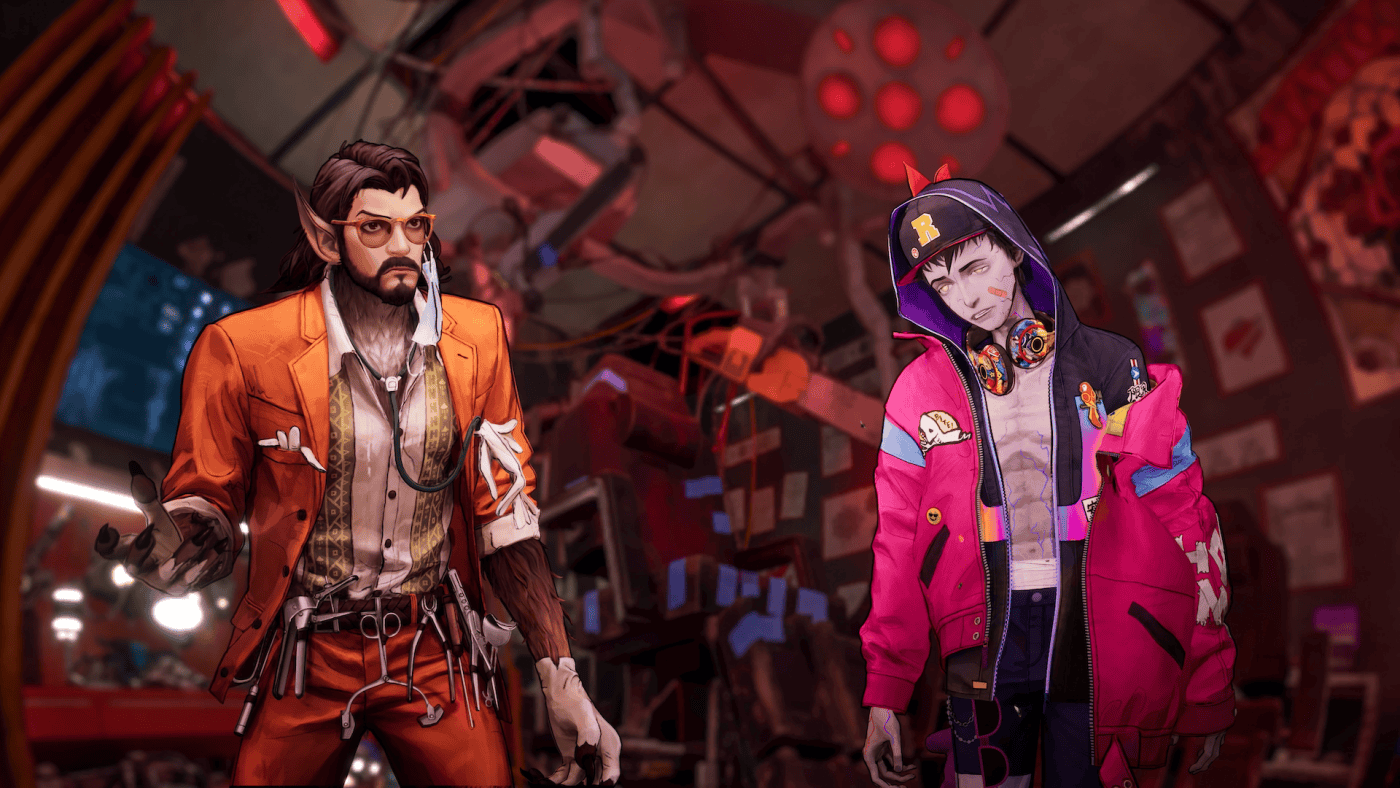
Four hubs, four distinct functions. The structure that emerges follows a hub-dungeon-hub loop with a clear separation between the systems active during combat and those the player manages between sessions.
The Bosses
The first dungeon bosses represent the obstacles Davy must overcome to push deeper.
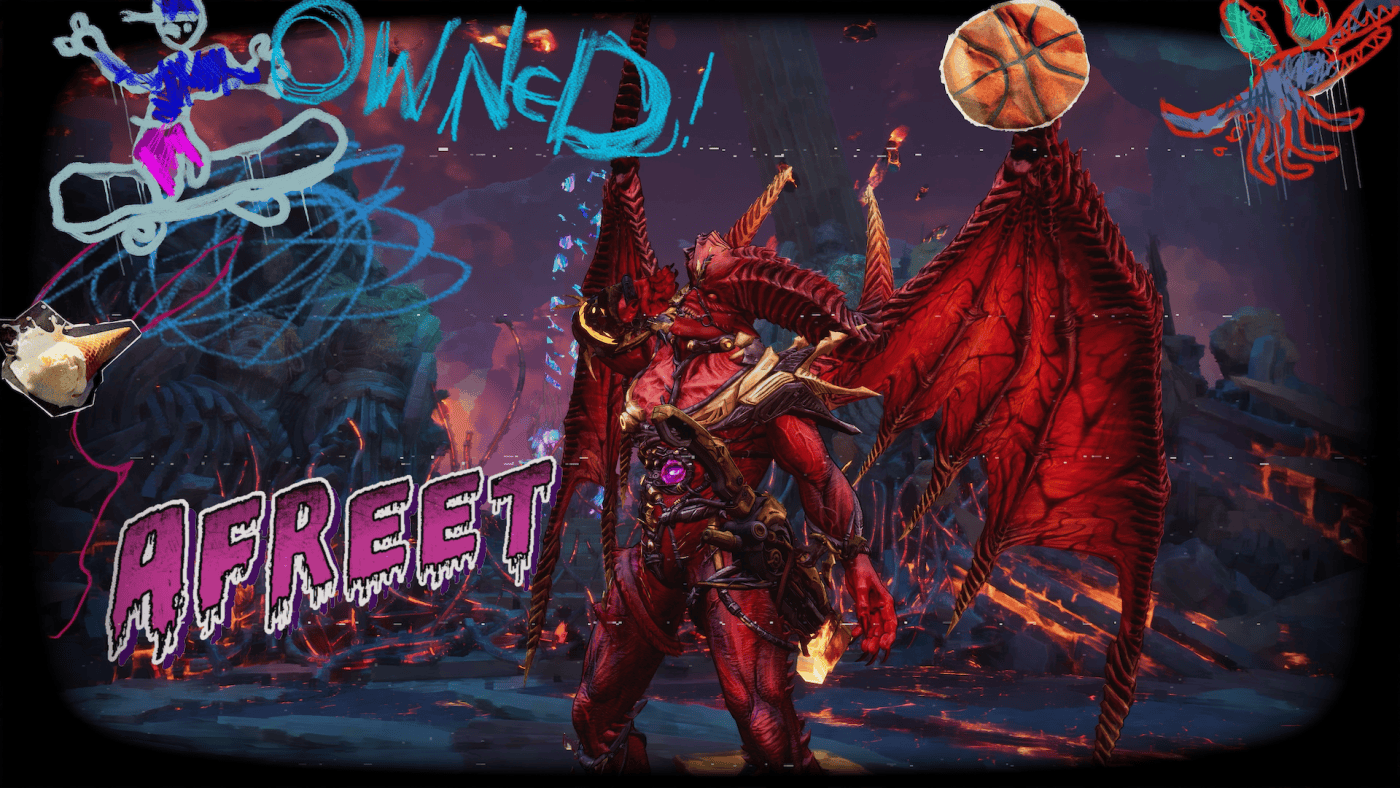
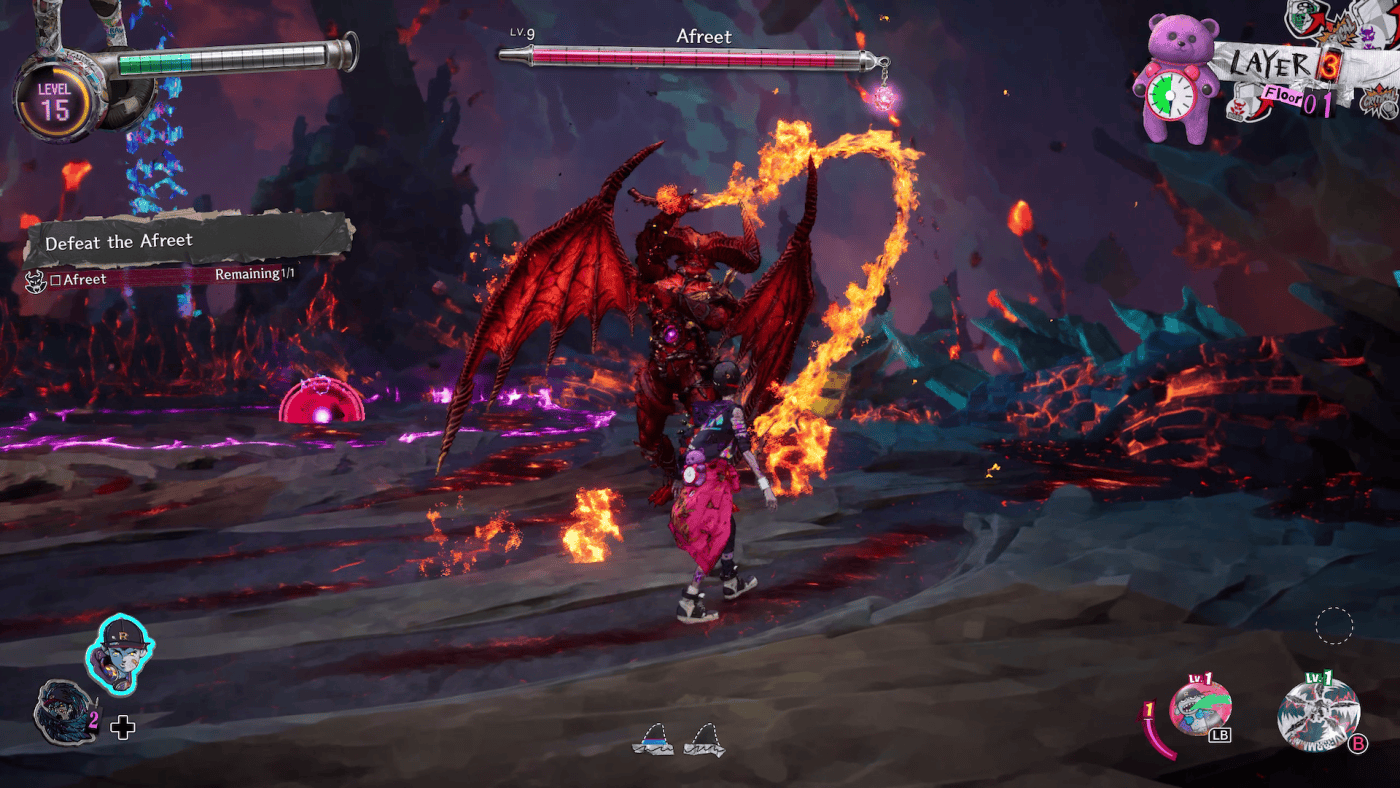
Afleet proved loyalty to KOM – the King of Monsters, the common enemy the game appears to build gradually into its central antagonist – by drinking the flames of hell. An internal heat burns within them, endlessly. Their Overtech equipment includes an advanced gravity control system, used both as a weapon and as… a fitness machine.
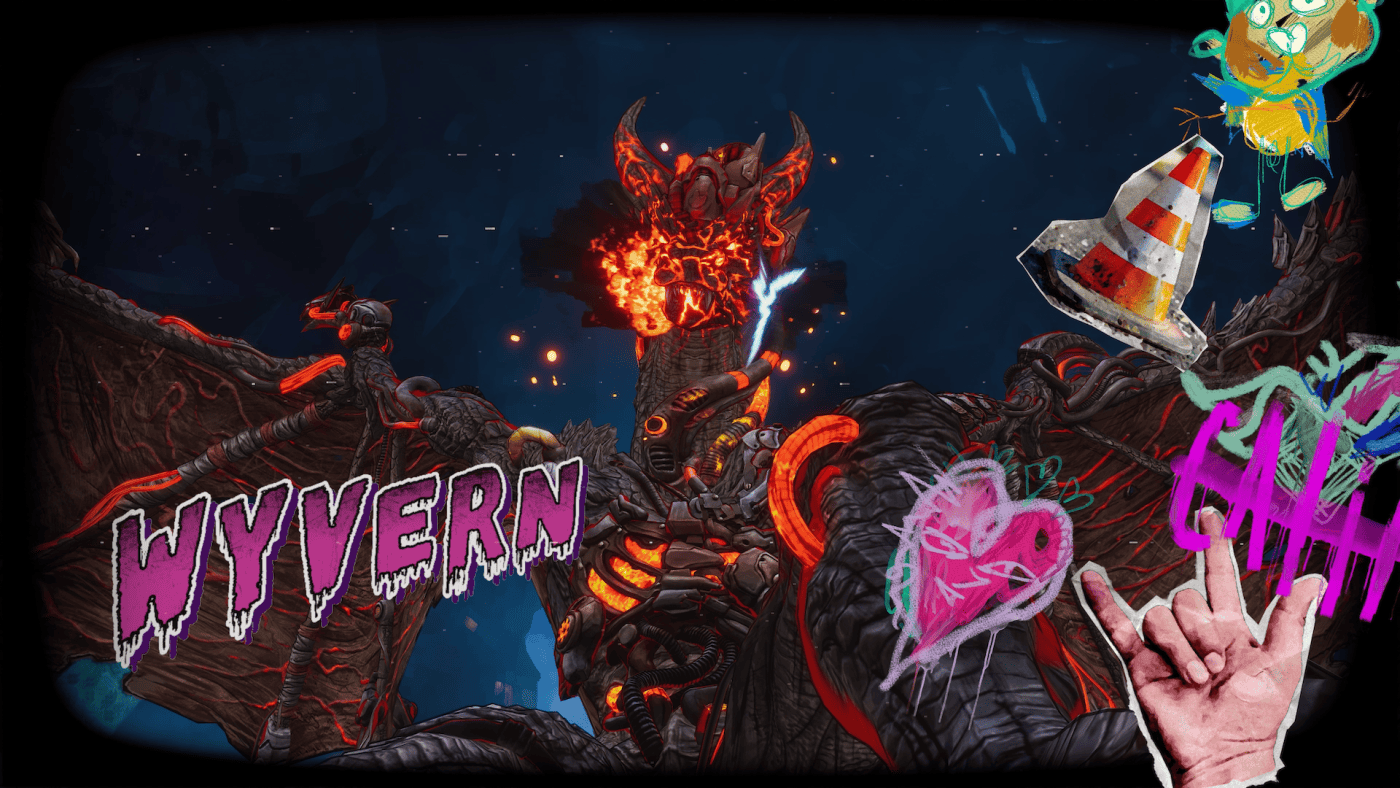
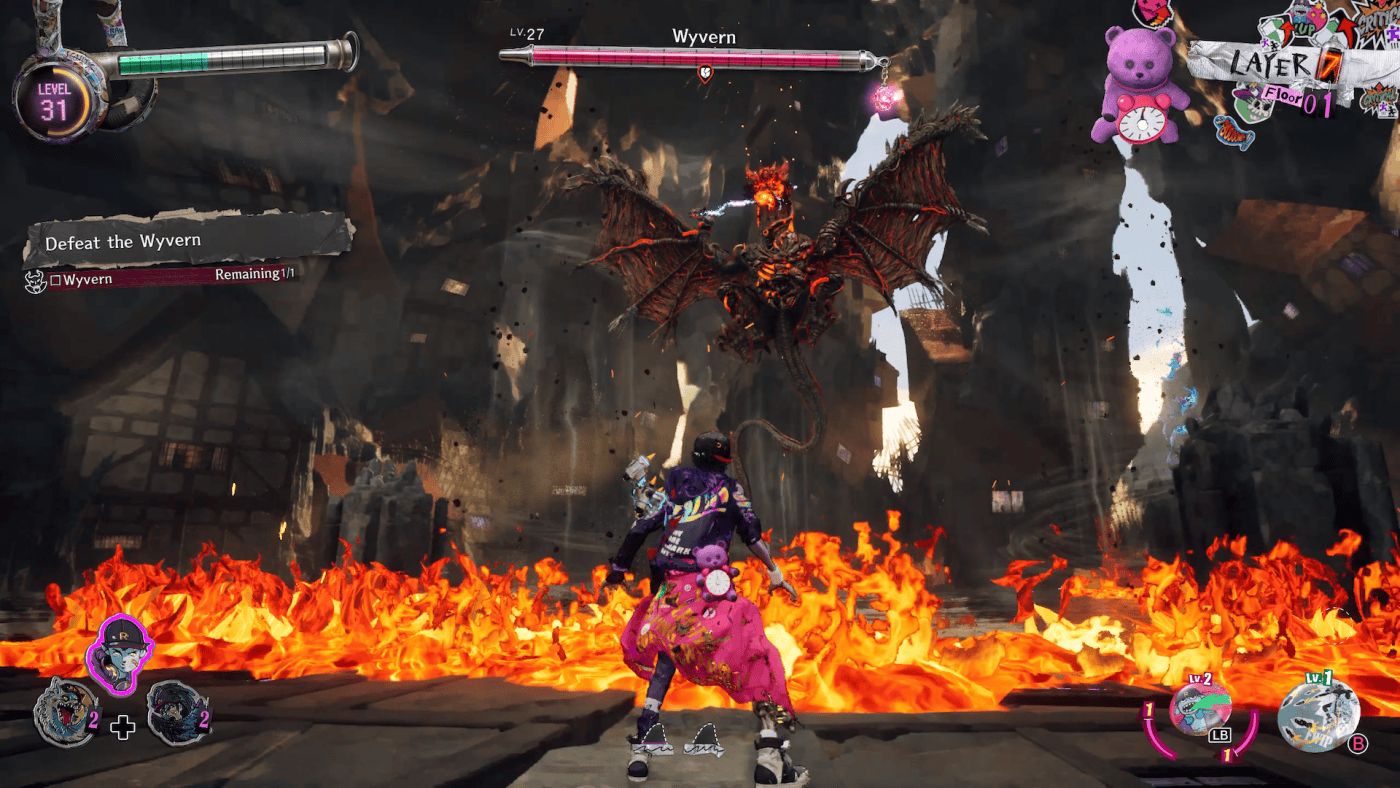
Wyvern serves as a vanguard of KOM’s army, assigned to reconnaissance but prone to forgetting orders and launching surprise aerial attacks without warning. Fellow soldiers wonder whether the skull stays hollow for aerodynamic purposes. Iconic in human heraldic imagery, Wyvern long resisted adopting Overtech out of fear of being labeled a “hypebeast” – but, as the press release notes, progress advances.
The Other Characters
Two figures appear in a section labeled, not without irony, “Other Characters Who Color Davy’s Adventure (?)” – the question mark is not accidental – and round out this updated picture.
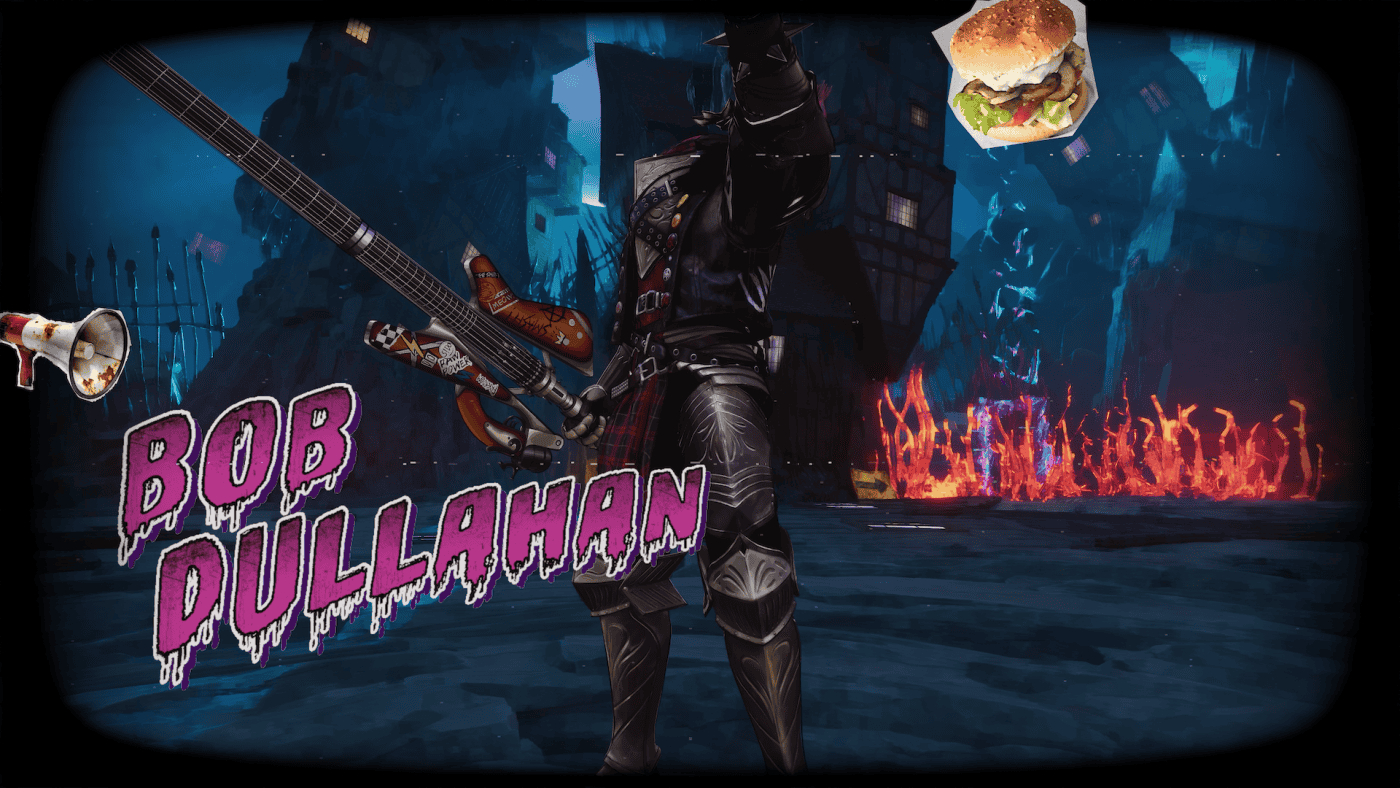
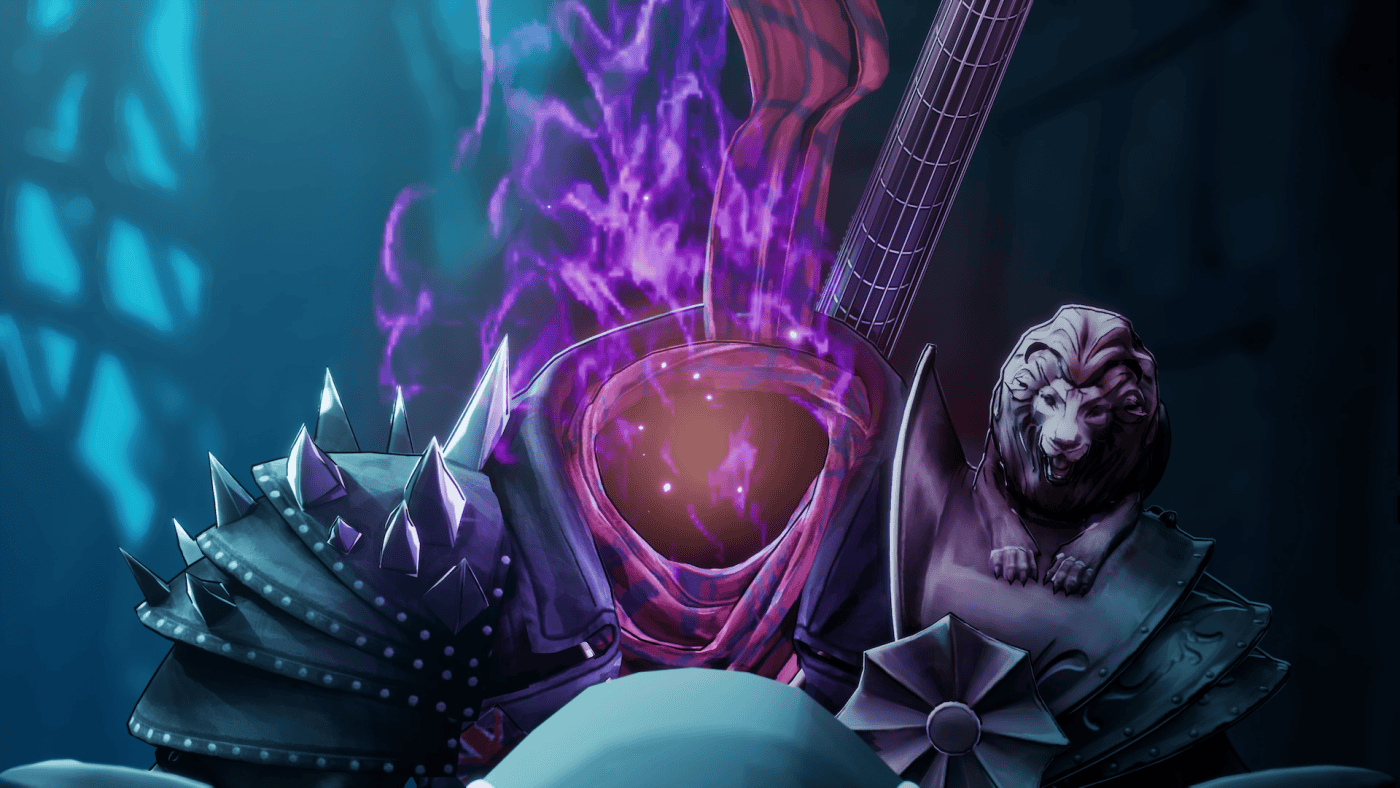
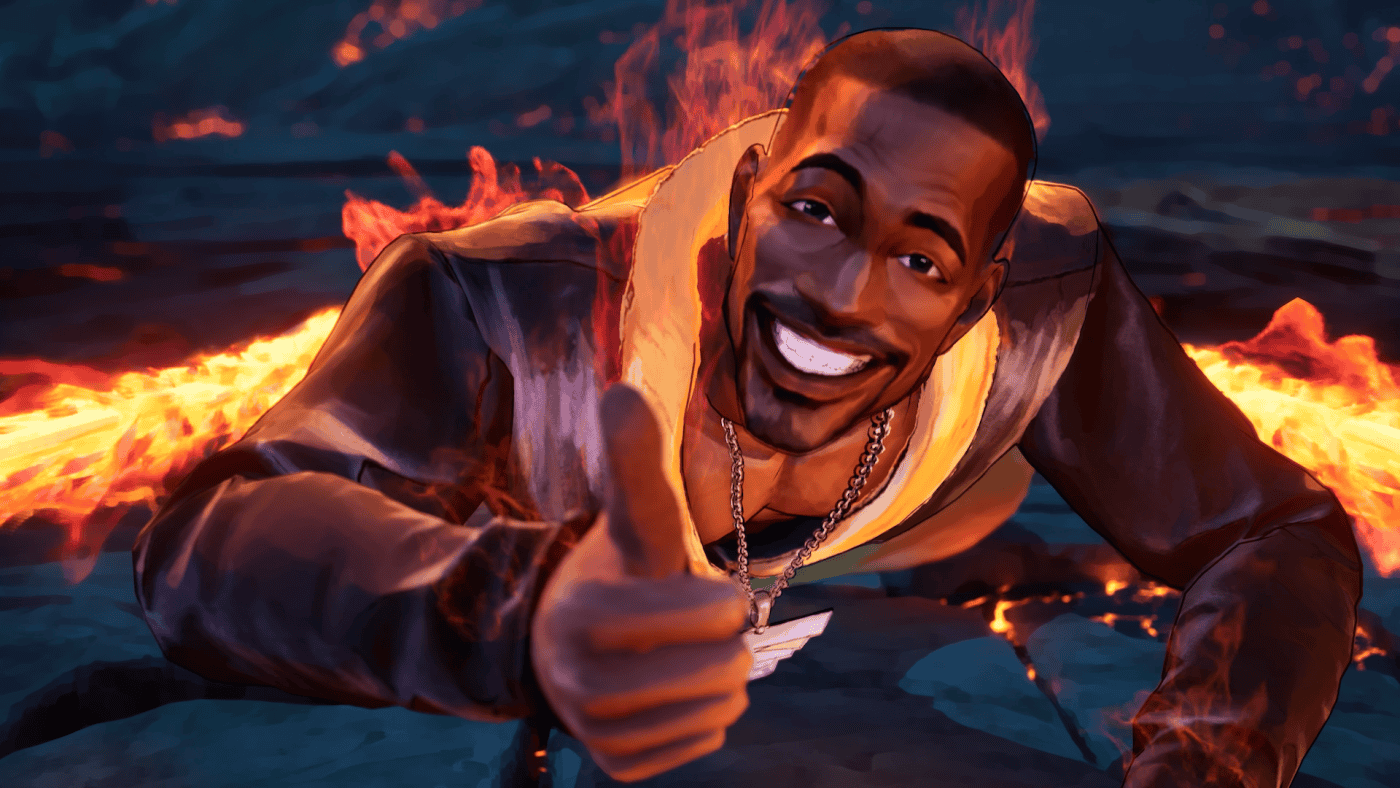
Bob Dullahan is an ageless wanderer, one of the few who dared fight back when KOM seized power – and paid with his head, literally, devoured along with the glowing core inside it. He sings of liberty in an emphatic style that makes no effort to please. Anyone who objects to his performances he brands an enemy of freedom, and most have learned to stay quiet.
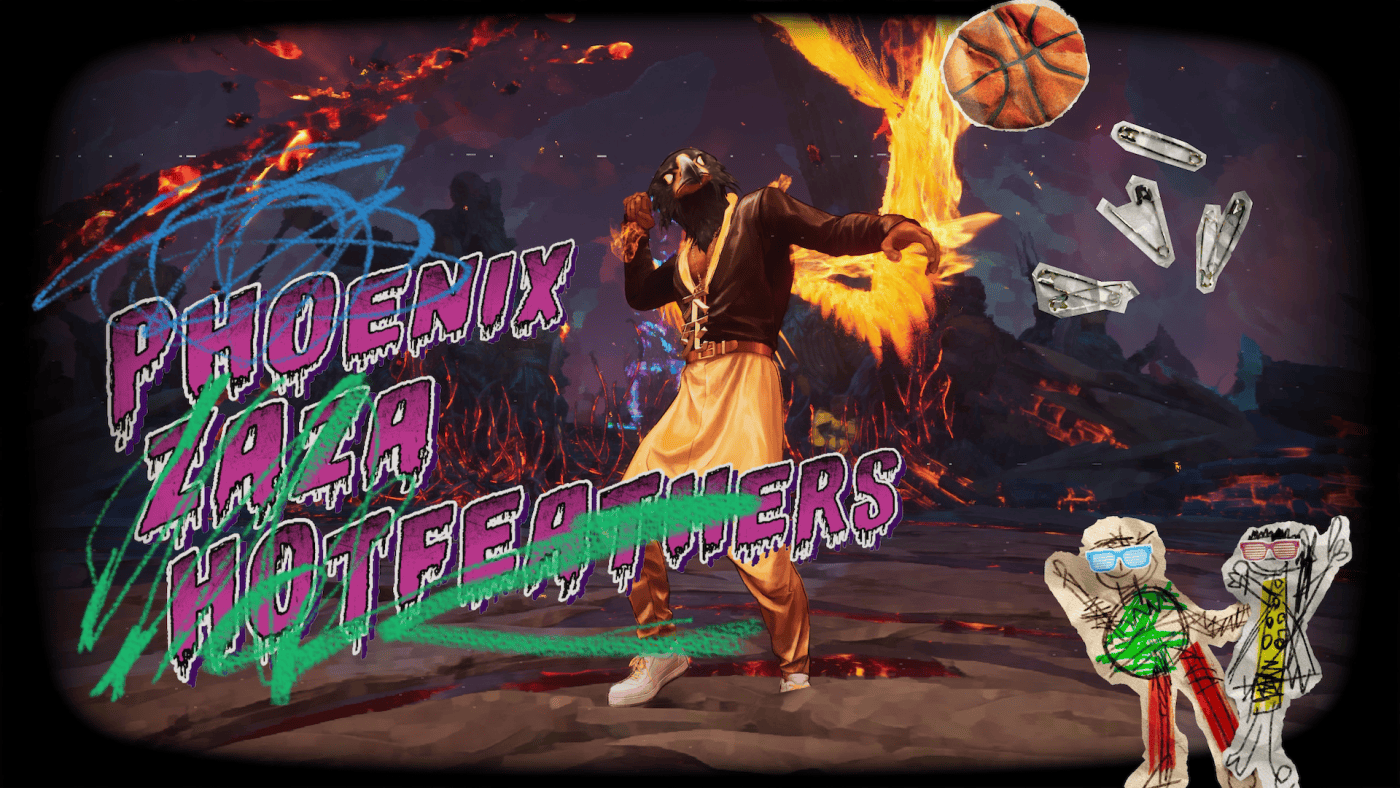
Phoenix Zaza Hotfeathers carries the cosmic duty of discharging the waste generated by Gaia’s metabolism – mother earth’s. His attitude toward life belongs to someone not particularly touched by things: perhaps because next to Gaia’s vastness, individual concerns seem too small to matter. Or perhaps, as the official text suggests, he’s just a moron.
Conclusions
Stupid Never Dies launches on PC via Steam and PlayStation 5 in fall 2026. The game runs in English, with subtitles in fourteen languages – Italian included, alongside French, German, Spanish, Japanese, Korean, Russian, Polish, Latin American Spanish, Brazilian Portuguese, Traditional Chinese, and Simplified Chinese.
With this second trailer, Stupid Never Dies takes a meaningful step in its communication. From the music video–style teaser at The Game Awards 2025 – which we covered here, noting how that presentation choice already functioned as a statement of intent – to the first gameplay trailer at the Future Games Show in March, which finally brought systems and structure into focus and which we analyzed here – the project built its identity one step at a time.
With this material, the picture fills in. The companions are no longer narrative silhouettes but well-defined game functions. The bosses carry their own internal logic, however bizarre. The systems articulate into a loop that starts to take concrete shape. And two characters with deliberately vague outlines – Bob Dullahan and Phoenix Zaza Hotfeathers – suggest the game still has something in reserve.
How far these premises hold up under the weight of a full session remains to be seen. But the way GPTRACK50 manages its communication – measured, incremental, stylistically consistent from the first teaser – already functions as a kind of answer.