
The Resident Evil remake fans have been asking for since the early 2000s is finally becoming a reality.

After more than twenty years of fan demand and unanswered questions, Resident Evil Code: Veronica is finally set to return as Resident Evil Veronica. But this is far more than the revival of a fan-favourite classic. It is one of the most important projects in Capcom’s broader effort to revisit the defining chapters of the Resident Evil legacy and bring them to a new generation.
Following the landmark success of Resident Evil 2 Remake, which reset expectations for modern survival horror, and Resident Evil 4 Remake, which proved that even the most iconic games can be reinvented while preserving their original spirit, Resident Evil Veronica stands as perhaps Capcom’s most demanding challenge yet. The task is not simply to modernize a beloved game, but to preserve the identity, atmosphere, and narrative weight of a chapter that remains central to the franchise’s evolution.
Code: Veronica was never just another entry in the series, nor a side story or forgotten detour in the Resident Evil timeline. Instead, it stands as one of the franchise’s defining narrative turning points – a chapter that expanded the Umbrella storyline, reshaped the journeys of Claire and Chris Redfield, and laid the groundwork for much of what the series would become in the years that followed. That is precisely what makes its return so significant.
Resident Evil Veronica could become much more than a faithful return to a beloved classic. For Capcom, it is a chance to refine its modern approach to the franchise, turning the remake project into something larger than a set of standalone reinterpretations: a unified reimagining of Resident Evil’s history and identity.
The Missing Link Between Resident Evil’s Classic and Modern Identity
Often remembered for Claire Redfield’s return and the long-awaited reunion between Chris Redfield and Albert Wesker after the events of the Spencer Mansion, Code: Veronica has always meant far more than that within the Resident Evil universe.
Far from being a side chapter, it stands as one of the franchise’s most important narrative turning points – a game that helped shape the direction it would take in the years that followed. Set across Rockfort Island and the Ashford family’s Antarctic facility, Code: Veronica serves as the vital bridge between the original Resident Evil era and the broader conflicts that would ultimately define the franchise’s future. It is the installment where the consequences of Raccoon City begin to unfold on a much larger scale, uncovering new layers of Umbrella’s history and the influential figures behind its rise.
This is the moment where Wesker makes his true return after his apparent death in the original Resident Evil, re-establishing himself as one of the series’ most iconic antagonists. It is also where the stories of Chris and Claire reach a pivotal stage, as the siblings move beyond the tragedy of Raccoon City and unknowingly step toward the battles that would define their futures.
The influence of Code: Veronica extends far beyond its own narrative. The final stages of the war against Umbrella, the events later explored in Resident Evil: The Umbrella Chronicles, the creation of the BSAA, Chris Redfield’s evolution into a leading figure in the fight against global bioterrorism, and Claire’s eventual role within TerraSave all trace their foundations back to this chapter.
For that reason, a modern remake would be much more than a simple return to a beloved classic. It would provide the opportunity to revisit one of the most consequential chapters in Resident Evil history – a story that bridged the series’ past and future while helping define its modern identity.

One of Capcom’s Most Challenging Projects to Date
While Resident Evil 4 Remake carried the burden of modernizing one of the most influential games ever made, Resident Evil Veronica presents Capcom with a different challenge – one defined not only by scale, but by legacy. The original game remains one of the most ambitious entries of the classic era, built around a sprawling narrative structure, multiple playable characters, dramatic shifts in setting, and some of the largest and most complex environments the series had seen at the time.
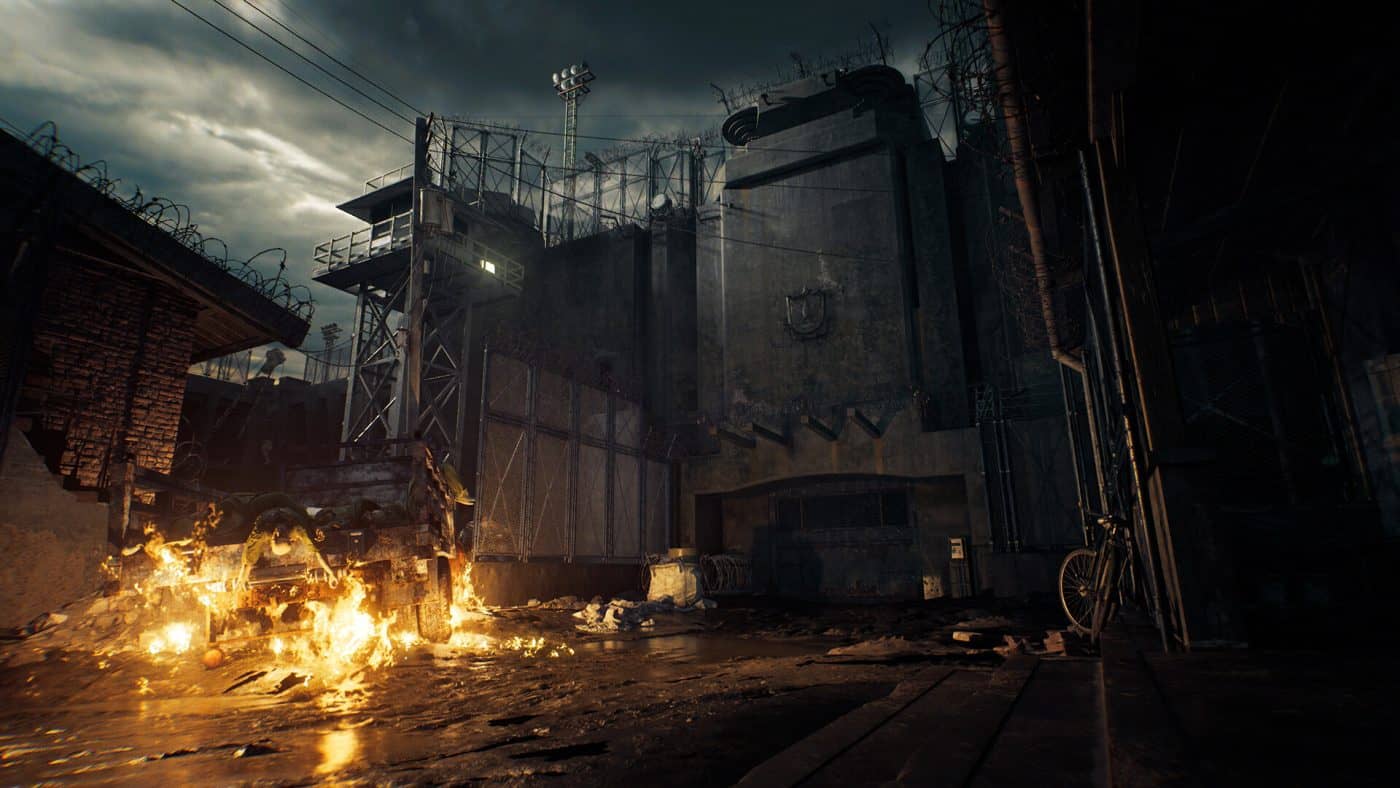
Few locations embody that ambition more clearly than Rockfort Island. The prison complex, military training facility, Ashford estate, underground laboratories, and Umbrella’s hidden operations create a tightly woven network of areas that gave Code: Veronica a sense of scale rarely seen in earlier entries. Recreating that experience today would require more than a visual overhaul; it would call for a careful rethinking of its structure while preserving its core sense of exploration, tension, and discovery.
That challenge extends to some of the game’s more controversial design choices as well. For all its narrative weight and ambition, Code: Veronica is also remembered for mechanics that could test players’ patience, including strict resource management, abrupt character transitions, and irreversible progression points that could leave newcomers at a serious disadvantage.
A successful remake would therefore need to strike a delicate balance between preservation and reinvention. Capcom’s task is not to erase what made Code: Veronica distinctive, but to refine the experience while retaining the tension, atmosphere, and survival horror foundations that defined it. The goal should not simply be to modernize a classic, but to deliver the definitive version of one of Resident Evil’s most ambitious and influential chapters.
The Shadow of Wesker
Among the many opportunities presented by a modern Code: Veronica remake, few are as intriguing as the chance to revisit Albert Wesker. In recent years, Capcom has consistently proven its ability to reinterpret legacy characters with greater nuance and stronger characterization, without losing sight of the qualities that made them iconic. If Resident Evil 4 Remake is any indication, Wesker could stand out as one of the clearest beneficiaries of that evolving storytelling philosophy.
In Code: Veronica, Wesker is far more than a recurring villain. He serves as a pivotal force within the narrative – a character whose influence extends well beyond his direct appearances. His presence looms over much of the story, shaping the events unfolding across Rockfort Island and driving many of the conflicts tied to the Ashford family. Even when absent from the screen, his impact is felt throughout the game. Many of the game’s most memorable moments revolve around him.
His encounters with Alexia Ashford, his manipulation of events behind the scenes, and his long-awaited confrontation with Chris Redfield remain among the defining sequences of the original experience. Reimagined through the cinematic lens of Capcom’s modern remakes, these moments have the potential to carry even greater dramatic weight, transforming already iconic scenes into some of the most powerful moments in the entire project.
Perhaps most importantly, a remake would give Capcom the opportunity to broaden Wesker’s role within the wider Resident Evil lore. Whether through expanded character work, new narrative material, or a deeper exploration of the forces working in the shadows, the studio could add fresh weight to one of the series’ defining figures. For a character whose influence still resonates across the franchise, Code: Veronica may prove to be the perfect stage for his most memorable reinterpretation yet.

Three Playable Characters, Three Different Perspectives
One of Code: Veronica’s defining strengths is its ensemble-driven narrative. While attention has often been placed on its setting, its ties to Umbrella’s downfall, or its position within the wider Resident Evil timeline, the true weight of its story lies in its multi-perspective structure. Each character offers a different emotional viewpoint, motivation, and response to survival, creating a narrative that feels notably richer and more layered than much of the series’ earlier entries.
At the heart of the narrative is Claire Redfield, whose journey embodies the purest qualities of classic survival horror. Her story is defined by isolation, exploration, resource management, and a persistent sense of vulnerability, reinforcing the tension and uncertainty that became hallmarks of the franchise’s early years. Through Claire, Code: Veronica remains firmly rooted in the survival-driven foundations upon which Resident Evil was built.
Steve Burnside, meanwhile, plays a more complex and often divisive role within the narrative. Despite the mixed reactions he has received over the years, his character remains central to the story’s emotional core. A modern remake would give Capcom the opportunity to expand on his motivations, insecurities, and personal growth, adding greater nuance to a character whose potential was only partially explored in the original game.
The final piece of the puzzle is Chris Redfield, whose arrival marks a significant turning point in both the narrative and the scale of the conflict. His presence broadens the scope of the story beyond individual survival, steering it toward a larger confrontation with the forces operating behind the Ashford family tragedy and Umbrella’s growing influence. Through Chris, the narrative begins to transition from a personal struggle into a conflict with far-reaching consequences for the future of the franchise.
Together, these three protagonists provide distinct perspectives on the same unfolding nightmare. The result is a story with a scope, depth, and narrative ambition rarely matched by other entries in the series. It is precisely this balance between character development, shifting viewpoints, and escalating stakes that remains one of Code: Veronica’s greatest achievements – and one of the reasons it continues to be regarded as one of the most ambitious installments in Resident Evil history.
The Return Fans Have Been Waiting For
Among the many theories and discussions surrounding Resident Evil Veronica, few have drawn as much attention from the community as the possibility of HUNK’s return. Umbrella’s legendary operative remains one of the most enigmatic figures in Resident Evil history. A modern remake would offer Capcom a rare opportunity to bring that mystery back into focus.
More than a familiar face for long-time fans, HUNK could provide a valuable new perspective on the events unfolding beyond the protagonists’ journey, shedding light on the unseen operations and hidden conflicts at work behind the main narrative.
When Will Resident Evil Veronica Be Released?
Capcom has yet to announce a release date for Resident Evil Veronica, although the company has confirmed that the remake is targeting a 2027 release window. The game is set to launch on PC, PlayStation 5, Xbox Series X|S, and Nintendo Switch 2.
With many questions still surrounding the project, more information is expected in the months ahead. Until then, stay tuned for the latest news, updates, and official announcements on Capcom’s upcoming new project.ì