
The Adventures of Elliot: The Millennium Tales showcases several strengths in its demo. However, we still have some concerns.
The Adventures of Elliot: The Millennium Tales is the latest project from Square Enix and Claytechworks. The title draws inspiration from the visual legacy of the Octopath Traveler series while introducing some interesting new features.
The game launches on June 18, and we had the chance to try the free demo on Steam to share our first impressions.
Let’s take things step by step and analyze its structure (as far as the demo is concerned) and its mechanics.
To begin with, The Adventures of Elliot: The Millennium Tales is a JRPG that departs from some traditional genre conventions. The protagonist does not level up in the usual way; instead, progression is tied to increasing health points and another mechanic: Magicites.
In addition, combat takes place in real time, strongly evoking the feel of classic 16-bit Zelda titles. One game in particular comes to mind: A Link to the Past.
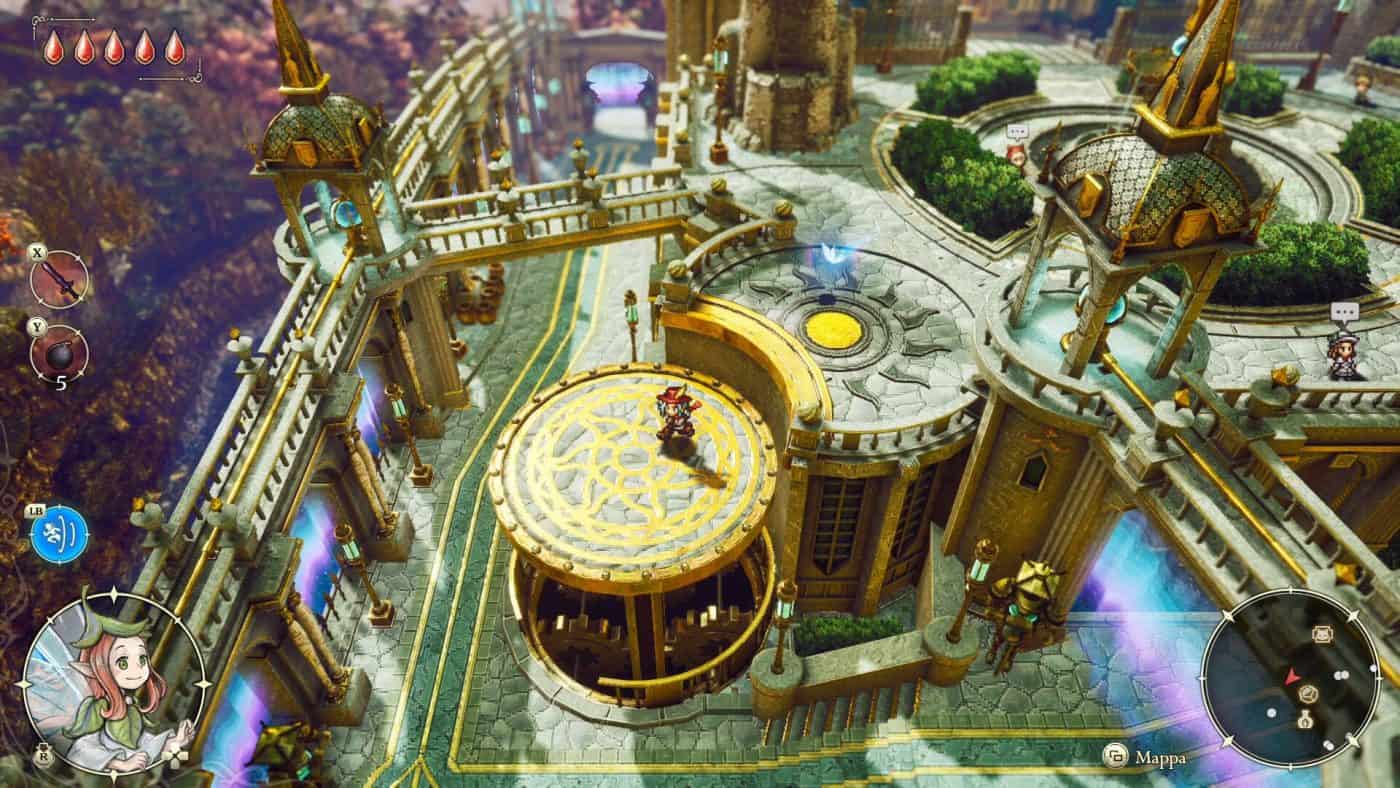
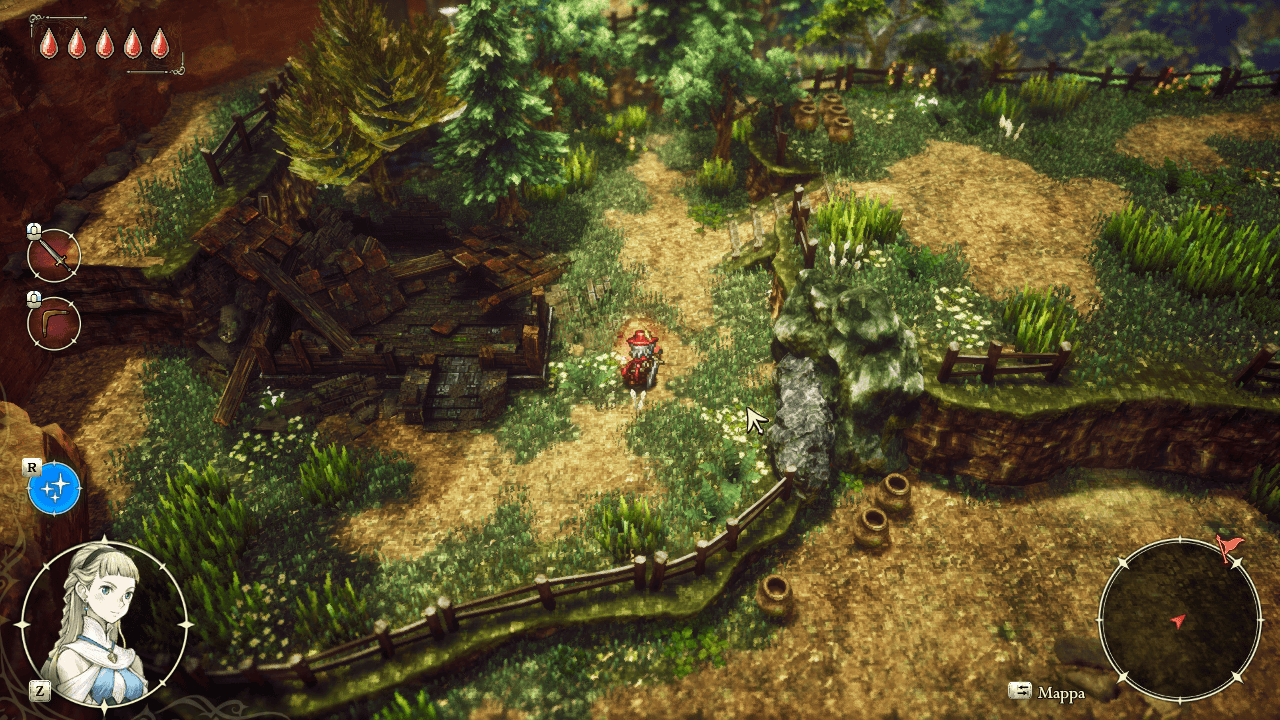
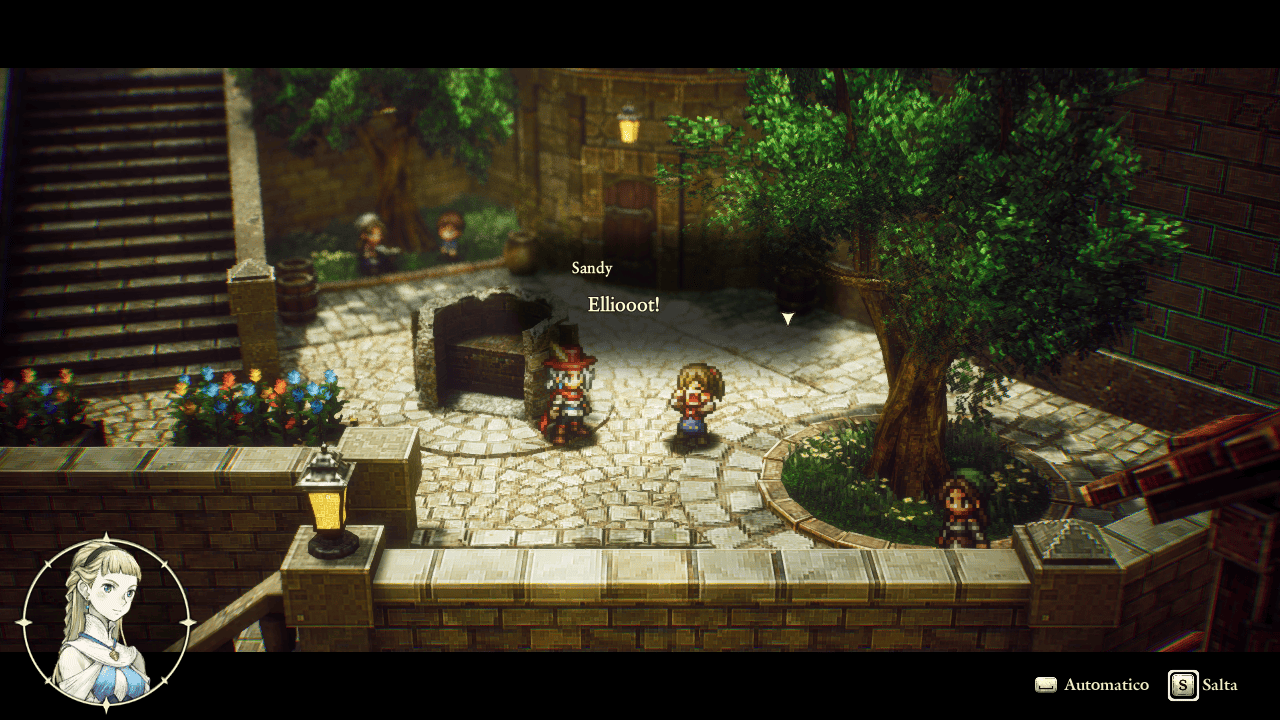
All of this is wrapped in a visually striking aesthetic, featuring impressive attention to detail and lighting effects. The soundtrack also does its job well. While it does not reach exceptional heights (for now), it remains faithful to the genre and consistently enhances the experience.
The Beginning of Everything
In the demo of The Adventures of Elliot: The Millennium Tales, players experience the opening section of the campaign. The Kingdom of Huther is in danger and stands as the last bastion against the Beast Tribes. These tribes are becoming increasingly aggressive, and the barrier protecting the kingdom may soon no longer be enough.
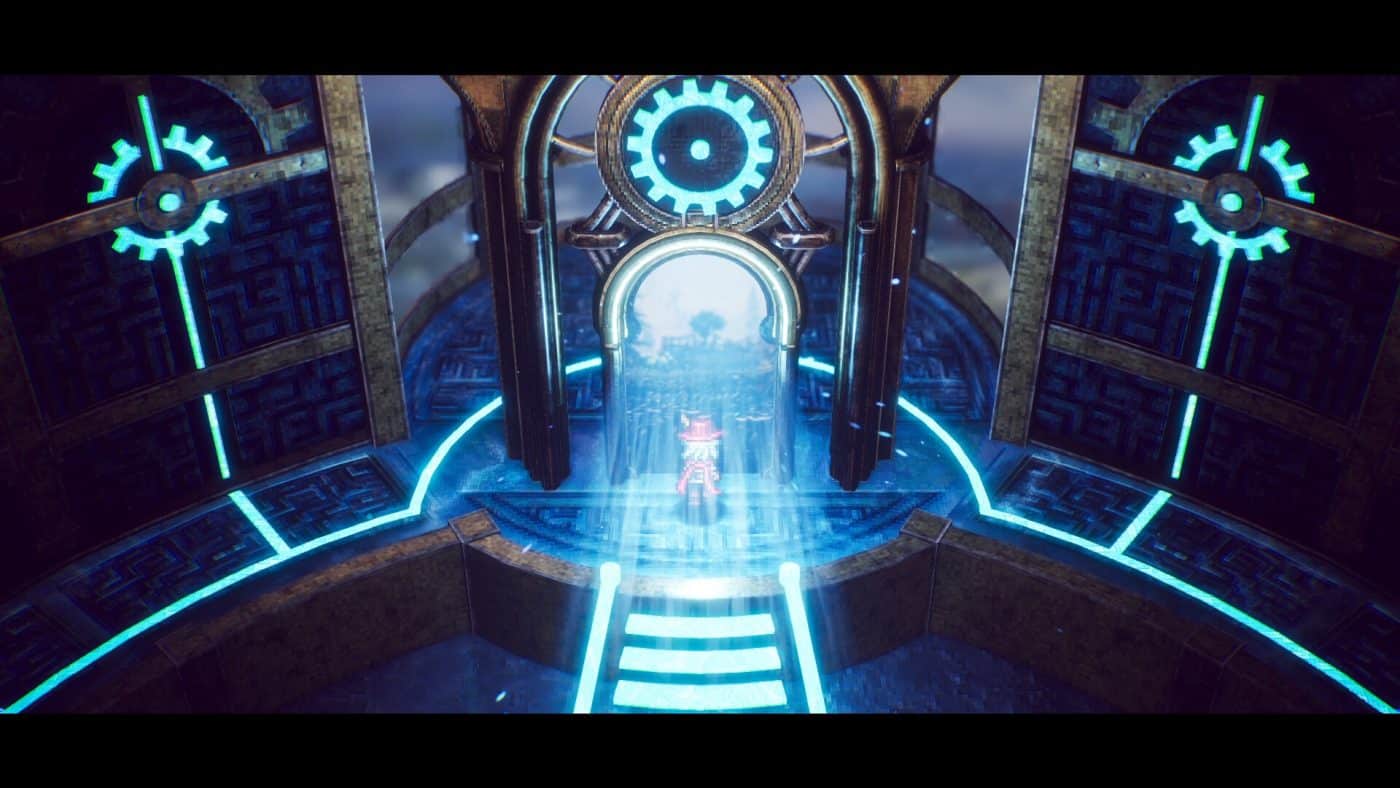
This is where Elliot enters the story. The protagonist is sent by the king to rescue a squad that has been attacked by one of the Beast Tribes. During the mission, he discovers a portal and a tome hidden deep within ancient ruins.
This portal is the Time Portal, which sets in motion the true beginning of the adventure, also triggered by the actions of Prime Minister Kaifried.
Along the way, we meet Heuria, the kingdom’s princess, who has never left the castle because her duty is to maintain the barrier protecting the realm.
A bond gradually develops between the two. The princess accompanies Elliot not physically, but spiritually. Through her magic, she is also able to provide a special healing ability during the present timeline.
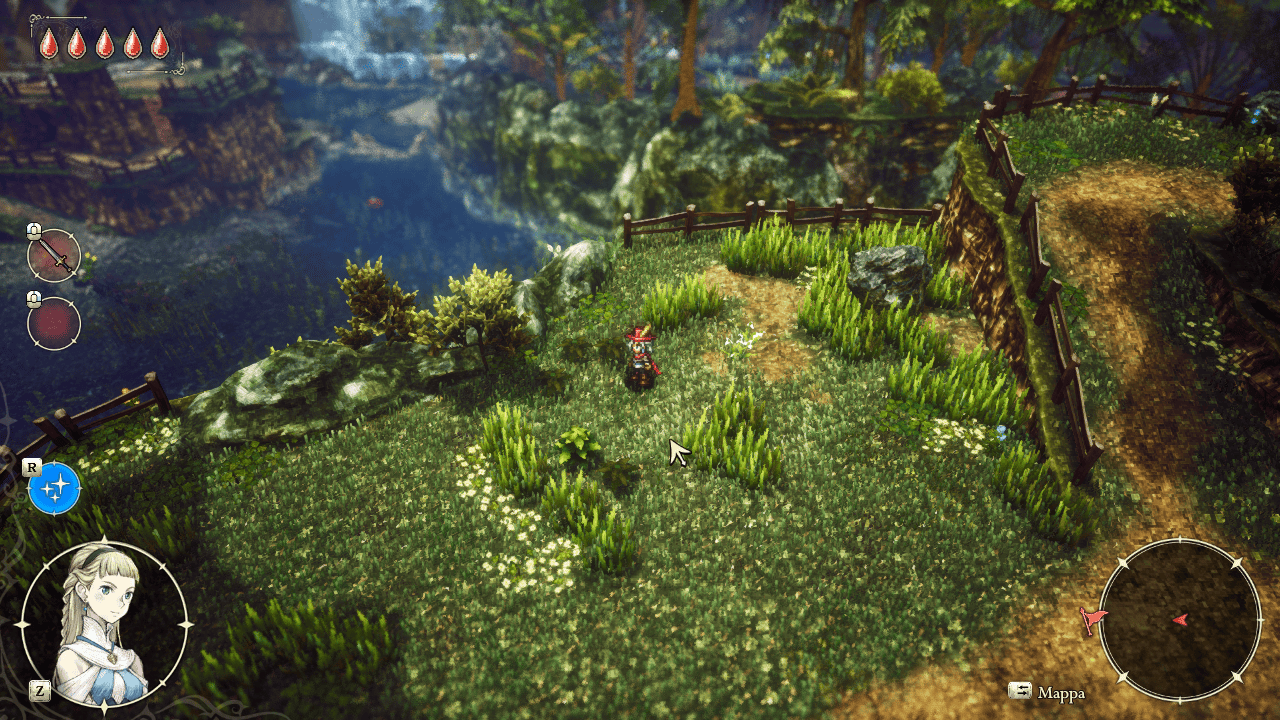
This opening is fairly linear and guided. The game holds the player’s hand during the early moments, preventing exploration of alternative paths. Once this introductory phase is over and the fundamentals of the combat system and gameplay mechanics have been taught, the map opens up and reveals a considerable degree of freedom and exploration. While the main objectives remain clearly visible, players are free to wander around in search of rewards and secrets.
What Convinced Us
The Adventures of Elliot: The Millennium Tales shines thanks to its visual presentation and its combat and progression systems. Its high-quality pixel art, detailed environments, and polished animations immediately catch the eye. All of these elements help immerse players in the adventure.
As mentioned earlier, combat is entirely real time. Players can equip a primary and a secondary weapon and switch between them on the fly. There is also a charged special attack and a jump mechanic. One piece of advice: buy the shield as soon as possible. It allows players to block enemy attacks at the cost of stamina and “posture.” This system draws heavily from Zelda titles, including its approach to healing items.
Players must first purchase empty vials and then buy the healing substance used to fill them. This means healing resources are limited, although there is a workaround.
To unlock additional weapons, I recommend completing side quests. Besides expanding the game’s lore, they reward players with new equipment. Fortunately, the game is very clear about available quests and their objectives. A notification appears whenever certain characters want to speak with you, making it difficult to miss important interactions.
The Magicite system is particularly interesting. These stones are created from Magilite fragments and grant different abilities to weapons. Each Magilite has a color associated with a specific weapon type and, from what I have seen, they seem capable of creating intriguing synergies. An honorable mention goes to the drop bonus earned by defeating enemies consecutively. Naturally, the bonus disappears as soon as you get hit.
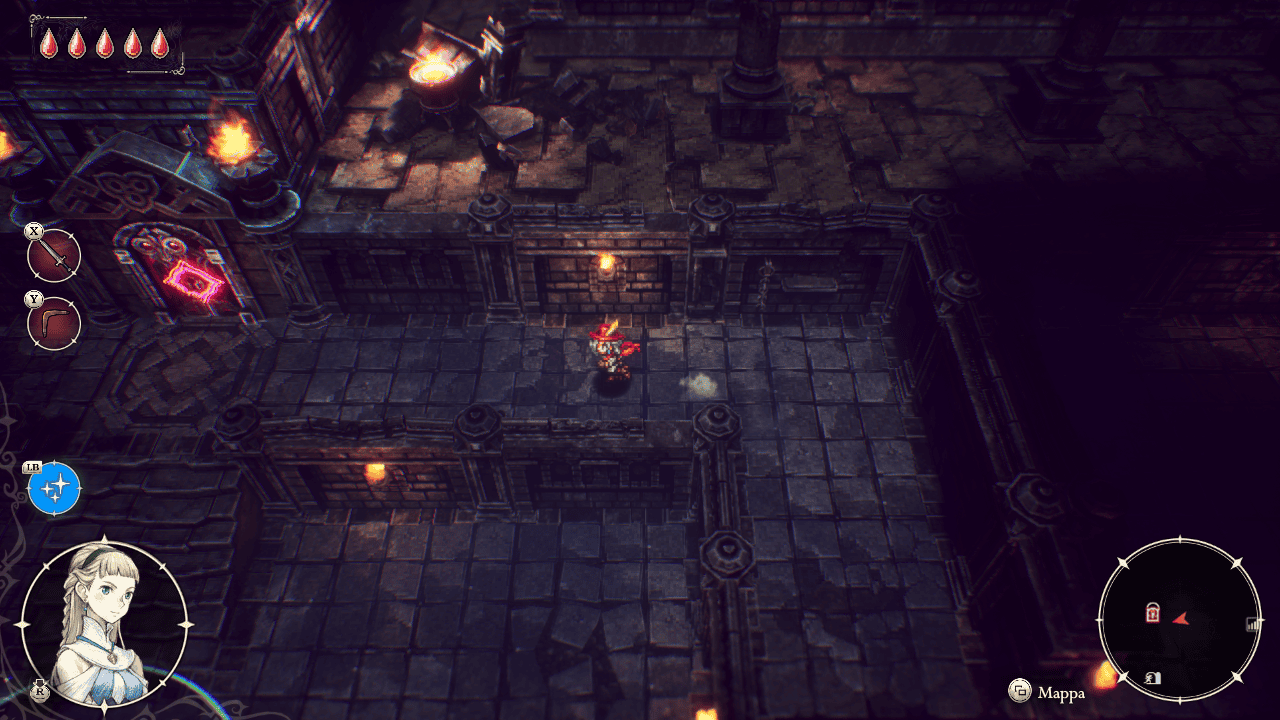
The dungeons are also enjoyable. For now, they are relatively simple but remain fun to explore. One welcome feature is the map, which displays the total number of treasure chests available within each dungeon.
What Didn’t Convince Us
The Adventures of Elliot: The Millennium Tales does not suffer from major issues, but there are some weaknesses that could affect the overall experience if they remain unchanged in the final release.
While the combat system benefits greatly from its Zelda-like elements and the Magilite mechanic, it risks becoming too simple over time. Boss fights and encounters are easy to read (which is generally a positive) but even on the highest difficulty available in the demo, I never felt significantly challenged. Nor did I ever feel the need to switch weapons strategically to overcome specific enemies.
I also discovered a simple way to avoid wasting healing items. Some of the pillars that serve as checkpoints fully restore health, and players can freely teleport between them through the map menu. As a result, it is possible to heal for free and immediately return to the desired location.
The story, while built around the potentially fascinating concept of time travel, could prove to be a double-edged sword. We will have to see how the development team chooses to handle this feature and what ideas they have planned for the narrative.
At the moment, the story appears fairly traditional and follows a classic JRPG setup. The characters also seem somewhat stereotypical and easy to understand. This is not necessarily a flaw, but the narrative will need to develop enough depth and momentum to maintain players’ interest over the course of the adventure.
After all, every memorable JRPG ultimately stands out because of its story, characters, and defining moments.
You can try the free demo of The Adventures of Elliot: The Millennium Tales on Steam.