
To send a child to Hell is madness by any measure: a mystery for the young hero to unravel
Under the heading of “small gems and where to find them”, the latest Creepy Tale from Creepy Brothers turned out to be a genuine discovery. A measured, thoroughly enjoyable title that brings the previous creepy tales to a narrative and technical conclusion well worth acknowledging.
Released on May 14th of this year (2026) for PC (Steam), PS5, Xbox, Nintendo Switch, and Steam Deck, Creepy Tale: Snow Child hit all my most sensitive notes: art and storytelling. I’ll add a personal merit on the gameplay front as well – not the most technically experienced player, I still found it approachable, accessible, and above all entertaining.

I’ll admit I haven’t played the previous titles, so I won’t draw too detailed a comparison, but I believe Snow Child stands as a complete, deep game that fully deserves attention.
Let’s take it step by step, starting with the story.
The boy with horns
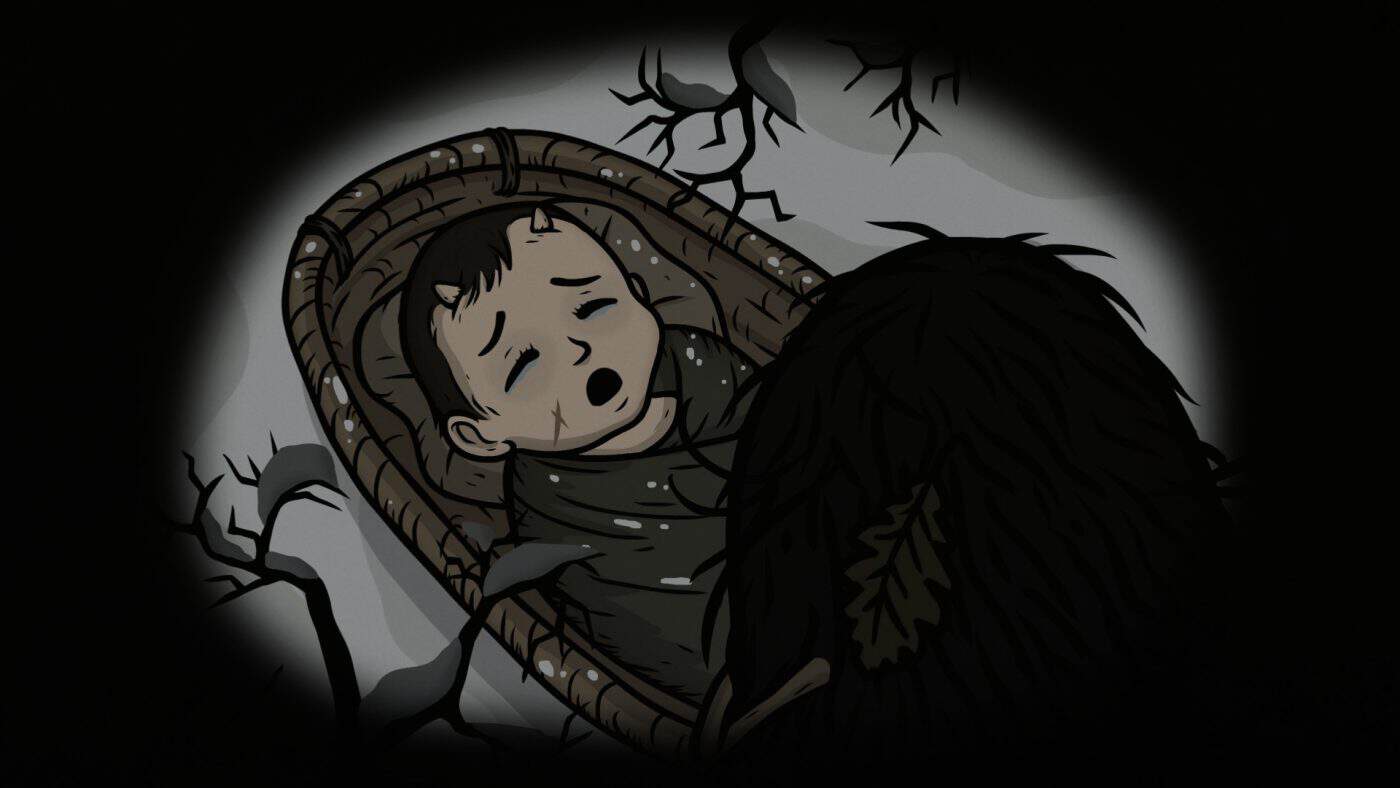
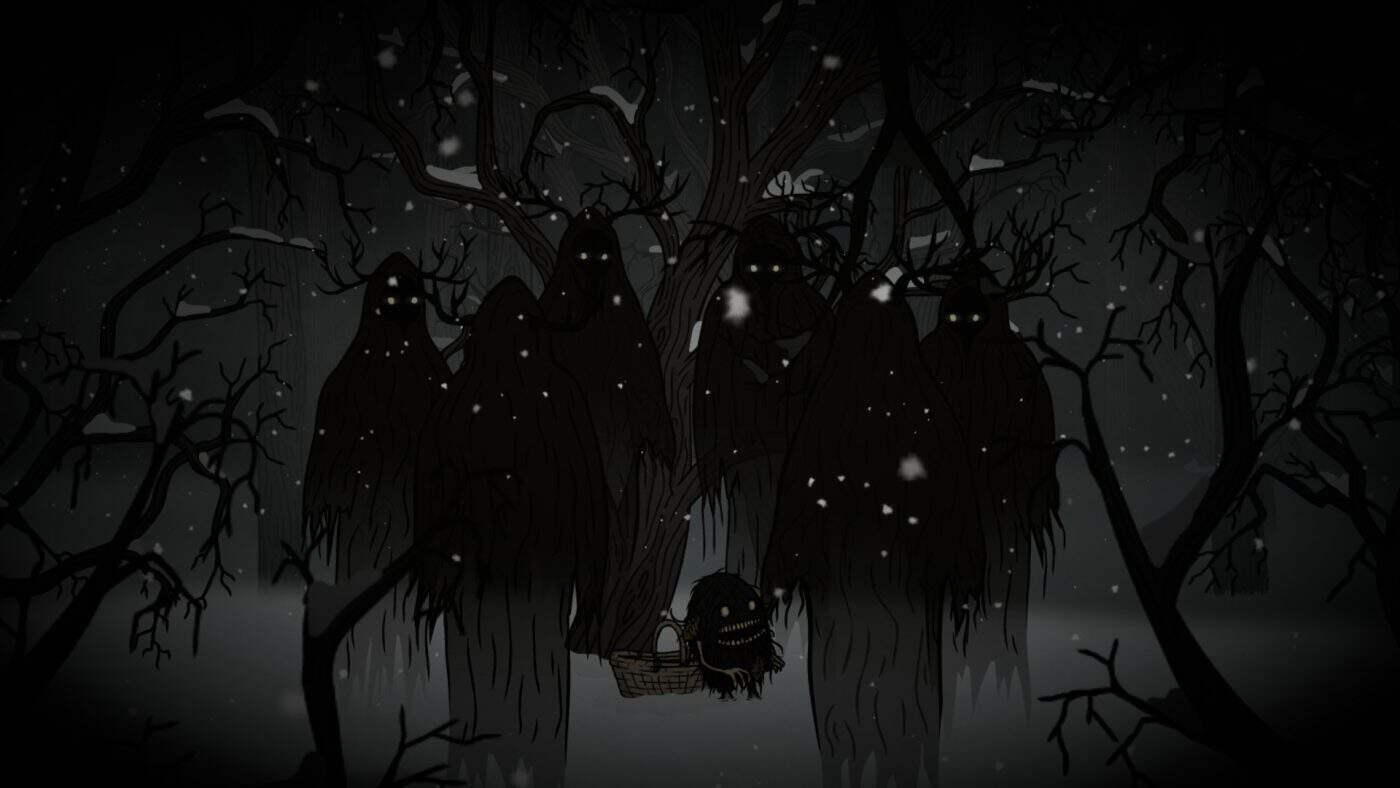
A furry creature – a little unsettling but also somewhat comical – wakes up in the forest during a blizzard. Searching for shelter, it trudges through the snow on its short legs and hears a baby crying. It follows the sound and finds a basket. Inside: a newborn, with two small horns on its head.
Creepy Tale: Snow Child opens with this scene, and within moments all the narrative premises underlying this beautiful story emerge.
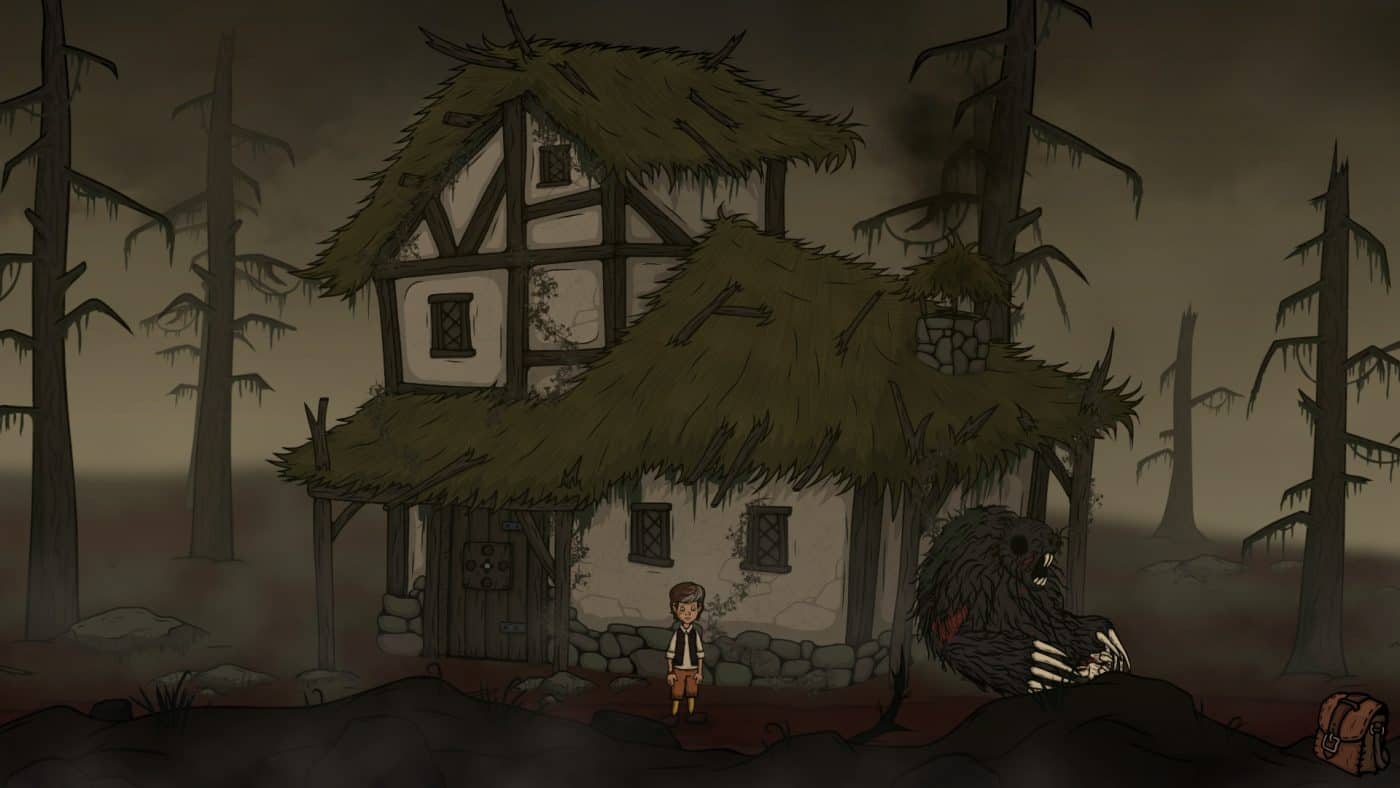
Furry – that’s the creature’s name – finds this abandoned child. The moment it checks that the baby is safe, dark floating figures surround it: the Guardians, who ask Furry to take the child and raise it. After brief resistance, good-natured Furry carries it home and gives it a name: Blizzy.
A year later comes an important prohibition, which will be broken ten years after that – a decade during which Furry has fulfilled his role as an improvised parent and Blizzy has grown into a boy who has just left childhood behind. There’s a trapdoor in the house, sealed shut, and Furry has forbidden Blizzy from tampering with it. But Blizzy feels old and clever enough to outwit his father, and manages to break the seal.
Breaking the seal sends an immediate signal to someone. Someone who sits on a cart. A cart from Hell.
Two causes drive our young hero to undertake one of the most dangerous journeys imaginable – a journey to Hell: his mother’s voice calling for help in his dreams, and the need to repair the damage of having broken the seal and unleashed forces that had to remain under control.
The real adventure begins when Blizzy, encouraged by the Guardians and after convincing his father, crosses through the portal to Hell, with the goal of meeting and speaking with Modest – the junk dealer. The man with the cart.
Uncovering the truth about his mother and averting dire consequences for his world, caused by the release of an evil entity, are the young hero’s objectives. To reach them he’ll need to be resourceful, evade the lethal threats of Hell’s dangerous inhabitants, and make certain moral choices.
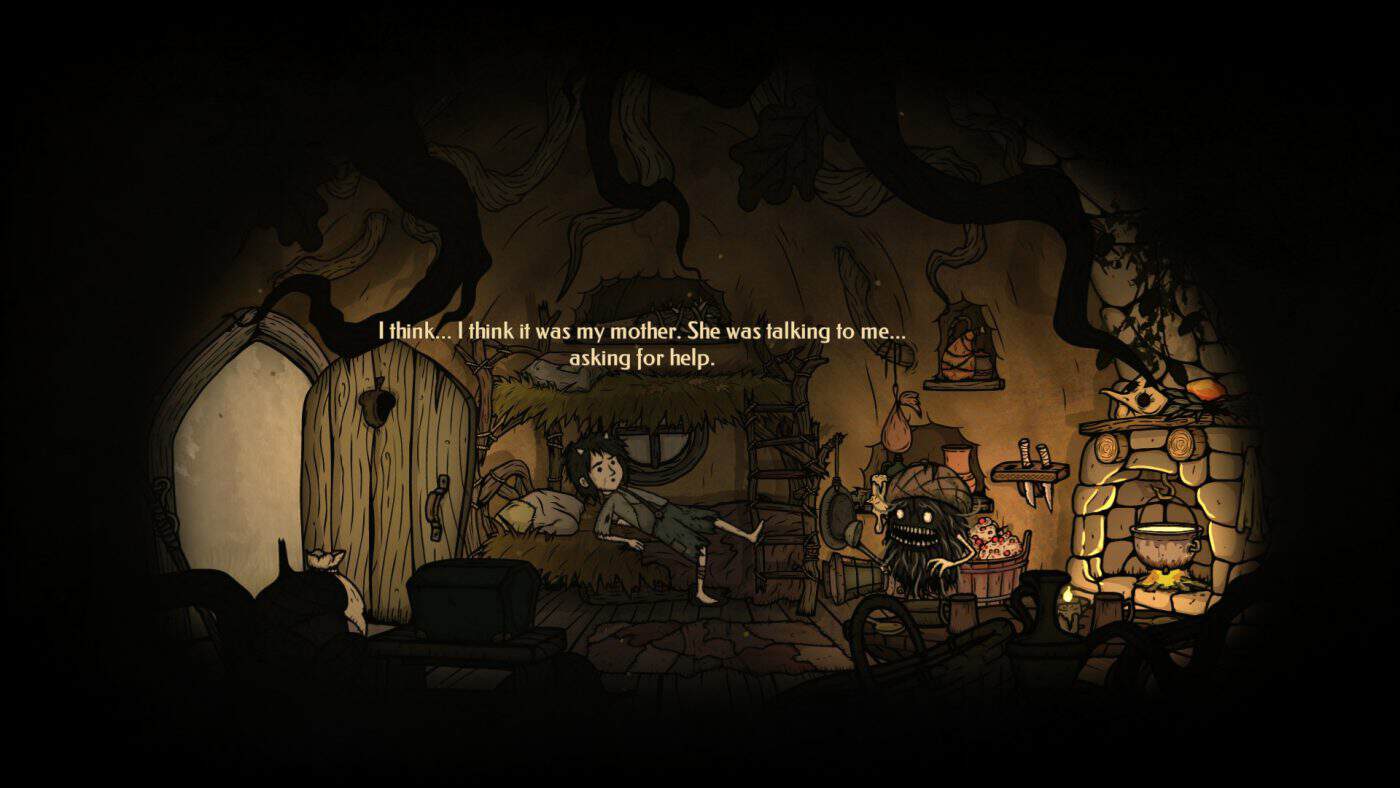
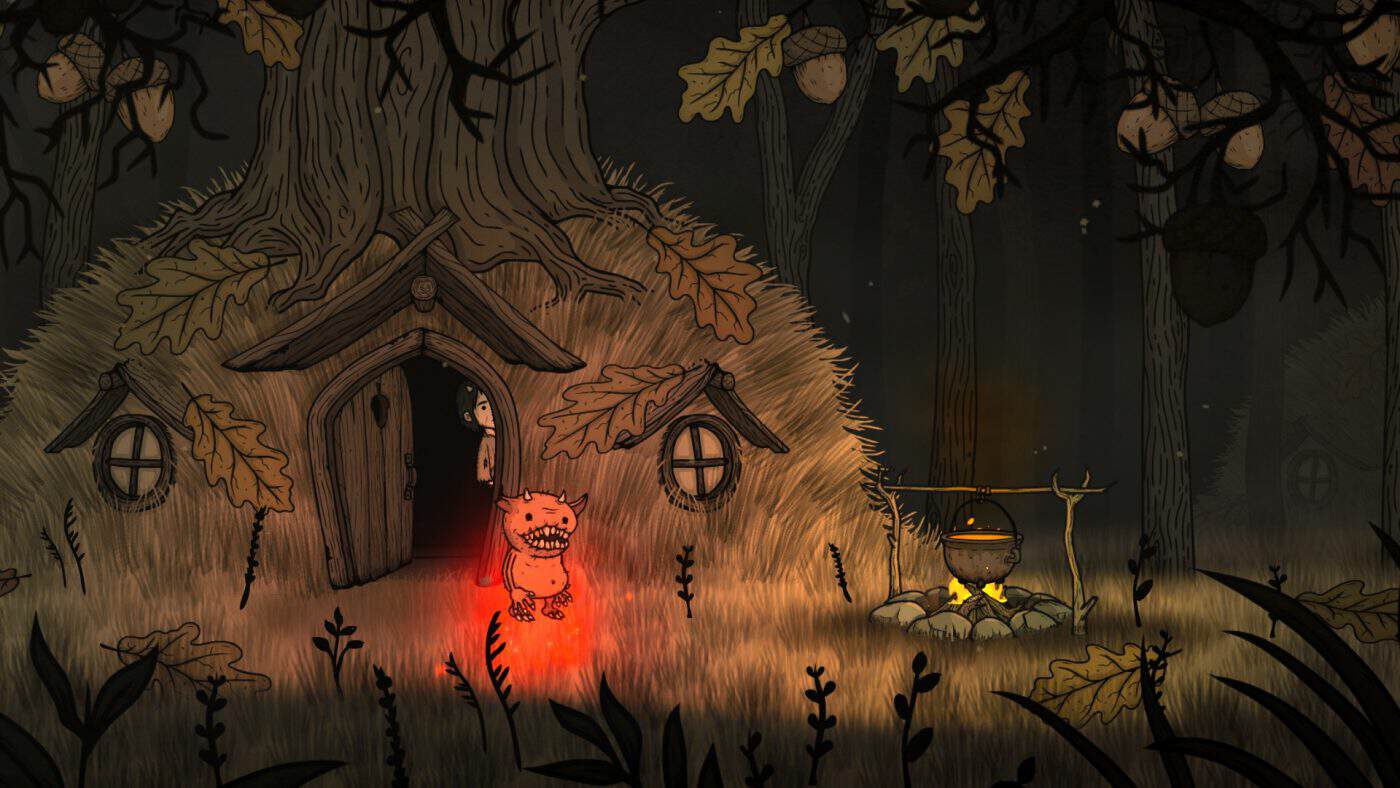
No problem for Blizzy, who has courage and a taste for adventure in abundance. Reckless enough that his fearlessness tips into recklessness, he barely flinches at anything – or almost anything. He’s insolent, sharp, very sure of himself, and precisely because of this he feels no shame in showing vulnerability when grief or helplessness overwhelm him.
Blizzy navigates Hell with the help of Molek, an imp with a fondness for candy – and equally fond of children. Blizzy represents one of those exceptions where getting into this little devil’s good graces not only spares you from becoming a snack, but earns you some valuable advice.
The tone of the story is dry, often pragmatic – especially visible in the ending – though it gains colour and warmth from the narrator’s voice, which punctuates the various sections with philosophical questions and musings. And it’s the right register, if not the perfect one, for this story.
The story of a hero who doesn’t settle for embodying a symbol or an archetype, and who remains an eleven-year-old boy going to Hell in bare feet.
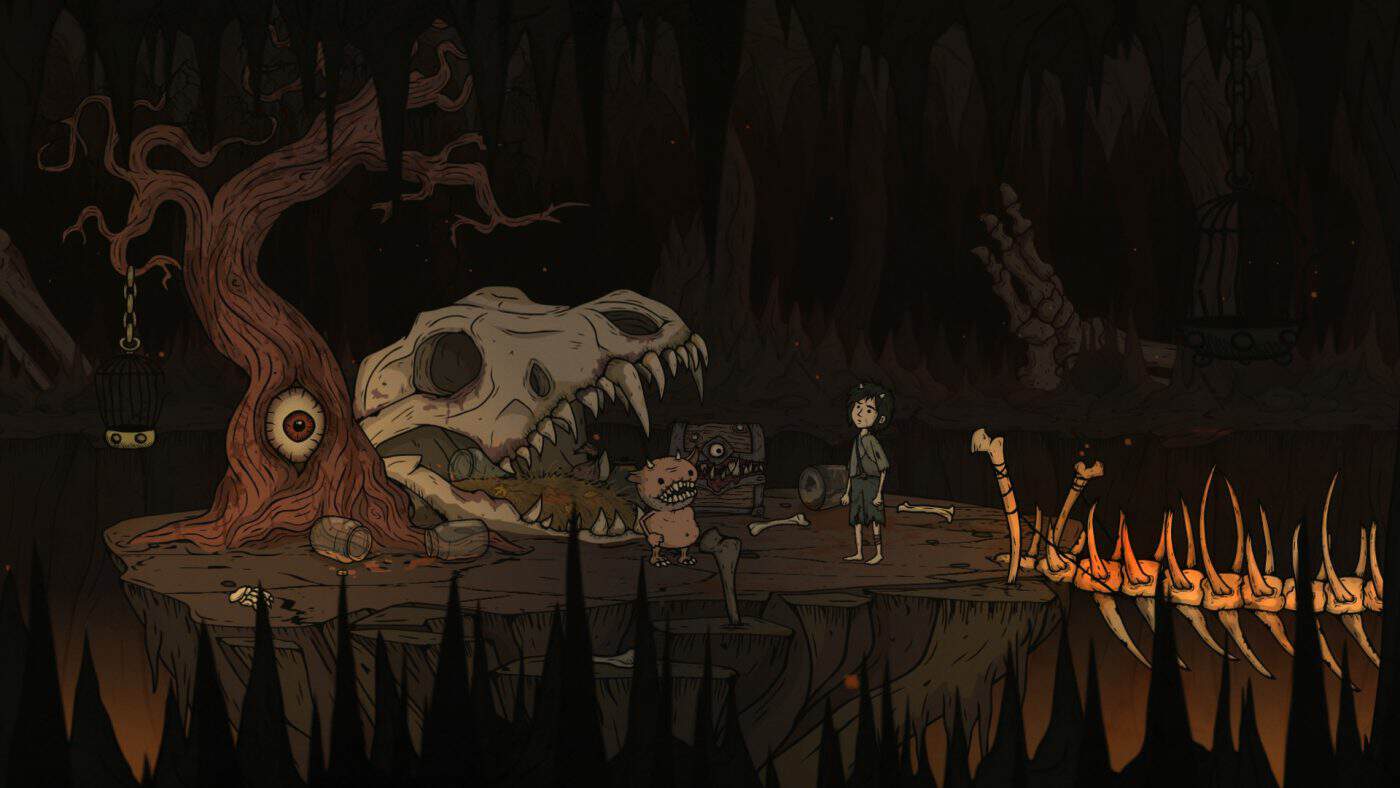
Memorable figures from Hell: the three-dimensionality of the characters
Blizzy isn’t the only one with multiple layers or the only one written exceptionally well – with his sharp remarks, his swaggering manner, and all the humanity that a father, however improvised, improbable, but near-perfect, has passed on to him.
Molek already gives us a preview of what we’ll encounter – or rather, of who we’ll encounter – as Blizzy closes in on his goals.
Adele, who we can consider the first villain but also the first friend in Hell, is an iconic figure.
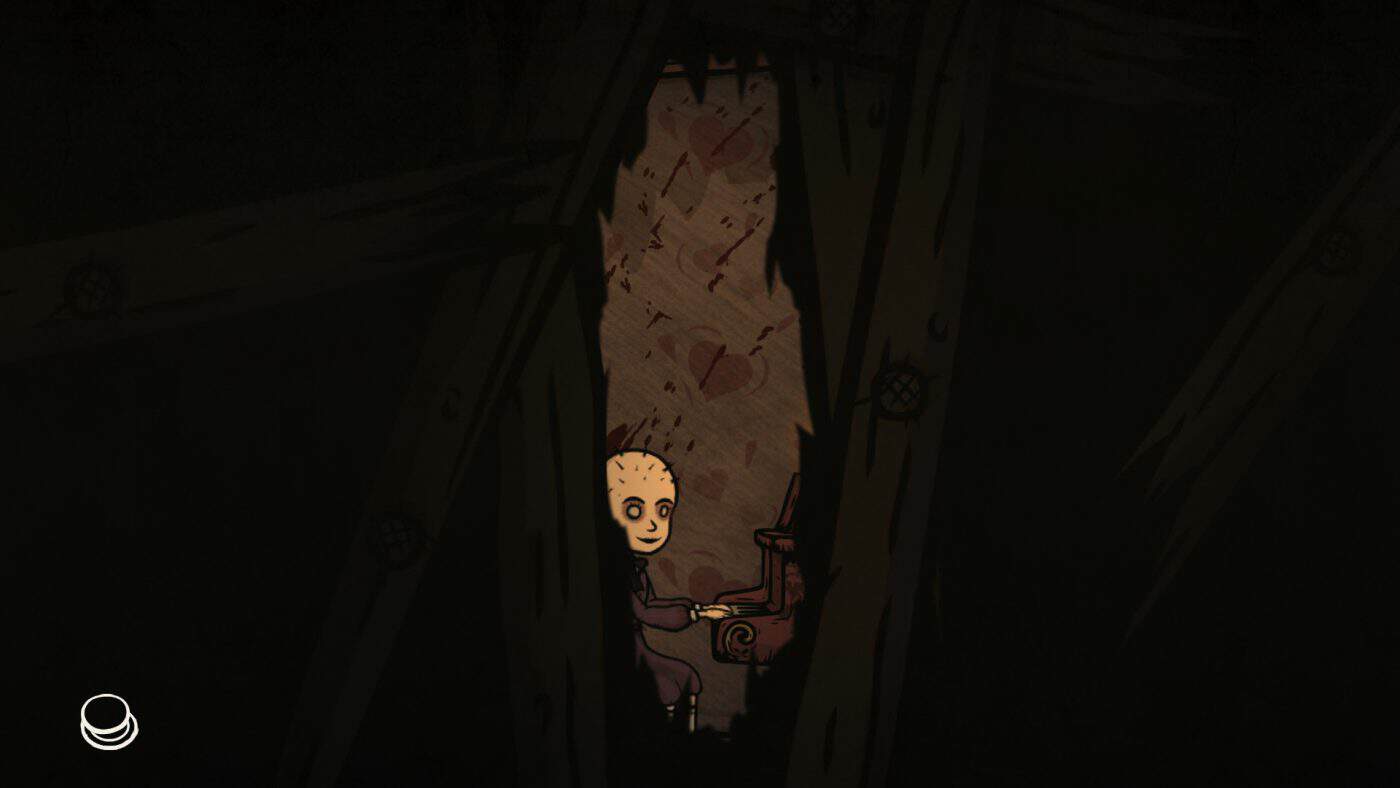
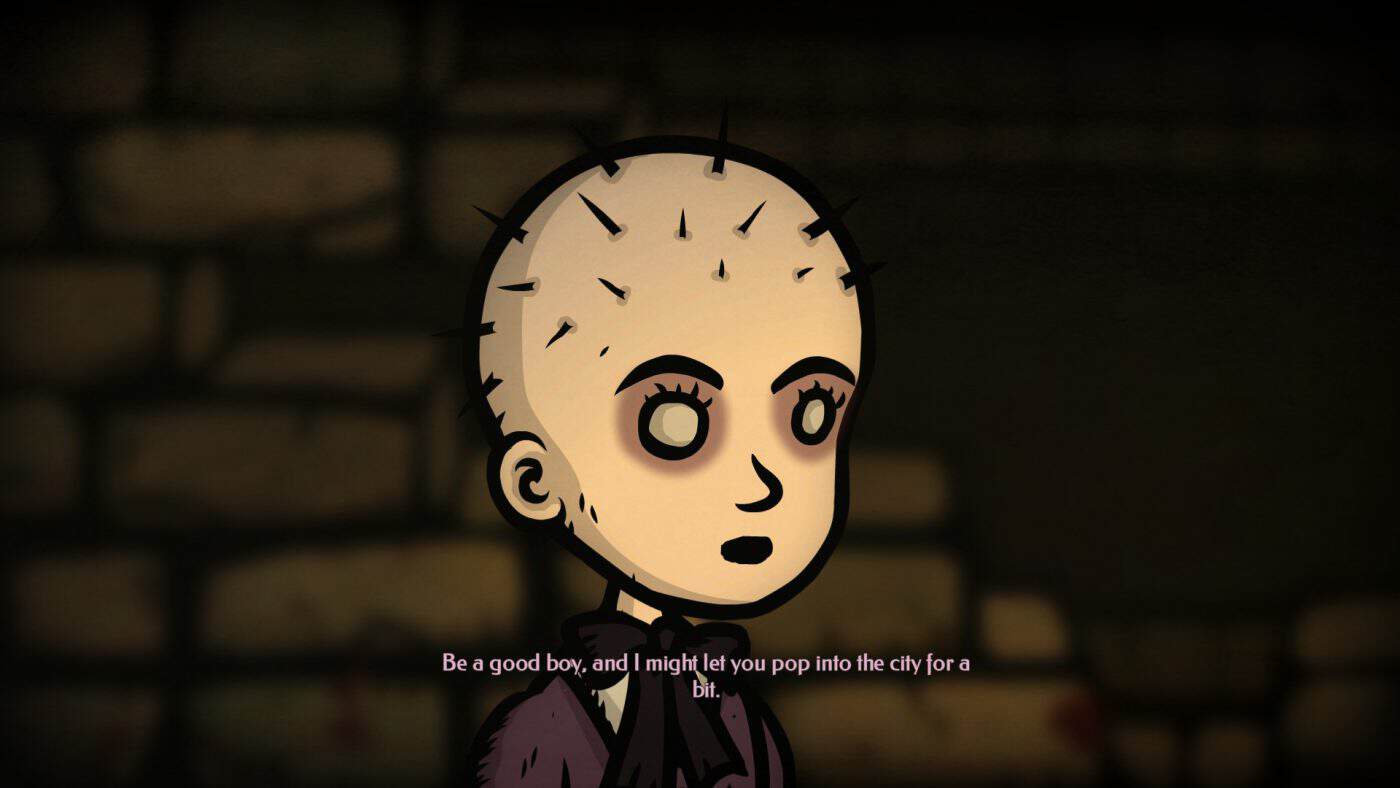
Shaved head, cadaverous complexion, a nineteenth-century violet dress, a bright and melodious voice still carrying a girlish quality. The first time Blizzy meets her, she’s at the piano, glimpsed through a crack in the wall: the wallpaper behind her is patterned with hearts – bloodstained ones.
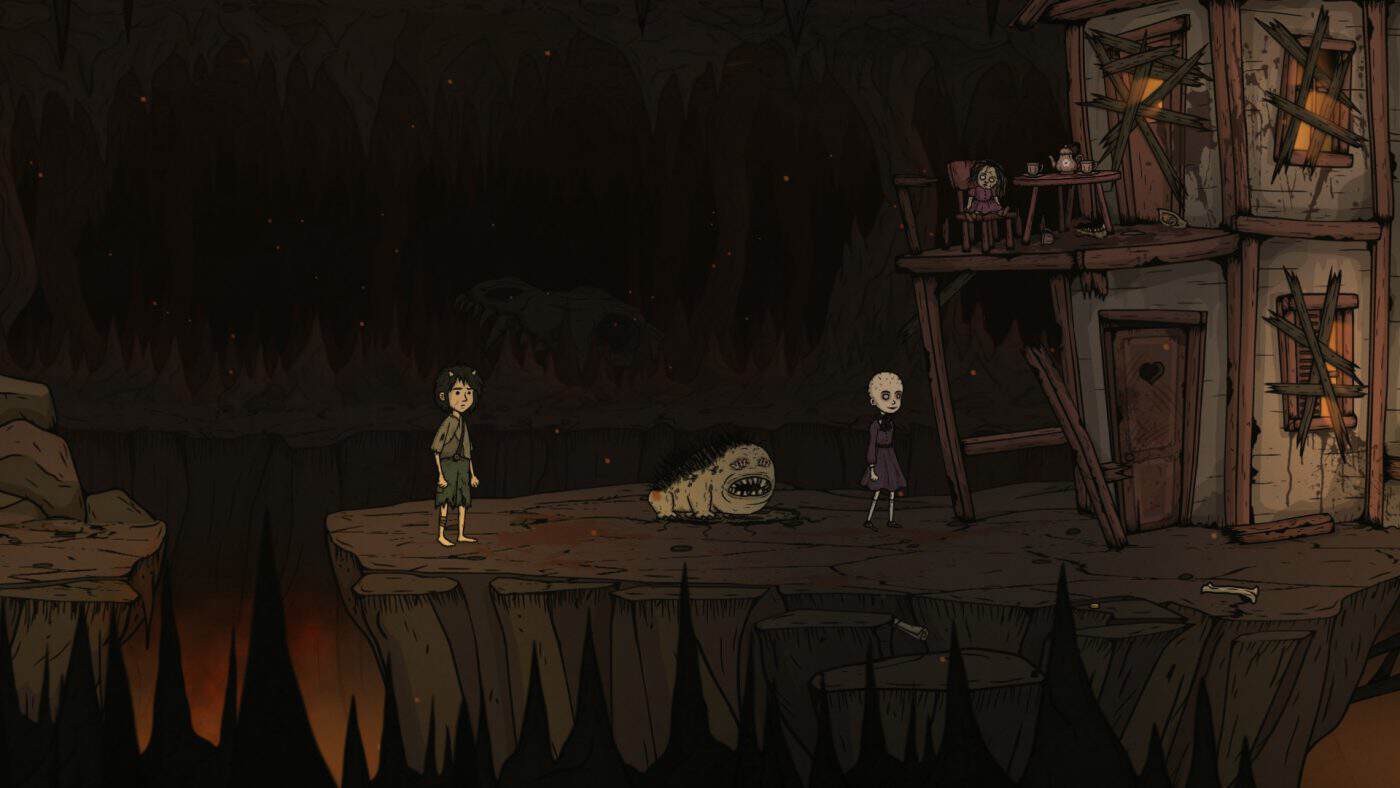
Her register is that of a Shakespearean antagonist. When she stumbles upon Blizzy she exclaims: “You snuck in in without an invitation. Bold. I like it.” She swings from sadistic severity to approval of abject – or at minimum questionable – behaviour.
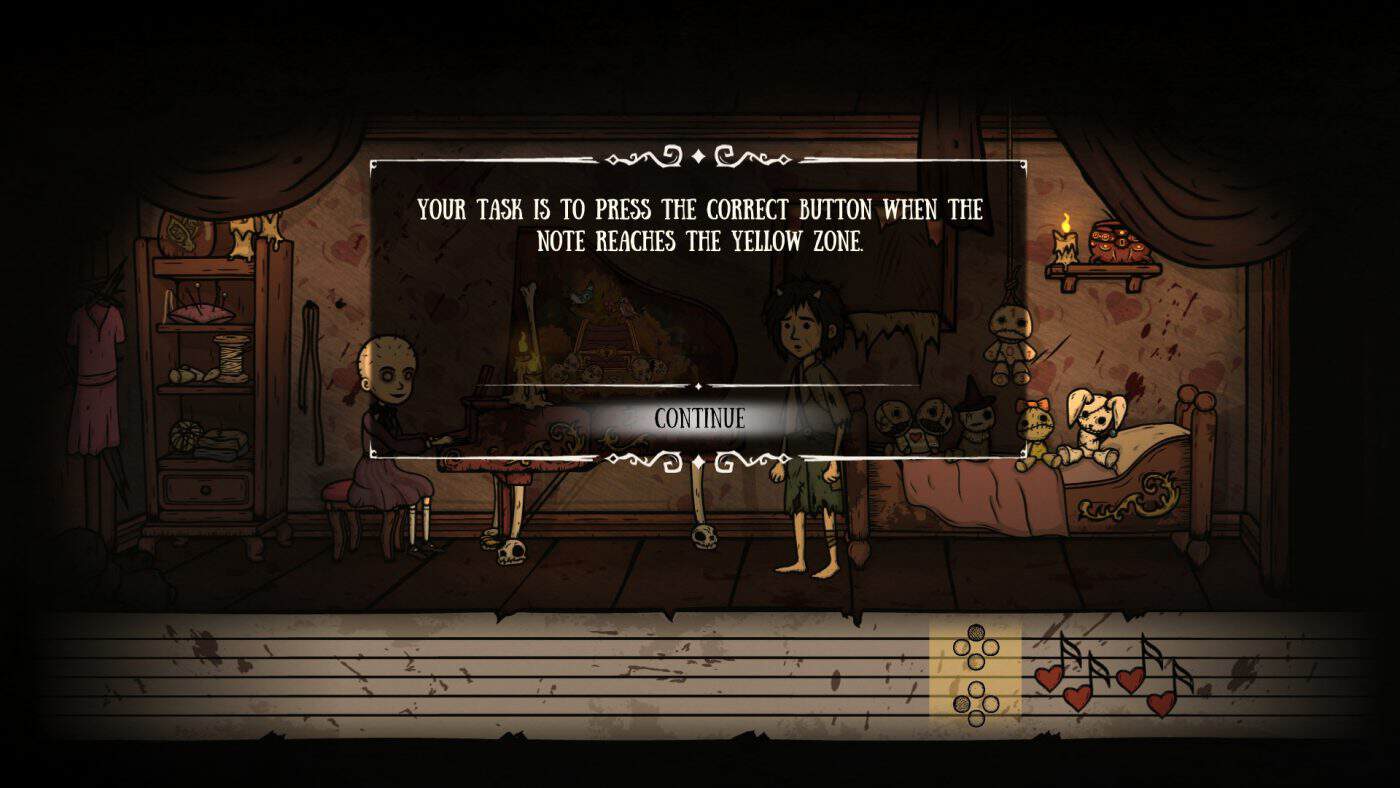
Her oscillation between obsessive tenderness and cold violence is what the game defines as bipolar personality disorder – and it translates this into mechanics: the piano minigame, where Blizzy must reproduce the musical sequence Adele plays, is literally her obsession turned into gameplay. The room where it unfolds has voodoo dolls on the bed, skulls on the floor, shelves stacked with needles and spools of thread. She’s romantic in the most twisted and most genuine sense of the word.
With her faithful “dog” Gavotte at her side, she unsheathes a sharpened tuning fork altogether too readily, driving it into anyone who fails to understand her sensitive soul.
Blizzy is the first to intrigue her enough to keep alive. At least as long as he does as she says.
But let’s move on to another iconic character – perhaps my favourite: Sarto.
“The great couturier! An artist. A true genius. A fanatic. A lawgiver of fashion. But no one ends up in Hell by mistake. Some bury their skeletons in the ground; others keep them in exquisite wardrobes.”
That’s how the narrator introduces him.
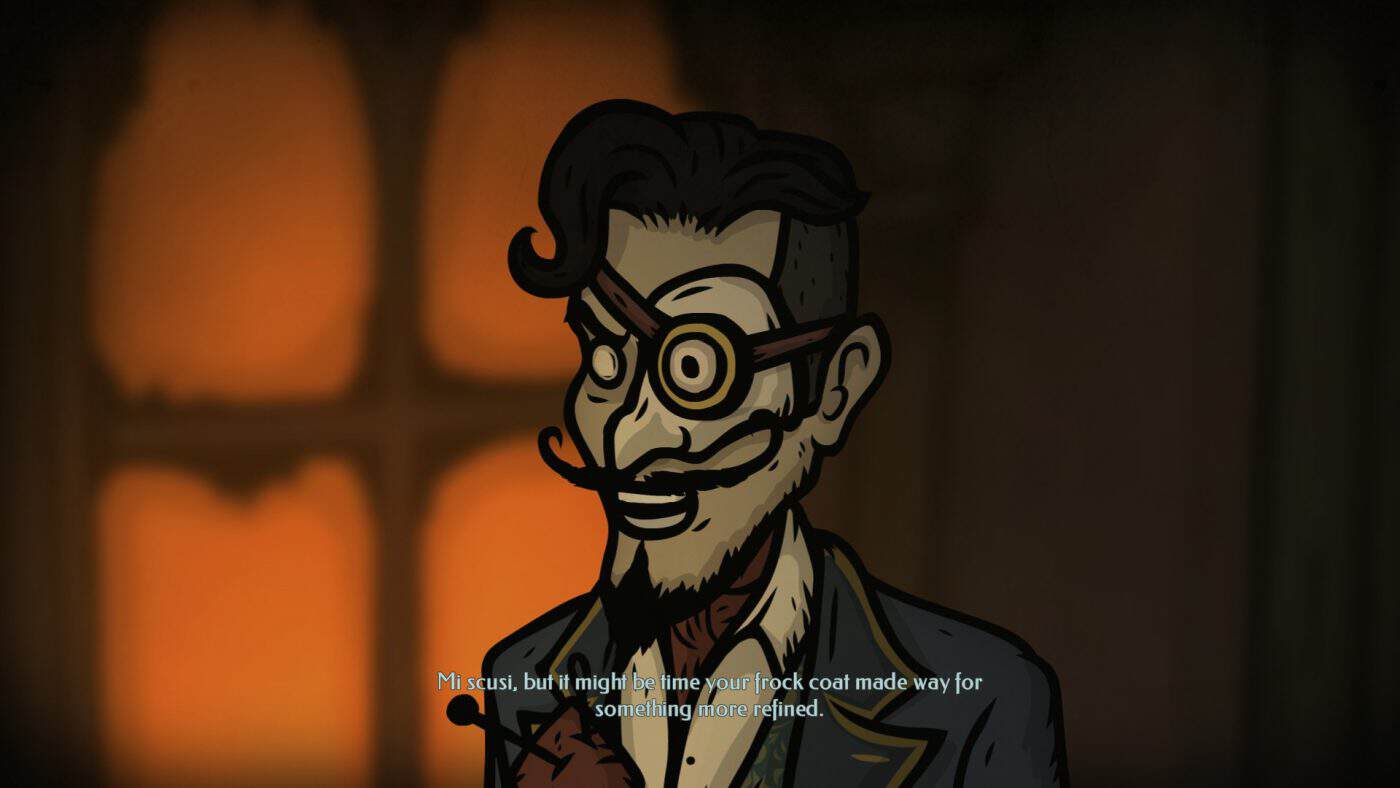
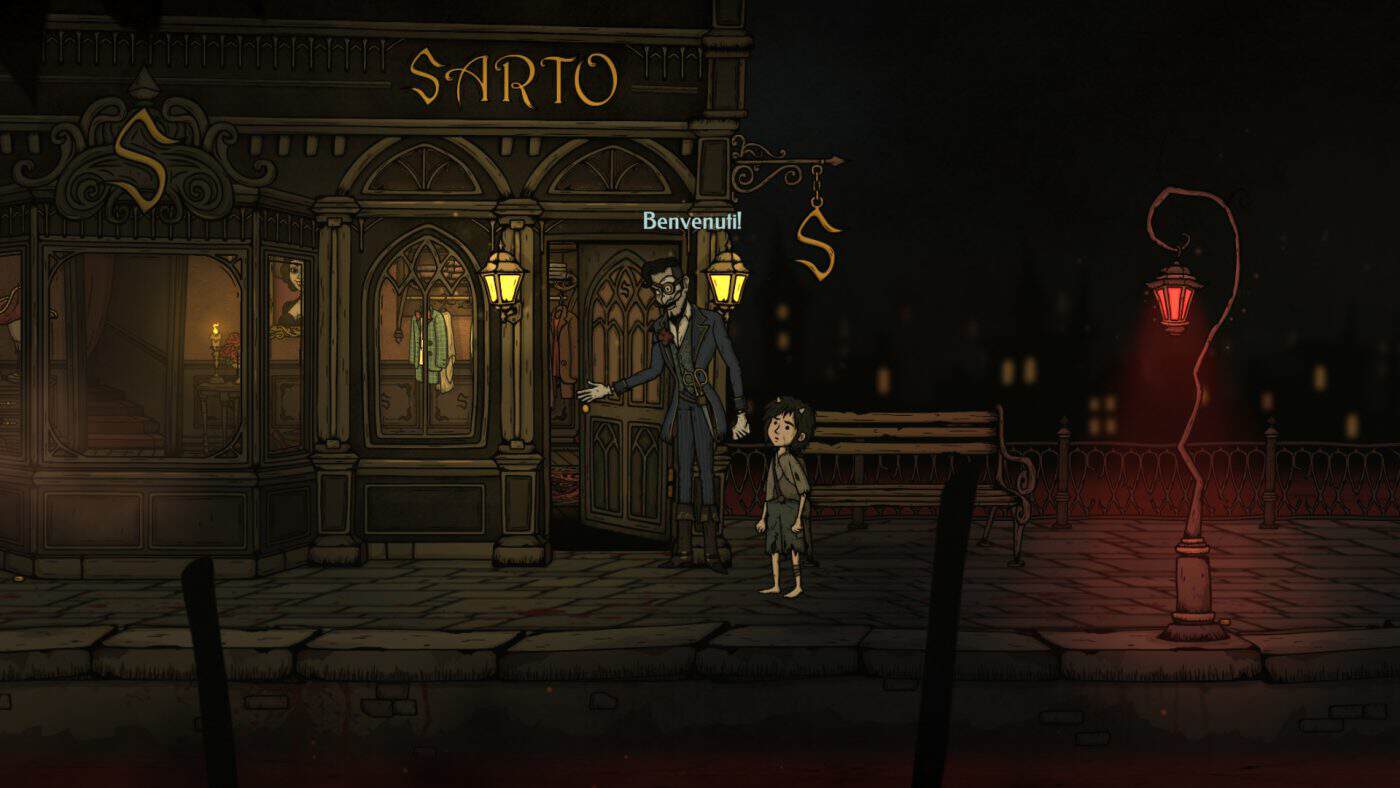
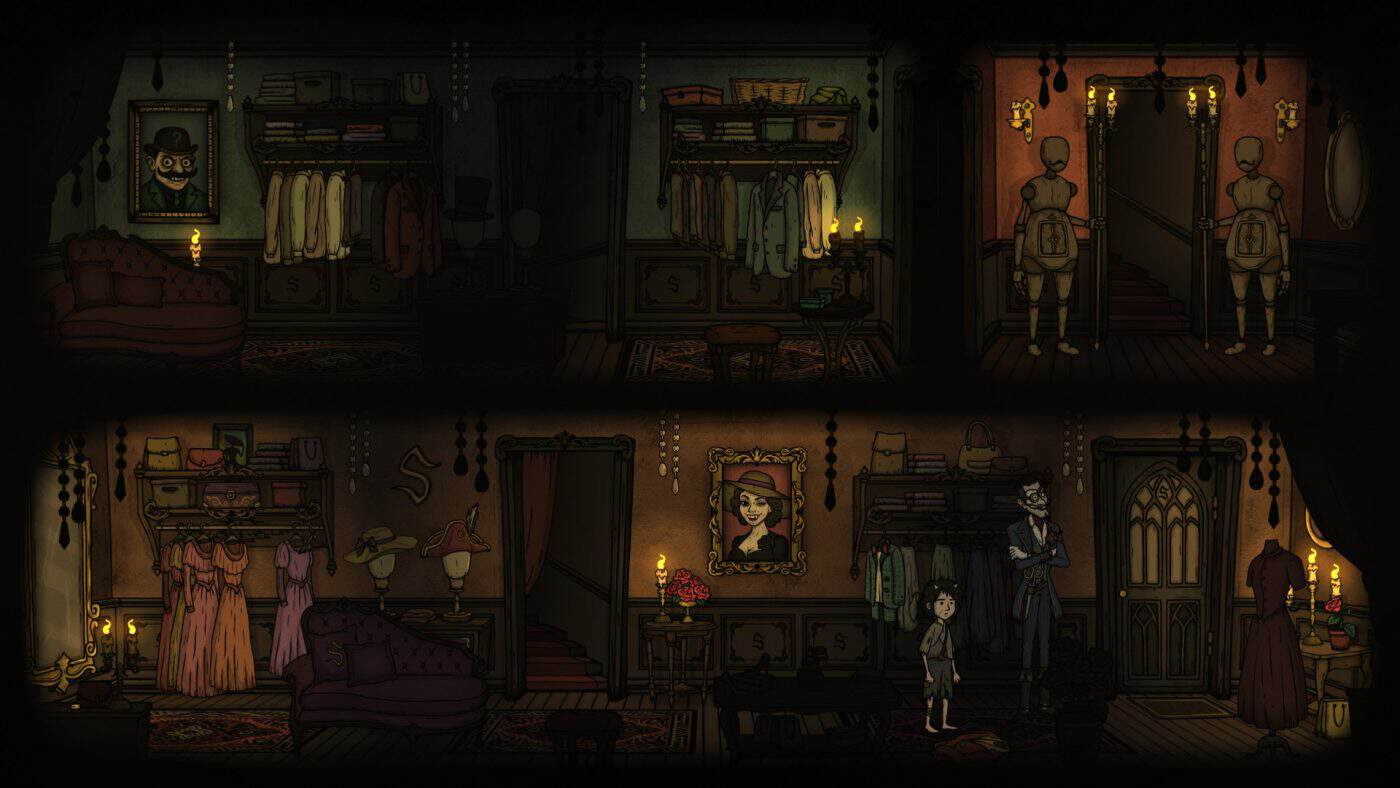
Monocle, waxed moustache, pomaded hair, a blue jacket with gold buttons and scissors always in hand, a workshop with a Gothic golden sign that simply reads SARTO, and a linguistic blend of Italian and Russian that serves as his distinctive signature.
Precise and obsessed with order – his order – he shifts from a smooth, precise, affected voice to a threatening one, all the way to outright profanity. All it takes to tip him over the edge is moving the order of his hanging garments, forcing him to dull his senses with alcohol to recover his composure.
Sarto considers admiration a tribute owed to him, and those around him must acknowledge his genius – otherwise, as with everything in this place, the “remedy” kicks in, meaning punishment. In Sarto’s case: a “special garment.” A control object: a piece of clothing that acts on the wearer’s mind, eroding their will until it disappears entirely.
He calls Blizzy “bambolino” and laces his Russian tirades with outbursts like “stronzo di cane” and threats to make you “spalare via la merda.” I laughed quite a bit.
Creepy Brothers didn’t use Italian as local colour – they used it as precise characterisation, as the key to a character who lives exactly in the gap between his pretension to elegance and his infernal nature.
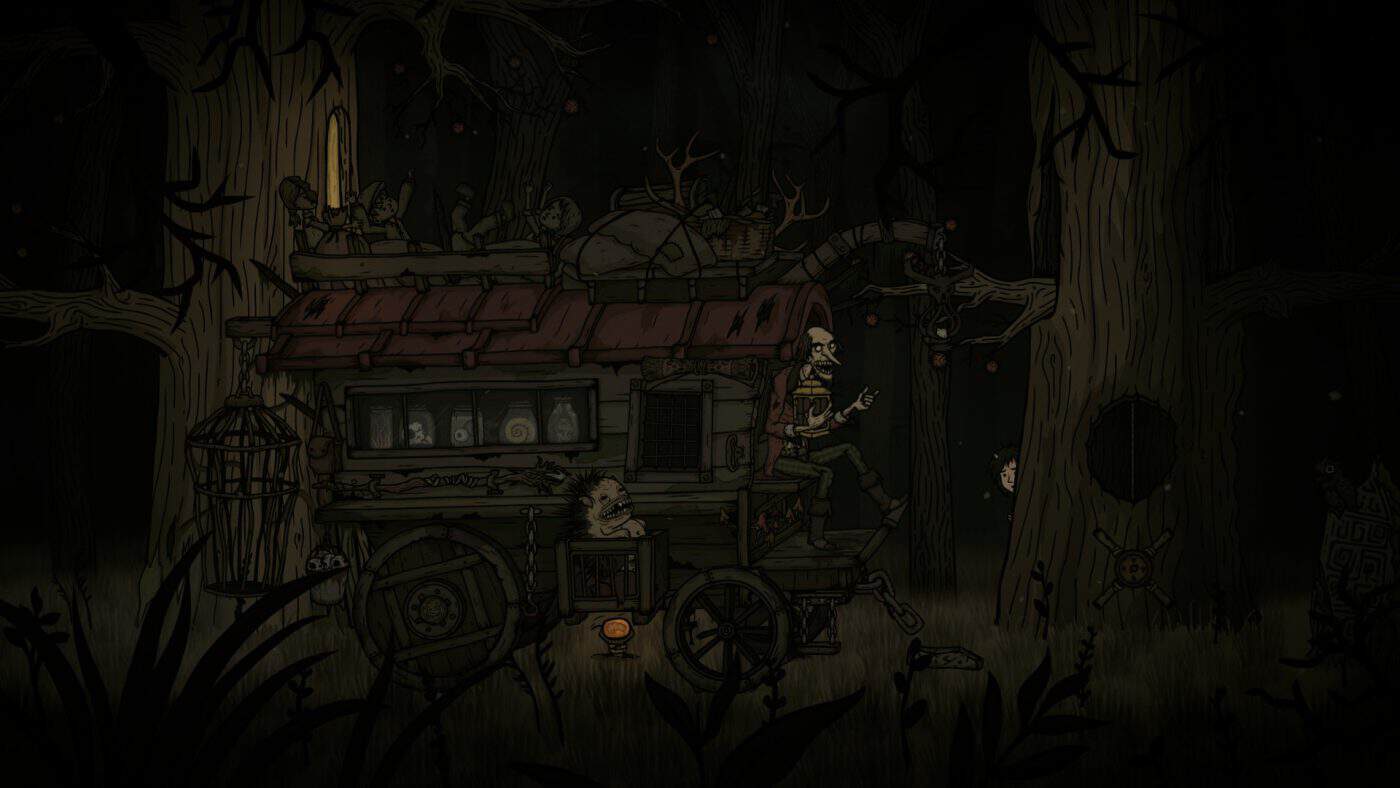
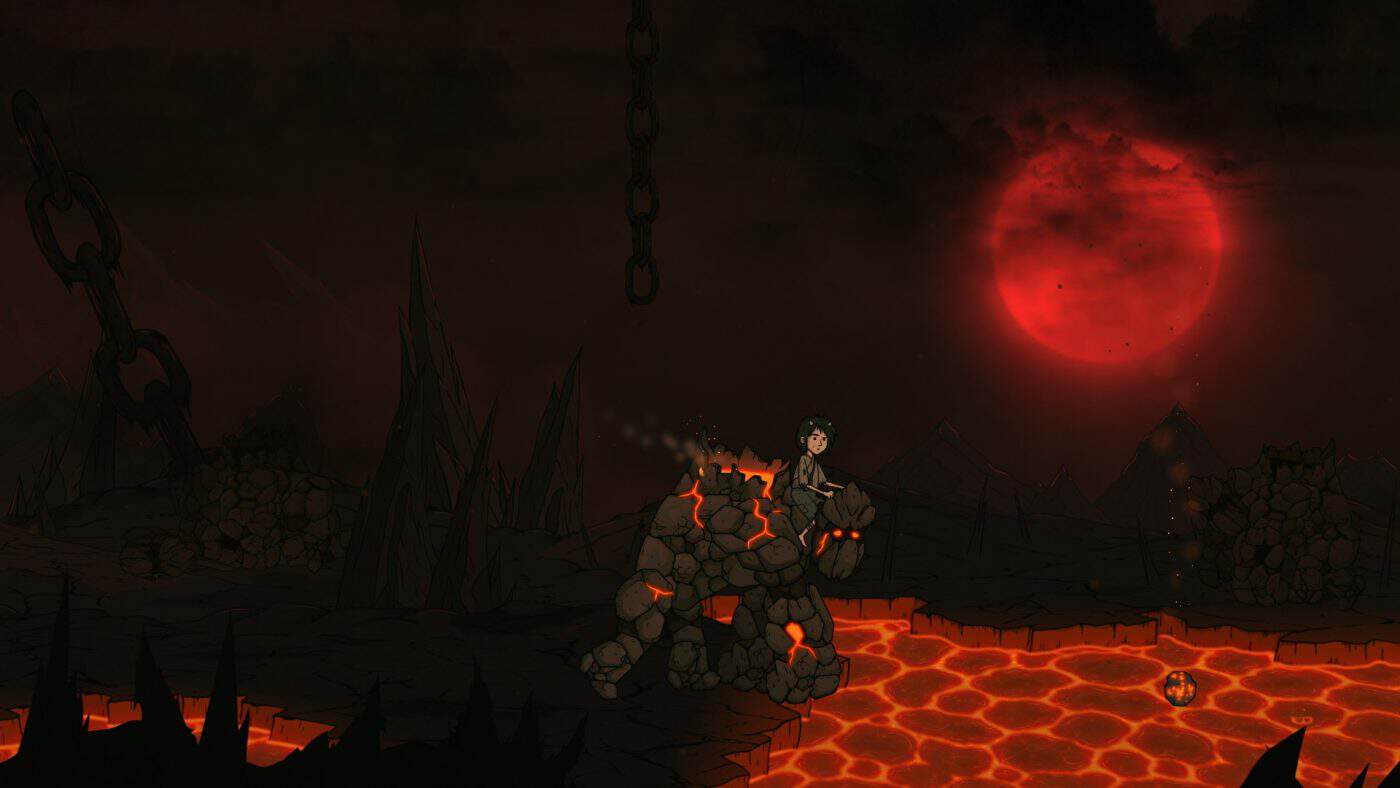
Finally we have Modest, with his cart of dubious curiosities powered by a fire golem, and the princess, whose body the evil entity feared by the Guardians takes over – the one Blizzy should never have released.
Modest arrives presented as the final villain and the princess as a victim of circumstance and the junk dealer’s manipulation – which she is, in fact – but, without giving too much away, Snow Child delivers a pleasantly unexpected reversal.
I can’t leave out Gobbly, a hermit philosopher Blizzy calls “uncle,” who plays a crucial role near the end of the game. Or Gnawer the Wretched, a thorny beast with the job of guarding chests and doors.
Even the talking mirror – home to a pretty blonde girl who starts out a touch too haughty – has its own distinct personality.
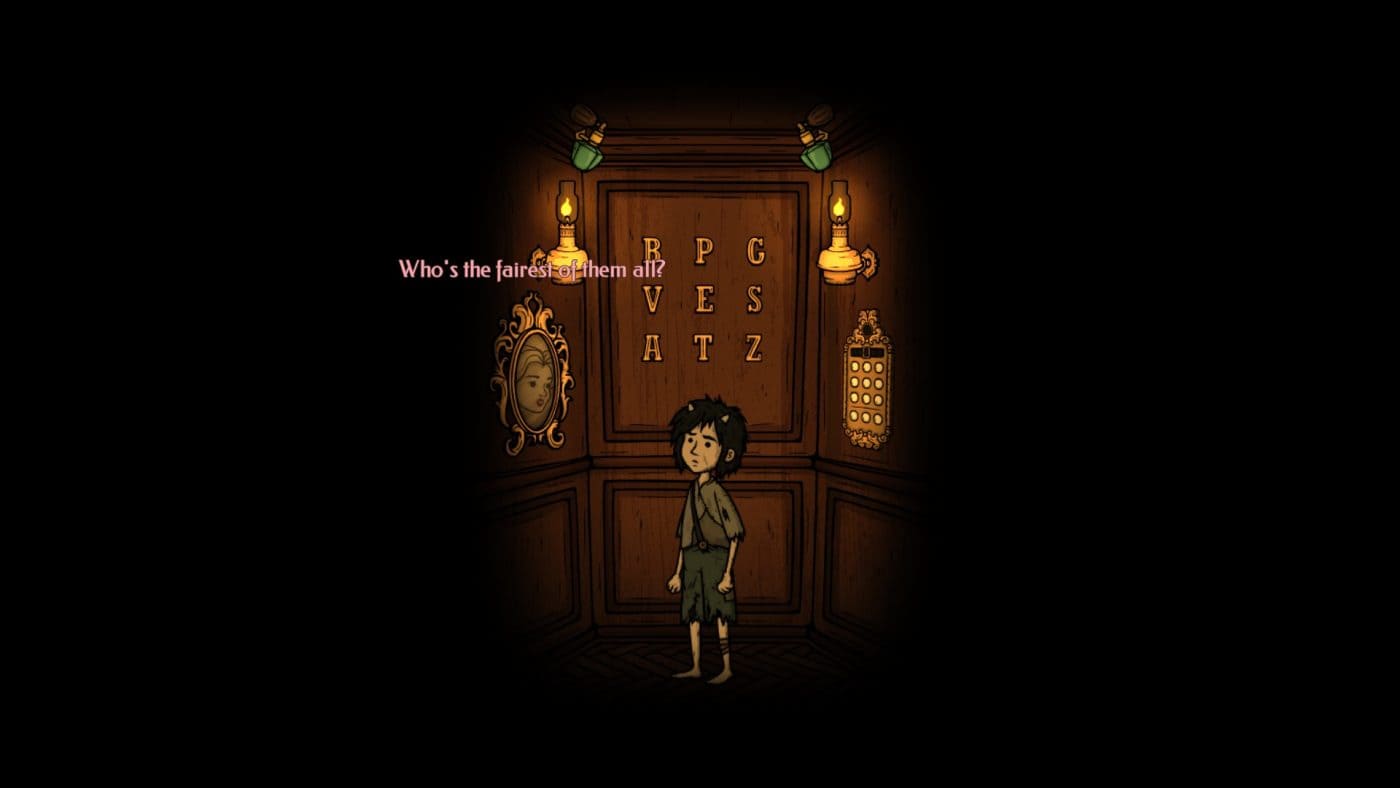
The Venice Carnival in Hell
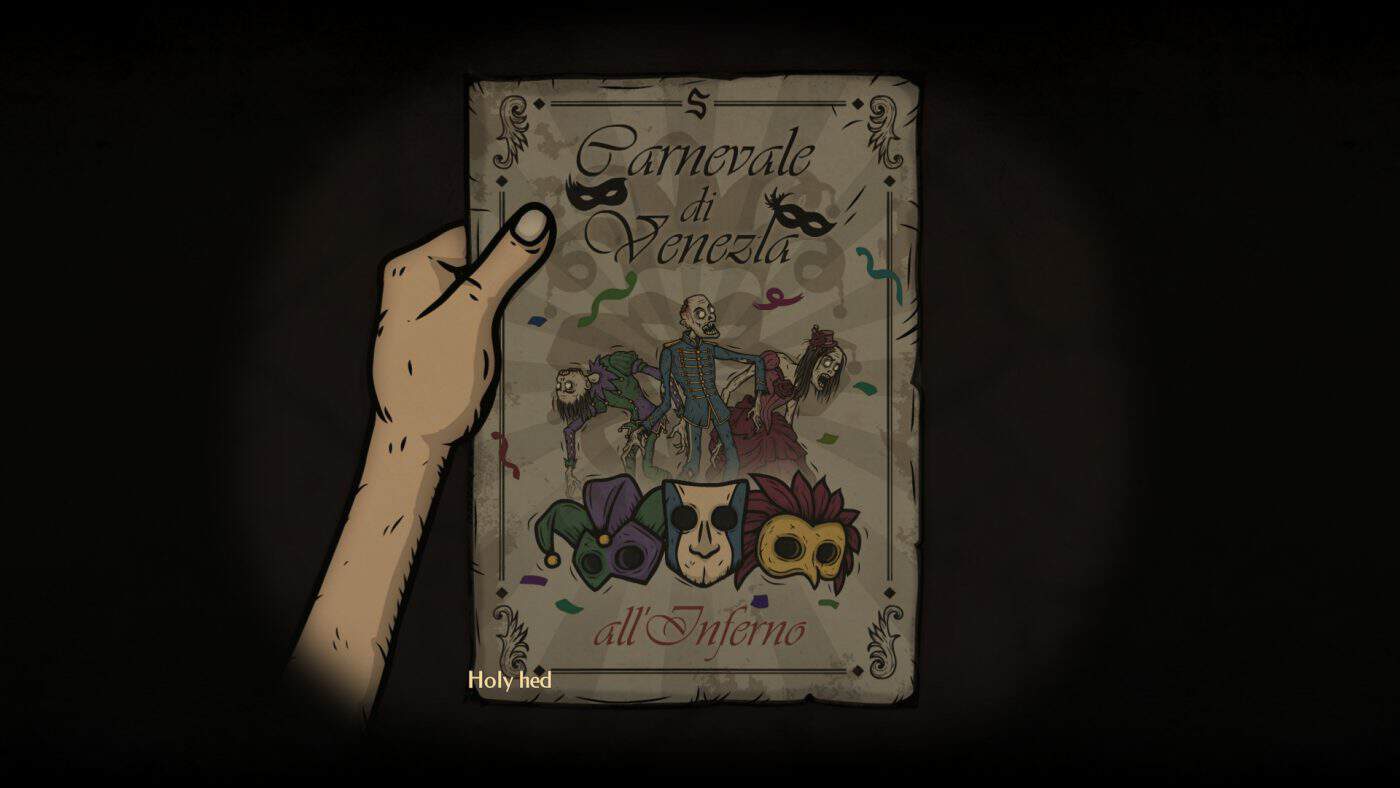
The second act is where Snow Child reveals its most surprising ambition. Blizzy arrives in an infernal city that is, without any possible doubt, Venice, complete with a young gondolier. Lava canals, black gondolas with S-shaped prows, Venetian Gothic architecture, red lanterns twisted like seaweed, and a poster – elegant, calligraphed, nineteenth-century – announcing: Carnevale di Venezia all’Inferno.
This choice isn’t accidental. The entire Venetian section is constructed with consistency and intention. The Russian team built the heart of their infernal scenography around Italian imagery, and they did so with a precision that goes well beyond surface-level citation.
The Carnival masks – Arlecchino, Bauta, Colombina – are in fact zombies, obedient only to Sarto, and Blizzy can slip past them by wearing the right mask himself.
The third act and the connection to previous stories
Snow Child unfolds across three chapters: Lost Child, Hellish Adventures, and Blood Ties.
In the third act, Snow Child reveals the full depth of its narrative structure. What appeared to be a classic hero’s journey opens onto something far more complex: a story of royal blood, betrayal, possession, and identity.
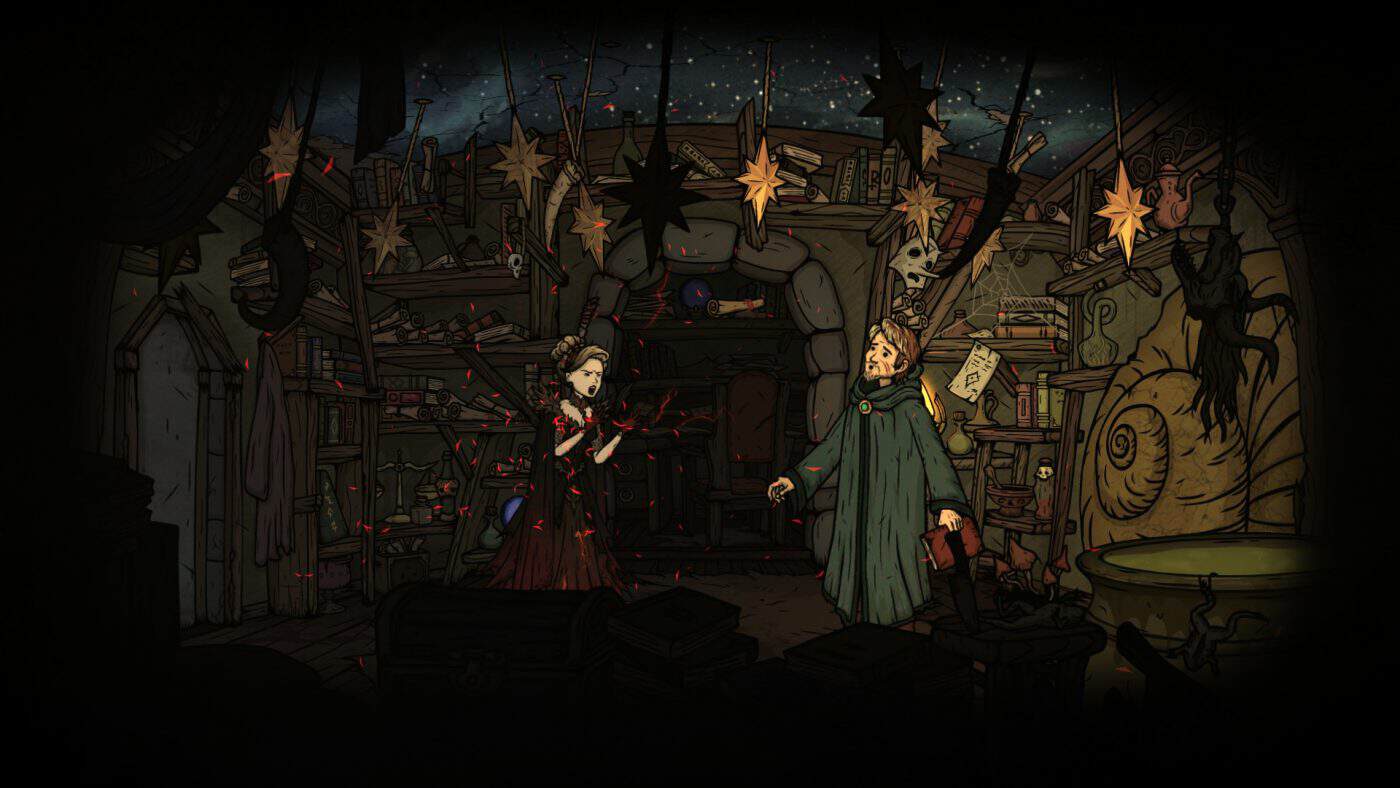
Blizzy’s mother is the aforementioned princess, possessed by the evil entity – the one our young hero, with the help of his adoptive father and uncle Gobbly, must exorcise. She was captured by the kvargs as a sacrifice.
Blizzy’s father – the narrator describes him in terms that exactly mirror Blizzy: “Then your father arrived, young and unafraid” – absorbed the power of the ancient gods to save her. The kingdom proclaimed him a hero. The joy didn’t last. He was killed in the king’s dungeons. The elderly king – Blizzy’s grandfather – declared the newborn dead and abandoned it in the forest for the wild boars. Then he went mad and died.
All of this Blizzy learns on Charon’s boat, on the way back from Hell, sentence by sentence, while sailing across the waters of oblivion. The ferryman of the dead knows every story – he ferried Blizzy’s father too.
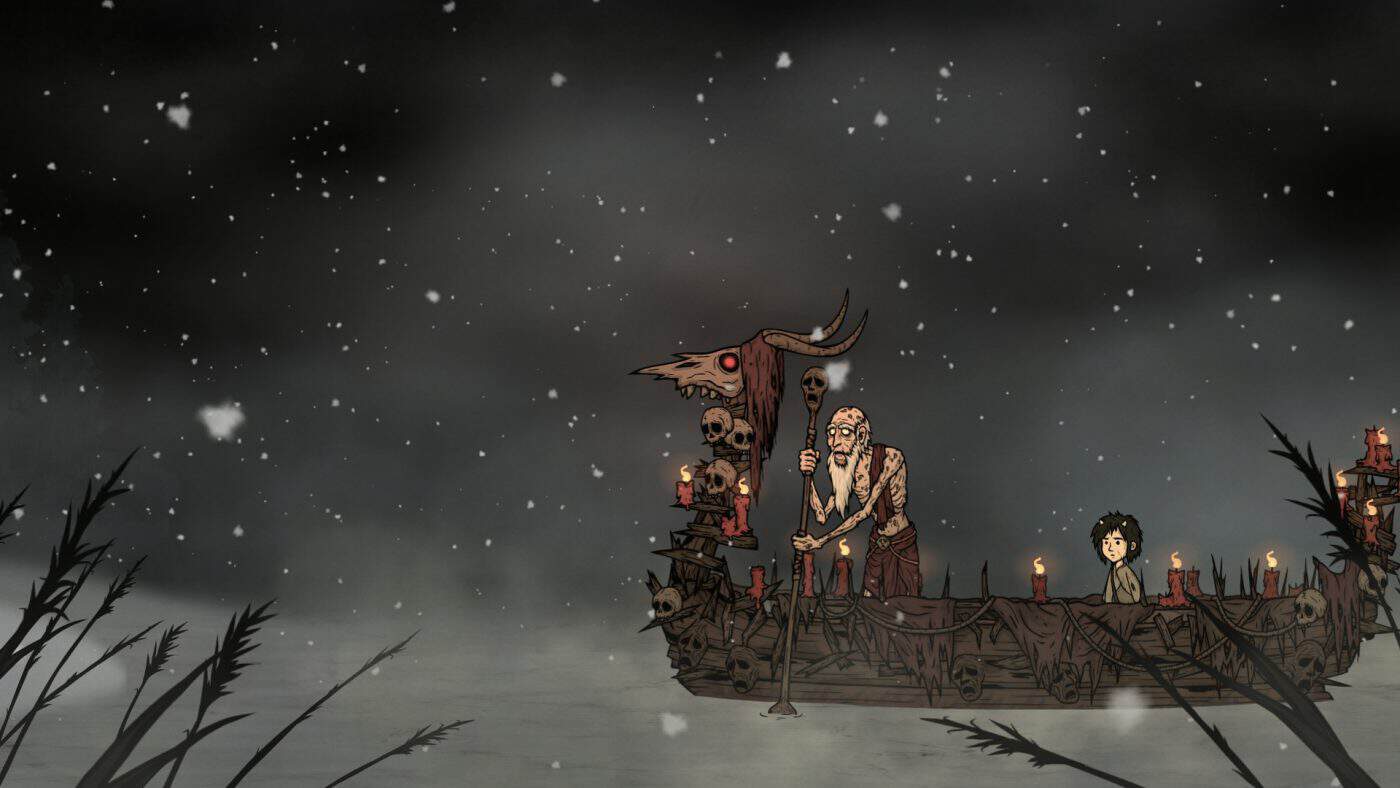
The weightiest revelation isn’t his father’s death, nor the abandonment in the forest. It’s the confirmation of something Blizzy already knew: “I knew. I knew my mother didn’t abandoned me.”
Charon offers no comfort: “Such turns of fate are rare. One cannot say which destiny is worse.” And the narrator closes with one of the finest lines in the entire game: “Much wisdom brings much sorrow. And yet, one always longs to know everything about oneself. The grief born of such knowledge cannot be torn from the heart even if the heart itself is torn out. One must simply learn to live with it.”
Creepy Tale: Snow Child is not a standalone chapter in the strict sense – or rather, it can be played without having touched the previous titles, as the game itself explicitly states – but those who know the series will find additional layers of meaning that enrich the experience further.
The most visible connection is Molek, our gluttonous and sarcastic imp, who had already accompanied Ingrid Penance through Hell. This isn’t just a callback – he’s a character with precise continuity, one who evidently knows the labyrinthine afterlife better than anyone and has developed a certain habit of escorting human children through situations they shouldn’t survive.
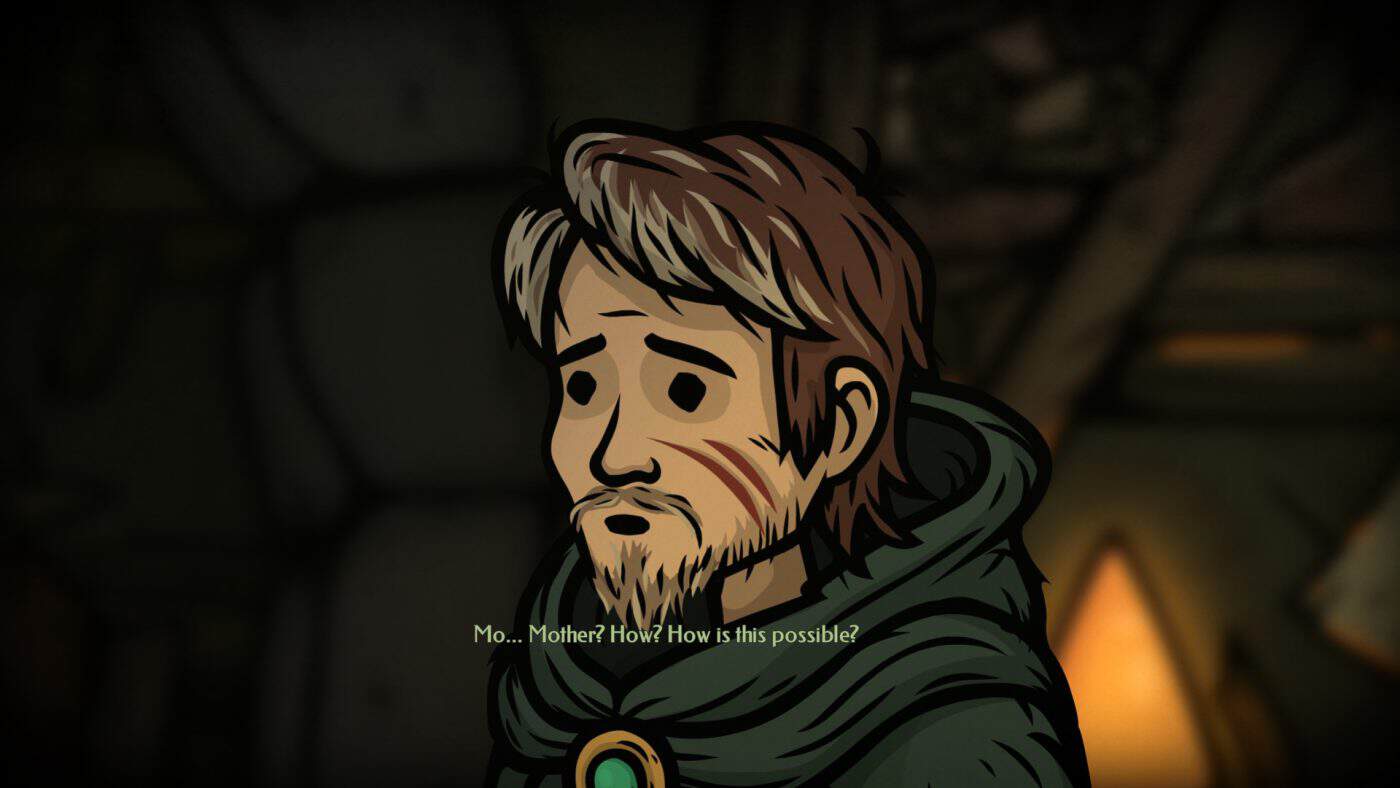
The deeper connection, though, is with Lars from Creepy Tale 2. The narrator invokes him directly before Blizzy’s final choice – “There was once a boy Lars, we believe his name, who said he would do anything for his family. Do you remember his story? He made his choice, the right one, as he saw it. Now, it is Blizzy who must make a choice of his own.”
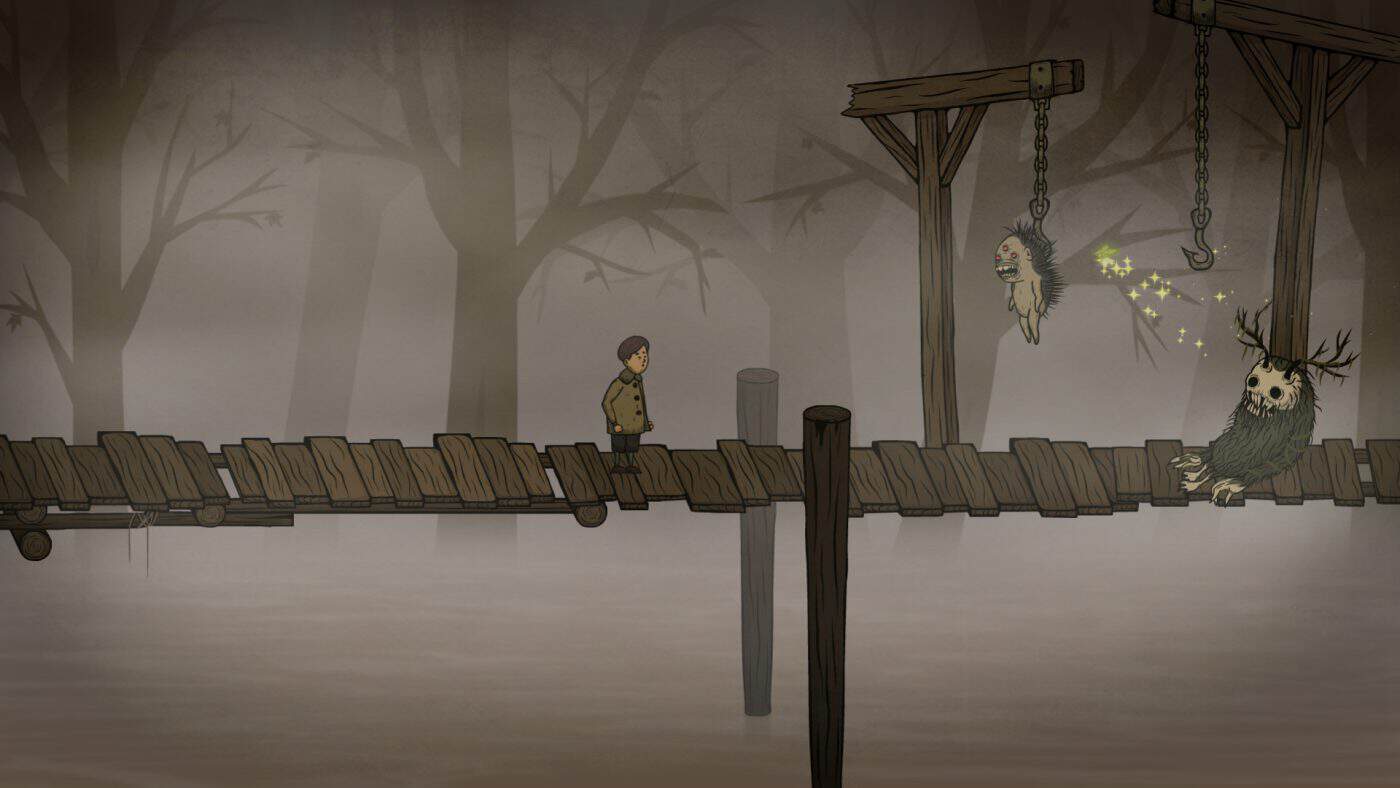
Lars is Blizzy’s father, who is in turn the son of the entity that took over the princess’s body.. His story didn’t end with CT2. He had a mother trapped under a spell, a sister named Ellie whose whereabouts he doesn’t know, and a father killed in the king’s dungeons. Snow Child gathers all these threads and pulls them.
Ellie – abducted in CT2 and saved by Lars – comes up in the mother’s words at the moment of reunion: “And Ellie? Where is my daughter? Does she still live with her father? Or did she marry and leave our lands?” Lars tells her their father is dead. Ellie remains an open presence – perhaps the doorway to a future chapter.
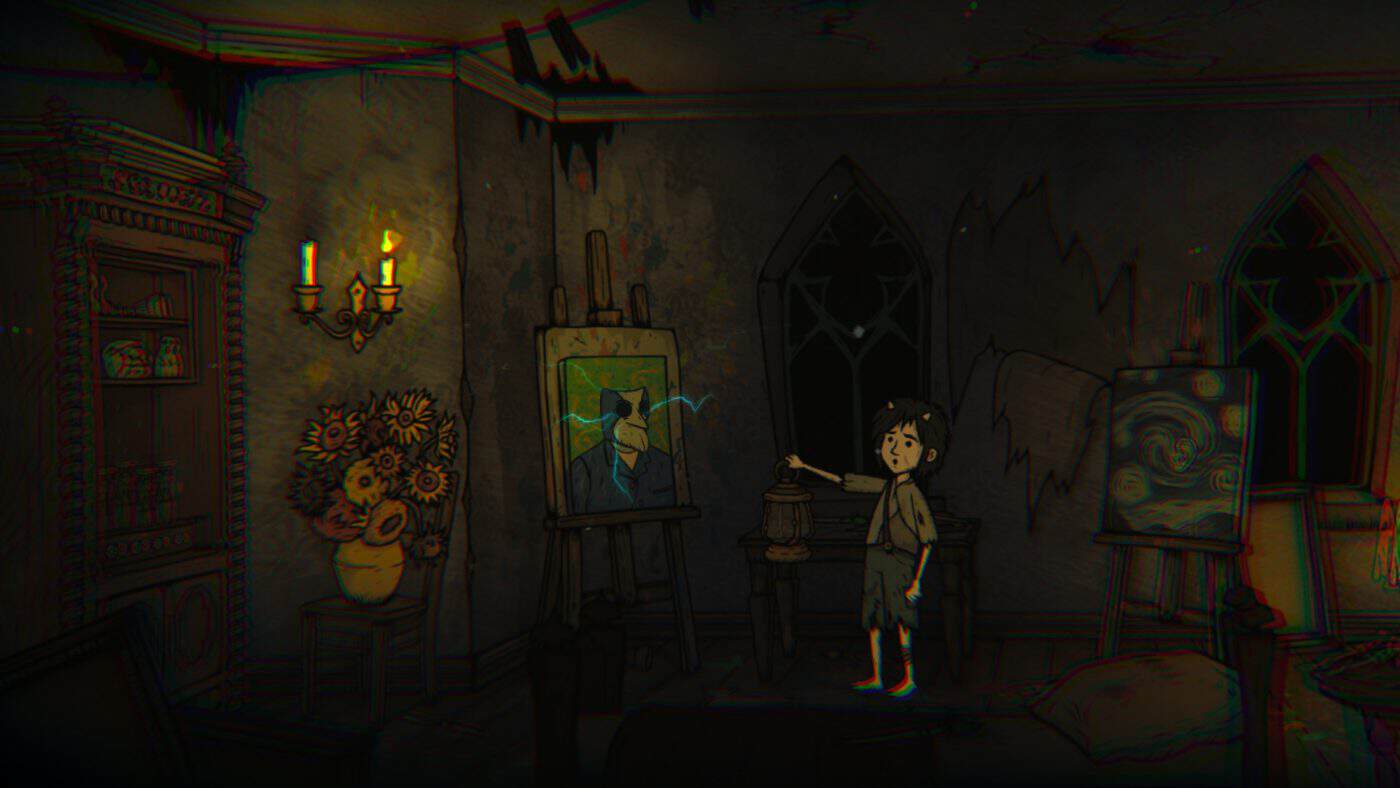
The butterflies – ubiquitous and anything but innocent – are the subtlest thematic callback. In CT1 they were creatures born from parasitism on children, tools of the antagonist’s control. In Snow Child they reappear as a mechanic – the enchanted ones that animate the paintings in the Van Gogh-style studio (another moment where the game soared, for me) – and the red ones that burst from the magic circle during the climax. The narrative function isn’t the same, but the choice isn’t random: butterflies are this universe’s recurring symbol, the sign that something dark and something beautiful coexist.
Critics have often described the Creepy Brothers series as anthological – chapters bound more by shared atmosphere and sensibility than by plot. Snow Child revises that reading: there’s a universe under careful construction, with precise callbacks and threads left deliberately open, and the impression is that Creepy Brothers are building towards something larger than any single chapter allows you to see.
Values and the authenticity of relationships: the themes of Snow Child
I didn’t dig into Furry‘s character in the section on individual figures because he deserves his own space – one that also connects with the themes I drew from the game.
The dynamic between adult and child, and everything that flows from it, comes through with precision, irony, and occasional tenderness. Hell represents hierarchy in its most classical form: those who command and those who submit. In the forest, by contrast, the dynamic is one of example and guidance – no impositions. Blizzy, though only eleven, receives respect and recognition, even as care and attentiveness remain a constant presence around him.
Furry, in fact, is a Dad with a capital D. No blood tie, not the faintest physical resemblance, and yet he does everything a parent ought to do: he educates and nurtures with love.
He uses these exact words: “To me, you’re my son first and foremost. I never cared much about all that spirit business.”
For his part, Blizzy – despite his need to discover his origins, and above all to find his mother – will never sideline or call into question the role of the one who raised him and gave him the tools to survive Hell itself.
The importance of an authentic parental bond, not necessarily a biological one, is in my view the most significant message in this story – but there’s another, which I find equally courageous and worth underlining: the renunciation of external validation in favour of staying true to one’s own ideals.
It’s Blizzy’s final choice to follow his instinct and honour the values he’s learned that ultimately brings him the very validation he considered neither necessary nor desirable.
A gameplay matryoshka
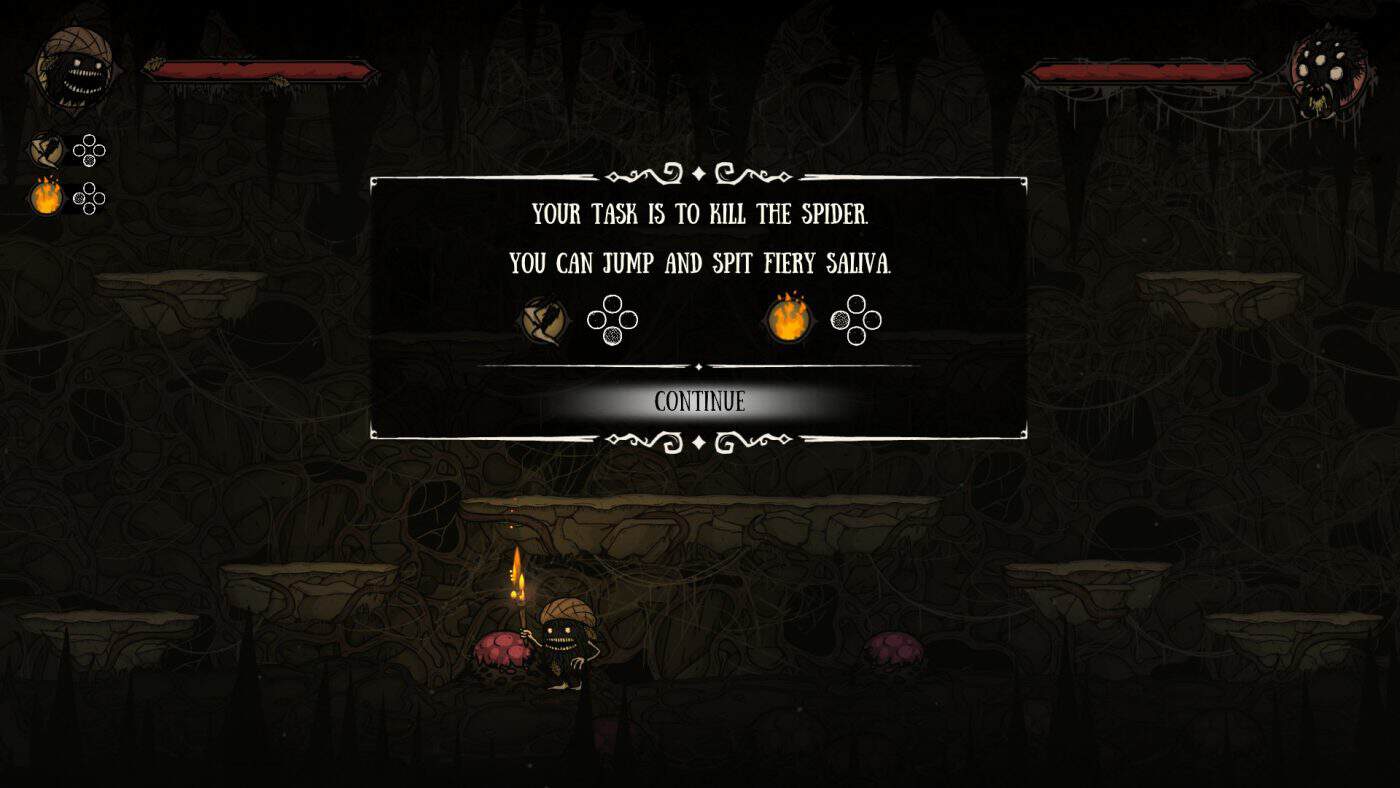
Snow Child puts more on the table than one might expect from a title of this scale: stealth, environmental puzzles, platforming sequences, quick-time events, combat. The surprise isn’t the quantity – it’s that each element exists for a precise reason, one more often tied to what’s happening in the story than to the need to vary the pace.
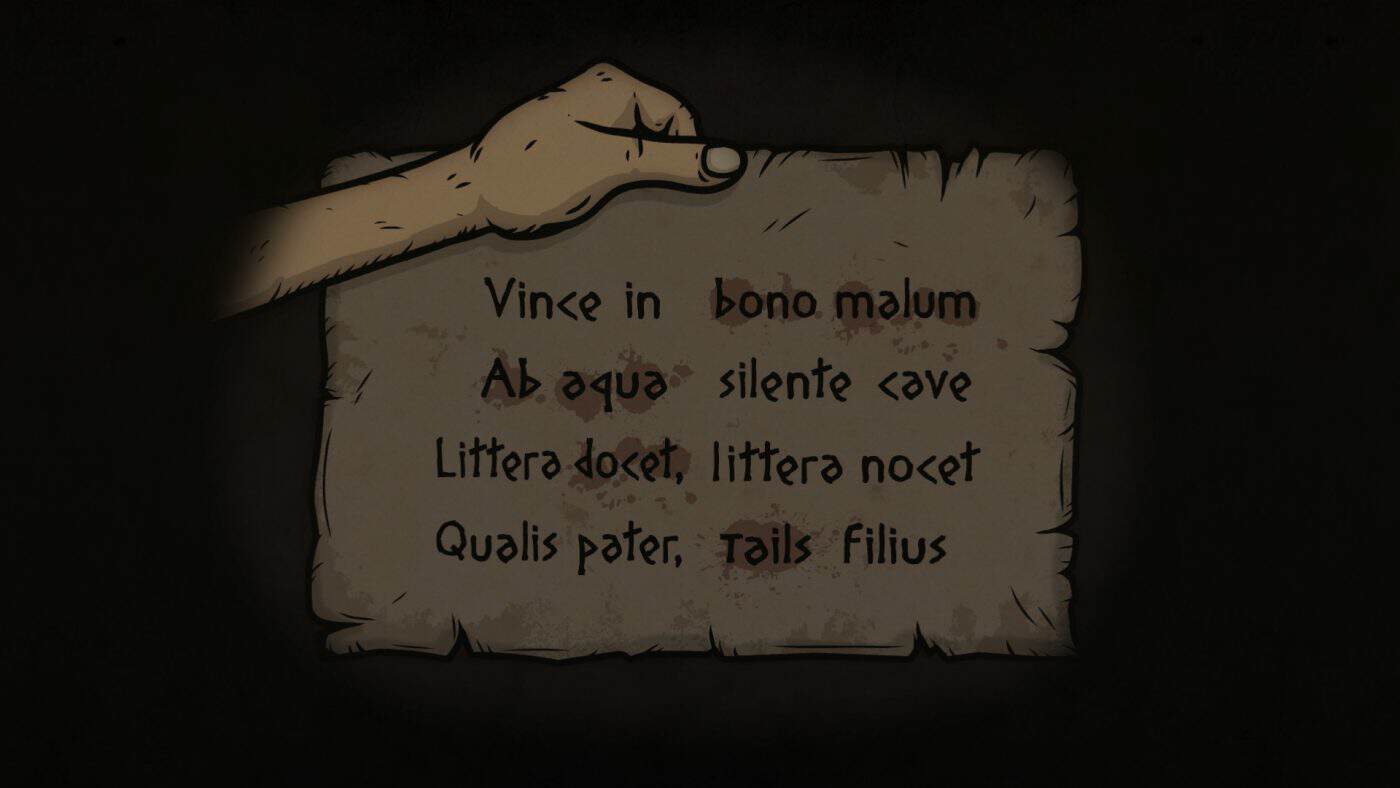
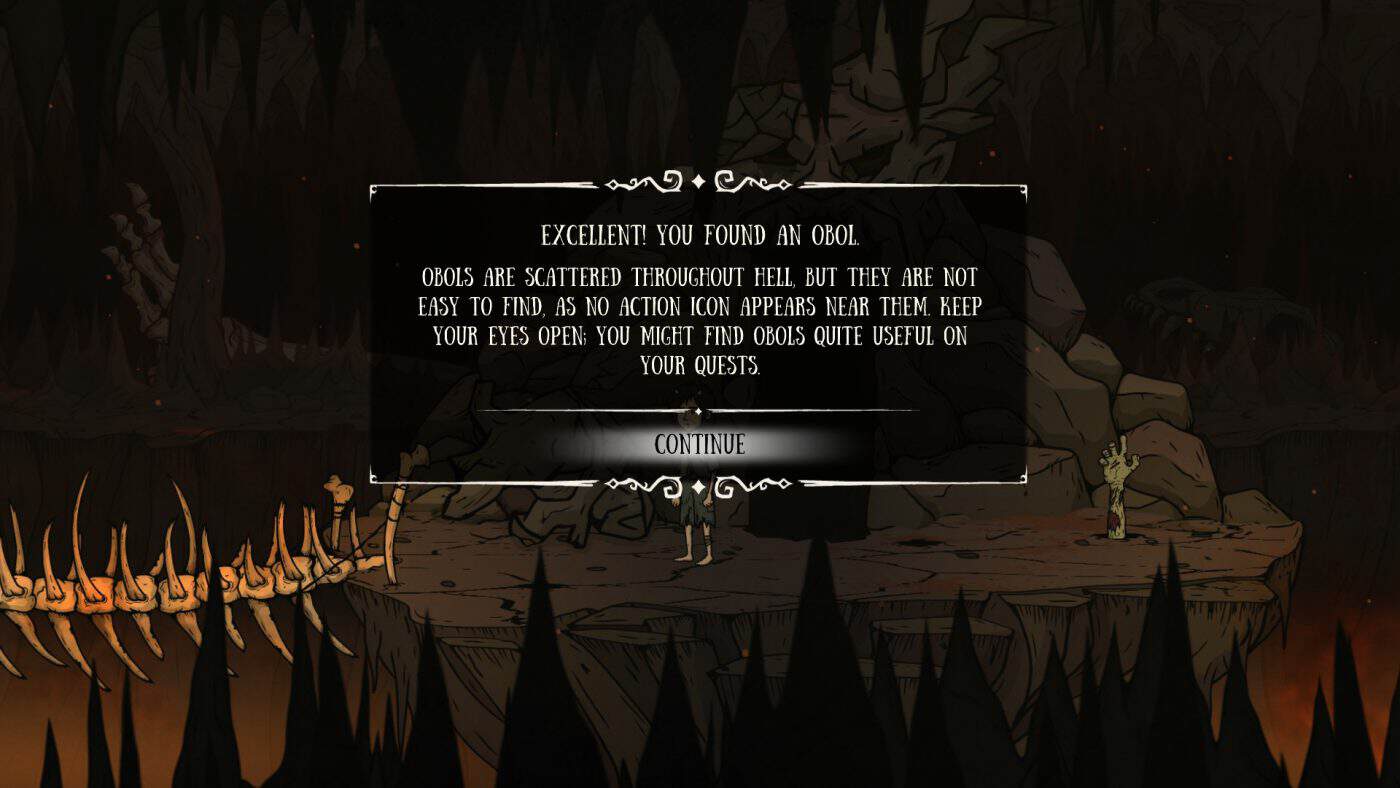
The puzzles are the most demanding part. The clues can tip into the cryptic side at times, and the importance of collecting unmarked obols carries no graphic signposting – easy to overlook and worth watching for. The difficulty isn’t negative frustration: it’s the kind that invites you to look around more carefully.
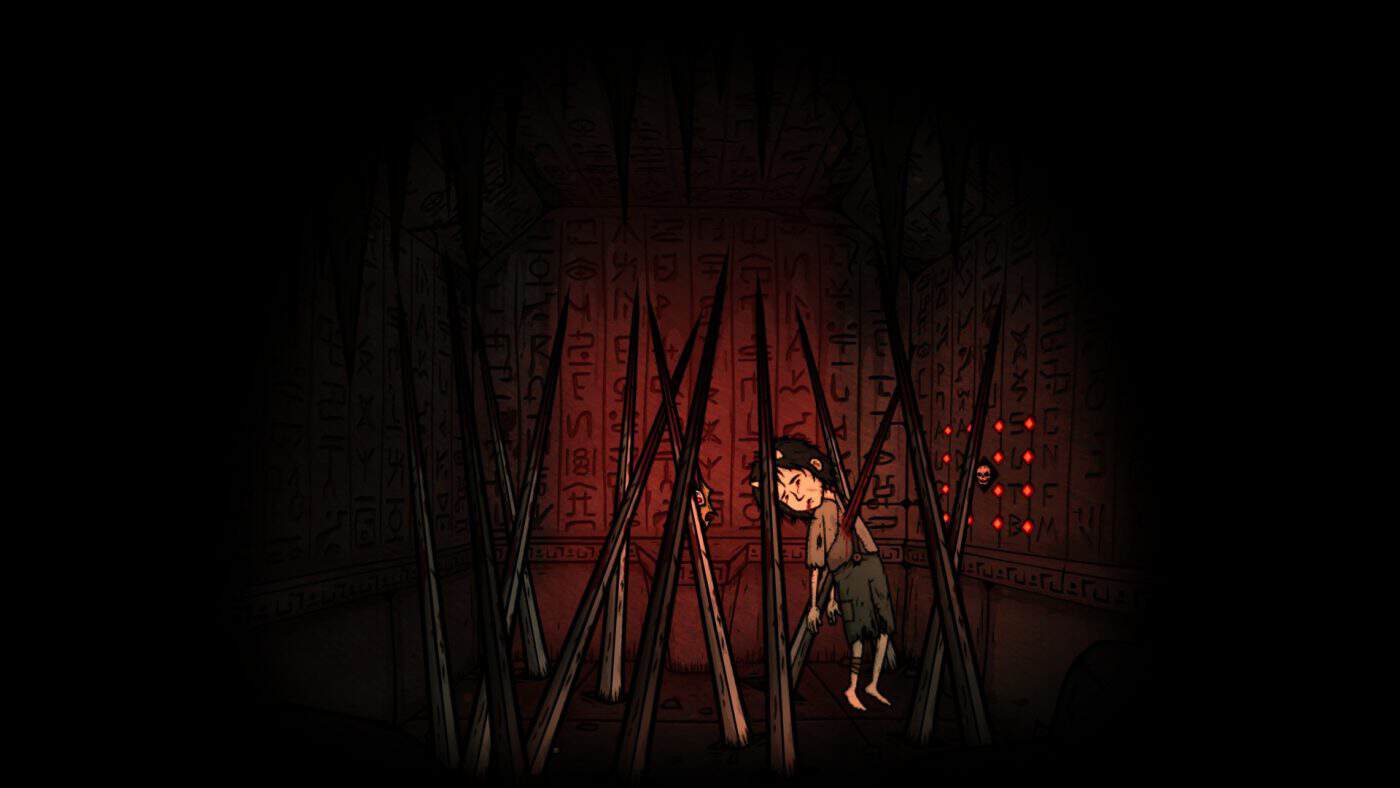
The platforming sequences are solid, and for a player with even minimal experience they flow without friction. The stealth works because the game never forgets that Blizzy is a child and the threats are real.
The quick-time events recur in several forms: object throwing, fishing, a rhythm-game musical challenge that asks you to hit notes at precisely the right moment as they travel across the screen. This mechanic, introduced as an isolated exercise, returns in the final sequence in an entirely different shape – during the boss exorcism, alternating with combat phases in which Gobbly recites the ritual formulas and Furry fights to protect him and Blizzy from zombie attacks. The game adds nothing new: it takes what the player already knows and puts it under pressure, turning a skill mechanic into a scene with genuine stakes.
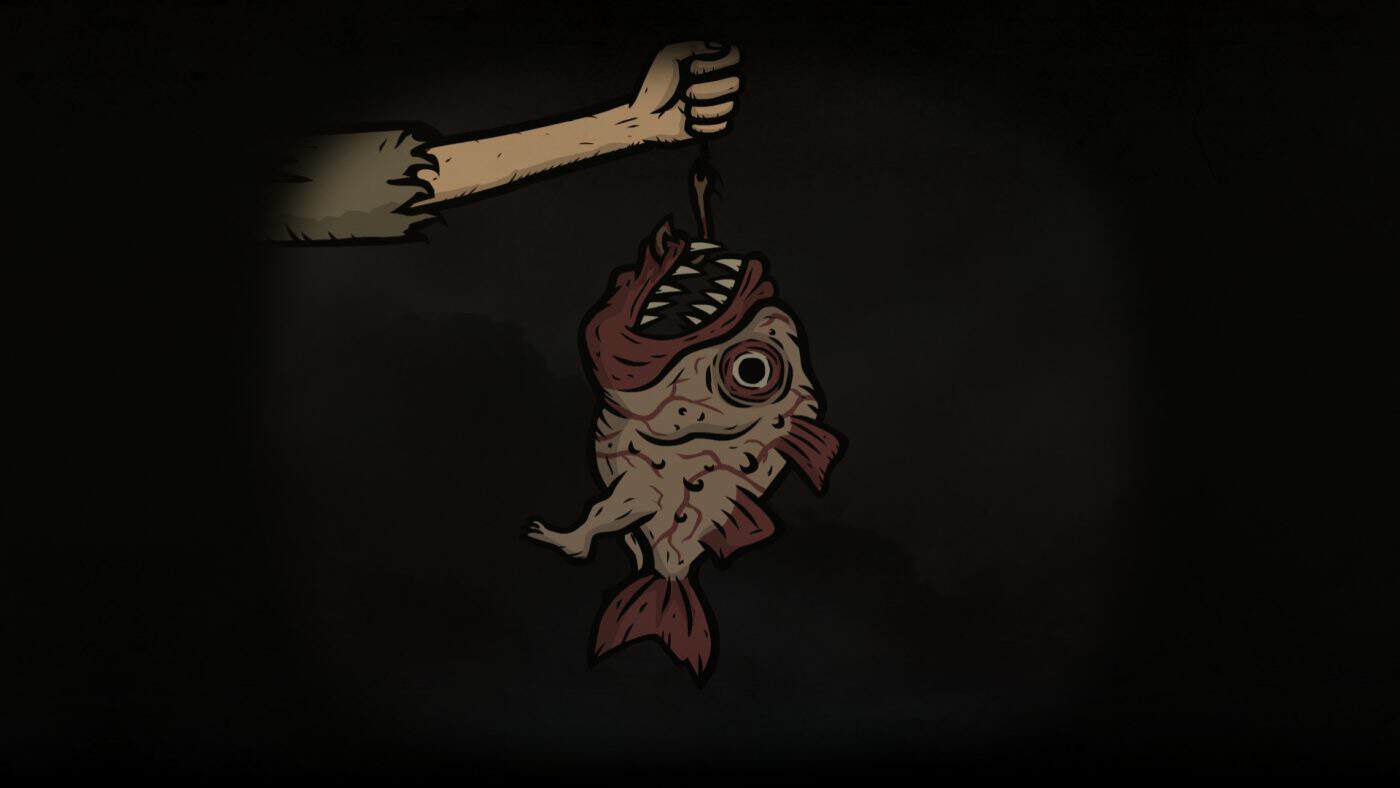
Combat belongs exclusively to Furry, who wields a club wrapped in thorned vines – and this makes perfect sense, in keeping with the characters and their respective roles.
Towards the ending, the game introduces what is probably its strongest ludic moment: managing Blizzy, Furry, and Gobbly as a unit, each with a distinct ability – agility, strength, psychic powers – to coordinate in order to clear obstacles. It’s a mechanic that arrives precisely when all three have a shared history, and manoeuvring them in sync carries the right narrative weight.
The final choice is the game’s only narrative fork, but I don’t know what happens if you pick the other option. What I did understand is that even in this moment the game poses a philosophical question: which matters more – glory recognised by others, or staying true to your own values and trusting your instinct?
Towards an increasingly evident originality: the art of Snow Child
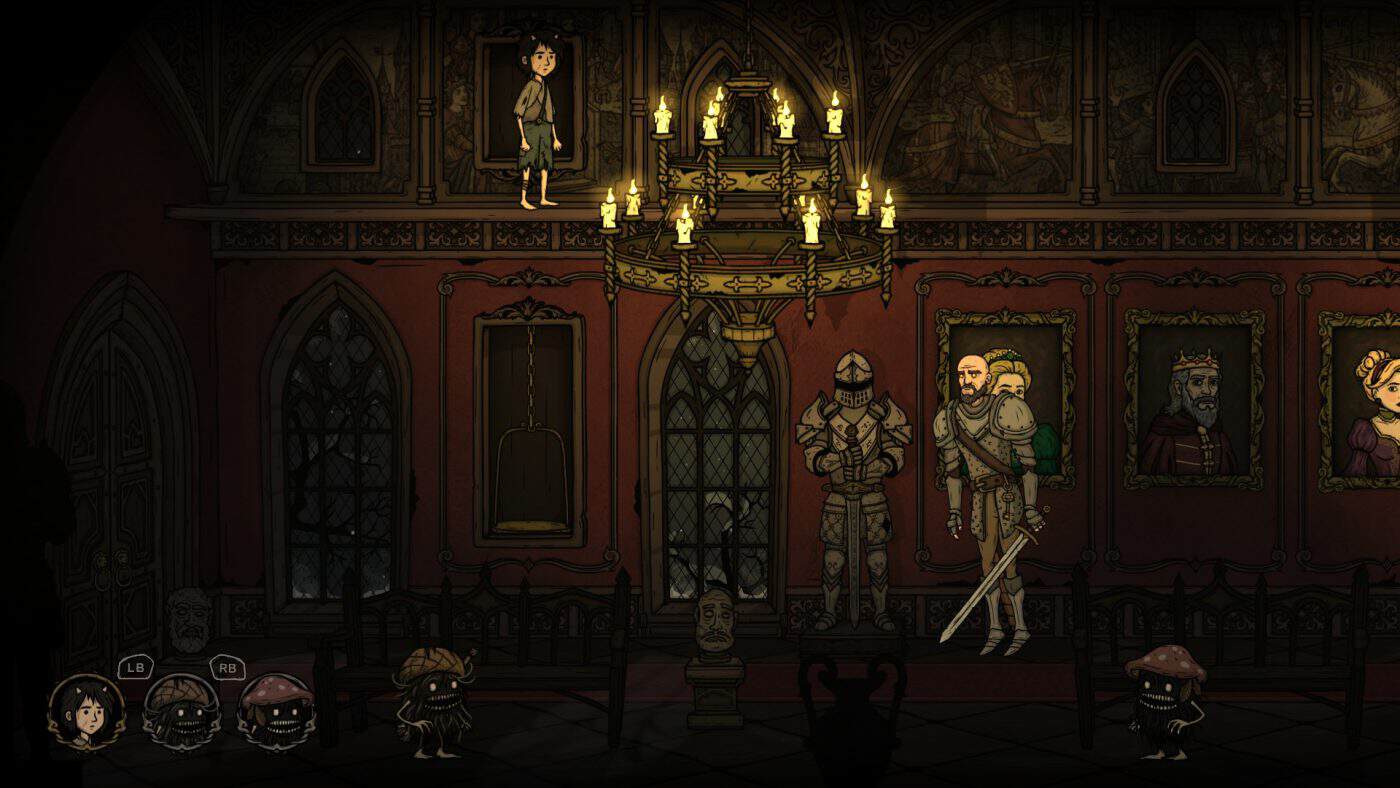
Snow Child works as interactive animation. Hand-drawn illustrations – classical 2D – that with animation make the most visible leap forward in the entire series. The characters move with weight and credibility, expressions shift, movements carry a fluidity that transforms otherwise static scenes into something cinematic. The colliders are well-calibrated: the platforming and stealth sections read clearly, the hitboxes honest.
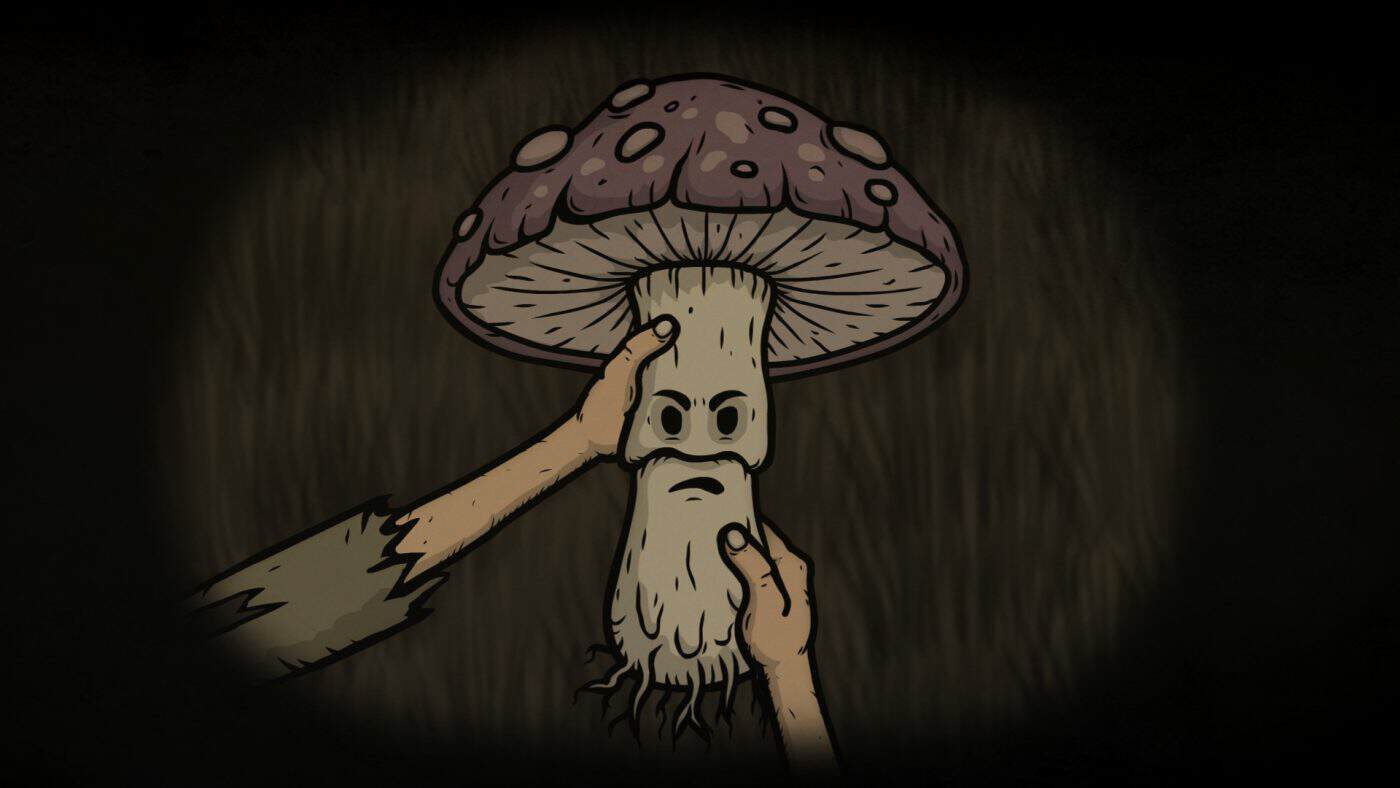
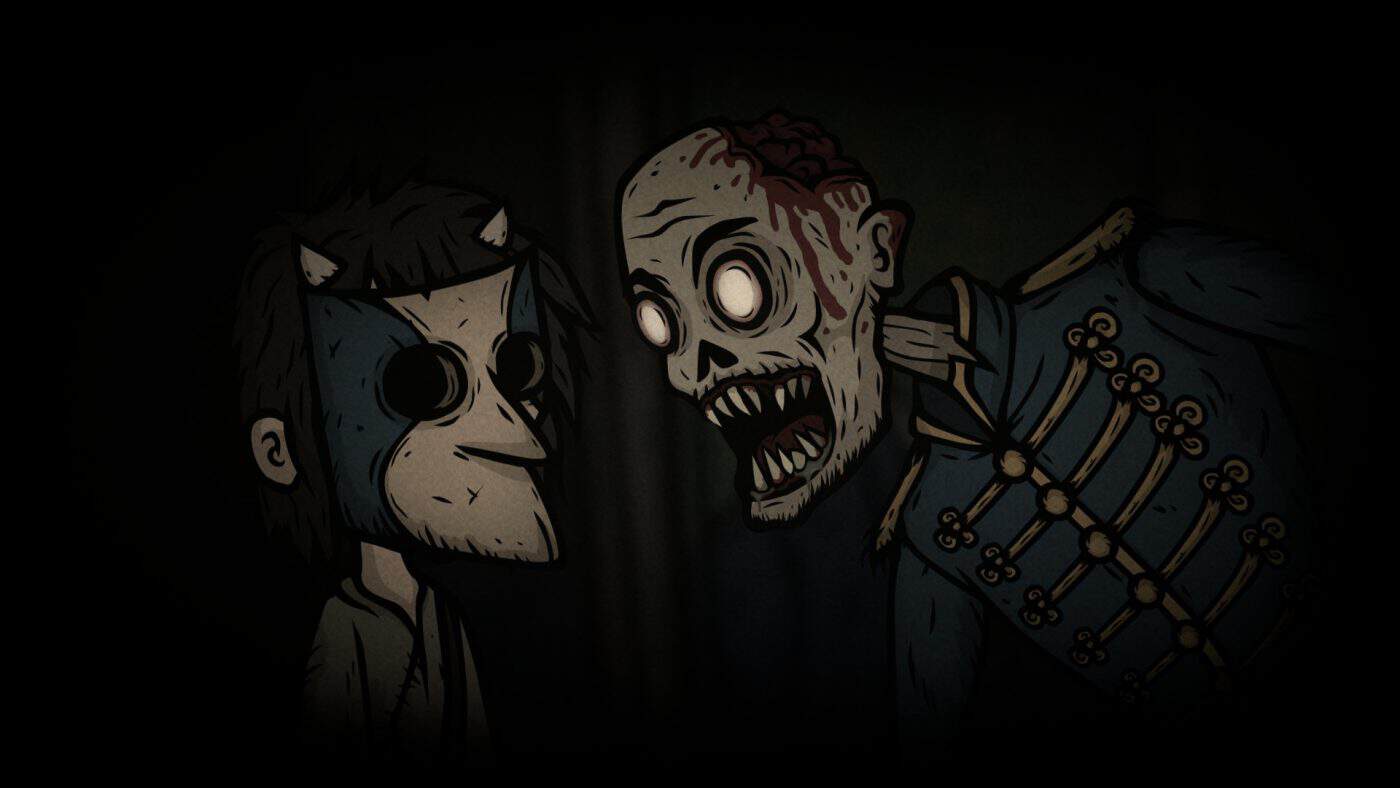
Creepy Brothers emerged visually under the acknowledged influence of illustrator Benjamin Lacombe – a French artist known for his retellings of classic fairy tales, working in a style that blends Victorian aesthetics, surrealism, and a certain macabre grace. The first Creepy Tale carried this influence so directly that the more demanding critics called it almost derivative. From the second chapter onward the team progressively built their own visual identity, and Snow Child is the point at which that identity asserts itself with full confidence.
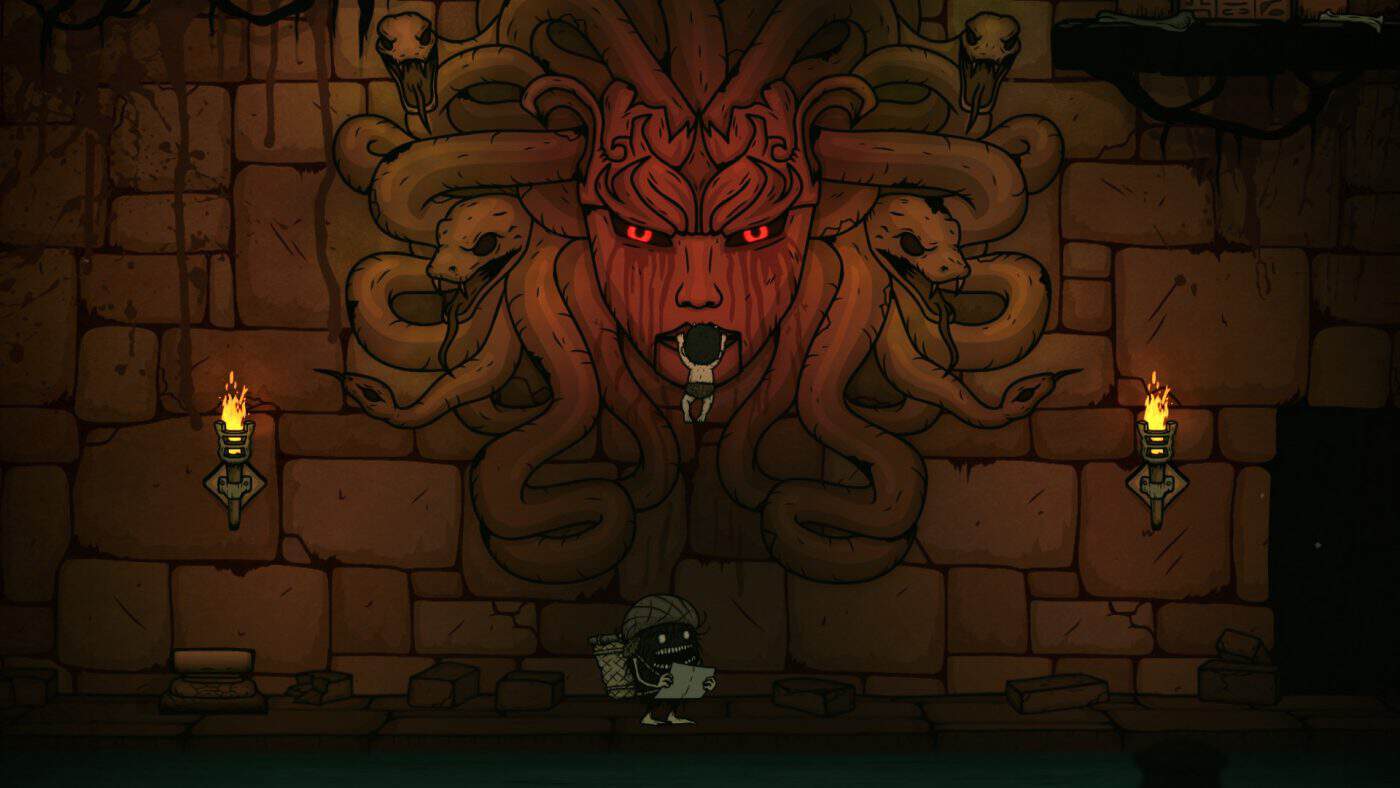
The colour palette functions as a refined narrative instrument, conveying atmosphere and setting at a glance: cold, near-monochromatic tones for the Other Place; blood red, lava orange, fire yellow, and earthy browns for Hell. The warmth it implies is paradoxically less reassuring than the blacks and whites of the forest.
The interiors are dense with detail – Adele’s house, Sarto’s boutique with its secret rooms guarded by zombies, the artist’s studio – and though on first impression the whole could seem cacotopic, every element remains clearly distinguishable, with no risk of getting lost.
There are moments where the visual composition speaks to Creepy Brothers’ taste with particular clarity, such as the journey on Charon’s ornate and lugubrious boat. Compositions and colour choices that read as elegant despite the thick, irregular linework and the sheer density of elements.
There’s a knowing balance between the grotesque, the refined, and the graceful.
Voice acting and soundtrack
I want to spend a few words on the language choice, because it genuinely changes the experience.
Snow Child offers professional dubbing in Russian and English. I played with the original Russian audio and didn’t regret it for a second. Though the English version is well-executed, Russian traces the characters more effectively – especially certain ones. The Sarto, with his Italian outbursts escaping mid-Russian, sounds different: the contrast between the two foreign languages is sharper, more comic, more precise. In Russian his explosions of vulgar Italian carry the weight of something involuntary, a reflex that betrays his true nature beneath the veneer of elegance.
Molek and his cousin also gain enormously from the original dubbing. Their internal exchanges – in some cases without subtitles – give them a more genuine, more entertaining characterisation. The incomprehensible Russian muttering makes them feel more real.
The cast is impressive: Blizzy is voiced by Lina Ivanova, Modest by Valery Storozhik, the Forest Spirit by Alexander Novikov, Adele by Nina Malkina, and Molek by Pyotr.
The soundtrack is the other half of the audio, and it holds the weight of what unfolds on screen without faltering. Dark, variable, capable of moving from melancholic to unsettling to near-comic without losing its internal coherence.
In the darker sections, silence forms part of the score as much as the notes themselves. In Adele’s piano scene it enters the gameplay directly, becoming a sequence to execute: music turned into mechanic, as already mentioned. On Charon’s boat it accompanies the storytelling with a rarefied, almost suspended tone that transforms the revelation into something ritual. The composer, like the rest of the team, stays in the shadows – but the work speaks for itself.
Creepy Brothers: trying to survive and make good games
Creepy Brothers are three: a programmer, Oleg Kostin, an artist, Arkady Skrylnikov, a sound engineer, Alexander Ahura. They live in different cities in Russia and have never felt any obligation to explain how they manage to work together at a distance. They do, and that’s that.
The team has existed since 2010, though under different names – first Black Square, then Deqaf Studio, then finally Creepy Brothers, the identity taken on in 2020 when Creepy Tale changed their prospects. Before that they had developed around fifty Flash games, including StrikeForce Kitty, their best-known project from the pre-Steam era. When Flash began to die they migrated to Unity – the platform they still use today and have no intention of leaving. For 2D games, they argue, there’s no reason to switch.
In the rare interviews they’ve given over the years they cite influences ranging from the Brothers Grimm to Charles Perrault, from Volkov to Aleksey Tolstoy. From the third chapter onward, though, they’ve distanced themselves from direct references: “I don’t want to make a game that’s just a collection of citations.” CT3 took its starting point from Andersen’s fairy tale of the girl who stepped on bread, but only as a point of departure. Snow Child, for instance, has no declared literary model – it’s entirely their own.
They’re no longer young, they admit it without hesitation: “We’re no longer in our twenties, and working at the PC twenty-four hours a day isn’t possible anymore.” But they are, by their own admission, fanatics of their craft. “It’s simply our way of life.”
Snow Child – the most ambitious game they’ve ever made, with a leap in scale evident against everything that precedes it – is the proof that this description isn’t rhetorical.
What no interview has ever explained, and what remains one of the most fascinating details in Snow Child, is the Italian choice. Sarto, the Venice Carnival, the mangled Latin, the “mi scusi” and “bambolino” and the dialectal insults – all of this comes from a Russian trio who have never declared any particular connection to Italy. Perhaps it’s simply that Hell, for them, required a language that was both elegant and ferocious at once. An excellent choice.
Conclusion
I found the ending a touch abrupt. There’s no closing showpiece scene, no cathartic moment engineered for maximum emotional impact. But it’s right, and it’s perfect that way. This game has no sentimentality, even as feeling runs through every part of it. Paternal love, filial love, devotion to an absent and therefore idealised parental figure – all present, but never announced.
They emerge in Blizzy’s reactions, in how he moves through the world, in the choices he makes. An insolent, know-it-all boy, impervious to fear at least in appearance, who takes responsibility without anyone asking him to, recognises the worth of others, and doesn’t tolerate lies.
He’s not a classic hero – though the Guardians call him “the chosen one” – but a credible, layered character who earns your affection in one moment and makes you want to shake him in the next.
No apparent priority goes to the psychological dimension, but that dimension is entirely present – precisely because of the three-dimensionality of the characters.
Snow Child uses the archetypes of the hero’s journey with enough self-awareness to keep them from tipping into cliché. The narrative choice to present certain bonds and dynamics with apparent lightness creates a clear distinction between this story and the same story told with an excess of sentimentality – and it’s thanks to Blizzy’s sharp reactions, to Furry’s genuine warmth, and to the peculiarities of the infernal characters that the game shows us life and poses life’s own questions: what matters most, which relationship makes the difference? What kind of power is it right to receive and use? Towards what end? What is the moral compass that pushes us in one direction rather than another?
I didn’t expect to love it this much. The distinctive and meticulous art direction, the varied and enjoyable gameplay, the diversity of scenes and situations – all of this would have been enough to make it a successful title. But Snow Child is something more, and you realise it the moment you notice that Blizzy, Furry, Gobbly, and all the others have lodged themselves in your memory and you keep thinking about their lives long after finishing the game. This is exactly what happens when a story is written well.
 8.7/10