
The deadliest mistake isn’t being seen. It’s being heard.
Bringing a video game based on a famous film saga to market always poses a complex challenge. On one hand, the project must respect the identity of the original work; on the other, it must deliver a genuinely interactive experience that exploits what makes the video game medium unique, rather than simply replaying what audiences have already seen on the big screen.
A Quiet Place: The Road Ahead tackles this challenge by choosing a clear direction: instead of chasing action or a spectacular expansion of the narrative universe, it builds a first-person horror adventure that focuses heavily on tension, infiltration, and survival.

The game sits inside the universe that the A Quiet Place film series made famous, and it keeps that universe’s fundamental rules intact. Extremely aggressive creatures now dominate the world; they lack sight entirely but possess exceptional hearing. Any noise can turn into a death sentence, and every movement demands absolute care. This simple narrative premise translates into one of the production’s most recognizable gameplay ideas: silence isn’t just a stylistic choice, it becomes a genuine game mechanic.
From the earliest stages of the adventure, the game communicates its intentions clearly. This isn’t a horror shooter, nor a combat-heavy survival game. Instead, the game constantly pushes players to avoid direct confrontation, favoring environmental observation, movement planning, and tension management. Every room the player crosses, every door they open, and every object they move can trigger immediate consequences, turning even the most mundane actions into moments of genuine suspense.
The atmosphere stands out, without a doubt, as one of the strongest elements. The environments constantly convey a sense of vulnerability, while the silence — broken only by small ambient sounds or the protagonist’s footsteps — helps keep tension high even during the seemingly calmer sections. The game clearly grasps what made the film saga iconic, and it manages to carry that language into an interactive experience without losing its essence.
The decision to tell an original story also proves particularly interesting. Rather than directly rehashing the films’ events or leaning on characters audiences already know, the developers build an independent story that expands the narrative universe without contradicting what came before. This choice lets both longtime saga fans and newcomers to this particular post-apocalyptic world enjoy the game.
Structurally, A Quiet Place: The Road Ahead favors a linear progression, built around a sequence of areas to explore and situations to overcome. The freedom the game grants players comes less from map size and more from the ability to choose how to tackle each obstacle, weighing timing, routes, and risk carefully.
Naturally, the game targets a specific audience. Players who want a combat-heavy horror game or a strongly action-driven experience may find the gameplay’s extremely cautious nature surprising. Fans of psychological tension, infiltration, and immersion, on the other hand, will find a remarkably coherent experience, one where every element reinforces the sense of precariousness.
Made in Italy
When a studio builds a video game from a successful film license, the main risk lies in leaning entirely on the brand’s strength while neglecting the project’s quality. A Quiet Place: The Road Ahead takes a different path.
The game grows out of a collaboration between an Italian development studio, Stormind Games, which has built up solid experience in the horror genre, and a publisher, Saber Interactive, which has invested decisively in mid-tier productions in recent years, seeking to champion original ideas rather than chase only the big blockbusters.
The developers faced a challenge that was anything but simple. The A Quiet Place universe carries one unique trait: tension springs mainly from silence. Turning this element, central to the films, into a believable gameplay mechanic demanded far more design work than it might seem. The team therefore built the entire experience around this concept, turning noise into a resource players must manage carefully rather than a mere environmental detail.
The studio clearly chose not to betray the film saga’s philosophy. Instead of adding spectacular combat or action mechanics to make the game more commercial, the developers keep the focus firmly on the protagonist’s vulnerability throughout.
Every game system, from exploration to movement management, aims to convey the feeling of being an ordinary person forced to survive in a hostile world, rather than a hero who can face any threat.
From a production standpoint, an equally interesting choice emerges: telling an original story. Rather than directly adapting the films’ events, the team expands the narrative universe through new characters and new situations, while respecting the rules the saga has already established. This decision lets the game develop its own identity, moving beyond a simple interactive retelling and giving fans brand-new content.
The publisher’s work also deserves a mention. In recent years, the market has shown just how hard it is to find room for narrative horror productions that don’t belong to the genre’s big historic series. Backing a project like A Quiet Place: The Road Ahead means believing in an experience built above all on atmosphere and immersion, one that targets a specific audience rather than trying to please every category of player.
On the directorial side, the team shows a solid grasp of the cinematic language that inspires it. The first-person perspective heightens engagement, while the tension sequences often echo the films’ rhythm without simply copying their solutions. Fear grows mainly out of anticipation and uncertainty, a choice consistent with the nature of the original work.
Technically too, the work aims for solidity rather than showing off. Even though it doesn’t have the budget of a big triple-A exclusive, the game presents an excellent overall level of polish, paying particular attention to lighting quality, sound design, and atmosphere. The developers concentrate their resources on the elements that truly matter for this kind of experience, avoiding needless graphical excess.
A Quiet Place: The Road Ahead doesn’t use the saga’s name as a mere commercial hook; it builds a video game that respects the source material’s fundamental rules and tries to translate them into a coherent interactive experience. This choice lets the title develop its own personality, confirming that a good adaptation doesn’t need to replicate a film scene by scene – it needs to understand its spirit and reinterpret it through the language of video games.


A Parallel Road
The story unfolds during the first months after the invasion of the mysterious creatures that have now turned the world into a place where even the smallest noise can mean death. Alex, a young university student, leads the story; together with her family and a small group of survivors, she desperately tries to adapt to a completely changed reality.
Daily life now follows extremely rigid rules: every movement demands careful planning, every object requires near-total silence to use, and any distraction can attract the lethal creatures that patrol the territory. From the very first moments, it becomes clear that survival depends more on caution than on strength.
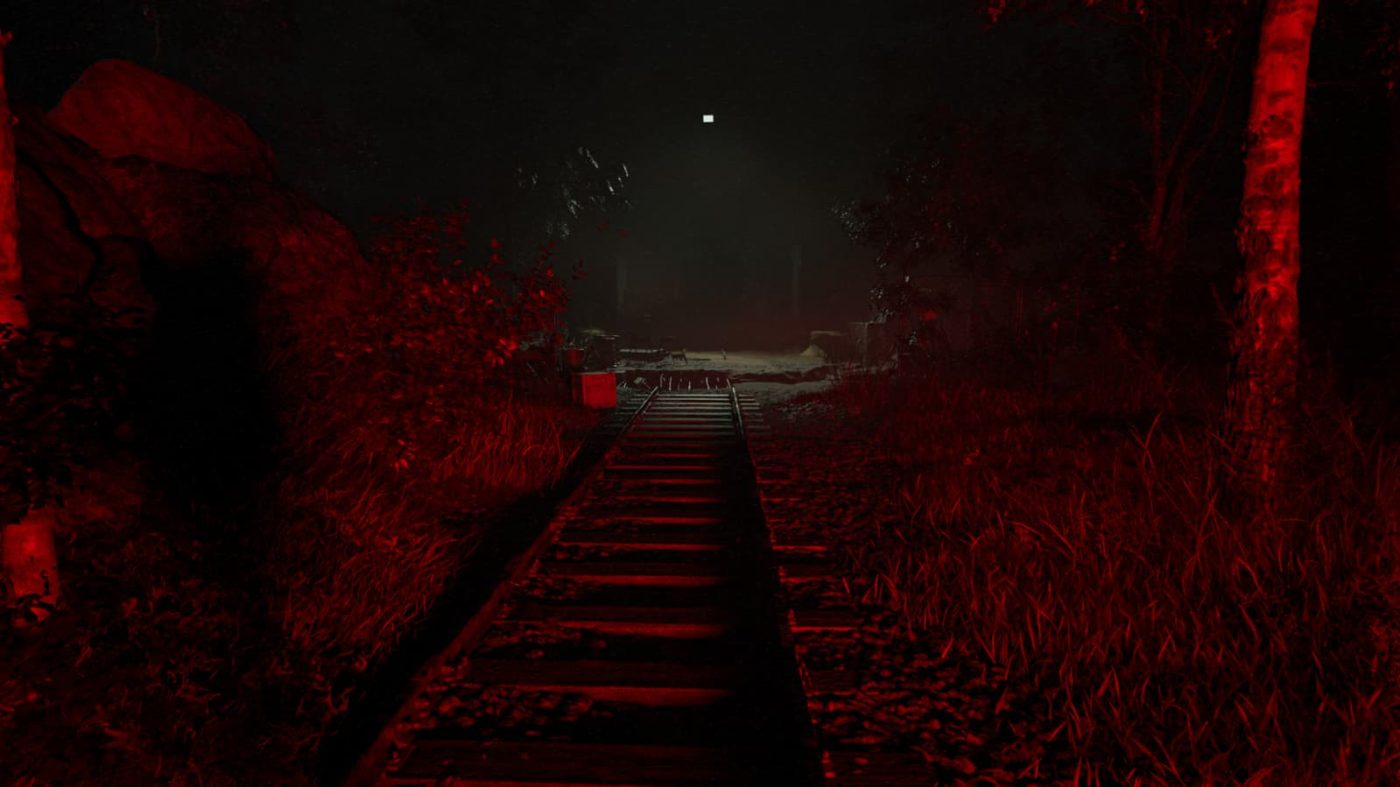
The adventure kicks off when a series of events forces Alex to leave the few relatively safe places that remain. From that point on, the journey takes the shape of a long escape, during which the protagonist crosses abandoned buildings, rural areas, devastated towns, and numerous other scenarios marked by civilization’s collapse. Each new stage presents different obstacles and forces the player to find the best way to move forward without drawing the creatures’ attention.
The narrative moves forward in a linear fashion, alternating exploration moments with tenser sequences where the risk of getting spotted rises sharply. Along the way, Alex meets other survivors – some willing to help her, others driven purely by self-preservation. These encounters add variety to the narrative progression, showing how the invasion has affected people and communities in very different ways.
As the adventure progresses, new details gradually emerge about both the protagonist’s situation and the events that involved her family. The game avoids long introductions or overly detailed explanations, preferring to spread information across dialogue, documents, and brief narrative sequences. This approach keeps the player’s curiosity alive and makes discovering the events feel more natural. A series of well-defined objectives drives the progression, pushing Alex to explore new areas and overcome increasingly dangerous situations.
Even with a fairly linear structure, the pacing stays consistent thanks to the alternation between apparent calm and sudden bursts of tension, where even the smallest mistake can cost the player their survival.
One of the plot’s best achievements is how it expands the series’ narrative universe without contradicting what the films have already told. The developers don’t try to rewrite known events or force dramatic revelations; instead, they build an independent story that simply offers another perspective on the same disaster.
This choice lets the game keep its own identity while staying faithful to the original universe’s rules. Without spoiling the ending, we can say that the story maintains strong coherence throughout the entire adventure. The finale gives the protagonist’s journey a satisfying conclusion and wraps up the main narrative threads without resorting to overly forced twists.
While it doesn’t reinvent the world of A Quiet Place, the game manages to tell a credible, personal story that fits well within the saga’s universe, delivering an adventure that stays with the player consistently from start to finish.

More Than a Film
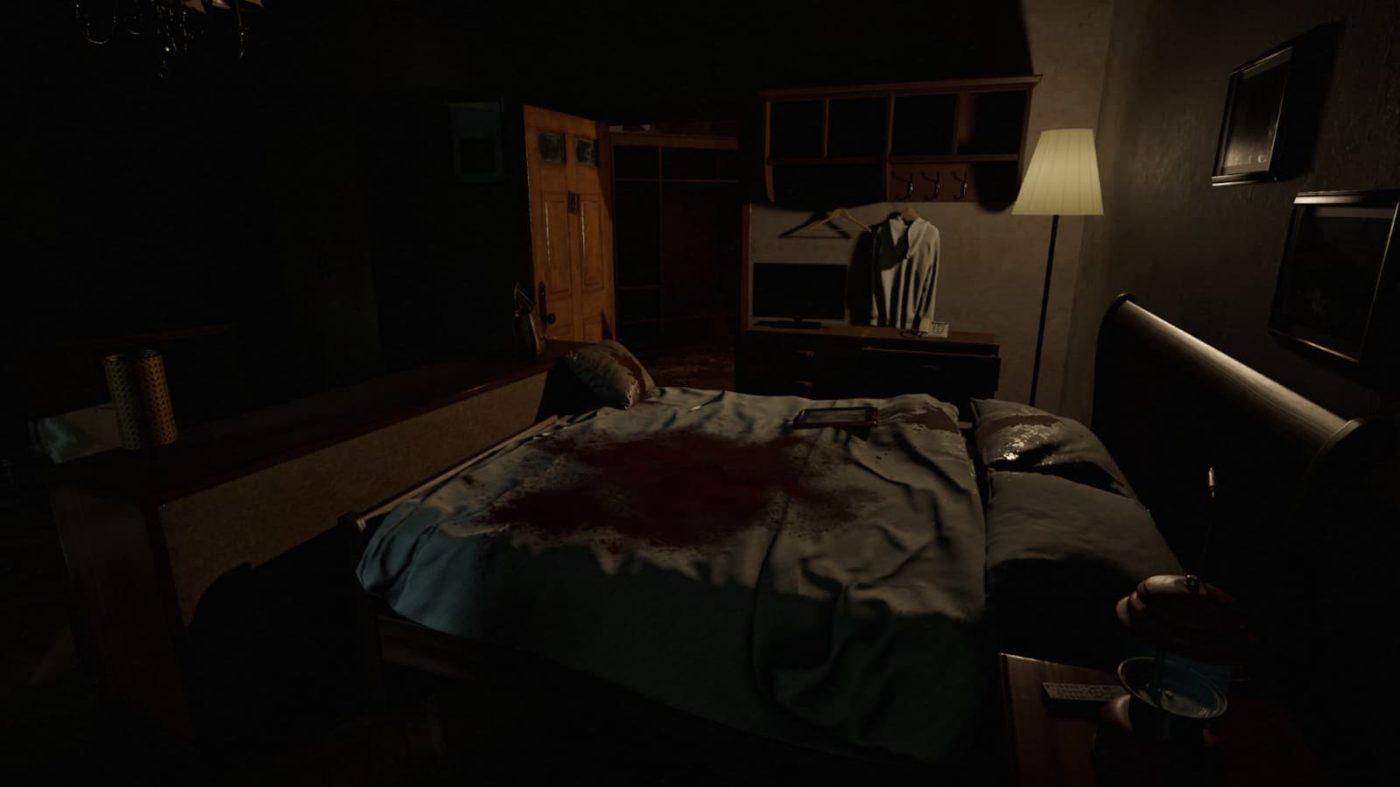
While the plot follows Alex’s journey through a world the creature invasion has devastated, the quality of its storytelling gives the whole experience its depth. The game chooses not to build its identity solely on tension or horror; instead, it uses the post-apocalyptic setting to tell a deeply human story. The focus lands on the protagonists’ emotions, on the hardships of survival, and on how people try to preserve their humanity even after every certainty has vanished.
The writers portray Alex as an ordinary young woman, far removed from action-hero stereotypes. She has no extraordinary abilities and doesn’t face danger with absolute confidence. Instead, the game highlights her fears, her fragility, and the struggles she faces adapting to such a brutal reality. This choice makes the character believable and lets the player easily relate to her decisions and reactions.
The writing keeps a measured tone throughout the adventure. The dialogue generally feels natural and helps define the relationships between characters without dragging into long explanations. Even during the most dramatic moments, the developers avoid forcing the emotional beats, preferring to build tension through small gestures, silences, and essential conversations. This choice lines up perfectly with the whole saga’s philosophy, where what goes unsaid often carries as much weight as words, if not more.
Among the main themes, survival naturally stands out. However, the game handles this topic more personally than many other survival horror titles do. Surviving doesn’t just mean avoiding creatures or finding resources; it also means keeping a clear head, continuing to trust others, and finding the strength to push on despite constant loss. Survival thus becomes both a physical and a psychological challenge that shapes the protagonist’s development throughout.
The game also devotes plenty of space to the theme of family. Family bonds form one of the pillars of the entire narrative and stand among the main reasons that push Alex to keep going. Without falling into cheap sentimentality, the game shows how vital these relationships can become in a world where any day could be the last, keeping strong continuity with the films’ spirit.
Another recurring subject is fear. This goes beyond the terror the creatures cause; it taps into a deeper fear tied to an uncertain future and the loss of normal life. The game conveys this feeling without constantly relying on jump scares, preferring to build a steady anxiety that stays with the player even during seemingly calm moments.
The narrative also tackles the theme of trust. In a world where any encounter can turn into a threat, deciding to rely on another person becomes a complicated choice. The writers develop Alex’s relationships with the other survivors with real balance, showing how cooperation and suspicion constantly coexist in a society that has lost the rules that once governed it.
It’s also interesting how the game presents silence not just as a gameplay mechanic but as a genuine narrative element. The absence of noise changes how the characters communicate, relate to each other, and face every daily situation. Even conversations carry a different weight, helping create a unique atmosphere that sets the title apart from most other contemporary horror games.
In short, the storytelling ranks among the whole production’s best achievements. Without reinventing the wheel on the writing side, A Quiet Place: The Road Ahead tells a believable, well-paced story that stays coherent with the universe that inspires it. The writers develop the themes of survival, family, trust, and fear with real sensitivity, turning what could have been a simple cinematic retelling into an adventure that also engages players emotionally.


Easy on the Eyes
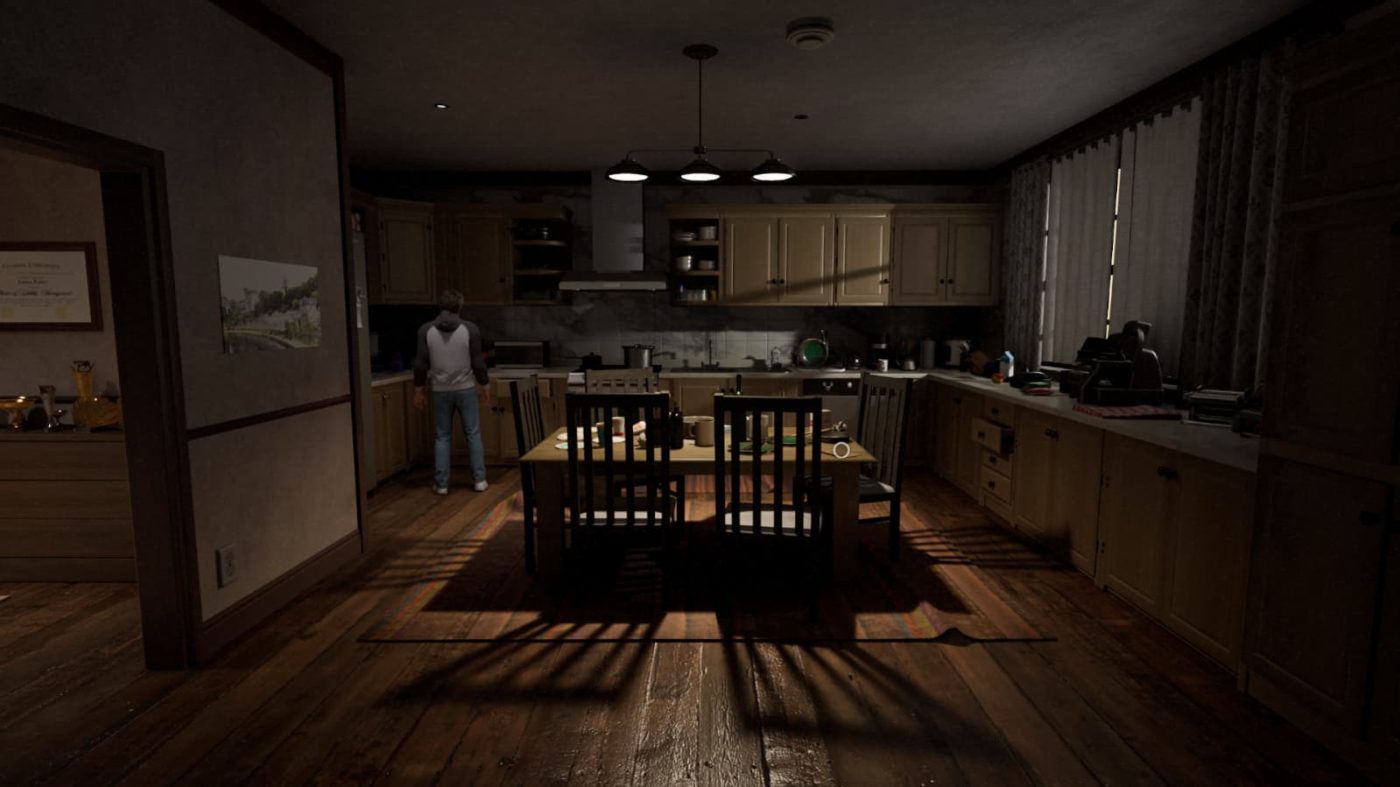
On the technical side, the Italian team proves that you don’t need a triple-A budget to deliver a convincing visual package. The game leans on a coherent art direction and a smart use of resources, preferring believable, atmosphere-serving settings over chasing pure photorealism. The result is a visually solid experience that effectively sustains the tension running through the whole adventure.
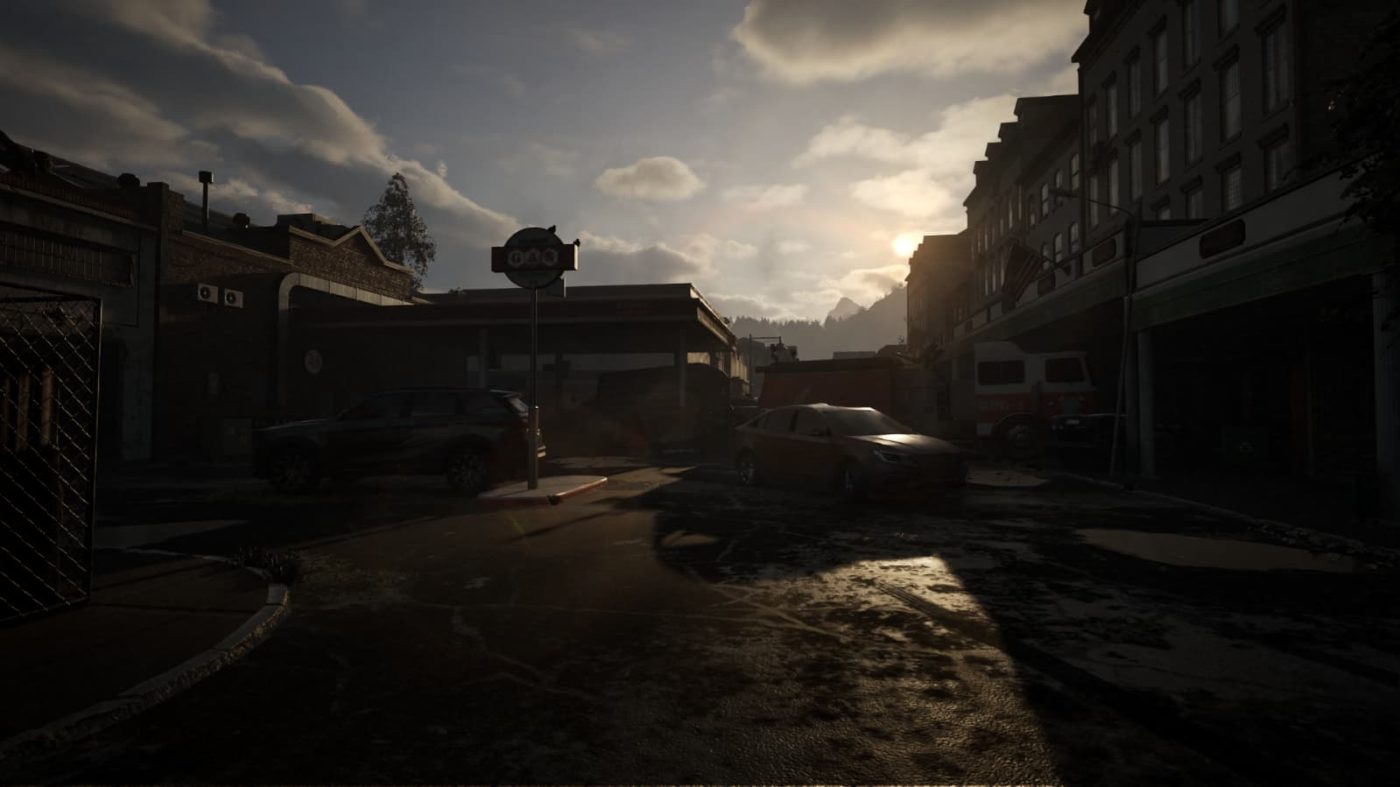
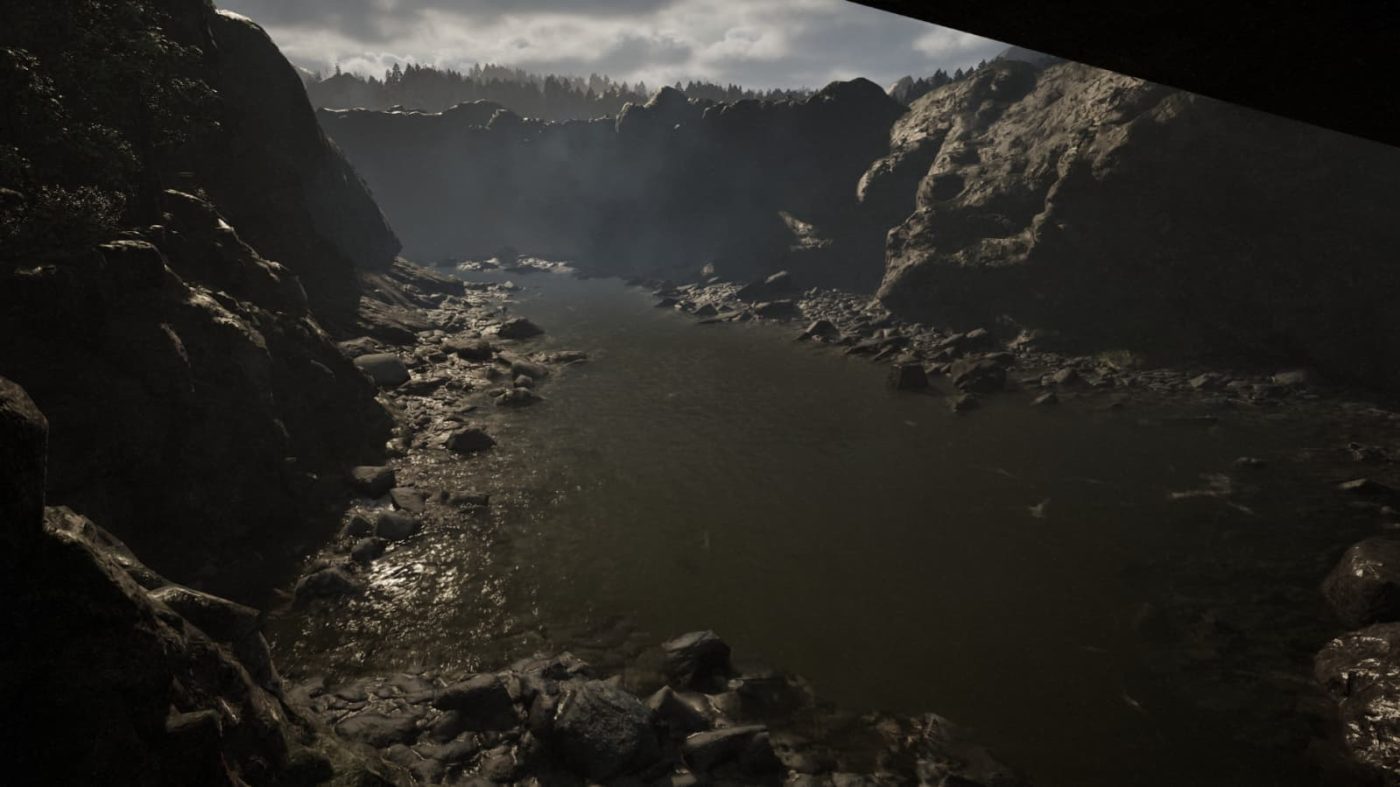
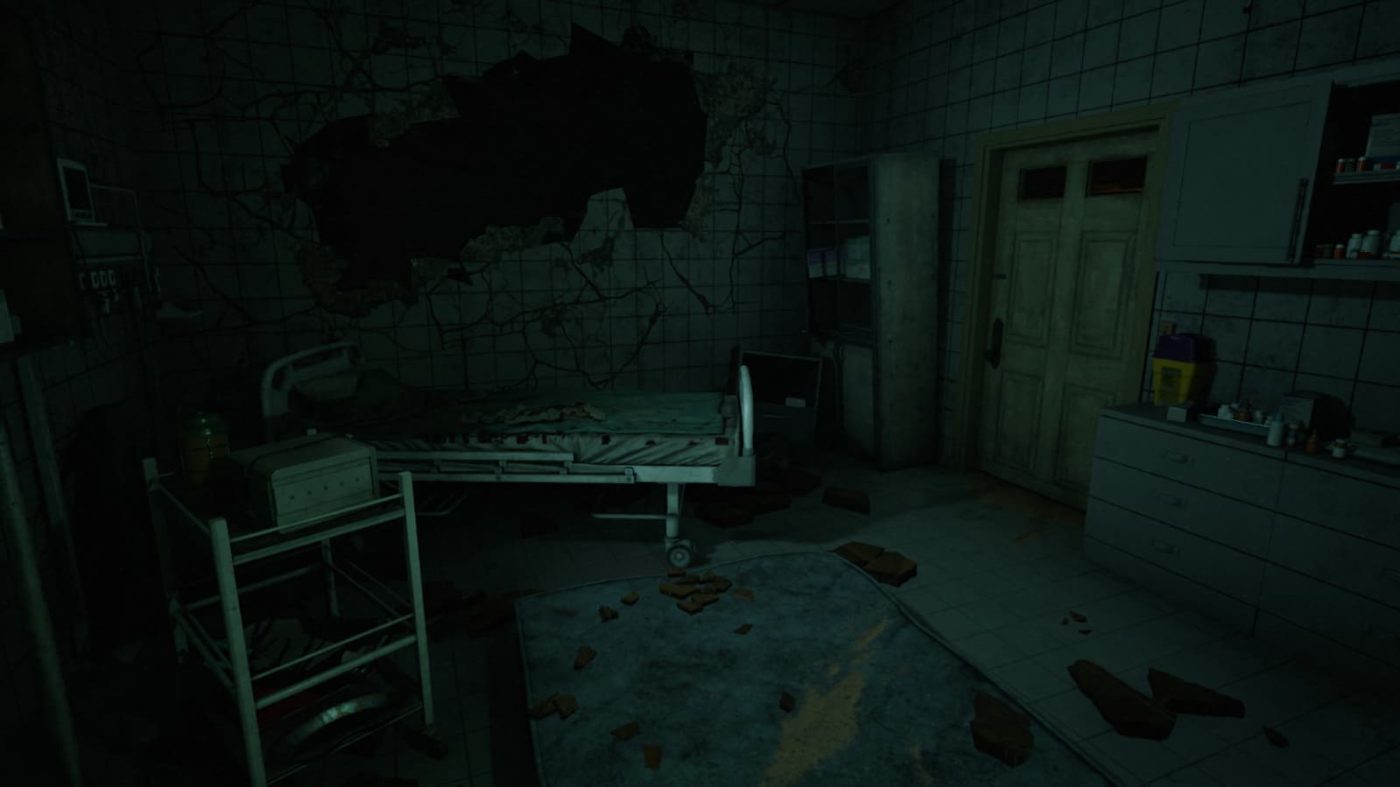
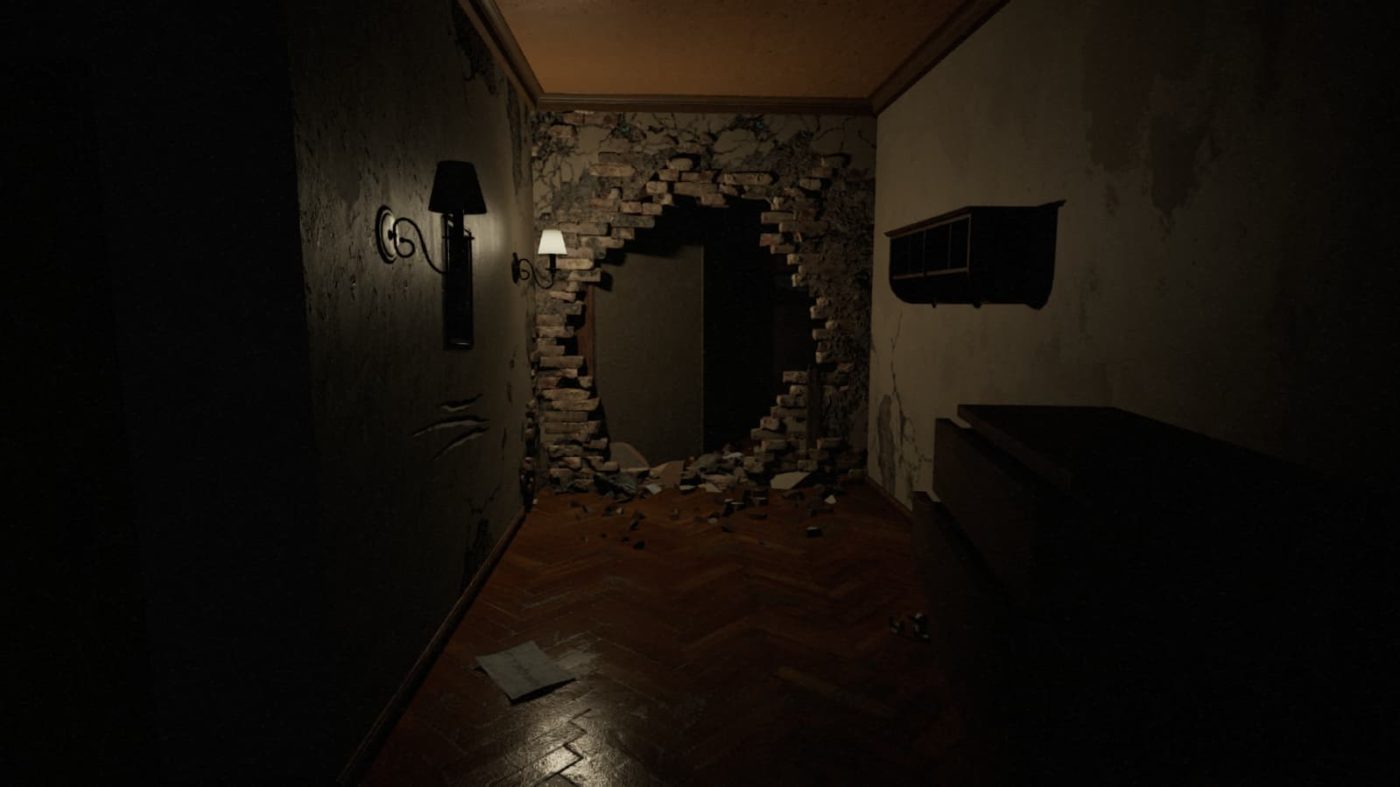
From the first few minutes, the care the team puts into building the environments shines through. Abandoned homes, industrial buildings, farms, and wooded areas effectively convey the idea of a world suddenly cut short, where nature is slowly reclaiming spaces humans once occupied. Every location tells something through small environmental details: furniture left behind in a hurry, wrecked vehicles, everyday objects nobody uses anymore, and clear signs of the chaos the creature invasion caused.
The art direction favors a realistic approach. You won’t find particularly fanciful or heavily stylized scenery here — instead, the environments closely resemble what you’d see in the films. This choice strengthens the narrative universe’s credibility and lets players constantly feel the sense of precariousness that defines the world of A Quiet Place. The color palette follows the same philosophy too, with muted, natural tones that help convey a melancholic, oppressive atmosphere.
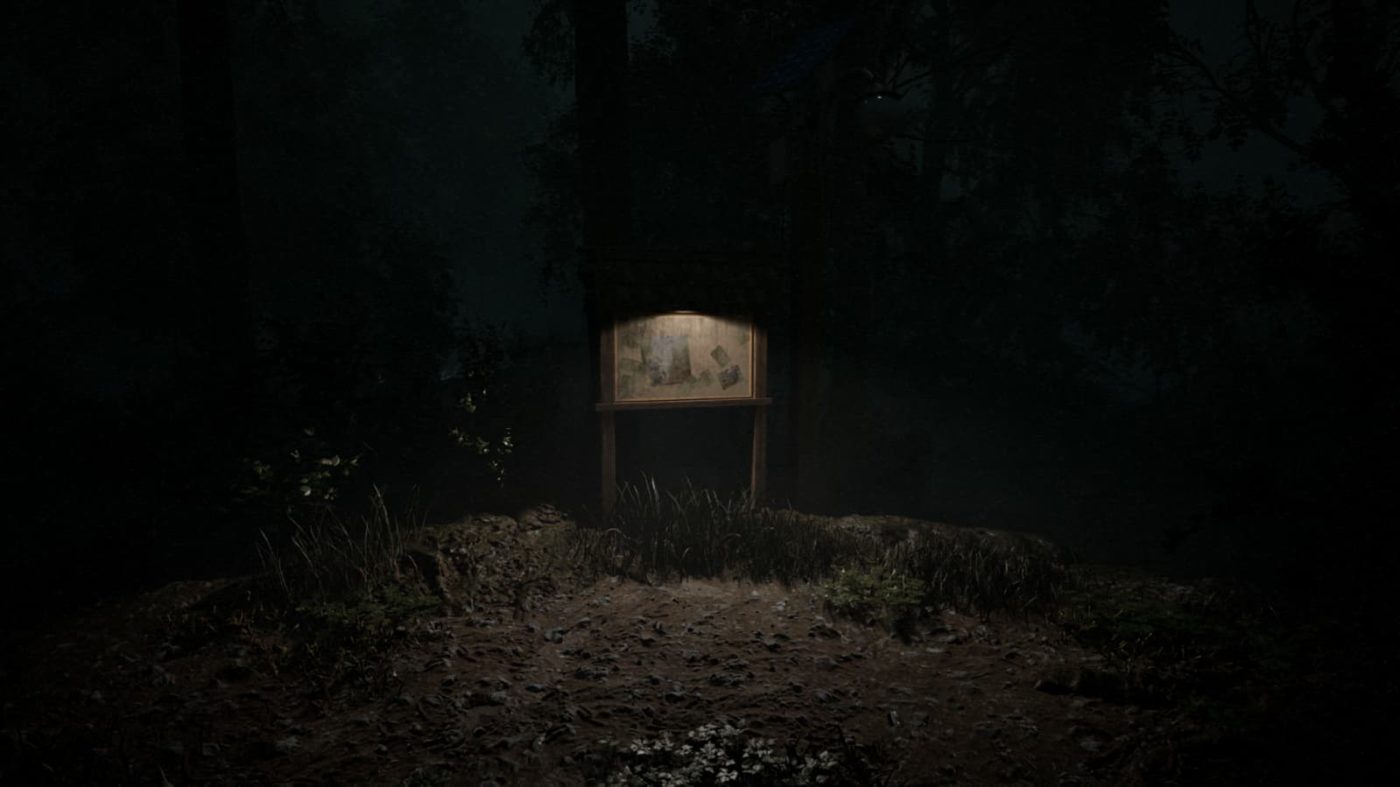
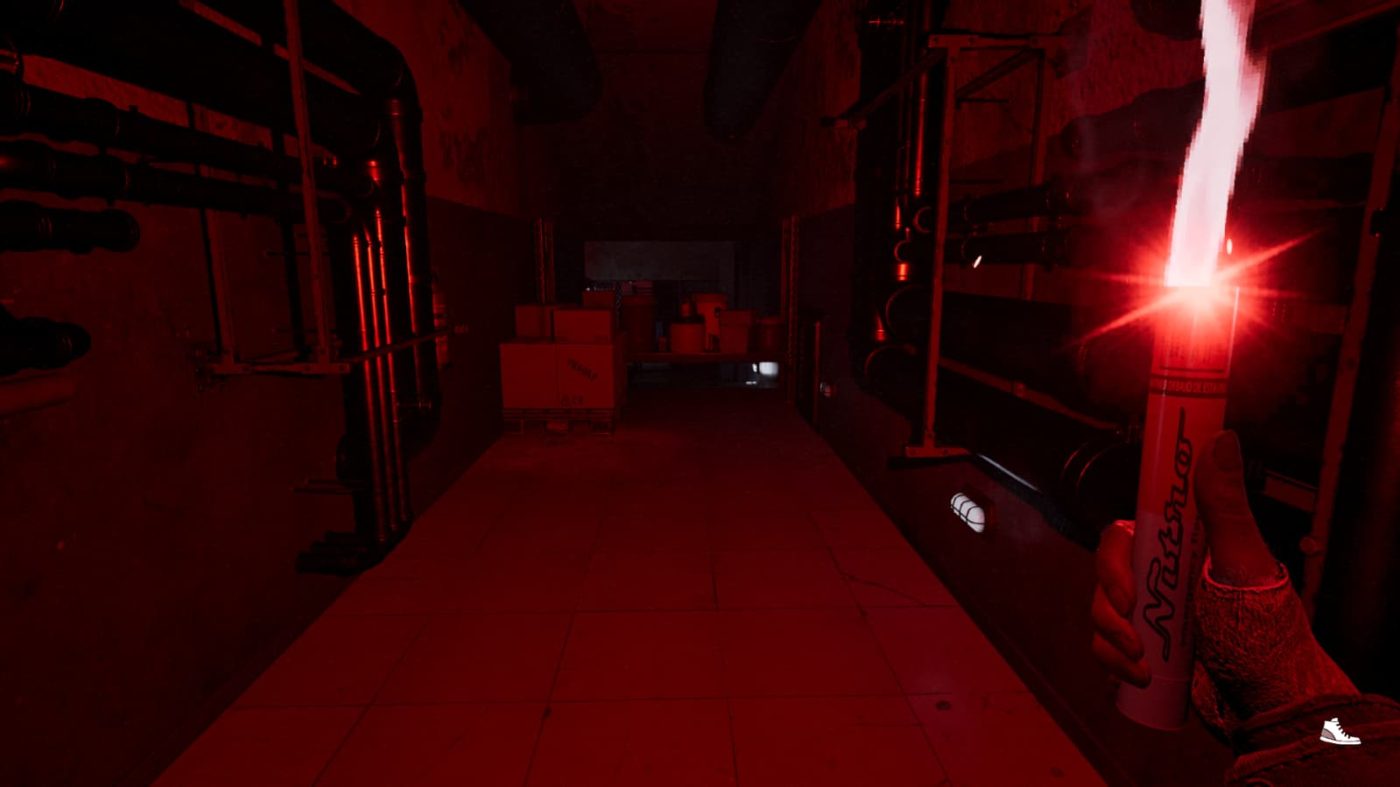
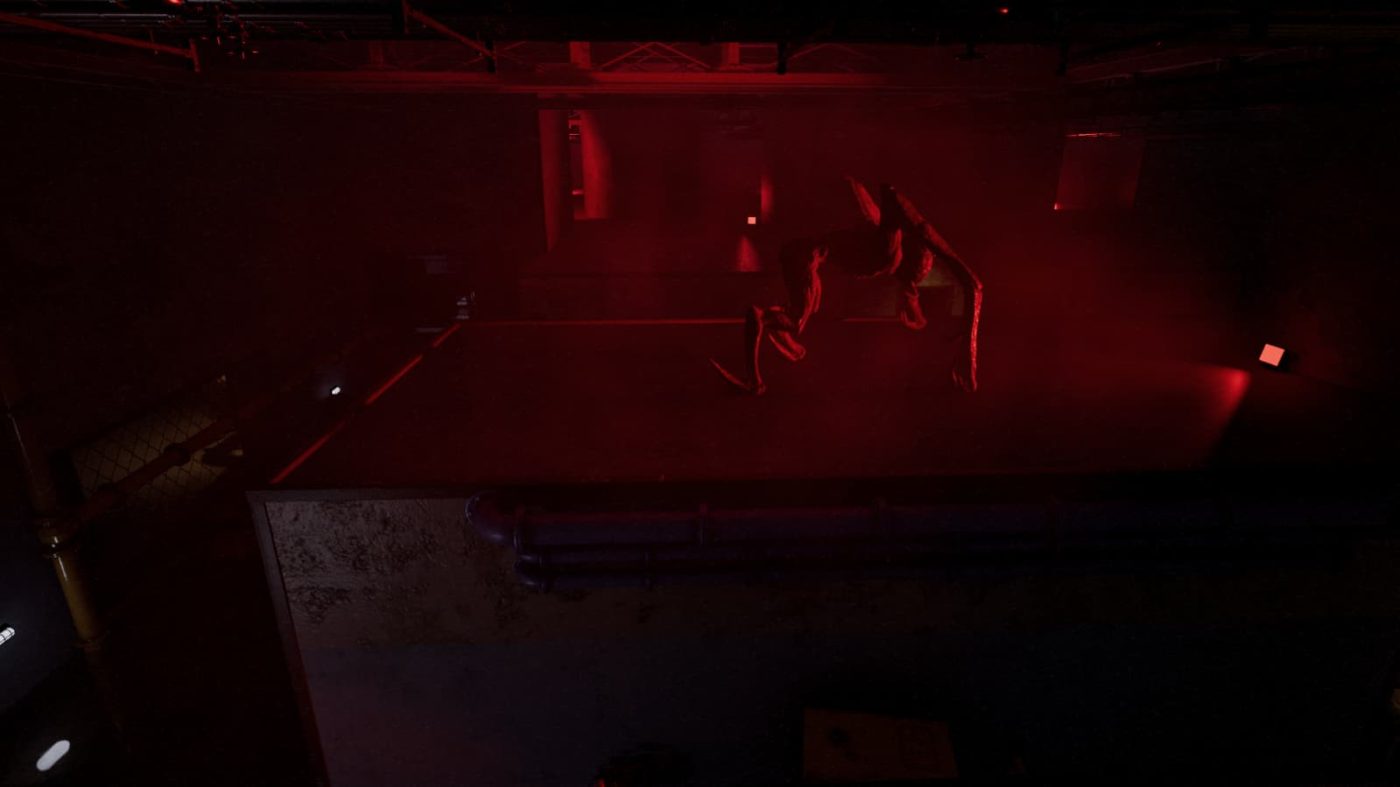
One of the best-executed elements is definitely the lighting. Much of the adventure takes place in dimly lit environments, where torches, natural light, and artificial sources become essential tools both for exploration and for building tension. Dynamic shadows and interplay of light frequently create strong suspense, heightening the player’s sense of vulnerability without constantly leaning on classic horror tricks.
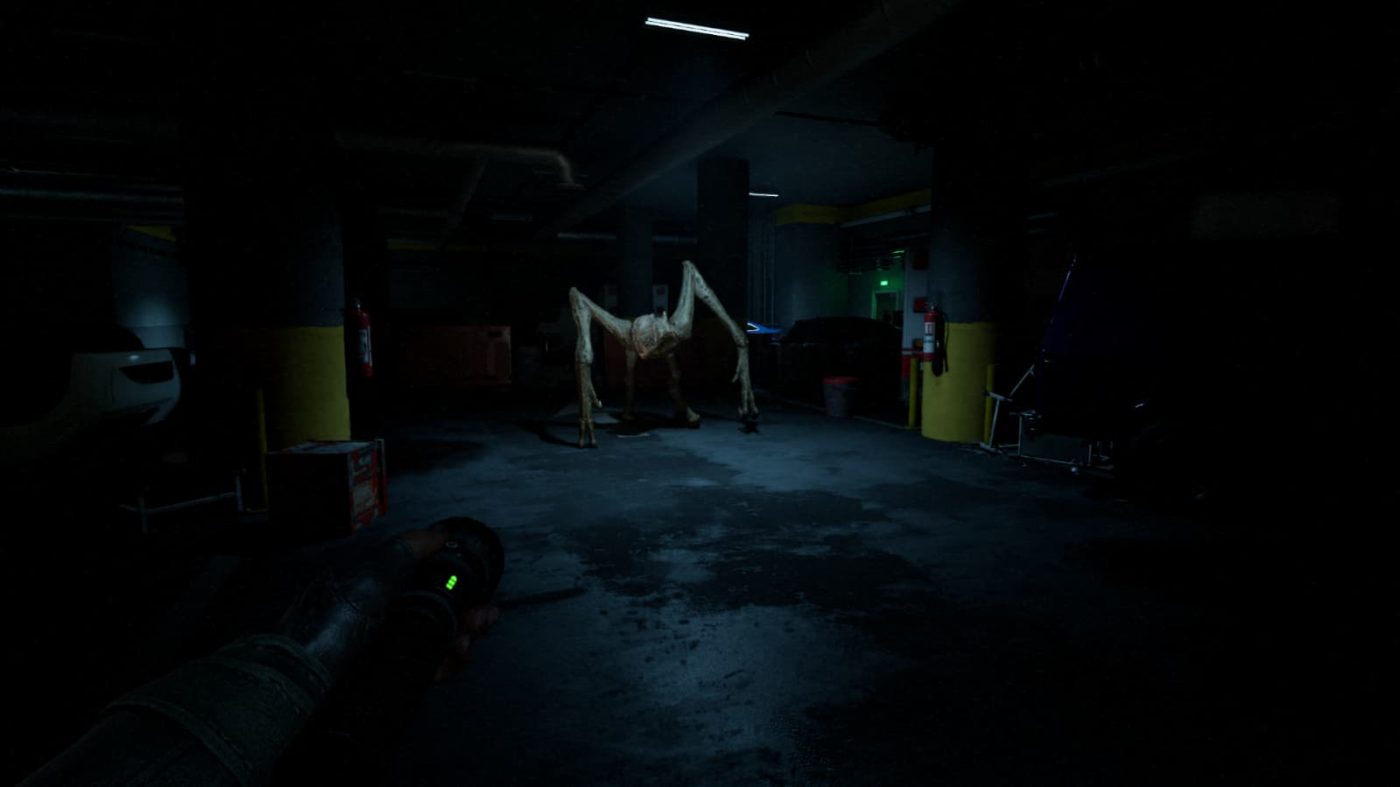
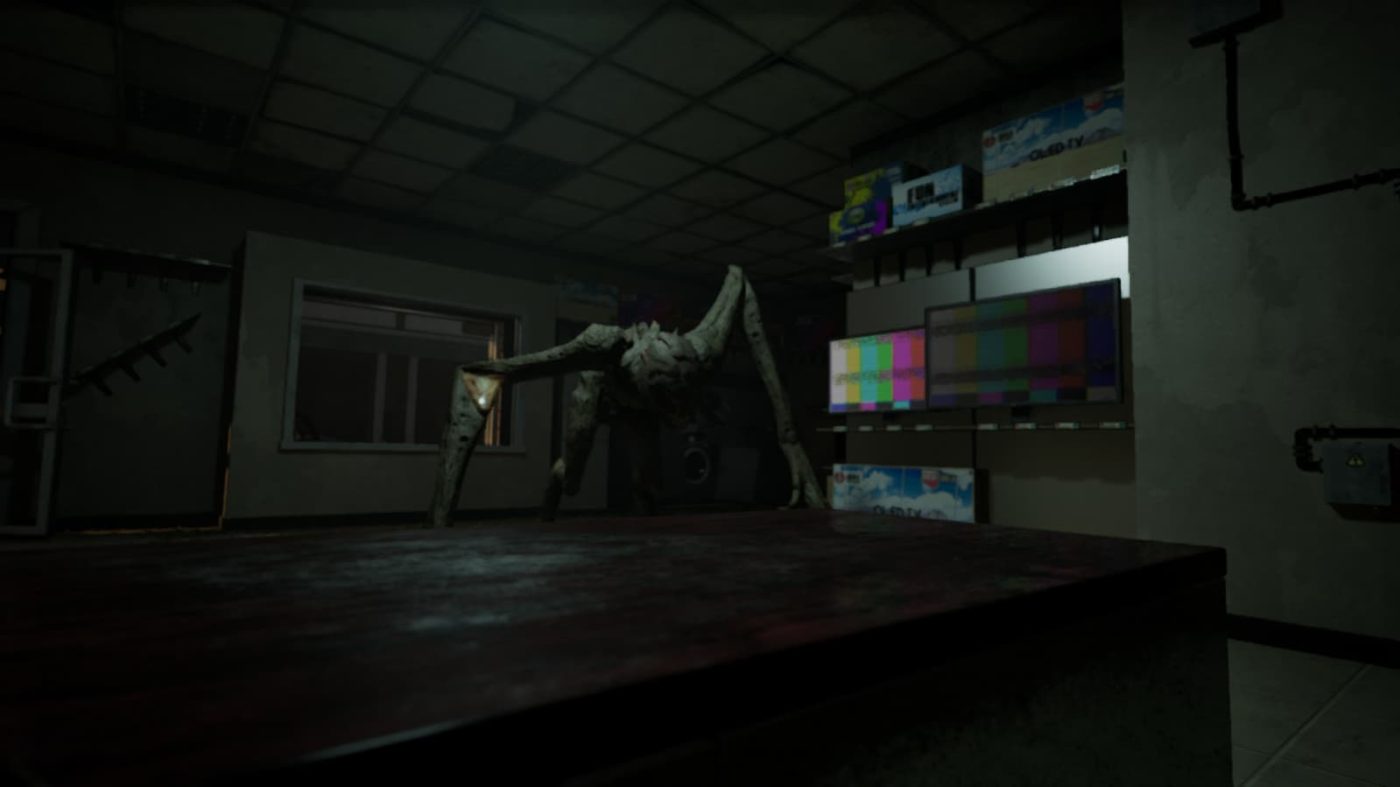
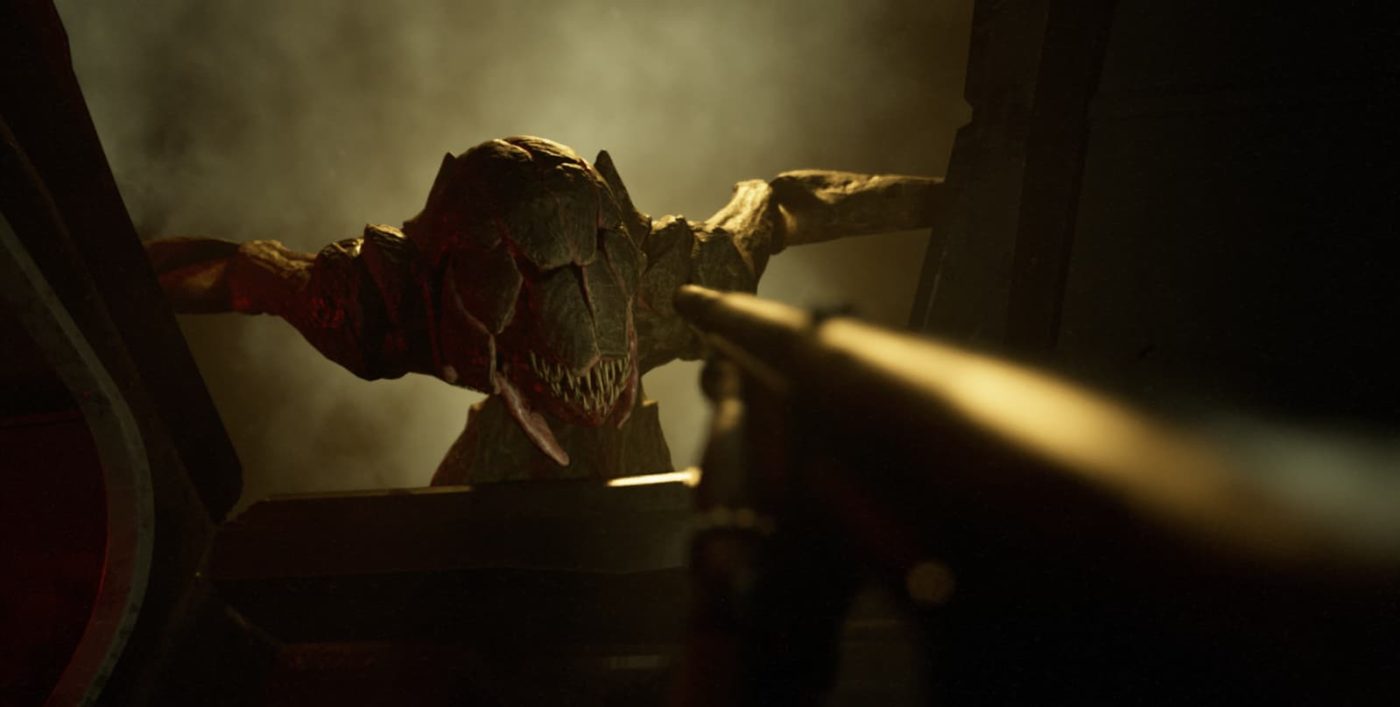
The character models also hold up well. The protagonist shows a good level of detail, as do the facial animations during the narrative sequences. While the work doesn’t reach the excellence of pricier productions, it still conveys emotions and moods effectively, adding to the narrative’s credibility. The creatures naturally rank among the whole production’s most important visual elements. Their design faithfully echoes what appears in the film saga, keeping the traits that made them instantly recognizable intact. The animations generally look smooth and convincing, especially when the creatures pinpoint a noise source and dash toward their prey with striking speed. Their mere presence generates tension even before the chase begins.
On the technical front, the game delivers generally stable performance. The frame rate holds at satisfying levels in most situations, and load times stay fairly short. Small imperfections can crop up occasionally during exploration, like a rougher secondary animation or slight clipping between scenery elements, but these remain sporadic hiccups that don’t hurt the experience.
Level design plays a key role in making the art direction work. The team designs the environments to foster tension, offering alternative routes, hiding spots, and plenty of interactive elements. Every area accounts for the stealth gameplay’s needs, letting players observe, plan, and carefully pick the safest path.
The technical side and the art direction together stand out as strengths of A Quiet Place: The Road Ahead. The game builds a believable world that stays coherent and perfectly suits its horror identity. Excellent use of lighting, well-crafted environments, and a faithful recreation of the films’ imagery let the game immerse players in a constantly tense experience, proving once again that strong art direction can matter more than raw graphical horsepower.

The Crown Jewel: Sound
If one element defines A Quiet Place: The Road Ahead‘s identity more than any other, it’s undoubtedly the sound design. While most survival horror games use sound mainly to ramp up tension or punctuate scares, here it becomes a genuine game mechanic. Any noise the protagonist makes can attract the creatures, turning sound design into one of the whole experience’s most important aspects. This choice faithfully picks up the film saga’s philosophy and adapts it cleverly to video game language.
From the earliest stages of the adventure, the player understands how important it is to pay attention to the surrounding environment. Footstep noise changes depending on the surface underfoot, objects can fall accidentally and produce sounds of varying intensity, and even opening a door requires the right timing. The developers craft every sound effect not just to boost realism but also to influence gameplay directly, forcing the player to constantly weigh the consequences of their actions.
One of the best-handled aspects is the management of silence. The developers avoid constantly filling the experience with music or background noise, often leaving long stretches where players hear only the protagonist’s breathing, the wind, or small ambient sounds. This choice massively amplifies the tension, because every sudden noise carries far more weight than it would in a traditional horror game.
The soundtrack follows the same philosophy. The music plays extremely sparingly and steps in mainly during key narrative moments or the tensest sequences. The compositions favor minimal, unsettling tones, accompanying the action without ever overpowering it. Rather than chasing catchy melodies, the composers aim to support the atmosphere and keep the sense of precariousness constant. The ambient effects receive just as much care.
Wind blowing through abandoned buildings, creaking wooden structures, rain hitting metal surfaces, or the simple rustle of leaves all help make the explored settings feel believable. Every environment carries its own sonic identity, letting players naturally sense location changes and deepening the sense of immersion even further.
The creatures’ sound design deserves special mention. Their cries, their movements, and the way they react to noise constantly convey a sense of danger. Even when the creatures stay out of sight, simply sensing their presence through sound instantly generates tension. The team achieves this without relying on overly flashy effects, instead making smart use of directional audio and silence.
The voice acting also does a good job. The performances from the protagonist and the other characters come across as convincing and keep a natural tone throughout. Given the story’s context, the conversations often stay whispered or extremely restrained, a choice that further boosts the game world’s credibility. Even in the most emotional moments, the performances avoid unnecessary excess, staying consistent with the overall atmosphere.
Technically speaking, the audio mix stays well balanced. Dialogue, sound effects, and music coexist without overlapping, letting players clearly pick out every sound source. With a good pair of headphones, the experience improves noticeably, since the three-dimensional sound positioning lets players pinpoint the direction of creatures and ambient noises more precisely, adding a further layer of immersion. Finally, one delightful touch the developers add is undoubtedly the noise-detection system: once players switch it on with headphones, they have to avoid making any real-world noise themselves, or the creatures will “catch” them!
All of this makes sound design A Quiet Place: The Road Ahead‘s most obvious strength. Few video games manage to weave sound so tightly into their mechanics, turning it into an essential tool for both tension and gameplay. The team builds the sound design with real intelligence, elevating every moment of the adventure and consistently conveying that sense of vulnerability at the heart of the whole experience.


A Coherent Fusion
One of the game’s most interesting aspects is how the world-building and the gameplay fuse together until they become almost inseparable. The film saga’s universe rests on one extremely simple fundamental rule: noise attracts the creatures, and the game builds practically every mechanic around this principle. The result is an experience where exploration, survival, and movement management always stay consistent with the world it depicts, avoiding the dissonance between story and gameplay that often plagues video game adaptations.
The world-building mainly happens through exploration. The developers don’t keep explaining what happened to the world; instead, they let the environments do the talking. Abandoned cities, hastily evacuated homes, looted shops, and countless traces survivors have left behind all help build a believable context. Every location visited conveys the feeling of belonging to a world that suddenly stopped working, where daily survival has replaced normal life.
The progression stays mostly linear, but the developers design each environment to offer different movement options. Players study the spaces, spot potential dangers, and plan a route that makes as little noise as possible. Even a seemingly simple path can turn into a tense situation if it’s littered with noisy objects, fragile surfaces, or obstacles that force players to slow down.
The stealth component undoubtedly gets the most attention. Unlike many other games in the genre, this one doesn’t limit players to dodging enemy sightlines. Sound is the real thing to manage. Walking too fast, accidentally bumping into an object, or opening a door without proper care can immediately draw the creatures. This mechanic forces the player to keep adjusting their behavior, making every movement feel more deliberate than in traditional survival horror games.
The creatures aren’t simply an obstacle to sneak past – they constantly shape the pace of exploration. Knowing that any noise can turn into a threat keeps tension high even during moments when nothing seems to be happening. This constant pressure is exactly what makes the gameplay compelling, showing how effective a simple mechanic can be when a well-built context surrounds it.
The adventure also makes room for small environmental puzzles and resource-management sections. The puzzles never reach particularly complex levels, but they fit well into the progression and help break up the pacing without slowing the story down too much. Likewise, collecting useful items encourages exploration without turning the game into a crafting-focused survival title built around constant resource-hoarding.
Overall pacing ranks among the experience’s best-calibrated aspects. The developers alternate exploration phases with narrative beats and more frantic sequences, avoiding both monotony and excessive gameplay fragmentation. They show a good touch for dosing tension, giving players brief breathers before throwing new dangerous situations at them.
Naturally, the gameplay has some limits too. The strongly linear structure narrows players’ freedom of approach, and while the mechanics remain solid, they evolve little over the course of the adventure. After the first few hours, players have already absorbed most of the core dynamics, and later additions feel fairly modest.
Players looking for more variety may notice some repetitiveness during the game’s middle stretch. It’s worth stressing, though, that this choice stems from the developers’ desire to keep tension constant and avoid needlessly complicating the experience. A Quiet Place: The Road Ahead doesn’t aim to be a survival horror game packed with complex systems; it prefers to build essential, accessible gameplay that stays perfectly coherent with its narrative universe.
Seen this way, the mechanics’ simplicity reflects a deliberate design choice rather than a real lack of depth. Every mechanic springs directly from the rules of the universe the film saga created and helps deepen player immersion. While it doesn’t revolutionize the stealth or survival horror genres, the game proves how a good idea, developed with consistency and attention to detail, can produce an engaging experience that stays perfectly faithful to the original work’s spirit.

A Success
After finishing A Quiet Place: The Road Ahead, it becomes clear that its main strength lies in how well it grasps the essence of the film saga and translates it into a video game. Rather than simply leaning on a famous brand, the developers build an experience that respects the narrative universe’s rules, making silence and vulnerability the foundations of the gameplay. This choice gives the game a strong identity and sets it apart from most contemporary survival horror titles.
The most convincing aspect is undoubtedly the whole project’s coherence. Gameplay, art direction, sound design, and narrative all pull in the same direction, never giving the impression that the developers added mechanics or situations just to inflate the spectacle artificially. Every element helps build an oppressive atmosphere that leaves the player feeling constantly exposed to danger.
The handling of tension also proves particularly effective. The game avoids constantly relying on classic jumpscares, preferring to build steady anxiety out of silences, waiting, and calculated movements. This approach makes many sequences memorable and shows a solid grasp of psychological horror dynamics.
The narrative, while it doesn’t reach exceptional heights, does its job well. The story fits neatly into the A Quiet Place universe, the characters feel believable, and the pacing stays steady throughout the adventure. Telling an original story also pays off, since it lets the game expand the saga instead of simply replaying the films’ events.
On the gameplay side, though, a few limits also emerge. The mechanics work well and stay perfectly consistent with the setting, but they evolve little over the course of the adventure. After the first few hours, the gameplay offers few new twists, and some situations tend to repeat, especially during exploration. The game never becomes boring, but more variety would have benefited the overall pacing. The linear structure represents a trade-off too. On one hand, it lets the developers precisely control the narrative rhythm and tension; on the other, it limits player freedom and reduces the chances to try different approaches. It’s an understandable choice, but one that might not satisfy players who prefer more open survival horror games.
On the technical side, the game holds up well without being especially impressive. The team builds the atmosphere with great care, while the graphics look solid but not particularly innovative. A few small technical hiccups and some rougher animations remind players they’re playing an AA production, but nothing seriously undermines the experience.
We can therefore call A Quiet Place: The Road Ahead a successful adaptation, because it never tries to turn the original material into something it isn’t. It accepts its own limits, builds gameplay that stays coherent with the narrative universe, and delivers an engaging horror experience thanks above all to its atmosphere and sound design.
Despite some repetitiveness and a fairly linear structure, it stands as one of the best video game transpositions of a film license in recent years, proving that respect for the source material and strong game design ideas can coexist successfully.

 8/10
8/10