
The story of how James Bond became 007.

There are iconic characters, and then there is James Bond.
For more than seventy years, Ian Fleming’s legendary secret agent has occupied a unique place in popular culture. Few fictional creations have demonstrated the same ability to transcend generations, mediums, and changing cultural landscapes while remaining instantly recognizable. Bond has evolved far beyond the pages of the novels that introduced him in 1953, becoming one of the most enduring and influential figures in modern entertainment.
Yet longevity comes with its own challenges. Every new interpretation of James Bond must contend with decades of history and inevitable comparisons. Reinventing 007 has never been a simple task, particularly in the wake of Daniel Craig’s era – a five-film run that redefined the character for modern audiences and delivered one of the franchise’s most definitive chapters.
With Bond’s cinematic future still taking shape, the responsibility of introducing a new generation to the character has fallen to an unexpected medium: video games. More specifically, to IO Interactive, a studio whose reputation has been built on two decades of crafting some of the most sophisticated espionage experiences in gaming through the Hitman series.
On paper, the pairing seems obvious. In practice, it presents a far more intricate challenge. Despite their shared ties to the world of espionage, Agent 47 and James Bond are built on fundamentally different principles. One moves through the world like a ghost; the other is a charismatic operative whose very presence often demands attention. One is driven by detachment and control, the other by instinct, emotion, and human imperfection. Capturing Bond on screen – or in game form – therefore requires more than adapting the mechanics of espionage. It requires understanding the man behind the myth.
That is precisely where 007 First Light sets itself apart. Rather than focusing on the seasoned agent audiences already know, IO Interactive turns its attention to the formative years of the character, exploring Bond before he became the world’s most famous spy. This is not the polished veteran who enters every room with absolute confidence, but a younger, less experienced man still discovering who he is and what kind of agent he wants to become.
It is a bold creative decision – and ultimately the foundation upon which the entire experience succeeds. By shifting its focus away from the legend and toward the individual behind it, First Light does more than tell a new James Bond story. It attempts to explain how that legend was forged in the first place. The result is an origin story that not only respects the legacy of 007, but enriches it, delivering one of the most compelling and refreshingly human interpretations of James Bond ever seen in a video game.

Before MI6, Before the Myth
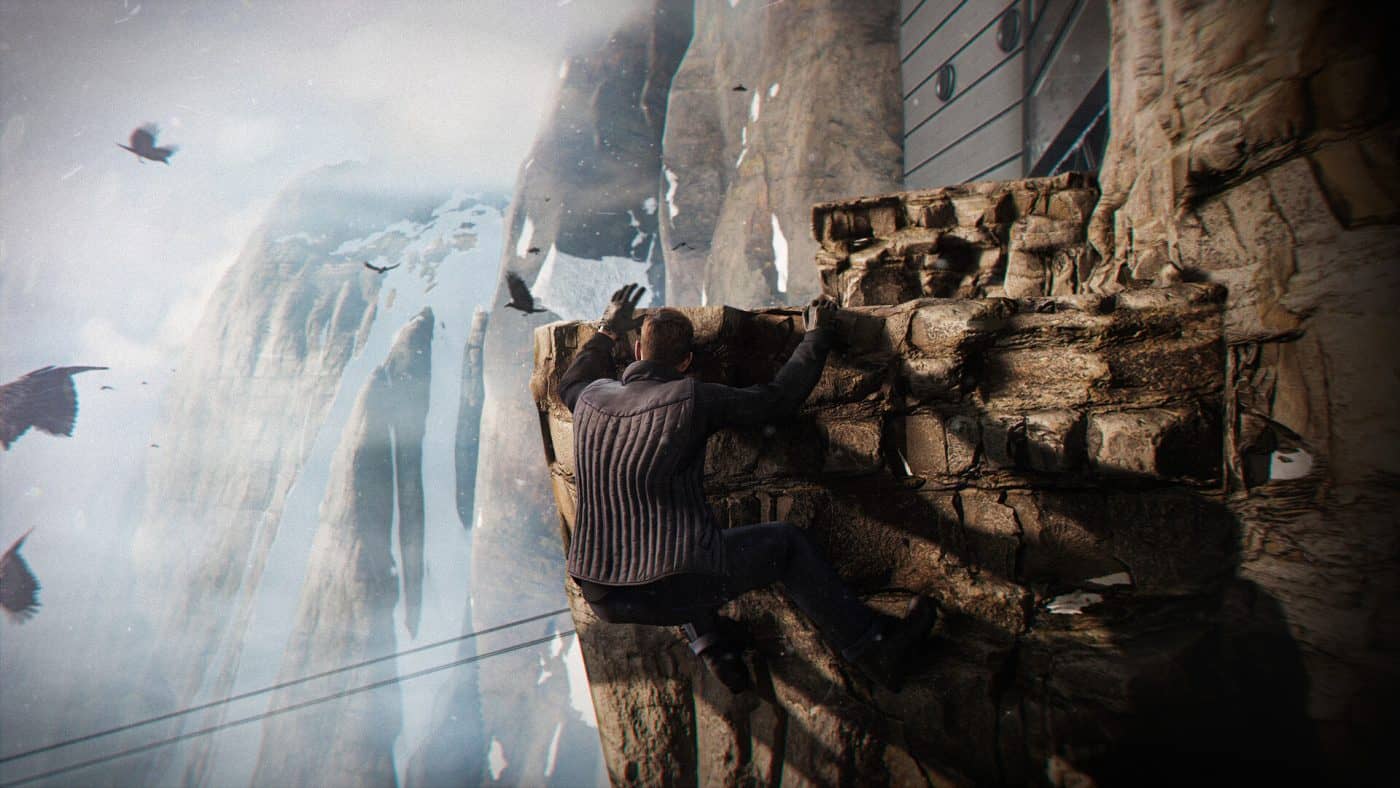
007 First Light opens with one of the strongest introductions ever seen in a James Bond adaptation. Set against the harsh, frozen landscapes of Iceland, the opening mission does far more than deliver a striking spectacle. Its real purpose is considerably more ambitious: establishing the identity of its protagonist long before the world comes to know him as 007.
At this stage, Bond is not yet the polished operative audiences have come to associate with the name. He lacks experience, struggles to keep his emotions in check, and has yet to develop the composed confidence that will eventually define him. What we see instead is a gifted young man, driven by extraordinary potential and a dangerous instinct to trust his own judgment.
The sequence handles that transformation with notable restraint. Every exchange, every narrative beat, and every directorial choice contributes to Bond’s gradual evolution, tracing the path that will lead him toward MI6. Just as importantly, the writing avoids one of the most common flaws of modern origin stories: over-explanation. Rather than forcing in unnecessary exposition or mechanically underlining every future trait, First Light lets its protagonist come into focus organically.
The result is a story that trusts both its audience and its character. Instead of announcing the birth of a legend, it lets players witness it taking shape, with Bond’s defining qualities emerging naturally through experience rather than exposition.
The mission’s climactic finale gives way to one of the game’s most memorable moments: its Bond title sequence. Far more than a visual nod to franchise tradition, it serves as a clear statement of intent from IO Interactive. Set to Lana Del Rey’s haunting, emotionally resonant performance, the sequence establishes its tone with confidence, evoking the atmosphere of the Craig era while still retaining a distinct identity of its own. It is in that moment that 007 First Light makes its ambitions clear.
This is not merely a game starring James Bond; it is an attempt to understand and recreate the very language, atmosphere, and identity that have defined the character for decades. From this moment onward, the game demonstrates a remarkably clear sense of purpose, embracing its vision with confidence and, for the most part, delivering on that promise with impressive consistency.

The Training of a Future 007
One of the most compelling aspects of First Light lies in the way it approaches its opening. Rather than relying on a conventional tutorial whose purpose is to introduce mechanics, IO Interactive weaves Bond’s training directly into the narrative, turning what could have been a functional onboarding sequence into a significant part of his personal and professional evolution.
As players learn the fundamentals of the game, Bond is simultaneously discovering what it truly means to become a secret agent. These two journeys unfold in parallel, with gameplay and narrative tightly interwoven, each reinforcing the other.
This section also introduces Monroe and Cressida, two characters who appear set to play key roles in Bond’s journey. Their presence lends a more grounded, human dimension to the protagonist, bringing into focus emotional ties and personal conflicts that are often overshadowed by the larger-than-life image of 007. By the time this opening sequence concludes, the player has not simply completed a tutorial – they have witnessed the earliest steps in the making of Agent 007.

The First Spark of a Legend
From a narrative standpoint, 007 First Light follows the established framework of James Bond’s most iconic adventures. An opening mission, a catalysing event, international travel, betrayals, secrets, concealed truths, and a final confrontation: all the defining elements of the formula are present and instantly recognisable. The key distinction lies in the video game medium, which allows the developers to explore each narrative beat with a level of depth and continuity that cinema can only suggest.
Spanning more than twenty hours, the campaign provides IO Interactive with the opportunity to explore relationships and conflicts with a depth rarely achieved in Bond adaptations. Rather than simply following Bond’s missions, the narrative focuses on his transformation, each mission marking a defining step in Bond’s journey toward becoming the icon the world will one day know. At its heart, First Light is a story about trust sacrifice, and identity. It is not simply about what Bond does, but about the experiences that shape him into the man behind the name. And that is where the game finds its greatest strength.

Greenway: The Man Behind the Making of 007
If there is one element that truly elevates the writing, it is undoubtedly Greenway. Introduced as a hardened veteran – stern, disciplined, and seemingly incapable of showing vulnerability – he gradually emerges as the emotional heart of the entire experience. His relationship with Bond stands among the game’s finest narrative achievements,
What begins as a relationship built on tension, misunderstanding, and mutual distrust gradually transforms into something far deeper. As conflict gives way to respect and admiration, Greenway and Bond forge a connection that extends far beyond the boundaries of a conventional mentor-student relationship. Greenway becomes an imperfect father figure: a mentor who sees the potential of the man Bond could become, while remaining deeply aware of the dangers that come with his impulsiveness, ambition, and relentless desire to forge his own path.
A Supporting Cast Worthy of the Legend
The supporting cast is equally impressive, making a significant contribution to the strength of the narrative. M retains all the authority and charisma that have defined the character for decades, embodying the delicate balance between institutional rigor and the quiet, often unspoken concern for Bond that has long been central to their relationship.
Particularly successful is the game’s new Bond girl, arguably one of the most compelling female characters introduced to the franchise in recent years. Free from many of the conventions that have traditionally defined the role, she commands attention from the moment she enters the story. Mysterious, charismatic, and refreshingly unpredictable, she serves as far more than a narrative companion or romantic counterpart. Instead, she becomes a pivotal figure in Bond’s development, influencing both his emotional growth and his evolving understanding of what it means to be an operative.
Special mention should also be reserved for the arms dealer portrayed by Lenny Kravitz. Despite having a relatively limited presence within the narrative, the character leaves a lasting impression through a restrained yet highly effective performance. Rather than relying on exaggerated theatrics, Kravitz brings a subtle sense of menace and authority to the role, giving the character a distinct presence every time he appears on screen.

Disguise, Deception, and the Art of Espionage
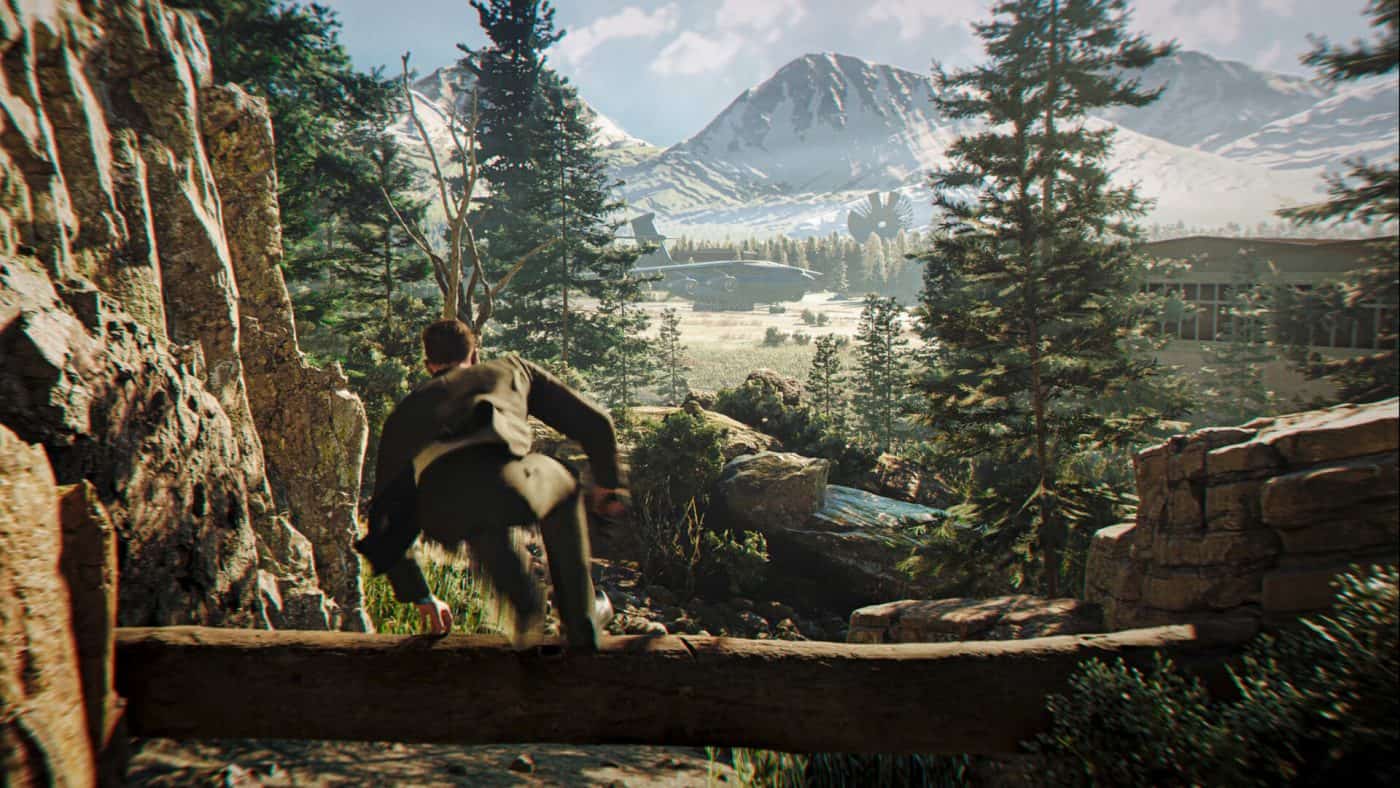
From a gameplay perspective, 007 First Light bears all the hallmarks of the experience IO Interactive has accumulated over years of developing the Hitman franchise. Its open-ended mission design represents the high point of the experience and serves as the clearest expression of the studio’s design philosophy. Objectives can be approached in multiple ways, infiltration can take many forms, and missions frequently reward creativity as much as efficiency.
When the game affords players complete freedom to operate on their own terms, it captures something that few Bond adaptations have managed to achieve: the feeling of truly stepping into the role of James Bond. Not a soldier. Not an assassin. A spy.
Stealth is equally well realised, supported by a level design that consistently encourages experimentation and rewards careful observation. Q’s gadgets are more than simple tools; they are integral components of the gameplay loop, each offering multiple applications that expand the range of possible solutions available to the player. This philosophy also extends to the investigative elements woven throughout the campaign. Far from feeling like superficial distractions, these sequences add meaningful depth to the overall experience, reinforcing the feeling of embodying a true intelligence operative.

The Deadly Side of 007
Combat stands as one of the more uneven elements of the overall experience. In the opening hours, several limitations are immediately apparent. Gunfights – particularly those in set-piece environments such as the airport sequence – often lack fluidity and impact, feeling less refined than the game’s stealth and infiltration systems. Hand-to-hand combat shows more promise, but initially feels somewhat underdeveloped, taking time before it settles into a convincing rhythm.
As the campaign progresses, however, the system begins to reveal its true potential. The gameplay gradually becomes more fluid, individual mechanics start to work together with greater consistency, and encounters acquire a stronger sense of impact and satisfaction. This evolution is particularly evident in close-quarters combat, which ultimately becomes the most compelling aspect of the system. Once its timing and rhythm are fully understood, fights transform into dynamic and expressive sequences that capture the intensity, precision, and spectacle of Bond’s most memorable action scenes.
Bond at the Wheel
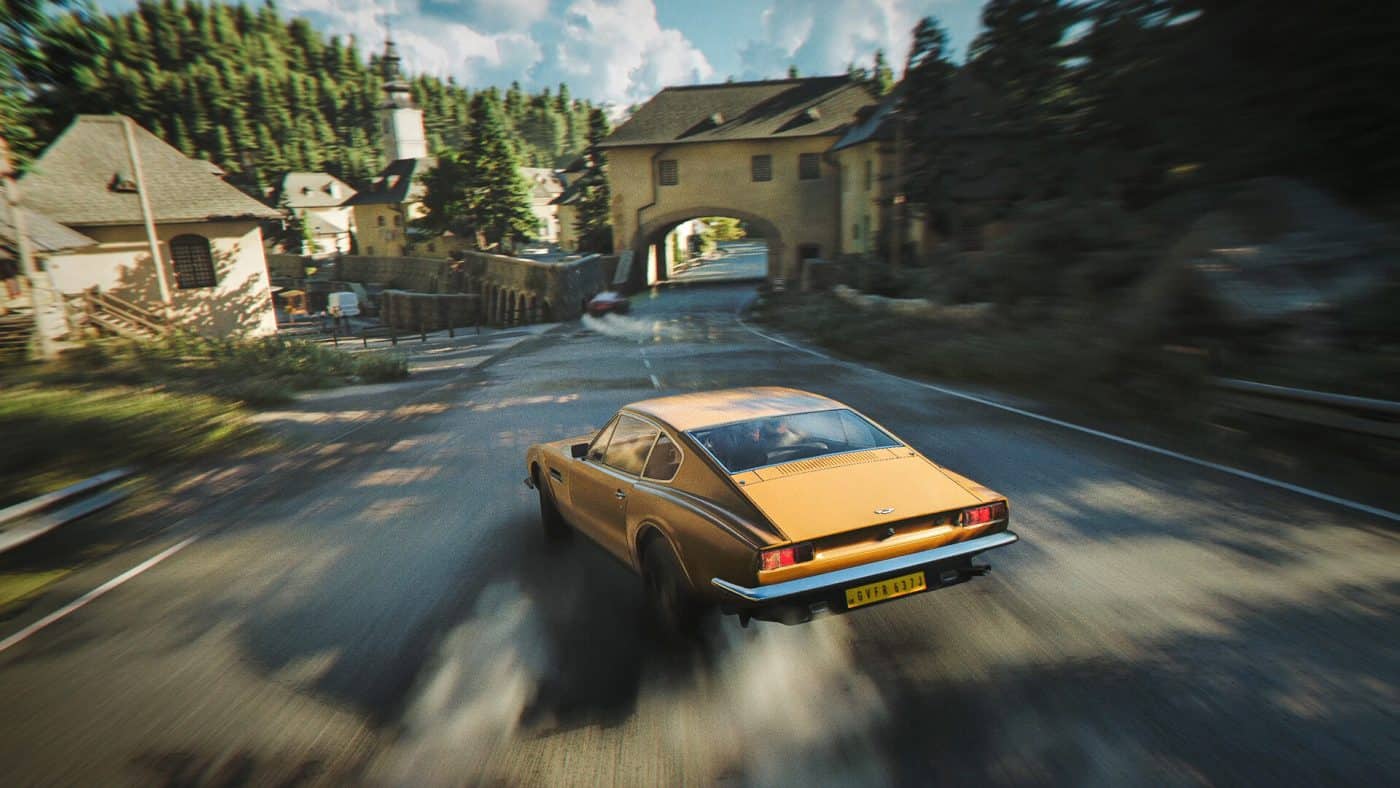
Historically, driving has been one of the weaker elements in James Bond video game adaptations. 007 First Light finally moves away from that trend, delivering sequences featuring Aston Martin cars, Land Rover vehicles, Riva speedboats, and other forms of transport that are consistently engaging, dynamic, and smoothly integrated into the game’s broader narrative structure.
In the early missions, some inconsistencies in control responsiveness are still noticeable. As the campaign progresses, however, the system grows more stable and precise, gradually settling into a confident and well-balanced rhythm. While it never aims to rival dedicated racing titles, it performs its role effectively, remaining fully in step with the pacing of the broader experience.
Where Am I Supposed to Go?
The main limitation of the experience lies in its navigation, which in certain sections feels far from intuitive. At times, players may find themselves losing valuable minutes simply trying to work out where to go next. While this remains a relatively contained issue, it can occasionally interrupt narrative momentum and weaken the flow of specific sequences.
A navigation aid integrated into Bond’s watch – or, alternatively, into one of Q’s gadgets – would likely have provided an elegant solution fully aligned with the franchise’s identity, without compromising immersion. Fortunately, it remains a minor flaw and has little impact on the overall quality of the game.
A Living, Breathing World
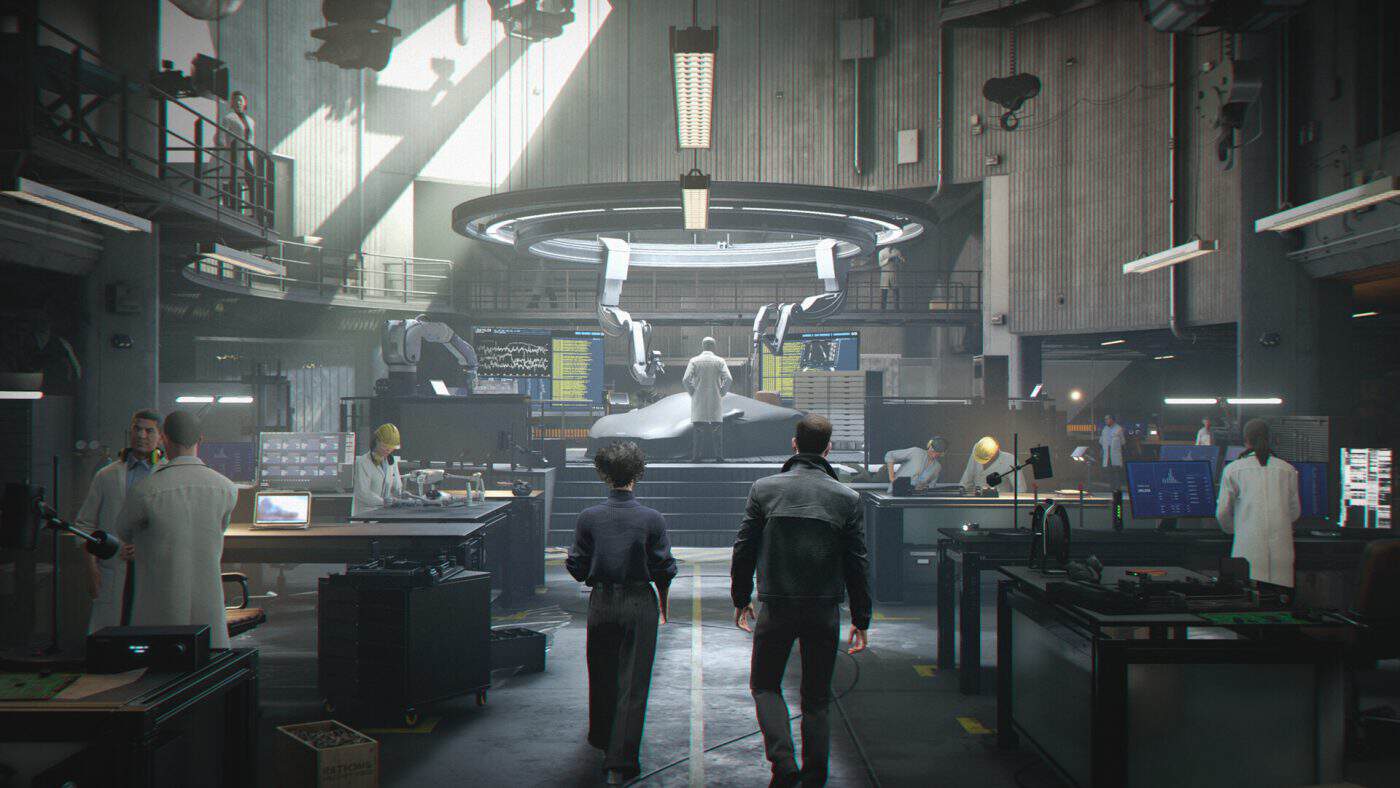
From a technical perspective, First Light once again demonstrates the strength of IO Interactive’s Glacier engine. The environments are richly detailed, while NPCs add a steady sense of life and credibility to each location, helping the game world feel cohesive and convincingly inhabited. The lighting is especially impressive, reaching an excellent standard and giving outdoor areas particular visual impact, which stand out as the game’s clear technical highlight.
On Xbox Series S, performance remained consistently solid throughout the adventure. Across the entire playthrough, only two minor technical issues were encountered – a reassuring result for a project of this scale and complexity.

The First Light of a New Era
007 First Light is more than an excellent James Bond game – it is a clear statement of intent. More importantly, it demonstrates that one of popular culture’s most enduring icons still has considerable untapped potential in the interactive medium.
Rather than leaning on the franchise’s most familiar conventions, IO Interactive delivers a reinterpretation of Bond that feels both true to the character’s legacy and assured in its own identity. Driven by a surprisingly mature narrative, a consistently strong cast of characters, gameplay systems that capture the essence of espionage, and a technically accomplished production, First Light stands as the most compelling video game adaptation of Bond to date.
Not every aspect reaches the same level of excellence. Certain sequences are less inspired than others, navigation occasionally lacks clarity, and both the combat and driving mechanics require time to fully settle into their rhythm. Yet these shortcomings remain minor when weighed against the scale of the project’s ambition and the confidence of its execution.
What ultimately sets First Light apart is that it is not simply content to tell another Bond adventure. It is interested in showing how Bond becomes Bond. By focusing on the transformation of a young operative into the legend known as 007, the game becomes something rarer: a story about identity, responsibility, and the making of a myth.
In a landscape where licensed games too often settle for familiarity, 007 First Light stands apart through the strength of its vision, the quality of its writing, and its clear understanding of what makes James Bond endure. If this is the beginning of a new era for 007 in video games, then the future looks exceptionally bright.
 8.5/10