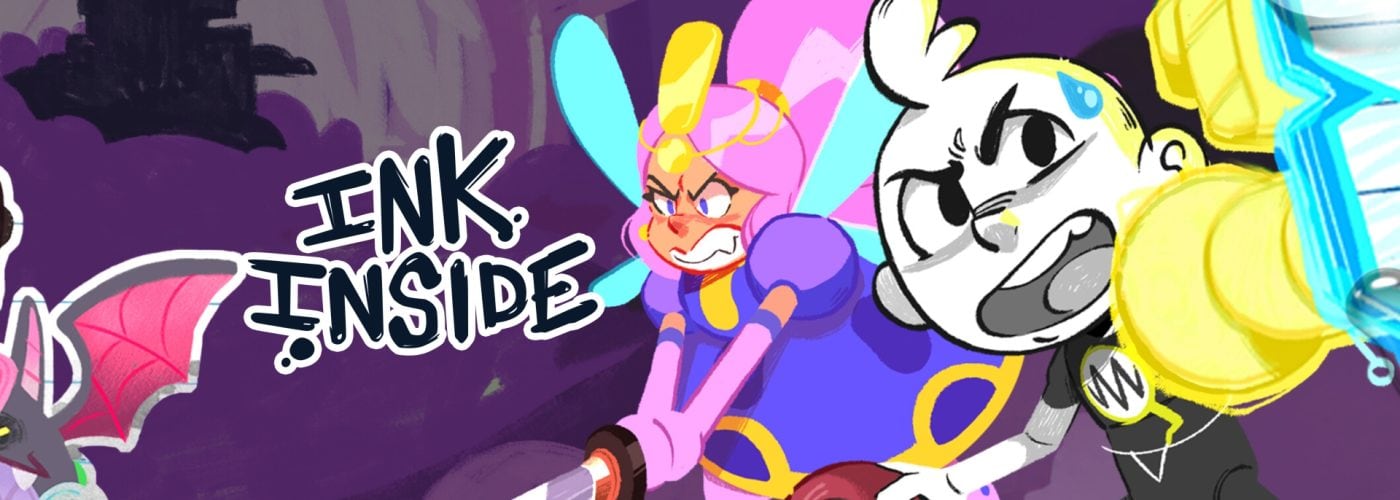
A chaotic and melancholic action RPG that turns notebooks, ink, and forgotten memories into a surprising world
Ink Inside did not appear out of nowhere. Before reaching Steam in December 2024, Blackfield Entertainment LLC carried the project through a long and openly independent journey: showcases at PAX Rising, recognition at the Big Indie Pitch and Digital Dragons, and years of development driven by a small team with an unusual background. The game then launched on PlayStation 5, Xbox Series, and Nintendo Switch through publisher Entalto Publishing, and within months it earned a solid reputation in the indie scene, appearing among the hidden gems most frequently cited on Reddit and in Steam rankings.
That reputation owes nothing to visibility or budget — it comes entirely from the strength of a vision. Ink Inside is a hybrid action RPG that blends a cartoon aesthetic, an original combat system, and layered storytelling with a coherence rare for a debut title. Beneath its colorful and seemingly lighthearted surface lies something more complex: a reflection on creation, memory, and deterioration — not only material, but emotional.
And yes, also something genuinely strange.
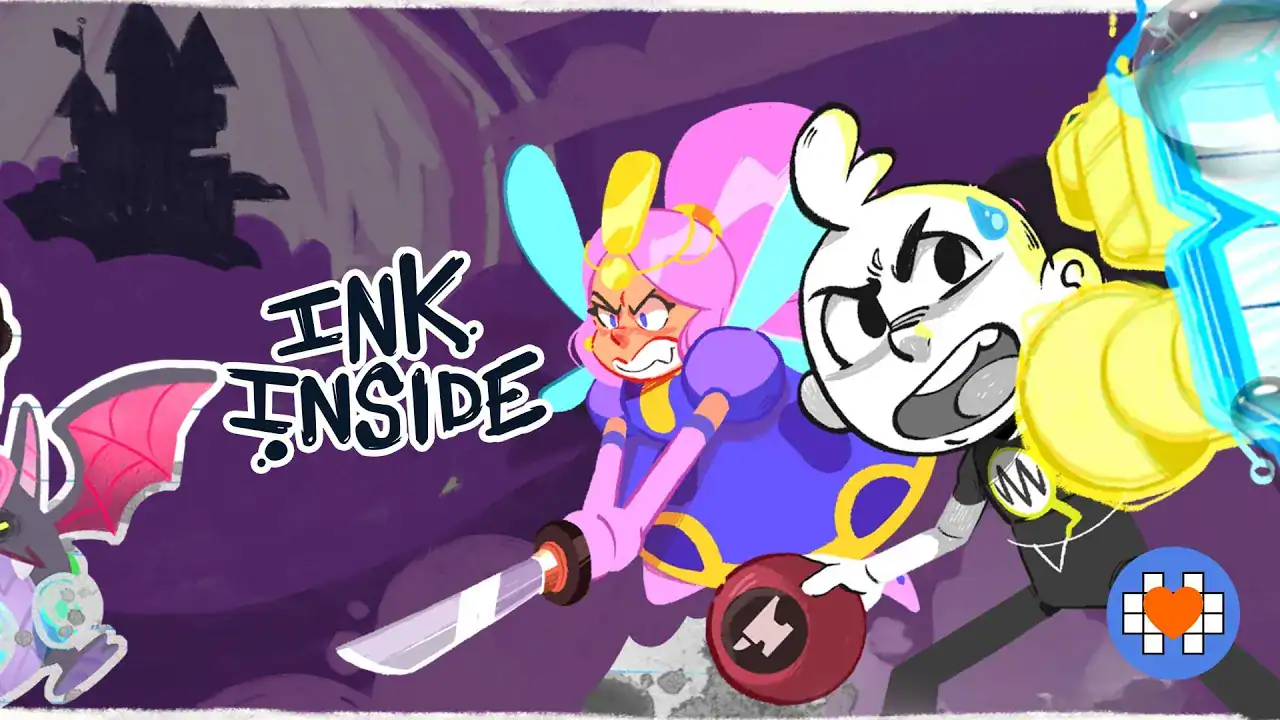
Narrative and Setting: Notebooks, Memory, and the Great Folding
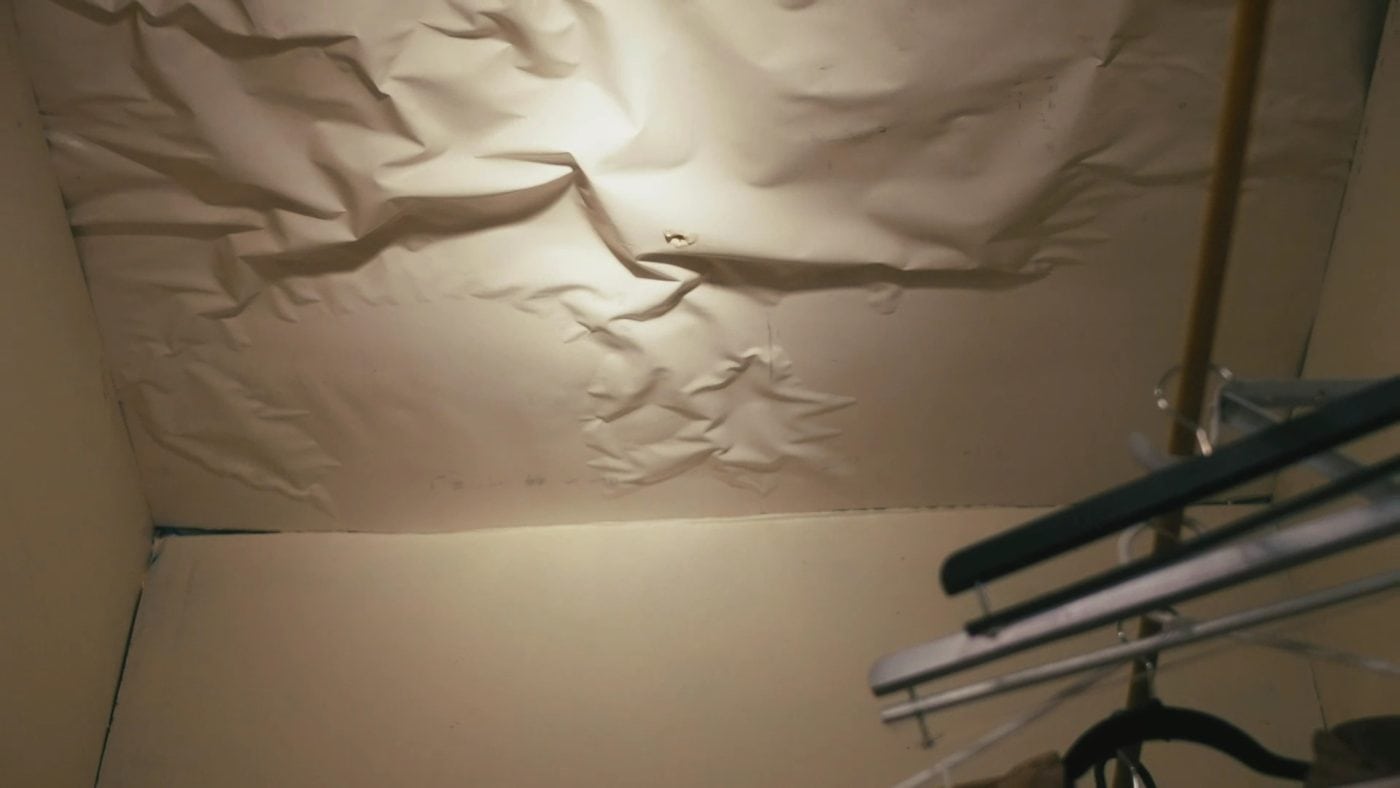
The narrative premise of Ink Inside is simple but remarkably effective. Players take on the role of Stick, an unfinished doodle — an incomplete drawing with no clear origin — who finds himself inside a notebook called Princess Land, a world that a girl named Hannah created during elementary school, when princesses and fantasy worlds captured her imagination. The trouble starts with a leak in the ceiling above the box where Hannah keeps her notebooks: water seeps into the pages, warping the drawn world and turning once-friendly characters into corrupted, hostile creatures — the Sog, soggy beings that spread like an infection and alter not just the doodles but the very paper beneath them.
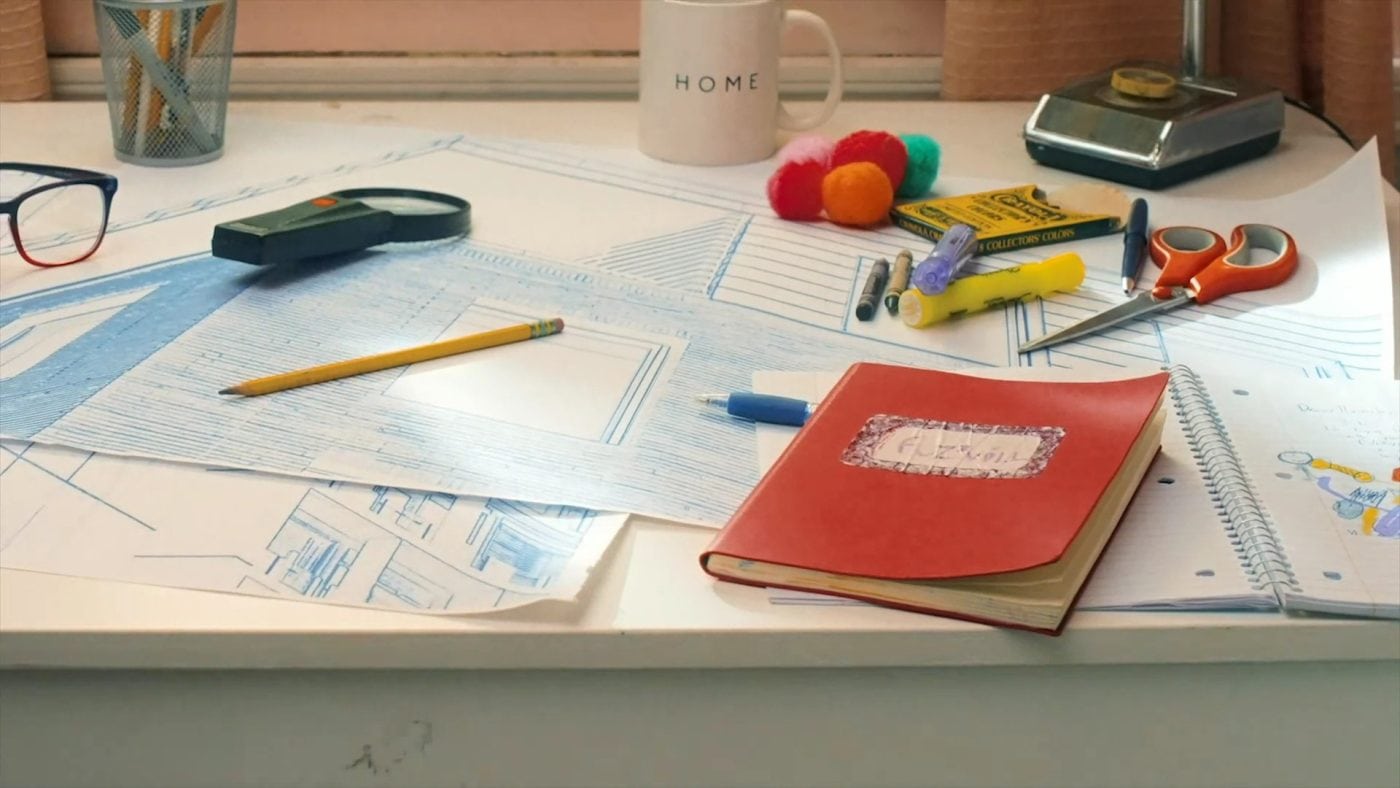
But the real story starts earlier. The game builds its cosmology carefully through dialogue. Elder Fuzz explains that Hannah’s notebooks once existed as separate worlds, and their inhabitants could move freely between them. Then came the Great Folding: Hannah gathered all her notebooks into a single box, the entrances between worlds collapsed or disappeared, and their inhabitants scattered. The Sog appeared shortly after.
This is a narratively powerful idea, because the Great Folding is not simply a cosmic event. It works as an allegory for creative abandonment: Hannah stopped visiting her worlds, packed them away, set them aside. The Sog — the water that corrodes, the moisture that blurs outlines — arrived when the creator’s attention disappeared. The world literally deteriorates when no one looks at it anymore.

That sense of abandonment runs through every corner of the game. Detective Fuzz is a refugee: he comes from Fuzzville, another notebook now lost to the Sog, and the Queen of Princess Land took him in along with other displaced doodles. Every character carries a history of loss and adaptation. The entire universe of Ink Inside is a world in reconstruction, trying to survive on what remains.
At the center of everything sits the concept of Genetic Memory — or *Gene Meme*, as the younger characters call it. This goes beyond a simple shared memory between a doodle and its creator: it is the specific emotional recollection that motivated Hannah to draw that character in the first place. Every doodle carries a fragment of Hannah’s experience, and the complete Genesis Memory, when it finally surfaces, comes with a warning — it will be the most painful vision a doodle ever experiences. Not just any memory: the story of what happened to Hannah that made her pick up a pencil and create.
Exploring Princess Land means, in some way, exploring Hannah herself. And Stick — unfinished, without a clear origin, carrying memories of Hannah across different periods of her life — is the most mysterious character of all. He does not match the style of her elementary notebooks, nor her high school work, nor her college sketchbooks. Where does he come from? The game asks the question and leaves it with the player to carry forward.

One note on the structure of the work is worth adding: Ink Inside covers the first of the three seasons of content the team wrote — the equivalent, in the developers’ own words, of twenty-four half-hour animated episodes compressed into 9-10 hours of gameplay. This is not a modest first chapter: it is a complete season. The decision to prioritize quality over quantity is deliberate and clearly stated — a tight, well-crafted game with ten hours of story beats a sprawling, uneven one with thirty-six. That priority shows throughout, and it leaves room for sequels that will bring not just more story, but new mechanics as well.

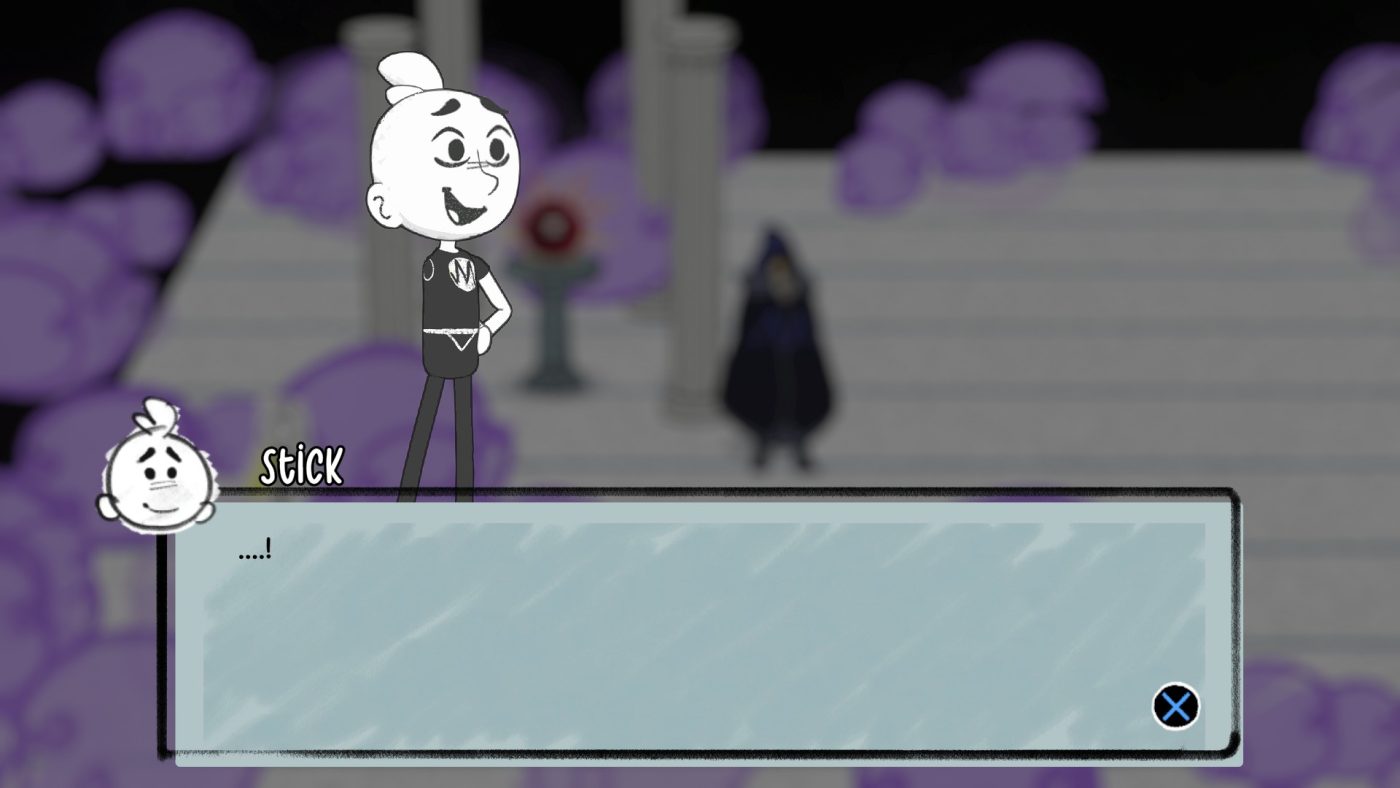
Gameplay: Controlled Chaos Between Beat’em Up and Dodgeball
Where Ink Inside builds through patience and layering on the narrative side, the gameplay pushes for distinction in a more immediate way.
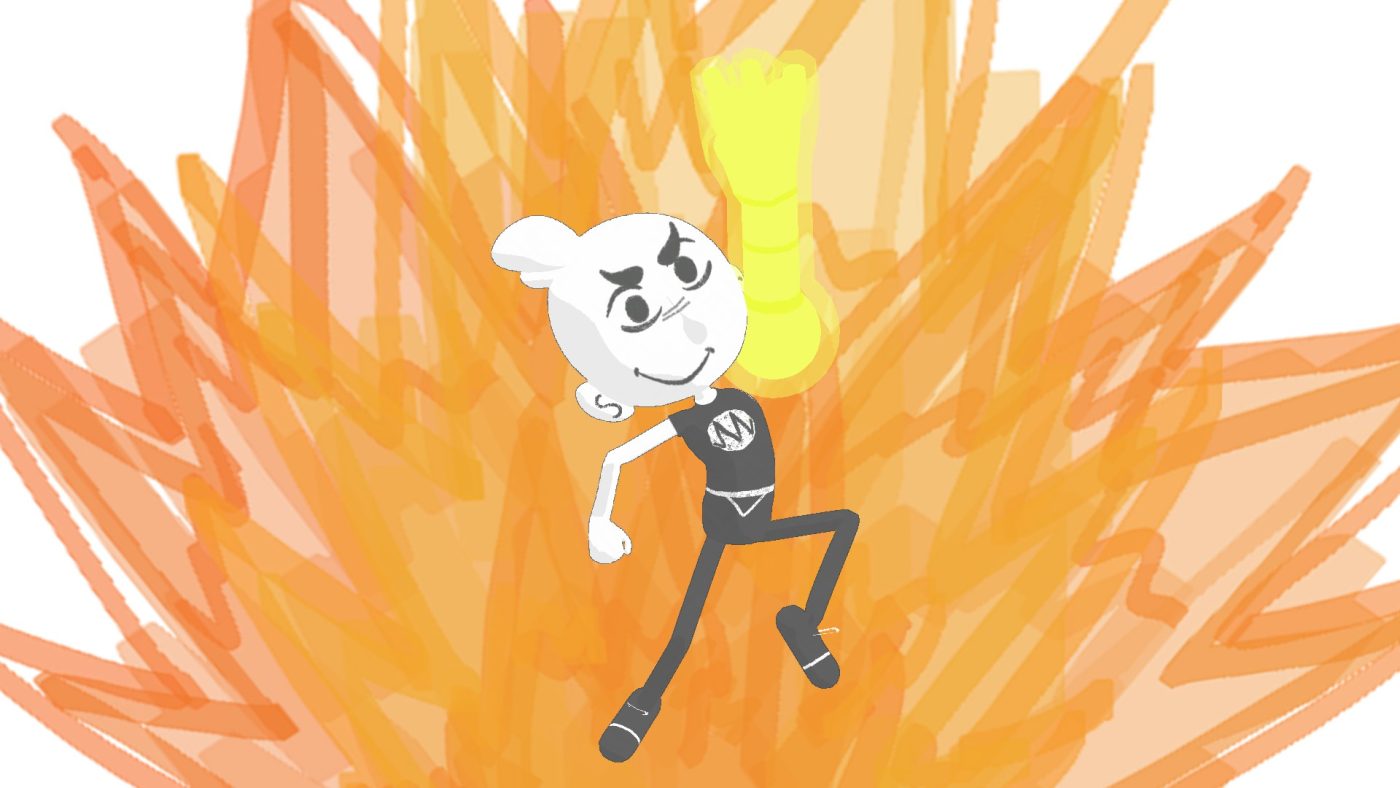
The combat system works as a hybrid between beat’em up mechanics and dodgeball. Enemies fire projectiles in bullet-hell patterns, and players must dodge, block, and counterattack by combining melee strikes with a ball they can hurl at opponents. Reading enemy patterns, managing space, and exploiting attack trajectories matter more than reflexes alone. In practice, the game keeps players in constant motion, with a rhythm closer to a soft shoot’em up than a traditional action RPG.
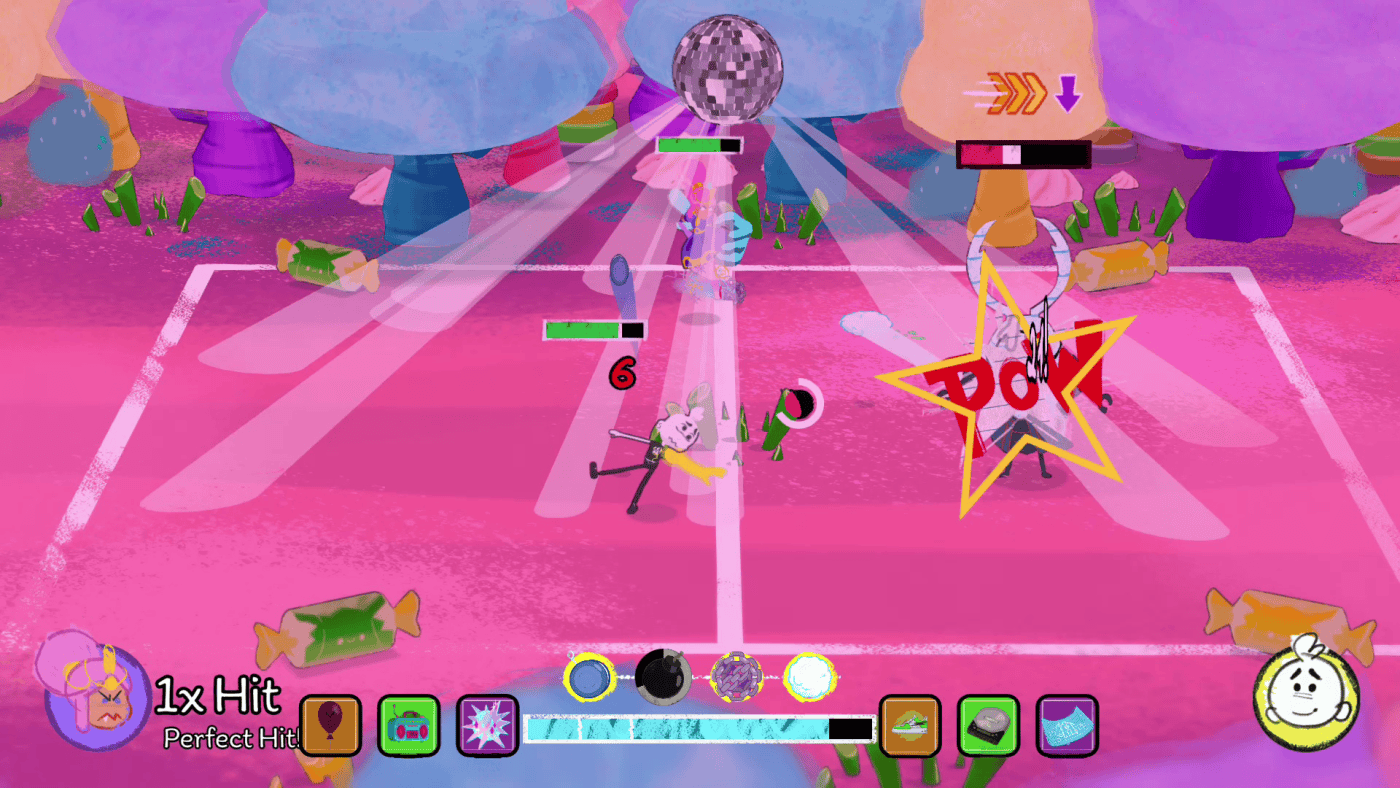
The COOL MOVES bar adds another layer: once full, it lets players break the rules of combat outright, shattering the invisible wall protecting enemies and dealing extra damage. The system rewards timing and resource management while staying accessible at lower difficulty levels — a deliberate choice the game makes no effort to hide.
The RPG structure never overwhelms, but it runs deep. Fifteen experience levels, thirty-three Jobs to find and complete, fourteen Cores with unique perks that trigger on perfect hits. Here the game does something smart: Cores are not just mechanical tools — they belong to the lore. As Kalamity, one of the characters, explains, Cores absorb whatever material surrounds them — crayon, marker, pencil — and inject it where needed, repairing corrupted doodles and protecting against the Sog. The gameplay and the narrative speak the same language.
The game also supports local co-op for up to two players, with a particularly elegant solution: a second player can jump in at any moment directly from the pause menu, without restarting or navigating a lobby. The second playable character is Traff, who brings her own narrative arc, a distinct combat style, and an introduction cutscene that summarizes her personality in a single line: *”Oh $#*! It’s Traff”*. Both characters level up independently.
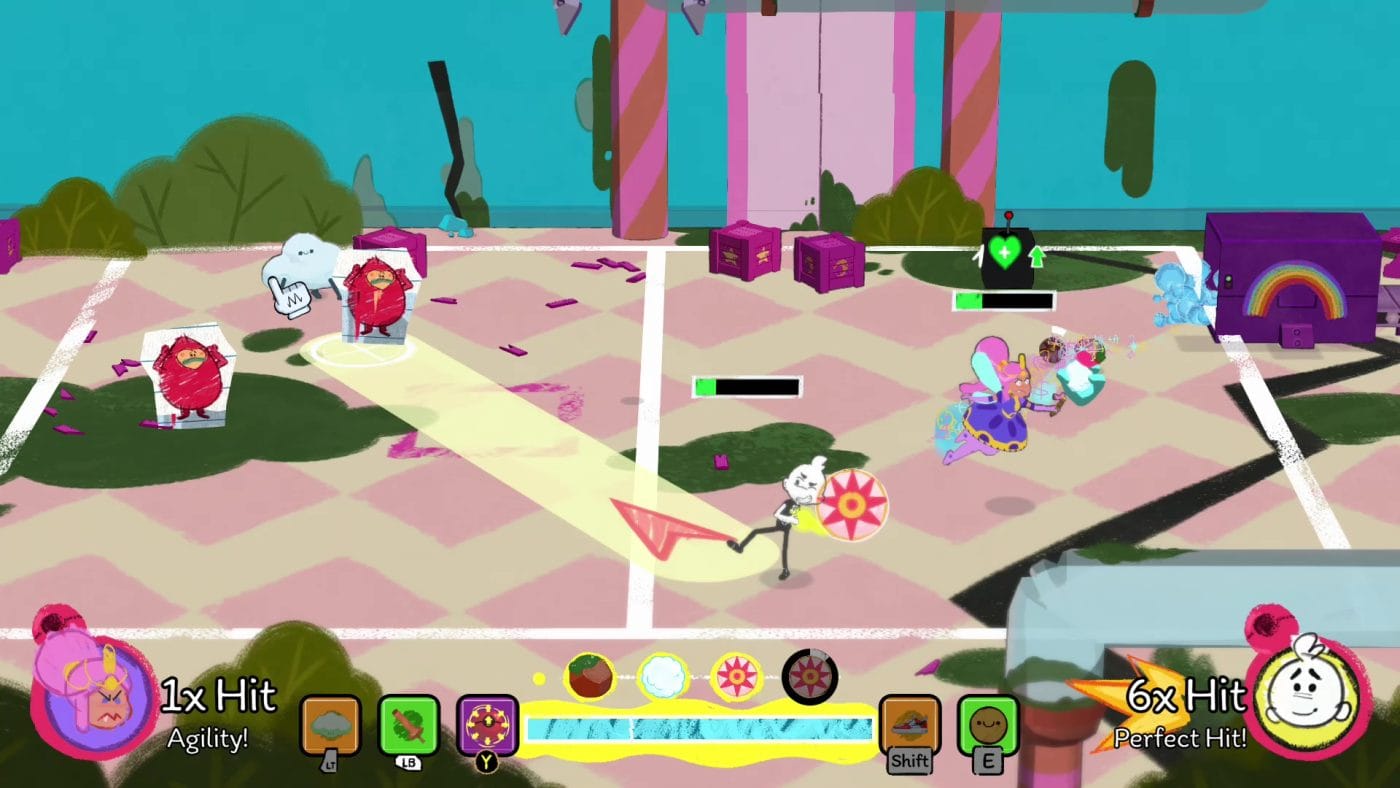
For players who want a harder challenge, S+ mode turns the experience into something genuinely punishing — an explicit tribute to the ragequit games of the golden era of animated television. The team recommends finishing the game on normal difficulty first. That is not an ironic suggestion.
Themes: Creativity, Abandonment, and the Fragility of the Forgotten
Ink Inside does not push its themes to the surface. They emerge slowly, through dialogue, world-building, and the details of the lore.
The central theme is creative failure — or more precisely, abandonment. The Great Folding is not a natural disaster: it follows directly from Hannah stopping her visits to these worlds, packing her notebooks away, and moving on. The water that corrupts Princess Land is nothing more than time and indifference eroding what no one tends to anymore. These worlds do not die from hostility. They die from forgetting.
That thread connects to a deeper question about the identity of the characters: what does a created being become when the person who created them stops thinking about them? The doodles of Ink Inside are fragments of emotion, traces of experiences Hannah lived and translated into ink. The Genesis Memory ties each doodle to their creator, but that same connection makes them vulnerable — their existence depends on a memory they cannot control.
Then there is a parallel the game never states directly but makes impossible to ignore: Ink Inside originates from a cartoon pilot that never aired, originally pitched to Nickelodeon. The team wrote enough material for three seasons of story that television never had space for, and they transformed that story into a video game. The world of Ink Inside is, in the most literal sense, a world of ideas that almost stayed in a box. The Great Folding as autobiographical allegory.
At a moment when the debate around artificial intelligence in creative production runs particularly hot, it is worth noting that Blackfield explicitly stated they used no AI in making the game. Ink Inside is a work that human hands built entirely, speaking about what human hands leave behind in the world when they stop drawing.

Art Direction: An Aesthetic Built by Hand, Notebook by Notebook
The art direction of Ink Inside stands as one of its most immediately distinctive elements. Every asset comes from hand-drawing, and every environment carries visible traces of its creators — an imprecision in the best possible sense: warm, imperfect, human.
The environments reflect the history of the world itself. Princess Land, with its pastel tones and fantasy elements, is the notebook Hannah filled in elementary school. The Sugar Swamp bursts with saturated colors and rounded shapes. Fuzzball Forest shifts toward darker tones. Each area holds a precise visual identity, consistent with the idea that every notebook carries its own stylistic personality — a reflection of a different phase in Hannah’s creative life.
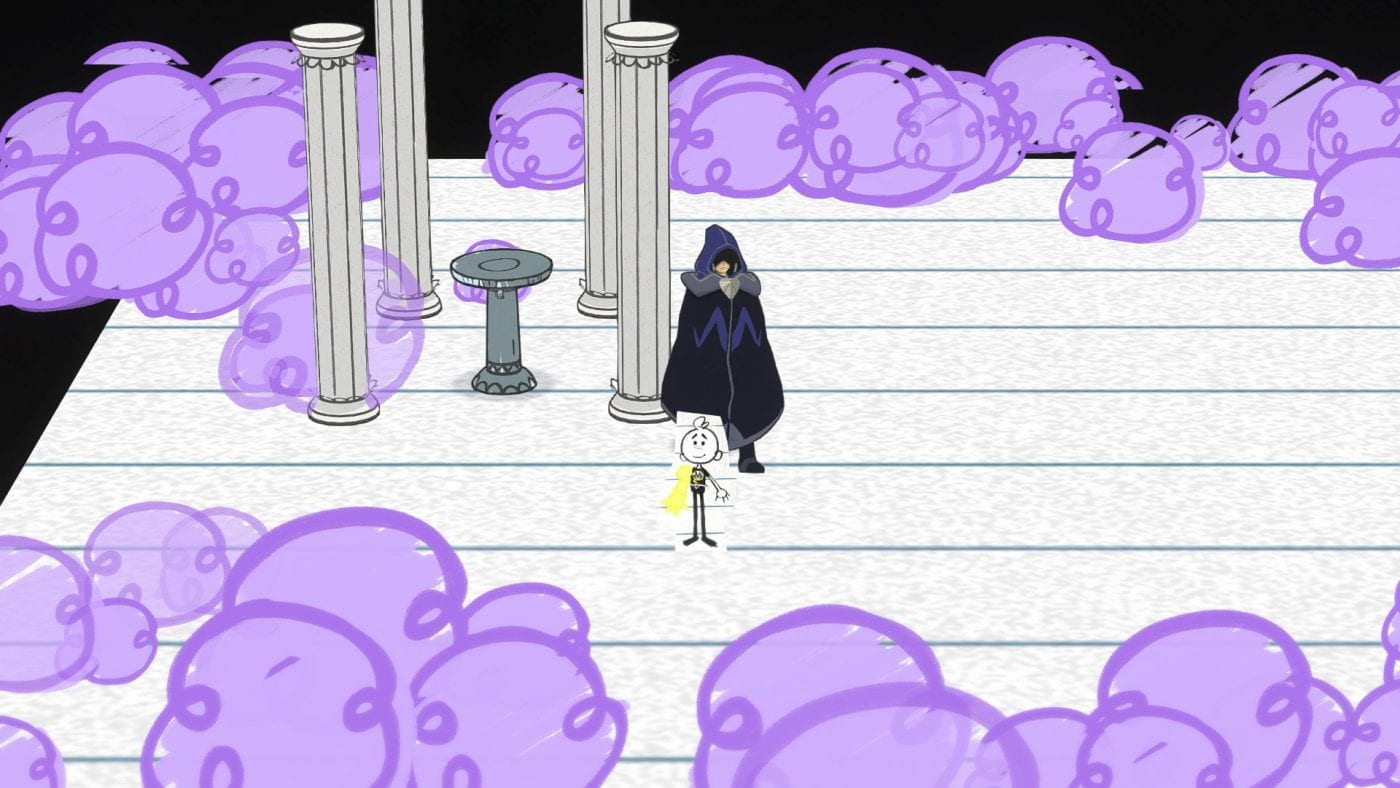
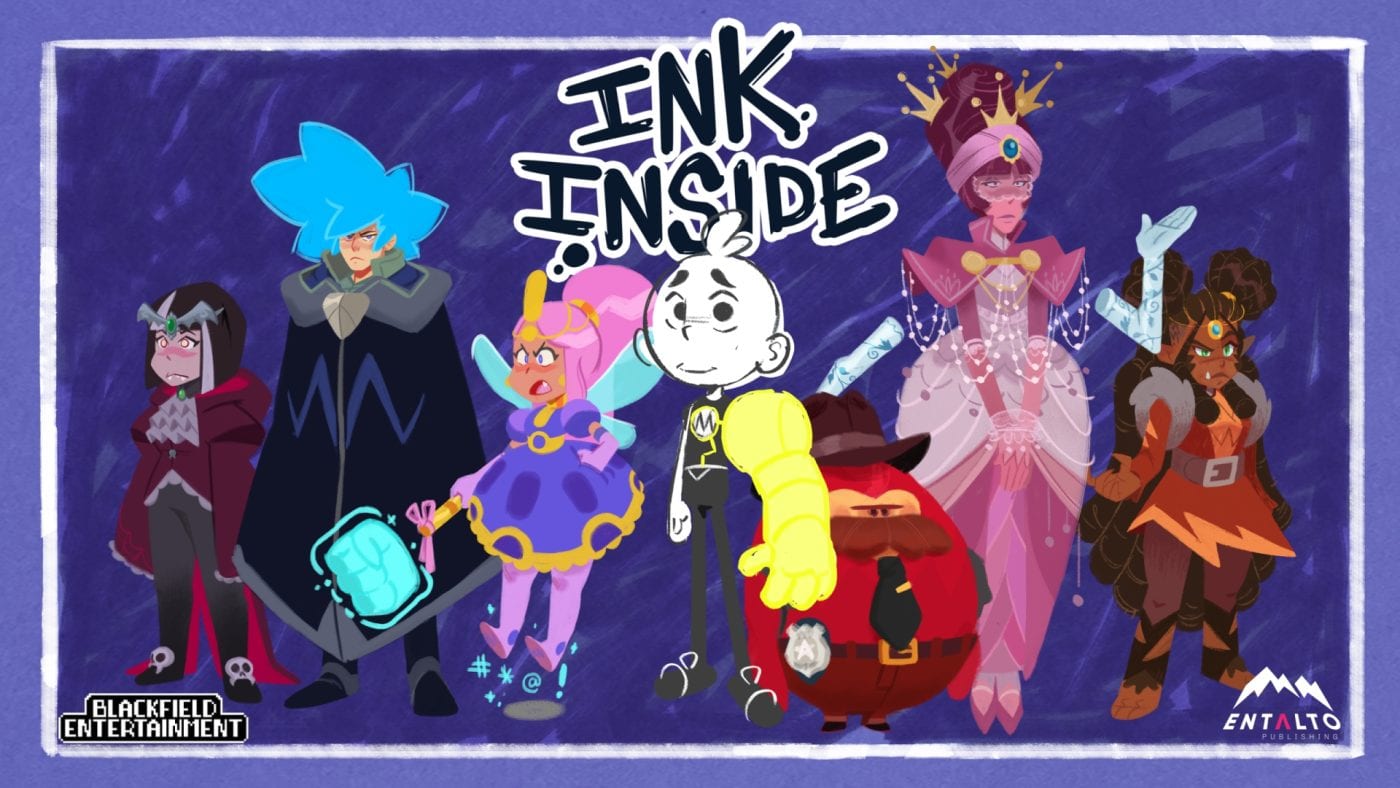
The cast is fully animated and voiced, with character designs that manage to feel both caricatured and genuinely distinctive. Stick is deliberately sketchy, unfinished. Traff is his opposite — saturated colors, fairy wings, energy that fills every pixel. Detective Fuzz carries the tired look of someone who has seen too much. Kalamity is asymmetrical and unsettling in exactly the right way.
The most original and memorable stylistic choice, though, is the use of live-action cutscenes. The game interrupts its drawn world with real footage: hands leafing through actual notebooks, pencils, paper, natural light. The shift feels deliberately disorienting. It reminds players constantly that what they are exploring is something constructed, fragile, temporary — something that exists because a real person decided to put it on paper. These sequences tell Hannah’s story, and they mark the moments when the game stops being an action RPG and becomes something more personal.
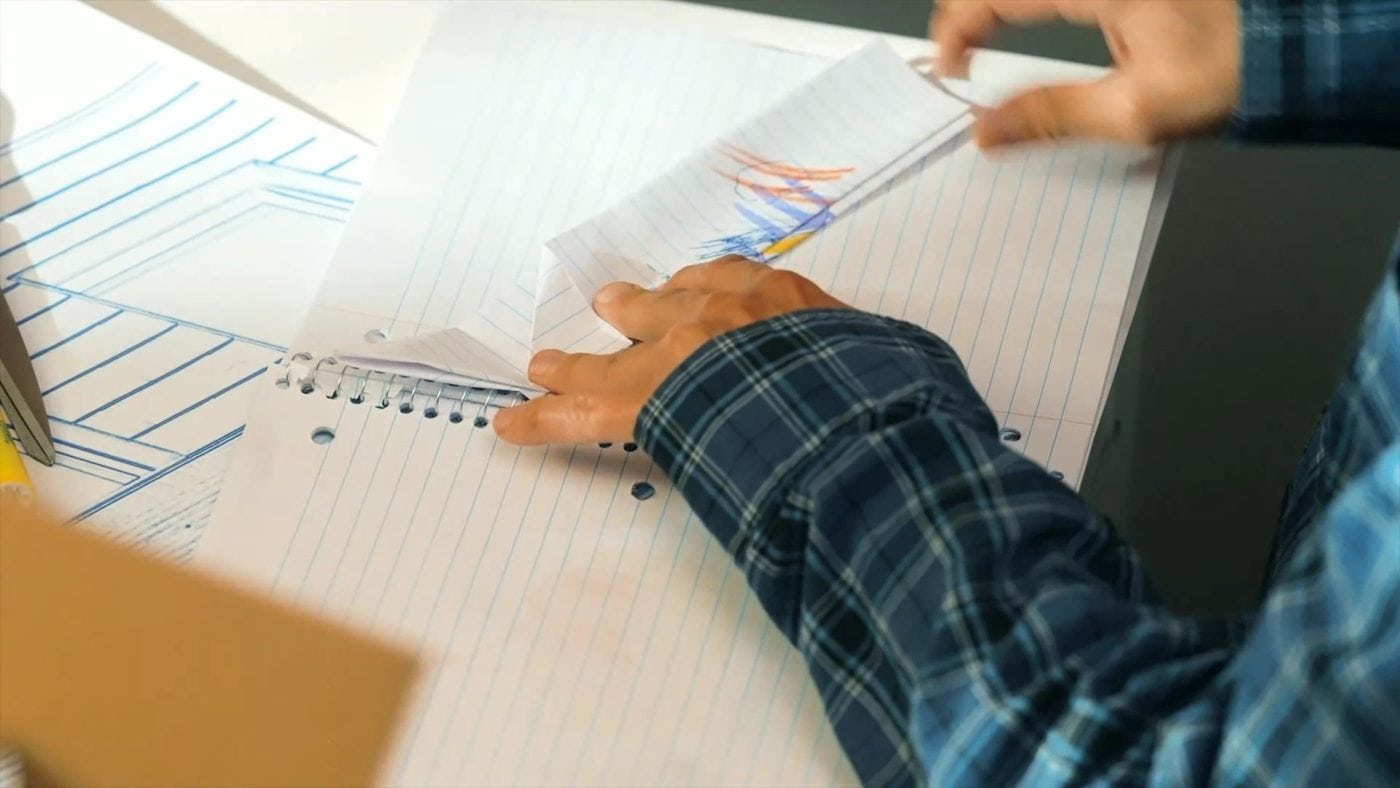

The soundtrack, composed and recorded entirely by human musicians, gathers more than twenty original tracks. The tone moves between melancholic and lively without ever feeling out of place, holding the game’s dual register — cozy and chaotic at once — with consistency.
The Developers: From Cartoon Network to Horror, and on to Princess Land
Blackfield Entertainment LLC is a small independent studio built by a group of former professionals with an unusual combined background. Some come from television animation — with credits on titles like Steven Universe: Unleash the Light and Teeny Titans Go Figure! at Grumpyface Studios. Others bring experience from horror game development, including We Went Back at Dead Thread Games and the more recent Sleep Awake at Blumhouse Games.
That combination sounds contradictory but explains almost everything about Ink Inside. The warm, nostalgic tone of American animation from the nineties and early two-thousands, the ability to build instantly recognizable characters — all of that comes from the animation background. The willingness to construct a world with layers of lore, mysteries that resist quick resolution, and a narrative tension that builds slowly — that comes from horror.
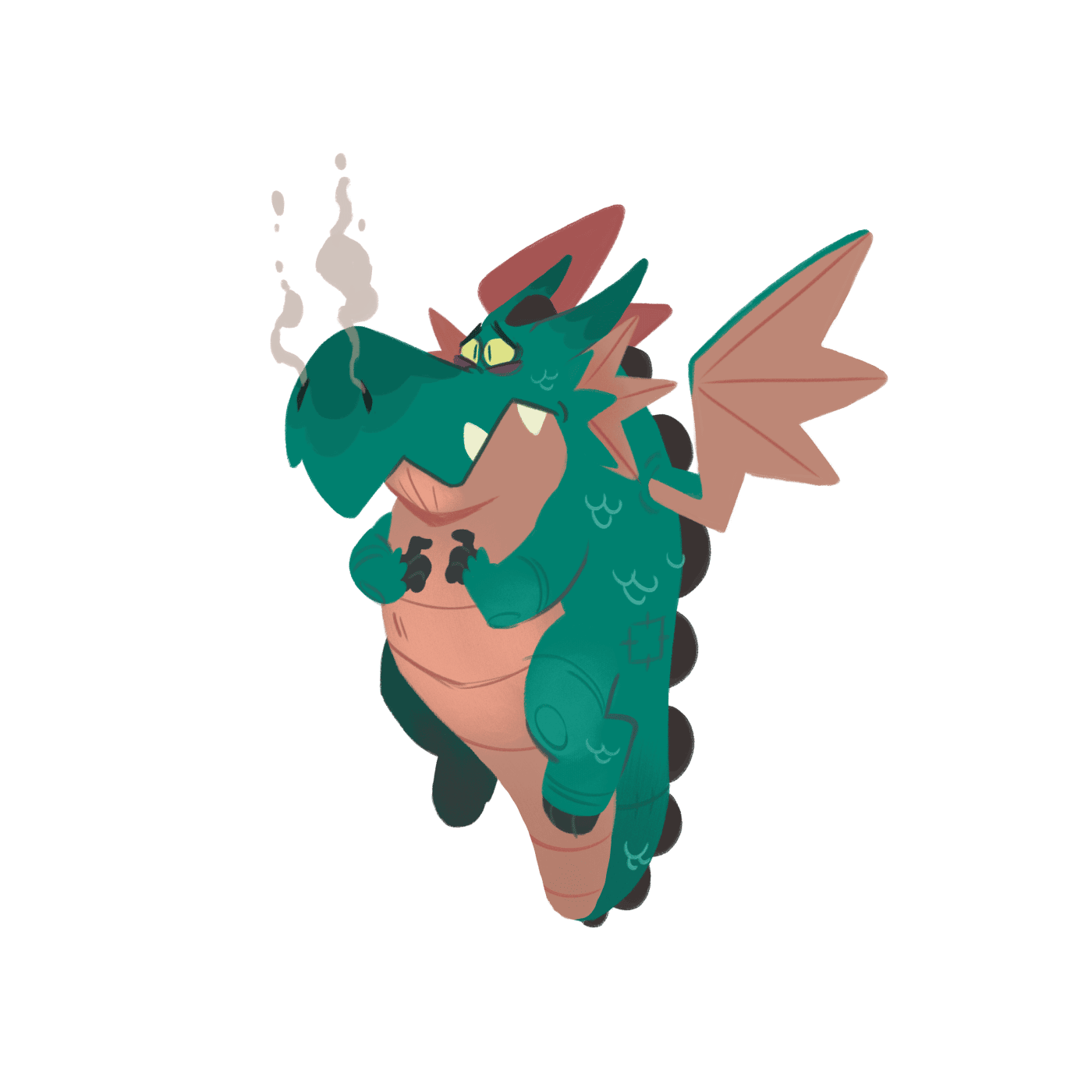
The result is a game that holds the funny and the melancholic in the same scene. A game that can introduce a character like the first Highlighter — a legendary hero who fought the Sog, told the Queen that more Highlighters would come, and then simply vanished — and let Detective Fuzz describe him with the same voice he would use for an epic tale, before adding that some say they spotted him fighting massive Sog monsters, others say he fell in battle and became soggy himself, and a few claim someone saw him getting coffee. Epic and absurd in the same breath, without either one undermining the other.
The full voice cast features Brian David Gilbert (YouTube, Dropout) as Stick and Deneen Melody (Evangelion, Romantic Killer on Netflix) as Traff. Ryan Cooper, RK Anderson, Cidney Hale, Vyn Vox, FootofaFerret, and Richard Mansfield complete an ensemble that gives every scene its rhythm, tone, and credibility.
The game carries a deliberately serial narrative structure: the team wrote enough material for three seasons, which follows the shape of the original cartoon pilot. Ink Inside covers the first. Some questions will stay open. The comparison that comes to mind is honest: Kingdom Hearts did not explain the origins of the Heartless in its first entry, and Half-Life closed with more questions than answers. What sets Ink Inside apart is that it delivers complete narrative arcs for its main characters, gives each story a real conclusion, and builds a world with fifty thousand words of lore to explore.
Conclusion
Ink Inside earns its place not through immediacy, but through persistence. It knows exactly what it wants to be, and it builds every element — visual, narrative, mechanical — around that vision with a coherence that surprises for a debut title.
The hybrid combat system is original and satisfying, though it takes time to appreciate in its full depth. The RPG progression stays generous without becoming overwhelming. The drop-in co-op is a genuinely well-considered addition. But the narrative and the aesthetic are what push Ink Inside beyond a solid indie action RPG: a world built with care, one that asks what happens to worlds when no one looks at them anymore.
The live-action cutscenes stand as the boldest and most successful stylistic choice — the moments when the game stops playing and says something true about what it means to create something and then let it go.
Ink Inside is not a perfect game. The pacing can feel uneven, and some mechanics demand a learning curve that not every player will want to climb. But when it works — and it works often — Ink Inside is exactly the kind of experience the indie scene exists to produce: personal, imperfect, and brave.
If you want to know more:
Ink Inside
PRO
- Strongly distinctive visual identity, with entirely hand-drawn assets and environments full of personality
- Layered narrative system — the notebook cosmology, the Great Folding, the Genetic Memory — built with coherence and depth
- Live-action cutscenes as a bold stylistic choice that carries genuine thematic weight
- Original combat system, a hybrid of beat’em up and dodgeball, with an RPG progression that stays accessible without feeling shallow
- Drop-in local co-op, joinable at any moment without interrupting the session
- Full voice cast with strong performances, rare at this price point and for a debut release
CON
- Declared serial narrative: some story threads stay open, awaiting future chapters
- Uneven pacing at times, with relaxed exploration segments that do not always transition smoothly into the more frantic combat
- The combat system’s learning curve takes time and may feel disorienting in the early stages
- The volume of lore — well-constructed as it is — may overwhelm players looking for a more linear and immediate experience


7.5/10