
Gotta catch this one.

In today’s video game landscape, few genres are as difficult to meaningfully reinvent as the monster collector. Since the mid-1990s, the space has been largely defined by the overwhelming dominance of Pokémon, gradually shaping into a framework where every new release is measured against a towering legacy and increasingly exacting expectations.
Over the years, many attempts have been made to challenge this balance. Some have leaned into mechanical hybridisation, others into stylistic reinvention, while others have pushed the formula toward more action-driven systems, as seen in the recent case of Palworld. Yet only a handful have managed to leave a lasting impression, often held back by constant comparison to the genre’s benchmark or by a failure to establish a truly distinct identity.
It is within this demanding and highly competitive landscape that Voidling Bound emerges – a project that, from the very first moments of hands-on play, already feels defined by a clear and unusually mature creative vision.
Scheduled for release on Steam on June 9, 2026, the game does not simply iterate on established conventions, nor does it appear interested in chasing prevailing trends. Instead, it builds its identity around a carefully balanced interplay of three-dimensional exploration, creature evolution systems, action-oriented combat, and narrative-driven world-building.
The result, at least on paper, is a project that tries to stand on its own terms through authorship and design intent, rather than being just another variation on a well-worn formula.
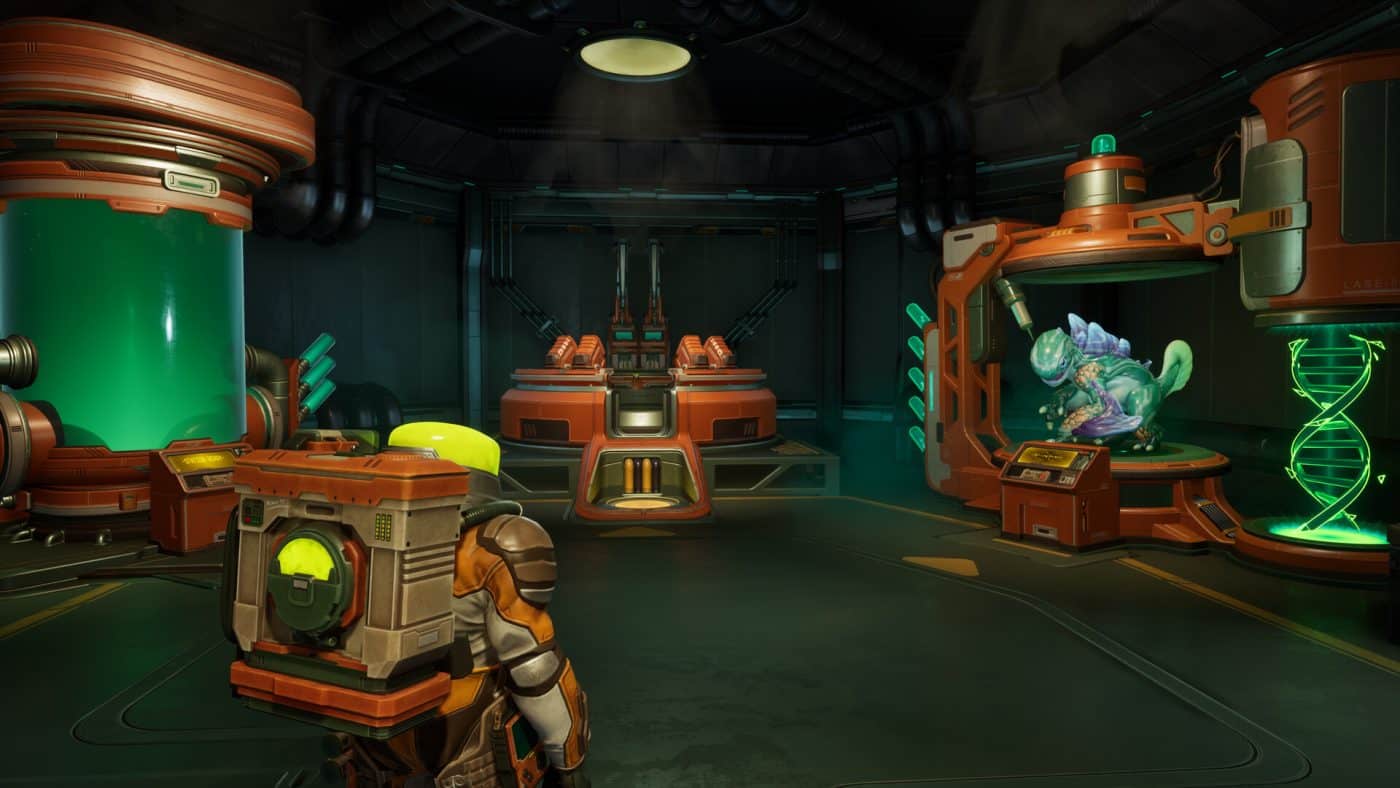
Environmental Storytelling at the Core of the Experience
One of the most striking aspects of the experience is its approach to world-building, an element often overlooked in the monster collector genre. Traditionally, the genre has placed greater emphasis on progression systems and gameplay loops, with narrative frequently serving only as functional scaffolding. Voidling Bound takes a markedly different approach, shaped by clear intent and notable creative discipline. From the very beginning, it establishes a subtle but unmistakable sense of narrative urgency, avoiding lengthy exposition or intrusive tutorials in favour of organic discovery.
The world is left to unfold at its own pace, guided by implication rather than instruction. The result is a restrained yet assured approach to environmental design, where spatial composition, visual detail, and level structure come together to create a coherent, seemingly lived-in ecosystem – rich in subtext and open to interpretation.
What stands out most is the natural way in which curiosity is sustained. Progression is not driven solely by objectives, but by a constant invitation to read between the lines of the world itself: the nature of the Voidlings, the forces that shape this setting, and the conflicts buried beneath its surface. This understated sense of intrigue is among the project’s most compelling qualities.
A Progression System That Grows as You Do
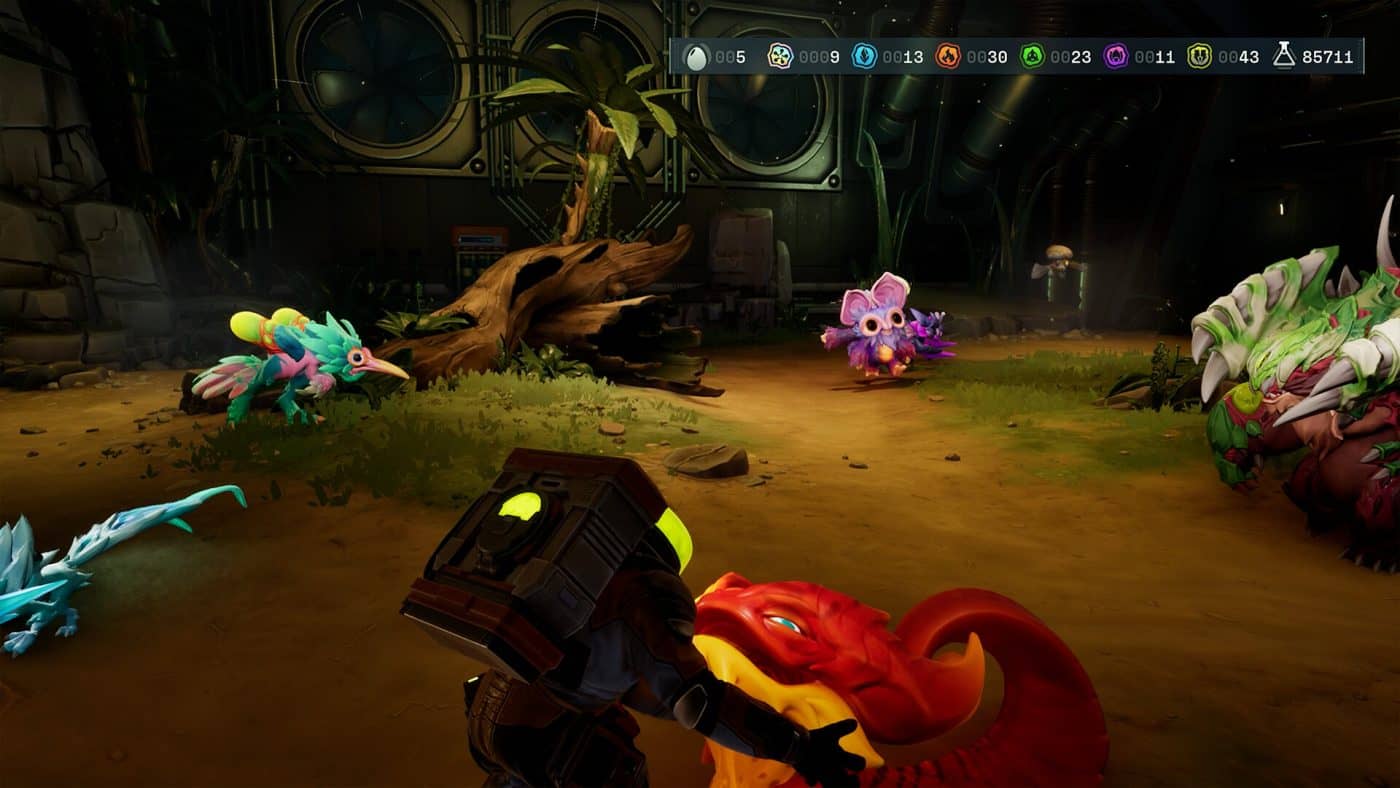
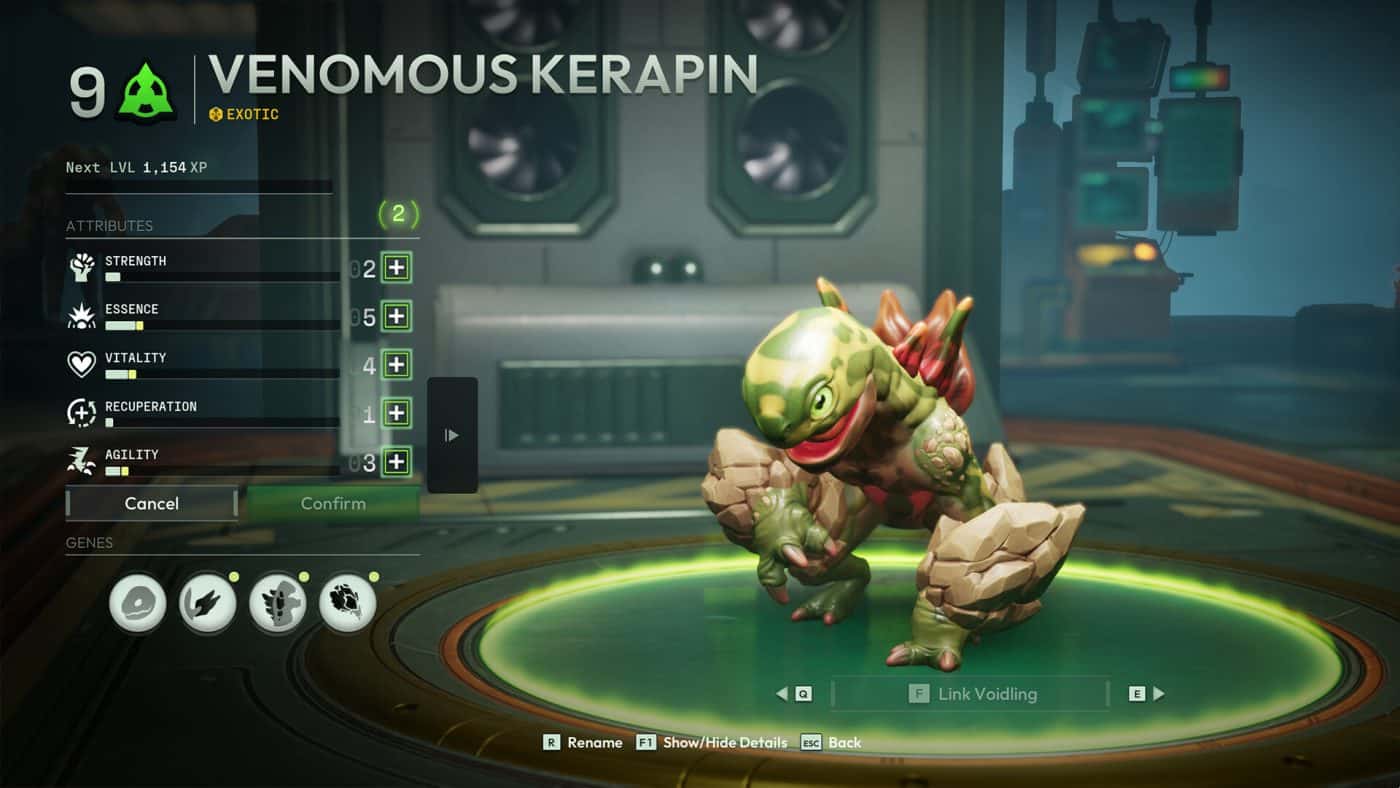
If world-building forms the emotional foundation of the experience, the creature progression system serves as its mechanical core. It is here that Voidling Bound most clearly defines its identity. Voidlings are not framed as simple collectibles or passive companions, but as fully-fledged evolutionary systems – deeply customisable and structurally layered.
Progression unfolds across tightly interconnected layers. The first is elemental affinity, allowing each creature to be aligned with distinct archetypes that go beyond simple numerical modifiers, instead shaping tactical behaviour, ability access, and overall combat identity. The result is a system that gives each Voidling a clear functional identity while actively rewarding experimentation.
This foundation is expanded through a more traditional level-based layer focused on incremental stat growth. Yet the system truly comes into focus in its third phase. Through combat, exploration, and the destruction of specific environmental elements scattered across the world, players earn points invested into an extensive skill tree.
Progression at this stage becomes markedly more granular and player-driven, with offensive techniques, passive upgrades, special abilities, and exploration-focused skills collectively shaping each Voidling into a distinct, purpose-built build. The result is a system that feels cohesive, responsive, and consistently rewarding in its pacing.

A Surprisingly Deep and Confident Combat System
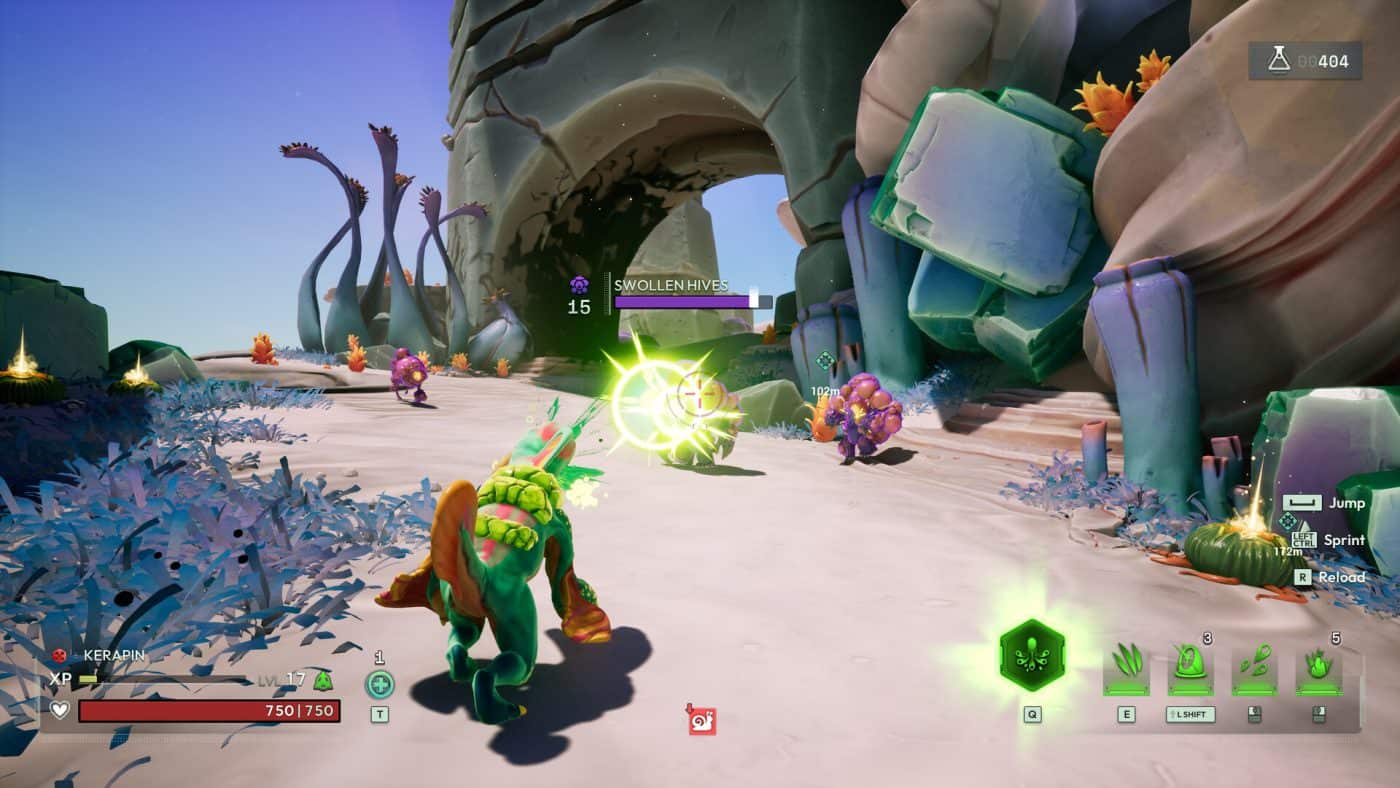
There is one area where Voidling Bound consistently exceeds expectations: its combat system. The game makes a clear and deliberate break from turn-based conventions in favour of real-time action combat. It is a confident design choice, especially given the risk of sacrificing strategic depth for immediacy. In execution, however, that risk is not only avoided but effectively reversed, with the system emerging as one of the game’s defining strengths.
At its core lies a seemingly straightforward set of mechanics: light attacks, dodging, close-range strikes, and stamina management. Yet this simplicity is deceptive. Once engaged, the system reveals a far more layered structure, with each element tightly woven into the broader progression loop. Unlockable abilities progressively expand the offensive toolkit, introducing area-of-effect attacks, cooldown-based skills, and variations that meaningfully reshape moment-to-moment combat decisions.

MMoment to moment, combat feels grounded, weighty, and controlled. Attacks land with clear physical impact, animations carry convincing force, and audiovisual feedback consistently reinforces readability and responsiveness. Enemy design further strengthens the system. While it does not aim for the complexity of genre-leading action games, encounters are carefully structured around readable yet varied behavioural patterns that require sustained attention and measured, deliberate play.
Progress is therefore shaped by observation and discipline: reading telegraphed movements, identifying narrow openings, and managing positional risk all become central to success. Boss encounters showcase the system at its most accomplished. They introduce bespoke mechanics, compact tactical scenarios, and carefully paced pressure phases that break the rhythm while raising the stakes, resulting in some of the most engaging and tightly designed moments in the build.

A Strong Visual Identity Struggling Against Level Design Limitations
On a visual level, the game makes a strong immediate impression thanks to a clearly defined and cohesive identity. The fusion of stylised cartoon aesthetics with cel-shading techniques is handled with confidence, resulting in a distinctive visual language that is both consistent and recognisable. Environments benefit from strong artistic direction and a clear sense of coherence, supported by carefully controlled colour palettes and architectural silhouettes that help establish the identity of each location.
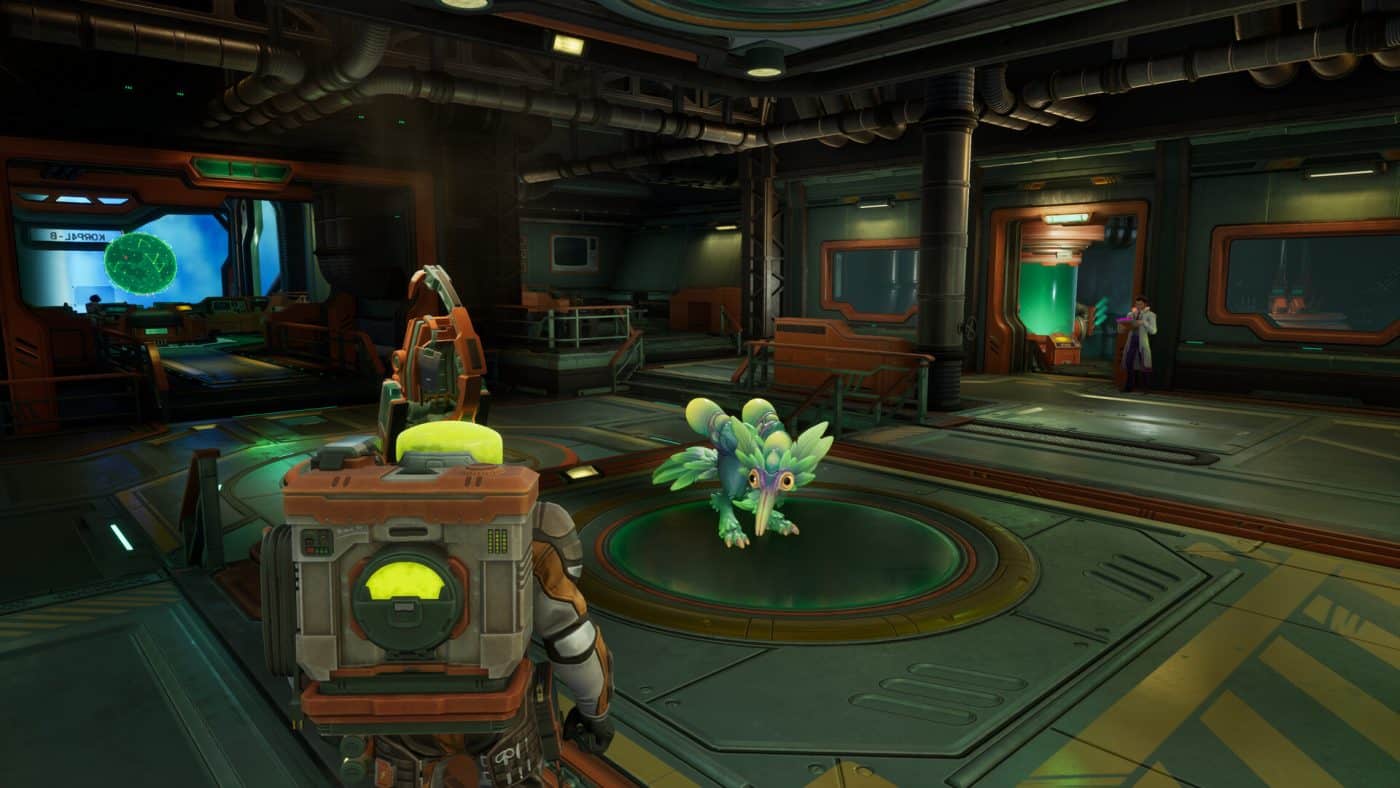
From the ship serving as the central hub to the various explorable planets, every area communicates clear aesthetic intent, underpinned by a high level of environmental detail and a visual approach consistently geared towards immersion.
However, this clarity begins to fade once the game’s exploratory structure comes into play. The opening sections are largely effective, with guided spaces that balance discovery, combat, and progression in a controlled and engaging way. As the environments grow larger, though, spatial readability starts to weaken: layouts become more dispersed, and the path forward is not always communicated with enough clarity, leading to occasional moments of disorientation.
These issues are further compounded by the movement system. Jump animations feel stiff, and input responsiveness lacks the level of precision expected during platforming segments, which in turn disrupts pacing and can introduce moments of frustration. This is arguably the area most in need of refinement moving forward.
A Technically Uneven Experience Overall
If there is one aspect still holding Voidling Bound back from a clearer leap in quality, it is technical performance. In the build tested, the game remains largely stable in terms of frame rate, but does so while placing a significant strain on the hardware.
Even on suitably equipped systems, relatively short sessions can result in elevated temperatures and sustained GPU fan activity. Additional issues appear in the graphics settings menu, where adjusting certain parameters can trigger interface-related bugs, including misaligned UI elements and portions of the screen being rendered incorrectly or partially cut off. While these issues do not break the experience, they clearly point to a build that still requires further optimisation and technical refinement.
At this stage, these shortcomings are understandable, yet they clearly point to the need for targeted intervention from the development team. If left unresolved, these avoidable technical issues risk undermining otherwise strong gameplay foundations.
Final Thoughts
At the end of this demo preview, Voidling Bound leaves a difficult-to-ignore impression: a project that already establishes a clear identity, rather than merely hinting at future potential. Not everything is in place yet, and the limitations observed in this build are a clear reminder of the work still ahead, but reducing it to those shortcomings alone would be unfair.
Beneath the surface, there is a strong sense of cohesion and intent. A carefully built world, shaped with consistency and care; a combat system that reveals genuine structure and depth; and an art direction capable of defining a coherent, meticulously crafted universe that lingers well beyond play. These elements are not isolated strengths – they work in concert, reinforcing one another to establish a distinct and immediately recognisable identity.
Ultimately, Voidling Bound does not feel like a loose collection of strong ideas, but a project shaped by clear intent, creative direction, and ambition. If the development team can address the shortcomings identified and refine the rougher edges still present in this build, the result could become genuinely noteworthy – if not flawless, then certainly distinctive and memorable.