Can the Lord of Hatred ever truly fall?
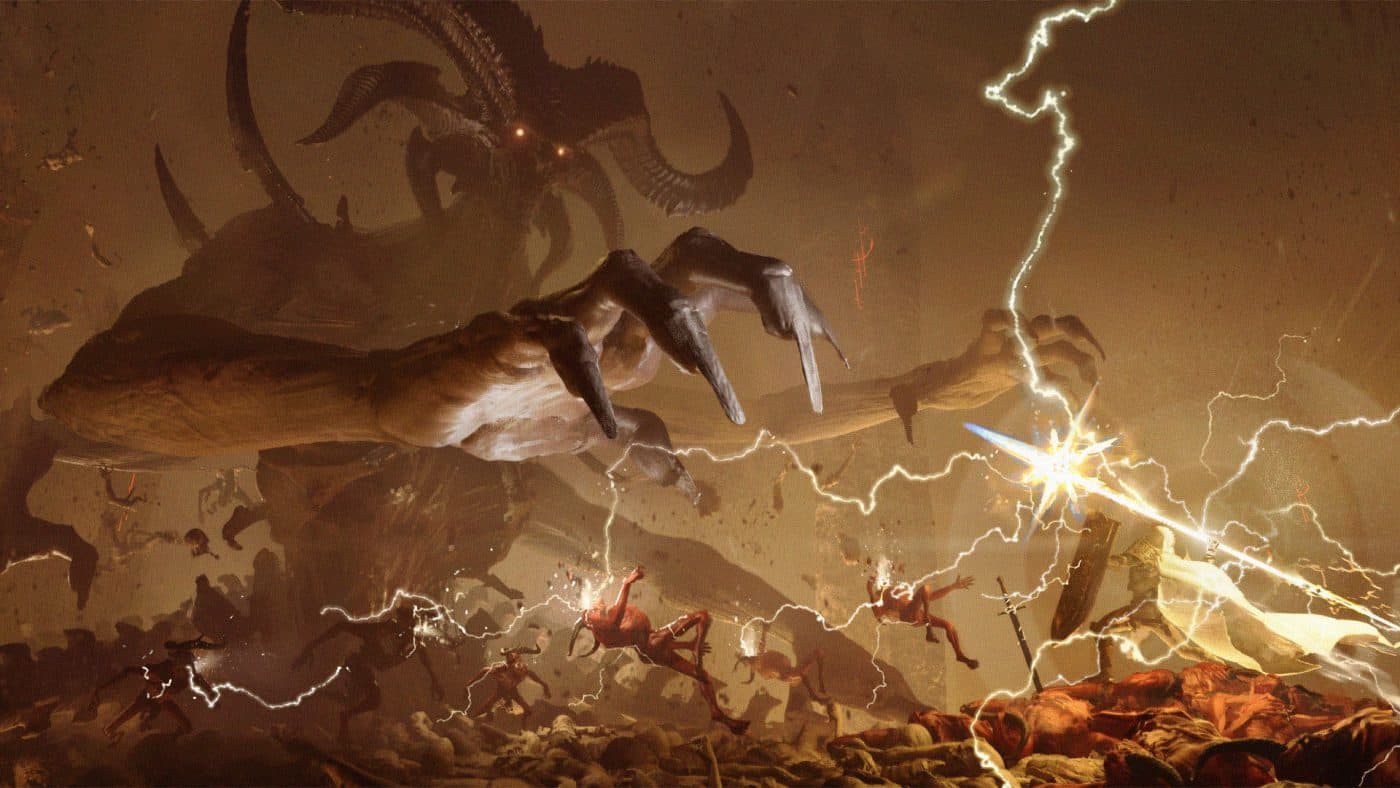
Diablo IV: Lord of Hatred is far more than a routine expansion. Positioned as the closing chapter of Blizzard’s modern Hatred saga, it carries the considerable weight of bringing one of the franchise’s darkest narrative arcs to a meaningful conclusion.
This is not simply about adding another region to explore, raising the level cap, or introducing fresh endgame content. Lord of Hatred arrives with a far more ambitious purpose: to resolve the narrative threads left hanging by previous chapters and fully embrace the themes of sacrifice, corruption, and despair that have long defined the soul of Diablo.
The challenge facing Blizzard was a significant one. After Diablo IV successfully restored much of the series’ lost identity, and following Vessel of Hatred – an expansion rich in ideas but held back by uneven pacing – expectations for this final chapter were understandably high. The real question, then, is a simple one: has Lord of Hatred given Sanctuary the ending it deserves?
Back to Sanctuary
From its opening moments, Lord of Hatred makes its intentions clear. Blizzard avoids any gradual build-up or extended exposition, instead placing players immediately into the heart of the narrative. The opening sequence is abrupt and controlled, delivering its impact through a moment of loss that redefines the stakes from the outset.
It is a confident piece of direction that establishes the expansion’s tone early and without ambiguity. The atmosphere is consistently bleak, with tension that rarely lets up and little room for relief. Rather than pacing the experience with moments of respite, the game maintains a sense of pressure, reinforcing the feeling of a world already shaped and worn down by suffering.
From there, the story gradually shifts in focus. What begins as a conflict of cosmic scale becomes increasingly personal in scope. The protagonist’s journey turns inward, unfolding as a passage through the moral and spiritual aftermath of previous events – a world that no longer feels merely threatened by darkness, but one already marked and eroded by it.
It is in this more intimate register that Lorath truly comes into focus.
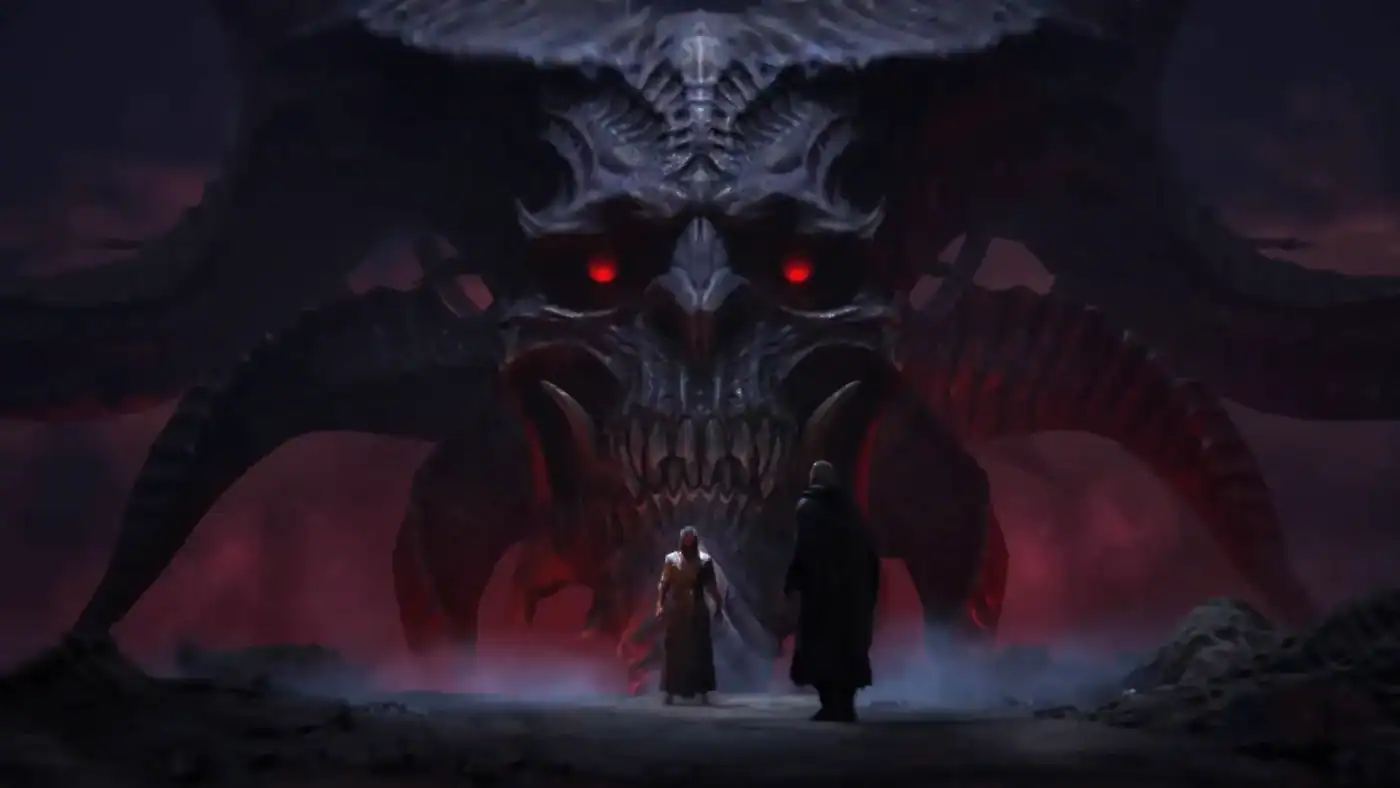
Lorath, the Last Voice of Reason in a Broken World
If there is one character who most clearly defines the tragic core of Lord of Hatred, it is Lorath.
Blizzard approaches his characterization with measured restraint and precision. He is no longer merely the seasoned guide, the keeper of Horadric knowledge, or a rational voice amid chaos. In this expansion, Lorath is reframed as something heavier and more human: a man shaped by accumulated failure, burdened by the weight of history, and defined by the quiet exhaustion of someone who continues to endure despite having little hope left to cling to.
His writing is defined by restraint and precision rather than emphasis. Dialogue is intentionally sparse, silence is deployed as a narrative device in its own right, and his presence consistently carries weight without ever tipping into theatrics.
Each appearance reinforces the impression of a man deeply fractured, yet not entirely broken. It stands as one of the most accomplished characterisations in the modern Diablo series. His relationship with the protagonist, alongside his confrontations with Lilith and the unresolved legacy of the Horadrim, ultimately forms the emotional backbone of the campaign.
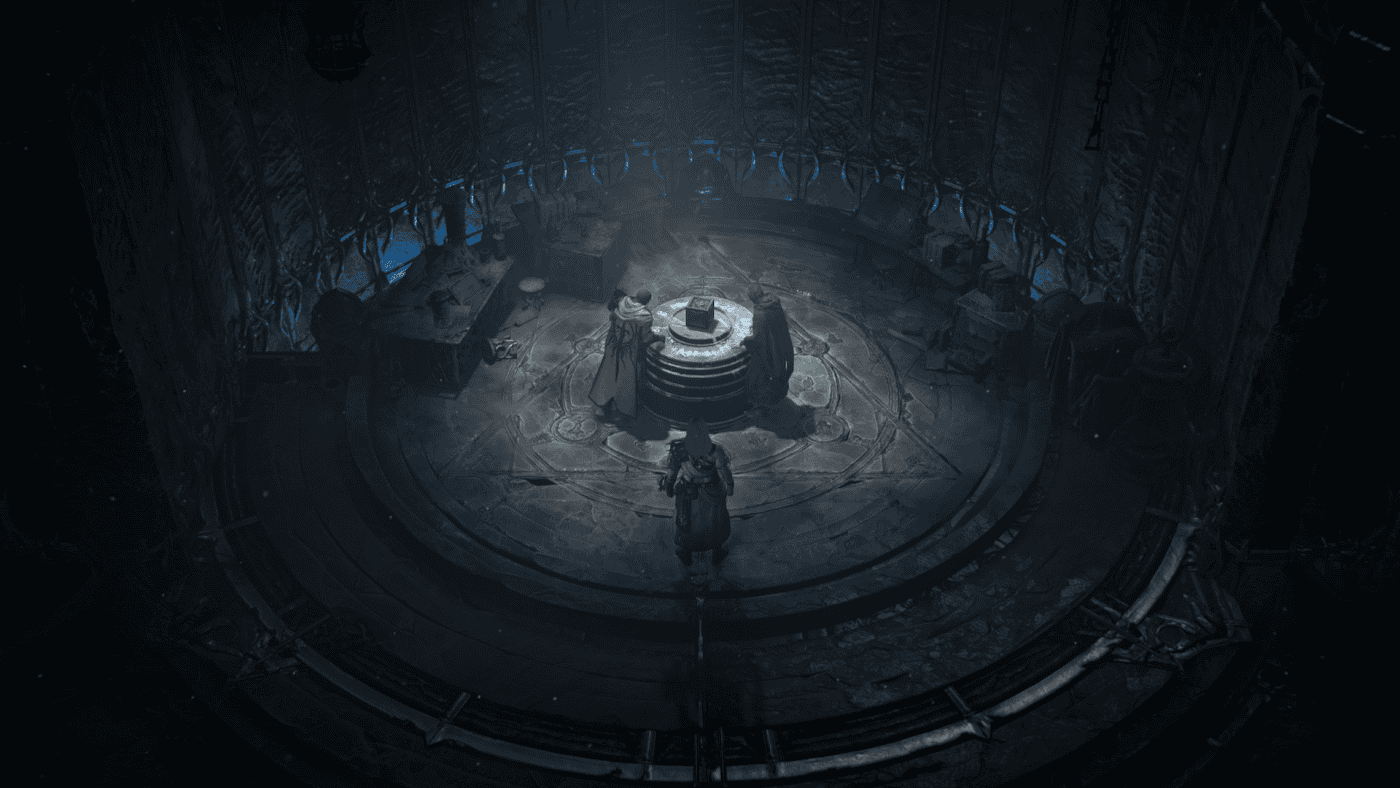
The Burden and Beauty of Restraint
The greatest strength of Lord of Hatred lies in its writing. Blizzard avoids one of the most common pitfalls of large-scale finales: an overreliance on spectacle. Rather than building the campaign around constant escalation and increasingly explosive set pieces, it embraces restraint, focusing instead on sustained tension, narrative layering, and thematic intent. The story revisits and resolves several of the franchise’s central unresolved threads, handling them with a notable degree of narrative maturity:
- the madness of Inarius
- the fate and legacy of the Horadrim
- the lingering consequences of Lilith’s influence
- the true scope of Mephisto’s role within the wider conflict
- the fragile cosmological stability of Sanctuary
What defines the execution is not only what is addressed, but how it is revealed. Blizzard deliberately avoids overt exposition, instead building meaning through implication, observation, and gradual discovery. Key narrative developments unfold through:
- exploration-driven sequences rich in environmental symbolism
- dialogue shaped by subtext rather than explanation
- environmental storytelling and in-world archival fragments
- restrained, reflective interludes that preserve ambiguity and interpretative space
The result is a narrative that places clear trust in the player’s interpretive role. That confidence not only deepens engagement, but also lends the experience a stronger sense of cohesion, subtlety, and thematic weight.
The Long Shadow of Ancient Darkness
One of the expansion’s strongest achievements lies in the way Blizzard revisits the franchise’s historical legacy. References to Diablo II and to the events that shaped Sanctuary’s past are never deployed as nostalgia, nor dismissed as empty fan service.
Instead, they are seamlessly woven into the narrative framework, reinforcing the continuity of the universe, deepening the resonance of present events, and underscoring a central truth: the horrors afflicting Sanctuary are not isolated episodes, but recurring echoes of an ancient conflict that refuses to die.
Mephisto: The Voice of Inevitability
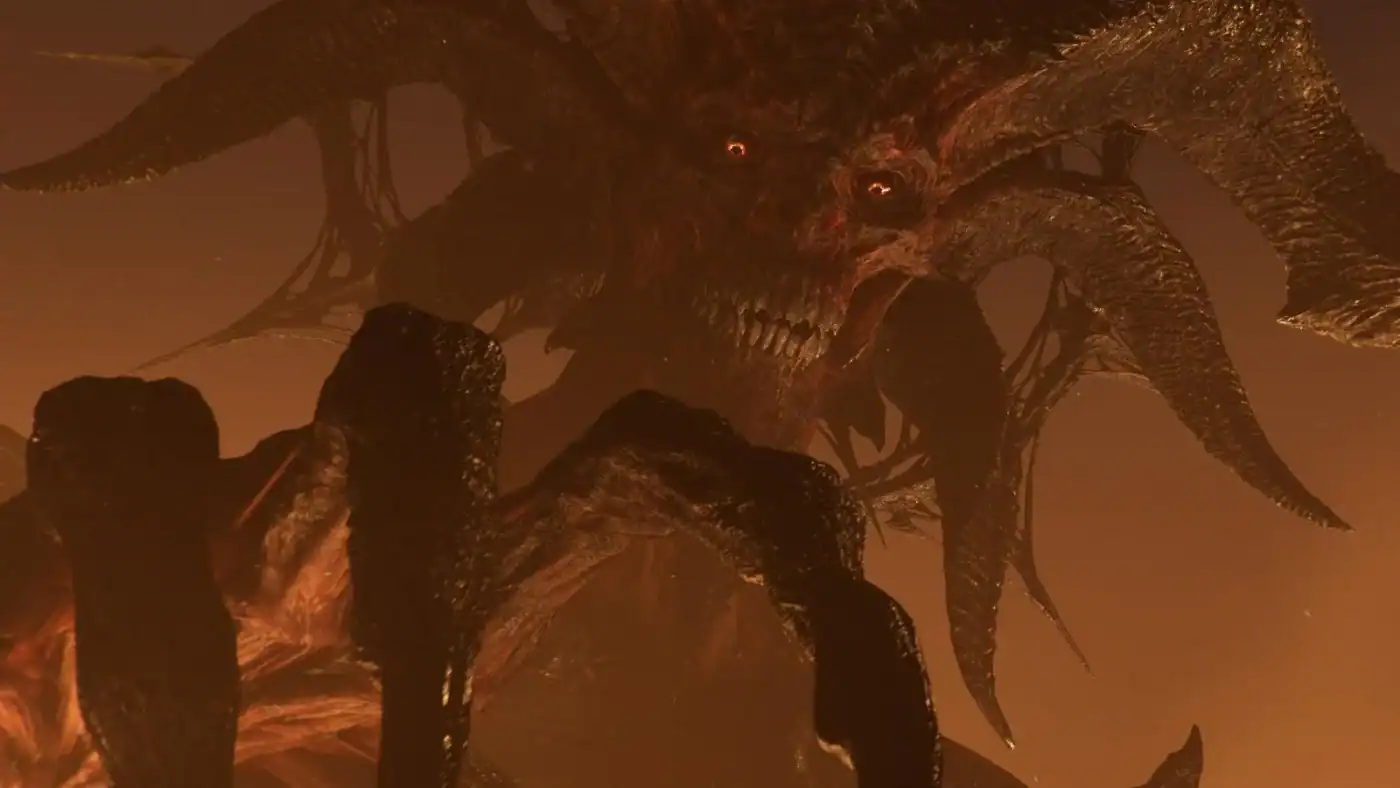
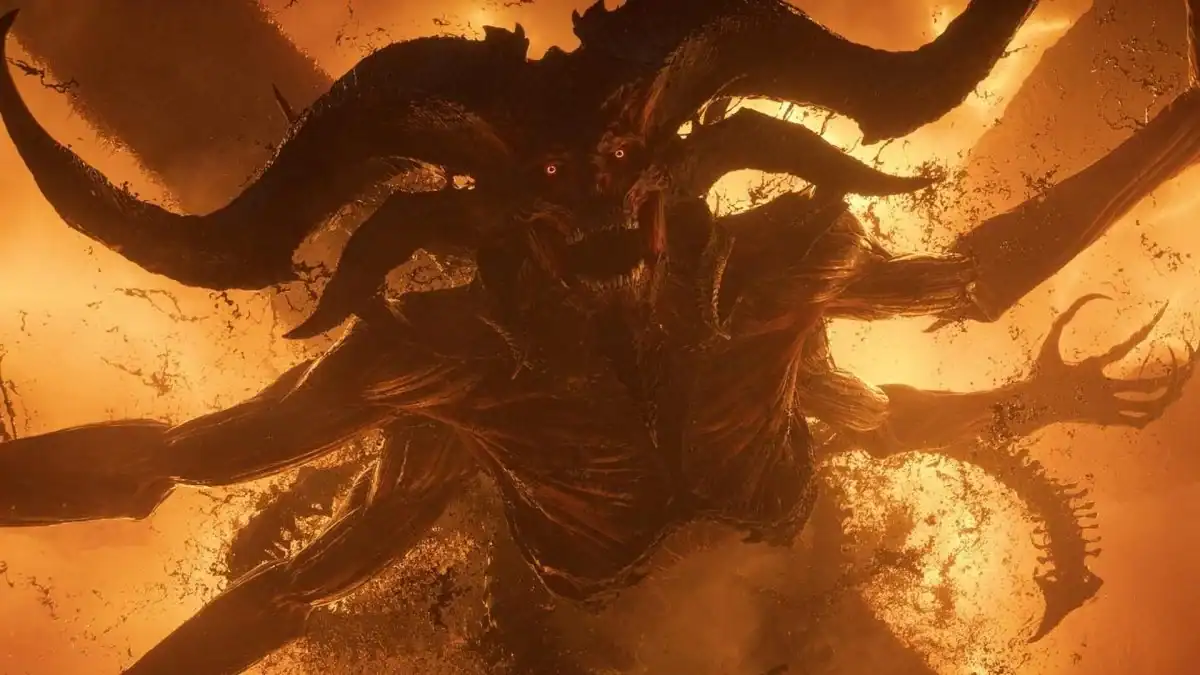
If Lord of Hatred carries a central narrative obligation, it is unquestionably to do full justice to Mephisto – a cornerstone of the Diablo mythos whose symbolic weight demands writing that matches the scale of his legacy.
Blizzard avoids the conventional approach of casting him as a straightforward antagonist or reducing him to a spectacle-driven threat. Instead, it embraces a far more ambitious narrative strategy: Mephisto is portrayed as a constant, insinuating, almost immaterial presence. More than a villain in the traditional sense, he functions as a pervasive force – an idea that gradually seeps into the narrative fabric and quietly reshapes it from within. His characterisation is handled with remarkable restraint and precision.
He does not assert dominance through overt brutality or explicit horror. Instead, his influence is exerted through more insidious means: manipulation, ambiguity, and the slow erosion of certainty. He seeds doubt, corrodes conviction, and gradually bends will until it breaks from within. It is this psychological register that ultimately defines his effectiveness.
The near-metaphysical, almost prophetic form he assumes throughout the narrative stands as one of the expansion’s most compelling conceptual choices. It elevates Mephisto beyond conventional antagonism, reframing him as a philosophical construct – an embodiment of hatred as an enduring, self-sustaining principle.
Every line of dialogue is carefully measured to convey inevitability. Each appearance leaves behind a restrained yet persistent unease – a tension that lingers long after he has left the scene.
A Story That Knows Exactly When to Strike
One of Vessel of Hatred’s key shortcomings lay in its compressed narrative structure. Events unfolded at a relentless pace, and while the revelations carried weight, they were not always afforded the space needed to fully resonate Lord of Hatred, by contrast, directly corrects this issue, establishing a more controlled and consistently balanced approach to narrative pacing.
The campaign unfolds with noticeably greater breathing room, allowing time to build atmosphere, develop its characters, and carefully stage its key turning points. Each chapter feels more deliberately constructed, serving a clear function within the broader arc, with every segment contributing meaningfully to the overall emotional and narrative weight of the experience.
Large-scale encounters – previously at risk of feeling repetitive – are now more carefully spaced and deployed only when they genuinely serve the pacing, whether by sustaining tension or reinforcing narrative momentum.
The result is a climactic finale that is both visually striking and structurally disciplined, delivering its impact without excess and with greater emotional precision. When the credits roll, the overwhelming impression is of a narrative that finally feels complete – an arc that reaches a genuine sense of resolution while restoring cohesion to the journey as a whole.
Yet Blizzard deliberately avoids a fully definitive ending. Instead, it leaves behind a subtle fracture within the narrative itself: an unresolved question, a shadow that continues to stretch far beyond the epilogue.
A More Punishing but More Purposeful Progression
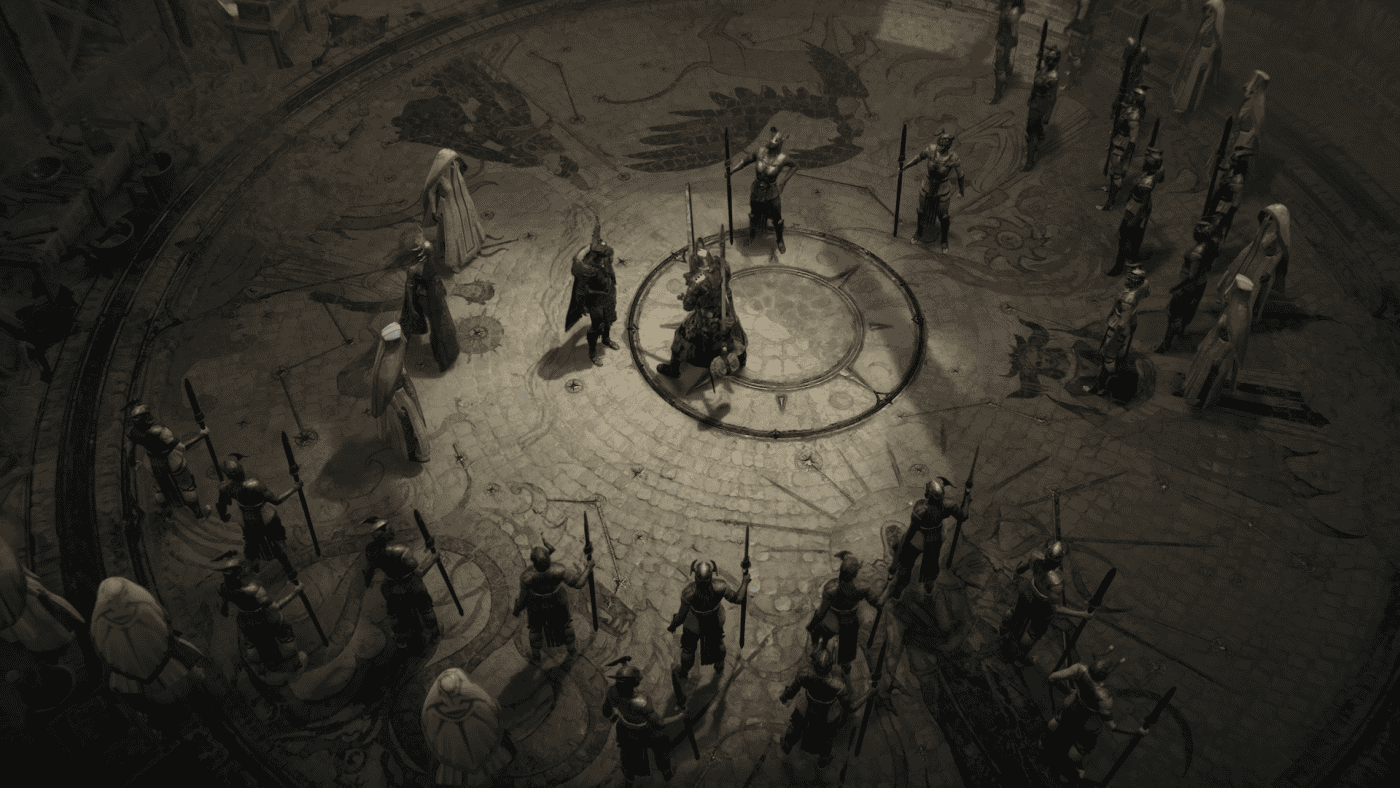
On the gameplay side, Diablo IV: Lord of Hatred introduces significant changes that reshape the overall balance of the experience. Raising the level cap to 70 is only the most visible part of a much broader structural overhaul, one that reaches deep into the character progression system. The real shift lies in the redesign of the game’s underlying logic, which now pushes players toward a more deliberate and less automated approach to buildcraft and optimisation.
Blizzard’s direction is clear: Diablo IV is being steered toward a more disciplined framework – a less permissive experience, but one that feels more coherent, structured, and intentional in its progression. Previously dominant builds are brought back into balance through targeted adjustments, while strategic planning reclaims its place at the very heart of progression.
The Barbarian: Necessary Adjustment or Excessive Nerf?
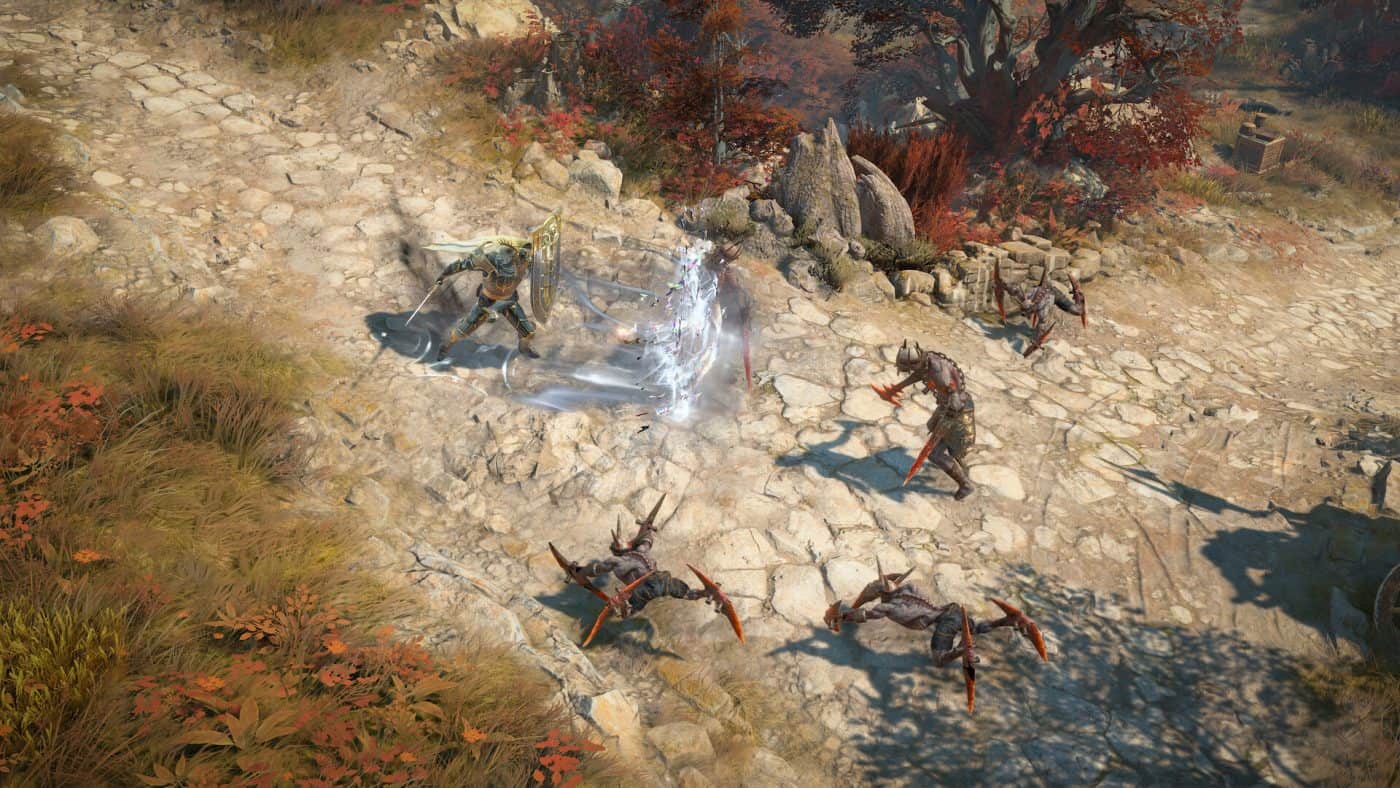
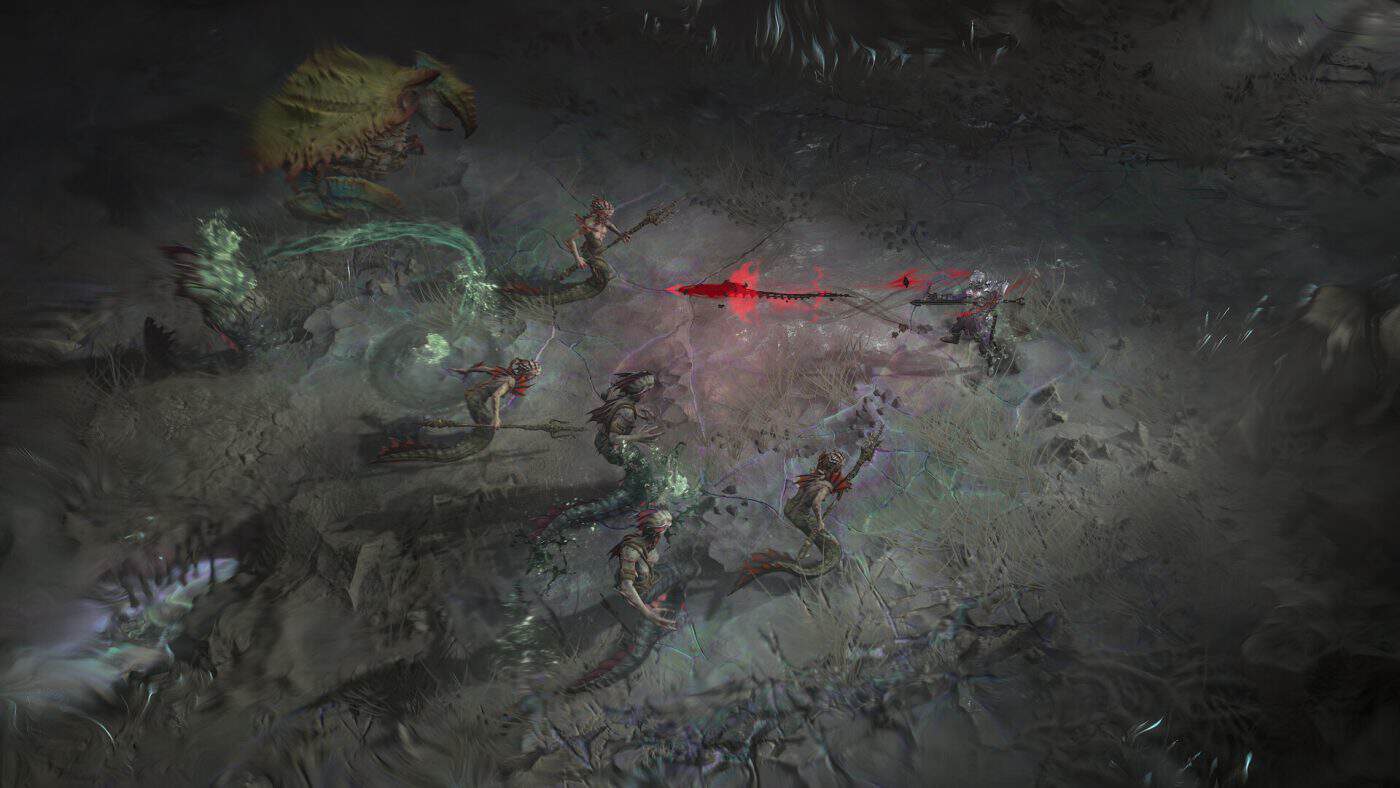
Among the available classes, the Barbarian is arguably the most affected by the new balance framework introduced in Lord of Hatred. Bleed-and Berserk-focused builds – previously capable of reaching exceptionally high, and at times difficult-to-control, damage ceilings – have been clearly scaled back. Several combinations that allowed for near-permanent sustain and damage output far exceeding the broader meta have also undergone significant corrective adjustments.
From a game design standpoint, the direction is consistent: the aim is to restore a more stable balance across build archetypes while curbing the most dominant outliers. From the perspective of experienced players, however – particularly those accustomed to previous optimisation thresholds – the impact may feel more immediate, resulting in a lower offensive ceiling and, in some cases, a reduced scope for expressive build diversity.
The Paladin: A Near-Perfect New Class
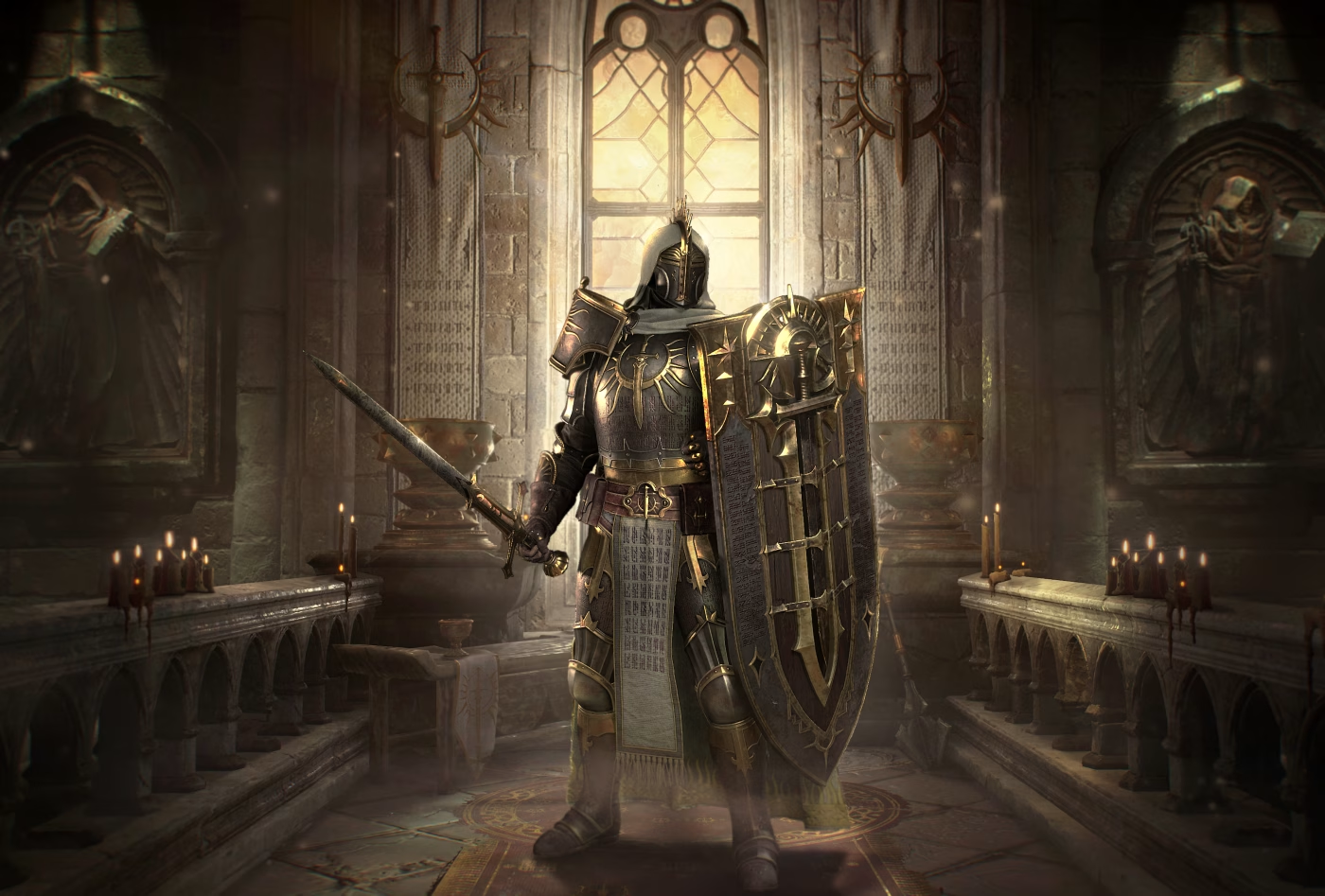
The Paladin, the new class introduced with the expansion, stands out as one of the strongest additions to the overall content package. Blizzard has crafted it with clear intent and careful balance, combining versatility, depth, and an immediately engaging learning curve that remains consistently rewarding from the earliest stages of play.
Its strength lies in the precision of its combat identity. An offensively oriented build centred on swordplay delivers a more technical and engaging playstyle. Positioning, timing, and resource management become central to the flow of combat, shaping combat into something more deliberate and skill-driven. The Paladin ultimately strikes a finely tuned balance, maintaining a constant sense of power without tipping into imbalance or diluting the complexity of its underlying systems.
A Noticeable but Persistent Weakness
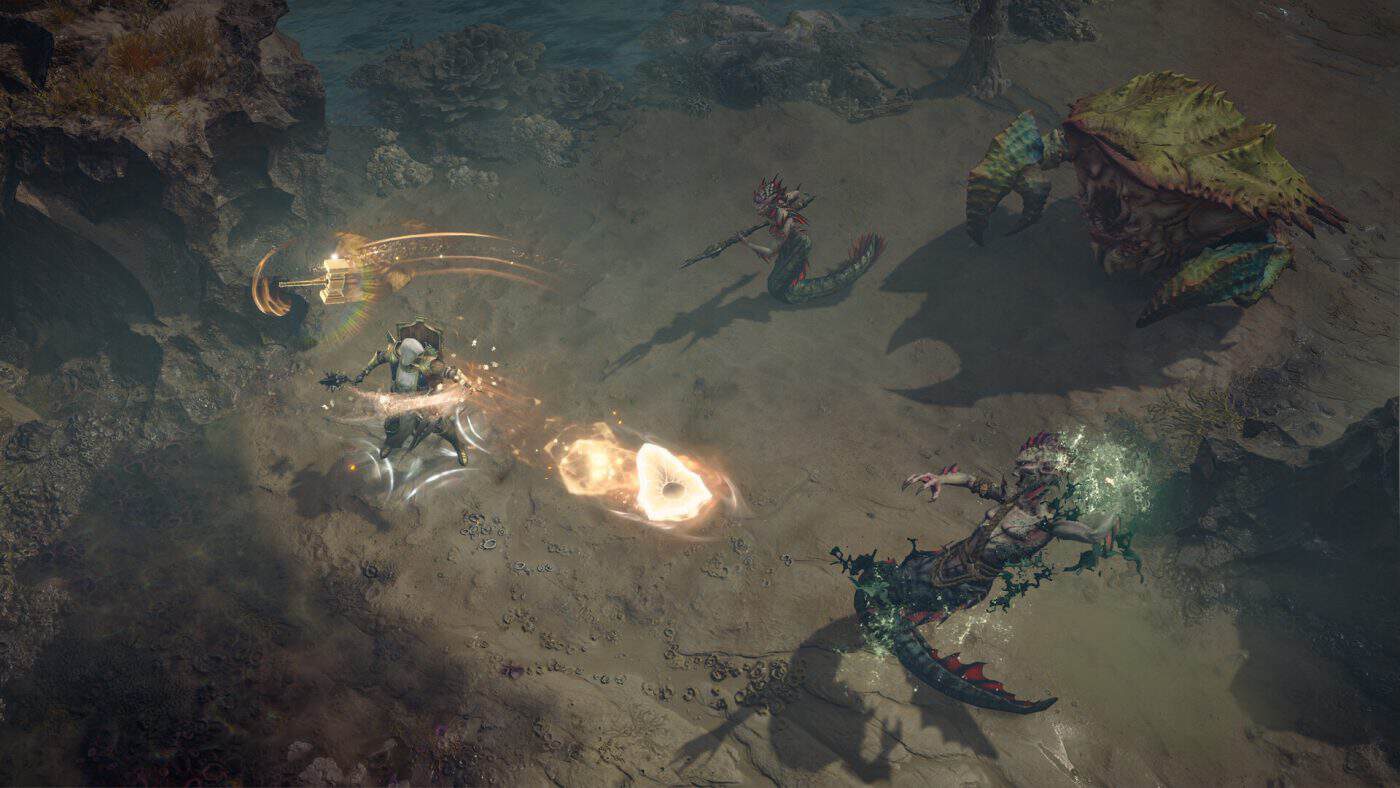
A recurring limitation in Lord of Hatred remains tied to the live-service framework underpinning Diablo IV as a whole. Despite clear improvements to endgame management and progression systems, the excessive density of enemies along traversal routes continues to disrupt exploration pacing and narrative delivery at key moments. At the height of the campaign’s most intense sequences, the need to keep fighting just to move forward can feel artificial, breaking the natural flow of events.
The issue does not lie in the quality of the combat system itself but in its constant, near-unavoidable application, which ultimately becomes a structural constraint on narrative pacing. This is further compounded by a loot system that remains only partially effective. Chests and rewards frequently yield large volumes of equipment, yet much of it carries limited practical value, contributing less to meaningful progression than to a sense of persistent inventory clutter.
Our Verdict
Diablo IV: Lord of Hatred is the expansion many players had been waiting for: not a radical reinvention of the formula, but a measured, mature, and self-aware evolution of what Diablo IV can realistically become.
Blizzard delivers a notably strong expansion, anchored by a substantial and consistently engaging campaign that, at its best, reaches a level of writing and cinematic execution rarely achieved in the base game. Some structural limitations tied to the live-service framework remain, alongside ongoing inconsistencies in overall balance and loot design, which continue to constrain parts of the experience.
However, when Lord of Hatred finds its rhythm – through its dialogue, more elaborate set pieces, the standout portrayal of Mephisto, and the restrained melancholy that defines Lorath’s arc – it reaches a level that Diablo IV has only occasionally managed to achieve. In these moments, the expansion’s most significant achievement becomes clear: not merely concluding a narrative thread, but restoring weight, depth, and a renewed sense of focus to the world of Sanctuary.
And perhaps, for that reason, it leaves a lingering impression: that Sanctuary still has far more to say.
 8/10
8/10