Thirty days to change everything.

In an industry increasingly defined by safe sequels, familiar formulas, and projects reluctant to take meaningful creative risks, a new IP with a clear creative vision is always worth paying attention to. That interest only grows when the team behind it includes developers who helped shape one of the most influential RPG franchises of the modern era.
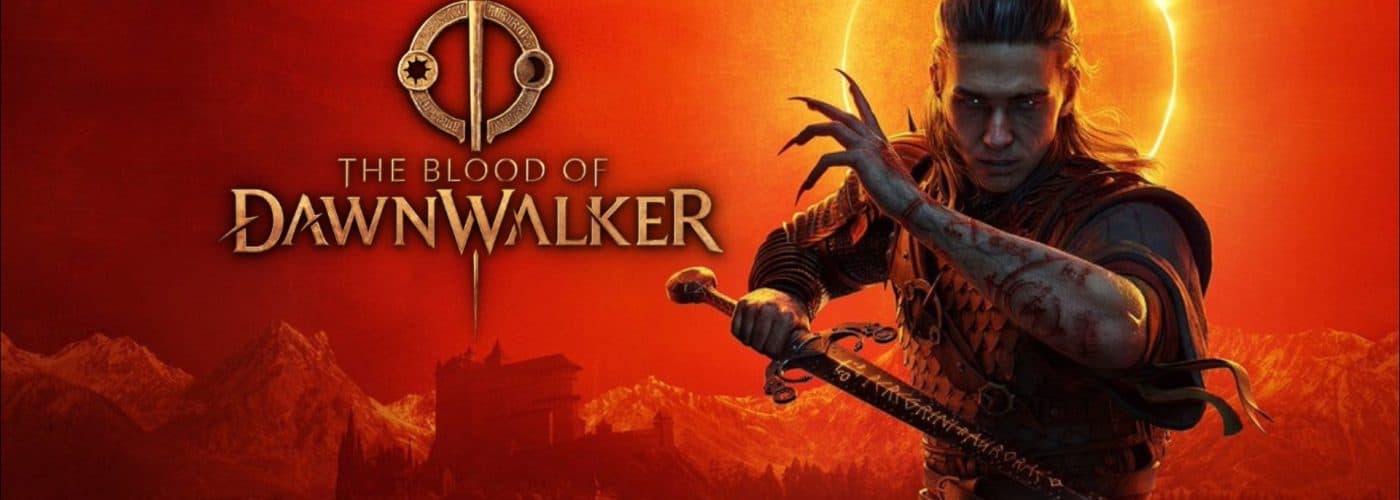
That is exactly the case with The Blood of Dawnwalker, the debut video game from Rebel Wolves, the studio founded by former CD Projekt Red developers. After months of anticipation, the game has returned with a new showcase packed with fresh details, giving us a much clearer picture of its identity while officially announcing its release date: September 3, 2026.
Still, it would be reductive to dismiss this as just another routine update. Everything revealed so far suggests that The Blood of Dawnwalker is aiming for something more ambitious than a conventional dark fantasy action RPG. Rather than simply following the established conventions of modern Western RPGs, the project appears intent on evolving that legacy through a tighter integration of player freedom, consequence, and narrative progression.
It is a demanding balance to strike, and execution will ultimately decide everything. But if Rebel Wolves delivers on that promise, The Blood of Dawnwalker could become one of the most compelling RPGs of this generation.

The Minds Behind The Blood of Dawnwalker
Every new studio enters the industry with an unavoidable question: what identity will it ultimately forge, and what space can it realistically claim within a landscape increasingly defined by consolidation, familiarity, and intensifying competition? In the case of Rebel Wolves, however, that question carries a different kind of weight. This is not a studio entering the market as an unknown start-up searching for direction, but a creative collective composed of developers who have helped shape a distinct understanding of the modern role-playing game through some of the medium’s most influential works of the past two decades.
That legacy is inseparable from the broader evolution of CD Projekt Red itself. To fully understand the weight surrounding The Blood of Dawnwalker, it is necessary to revisit the path that brought these developers to this point. The journey began in 2007 with the release of The Witcher, a project that was as rough around the edges as it was ambitious: technically inconsistent in places, yet already defined by striking narrative maturity and a remarkably clear design philosophy.
With The Witcher 2: Assassins of Kings, that vision was refined into a more cohesive form, with more ambitious combat, stronger cinematic direction, and a greater emphasis on player choice and consequence. The definitive breakthrough came with The Witcher 3: Wild Hunt, a landmark release that did more than achieve critical and commercial success: it helped redefine expectations for the Western RPG, particularly in terms of world-building, quest design, and narrative depth.
But creative trajectories of this scale are rarely linear, and they inevitably carry moments of rupture alongside success. In that respect, Cyberpunk 2077 became one of the defining industry case studies of the last decade, demonstrating how even the most accomplished studios can struggle beneath the weight of increasingly expansive creative and technological ambitions. It is precisely from that moment of internal reassessment that new creative directions began to emerge. Rebel Wolves was born not simply from experience, but from the desire to transform that experience into perspective.
Viewed through this lens, The Blood of Dawnwalker is far more than the debut of a new intellectual property; it reads instead as a manifesto from a studio determined to show it has absorbed both its successes and its setbacks, while attempting to build an RPG that inherits that legacy without being constrained by it.

A Design Philosophy Defined by Restraint, Not Excess
The first impression the project conveys is one of clear production intent. At a time when the term “ambitious” is often reduced to a synonym for scale, Rebel Wolves appears to have taken a different route. Rather than relying on excessive content volume or overstated promises, the focus is instead placed on density, responsiveness, and tightly interconnected systems.
The distinction is significant. In many contemporary open-world games, scale is still frequently mistaken for depth, with the latter often sacrificed in favour of breadth. The Blood of Dawnwalker, based on what has been shown so far, appears to move in the opposite direction: toward a world that is more contained in scope, yet considerably more reactive to player actions.
This approach reflects a clear and deliberate design awareness. In modern game development, innovation is increasingly defined less by scale itself and more by systemic complexity and interdependence. Viewed through this lens, the project reveals an ambition that feels measured, cohesive, and firmly conceptually grounded.
The Dawnwalker: Human and Vampire
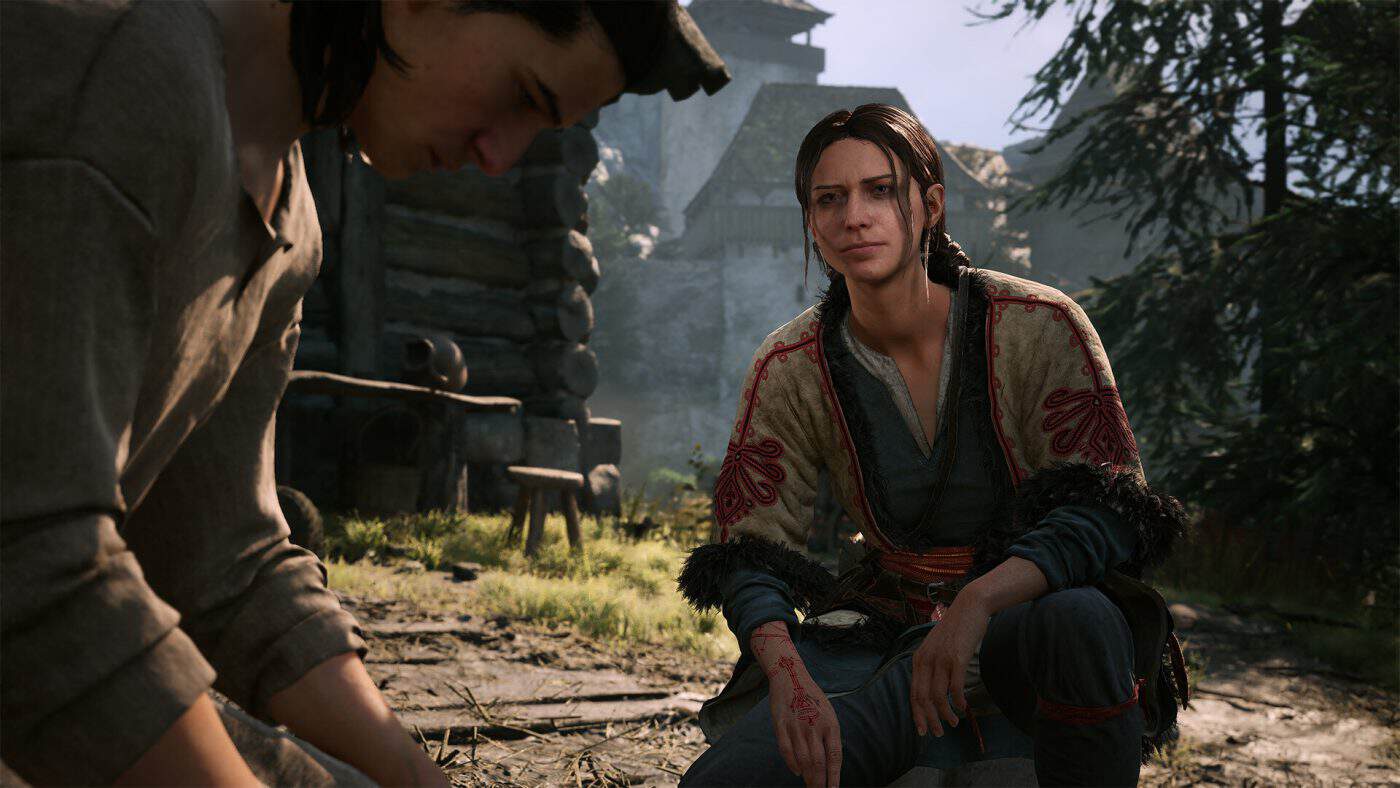
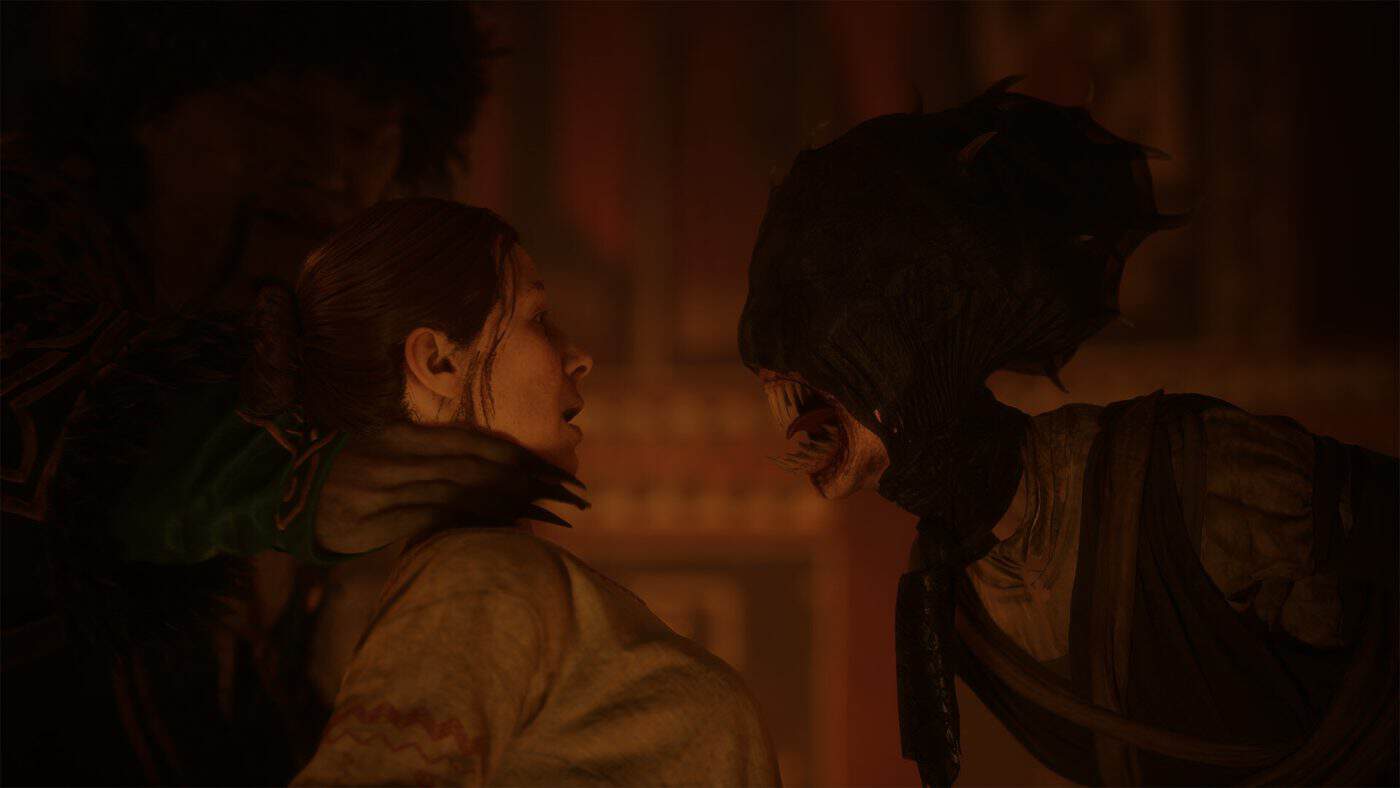
The core of the entire experience is the protagonist known as the Dawnwalker, a being suspended between two opposing natures: human and vampire, predator and prey, reason and instinct. This duality is not merely a narrative device, but the structural principle upon which the game’s entire design is built.
Withing contemporary RPGs, protagonists are usually built around strong but fundamentally stable archetypes: the hero, the exile, the chosen one, the anti-hero. These are clearly defined, immediately readable figures that are rarely asked to truly confront tthe contradictions embedded in their own identity Here, by contrast, the player inhabits a character shaped by persistent internal tension. The Dawnwalker is not merely someone with extraordinary abilities, but an identity in constant flux, forced to move between two conflicting natures. It is precisely this instability that makes the concept so compelling.
Time as Choice and Cost
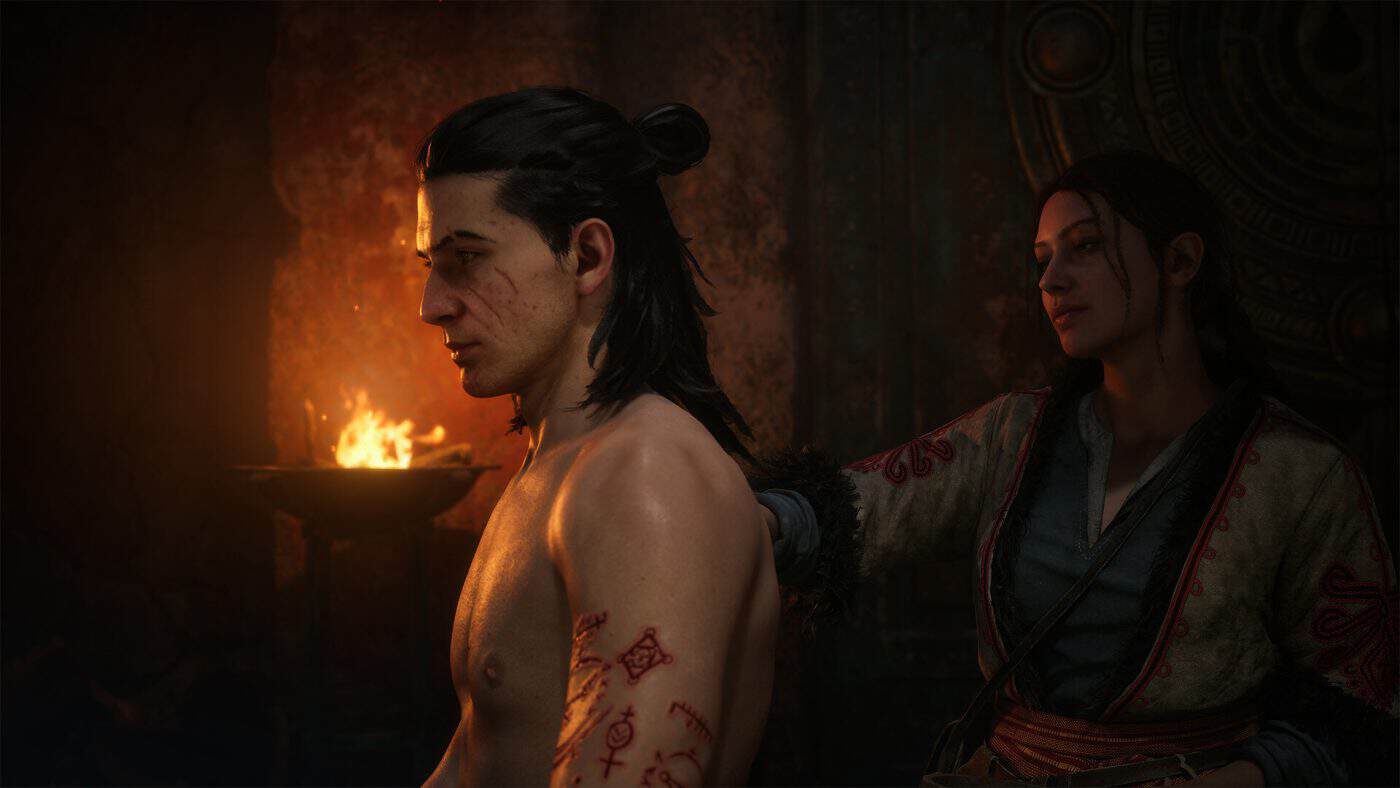
Among all the features presented, the 30-day system stands out as the most defining. It is not an ancillary mechanic, but the structural backbone of the experience. The protagonist is given a strict thirty-day window to complete their objective, with every mission, decision, and meaningful action consuming part of that limited time. At first glance, the premise may seem restrictive.
Historically, time limits in RPGs have often been associated with frustration or artificial pressure. Here, however, the concept is handled with notable precision. Time does not move continuously during exploration, but instead advances only in response to meaningful actions, effectively turning the countdown into a strategic resource rather than a constraint.
As a result, every decision carries real weight. Assisting one character means foregoing another opportunity; optional exploration comes at a cost in time; pursuing a specific investigative thread may close off alternative paths. The system introduces a rare kind of tension within the genre – one that feels less externally imposed and more deeply embedded within the design itself.
Failure as a Core Design Principle of Growth
Perhaps the most compelling aspect of Rebel Wolves’ design philosophy in The Blood of Dawnwalker lies in the way it handles failure. Exceeding the thirty-day limit does not necessarily trigger a traditional game over.
Instead, the world persists and continues to evolve in a coherent state. Political balances shift and narrative opportunities are reshaped into outcomes that diverge from those initially expected. It is a notable design choice, one that challenges a deeply rooted convention of the medium. Rather than breaking progression, the game absorbs failure into its systems and redirects it into alternative states that remain consistent with the world’s internal logic.
The result is a design philosophy that, if fully realised, could mark a meaningful shift in how videogames understand error: not as a binary failure state, but as a structural element capable of reshaping the experience itself.
Fight in the Light, Feed in the Dark
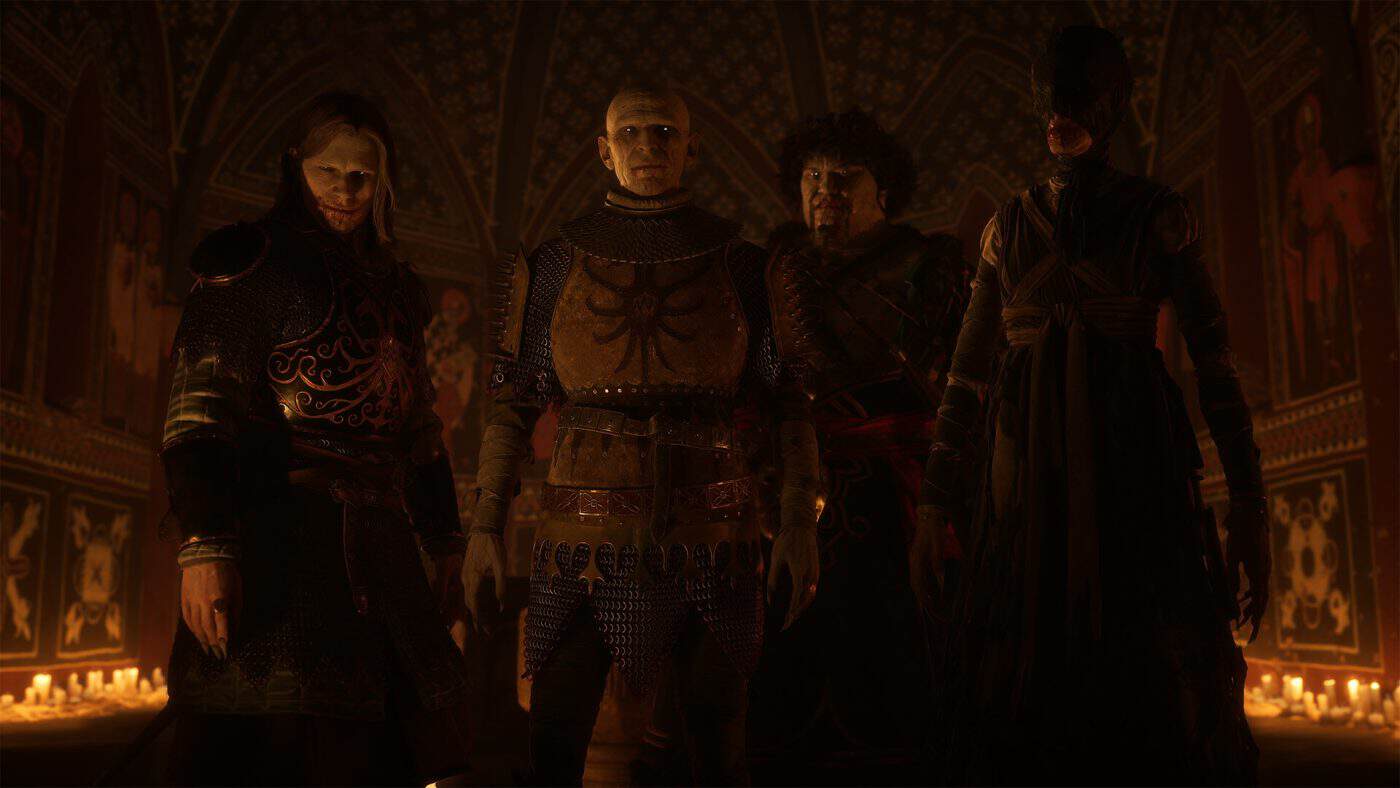
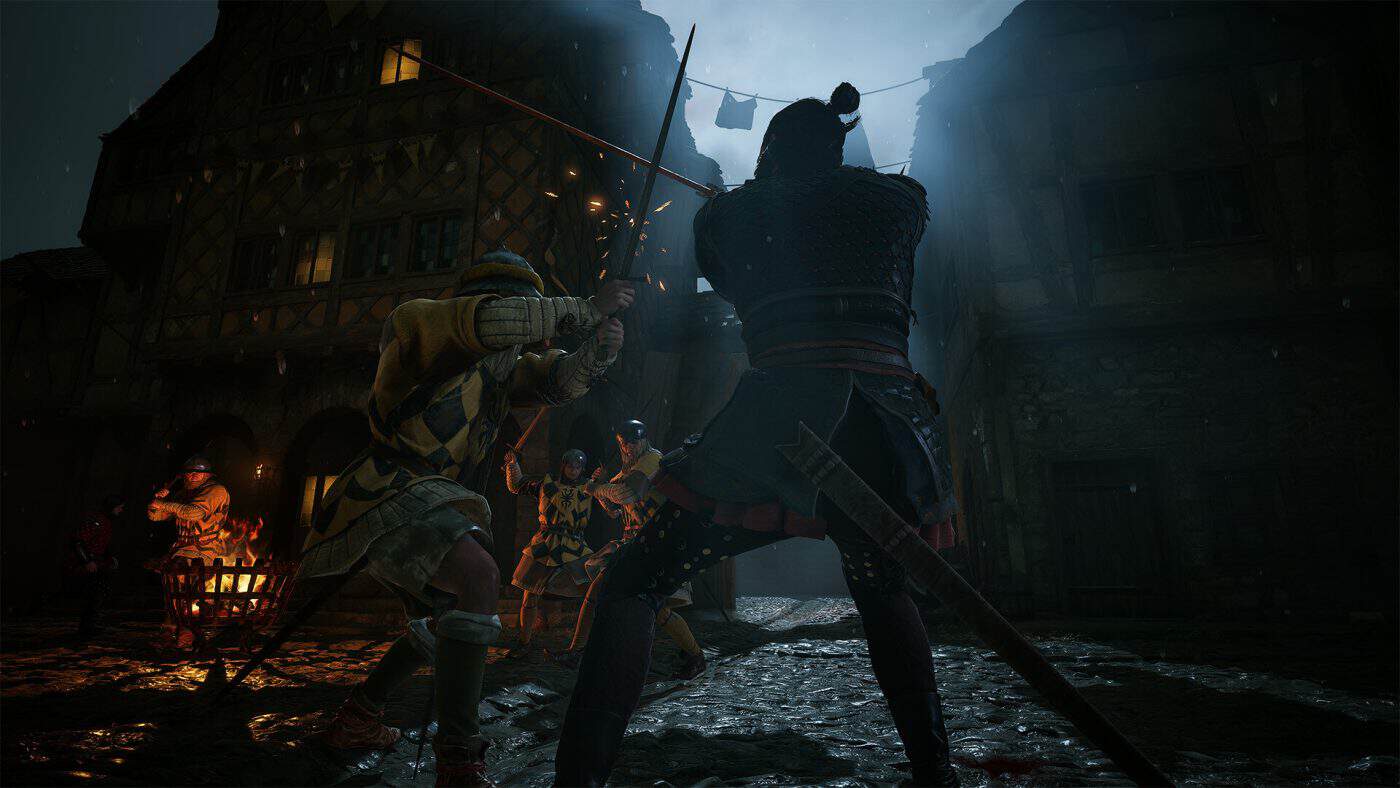
The protagonist’s dual nature is directly reflected in the combat system. During daytime segments, gameplay leans toward a more technical and measured approach, centred on precision, defence, and spatial awareness through conventional swordplay.
At night, however, vampiric abilities take over and the tempo shifts markedly: combat becomes faster and more aggressive, leaning into instinct-driven, predatory mechanics. This is not merely a statistical or aesthetic variation, but a full reconfiguration of the system’s underlying language. Players are required to continuously adapt their approach, planning, and reading of encounters in accordance with the time cycle, effectively elevating time into a core strategic variable.
On paper, this mechanic has the potential to significantly enhance moment-to-moment variety. Much will depend on balance and execution, but the underlying concept stands out as one of the most compelling systems within the entire project.

A World Without Safe Consequences
If the countdown system represents the most immediately recognisable innovation, it is the bloodlust mechanic that stands out as the project’s true conceptual rupture. The protagonist is in constant need of feeding, a requirement that is not framed as a simple gameplay loop, but as a system that actively reshapes the relationship between player and world. Hunger can be satisfied through combat, hunting, or the selection of victims at will, yet each action feeds into a broader network of consequences designed to extend well beyond the immediate moment. It is here that the project reveals its core ambition.
The developers promise a world in which any NPC can be killed, deliberately discarding the traditional notion of “narrative protection” that, in most RPGs, keeps key characters effectively untouchable. This is not merely a design choice, but a clear statement of intent: that the player can meaningfully alter the economic, social, and narrative balance of the world.
The implications, at least on paper, are substantial. Killing a merchant could destabilise a city’s economy; eliminating a craftsman could remove access to essential services; removing an informant could sever questlines or permanently close off entire narrative branches. As a result, the world appears less concerned with preserving authored content and more committed to reacting to player agency – even when that agency proves disruptive, destructive, or unpredictable.
It is an ambitious direction, and inevitably a risky one. A degree of freedom this expansive can only function if supported by a systemic framework robust enough to absorb its consequences without compromising the integrity of the experience. Yet if the team succeeds in fully realising this vision, the result could prove to be far more than a bold experiment: it may mark a genuine turning point in how RPGs define freedom, responsibility, and the weight of player choice.

The Invisible War Against Power
The progression system likewise appears designed to move beyond the traditional logic of simple experience accumulation, favouring instead a more structured, objective-driven model. Character advancement is tied to the completion of specific missions and the acquisition of dedicated resources, both of which become central components of the broader growth loop.
Particularly interesting is the concept of “pressure” exerted against the forces of the primary antagonist. Every player action contributes incrementally to weakening the network of influence and power that sustains the antagonist’s control over the world.
In practical terms, this system translates into the gradual unlocking of targets, missions, and opportunities, transforming the campaign into a genuine war of attrition on a systemic scale: a slow process of strategically dismantling the existing order.
The Blood of Dawnwalker Could Be Exactly What the Genre Needed
With its release scheduled for September 3 on PC, PlayStation 5, and Xbox Series X/S, The Blood of Dawnwalker is steadily approaching its moment of truth: whether its ambitions can truly withstand the weight of expectation. The ideas are already clearly in place, as is a distinct creative identity, underpinned by a coherent and sharply defined vision – something that, within the contemporary RPG landscape, is becoming increasingly uncommon.
Naturally, a considerable gap remains between ambition and execution, one that is often difficult to bridge. Ultimately, it will be the quality of the final implementation that determines whether The Blood of Dawnwalker can translate its ideas into an experience capable of leaving a lasting impression. Even so, one conclusion already stands out clearly: among the many RPGs currently in development, this is one of the few projects still willing to take genuine creative risks and pursue something meaningfully different.