
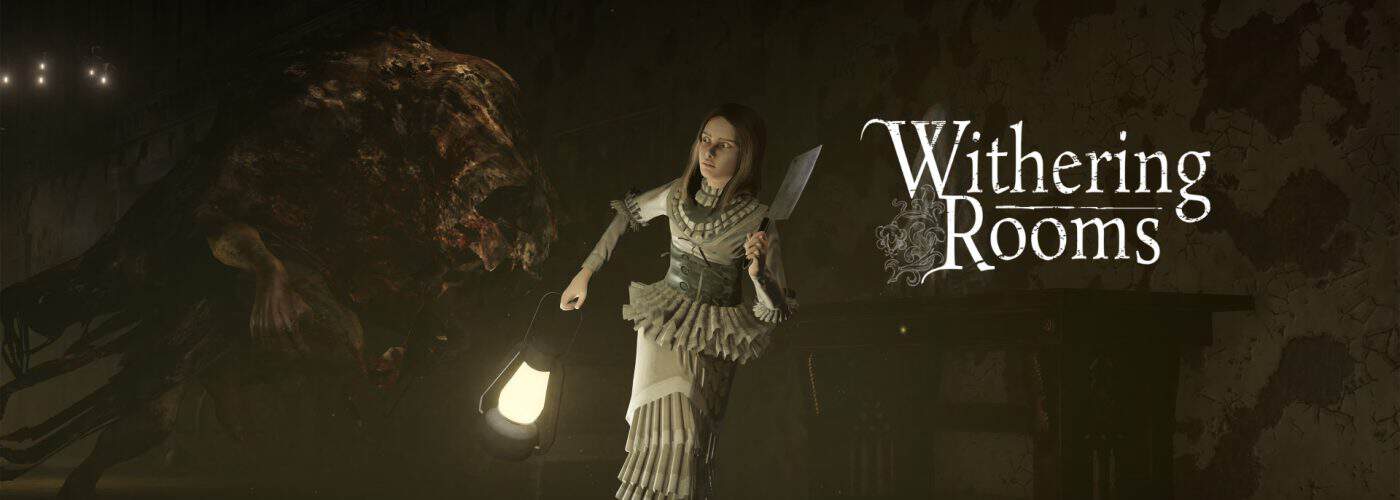
A genre-blending horror experience built less around escape and more around return.

In a crowded and increasingly experimental indie horror landscape, standing out takes more than atmosphere and a handful of clever ideas. It takes a clear creative identity, and Withering Rooms has that from the very beginning. Though it may initially seem to follow familiar gothic haunted-house conventions, it soon reveals far greater ambition, folding together survival horror, roguelite mechanics, exploration, and light RPG progression into something distinctive and remarkably confident.
Set within the shifting walls of Mostyn House, a sprawling Victorian manor that reshapes itself each night, the game places players inside a persistent waking nightmare. Corridors lead somewhere unexpected, hidden chambers appear where none were before, and an unshakable sense of being watched lingers in every shadowed corner. The house is more than a backdrop; it is the heart of the experience, an active and unpredictable presence that makes exploration feel permanently unstable.
This is where Withering Rooms finds its most compelling identity. It draws heavily from the traditions of survival horror – vulnerability, resource scarcity, measured tension – while folding in roguelite systems that encourage repetition through evolving knowledge and gradual progression. Death is frequent, but rarely meaningless. Each failed attempt feeds into a broader sense of advancement, complemented by character development systems and inventory management mechanics that introduce subtle RPG sensibilities without overwhelming the core experience.
The result is a game that resists straightforward classification.It is not strictly survival horror, nor does it comfortably sit within the conventions of the roguelite genre. Instead, it occupies an intriguing space between both, leveraging elements of each to create something that feels refreshingly difficult to define. That hybrid identity is one of its greatest strengths, though it may also divide players expecting something more familiar.
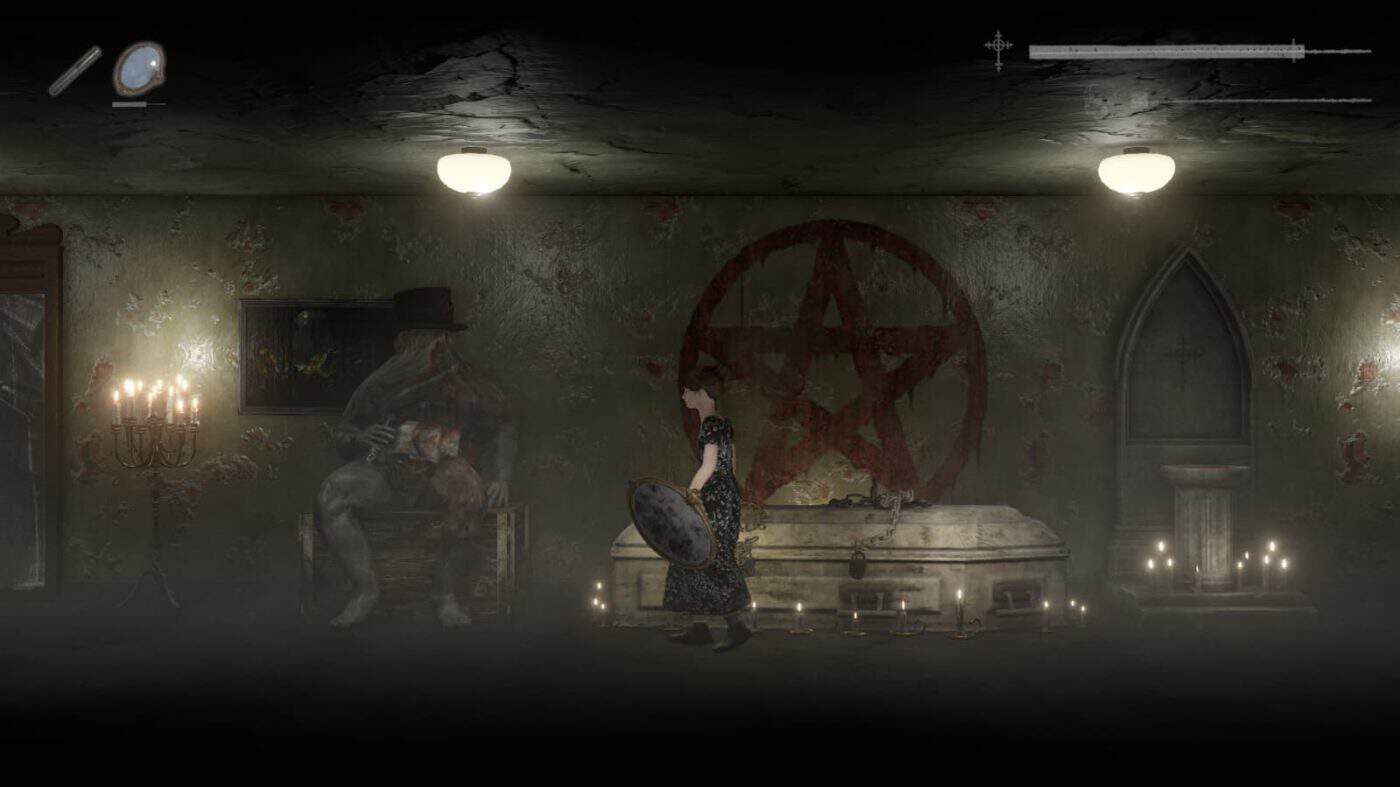
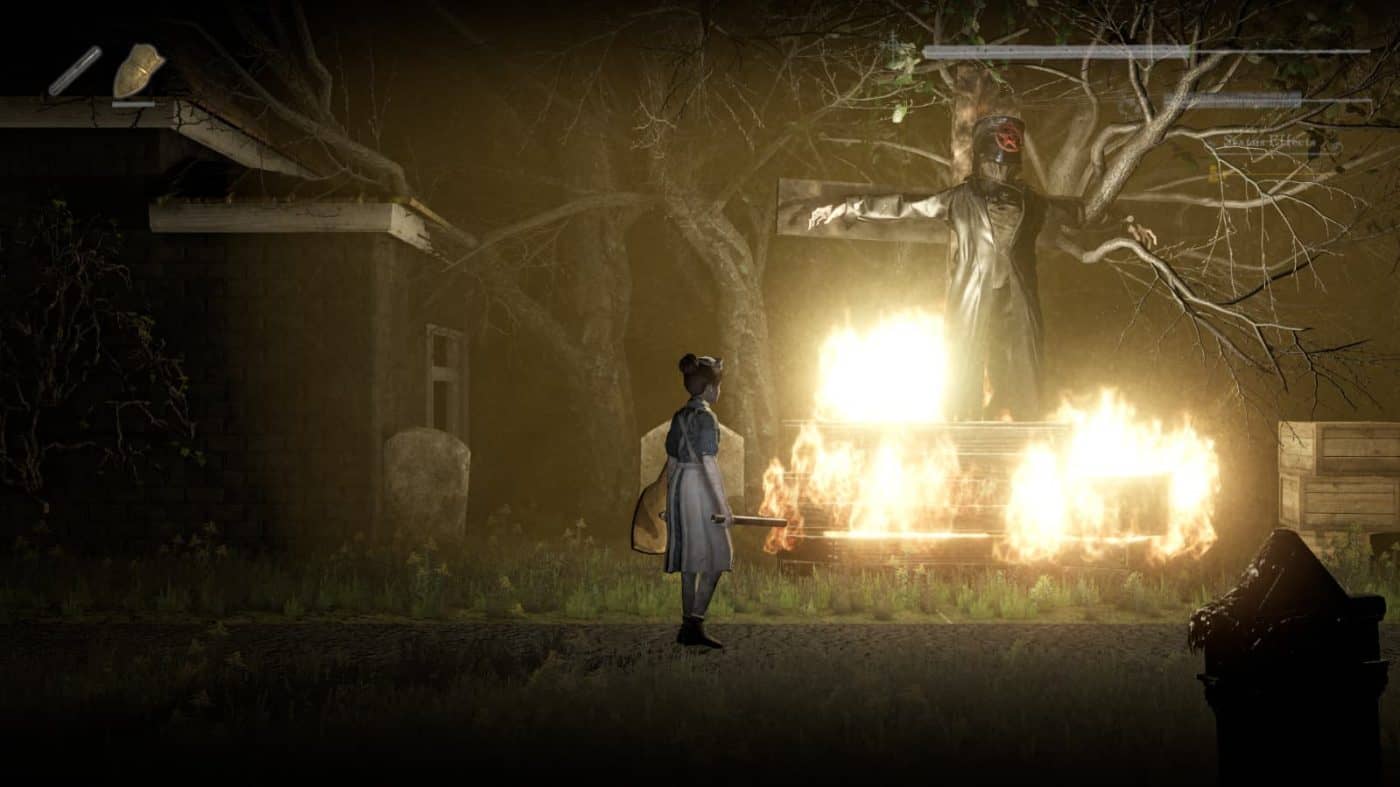
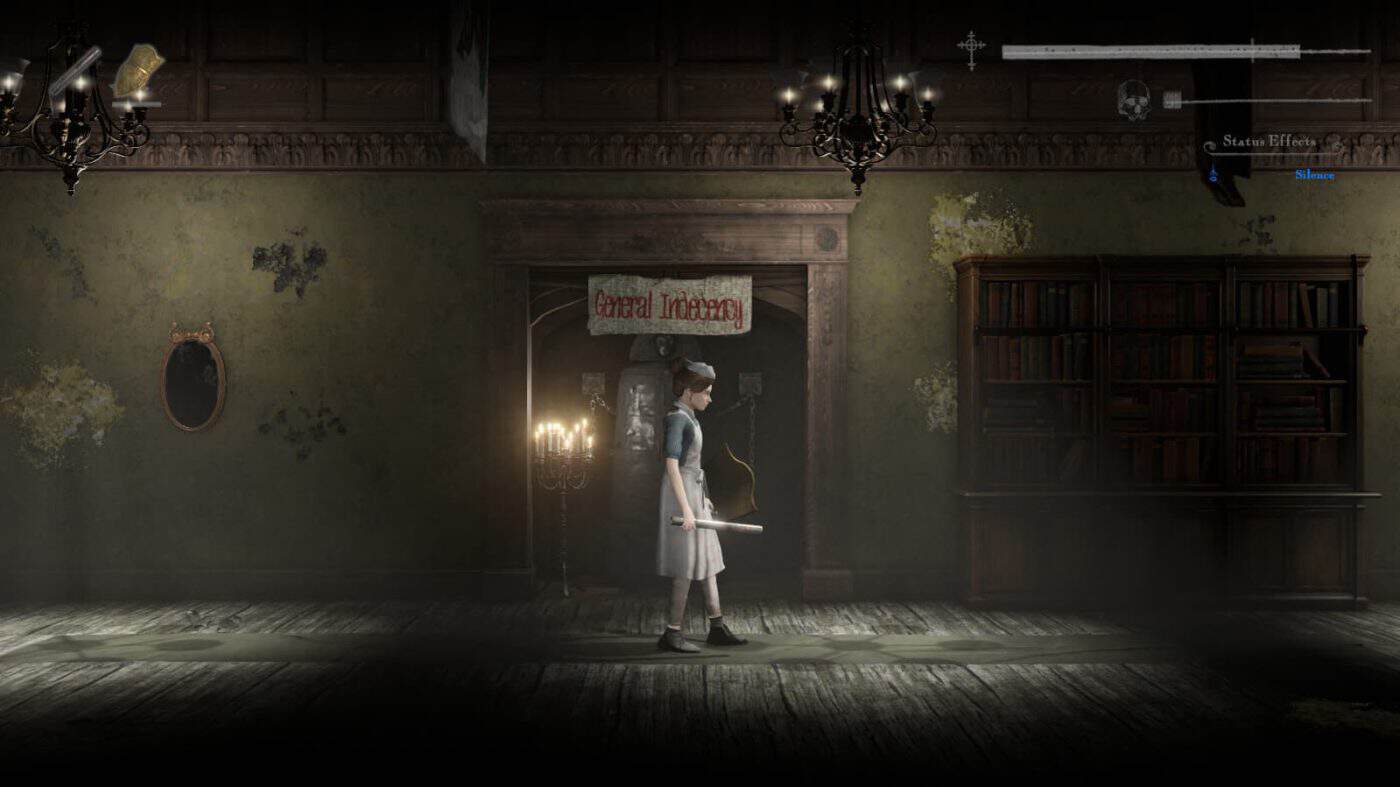
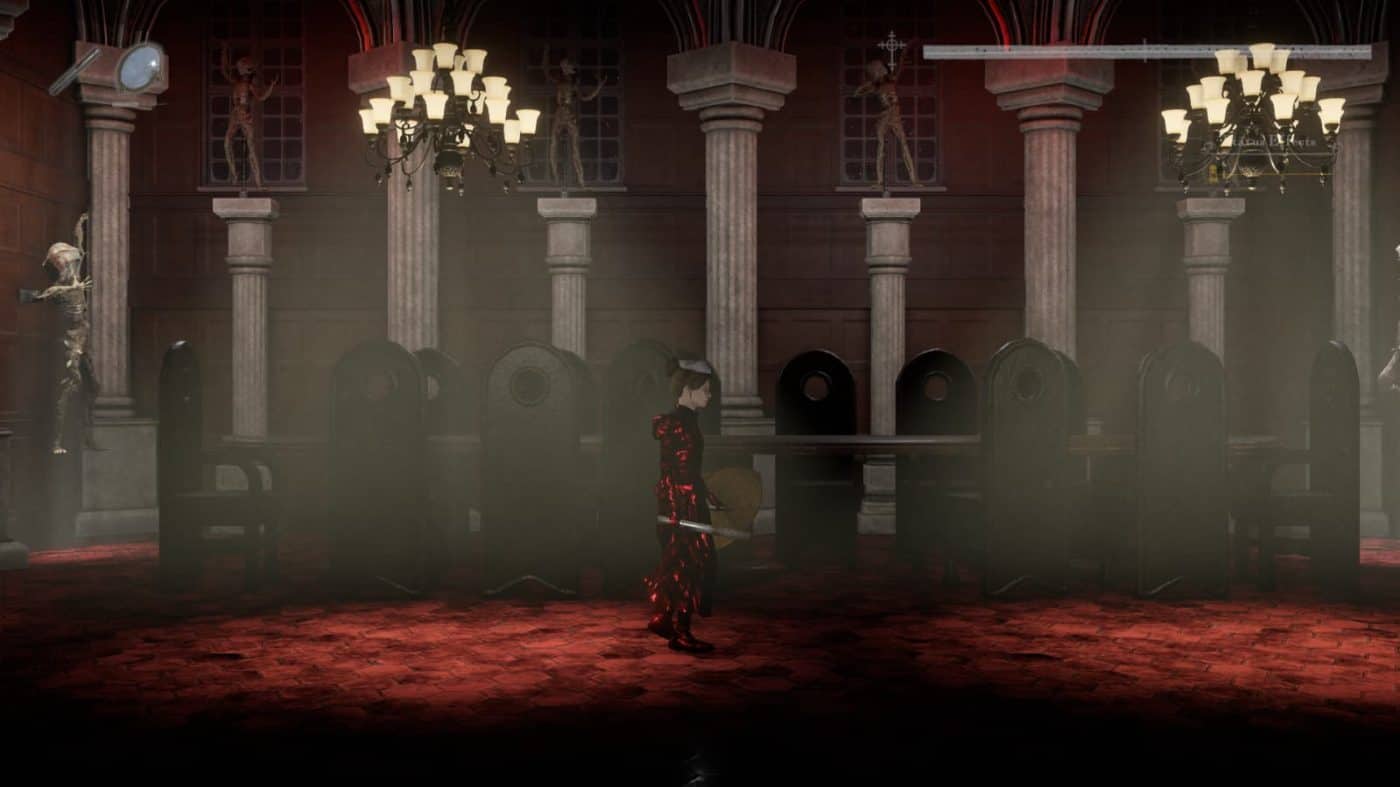
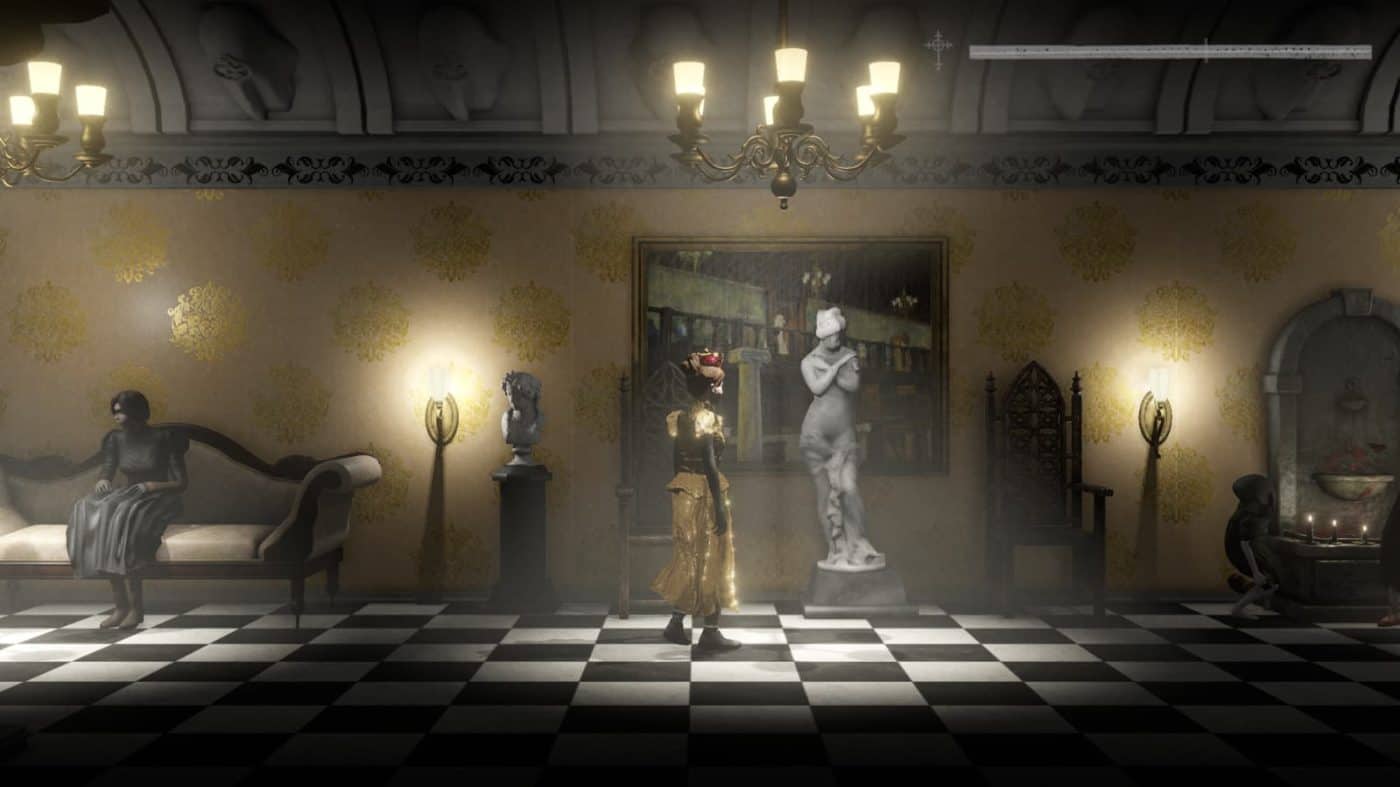
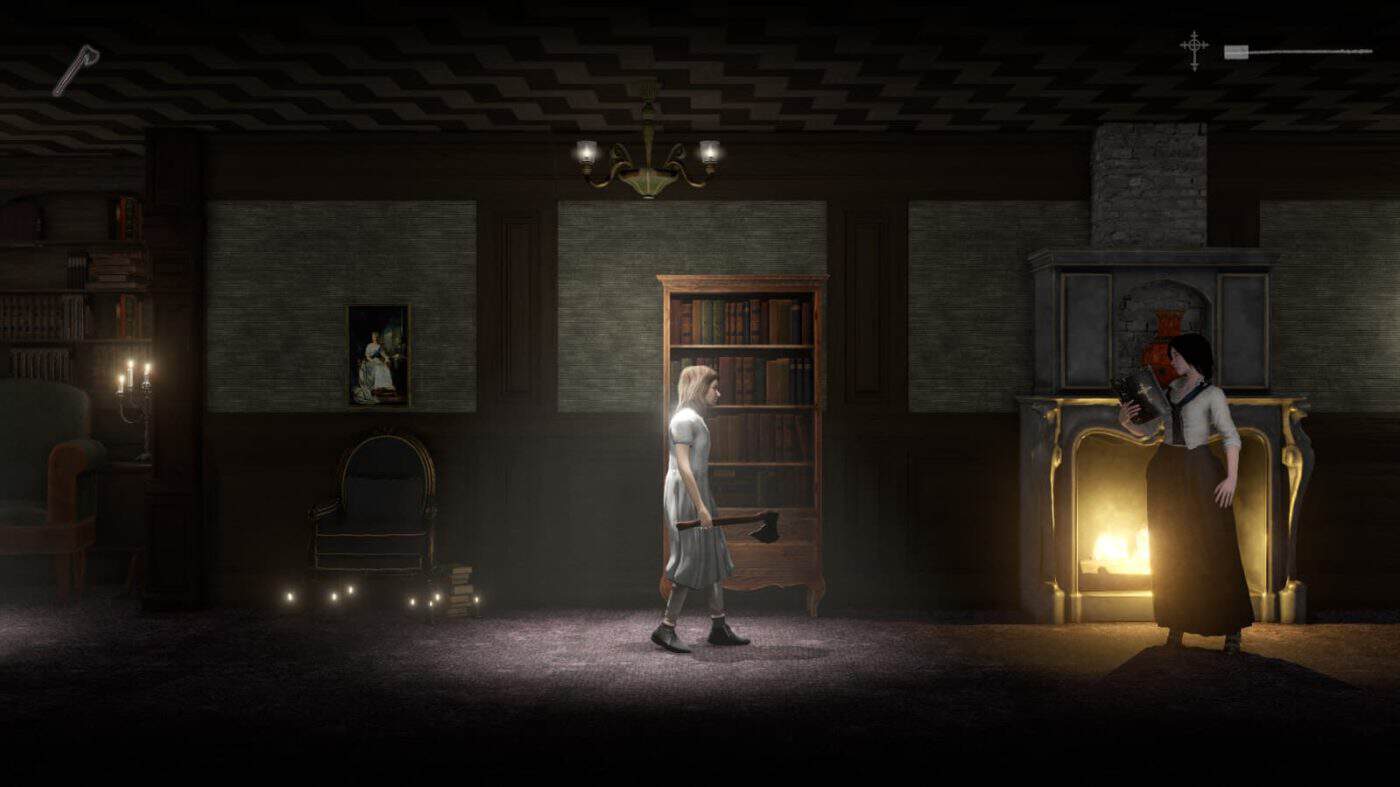
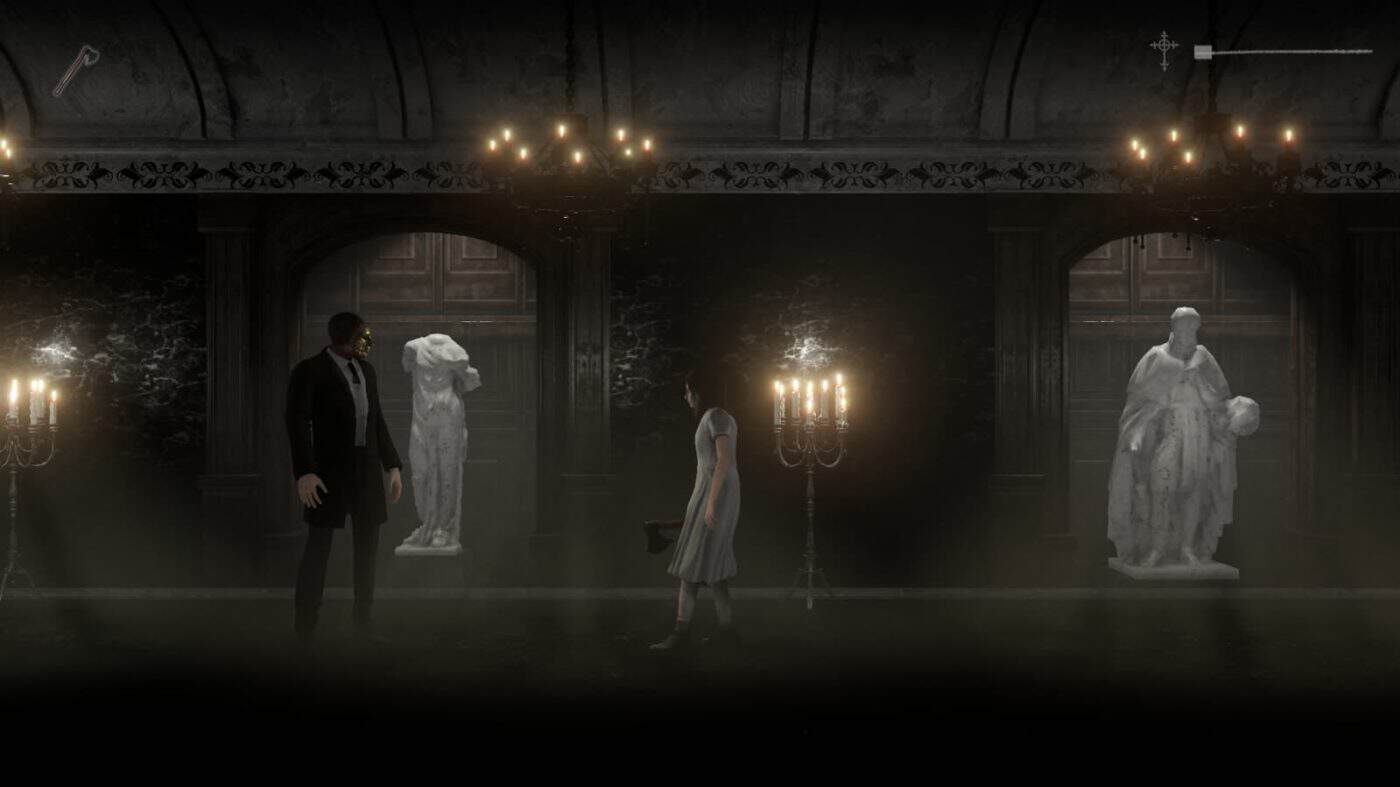
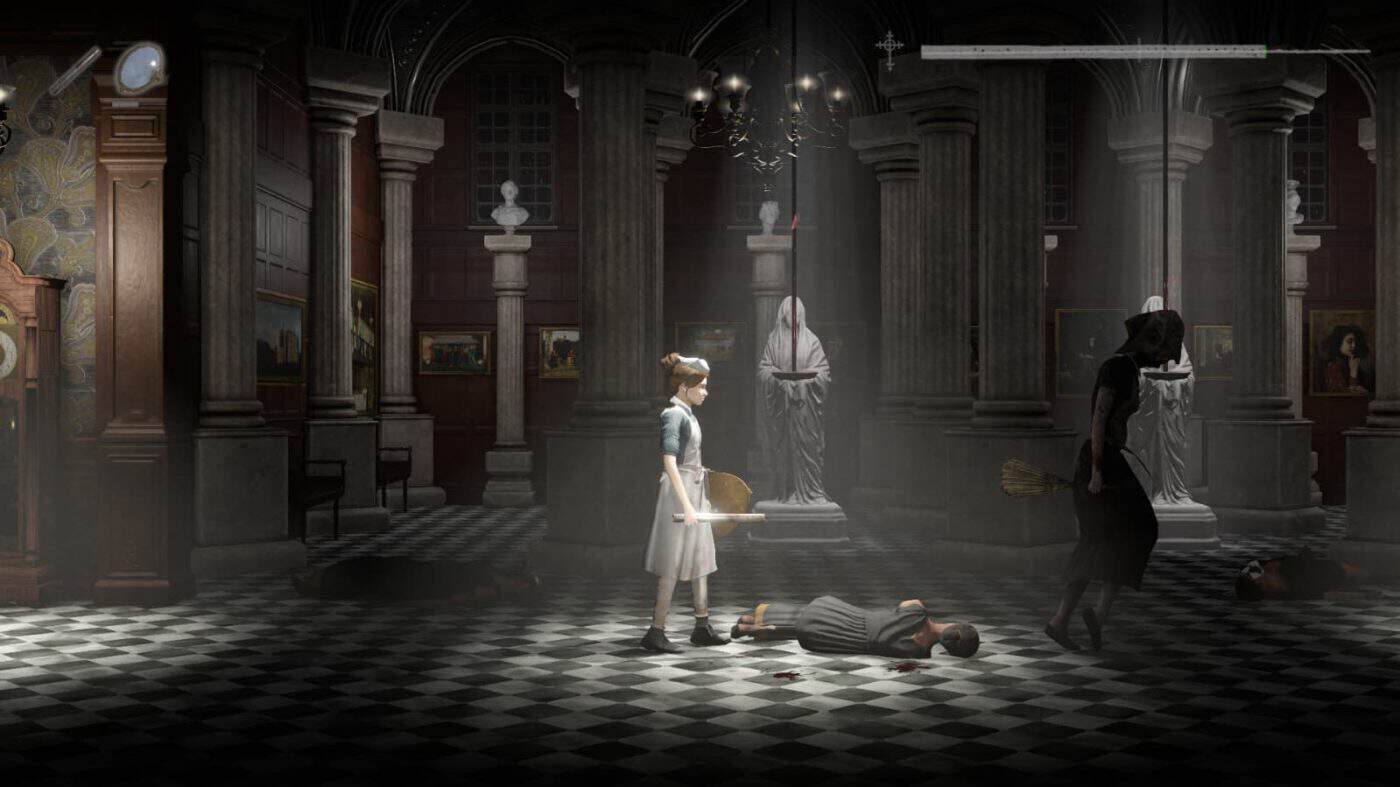
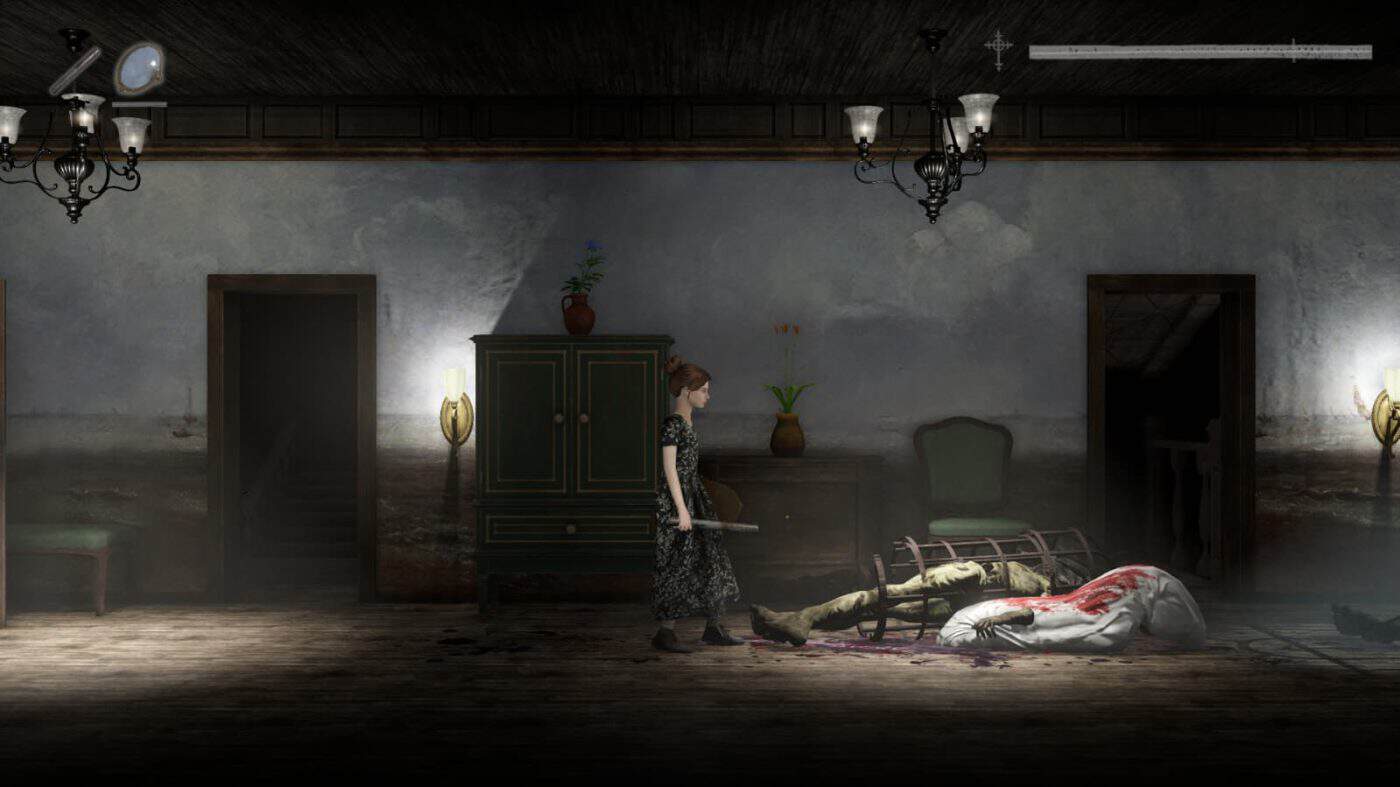
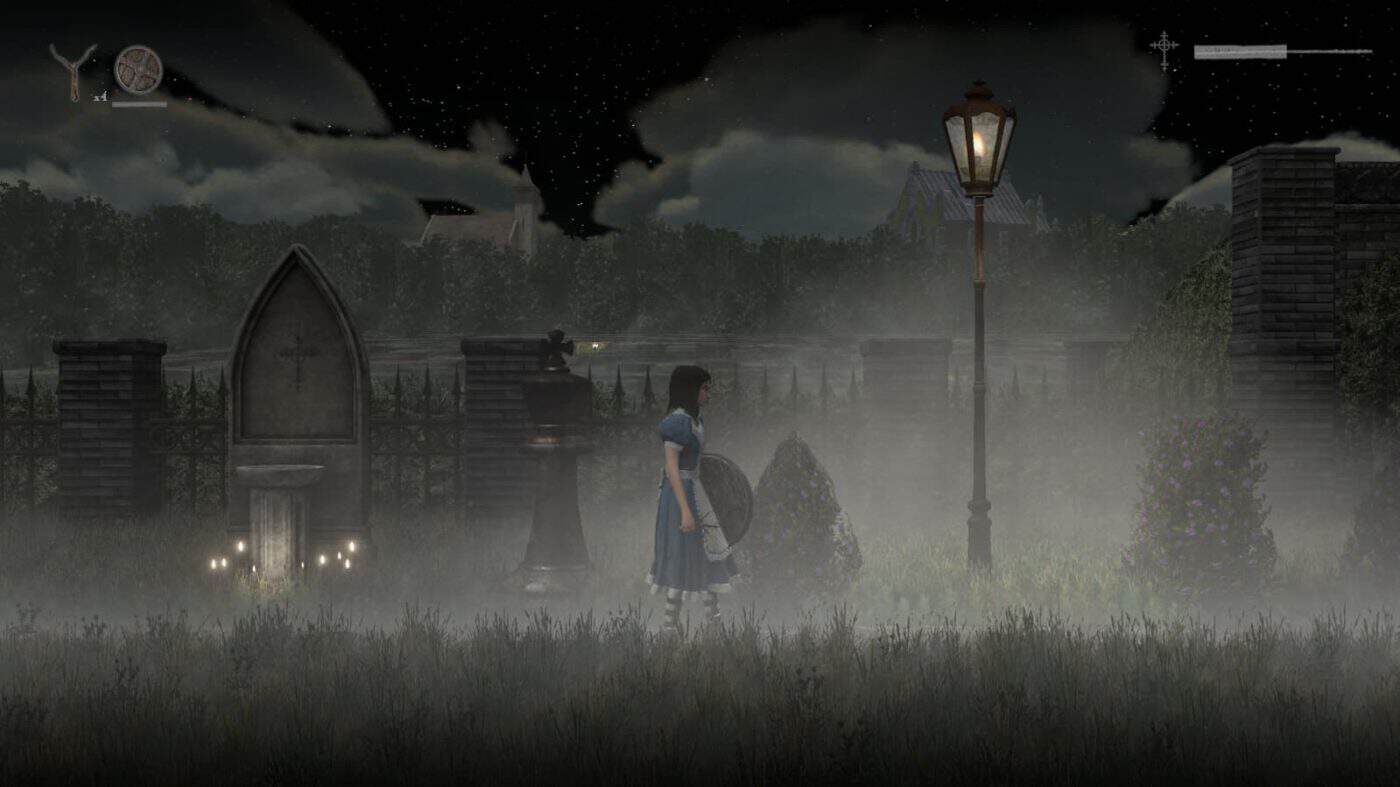
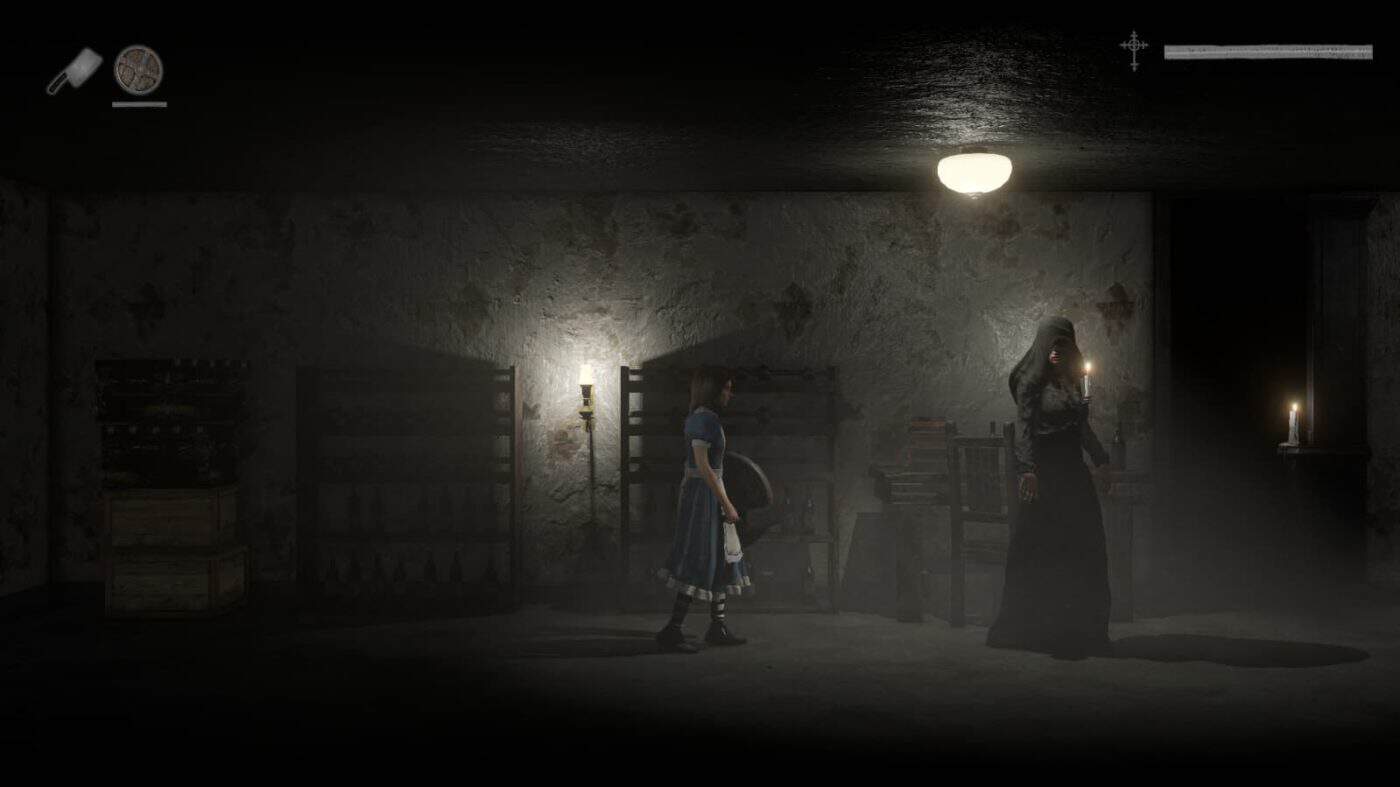
Visually, Withering Rooms leans fully into gothic sensibilities. Decaying interiors, antique furnishings, and an oppressive atmosphere of quiet deterioration evoke the spirit of classic European horror. Yet the game’s most unusual artistic choice lies in its 2.5D presentation, combining side-scrolling traversal with layered 3D spaces. It is a decision that shapes more than appearance alone; it fundamentally influences spatial awareness, exploration, and the player’s relationship with the mansion itself.
Just as striking is the game’s commitment to unpredictability. From the opening moments, it makes clear that no route can ever be fully trusted. Room layouts shift, item placements change, and enemy encounters often unfold in unexpected ways. The result is a sustained sense of tension, where familiarity never quite settles into comfort. Each run introduces enough variation to keep players alert, denying any real sense of mastery.
Tonally, the game leans more toward psychological unease than conventional shock tactics. Jump scares are largely absent, giving way to a slower, more oppressive sense of dread built through suggestion, ambiguity, and carefully sustained atmosphere. Much of the horror is implied rather than shown, allowing the unseen to linger longer in the player’s imagination.
Its release feels especially well timed. Indie horror is in the midst of a creative shift, with developers increasingly willing to push beyond genre orthodoxy through hybrid mechanics and unconventional structures. Within that space, Withering Rooms stands out for its coherence. Its influences never feel loosely stitched together; instead, they are blended with enough confidence to create an experience that feels both familiar and genuinely fresh.
Above all, Withering Rooms is a game defined by ambition. It aims not simply to unsettle, but to build an intricate, evolving system that rewards patience, observation, and adaptability. It asks players to let go of certainty, to embrace disorientation, and to accept unpredictability as part of the experience. In doing so, it makes an opening statement that is as intriguing as it is unsettling.
The Mind Behind Withering Rooms
Behind Withering Rooms lies a development story that encapsulates the most authentic spirit of modern independent game creation: a project shaped by singular vision, sustained through persistence, and refined through experimentation.
Developed primarily by Moonless Formless – the pseudonym of a solo creator responsible for everything from design and programming to the game’s carefully crafted atmosphere – it is the kind of production whose identity is inseparable from the individual behind it. That authorship is not merely an interesting footnote; it is fundamental to understanding the game itself. Where larger productions often divide responsibility across numerous departments, projects led by a single creative voice tend to benefit from a stronger sense of internal cohesion. Withering Rooms is a clear example of that.
Every aspect of the experience, from its roguelite structure and artistic direction to its pacing and overall design, feels shaped by a clear and consistent vision. There is little sense of compromise, and even its more unconventional ideas carry the confidence of a project built without obvious commercial constraint.
That is not to downplay the challenges of solo development. Building a game of this scale requires far more than technical versatility; it demands rigorous organisation, long-term discipline, and a remarkable capacity to maintain creative focus across years of development. The fact that Withering Rooms emerges as such a layered and fully realised experience is, in itself, a notable achievement, and speaks volumes about the strength of the work behind it.
On the publishing side, the project is backed by Perp Games, a publisher that has carved out a reputation for supporting indie projects with strong artistic identities, particularly within horror and more experimental spaces. Their involvement is especially significant here. For a project as unconventional and difficult to categorise as Withering Rooms, the support of an established publisher provides not only greater visibility, but also the strategic positioning needed to reach its intended audience. Just as importantly, that backing does not appear to have come at the expense of creative independence.
Instead, it reflects the kind of partnership that allows a singular project to preserve its artistic identity while benefiting from the infrastructure required to stand out in an increasingly crowded market.
The game’s early access phase also played a meaningful role in shaping its final form. As is often the case with ambitious independent projects, it enabled direct community feedback and ongoing refinement over time. This period of public testing was likely instrumental in refining the relationship between its roguelite structure and survival horror foundations – two design philosophies that can easily clash without careful calibration.
In an industry often divided between blockbuster spectacle and smaller-scale indie immediacy, Withering Rooms finds a compelling middle ground. It stands as proof that complexity and ambition do not necessarily demand vast resources, so long as they are guided by a clear creative vision. The combination of singular authorship and measured external support has resulted in a remarkably cohesive project, one that carves out its own identity within an increasingly crowded indie landscape.
A Story Meant to Be Uncovered, Not Explained
The narrative of Withering Rooms embraces a deliberately fragmented and enigmatic structure, favouring discovery and personal interpretation over straightforward exposition. Rather than guiding the player through a conventional, easily digestible storyline, the game slowly unveils its world through atmosphere, implication, and exploration, allowing its mysteries to emerge organically over time. Players step into the role of Nightingale, a young woman trapped within the oppressive halls of Mostyn House – a sprawling Victorian mansion that appears suspended somewhere between reality and nightmare.
The game offers few immediate answers regarding her presence there, deliberately withholding clarity in favour of uncertainty. In doing so, Withering Rooms turns exploration itself into a narrative device, encouraging players to gradually piece together the broader context through observation and persistence. Storytelling is handled primarily through environmental design and indirect narrative techniques rather than lengthy cinematics or overt exposition. Documents, objects, fragmented descriptions, and encounters with cryptic figures slowly reveal the dark history surrounding the mansion and its former inhabitants.
It is an approach deeply rooted in classic psychological horror traditions, where implication often proves more unsettling than direct explanation, and where tension is sustained through ambiguity as much as revelation.
The player is not positioned as a passive observer, but as an active participant in reconstructing the narrative. Meaning emerges through interpretation, with scattered clues and fragmented details inviting players to assemble their own understanding of events. Even Nightingale’s fate ultimately feels tied to this process of discovery: whether she escapes the nightmare of Mostyn House or succumbs to it entirely is shaped as much by player engagement as by narrative progression itself.
At the heart of the experience lies the mystery of Mostyn House – not merely a backdrop, but a living, ever-shifting presence that defines the game’s atmosphere. Rooms shift, corridors defy spatial logic, and the environment persistently undermines any sense of stability. In many respects, the house becomes one of the game’s most significant presences: an active, hostile force that shapes both the rhythm of exploration and the psychological weight of the experience.
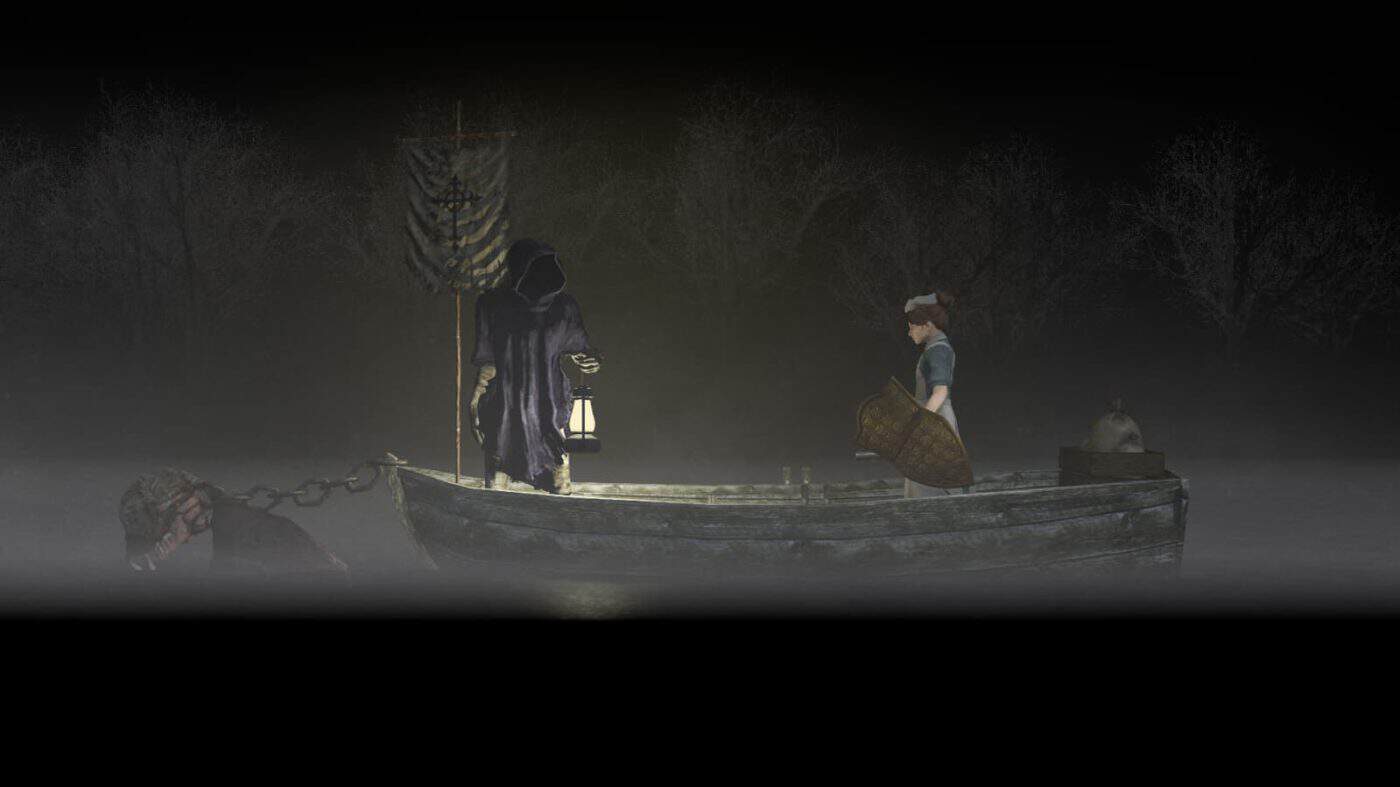
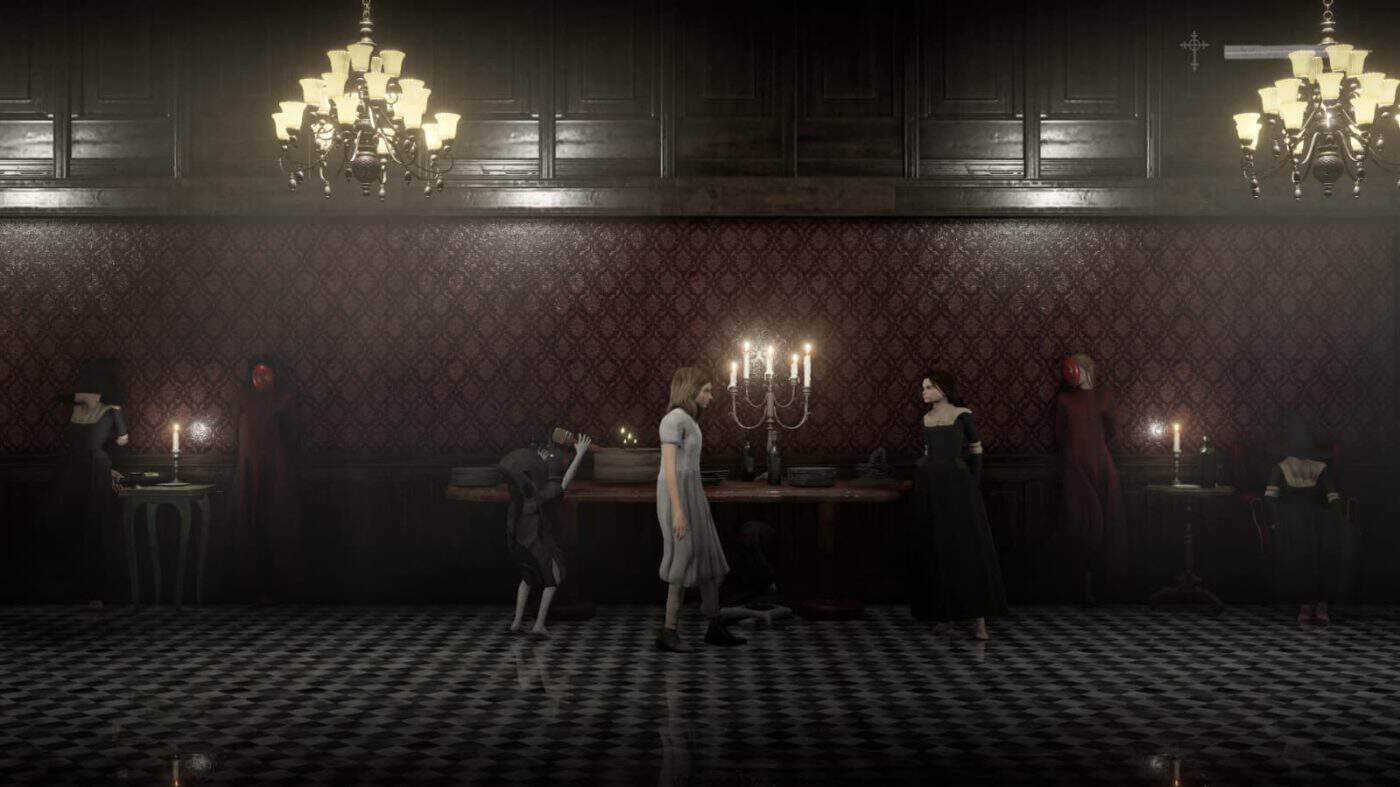
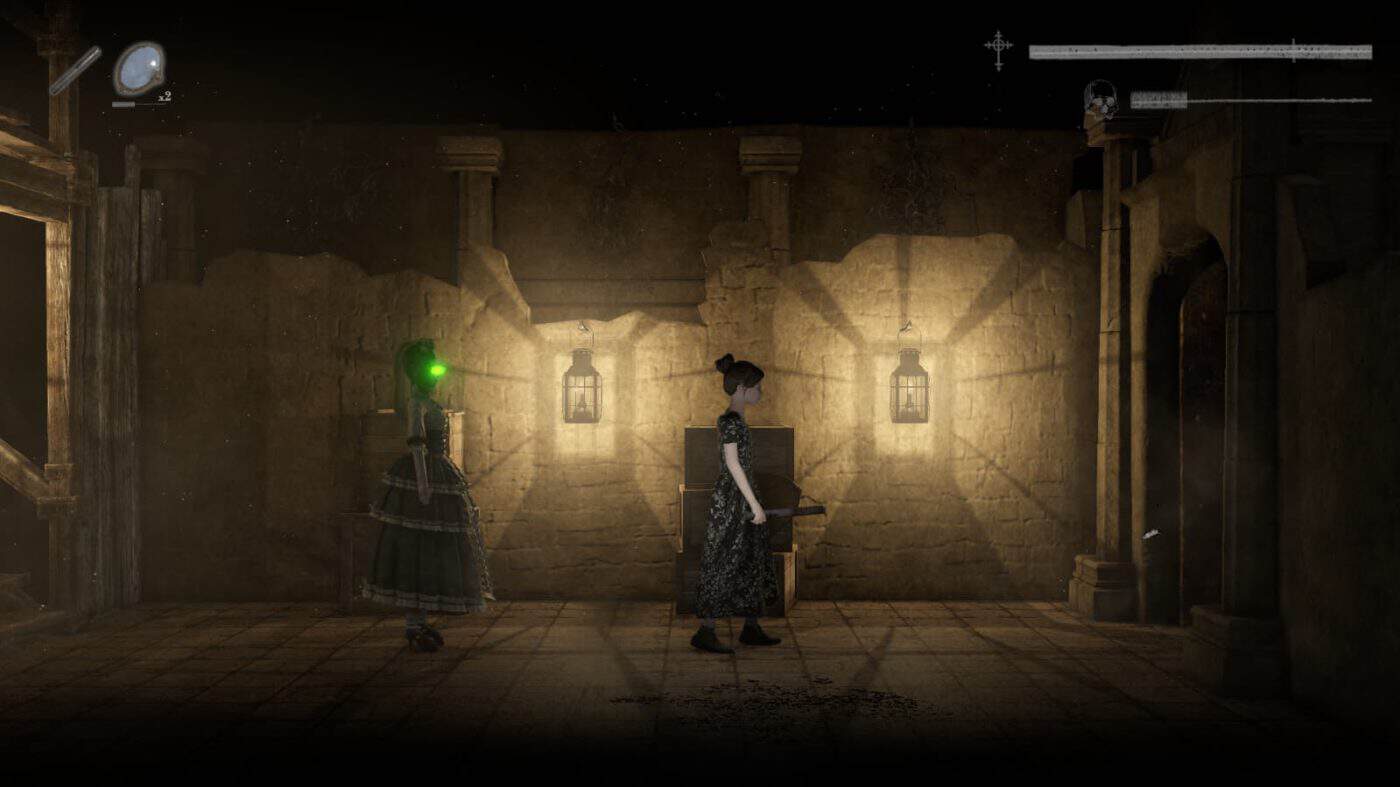
Throughout the journey, players encounter a series of elusive and often unsettling characters whose motives remain deliberately unclear. These are not traditionally defined characters with explicit narrative roles, but spectral presences that drift in and out of the story, leaving behind uncertainty rather than resolution. Some may offer guidance, others represent danger, but few can ever be fully trusted. This persistent ambiguity reinforces the game’s atmosphere of instability and ensures that players rarely feel entirely secure in either their surroundings or their decisions.
Death also plays a central role in the game’s narrative structure. In Withering Rooms, dying is not treated as a simple fail state, but as an extension of the story itself. Each death reshapes the mansion, altering rooms, encounters, and opportunities, while reinforcing the sense that Nightingale is trapped within a recurring cycle from which escape may ultimately be impossible.
Equally important is the seamless relationship between narrative and gameplay. Story progression is never detached from player interaction; instead, exploration, survival, and discovery become the primary vehicles through which the narrative unfolds. A newly discovered room, an unusual object, or a surviving encounter can all reveal additional fragments of the larger mystery, ensuring that progression feels both mechanical and narrative at once.
That said, Withering Rooms demands patience and engagement from its audience. Its fragmented storytelling resist immediate accessibility, requiring players to actively search for meaning rather than passively receive it. For some, this will be among its greatest strengths, rewarding curiosity and attention with a more immersive experience. For others – particularly those drawn to more direct or traditionally structured narratives – its elusive nature may feel distancing, if not outright alienating.
Ultimately, Withering Rooms is less concerned with telling a story outright than with immersing players inside one. Its narrative unfolds gradually through implication, atmosphere, and interpretation, creating an experience defined as much by uncertainty as by revelation. The result is a immersive form of storytelling that becomes inseparable from the game’s broader identity.
Lost Between Nightmare and Reality
The narrative of Withering Rooms stands out for its deeply atmospheric and deliberately fragmented approach to storytelling, favouring ambiguity, interpretation, and gradual discovery over conventional exposition. Rather than presenting players with a clearly structured or immediately accessible narrative, the game unfolds through implication and environmental detail, building a world whose meaning must be uncovered piece by piece. The result is a story shaped as much by absence and uncertainty as by what is directly revealed, allowing tension and intrigue to emerge organically throughout the experience.
At the heart of this narrative design lies the theme of decay, explored both as a physical reality and a psychological condition. Mostyn House is not merely a haunted mansion, but a collapsing space seemingly consumed by time, trauma, and corruption. Every corridor, abandoned chamber, and forgotten object carries the impression of a place burdened by a violent and unresolved past. This deterioration extends beyond the architecture itself, influencing the perception of the wider game world, which constantly feels unstable, mutable, and on the verge of disintegration, as though reality itself were slowly eroding.
Closely tied to this is the game’s sustained exploration of madness and disorientation. The shifting structure of the mansion, combined with its fragmented storytelling, creates a continual sense of instability in which logical rules appear increasingly unreliable. Spaces transform unexpectedly, events resist straightforward interpretation, and the line between reality and hallucination becomes progressively blurred. The result is an experience that feels less like conventional horror storytelling and more like a recurring psychological nightmare, built on uncertainty rather than spectacle.
Death assumes a central narrative role within the experience. In Withering Rooms, dying is not framed as a simple interruption or mechanical punishment, but as an extension of the story’s thematic structure. Each death subtly reshapes the mansion, altering rooms, encounters, and available opportunities, while reinforcing the sense that protagonist Nightingale is trapped within an inescapable cycle. By embedding its roguelite systems directly into the narrative framework, the game turns repetition into a storytelling tool, using variation and recurrence to reinforce its depiction of a fractured, unstable reality.
The supernatural layer of the narrative remains deliberately elusive. Apparitions and unexplained events are rarely given clear definition, maintaining ambiguity over whether what is being experienced is real, psychological, or symbolic. This refusal to resolve meaning becomes a core strength, preserving a constant sense of unease while keeping interpretation open to the player.
Equally significant is the game’s extensive use of environmental storytelling. Rather than relying on lengthy dialogue sequences or overt exposition, Withering Rooms communicates much of its narrative through documents, item descriptions, visual composition, and subtle environmental cues. The mansion itself effectively becomes the primary storyteller, gradually revealing fragments of its history through careful observation and exploration. This approach demands attention and patience from the player, but rewards that engagement with a notably stronger sense of immersion and narrative intimacy.
Underlying the experience is a persistent sense of vulnerability. Nightingale is never framed as a conventionally empowered protagonist, but rather as a fragile figure navigating an environment she cannot fully understand. This fragility extends beyond combat mechanics into the emotional core of the narrative, reinforcing themes of isolation, uncertainty, and psychological fragility.
Ultimately, the narrative strength of Withering Rooms lies in its commitment to ambiguity and atmosphere over direct explanation. It is not a story concerned with clear resolutions or explicit thematic statements, but one focused on sustaining a persistent emotional state of tension, dread, and uncertainty. In this sense, the game functions less as a conventional narrative experience and more as a prolonged psychological descent, inviting players to interpret its fragmented world rather than simply consume it. The result is an experience that lingers precisely because so much of it remains unresolved.
The Power of Restraint
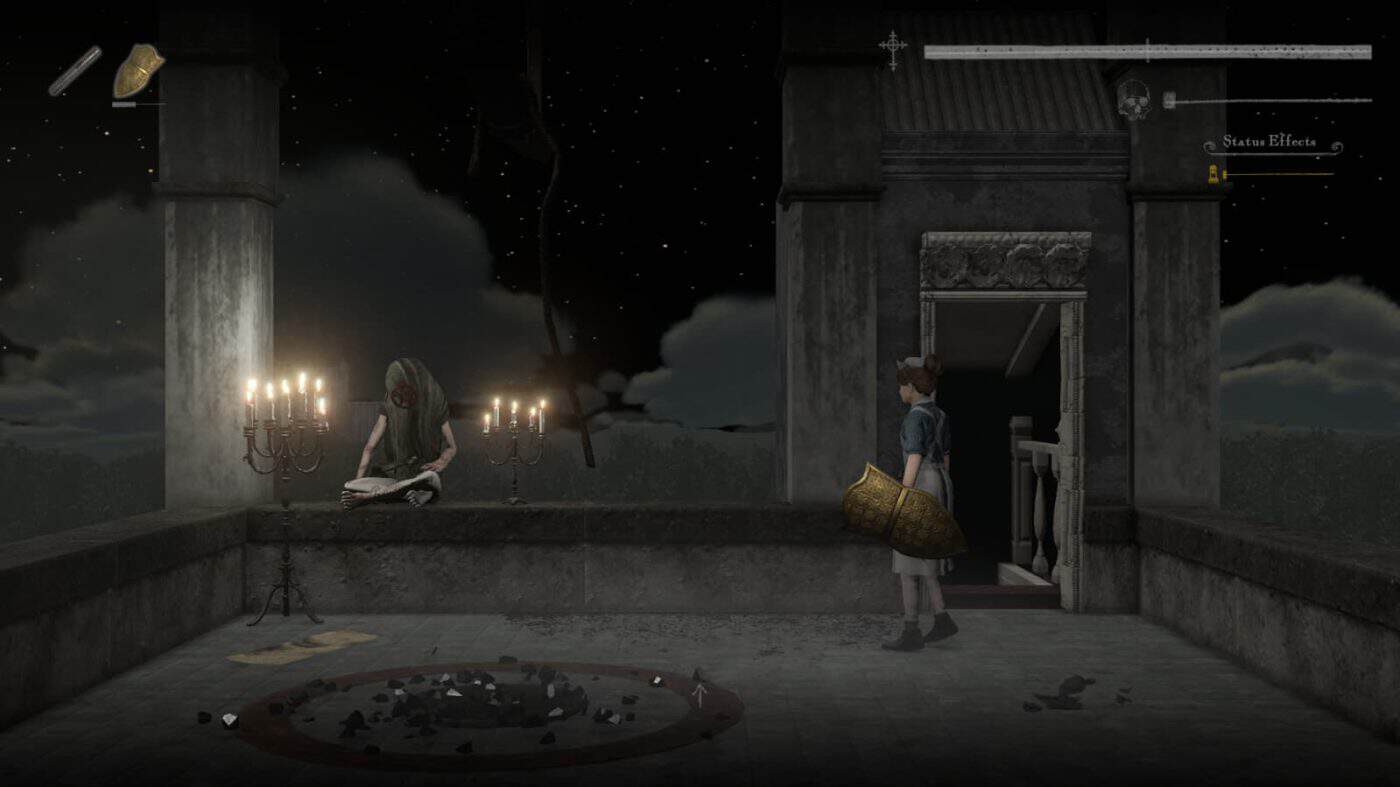
The technical and artistic design is among the most distinctive and accomplished aspects of Withering Rooms, not for any pursuit of visual spectacle or raw graphical power, but for the way it establishes a coherent, unsettling, and highly purposeful visual identity. In an industry where technical quality is often measured by realism or visual fidelity, Withering Rooms deliberately takes a different direction, prioritising atmosphere, art direction, and clarity.
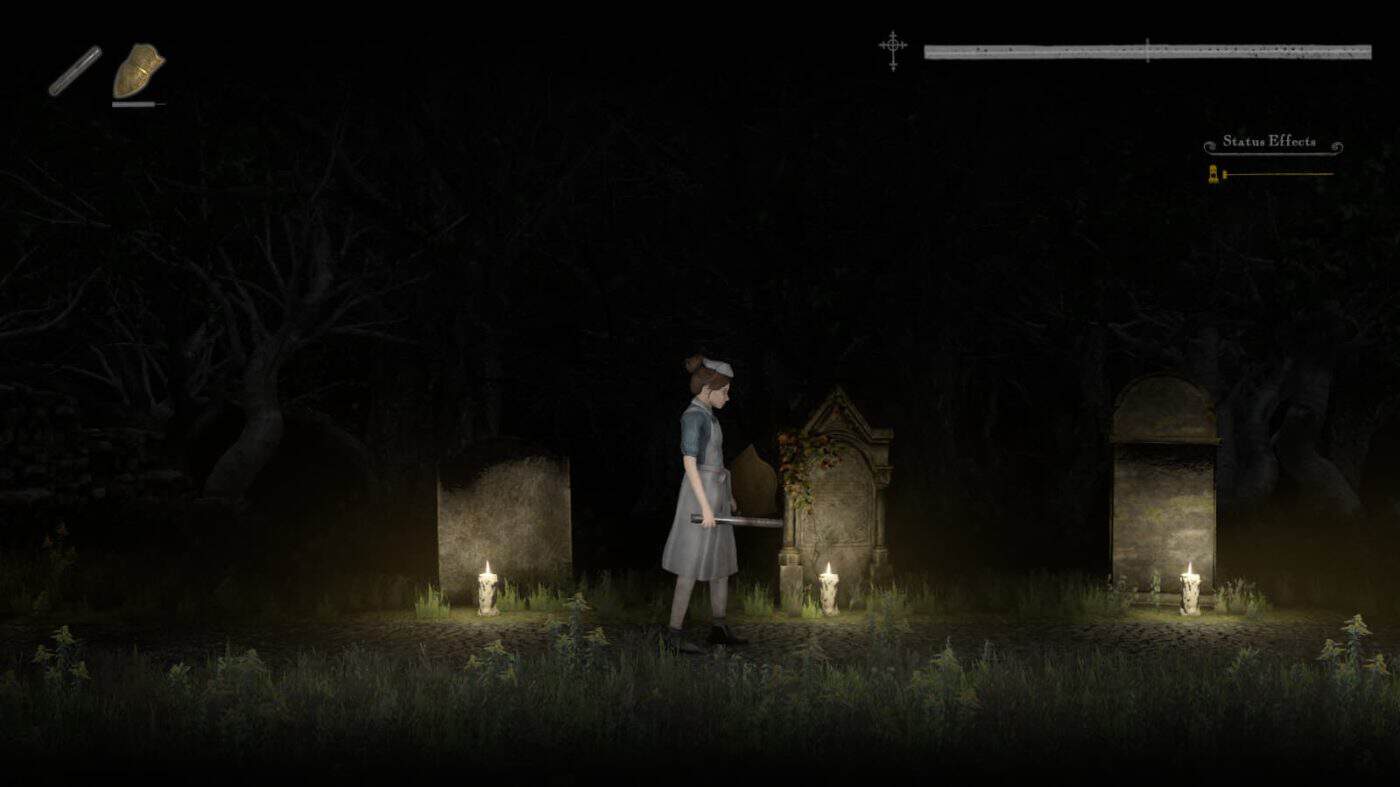
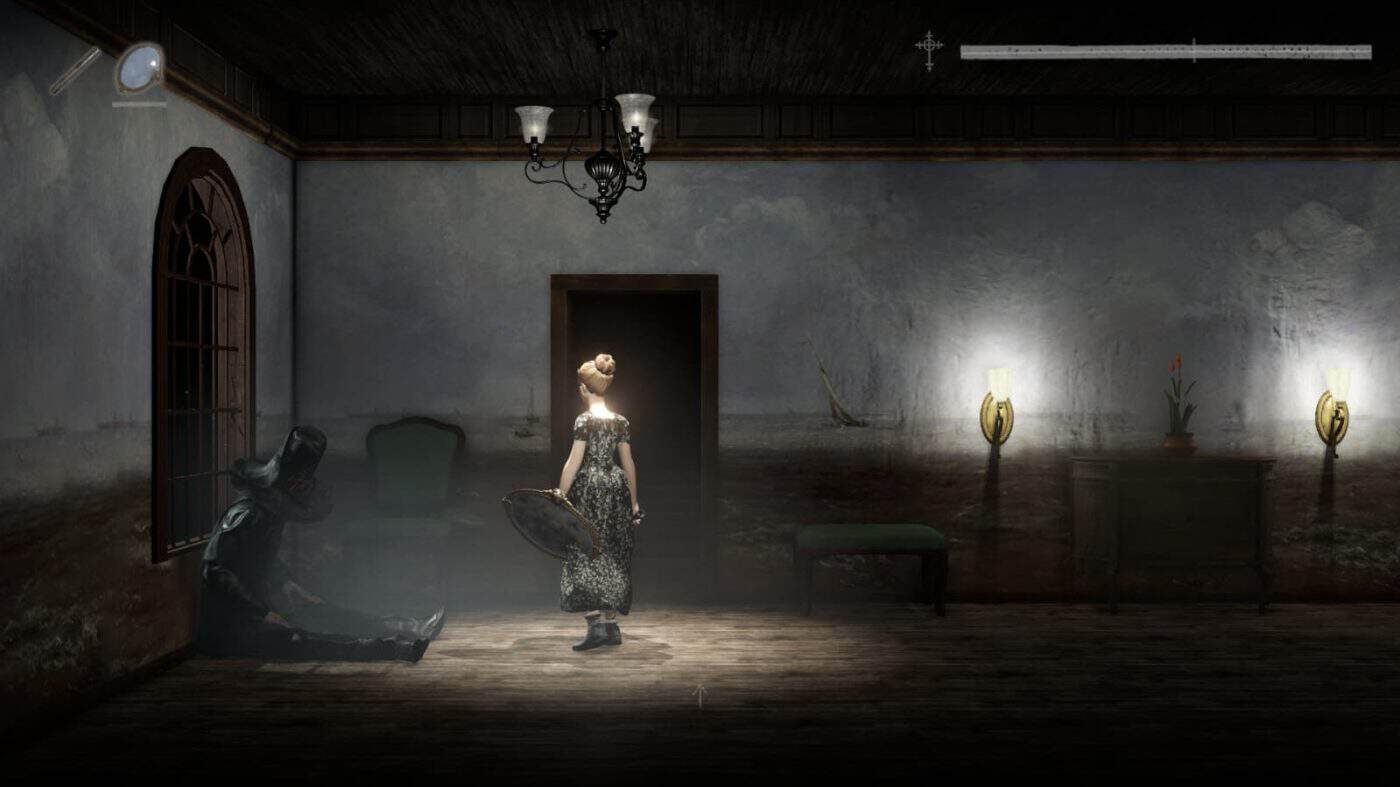
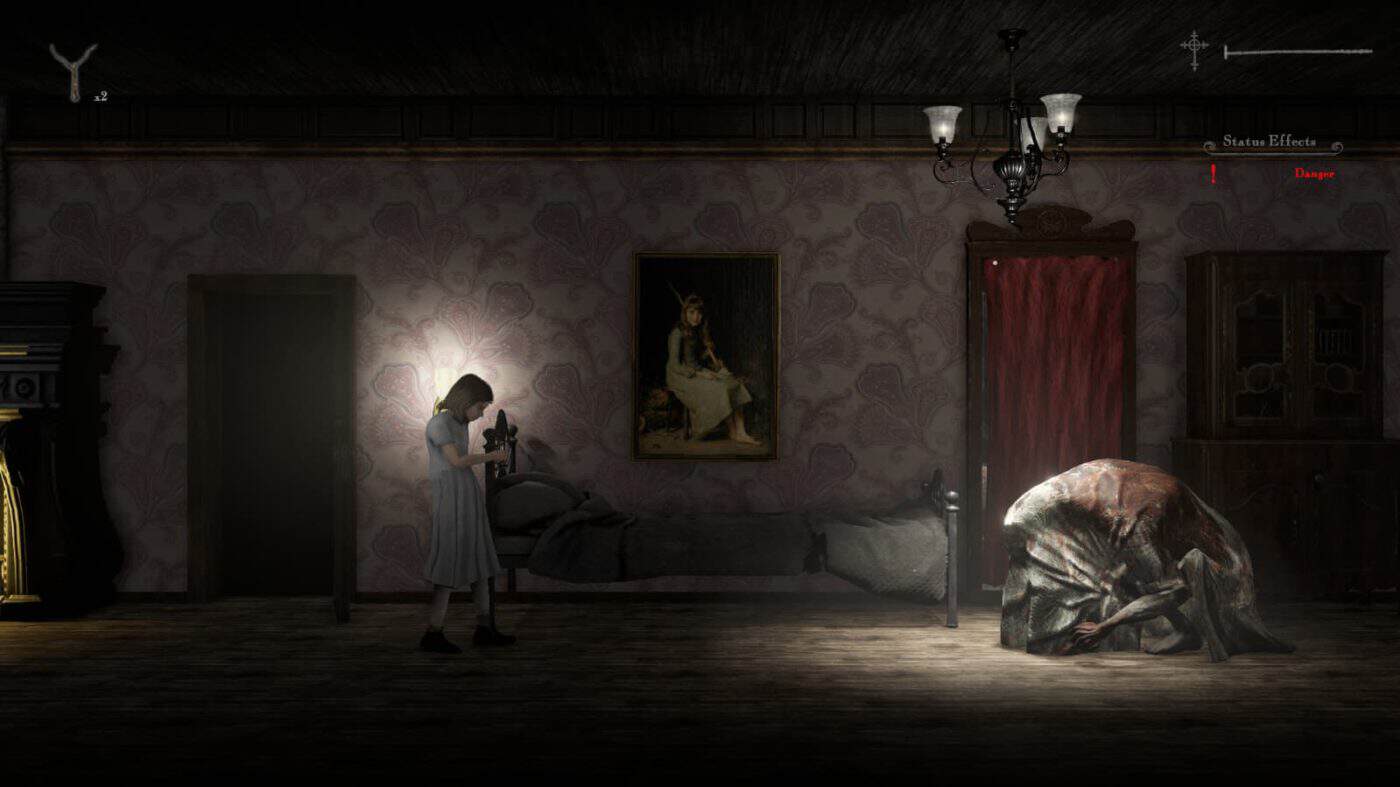
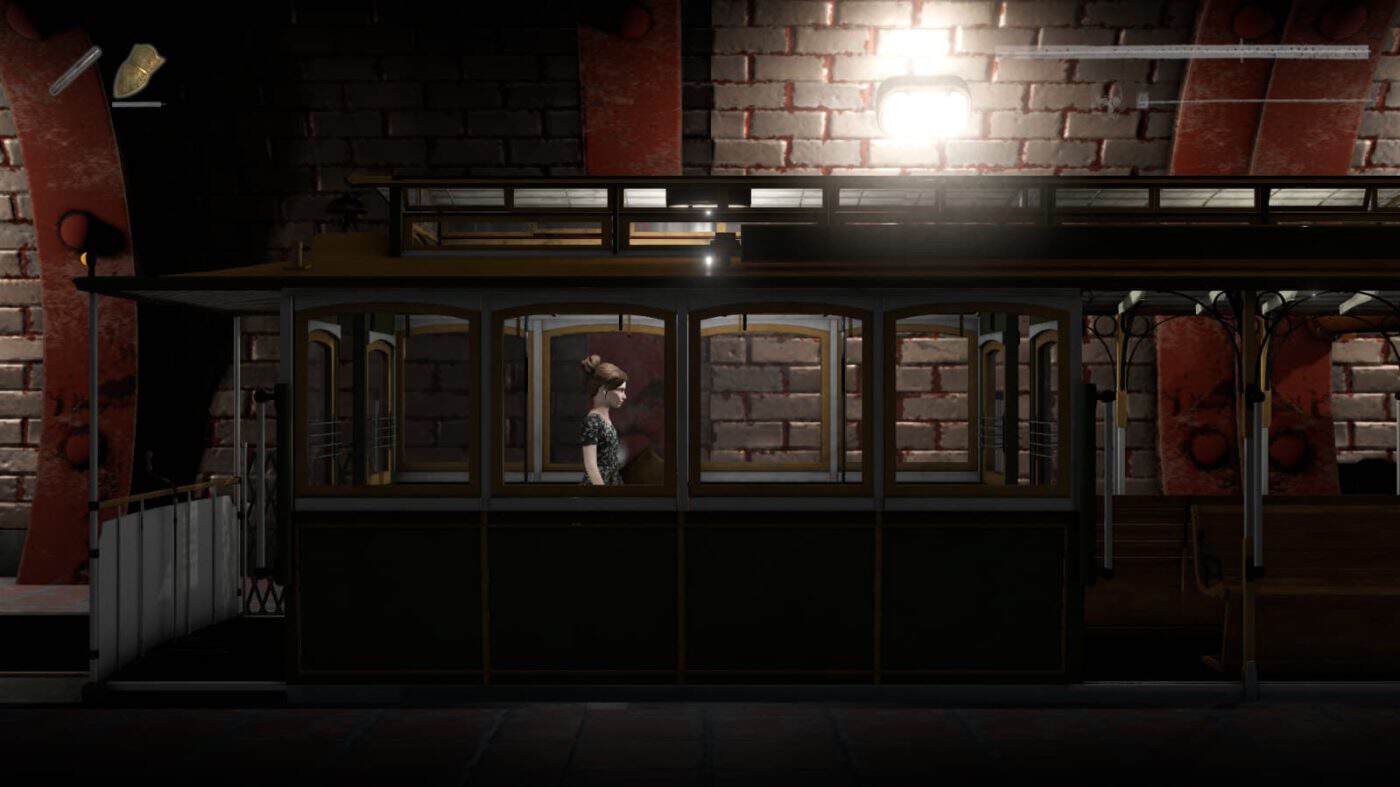
One of its most immediately recognisable features is the 2.5D perspective, which combines three-dimensional models with a lateral camera typical of platform-based games. This is not merely an aesthetic choice, but a structural design decision that directly shapes both moment-to-moment gameplay and spatial perception. The side-on framing preserves precision in movement and interaction, while the underlying 3D environments allow for greater depth, layering, and environmental complexity. The result is a carefully calibrated balance between readability and visual richness.
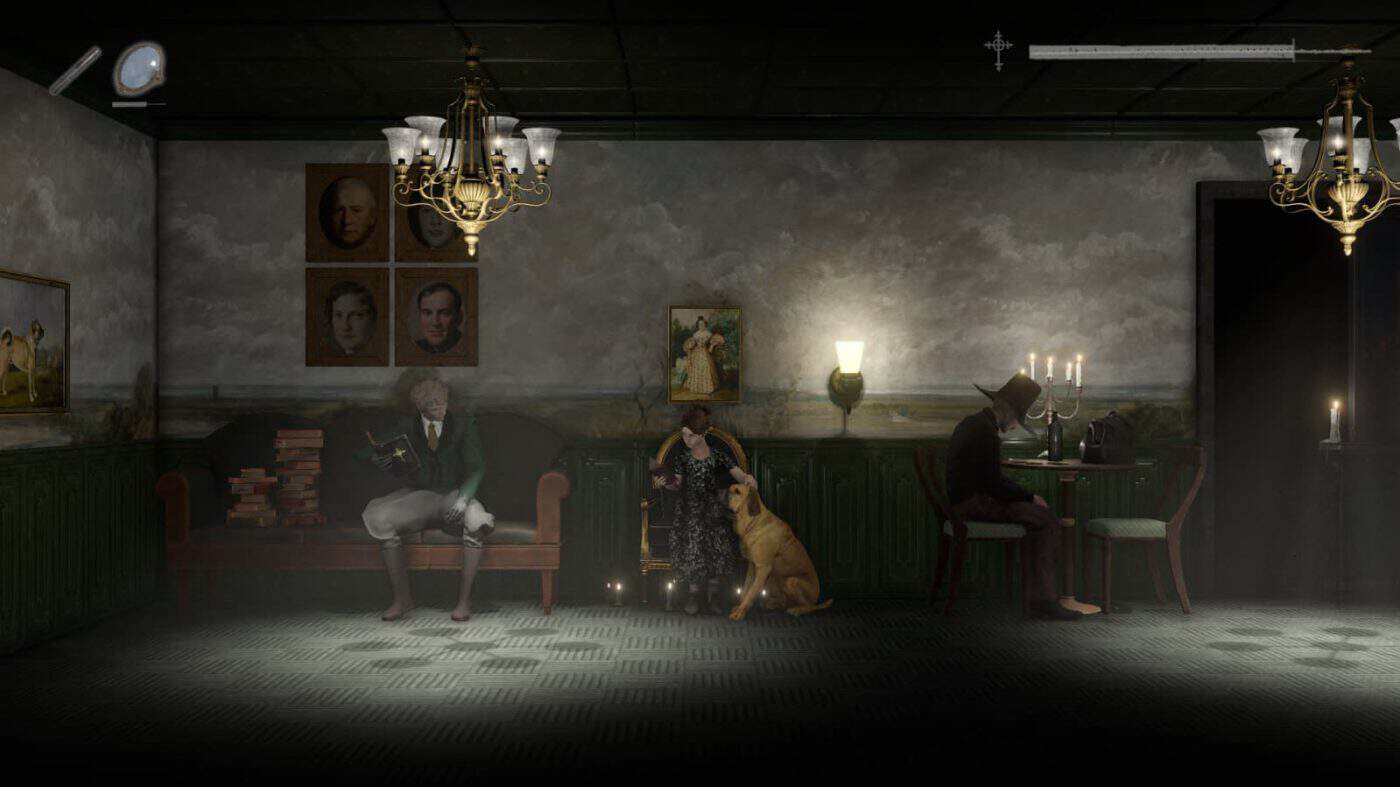
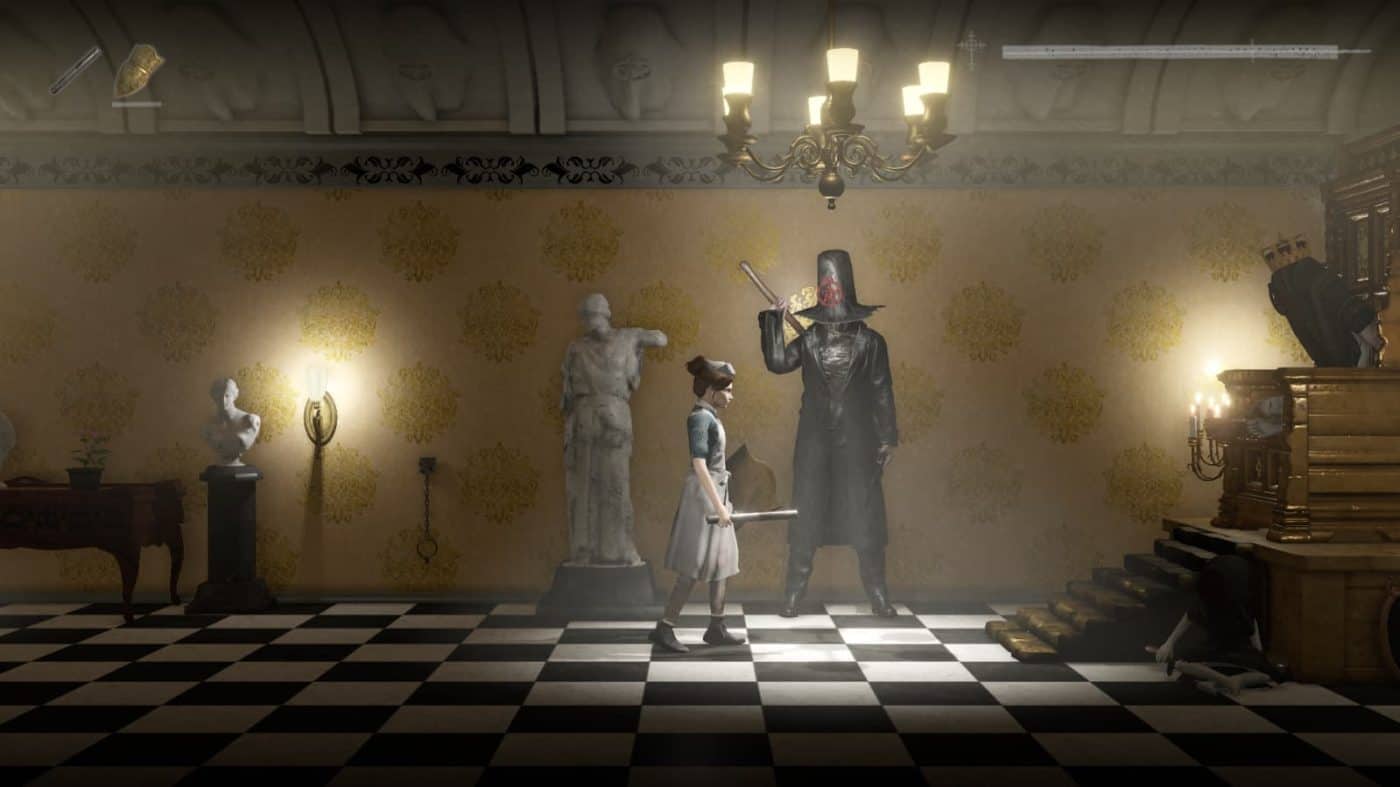
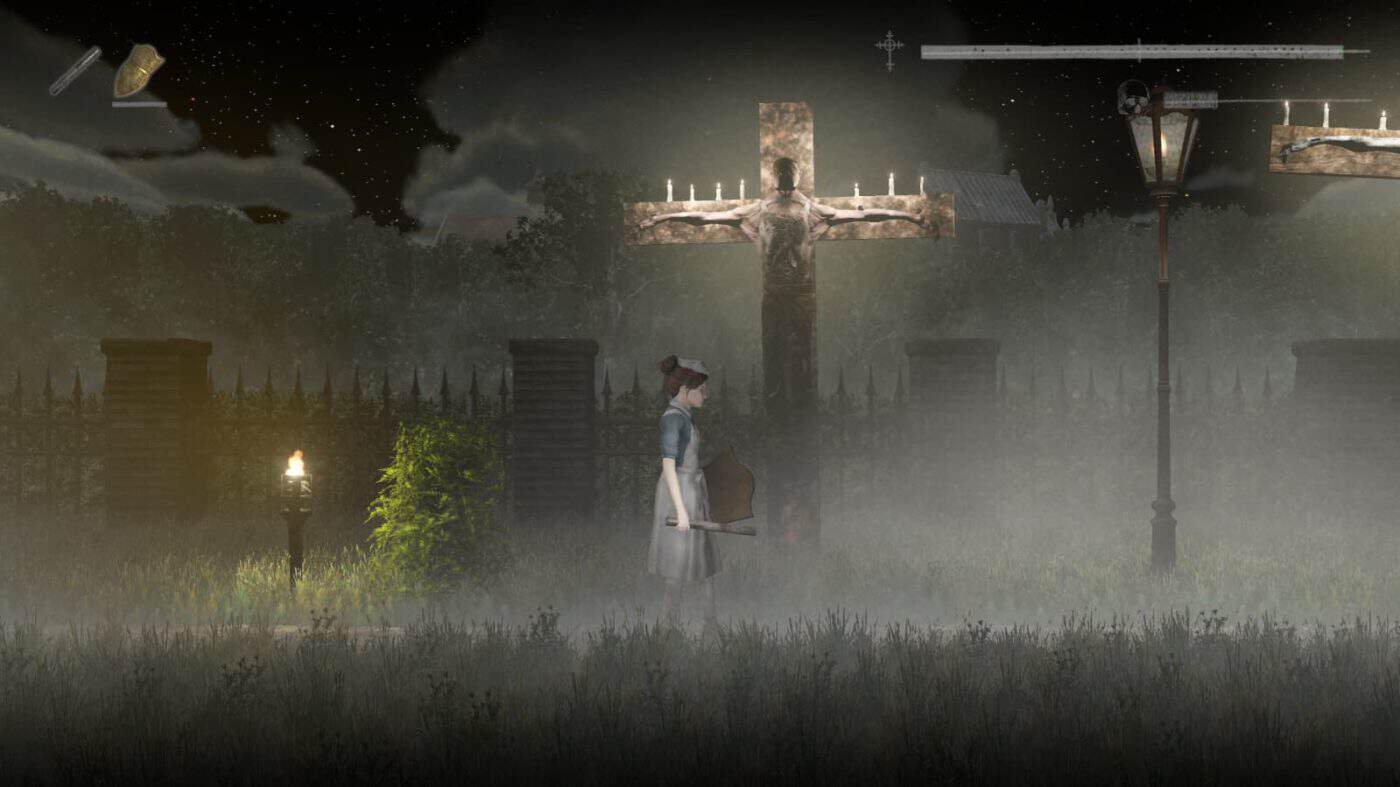
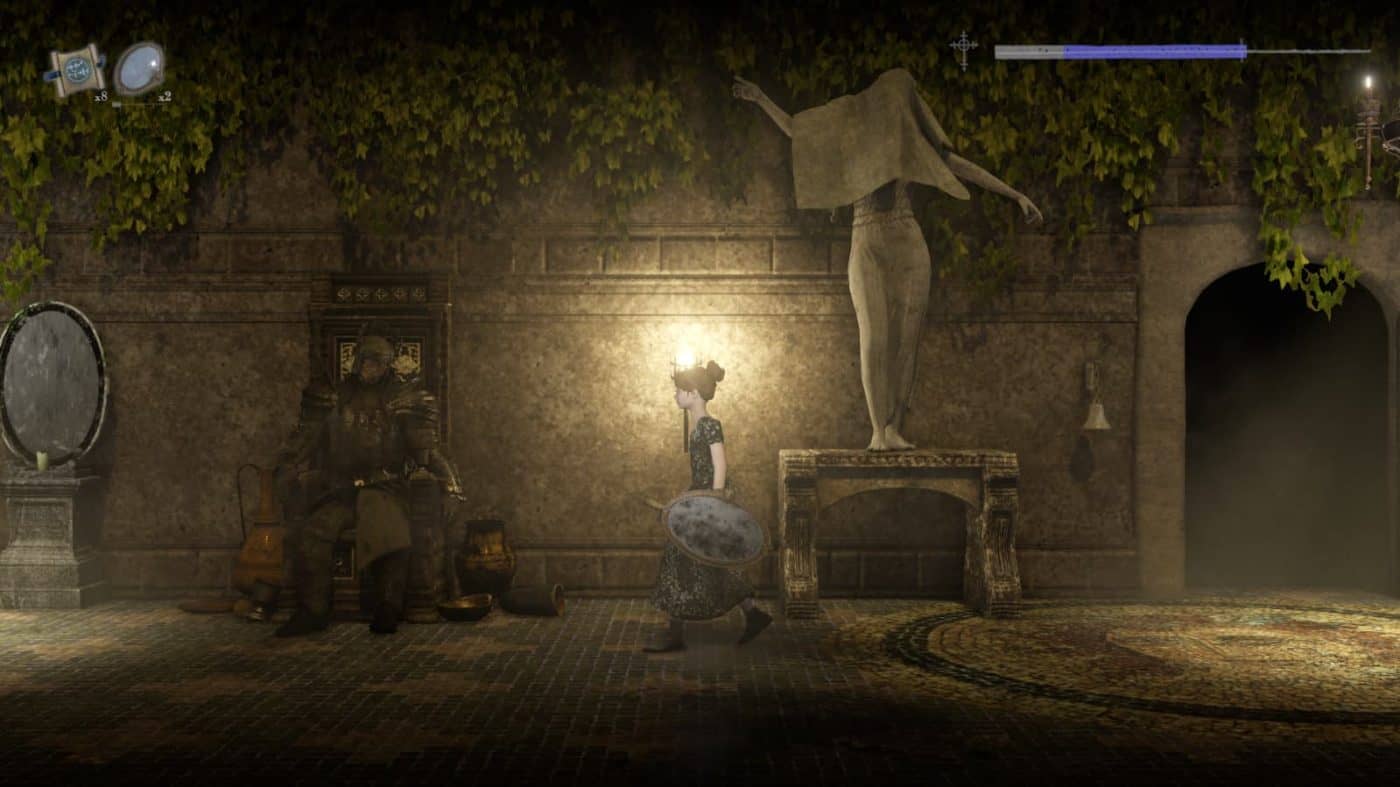
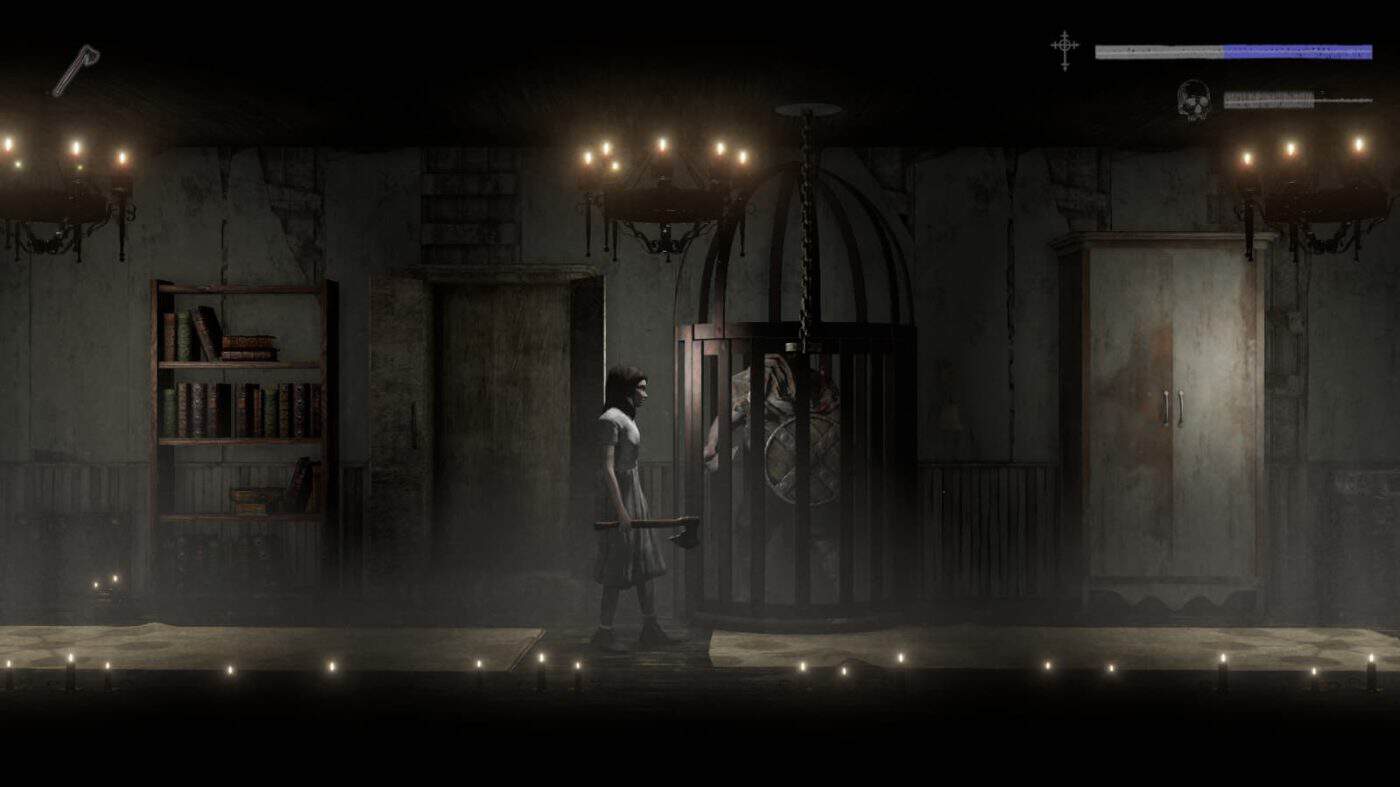
The art direction draws heavily from Victorian gothic sensibilities, with decaying manor interiors, dust-laden corridors, abandoned chambers, and objects that suggest a long and unsettling history. Crucially, this aesthetic is not employed as ornamentation, but as a deliberate tool for atmosphere-building. Rather than simply dressing the space, the visual language actively shapes tone and perception, relying on subdued lighting, pronounced shadow definition, and a consistently desaturated palette to sustain a pervasive sense of quiet oppression and unease.
Despite being largely confined to a single principal location, environmental variety remains a notable strength. The Mostyn House continually shifts in tone and structure, with rooms that differ significantly in scale, function, and emotional impact. Some areas feel compressed and claustrophobic, others more open or disorienting, occasionally edging into surreal or subtly destabilised forms. This controlled variability prevents visual stagnation while reinforcing the impression of a space in constant, uneasy flux.
From a technical standpoint, the game favours stability and consistency over high-end visual ambition. It does not rely on cutting-edge rendering techniques or heavy visual effects, but instead delivers a generally stable frame rate and a smooth, dependable performance profile. This stability is especially important in a system that blends exploration, combat, and resource management, where technical inconsistency would directly affect gameplay readability.
The underlying engine design prioritises practicality and responsiveness. Animations are deliberately restrained, favouring clarity of intent over complexity of motion. While neither the protagonist nor enemies exhibit highly elaborate animation systems, their actions remain immediately legible, supporting the game’s broader emphasis on readability. Even more unsettling or atmospheric sequences maintain this functional clarity, ensuring consistency across tonal shifts.
Lighting design extends beyond aesthetics to become a structural element of play. Illumination and shadow are not merely atmospheric effects, but active forces that shape spatial awareness and guide how threats are perceived and anticipated.
Ultimately, Withering Rooms succeeds through cohesion rather than excess. While it maintains a distinctive and consistently appealing visual identity, its focus is not on spectacle but on atmosphere and control. Every technical and artistic decision feeds into a unified design philosophy built on restraint, clarity, and intent. The result is a visually disciplined experience defined less by what it shows than by what it carefully withholds.
A Quietly Terrifying Soundscape
In Withering Rooms, the audio design stands as one of the most defining pillars of the experience, to the extent that it becomes central to the game’s identity. If the art direction establishes the visual language of horror, sound provides its weight and immediacy – giving it presence, texture, and emotional force. In a game so firmly rooted in atmosphere and suggestion, sound design is not supplementary but fully embedded within both narrative and gameplay structure.
The soundtrack is defined by a deliberately restrained approach. Unlike many titles that rely on continuous musical scoring to guide emotional response, the game often favours silence or an extremely subtle musical presence. When music does appear, it takes the form of subdued ambient compositions – slow, uneasy pieces that blend into the environment rather than dominate it. This restraint reinforces a sense of isolation, ensuring that even minor audio cues carry narrative and emotional weight.
The most compelling aspect, however, lies in the environmental sound design. Mostyn House is never truly silent: the creak of timber, distant footsteps, shifting doors, and indistinct noises filtering from unseen rooms establish a constant auditory undercurrent. These elements create the impression of perpetual motion within the house, even in moments of visual stillness. It is this ambiguity that sustains tension, as sound continually implies threats that remain just out of sight.
Spatial audio is handled with particular effectiveness. Without pursuing strict realism, the game nonetheless conveys a convincing sense of directionality and distance. Sounds emerging from adjacent rooms, or the subtle indication of a nearby presence, encourage slower, more deliberate exploration. In this way, sound design extends beyond atmosphere, becoming a functional gameplay layer that directly shapes player behaviour and decision-making.
Interaction sounds are equally carefully considered. Actions such as opening doors, collecting items, or using tools are accompanied by clear, understated audio feedback that remains consistent with the game’s tonal restraint. There are no exaggerated or intrusive effects; every sound is carefully calibrated to preserve immersion. Even combat audio, while relatively simple in execution, remains clear and functional within the broader soundscape.
Sound is also used as a tool for pacing and tension management. In quieter sequences, silence and ambient noise generate anticipation, while moments of danger introduce a controlled increase in audio intensity – never tipping into chaos. This measured approach avoids abrupt horror spikes in favour of sustained, creeping unease. Enemy audio design plays a crucial role. Each creature is defined by a distinct sonic identity, allowing players to recognise threats without visual confirmation. This turns sound into a strategic tool, where identifying what is approaching can determine whether to engage or evade.
Audio also extends into indirect storytelling. Certain sounds deliberately resist immediate explanation, instead hinting at events, presences, or conditions that are never explicitly shown. This ambiguity strengthens the game’s sense of mystery, encouraging player interpretation and reinforcing its broader commitment to implication over exposition.
Crucially, Withering Rooms does not aim for cinematic excess in its soundscape. It does not rely on memorable orchestral themes or overtly dramatic musical cues. However, this absence is not a limitation but a design choice: the game is built to immerse rather than to impress. Its audio design operates through restraint, carefully selecting when to speak and when to remain silent.
By allowing silence and environmental audio to carry much of the weight, Withering Rooms achieves a cohesive, tightly controlled soundscape – consistently unsettling, deeply immersive, and essential to the experience as a whole.
A Living, Breathing Labyrinth
In Withering Rooms, world building and gameplay are so tightly interwoven that any clear distinction between the two quickly breaks down. World construction functions not as narrative framing alone, but as an active system that directly shapes player decisions, risks, and discoveries. Mostyn House is therefore not merely a setting, but a dynamic structure – an evolving framework that defines the rhythm and underlying logic of the experience itself.
At its core, the world is built around a straightforward but effective premise: the experience of inhabiting a nightmare rather than a reality. Set within a vast Victorian manor, the environment reconfigures itself across the night and after each death. What initially reads as an aesthetic idea quickly becomes foundational to design. Every new run introduces shifts in room layouts, item placement, and occasionally event structure,sustaining a persistent sense of instability. There is no fixed spatial map to learn, only a shifting environment that must be repeatedly reinterpreted.
This instability feeds directly into the game’s roguelite structure, one of its central systems. Death is not an endpoint but a transition between cycles. With each reset, players lose most immediate progress and equipment, while retaining knowledge, selected resources, or permanent upgrades that gradually ease future attempts. The result is a carefully calibrated loop of loss and persistence, where failure is never purely punitive but structurally productive.
The gameplay loop itself is built on three interdependent pillars: exploration, combat, and resource management. Exploration forms the core of the experience. Navigating the house means uncovering new spaces, retrieving useful items, opening shortcuts, and – most importantly – gradually decoding the internal logic of the environment. Yet this process is consistently framed by uncertainty, as every room may conceal a potential threat.
Combat is deliberately restrained in scope, prioritising timing and caution over complexity. The protagonist is inherently vulnerable, and encounters demand measured decision-making. Weapons are often improvised or limited, forcing constant evaluation of whether engagement is worth the risk. Alongside physical tools, spells and curses expand the system further, combining with amulets, rings, and equipment to create additional tactical depth.
Resource management reinforces this tension. Healing items, tools, and materials are scarce, and their use must be carefully considered. Every decision – what to preserve, what to expend, and when – can alter the outcome of a run.
The world unfolds through a tightly layered set of interactive systems. Locked doors, hidden passages, specialised rooms, and objects with distinct properties ensure that exploration remains varied. Many of these elements are intentionally ambiguous in their risk-reward structure, encouraging experimentation while punishing careless decisions.
Progression is deliberately non-linear, offering no fixed path forward, only a shifting space of possibilities shaped by choice and risk. This openness is balanced by a structure that rewards knowledge gained over time.
Despite its instability, the world retains a clear internal coherence. The house is not arbitrary, but shaped by an underlying logic that links its rooms, objects, and entities. Even in moments of apparent chaos, it remains structurally readable, preserving immersion by ensuring that disorder never fully collapses into meaninglessness.
That depth, however, comes at a cost. The game is deliberately opaque in its opening hours, and its systems take time to fully grasp. Early progression can feel disorienting, as the interplay between mechanics is not immediately clear. Yet it is precisely this gradual unfolding that lies at the core of its design philosophy.
Ultimately, Withering Rooms achieves a rare degree of integration between world building and gameplay. The house is not a backdrop for interaction, but its driving force – a reactive, evolving system that continuously reshapes the conditions of play. The result is a coherent yet unpredictable experience, defined by tension, discovery, and adaptation over time.
Not for Everyone
Critically assessing Withering Rooms means engaging with a game that deliberately embraces complexity and genre hybridisation, while also exposing the structural trade-offs that such ambition entails. It is an inventive and distinctive entry in the indie horror space, but one that does not always achieve full cohesion across its systems.
A key tension lies in the way its core design pillars interact. The game attempts to merge survival horror, roguelite structure, and RPG mechanics, but the result is not always seamless. At times, the roguelite layer can overshadow the horror atmosphere, shifting tension into a more procedural rhythm of repetition and optimisation.
Closely related is the issue of repetition. While procedural variation and shifting room configurations introduce a baseline sense of unpredictability, familiar structural patterns inevitably begin to emerge over time. The result is a gradual feeling of déjà vu, in which exploration loses some of its immediacy and discovery becomes increasingly anticipated rather than genuinely unexpected. Variety is present, but not always sufficient to fully offset long-term fatigue.
Pacing also proves uneven. The game moves between slow, methodical exploration and sudden bursts of intensity, but this rhythm is not always tightly controlled. Some sections feel drawn out, with limited mechanical or narrative progression, while others escalate too abruptly, creating occasional imbalances in flow.
Progression adds another layer of ambiguity. The roguelite framework, centred on incremental knowledge and gradual empowerment, is strong in concept but less transparent in execution. Much of the learning curve is left to experimentation, which can be rewarding for some players, but frustrating for others in the early hours.
Technically, the game is generally stable, but still reflects the constraints of its independent production. Some animations appear rigid, and minor rough edges occasionally surface in presentation.
The narrative approach is equally polarising. Its fragmented, indirect structure enhances mystery and atmosphere, but also demands significant interpretative effort. For some players, this deepens engagement; for others, it risks creating emotional distance due to the lack of clear narrative grounding.
Accessibility remains limited by design. The game’s mechanical density, high difficulty, and minimal guidance make Withering Rooms a deliberately demanding experience. It requires patience, attention, and a willingness to learn through repetition and failure – qualities not all players will choose to invest.
Ultimately, these limitations are inseparable from the game’s creative identity. The very design decisions that introduce friction are also what make it distinctive. Withering Rooms is not a finely tuned, broadly accessible experience, but a deliberately demanding one, in which understanding is earned over time and satisfaction emerges through accumulation, repetition, and mastery.
 7.5/10