New winds. Same ship. Different course.
In the current videogame landscape, few publishers are navigating a phase as fragile and complex as Ubisoft. For over a decade, the French company stood among the industry’s most prolific and influential forces – shaping trends, strengthening flagship franchises, and establishing a clear, instantly recognisable creative and commercial identity. Today, however, it is facing one of the most significant and challenging periods in its recent history.
Over the past few years, Ubisoft has gradually lost the stability that once established it as an industry benchmark. A run of underwhelming releases, missed commercial targets, and a production model perceived as formulaic have steadily eroded its standing with a substantial portion of its audience. High-profile projects such as Avatar: Frontiers of Pandora, Star Wars Outlaws, and several recent Assassin’s Creed entries have, at least at launch, fallen short of the impact needed to shift momentum.
Despite strong production values and no shortage of ambition, these projects were met with mixed reception, weighed down by fatigue around Ubisoft’s open-world design philosophy and a broader perception of creative predictability.
The consequences have been swift and far-reaching. Ubisoft has entered a deep phase of internal restructuring, marked by layoffs, studio closures, high-profile cancellations, and a broader reassessment of its production priorities. Among the most emblematic cases is the suspension of the Prince of Persia: The Sands of Time remake, which has come to symbolise a period defined by both managerial strain and creative uncertainty.
And yet, in the history of the industry, it is often periods of instability that open the door to meaningful reinvention. Following early signs of recovery around Star Wars Outlaws – supported by post-launch updates and a noticeably improved player experience – Ubisoft now appears ready to place a significant bet. A bet carrying the name of Edward Kenway.
With Assassin’s Creed Black Flag Resynced, the publisher is not simply revisiting one of the most celebrated entries in the series. Rather, it is attempting to re-establish a connection with its own creative identity through one of its most defining works.

The Return of a Timeless Classic
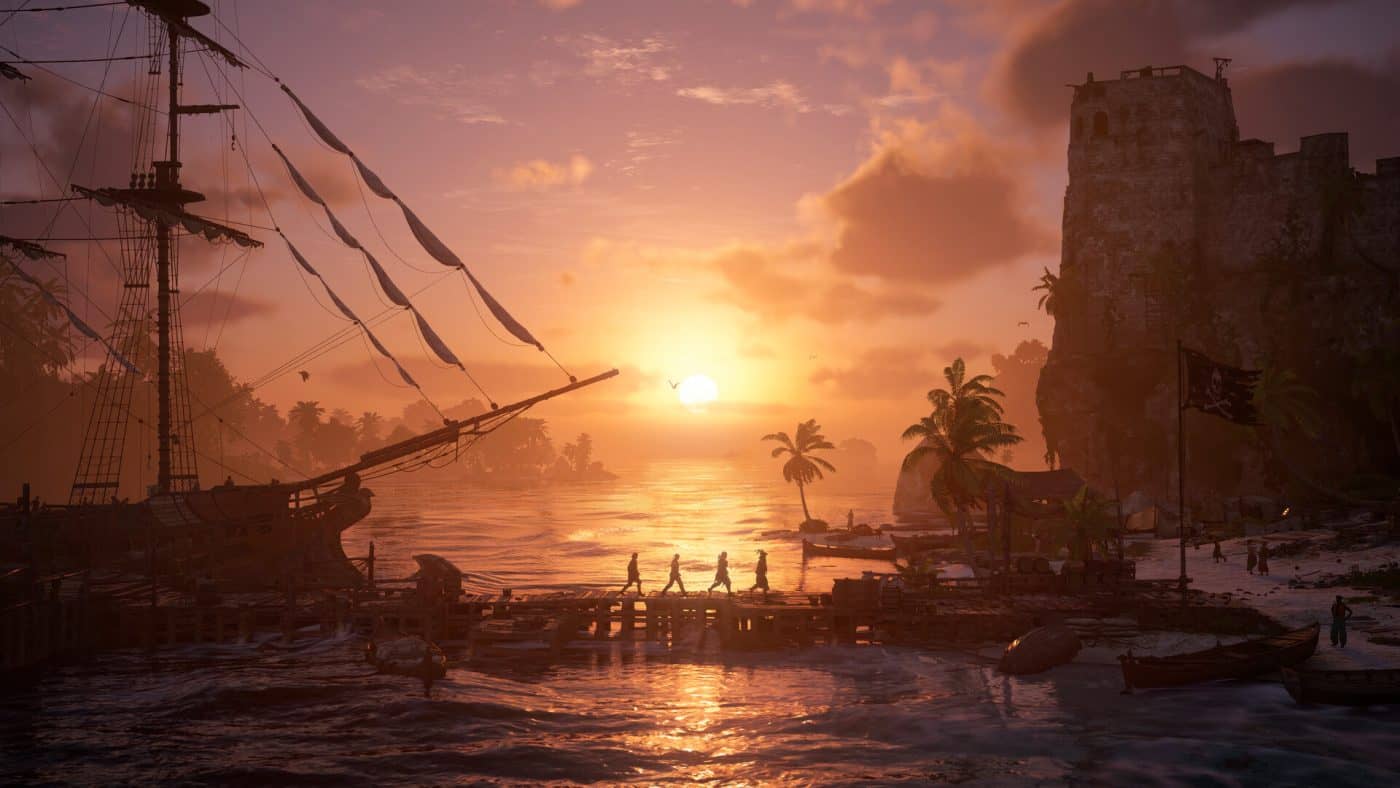
When Assassin’s Creed IV: Black Flag launched in 2013, it marked a rare inflection point for the franchise: a genuine creative departure rather than a gradual iteration on an established formula. At a time when the series was beginning to show early signs of structural fatigue, Ubisoft made a decisive shift in direction, reorienting the experience around pirate-era adventure, naval exploration, and the franchise’s core stealth-action foundations.
The result was an entry that quickly positioned itself as one of the defining peaks of the series. Beyond its richly detailed Caribbean setting, Black Flag stood out for the consistency and liveliness of its world-building, delivering an open world that felt dynamic, interconnected, and consistently alive. It achieved a rare balance within the genre: exploration that felt purposeful, supported by systems that enhanced immersion rather than undermining it.
At the heart of this achievement was a tightly interwoven gameplay formula, built around fluid naval traversal, layered environmental exploration, and the introduction of Edward Kenway – one of the franchise’s most compelling protagonists, defined by moral ambiguity, narrative depth, and a grounded, human scale unusual for the series.
More than a decade later, Black Flag is still widely regarded as one of the franchise’s most accomplished entries, notable for the rare balance it achieved between spectacle, freedom, and narrative identity. It is precisely this legacy that Assassin’s Creed Black Flag Resynced seeks to revisit – and meaningfully reinterpret.
“This Is Not an RPG”
The lengthy showcase presentation offered unusually clear insight into the project’s direction, outlining from the outset an ambition that extends well beyond the scope of a conventional technical remaster.
The presence of Edward Kenway’s original actor, alongside the directors of the 2013 release and the creative leads of the remake, delivered a coordinated and deliberate message: Assassin’s Creed Black Flag Resynced is not framed as a nostalgia-driven revival, nor as a commercially motivated reuse of a recognised brand. Rather, it positions itself as a considered act of reinterpretation, led by individuals intimately familiar with the original work and its role within the franchise’s broader evolution.
One of the most striking moments of the showcase came during the gameplay presentation, when the development team articulated a statement that effectively encapsulates the project’s design philosophy: “This is not an RPG.” A brief declaration, yet one that carried immediate weight and clarity.
In recent years, Ubisoft has reshaped the Assassin’s Creed franchise around an action-RPG framework, introducing systems based on levels, loot-driven mechanics, and layered character development. While this evolution enabled greater scale and depth, it has also contributed to a gradual dilution of the series’ original identity for a portion of its long-standing audience, who have historically associated the franchise with tighter pacing, clearer design intent, and a stronger emphasis on direct action.
With Black Flag Resynced, Ubisoft appears to be acknowledging the need for at least a partial recalibration of that trajectory.
Rather than further embracing contemporary RPG conventions, the remake instead seems intent on reasserting the clarity of the original design – refining its pacing and enhancing its fluidity through a more controlled and disciplined approach to modernisation.
Ultimately, it reads less as a reinvention than as a clear design statement: a return to the structural principles that made Black Flag one of the most distinctive and enduring entries in the series.
A Smoother, More Cohesive Gameplay Experience
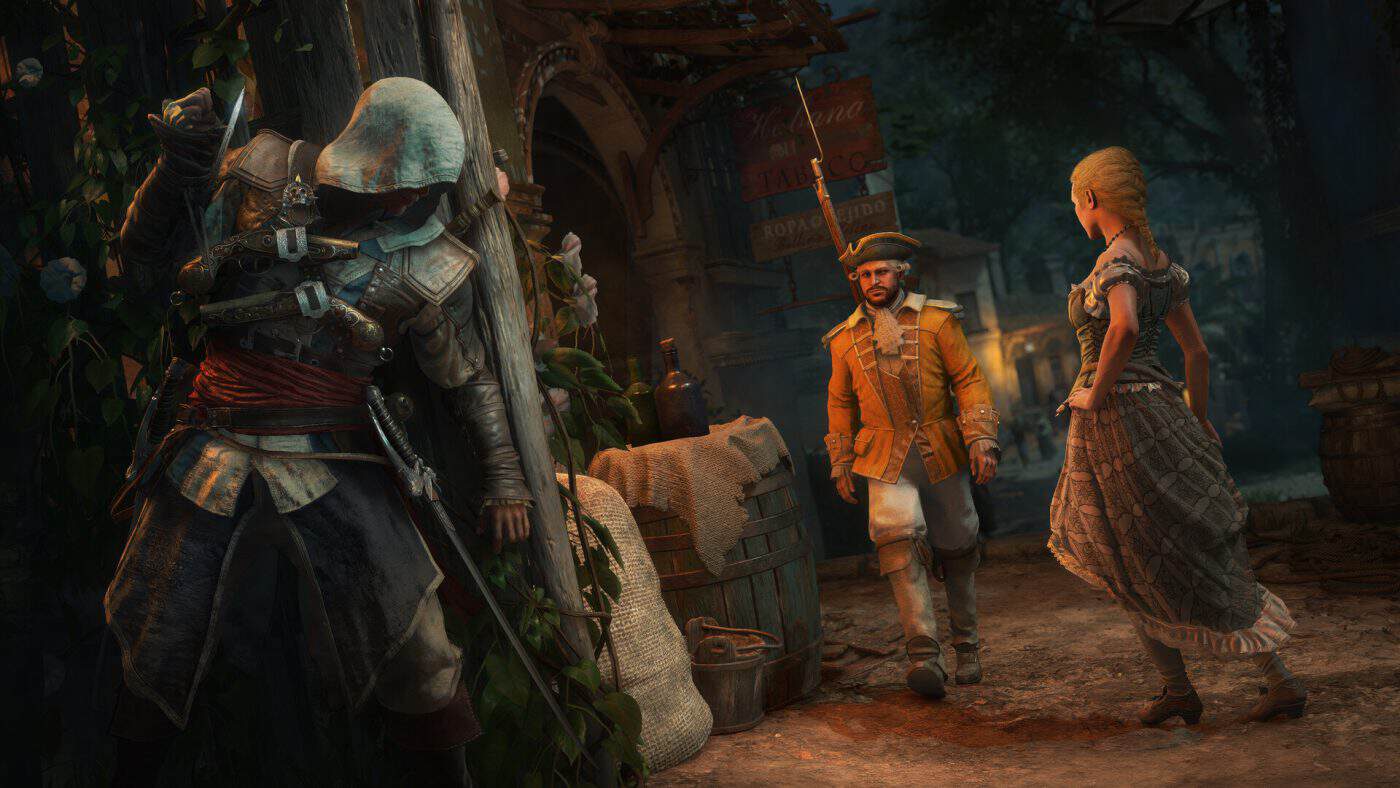
While remaining faithful to the original framework, Assassin’s Creed Black Flag Resynced introduces a series of targeted refinements aimed at aligning the experience with contemporary design standards. One of the most commonly criticised aspects of the 2013 release concerned its stealth sections, widely perceived as overly punitive, relying on immediate failure states that could abruptly disrupt pacing and restrict player agency.
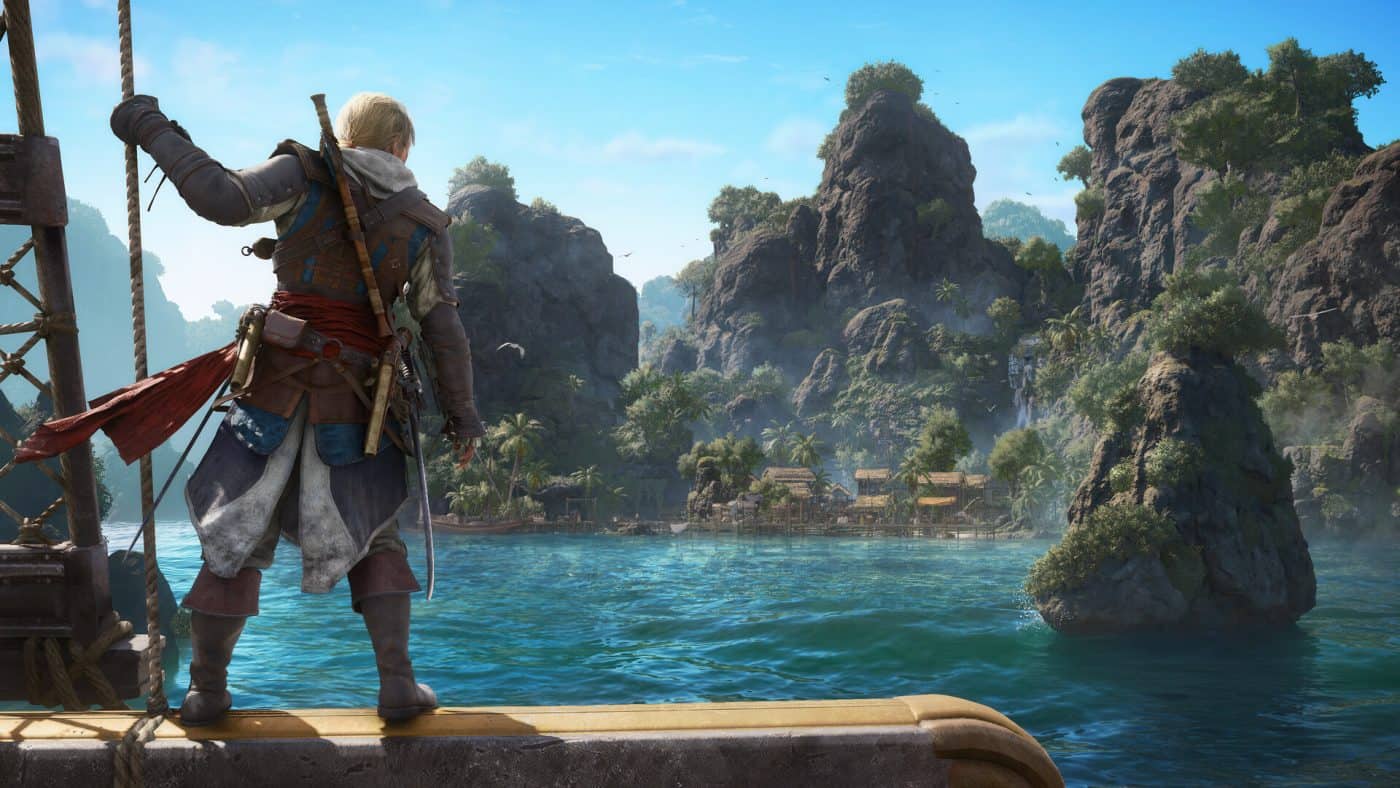
The remake addresses this directly by easing much of the original’s structural rigidity and adopting a more flexible design philosophy centred on dynamism and player freedom. Even the transition between naval traversal and on-foot exploration has been extensively reworked. In the original game, the shift from ship control to land-based gameplay still involved noticeable technical and structural friction. In Resynced, docking and disembarking are now handled seamlessly, with no perceptible interruption, further reinforcing continuity and immersion.
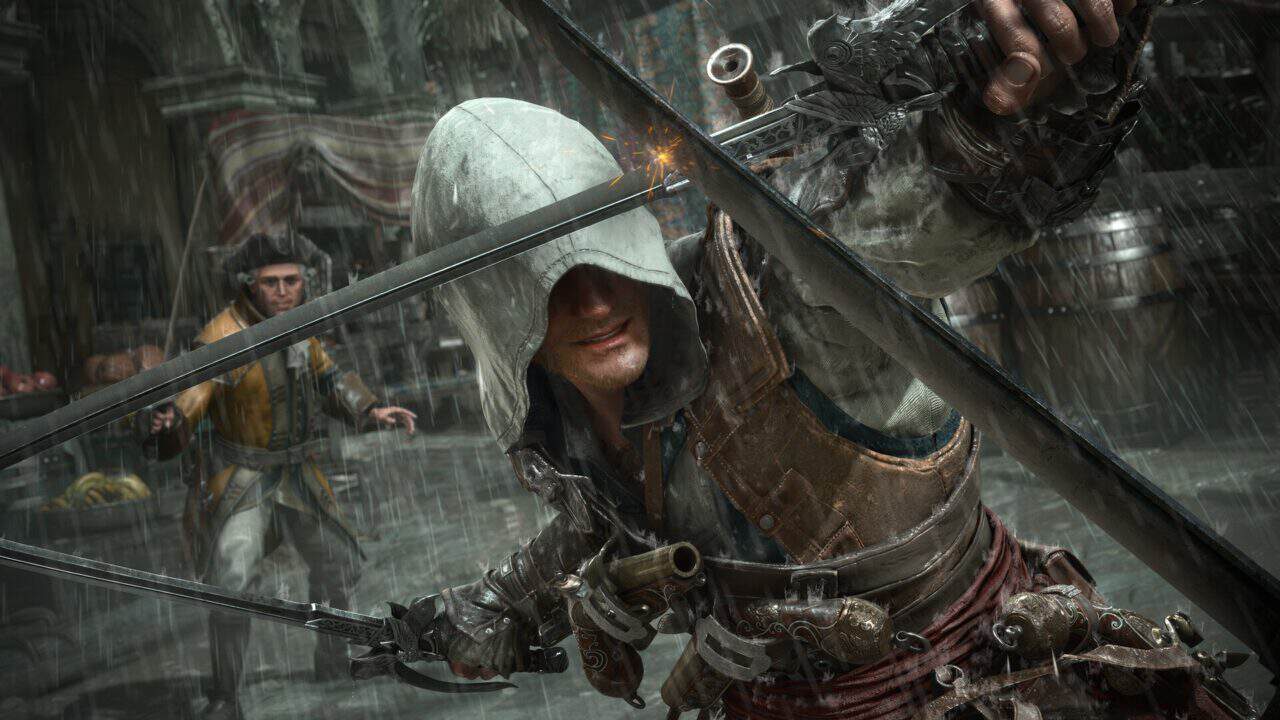
The close-quarters combat system has also been overhauled, featuring a redesigned interface and a recalibration of timing and responsiveness. The intent is to deliver a more deliberate, tactically engaging experience – reducing reliance on automated outcomes while preserving the immediacy of action gameplay and expanding the depth of both offensive and defensive systems.
A New Age Dawns for the Caribbean
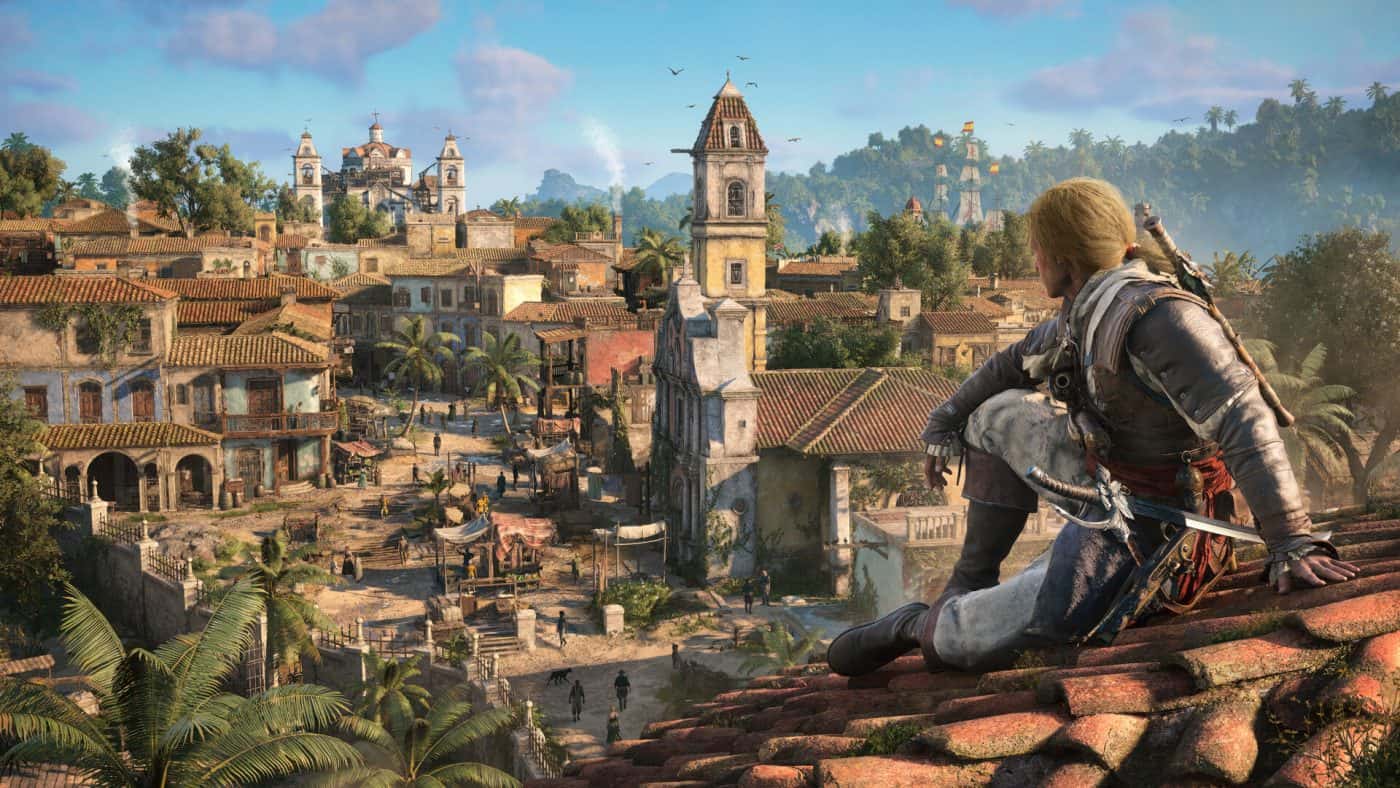
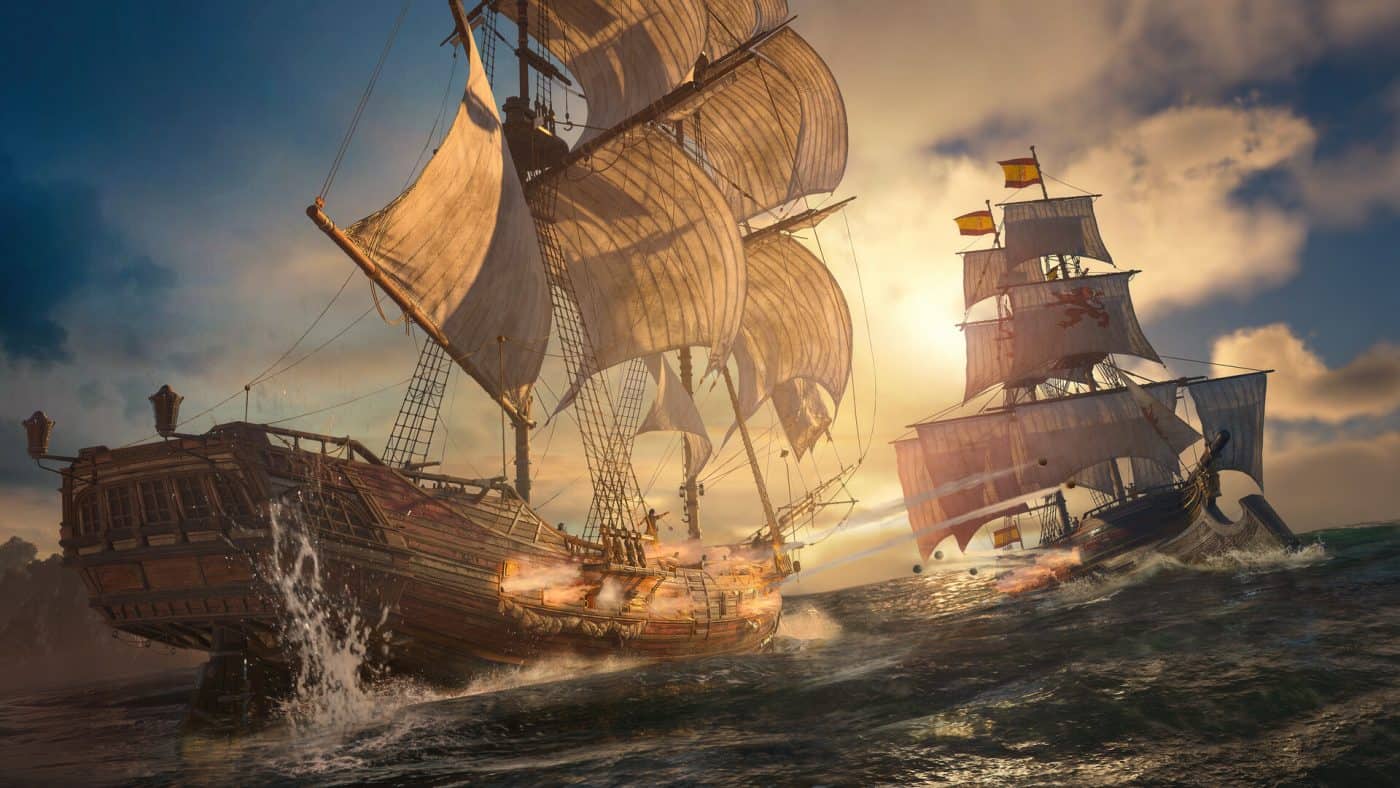
From a technical standpoint, Assassin’s Creed Black Flag Resynced stands as one of the most ambitious overhauls ever undertaken within a Ubisoft remake production. Built on a new-generation engine, it delivers a substantial leap across all core systems: environmental density, global illumination and lighting fidelity, material quality, vegetation complexity, water simulation, and architectural detail all see significant enhancement.
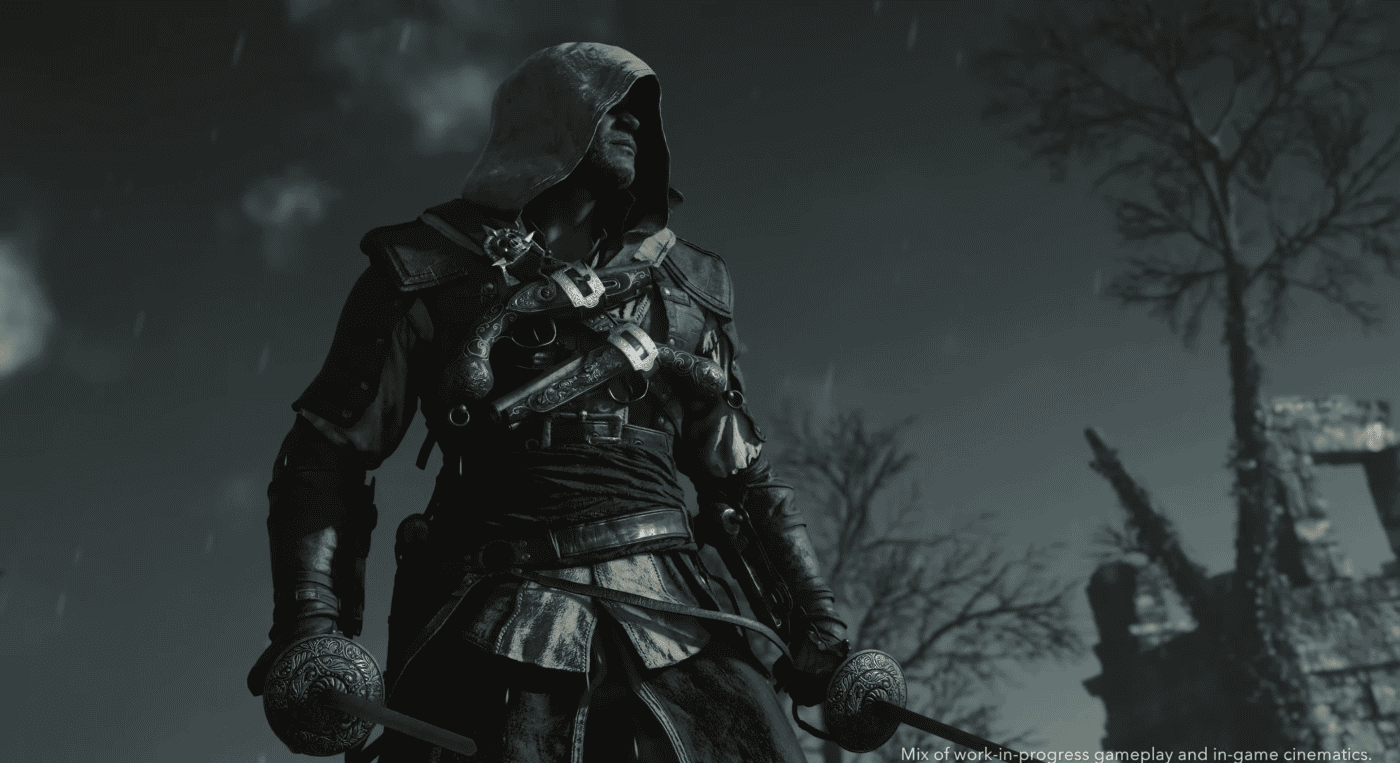
The most meaningful progress is found in its presentation and direction. The integration of advanced performance capture and facial motion capture technologies results in a higher level of expressive fidelity compared to the original release. Facial animation is more natural and readable, body movement feels more grounded, and performances carry greater nuance and restraint. This refinement is particularly significant for a game like Black Flag, which has always balanced high-adventure gameplay with a grounded narrative of personal transformation.
Edward Kenway’s character arc – from an opportunistic privateer driven by self-interest to a figure increasingly confronted with the moral consequences of his actions – benefits directly from this technological evolution. The enhanced animation and performance systems enable this transformation to be conveyed with greater nuance, emotional precision, and narrative clarity.
A Bigger Story, True to Its Roots
One of the remake’s most noteworthy additions is the expansion of its narrative scope. Ubisoft has made it clear that the intention is not to rewrite the original storyline, but to extend it through the introduction of new characters and previously unexplored subplots. The addition of further crew members aboard the Jackdaw is expected to enrich the narrative fabric while also tying more directly into gameplay systems, fostering a closer alignment between storytelling and player interaction.
It is a deliberate and well-considered approach. One of the original game’s more apparent limitations lay in the underdevelopment of certain supporting characters – figures that were often compelling, yet not fully explored. Assassin’s Creed Black Flag Resynced appears intent on addressing this by repositioning the crew as a more active and integrated component of the experience. If executed effectively, this expanded narrative layer could lend Edward’s journey greater depth, nuance, and emotional weight, further reinforcing the overall sense of immersion.
The Core Experience: Smarter, Sharper Naval Combat
If one element made Black Flag revolutionary, it was naval combat. In 2013, Ubisoft delivered a system of striking sophistication, one that balanced spectacle with genuine tactical depth.
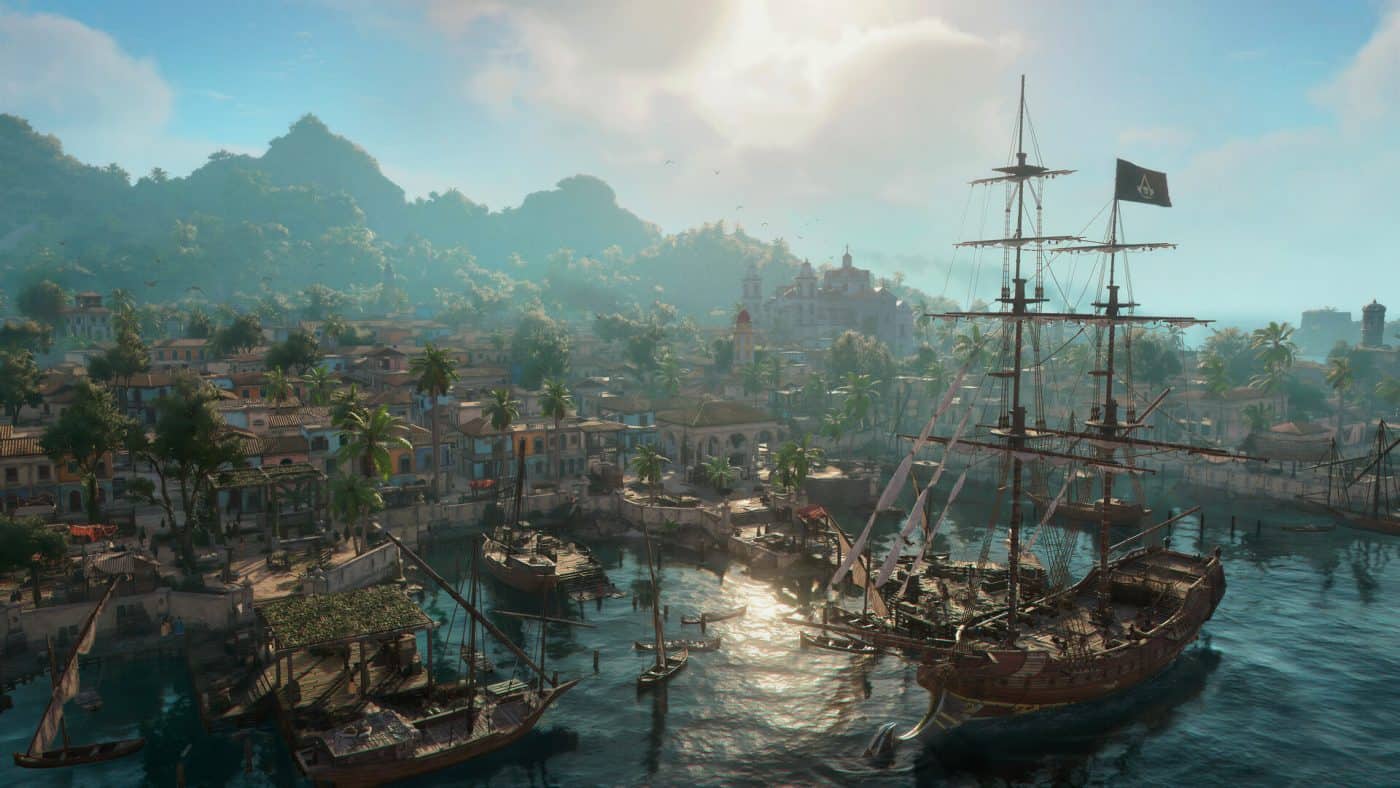
The Jackdaw was never merely a means of transport, but an extension of the player’s agency. Black Flag Resynced appears intent on building further upon that foundation. The sea has been extensively rebuilt through new physical simulation systems: waves now respond more convincingly to shifting weather conditions, storms carry greater tactical weight, and the marine environment itself functions as a variable to be actively read and exploited.
Naval encounters have also been expanded with a broader range of offensive and tactical options. Advanced mortars, frontal assault systems, specialised weaponry, and tools tied to the crew’s new roles all contribute to a deeper strategic layer. Combat is no longer reduced to timing and aim alone; it becomes a more dynamic process shaped by context, planning, and adaptation.
A New Course Ahead
The 9 July release date places Assassin’s Creed Black Flag Resynced at a particularly pivotal moment for Ubisoft. This is about far more than the launch of another major release; it is about delivering at a moment when every strategic decision carries substantial commercial, creative, and reputational weight.
The Black Flag remake extends well beyond the boundaries of nostalgia. It stands as both a test of execution and a measure of creative maturity – an opportunity for Ubisoft to demonstrate that it can revisit its past with clarity, preserve the qualities that made the original resonate, and deliver an experience capable of speaking to both long-time fans and a modern audience.
Should the final release live up the ambitions outlined in its showcase, Black Flag Resynced could prove to be far more than an isolated success. It has the potential to mark a genuine turning point – not merely because of the enduring strength of the Assassin’s Creed brand, but because it may represent the moment Ubisoft begins to move beyond a prolonged period of uncertainty and, once again, chart a clearer, steadier, and more assured course forward.
This time, the tide may finally carry Ubisoft back toward firmer ground.
And perhaps, that is where its true renewal begins.