The mystery deepens further.

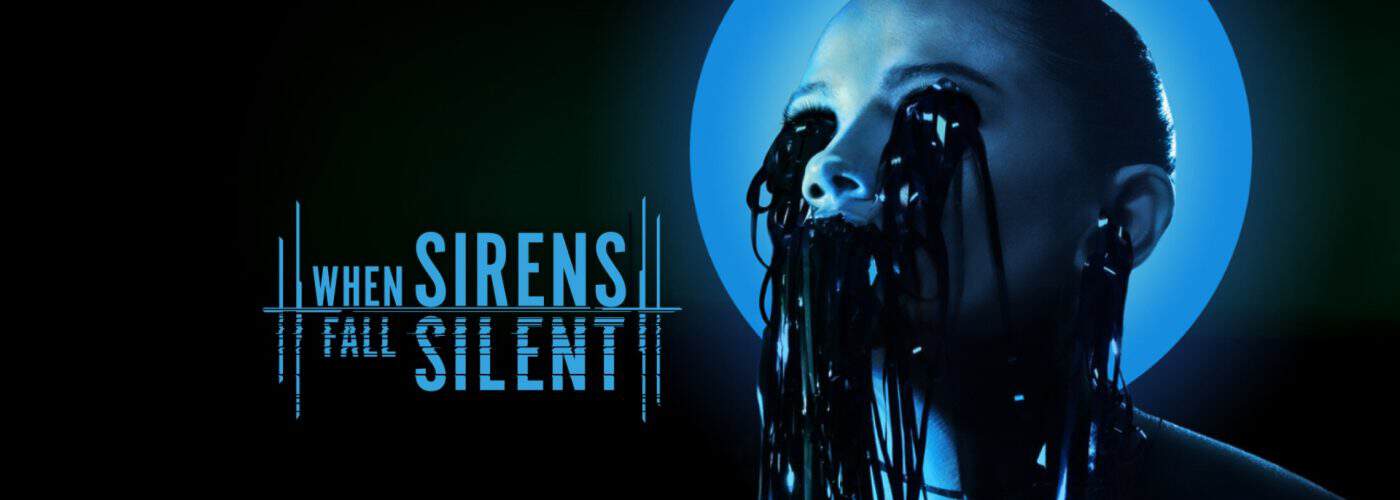
Following its reveal, which already drew the attention of psychological horror fans, When Sirens Fall Silent, the upcoming project from Italian studio LKA, returns with a second trailer that moves far beyond simply restating its original premise. Instead, it significantly broadens the game’s tone, ambition, and intended player experience, while also introducing a range of more technically readable elements that help better frame expectations going forward.
Where the first trailer served primarily as a statement of intent – introducing an enigmatic, highly atmospheric project that remained difficult to fully decode – this new footage offers a clearer, more structured perspective. It begins to establish rhythm and a more deliberate visual language, providing deeper insight into the game’s narrative and creative direction.
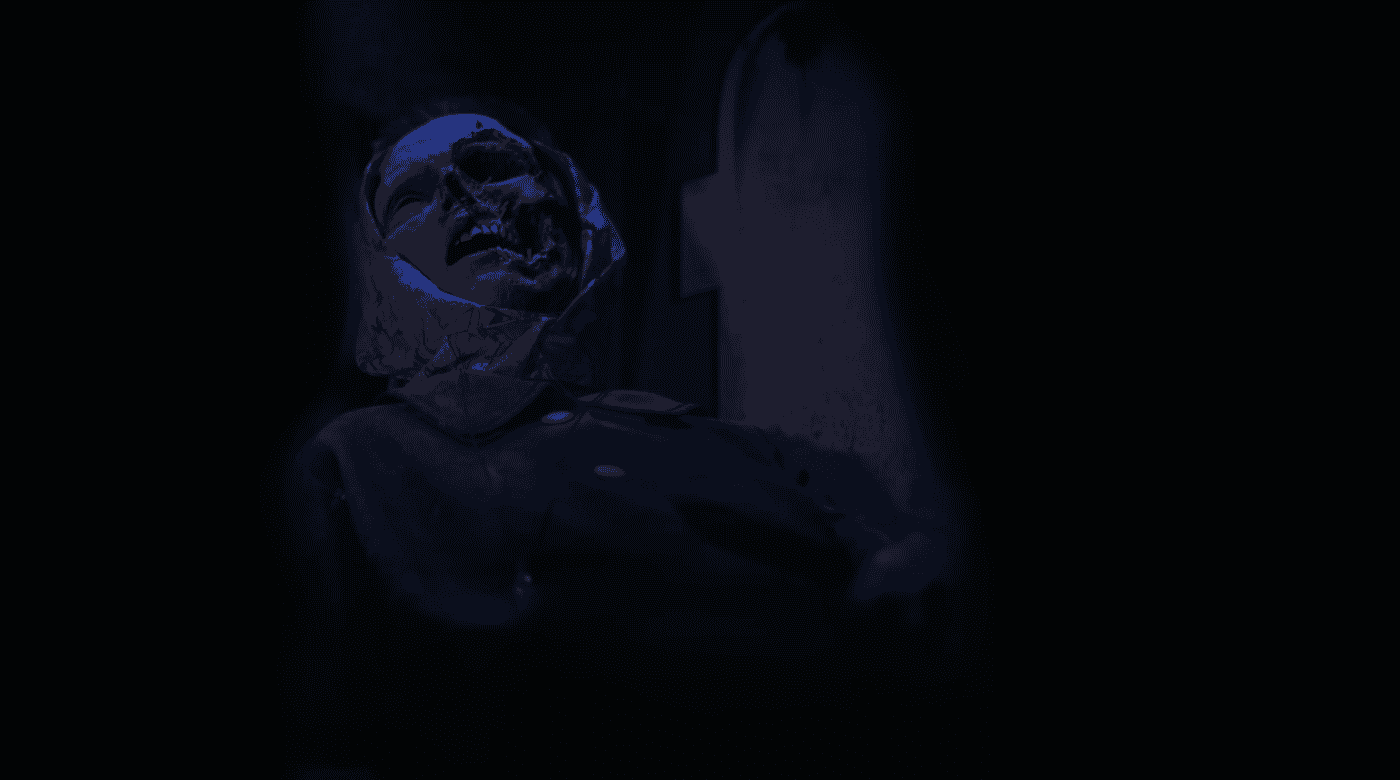
From the outset, the trailer reinforces the project’s core identity: a psychological horror experience shaped by tension, ambiguity, and perceptual instability. Compared with the initial reveal, it now shows a clearer sense of environmental construction. The sequences are no longer driven by atmosphere alone, but unfold through a more deliberate escalation, with static spaces gradually giving way to subtle perceptual distortions and then more overt disruptions.
Rather than a series of disconnected fragments, the footage suggests a cohesive world built around shifting tension, where urban decay, claustrophobic interiors, and unsettling details work together to shape the player’s perception. The environment increasingly feels like a narrative device in its own right, rather than a simple backdrop.
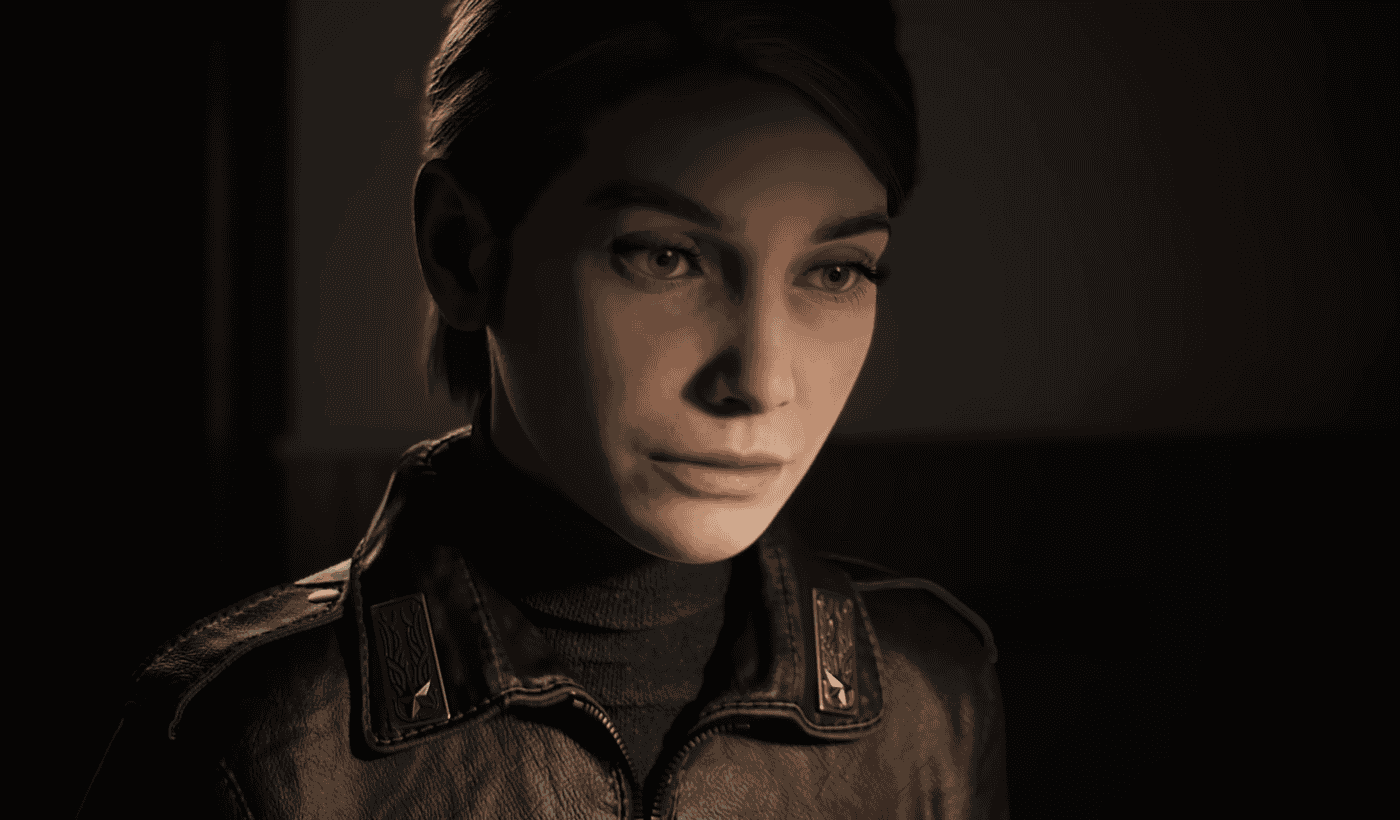
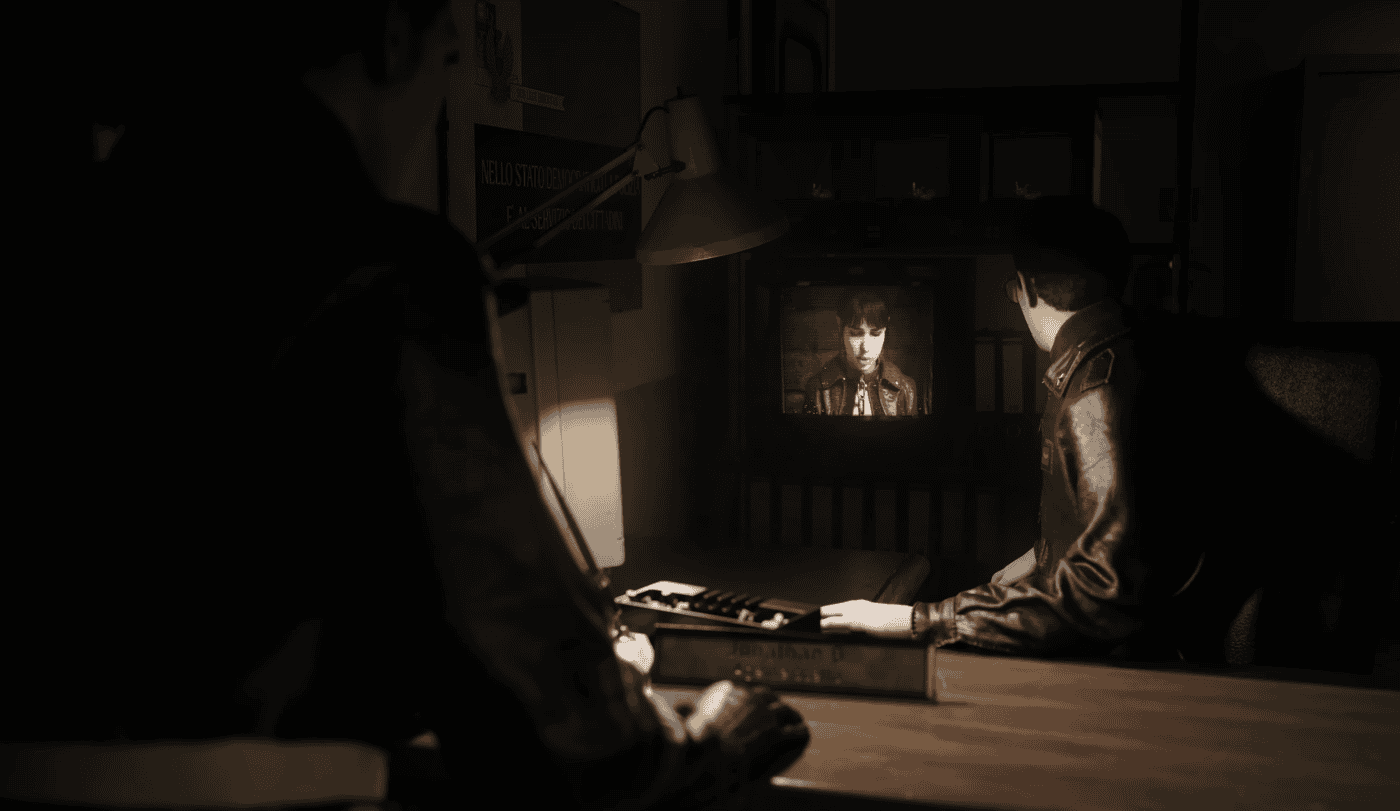
A key strength of this new trailer lies in its emphasis on environmental storytelling. While earlier material already hinted at a more contemplative approach to horror, that direction now feels more clearly defined. Scattered details, misplaced objects, and traces of past events suggest a narrative that will not be explicitly told, but instead reconstructed through observation and interpretation. The footage deliberately avoids explanation, reinforcing the idea that meaning must be actively assembled by the player.
Visually, the game also shows a clear step forward in coherence and control. The aesthetic remains dark and grounded, defined by cold colour palettes and strong contrasts between light and shadow, but now feels more deliberate in its composition. Camera work appears more intentional and less incidental, suggesting a stronger sense of visual direction, even if the perspective – first-person, third-person, or hybrid – has yet to be confirmed. Several sequences make effective use of off-screen space and restricted visibility, heightening tension without relying on conventional horror framing.
On a technical level, the improvements in lighting and material rendering are particularly evident. Lighting appears fully dynamic, with unstable sources such as flickering neon, intermittent lamps, and reactive reflections continuously reshaping visual perception. This not only enhances the game’s visual fidelity, but also suggests direct gameplay implications, where visibility may shift in real time, revealing or concealing key elements. Materials exhibit a strong sense of physical consistency, with wet, reflective, and decayed surfaces pointing toward advanced shader work and high-resolution texture detail.
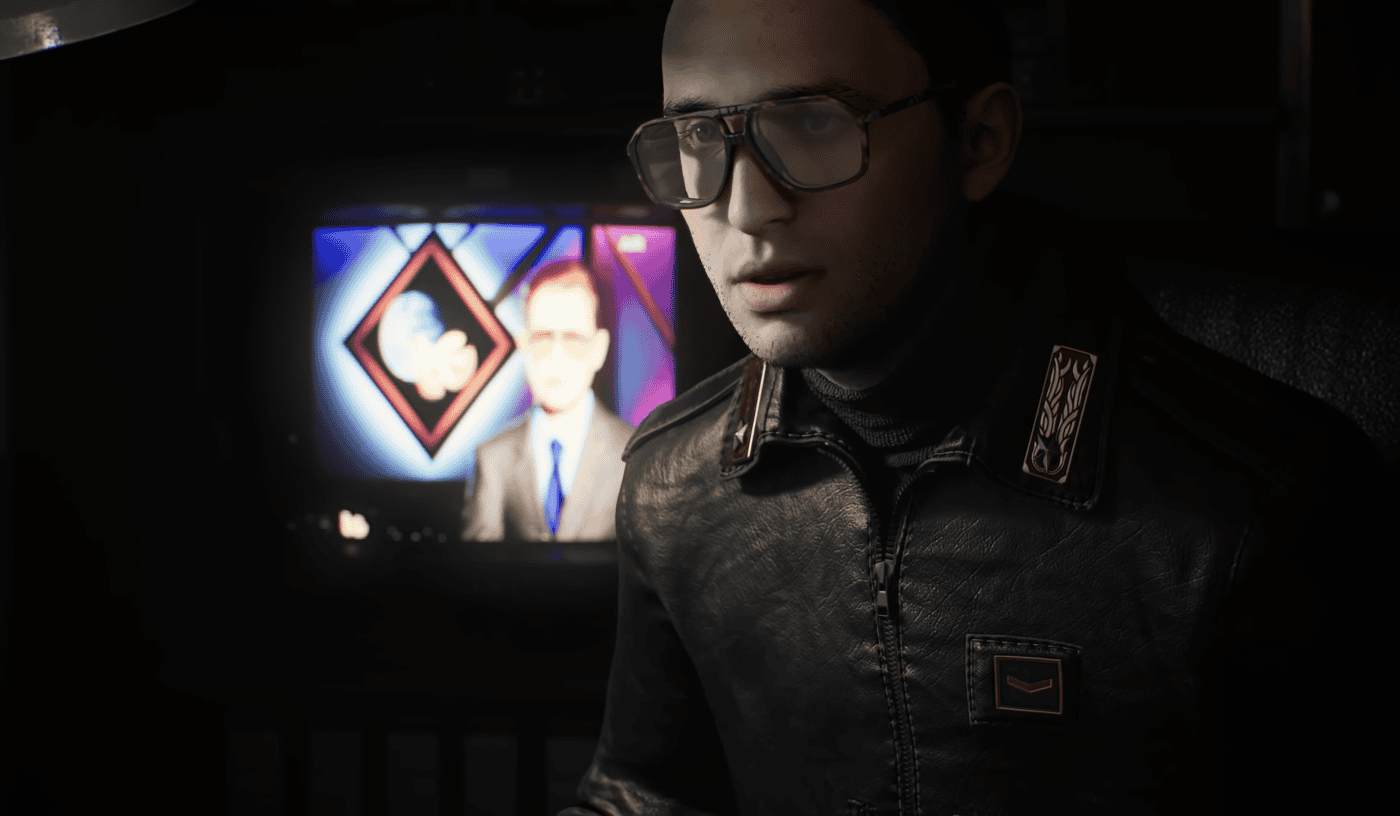
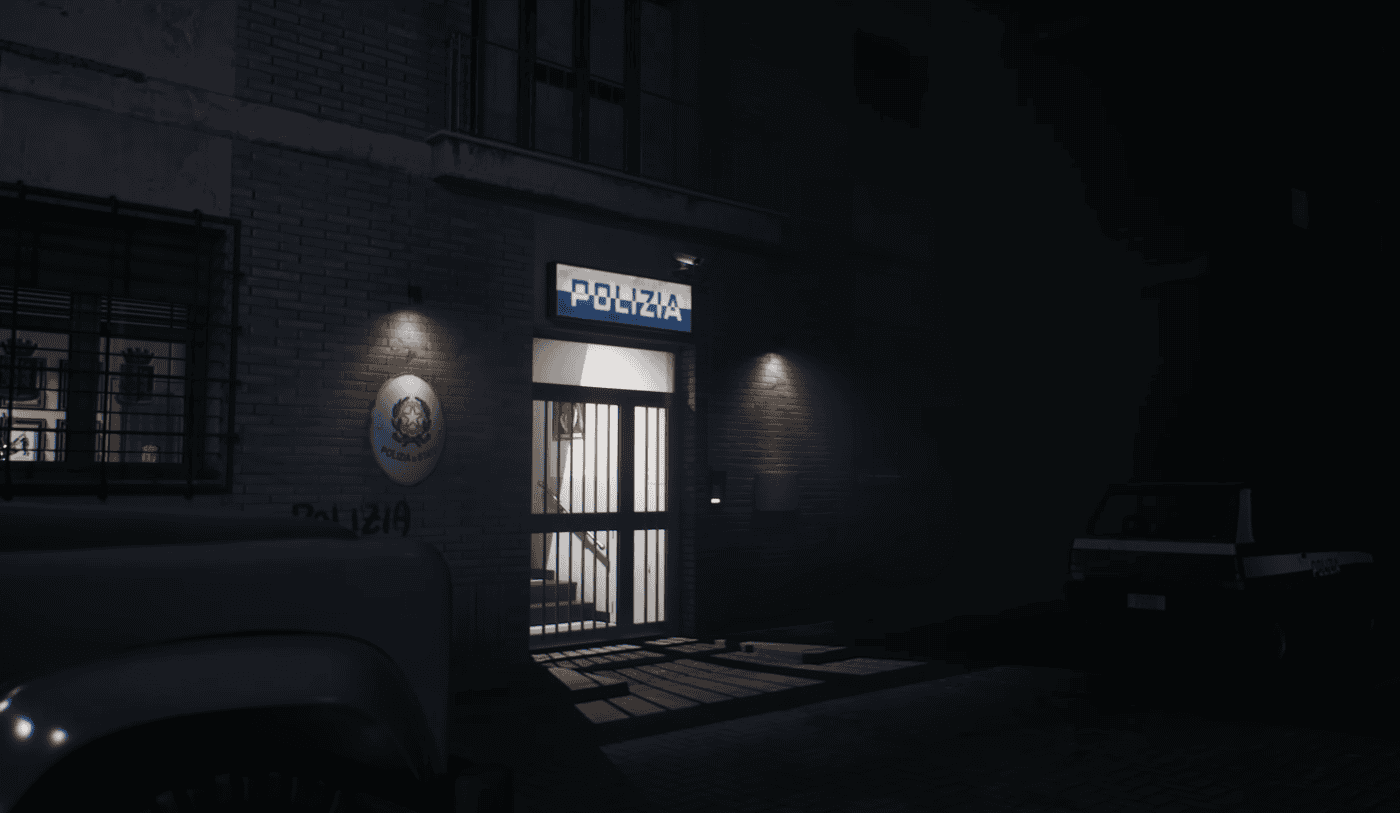
From a level design perspective, the environments appear built around spatial compression and controlled sightlines. Narrow corridors, broken sightlines, and multi-access rooms consistently limit the player’s ability to fully read a space at a glance. Within this framework, danger is not merely placed within the environment – it is built into its structure. Geometry becomes an active instrument of tension, shaping both movement and perception.
The trailer also offers limited but meaningful insight into the game’s direction. Movement appears slow and deliberate, centred on cautious exploration, environmental interaction, and observation-driven progression. There is no indication of fast-paced combat or traditional action systems, pointing instead to a measured rhythm where tension builds through anticipation and uncertainty rather than direct confrontation.
Sound design plays a particularly crucial role. Silence feels dense and deliberately charged, frequently broken by distorted, abrupt, and often unidentifiable audio cues. Building on earlier material, the soundscape now appears more systematically designed, functioning not as background atmosphere but as a core gameplay layer. It introduces perceptual dissonance, heightening anxiety by forcing players to interpret audio signals before visual confirmation is available.
Another key element lies in the game’s use of perceptual distortion and environmental instability. Several sequences feature sudden environmental shifts, indistinct figures, and details that appear to shift between cuts. This reinforces the impression that When Sirens Fall Silent will not be a linear horror experience, but one that constantly challenges the reliability of perception itself.
Some uncertainty remains regarding core gameplay systems, which are still largely undefined. However, the trailer suggests a controlled, methodical approach to movement, without the speed or responsiveness typical of action-oriented titles. The apparent absence of a traditional HUD or overt interface elements may also point toward a minimal, diegetic design focused on immersion.
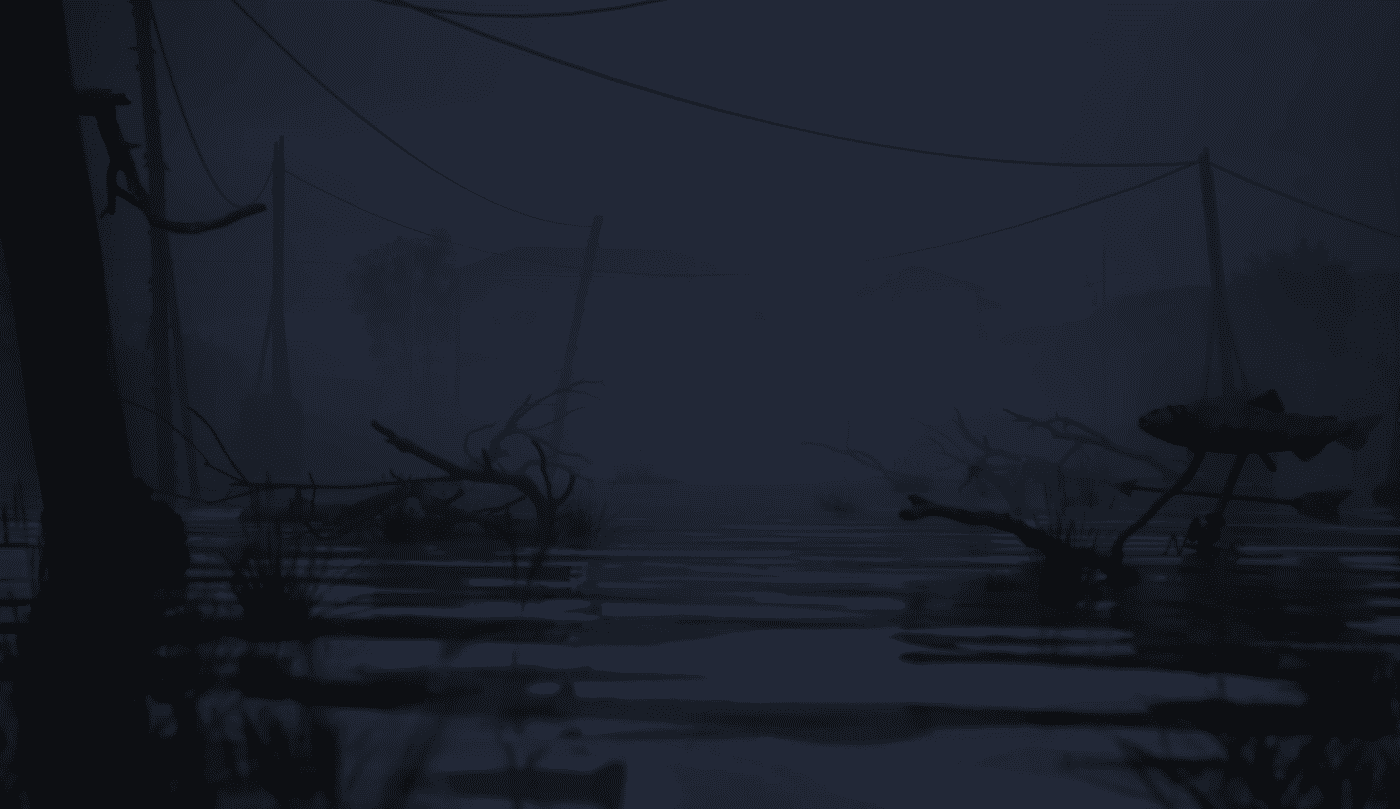
Overall, while this second trailer does not fundamentally redefine the project, it significantly sharpens and strengthens its identity. The studio’s vision now feels more cohesive: a deeply atmospheric psychological horror experience grounded in environmental storytelling, perceptual ambiguity, and a tightly integrated interplay between space, sound, and light. No single system appears to dominate; instead, tension emerges from their integration into a unified design language. At the same time, a deliberate layer of opacity remains – arguably one of the project’s most compelling qualities.
This new look at When Sirens Fall Silent marks a clear step forward in both definition and creative confidence, delivering exactly what a second trailer should: not merely reiterating itself, but expanding, refining, and deepening intrigue. The game remains shrouded in mystery, yet that mystery now feels more structured – and, as a result, even more unsettling.
If these foundations carry through to the final release, the result could be a horror experience that goes beyond traditional scares, instead building a sustained “experience of fear,” where every visual, auditory, and spatial element is deliberately shaped to reinforce a constant, lingering sense of unease. As noted in our main coverage, When Sirens Fall Silent is available to wishlist on Steam, GOG, and the Epic Games Store, with no release date announced yet.