
We came for the style, stayed for the rhythm, and lost count of how many runs we played.

There’s a feeling – hard to explain to anyone who doesn’t engage with games on a deeper level – that occasionally returns to those of us who don’t just play this medium, but observe it, write about it, and live inside it every day.
It’s that sudden spark, the rare moment when you stop thinking like an analyst or critic and, for a short while, simply become a player again. If you know, you know: that almost childlike urge to keep going, to say “just one more match” even when you really should stop. That rare ability for a game to shut everything else out and make time feel soft, elastic, almost irrelevant.
And we’ll put it plainly: Dead as Disco delivers exactly that feeling.
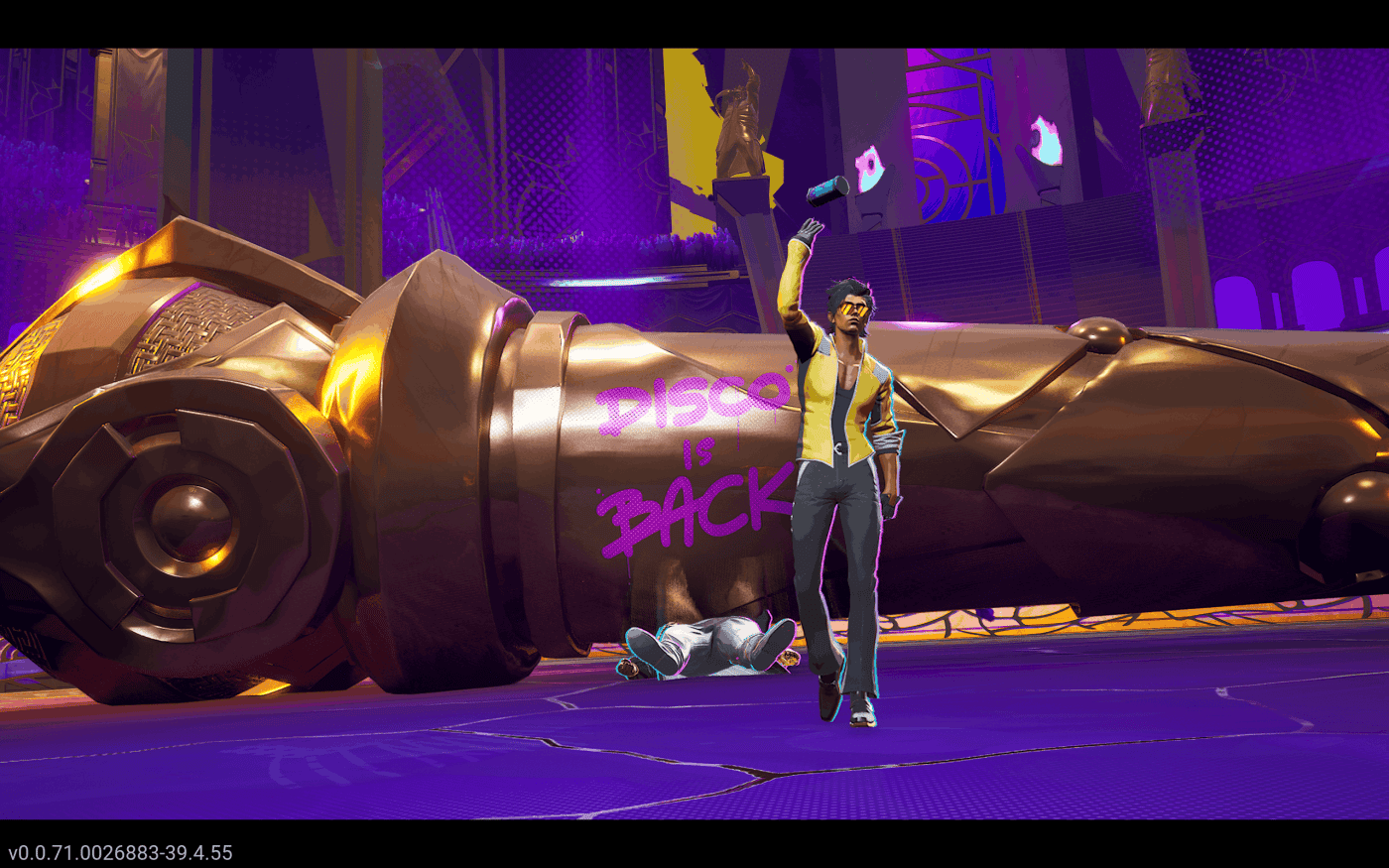
There are plenty of ways to describe our time with the new early access build of Brain Jar Games’ debut video game. We could start with its striking visual identity – an unrelenting flood of neon light that turns every arena into a pulsating, hypnotic stage. We could talk about its smart fusion of genres, blending the immediacy of a beat ’em up with the precise, almost metronomic timing of a rhythm game, resulting in a system that quite literally moves in sync with its soundtrack.
Or we could underline the confidence of a debut studio that already seems fully aware of its identity, its tone, and – most importantly – the experience it wants players to feel at every moment. But if we strip everything back to instinct, the answer is far simpler than any analysis would suggest: “wow. give us more.” Because it has been a long time since a game managed to pull us into that mindset where everything collapses into a single, consuming impulse – keep playing. One more run. One more attempt. A few more minutes. Then a few more after that, until time quietly disappears altogether.
And make no mistake: this isn’t simply the high of a strong first impression. Not the kind of excitement that fades as soon as the structural edges begin to show. Dead as Disco offers something far rarer.
A kind of “mechanical magnetism” that doesn’t rely solely on style or spectacle. There’s a precision in how it builds rhythm and momentum – how it balances pressure, reward, and flow – that feels carefully, almost instinctively tuned. It works beneath conscious thought. You feel it in the constant pull to retry, in that internal voice urging you to clean it up, to go again, to push just a little further. In the way failure never feels final – only the beginning of another attempt.
And that, at least for now, is where Dead as Disco makes its strongest case. It isn’t just stylish. It isn’t just original. And it isn’t simply a clever idea well executed. It does something more important: it makes you want to stay. A neon-drenched world of rhythm and impact where every arena feels alive, constantly in motion. Every beat sets the pace, and every strike, dodge, and combo flows into a tightly choreographed loop where music and action become one.
The result is hard to put into words, but instantly clear once you’re playing: this isn’t a game you simply engage with—it’s one you slip into. Fully. Immediately. Almost without resistance.
Because yes – our relationship with Dead as Disco didn’t begin with this build. We had already spent time with an earlier version, promising enough to spark immediate curiosity. A first contact that left us with a simple question: was this simply the appeal of a strong but still unrefined concept, or did Brain Jar Games already have something with genuine staying power?
This early access release – available on PC since May 5 – offers a clearer answer. A more complete, more structured build that better reveals the studio’s direction, while allowing us to dig deeper into its ambitions, ideas, and potential limitations.
The question now is simple: behind all this style, energy, and personality, are we looking at one of the standout indie games of 2026? Turn up the volume, lock into the beat – and stay with us. It’s time to find out.
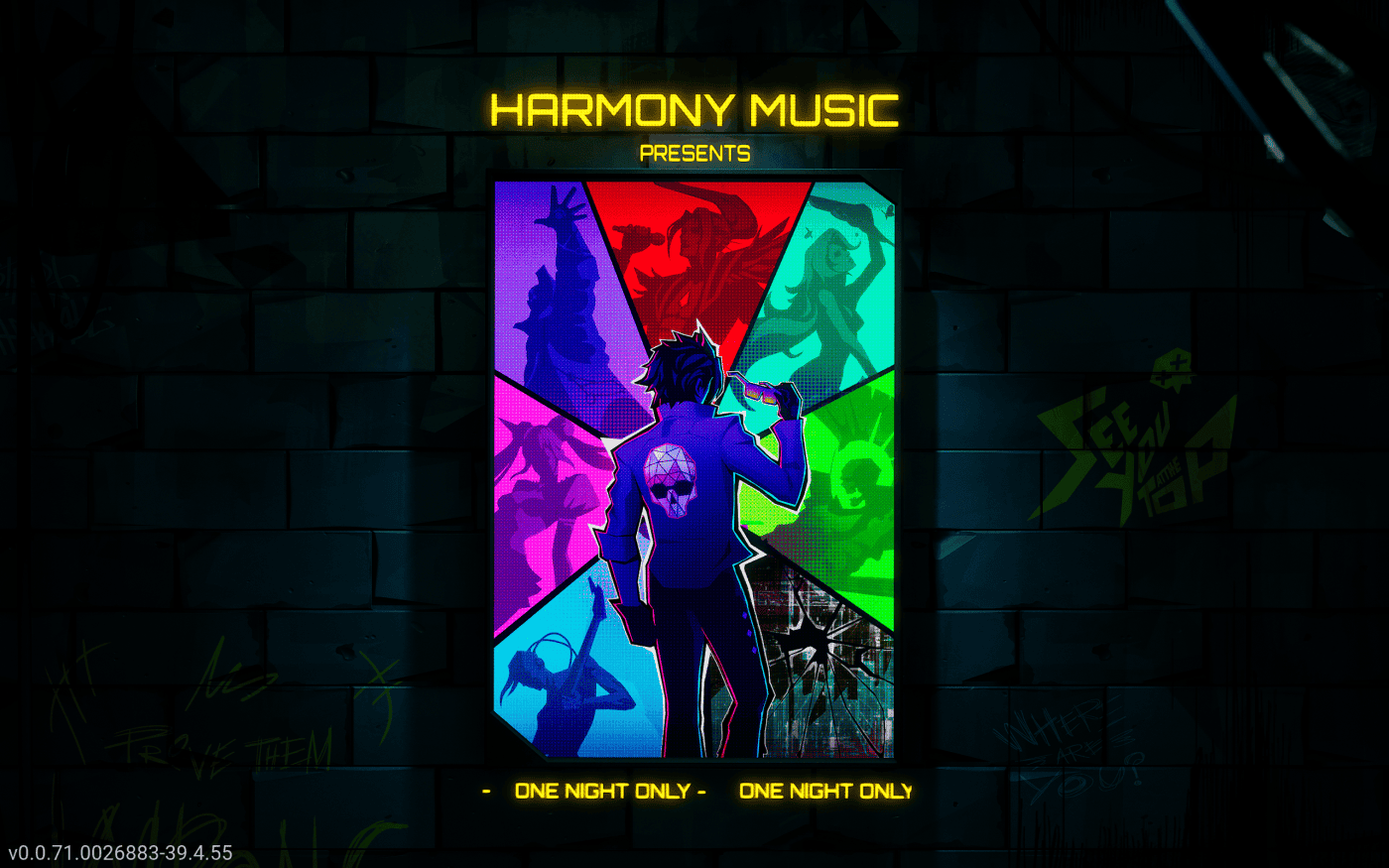
Welcome Back Among the Living, Charlie Disco
Let’s be honest: when a game builds its identity around relentless neon-soaked spectacle, dance-driven combat, and an aesthetic so gloriously excessive it feels lifted from a late-night synthwave fever dream, thoughtful storytelling is hardly the first thing you expect to find. And yet, that is precisely where Dead as Disco delivers one of its biggest surprises.
Beneath its deliberately theatrical, unapologetically kitsch exterior, Brain Jar Games’ debut game reveals a narrative framework far more layered and deliberate than first impressions might suggest. Its writing moves confidently along the line between spectacle and introspection, balancing gleeful absurdity with flashes of melancholy that surface at exactly the right moments.
And perhaps that is the project’s smartest creative decision.
Dead as Disco never feels compelled to be something it isn’t. It does not burden itself with artificial dramatic weight, nor does it reach for forced profundity in an attempt to legitimise its eccentricity. Instead, it commits fully to its own identity – and trusts that commitment to speak for itself. That confidence is what gives the entire experience its edge.
The game embraces its glam-drenched, larger-than-life absurdity without hesitation, but crucially, it does so with remarkable control. Beneath all the glitter and chaos lies a clear sense of purpose. Every exaggerated flourish feels intentional. Every tonal shift feels measured. This is a game that knows exactly when to indulge in excess –and, more importantly, why.
That self-awareness allows the narrative to flirt effortlessly with the player, layering humour and theatricality over emotional undercurrents that gradually reveal something far more human beneath the spectacle.
Because on paper, Dead as Disco sounds utterly unhinged: a dead musician, a supernatural pact with Death itself, a fractured band reunion, and one final concert to set everything right. It is the kind of premise that could easily collapse under the weight of its own absurdity. Instead, it becomes unexpectedly compelling.
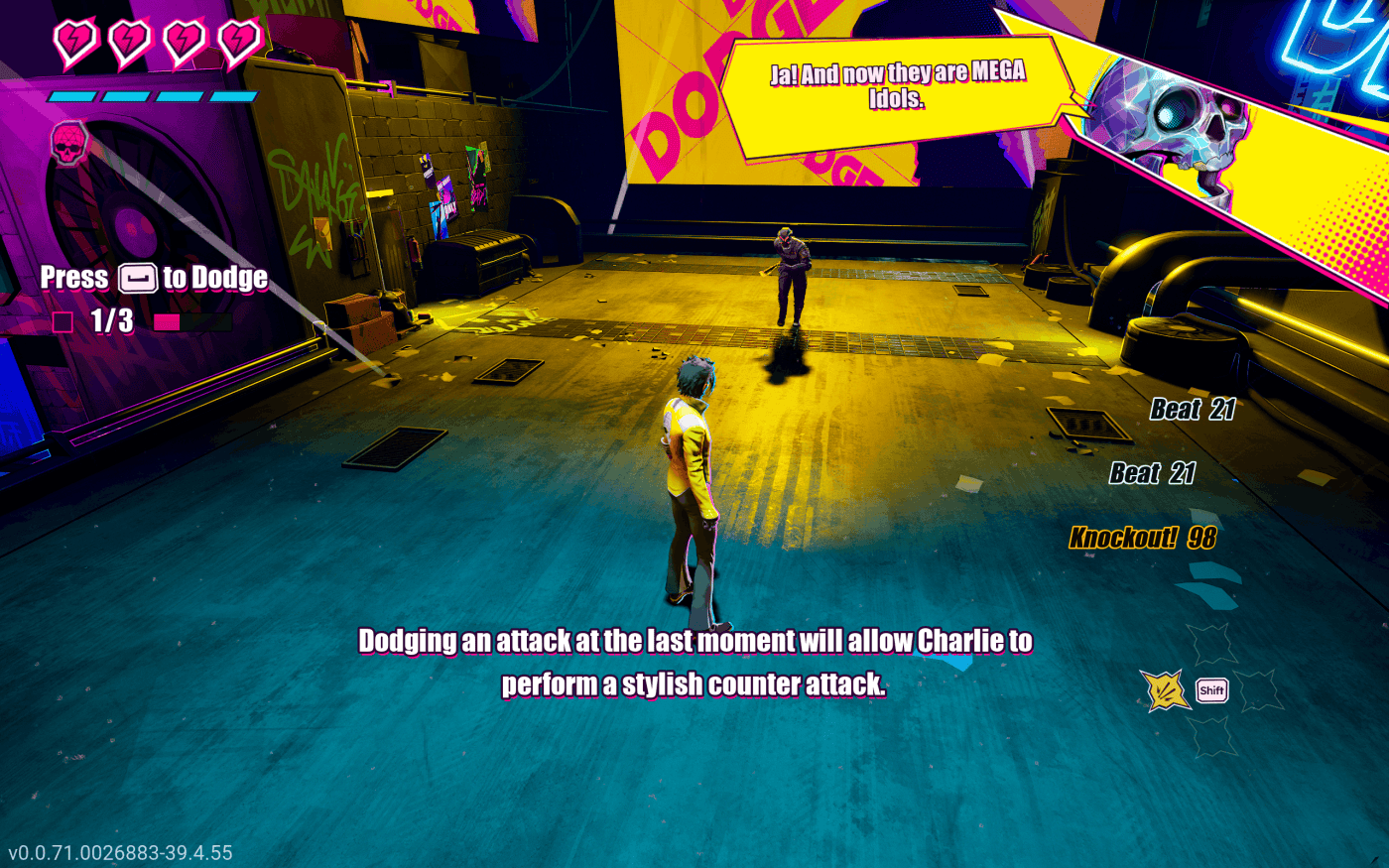
Players step into the shoes of Charlie Disco, a former music icon pulled back from beyond the grave through an enigmatic bargain with Death. His task is deceptively simple: reunite The Idols, his former bandmates and bring them back together for one final performance. It is an immediately striking setup, one that quickly begins to reveal deeper tensions beneath its stylish surface.
Because this is not simply a story about getting the band back together. It is about fractured friendships, unresolved mistakes, buried resentment, and truths left deliberately unspoken. And crucially, the game rarely feels the need to spell any of this out. It trusts implication over exposition. It lets details surface gradually, allowing curiosity to drive engagement.
One of its strongest narrative ideas lies in how it handles progression. Defeated bosses do not simply vanish after their encounter. Instead, they return to The Encore – the game’s central hub and eventual venue for its climactic final show.
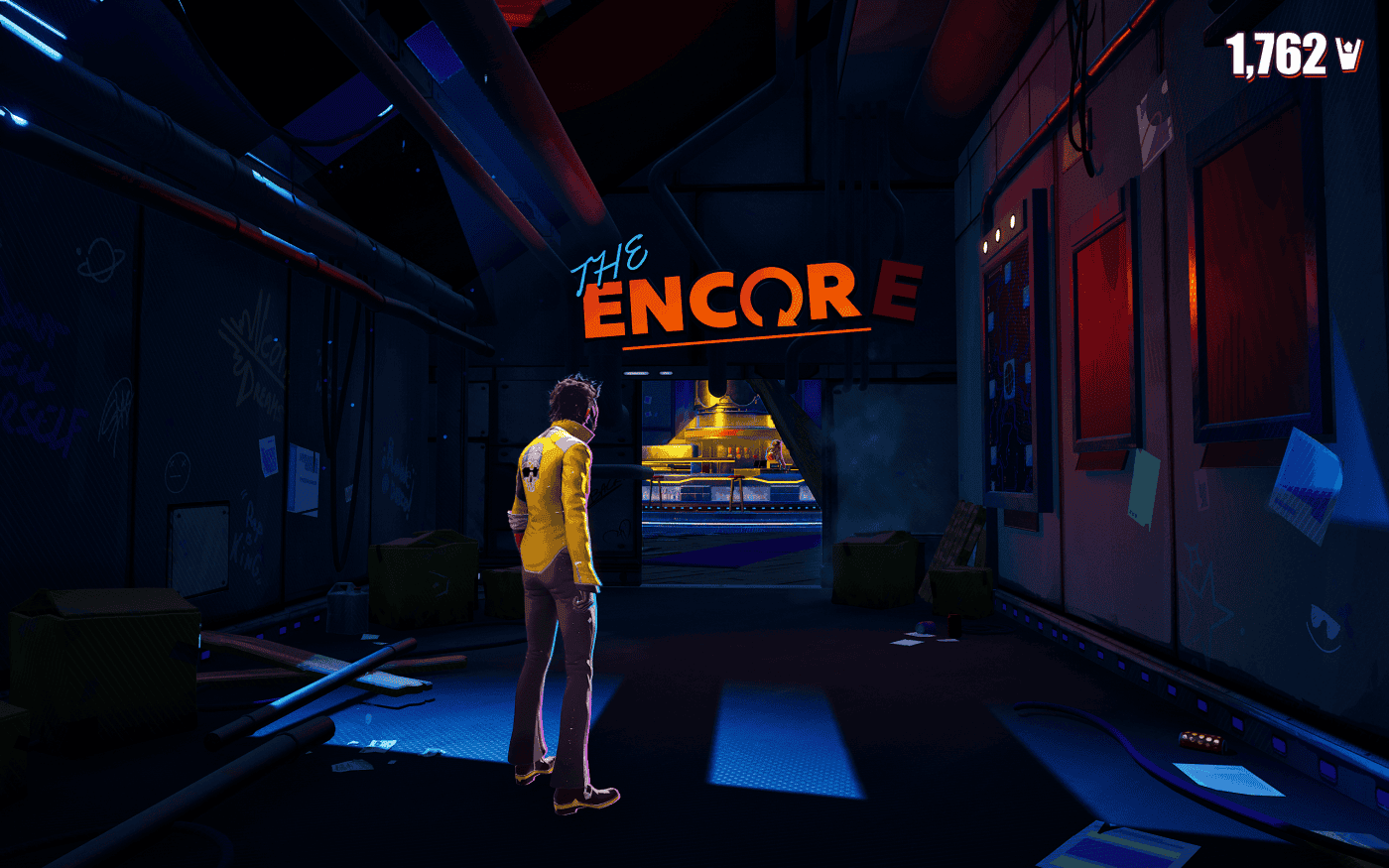
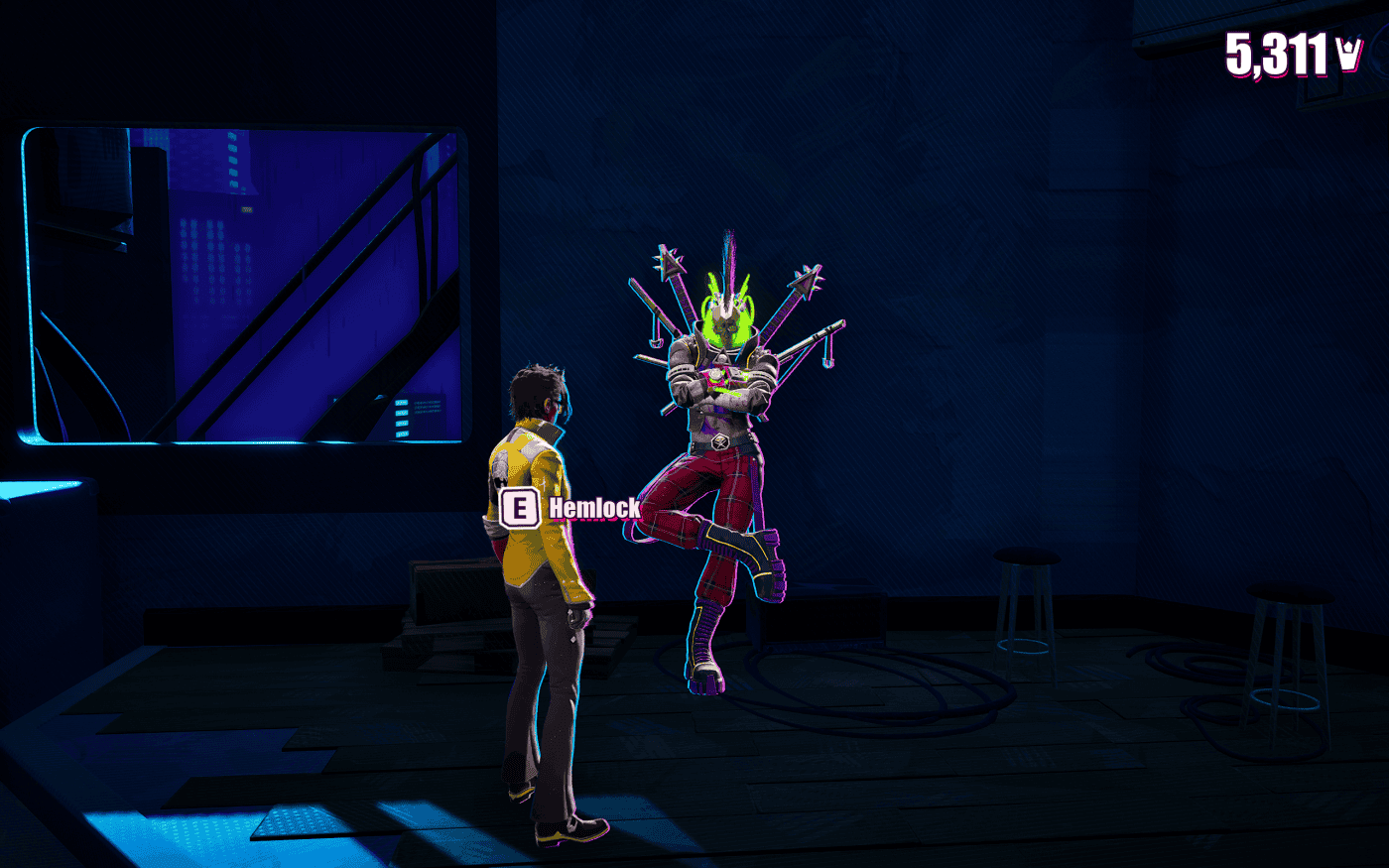
It is a smart and elegant design choice. Mechanically, it provides cohesion to the game’s structure; narratively, it reframes every boss encounter not as a conclusion, but as the beginning of a conversation rather than the end of a confrontation. Within this evolving late-night venue, players are invited to reconnect with Charlie’s former bandmates, slowly peeling back layers of dialogue and nuance that progressively enrich the narrative arc and reshape how events – and relationships – are perceived.
Because as these conversations unfold, an intriguing suspicion begins to emerge: Charlie may not be the reliable protagonist he first appears to be. His determination to reunite the band may stem from something more complicated than redemption. And it is this ambiguity that gives the story much of its pull. You want answers. You want to know what really happened.
This is further reinforced by systems that tie narrative discovery to replayability. The Idols issue specific requests that encourage players to revisit levels, uncover hidden items, unlock new dialogue, and piece together additional fragments of the past. It is a smart integration of narrative and progression design. At this stage, the system still feels somewhat rough around the edges, with clear room for refinement throughout early access. But the underlying idea is undeniably strong.
Equally promising are the smaller narrative threads woven throughout individual character interactions – fleeting remarks, unresolved tensions, half-revealed histories that hint at relationships far more layered than the game initially lets on. These fragments are dispensed sparingly, and that restraint proves to be one of the writing’s greatest strengths.
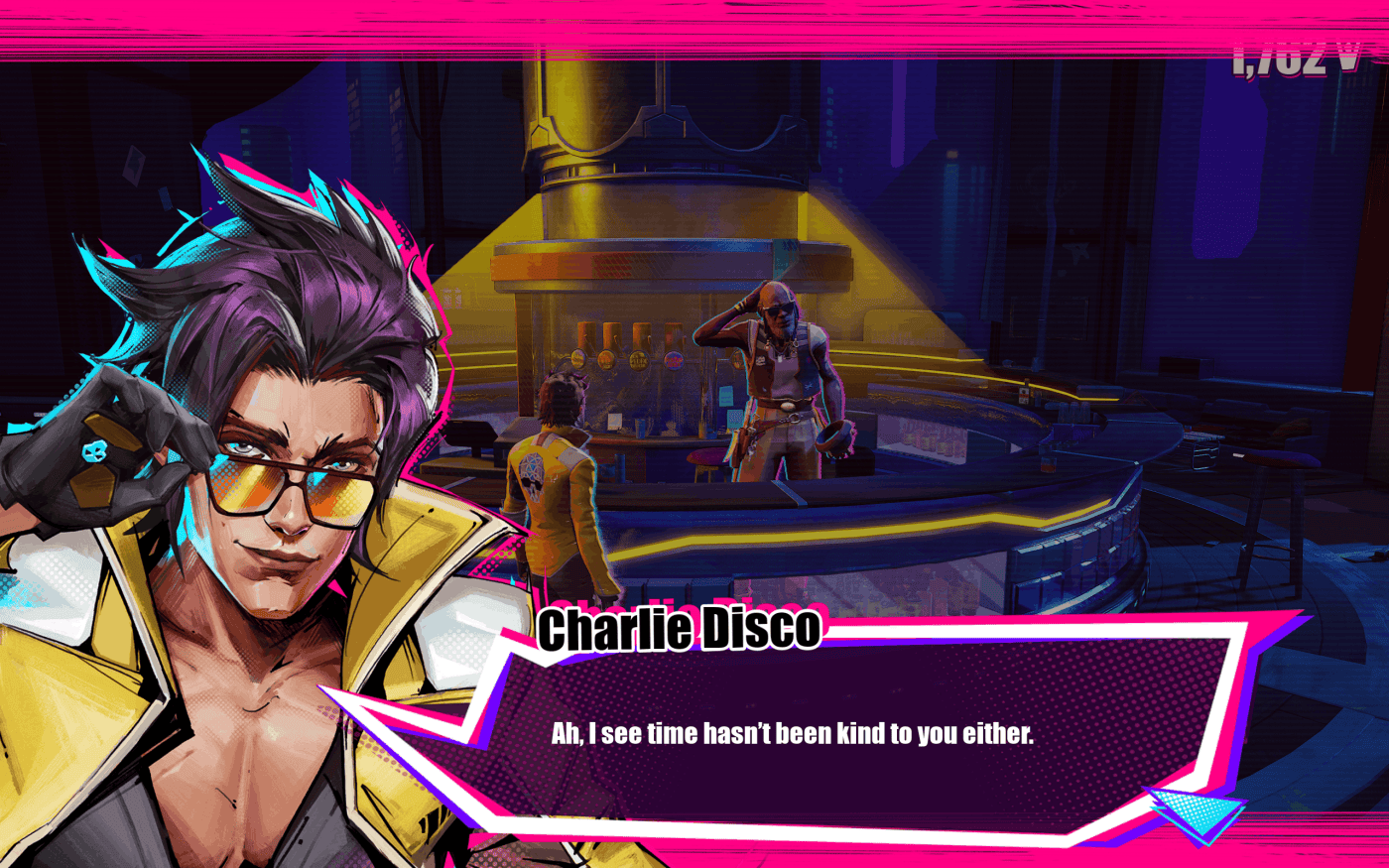
Dead as Disco understands the value of withholding information. It knows when to leave space for ambiguity, when to trust implication over explanation, and when mystery is more compelling than immediate clarity.
The real question now is how far Brain Jar Games plans to push this side of the experience as Early Access unfolds. The potential is already unmistakable: the foundations are solid, the identity is firmly in place, and the creative direction feels cohesive and assured. What remains to be seen is whether the studio can turn that promise into something fully realised.
Hit The Beat Or Hit The Floor
As already outlined in our hands-on preview, Dead as Disco build its gameplay on the established pillars of the beat ’em up genre, enriched with clear action-game sensibilities. Yet what truly binds these elements together is not a simple genre hybridization, but a persistent and intelligently integrated rhythm layer that runs through the entire combat system.
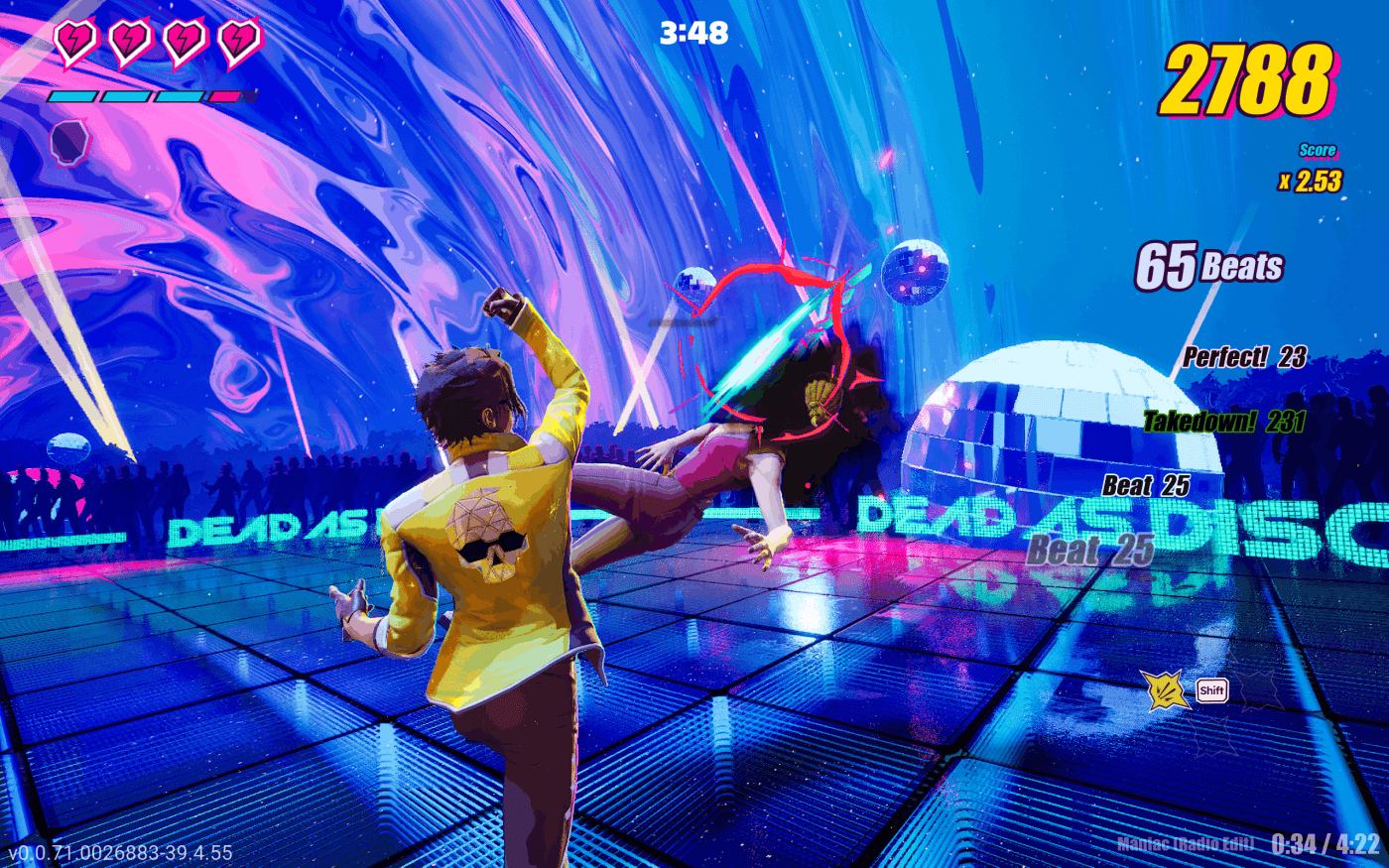
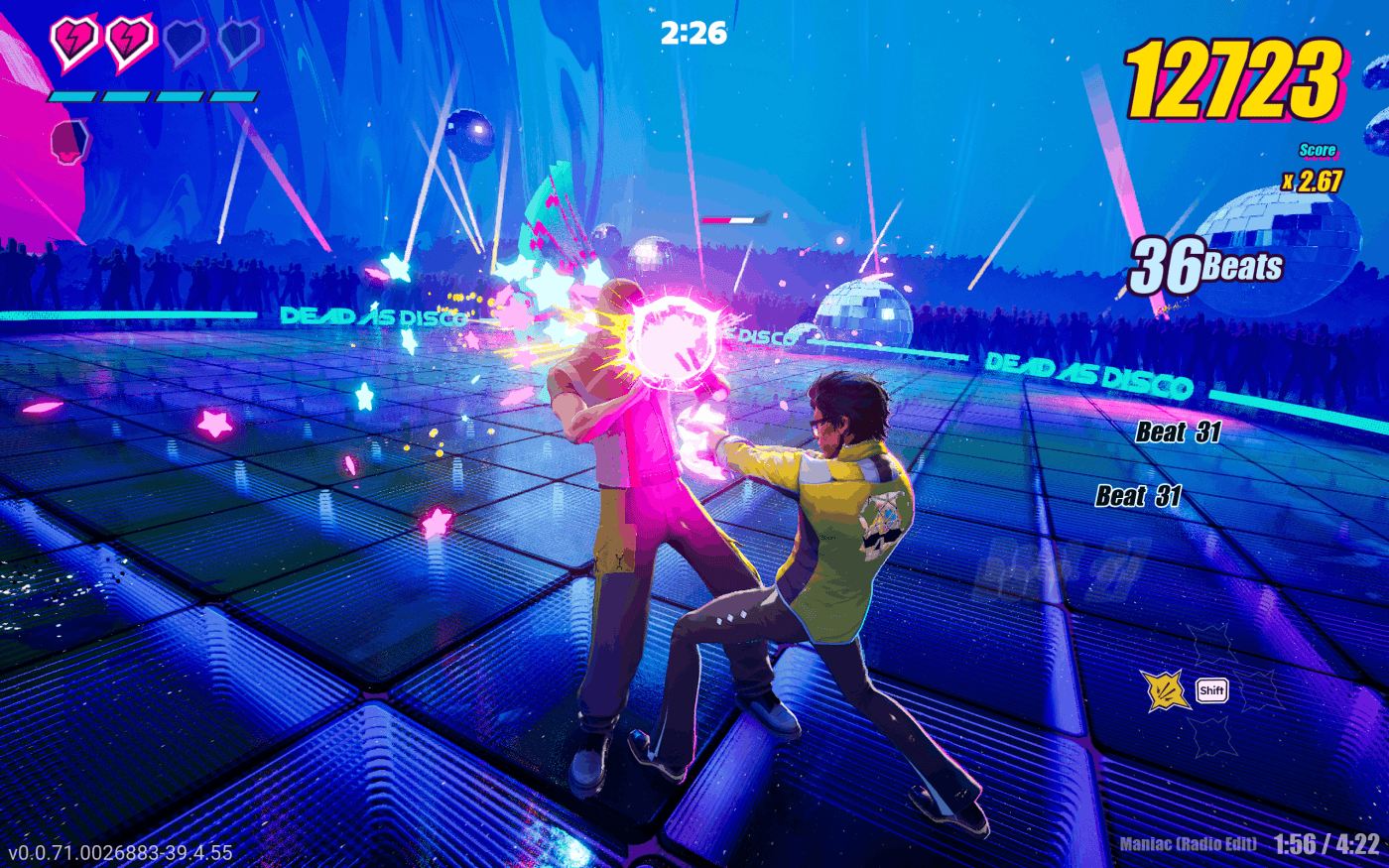
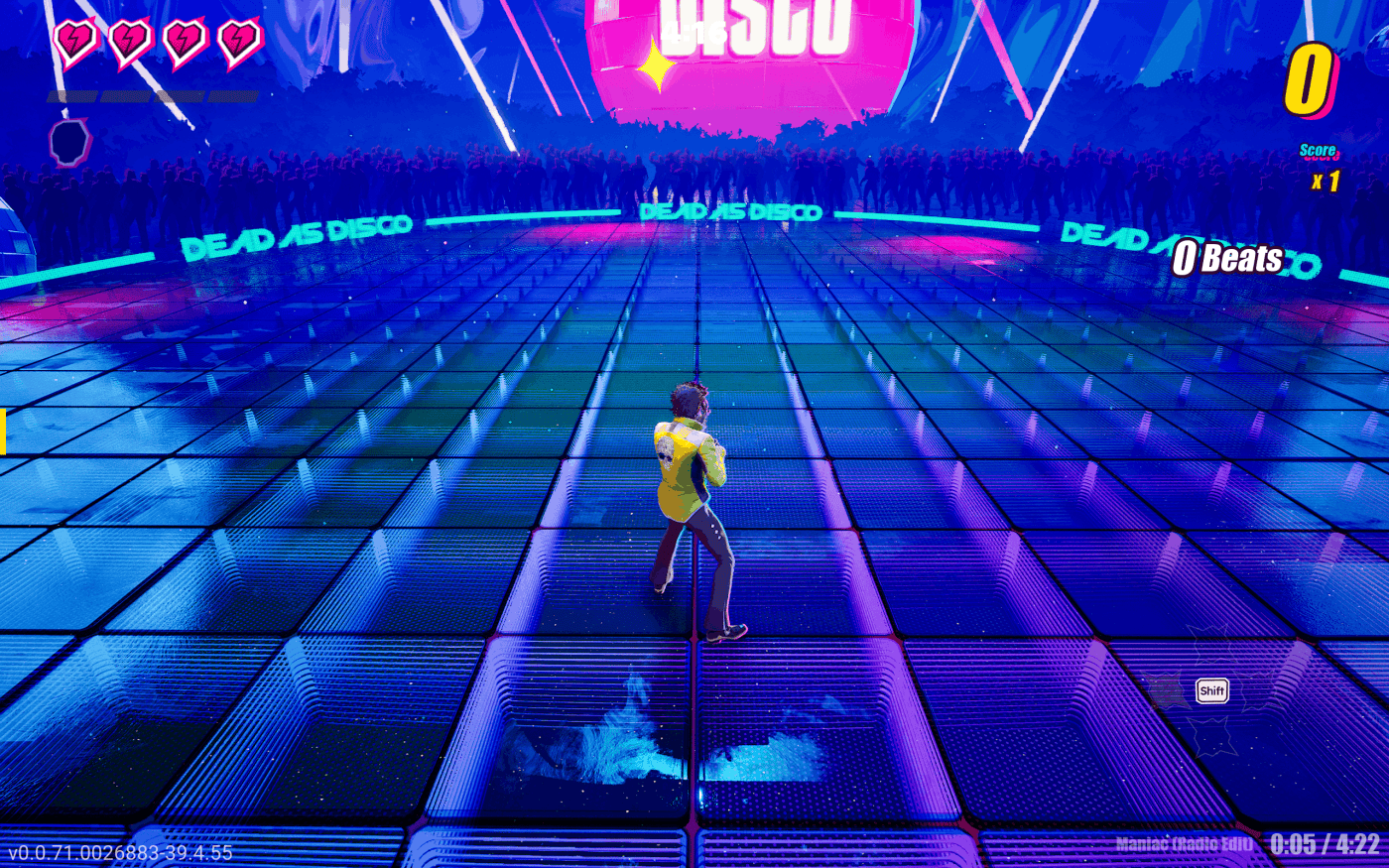
At the core of the experience lies the fusion between close-quarters combat and musical structure. Each track is defined by a specific BPM that does far more than set the soundtrack – it actively shapes the tempo of engagement. The pace of the music influences the flow of combat, turning each encounter into a choreography where timing becomes essential to effectiveness. Style, accuracy, and the ability to stay in sync with the beat ultimately define the backbone of the gameplay experience.
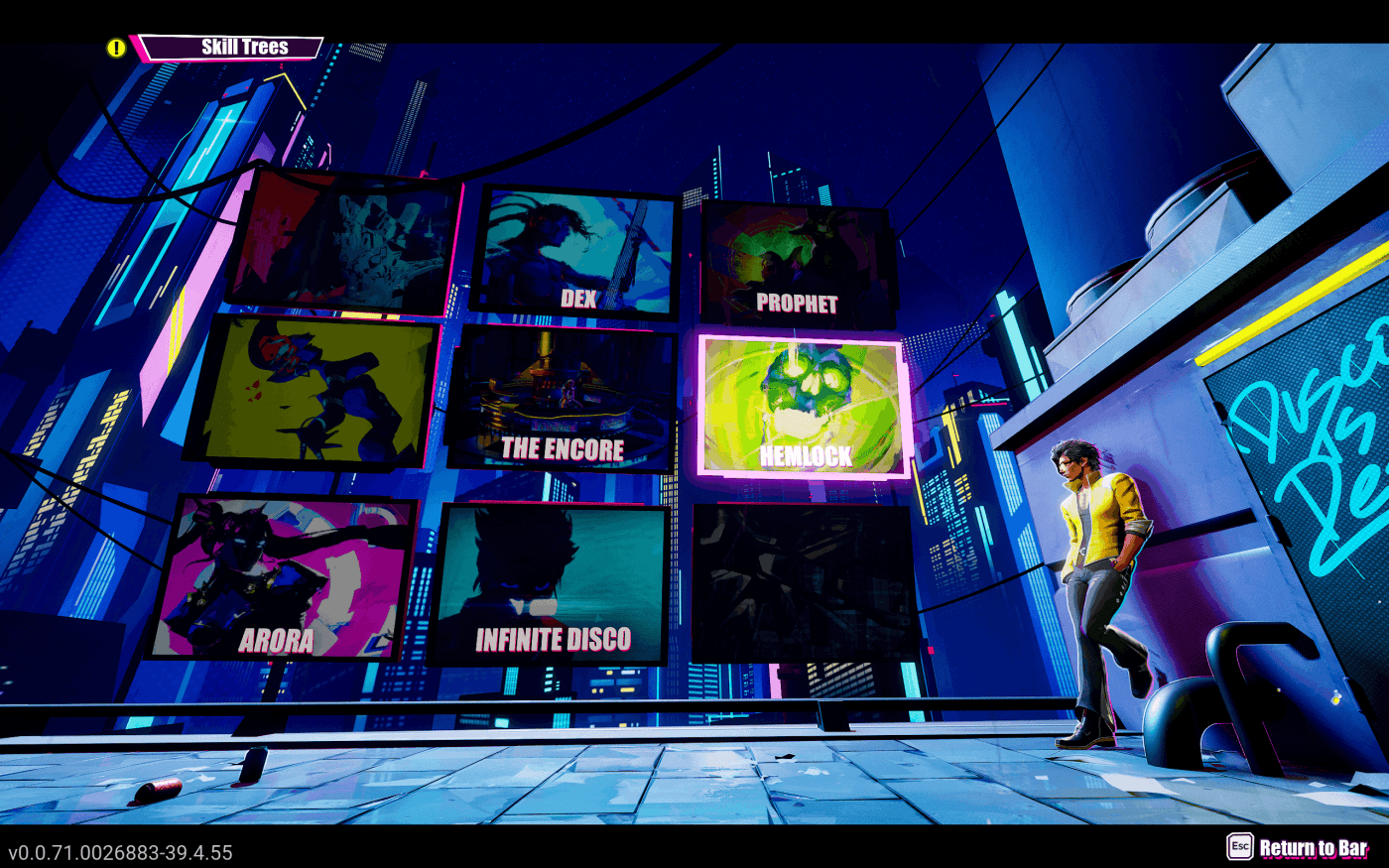
In its current Early Access state, the game is structured around four main boss encounters – Hemlock, Arora, Dex, and The Prophet – alongside the Infinite Disco mode and the central hub area, The Encore.
Modern Gameplay Built on Rock-Solid Foundations
Despite its modern 3D beat ’em up presentation, Dead as Disco is firmly rooted in the design principles of classic arcade brawlers, prioritising clarity, immediacy, and readable combat systems.
The control scheme is intentionally streamlined:
- Attack (combo chains)
- Parry
- Dodge/sprint (hold input)
- Finisher
On top of this foundation, several systems are introduced to deepen combat without compromising responsiveness. Standard attacks can be charged to unleash heavier strikes capable of hitting multiple enemies, while a subtle form of target “magnetism” helps keep the player locked onto nearby foes, preserving combo flow and minimising interruptions to the score chain.
However, the real depth lies in timing. Perfect parries and dodges not only alter animations and damage outcomes but also open windows for enhanced counterplay. At specific moments, the game introduces rhythm-style prompts: hitting inputs in sync with the beat triggers amplified effects and heightened feedback.
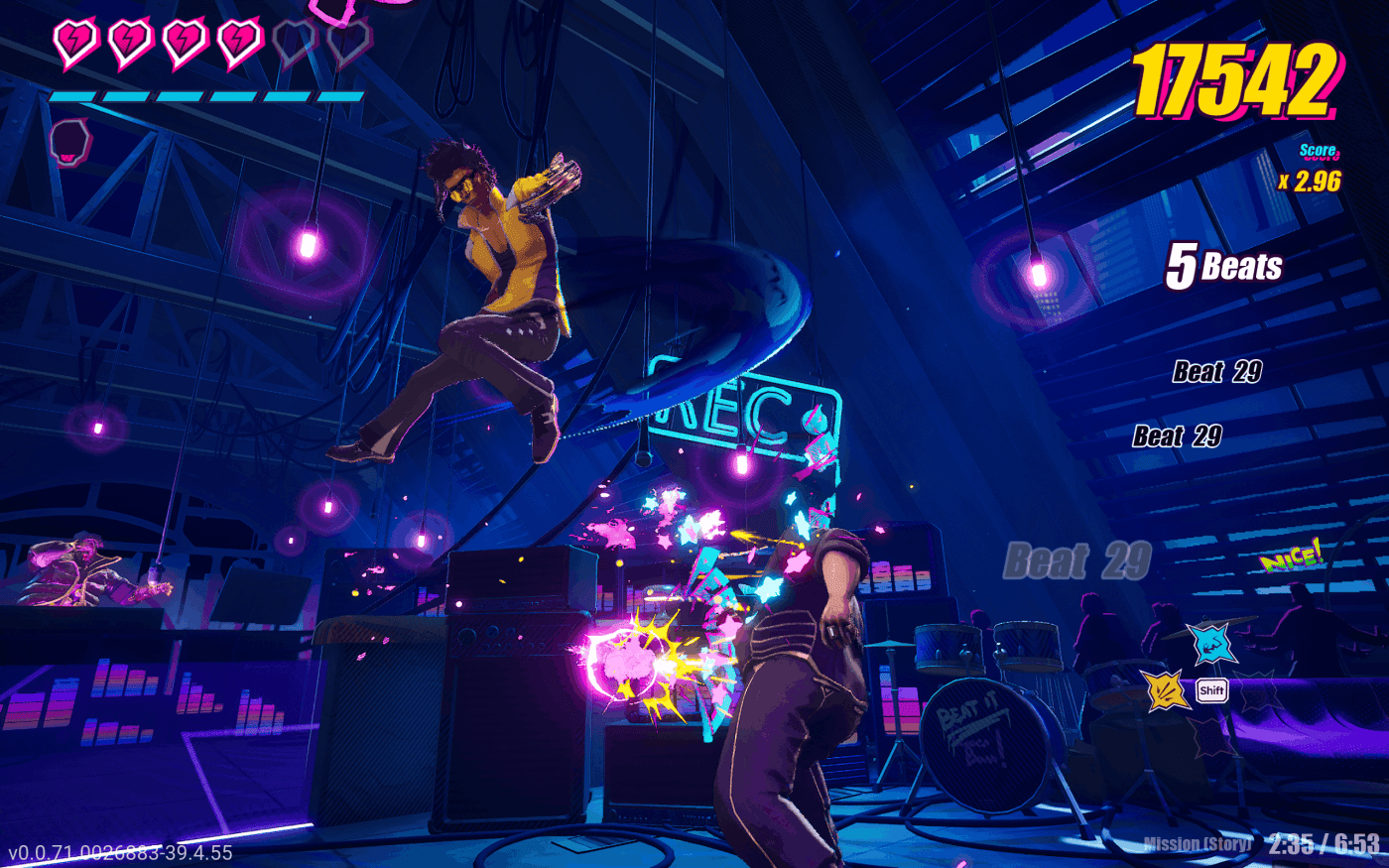
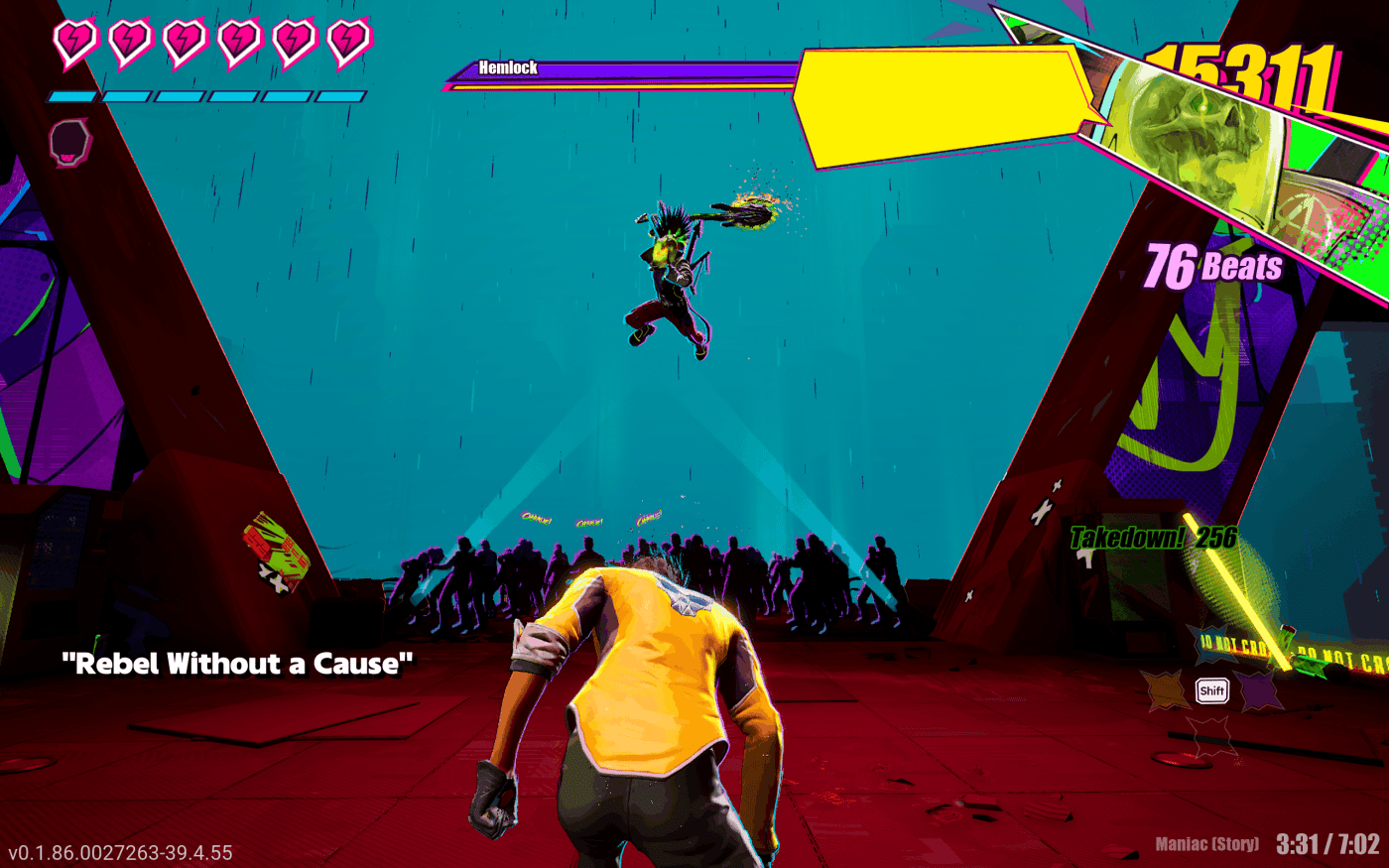
Dodge mechanics also double as offensive tools. A sprint into attack can fluidly transition into a sliding strike that launches enemies into the air, opening up extended juggle opportunities and expanding overall combo potential. Finishers serve as the peak of combat flow. Triggered when an enemy reaches a low-health threshold – or within a short aerial window after being launched – they require precise timing and reward execution with brief invulnerability frames.
Parries and dodges remain essential defensive tools, allowing players to interrupt enemy sequences and manage pressure in crowd-heavy encounters. This role becomes increasingly important in later stages and within Infinite Disco, where AI aggression is significantly heightened and encounters demand sustained awareness.
Skill Trees, Enemies, and Boss Encounters
Progression in Dead as Disco is tightly interwoven with its boss structure through a layered skill tree system. Charlie Disco begins with a single ability path, but each defeated boss unlocks a dedicated skill tree tied to that encounter. In total, five distinct trees become available once all bosses are cleared. Each boss introduces unique abilities that can be upgraded and further expanded into branching paths, enabling meaningful cross-synergy between different build archetypes.
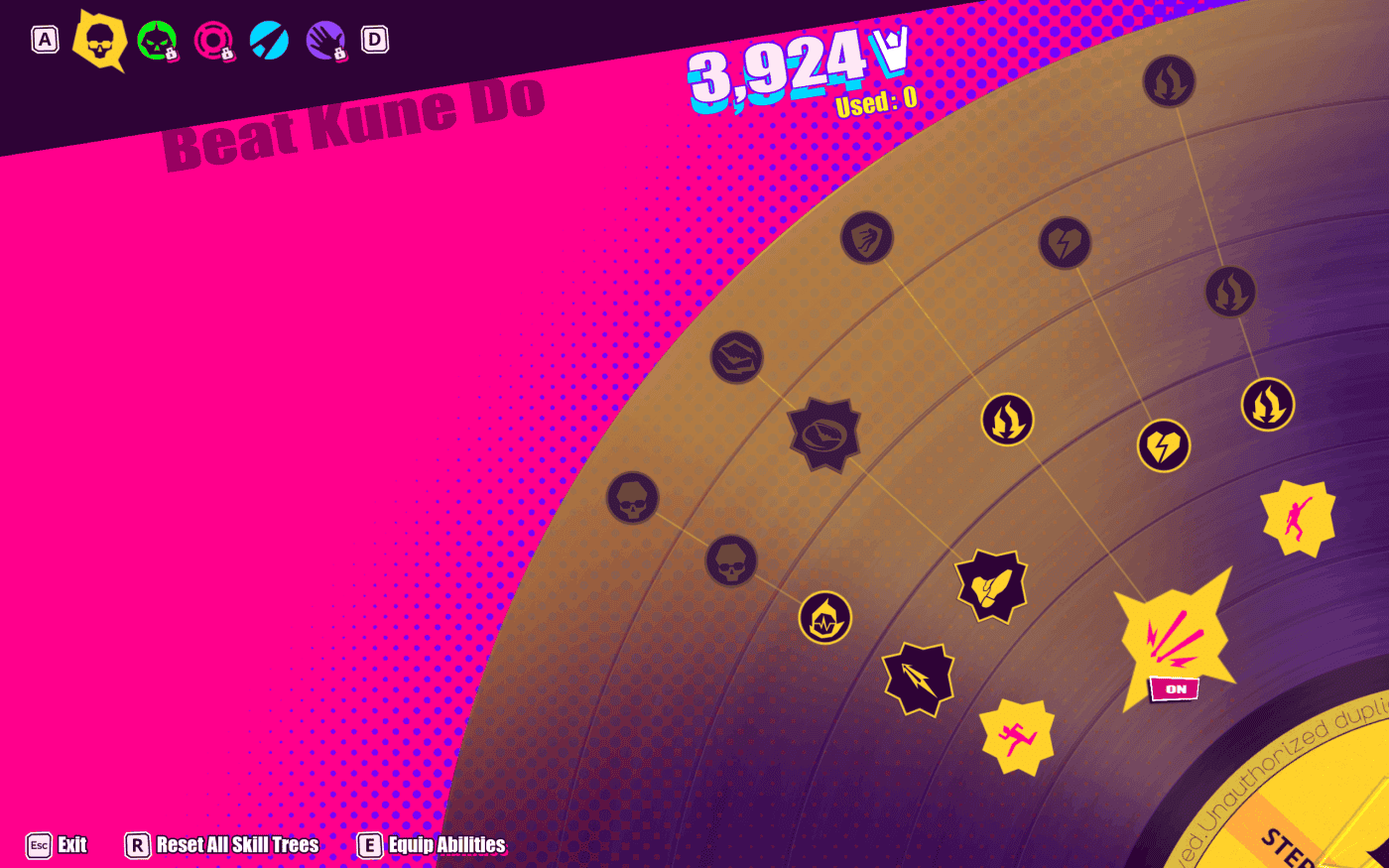
While the progression structure still shows some unevenness in balance and distribution, the underlying design clearly demonstrates strong potential – particularly in the way abilities are meant to interact with one another. Progression is driven by Fan Points, ensuring that higher performance translates into faster advancement and more efficient character development.
Enemy design, even at this early stage, demonstrates solid variety and clear behavioural identity. Each unit type follows readable attack patterns, with distinct strengths and weaknesses that encourage a more analytical approach to encounters.
Experimentation with abilities reveals an additional layer of depth: certain boss-derived skills prove particularly effective against specific enemy archetypes, especially in encounters that would otherwise feel more punishing or restrictive. A clear example can be found in shielded riot units, where the appropriate tools can significantly reshape both the flow and pacing of the fight.
All special abilities consume a dedicated resource bar located beneath the health gauge. Additionally, a skull-based ultimate system allows players to instantly eliminate standard enemies once fully charged, regardless of their remaining health – though it remains ineffective against bosses and elite units.
Infinite Disco Mode and The Encore Hub
Replayability is primarily built around Infinite Disco and the central hub, The Encore. The former offers arena-style challenges with defined objectives, score thresholds, and unlockable tracks. A star-based ranking system evaluates performance, encouraging replayability and score optimisation, with higher ratings granting access to additional rewards and content layers.
Beyond standard survival modes tied to track duration, Infinite Disco also lets players revisit previously defeated bosses in modified scenarios, adding variations that refresh familiar encounters such as Arora or the dual Prophet fight.
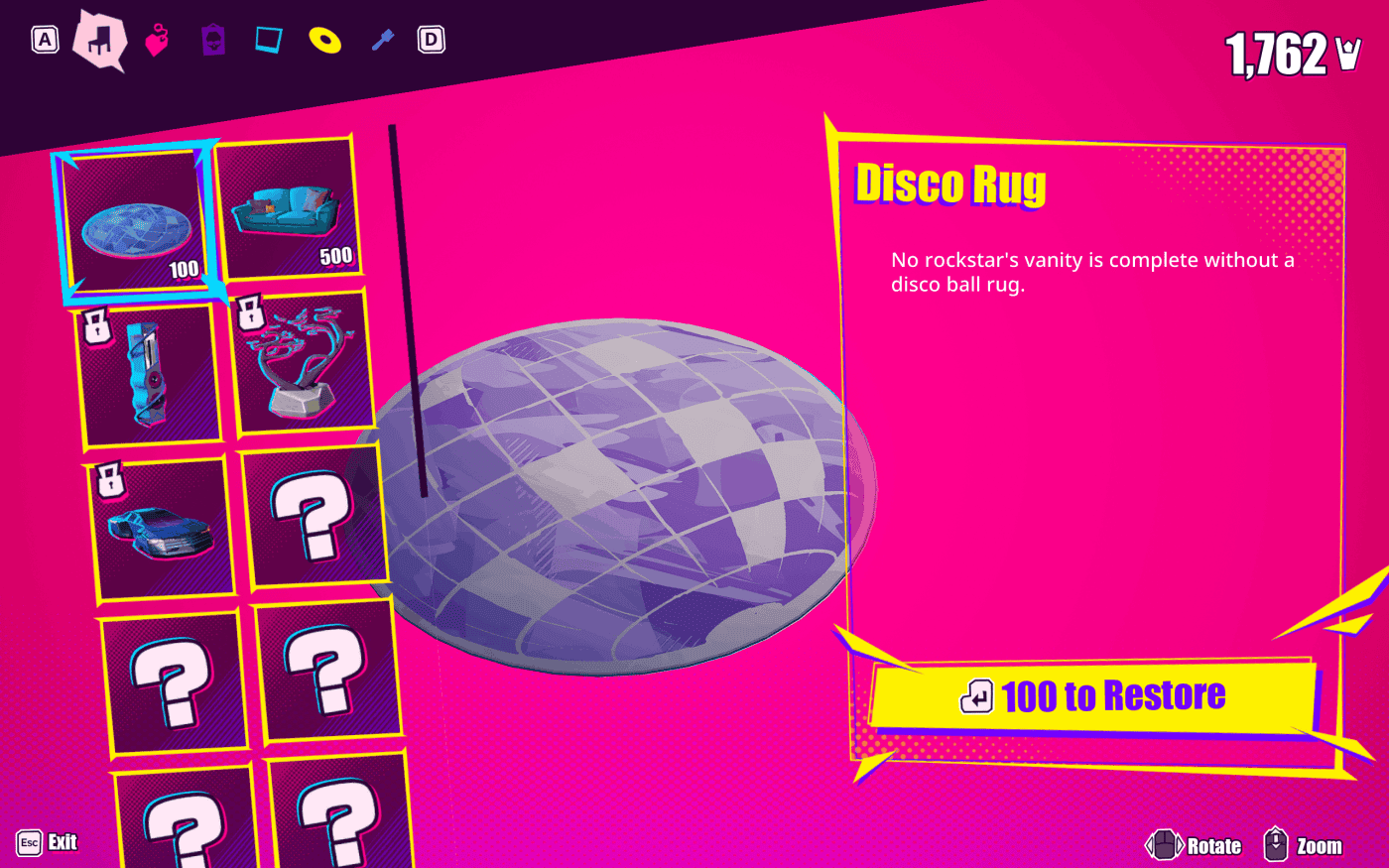
This mode also functions as an extended tutorial, with optional objectives embedded within challenges gradually introducing advanced mechanics before they are formally unlocked through the main progression path. A dedicated free mode further reinforces experimentation, allowing players to freely explore move sets and abilities without constraints. Progression also extends into The Encore itself. Far from being a simple hub, it functions as a fully customisable space that gradually expands through unlockable items earned through play. Both cosmetic additions and upgrades can be purchased using Fan Points.
A Symphony of Neon, Motion, and Sound
Talking about “sound design” in Dead as Disco already feels like a misreading of intent. What Brain Jar Games is building is not a game that simply uses music as one of its systems, but one in which music is the system itself. It is neither an aesthetic layer nor a supporting atmospheric device; it is the structural foundation upon which every other element is built, synchronised, and continuously recalibrated. The soundtrack does not sit above the experience – it runs through it, functioning as an invisible architecture that dictates pacing, intensity, impact timing, and even the player’s perception of risk and reward.
From the very beginning, it becomes evident that this is not an action game merely carried by a strong soundtrack, but a system entirely shaped by musical logic. Combat does not take place over music – it takes place within it, as though every encounter had already been composed as a complete score, with the player simply executing it in real time.
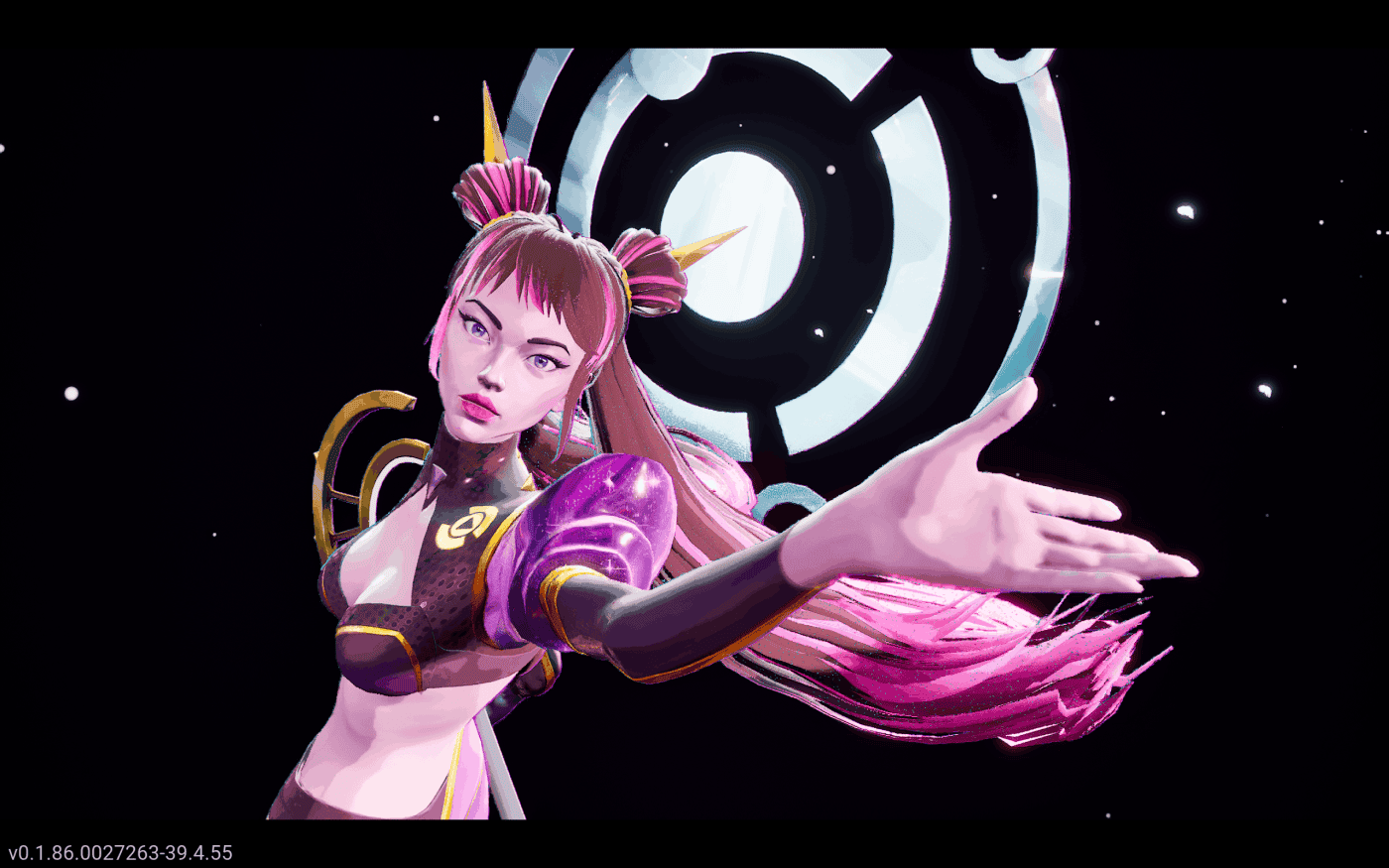
This design philosophy finds its purest expression in the boss encounters, which stand as the true core of the experience. Each fight is staged as a choreographed audiovisual composition, where sound, animation, and interaction are not parallel systems but interlocking forces in constant feedback. Enemy attacks feel as though they are generated by the beat itself, as if rhythm produces motion, aggression, and escalation. Animations do not illustrate the music – they translate it into physical form. Even phase transitions never break the flow of combat; instead, they reframe it in real time, like variations on a musical theme that continues uninterrupted while evolving in structure and intensity.
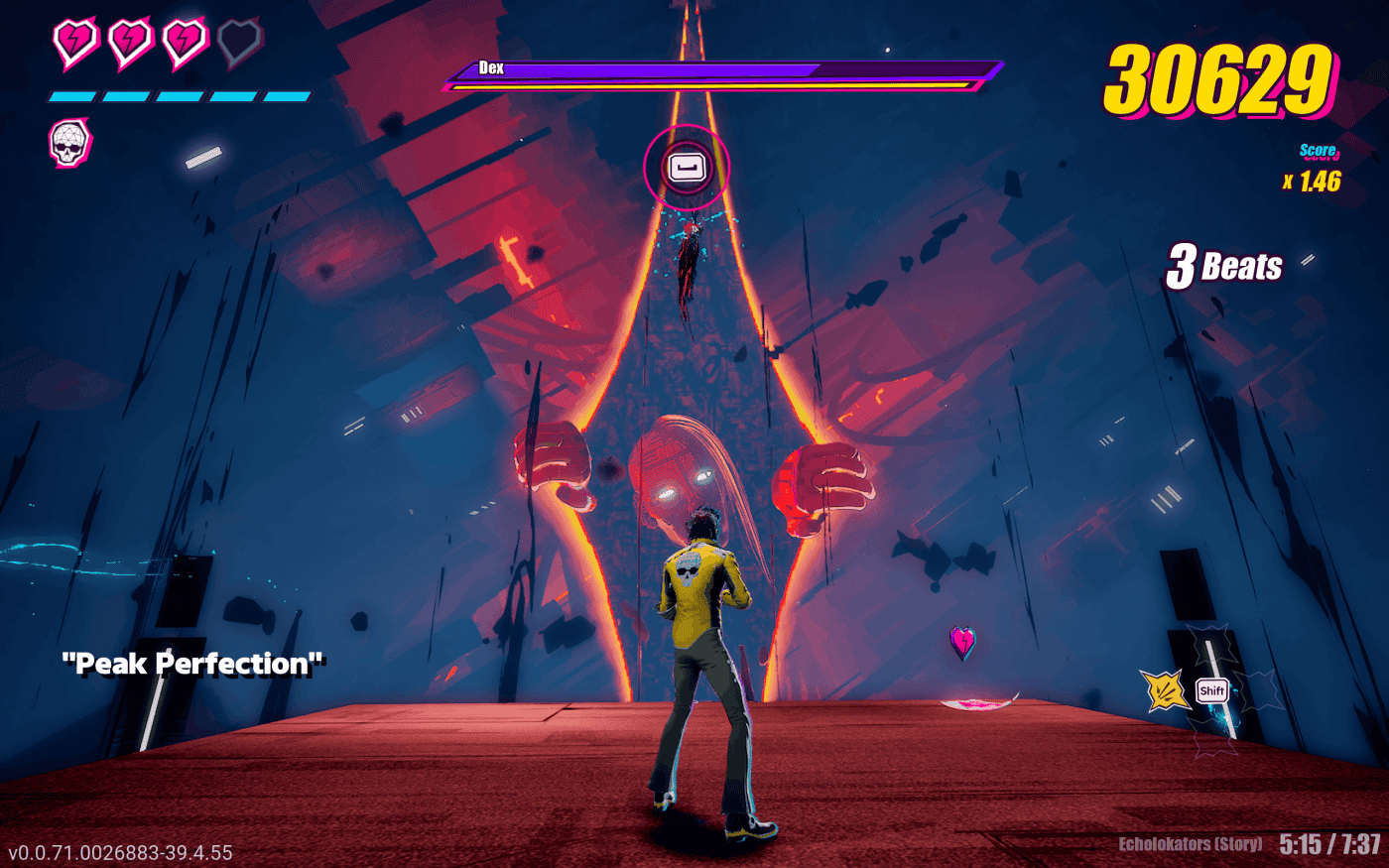
Within this framework, the soundtrack functions as a fully dynamic structural force rather than background accompaniment. Each track introduces its own internal combat “physics,” reshaping not only perceived tempo but also the cognitive density of encounters. A higher BPM does not simply speed up action; it compresses decision-making space, tightens reaction windows, and pushes the player toward instinctive execution. A slower tempo does not ease pressure; it redistributes it, stretching tension into heavier, more deliberate patterns that demand greater precision and control.
Dead as Disco never lets sound exist in isolation. Its audio identity is inseparable from its visual presentation, and the game’s artistic direction follows the very same logic, treating each encounter as part of a broader audiovisual composition. Boss fights are never introduced abruptly; instead, they are carefully staged through pre-combat environments that extend the boss’s identity itself – spaces defined not by exposition, but by aesthetic cues, symbolic detail, and tonal language.
Once combat begins, the structure unfolds into a multi-phase progression that does more than simply raise the difficulty: it continually rewrites the very language of the encounter. Each phase reshapes the way the player reads the fight, shifting its internal rhythm, recalibrating spatial awareness, and redefining the relationship between player, enemy, and environment. Animated transitions act as directorial cuts, momentarily reframing the action without ever breaking its rhythmic continuity. The result is a system that feels less like a conventional boss structure and more like a live performance in constant motion.
Everything ultimately converges toward a final phase that progressively strips away every layer of spectacle and excess, reducing the encounter to its most essential form: a direct confrontation between Charlie and the Idol in its original state.
Our Two Cents
Dead as Disco enters the scene with the kind of confidence rarely seen in projects that are still clearly unfinished, yet already capable of communicating a sharply defined identity. Its appeal extends beyond style, soundtrack, or visual direction alone; what immediately stands out is the cohesion of its vision. Every system, aesthetic choice, and gameplay mechanic appears aligned toward the same creative objective with unusual clarity and intent. Brain Jar Games is not merely building a rhythm-infused action video game, but an experience that attempts to reframe combat as performance, rhythm as mechanical language, and spectacle as a foundational gameplay structure rather than surface decoration. Most impressively, despite the unavoidable limitations of an early access release, the foundations already feel remarkably assured.
On paper, combining a combat system inspired by Japanese character action games – from Bayonetta and Devil May Cry to Astral Chain – with rhythm-based mechanics is not an especially new concept. The real challenge has always been execution: finding a way for two fundamentally different gameplay philosophies to coexist without one undermining the other.
This is precisely where Dead as Disco proves unexpectedly compelling. Rhythm never constrains the freedom of the action system, while the action itself never reduces music to little more than aesthetic accompaniment. Instead, the two exist in a carefully balanced relationship that, while still rough in places, already demonstrates a strong and confident sense of direction.
The quality of the core mechanics is arguably the game’s most encouraging feature. The weight of attacks, the fluidity of transitions, the readability of impacts, and the way dodges, combos, launchers, and finishers chain together all contribute to the kind of responsiveness that defines strong character action design. More importantly, however, Dead as Disco succeeds in an area where many rhythm-action hybrids struggle: it makes rhythm feel internalised rather than externally imposed. After several hours, the player no longer appears to be reacting to visual prompts or timing cues; instead, combat begins to feel instinctive, almost musical in itself, as though the game is gradually teaching the player how to “perform” rather than simply execute inputs.
It is this sensation that gives Dead as Disco lasting appeal beyond its immediate audiovisual impact. Beneath the neon-drenched presentation and aggressive stylistic identity lies a system clearly designed around repetition, refinement, and mastery. The game constantly encourages players to improve timing, optimise combos, clean up execution, and pursue increasingly efficient and stylish runs. As a result, the presence of online leaderboards and replay-focused modes feels less like an optional feature and more like a natural extension of the game’s philosophy. Dead as Disco is built to be replayed, refined, dissected, and ultimately mastered. In doing so, it transforms self-improvement into spectacle.
That said, the realities of its early access status remain visible throughout the experience. Several bosses are still absent, sections of the narrative end abruptly, and certain levels feel more like fragments of a larger structure than fully realised spaces. None of these issues necessarily undermine the project’s potential, but they do leave the current version feeling transitional – a game still in the process of becoming what it clearly intends to be.
Some uncertainty also remains around the progression systems and overall skill tree structure. While the available abilities introduce genuinely interesting ideas and suggest meaningful synergies – particularly in the way certain builds interact with specific enemy archetypes – the broader progression framework still feels uneven in its current form. Some branches appear comparatively underdeveloped, and the overall balance between skills, upgrades, and player power progression has yet to reach the same level of refinement already evident in the combat system itself.
And yet, despite these rough edges and occasional structural shortcomings, it is difficult to leave Dead as Disco without recognising something genuinely uncommon: the presence of a clear, authentic creative vision. Not merely a strong concept, but a project with a distinctive identity and a surprisingly coherent understanding of its own ambitions.
If Brain Jar Games can successfully build upon what currently feels embryonic – expanding content, refining progression systems, and strengthening the narrative framework – Dead as Disco has every chance of becoming one of the more distinctive independent action titles in recent years. The core ideas are already firmly in place, the creative vision is unmistakable, and perhaps most importantly, the game carries that rare, difficult-to-engineer quality: the impression that, even in its unfinished state, it has already discovered its own identity – and, above all, its own rhythm.