Small Teams, Wild Ideas, and Technical Creativity Built Videogames
Before AAA Existed
There’s a strange irony in how we tell the history of videogames today. The term indie games seems almost to identify a recent revolution, a modern response to the blockbuster industry, multimillion-dollar investments, and huge hyper-commercial productions.
Yet anyone who comes from the arcade generation or the home-computer era of the ’80s and ’90s knows perfectly well that things didn’t happen that way.
We played indie games before the term even existed.
Back then, nobody called them that. No precise cultural label existed, nor any narrative built around the concept of independent development.
There were simply people making videogames.
Back then, no sharp cultural distinction existed between AAA and independent productions. Videogames simply existed. Some came from major publishers, others from tiny teams, still others from individual developers working practically out of their homes. But that distinction hadn’t yet taken on the commercial and identity-based value it holds today.
In fact, in many cases, small-scale production was the norm.
The Home-Computer Era and Small Teams
Just look at the European home-computer landscape.
On Commodore 64, ZX Spectrum, Amiga, or Atari ST, small software houses of just a few people populated the market.
Sometimes a programmer, an artist, and a musician. In other cases, one single person handled everything.
And these weren’t marginal niches.
Many of those games became milestones of the medium.
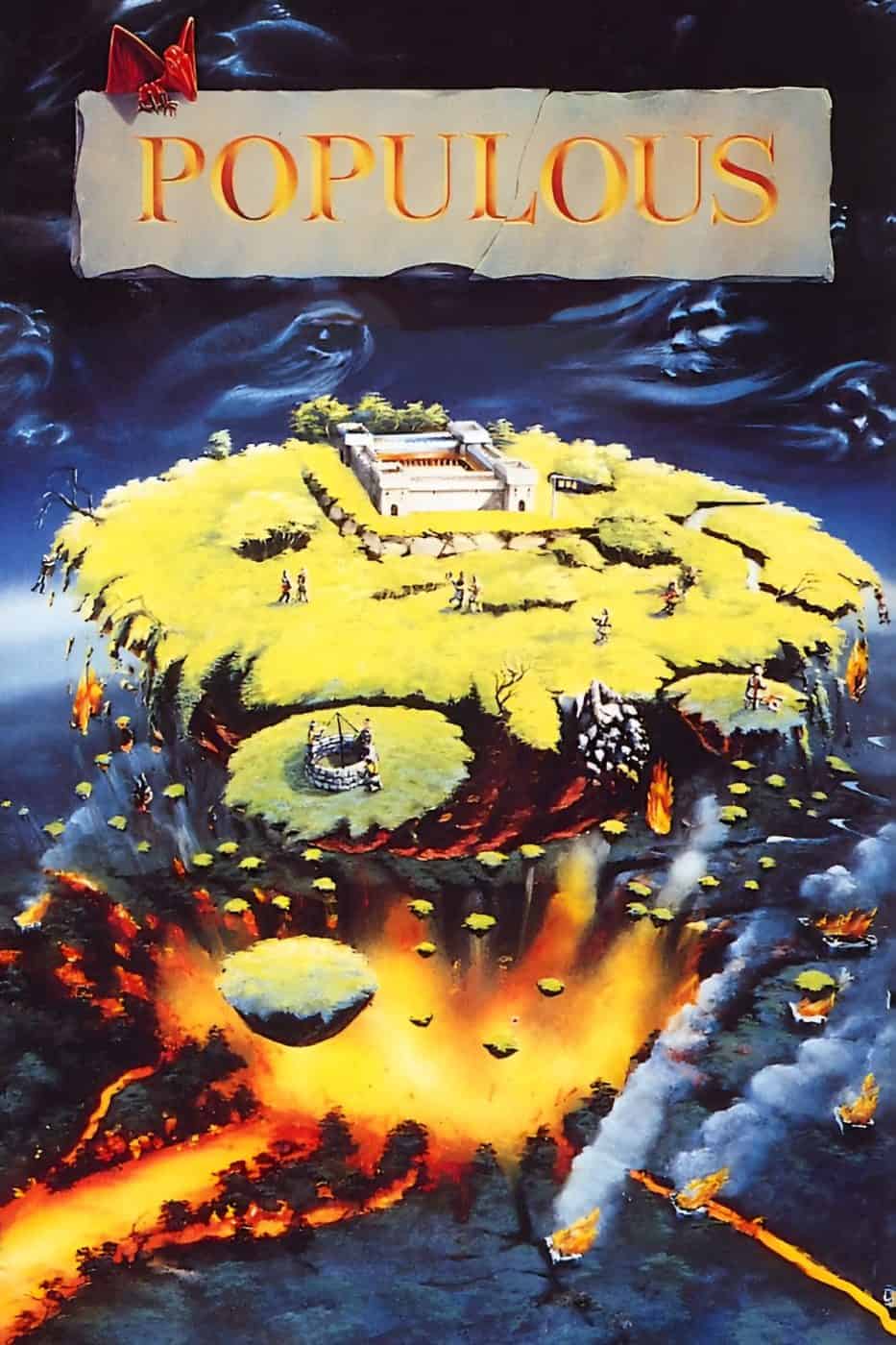
Titles like Elite, Another World, Populous, or Prince of Persia often came from tiny teams, yet they managed to redefine entire videogame languages.
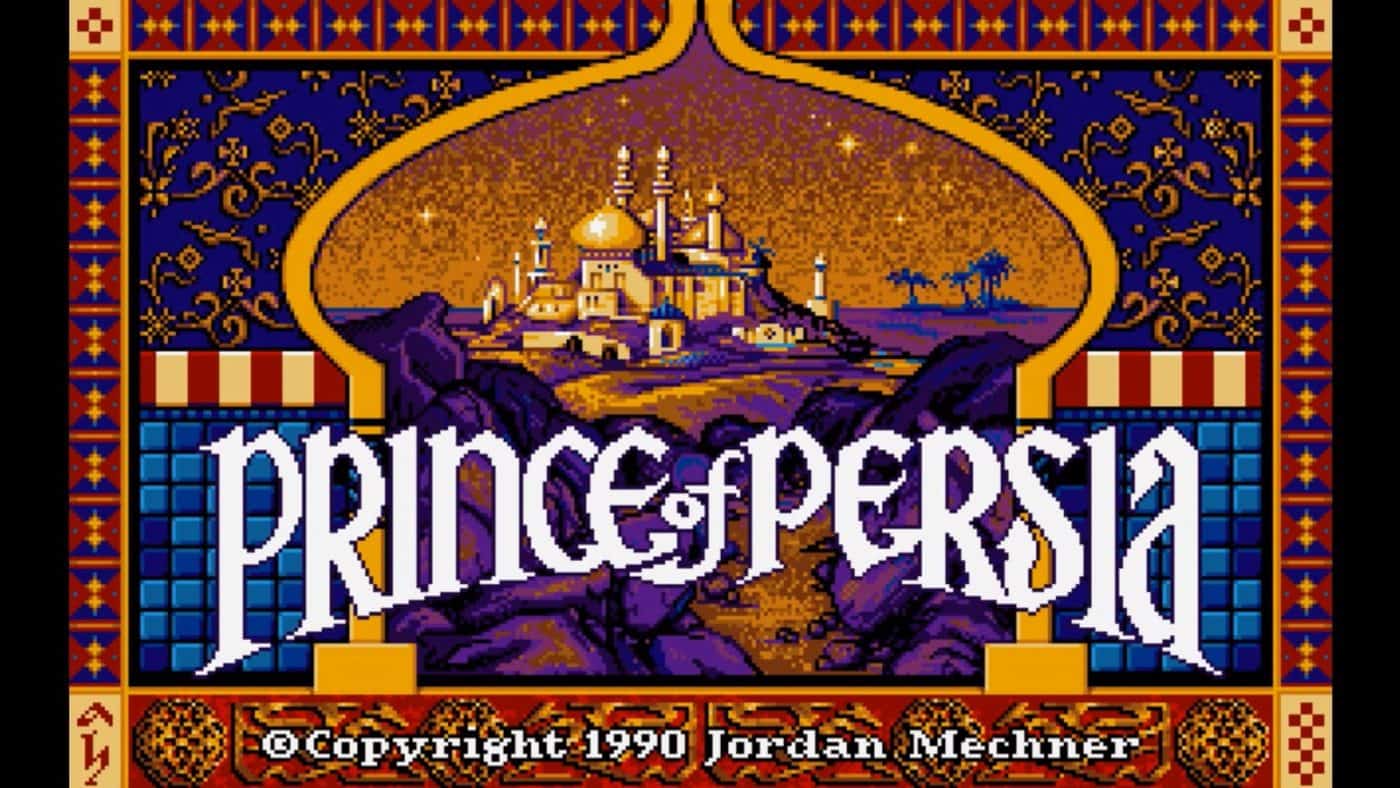
Some defined entire genres. Others still stand today as absolute masterpieces of videogame creativity.
Behind many of those projects stood outfits that we’d openly call indie today.
Teams like Bitmap Brothers, Sensible Software, early Team17, Delphine Software, Psygnosis before the Sony acquisition, or individual creators like Éric Chahi, David Braben, and Jordan Mechner built huge chunks of modern videogame culture with production structures infinitely smaller than today’s standards.

Arcades, Too, Were Much More “Indie” Than We Remember
The Japanese arcade scene itself, which we often perceive today as part of the “industrial golden age,” actually had production structures enormously more compact than today’s standards.
Many relatively small teams developed iconic cabinets, focusing on the core gameplay idea, immediate impact, and a recognizable experience.
It was a technical industry, yes. But not yet fully financialized.
Many studios still lived in a world shaped more by creative risk, intuition, and experimentation than by corporate planning or market analysis.
This radically changed how videogames came into being.
Seasonal roadmaps didn’t exist, nor did content designed to artificially retain users, obsessive engagement metrics, or strategies built around continuous monetization.
The game had to work right away. It had to hit immediately.
In the arcade world especially, there was no room for dead time.
A cabinet had to draw you in from a distance. It had to convince you to drop a coin within a few seconds. It had to create desire through gameplay, sound, speed, risk, and visual impact.
The Unconscious Return to the Origins
And this is exactly where one of the most interesting contradictions of the modern market emerges.
Many of the indie games people celebrate today as a “return to the indie spirit” aren’t inventing anything new. They’re simply recovering an approach the medium already had at its origins.
The idea before the budget.
Mechanics before marketing.
Identity before the algorithm.
Gameplay before retention strategies.
When you look at many contemporary indie productions, especially the truly experimental ones, it’s hard not to recognize that same creative energy that characterized videogames before modern industrial standardization.
When Technical Limits Became Style
Not because the past was perfect. It wasn’t, not at all.
Technical limits were enormous. Distribution was chaotic. Many games were unbalanced, incomplete, or brutally difficult. But those very limits often forced developers to find new ideas.
Optimization wasn’t a stylistic choice. It was survival.
Limited memory forced developers to invent clever solutions. Hardware restrictions pushed them toward creative design. The impossibility of producing massive amounts of content forced every single element to become memorable.
In this sense, a significant part of modern indie game culture resembles the old arcade and home-computer culture far more than people want to admit.
The real difference is that today a precise terminology exists to identify it.
Videogames Become an Industry
The term AAA actually emerges much later, mostly between the late ’90s and early 2000s, when videogames definitively become a blockbuster industry. It’s the period when production costs explode, teams start growing enormously, and financial risk increasingly transforms development into an industrial machine close to mainstream cinema’s logic. When costs explode. When financial risk increases. When productions start resembling mainstream cinema more than artisanal software development.
And it’s exactly at that moment that the concept of “indie” becomes necessary.
Because suddenly people needed to distinguish those who produced videogames as a high-investment industrial product from those who kept developing indie games in a freer, more agile, and more experimental way.
But for those who grew up among arcades, floppy disks, and home computers, that distinction often looks artificial.
Because for a long time, people we’d now call indie built videogames almost entirely by themselves.
Why Many Veterans Still Love Indie Games
Maybe this is also why many gaming veterans still feel a strong pull toward contemporary indie productions.
Not out of sterile nostalgia.
But because they rediscover in those works a philosophy they know well.
That feeling of playing something that exists because someone truly needed to make it.
Not because a market algorithm decided it was the right moment to monetize a trend.
And this is probably the true legacy of the arcade generation.
Not just the love for cabinets or pixels.
But the idea that videogames, before becoming an industry, were above all a technical, instinctive, and deeply experimental creative act.
And maybe that’s exactly where videogames still give their best today.
When someone creates out of expressive necessity before market considerations.