
A psychological horror that turns military training, obedience, and familiar FPS conventions into tools for questioning the player’s own sense of control.
There comes a point in the history of the military shooter when war stops being a backdrop and becomes a question again. It is a subtle shift, but a significant one. For decades, the genre has built its identity around the spectacle of conflict: sprawling military operations, cinematic set pieces, spectacular explosions, and campaigns that place the player at the heart of an apparently unstoppable war machine. The soldier is given an objective, receives an order, carries it out, and moves on to the next.
The formula works because the player accepts its logic almost instinctively. Orders are there to be followed, objectives are there to be completed, and targets are there to be eliminated. But what happens when that instinct to comply becomes the very thing a game chooses to examine? That is the premise War Fantasy appears to be exploring, an upcoming indie project from a former Call of Duty developer that is taking the familiar grammar of the military FPS in a markedly different direction.
Based on what has been revealed so far, War Fantasy appears less interested in portraying war as spectacle than in examining what conflict does to the individual caught within it. Here, war becomes a vehicle for exploring conditioning, obedience, identity, and personal responsibility, while the game’s mechanics seem deliberately designed to blur the line between the soldier being controlled and the player exerting that control.
That is what makes the project so intriguing. After years in which military shooters have pushed technological fidelity, cinematic presentation, and large-scale spectacle to increasingly elaborate extremes, War Fantasy seems to be looking in the opposite direction: not toward a bigger battlefield, but toward a more uncomfortable question about the person sitting behind the controller. What happens when the game no longer asks you simply to follow orders, but makes you confront the reasons why you do?
The War Against the Self
Perhaps the most unsettling idea at the heart of War Fantasy lies in the nature of the threat driving its story. The enemy is not simply seeking to kill the protagonist; it wants something far more profound: to rewrite him. That distinction fundamentally shifts the conflict beyond the physical battlefield and into the realm of the mind. The protagonist is not merely an adversary to be defeated, but an individual whose identity can be manipulated, reshaped, and ultimately erased.
Through psychological pressure, humiliation, and deliberate conditioning, the apparent objective is to turn a human being into an unquestioningly obedient soldier: someone conditioned to follow orders regardless of where they lead or what they demand. It is a particularly compelling premise because it subverts one of the military FPS genre’s most deeply rooted assumptions. Traditionally, the soldier at the heart of these games represents control: training, discipline, competence, and the ability to remain effective when everything around them descends into chaos.
War Fantasy appears to be interested in the precise opposite. What happens when that control is no longer something the soldier possesses, but something that can be systematically taken away?
Under those circumstances, training ceases to be a means of making a soldier more capable. It becomes a mechanism for erasing the individual beneath the uniform. War is no longer simply something the protagonist fights through; it becomes a process designed to transform him. And that raises a far more unsettling possibility than death itself: that the person who enters the war may not be the same person who emerges from it – or may not emerge at all.
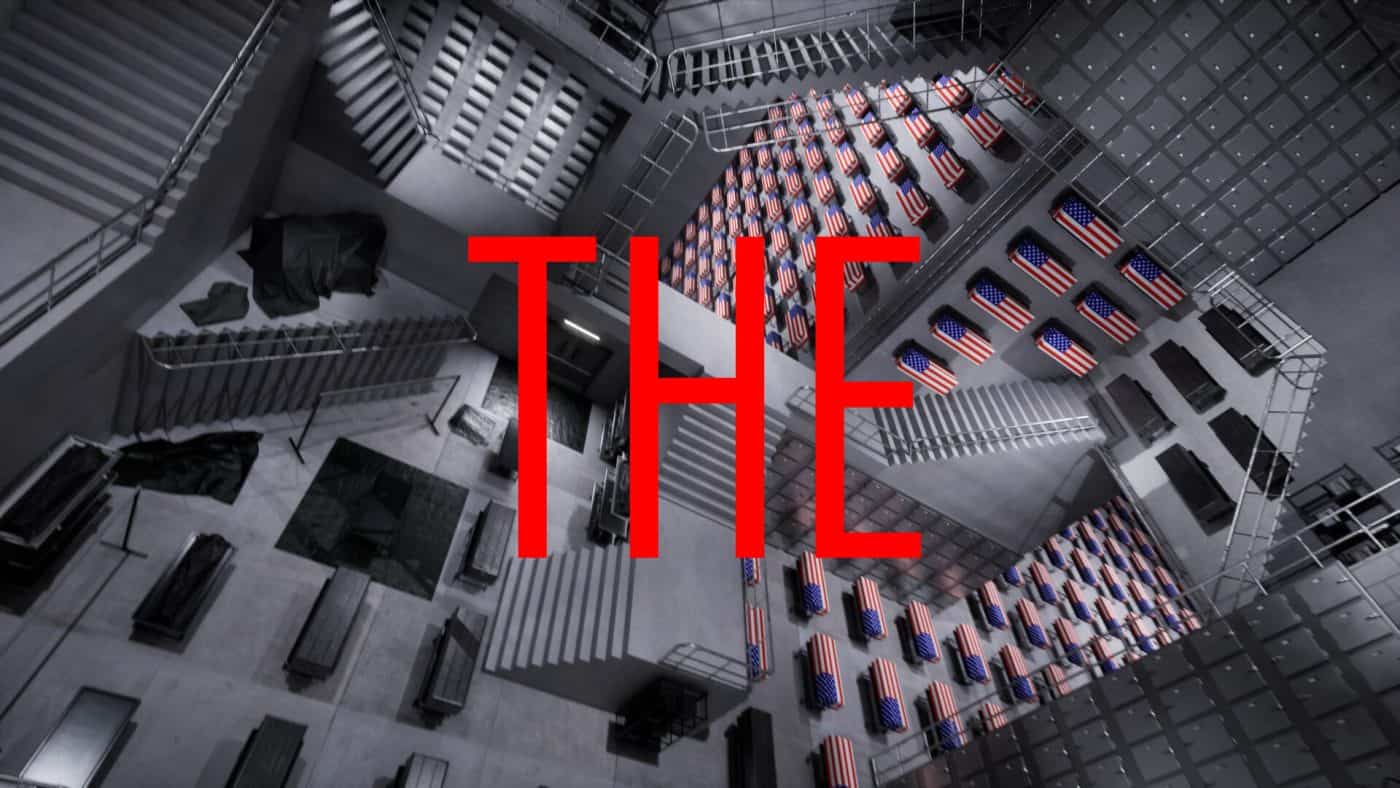
The Player Is Part of the Experiment
To understand where War Fantasy is heading, it is worth looking at two particularly telling points of reference: Black Mirror and Spec Ops: The Line. The former is perhaps most relevant as a conceptual influence. At its best, Black Mirror does not need monsters or impossible worlds to unsettle its audience. Its horror comes from taking something immediately recognizable and pushing it just far enough out of place to make it disturbing. War Fantasy appears to be pursuing a similar approach with the military shooter, using the genre’s most familiar conventions as the foundation for something far more psychologically unsettling.
The player already knows the rules. They know the firing range, the commands, the training exercises, the mission briefings. They know what an objective looks like, how a target is presented, and what the game expects them to do next. War Fantasy seems intent on turning that accumulated familiarity into its greatest source of unease.
Rather than relying on violence for shock value, it appears to be interested in the quieter discomfort that emerges when something the player has done countless times suddenly carries a different meaning. The horror lies not in encountering something unfamiliar, but in recognizing something familiar and realizing that it no longer feels safe.
That approach inevitably recalls the legacy of Spec Ops: The Line, a game that demonstrated how a military shooter could use the conventions of its own genre to turn the player’s behavior into part of the narrative. Its central question was never simply whether its protagonist was a hero or a killer. It was far more uncomfortable than that: where does the character’s responsibility end, and where does the player’s begin? Every pull of the trigger belonged to the fiction, but it was still the player who chose to make it. War Fantasy appears to be picking up that uncomfortable thread and pushing it further inward, toward a more explicitly psychological examination of obedience and the player’s willingness to follow the rules of the game.
The Game Is No Longer on the Other Side of the Screen
The project also appears to be exploring one of the most delicate narrative tools in the medium: the fourth wall. Yet War Fantasy does not seem interested in breaking it simply for the sake of a surprise.
Instead, it appears to use that boundary to pull the player into the same system of manipulation imposed upon the protagonist. That distinction is crucial. Here, the fourth wall is not merely something to be broken; it becomes another mechanism through which the game can challenge the person holding the controller.
A simple acknowledgment that the player is being watched would be easy enough, and ultimately rather shallow. War Fantasy seems to be reaching for something more unsettling: a deliberately blurred relationship between the character and the player controlling them. Instructions directed at the protagonist can acquire an entirely different meaning when experienced by someone already conditioned by years of military shooters, where following orders and responding to commands are rarely questioned. An innocuous sentence can suddenly feel like a provocation. An order can become a test. A familiar action, repeated again and again, can take on the character of conditioning. It is in the gap between what the protagonist is told to do and what the player instinctively chooses to do that War Fantasy appears to find its most interesting source of tension.
The question “Are your hands clean?”, for instance, carries considerably more weight in a game that deliberately interrogates the player’s relationship with virtual violence. It is not merely a question directed at the character on screen. It is a question directed at the person holding the controller. And its power lies precisely in the fact that the game does not offer an easy answer. Instead, it leaves the player to confront an uncomfortable possibility: that the distinction between following the protagonist’s orders and following the game’s own commands may be far less clear than it first appears.
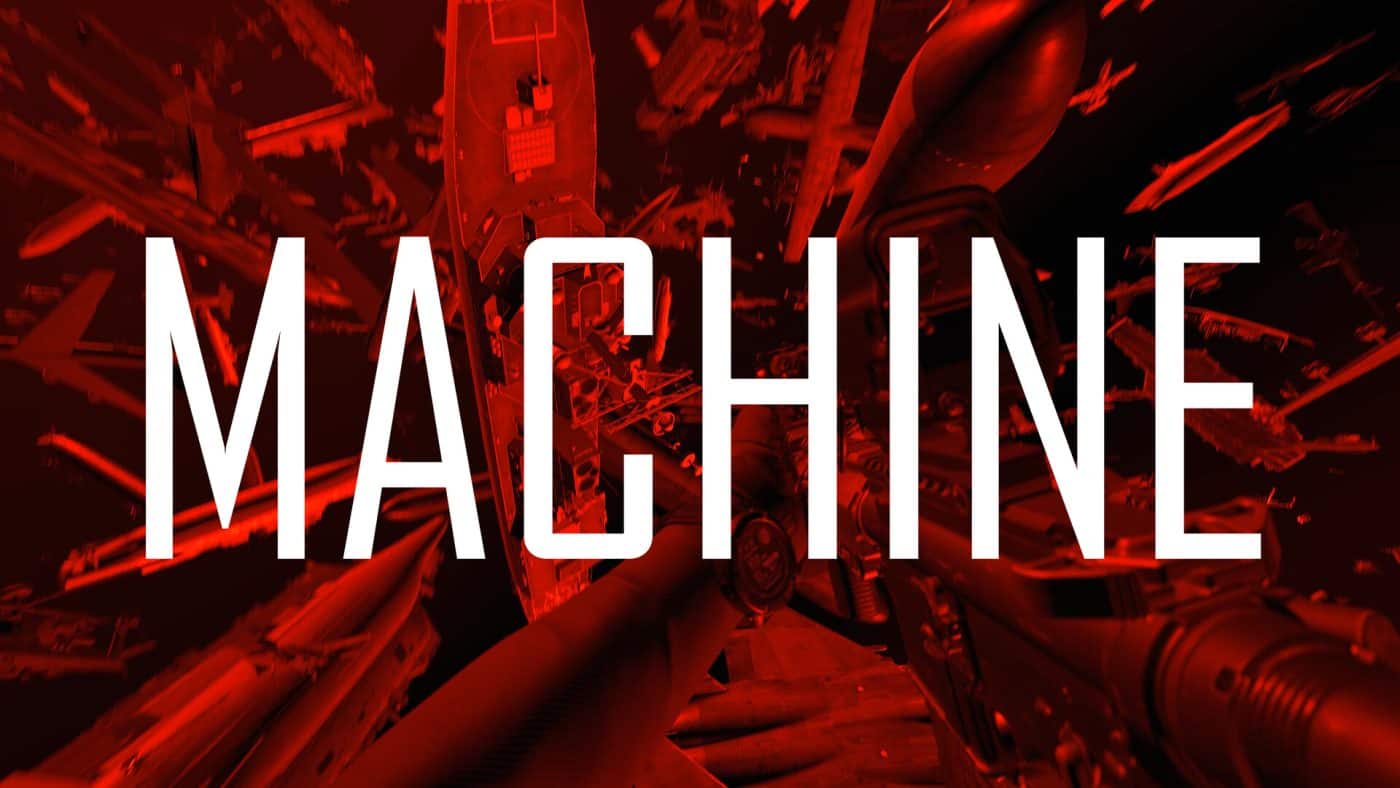
What If You Are the Experiment?
Perhaps the most compelling aspect of War Fantasy’s premise is the way it turns the player into part of its own experiment. The player is not simply an observer watching the protagonist being manipulated, nor merely the invisible hand directing their actions. Instead, the act of playing becomes part of the game’s subject matter. That distinction matters because the military FPS is already built around a remarkably familiar system of commands, routines, and learned responses – a vocabulary so deeply embedded in the genre that experienced players often follow it almost automatically, without ever stopping to consider why.
An order is issued, and we follow it. A target appears, and we prepare to fire. A waypoint is marked, and we move toward it. After years spent inside the conventions of the genre, these actions require almost no conscious consideration. They are habits learned so thoroughly that the player can perform them without ever stopping to question why. War Fantasy appears to recognize that conditioning and turn it into a narrative instrument.
That means the game may not need to tell the player that they are being manipulated. It can simply behave like a military FPS. Give the player an objective. Issue an order. Present a target. Provide the familiar cues that signal what should happen next. Then let the player do what they have been trained by the genre to do. The unsettling realization comes afterward, when the player begins to recognize that the game may have been testing their instincts all along.
This is where the concept becomes particularly interesting. War Fantasy appears to reverse the traditional relationship between the game and the person playing it. We normally ask what the game will make us do next. Here, the more uncomfortable question may be what we are willing to do simply because the game has taught us that this is what players are supposed to do.
The Firing Range as a Tool of Conditioning
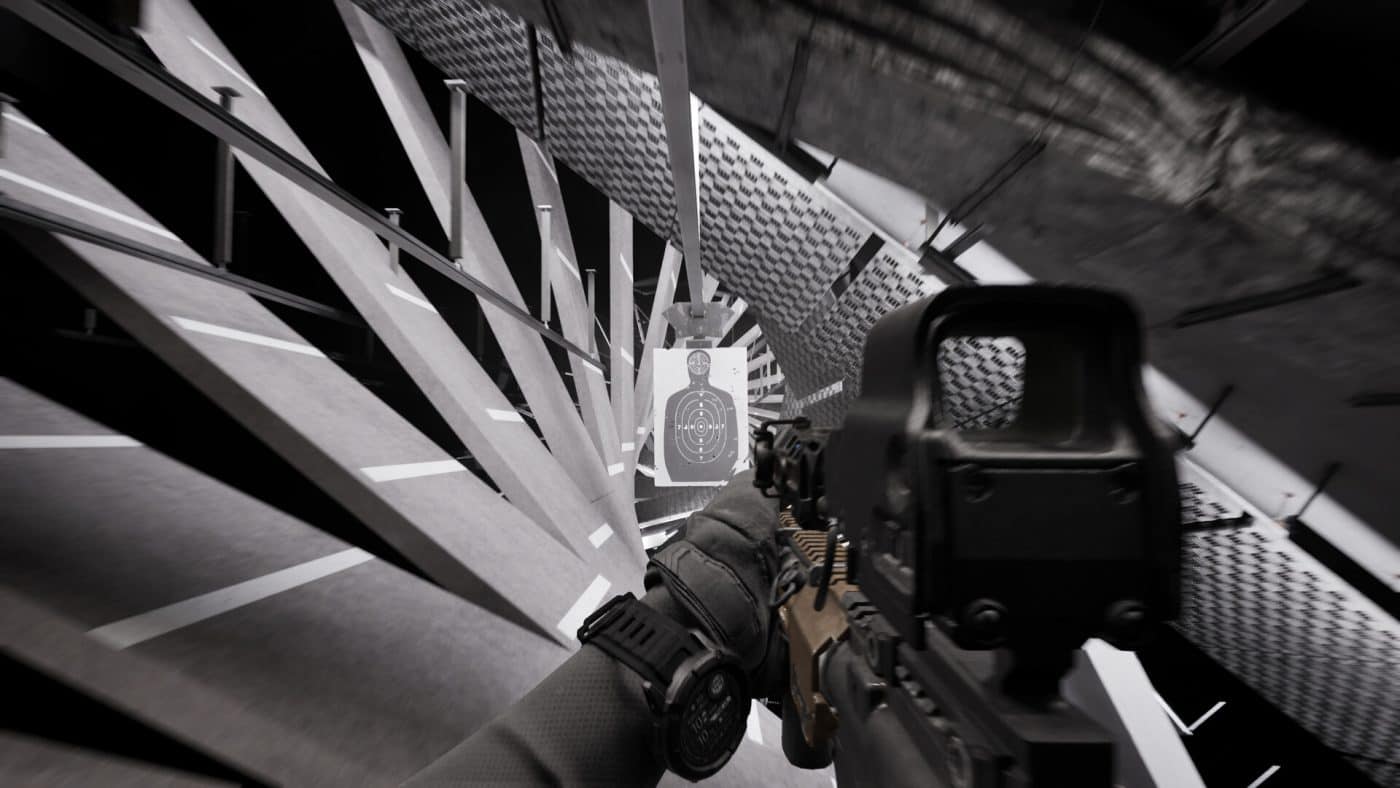
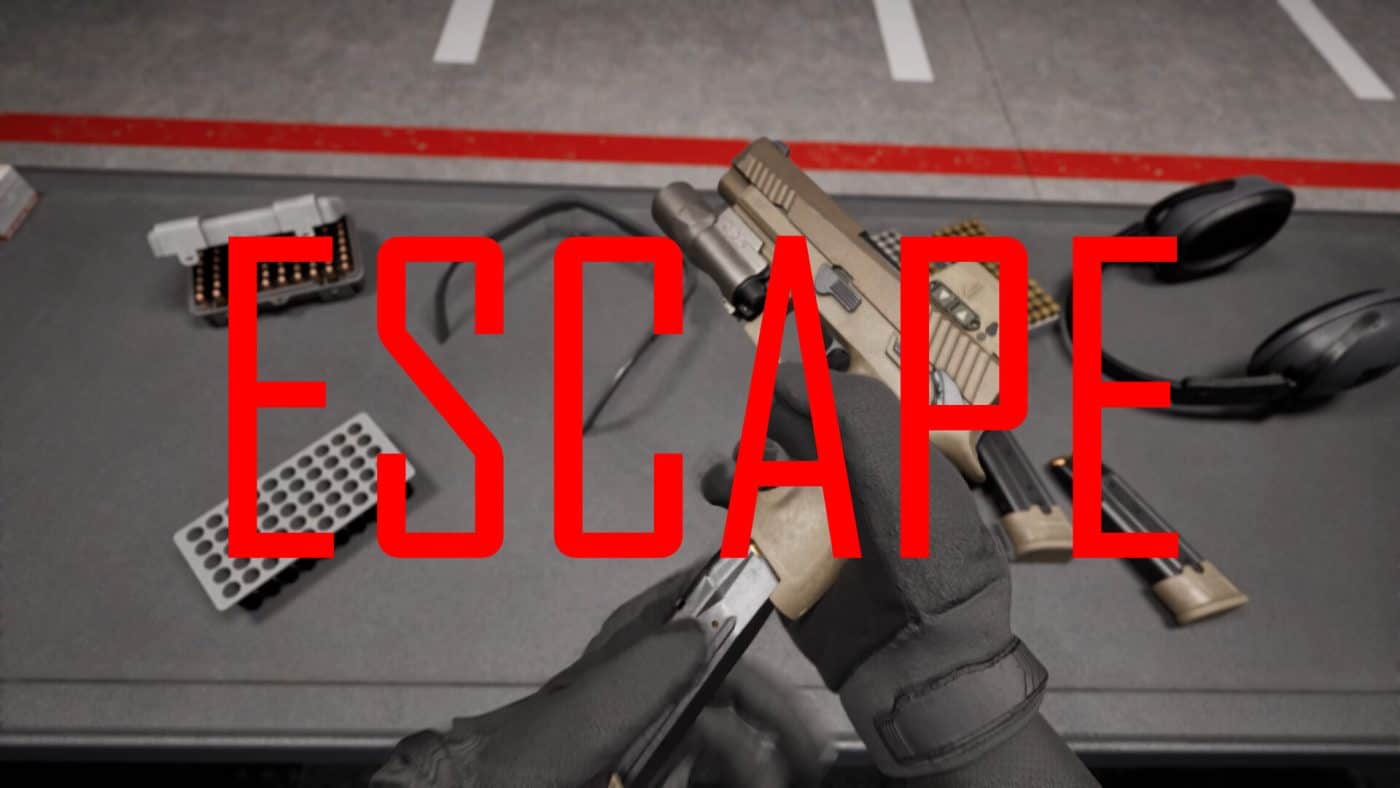
Among the sequences revealed so far, the firing-range training sequence may be the clearest expression of War Fantasy’s broader ambitions. In a conventional FPS, the firing range is little more than a functional space: a controlled environment where players learn to handle weapons, understand the aiming mechanics, get accustomed to movement, and prepare for the combat scenarios ahead. It is a tutorial in the purest sense – important mechanically, but rarely meaningful from a narrative perspective. War Fantasy appears determined to turn that familiar convention into something far more unsettling.
Here, training is not simply preparation for the battlefield; it becomes part of the protagonist’s conditioning. The player is not merely being taught how to shoot. They are being taught how to follow commands, repeat instructions, and obey. That distinction is subtle, but it lies at the heart of the game’s concept. A mechanic traditionally designed to teach players how to play is instead given narrative purpose, allowing the player’s actions themselves to become part of the storytelling.
The result is a meaningful shift in perspective. We are not simply watching a character undergo a process of conditioning from the outside; we are participating in it. Every instruction followed and every action performed becomes part of the experience being examined. It is precisely here that War Fantasy could make use of one of videogames’ most powerful narrative advantages: the ability to make players perform an action rather than simply witness it.
What might be a training sequence in another FPS becomes something more uncomfortable here: a lesson in obedience in which the person being trained is not only the soldier on screen, but potentially the player behind the controller.
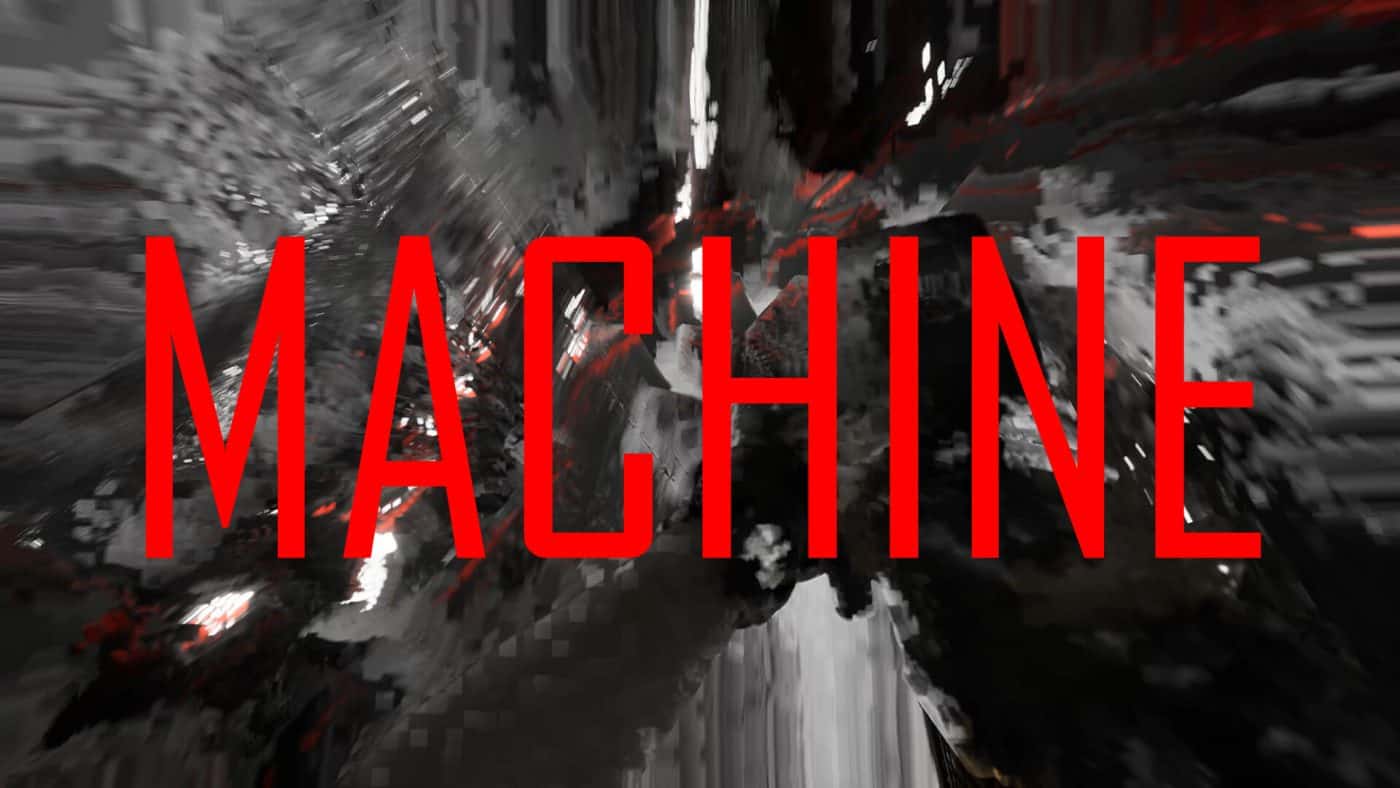
The Fine Line Between Training and Conditioning
Even more revealing is the sequence set before the blackboard, where the protagonist is humiliated and forced to write the same sentence over and over again. At first glance, it is an almost mundane scene, stripped of the spectacle typically associated with military shooters. Yet that very simplicity is what makes it so unsettling: there is nothing extraordinary happening, and that is precisely the point.
There is no firefight, no explosion, no monstrous adversary. There is only an individual being compelled to repeat a meaningless action because someone else has ordered him to do so. Repetition becomes an instrument of psychological control, gradually turning an ordinary task into an exercise in submission. War Fantasy appears to be built around the idea that control does not always require physical force. It can emerge through humiliation, the removal of choice, repetition, and the expectation that an order should be followed simply because it has been given.
What makes the sequence particularly effective, however, is the possibility that its logic extends beyond the protagonist. The player is not merely watching the character being conditioned; they are participating in the process. The longer the repetition continues, the harder it becomes to avoid the question at its centre: why am I still doing this? That question is ultimately more important than the action itself. It shifts the focus from what the game is asking the protagonist to do to why the player continues to comply – and, in doing so, turns an apparently insignificant interaction into another test of obedience.
What If Choice Is Part of the Trap?
The desert sequence appears equally central to the way War Fantasy develops its broader themes. It is an open, seemingly boundless landscape, the kind of space videogames have long used to evoke freedom, exploration, and possibility. Yet within a narrative shaped by conditioning and control, that sense of openness becomes far more unsettling.
A world can appear limitless while the choices within it remain carefully controlled. That distinction between the appearance of freedom and the reality of agency seems fundamental to what War Fantasy is exploring. The game appears less interested in simply asking whether the player can make a choice than in examining whether they are ever truly free to make one. There is a significant difference between having options and feeling that those options are genuinely your own.
The player may stand in the middle of an enormous landscape with seemingly limitless directions to take. But if the environment, objectives, mechanics, and narrative have been designed to steer them toward a predetermined behaviour, how much freedom does that choice actually contain? It is a question that applies not only to the protagonist, but to videogames themselves. Every game defines the boundaries of player agency through a framework of rules, systems, and invisible constraints – some readily apparent, others so deeply embedded in the experience that we rarely stop to question them.
War Fantasy appears intent on making those boundaries part of the experience rather than leaving them invisible. The desert may therefore function as more than a setting; it becomes a visual metaphor for controlled freedom: an immense horizon that suggests possibility while quietly asking whether the person standing beneath it is actually free to choose where to go.
The Freedom to Say No
This is where the comparison with The Stanley Parable becomes especially revealing. The two games occupy entirely different worlds, with radically different tones and ambitions, yet they share a fundamental concern: the relationship between the player and the system that dictates what they can, should, or are expected to do.
In The Stanley Parable, the narrator lays out a version of events that is supposedly meant to unfold, while the player remains free to follow the prescribed path or deliberately step outside it. The game’s enduring appeal lies in that friction between agency and obedience, in the moment when an apparently insignificant choice becomes an act of resistance against the rules, expectations, and assumptions governing the experience. War Fantasy appears to take that same fundamental tension and strip away its playful irony, carrying it into far darker and more psychologically unsettling territory.
Here, the system does not need to be playful, ironic, or openly self-aware. An instruction can feel like a threat. Compliance can become conditioning. And disobedience can become something more meaningful than a deviation from the intended path: it can become an act of resistance. That brings War Fantasy’s central question into sharper focus: when a game tells you to do something, why do you obey? Because you have to? Because you choose to? Or because years of interacting with videogames have conditioned you to understand that, when the game gives an order, your role is to follow it?

Beyond the Familiar Language of War
What makes War Fantasy particularly compelling is its apparent desire to question the conventions of a genre that has become increasingly predictable despite its enduring popularity. Contemporary military FPS games have achieved extraordinary levels of technical refinement. Visual fidelity, animation, sound design, and cinematic spectacle have transformed the modern war shooter into one of gaming’s most polished and filmic genres. But technical progress can only take a formula so far. Greater spectacle does not necessarily produce greater meaning.
A larger battlefield does not automatically offer a more profound reflection on war. A more spectacular explosion does not necessarily carry greater emotional weight. And a larger arsenal does not, by itself, make an experience more meaningful. For all the technological evolution of the military FPS, the questions at its core can remain remarkably familiar.
War Fantasy appears intent on looking for those questions elsewhere. Rather than simply escalating the scale of the conflict, it seems interested in turning the conventions of the military shooter back against the player. An objective becomes a question. An order becomes a dilemma. Training becomes a mechanism of conditioning. The familiar language of the FPS becomes a tool for examining the behaviour it has spent years teaching players to accept.
Most importantly, the player is no longer positioned simply as the person carrying out the game’s instructions. They become implicated in them. The distinction is subtle, but potentially crucial: War Fantasy does not appear to be asking only what its protagonist is willing to do in the name of war, but what the player is willing to do simply because the game tells them to.
When the Enemy Is Inside Your Head
The horror elements may be among War Fantasy’s most compelling – and potentially most unsettling – ideas. Rather than relying on the familiar conventions of the genre, the project appears to be pursuing a more psychological form of dread: one that emerges not from what the player encounters, but from the gradual realisation that their sense of control is slipping away.
That is a far more difficult kind of horror to execute than a conventional jump scare. It requires precise writing, restrained pacing, and a careful command of information, knowing what to reveal, what to conceal, and when to allow uncertainty to become more disturbing than any explicit explanation. The approach also carries an obvious creative risk.
A concept this self-aware could easily become self-indulgent if its fourth-wall breaks are employed simply to surprise the player or draw attention to themselves. The real challenge for War Fantasy will be turning its ideas about conditioning, obedience, and player complicity into a cohesive dramatic experience, where the discomfort emerges organically from the act of playing rather than from the game merely insisting that the player should feel uncomfortable.
Who Is Really Pulling the Strings?
At the core of War Fantasy is a deceptively simple idea with potentially far-reaching implications: videogames traditionally place the player in a position of control, allowing them to dictate the actions of the character on screen. War Fantasy appears intent on reversing that relationship, asking what happens when the game begins to exert control over the person holding the controller instead. It is this inversion of agency that may ultimately define the project’s most intriguing idea.
The protagonist is conditioned into becoming a soldier, while the player is simultaneously guided by the familiar structures of the medium: orders, objectives, rules, routines, and expectations. As those two processes begin to mirror one another, the distinction between controlling the character and being conditioned alongside them starts to collapse.
The most unsettling moment may arrive when the player recognises that the behaviour they have adopted – the instinct to follow an order, complete an objective, and move on – is precisely what the game intended to elicit.
By then, the fourth wall may already have been broken. Not through a sudden message addressed directly to the player, nor through an overt acknowledgment of their presence, but through something far more effective: the realisation that the game has managed to make them recognise themselves in the very process of manipulation it is subjecting its protagonist to.
War Fantasy: Release Date and Platforms
War Fantasy is currently in development for PC, with a planned release on Steam. No official release date has been announced at this time.
The game is still far enough from release that its broader ambitions should be approached with a degree of caution. Yet what has been revealed already suggests a project with a remarkably focused creative identity. If War Fantasy can translate its premise into a cohesive narrative and, more importantly, mechanics that genuinely engage with its themes of conditioning, obedience, identity, and player agency, it could emerge as one of the more distinctive independent FPS projects to watch.
Its greatest strength, however, may ultimately depend on whether it can make those ideas work through the act of playing rather than simply talking about them. If it succeeds, War Fantasy could offer something increasingly rare in the military shooter: a game that does not simply ask the player to fight a war, but makes them question why they are willing to fight it.
Because in War Fantasy, the battlefield may not be the most dangerous place.
The real battlefield may be the mind of the person holding the controller.