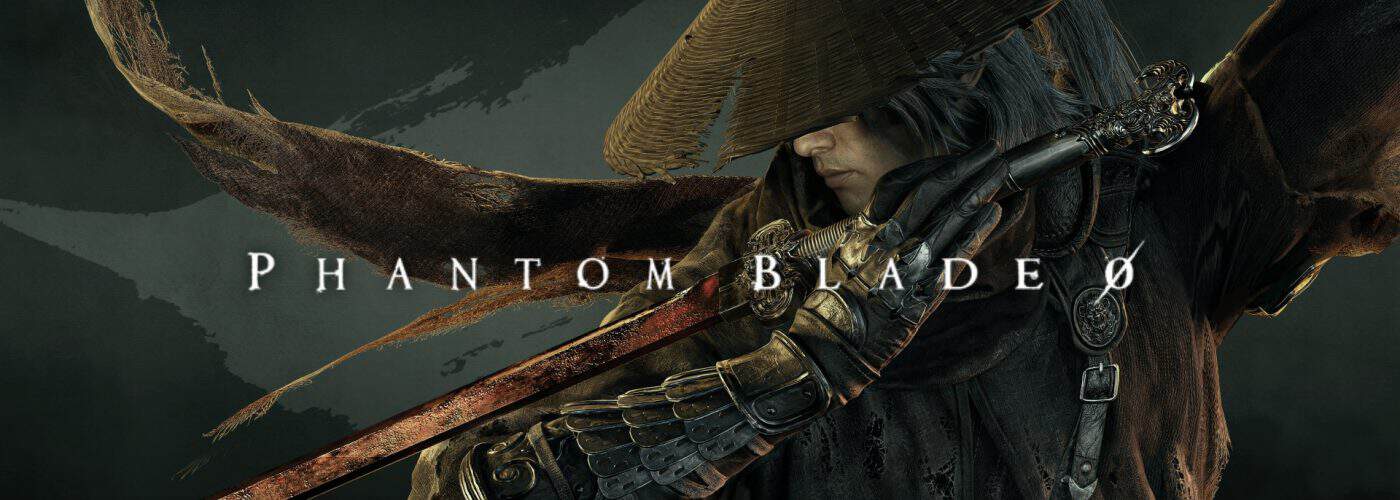
The latest State of Play finally answers the question Phantom Blade Zero has left hanging for years: what kind of game is hiding behind those spectacular blades?
For a game like Phantom Blade Zero, spectacle has never been in doubt. Since its reveal, S-Game’s action video game has built its identity around an extraordinary visual language: brutal sword clashes unfolding with almost choreographic precision, acrobatic movement, fluid martial-arts techniques, and richly atmospheric environments that reinterpret the wuxia tradition through a darker, more visceral and contemporary lens. Every trailer has made one thing clear: Phantom Blade Zero knows how to make an impression. The more significant question has always been what lies beneath that spectacle.
Until now, much of the game’s public presentation has focused on its most immediately striking quality. S-Game has consistently showcased elaborate duels, fluid acrobatics, and meticulously choreographed encounters that often blur the boundary between conventional gameplay and cinematic martial-arts choreography. It is an approach that suits the project’s visual identity perfectly, but it has also left some of its most important design questions unanswered. How deep is the combat once the choreography is stripped away? How much freedom will players have to develop their own approach? What purpose will progression and exploration serve? And, ultimately, is Phantom Blade Zero more than an exceptionally good-looking action game?
The State of Play dedicated entirely to Phantom Blade Zero, which aired on August 18, was S-Game’s clearest attempt yet to answer those questions. After PlayStation and the studio announced in June that the game would receive a dedicated presentation covering its mechanics, features, and narrative, the showcase finally pulled back the curtain on the systems supporting its spectacular combat and offered a broader picture of the experience being built around them.
For almost twenty minutes, the emphasis shifted from what Phantom Blade Zero looks like to how it actually works. Combat remained at the heart of the presentation, but it was no longer presented simply as a succession of impressive animations. S-Game detailed an extensive arsenal, weapon progression, customization, enemy design, exploration, and the different ways players can adapt their approach to the challenges they encounter. More importantly, these elements were presented not as disconnected features, but as components of a broader philosophy built around experimentation and player expression.
That philosophy could ultimately prove to be one of the game’s defining strengths. Phantom Blade Zero does not appear interested in treating weapons as interchangeable stat sticks or combat as a predetermined sequence of flashy animations. Instead, its systems seem designed to give the player room to experiment, adapt and develop a personal rhythm, one based on timing, precision, positioning and the ability to read an opponent rather than simply overwhelm them.
This distinction is particularly important for a game whose presentation has generated such high expectations. Spectacle can sell an action game in a trailer; depth is what has to carry it once the controller is in the player’s hands. What the latest State of Play suggested is that S-Game understands that difference and is attempting to build a combat system capable of standing on its own, rather than relying solely on the quality of its presentation. The result is a game that feels considerably more complete, and considerably more ambitious, than the project glimpsed through its previous showcases. The spectacular choreography remains central to its identity, but it increasingly feels like the visible expression of a much deeper mechanical foundation.
And perhaps that is the most significant shift in how the game should be viewed. S-Game no longer has anything left to prove when it comes to spectacle. What the latest presentation needed to establish was something far more important: that there is a substantial game beneath all that spectacle – and, for the first time, a clearer sense of how that game is actually meant to play.
It Is No Longer About Spectacle Alone
The appeal of Phantom Blade Zero has always rested on a compelling contradiction: its extraordinary visual spectacle demands an equally precise, responsive, and deeply interactive system of control. Its combat can erupt within seconds into a frenetic choreography of blades, martial-arts techniques, counters, and split-second reactions, creating the impression of an action sequence unfolding with almost cinematic precision. Yet the player is not merely watching that choreography take shape.
They are expected to recognise openings, respond to threats, and take responsibility for every decision that drives it forward. It is within that tension between spectacle and agency that one of S-Game’s most ambitious design challenges lies.
Cinema has the luxury of controlling every frame. An action sequence can be rehearsed, choreographed, shot, edited, and refined until every movement occurs exactly where it is intended. Direction, cinematography, editing, sound, and performance all contribute to a predetermined result. A videogame cannot afford that same degree of certainty. The moment control passes into the player’s hands, the choreography becomes inherently unpredictable. The system must preserve the intention behind the spectacle while giving the player enough freedom to disrupt, reshape, and ultimately own it.
A perfectly timed counter may produce a sequence that looks almost indistinguishable from a carefully staged action scene. A mistimed dodge can break its rhythm entirely. The player may interrupt an attack, switch weapons, alter their approach, find themselves surrounded, hesitate for a split second, or simply make the wrong decision.
None of these possibilities can be entirely scripted away. The combat system must account for them, respond convincingly, and maintain its momentum without making the player feel as though they have stepped outside the choreography.
That is why S-Game’s challenge extends far beyond creating a combat system that looks cinematic. The far more difficult task is to make cinematic spectacle emerge naturally from interaction. The player cannot simply be placed inside a sequence that has already been choreographed for them; their decisions, timing, mistakes, and instincts must become the choreography itself. The spectacle has to be something they actively create, rather than something the game merely performs in front of them.
That distinction is subtle, but fundamental – and the latest State of Play presentation appeared to bring it into much sharper focus. The emphasis was no longer simply on demonstrating what Soul is capable of, but on showing what the player can make Soul capable of: how much control they have over the flow of combat, and how their decisions can determine how, when, and why an encounter unfolds. This may ultimately prove to be the most important evolution in Phantom Blade Zero’s design.
If S-Game can sustain that balance, its spectacular combat will become more than a showcase of animation, technology, or visual flair. It will become the visible expression of player skill: a system in which timing, judgement, experimentation, and mastery directly shape the spectacle unfolding on screen. The choreography, then, will no longer simply be something the player watches. It will be something they learn, shape, master, and ultimately earn.
An Arsenal Built Around Player Expression
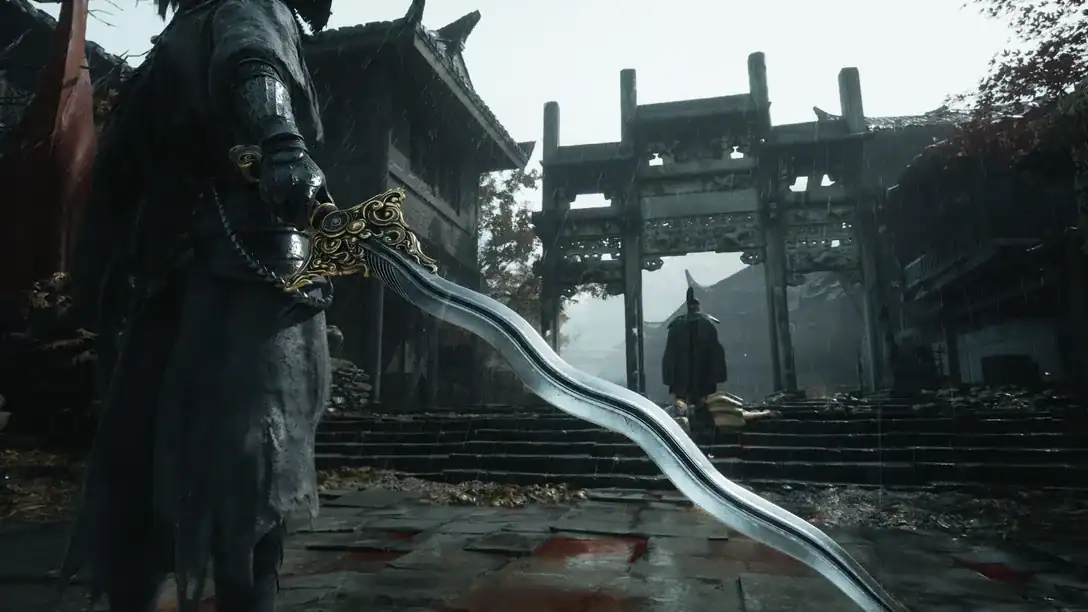
The most immediately striking aspect is the sheer breadth of Phantom Blade Zero’s arsenal. As players make their way through the Wulin, they will be able to unlock more than 30 primary weapons, alongside 25 secondary weapons known as Phantom Edges. Weapons can also be upgraded and equipped with a variety of accessories, giving players considerable freedom to tailor their loadouts and shape the way they approach each encounter.
The scale is impressive, but the numbers are ultimately less important than what S-Game is doing with them. This does not appear to be an arsenal built around the conventional RPG logic of simply replacing one weapon with another because it offers higher statistics. Instead, the weapons are designed to broaden the language of combat itself, giving players different ways to engage with the systems. Ranged attacks, summons, weapon combinations, upgrades, and accessories can be brought together to create a fighting style that feels deliberately chosen rather than prescribed.
That distinction could become one of the defining aspects of Phantom Blade Zero. Combat is not simply a test of execution, timing, and reflexes. It is also a question of identity: what kind of fighter do you want Soul to become?
The idea feels particularly fitting within the wuxia tradition, where martial prowess is rarely presented as a straightforward measure of physical strength. A warrior’s fighting style is an extension of their identity. The weapon they choose, the distance they maintain, and the way they respond under pressure all reveal something about the person behind the technique. In wuxia, combat is not merely action: it is characterisation expressed through movement.
S-Game appears to be embracing that principle on a systemic level. Soul is not simply a fixed protagonist whose abilities are handed to the player. His combat identity can gradually emerge through the choices made along the way: the weapons we choose to wield, the techniques we commit to mastering, and the approaches we develop when faced with different opponents.
That makes the arsenal more significant than its raw numbers might suggest. These weapons are not merely tools for making Soul stronger; they are instruments through which the player defines who he becomes. And if Phantom Blade Zero can make that relationship between equipment, combat and identity as meaningful in practice as it is in concept, its arsenal could become one of the game’s most important forms of player expression.
One Soul, Many Ways to Fight
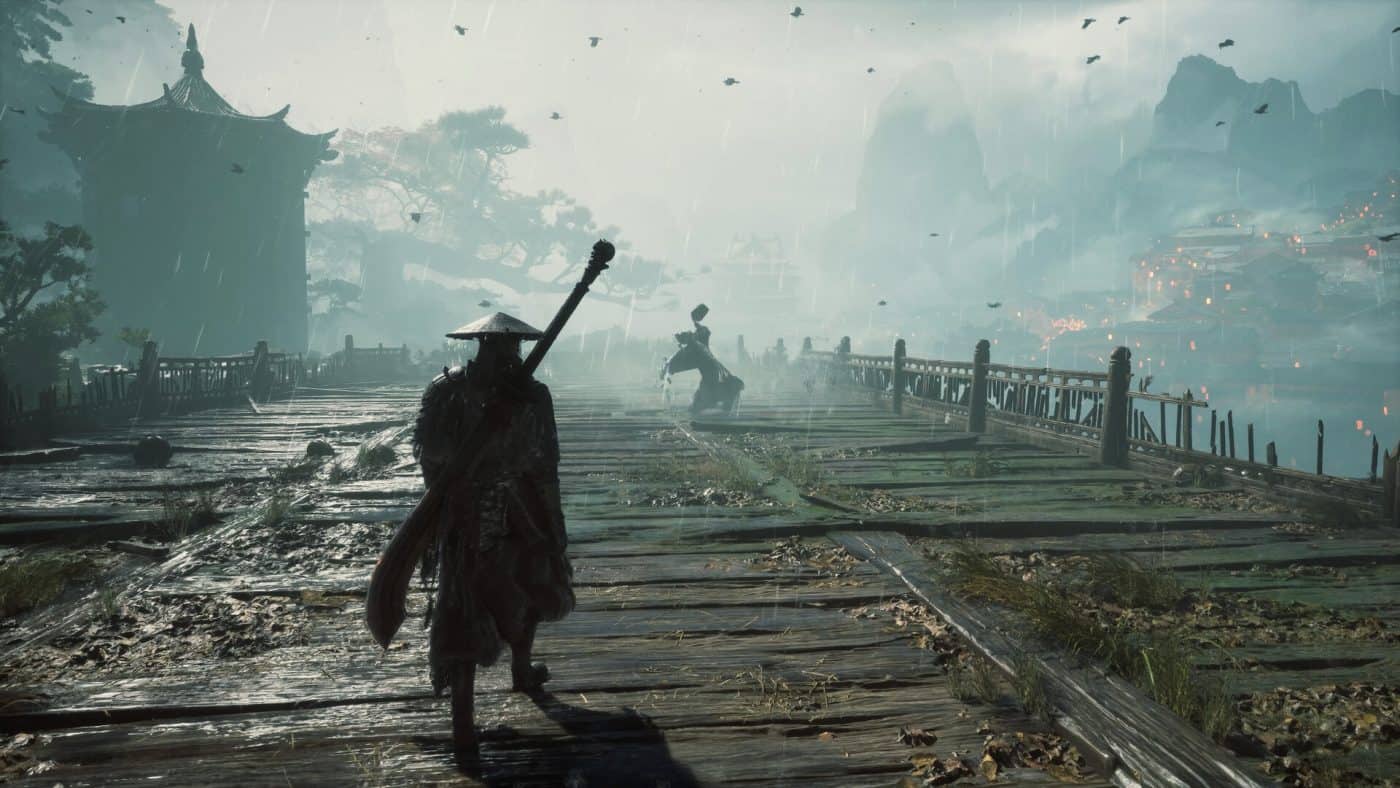
Naturally, this is where a degree of caution is warranted. More than 30 primary weapons and 25 Phantom Edges make for an impressive headline figure, but numbers alone do not guarantee meaningful variety. The more important question is what actually changes when the player moves from one weapon to another. If the differences amount primarily to damage, range, or attack speed, then such an extensive arsenal risks offering breadth without genuine depth. If, however, each weapon brings its own rhythm to combat, creates different opportunities for positioning, changes how encounters can be approached, and interacts with accessories in distinct ways, then the system could become considerably more compelling.
That is also why the ability to reconfigure weapons could prove more important than it initially appears. S-Game has confirmed that players will be able to recover the materials invested in an upgraded weapon and put them towards a different configuration. It is a seemingly simple progression feature, but it addresses one of the biggest obstacles to experimentation in games built around customisation: the fear of committing to the wrong build.
Permanent investments naturally encourage caution. Players save resources, hesitate before upgrading, and often remain with a familiar setup simply because changing course feels too costly. By allowing those resources to be reclaimed, Phantom Blade Zero removes much of that hesitation and makes experimentation an integral part of progression rather than a gamble.
The philosophy is straightforward: try something, understand it, change it, and try again. A weapon can be tested without becoming a permanent commitment; a build can evolve as the player’s understanding of the combat system deepens.
For a game that appears increasingly interested in making combat an expression of individual playstyle, that flexibility could be crucial. An arsenal is only truly deep when it encourages players to explore its possibilities. If Phantom Blade Zero can make every weapon feel mechanically distinct while giving players the freedom to move between them without unnecessary friction, its impressive weapon count may ultimately matter for the right reason – not because there are dozens of options on paper, but because each one gives the player a genuinely different way to fight.
What If the Enemy Is Part of Your Arsenal?
The progression of Phantom Blade Zero’s arsenal also appears to be inseparable from the combat itself. Defeating certain enemies will expand the player’s repertoire, introducing new weapons and tools that can, in turn, reshape how subsequent encounters are approached. That creates a more interesting relationship between combat and progression than a simple reward loop. An enemy is not merely an obstacle standing between the player and the next objective. It can become the gateway to a new possibility: another weapon, a different configuration, or an alternative way of engaging with the battles that follow. The system becomes particularly compelling if S-Game can make understanding an opponent just as important as overcoming one.
Recognising an enemy type, reading its attack patterns, and identifying which weapon is best suited to the situation could turn progression into a continuous process of observation, adaptation, and mastery. The player is not simply accumulating greater power; they are developing a broader understanding of the tools at their disposal and learning when – and why – to use them.
That distinction matters. Meaningful progression is not necessarily about giving the player more power; it is about giving them more meaningful choices. If each new addition to the arsenal is introduced in a way that responds to the challenges posed by the game’s enemies, then progression can become an extension of the combat system rather than a separate layer sitting on top of it. That may ultimately be one of the most promising aspects of the deep dive.
Phantom Blade Zero appears to be moving toward a model in which every new weapon does more than expand Soul’s capabilities: it expands the player’s understanding of the combat system itself. The ultimate reward, then, is not simply a stronger character, but a player who has learned how to make better use of everything the game puts in their hands.

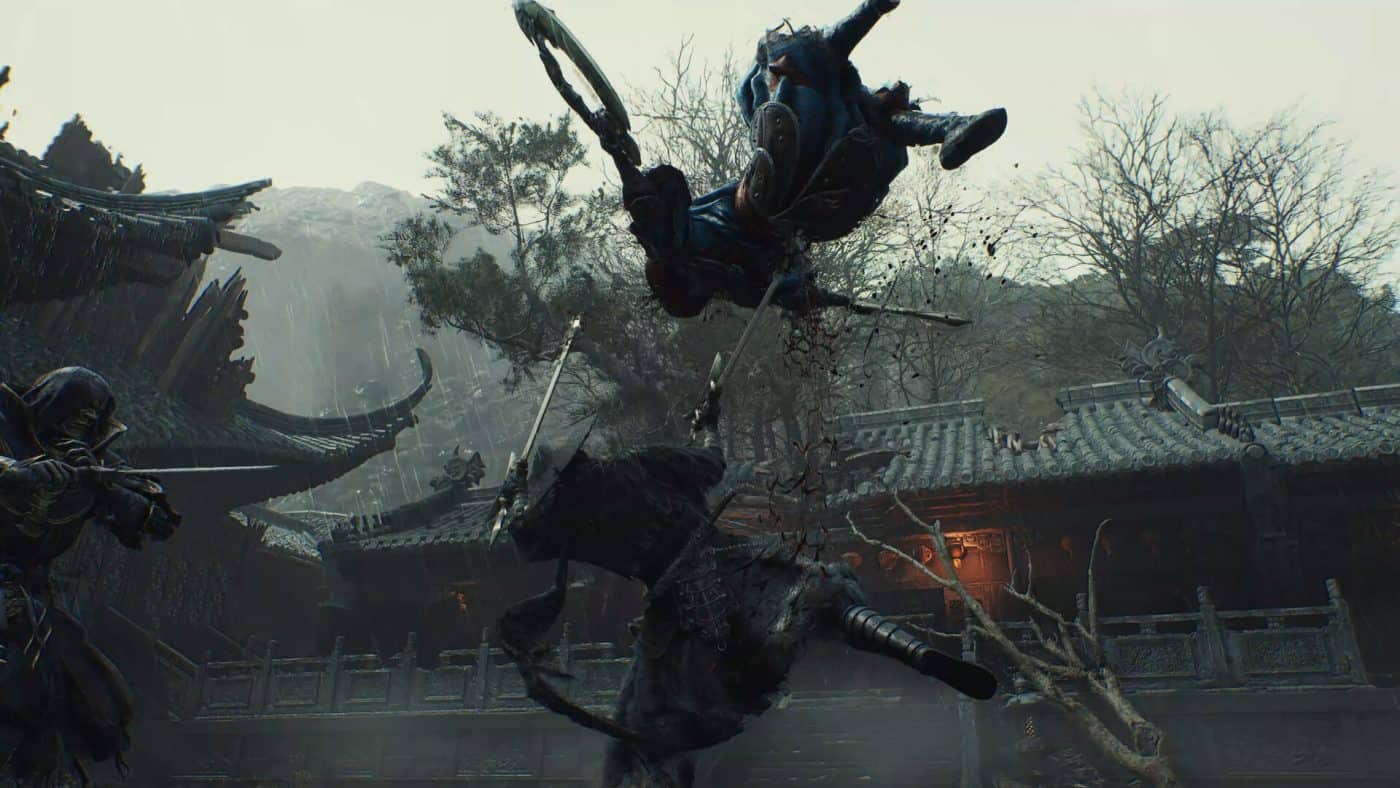
The Wulin as a World, Not a Backdrop
If combat is the beating heart of Phantom Blade Zero, then the Wulin must be more than the backdrop against which its duels unfold. It needs to be the world that gives those encounters meaning: a place with its own history, tensions, characters, and consequences, capable of carrying the weight of Soul’s journey long after the blades have been sheathed.
S-Game has described the Wulin as a dark wuxia world shaped by conflict, intrigue, and shifting power, where Soul’s story intersects with people and communities whose lives extend far beyond the protagonist’s immediate path. Along the way, he will encounter citizens in distress and characters caught in the wider tensions consuming this world, with side quests offering opportunities to engage with their circumstances rather than simply passing through them.
That could prove far more important than the presence of optional content alone suggests. The State of Play presentation indicated that some of these encounters can open additional narrative threads, giving players further ways to understand the events surrounding Phantom Blade Zero and gradually uncover the truth at the heart of its story. The distinction is subtle but significant. The Wulin does not appear to have been designed as a series of environments connecting one combat encounter to the next. S-Game seems to want a world that remains interesting when there is no enemy in front of the player.
That ambition is particularly important because Phantom Blade Zero derives so much of its identity from the sheer physicality of its combat. Without a world capable of grounding that spectacle, even the most extraordinary encounters could eventually feel disconnected from the people and conflicts they are supposed to represent.
The Wulin, at its best, can provide the human and narrative context that makes those battles matter. Players will be able to follow Soul’s primary journey, moving from one major event to the next, but they can also step away from that path. They can stop to speak with someone they encounter, investigate a location that lies beyond the obvious route, or follow a seemingly insignificant clue simply because it raises a question. In that sense, exploration becomes another way of reading the world.
And importantly, the reward does not always need to be tangible. It can be knowledge. A conversation can reveal a character’s history. A hidden location can offer another perspective on an event. A seemingly minor encounter can expose the motivations of a faction or cast an entirely different light on Soul’s own circumstances.
That approach gives optional content a purpose beyond filling a map. Rather than treating exploration as a checklist of activities, Phantom Blade Zero has the opportunity to make curiosity itself part of the progression – not progression measured in statistics or equipment, but in the player’s understanding of the world they are moving through.
Of course, this is also where execution becomes crucial. A world does not feel alive simply because it contains more things to do. Its characters, locations, and stories need to give the player a reason to care. A memorable side quest can accomplish something the main narrative cannot: slow down long enough to show the human consequences of a larger conflict, reveal a perspective that contradicts the player’s assumptions, or give emotional weight to events that might otherwise remain abstract.
A weaker side story, by contrast, risks becoming little more than another interruption between major encounters. That is the line S-Game will ultimately have to navigate. The Wulin will not feel substantial merely because it is expansive, detailed, or visually striking. It will feel substantial if the player believes that what exists beyond the main path is worth discovering.
The emphasis on secrets could be particularly important here. S-Game has discussed hidden elements scattered throughout the Wulin that can help players move closer to the truth behind the central narrative. If that structure is executed effectively, Phantom Blade Zero could allow players to piece together parts of its story through curiosity rather than exposition alone.
That feels especially appropriate for wuxia, a tradition steeped in hidden identities, rival schools, betrayals, legends, forbidden knowledge, and histories concealed beneath the surface. In such a world, understanding the story also means understanding the forces that created it: why factions are fighting, what shaped its warriors, what binds its characters together, and what ordinary people are left to endure when powerful figures decide where the next battle will be fought.
If S-Game can make those relationships feel tangible, the Wulin could become one of Phantom Blade Zero’s defining strengths. Not simply a backdrop for Soul’s journey, and not merely a collection of arenas connected by corridors, but a world with enough identity and momentum to exist beyond the player’s immediate objectives.
Because ultimately, the most convincing open world is not the one that gives the player the most places to go. It is the one that makes them want to know what lies around the next corner.
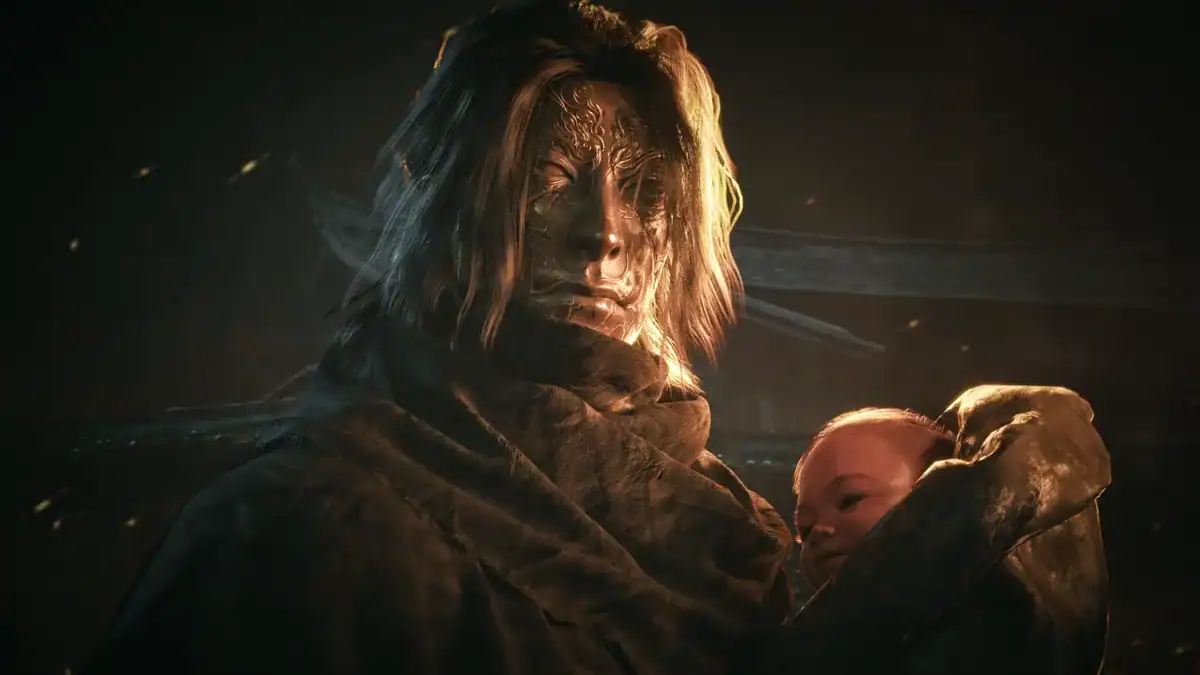
The Shadows Beneath the Wulin
The “dark wuxia” identity of Phantom Blade Zero comes into sharper focus with every new glimpse of its Wulin. S-Game is not simply presenting a romanticised martial-arts world, nor using its wuxia influences as an exotic backdrop for spectacular sword fights. Instead, the Wulin is taking shape as a world built on violence, intrigue, competing loyalties, and unstable power, where the line between justice and vengeance is rarely as clear as it first appears.
Soul’s journey will take him beyond assassins and formidable martial artists. He will encounter masters, factions, and ordinary people caught in conflicts far larger than themselves, gradually drawing him into a web of rivalries and hidden motives that extends well beyond the immediate path of his quest. What begins as a personal journey increasingly appears to be a search for answers: an attempt to understand not only what happened to Soul, but the forces that shaped the world he has returned to.
Crucially, not every threat in the Wulin can be confronted with a sword. Danger can be embedded in an alliance, concealed behind a promise, or buried within a character’s history. Power does not simply belong to whoever is strongest in combat; it exists in the relationships, grudges, loyalties, and ambitions that hold the Wulin together, and threaten to tear it apart.
This is where the “dark wuxia” label becomes more than a description of atmosphere. The darkness of Phantom Blade Zero is not limited to its visual identity or the brutality of its combat. It appears to be part of the game’s narrative DNA. The truth Soul is pursuing is fragmented rather than readily accessible, with pieces of it potentially hidden within encounters, secrets, and the lives of the people he meets along the way. That approach could give the Wulin a role far beyond that of a traditional game world. If S-Game can give genuine weight to what happens beyond the main storyline, the setting could become a parallel narrative in its own right – one capable of showing the consequences of conflicts that the main plot can only approach from a distance.
A faction may have reasons for fighting that are never immediately apparent. A character who initially appears to be an enemy may carry a history that complicates the act of defeating them. A seemingly insignificant side story may reveal how a much larger conflict has affected people who have no influence over the forces driving it. The Wulin can tell its story through consequences rather than exposition. That is also where exploration could acquire a more meaningful purpose.
The player is not simply searching for another chest or another upgrade. They may be searching for context. A conversation can change the meaning of an event. A hidden location can reveal something the main story deliberately leaves unsaid. A seemingly minor encounter can make the player question who is actually responsible for the violence surrounding Soul.
For a wuxia world, that ambiguity feels particularly fitting. Justice can become revenge. Loyalty can become obsession. Honour can become another justification for violence. The further Soul travels into the Wulin, the more difficult it may become to separate heroes from villains, or to determine whether anyone involved in its conflicts remains entirely innocent.
And that could be the real opportunity for Phantom Blade Zero. The Wulin does not need to exist merely to give Soul somewhere to go between one spectacular fight and the next. It needs to give those fights a reason to matter.
Three Difficulty Levels, Three Distinct Combat Experiences
The latest State of Play also clarified one of the more intriguing aspects of Phantom Blade Zero: difficulty is not simply being used to determine how hard the game is, but to define how the player engages with it. S-Game has revealed three distinct modes – Wayfarer, Hellwalker, and Sixty-Six Days – each built around a different philosophy of challenge and, potentially, a different way of experiencing Soul’s journey through the Wulin.
Wayfarer is the most accessible of the three, designed for players who want to place greater emphasis on the story, exploration, and discovery of the Wulin without requiring a deep mastery of the combat system to progress. The mode does not undermine the importance of combat; it simply allows the player to experience the wider adventure without making its most demanding mechanics the primary barrier.
Hellwalker moves in the opposite direction. Enemy AI becomes more sophisticated and adaptive, making encounters less predictable and placing considerably greater demands on the player’s ability to read and respond to their opponents. Patterns need to be recognised. Attacks need to be anticipated. Positioning becomes more important. The player is encouraged to understand not only how to use Soul’s arsenal, but how to adapt it to the enemy standing in front of them.
Then there is Sixty-Six Days, which takes the concept somewhere considerably more unusual. Its defining rule is brutally simple: the player has 66 days, or 66 deaths, to finish the adventure. That changes the entire equation. Death is no longer merely the punishment for failure; it becomes a finite resource. Every failed attempt consumes one of the lives available to the player, turning encounters into decisions about risk, preparation, and knowledge. A difficult opponent is no longer simply something to overcome. The player has to decide whether they can afford to learn through failure.
That distinction is important because it moves Phantom Blade Zero away from the traditional model in which difficulty is largely a collection of numerical adjustments. More health. More damage. Faster enemies. Less room for error. Sixty-Six Days instead changes the consequences of failure, potentially altering the way players approach the entire adventure.
It also creates an interesting relationship between difficulty and mastery. In a conventional system, dying usually means little more than returning to the previous checkpoint and trying again. Here, the death itself is part of the structure. Every failed attempt becomes part of the player’s finite journey through the Wulin. The challenge is therefore not simply to become powerful enough to survive, but to become knowledgeable enough that survival becomes increasingly likely.
That gives the three modes surprisingly distinct identities. Wayfarer prioritises access and discovery. Hellwalker places the emphasis on adaptation and mastery. Sixty-Six Days introduces consequence and risk, turning the player’s limited number of deaths into a constant consideration.
The real test, however, will be whether those philosophies translate into genuinely different experiences. Hellwalker’s adaptive AI will need to meaningfully change the behaviour of encounters rather than simply making enemies more aggressive, while Sixty-Six Days will have to strike a careful balance between consequence and experimentation. A combat system built around timing, experimentation, and mastery cannot afford to make experimentation feel prohibitively expensive.
That tension could actually become one of the mode’s greatest strengths. If the game gives players enough freedom to experiment while still making failure matter, every successful encounter could feel more earned. The player is not simply learning how to win; they are learning how to avoid wasting one of the opportunities they have left.
And that may be the most interesting idea behind Phantom Blade Zero’s approach to difficulty. S-Game is not asking players to choose between an easier or harder version of the same game. It is potentially asking them to decide what they want combat to mean within their own playthrough. Wayfarer lets the world breathe. Hellwalker demands mastery. Sixty-Six Days turns survival itself into a rule. Three difficulty levels, then – but potentially three very different ways of living through Soul’s journey.
The Martial Arts DNA of Phantom Blade Zero
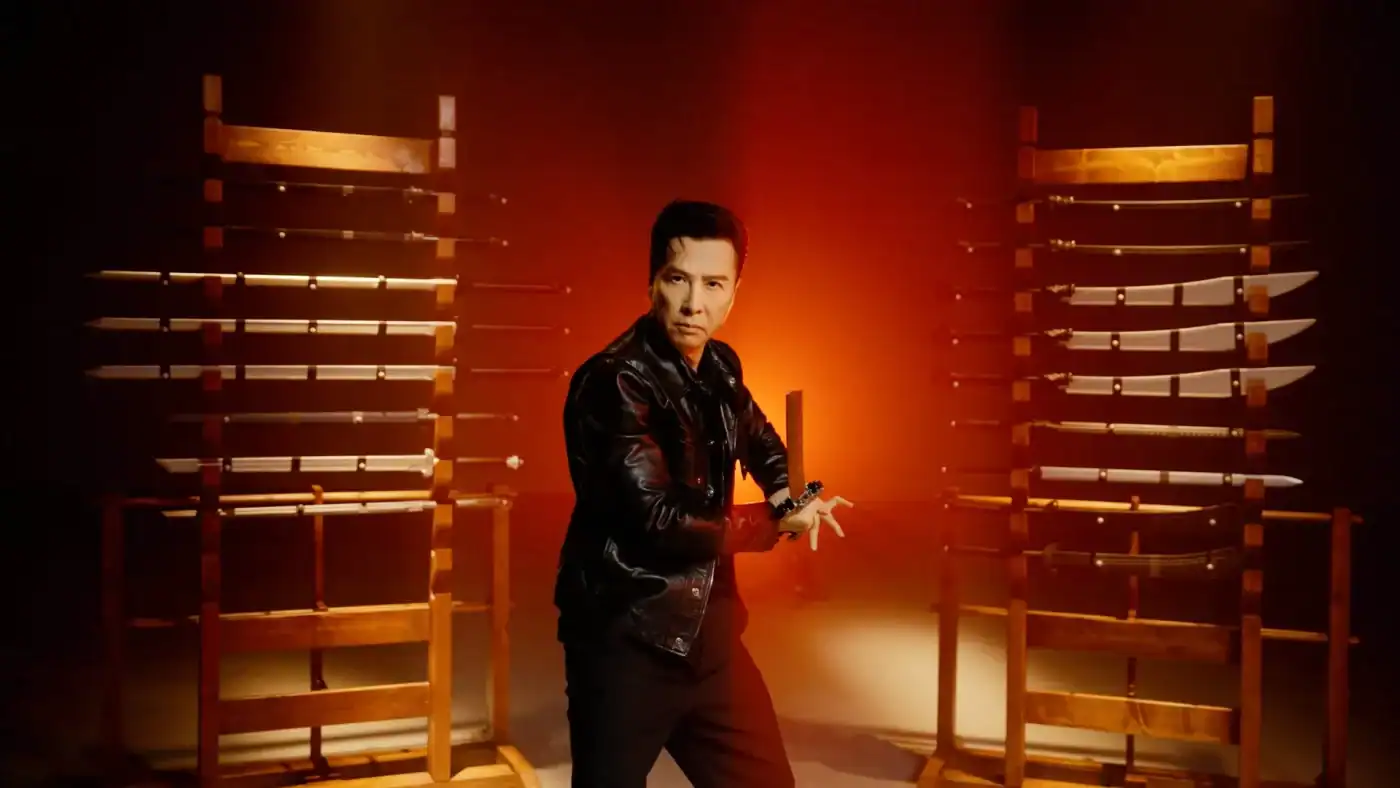
One of the most revealing details to emerge from the latest deep dive is Donnie Yen’s involvement in the creation of Phantom Blade Zero. Rather than serving as a high-profile name attached to the project, Yen has worked with S-Game as a Creative Consultant, bringing his experience into the development of the game’s combat and performance. His contribution is also embodied in Mó Yuan, a character who uses Yen’s likeness and performance through facial and motion capture.
That distinction matters because Phantom Blade Zero is attempting to reconcile three closely related but fundamentally different languages: wuxia, action cinema, and interactive combat. All three are built around movement, timing, rhythm, and physical expression. But where cinema can control every element of a fight, a videogame must ultimately surrender control to the player.
A film can determine exactly when an actor strikes, how an opponent reacts, where the camera moves, and when the sequence cuts. A videogame cannot. The player can attack too early, hesitate, misread an opening, change weapons, break away from an encounter, or simply make a mistake. The choreography has to survive all of those possibilities. That is precisely what makes S-Game’s ambition so difficult, and potentially so compelling. The studio is not merely trying to reproduce the visual vocabulary of wuxia cinema. It is attempting to translate the principles behind that vocabulary into an interactive system, where timing and physical expression are not predetermined by a director but shaped in real time by the player.
This is also where Donnie Yen’s involvement becomes particularly meaningful. His contribution is not simply about making individual animations look authentic. It is about helping S-Game capture the qualities that make martial arts convincing in the first place: weight, balance, precision, timing, and intent. Those qualities are immediately apparent when watching an experienced martial artist, yet considerably harder to reproduce in a system that must respond to unpredictable human input.
Because the player will inevitably disrupt the choreography. They may interrupt an attack halfway through. They may switch weapons at an unexpected moment. They may dodge in a direction the designers did not anticipate. They may become surrounded or mistime a counter. The system has to accommodate that uncertainty without allowing the spectacle to collapse.
That is the crucial difference between cinematic action and interactive action. A film sequence can be spectacular because every movement has been carefully controlled. A videogame sequence has to be spectacular while giving the player the freedom to break that control. Phantom Blade Zero therefore seems to be pursuing something more ambitious than simply making its combat look like a wuxia film. It is attempting to turn wuxia’s choreography into a grammar of player expression.
When a counter lands at exactly the right moment, when a weapon change creates a new opening, or when the player instinctively responds to an enemy’s movement, the resulting sequence is no longer something S-Game has simply shown them. It is something they have created through an understanding of the system. And that may be the real significance of Donnie Yen’s involvement. The goal is not simply to bring kung fu into Phantom Blade Zero. It is to understand what makes kung fu expressive, and then give the player the tools to express it themselves. If S-Game can achieve that, the game’s most spectacular moments will not be the ones it performs for us. They will be the ones it teaches us how to create.
The Stage Is Set
For years, Phantom Blade Zero has existed primarily as a promise: a project defined by what it might ultimately become rather than by everything it has already revealed. Its trailers have repeatedly showcased blisteringly fast swordplay, meticulously choreographed martial-arts encounters, and a visual identity with an unmistakable character of its own. The spectacle has never been difficult to sell. What remained far less certain was what lay beneath it: the game itself.
For perhaps the first time, S-Game was not simply asking us to admire Phantom Blade Zero, but to understand it. The presentation pulled back the curtain on the systems underpinning Soul’s journey, offering a clearer picture of how combat, progression, exploration, difficulty, and narrative are intended to function as parts of the same experience. In doing so, it added something the project had been conspicuously lacking until now: a sense of structure beneath the spectacle.
At the heart of that broader vision is the Wulin. Rather than serving as little more than a succession of visually striking locations linking one encounter to the next, it is being developed as a world with its own people, conflicts, secrets, and stories.
Side missions can open up additional narrative threads, while exploration can uncover details that gradually deepen the player’s understanding of the world and the forces shaping it. The same philosophy extends to combat. With more than 30 primary weapons and 25 Phantom Edge weapons, alongside equipment that can be upgraded, modified, and reforged, S-Game is building an arsenal designed to encourage genuinely different approaches to combat – not simply to function as an elaborate progression ladder. Even the game’s three difficulty modes appear to reflect this broader philosophy, offering distinct ways of engaging with its systems rather than functioning as little more than conventional difficulty presets.
Yet none of these features, impressive as they may sound on paper, is enough on its own to guarantee a great action game. The real test is whether they can become greater together than they are individually. Thirty weapons mean little if their differences ultimately amount to variations in numbers or animation sets. A detailed world means little if exploration becomes little more than a means of collecting additional resources. And spectacular combat can only carry an experience so far if the systems beneath the choreography fail to retain their depth once the novelty begins to fade.
That is ultimately what makes this latest presentation more significant than simply another impressive showcase. S-Game is beginning to reveal not only what Phantom Blade Zero looks like, but what it wants to be. An action game in which combat is more than spectacle; where the weapons in Soul’s hands can become an extension of the player’s chosen style; where the Wulin exists as more than a backdrop; and where difficulty can meaningfully shape the relationship between player and system.
It is a considerably more ambitious proposition than Phantom Blade Zero initially appeared to be, and one that now carries a far greater burden of proof. Can S-Game turn the breadth of its systems into meaningful variety rather than simply greater volume? Can its combat remain as precise, demanding, and expressive after dozens of hours as it appears in a showcase? Can its enemies provide the intelligence and adaptability necessary to make mastery feel genuinely earned? And can the Wulin sustain enough narrative depth and personality to make its characters, secrets, and stories resonate long after the initial discovery? For now, those questions remain unanswered. And perhaps that is exactly where Phantom Blade Zero needs to be.
The latest State of Play accomplished something its earlier showcases could not: it turned Phantom Blade Zero from a spectacular promise into a tangible proposition. For the first time, the pieces are clearly on the table. What remains to be seen is whether S-Game can make them work together with the same precision it has brought to the swordplay. The next step is no longer about showing us what Phantom Blade Zero could be. On October 29, 2026, it will have to prove what it truly is.