
In short
With BrokenLore: DON’T LIE, Serafini Productions turns its attention to a particularly unsettling kind of horror: the kind that makes you question not what is hiding in the dark, but whether reality itself can still be trusted. The latest entry in the series builds its tension around distorted perception, uncertainty, and the gradual erosion of what feels familiar, turning Junko’s everyday life into an increasingly disturbing descent where nothing is quite as it seems.
BrokenLore: DON’T LIE is a first-person psychological horror game with strong Japanese influences, developed by Serafini Productions and published by Wired Productions. It was released on September 10, 2026, for PC via Steam, Epic Games Store and GOG, as well as PlayStation 5 and Xbox Series X|S.

There is a kind of horror that doesn’t chase you down corridors: it waits for you sitting in your living room, blended into your daily routines, and asks you questions you would rather not answer. BrokenLore: DON’T LIE is exactly that kind of experience.
The game is part of the anthology series BrokenLore, a shared universe of “bite-size” horror tales that is slowly building one of the most unsettling mythologies in the genre, but it is fully enjoyable even for those who have never touched the previous chapters.
Inside Junko’s Fragile Mind
The protagonist is Junko, a hikikomori living in isolation in her small apartment, trapped between loneliness and hallucinations. The game follows her at the exact moment when her meticulously controlled routine begins to shatter: memories suppressed for years resurface, and with them re-emerge Shinji and Hideo, two patients Junko had met in a rehabilitation center, with whom she tries to rekindle a bond through daily phone calls and brief moments of intimacy.
It is interesting to note how Serafini Productions and Wired Productions chose to tell this story with such intimate tones: the game’s real strength lies here, not in the monsters, but in the lies Junko tells (to herself and to others), in the medication, in the self-destructive compulsions, in the slow crumbling of trust. Lies, conversations and small choices subtly influence her mental state, and the game never warns you when you are crossing the point of no return.
It is a raw and sometimes hard-to-stomach portrayal of mental health issues, a theme the game navigates with courage, if not always with perfect balance.
Shattered Reality: Atmosphere and Level Design
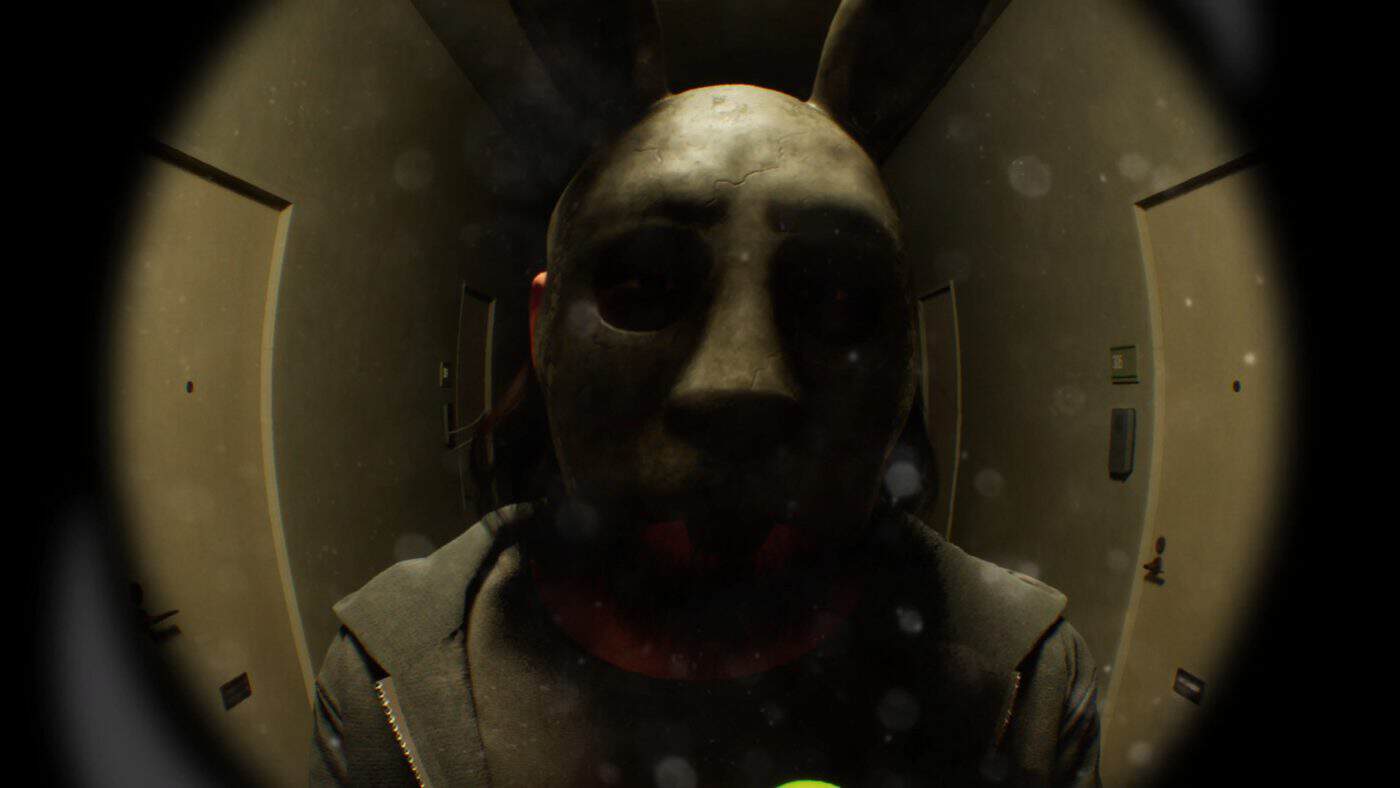
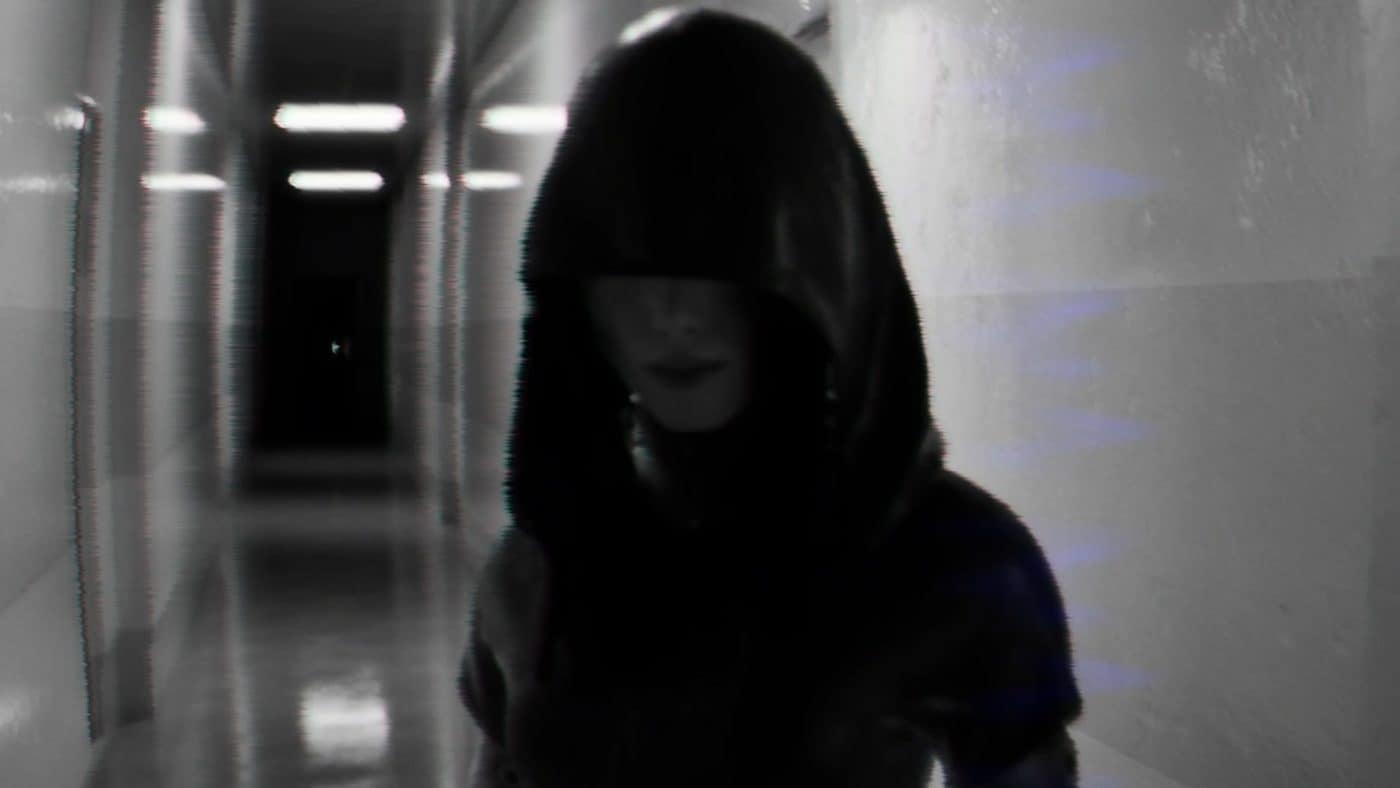
On the visual front, DON’T LIE is a small surprise. The graphics are noticeably improved over the series’ early titles: anyone who has followed BrokenLore since its beginnings will immediately notice a generational leap, with lighting, models and post-processing at a level never seen before in the series. The textures are so sharp they seem almost hyper-real, and the game uses them to pull off one of its best tricks: the transition between familiar environments and deformed liminal spaces, shaped by Junko’s memories and fears. A hallway in the house suddenly opens onto a surreal void; a room that seemed reassuring turns out to be something else entirely.
The horror is built on tension rather than jump scares, with an invisible presence that reacts to your movements and a full Japanese voice-over that adds a great deal to the immersion. Granted, the walking simulator pacing is not for everyone: you explore, you read notes, you listen to messages. But those who appreciate the genre will find here an atmosphere that stays with you even after the end credits.
A Shared Nightmare: The Connection to DON’T WATCH
And here we come to perhaps the most interesting aspect for fans: DON’T LIE is a direct spin-off of BrokenLore: DON’T WATCH, the series’ previous chapter devoted to Shinji‘s story. Those who played it already know part of the picture: Shinji and Hideo are not new faces, and Junko’s story intertwines with what has already been seen, deepening the fragmented mythology that holds the whole series together. The connection is not cosmetic: lies, medication and fragile bonds are the true antagonists of both games, and observing the same tragedy from a different point of view makes both experiences richer. That said, the developers made the right call in making it a self-contained story: newcomers lose nothing essential, and those arriving from the previous chapter get those jabs of recognition that are worth the price of admission on their own.
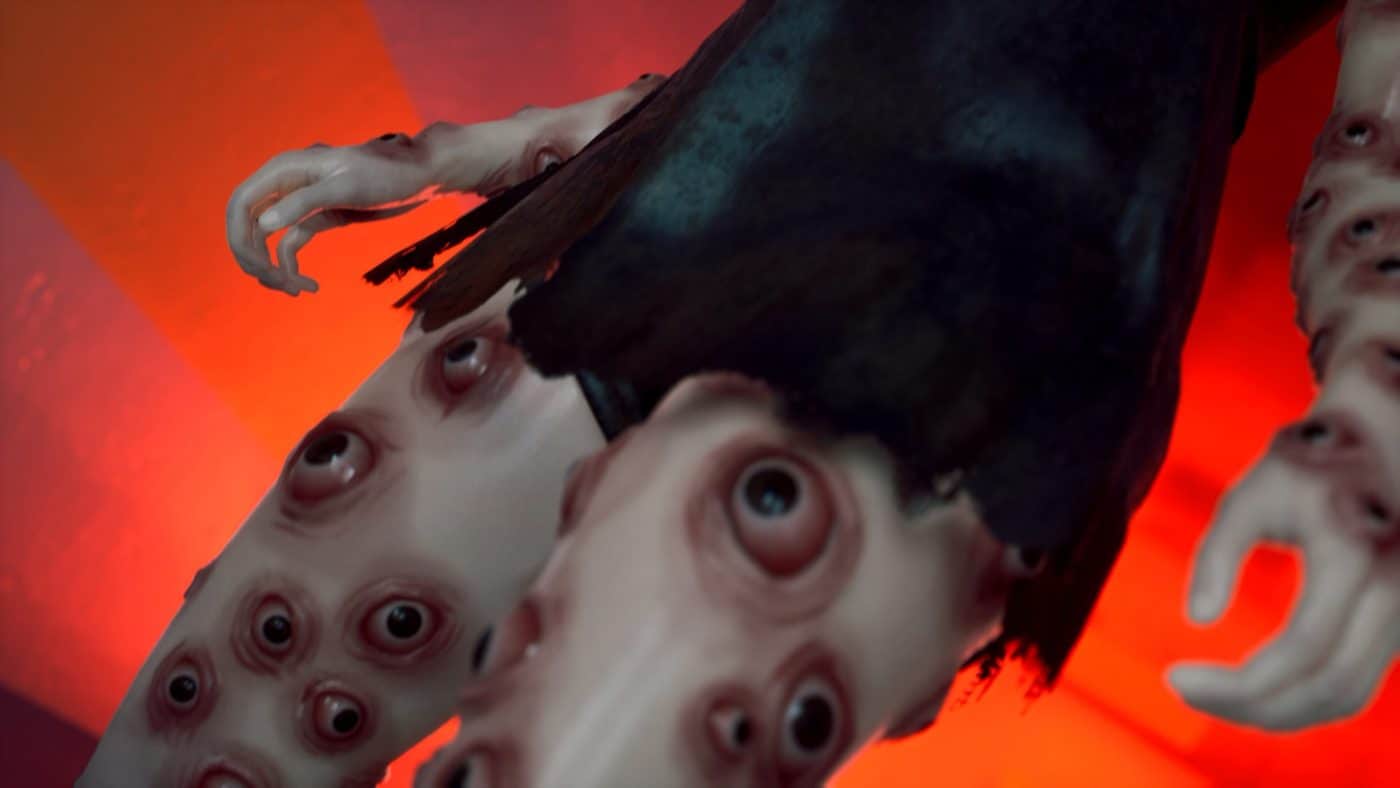
The most bizarre moment? The brief combat interludes against Junko’s visions with a cel-shaded sword: janky, yes, but surprisingly charming and well integrated into the game’s dreamlike delirium. It is also the most interesting novelty on the gameplay front: compared to previous chapters, which relied almost entirely on exploration and tension, DON’T LIE introduces active survival mechanics for the first time; the choices, the conversations and even the lies told during phone calls directly influence Junko’s mental state and the shape her visions take.
No longer just exploring: you survive the apparitions, and the game goes out of its way to make every encounter with the protagonist’s fears something more than a passive scene.


Conclusion
BrokenLore: DON’T LIE is not perfect: the short length (about 90 minutes), the imprecise combat and some hesitation in the portrayal of its mental health themes do show. But it is an honest, atmospheric and surprisingly well-written psychological horror, proving that the BrokenLore series is by no means running out of ideas. If you love slow, liminal, narrative-driven horror and DON’T WATCH got under your skin, this is a chapter worth playing. And for those unfamiliar with the series: it is perfectly fine to start here, because the game is self-contained.
If this review has piqued your curiosity, BrokenLore: DON’T LIE is already available on Steam, Epic Games Store, GOG, PlayStation Store and Microsoft Store: buy it and you will be supporting a small studio that is building, chapter after chapter, one of the most interesting horror series of the moment.
 8/10
8/10