
Windrose, developed by Kraken Express and published by Kraken Express and Pocketpair Publishing (Japan), is an early access survival game released on April 14, 2026, exclusively for PC (Steam and Epic Games). The game is set in an alternate golden age of piracy, blending action, adventure, RPG, and building elements in a procedurally generated open world.

From the very first moment, Windrose stands out for its ability to blend land and naval exploration, dynamic combat, and a building system reminiscent of titles like Enshrouded or Valheim, but with a more streamlined and accessible approach, while still maintaining remarkable depth.
The title, developed by Kraken Express and inspired by Assassin’s Creed IV: Black Flag, offers a PvE (Player vs Environment) experience where players can tackle challenges solo or in cooperative mode with up to 8 players, supported by private and dedicated servers.
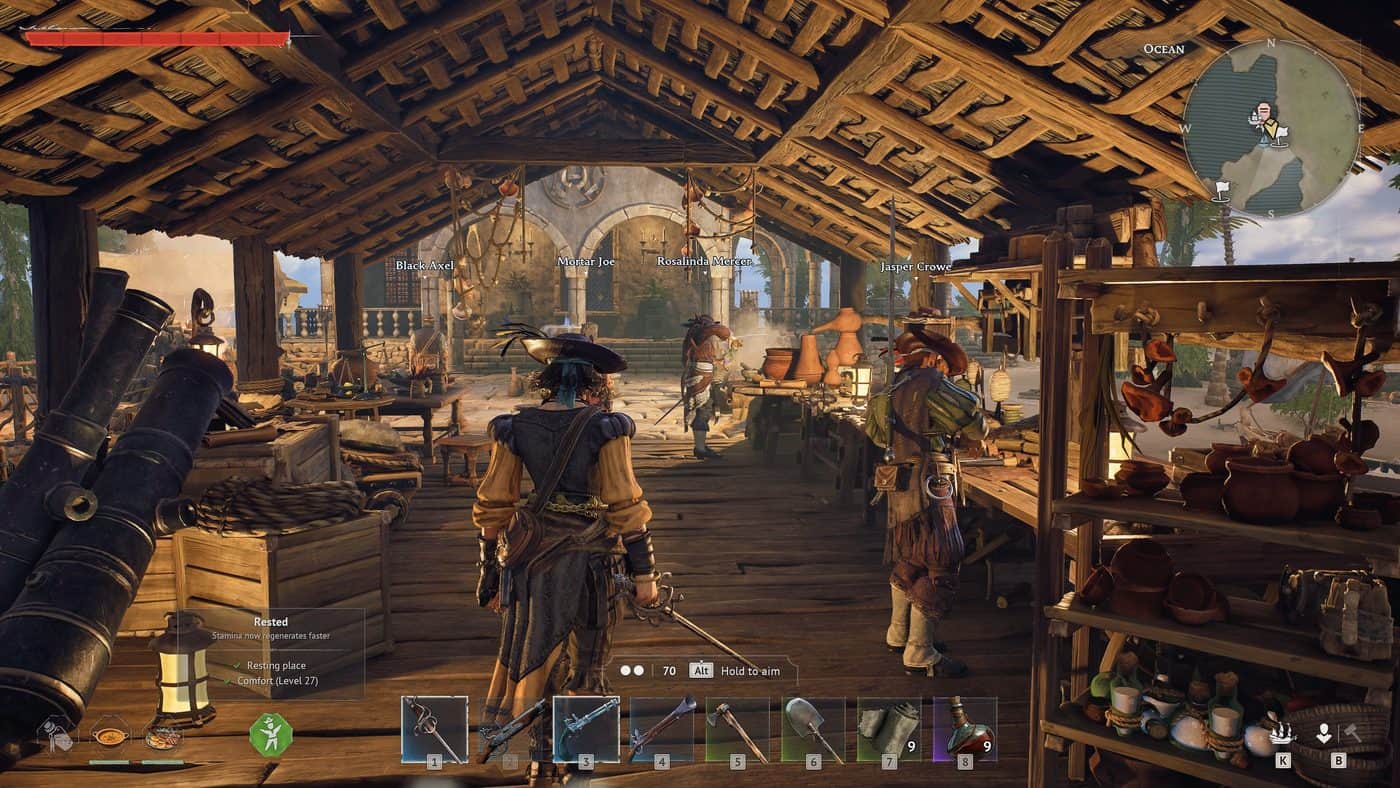
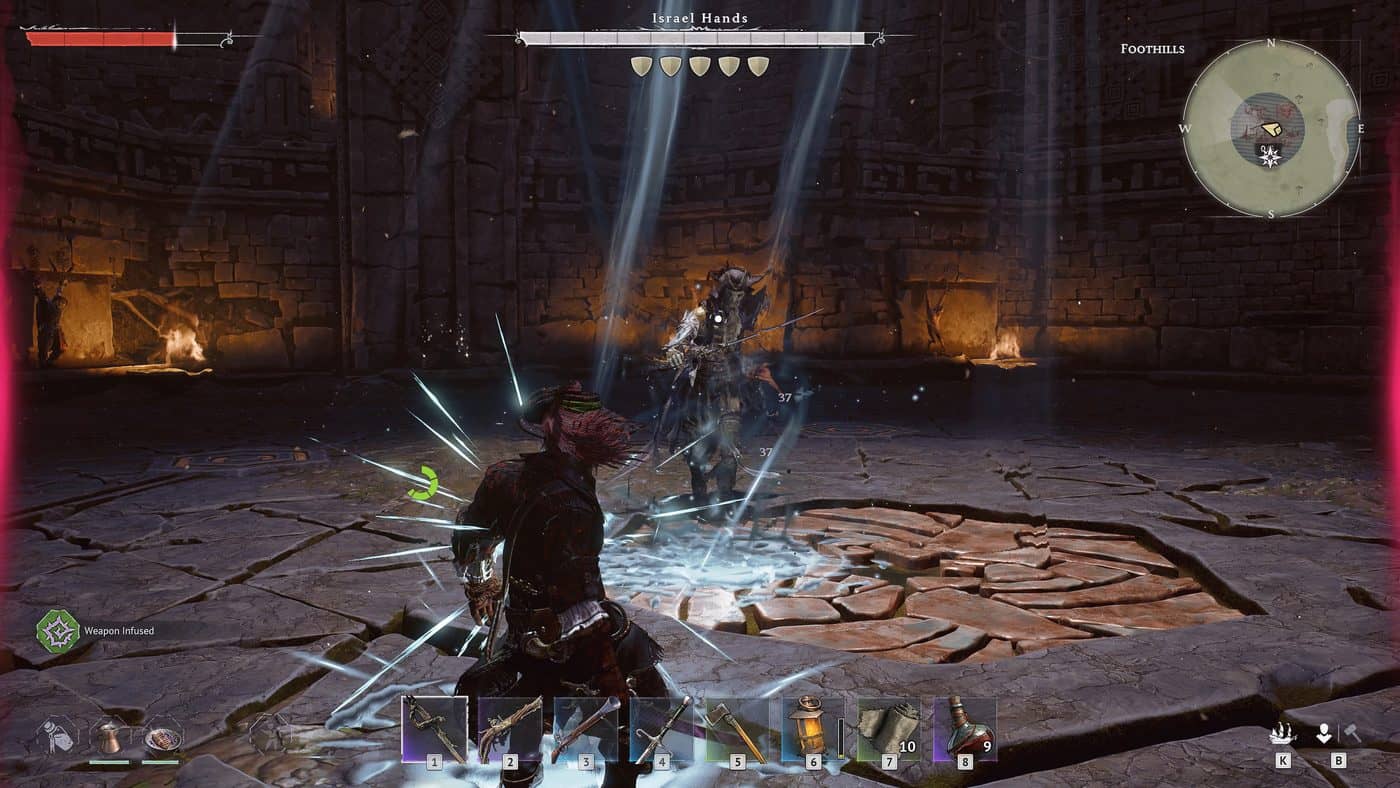
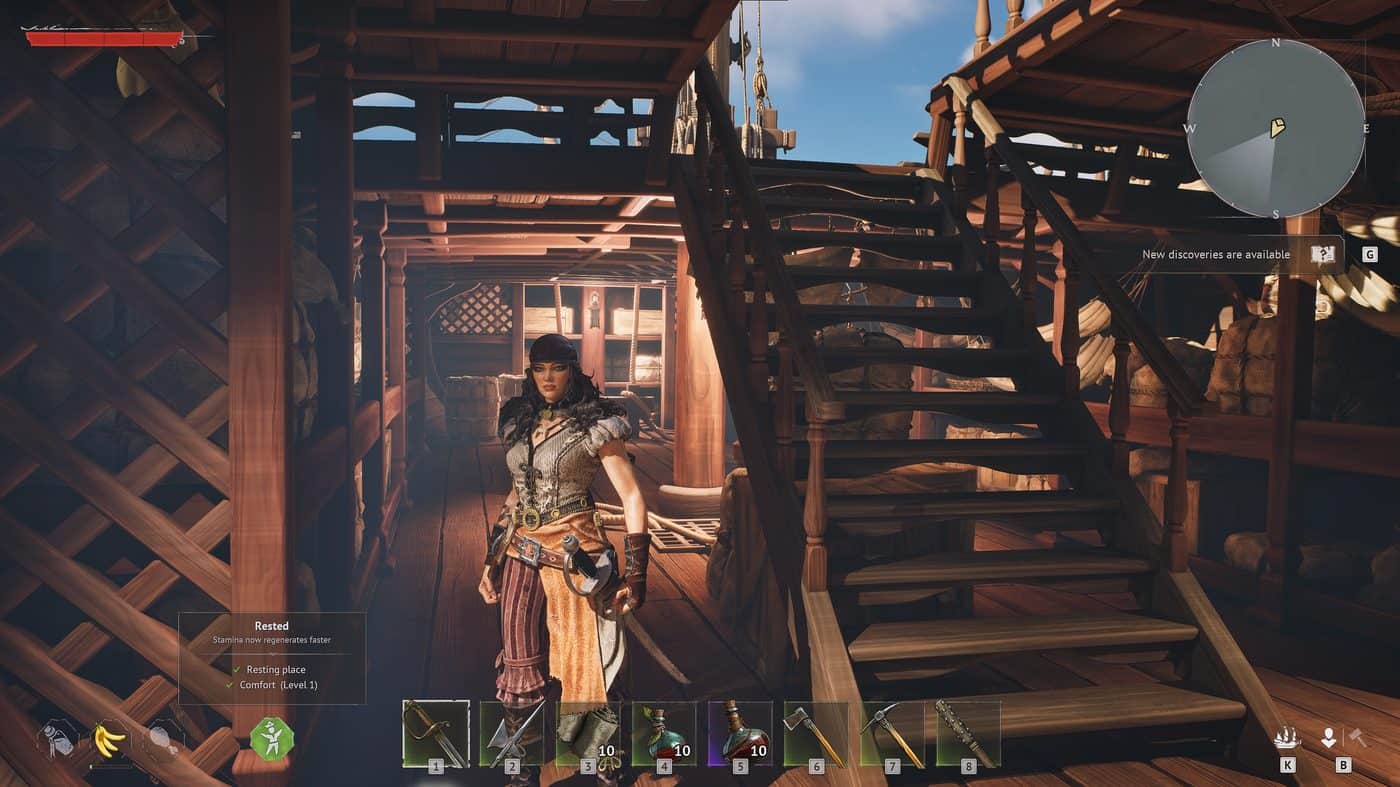
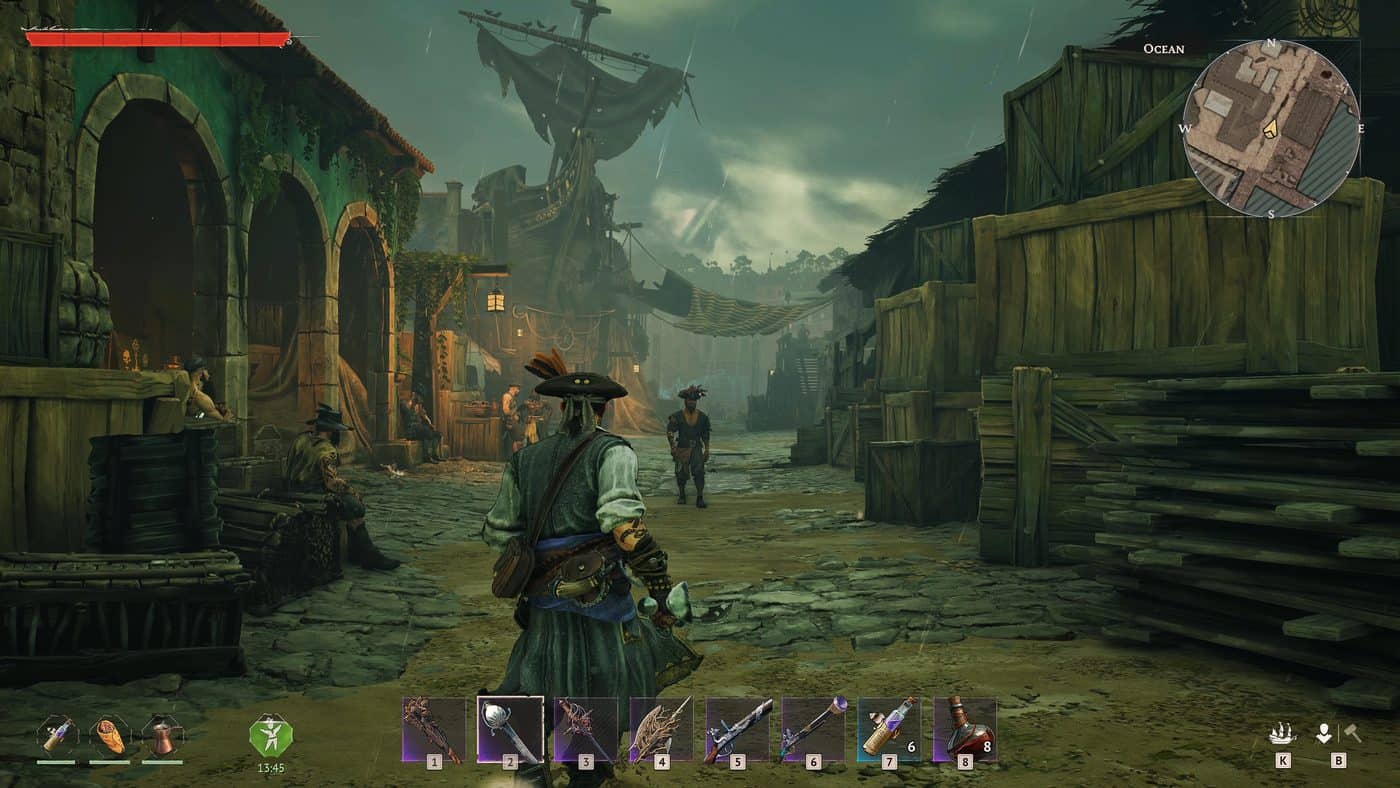
Published in early access by Kraken Express and Pocketpair Publishing for the Japanese market, the game follows the exploits of a captain seeking revenge against Blackbeard in a world filled with supernatural mysteries, hidden treasures, and epic bosses. With polished graphics (thanks to Unreal Engine 5), a fluid combat system (featuring swords, pistols, muskets, and naval battles with boarding actions), and progression based on talents, customizable gear, and personalized constructions, Windrose aims to be one of the best pirate survival games in recent years.
An Intuitive but Limited Building System
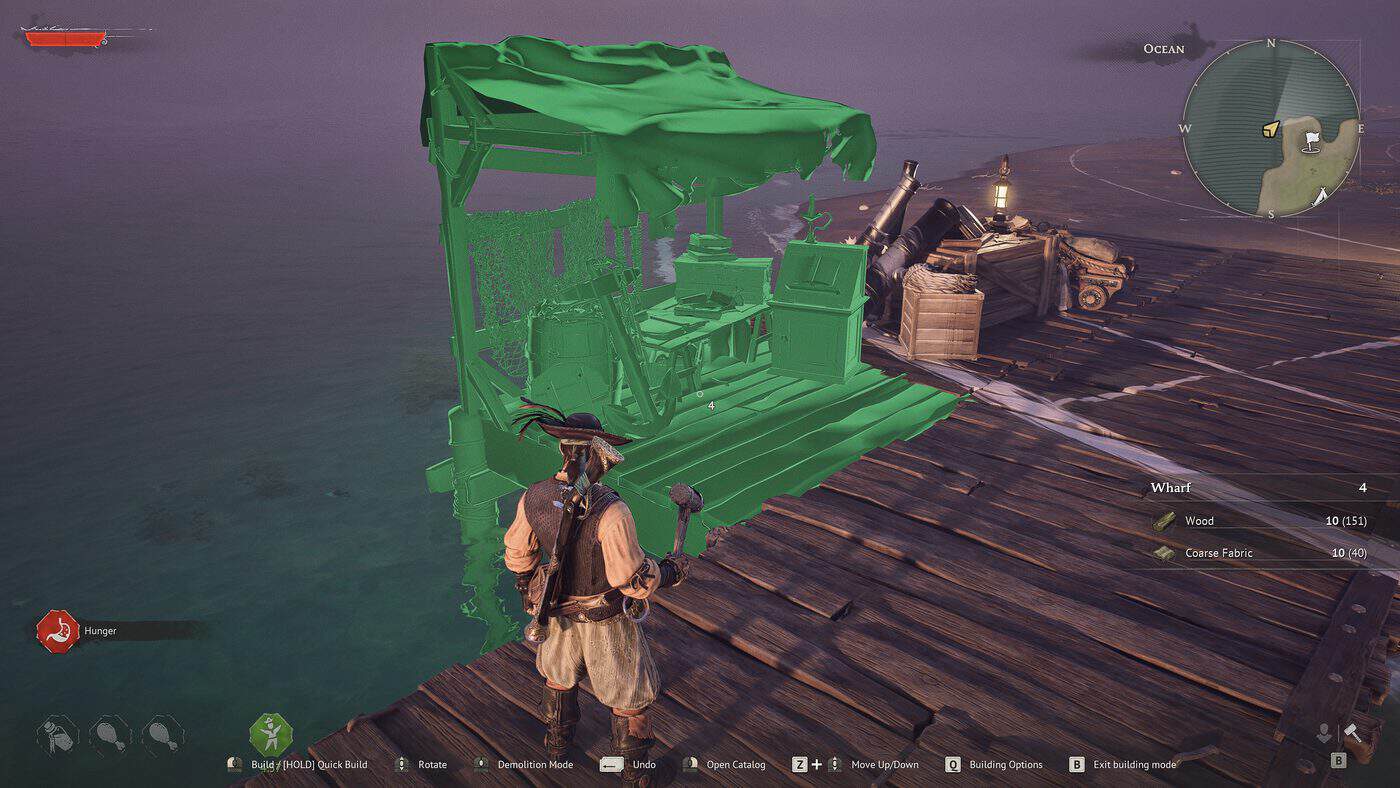
One of the most striking aspects of Windrose is its building system, which closely resembles Enshrouded but with a gentler learning curve. While Enshrouded uses a voxel-based system that allows for near-limitless creativity (though sometimes cumbersome and disconnected from survival mechanics), Windrose takes a more streamlined and immediate approach.
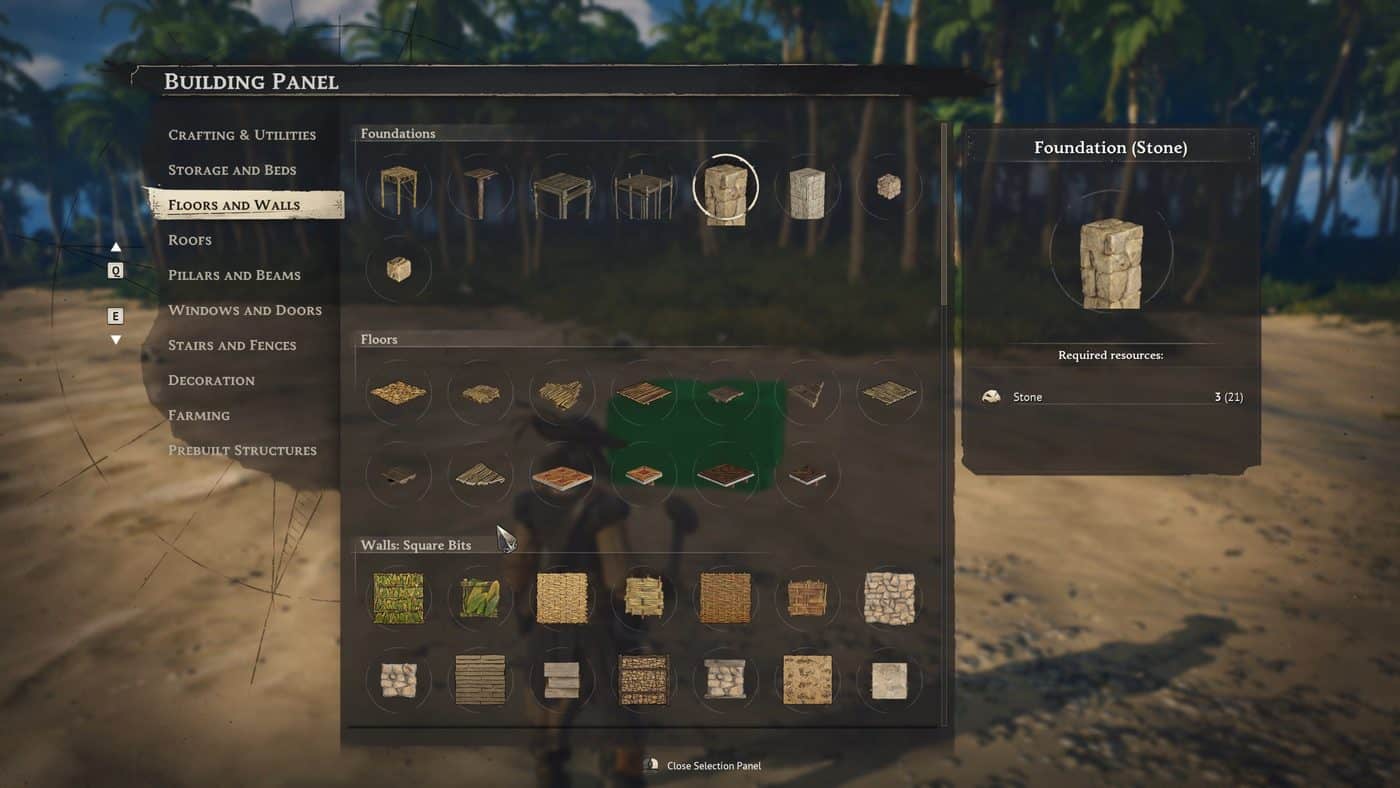
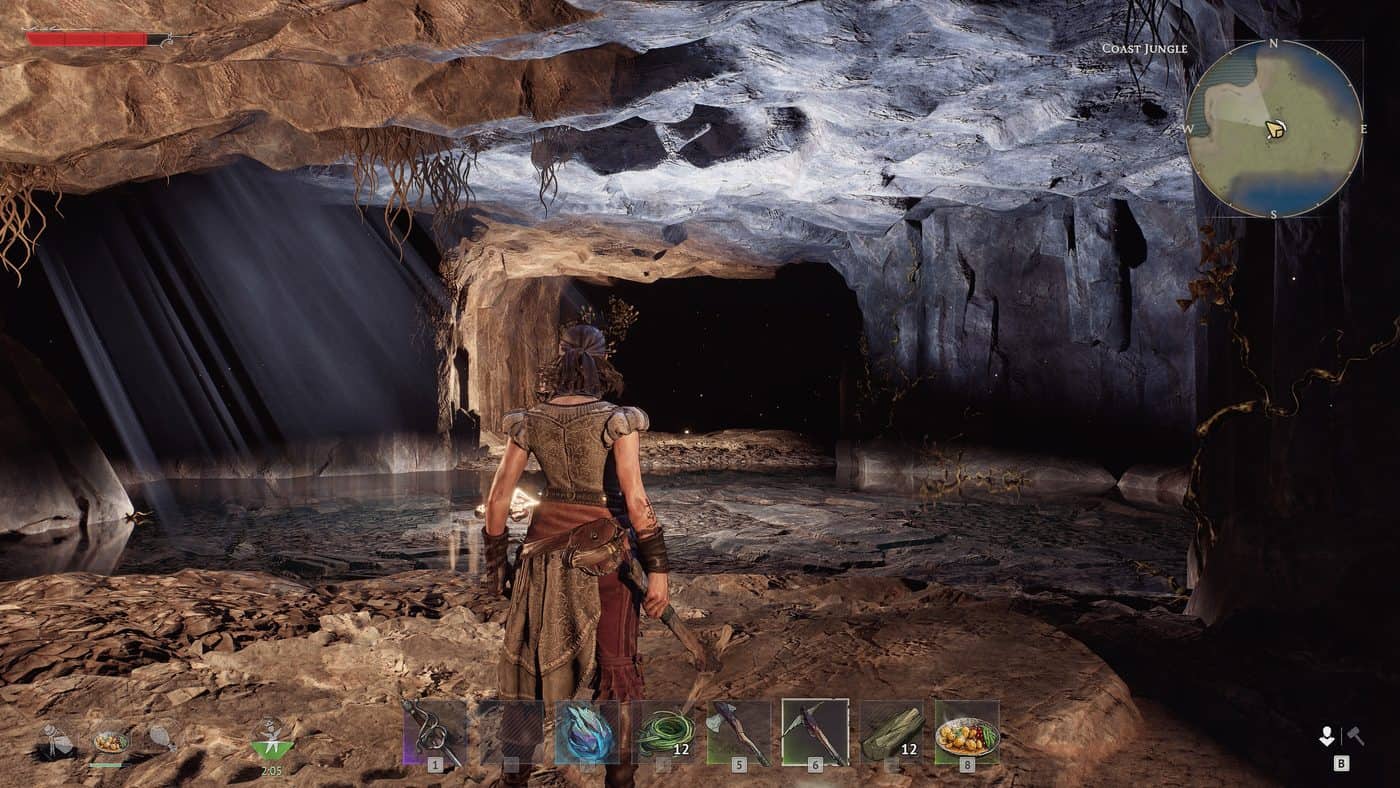
Here, building a base or a ship is intuitive and fast, with blocks that automatically snap into place and architectural freedom that, while not as extensive as in Enshrouded, is more practical for players who don’t want to spend hours perfecting every detail.
However, there are limitations: the game doesn’t offer the same construction depth as Valheim or the systemic complexity of Enshrouded . In Windrose, building is more straightforward and less punishing: there’s no risk of structural collapse or the need to calculate every single piece, but this also means it lacks that sense of ‘extreme survival’ that defines other titles in the genre. After all, the focus here is on piracy, so construction primarily serves to create outposts, ships, and shelters to support sea adventures.
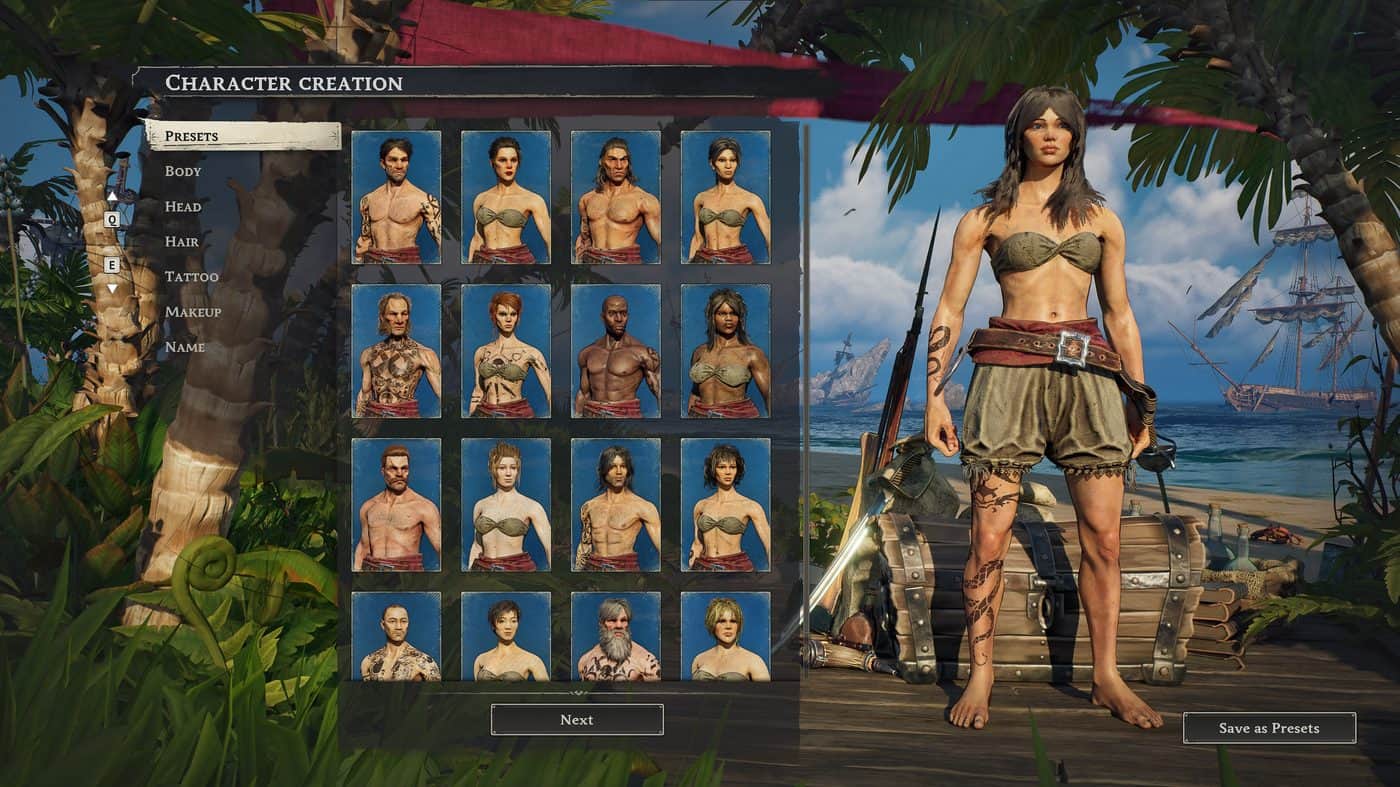
Naval and Land Combat: The Heart of the Experience
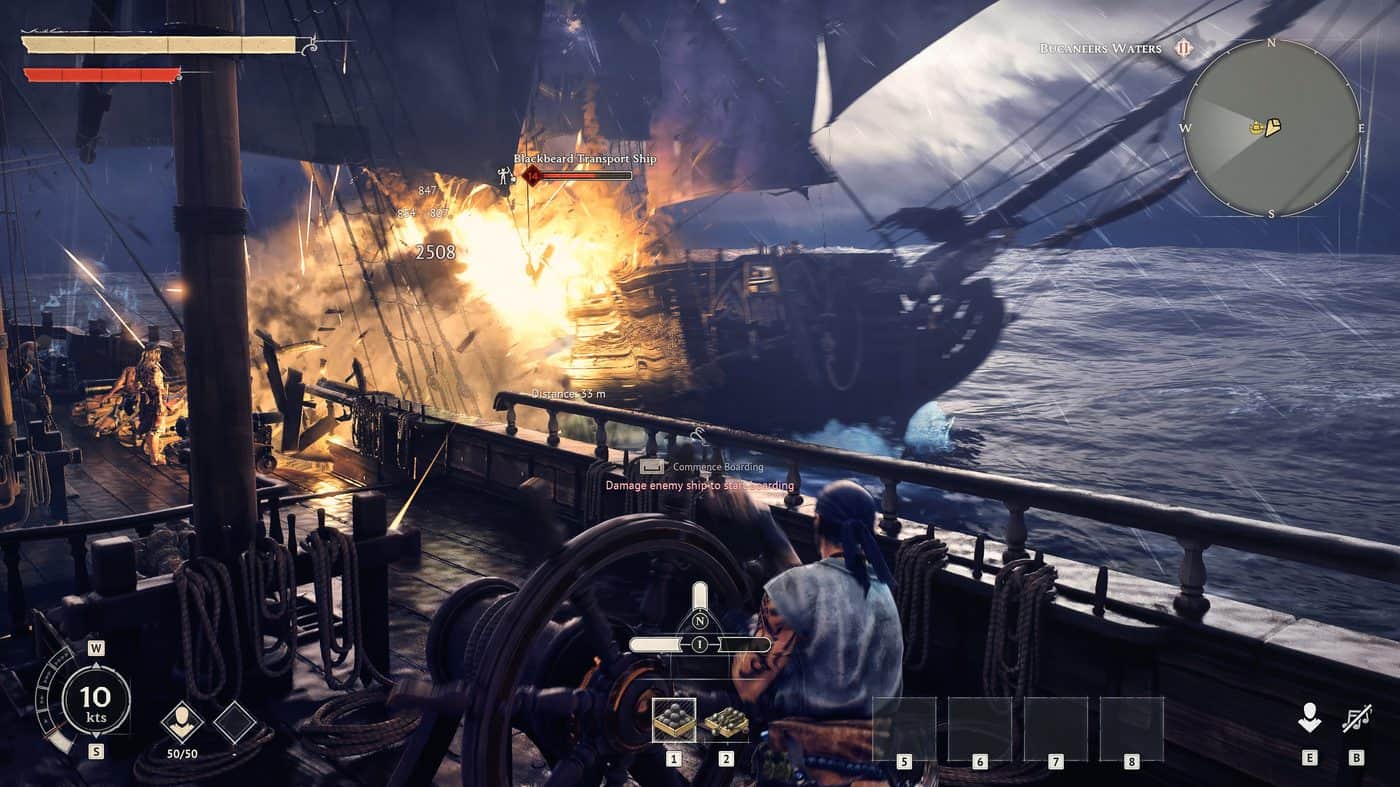
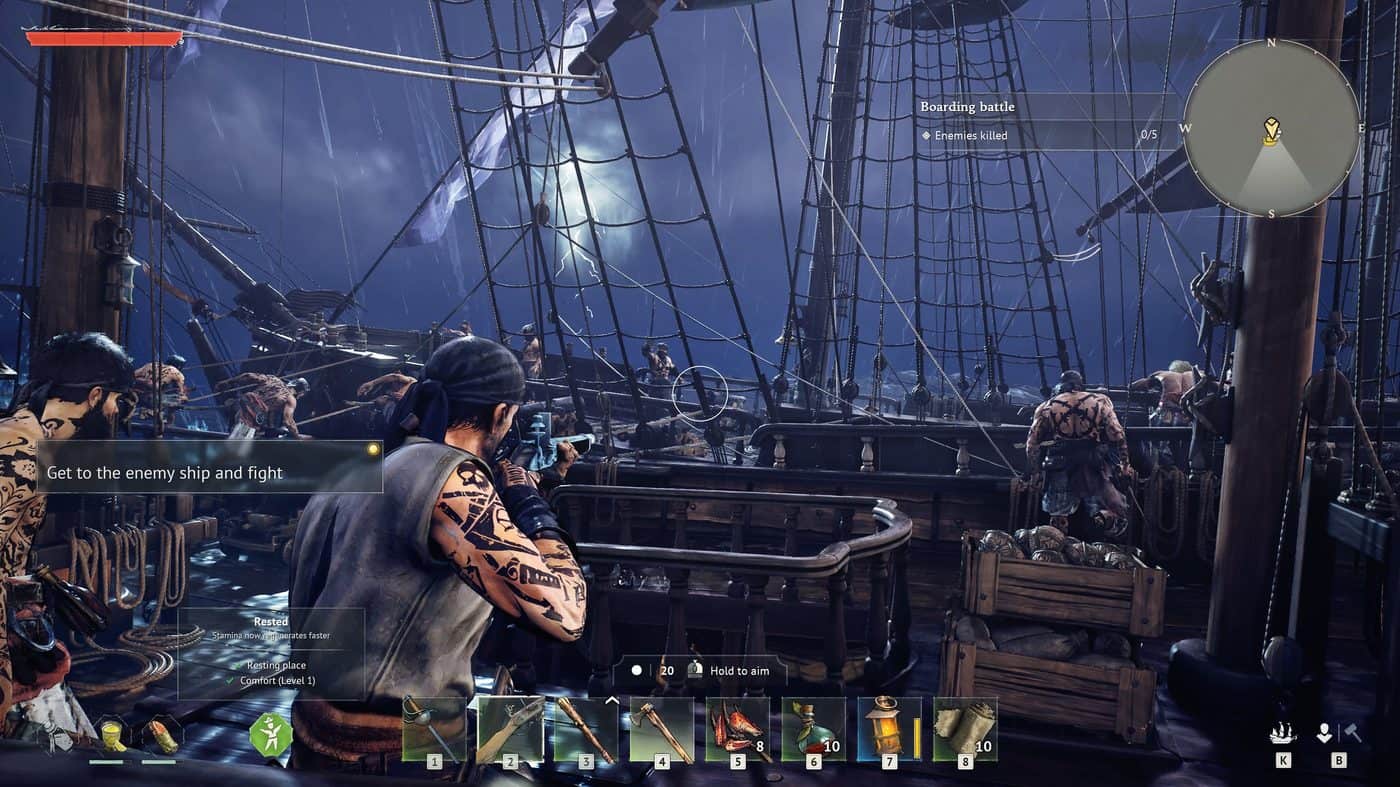
While construction is a strong point, combat is the true standout feature of Windrose. The game offers a hybrid combat system that ranges from melee battles (with swords, halberds, and greatswords) to ranged fights (with pistols and muskets), all the way to naval combat, which is both spectacular and strategic.
Ships, customizable in different styles and sizes, can be equipped with cannons, boarding tactics, and team strategies, making every encounter a dynamic and immersive experience.
Naval and Land Combat: A Perfect Balance
Unlike Sea of Thieves, with its arcade-like teamwork naval combat, or Skull and Bones, with its deep tactical realism, Windrose balances accessibility and depth perfectly.
Players don’t need to be sailing experts to enjoy battles. Those who want to optimize their ship and crew can find meaningful strategies and customizations. The seamless land-to-sea transition, with no loading screens, enhances immersion. Players can disembark, loot, and return to open waters without interruption.
Exploration and Survival: A Procedurally Generated Living World
Windrose stands out for its procedurally generated open world, packed with diverse biomes, hidden dungeons, and points of interest (over 100, according to the developers). Every playthrough offers a unique experience, with islands, treasures, and enemies changing in each session. Survival isn’t overly punishing: there’s no need to take shelter at night like in Valheim or manage basic needs like in The Forest, but the game rewards exploration and preparation.
Side quests, faction trading, and resource management add layers of depth, while character progression (with talents, unique armor, and weapons) ensures that every session yields tangible improvements. However, compared to Enshrouded or Valheim, Windrose lacks an equally epic narrative: the story is linear and less immersive, but this is offset by the atmosphere and constant action.
Conclusion: A Pirate Survival Game That Wins You Over
Windrose impresses with its ability to surprise. It’s not perfect: it lacks Enshrouded‘s construction depth. It doesn’t have Valheim‘s complex narrative or Skull and Bones‘ naval realism. Yet, it blends these elements into a cohesive, fun, and accessible experience. If you love survival games with an adventurous twist, Windrose is for you. Looking for a PvE alternative to Sea of Thieves? It’s an excellent choice. Prefer a simplified but effective building system? Windrose is perfect.
Its greatest strength lies in its ability to make you feel like a true pirate: sailing between mysterious islands, engaging in epic naval battles, building your base, and exploring a world rich with secrets are all experiences that will keep you glued to the screen for hours. With active support from the developers (who have already promised 1.5–2.5 years of updates), Windrose has all the makings of one of the best survival games of 2026.
Add Windrose to your library.
 8.5/10