Definition, History, and the Evolution of Independent Game Development
The term indie game has become increasingly central in today’s gaming culture. But what does indie actually mean in the context of video games? Often associated with small teams and low budgets, the concept goes much deeper. In this article, we explore the definition of indie games, their historical evolution, and their current role in the global games industry.

What Does “Indie Game” Mean?
An indie game, short for independent video game, is typically developed by individuals or small teams without the financial backing or creative control of major publishers. The core idea is autonomy: creative, productive, and decision-making independence.
However, being “indie” is not just about having limited resources. It’s also about the freedom to experiment, to tell personal stories, or to address niche themes without conforming to mainstream market expectations.
The Origins: The 1980s as a Cradle of Independence
With the rise of home computers in the late 1970s and early 1980s, such as the Commodore 64, ZX Spectrum, Apple II, and Amiga, a true independent scene emerged avant la lettre. Young, often self-taught developers created games in garages or bedrooms, distributing them via cassette tapes, floppy disks, printed magazines, or even mail-order.
These early creations, which we would now call indie games, were born from passion, experimentation, and creative freedom in a time when the industry was still fragmented and accessible.
Below are just a few representative examples, far from an exhaustive list, of this pioneering spirit:
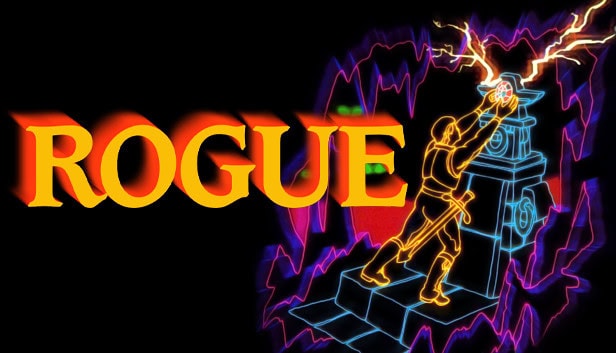
- Rogue (1980) – Created by Michael Toy and Glenn Wichman, it gave rise to the roguelike genre. Distributed freely on university Unix systems, it embodied open-source community-driven innovation.
- Jeff Minter (Llamasoft) – Active since 1982, known for psychedelic and unconventional games developed with a fully independent mindset.
- The Bitmap Brothers – Renowned for distinctive visual identity and self-managed production with games like Xenon and Speedball.
- Team17 – Emerged in the early 1990s with Alien Breed and later Worms, maintaining strong creative independence even as they grew into a publisher.
- David Braben & Ian Bell – Developers of Elite (1984), a revolutionary space simulator published by Acornsoft but conceived and created independently.
- Jordan Mechner – Creator of Karateka and Prince of Persia, both developed solo with a focus on cinematic storytelling and innovative animation.
- Richard Garriott – Started by selling Akalabeth (1979) via mail in plastic bags, before launching the legendary Ultima series.
- Tetris (1984) – Designed by Alexey Pajitnov in the Soviet Union, it was initially distributed freely and without commercial intent. The game rapidly spread worldwide—even through unauthorized channels—leading to a long legal battle over distribution rights. Years later, Pajitnov was finally recognized as the rightful creator. Tetris has since become one of the best-selling games of all time, released across virtually every platform, including arcades and handheld consoles.
The Indie Boom: 2000s and Digital Distribution
The true indie boom occurred between 2005 and 2010, driven by the rise of digital distribution platforms such as:
- Steam (and its Greenlight program)
- Xbox Live Arcade
- itch.io
- App Store and Google Play
These platforms allowed developers to publish their games without traditional publishing contracts.
Key titles from this era include:
- Braid (2008)
- World of Goo (2008)
- Super Meat Boy (2010)
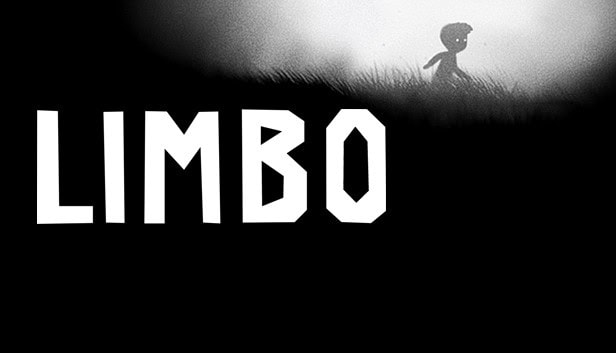
- Limbo (2010)
- Minecraft (2011)
These games demonstrated that indie titles could achieve critical acclaim, financial success, and global reach.
Common Traits of Indie Games
While there is no fixed formula, indie games often share several common characteristics:
Independent Development
No creative interference or budget constraints from traditional publishers. All decisions rest with the creators.
Experimentation
Innovative mechanics, original visual styles, and unconventional narratives.
Small Teams
Often created by 1 to 5 people, usually working remotely or in non-industrial setups.
Niche or Personal Themes
Indie games are free to explore intimate, political, philosophical, or culturally specific subjects.
The Present: Between Independence and Professionalism
Today, the line between indie and mainstream is increasingly blurred. Many indie studios collaborate with “indie-friendly” publishers who provide support without creative control (Devolver Digital, Annapurna Interactive, Raw Fury). Development tools like Unity, Unreal Engine, and Godot have also made game creation more accessible than ever.
The results are evident: indie games such as Hades, Celeste, and Undertale have won prestigious awards, sold millions of copies, and influenced the entire industry.
Why Indie Games Matter
Indie games represent the backbone of innovation in the gaming world. They offer:
- Unique and non-standardized experiences
- A platform for new and underrepresented voices
- A space for risk-taking and experimentation
- Emotionally resonant and authentic content
At indiegamesdevel.com, we believe indie is more than just a label—it’s a cultural stance, a creative act, and a bold challenge to conformity.
Indie as Spirit, Not Structure
Asking “What is an indie game?” invites reflection on the value of creative freedom in video games. Beyond budget or scale, what truly defines an indie game is the independence of vision, the sincerity of the message, and the courage to innovate.
The indie landscape continues to evolve, but its core values remain unchanged: to experiment, to express, and to imagine.

“I was there, Gandalf, I was there, 3000 years ago”
Born in ’76, I personally witnessed the evolution of home and arcade video games, from smoky arcades to 8‑bit home computers, all the way to today’s systems that turned gaming into a universal language. Even back then, I was developing small games and sharing them at school, a path that naturally led me toward modern indie development. That firsthand experience, shaped by curiosity, experimentation, mistakes, and genuine passion, still guides the way I write about, analyze, and support the independent game development scene today.
Useful links:
Rogue (Exploring the Differences between Roguelike, Roguelite and Metroidvania)