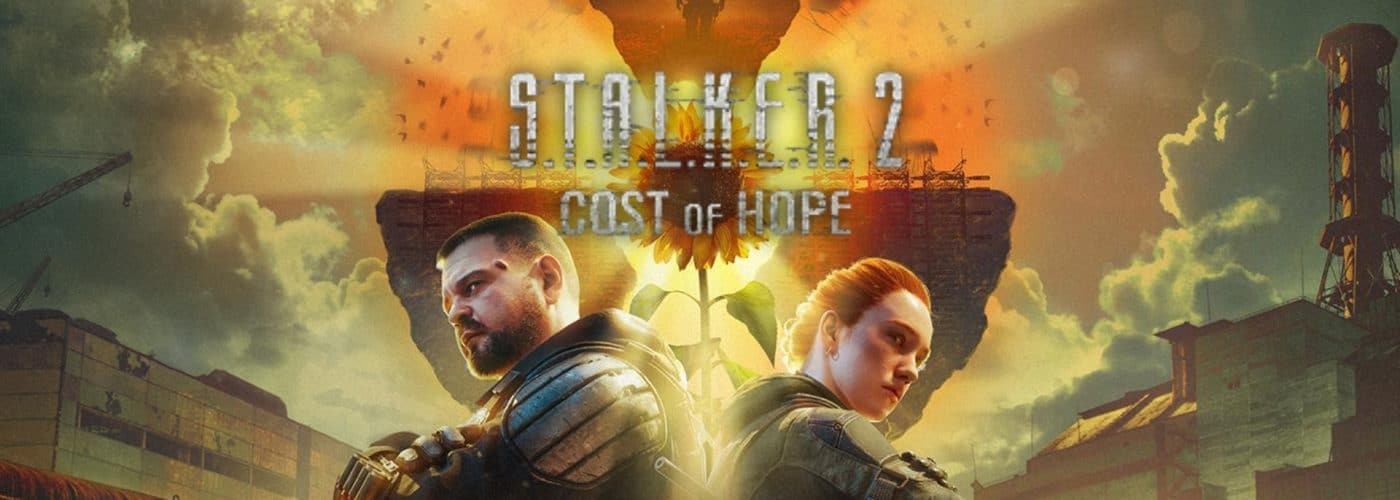
Cost of Hope is a compelling, occasionally exceptional expansion that substantially enriches STALKER 2’s narrative, delivering some of the game’s strongest storytelling yet while leaving many of its long-standing gameplay and technical shortcomings unresolved.
The Zone has never been a place that gives up its answers willingly. In S.T.A.L.K.E.R., every truth conceals another question and every decision can set consequences in motion that the player may not understand until it is far too late. This uncertainty is not simply part of the series’ atmosphere; it is the foundation upon which GSC Game World has built its vision of the Zone: a place that is unstable, unpredictable, and deliberately difficult to define, capable of becoming something entirely different depending on who enters it and what they are prepared to sacrifice.
STALKER 2: Cost of Hope understands that principle, but it also wants to push it into new territory. As the first major expansion for STALKER 2: Heart of Chornobyl, it is not content with the conventional role of an add-on campaign. New missions, weapons, and locations are only part of the equation. GSC Game World is using the expansion to pursue a broader narrative agenda: bringing some of the Zone’s most important factions back to the forefront, giving greater weight to characters who remained largely peripheral during the main campaign, and drawing a stronger connection between the conflicts unfolding inside the perimeter and the political, economic, and military interests shaping events beyond it.
That makes Cost of Hope an important test for STALKER 2. The question is no longer simply how much more content GSC can add, but how effectively the studio can use that additional space to deepen the world it has created. For the most part, the answer is found in the expansion’s narrative.
The storyline surrounding Duty is undoubtedly its strongest material. Voronin, Zulu, and Tkachenko are given an opportunity to exist beyond the ideological framework that has traditionally defined their faction, revealing the people beneath the uniforms and doctrines. Their conflict gives a more intimate meaning to the very concept of duty, reframing it not simply as an ideology, but as a question of belonging, loyalty, brotherhood, sacrifice, and responsibility.
Mavka’s storyline approaches the Zone from another angle. Its exploration of freedom, the possibility of making the Zone’s “miracles” accessible to everyone, and the growing interest of corporations and external organizations adds another layer to the series’ longstanding question of who truly controls the Zone, and who ultimately benefits from what lies within it.
What makes these stories compelling is that they do not merely expand S.T.A.L.K.E.R.‘s mythology. They complicate it. They introduce new perspectives without reducing the Zone’s fundamental ambiguity, and they reinforce the idea that there is rarely a single interpretation of what happens inside the perimeter. It is also where Cost of Hope exposes its most important contradiction.
The expansion’s narrative ambitions are frequently greater than the gameplay systems designed to carry them. GSC Game World has clearly attempted to make Cost of Hope more exploratory and vertically oriented than the main campaign. The expansion introduces platforming sections, environmental puzzles, alternative routes, and encounters that place greater emphasis on observation and navigation. In theory, these additions fit naturally within the series’ philosophy.
The Zone has always been at its most compelling when it encourages the player to look beyond the obvious path and question what the environment is trying to tell them. The execution is considerably less consistent. Platforming can feel imprecise rather than deliberate. Environmental puzzles occasionally introduce frustration without providing a corresponding sense of discovery.
Exploration can become less about interpreting the world and more about finding the one route the level designer intended. These moments expose a structural problem that has affected STALKER 2 beyond the expansion itself: the game often has an extraordinary world to explore, but not always the systems necessary to make navigating that world feel equally convincing.
The same problem becomes apparent in the technical foundations of the experience. Enemy AI remains inconsistent, while A-Life still does not fully deliver the autonomous, emergent ecosystem that has long represented one of the franchise’s defining ambitions. The Zone can look alive, sound alive, and occasionally feel alive — but there are still moments when its inhabitants behave more like components of a game system than independent actors existing within a world of their own.
And that distinction is crucial. Because Cost of Hope does not expose a lack of ideas. Quite the opposite: it demonstrates just how many ideas GSC Game World still has for the future of S.T.A.L.K.E.R. The problem is that those ideas are not always matched by systems capable of realizing them with the same degree of conviction.
That makes Cost of Hope an intriguing – and at times frustrating – step forward. It proves that STALKER 2 still has considerable room to grow, while highlighting the gap between the game GSC Game World clearly wants to build and the one its existing foundations can consistently deliver.
Ultimately, that tension defines the expansion itself: a story that is becoming more confident in its direction, paired with a gameplay framework that is still searching for the same sense of purpose. And somewhere between those two competing identities lies the future of S.T.A.L.K.E.R..
The Zone Still Has Much Left to Reveal
One of the most effective things Cost of Hope does is recognize that, after the events of the main campaign, the Zone needed to be seen from more than one perspective.
Skif remains the central figure, as he should, but the expansion deliberately broadens its lens. Characters who previously existed on the fringes of the story are given greater prominence, while established factions are revisited through their internal conflicts, convictions, and competing agendas. Figures who once served primarily as supporting players are now placed at the heart of events that the main campaign often left us to observe from a distance.
It is a crucial shift, because it allows GSC Game World to return to one of S.T.A.L.K.E.R.‘s most enduring strengths: using the Zone not simply as a backdrop, but as a stage on which fundamentally opposing worldviews collide.
There has never been a single answer to what the Zone represents. To some, it is a threat that must be contained or destroyed. To others, it is a resource to be understood. And for some, it is something far more fundamental: a force that should never belong to anyone in the first place.
Cost of Hope builds its narrative around that ideological fault line. As the campaign unfolds, the player is eventually faced with a defining choice, splitting the story into two distinct paths: one centered on Zulu and the Duty, the other on Mavka and the Freedom.
It is an ambitious structure, at least in concept. By allowing the player to align with opposing factions, the expansion attempts to give its choices greater narrative consequence and make the player’s perspective on the Zone part of the story itself.
The problem is that the branching narrative is not always matched by an equally meaningful divergence in gameplay. The underlying structure often feels as though it is reaching for a level of narrative complexity that the experience cannot consistently support.
That becomes particularly apparent when the two paths begin to separate. The differences are there, but they do not always carry the weight the premise promises.
Cost of Hope occasionally gives the impression of wanting to tell two substantially different stories while still operating within the confines of a fundamentally linear framework. Yet when the expansion stops trying to divide its attention and instead commits fully to a single faction, its writing becomes considerably more focused. The Duty storyline is the clearest example of what Cost of Hope can achieve when its ambitions and its structure finally align.
A Different Side of the Duty
If there is one storyline that makes Cost of Hope difficult to dismiss, it is the one built around the Duty. Its importance does not come simply from giving the expansion another faction to explore, but from doing something the series has rarely had the opportunity to do in such depth: show us what it means to live by the Duty’s ideals.
The Duty has long been one of the defining forces within the S.T.A.L.K.E.R. universe. Its conflict with the Freedom is fundamental to the series’ history, as is its uncompromising belief that the Zone represents a threat that must be contained, controlled, and ultimately prevented from spreading.
Yet ideology alone tells us very little about the people who choose to devote their lives to it. Knowing what the Duty stands for is not the same as understanding why its members are willing to fight for it. Cost of Hope finally closes some of that distance.
The storyline begins with an investigation surrounding Nord, a particularly dangerous mercenary, and an anomalous technology whose potential consequences become increasingly difficult to ignore. What initially appears to be a familiar assignment – the sort of dangerous job a veteran Stalker might accept without fully understanding what they are getting into – gradually develops into something far more consequential.
The deeper the investigation goes, the more the boundaries of the original mission begin to collapse. The technology carries implications far beyond its immediate purpose. Competing factions begin moving into position. Individual interests collide with broader ideological objectives. And what initially looked like another dangerous operation in the Zone slowly reveals itself as a struggle over who gets to determine what the Zone becomes. That escalation eventually leads to the expansion’s defining choice: Zulu or Mavka. Duty or Freedom. Order or liberty.
On the surface, it is a familiar S.T.A.L.K.E.R. dichotomy. But Cost of Hope uses it to explore something more fundamental than a simple factional rivalry. The choice becomes a question of what humanity should do with a phenomenon it cannot fully understand: contain it, control it, and protect the world from it, or accept its existence and allow people to determine for themselves what possibilities it might offer. That is where the Duty storyline finds its greatest strength.
Rather than treating the faction as a collection of uniforms, weapons, and ideological slogans, the expansion begins to strip those abstractions away. Its members are not simply soldiers defending a doctrine. They are people bound by loyalty, shaped by shared experiences, and forced to reconcile their personal convictions with the demands of the cause they have chosen.
And that shift gives the Duty something the faction has often lacked: a human dimension. For perhaps the first time, the conflict between Duty and Freedom feels less like a clash between two opposing factions and more like a confrontation between two fundamentally different answers to the same impossible question. What should humanity do with the Zone?
Voronin: Beyond the Duty Ideology
The Duty storyline would not carry nearly the same weight without the characters who inhabit it. This is where Voronin becomes so important. One of the expansion’s most welcome surprises is the decision to portray him as more than a commander standing behind a desk, handing out orders and sending Stalkers into the Zone. Voronin is a politician, a soldier, and, above all, a man carrying the consequences of the ideology he has spent years defending.
His interactions with other members of the Duty, his understanding of the responsibility attached to his position, and his relationship with the organization itself reveal a character caught between leadership and loyalty, between what Duty demands of him and what he personally believes is worth protecting. It is through Voronin that the faction begins to shed its role as an abstraction.
Duty stops being a a doctrine or simply an opposing force within the Zone. It becomes a community: men and women bound by shared experiences, common convictions, and a history that has shaped the way they see the world. That transformation is the real achievement of the storyline.
For several hours, Cost of Hope manages something remarkably difficult for an expansion: it makes belonging feel tangible. You are no longer simply taking contracts from the Duty or completing objectives on its behalf. Gradually, the distinction between working for them and standing with them begins to disappear. You feel as though you are fighting alongside them.
That shift changes the way the missions themselves register. Encounters become more personal. Conversations carry greater significance. Characters who could easily have remained functional quest-givers are instead given identities, relationships, and personal stakes that extend beyond the immediate objectives. And that groundwork pays off later.
When the storyline reaches its more consequential moments, their impact comes not simply from what happens, but from who it happens to. The expansion has invested enough time in making the Duty feel like a group of people rather than a faction on a map that its victories, losses, and sacrifices begin to carry genuine emotional weight. For once, S.T.A.L.K.E.R. does not merely ask you to choose a side. It gives you a reason to care about the people standing on it.
Into the Depths of the Zone
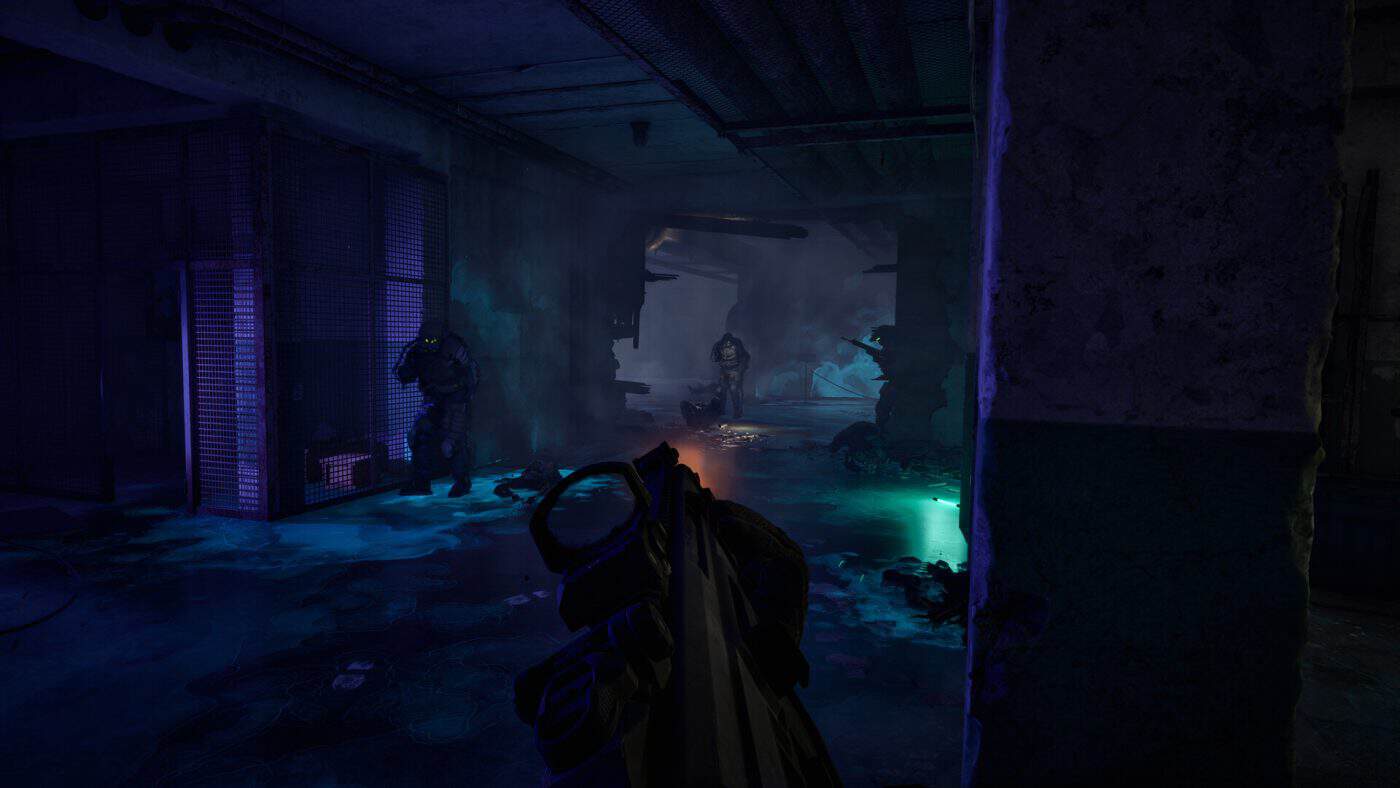
The subway sequence is arguably the strongest expression of this shift. What begins as another dangerous operation gradually develops into a genuine sense of urgency, as the mission moves beyond the familiar logic of individual survival and starts placing the fate of an entire group in Skif’s hands. For once, Skif is not fighting simply to make it out of the Zone himself.
He is fighting to get the people around him out alive. The distinction may appear minor on paper, but it changes the emotional stakes of the sequence. The action is no longer carried by spectacle alone; it draws its weight from the relationships the campaign has spent time establishing.
That investment pays off when Tkachenko finally enters the story. The encounter with the general is among the expansion’s most consequential narrative moments, not least because it reconnects the personal conflict of the Duty storyline with the broader history of the faction.
Tkachenko is not merely a character from the Duty’s past. He represents the consequences of everything that came before: the decisions made, the convictions defended, and the contradictions that inevitably emerge when an ideology is pushed to its limits. His presence gives the storyline a sense of historical continuity that extends well beyond the characters currently standing in the Zone. For a moment, the personal and the political become inseparable, linking the experiences of Skif and the Duty to the larger mythology that has shaped S.T.A.L.K.E.R..
From there, the campaign advances toward the Chernobyl Nuclear Power Plant, eventually erupting into an extended military operation that ranks among Cost of Hope‘s most ambitious sequences. GSC Game World dramatically expands the scale of the conflict, allowing the Zone to briefly shed its familiar atmosphere of isolated skirmishes and become something closer to an active warzone.
It is a surprisingly effective change of pace. The spectacle works because it has been given context. GSC does not simply throw a large-scale battle at the player and expect the scale alone to create an emotional response. The preceding hours have established the people involved, the reasons they are fighting, and the consequences attached to failure. By the time the conflict reaches this scale, the player has already been given something worth fighting for.
That becomes particularly important during the subsequent passing of the torch, which carries an almost heroic quality. The scene evokes what could loosely be described as a “Master Chief moment”: the point at which a protagonist who has spent much of the story reacting to events suddenly becomes the person others look toward when everything begins to fall apart.
For S.T.A.L.K.E.R., that is a significant departure. The series has traditionally found its identity in isolation: one Stalker against an indifferent environment, surrounded by forces that cannot be fully understood and rarely controlled. Turning Skif into a rallying point for other characters could easily have felt too conventional, too overtly heroic for the world GSC has established.
Instead, the moment works because the game earns it before it asks the player to feel it. The relationships come first. The trust is established gradually. The stakes become personal long before the action becomes spectacular. When the scale of the conflict expands, the emotional response therefore feels like a consequence of the journey rather than an instruction from the script.
That is what makes the sequence so effective. Cost of Hope temporarily abandons the isolation that has defined S.T.A.L.K.E.R. for so long, but it does not abandon the human vulnerability at the heart of the series. For a brief moment, the Zone stops being a place where you survive alone and becomes a place where people survive because they choose to stand together.
Every Answer Has a Price
The weakness becomes harder to overlook as the storyline moves toward its conclusion. Once again, Cost of Hope demonstrates that it has plenty of answers to offer, but y few conclusions.
The expansion does a considerable amount of work to broaden our understanding of the world beyond the Zone. The Ward are given greater political and narrative weight, the mercenaries are placed within a more complex web of interests, and the relationship between the Zone and the institutions operating beyond its borders becomes considerably clearer.
Even events from the main campaign acquire new context, encouraging the player to reconsider moments that previously seemed isolated or deliberately opaque.
As world-building, it is effective. Cost of Hope adds texture to the broader setting and, in several places, makes S.T.A.L.K.E.R. 2 feel like part of a much larger political and historical landscape.
But the closer the expansion gets to its ending, the more familiar the experience becomes. There is once again a door in front of the player – and once again, the game stops just short of opening it.
In the main campaign, that restraint could reasonably be defended as a deliberate narrative strategy. STALKER 2 was establishing a new era for the series, introducing characters, conflicts, and mysteries that could potentially shape the future of the franchise. Not every question needed an immediate answer. In fact, leaving certain threads unresolved was arguably part of the appeal.
Cost of Hope occupies a different position. An expansion exists not only to deepen the mythology, but to provide some form of progression within it. It should add pieces to the puzzle while also giving the player a clearer sense of what the completed picture might look like.
That is where the DLC finds itself caught in an uncomfortable contradiction. GSC Game World clearly understands how powerful its mysteries are. It knows how to connect apparently unrelated events, and how to make the Zone feel as though there are forces operating far beyond what the player can see. What it remains reluctant to do is bring those threads to a meaningful point of resolution.
The world expands. The mythology becomes denser. The relationships between factions become more apparent. Characters acquire new dimensions. And yet the closer we seem to get to understanding the Zone, the further its ultimate destination appears to move.
For a series built around uncertainty, that is not inherently a problem. S.T.A.L.K.E.R. should never become a universe in which every anomaly has a convenient explanation and every mystery comes with a neatly packaged answer. Ambiguity is part of what gives the Zone its identity.
But ambiguity and incompleteness are not the same thing. A mystery needs an answer eventually: not necessarily a complete one, but a meaningful one. The player needs to feel that the discoveries they have made matter, that the questions they have followed have led somewhere, even if what lies at the end remains open to interpretation. Cost of Hope offers more information and more reasons to keep looking. What it does not quite offer is the sense of arrival.
And after another substantial journey through the Zone, that absence becomes difficult to ignore.
The Illusion of Freedom
The alternative path, built around Mavka, approaches the Zone from an entirely different ideological starting point. Where the Duty storyline is concerned with belonging, discipline, and collective responsibility, Mavka’s campaign is driven by a far more uncompromising idea: freedom.
Not freedom in the abstract, and not merely freedom from authority. Here, it is about something much more concrete: who has the right to access the Zone’s resources, who is allowed to benefit from them, and who gets to decide what their power ultimately becomes.
The premise is one of the expansion’s most intriguing. The phenomena created by the Zone, Mavka argues, should not become the exclusive property of governments, corporations, militaries, or clandestine organizations. They should not be locked away and controlled by those powerful enough to claim them. They should belong to everyone. It is a philosophy that brings the Freedom back toward the ideological foundations that have always defined the faction, while allowing Cost of Hope to revisit one of the most fundamental questions in the entire S.T.A.L.K.E.R. lore:
Who has the right to decide what happens to the Zone? Mavka embodies the most uncompromising version of that belief. For her, freedom is not simply a political preference; it approaches a moral imperative. Chekhov takes the idea one step further, envisioning a revolution capable of carrying the Zone’s transformation into the outside world. Then there is Miklukha.
His role exposes the uncomfortable distance between an ideal and the machinery required to make that ideal real. Through him, the language of liberation gradually becomes entangled with something far more familiar: power, money, and control.
The voucher system captures that contradiction particularly well. What begins as an attempt to distribute the Zone’s resources more broadly – to ensure that its potential cannot be monopolized by a handful of institutions – eventually becomes another mechanism through which influence can be accumulated and exercised. And that is where the Freedom’s philosophy begins to undermine itself. A system created to break the monopoly of power can become a new monopoly of power.
The contradiction is hardly accidental. Cost of Hope uses the Freedom storyline to examine how quickly political ideals can become compromised once they encounter the realities of economics, influence, and human ambition. The question is no longer simply whether the Zone should be free. It becomes a far more uncomfortable one: what happens when the people fighting for freedom discover that freedom itself can be turned into a commodity?
This is what elevates the conflict beyond the familiar Duty-versus-Freedom divide. Duty wants to contain the Zone. Freedom wants to open it. Others want to exploit it.
And behind all three positions lies the same fundamental struggle: who gets to determine what the Zone is worth, and who gets to decide who benefits from it? At its best, Cost of Hope refuses to reduce that question to a simple ideological binary. There is no perfectly clean answer, because the Zone itself resists the idea that anything within it can ever remain pure.
Freedom can become control. Liberation can become exploitation. An ideal built to empower everyone can eventually serve the interests of the few. The Zone does not simply test what people believe. It tests what those beliefs become once power enters the equation.
Too Much Challenge, Too Little Reward
Where the Duty campaign strikes a natural balance between combat, exploration, and storytelling, Mavka’s route is a far more demanding proposition. Puzzles become more prominent, paths are less clearly signposted, and exploration is given considerably more responsibility for carrying the experience forward. The player is expected to read the environment and work out the logic behind individual areas rather than following a marker to the next objective.
On paper, this is exactly the sort of design philosophy that should suit S.T.A.L.K.E.R.. The series has always been at its most compelling when it trusts the player to observe rather than explains everything outright. There is a particular satisfaction in finding a solution because you noticed something the game never explicitly pointed out. The execution, unfortunately, is inconsistent.
The problem is not that the puzzles are difficult. It is that their difficulty does not always feel deliberate. In several sections, the challenge lies less in solving a thoughtfully designed puzzle than in determining what the game actually expects you to notice in the first place.
That distinction is crucial. A good environmental puzzle should make the player feel as though they have uncovered a piece of the game’s internal logic. The moment of resolution should feel earned: you noticed the clue, understood its significance, connected it to the surrounding environment, and arrived at the answer yourself. In Cost of Hope, there are occasions when that process breaks down. The intended solution can become so difficult to read that progress feels dependent on trial and error, repeated experimentation, or simply stumbling upon the correct interaction.
And that has consequences beyond the puzzles themselves. Exploration thrives on momentum. You keep moving because the environment gives you a reason to look around, because every corridor, structure, and distant landmark suggests that something might be waiting to be uncovered. When a game communicates its internal logic effectively, even getting lost can become part of the experience. But when the problem is not understanding the puzzle but understanding what the game wants you to notice, curiosity gives way to frustration.
This is particularly unfortunate because Cost of Hope clearly understands the value of environmental storytelling. Its strongest areas reward players who slow down, look beyond the obvious route, and pay attention to their surroundings. Yet the same philosophy becomes a liability when the distinction between an intentionally obscure clue and an unintentionally unclear objective begins to disappear. There is a fine line between asking the player to think and asking the player to guess. Mavka’s campaign crosses that line more often than it should.
Too Many Ways Up
If the narrative is where Cost of Hope reaches its highest point, its platforming is where the expansion most clearly loses its footing. The influence of Tomb Raider is unmistakable: vertical traversal becomes a more prominent part of progression, jumps are increasingly integrated into level design, and environments are built around a degree of 3D movement that S.T.A.L.K.E.R. 2 has never previously demanded. The problem is that Skif’s movement was not designed for this kind of game.
S.T.A.L.K.E.R. 2 was built around grounded traversal and first-person exploration, not precision platforming. It has no movement abilities specifically designed for vertical traversal, no particularly refined system for controlling the character in the air, and – most importantly – little margin for error when the level design begins demanding precision.
A fall of only a few metres can be enough to kill Skif. That can work when the player is navigating the hazardous terrain of the Zone and misjudging a drop has meaningful consequences. It becomes considerably harder to accept when the same outcome follows a jump that the controls simply fail to communicate with sufficient consistency. That is ultimately the core problem with Cost of Hope’s platforming. The issue is not that the expansion asks the player to jump. It is that the movement system and the level design are not always speaking the same language.
The controls lack the precision that some of these encounters demand. Skif can fail to catch a surface that appears within reach, slide from ledges in ways that are difficult to anticipate, or simply behave differently from what the player’s input suggests should happen. A sequence intended to test timing and spatial awareness can therefore become an exercise in managing the game’s inconsistencies. The consequence is a frustratingly familiar cycle: attempt, fail, die, reload, repeat.
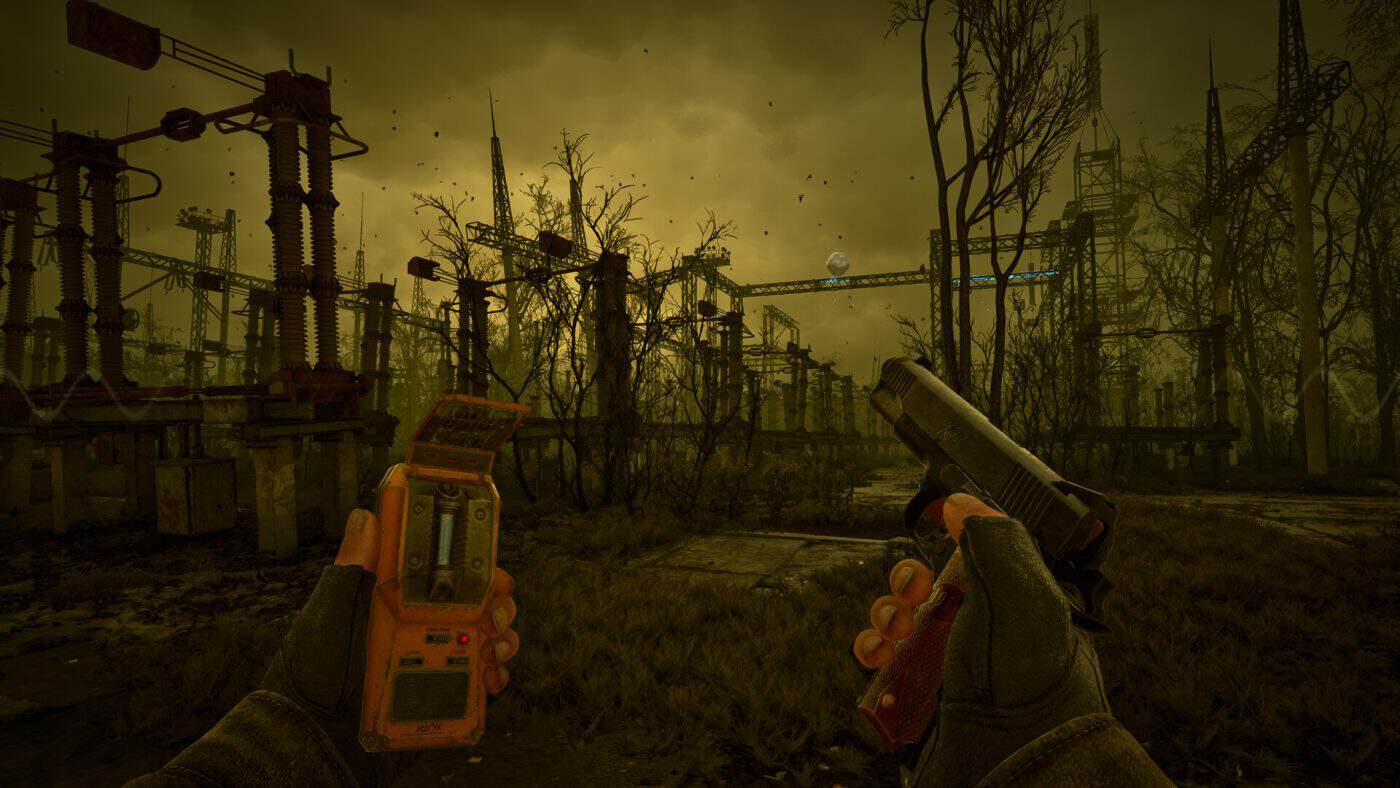
That might sound like a minor inconvenience, but S.T.A.L.K.E.R. 2 is a game built around immersion. Its greatest strength lies in convincing the player that the Zone is a coherent, hostile environment: a place that exists beyond the immediate objective and is capable of producing danger without warning. Platforming sections that require repeated attempts at the same jump disrupt that illusion. The first sequence inside the power plant already demonstrates the limitations of this approach.
The water puzzle at SIRCAA makes the problem more apparent, while the centrifuge sequence takes it to its most extreme. What should function as a change of pace instead becomes one of the expansion’s most conspicuously frustrating stretches, largely because the precision demanded by the level design is not matched by the precision of the movement system.
This is where Cost of Hope struggles to reconcile two very different design philosophies. It wants the player to approach the Zone as an intricate three-dimensional space, rewarding vertical exploration and environmental observation. Yet the underlying movement mechanics remain those of a game whose strengths have traditionally come from walking, running, shooting, and surviving within a grounded first-person environment. The result is an unfortunate disconnect between the spaces GSC has built and the tools it gives the player to navigate them.
And when a platforming section becomes memorable not because of the environment, the discovery, or the tension it creates, but because of how many times you had to repeat the same jump, something has clearly gone wrong. By that point, Professor Dvupalov’s “magical” vodka stops feeling like comic relief and starts looking increasingly like a practical piece of survival equipment.
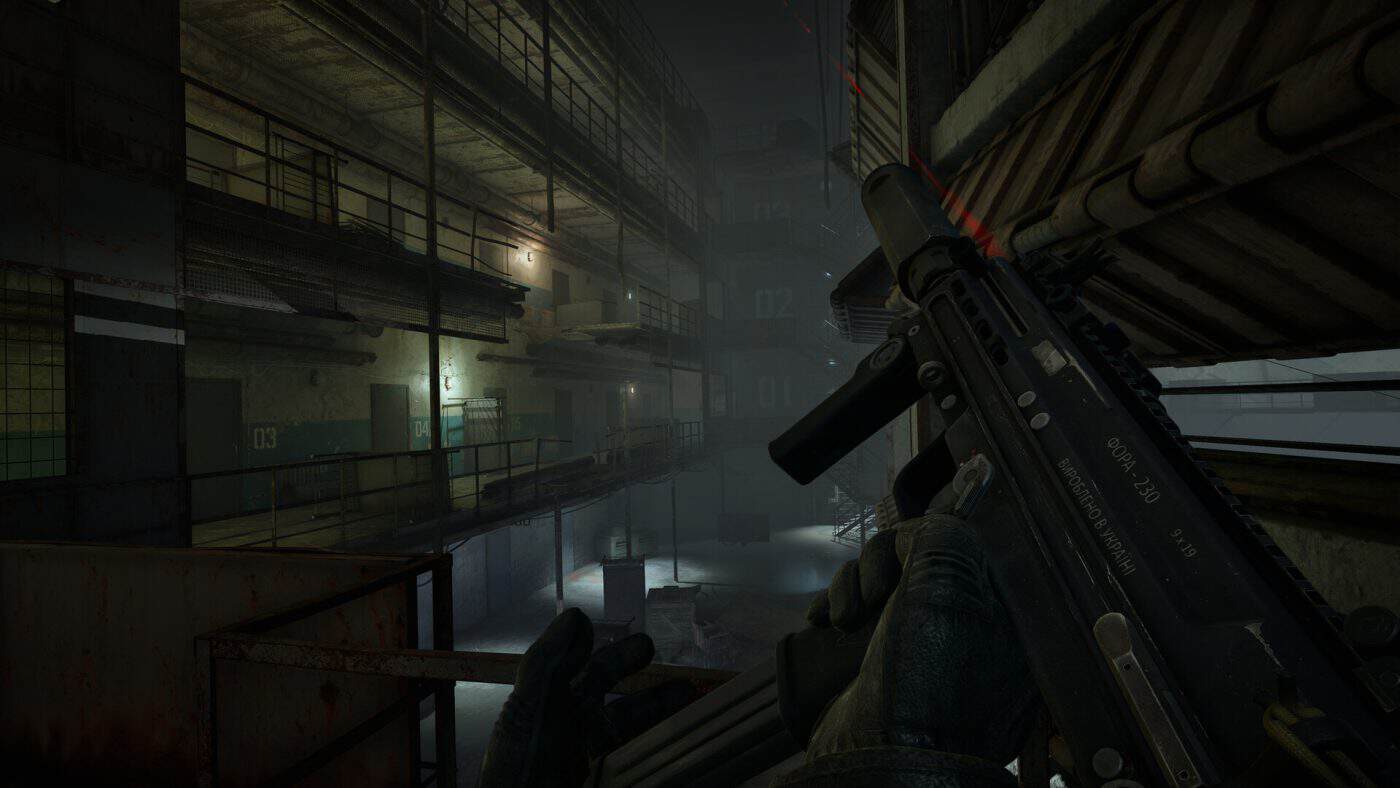
Through the Iron Forest to the Nuclear Power Plant
The expansion’s new environments are among its most accomplished additions, both visually and atmospherically. Once again, GSC Game World demonstrates its ability to build locations that are not simply striking to look at, but designed to make the player feel exposed and constantly at risk.
The Iron Forest is the strongest example. It has a distinctive visual identity and an atmosphere that rarely allows the player to settle. Anomalies, Snorks, and other mutants can turn an otherwise routine expedition into a dangerous encounter with almost no warning. It captures the essence of S.T.A.L.K.E.R. particularly well: the Zone feels alive because it never feels entirely predictable.
Yet that same strength can become a weakness when the pressure is applied too consistently. Danger is most effective when it creates tension without eliminating curiosity.
The player should be encouraged to stop, observe the environment, weigh the risks, and decide whether the potential reward is worth the danger. When threats become almost continuous, however, that calculation changes. Exploration becomes less about discovering what the Zone is hiding and more about finding the safest and fastest way through it.
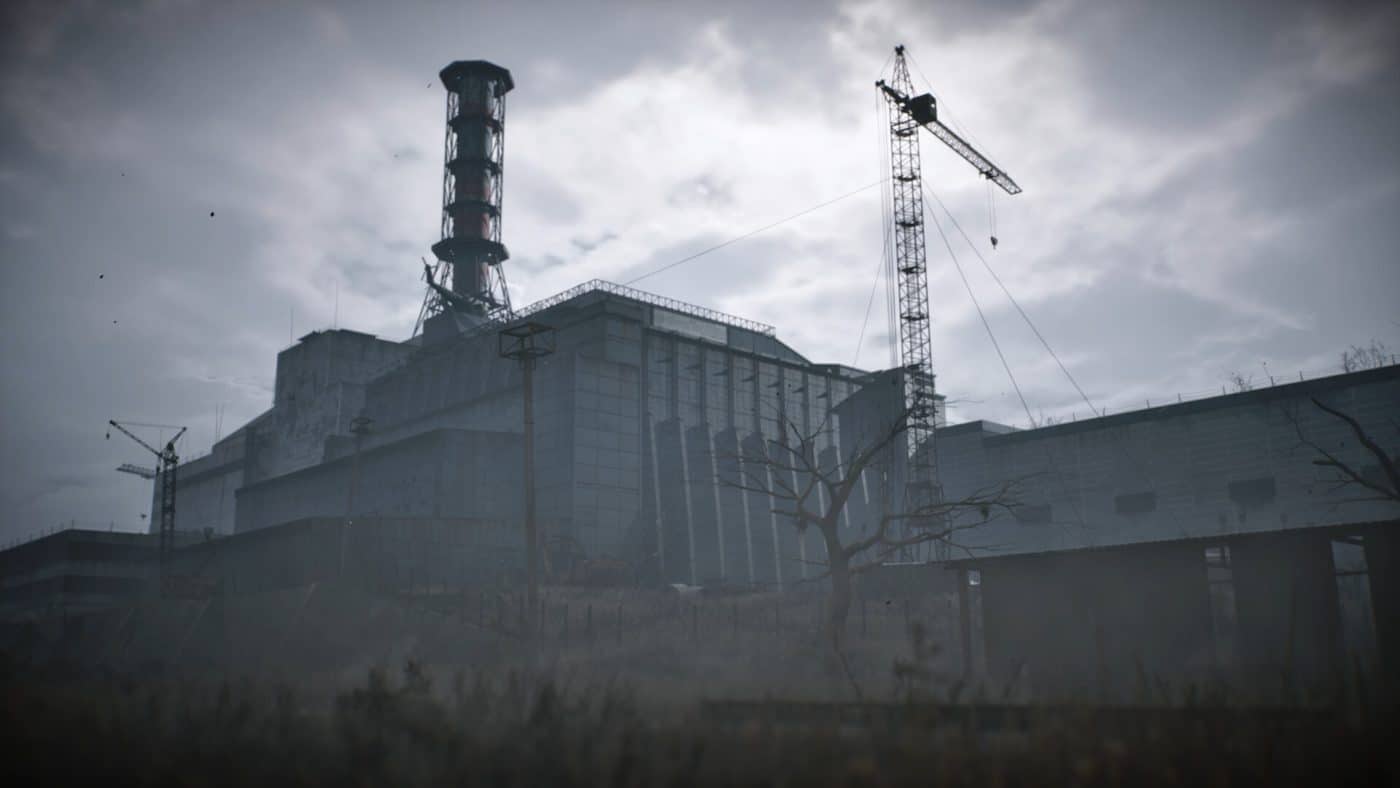
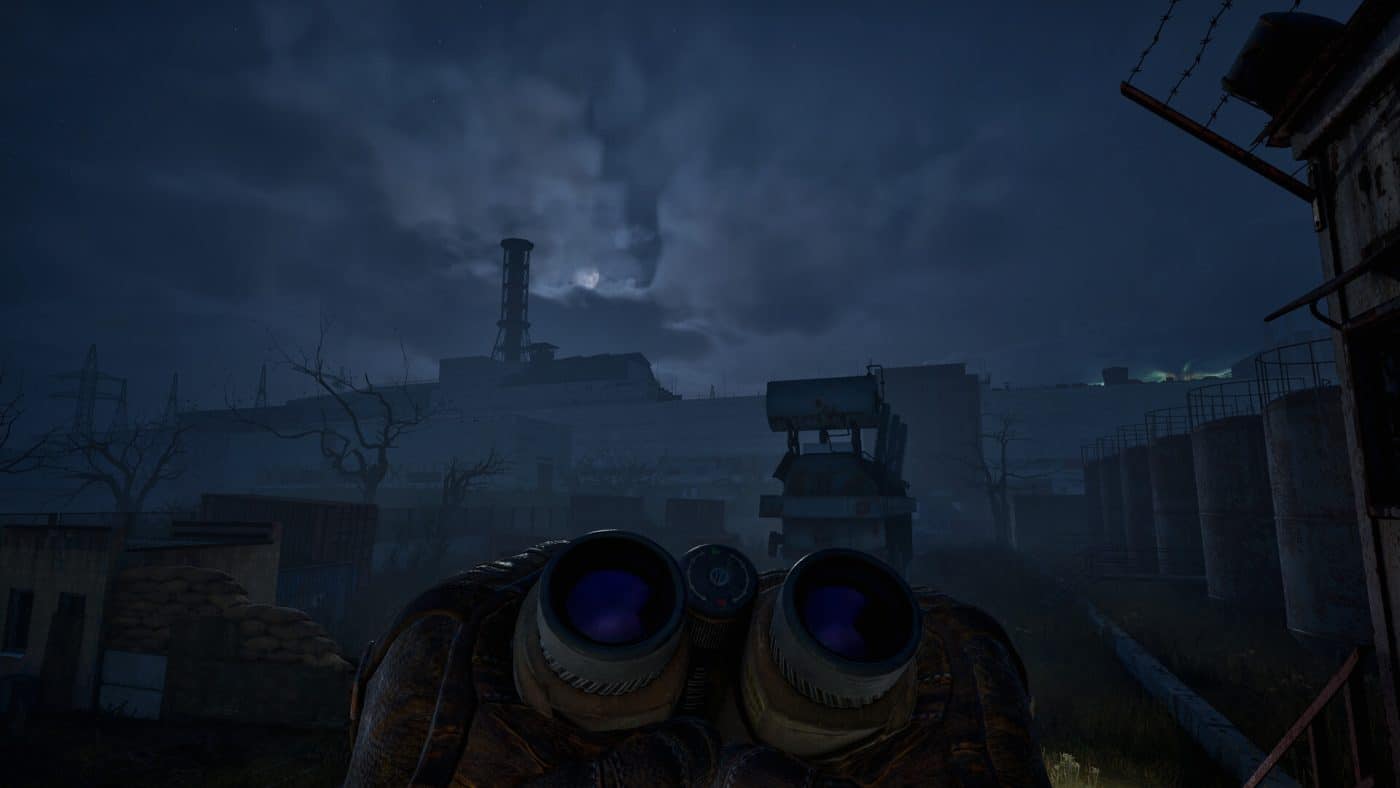
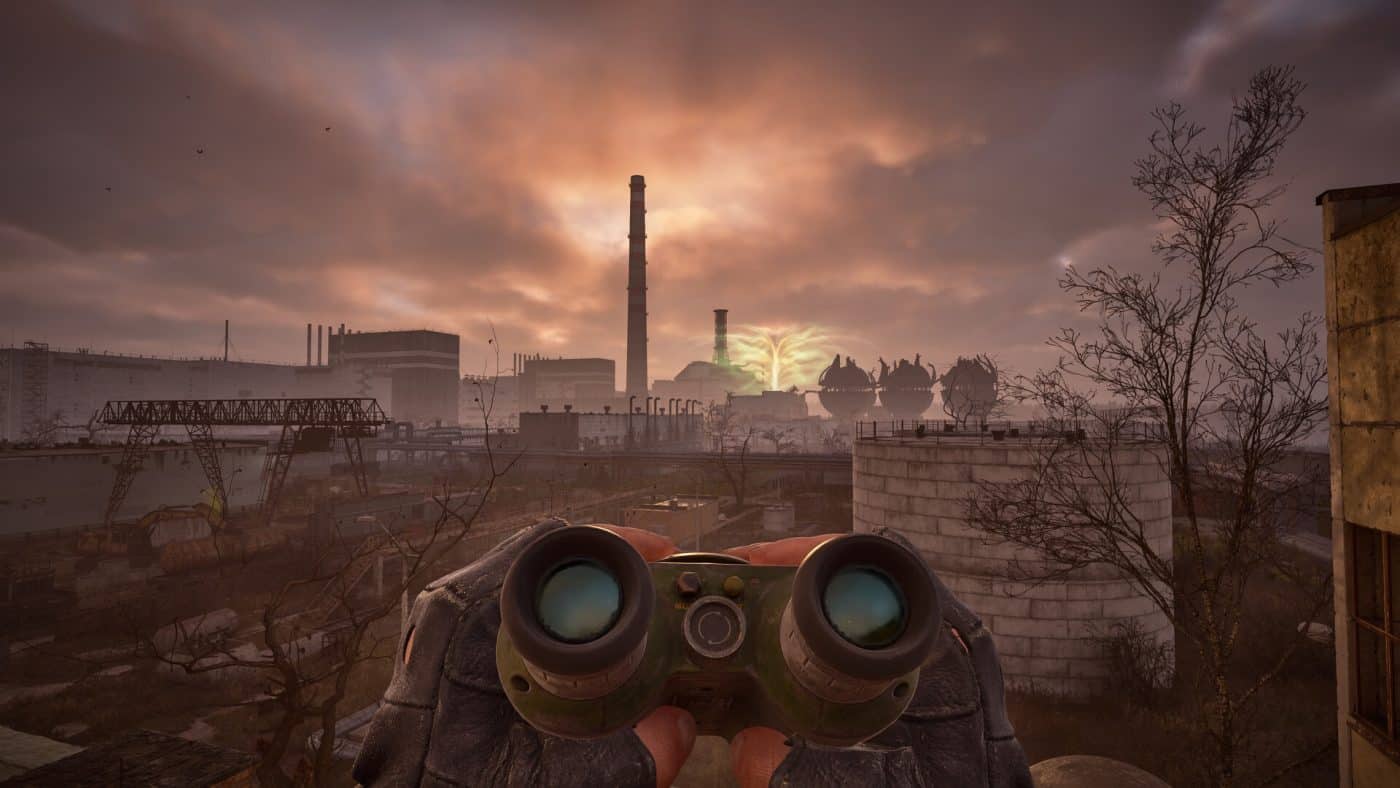
The Nuclear Power Plant makes that tension even more apparent. As a location, it is arguably one of the expansion’s most impressive. Its narrative importance gives it immediate weight, while its enormous industrial structures provide GSC with an opportunity to revisit the architectural imagery that has become inseparable from the identity of S.T.A.L.K.E.R.. The environment feels monumental, hostile, and unmistakably tied to the mythology of the series.
But once again, the encounter design sometimes works against the environment itself. The anomaly capable of killing the player within seconds unless they locate shelter almost immediately is a particularly questionable example. The problem is not that the anomaly is dangerous: the Zone should be dangerous. The problem is what that danger asks the player to do.
There is a meaningful difference between forcing the player to proceed cautiously and forcing them to abandon exploration altogether. The best hazards in S.T.A.L.K.E.R. create a dilemma. They make you think about your route, consider your equipment, and wonder whether the anomaly ahead is concealing something worth risking your life to reach. They make you hesitate, but they do not remove your desire to continue. Here, that dynamic occasionally breaks down.
Instead of asking: “What is waiting beyond this?” The player is left asking: “How quickly can I get through this?” That may sound like a subtle distinction, but it fundamentally changes the relationship between the player and the environment. The Zone works because it is simultaneously hostile and inviting. It wants to kill you, but it also gives you reasons to keep looking. Its most memorable moments emerge from that contradiction: the feeling that something dangerous might be hiding somewhere you desperately want to explore.
When the design pushes the player toward simply passing through an area rather than understanding it, the environment becomes little more than an obstacle between the player and the next objective. That is particularly unfortunate in Cost of Hope, because GSC has created some of its most evocative spaces here. The challenge now is not whether the studio can build a convincing Zone. It clearly can. It is whether the systems inhabiting that Zone can give the player enough reason to stop and experience it.
AREV and Binoculars: Turning Observation Into Exploration
Not every new mechanic introduced in Cost of Hope falls into the same traps. In fact, some of the expansion’s additions work precisely because they understand what S.T.A.L.K.E.R. already does well rather than attempting to reinvent it. The binoculars, introduced with Update 2.0, are perhaps the best example. Different variants allow the player to gather more information about distant targets, offering additional details that can help assess a situation before committing to an encounter.
It may sound like a relatively small addition, but it reinforces one of the series’ most fundamental principles: observe first, act second. The binoculars do not make Skif more powerful. They do not give him another offensive advantage or turn reconnaissance into a mechanical shortcut. Instead, they improve the player’s ability to read the environment. That distinction is crucial in a game where preparation and situational awareness are often more valuable than raw firepower.
Knowing what is ahead, understanding the threat before engaging it, and deciding whether an encounter is worth taking are all part of what makes surviving the Zone so compelling.
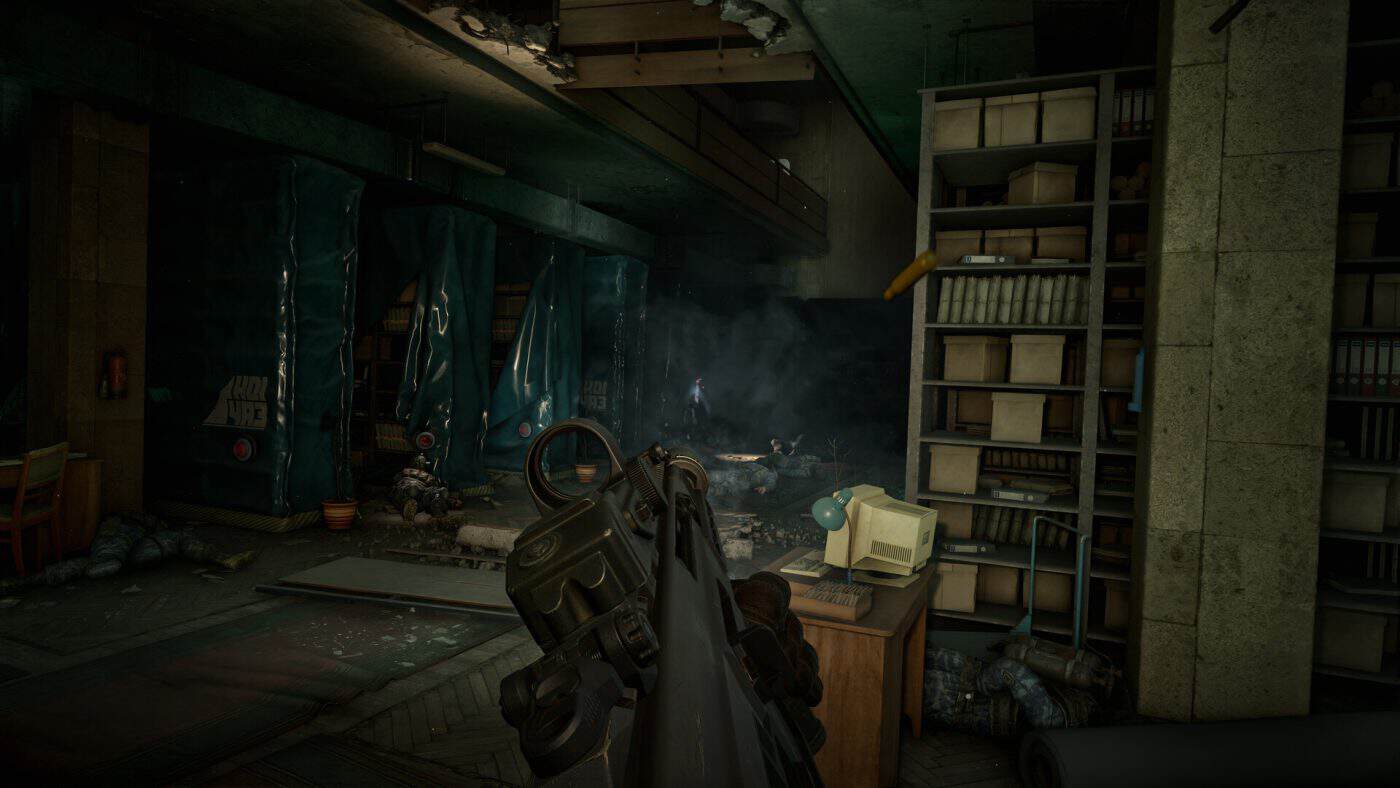
The AREV takes a similar approach from the opposite end of the experience. Rather than introducing an entirely new combat mechanic, it expands the arsenal with an assault rifle that manages to strike a convincing balance between firepower, accuracy, and versatility.
Its greatest strength is that it never feels designed to invalidate what came before. With the right optic and a suitable grip, the AREV can quickly become one of the most reliable weapons available, offering a genuine alternative to the Kharod and GP37 while remaining versatile enough to support different loadouts and playstyles. It may not sound particularly ambitious on paper. But that restraint is precisely what makes the weapon work.
The AREV does not need to redefine S.T.A.L.K.E.R. 2’s combat. It does not introduce an entirely new philosophy for weapon handling, nor does it attempt to become the definitive answer to every combat scenario. It simply expands the player’s options with a weapon that feels appropriately balanced within the existing ecosystem. And that is exactly what a good addition should do.
At its best, Cost of Hope understands that progression does not always require escalation. Sometimes, the smartest way to expand a game is to give players more choices without making the systems around those choices more complicated. The binoculars and the AREV succeed for the same fundamental reason: neither tries to overshadow the Zone. They simply give the player better tools with which to understand it and, ultimately, survive it.
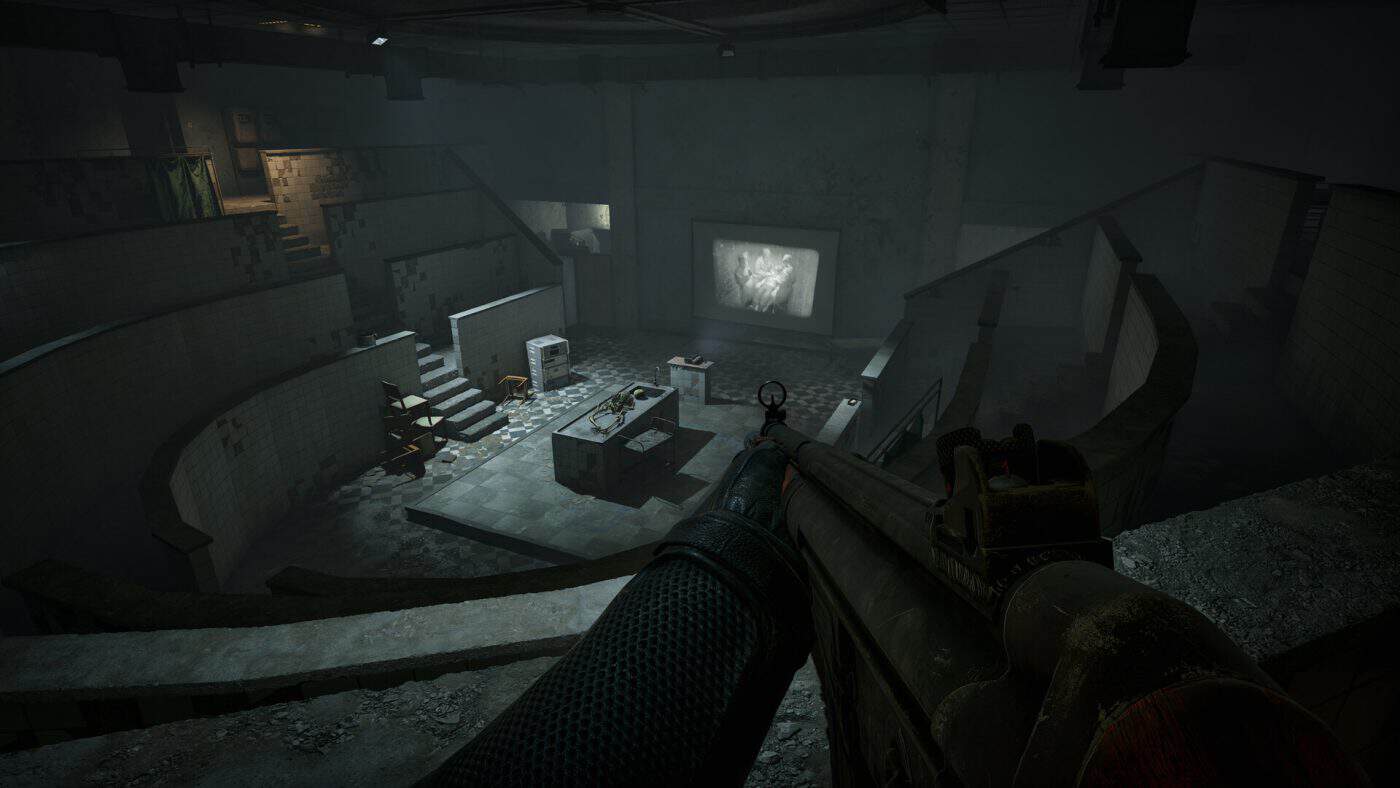
An Impressive but Inconsistent Technical Performance
Technically, S.T.A.L.K.E.R. 2 is in a far healthier state than it was at launch, but Cost of Hope still carries traces of the problems that have followed the game since release.
Visually, however, GSC Game World continues to deliver. The expansion’s new locations are richly detailed and atmospherically distinct, while the lighting remains one of the game’s greatest strengths. It gives the Zone an extraordinary sense of depth, capable of turning a familiar landscape into something beautiful, oppressive, or quietly unsettling within seconds. For all its technical imperfections, the Zone remains an exceptional visual achievement.
The same cannot be said for the game’s overall technical consistency. Longer play sessions can still result in occasional crashes and noticeable frame-rate drops, particularly on consoles. These issues are no longer severe enough to define the experience, nor do they occur consistently enough to make the expansion unplayable. But their persistence is difficult to overlook, especially given how long S.T.A.L.K.E.R. 2 has now been on the market. More concerning is the state of its AI.
The problem is not a lack of equipment. NPCs can carry powerful weapons and sophisticated gear, yet their behaviour frequently fails to reflect those capabilities. Enemies can struggle to respond to relatively basic threats, position themselves in ways that make little tactical sense, or react inconsistently to the player’s presence. Their behaviour often feels less like that of individuals adapting to an evolving firefight and more like a collection of predetermined responses.
That distinction becomes particularly important in S.T.A.L.K.E.R. 2 because the illusion of a living Zone is fundamental to the entire experience. The series has always been at its most compelling when the player feels like an outsider moving through an ecosystem that does not exist solely for their benefit. Factions should clash without waiting for the player to arrive.
Mutants should move through the landscape. Encounters should emerge organically, creating situations that cannot be entirely predicted or replicated.
When the AI fails to sustain that illusion, the Zone becomes noticeably more artificial. And that brings us to the most persistent question surrounding S.T.A.L.K.E.R. 2: A-Life.
A-Life: The Zone Still Isn’t Alive
A-Life remains one of the most consequential weaknesses in S.T.A.L.K.E.R. 2. Its ambition was never simply to fill the Zone with more NPCs, mutants, or random encounters.
The idea was far more fundamental: to create a world capable of existing beyond the player’s presence, where factions, Stalkers, and creatures could move through the environment, fight, die, and generate new situations without every event being directly tied to Skif.
Cost of Hope still falls short of that ideal. There are stretches of the Zone that feel far too quiet, particularly when the player is travelling between major objectives. Emergent encounters remain too sporadic to create the sense of constant uncertainty that the system promises, while settlements and populated areas can still feel surprisingly sparse.
More importantly, the world rarely gives the impression that meaningful events are unfolding somewhere simply because the player is not there to witness them.
That is the real measure of A-Life. A convincing simulation does not need to bombard the player with activity. In fact, doing so would undermine the very atmosphere S.T.A.L.K.E.R. is trying to create. What matters is the feeling that the Zone has its own internal rhythm: that factions pursue their interests, Stalkers move between locations, mutants hunt, encounters develop, and territorial conflicts can emerge without waiting for the player to enter the area.
A-Life should make the player feel like a participant in an existing ecosystem, not the engine driving it. That distinction becomes particularly important because S.T.A.L.K.E.R. 2 builds so much of its identity around uncertainty. The Zone is supposed to be hostile precisely because it cannot be completely understood or controlled. Its most memorable moments should emerge from circumstances the player did not plan and could not have predicted.
When the world becomes too quiet, that unpredictability inevitably loses some of its impact. The problem, then, is not simply that there are not enough encounters. It is that the Zone does not always feel sufficiently autonomous. Too often, the player can travel through large stretches of territory without encountering the kind of unscripted activity that would suggest an ecosystem operating independently of the main storyline.
And this is arguably where GSC Game World has the greatest opportunity to improve S.T.A.L.K.E.R. 2 in the long term. The goal should not be to make the Zone noisier or simply increase the number of NPCs roaming its roads. It should be to make those inhabitants more purposeful, more reactive, and more capable of generating stories without the player’s involvement.
The Hope and Frustration of the Zone
STALKER 2: Cost of Hope is a worthwhile expansion, and at its best it comes remarkably close to delivering the kind of storytelling the Zone has always been capable of. Yet for all its ambition, it still falls short of becoming the definitive evolution STALKER 2 needs. Its greatest achievement is undoubtedly its writing. The Duty storyline is the expansion’s strongest material and stands among the most compelling narrative content GSC Game World has produced for STALKER 2 to date.
Through Zulù, Voronin, and Tkachenko, the Duty are no longer presented simply as the militaristic faction defined by their opposition to the Freedom. Instead, they become something considerably more human: a community shaped by loyalty, brotherhood, sacrifice, conviction, and the contradictions that inevitably emerge when ideology meets reality.
That shift is crucial. For the first time, Cost of Hope allows us to understand not merely what the Duty believe, but what it actually means to live according to those beliefs.
Mavka’s storyline takes a different route. It is less consistent and occasionally struggles to maintain the same narrative momentum, but its ideas are no less interesting. Its exploration of freedom, ownership of the Zone’s miracles, and the right to determine their future adds another layer to the expansion’s broader discussion of who should ultimately control the Zone, and why.
It is when Cost of Hope steps away from its strongest narrative material that its weaknesses become considerably harder to ignore. The platforming is perhaps the clearest example. The expansion increasingly relies on vertical traversal despite STALKER 2‘s movement system never having been designed around precision platforming. The result is a series of sections in which the game demands a level of control that its mechanics cannot consistently provide.
The same problem affects several of its puzzles. Their difficulty is not necessarily the issue; rather, it is the lack of clarity surrounding their intended solutions. Too often, progression depends less on understanding the logic of a puzzle than on discovering what the game expects the player to notice.
The centrifuge sequence encapsulates the problem. What initially appears to be an inventive environmental challenge becomes one of the expansion’s most frustrating interruptions. The nuclear power plant presents an even more pronounced contradiction: visually striking, narratively significant, and arguably one of the most memorable locations in the DLC, yet partially undermined by an anomaly that forces the player to constantly seek shelter and severely restricts exploration.
These moments are particularly frustrating because STALKER 2 is at its best when it allows the player to simply exist within the Zone: to observe, wander, investigate, and discover things without being constantly reminded of the underlying game systems.
The technical side of the experience has improved considerably since launch, but Cost of Hope does not completely escape the problems that have followed STALKER 2 from the beginning. AI remains inconsistent, with enemies occasionally struggling to respond convincingly to straightforward situations, while A-Life still falls short of creating the autonomous, reactive ecosystem that has long been one of the series’ defining ambitions. The Zone can still feel too quiet.
And that matters because A-Life is not merely a background system. It is fundamental to the illusion that makes S.T.A.L.K.E.R. special: the belief that the world continues to exist beyond the player’s immediate presence. When encounters become too predictable and large stretches of territory remain inactive, that illusion begins to fracture.
Technically, STALKER 2 is in a considerably healthier state than it was at launch. But crashes, performance drops, and lengthy loading times can still emerge during longer sessions, preventing the game from feeling entirely free of the technical baggage that has accompanied it since release.
Yet none of these issues represents the expansion’s most important limitation. That limitation is narrative closure. Cost of Hope is filled with ideas, revelations, characters, and threads that clearly matter to the future of the series. The problem is that too many of them remain suspended between what has already happened and what GSC Game World evidently intends to explore later.
Zulù’s new position. The signal. The Untold Stories. The new Consciousness. The Ward. The mercenaries. The world beyond the Zone. Each of these elements expands our understanding of STALKER 2. Together, however, they reinforce an increasingly familiar sensation: the story keeps opening doors without being willing to walk through them.
There is nothing inherently wrong with leaving questions unanswered. In fact, ambiguity is fundamental to S.T.A.L.K.E.R.‘s identity. The series has always understood that uncertainty can be more powerful than exposition, encouraging players to assemble their own understanding of the Zone from fragments, rumours, conflicting accounts, and incomplete truths.
But mystery needs progression. A question remains compelling when the player can feel an answer taking shape somewhere ahead. When every revelation simply creates another layer of uncertainty, without allowing earlier threads to meaningfully resolve, mystery risks becoming stagnation. That is where Cost of Hope ultimately leaves us.
The Zone is richer than it was before. But it is not necessarily closer to resolution. And that distinction is becoming increasingly important. GSC Game World has already demonstrated that the foundations are there. STALKER 2 has a world capable of supporting extraordinary stories, factions with genuine ideological weight, characters who can carry entire narrative arcs, and a mythology deep enough to sustain the series for years to come. Cost of Hope occasionally brings all of those elements together and shows just how powerful the result can be.
But potential is no longer the question. The next step is execution. STALKER 2 does not need more mysteries simply for the sake of mystery. It needs those mysteries to begin paying off.
It does not need a Zone that is merely larger. It needs one that feels more alive. It does not need more factions simply occupying the map. It needs their beliefs to meaningfully reshape the world around the player. Most importantly, STALKER 2 does not need to become bigger.
It needs to become more deliberate. Cost of Hope is valuable precisely because it reveals both sides of that equation. At its best, it delivers some of the most engaging character work and world-building the game has seen since launch. At its weakest, it exposes the same structural and systemic problems that have prevented the Zone from fully living up to its enormous potential.
The result is an expansion caught between two identities: a narrative step forward and a reminder of how much further the game still has to go. The Zone remains fascinating. Its future remains uncertain. And perhaps, fittingly, Cost of Hope leaves us exactly where S.T.A.L.K.E.R. has always been most comfortable: standing at the edge of the unknown, waiting to see what comes next.
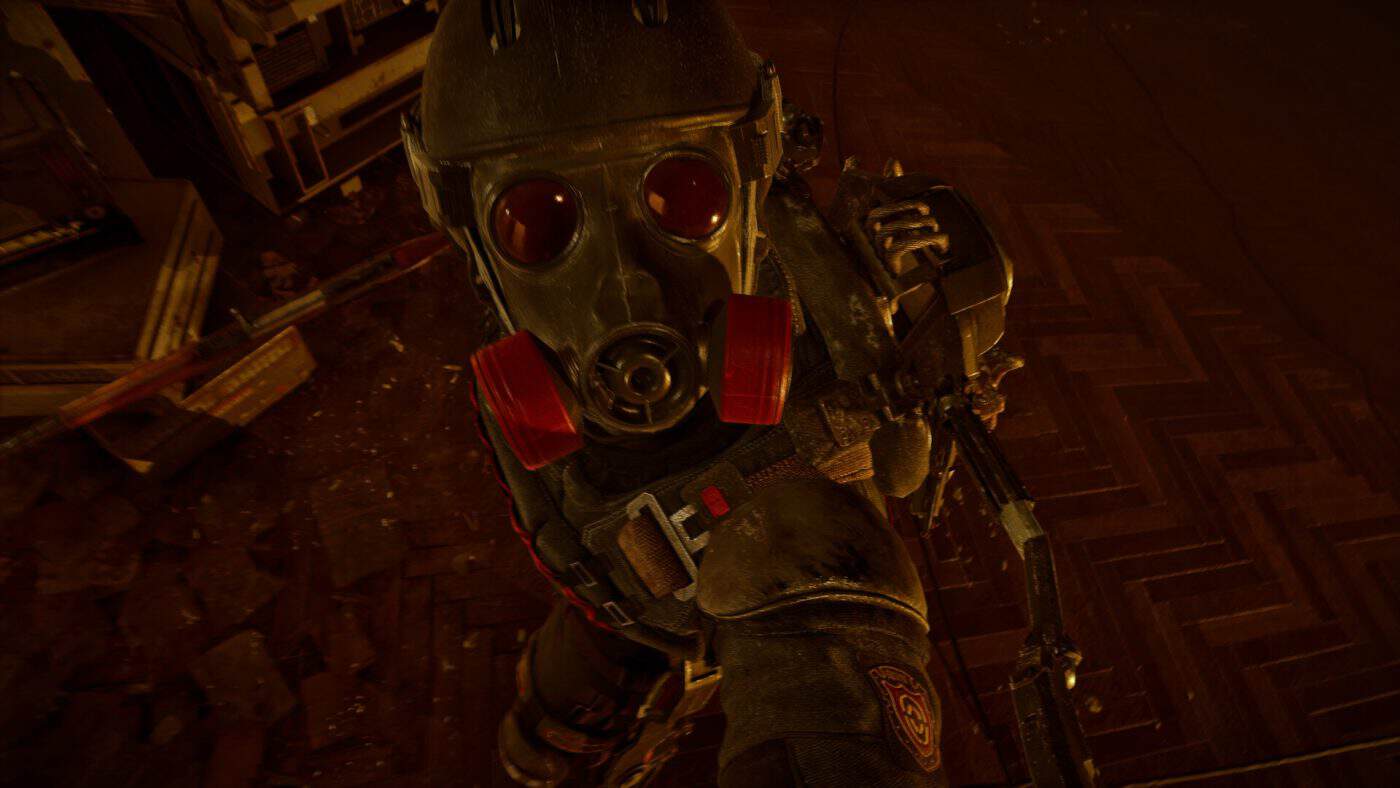
 7.5/10