A striking aesthetic and a recognizable imaginary that fail to support an uncertain gameplay and an underdeveloped identity
Those who truly love a genre quickly learn to recognize its codes, recurring patterns, and risks. Above all, they learn to stay demanding. Ayasa: Shadows of Silence (we had already tried the demo) fits within the landscape of 2.5D narrative platformers that rely on the absence of dialogue, environmental storytelling, and protagonist vulnerability as their primary language. Contemporary indie games have already explored this territory extensively, which makes it particularly delicate: strong visual suggestions no longer suffice here, as the experience demands near-surgical precision in controls, pacing, and gameplay communication.
Aya Games developed and published Ayasa: Shadows of Silence, which launched on PC on November 28, 2025. The game clearly presents itself as an ambitious project, an attempt to explore silence, moral collapse, and loss through images and symbols while rejecting any form of direct explanation. From the very first minutes, the game reveals a sincere core: the intent to build a dark, allegorical, and melancholic journey appears evident, as does the team’s admiration for titles that shaped this genre.
Intent alone, however, does not suffice. When form fails to support content, immersion breaks, and what should feel unsettling turns into frustration. Disappointment emerges here, not in front of a bad game, but in front of a game that aimed to become much more.

Powerful images, but no sedimentation
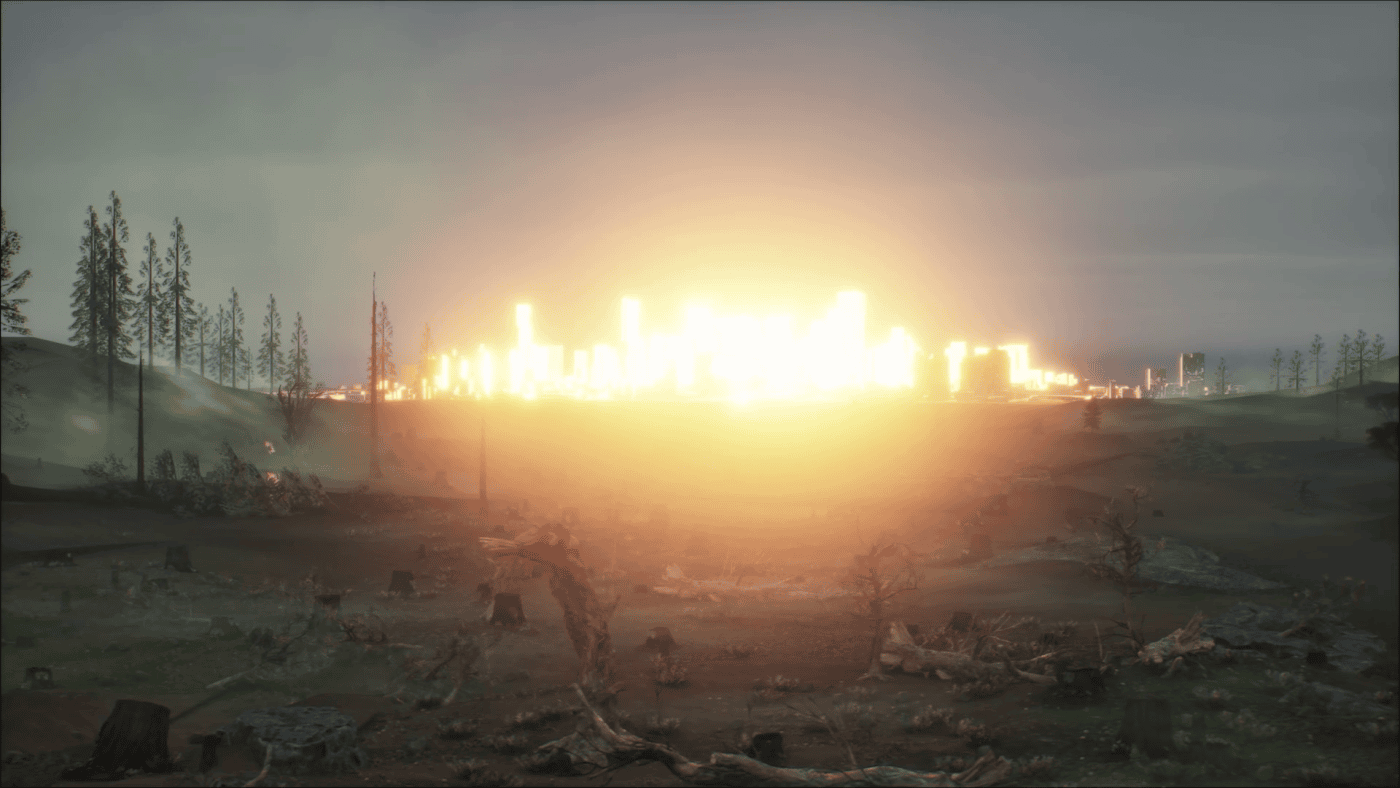
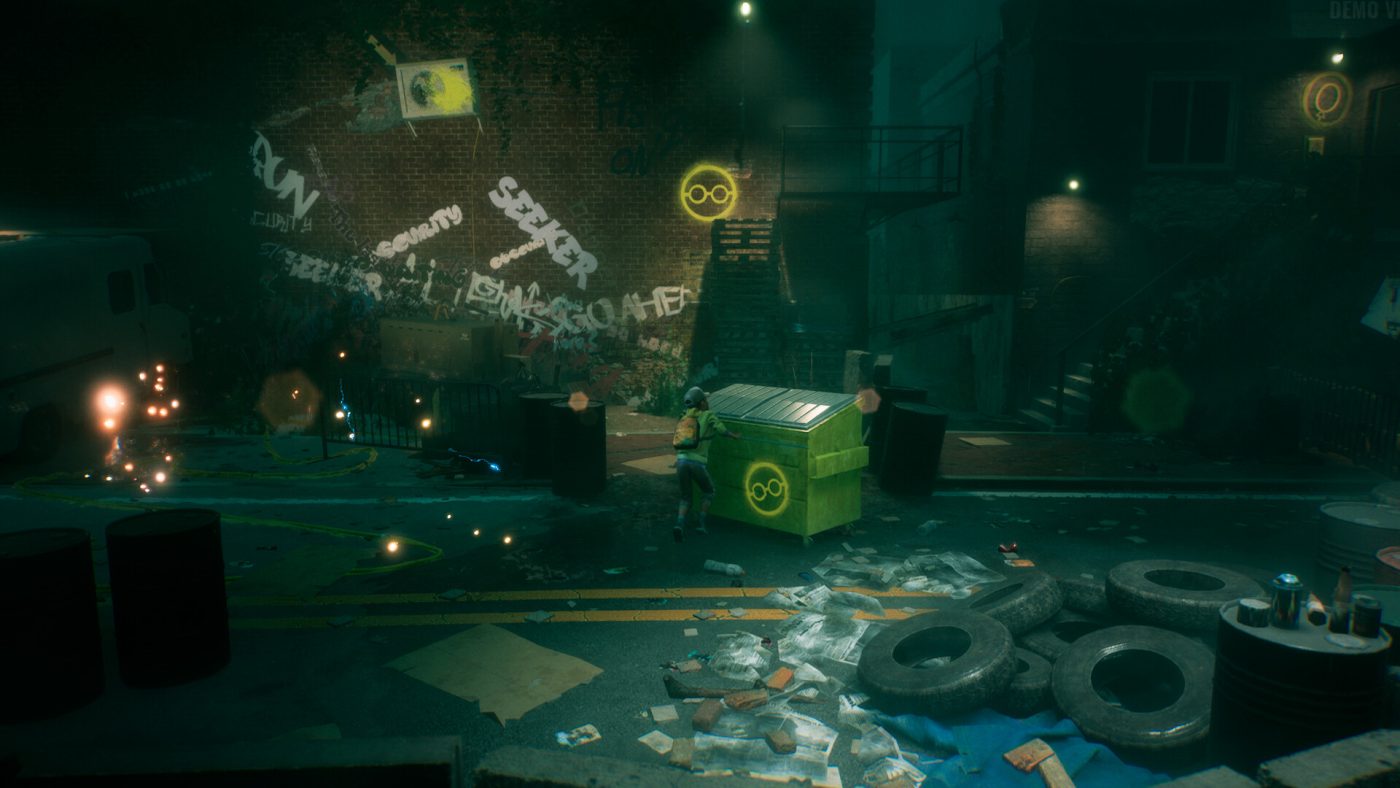
Ayasa: Shadows of Silence tells its story exclusively through images. The game world appears as a collapsed reality where nature and urban spaces merge into a post-apocalyptic landscape of rubble, deformed creatures, and explicit symbols of destruction. The opening deliberately shocks: a burning world, a destroyed city, grotesque presences advancing without explanation. The game makes its intent clear from the start: it seeks disorientation, not comfort.
Ayasa’s journey crosses areas that embody abstract concepts such as Faith, Hope, Greed, and Indifference. Each region attempts to represent a facet of human degeneration, relying on symbolic environments and creatures rather than traditional narrative events. This approach fits the genre and aligns with the developers’ chosen framework.
Limits emerge in the way the game stages these concepts. Symbolism often feels direct, almost didactic, and rarely layered. Images strike immediately but seldom invite deeper reinterpretation. The experience lacks a true emotional progression: the game presents themes, yet never truly develops them. Rather than a narrative that grows and transforms, Ayasa delivers a sequence of suspended suggestions that never converge into a genuinely incisive narrative synthesis.

Gameplay – more frustration than involvement
From a gameplay perspective, Ayasa: Shadows of Silence belongs to the realm of 2.5D narrative platformers with a strong focus on exploration, environmental puzzles, and stealth. The protagonist remains entirely defenseless: she never fights or confronts threats directly, and instead avoids, bypasses, or hides from them. This choice aligns coherently with the idea of portraying a hostile world and a vulnerable character.
This design, however, carries an inevitable consequence: the gameplay must reach a high level of precision, as every design or pacing flaw falls entirely on the player. Unfortunately, Ayasa never truly meets this requirement.
The experience relies on a constant alternation between cautious movement, environmental observation, and repeated attempts. The game demands slowness, attention, and patience, but rarely transforms these qualities into meaningful gameplay value. More often, the pace feels artificially slowed, with progression driven not by narrative tension but by the need to proceed extremely carefully to avoid punitive mistakes.
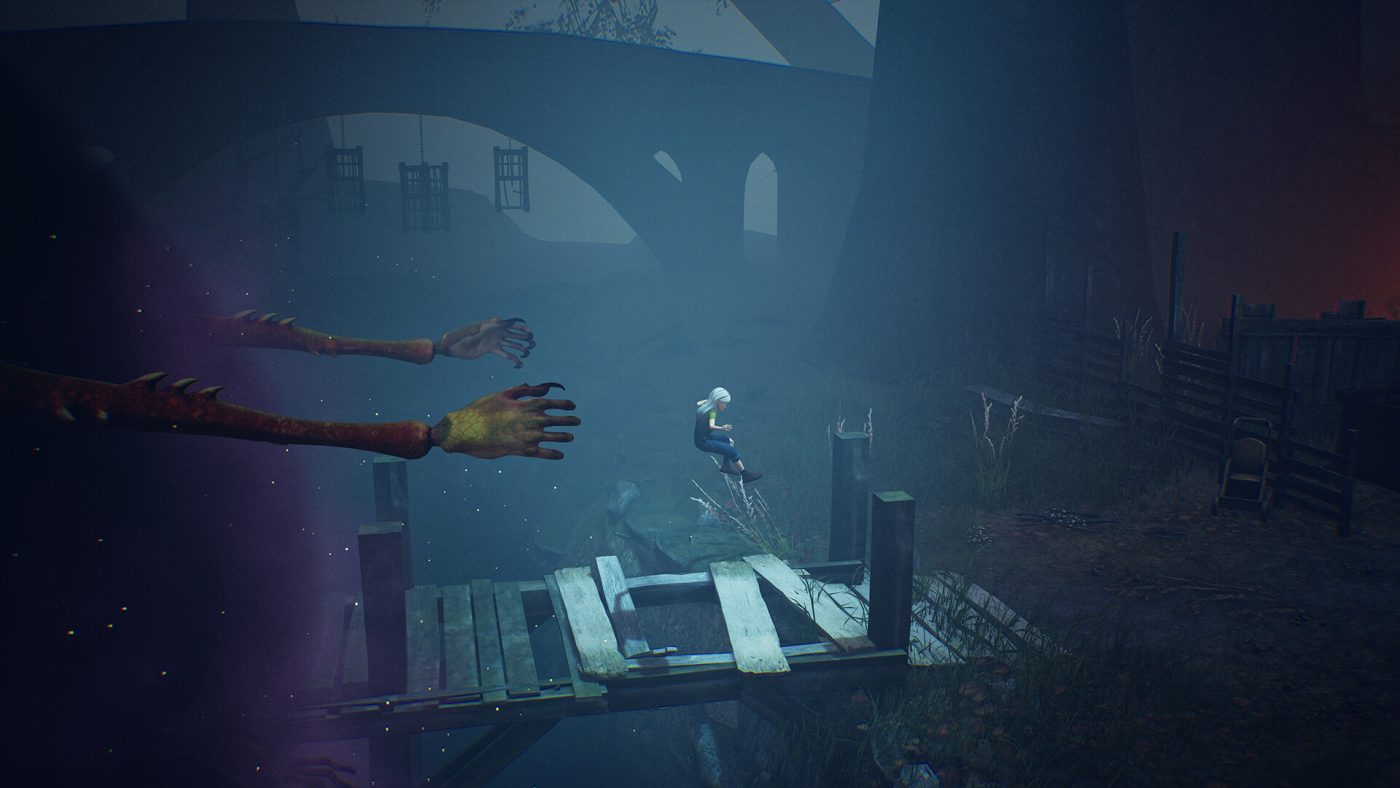

Stealth sections exemplify this issue. In theory, they should generate anxiety, danger, and immersion. In practice, they feel exhausting, as the challenge rarely stems from environmental reading or enemy behavior, but rather from the system’s overall uncertainty. Players never feel that they truly “learn” a section; they simply overcome it through repeated attempts.
Environmental puzzles also suffer from weak design. Mechanics related to light and shadow enter the experience without a clear progression, and the game rarely constructs puzzles that fully exploit the system’s potential. Many puzzles appear simple in concept but frustrating in execution, giving the impression of interesting ideas left unfinished.
Another evident limitation lies in the lack of meaningful variety. Gameplay situations repeat themselves with minimal variation: avoiding a creature, crossing a dangerous space, solving a positioning-based puzzle. Without a tangible evolution of mechanics or a perceivable growth of the character, the experience struggles to maintain long-term engagement.
In this sense, Ayasa seems to confuse austerity with depth. The game never transforms minimalism into a strong expressive choice; instead, it turns into a constraint that limits its own possibilities. The absence of combat, clear feedback, and genuine gameplay progression renders the experience static, almost motionless, despite an environment that suggests constant collapse.
The result is a gameplay loop that asks a great deal from the player—attention, patience, and tolerance for frustration—while offering little satisfaction in return. The experience never delivers a sense of control, mastery, or growth that defines the genre’s strongest examples. Instead, players often feel dragged forward more by stubbornness than by genuine involvement.
Ayasa: Shadows of Silence does not fail because it embraces minimal gameplay, but because it never gives that minimalism a full sense of purpose. In a genre where every gesture should carry meaning, interaction too often feels empty, creating an emotional distance that clashes with the game’s narrative ambitions.
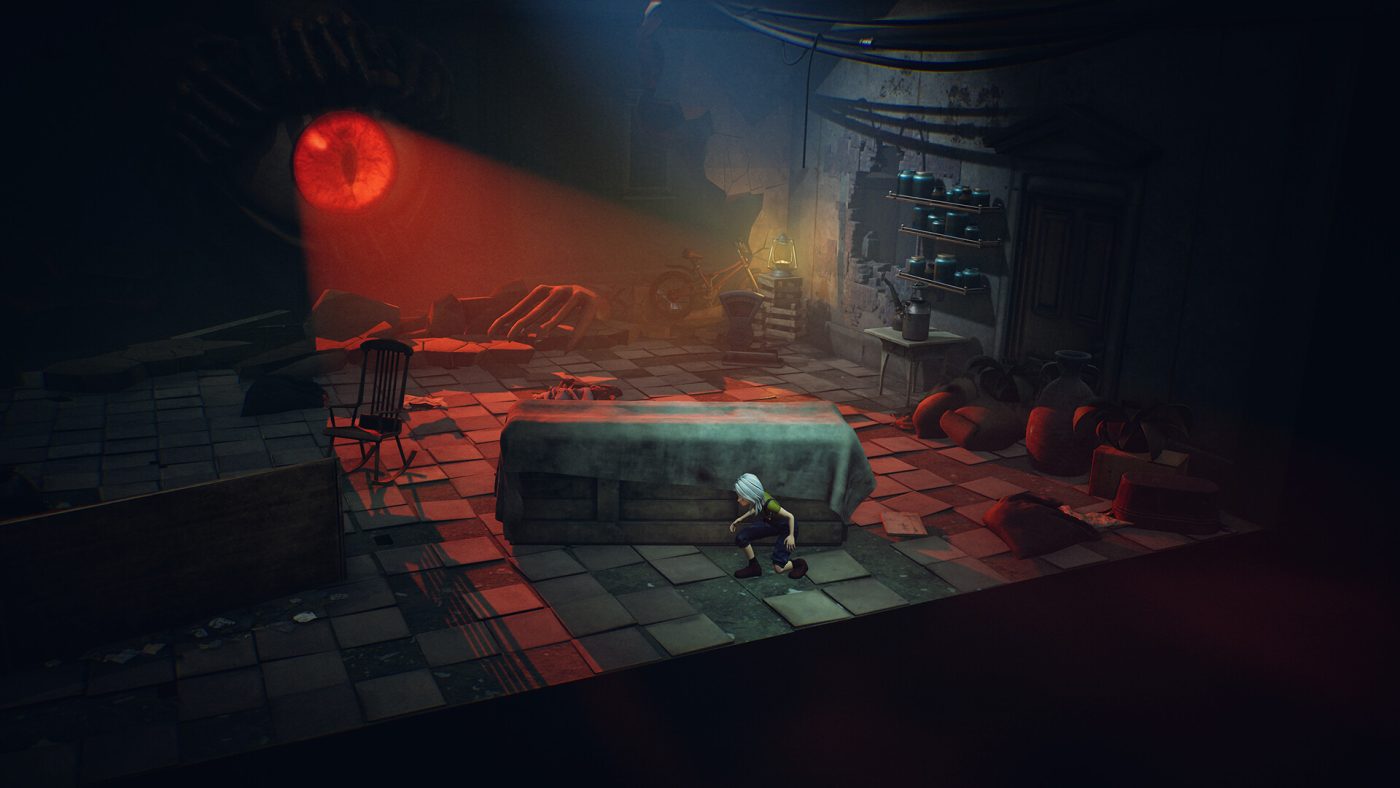
A successful atmosphere, a weak identity
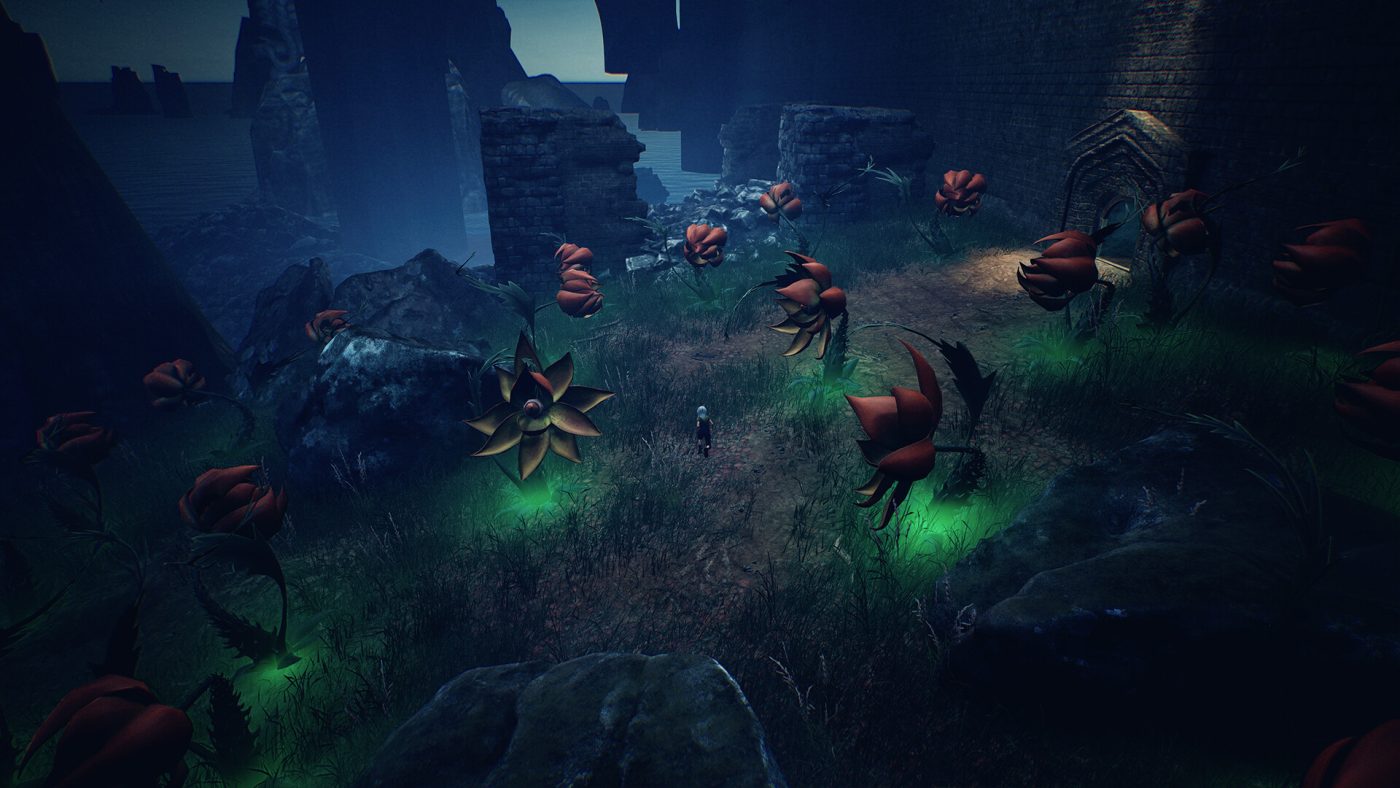
Visually, Ayasa: Shadows of Silence stands as the most solid element of the experience. The environments show careful construction, lighting shapes spaces effectively, and many shots appear designed for contemplation rather than traversal. Grotesque creatures and decaying landscapes consistently generate an atmosphere of unease.
Yet a structural limitation surfaces even here: a lack of originality. The visual style draws too clearly from an imaginary that indie games have already codified. Visual solutions work, but rarely surprise. The game favors replication over reinterpretation.
Ayasa looks pleasant and occasionally evocative, but it rarely leaves a lasting impression. The aesthetic communicates competence, not vision.


The weight of walking familiar paths
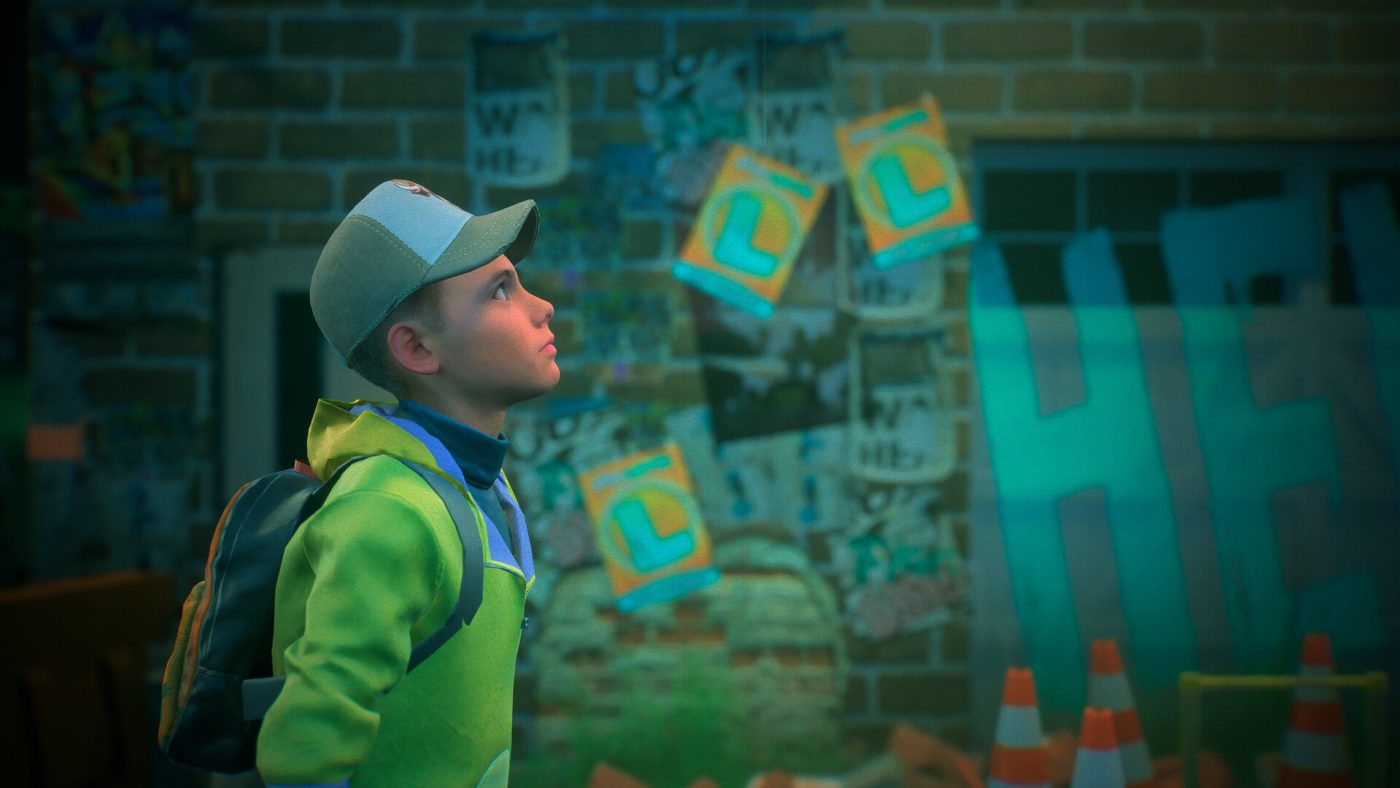
Comparison with other titles in the genre proves not only inevitable but necessary. Ayasa: Shadows of Silence moves through territory already shaped by works such as Limbo and Inside, which demonstrated how subtraction can turn into expressive power. In those games, controls remain invisible, fluid, and perfectly integrated into the experience’s rhythm. Players never fight the system, only the narrative world.

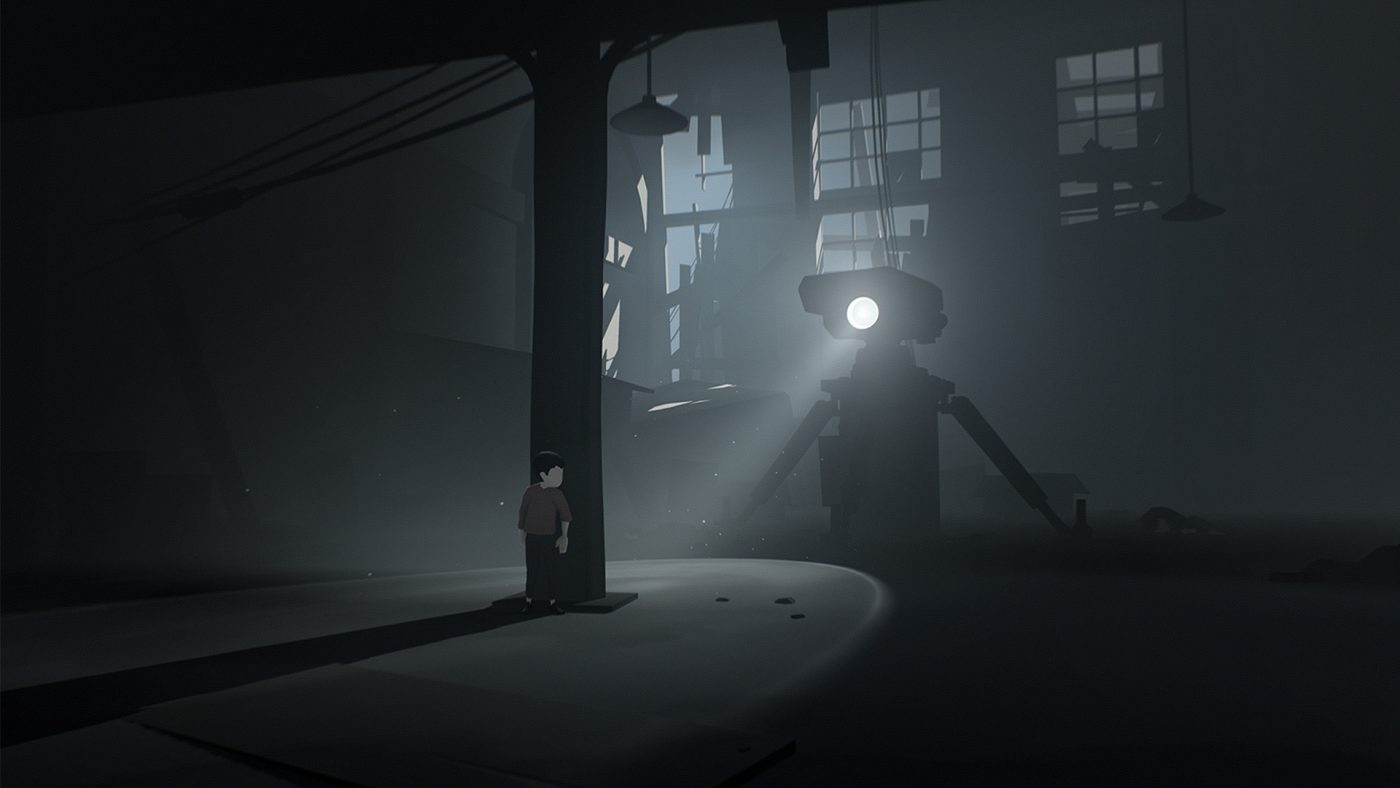
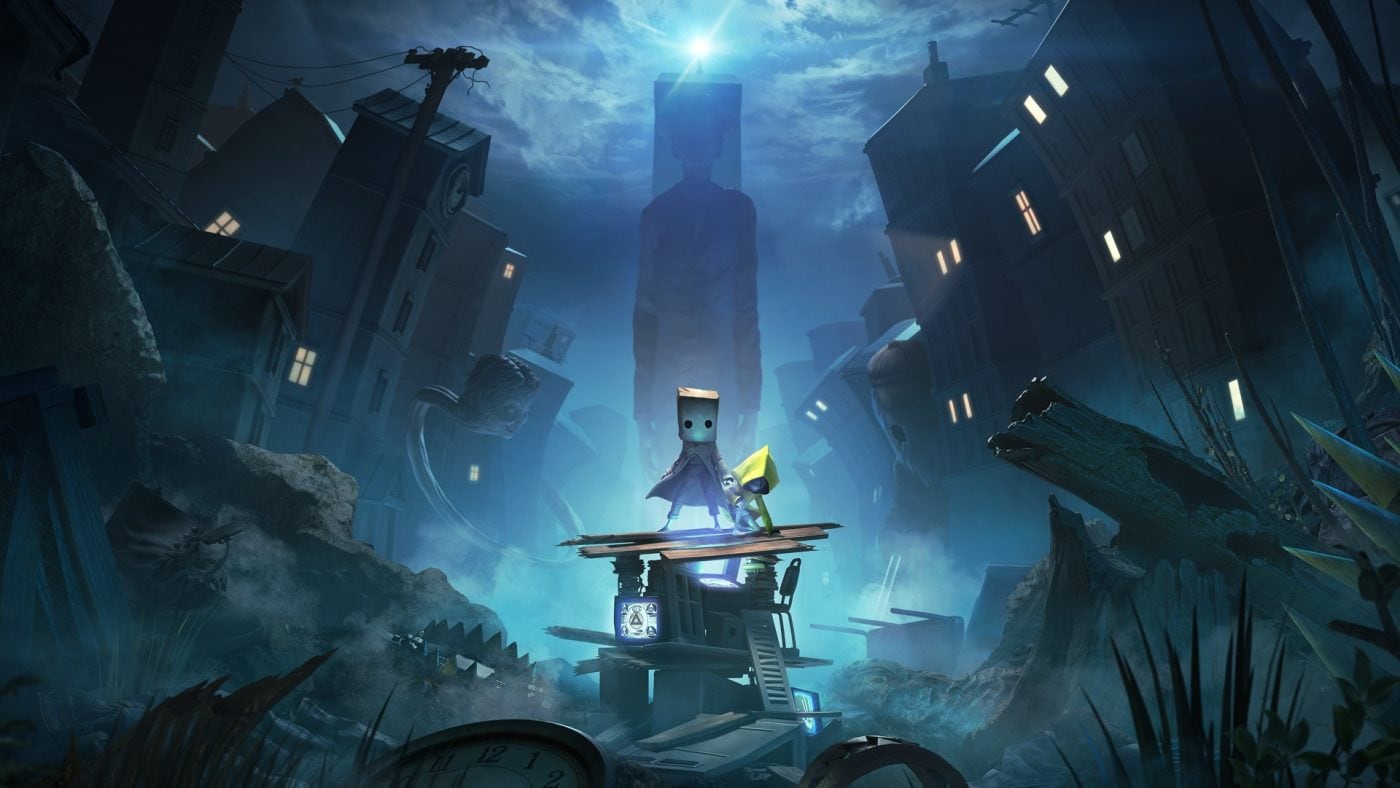
The comparison with Little Nightmares feels particularly heavy. Ayasa openly adopts its structure, direction, imagery, and even specific visual solutions. Where Little Nightmares builds tension through a precise balance of animation, pacing, and control, Ayasa offers a more rigid and less refined version. This approach creates a strong sense of derivation that occasionally borders on imitation without achieving the same effectiveness.
A comparison with Bramble: The Mountain King further highlights Ayasa’s limits. Despite sharing a similar structure, Bramble constructs a more coherent world and a more readable narrative progression, supported by technically stronger gameplay.
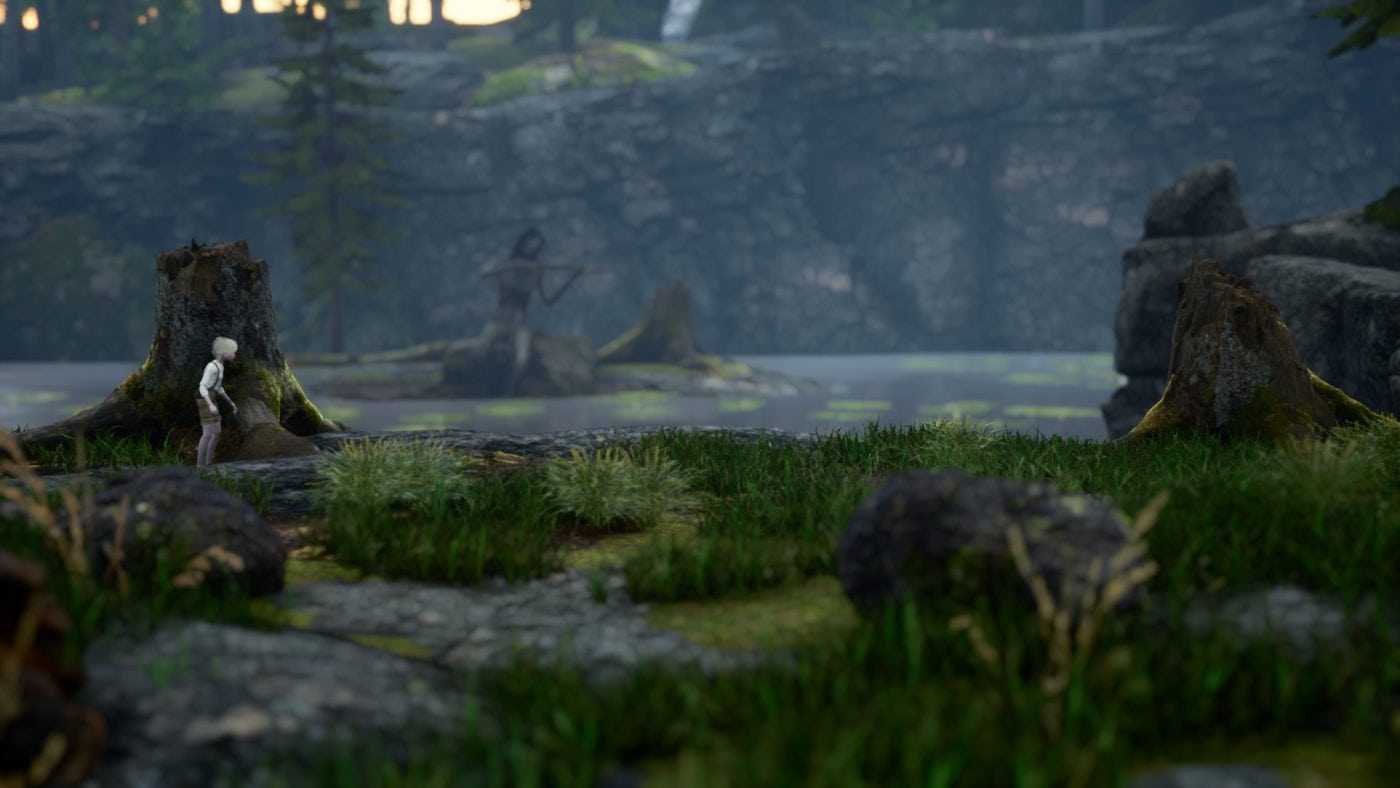
The comparison becomes truly unforgiving with One Way Home. Despite existing only as a demo, One Way Home shows remarkable maturity: a more nuanced protagonist, a more personal artistic direction, and above all, a technical solidity that makes the experience feel credible and fluid despite similar mechanics. The fact that an unfinished project feels more convincing in design and polish makes Ayasa’s shortcomings even harder to justify.
An ambitious but premature debut
Aya Games represents a young studio, and Ayasa: Shadows of Silence marks its first significant project as well as its only released title to date. No previous works provide context that might frame this game as an intermediate step in a broader journey. Ayasa serves, in every sense, as the team’s calling card.
This fact matters, as it contextualizes both ambition and fragility. Aya Games shows a clear conceptual and artistic vision and a desire to confront a complex, highly codified genre shaped by landmark works. At the same time, Ayasa reveals a lack of experience precisely where a debut demands caution: technical solidity and game design.
The studio appears to have aimed high immediately, tackling an expressive language that leaves no room for approximation. A dialogue-free 2.5D narrative platformer built on stealth and precision requires significant design maturity. In this sense, Ayasa feels more like a manifesto of intent than a fully realized work—an experience where imagery and message took precedence over polish and playability.
This sincerity does not soften judgment; instead, it invites a stricter one. For emerging studios, a debut often defines identity. In Aya Games’ case, that identity still takes shape. A technically fragile debut risks overshadowing the team’s true potential, which seems to reside mainly in artistic sensitivity and visual expression.
Ayasa therefore leaves the impression of an uncertain first step: a game that says much about what the developers want to achieve, but far less about what they already master. The future will reveal whether Aya Games can build on this debut, learn from its limits, and transform ambition into maturity.

Technical issues – the real Achilles’ heel
Technical issues in Ayasa: Shadows of Silence do not appear as isolated incidents but as a widespread fragility that permeates the entire experience. These issues go beyond control imprecision—already discussed in the gameplay section—and point to a broader lack of polish that affects pacing, immersion, and the credibility of the game world.
Collision handling and environmental interaction stand out as particularly problematic. The world often feels technically unreadable: surfaces look walkable but are not, invisible edges block movement, and partial clipping with terrain or objects occurs. This uncertainty breaks the essential trust between player and game space.
Recurring bugs and glitches compound the issue. While many remain more irritating than game-breaking, they still interrupt immersion. Broken animations, inconsistent enemy reactions, and situations where Ayasa becomes stuck in the environment occasionally force players to reload checkpoints. These moments do not feel exceptional; they reinforce the impression of an unfinished product.
Loading times further worsen the experience. Frequent deaths—often caused by technical imprecision or unclear spatial readability—trigger long and repeated loading screens that disrupt pacing and weaken narrative tension. In a game that relies heavily on atmosphere, these interruptions carry significant weight.
The audio component deserves a more nuanced assessment. On one hand, noticeable gaps exist: missing or weak sound effects, interactions lacking proper audio feedback, and inconsistent handling of ambient sounds. On the other hand, the soundtrack stands as one of the game’s strengths. Minimal and delicate compositions—especially light piano motifs and sparse atmospheric layers—support exploration effectively and reinforce the game’s melancholic tone.
The real issue lies in inconsistency. Moments where music strengthens atmosphere alternate with stretches of silence that feel less like deliberate narrative choices and more like incomplete implementation. In a game that treats audio as a key expressive tool, this irregularity matters.
Interface and tutorial elements also show signs of neglect. Incorrect or inconsistent button prompts, unclear early instructions, and imprecise technical communication generate confusion, especially during the opening hours when the game should guide players most carefully.
Overall, technical problems do not completely destroy the experience, but they steadily erode it. This accumulation of imprecision, rather than any single bug, reveals that the game reached release before achieving a level of polish worthy of its ambitions.

Final thoughts – the bitterness of loving the genre
Ayasa: Shadows of Silence grows from a sincere love for its genre, yet fails to uphold its rules. The game does not merely suffer from technical fragility; it also relies on a language that feels familiar and insufficiently reworked.
Disappointment does not stem from absolute poor quality, but from comparison with what this genre has already proven capable of delivering. In an indie landscape that continues to mature, intention alone no longer suffices. Identity, solidity, and coherence matter.
Ayasa remains a visually evocative experience, but one that feels demanding to play and conceptually derivative. For those who truly love the genre, disappointment feels inevitable—not out of malice, but out of respect for works that show how atmosphere, gameplay, and technique can and should coexist.

If you wanto to know more:
Ayasa: Shadows of Silence on Steam
Ayasa : Shadows of Silence Official Website
Ayasa: Shadows of Silence
PRO
- Striking and coherent art direction
- Effective use of lighting, atmosphere, and visual symbolism
- Minimal yet evocative soundtrack
- Clear and sincere narrative intent
CON
- Fragile and often frustrating gameplay
- Limited originality and strong sense of derivation
- Numerous technical issues and lack of polish
- Pacing frequently disrupted by loading times and imprecision
- Underdeveloped authorial identity


6.2/10