In short
A Plague Tale no longer belongs to Amicia and Hugo. It belongs to Sofia. Resonance: A Plague Tale Legacy takes the series in a new direction, replacing stealth-focused combat with a more direct system while weaving together past and present through an intriguing mystery. It is not a perfect adventure, but its strong character writing, atmosphere, and willingness to change make Sofia’s journey one worth taking.
What comes after Amicia and Hugo? Resonance has an answer, and it looks very different from what came before.
A city alive with celebration. Masks hiding faces, identities, and intentions. Gondolas gliding through the canals of Venice, carrying the festivities forward as if nothing exists beyond them.
Then the atmosphere shifts. The silence of an island. The corridors of an ancient labyrinth. Visions that defy explanation. At the heart of it all, a woman is forced to piece together a truth scattered across time, never quite certain which fragments to trust or where they might ultimately lead.
Resonance: A Plague Tale Legacy thrives on that tension between the familiar and the unknown. It is a story shaped by contrasts – light and darkness, reality and illusion, past and present – and it is within those contrasts that Asobo Studio’s latest project begins to establish an identity of its own.
The world of A Plague Tale has changed hands. After bringing Amicia and Hugo to the end of their journey, Asobo Studio turns its attention to Sophia, placing a new protagonist at the heart of a story that is willing to move beyond what the series has already told us.
This is not simply a passing of the torch, nor an attempt to recapture the emotional weight of the previous games through nostalgia. Instead, Asobo Studio draws on the legacy of A Plague Tale as the foundation for something distinctly new, carrying forward the lore, themes, and ideas that have shaped the series while giving Sophia the space to establish herself on her own terms.

That story is built around the mystery of the Resonance, the aftermath of the Order’s experiments, and its connection to the Macula. Different periods, characters, and perspectives gradually intersect as Sophia attempts to understand forces that are considerably older, and more complicated, than she initially realises. The result is a narrative that deliberately plays with uncertainty, withholding answers long enough for curiosity to become part of the journey itself.
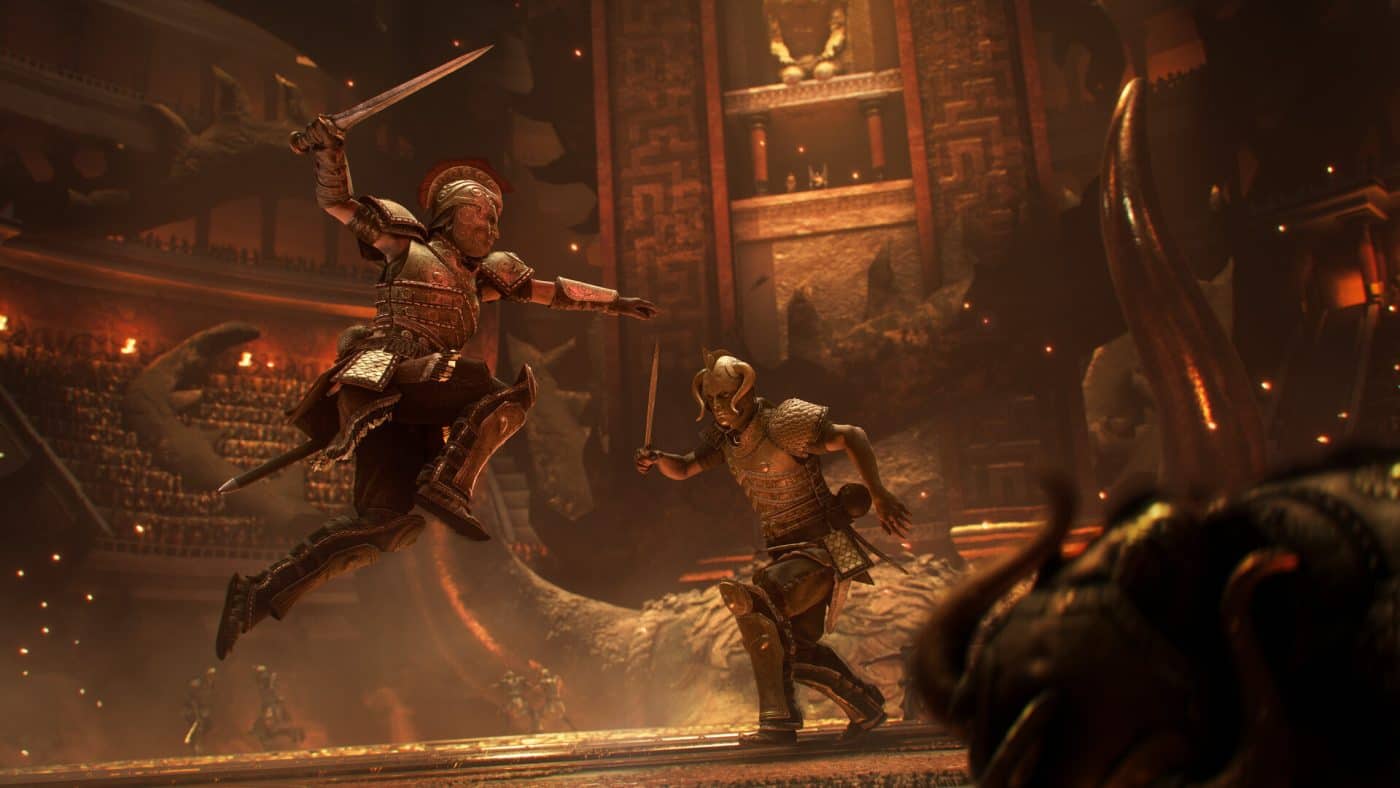
But Resonance does not limit its evolution to the story it wants to tell. The shift is just as apparent in the way the game plays. Combat has been reworked around a faster, more aggressive, and more spectacle-driven approach, while boss encounters are staged as cinematic set pieces, placing a greater emphasis on scale, impact, and visual spectacle. It is a noticeable departure from the more measured pace of the previous entries, and one that reflects Asobo Studio’s willingness to push the series into new territory while retaining the elements that have defined its identity.
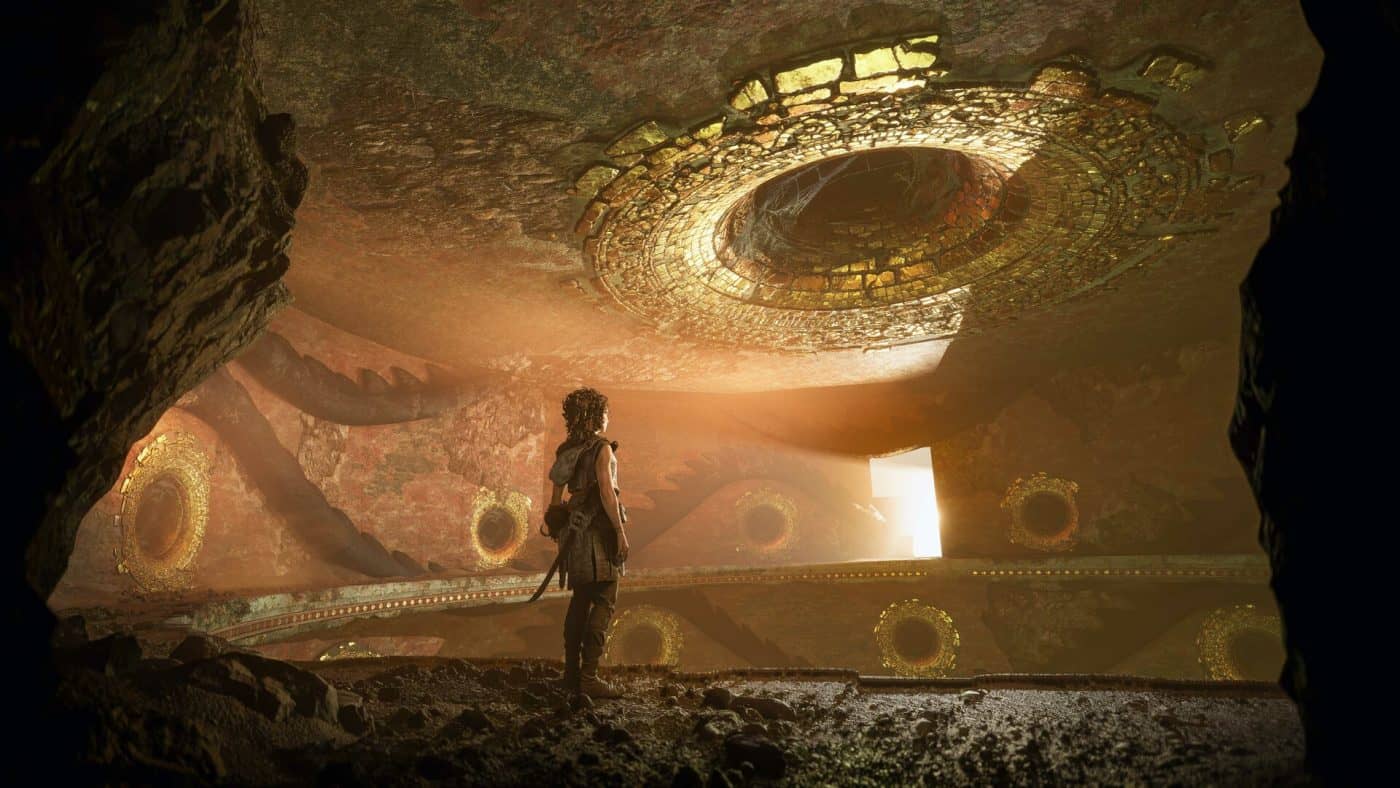
The same philosophy extends to the environments. Venice, the island, and the Labyrinth of Minos could hardly be more different from one another, yet none feels like a setting designed merely to frame the action. Each location brings its own atmosphere to the adventure, shaping not only the tone of the story but also the way Sophia’s journey unfolds. The world of Resonance is more than a backdrop for its narrative. It is an active part of the experience, with each environment helping to define the mood, pace, and character of the chapter it contains.
That ambition, however, comes with its own challenges. For all the confidence behind its evolution, Resonance does not always maintain the same level of consistency.
Certain stretches struggle with pacing, puzzles occasionally linger longer than they should, and some sequences feel noticeably less polished than the game’s strongest passages. These are not problems that undermine the experience, but they do reveal the difficulty of expanding an established formula without losing the balance that made it work in the first place.
Perhaps the most interesting thing about Resonance, then, is that its greatest strength emerges when it stops trying to answer to its own history. The further the game moves away from the shadow of Amicia and Hugo, the more clearly Sophia begins to emerge as her own character. She is not asked to replace what came before her, but to carry the series somewhere else.
And that is where Resonance: A Plague Tale Legacy becomes most compelling: when its legacy stops being a point of comparison and becomes a foundation for something new. In those moments, Asobo Studio’s latest game looks beyond the shadow of its predecessors and begins to establish a voice, identity, and sense of purpose of its own.
Welcome Back, Sophia. This Time, the Story Is Yours
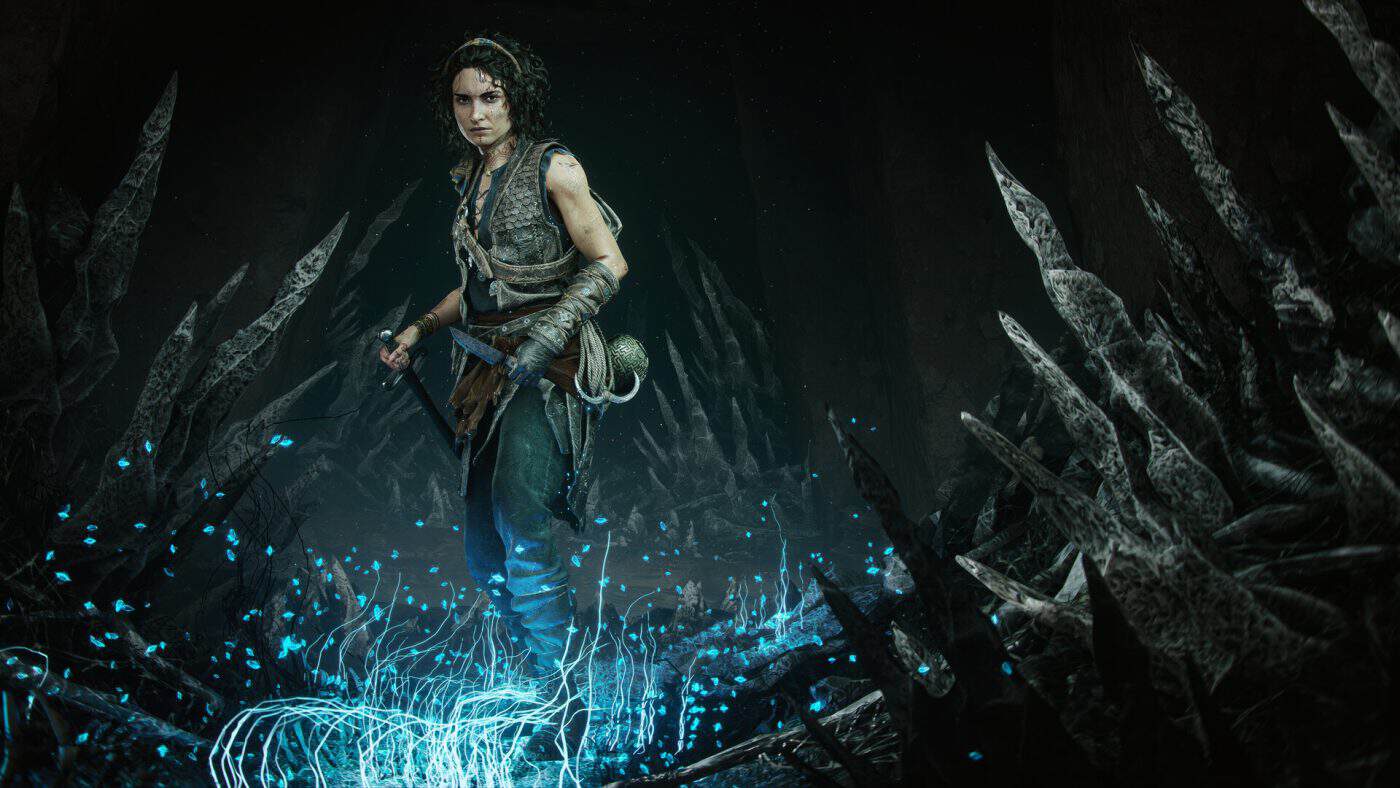
Sophia is a familiar face in A Plague Tale. She first appeared in A Plague Tale: Requiem, where we were given only glimpses of her personality and fragments of a past that remained largely unexplored. Her presence was enough to raise questions, but never quite enough for the story to answer them. Resonance finally changes that, bringing Sophia out of the margins and placing her at the very heart of the narrative. For the first time, Sophia is the protagonist. Yet Asobo does not use her as a substitute for Amicia, nor does it attempt to recreate the character who came before her.
Instead, Resonance gives Sophia room to establish her own identity. Both women have been shaped by a world defined by loss, violence, and survival, but their responses to it could hardly be more different. Sophia is more direct, more physical, and more assured in her abilities, with far less reliance on stealth when confronted with danger. She is quicker to engage, more willing to take the fight to her enemies, and seemingly accustomed to reacting to a threat rather than running from it.
That confidence, however, is only one side of Sophia. Beneath it lies a vulnerability that Resonance deliberately reveals over time. Her character is not defined solely by her actions, nor by the way she handles the dangers placed in her path. What gives her story its emotional weight is what she has been carrying all along: the unresolved burden of her past. As a child, Sophia was subjected, alongside other children, to a series of experiments conducted by the Order involving the Macula.
Those experiences may be years behind her, but their effects have never truly disappeared. They continue to resurface in fragmented visions, unfamiliar images, and sensations that seem to exist somewhere between memory and something far more difficult to explain. An island. Places Sophia should have no reason to recognise. Figures from a past she was never meant to remember.
At first, these visions are little more than fragments. Gradually, however, they become impossible to dismiss, forcing Sophia to question everything she thought she knew about herself. What if the history she has always believed in is only part of the truth?
That question becomes the foundation of her journey. Sophia sets out to understand what these visions are, where they come from, and why they continue to haunt her.
But Resonance understands that mystery is rarely about finding a single answer. Every revelation brings Sophia closer to the truth while opening another question in its place, pulling her deeper into a story whose roots reach back into an ancient world she never knew existed, and into a past that may have been shaping her long before she understood it herself.
The Past Beneath the Present
What makes Resonance: A Plague Tale Legacy particularly interesting from a narrative standpoint is the way it allows past and present to exist alongside one another, gradually blurring the distance between them until the relationship becomes central to the mystery at the heart of the story.
Sophia’s visions are far more than glimpses into another era or conventional flashbacks used to fill in the gaps. They open up a second narrative layer, one that reveals another side of the world and, little by little, changes the way we understand everything Sophia encounters in the present.
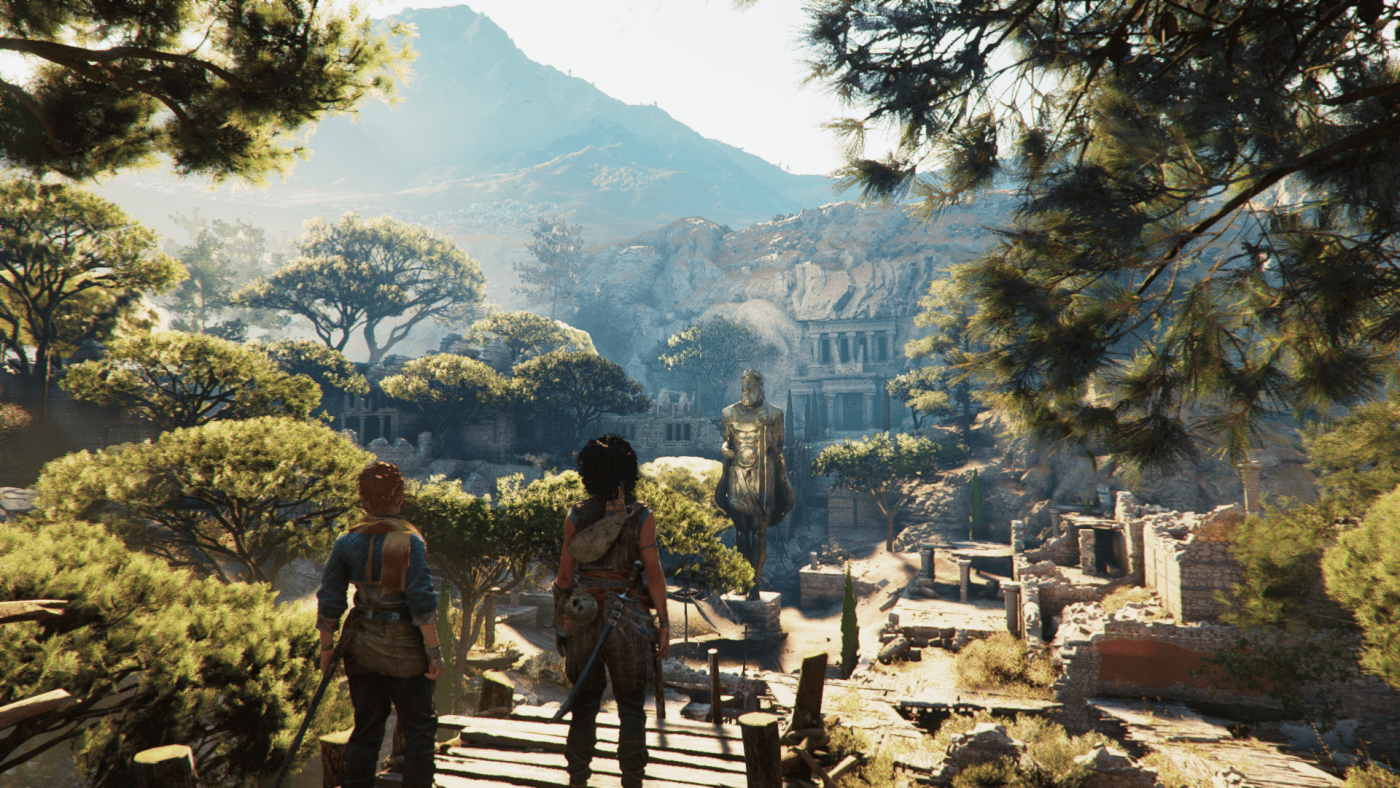
As Sophia explores the island, her visions begin to reveal familiar places as they existed centuries before, offering glimpses of a history that would otherwise remain hidden. It is through this second timeline that Theseus enters the narrative, following his own path into the labyrinth of Minos.
His journey offers a compelling parallel to Sophia’s: she is trying to uncover a past that was deliberately kept from her, while Theseus is forced to confront that same distant world firsthand, navigating a labyrinth steeped in myth, uncertainty, and fear.
At first, the connection between the two timelines is difficult to grasp. A vision appears, a familiar location takes on an unfamiliar shape, and the moment is gone before its significance becomes clear. As Sophia’s journey progresses, however, those fragments begin to accumulate, gradually revealing connections that were impossible to see at first.
What begins as a glimpse into the past slowly becomes part of the present. Places take on new meaning. Events that once seemed unrelated begin to form a larger pattern. And, little by little, the island ceases to feel like a backdrop for Sophia’s journey and starts to resemble something far more important: a record of everything that came before her.
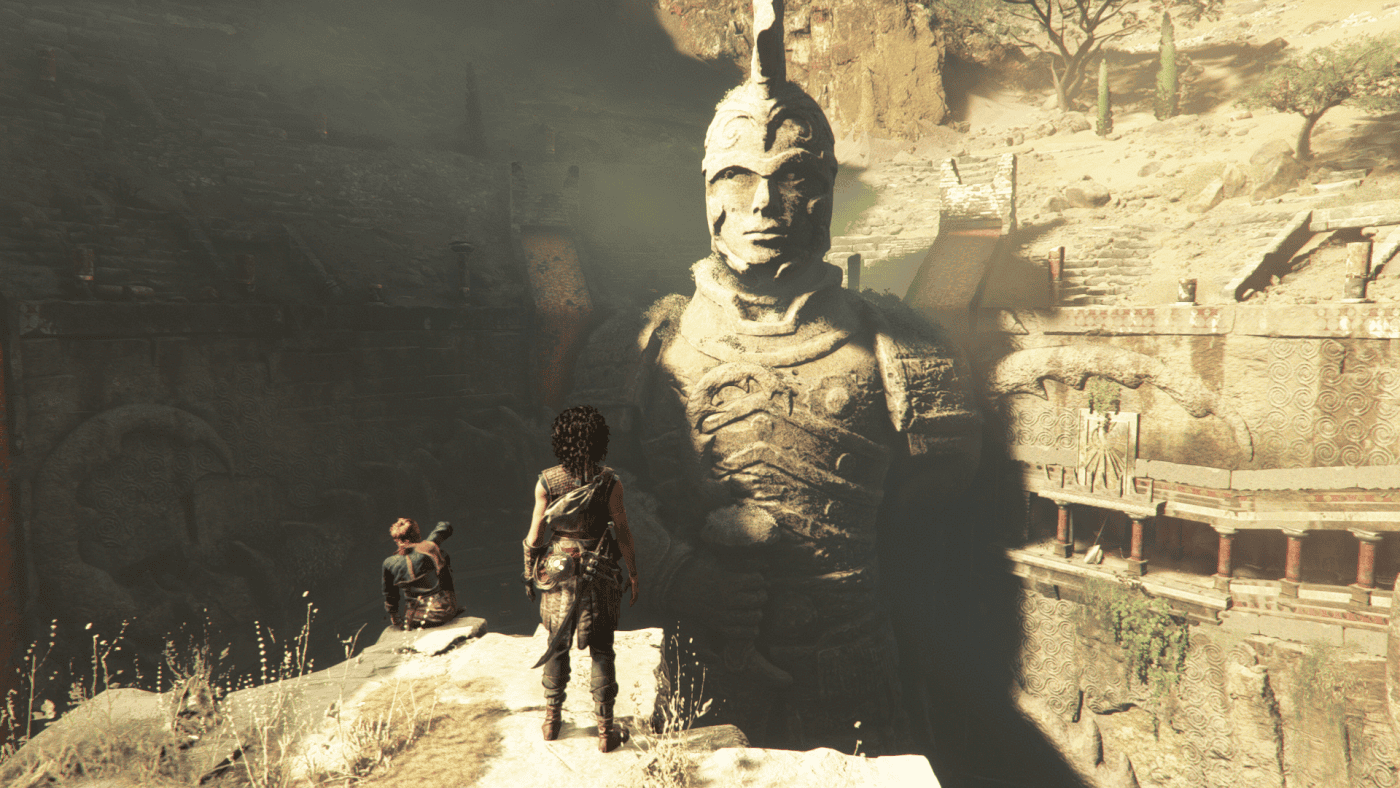
That distinction is crucial to Resonance. Its past is not there simply to provide exposition or fill in the gaps between major plot points. Instead, Asobo Studio embeds history directly into the world, allowing the environment itself to preserve the traces of what happened long before Sophia arrived.
It is a subtle approach to storytelling, but one that gives Resonance much of its narrative identity. By allowing two eras to gradually reveal and reshape one another, the game gives its mystery space to unfold rather than rushing to resolve every question the moment it is raised.
Sophia is not simply exploring an island; through her visions, she is uncovering the history buried beneath it, and the events that shaped it long before she ever set foot there.
The Echoes of What Came Before
By this point, Resonance has become more than the name of the game. It is the idea that holds the entire narrative together: a connection between people, eras, and events that initially seem to have nothing in common. Through it, Sophia can sense fragments of another time, but the same connection gradually brings seemingly separate stories into focus as parts of a larger whole.
Past and present begin to bleed into one another, giving those early, seemingly disconnected visions a significance that only becomes clear with time. Just as importantly, Asobo Studio understands the value of leaving certain questions unanswered. Resonance does not immediately explain everything it introduces. Instead, the uncertainty becomes part of Sophia’s journey. Who is she beneath the history she has been given? Why did the Order experiment on her? What connects the island to the Macula? And, most intriguingly, why does Sophia’s path appear to intersect with Amicia’s?
The answers are allowed to emerge over time, scattered across discoveries and seemingly minor details that gradually take on greater significance. Rather than breaking the mystery apart through constant exposition, Resonance gives the player enough pieces to begin making connections of their own. The story expands organically as those connections accumulate, revealing that what initially appears to be a contained mystery reaches much further into the world and its history.
The connection to Amicia is perhaps the clearest example of that restraint. She is never reduced to a nostalgic reminder of the games that came before, nor does her presence threaten to pull attention away from Sophia. Amicia’s story is over. What she left behind is not.
That distinction allows Resonance to acknowledge the weight of its predecessors without becoming trapped by them. The past remains present, not as something that needs to be revisited, but as an undercurrent running quietly beneath Sophia’s story, influencing the world around her while leaving room for something new to take shape. In that sense, Resonance is an especially fitting title.
The past does not need to return to remain relevant. Sometimes, all it takes is an echo.
This Is Their Story, Too
Characterisation is one of Resonance: A Plague Tale Legacy’s defining strengths. Sophia may remain at the heart of the story, but the characters who accompany her are given enough space to become compelling in their own right. As the journey progresses, they evolve into a richly textured ensemble, each carrying a distinct past, personal motivations, and vulnerabilities that gradually deepen both their relationships and the story they share.
Leni, Faro, Alec, Arianna, and Daedalus are never treated as convenient pieces on the narrative board. Each has their own motives, fears, and contradictions, and the game is patient enough to let those qualities emerge through experience rather than explain them away. Their personalities are shaped above all through conversation, through the relationships that develop between them, and through the choices they make when circumstances begin to test those relationships.
Importantly, Resonance does not rely on dramatic turning points to communicate that change. Much of it happens almost imperceptibly: a different tone in a conversation, a reaction to an unexpected event, a relationship that begins to shift. Individually, these moments can seem minor.
Together, they gradually change our understanding of the people we are travelling with. It is an approach that becomes especially effective towards the end, when the individual character arcs begin to converge and everything the group has experienced starts to carry a different weight.
By then, the characters we met at the beginning are recognisably the same people, but they are no longer quite the same versions of themselves. That gradual transformation gives the final stretch much of its emotional weight, because Resonance never treats character development as a destination to be announced; it allows the journey itself to leave its mark.
What begins as Sophia’s search for answers gradually becomes something shared. The mystery may belong to Sophia, but the journey belongs to all of them, shaped by the choices they make and everything they are forced to endure together. The result is a finale that carries the weight not only of what Sophia has discovered, but of everything the group has become along the way.
A New Combat Philosophy
The most significant departure from the previous games, however, lies in the way Resonance approaches gameplay. Sophia is not Amicia, and the difference is felt in the way she faces danger.
Where the earlier entries built much of their tension around stealth, positioning, and resource management, Resonance is considerably more willing to bring direct confrontation to the forefront, reshaping the rhythm of encounters around a protagonist who is far more prepared to fight back.
Sophia carries a blade and fights through a system built around parrying, dodging, and counterattacking. The mechanics are easy to understand, but using them consistently well requires attention and timing, particularly once encounters begin introducing a wider range of enemies.
Opponents differ in their attack patterns, movement, and behaviour, so charging forward without first understanding what is in front of you can turn against Sophia. Reading animations and recognising the brief windows between attacks becomes as important as the attacks themselves.
A precisely timed parry can create an opening for a counter, while a well-placed dodge can allow Sophia to reposition and immediately turn defence into offence. Once an opponent has been weakened enough, a finisher can bring the fight to an abrupt end.
There is no pretence here that Resonance is trying to match the depth or mechanical variety of the genre’s most dedicated action games. That is not what this system is designed to do. Its purpose is to alter the pace of A Plague Tale and give Sophia a way of confronting danger that reflects who she is, rather than forcing her into the mould established by Amicia.
That distinction matters. The combat is more immediate and physical, but it does not feel like a foreign system dropped into the series. Instead, it changes the way encounters are read and approached while preserving the broader identity of A Plague Tale. Sophia does not fight like Amicia, and Resonance is stronger for allowing her to find a style of her own.


A Risky Experiment That Mostly Pays Off
Taking A Plague Tale from stealth towards direct combat is a significant shift for a series built around careful movement, vulnerability, and restraint. For Asobo Studio, the challenge was not simply to make fighting possible, but to make it feel purposeful without upsetting the deliberate pacing and tension that have long defined the series.
Resonance largely avoids both extremes. Its combat is accessible by design, but not without nuance. Parrying, dodging and counterattacking form the foundation, while the real satisfaction comes from learning how individual enemies move and recognising the brief openings they create. The longer you spend with the system, the more important timing becomes – not because the mechanics are particularly complex, but because they reward the player for paying attention.
That distinction makes a difference. A well-timed parry, a perfectly judged dodge or a counter delivered at the right moment can turn an encounter on its head, giving fights a sense of momentum that would be missing from a purely reactive system. More importantly, the combat feels appropriate to Sophia. She approaches danger with a confidence that Amicia never had, and the game allows that difference to shape the way encounters unfold rather than simply transplanting the mechanics of its predecessors onto a new protagonist.
The system is less convincing when encounters begin to overstay their welcome. Some enemies can absorb more punishment than the mechanics really justify, and longer fights expose the repetition beneath the surface. The same defensive exchanges can lose their impact when stretched across an encounter that has already made its point, disrupting the otherwise brisk rhythm of the combat. These are ultimately minor shortcomings in an otherwise successful transition.
Resonance never attempts to reinvent action combat, and it has little reason to. What matters is that Asobo has built a system around Sophia rather than simply giving her a new set of mechanics. Her ability to meet danger head-on feels consistent with the character established throughout the story, making the shift in gameplay feel motivated rather than arbitrary. The combat may not have the depth or variety of a dedicated action game, but within the framework of A Plague Tale, it gives Sophia a convincing new way to survive, and the series a welcome change of rhythm.
The Unsettling Beauty of Venice
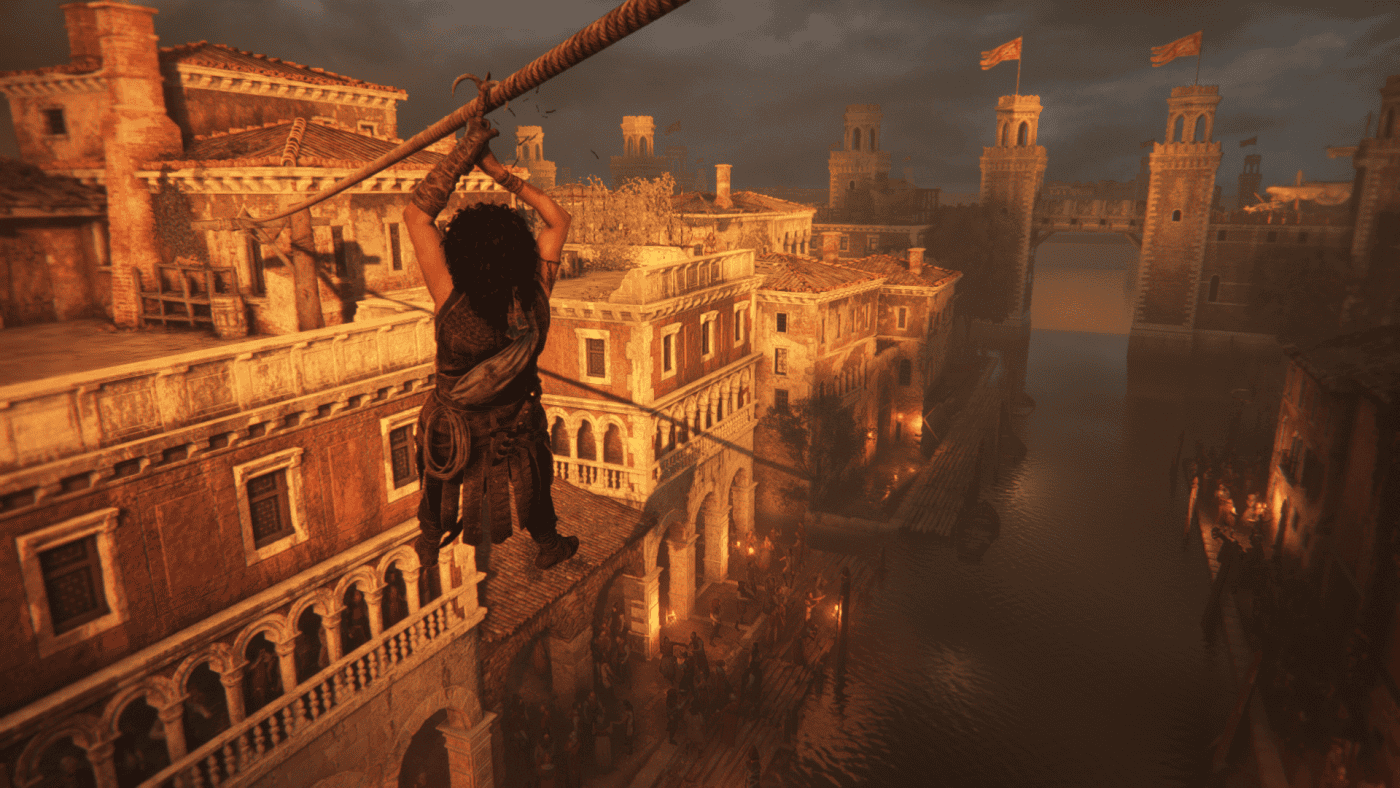
Among the many settings Sophia encounters, Venice is one of Resonance: A Plague Tale Legacy’s most memorable, and perhaps its clearest showcase of what Asobo can achieve when every part of a level works towards the same goal. Set against the backdrop of the Venetian Carnival, the sequence brings together art, level design, atmosphere, and narrative with unusual cohesion.
Sophia first enters the city by gondola, gradually moving from its waterways into narrow alleys, crowded squares, winding canals, and streets filled with masked revelers. It is an instantly recognisable vision of Venice, but Asobo does more than reproduce its most familiar imagery. The city has a sense of grandeur, yet there is always something uneasy beneath the surface: an atmosphere that feels entirely at home within A Plague Tale.
The Carnival is particularly effective because of the distance between the world Sophia sees and the one she is actually inhabiting. Music, colour and crowds create the illusion of celebration and safety, while the game steadily undermines that feeling. People are everywhere, yet Sophia remains isolated within the moment; the streets are alive, but they never feel entirely safe. It is a simple contrast, but Resonance knows how to sustain it.
More importantly, Venice is designed to be played rather than merely admired. Its architecture shapes the way you move through the city and its canals become part of the spaces you have to navigate. The setting is constantly redirecting your attention, opening up new paths before narrowing them again, using the city itself to control the pace of the experience. What could easily have been a purely visual showcase instead becomes an active part of the gameplay.
Then the tone changes. When the situation finally erupts, the leisurely pace gives way to a tightly staged escape that ranks among the strongest sequences of the adventure’s opening hours. The direction keeps the action moving without losing sight of the environment, allowing Venice itself to become part of the spectacle. Crowds, waterways, architecture and narrow streets are not simply scenery behind the chase; they determine its shape and momentum.
That is ultimately what makes the sequence work so well. The best moments in Venice are not the ones where the game asks you to stop and admire the view, but the ones where the view becomes part of what you are doing. Art direction establishes the atmosphere, level design turns it into a space to navigate, and the narrative gives that space a purpose.
For a series that has always understood the importance of place, this is one of Resonance’s clearest successes. Venice is not simply a striking backdrop; it is a setting with a purpose, one that shapes how the player moves, feels, and experiences the story.
A Different Kind of Discovery
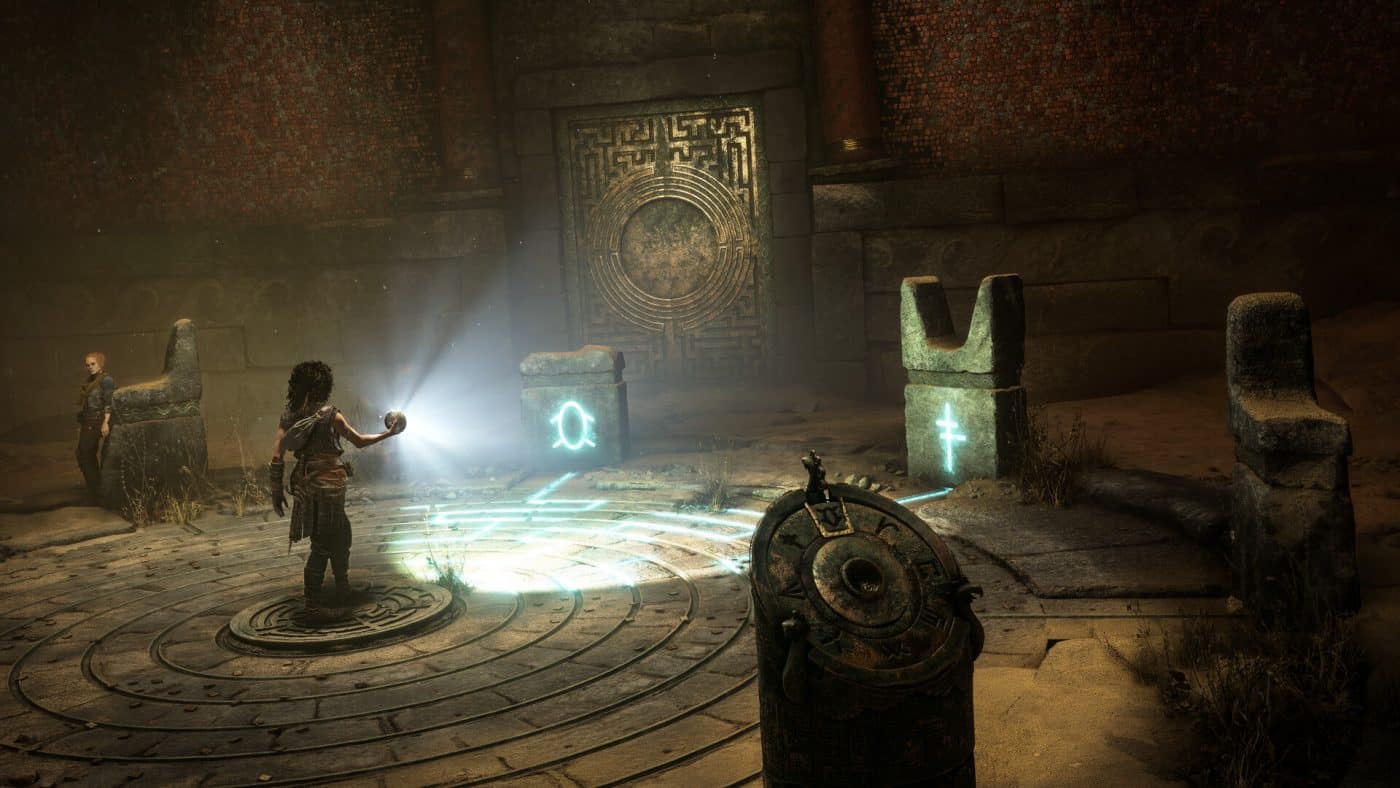
If Venice is where Resonance: A Plague Tale Legacy is at its most spectacular, the island reveals a quieter, more cerebral side of the adventure. Sophia arrives to a setting that is broader, quieter, and considerably more enigmatic, and the change in pace is immediate. Combat becomes less prominent, exploration takes centre stage, and puzzles become the primary means of moving forward. It is a natural progression for the latter half of the story, but it also places greater pressure on the game to sustain its momentum through observation and discovery rather than action.
For the most part, it succeeds. The puzzles are built around reading the environment rather than simply finding the correct input, encouraging you to look beyond the obvious and understand how the different elements of a space relate to one another. Sophia’s journal complements this approach particularly well, providing useful context and subtle direction without turning exploration into a checklist. Her visions of the past add another layer to the process, revealing details that appear insignificant in the present until the two timelines begin to converge.
The best puzzles understand the value of withholding the answer. You have to identify the problem before you can solve it, determine what the environment is telling you, and then make the connection yourself. There is a genuine sense of satisfaction when the solution clicks into place because Resonance generally trusts the player to get there without spelling everything out.
The problem is that the island asks this of you a little too often. The sheer frequency of its puzzles gradually begins to weigh on the pacing, particularly as similar interactions start appearing one after another. Individually, most of these puzzles are well designed and rarely feel poorly thought out; taken together, however, their repetition makes the underlying structure increasingly predictable, diluting the sense of discovery that makes the strongest encounters so satisfying.
It is not a flaw that undermines the island section, but it does expose a slight imbalance in the way the game manages its quieter moments. The slower pace suits the mystery, and the emphasis on exploration gives Sophia’s journey room to breathe, but the game occasionally mistakes repetition for deliberation. Its best puzzles invite you to stop and work things out for yourself. There are simply times when Resonance would benefit from giving that discovery a little more space.
A World of Contrasts
One of Resonance: A Plague Tale Legacy’s greatest strengths is the confidence with which Asobo approaches its environments. Every setting feels deliberately shaped, with its own atmosphere, visual identity, and sense of place. They are not simply spaces for Sophia to move through; they constantly influence how the journey feels. That attention is particularly evident in the details.
The medieval world is defined as much by its weathered surfaces, lived-in interiors, vegetation, lighting, and crowds as it is by its larger vistas. Buildings feel inhabited, spaces carry the marks of those who came before, and even quieter corners are given enough detail to suggest a world continuing beyond the player’s immediate path. It is a level of environmental detail that does more than make Resonance look convincing: it gives its locations character.
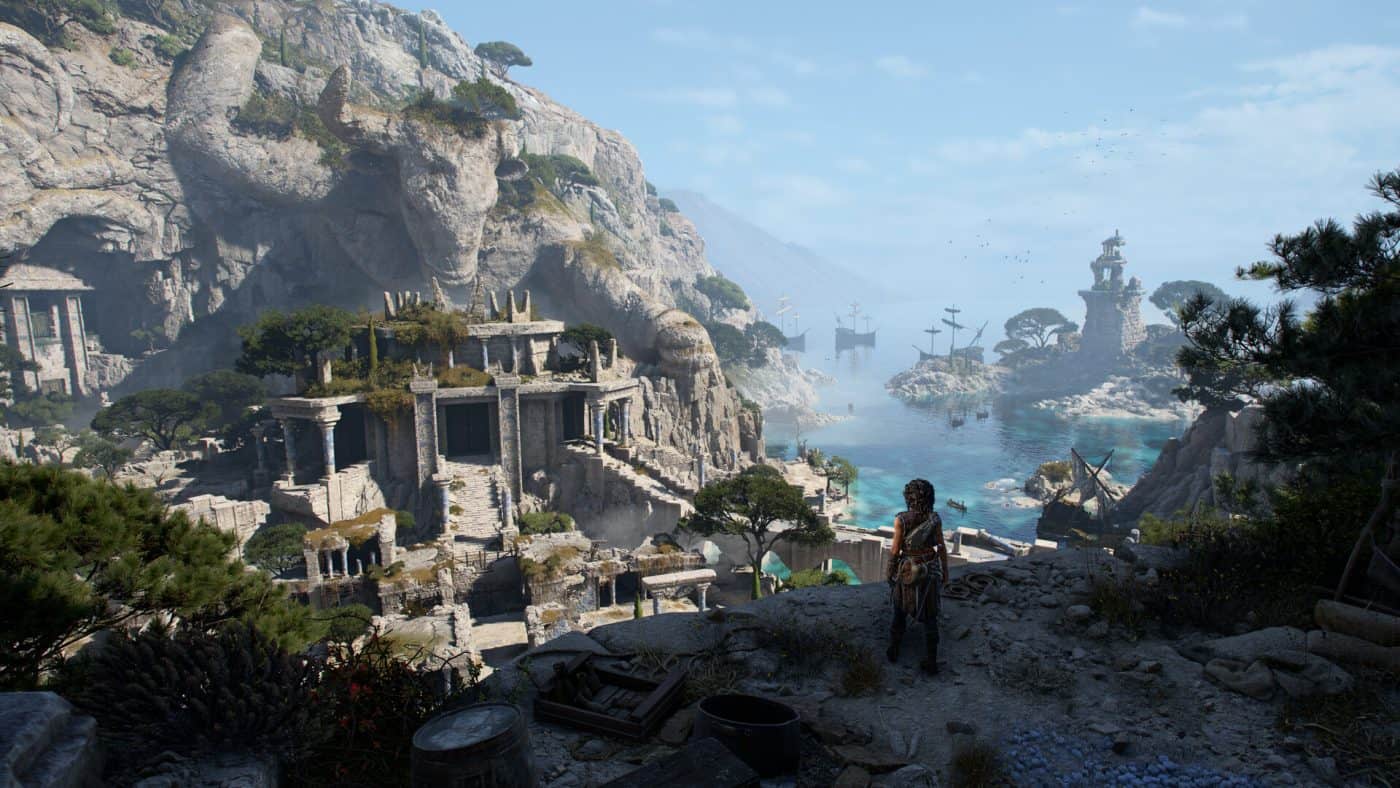
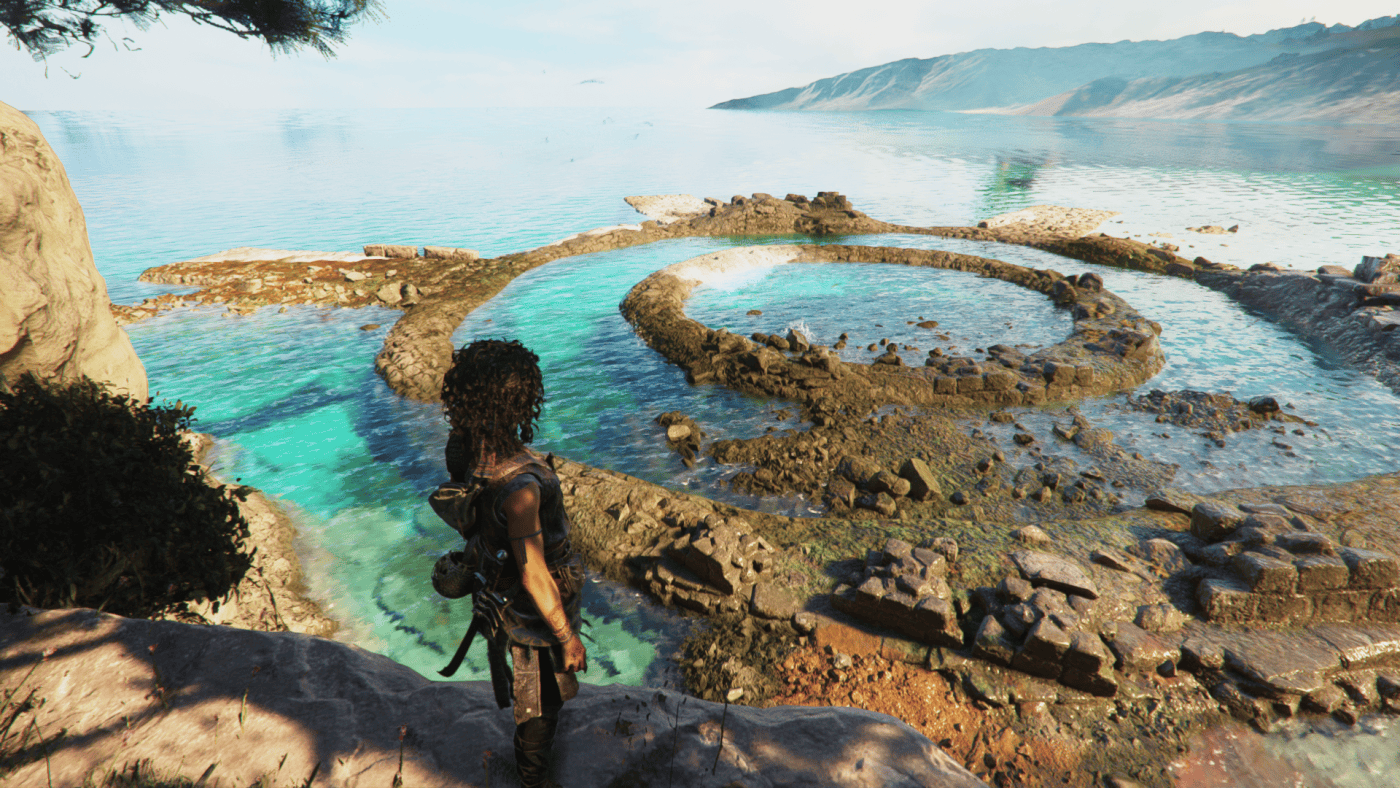
Venice is the strongest example of this approach. The city is crowded, colourful, and constantly in motion, with masked revelers filling its streets and waterways during the Carnival. Everything feels heightened by the celebration, creating an environment that is vibrant without ever becoming entirely comfortable. The island could not be further removed from that atmosphere. Here, Asobo Studio strips much of that noise away, replacing crowds and movement with silence, open spaces, and the remains of a history that Sophia is only beginning to uncover.
The contrast between the two is striking, but it never feels artificial. Venice tells its story through people and movement; the island tells its story through absence and what has been left behind. Each setting establishes its own rhythm, and that rhythm becomes an important part of Sophia’s journey. This is where Resonance’s art direction proves particularly effective.
Rather than relying on spectacle alone, Asobo Studio understands that memorable environments need to do more than look impressive. They need to establish a mood, shape the player’s experience, and leave an impression long after the moment has passed.
Venice does that through its energy. The island does it through its silence. And together, they demonstrate why the world of Resonance feels so much more than a collection of beautiful locations: each place has something of its own to say.
Light as Part of the Gameplay
Few elements of Resonance’s presentation are as consistently effective as its lighting. Asobo Studio has always understood the value of light within A Plague Tale, but here it is given a broader role. It is not simply used to make an environment more convincing or a set piece more dramatic; it helps determine how the player reads and interacts with the world.
Light guides the eye, separates spaces, and changes the character of an environment almost instantly. A location can feel inviting in one moment and deeply unsettling in the next, simply because of how it is illuminated. More importantly, Resonance occasionally turns that visual language into a gameplay consideration, asking the player to pay attention to what is illuminated, what remains hidden, and how the space changes around them. The result is an approach to lighting that feels considered rather than ornamental, and one that contributes significantly to the atmosphere of some of the game’s strongest sequences.
That visual ambition does come with a few technical compromises. On Xbox Series S, Resonance performs reliably for most of the adventure, maintaining a generally stable frame rate across its less demanding sections. The limitations of the hardware become more apparent, however, when the game begins to combine large environments, dense activity, and more elaborate visual effects. Some of the more spectacular sequences are accompanied by occasional drops in fluidity, with the effect becoming particularly noticeable during the latter stages of the adventure.
These moments are infrequent enough not to undermine the overall experience, but they represent the clearest technical weakness of the Series S version. They are also most visible precisely when Resonance is pushing its visual presentation furthest, creating a small but noticeable gap between the game’s ambition and what the hardware can consistently sustain.
 8/10
8/10