Two new projects, one icon to redefine: why Lara Croft’s future hinges on this third reboot.
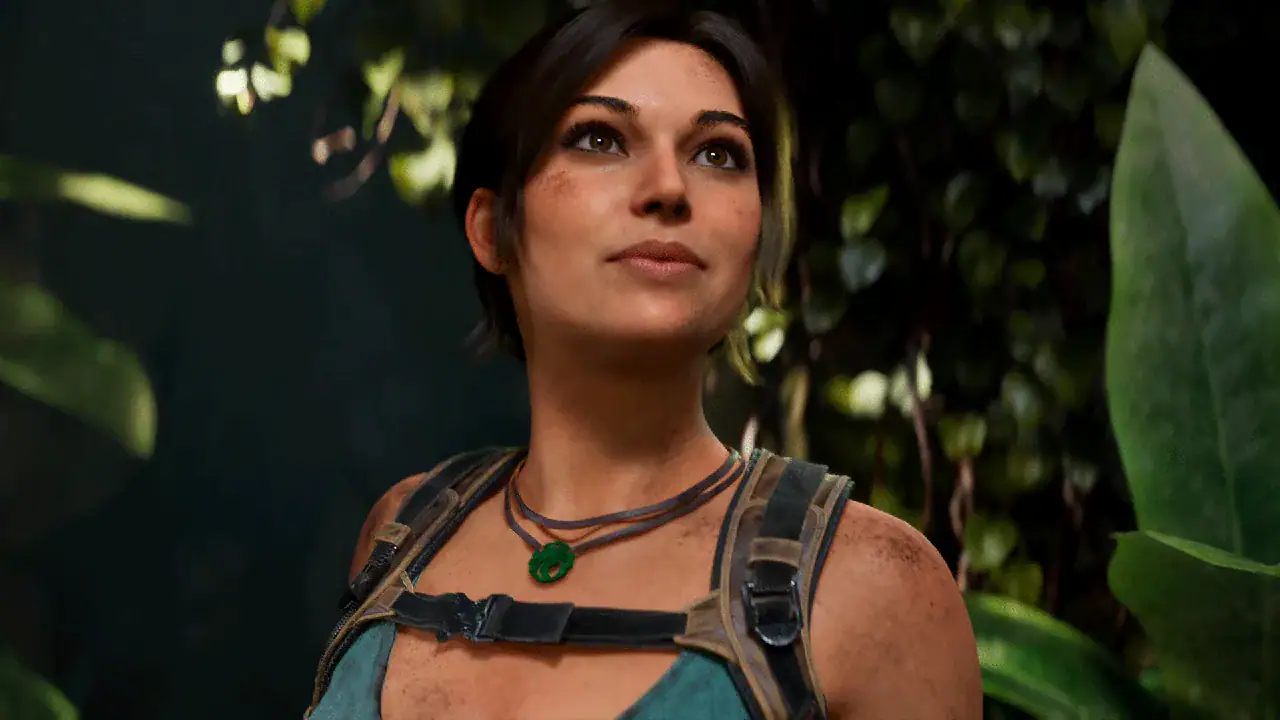
Few video game franchises can claim the dual distinction of shaping an entire genre while repeatedly struggling to reinvent themselves: Tomb Raider is one of them. Since its 1996 debut as a bold experiment in 3D adventure, the series has defined much of what we now consider standard in modern action-adventure: vertical exploration, environmental puzzles, a balance of platforming and combat, and richly constructed worlds that reward curiosity, spatial reasoning, and careful observation.
Yet the franchise’s journey has been far from linear. Peaks of genuine innovation alternated with creative stagnation, rushed design choices, and inconsistent reboots. Even the Core Design era, often recalled nostalgically, was marked by instability, exposing the structural vulnerabilities of a series pressed by relentless production schedules. Tomb Raider II built upon the original’s foundation, expanding its mechanics and ambition, but formulaic rigidity and relentless industrial pressure gradually eroded its pioneering momentum.
The decline culminated in Chronicles, and reached a nadir with The Angel of Darkness – a project brimming with ambition but crippled by technical limitations, incomplete design, and fragmented leadership, ultimately threatening not only the franchise’s credibility but the survival of its studio. Subsequent relaunches – from the Legend/Anniversary/Underworld trilogy to the Survivor trilogy — sought to redefine Lara Croft and her world, but with mixed results. Each iteration shifted her identity, making it increasingly difficult to anchor the character to a stable creative vision.
Now, with two new projects on the horizon – a full reimagining of the original Tomb Raider and the sequel Catalyst – the franchise faces its third major reinvention. This is far more than a cosmetic refresh; it is a deliberate rewriting of myth. Tomb Raider must be adapted for the present without sacrificing its core identity, modernizing gameplay and narrative design while honoring its storied legacy. The ultimate test will be demonstrating that one of gaming’s most iconic heroines can still resonate with contemporary audiences without renouncing her past.
The First Relaunch: Rewriting a Classic Without Losing Its Soul
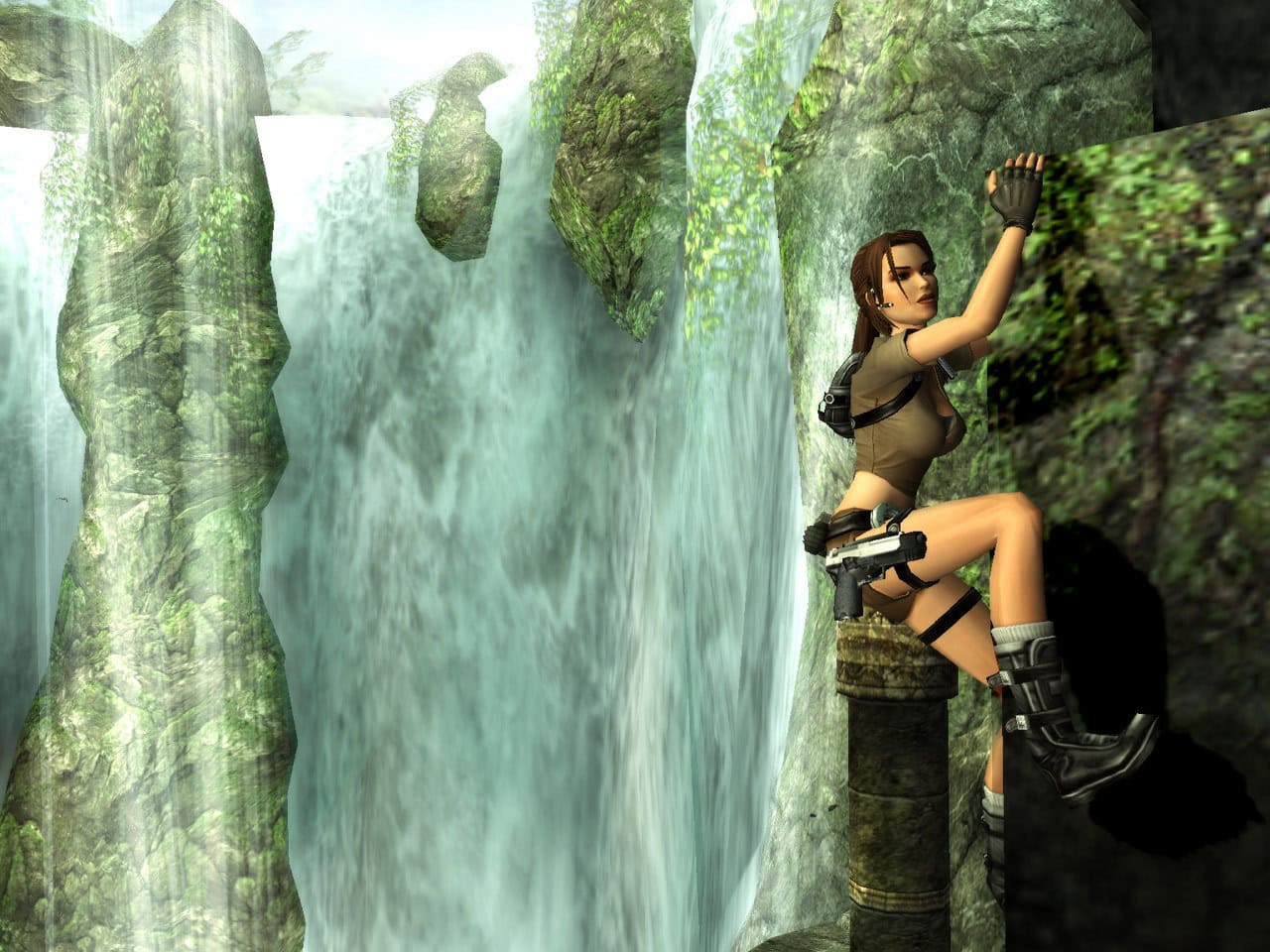
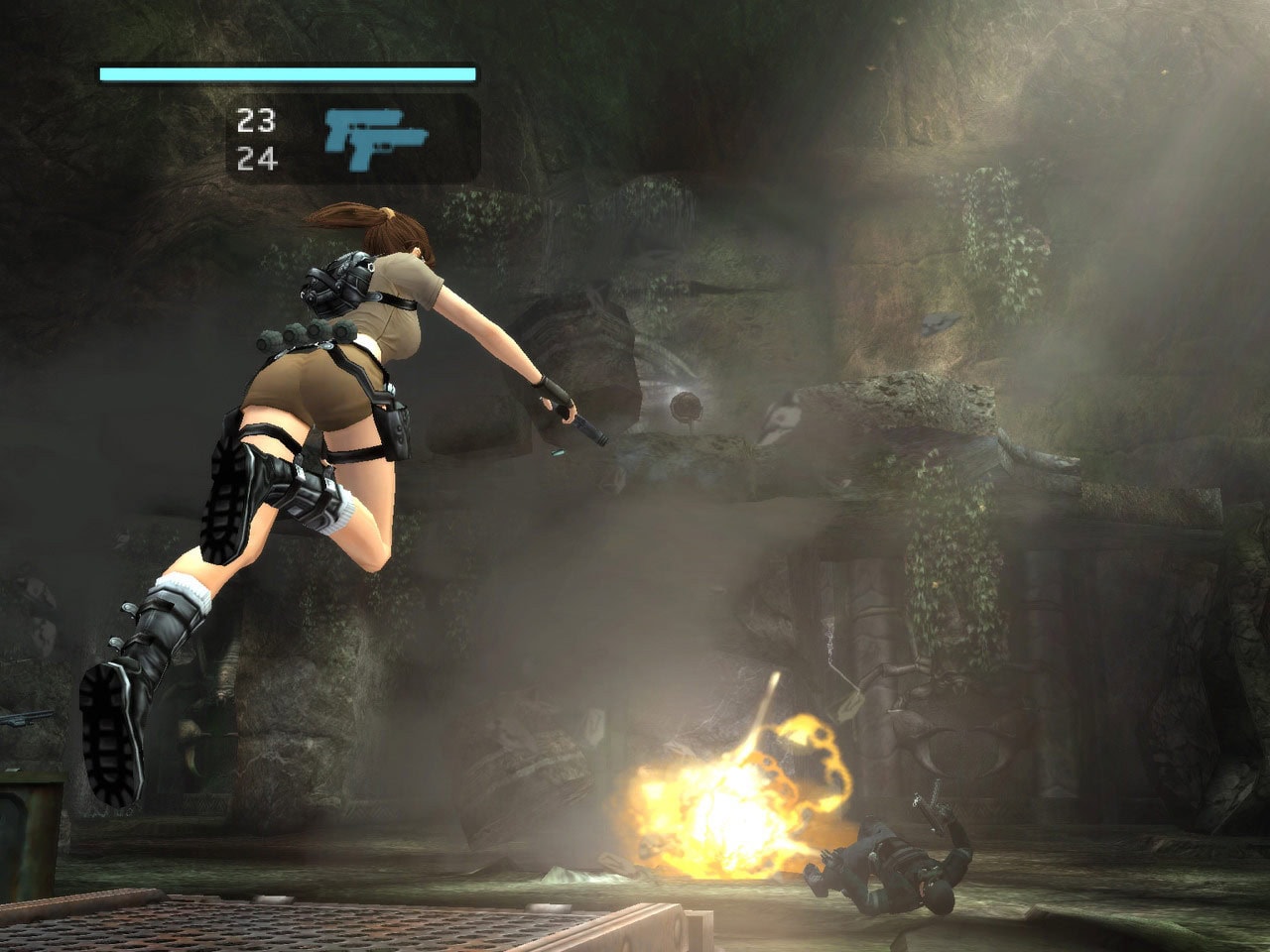
The franchise’s first true rebirth came with Tomb Raider: Legend, under the stewardship of Toby Gard, Lara Croft’s original creator. The goal was ambitious: to recapture the essence of the classic archetype while introducing a protagonist who was athletic, capable, and magnetic, yet endowed with a level of human depth never seen before – finally breaking free from the monolithic persona that had long constrained players’ emotional connection.
The so-called “Legend trilogy” (Legend, Anniversary, Underworld) succeeded in crafting a coherent identity attuned to the technological and narrative demands of the era. Supporting characters and antagonists were given greater depth – none more memorable than the iconic return of Natla – whose return heightened narrative tension and enriched the series’ thematic layers. Level design achieved a careful balance of exploration, platforming, and combat, paced with a modern, cinematic sensibility. The result was a relaunch that was as compelling as it was respectful: the series reclaimed visibility and narrative cohesion, reaffirming its core gameplay language while evolving it for a new era.
The Second Reboot: The Survivor Trilogy
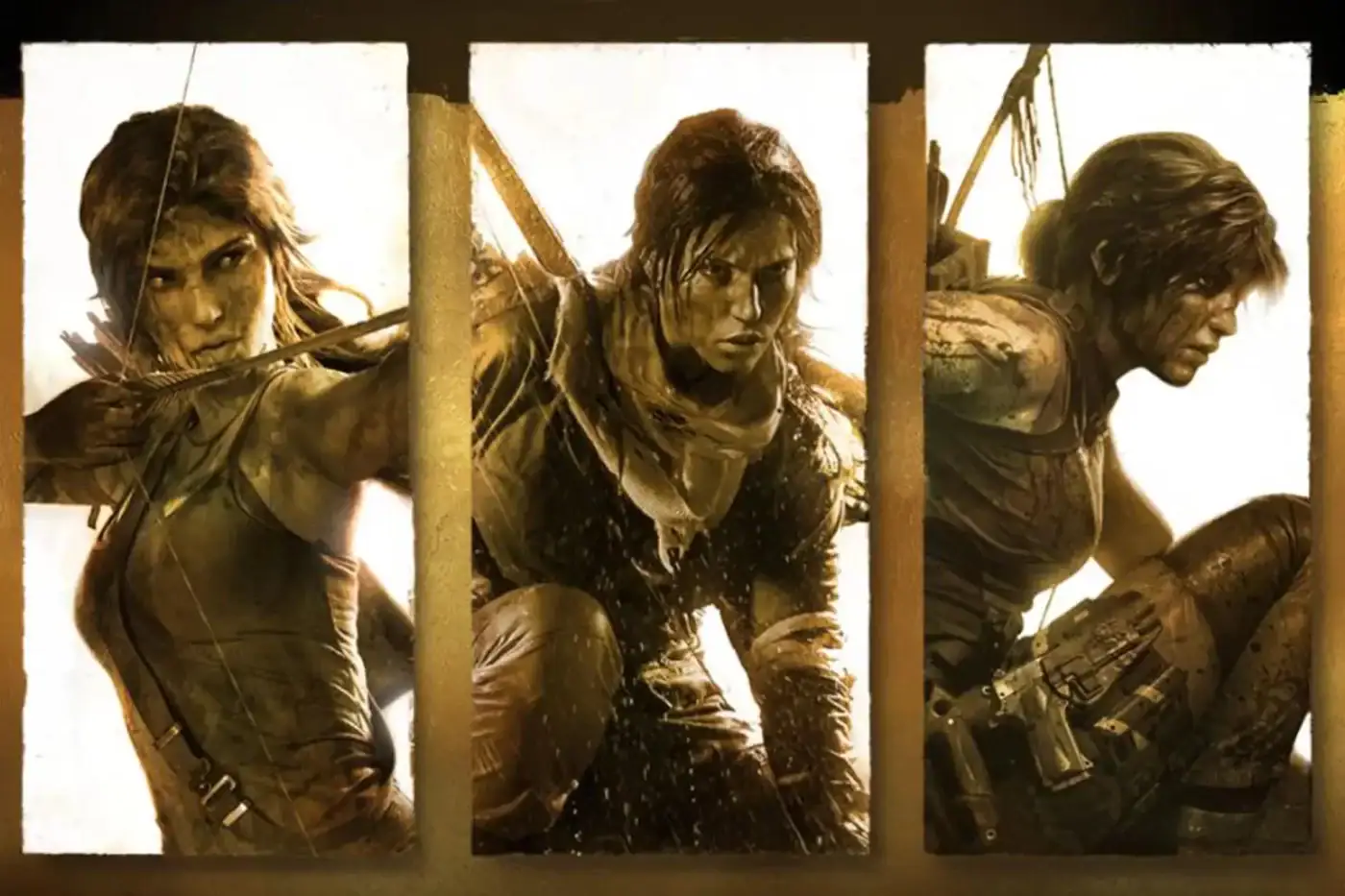
The franchise’s second reinvention came with the Survivor trilogy. Originally conceived with horror-tinged, paranormal overtones, the project was fully reimagined as Tomb Raider (2013), Rise of the Tomb Raider, and Shadow of the Tomb Raider.
This iteration of Lara was radically different: less mythic, more tangible — vulnerable, tactile, and shaped by experience and adversity. The narrative shifted decisively toward her origins and the demands of survival, while gameplay embraced a cinematic, open-ended structure that prioritized player agency, immersive exploration, and environmental problem-solving over spectacle-driven action. The result was a grounded, psychologically resonant heroine, whose evolution reflected both contemporary design sensibilities and a deliberate reimagining of the franchise’s core identity.
The trilogy proved commercially successful, restoring both visibility and momentum to the franchise. Yet it also marked a decisive break from the classical imagery of the series. At the same time, Square Enix struggled to strategically steward its legacy IPs – Tomb Raider and Deus Ex in particular – a challenge that ultimately led to the franchise’s sale.
The trilogy proved commercially successful and revitalized the brand’s visibility, but it also marked a sharp break from the series’ classical imagery. Meanwhile, Square Enix struggled to strategically leverage its storied IPs – Tomb Raider and Deus Ex in particular – ultimately resulting in the franchise’s sale. The question that lingered was this: can Tomb Raider balance legacy and innovation without ever compromising the identity that made it legendary?
Two Projects, One Legacy: The Future of Tomb Raider
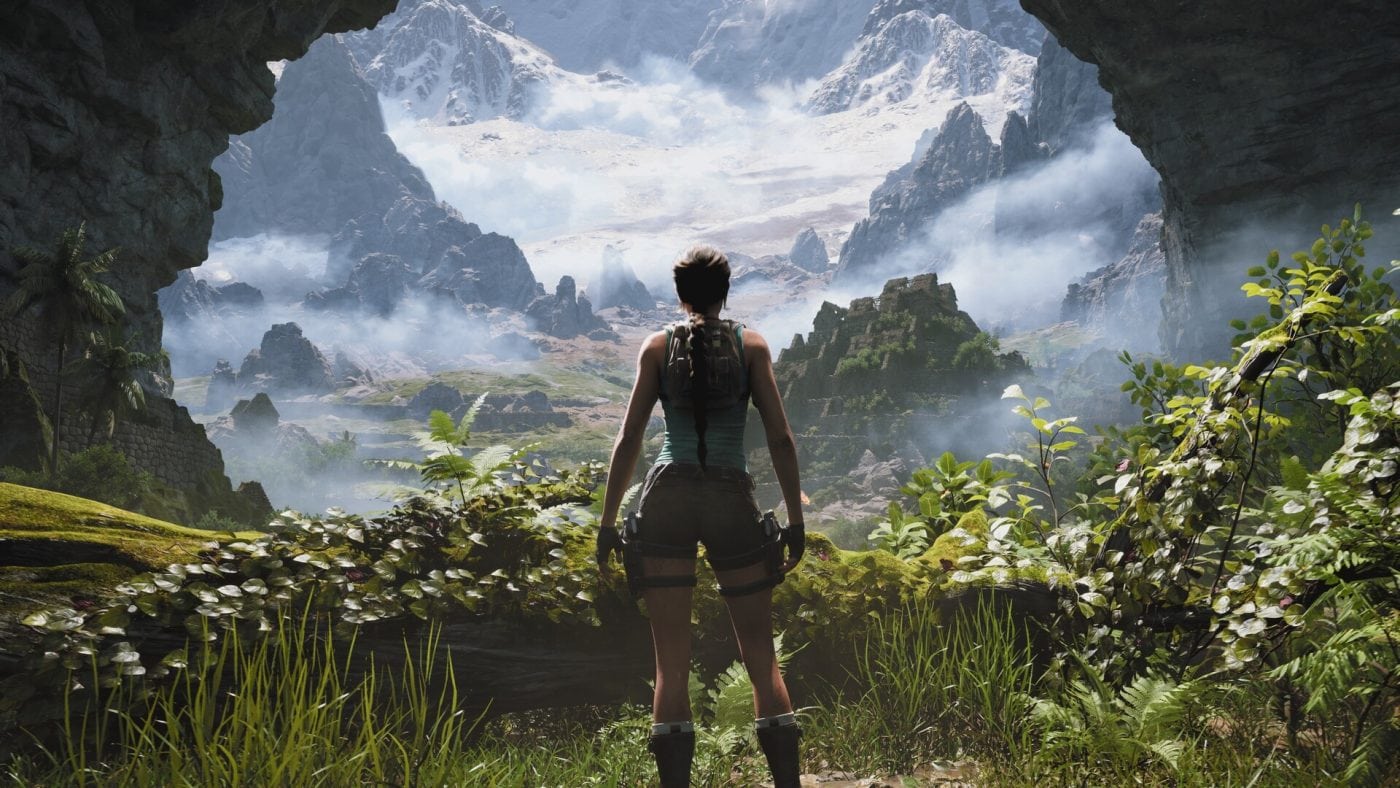
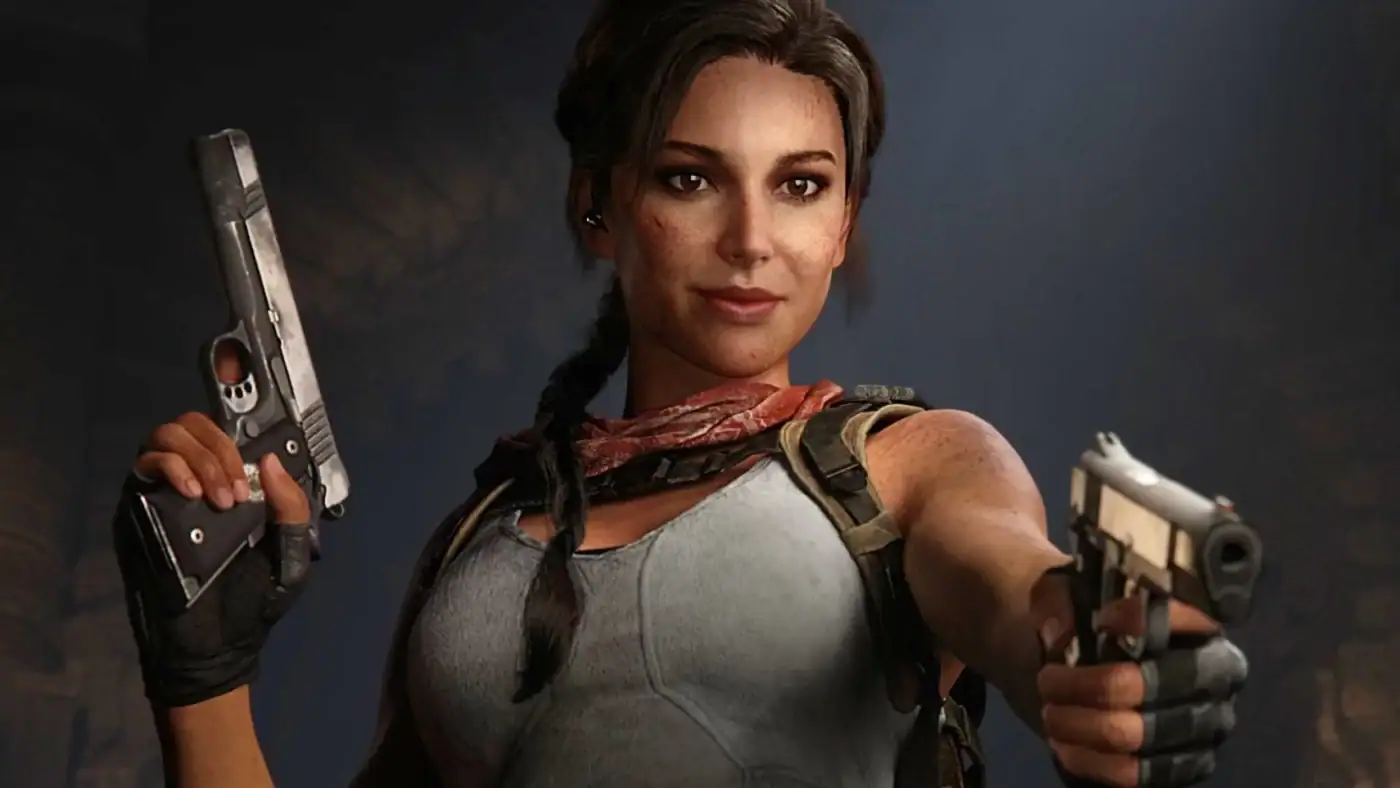
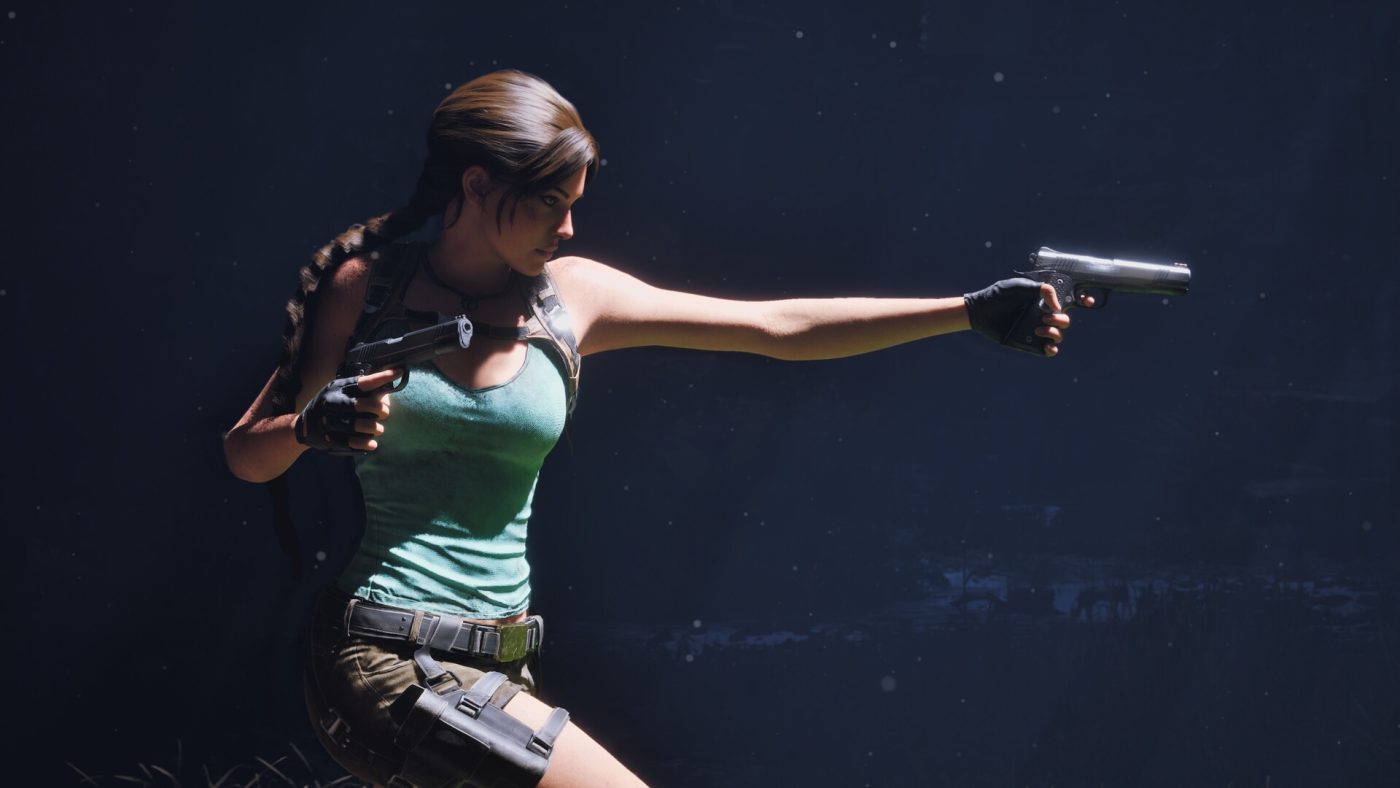
The answer came at The Game Awards: two ambitious projects – a full reimagining of the original title and a brand-new sequel, Catalyst. From the first trailers, the direction is unmistakable: a deliberate return to the aesthetic and bearing of the “classic” Lara Croft. The legendary twin pistols are back, but more important is the character shift: Lara re-emerges as confident, technically assured and narratively self-possessed – a marked departure from the emotional fragility of the Survivor arc.
This is not nostalgia for nostalgia’s sake; it is a statement of intent. The goal is to reposition Tomb Raider within the action-adventure canon, emphasizing technical precision, the primacy of exploration, and a clear authorial voice. In this sense, these two projects are more than commercial relaunches – they are a cultural recalibration of the franchise. Success will hinge on the developers’ ability to translate ambition into coherent design and deliver a truly revitalized player experience.
Legacy of Atlantis: Rethinking the Archetype
The original Tomb Raider did more than define a character; it reshaped 3D action-adventure design. Its significance lies not in iconography alone, but in its creation of a gameplay language built on spatial exploration, environmental puzzles, and solitary adventure – a blueprint that influenced an entire generation of games.
The prior modernization attempt, Tomb Raider: Anniversary, offered a technical refresh – QTEs, dynamic combat, and grappling mechanics — but it remained a hybrid, tied to both tradition and contemporary trends. Legacy of Atlantis faces a more demanding task: not merely updating a classic, but rethinking its foundational structure.
Movement and Spatial Literacy
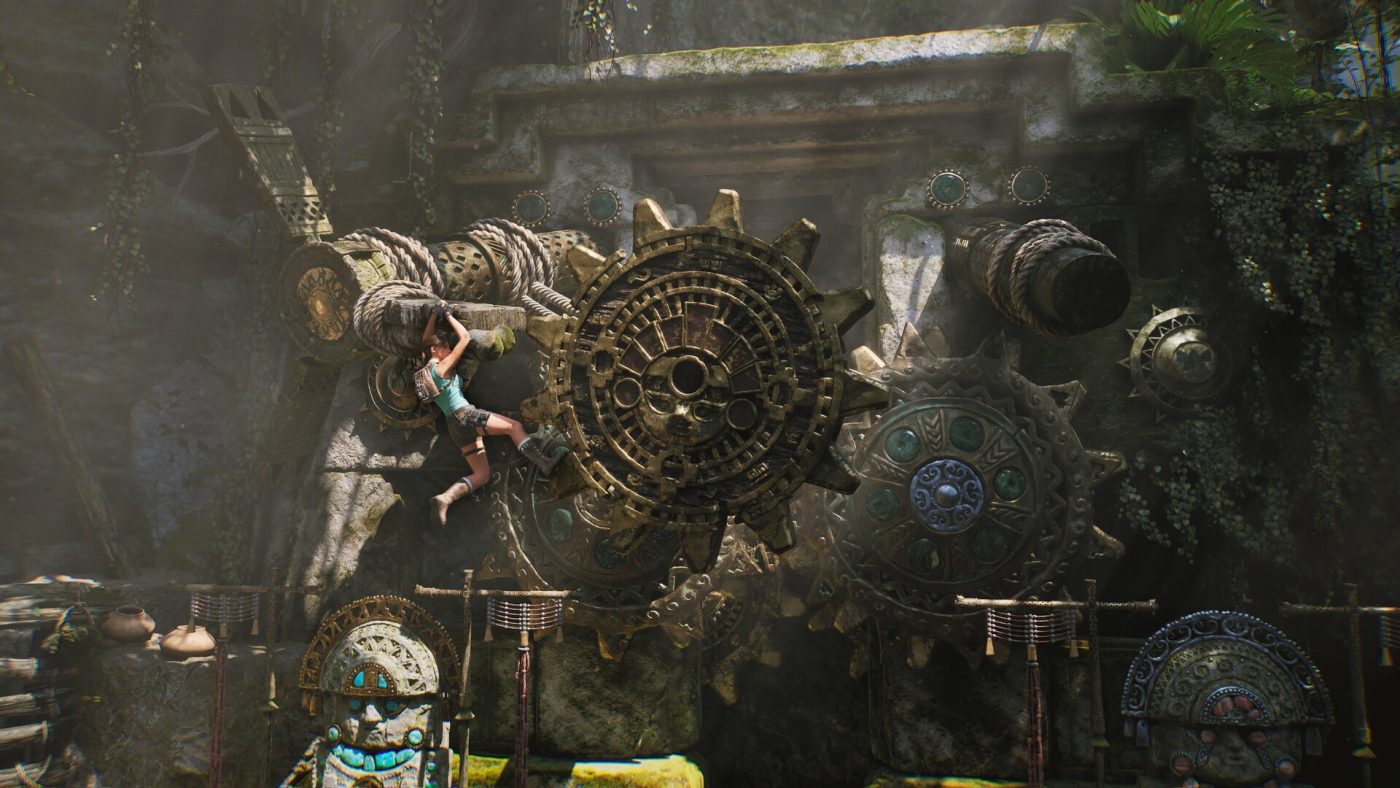
At Tomb Raider’s core is the player-space relationship: verticality, concealed sightlines, platforms and multiple routes. Design must preserve the precision of classic platforming while integrating the freedom and fluidity of modern titles. The real danger is flattening spatial reading: if verticality and constraints are ironed out, the series risks losing its essential DNA.
Combat System
The return of twin pistols demands a fundamental combat overhaul. The goal is not only dynamic encounters but coherent choreography, arena readability, and the restoration of Lara’s agility as a gameplay pillar. Boss fights, like the trailer’s T-Rex encounter, serve as both homage and technical benchmark.
Puzzles and Player Guidance
Puzzles remain one of the franchise’s most delicate design challenges. The Survivor trilogy relied on explicit assistance systems – Lara’s contextual “vision,” among them – to prevent player dead ends. Legacy of Atlantis, by contrast, could lean on diegetic guidance: interior monologues, environmental cues, and audible reasoning, echoing the subtler hinting systems seen in God of War or Escape from Butcher Bay. When carefully calibrated, this approach preserves immersion and narrative pacing while maintaining the cognitive weight and satisfaction of the puzzles themselves.
Natla: Reshaping the Archetype
Handling Natla is among the remake’s most delicate narrative challenges. She cannot be treated as a mere iconographic relic; she demands a layered, contemporary reimagining that intertwines myth, technology, and political ambition. A modern Natla must be anchored in credible motivations – geopolitical stakes, archaeological agendas, and psychological complexity — transforming a symbolic boss into a thematically resonant antagonist who interrogates pressing contemporary issues: power, resource exploitation, and the manipulation of myth as an instrument of influence.
“Prepare the Cold Room…”: Croft Manor as Identity Space
Among the series’ most iconic landmarks, Croft Manor is far more than a mere hub: it stands as a symbolic space of decompression and design memory. Its pool, training grounds, hedge maze, and the playful “cold room” for the butler serve as ritual touchstones for the community. While its return has yet to be officially confirmed, reinstating the Manor would be more than fan service; it could function as a structural and narrative anchor, linking the franchise’s rich history to its evolving creative vision.
When Will Lara Return?
Tomb Raider: Legacy of Atlantis is slated for 2026, in a window yet to be specified. If these projects succeed in marrying reverence for the franchise’s legacy with genuine innovation – avoiding both self-congratulation and slavish imitation of prevailing trends – Lara Croft’s return will be far more than a simple revival: it will mark the third, definitive relaunch of the series.
The stakes are considerable. This is not merely a question of commercial success; it is about restoring Lara Croft’s centrality, authority, and charisma — the very qualities that have secured her place as one of contemporary gaming’s most enduring and influential icons.