
The second time around, Cold Symmetry knows what it wants Mortal Shell to be, and for much of the journey, Mortal Shell 2 comes remarkably close to getting there.
Just like the Fairy Godmother did for Cinderella, Cold Symmetry, the studio behind Mortal Shell 2, has transformed a rough title into one of the biggest surprises of our year.
Even from the first gameplay trailers, it was clear just how much of a leap forward the game had taken compared to the first entry in the series, and I’m happy to say that the game itself went on to confirm those first impressions. In this chapter, Cold Symmetry finally brings to life the style and narrative it had only sketched out before, and places them under a new, beautiful darkness.

Every Corner Has Something to Offer
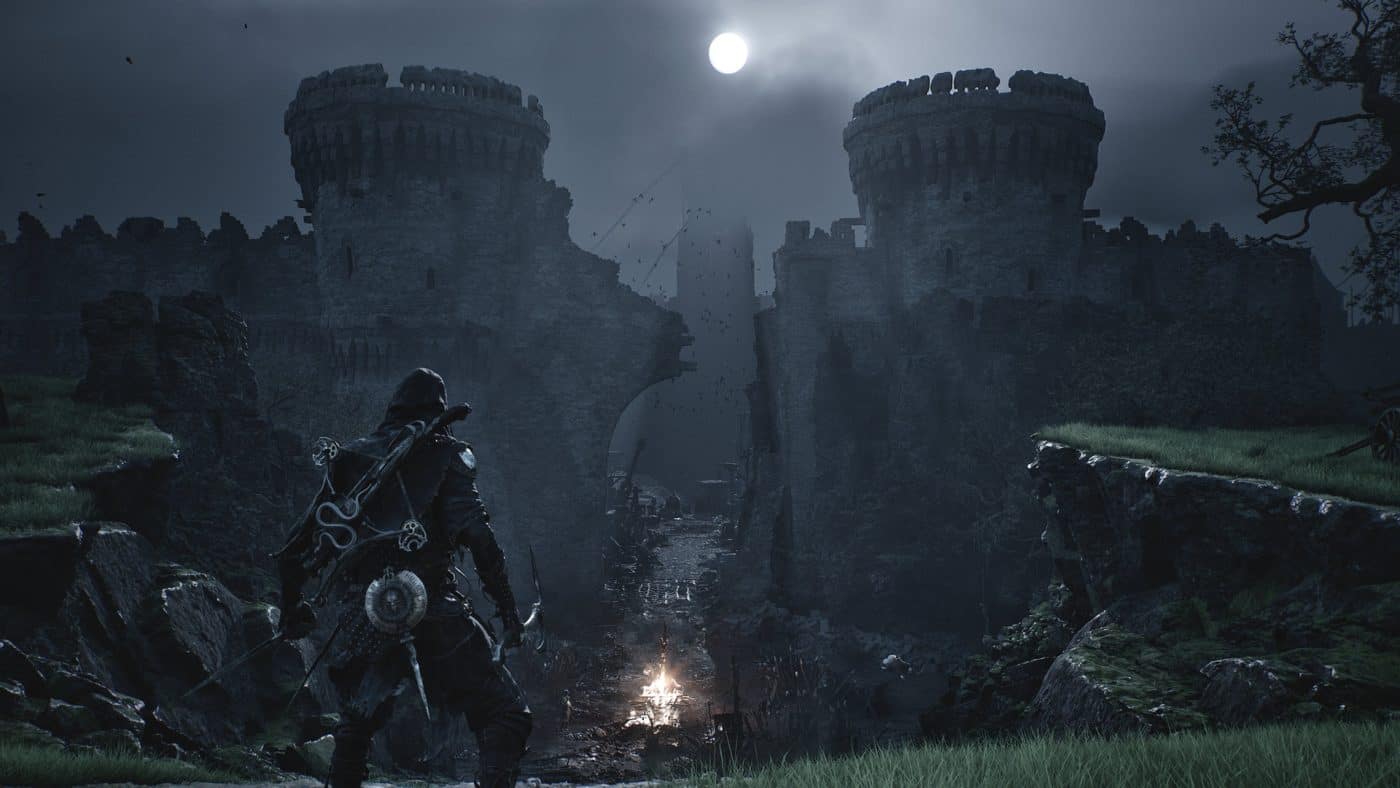
The game retains the same type of architecture used in the first chapter: a small, circular open world that makes exploration fairly straightforward while allowing each area to remain easily interconnected with the others. Here too, there has been a huge step forward, particularly in the overall management of the areas. It is easy to tell when you are in an open exploration zone and when you have entered a proper location. The game world is also structured extremely well.
You will rarely find yourself wandering aimlessly for more than a couple of minutes. Between structures, enemy camps, and dungeons, the decision to keep the map relatively small and populate almost all of it with points of interest has clearly paid off.
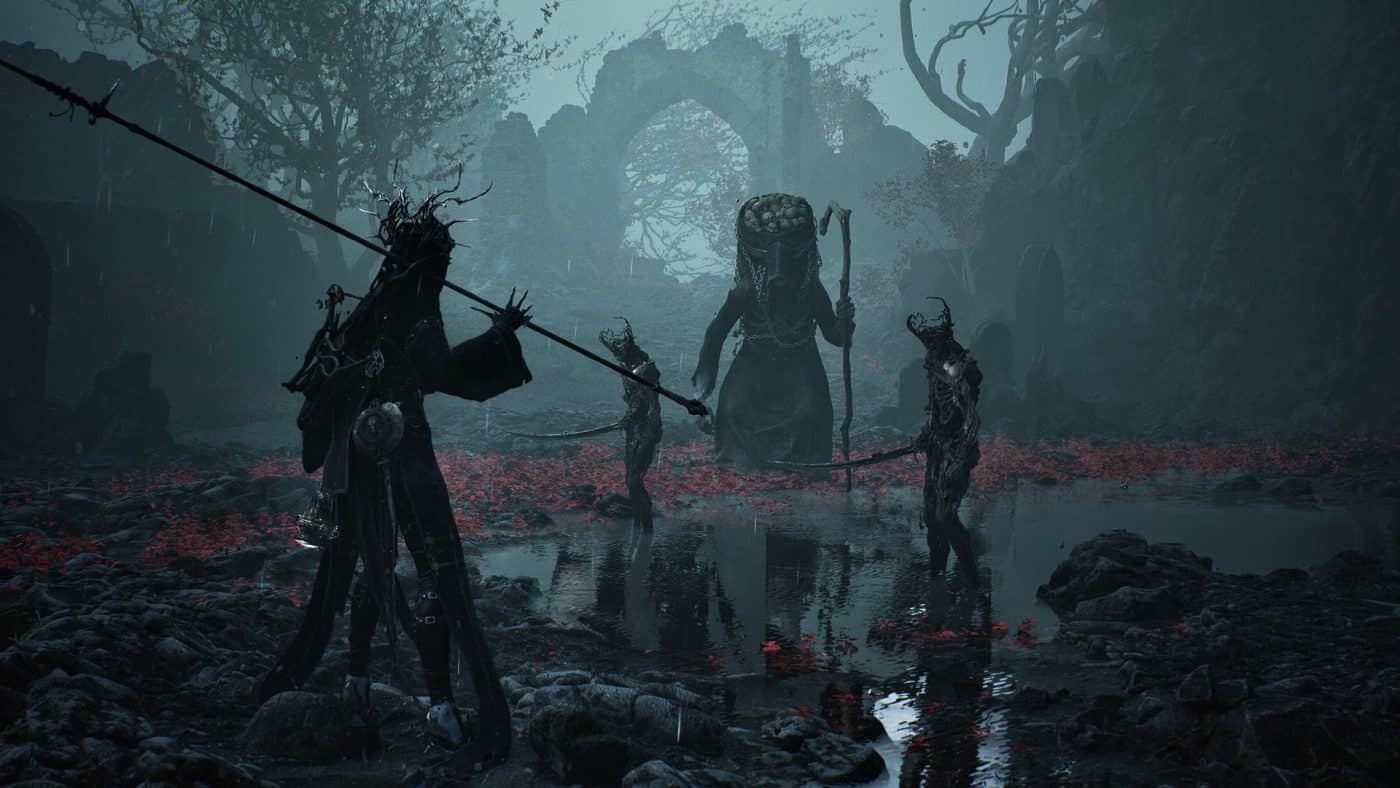
Even more interestingly, while the main world remains relatively familiar in terms of its setting, with hills, mountains, and the classic medieval villages and castles you would expect, the dungeons provide the variety that makes you stop and wonder as soon as you enter them. You will find yourself walking, and fighting, through snowy mountains, poisonous swamps (because, as in every good Souls game, we apparently need those), and corrupted worlds. The only real criticism I have regarding the game world is that, while exploration is much more open and filled with secrets during the early stages, the level design becomes increasingly linear towards the end. Areas gradually start to feel more like large corridors rather than places to discover and explore.

More Than Just a Shell
Perhaps I’m repeating myself, but once again, there is simply no comparison to its older brother. When it comes to character progression, the formula remains largely the same. There are no stats such as Strength or Intelligence to level up; instead, as you gain levels, every aspect of the Harbinger improves alongside the others. Although you could see this as a limitation, it does not actually prevent you from experimenting with different builds and combat styles.
First and foremost, the Shells, the bodies we use to fight, are much more “alive” this time. Each one has several abilities and a multitude of passive upgrades that you can improve as you level up. Some of these can even drastically change the effects and functionality of the Shell itself.
Furthermore, since every weapon can be used without any restrictions, you are free to try them all and gradually discover which one suits you best as you progress through the game. The same applies to the Shells. Thanks to the latest patches, it is now possible to respec them as well (this was already available for weapons from the beginning), and even fully upgrade all of them within a single run. This allows players to experiment freely and find the Shell that best suits their playstyle.
Variety is therefore not really an issue if you want to experiment with different weapon and “armor” combinations. The only flaw in the system is that some stones, the items that complement a build by adding different effects, often lock into specific weapons. As a result, you cannot experiment with absolutely everything. For example, it is not possible to infuse the hammer or axe with the Lightning element, effectively preventing you from creating a build centered around those two things.
A Dance with Death
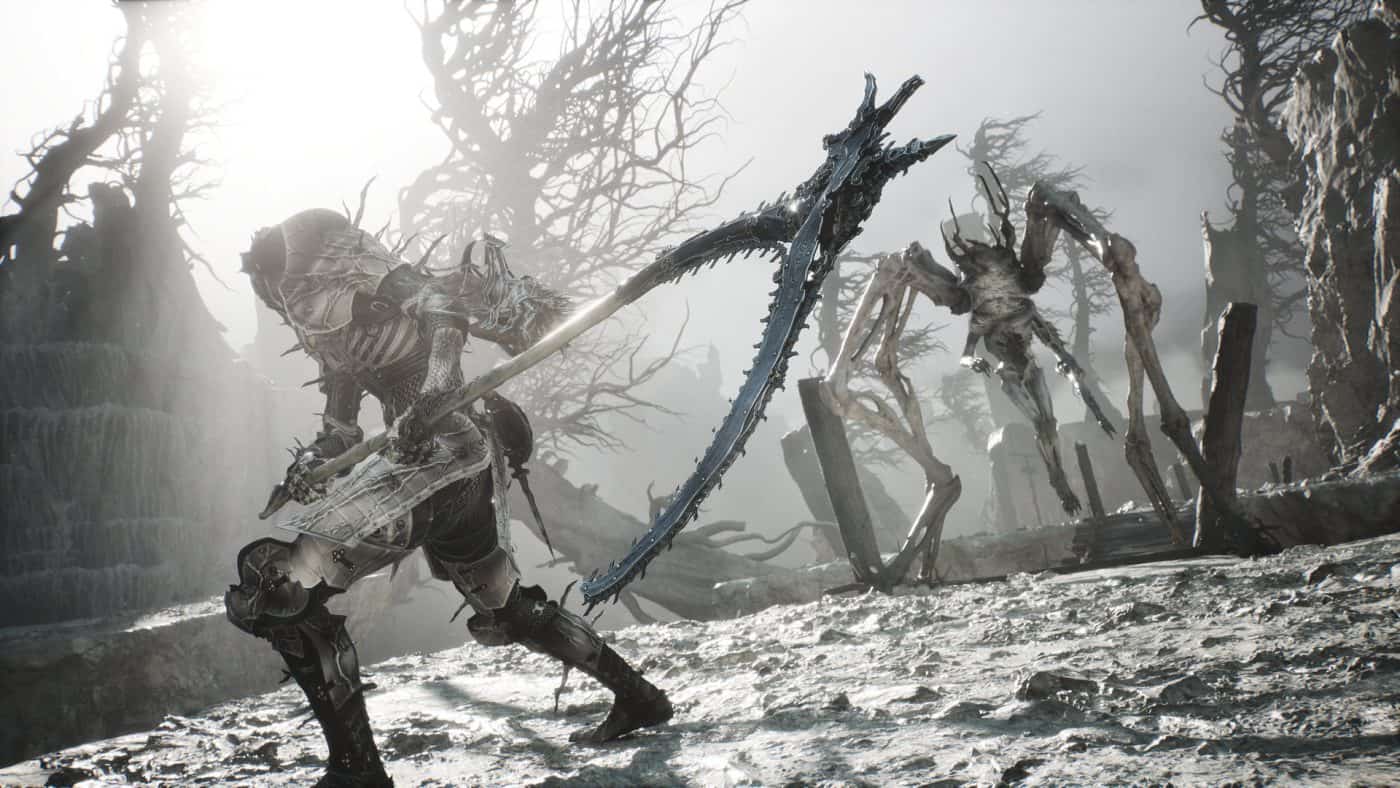
The combat system is, once again, a direct evolution of the one found in Mortal Shell 1. It doesn’t play much differently from newer Soulslikes in terms of what you can actually do. Each weapon has its own moveset, and thanks to some of the Tar Stones I mentioned earlier, you can infuse them with different elements as well as give each one a different special attack.
The two biggest changes, however, are related to resource management and defense. The first thing that immediately stands out is that this chapter completely removes stamina. You can therefore run, dodge, and attack without having to stop, making the game much more dynamic by removing those moments where you simply have to wait for your stamina to recover.
As for the defensive options available to our Herald, the first game offered two separate mechanics: Hardening, which turned our character to stone in order to protect them and deflect incoming attacks; and the Tarnished Seal, which let you perform active counterattacks if you blocked enemy attacks with the correct timing. In Mortal Shell 2, the two mechanics remain separate, but they now share the same slot. This means that players have to choose which defensive tool they want to use based on their preferred playstyle. The good news is that there are many more options available, making it easier to find the one that suits you best.
The last thing I’d like to talk about regarding combat and, specifically, the enemy system is balancing. Particularly difficulty management and how that difficulty develops throughout the game, I think the whole thing can be summed up in one word: nonexistent.
Why do I say this? The game essentially splits into two major areas, North and South, with the North being the easier region and the South the harder one. So far, so good. The player can start wherever they want and move around freely from the very beginning, but if you start on the “wrong” side, you will immediately realize that you are not ready for those areas.
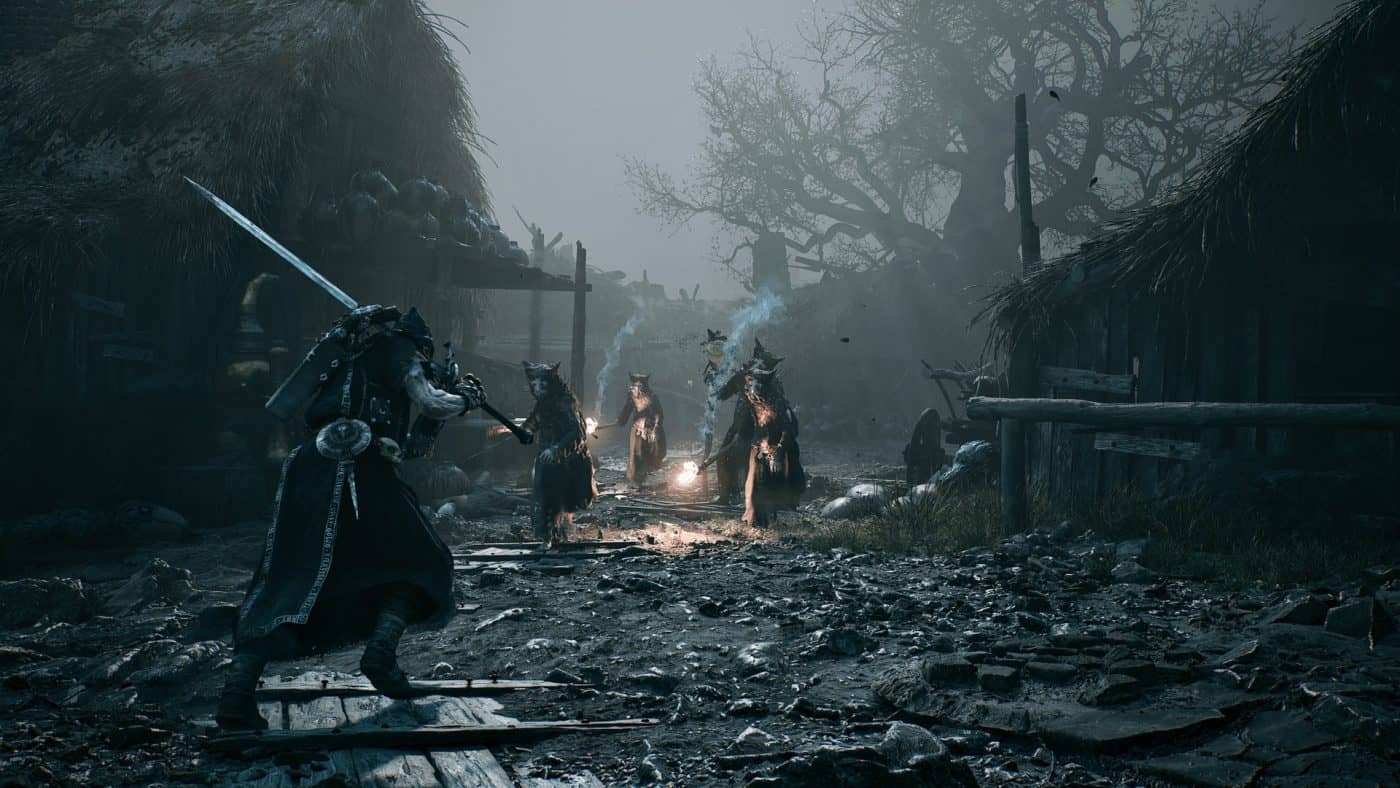
The real problem, and the reason I say that there is virtually no balancing, is that the same thing happens even if you follow the “correct” path. Once you have completed everything the North has to offer, you will suddenly find yourself surrounded by enemies that simply shrug off your attacks and, in the best-case scenario, kill you in a couple of hits. And this is clearly a problem, especially because multiple enemies often pack the areas, and you will not be able to eliminate them easily, forcing you to pay close attention if you want to avoid returning very quickly to the last place where you rested.
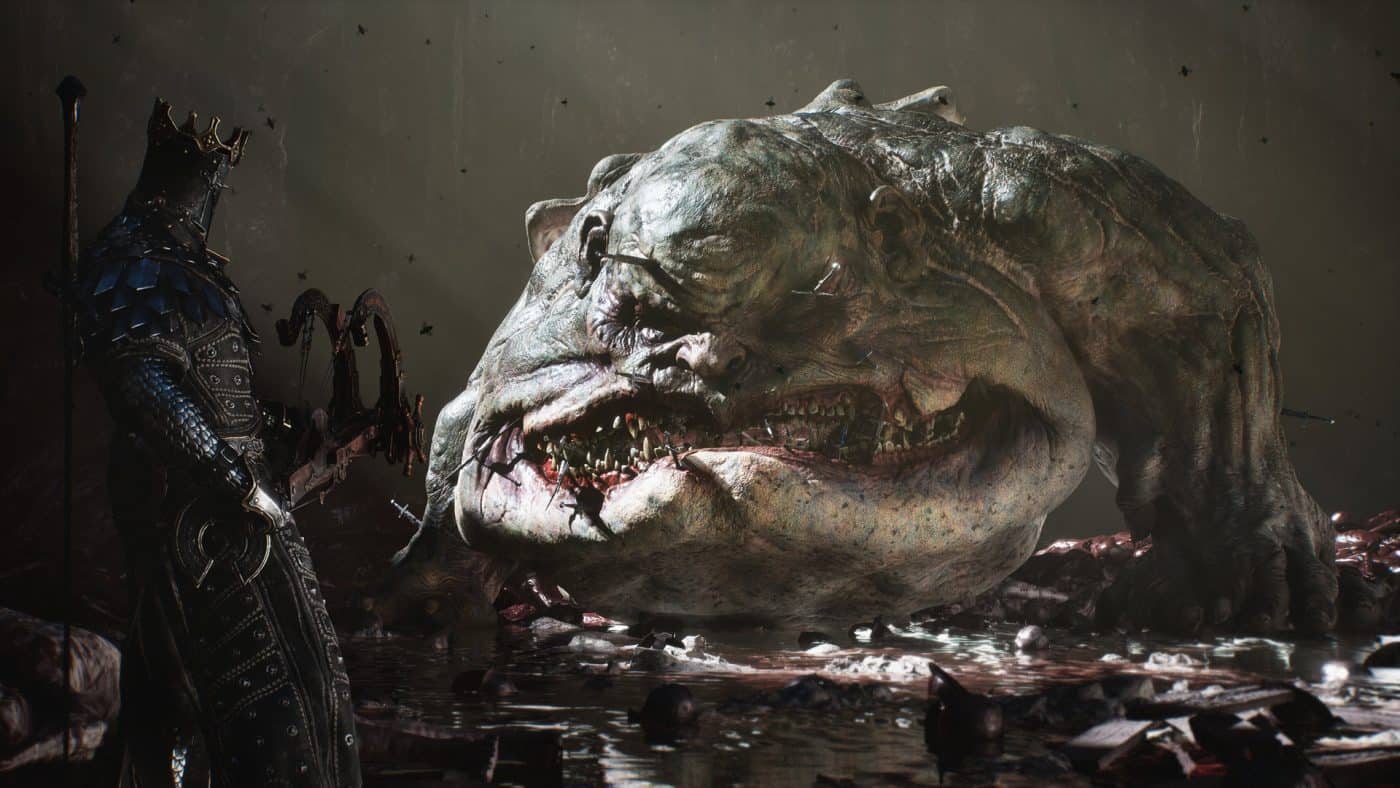
The fact that, by this point in the game, the bosses are little more than regular enemies with a larger health pool makes this even worse. Bosses deal practically the same damage as basic enemies. In fact, to be completely honest, some of the smaller mobs are considerably more dangerous than the bosses themselves. This is a major flaw, both because it makes navigating the world more difficult and because it greatly reduces the impact and satisfaction that should come from a serious fight against a powerful enemy. Because if everyone is powerful, no one is.
The Cracks Beneath the Surface
As with my other reviews, I should start by saying that I played the game on a base PS5, so my experience with its technical issues, or lack thereof, may differ from yours. Let’s start with what will be the only positive note in this section: I encountered no technical issues related to stuttering, FPS drops, textures, or anything similar. The game ran as smoothly as butter from beginning to end, at least in that regard. But now let’s talk about the real problems I encountered: bugs and hitboxes.
Let’s start with the hitboxes, which are a fairly common issue. They were not particularly precise and often seemed to have a slightly different range from the animation itself. More than once, I found myself in a Dark Souls 2-esque situation where an enemy grab would essentially teleport me into its range and hit me even though the enemy had touched me from a good meter away.
Fortunately, I only encountered this issue with larger enemies and those using polearms (another game apparently has it out for my beloved spears.) But the reason I actually had to stop playing for a few days were the bugs, from which I received much more attention than I would have liked.
To be fair, I did not encounter MANY of them. But the ones I did were severe. For starters, I had to completely abandon my favorite Shell (Genessa, for those who know) because not a single one of its abilities worked. Literally every perk belonging to that Shell simply didn’t work, making it completely unusable. I then found issues with the dodge, that, when used repeatedly, sometimes it would cause the character to get stuck inside the ground, effectively paralyzing me.
Later on, I had to wait for a patch because, in one of the final areas, the teleport that was supposed to take me to the boss had its coordinates off by a few degrees. As a result, every attempt would teleport me underneath the map, causing me to fall into the void and die.
Unfortunately, you can’t simply overlook these problems, since they had a serious impact on my progression and overall experience with the game. There were also other, smaller bugs which, while less impactful, still contributed to making my relationship with the game worse.
A Worthy Successor?
Ultimately, Mortal Shell and its developers have made enormous strides over the past few years, delivering a game that, while far from perfect, managed to entertain me and make me fall in love with its genre all over again. There were problems, and some of them were serious, but the team has worked consistently to improve the game and, in some ways, bring to completion a project that originally reached the market with a few too many rough edges.
In any case, for anyone who loves the Souls genre, Mortal Shell 2 is a game that should not be missing from their library. It is certainly capable of offering new challenges and new satisfactions.
To conclude, however, I would not recommend it to newcomers approaching this genre for the first time, as the steep increase in difficulty could prove to be a very high wall to climb. If anything, give its older brother a chance. In the end, it really wasn’t that bad.

 8/10
8/10