A survival horror that doesn’t just scare: it disturbs body, mind, and perception.

From the moment it was announced, ILL has made it clear that compromise is not part of its design – a survival horror that makes its presence felt through unsettling imagery and a clear, uncompromising vision. The title itself is stark, stripped of any explanatory references, evoking a state rather than a story: a sense of unease, corruption, something fundamentally broken. In a gaming landscape where horror increasingly blends with action or falls back on familiar formulas, ILL seems determined to take a different, more uncomfortable and radical path, aiming to place the player in a state of constant tension and unease.
The first footage shown is raw, claustrophobic, and often difficult to watch, clearly designed to trigger instinctive reactions of revulsion and discomfort. This approach situates ILL firmly within a distinct corner of the horror genre – one that prioritizes emotional and psychological impact over spectacle or jump scares.
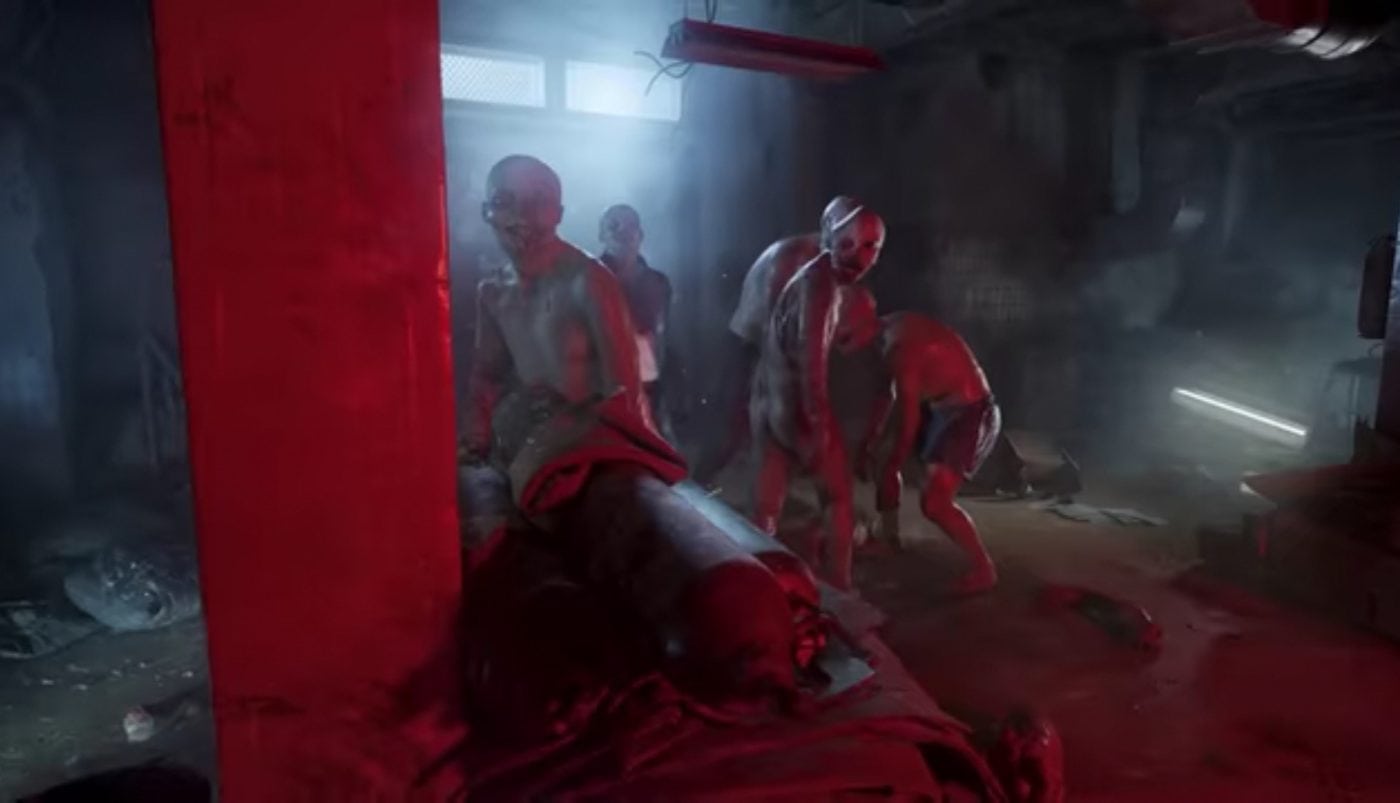
The game’s intrigue lies in its ability to convey so much while revealing so little. ILL has not been revealed through lengthy explanations or detailed gameplay demonstrations, but through fleeting visual fragments that hint at a hostile world, dominated by an incomprehensible presence and creatures that seem to embody tangible, physical horror.
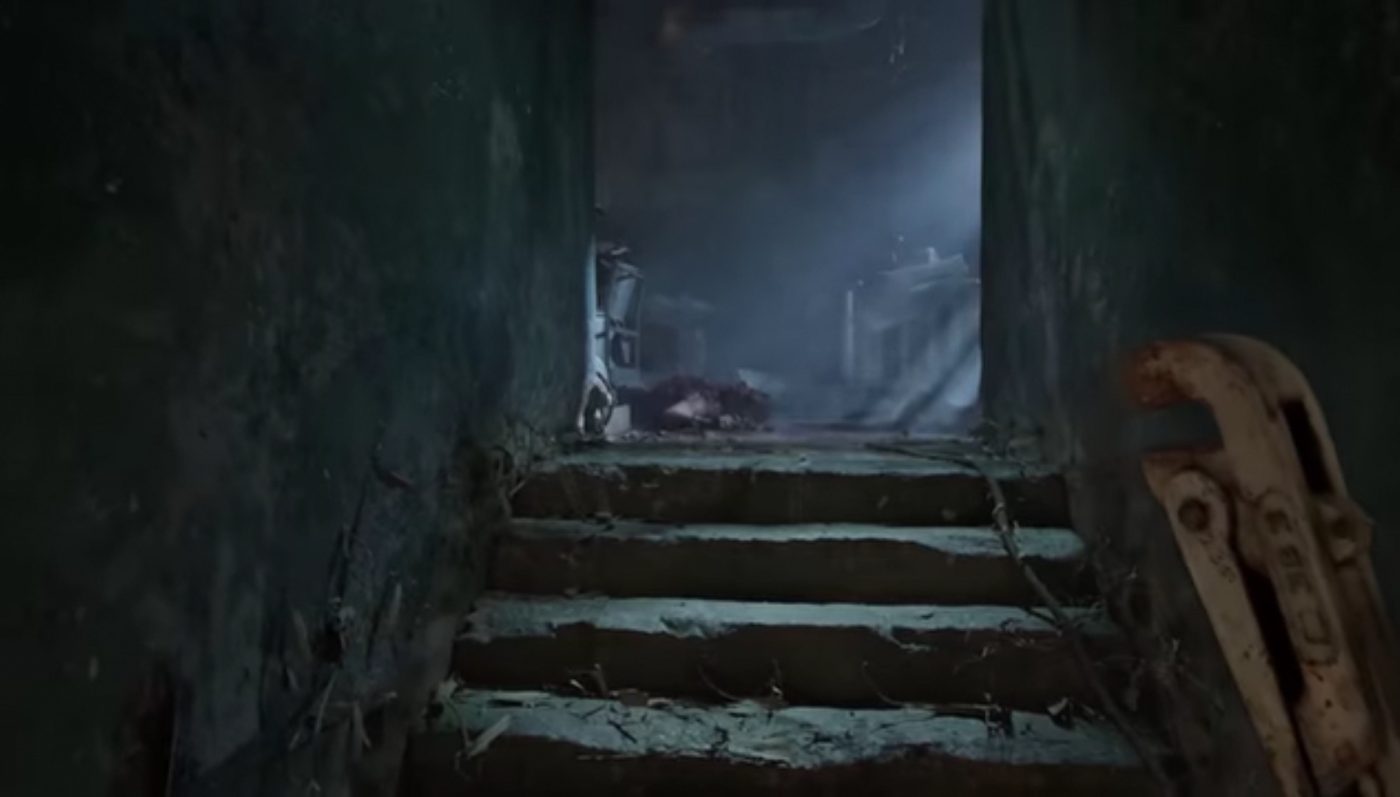
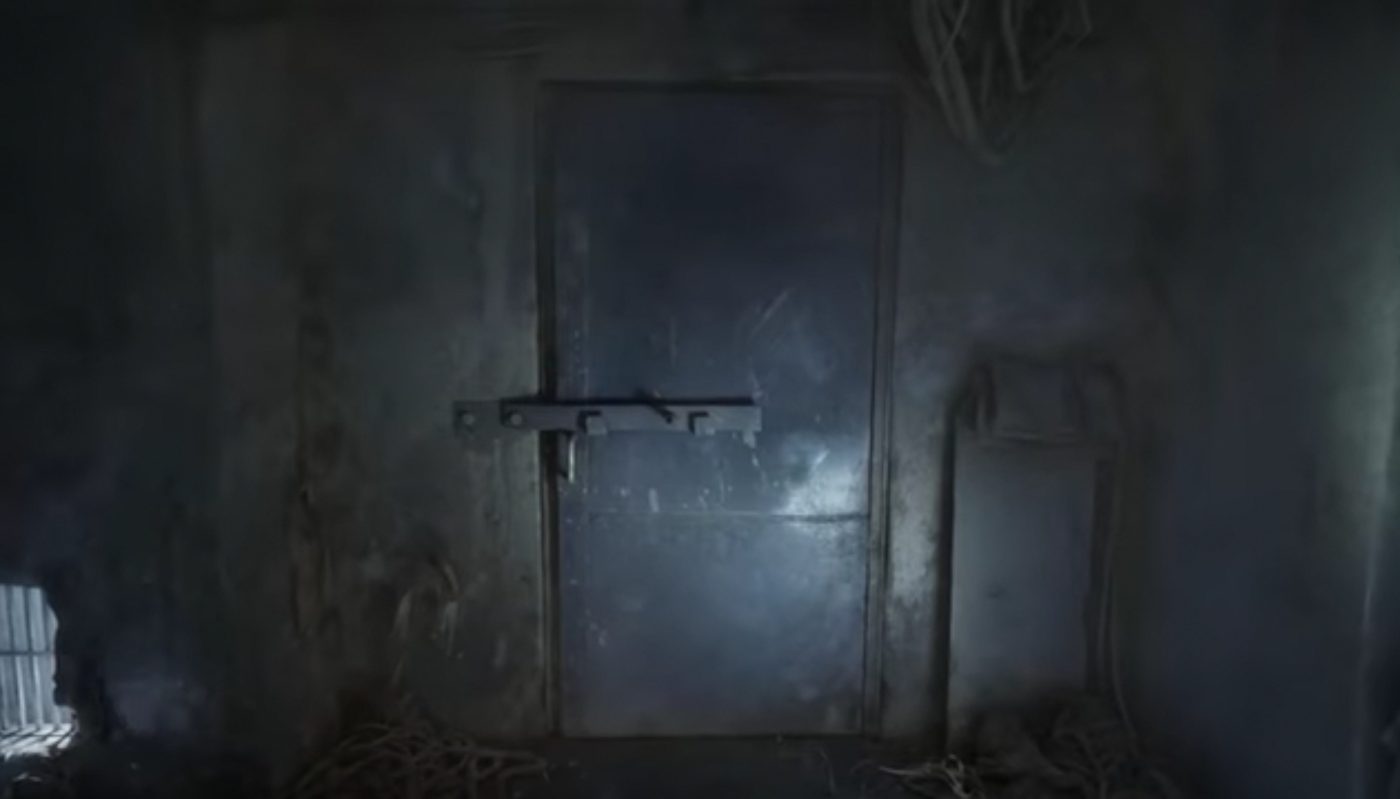
The setting – dark, oppressive, and claustrophobic – combined with a first-person perspective, amplifies the sense of vulnerability, suggesting an experience in which the player is never truly safe. In this sense, ILL appears to revisit a more primal conception of horror: one born of uncertainty, loss of control, and the inability to anticipate what might happen next.
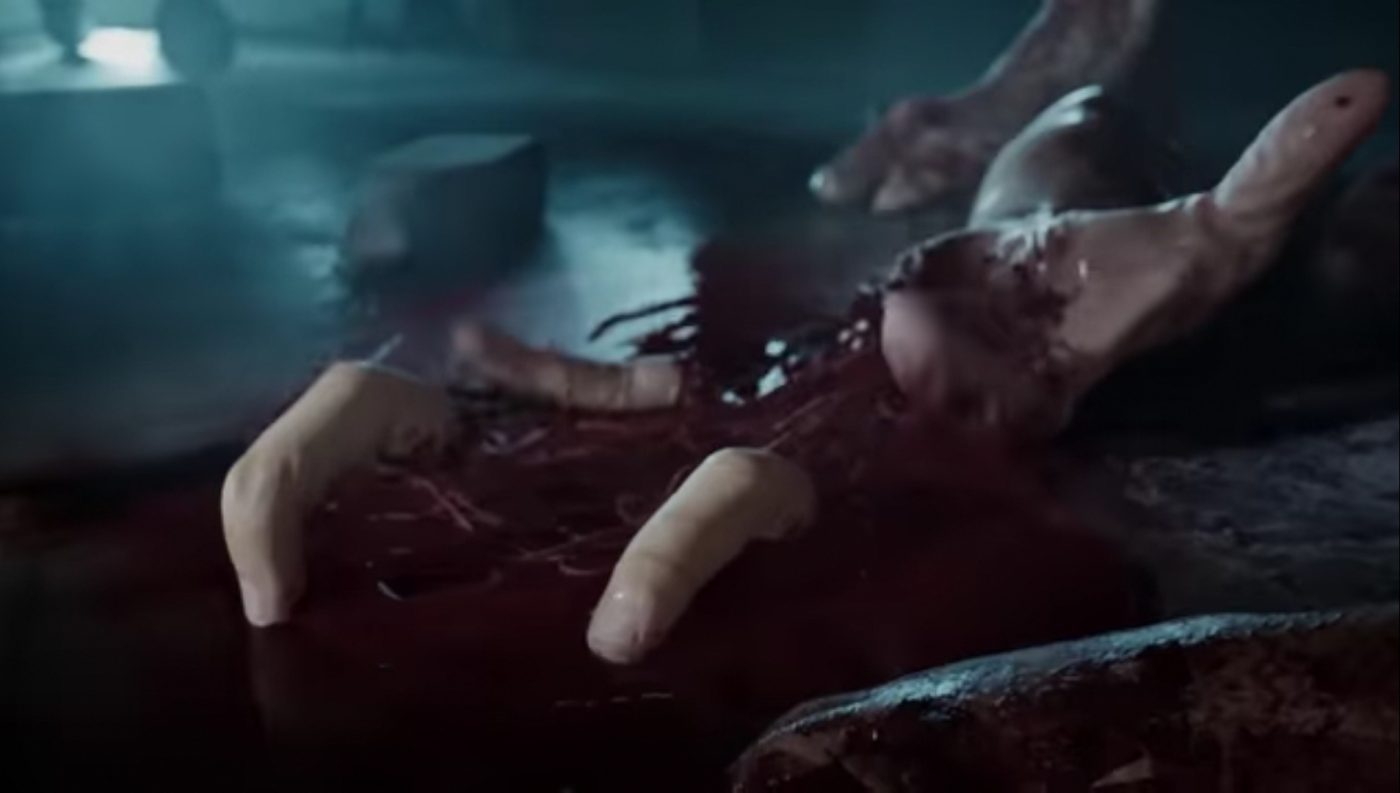
Another striking aspect emerging from the early footage is the game’s commitment to a profoundly physical form of horror. The materials emphasize the body, matter, and distortion, indicating an experience that does not simply rely on atmosphere to frighten but also delivers a visceral, bodily impact.
This design choice makes ILL instantly recognizable, setting it apart from many contemporary titles that often sanitize or abstract their violence. Here, everything feels substantial, weighted, and threatening – a presence that occupies both the game space and the player’s emotional sphere.
In this way, ILL emerges as an ambitious, intentionally unsettling project, promising an intense and oppressive experience that could challenge even the most seasoned horror fans. It speaks to players willing to confront discomfort head-on, a horror that offers neither reassurance nor immediate answers. That bold approach has quickly made the game one of the most discussed and eagerly anticipated survival horrors, generating excitement not for what it reveals, but for what it implies – and for the lingering, unsettling sensations it promises to evoke.


From the Silver Screen to Survival Horror
Behind ILL isn’t a typical AAA studio, nor a production designed to follow the industry’s safe, conventional formulas. Instead, it emerges from a creative collaboration that explains much of the game’s unconventional character. Development is led by Team Clout, an independent studio that has garnered attention not for a portfolio of well-known games, but for its members’ backgrounds in horror cinema and special effects.
This cinematic pedigree is key to understanding ILL’s approach. The game feels rooted in a visual and narrative sensibility drawn from genre filmmaking rather than traditional survival horror conventions. Here, horror isn’t a sequence of mechanics – it’s a sensory construct, built from images, bodies, spaces, and sounds designed to unsettle players even before it scares them.
Team Clout does not aim to produce something comforting or easily digestible. On the contrary, ILL comes across as a highly auteur-driven project, where every aesthetic and thematic choice reflects a deliberate vision. The team’s experience in horror cinema shows in their meticulous attention to disturbing detail, their portrayal of physical violence, and their intent to provoke an immediate, often uncomfortable emotional reaction.
This approach is rare in gaming, where horror is frequently tempered by concerns of accessibility and commercial appeal. ILL, by contrast, willingly accepts the risk of polarizing its audience, choosing to preserve its uncompromising identity.
Backing the project is Mundfish Powerhouse, a publisher founded to support externally developed projects with a strong artistic identity. Mundfish is best known for Atomic Heart, a title that, despite divided opinions, demonstrated striking visual ambition and a commitment to creating unsettling, unconventional worlds. The publisher appears intent on extending this philosophy, providing resources and production support to independent teams with a similar vision.
Pairing ILL with Mundfish signals a clear editorial direction: investing in projects that don’t necessarily seek mass appeal, but aim to leave a lasting impression through their uniqueness. For a title like ILL, which relies heavily on artistic consistency and creative freedom, this is crucial. The collaboration between Team Clout and Mundfish Powerhouse establishes an intriguing balance between creative independence and production support – a balance that could prove decisive for the game’s success.
In short, ILL arises from a production environment that encourages experimentation and authorship – qualities increasingly rare in today’s market. The combination of a team with a strong horror sensibility and a publisher willing to support a radical vision is one of the main reasons the project has generated so much attention. Even before considering gameplay or narrative, this creative partnership makes it clear that ILL is not just another horror game – it’s an experience designed to push the genre beyond its most familiar boundaries.

A Deliberately Enigmatic Narrative
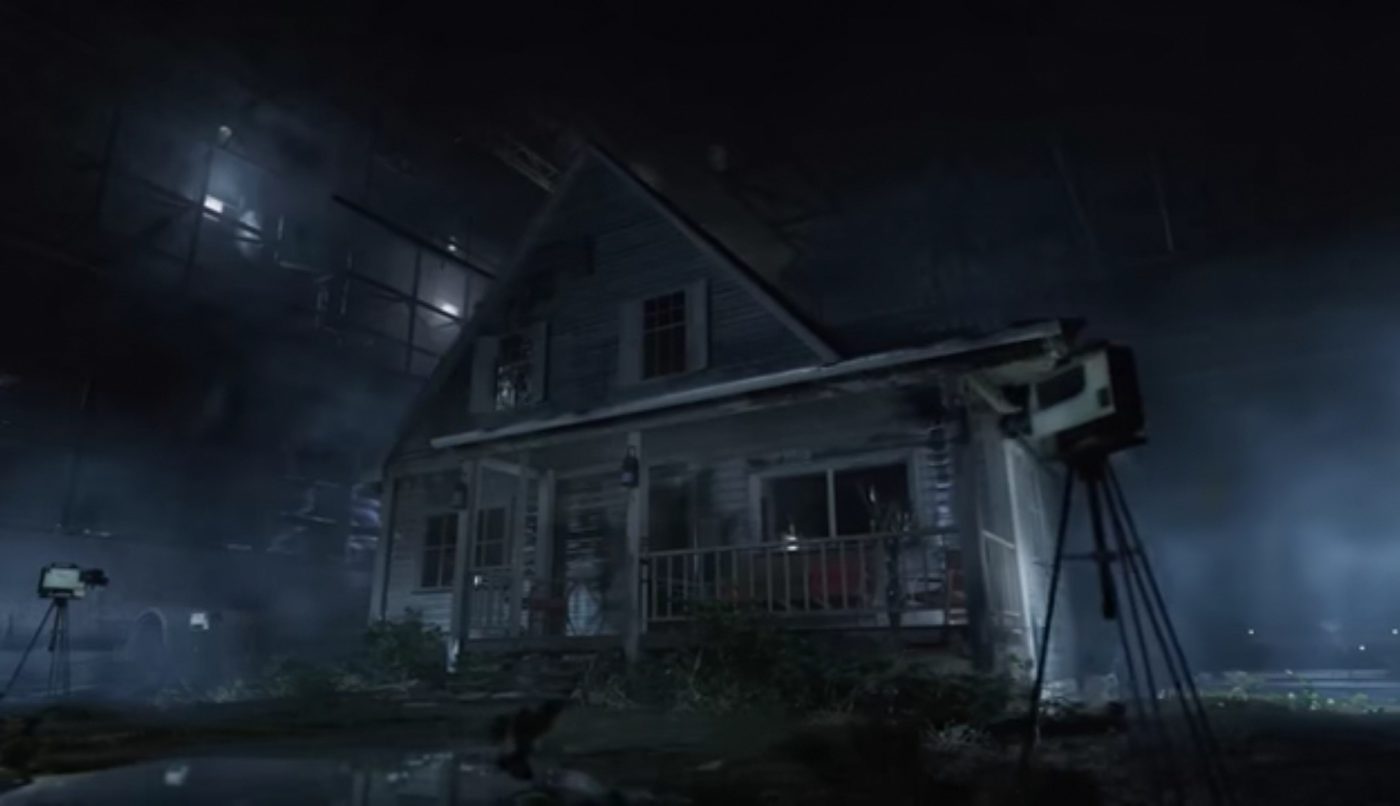
The narrative of ILL is one of the project’s greatest unknowns. For now, official information is kept deliberately sparse, outlining only the bare framework of an extreme scenario: the player awakens trapped inside an isolated, hostile facility, now entirely overrun by an unseen and malevolent presence. No explicit details are provided about the protagonist’s identity, their motives, or the events that led to the collapse of this place. Yet this absence of context does not feel like a gap. On the contrary, it appears to be a deliberate narrative choice – one that rejects conventional storytelling from the outset.
Rather than guiding the player with explanations, prologues, or clarifying introductions, ILL drops them straight into the midst of an ongoing catastrophe, implying that whatever occurred is already beyond repair. This design intensifies the sense of disorientation and establishes an immediate bond between player and character, both stripped of answers and forced to navigate a reality that resists comprehension. The narrative structure suggested by the game’s early material points toward a story that unfolds indirectly: not through linear exposition, but through experience, environmental detail, and the player’s own interpretation.
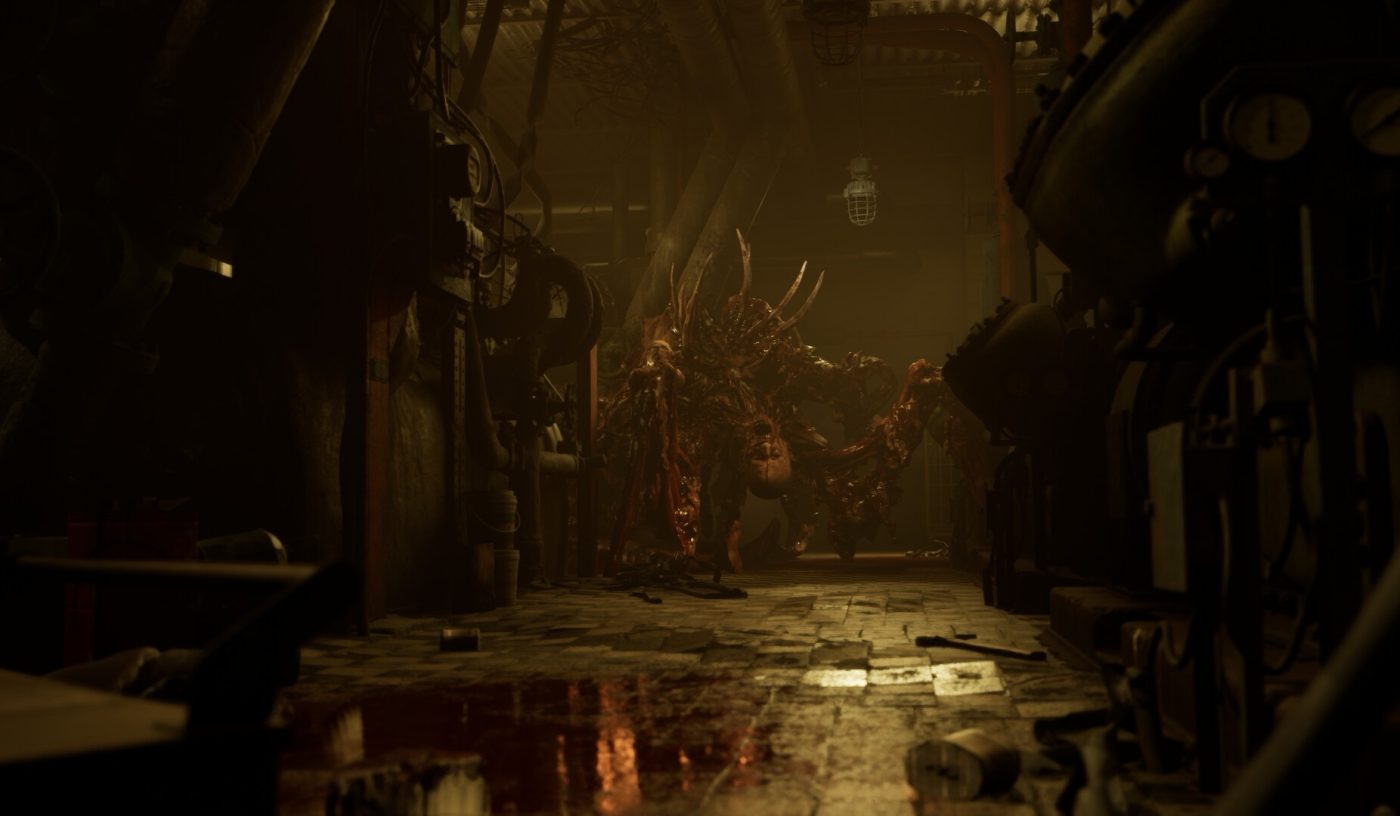
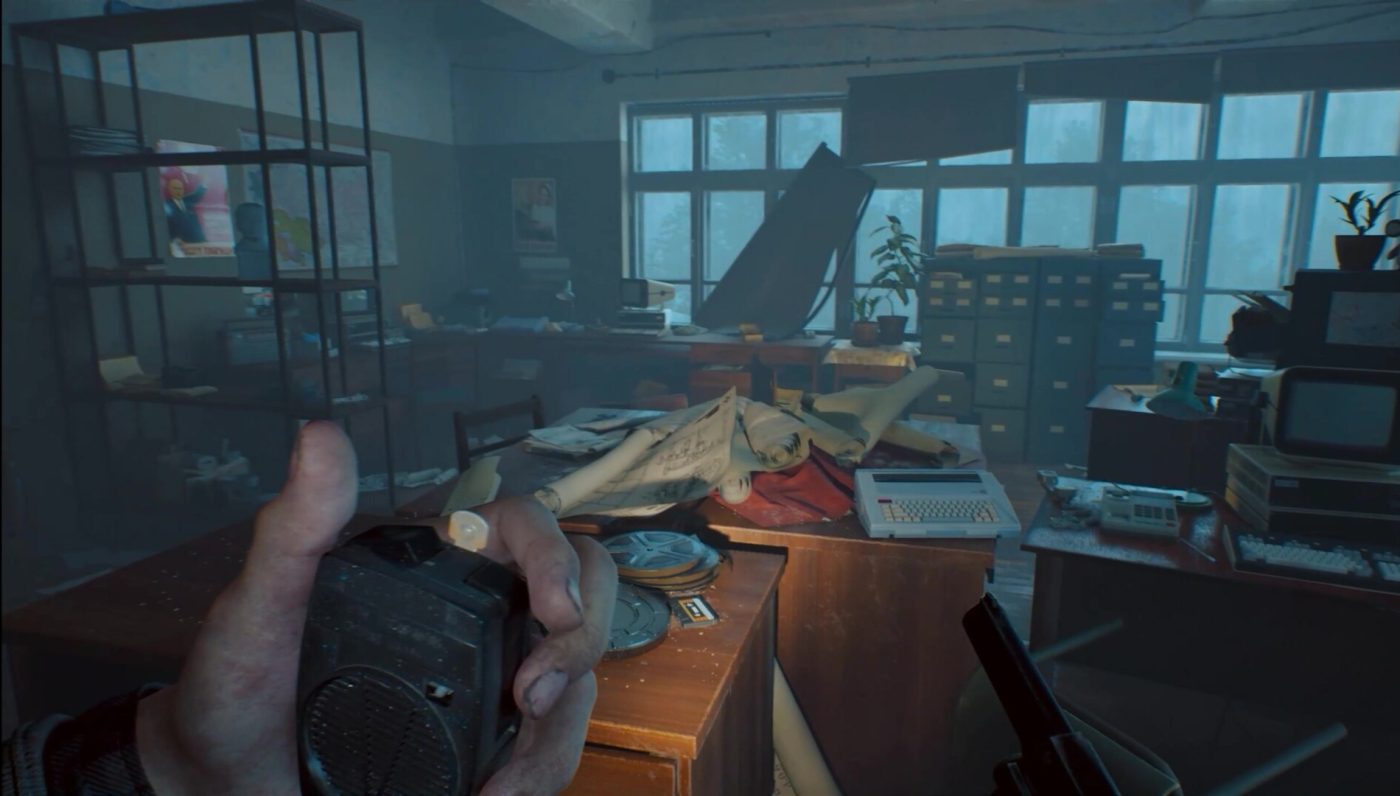
The setting itself is far more than a backdrop. It feels like a corrupted organism – an environment that has absorbed the horror within it and reshaped itself accordingly. Tight corridors, ruined interiors, and spaces steeped in decay and abandonment suggest that something has seized control of the structure, transforming it into a living trap. The creatures that inhabit this world do not resemble external intruders in the traditional sense; they appear instead as manifestations of a deeper, internal corruption, as though the nightmare has grown from the place itself. The narrative does not simply describe a location – it evokes a condition: the experience of being trapped inside a system that has lost all recognizable human logic.
One of the most striking elements of ILL’s story is the lack of a clearly defined narrative goal. It remains uncertain whether the protagonist is meant to escape, confront the source of the corruption, or simply endure for as long as possible. This ambiguity amplifies the game’s oppressive atmosphere and gives the experience a more personal, subjective quality. Progress is not driven by hope of resolution, but by the immediate necessity of survival. In this respect, ILL turns away from reassuring narrative arcs, embracing instead a bleak and uncompromising vision.
Based on what has been shown so far, ILL frames its narrative as something deliberately incomplete – an experience meant to be lived rather than fully explained. It offers no certainties, no explicit answers, instead placing meaning in the player’s own perceptions and responses. This approach, perfectly in tune with the project’s unsettling identity, suggests a form of horror in which fear arises not only from what is seen, but from what is left unresolved. ILL does not seek to tell a story in the conventional sense; it seeks to immerse the player in a nightmare already in motion, with no promise of escape.
Letting Silence Do the Telling
One of the most compelling aspects of ILL is the way it builds its narrative through experience rather than explicit explanation. Its themes do not surface through dialogue or written lore – at least based on what has been shown so far – but through the interaction between environment, creatures, and gameplay systems, creating a form of horror that is simultaneously physical, psychological, and existential.
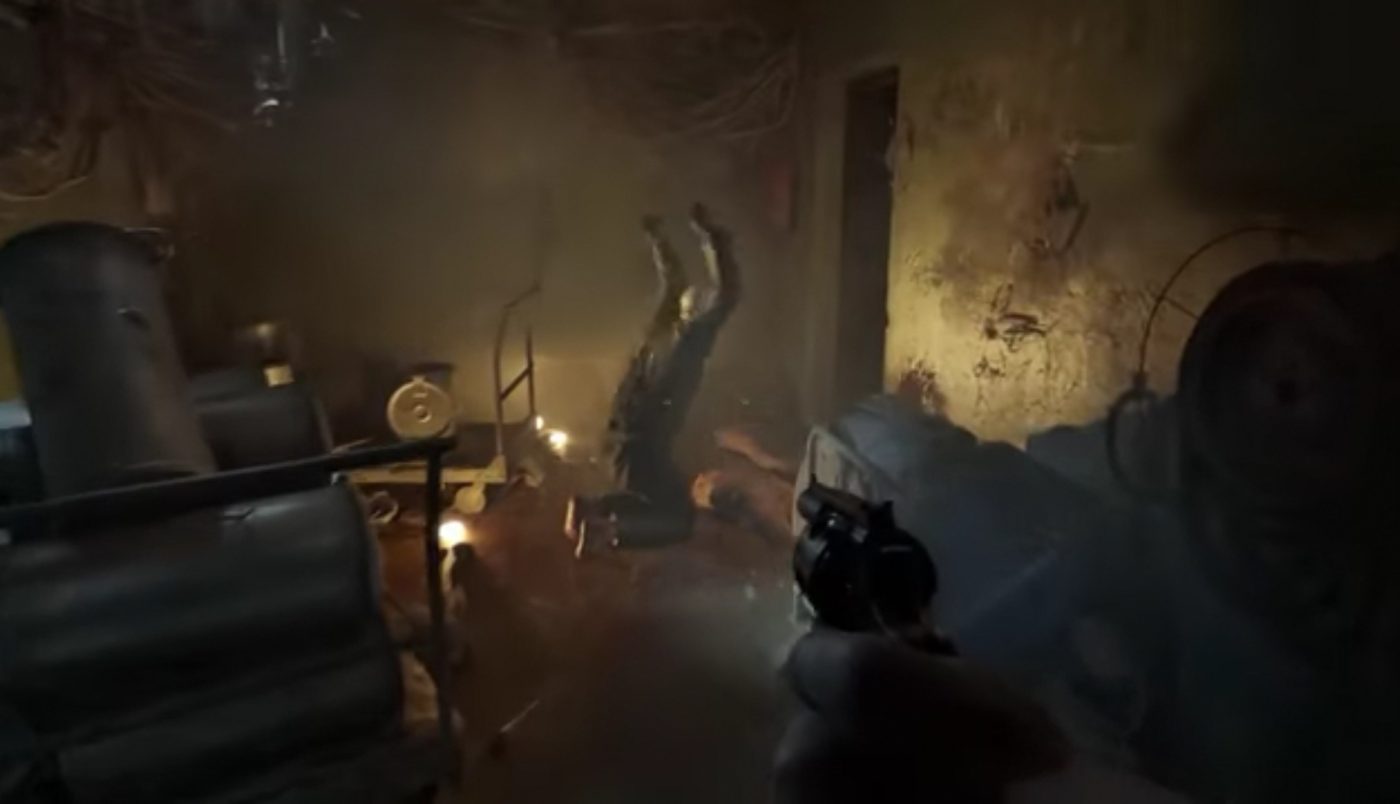
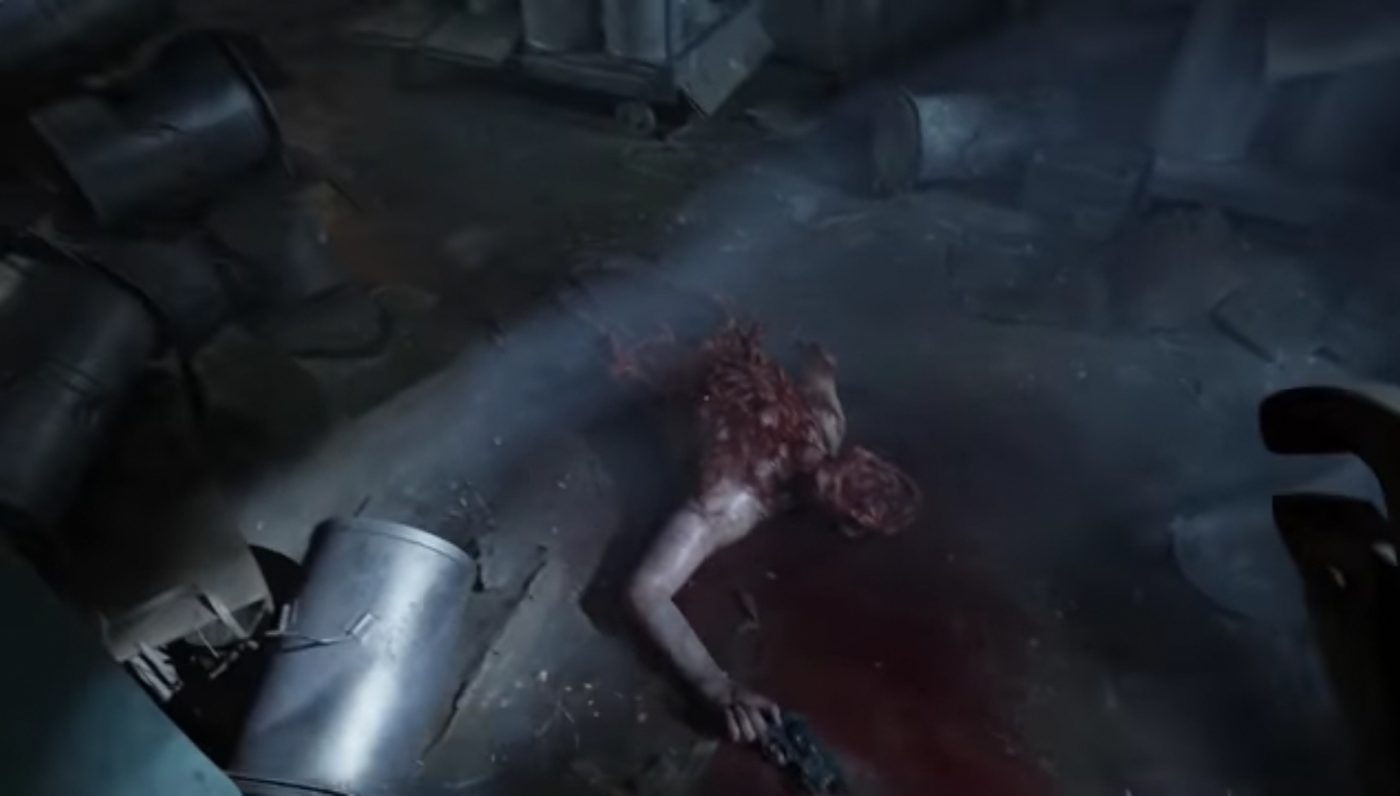
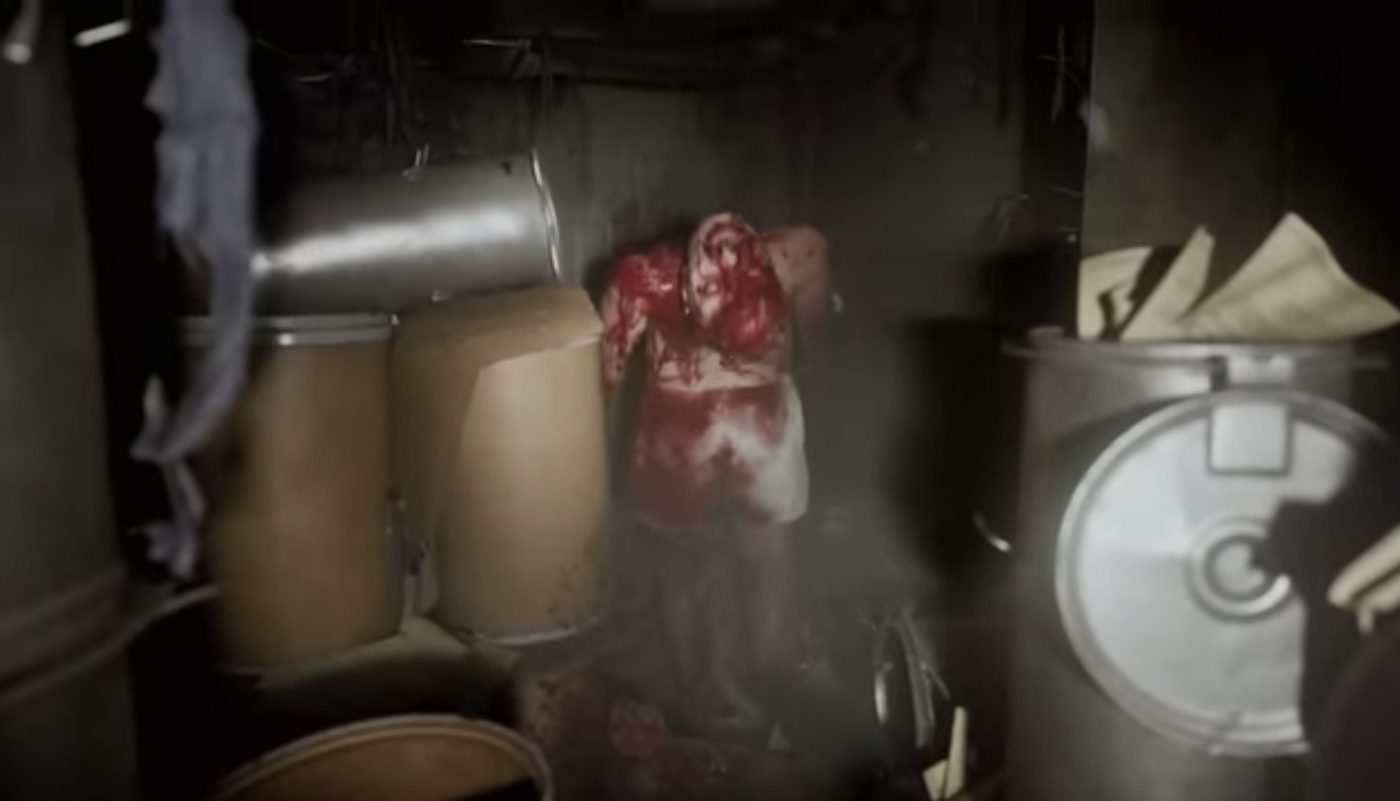
Body horror stands out as the most immediately striking element: the beings that inhabit this world are not simply enemies, but warped, mutated, fractured bodies that assault the player’s senses and survival instincts on a visceral level.
This aesthetic is never employed for shock alone. Every distortion, every grotesque detail, every unnatural movement serves a purpose, reinforcing a constant feeling of repulsion and vulnerability. Physical horror becomes a narrative language in its own right – one that communicates decay, suffering, and loss of control, forcing the player to confront the limits of the human body and what it can become when violently altered. Horror here is not merely observed; it is embodied.
Beyond its physical dimension, ILL ventures into more overtly existential territory: the erosion of agency, the fragility of existence, and the inability to fully understand one’s own condition. The force that dominates the game’s world has no clear motive and obeys no discernible logic. It is not a traditional antagonist, but an oppressive, unknowable presence that reshapes space itself, turning reality into a maze of dread.
In this sense, the game gestures toward a vision of evil that lies beyond human morality: the threat is not something external to be confronted, but something embedded in the environment – and in the protagonist’s own vulnerability. The narrative unfolds under constant pressure, where every step feels potentially fatal and the unknown carries real emotional weight.
Equally striking is ILL’s use of space as a storytelling device. The environments communicate without words: decay, stains, remnants, and warped architecture evoke histories of violence and suffering, hinting at events the player never directly witnesses but instinctively perceives. This approach allows the game to avoid overt exposition, instead positioning the player as an active interpreter. Meaning emerges through exploration and observation. In doing so, fear becomes not only emotional, but cognitive: the player is compelled to fill in the gaps, reconstruct what may have happened, and imagine outcomes more disturbing than anything explicitly shown.
The fusion of body horror, psychological tension, and environmental storytelling makes ILL a game in which themes are not explained, but felt. There is no catharsis here, no reassuring sense of closure. Horror is not resolved; it is intensified by the constant presence of the unknown and by the fragile nature of survival itself.
Its central themes – vulnerability, corruption, powerlessness, and the incomprehensibility of evil – are not abstract ideas, but lived experiences. They are communicated through direct contact with the world, its creatures, and the ever-present threat of annihilation. In this way, ILL’s narrative does not merely tell a story; it becomes a mechanism for producing anxiety, empathy, and sustained tension, forcing the player to inhabit horror from the inside.
What ultimately stands out is the coherence between form and meaning. Every visual choice, every environmental detail, and every interactive element appears designed to reinforce the same thematic core. ILL does not merely depict physical and psychological horror – it constructs a language of interactive dread, where narrative emerges through action, perception, and sensory immersion. It is a bold, mature approach, positioning the game as an experience for those seeking a form of horror that is not only emotionally and physically affecting, but also intellectually resonant.
A Potential Artistic Gem
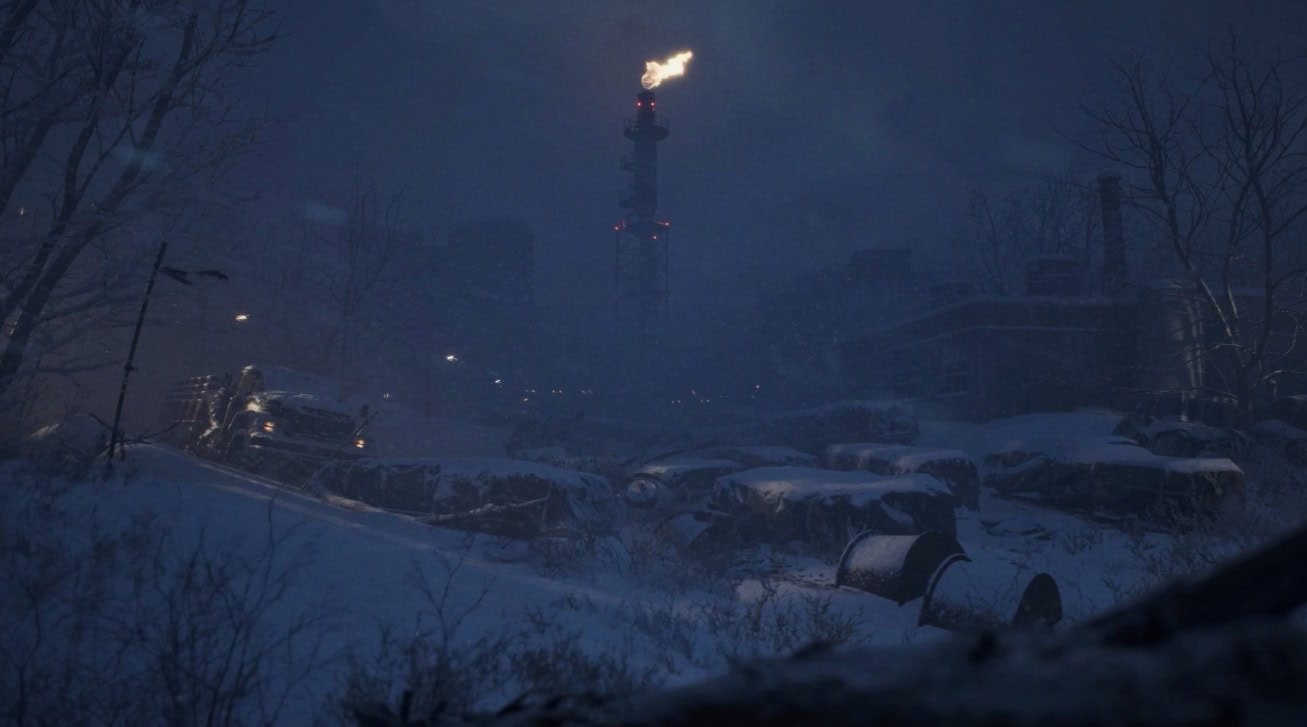
Perhaps the most striking and ambitious aspect of ILL is its technical execution. While the developers have yet to confirm the engine, trailers and promotional material strongly suggest the use of a modern platform – likely Unreal Engine 5 – capable of handling complex animations, advanced physics, and layered dynamic lighting.
Visual fidelity here is not just aesthetic; it serves the gameplay, generating a constant sense of tension. Corridors, objects, surfaces, and creatures respond believably to player interaction, amplifying presence and danger. Every element feels weighted and tangible, turning the environment into something not merely observed, but felt.
A standout feature is the handling of creature bodies and body horror. Deformations, dismemberments, and physical interactions are not mere effects – they are integral to gameplay. Each player action produces coherent, dynamic reactions from enemies, increasing unpredictability and the sense of real threat. This is not graphical excess for its own sake; the technical precision conveys, almost tangibly, the weight and brutality of the horror.
Lighting and level design are equally crucial. Corridors and rooms balance stark contrasts of light and shadow, with deliberately dim spaces hinting at unseen dangers. Light is a narrative tool: a flash, reflection, or flicker can reveal a threat, heighten tension, or unsettle the player. Architectural design – tight passages, twisted corridors, and densely detailed rooms – amplifies claustrophobia, forcing careful movement and constant vigilance. Meticulous attention is also evident in material quality and surface detail. Uneven floors, corroded walls, organic textures, and fluids add realism and reinforce the sense that ILL’s world is not just to be seen, but experienced – and feared. Visual consistency between creatures, objects, and environments gives the twisted landscape a coherent internal logic, even as it remains grotesque and deeply unsettling.
Creature modeling and animation reflect a carefully considered artistic approach. Every spasm, twitch, and contortion is designed to provoke discomfort, leveraging human physiology and perception to maximize emotional impact. When combined with lighting and spatial design, it becomes clear that ILL is far more than a visual showcase: it is an integrated system where graphics, physics, and atmosphere converge to deliver fully immersive horror.
Ultimately, ILL’s technical and artistic design does more than impress – it underpins the game’s emotional and narrative ambitions. Every choice is purposeful, enhancing immersion, tension, and realism, and ensuring the horror feels tangible, relentless, and oppressive. The collaboration between Team Clout and Mundfish Powerhouse demonstrates a rare design maturity, positioning ILL as one of the most ambitious and compelling horror projects currently in development.


A Soundscape That Works as Hard as the Horror
If ILL’s visuals are designed to shock the eye and disturb the viewer, its soundscape works just as hard on the ear. Audio is never mere decoration – it is a core tool for generating tension, fear, and complete immersion. While official details on the sound design remain scarce, trailers and promotional materials make one thing clear: every element of the audio has been carefully crafted to serve the horror experience.
In ILL, sound is a narrative and psychological tool, constantly shaping the player’s perception. Metallic creaks, indistinct wails, irregular drips, structural vibrations, and other ambient noises seem to emanate from every direction, hinting at unseen threats and forcing players to maintain acute auditory awareness in order to survive.
The game cleverly exploits the interplay between silence and sound. Moments of absolute quiet are never comforting; they act as tension-building pauses, priming the mind to anticipate danger. Silence itself becomes a source of fear, making imagined threats feel as real as tangible ones. Every rustle, breath, and distant groan is designed to destabilize the player, generating anxiety and amplifying the sense of vulnerability. This demonstrates a deep understanding of how audio can manipulate emotion and intensify immersion.
When it appears, the soundtrack follows the same philosophy: minimal, atmospheric, and deeply unsettling, far from melodic or comforting. Music rarely accompanies the action – it often precedes it or replaces it, signaling imminent danger or amplifying the player’s emotional state. There are no reassuring musical pauses; every sonic choice is designed to sustain unrelenting tension, even when no immediate threat is visible. In this way, the audio acts as an invisible narrator, communicating the world’s condition and foreshadowing events without a single word or image.
Spatial audio is another standout feature. The game appears to use 3D and binaural techniques to position sounds with precision, creating a heightened sense of three-dimensionality that intensifies tension. Noises from adjacent corridors, behind closed doors, or above the player hint at threats that cannot be ignored, demanding constant spatial awareness. This design deepens immersion and sustains a persistent sense of vulnerability – crucial for a title that seeks to push survival horror into a more visceral, realistic realm.
Finally, sound interacts with gameplay in highly sophisticated ways. Enemy awareness, movement, and environmental reactions all appear to respond to audio cues: a noise can reveal a creature’s position, hint at its behavior, or provide subtle clues to its nature. In this way, audio becomes inseparable from action, forming a central pillar of the player’s interactive experience. From what has been revealed, ILL’s sound design does far more than build atmosphere – it establishes a language of interactive horror, where neither eyes nor ears can be fully trusted, heightening the constant sense of danger and disorientation that defines the game.
A World You Live In, Not Just Play In
The gameplay of ILL feels like a radical rethinking of survival horror, where managing vulnerability, reading the environment, and maintaining constant tension aren’t just mechanics – they define the experience. The player is never omnipotent: every action is deliberate, every movement carries risk, and mistakes can have immediate, often severe consequences.
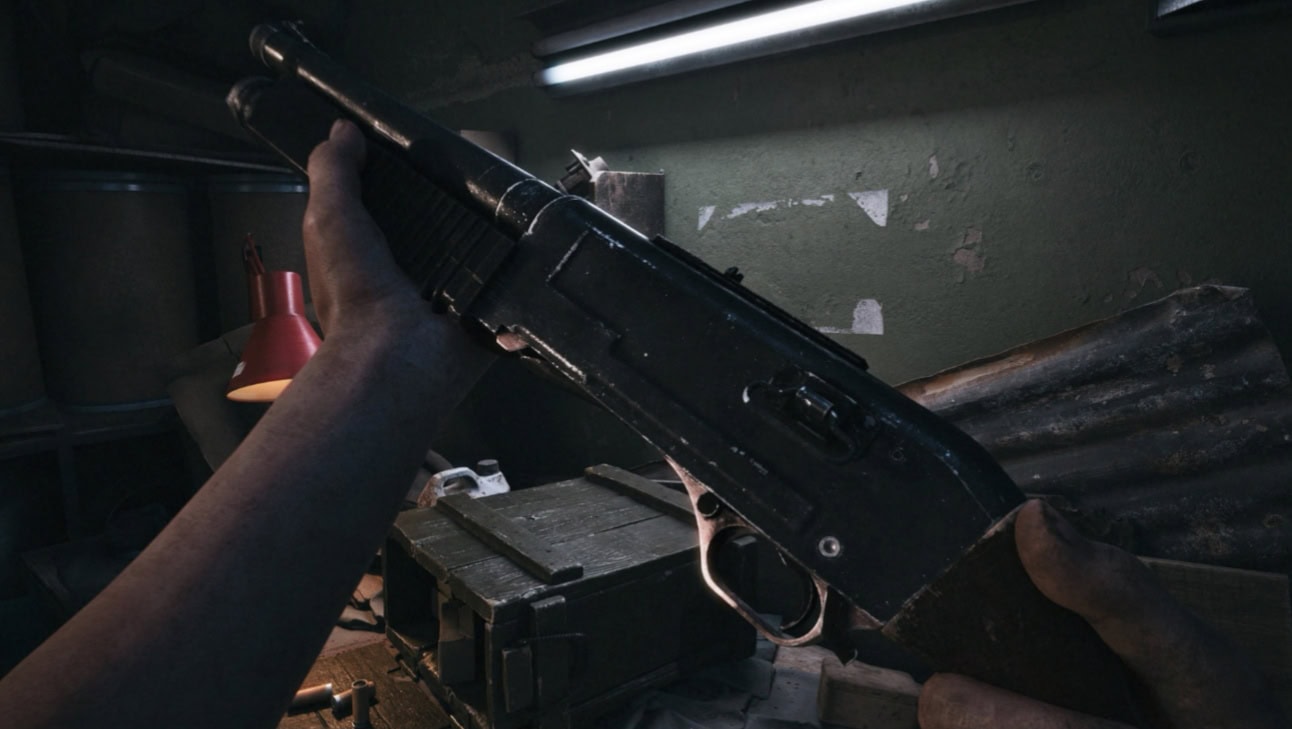
Resources are scarce – from tools used to interact with the world to the options for defense or attack – forcing careful decision-making. Coupled with the constant threat posed by the game’s creatures, this scarcity creates a relentless sense of tension, where even the smallest mistake can have devastating consequences.
World-building, meanwhile, emerges as one of the game’s most sophisticated and cohesive strengths. No environment feels generic: every room, corridor, and corner tells a story without a single word. Object placement, signs of decay, and traces of violence or suffering form an environmental narrative that hints at past events and a looming, oppressive presence, leaving much to the player’s interpretation. The world feels alive – an interconnected organism where level design and environmental storytelling combine to produce a constant, almost tangible sense of unease.
Interactions with the environment and creatures deepen this immersion. Every element responds plausibly to the player’s actions: doors creak, objects can be moved or used strategically, and enemies react dynamically to attacks or movement. This interactivity makes exploration unpredictable and emotionally engaging. Players cannot rely on repeated patterns; survival depends on careful observation and thoughtful response, making every encounter feel tense and unique.
The game also uses space as a tool for claustrophobia and disorientation. Levels are built with narrow corridors, confined spaces, and twisting pathways that prevent players from gaining a clear sense of orientation. This layout amplifies vulnerability, making the world feel like a hostile maze where danger can emerge from anywhere. Players are never fully in control of their surroundings, reinforcing the game’s core themes of precariousness and relentless fear.
Although much about ILL remains shrouded in mystery, its gameplay and world-building are clearly tightly interwoven. Mechanics, resource management, creature behavior, and environmental design work in concert to create a cohesive, fully immersive experience. This is more than a horror game – it is a system in which every element reinforces the others, generating sustained tension, anxiety, and emotional engagement. ILL demonstrates a rare design maturity, showing how level design and player interaction can serve as powerful narrative tools, delivering a relentless, pervasive sense of dread that leaves players feeling vulnerable, trapped, and constantly on edge.


When Can We Play ILL?
Having examined every aspect of ILL – from its initial reveal to its gameplay and sound design – it’s clear that the game is a bold, uncompromising statement in contemporary survival horror. Its strength lies in the seamless integration of a coherent artistic vision with technical and gameplay design that constantly amplifies tension.
ILL is built as a first-person descent into an unrelenting nightmare: vulnerability, fear, and uncertainty aren’t temporary tools – they are permanent conditions of play. This uncompromising approach sets it apart from many modern horror titles, which often dilute terror with accessible mechanics or narrative respites.
What stands out most is the clarity and consistency of its vision. Every artistic and technical choice – from the design of grotesquely deformed bodies to spatial layouts, lighting, and dynamic interactions – works toward a fully integrated, immersive experience. The absence of explicit explanations, the scarcity of resources, and the ever-present anxiety are not limitations; they are deliberate instruments, designed to thrust the player into the fragility and uncertainty of their own existence within the game.
ILL appears to resurrect a form of horror that is immediate, visceral, and uncompromising: not the fleeting thrill of a few intense hours or the relief of a cathartic finale, but a persistent unease that lingers long after play. It seeks to leave a lasting impression – a haunting, disquieting memory that refuses to fade.
Equally striking is the design maturity of Team Clout and the editorial vision of Mundfish Powerhouse. The collaboration between an independent studio with a finely tuned artistic sensibility and a publisher willing to champion a bold, radical vision ensures both creative coherence and technical excellence. This partnership sets high expectations: ILL promises not only to terrify, but also to deliver a thoughtful, memorable, and emotionally resonant experience.
The meticulously crafted sound and visual design work seamlessly with gameplay and world-building to form a fully integrated system. Players are kept on edge, constantly alert and immersed in environmental storytelling. Fear is never artificially imposed through scripted moments; it emerges organically from interacting with a hostile, coherent world where the unknown is constant and threats are tangible, unpredictable, and real. This synergy of atmosphere, mechanics, and environmental storytellings showcases a rare level of design maturity, positioning ILL as a title that will stand out not only for the horror it evokes, but for the mastery of its overall design.
In short, ILL is shaping up to be a must-play for anyone seeking radical, immersive, and profoundly unsettling horror. Its ambition, coupled with the seamless integration of visual, auditory, and gameplay elements, signals a mature, deliberate project poised to redefine interactive horror: visceral, intellectually engaging, and psychologically demanding.
The only remaining question is its release date – and the horror community is already holding its breath for what promises to be a standout 2026 debut. Stay tuned.