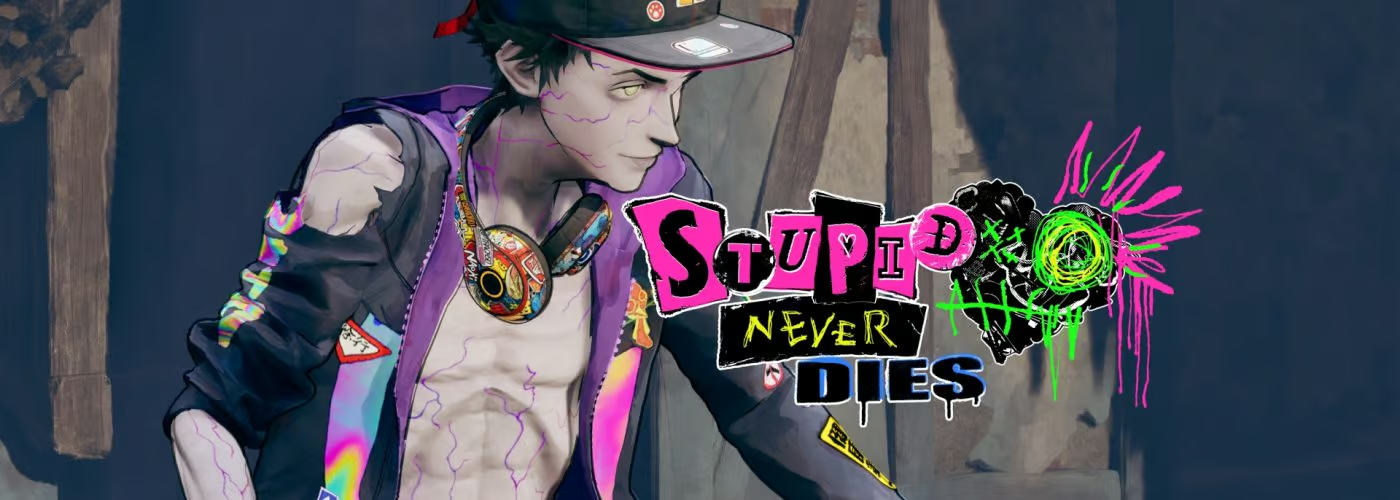
We take a closer look at the new footage, which introduces the combat, systems, and overall direction of GPTRACK50’s title
After its first appearance at The Game Awards 2025, Stupid Never Dies returns with much more substantial material: its first official gameplay trailer. The team presented the video during the Future Games Show: Spring Showcase 2026, marking a key step in the project’s communication. For the first time, the game moves beyond the purely stylistic approach of the initial teaser and focuses on actual gameplay systems.
While the first trailer (you can find our previous coverage here) leaned heavily on atmosphere and visual identity — built through a music video–like language — this new look dives into the experience itself, showing structure, mechanics, and design philosophy.

From teaser to gameplay: a shift in perspective
The original reveal introduced Stupid Never Dies as an unconventional action RPG, able to stand out through tone and presentation. However, it left many concrete gameplay elements unclear.
This new trailer closes that gap. It doesn’t just restate the game’s identity; it shows how that identity translates into action. The result is a clearer vision of the project: an action RPG that doesn’t rely on traditional systemic complexity, but instead focuses on pacing, immediacy, and constant character transformation.

A world of monsters and a marginal protagonist
The setting remains one of the game’s most recognizable elements. Stupid Never Dies takes place in a world entirely populated by monsters, in a post-war scenario where humanity has almost disappeared.
At the center stands Davy, a low-ranking zombie — fragile, insecure, and far from the classic heroic archetype. His motivation stays simple, almost naive: bring Julia, a frozen human girl, back to life and confess his feelings to her.


This premise creates a clear contrast between the grotesque tone of the world and a surprisingly direct and personal narrative drive. On paper, this balance works precisely because it avoids unnecessary complications.
Alongside Davy stands Dr. Frank, a character who fits the archetype of the obsessed scientist. Their relationship hints at dynamics that go beyond the simplicity of the premise.
Visual identity and readability in action
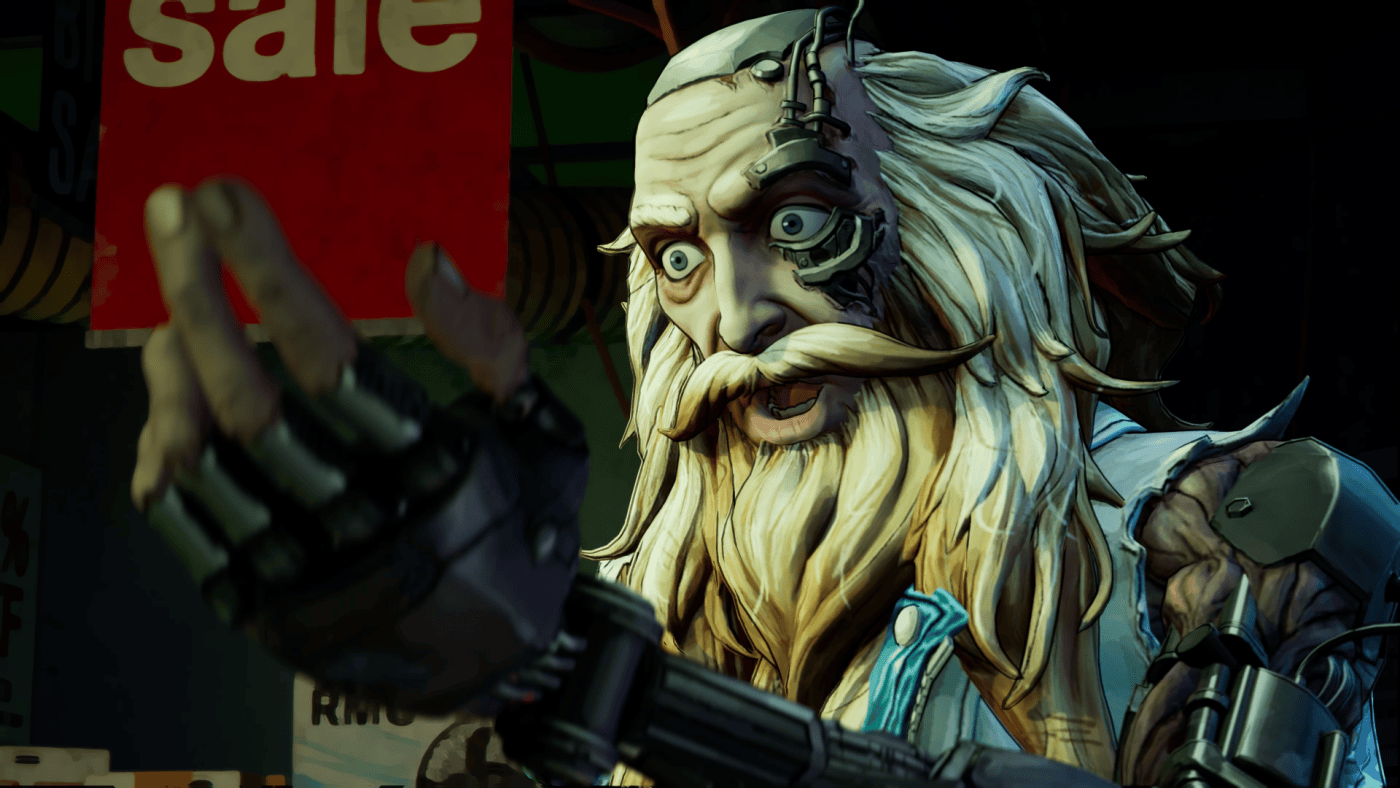
One of the most interesting aspects emerging from the gameplay trailer concerns how the game handles its visual style during combat.
The aesthetic remains highly stylized, blending grotesque elements with lighter, more ironic tones. However, unlike many titles with such a strong artistic direction, the game seems to preserve clarity during action sequences.
Effects, animations, and transformations remain readable, at least in the footage shown. This detail may not stand out at first glance, but it matters: it suggests that the developers built gameplay and visual identity together, instead of letting one overpower the other.
“Funky Zombie Action”: an aggressive combat system
The team defines the core of the experience as “Funky Zombie Action”, and the trailer gives that concept a concrete form.
Combat revolves around an offensive and dynamic approach. The game doesn’t seem to reward defensive or passive playstyles. Instead, it pushes the player to take risks, experiment, and chain actions continuously.
This ties directly into the game’s growth philosophy, described as “Blazing Fast Growth”. Progression doesn’t rely on layered menus or complex systems. It happens in real time, through direct interaction and immediate feedback.
Style Eat: identity through transformation
Among the most distinctive mechanics shown in the trailer stands the “Style Eat” system.
By devouring enemies, Davy absorbs their abilities and transforms his body, gaining access to different combat styles. This doesn’t just expand his moveset; it reshapes his role in combat.
Zombie Style: the basic style for Davy:

The styles shown suggest strong variety:
Werewolf Style: a speedy style that lets you go on a wild rampage

Harpy Style: a flying style that attacks distant enemies with projectiles

Golem Style: a tough and sturdy style that sends packs of enemies flying

Vampire Style: a style that lets you control a swarm of bats

Will-o’-the-Wisp Style: a style that goes between the physical and astral planes

Cyclops Style: a style that specializes in big, all-or-nothing attacks

Snow Fairy Style: a style that freezes enemies and makes their power yours

Merfolk Style: a style that dives into the ground like water to attack foes

Lich Style: a style that uses the power of death to command skeletons

Demon Style: a style that uses whips and gravity to control enemy position

The key idea is that every enemy becomes a resource. Each encounter offers not just a challenge, but a chance to redefine how you play.
Body Hack: building the character
Alongside this system, “Body Hack” introduces a second layer of customization.
Instead of absorbing abilities, players modify Davy’s physical structure. Arms, head, and legs can host different components, changing how the character behaves in combat.
If Style Eat defines identity, Body Hack defines function. Together, they form a dual system that can create meaningful depth — as long as the game keeps both systems well integrated.
Massive Edge:

Missile Pod:

Davy Burst: power and perception
The trailer also introduces “Davy Burst”, a powered-up state that activates after a sequence of actions.
What stands out is not just the stat boost, but the visual shift: the world appears to transform along with the protagonist, as if Davy’s imagination starts to overwrite reality.
This idea matters because it connects mechanics and perception. It doesn’t just act as a standard “rage mode,” but as a potential bridge between emotional state and gameplay.

Structure and pacing of the experience
Based on the footage, Stupid Never Dies builds its experience around real-time combat inside enclosed environments, similar to dungeon-like spaces.
Progression appears straightforward: defeat enemies, gain abilities, adjust your style, and move forward. The game doesn’t seem to rely on heavily layered RPG systems or complex stat management — at least for now.
The goal looks clear: maintain a constant sense of progression, reduce downtime, and keep the action flowing.
A young studio with a solid background
GPTRACK50, the studio behind the project, brings together developers who previously worked on series like Devil May Cry, Dragon’s Dogma, and Resident Evil. Here is an interesting interview with the founder, Hiroyuki Kobayashi.
This background shows primarily in the combat design, which prioritizes responsiveness and pacing over theoretical complexity.
A clear direction, still to be proven
The gameplay trailer defines the game’s direction with much greater clarity. Stupid Never Dies doesn’t aim to reinvent the genre, but to combine familiar elements — fast combat, transformation systems, modular progression — into a structure built around variety.
The usual risks remain: systems may feel disconnected, or variety may turn superficial over time. For now, the trailer avoids both issues, but long-term execution will determine the outcome.
Release and platforms
Stupid Never Dies will launch in 2026 on PC (Steam) and PlayStation 5. With this new trailer, the game finally enters a more concrete phase of its communication, and the next updates will play a key role in understanding how well these ideas hold up in the full experience.