From a music-video teaser to the first gameplay details, everything we know about GPTRACK50’s new project
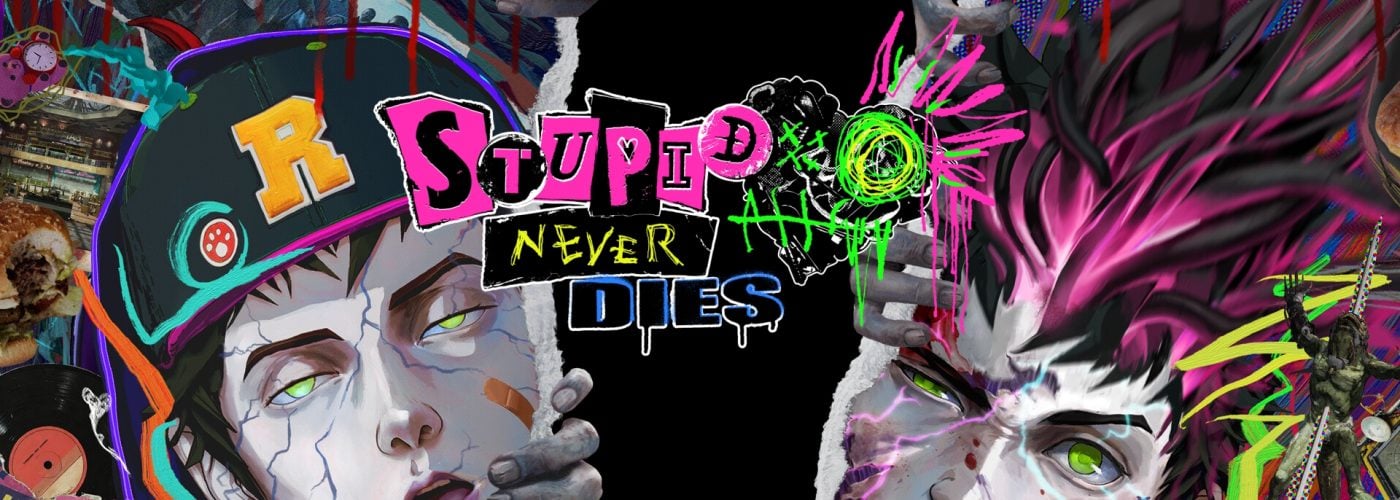
Stupid Never Dies introduced itself to the public through a teaser trailer that immediately stood out for its unconventional approach. Instead of a traditional informational sequence, the video took the form of a full-fledged music video, built around rhythm, editing, and character interaction. The trailer closed the pre-show of The Game Awards 2025, which took place on December 11, 2025, in Los Angeles at the Peacock Theater, and emerged as one of the most recognizable moments of the entire opening segment.

The trailer presents Davy and Julia through a performative staging, driven by an energetic pop-punk track. At the time of writing, the developers have not disclosed the author of the song nor released any official music credits. Even so, the track plays a central role in introducing the game: it defines the tone, suggests its aesthetic identity, and anticipates an approach that favors atmosphere and character over a straightforward showcase of mechanics.
This choice communicates the intent behind Stupid Never Dies from the outset. The game positions itself as an action RPG with a strong stylistic focus, capable of using different expressive languages — in this case, the music video format — to establish an effective first contact with its narrative universe. While many details remain undisclosed, this debut helped cement the title as one of the most memorable presences of the pre-show.
Stupid Never Dies currently targets a 2026 release on PC and PlayStation 5, although the developers have yet to announce a more specific launch window.

A world of monsters and a marginal protagonist
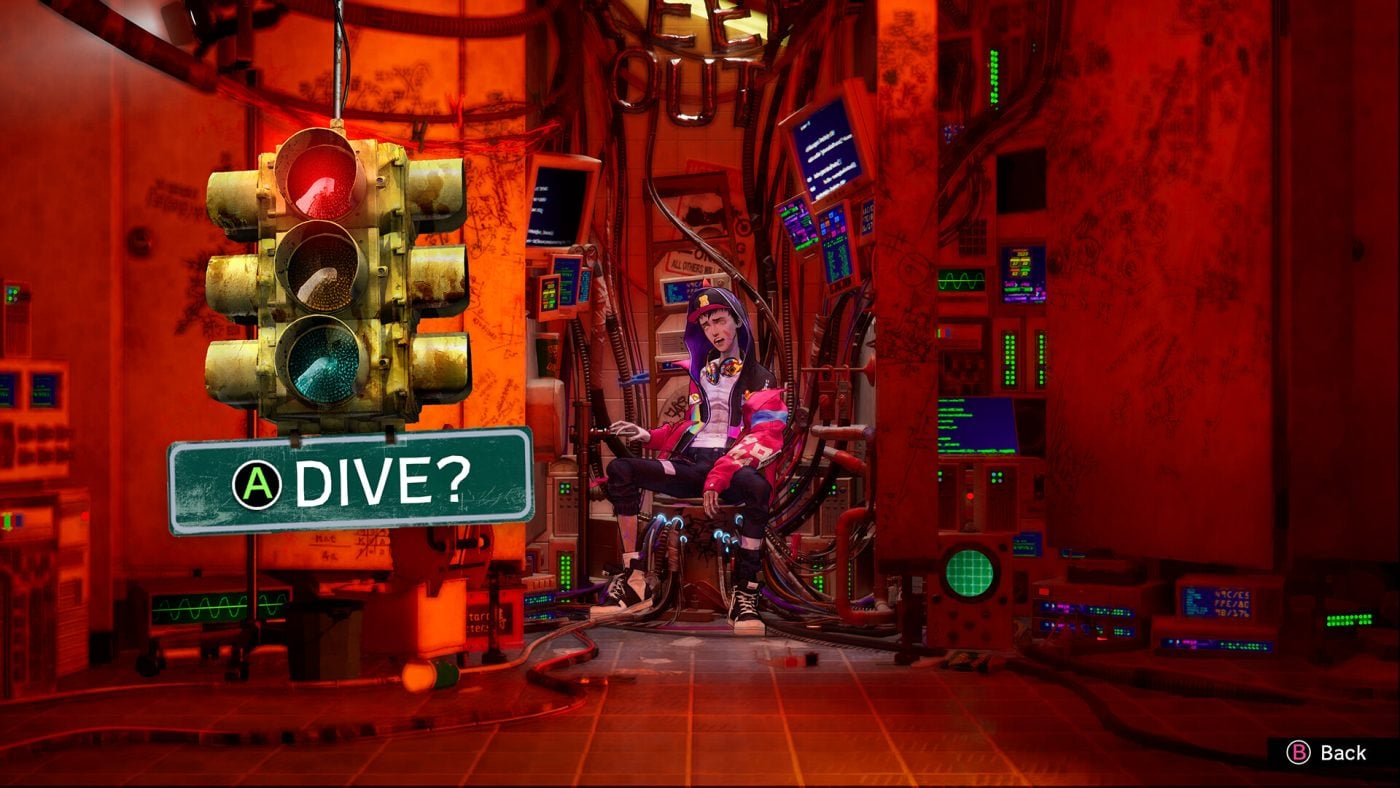
Stupid Never Dies takes place in a world inhabited exclusively by monstrous creatures. Werewolves, lizardmen, skeletons, and other entities populate an ecosystem where humanity no longer seems to belong. Within this context, the story follows Davy, a low-rank zombie — shy, overlooked, and pushed to the margins of monster society. The underdog of this world.

His motivation remains personal and direct: he wants to bring Julia back to life, a frozen human woman who occupies a central role on both a narrative and emotional level. Davy’s journey unfolds inside an otherworldly dungeon that serves as the main stage for the action and as the setting for clashes with a gallery of iconic enemies. The narrative framework appears deliberately restrained, designed to support gameplay rather than to build an extensive lore.

An action RPG that streamlines genre conventions
From a structural standpoint, Stupid Never Dies fits within the 3D single-player action RPG genre, but it adopts an approach that seems intent on reducing the complexity typical of many comparable productions. At least for now, the game shows no signs of deeply layered role-playing systems or advanced stat management.
Here, the RPG framework functions primarily as a progression system that supports the action, rather than as the core focus of the experience. Character growth unfolds through combat and exploration, within a design that emphasizes clarity and mechanical immediacy.
Gameplay: combat, abilities, and progression on the field
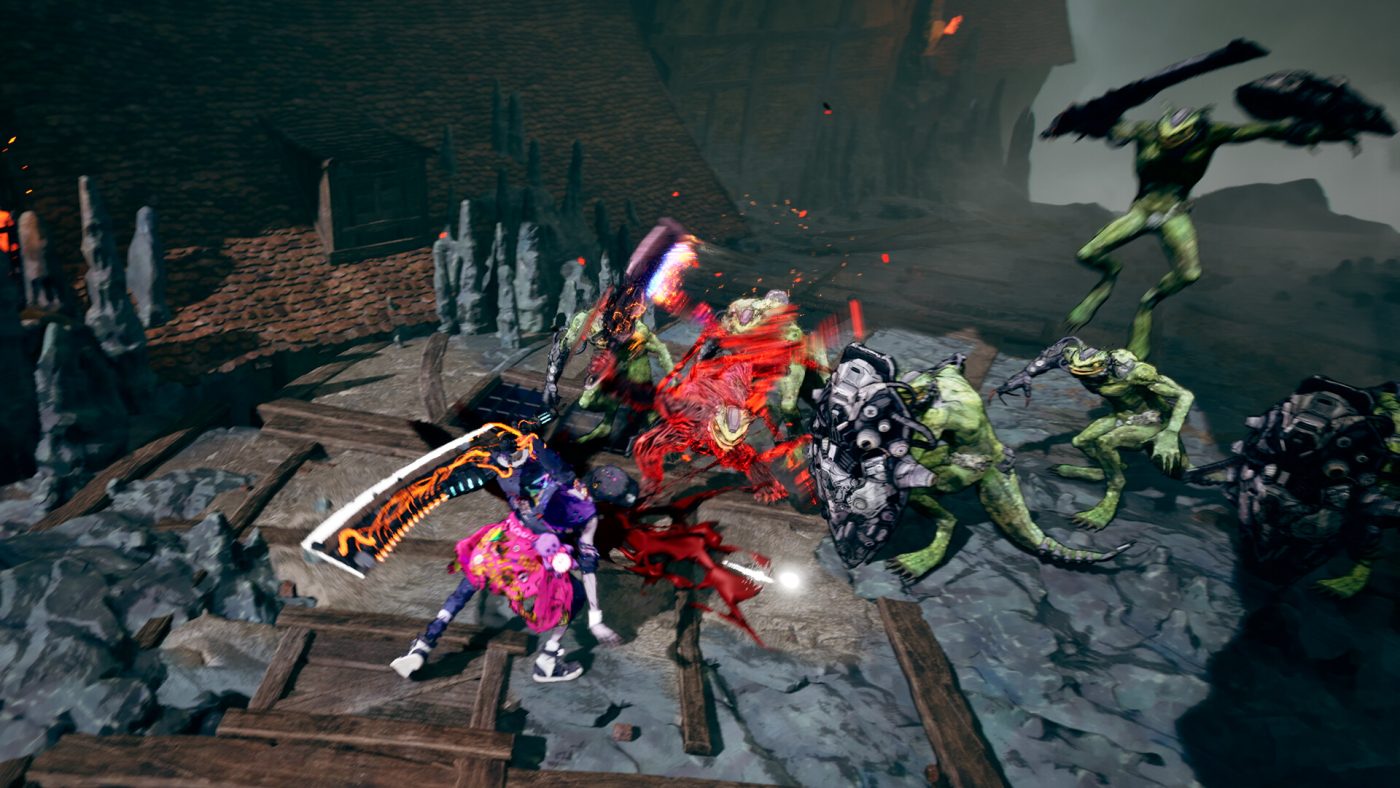
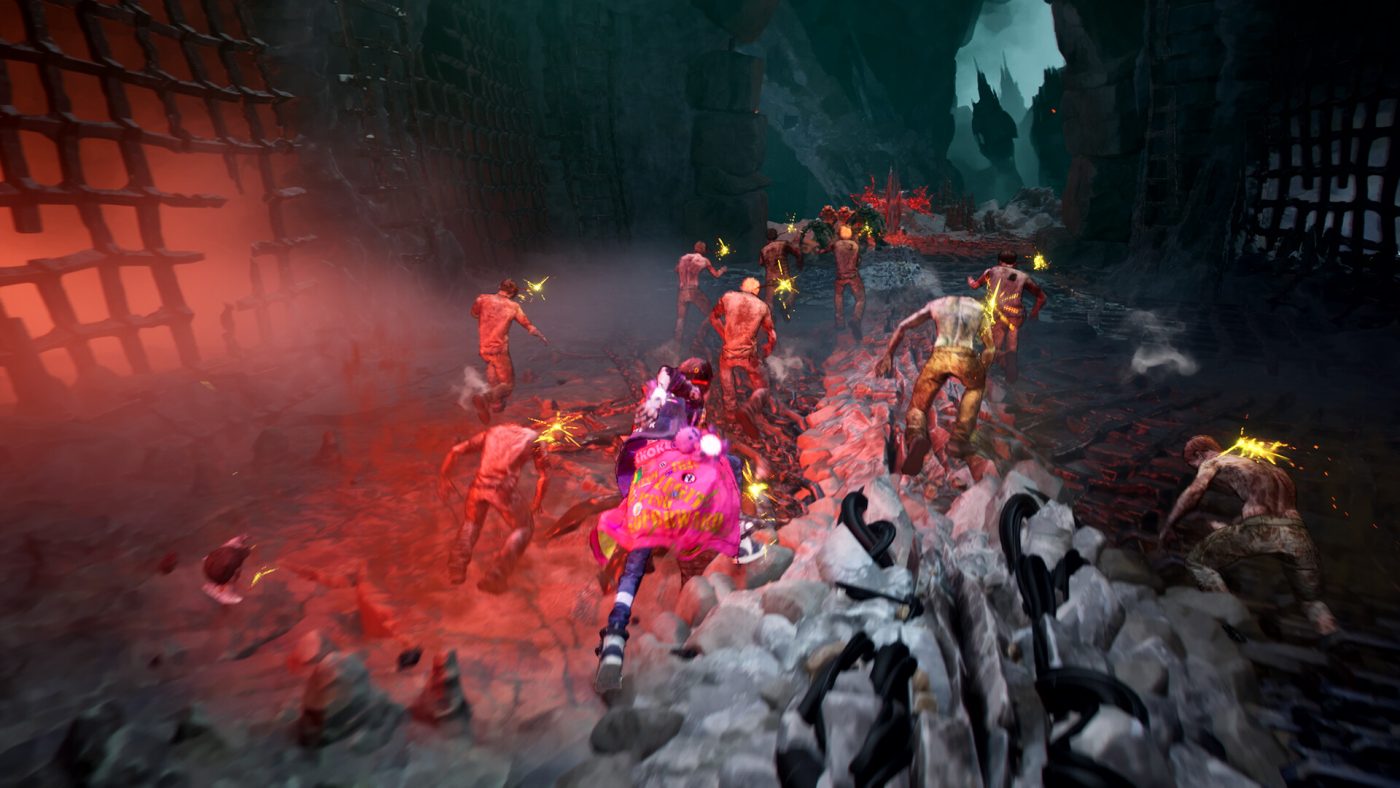
In practical terms, Stupid Never Dies builds its experience around real-time combat set within enclosed environments that function as dungeon-like spaces. Players control Davy through a series of close-quarters encounters designed to emphasize responsiveness, mobility, and action variety, rather than long-term strategic planning.
Character progression unfolds directly through action. By defeating enemies, Davy gains new abilities and upgrades that immediately affect gameplay. The system avoids complex intermediary layers and delivers a tangible sense of growth tied to on-screen events rather than to decisions made inside menus.
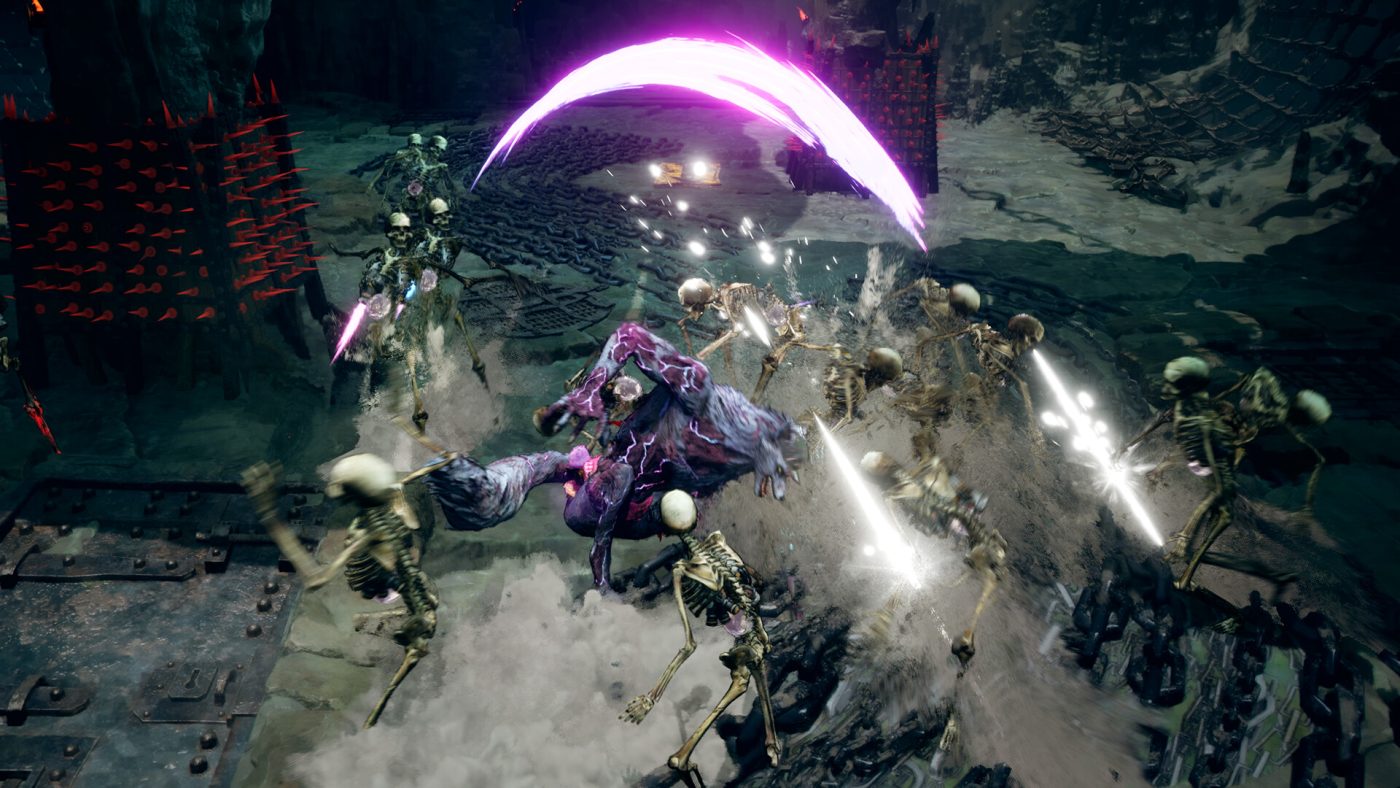
One of the game’s most distinctive elements lies in the ability to absorb skills from defeated enemies. This mechanic turns each opponent into a potential source of expansion for Davy’s moveset, encouraging players to approach combat not only as a challenge to overcome but also as an opportunity to reshape their playstyle. Skill acquisition follows a direct and functional logic, reinforcing the link between combat and progression.
Alongside this system, the game offers customization of Davy’s undead body, which introduces further variation through physical upgrades and capability-enhancing modifications. Here again, the design appears to prioritize practical impact over theoretical build complexity.
Overall, Stupid Never Dies structures its gameplay as a cohesive loop of action and growth, where experimentation emerges from direct interaction with enemies and environments. At least on paper, the system favors continuity and readability, keeping combat firmly at the center of the experience.
“Blazing Fast Growth”: a design statement
GPTRACK50 describes Stupid Never Dies as a “Blazing Fast Growth 3D Action RPG.” Beyond promotional terminology, the phrase points to a design philosophy built around rapid, continuous progression, free from prolonged downtime or stagnation.
This approach suggests an experience that aims to maintain a constant sense of forward momentum while avoiding the fragmentation common to more traditional RPGs. It remains to be seen whether this fast growth will translate into meaningful systemic depth or favor a more linear progression, but the underlying intent appears clear: lower entry barriers without sacrificing variety.
A young studio with an established background
GPTRACK50 Inc., founded in Osaka in 2022 and led by Hiroyuki Kobayashi, stands behind the project. The team includes developers with experience on high-profile series such as Devil May Cry, Dragon’s Dogma, and Resident Evil, a background that helps explain the strong focus on combat systems and real-time action.
The studio aims to create original IPs for a global audience, with the potential for cross-media expansion. Stupid Never Dies represents the first concrete test of this vision.

What we know — and what remains unclear
Despite its striking reveal, Stupid Never Dies still leaves several core aspects undefined. The material shown so far outlines a clear tonal and stylistic direction, but it stops short of fully detailing the systems that will shape the long-term experience.
At present, the developers have not clarified how the dungeon itself will function: whether it follows a fixed structure, relies on procedural elements, or evolves dynamically over time. The same uncertainty surrounds the depth of the customization systems. While the game emphasizes fast progression and the ability to absorb enemy powers, it remains unclear how far this system will allow players to meaningfully differentiate their playstyles over the course of the game.
Questions also persist regarding overall pacing and longevity. The team has yet to indicate how long the experience aims to last, or whether it will include advanced challenges, endgame content, or mechanics designed to sustain engagement beyond the main progression loop.
For now, Stupid Never Dies presents a strong conceptual foundation paired with a deliberately focused reveal. Further updates on story and gameplay will prove essential in determining how these ideas translate into a fully realized action RPG.

Final considerations
Stupid Never Dies presents itself as a stylistically driven action RPG that emphasizes action, fast progression, and accessibility. The combination of an unconventional protagonist, an ability system based on absorbing enemy powers, and a design philosophy centered on immediacy positions the project as one worth monitoring.
In terms of first impression and presentation — especially through a teaser structured as a full-fledged music video — Stupid Never Dies brings to mind Hi‑Fi Rush, at least at the level of communication and expressive immediacy.
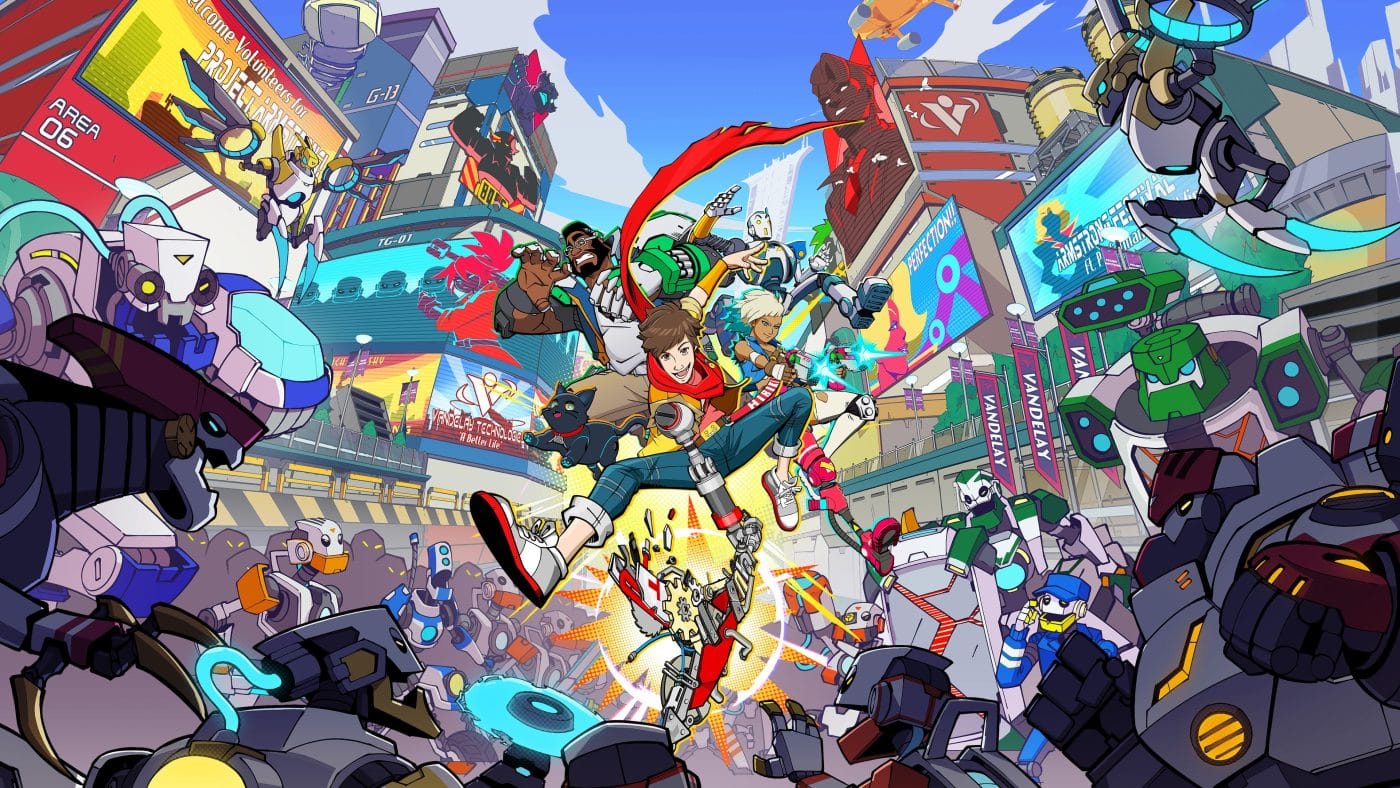
Much will depend on how these premises translate into hands-on play, but the identity shown so far stands strong enough to justify the attention the game received during The Game Awards 2025.