
Ritual, power, and the normalization of abuse in Santa Ragione’s game
HORSES is a first-person horror adventure developed by Santa Ragione in collaboration with filmmaker Andrea Lucco Borlera, released on December 2, 2025. Its concise length—just over three hours for a complete playthrough—and its structure divided into fourteen days shape a compact, dense experience designed to act deeply.
The game also arrives within an unusual context. At launch, HORSES did not appear on Steam or the Epic Games Store and instead reached players through alternative channels such as GOG, itch.io, and Humble Store. This review addresses that situation later; for now, it suffices to clarify that HORSES stands as a strongly authorial work, one that uses the language of videogames as an expressive tool without seeking obvious compromises.
HORSES does not position itself as a traditional horror title, nor as an experience aimed at entertainment in the most common sense of the term. From its opening moments, the game makes its intent clear: not to frighten, but to stage a system and force the player to observe it from within.

Narrative and progression: entering the system
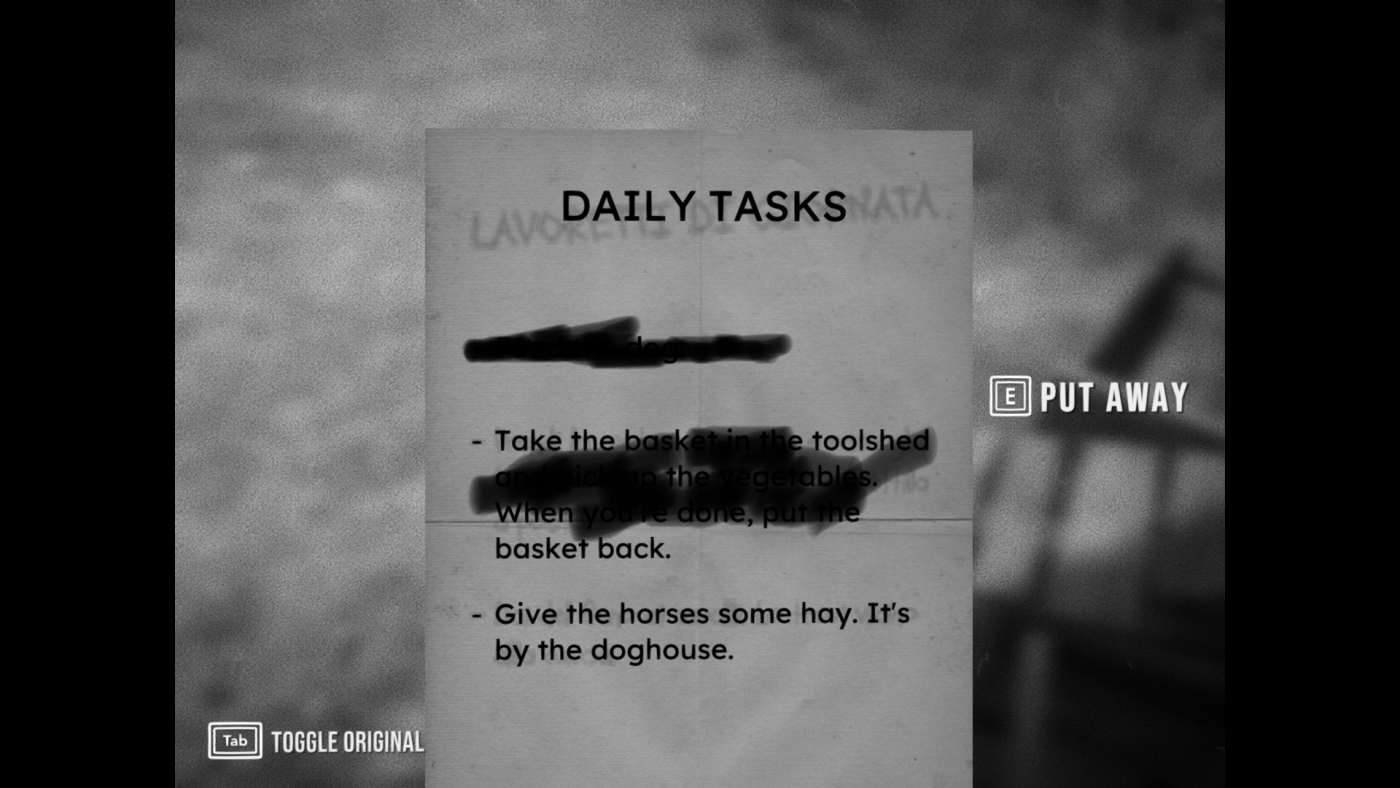
The protagonist, Anselmo, is a university student who accepts a summer job at an isolated farm. The premise feels simple, almost ordinary: seasonal work, a rural community, clear tasks, and a daily routine regulated by schedules and duties.
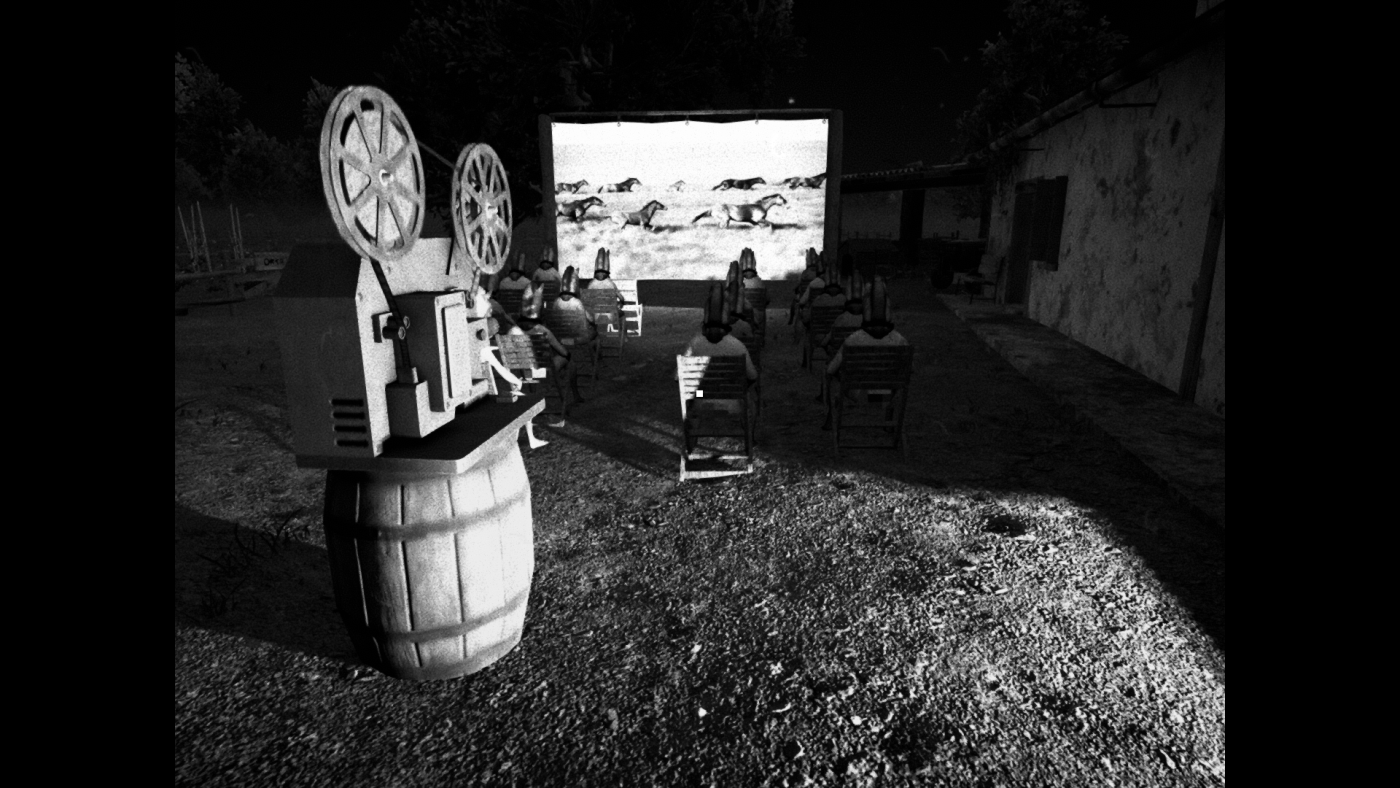
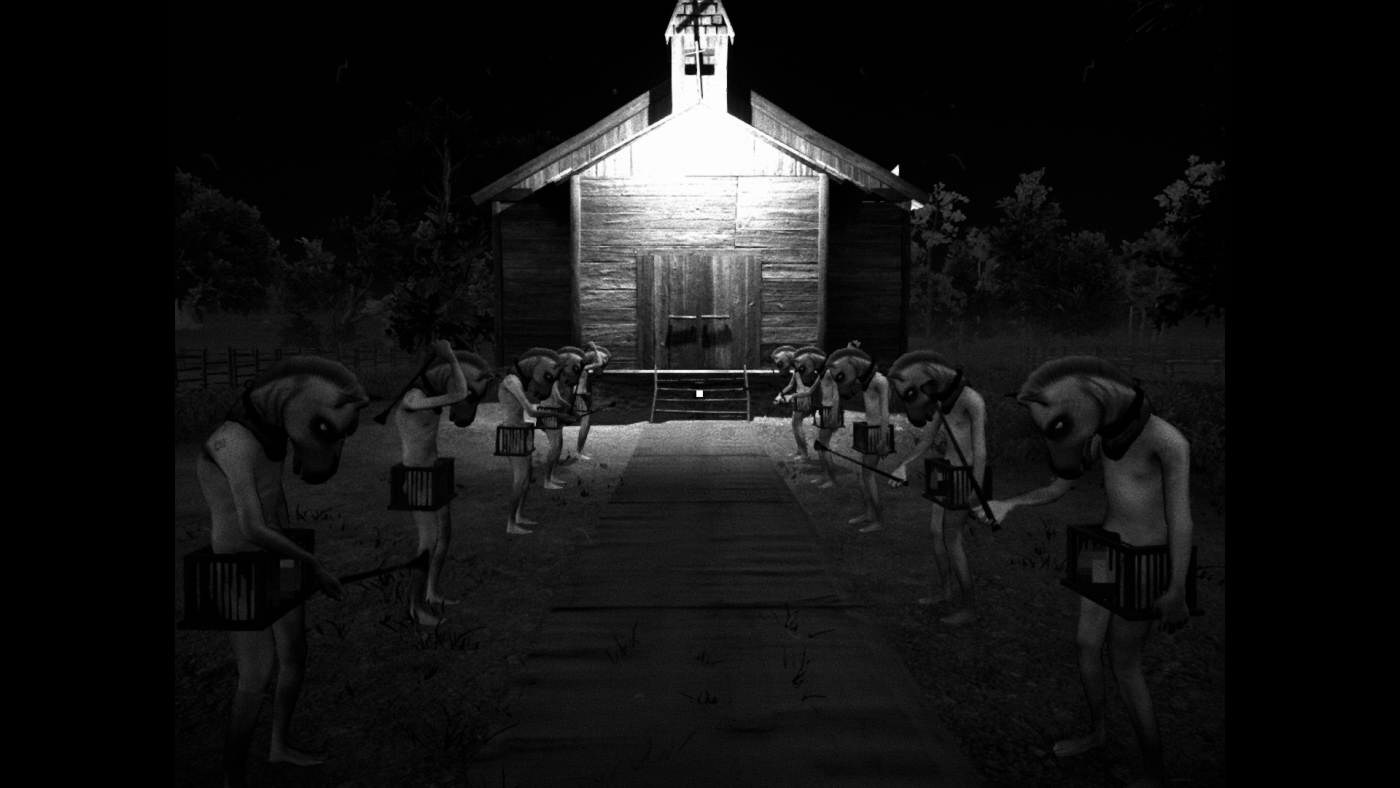
The shock arrives immediately. The farm’s horses are not animals, but human beings stripped of identity, forced to wear horse masks and collars. HORSES does not build suspense around this revelation; it presents it decisively, as the foundation of the entire experience.
From this point onward, the narrative follows a precise direction. Horror emerges as a condition to coexist with. Work continues, days pass, tasks unfold as if that reality were not only accepted, but necessary.

Alongside Anselmo stands the other central figure of the story: the farmer. He manages the farm, sets the rules, and maintains order. He guarantees the system and embodies it at the same time. The farmer does not appear as a caricature or a monolithic antagonist. He is a complex character, shaped through subtraction and defined by gestures, routines, and silent observation.
Ambiguity defines his role. He perpetrates the horror, organizes the labor of the “horses,” and normalizes violence. At the same time, the system that he enforces also shapes him. His authority does not stem from external power, but from total adherence to a logic that formed him and that he no longer seems able to question. In this sense, the farmer stands as both executioner and victim, and he represents one of the game’s strongest thematic cores.
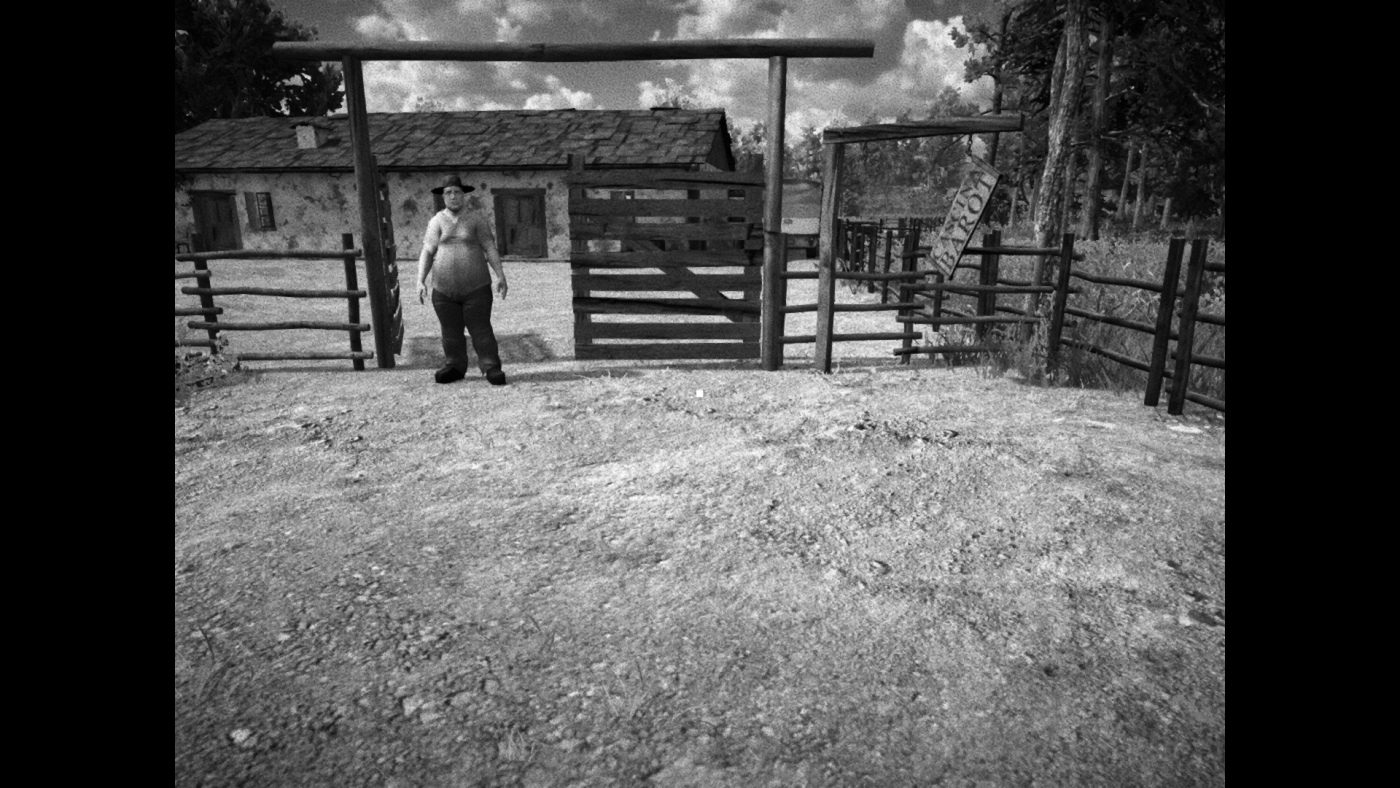
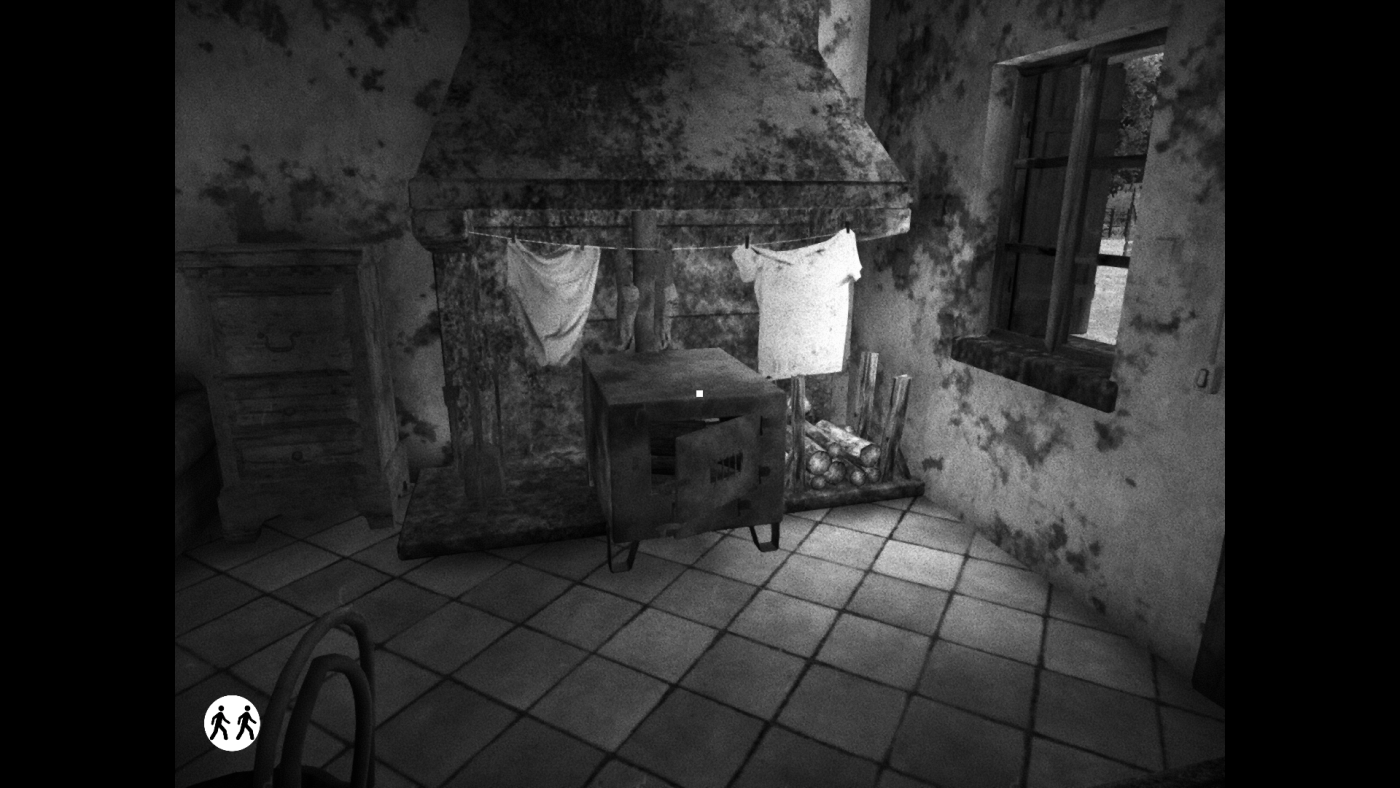
Narrative progression unfolds throughthe accumulation of everyday experiences. Spaces grow familiar, time becomes predictable, interactions increasingly mechanical. The game does not pursue escalation in the traditional sense, but consolidation.
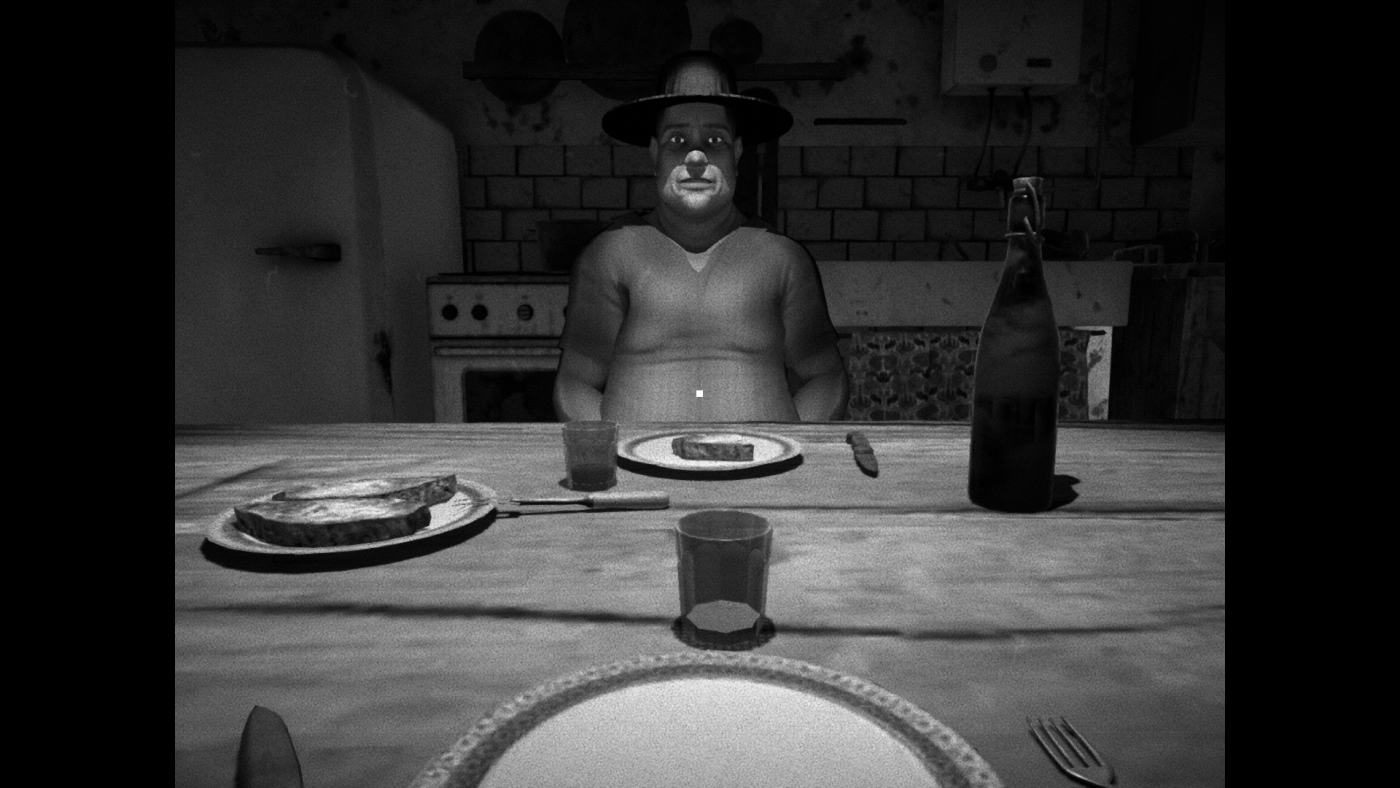
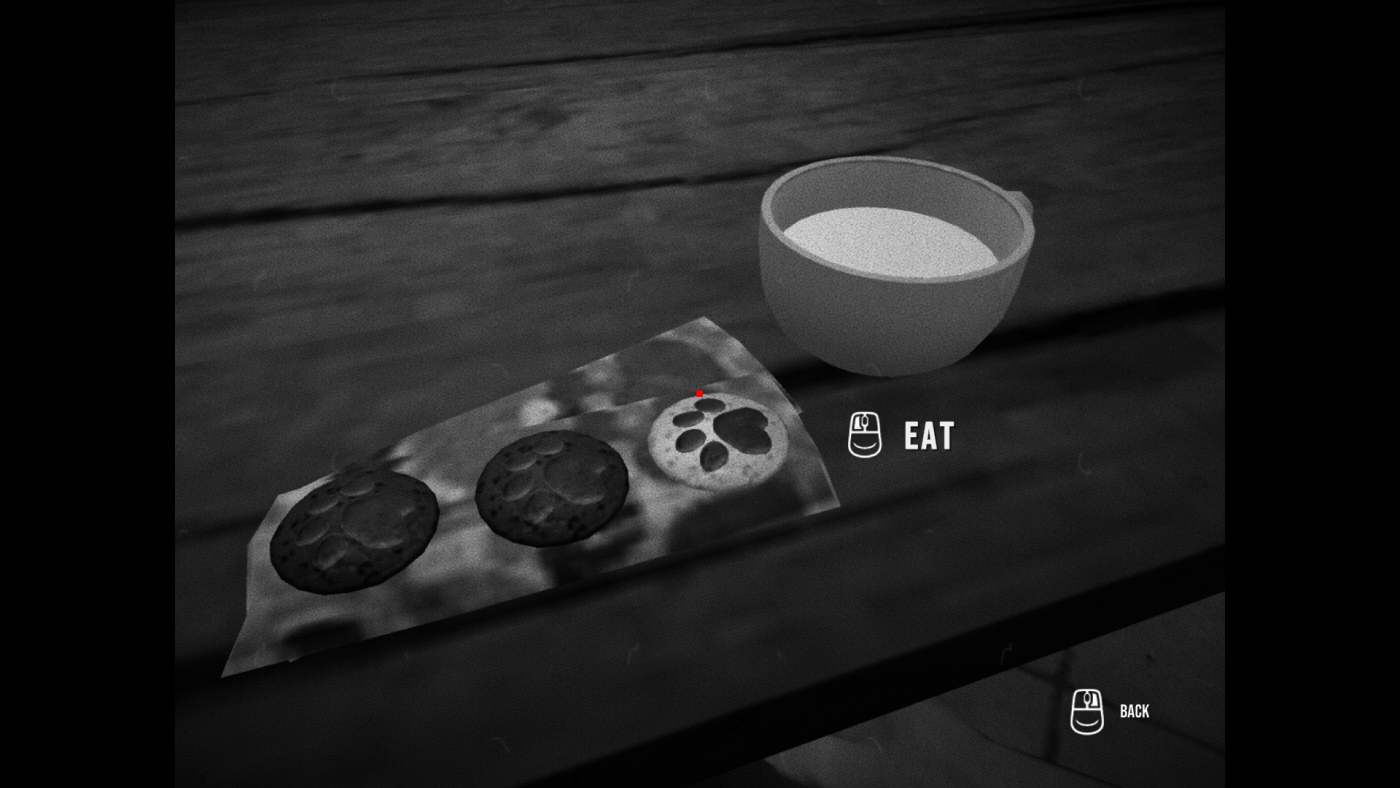
Even apparently marginal details contribute to this construction. Breakfast, meals, and shared spaces convey a sense of normalcy that clashes with what the game shows. The decorated cookies, different each morning, suggest a pre-established order that precedes the individual and guides experience. These subtle signals define the world.
The body at the center of the experience
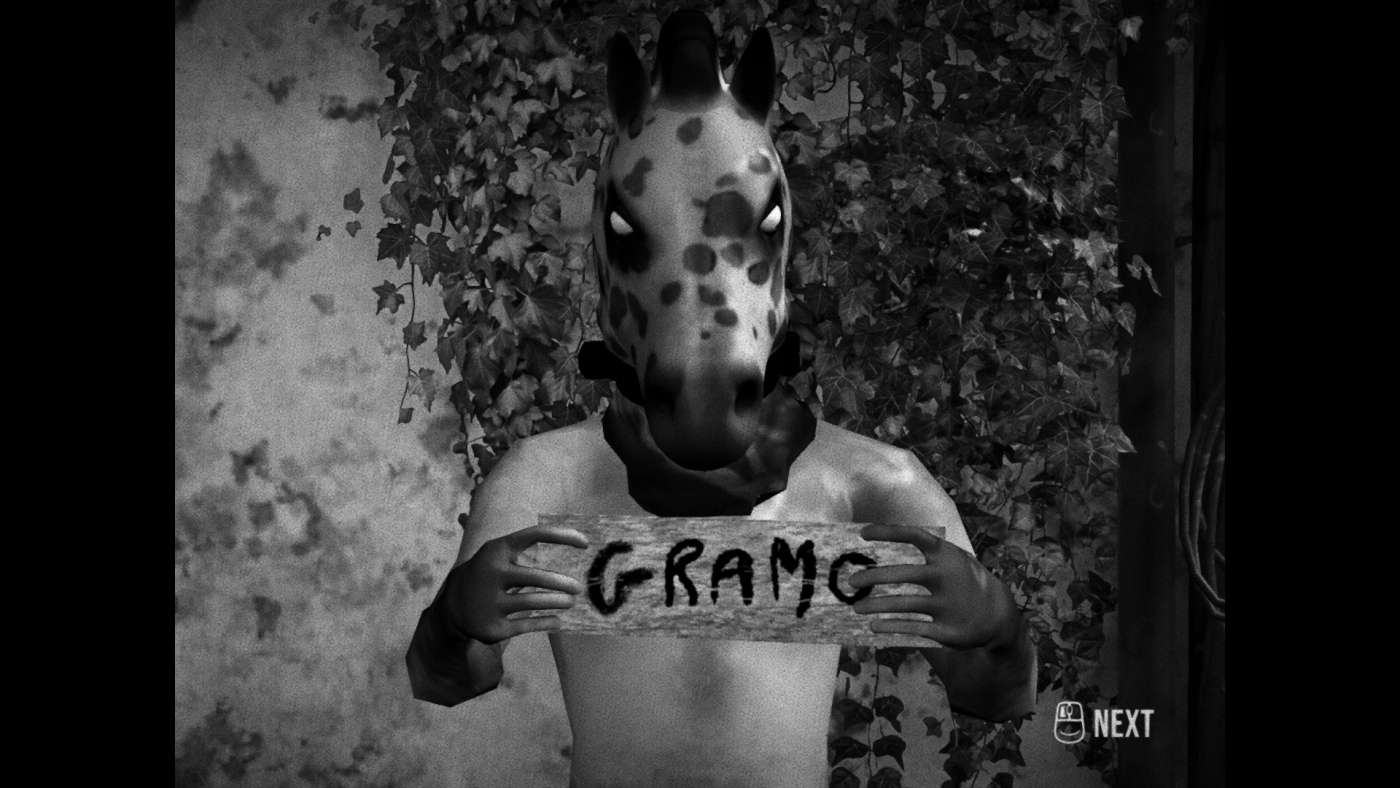
HORSES speaks, first and foremost, about bodies. Bodies without original names, reduced to function, placed within a hierarchy that defines them solely by usefulness. The horse mask does not act as a disguise, but as a device: it separates the human being from identity and makes exploitation acceptable.
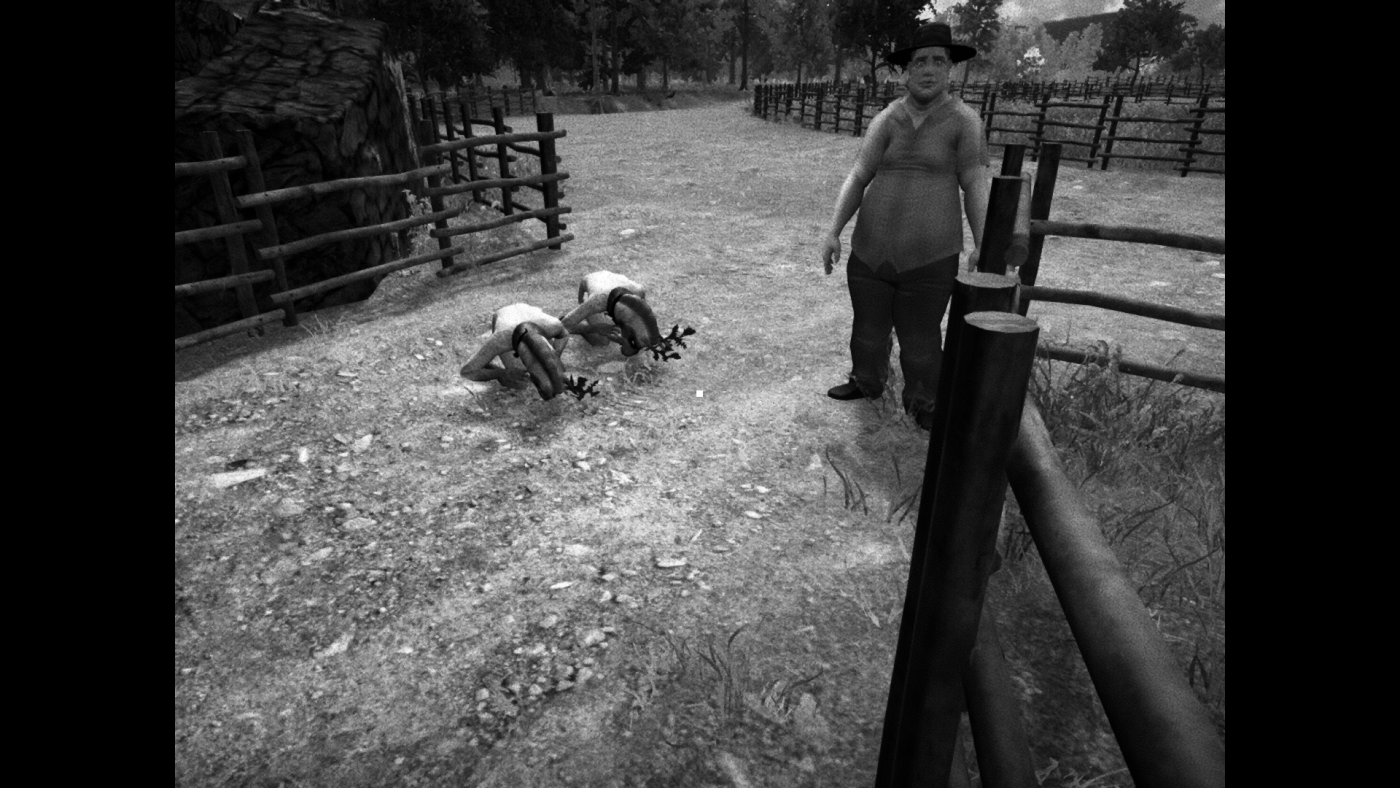
The system inscribes control directly onto the body, without emphasis. The game never sensationalizes violence or frames it as an exceptional event. Instead, violence integrates into work, dissolves into daily routine, and disappears within the continuity of action.
The farmer perfectly embodies this logic. His relationship with the bodies under his control does not rely on classical sadism, but on function. He treats violence as an operational necessity, a means to maintain order. Through him, HORSES stages one of the most disturbing dynamics of abuse normalization: the transformation of pain into procedure.
Gameplay: minimal control, maximum exposure
From a gameplay perspective, HORSES adopts an essential structure. Guided exploration, limited interactions, and a small set of clear actions define the experience. This approach does not impoverish the game, but instead sharpens its focus and leaves room for conceptual impact.
The absence of significant mechanical pressure creates a sense of fluidity. The game flows smoothly even while presenting deeply disturbing material. This discrepancy reinforces the game’s message: violence does not require emphasis to remain effective.
It is worth noting that a specific section may feel more demanding in terms of control, especially for players who lack familiarity with WASD movement. In this moment, movement handling requires greater precision than the rest of the experience and may lead to several attempts before finding the right rhythm. This challenge remains limited in scope and does not alter the overall gameplay structure, but it can still be noticeable on a practical level.
The game does not design choices to alter the narrative outcome, but to test moral posture.
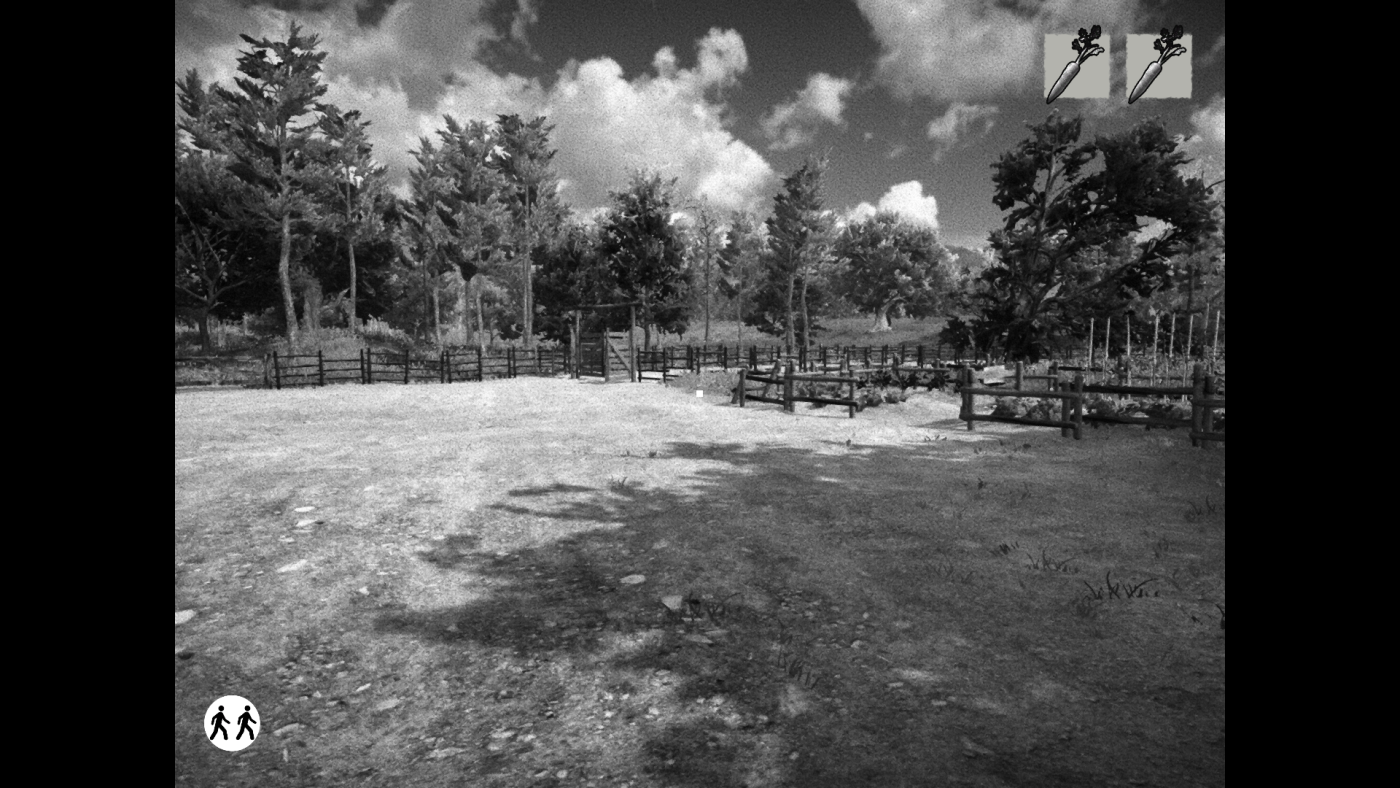
Moral choices and the futility of intention
The episode involving the recently castrated horse, unable to work, stands as emblematic. The game first offers a “gentle” option, followed by progressively more coercive alternatives. Insisting on a non-violent solution does not lead to a better outcome; instead, it makes harsher punishment inevitable.
This sequence does not aim to provoke, but to demonstrate. HORSES shows how, within a system designed to produce obedience, moral intention carries no weight. The gesture perceived as “right” fails to change the outcome and instead highlights the structure’s brutality.
The gameplay thus takes on an expositional function, revealing the structural limits of control within the system.
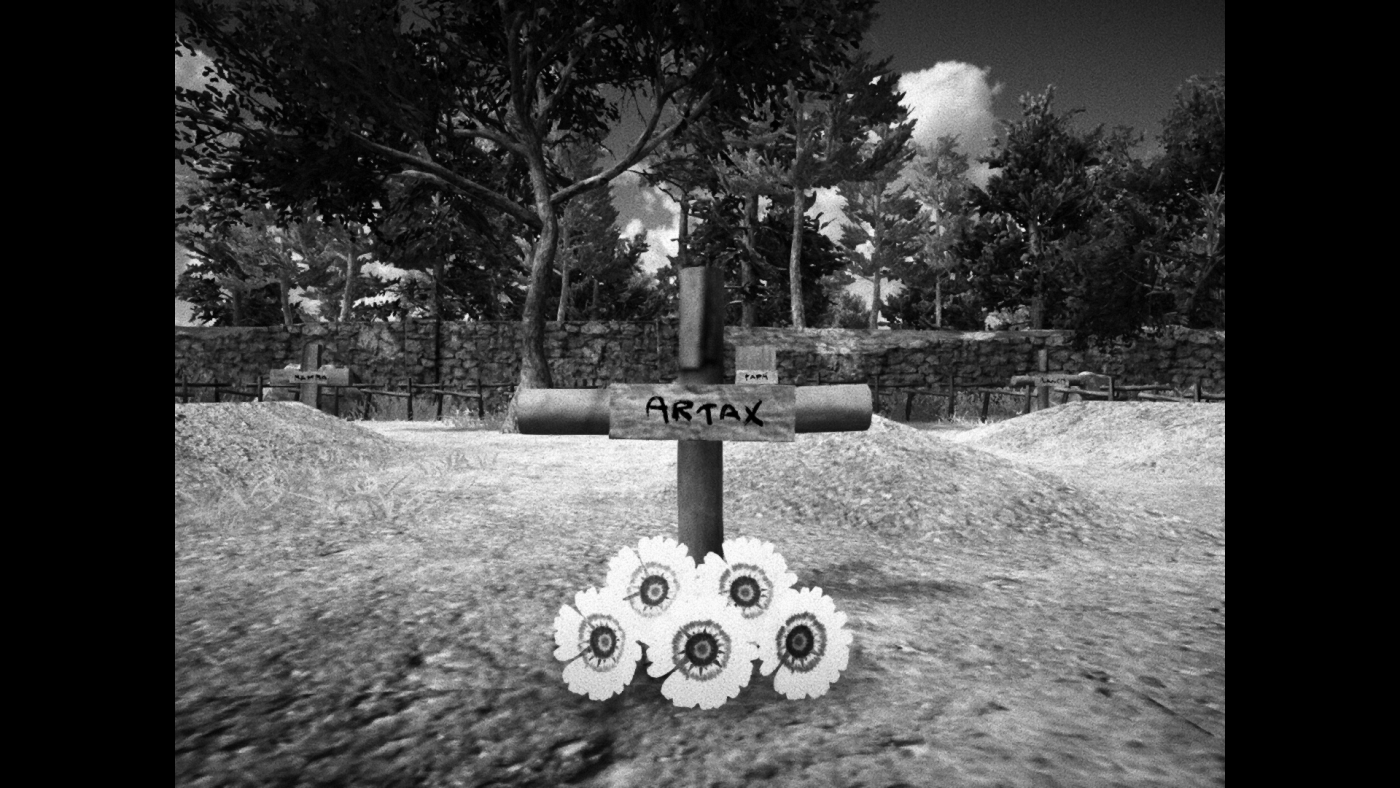
Work, obedience, and complicity: the core themes of HORSES
The thematic core of HORSES lies in the relationship between work and violence. The game depicts a system that relies on delegated responsibility and on transforming horror into everyday procedure.
Work functions as a structural element of the system, capable of absorbing violence and making it practicable. Tasks build meaning through their continuity, turning horror into a stable and everyday presence.
Obedience takes shape through a gradual process of adherence to the system’s rules. These rules take root because they appear functional to maintaining order and the continuity of work. Within this framework, obedience aligns individual will with a structure perceived as inevitable.
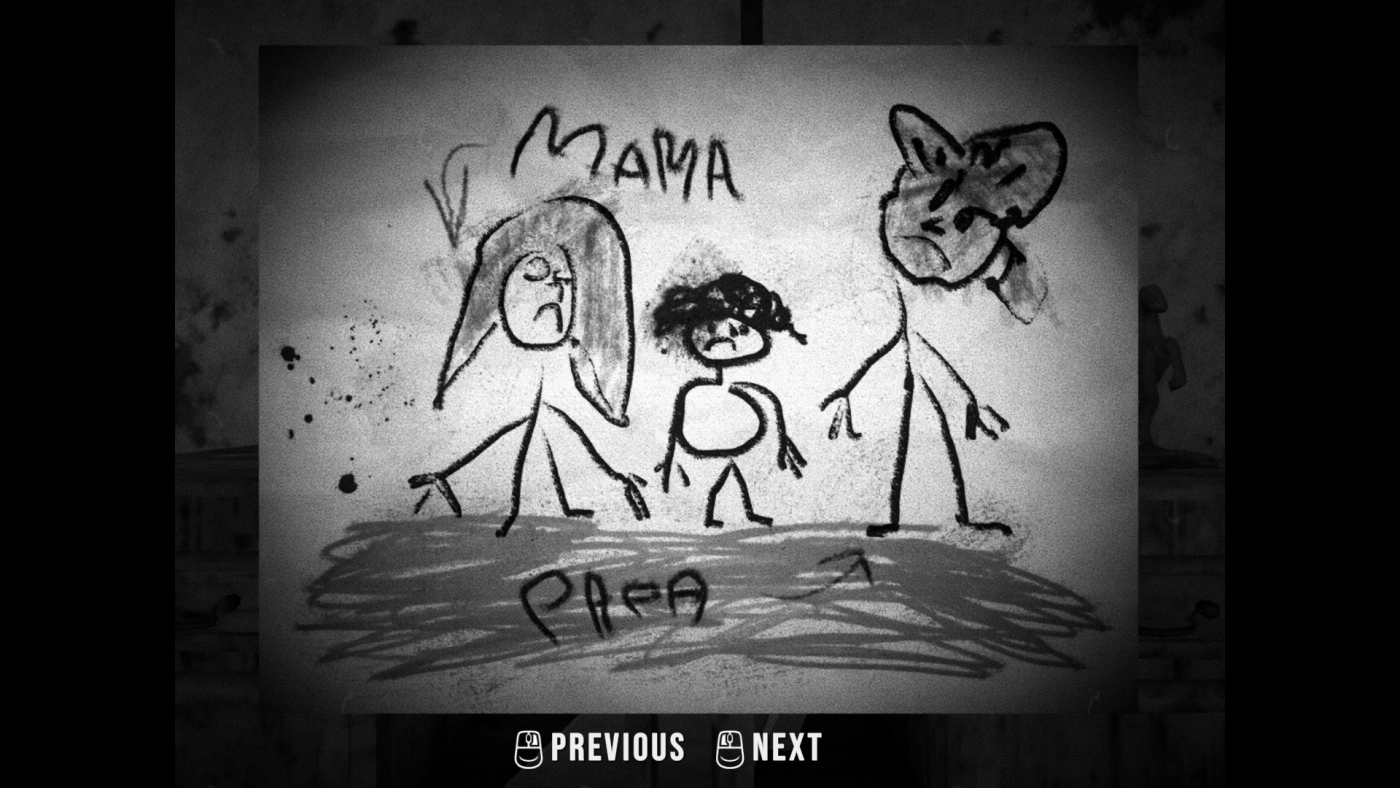
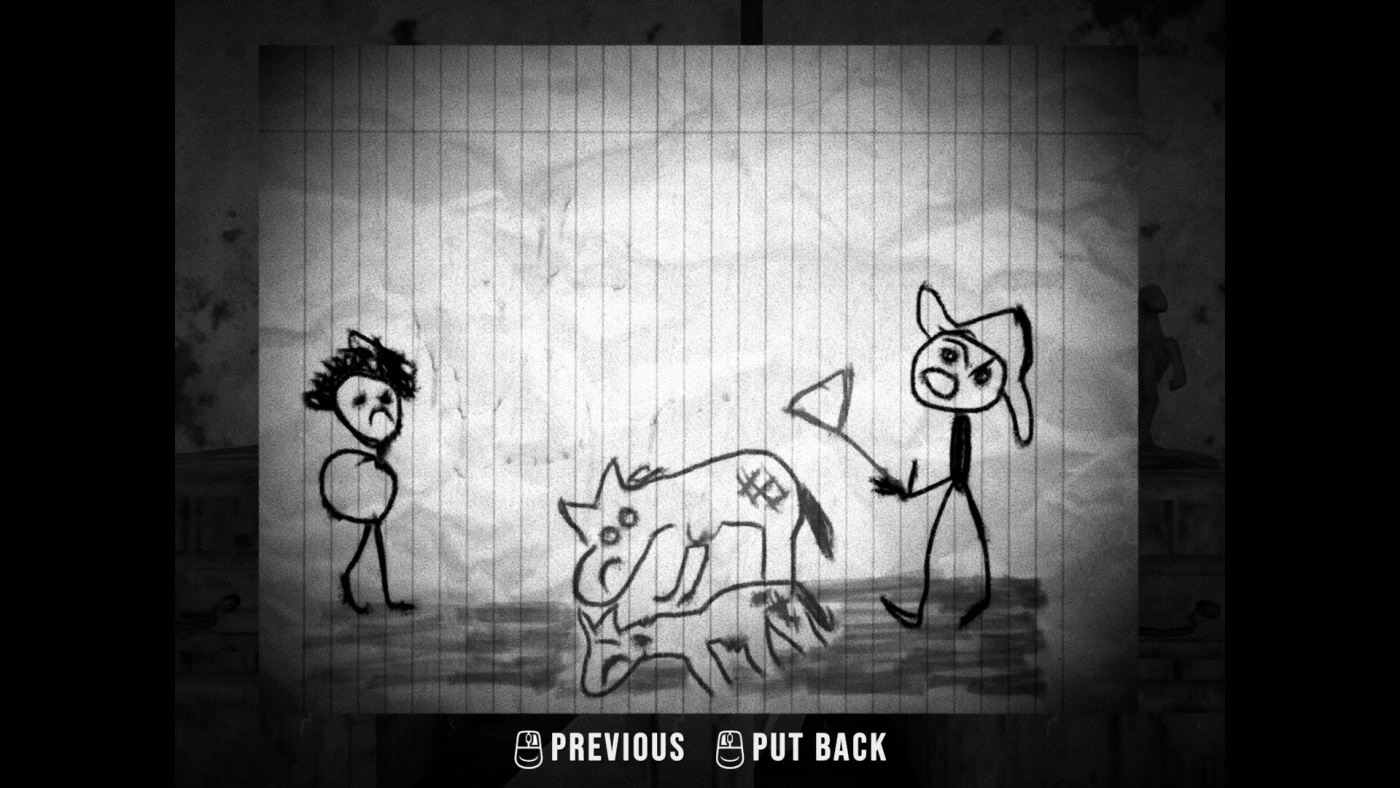
Complicity emerges as the natural consequence of this process. It does not stem from explicit choice or conscious alignment, but from remaining within the system without interrupting its function. Continuing to work, continuing to execute tasks, becomes a form of active participation even in the absence of intention.
The farmer occupies a central position in making the system operational and stable. His authority takes shape through the consistent application of rules and the management of everyday life, turning imposed order into concrete practice. Work, routine, and spatial control become the tools through which the system remains intelligible and sustainable for those within it.
From this perspective, the game brings forward a conception of power grounded in continuity and transmission. Power consolidates through behavior, takes root in repeated gestures, and endures through their reiteration. The farmer acts as the guarantor of this process, ensuring the system’s persistence over time.
From here emerges a distribution of responsibility that runs across the entire structure. Guilt fragments along a chain of actions, tasks, and daily executions, involving everyone who contributes to the system’s functioning through presence and labor. Within this ambiguous zone, built on practical adherence rather than explicit decision, HORSES places one of its most unsettling reflections on the relationship between power, complicity, and moral responsibility.
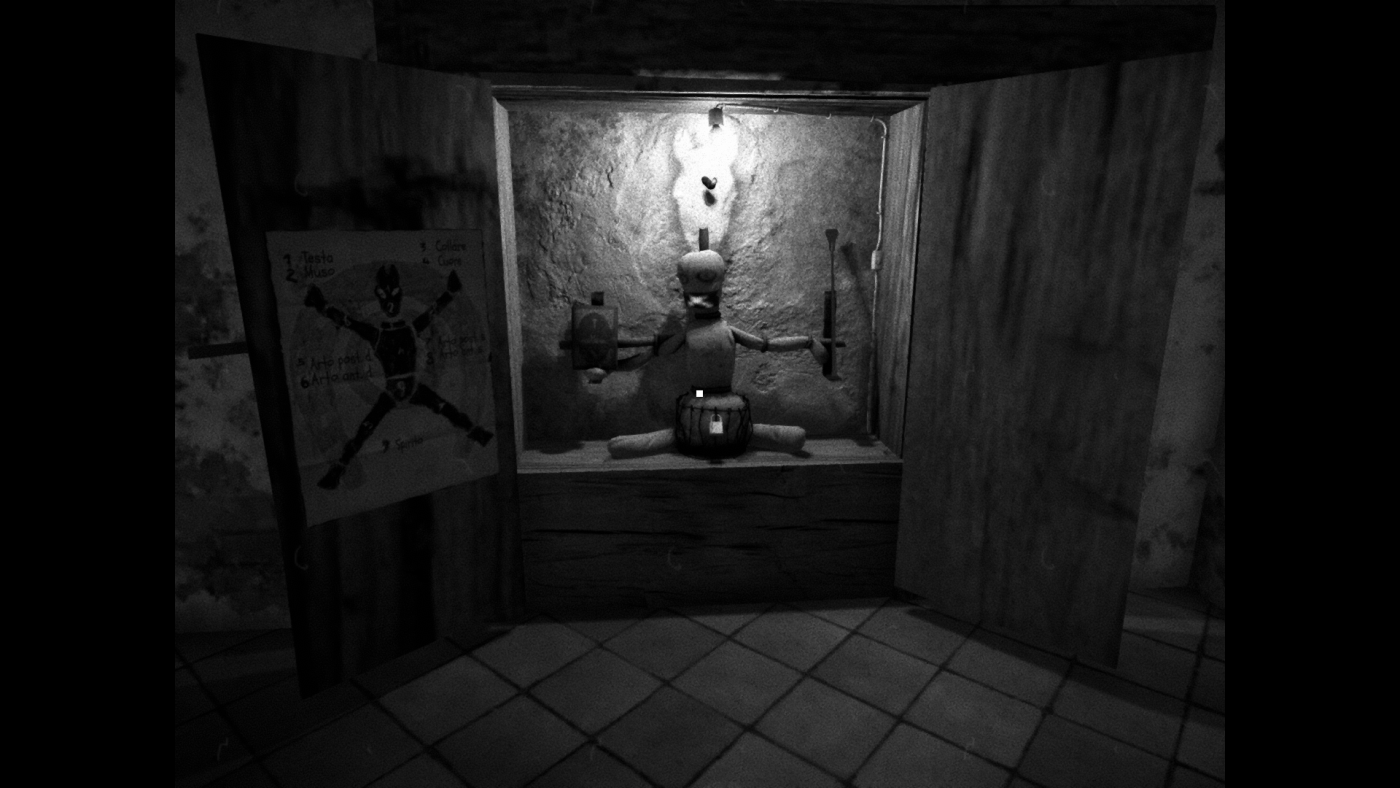
Aesthetics and the staging of horror
From an aesthetic perspective, HORSES shows strong awareness. FMV inserts serve a structural role: they interrupt interaction, remove control, and impose distance, reinforcing themes of impotence.
The staging engages in dialogue with a precise cinematic imaginary. References to David Lynch emerge in the way the game renders the everyday as estranged and charged with unresolved tension. HORSES works through symbolic imagery and atmospheres.
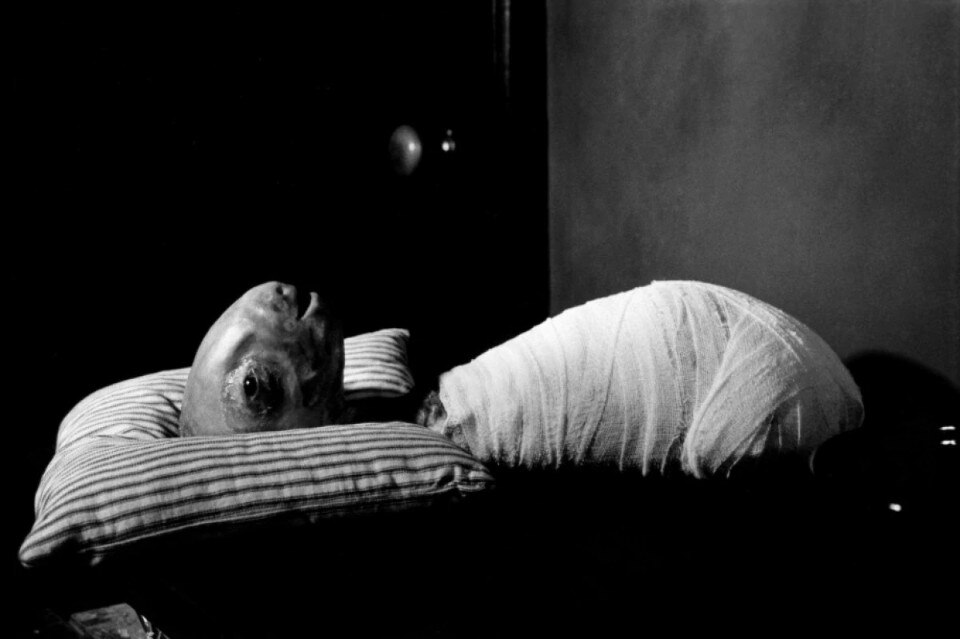
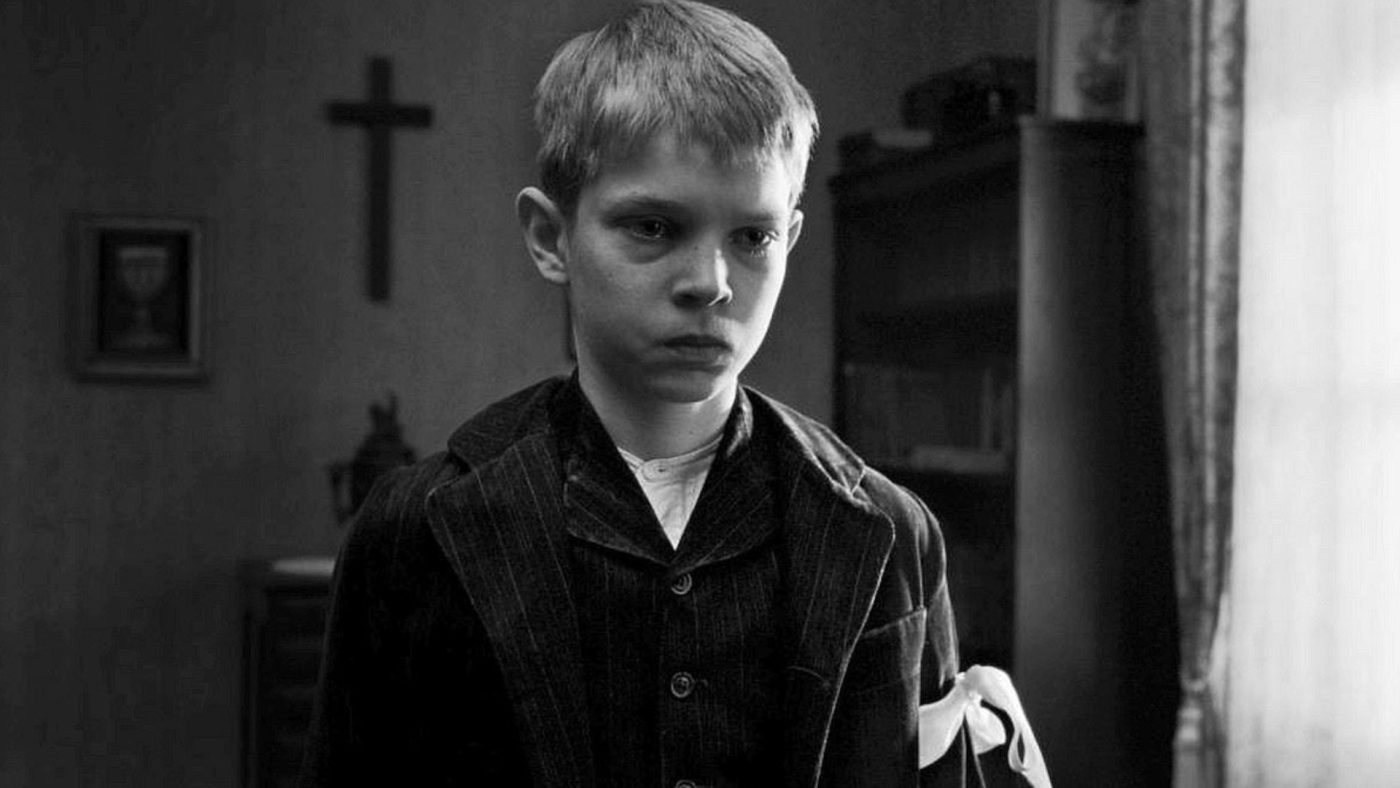
The game also recalls the cinema of Michael Haneke through its relationship with the spectator. Like Funny Games, the experience rejects consolation and places the observer in an uncomfortable position, forcing confrontation with presence and inactivity.
Folk horror completes the picture, with ritual and community acting as tools of oppression. Even rougher, seemingly unpolished elements align with this vision. HORSES does not seek smoothness, but adherence. Sound design, silence, and sensory details work together to create an aesthetic that lingers.


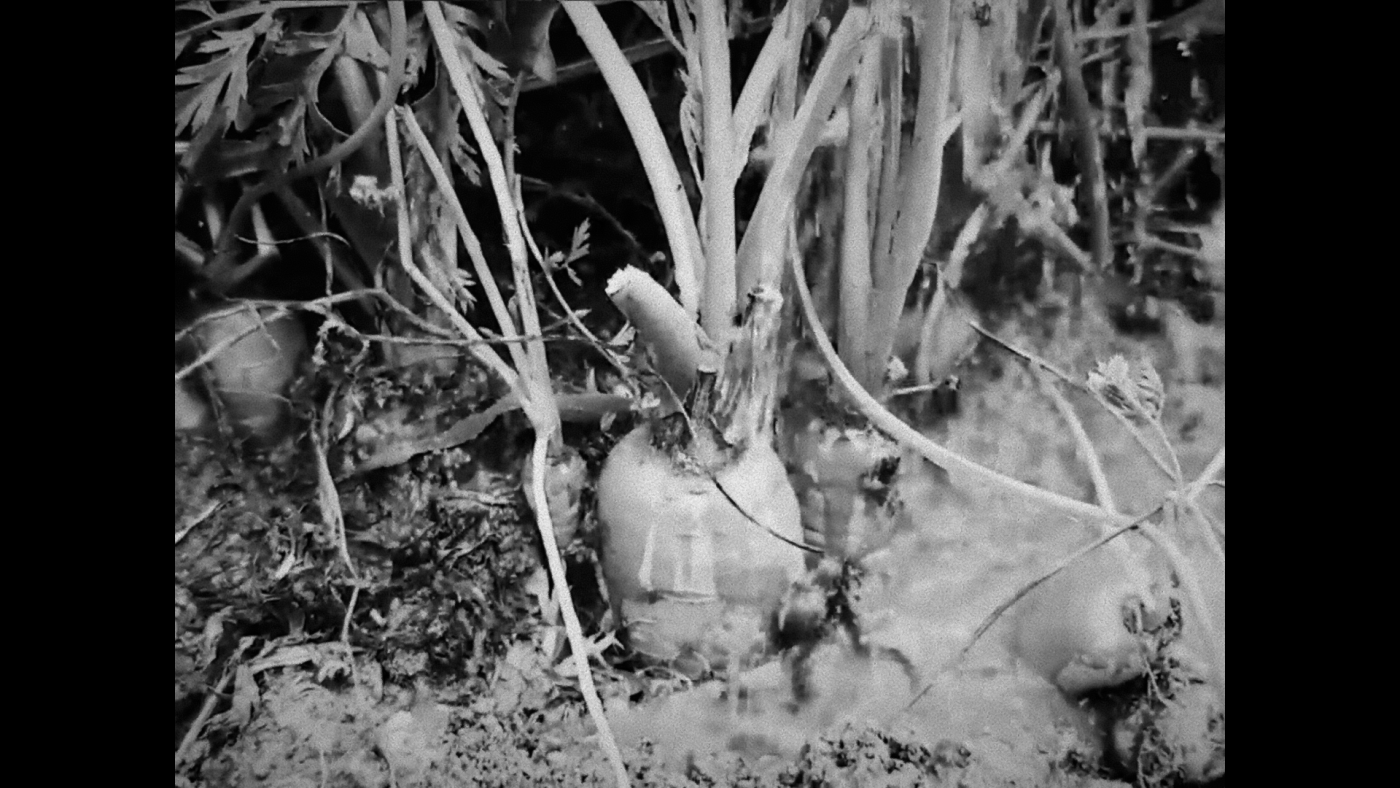
Censorship as a structural problem
The removal of HORSES from Steam and the Epic Games Store marks one of the most delicate aspects of its history. According to Santa Ragione, Steam rejected the game on the basis of vaguely formulated motivations, without specifying contested elements or offering a clear path for review or appeal.
Epic Games Store followed a similar approach, communicating removal close to release despite prior approval. In both cases, the issue extends beyond editorial decision-making and exposes a structural problem: the lack of transparency within the decision-making processes of major digital distribution platforms.
This opacity carries concrete consequences. In a market where Steam and Epic serve as primary access points for PC audiences, exclusion results in severe economic penalty. For an independent studio, it means lost visibility, reduced cost recovery, and limited future prospects.
The case of HORSES raises broader questions about platforms as cultural arbiters. Who decides what reaches publication? According to which criteria? And which tools allow developers to challenge decisions that directly affect survival? Without clear answers, the industry risks encouraging self-censorship and diminishing expressive diversity.
Santa Ragione: a divergent path and a bitter epilogue
After the HORSES case, Santa Ragione suggested that operational sustainability had become compromised, leading to a drastic reduction in activity. This outcome marks a difficult epilogue for a studio that consistently pursued a recognizable authorial vision, often distant from commercial logics.
Our interview portrays a studio fully aware of its divergent position within Italian game design. Read today, it stands as testimony to what it means to pursue a radical path within a system that struggles to support it.
Conclusion
I deeply loved HORSES. Not because it achieves perfection, but because it remains coherent, conscious, and sincere in its use of videogames as expressive language. The themes it addresses, its narrative construction, its staging, and its aesthetic choices come together to shape an experience that never seeks to please, but aims directly at its target.
Some visual elements may initially appear rough or deliberately sparse. Rather than indicating real shortcomings, they often feel like functional roughness aligned with the game’s discourse. HORSES does not pursue formal elegance or technical spectacle; it prioritizes atmosphere, image weight, and the ability to linger. What may seem imperfect ultimately reinforces the game’s identity instead of weakening it.
The game succeeds because it maintains a clear vision and carries it through without deviation or softening. It demands attention and emotional availability, and it rewards that commitment with a lucid, disturbing reflection on the relationship between body, work, and power.
HORSES does not seek consensus. It asks to be crossed, observed, and endured until the end. And for that very reason, it leaves a lasting mark, standing as one of the most courageous and compelling independent works of recent years.

If you want to know more about HORSES, here is the Official Website.
HORSES
PRO
- Strong authorial identity and thematic coherence
- Intelligent use of gameplay as an expressive tool
- Minimalist yet highly effective narrative design
- Impactful staging and FMV integration
- Sharp and unsettling reflection on work, power, and complicity
CON
- Intentionally unaccommodating experience
- Limited interaction may frustrate players seeking traditional agency
- Pace and approach demand focus and emotional engagement


8.3/10