An ambitious FPS that draws inspiration from genre-defining classics, yet struggles to translate its lofty ambitions into cohesive and engaging gameplay.
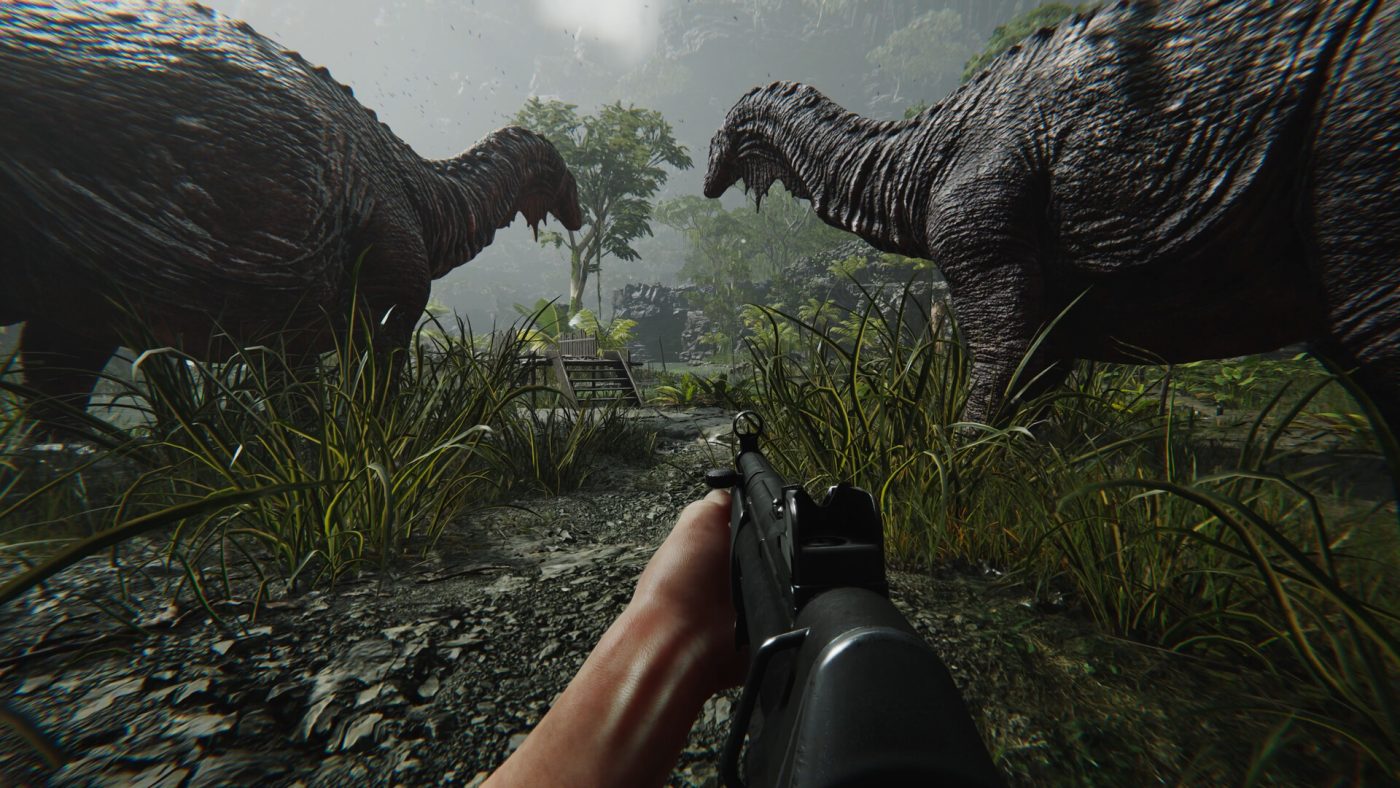
Ferocious is the kind of project that, on paper, promises to make a mark: a hostile, dinosaur-filled ecosystem, photorealistic-inspired visuals, and a first-person framework that fuses frantic action with survival and RPG mechanics, all guided by a clear creative vision. In practice, however, the game struggles to realize these ambitions. Once the controller is in hand, Ferocious reveals itself as unfinished and overextended, weighed down by overly complex systems that fail to cohere.
Originally conceived as a solo project and later expanded with the help of external collaborators, Ferocious is neither lacking in creativity nor talent. Its critical flaw lies in a lack of design discipline – the capacity to prioritize, refine, and harmonize its many components. In attempting to blend survival, first-person action, and emergent sandbox elements, the game ultimately fails to excel in any single domain, delivering a fragmented experience with no fully defined gameplay identity.
Ambition vs. Cohesion: When Influences Become a Burden
The game openly references two iconic, yet challenging, benchmarks:
- King Kong: The Official Game of the Movie – for cinematic spectacle, constant tension, and a hostile natural ecosystem.
- Crysis – for its open-ended approach, systemic depth, and emergent gameplay possibilities.
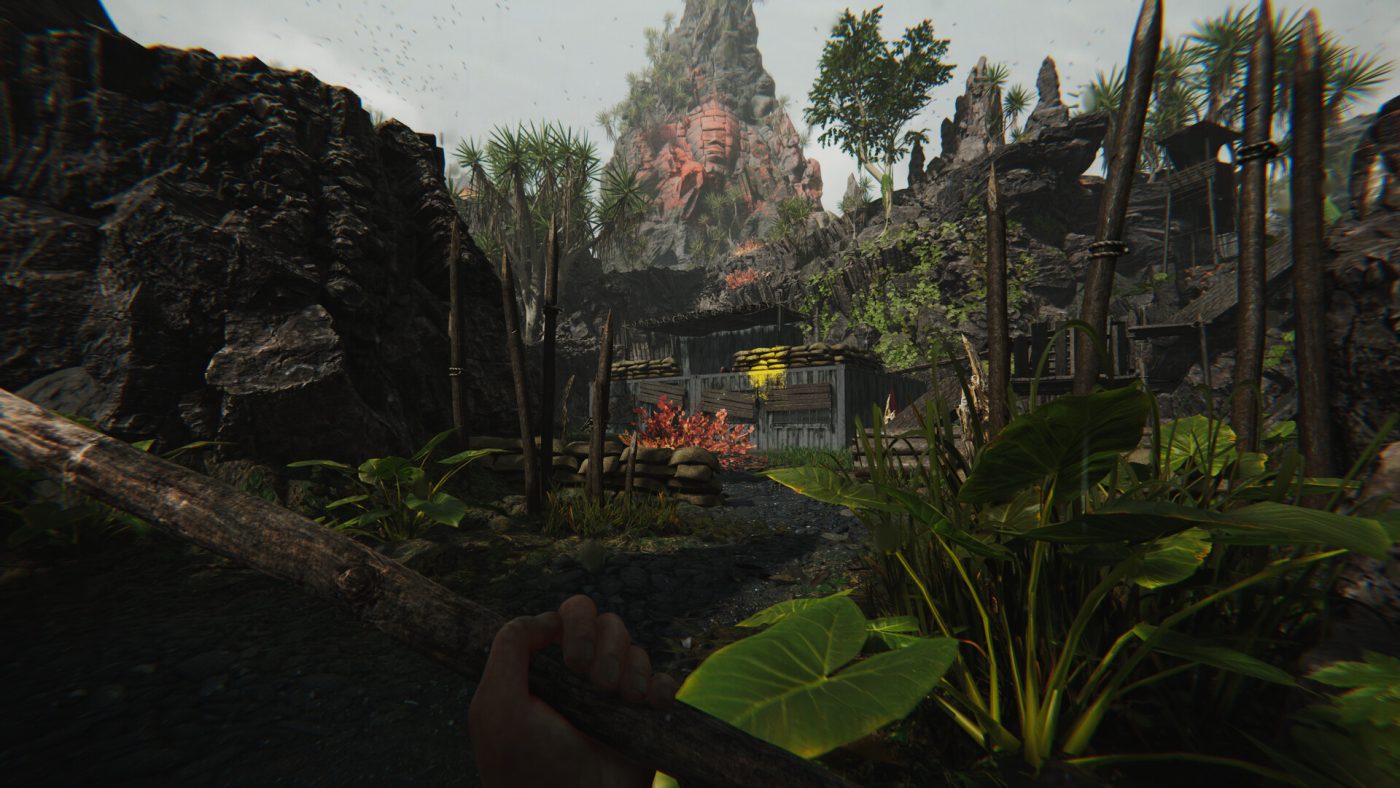
The problem isn’t in paying homage; it’s in the game’s inability to translate these inspirations into a cohesive whole. King Kong relied on rhythm and accessibility to create suspense, while Crysis balanced freedom and structured systems with elegant precision. Ferocious, by contrast, drifts in a liminal space of unmet ambition. Its mechanics and ideas stack atop one another without meaningful interplay, producing a fractured, unstable, and often contradictory identity – one that exposes the pitfalls of a design incapable of setting limits on its own aspirations.
The “More Is Better” Fallacy
At the heart of Ferocious’ shortcomings lies a fundamental design misstep. The game subscribes to one of modern game development’s most persistent misconceptions: that layering more systems automatically delivers greater depth. In practice, the effect is quite the opposite – mechanics stacked without coherent integration generate unnecessary complexity, undermining engagement rather than enriching the gameplay experience.
Inventory and Resource Management
Inventory handling exposes this flaw from the first play session:
- Confusing layout: item slots and categories are poorly organized, forcing players to hunt for what they need.
- Opaque limits: carrying capacity and weight mechanics are poorly explained, producing surprise penalties rather than considered choices.
- Cumbersome navigation: opening menus, sorting items and performing basic inventory actions feel slow and fiddly.
Far from generating strategic tension, these systems produce constant micro-interruptions – short stops that break rhythm, pull players out of the moment and erode immersion.
Crafting and Health Systems
The crafting loop, especially the systems tied to healing, lays bare the game’s over-engineered design. Restoring health demands a repetitive sequence: scavenge materials, open the inventory, manually craft medkits or bandages, and then apply them – often with timing that feels vague and unintuitive. In a hardcore survival game, such complexity can create tension; in a first-person action-adventure, it becomes tedious busywork. Paired with encounters that deal punishing damage, healing quickly turns into a rote chore, undermining strategy and pacing.
Combat System: The Game’s Weakest Link
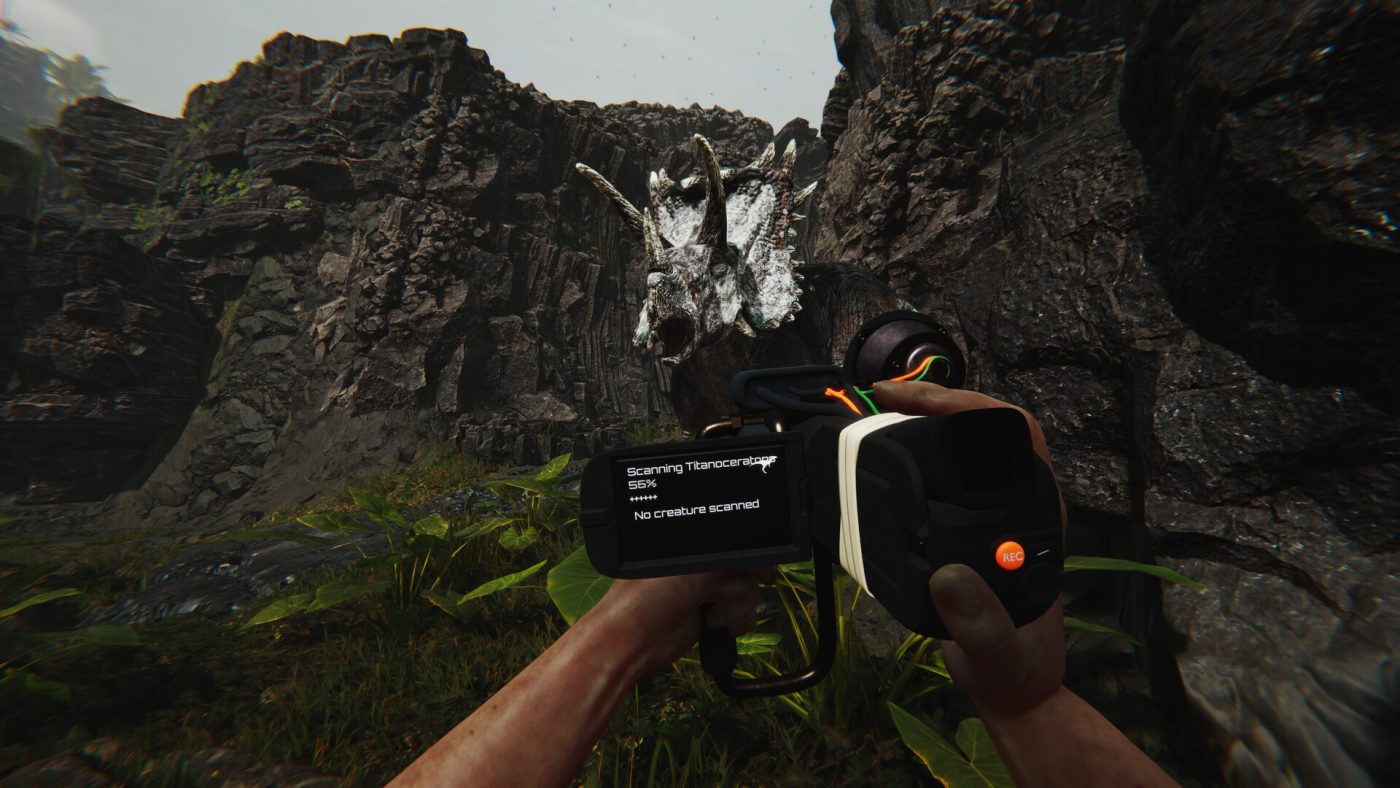
Combat is Ferocious’s most significant shortcoming and primary obstacle to player engagement.
Aim and Feedback
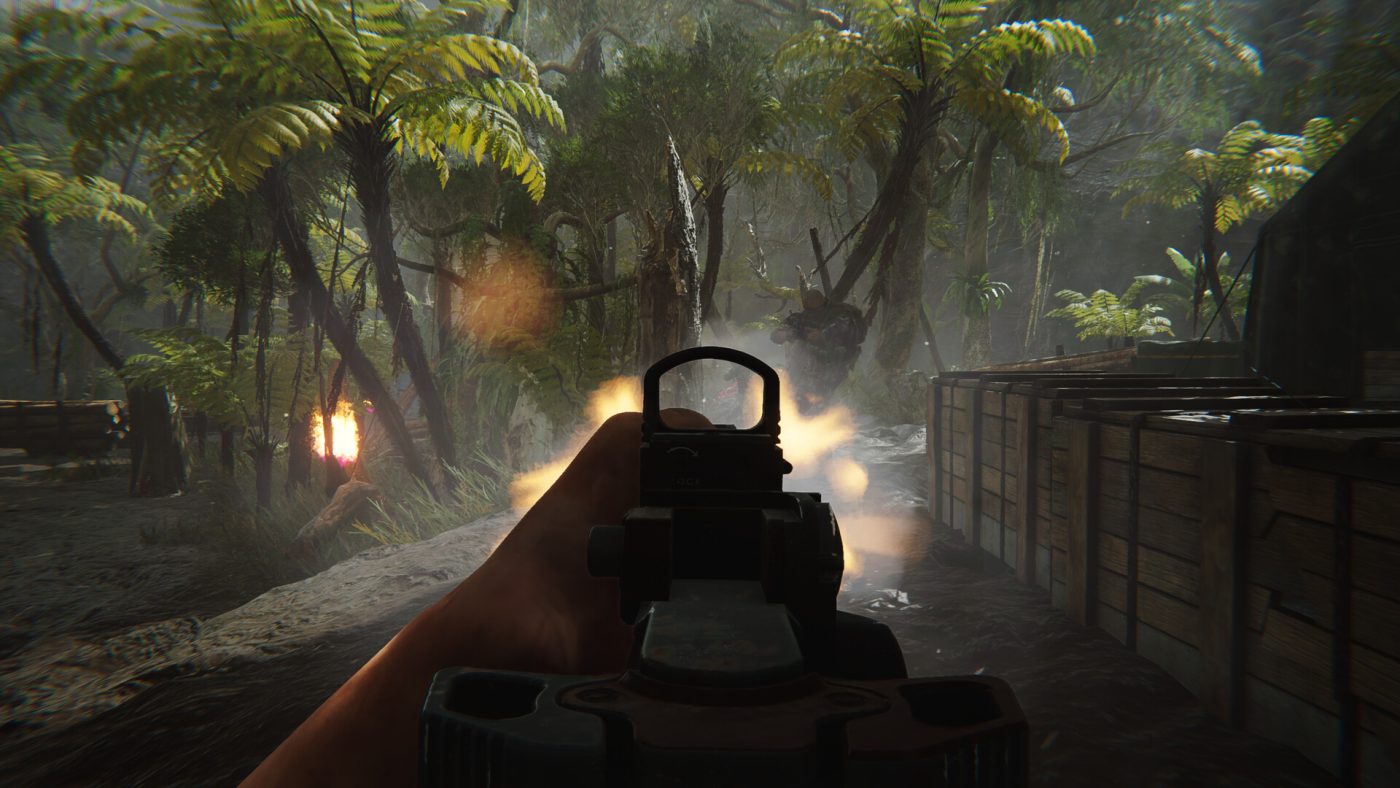
The aiming system is imprecise and sluggish, lacking meaningful audiovisual feedback. Hits rarely feel impactful, especially against dinosaurs, which absorb unrealistic amounts of damage even when struck in critical areas. The attempt at ballistic realism is undermined by poor gameplay translation – rather than tension, combat breeds frustration.
AI and Balance
Enemy behavior compounds the problem, undermining any sense of challenge:
- Dinosaurs follow repetitive, predictable patterns with minimal responsiveness.
- Raptors, though small, endure disproportionately high damage, stretching encounters unnecessarily.
- Human enemies display accurate aim but trivial tactical behavior.
Overall, difficulty arises less from clever design than from inconsistent balancing and punishing mechanics, leaving encounters uneven and often frustrating.
A Labyrinth Without a Compass
Minimizing HUD elements to enhance immersion is a valid design philosophy, but Ferocious struggles to execute it effectively. The in-game map is minimalistic, offering limited detail and few navigational cues, turning player orientation into a constant struggle. Both main zones and side areas lack organic guidance, while the implemented player guidance systems feel rudimentary or inconsistently applied. The result is frequent disorientation, involuntary backtracking, and jarring interruptions that disrupt the flow and pacing of the experience.
Technical Execution and Art Direction: Glimpses of Potential
Technically, Ferocious fluctuates between competence and conspicuous shortcomings. Built in Unity, it delivers generally smooth performance, but optimization is uneven, with noticeable frame-rate drops in certain areas.
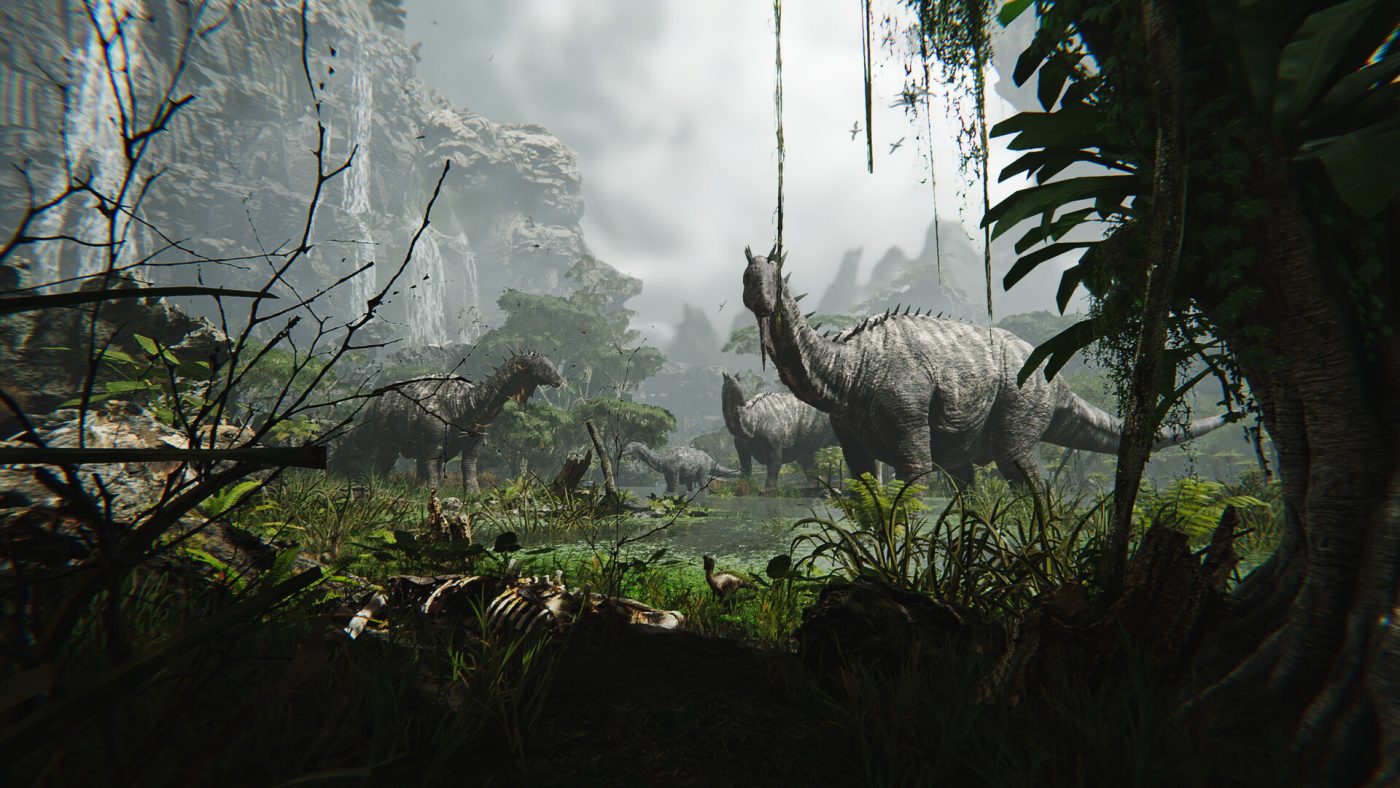
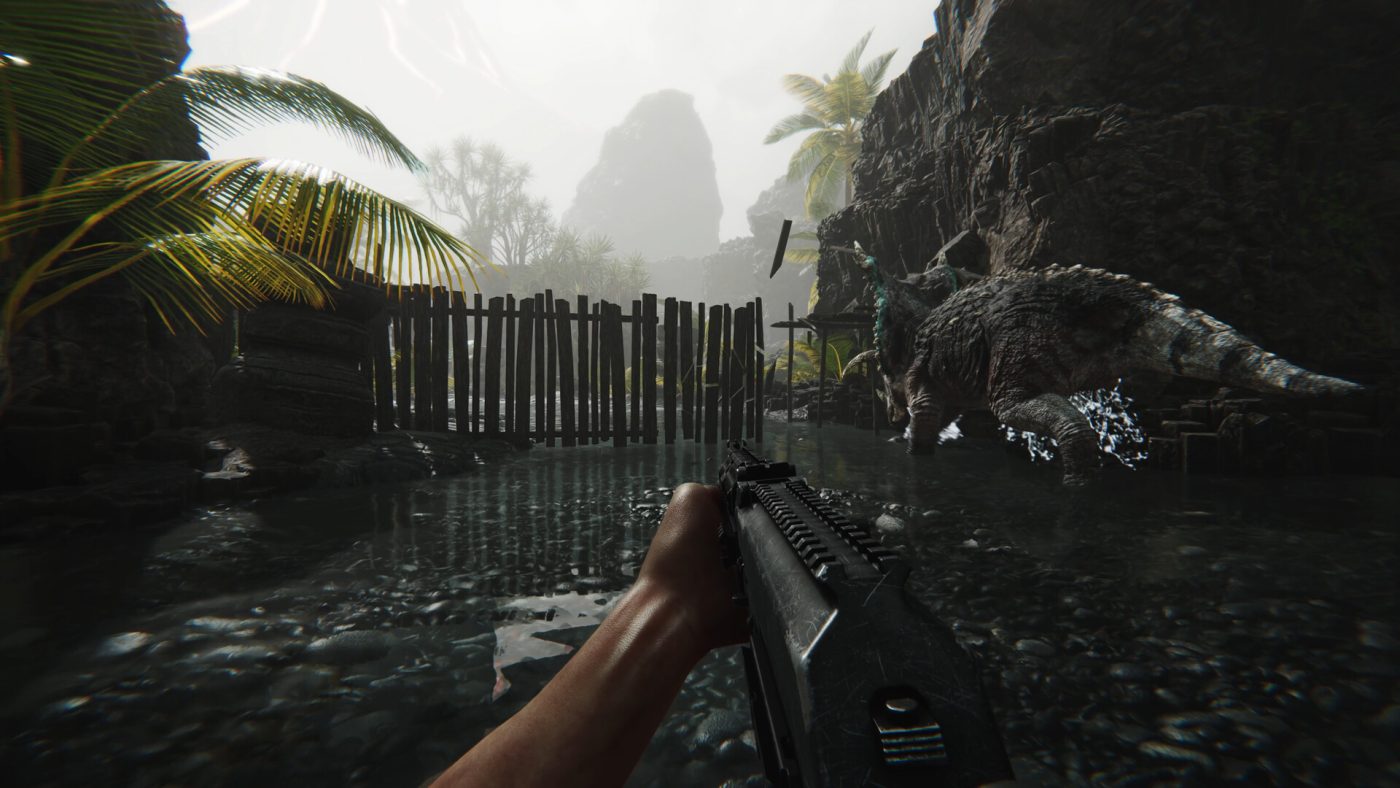
Artistically, the game impresses in bursts. Specific environments and large-scale dinosaur encounters evoke genuine awe and a tangible sense of danger, showcasing the project’s underlying potential. Unfortunately, these high points are sporadic, leaving much of the broader experience visually and atmospherically underrealized.
Narrative and Atmosphere: The Strongest Thread
The story and worldbuilding emerge as Ferocious’s most consistently compelling elements. While the narrative rarely reaches memorable heights, it remains coherent, reinforces immersion, and provides crucial context for an otherwise fragmented gameplay experience. The game’s tone and atmosphere act as a unifying thread, giving the world a sense of identity and cohesion, even if they cannot fully offset its mechanical shortcomings.
Final Verdict: Too Much, Too Soon
Ferocious stands as a striking example of a project that attempted to sprint before learning to walk. Its ambition to emulate AAA-scale design has resulted in an overengineered architecture that constrains rather than enriches gameplay. With careful simplification, system refinement, and combat rebalancing, the title could still evolve into a cohesive and rewarding experience. As it stands, however, it remains disjointed, often exhausting, and frequently frustrating – demanding a level of patience few players are likely to tolerate.
Ferocious
PRO
- Convincing environments and worldbuilding.
- Coherent, serviceable narrative.
- Occasional visually striking dinosaur encounters.
CON
- Imprecise, frustrating combat and poor hit feedback.
- Cumbersome inventory and crafting systems.
- Punitive resource and health management.
- Confusing maps and weak player guidance.
- Inconsistent enemy AI and balancing.
- Spotty optimization and technical issues.


5/10