
A journey through the ruins of the past toward the uncertain glow of tomorrow.

In a contemporary games industry increasingly split between blockbuster spectacle and fiercely personal, auteur-driven projects, Echoes of the End occupies a notably liminal space. It positions itself along the fault line separating these two design philosophies, borrowing the production ambition of the former while embracing the introspective sensibilities of the latter.
The game is not conceived simply as a narrative-driven product or as a tightly optimised gameplay system. Instead, it prioritises the construction of an emotional and experiential foundation before introducing gameplay systems in a more explicit form. Atmosphere, rhythmic pacing, and the gradual development of character relationships are placed above continuous escalation or high-intensity set-piece design. From the very beginning, the game communicates a clear artistic intent: rather than placing the player immediately into kinetic action, it introduces them gently into a subdued, almost twilight-like world. Landscapes, architecture, stretches of silence and understated dialogue coalesce into a pervasive sense of quiet dissolution – of something approaching its end, yet still resonating with meaning.
The opening hours unfolds at a deliberately measured pace, serving as a clear declaration of the game’s design philosophy. At a time when many prominent releases rely on immediate spectacle – rapid tutorials, explosive introductions, or cinematic escalation – Echoes of the End embraces restraint and contemplative presentation. Early gameplay is centred on observation rather than urgency. Players are encouraged to examine their surroundings, perceive environmental texture, and understand the internal logic of the world, engaging with a setting that appears to exist beyond their direct influence.
This approach establishes a markedly different relationship between player and medium. The experience feels less like the consumption of predefined content and more like movement through a preserved memory – an exploration of a living, breathing temporal space rather than a sequence of mechanically isolated objectives.
The title itself reflects the core thematic direction of the work. The concept of “echoes” evokes persistence beyond disappearance, the resonance of experiences that continue to exist after their origin has faded. Meanwhile, “the end” is not presented as abrupt annihilation but as a gradual, almost natural progression – a state rather than a singular event. The narrative is less concerned with destruction as spectacle and more with its consequences and lingering presence. The work invites reflection on what remains when ideological, emotional, or existential structures have already begun to fragment. How does continuity persist in a world that appears to have surpassed its historical and cultural peak? These ideas are conveyed not through explicit exposition but through environmental storytelling, tonal composition, and subtle character development.
The journey spans both spatial and interpretative layers, encouraging players to progressively reassess their understanding of the world as contextual layers gradually unfold. Environments are designed not merely as functional spaces for movement or interaction, but as narrative constructs imbued with implicit historical meaning. Ruined architecture, expansive natural vistas, and inhabited communities collectively evoke long-term transformation shaped by temporal progression, conflict, and cultural continuity. The world is therefore presented as structurally dynamic rather than static, defined as much by accumulated history as by the events currently taking place within it.
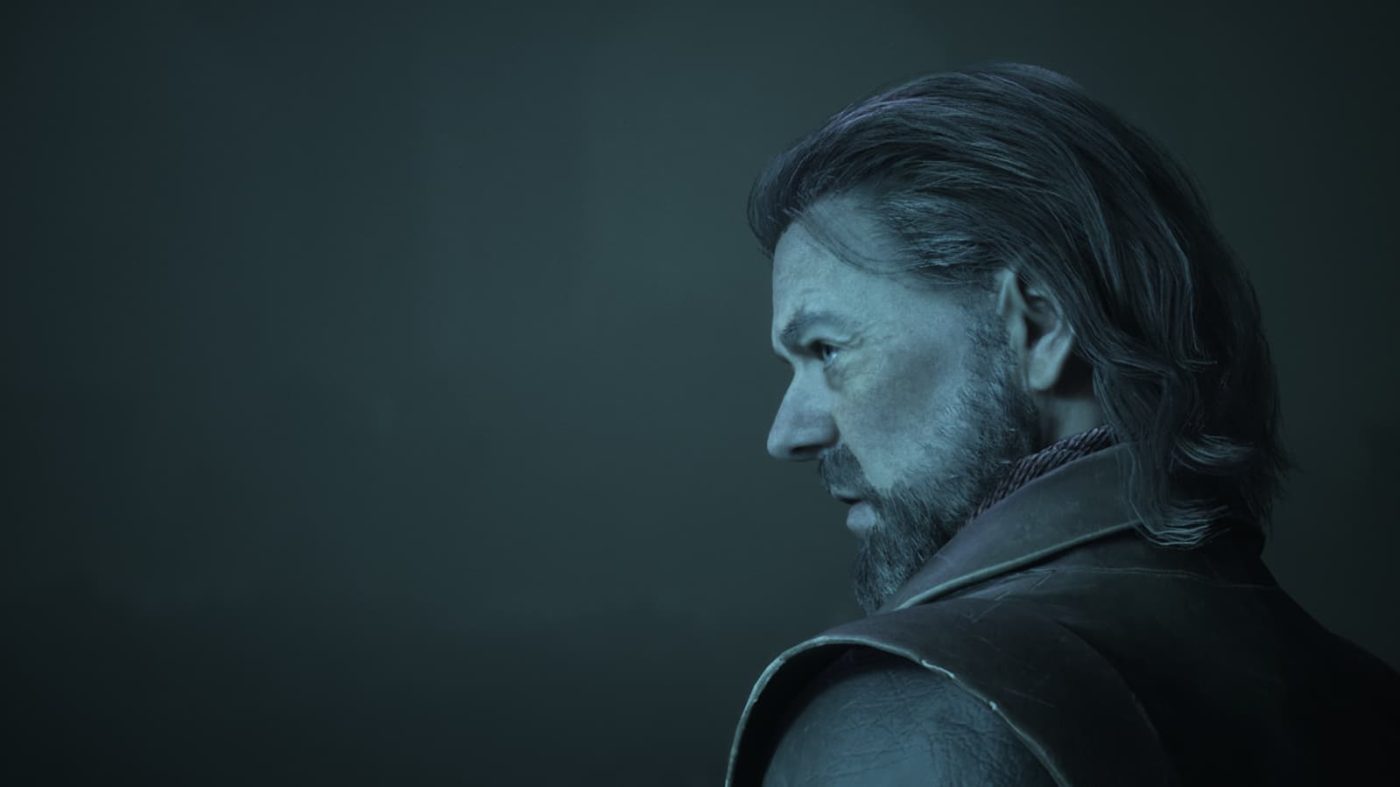
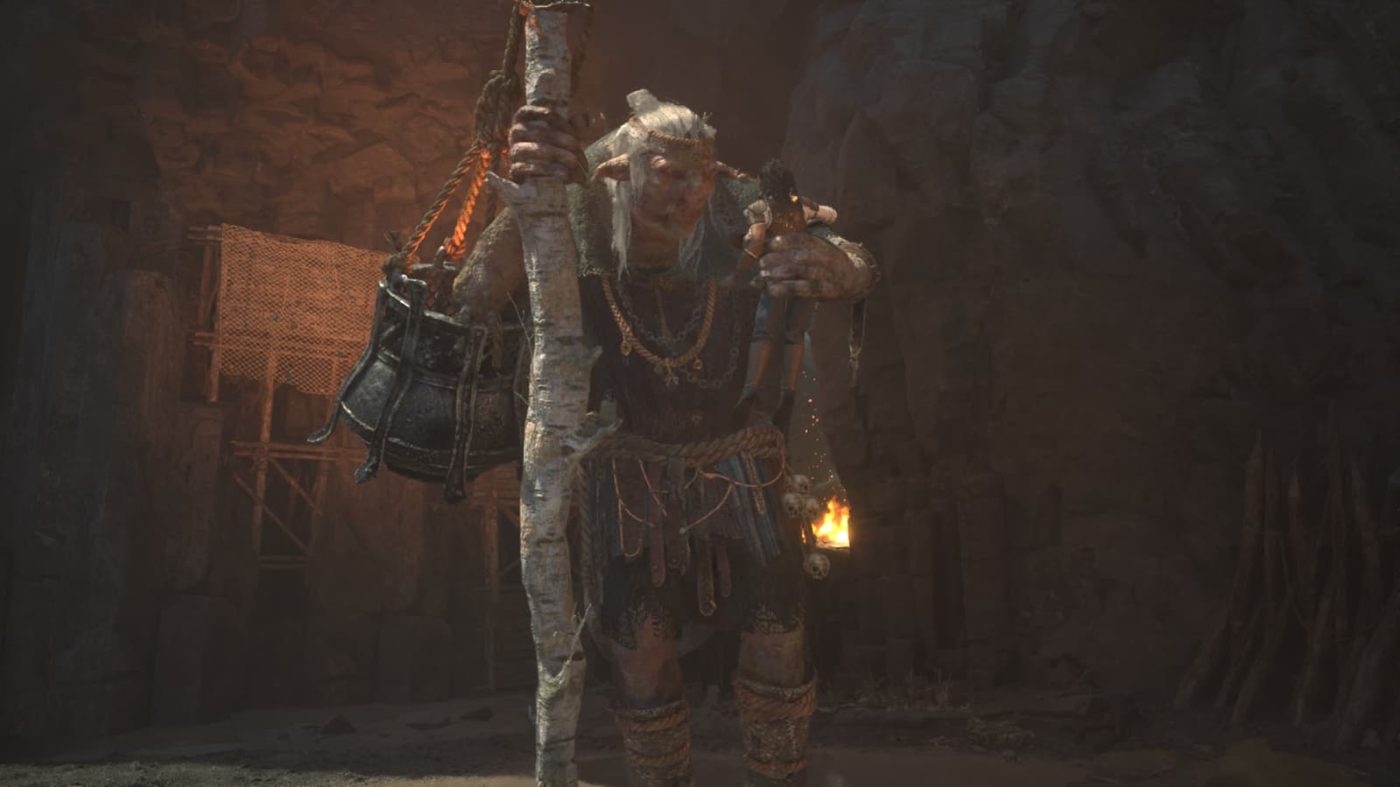
Character introduction follows the same philosophy of narrative restraint. Characters are not introduced through grand entrances or extended expository dialogue, but emerge gradually through behaviour, fragmented speech, and interaction with the environment. Motivations are communicated indirectly, encouraging interpretation rather than explicit explanation. This subdued approach strengthens character authenticity, reinforcing the sense that individuals are organically shaped by their world rather than functioning as narrative devices designed to drive plot progression.

Freedom as Artistic Foundation
Behind the development of Echoes of the End lies the clear intention of a studio that does not appear primarily driven by prevailing market trends, but rather by the construction of a project with a distinctive and recognisable creative identity. The game is structured on a more controlled scale compared to large AAA blockbusters, yet maintains substantial artistic and technological ambition. This balance between limited production scope and strong authorial vision ultimately defines the game’s character, enabling meaningful creative freedom while preserving a high standard of visual and structural presentation.
The development process appears to follow a highly cohesive design philosophy, as if narrative construction, visual direction, gameplay systems, and audio composition were conceived as parts of a single integrated framework rather than assembled incrementally. This sense of unity is often associated with relatively streamlined development teams, where communication is direct and creative decisions are not diluted across multiple organisational layers.
The Icelandic studio Myrkur Games delivers an opening project that maintains a strong stylistic signature while avoiding the fragmentation that can sometimes characterise larger, compartmentalised productions. Meanwhile, the role of publisher Deep Silver appears oriented toward structural and logistical support rather than strict commercial prescription.
The project shows limited evidence of design concessions driven by market conventions, such as artificially extended engagement loops or systems primarily intended for monetisation. Instead, the development approach suggests a deliberate commitment to allowing the studio sufficient creative space to deliver a complete and self-contained experience, with a clearly defined narrative arc and pacing that is not subordinated to external commercial pressure.
From a production standpoint, the project reflects a modern yet flexible development methodology, integrating advanced technological solutions while retaining a level of artisanal control over final implementation. The balance between technological sophistication and craft-oriented design is particularly evident in environmental construction and narrative sequencing, where attention to detail produces a presentation quality that borders on cinematic composition.
Equally significant is the interdisciplinary nature of the development process, reflecting a broader trend in contemporary game production. Echoes of the End demonstrates continuous dialogue between multiple expressive languages, allowing video game design to interact with cinematic storytelling, literary influences, and even elements of visual art, particularly in lighting treatment and architectural composition. The development cycle appears to have allowed conceptual elements to mature organically over time, helping to avoid the structural instability often associated with overly compressed production schedules.
This is reflected in the overall structural coherence of the final product, which rarely conveys a sense of incompleteness or design imbalance. Such consistency suggests a development process that benefited from extensive iterative refinement throughout multiple production stages. In an industry often defined by premature launches followed by corrective post-release updates, this degree of structural stability stands as a particularly significant marker of production quality.

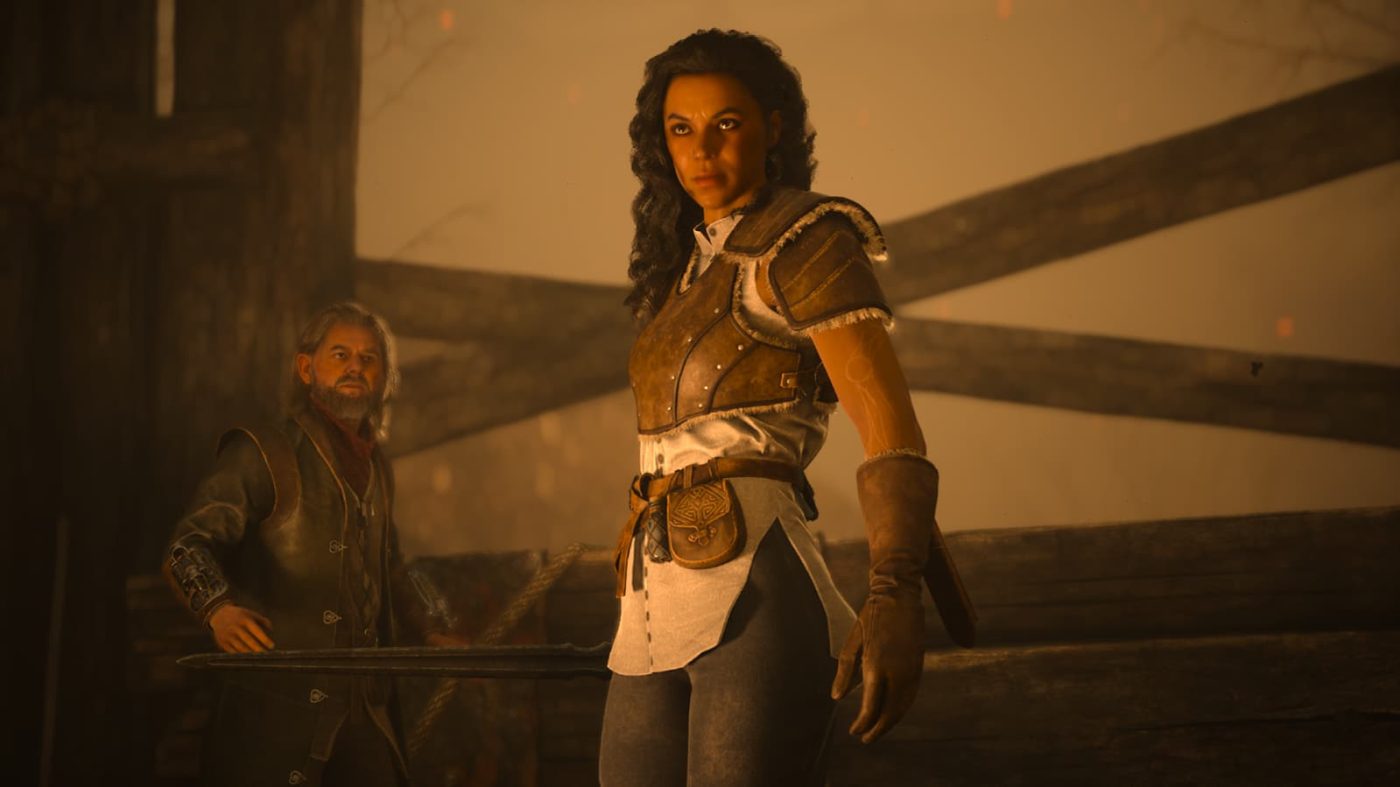
Walking Through the Past
The narrative unfolds as a gradual journey through a world poised between decay and renewal, existing along a fragile boundary where the past is never truly absent and the present appears as a layered convergence of unresolved history, fragmented memory, and enduring traces of forgotten truth.
Players assume the role of Ryn, a Vestige, entering a reality shaped by an ancient collapse that extends beyond political or social dimensions into a more metaphysical rupture, leaving visible distortions across geography, culture, and even the perception of time itself. Rather than depicting a conventional post-apocalyptic world defined by destruction, the setting is portrayed as fundamentally dislocated, as if historical progression itself had ceased to follow a linear course.
The opening segments deliberately avoid immediate large-scale spectacle. Instead, the game adopts a restrained, contemplative tone, guiding players through environments defined by silence and residual presence rather than populated activity. This measured introduction allows the narrative to build emotional and thematic depth gradually, encouraging reflection before action. Early questions are posed rather than answered: What truly happened? Why does the world bear traces of events that no one seems able to recall clearly? And why do echoes of supposedly concluded events continue to persist?
Central to the narrative is the concept of the “echo,” understood not merely as a sonic phenomenon but as the persistent resonance of past actions within the underlying structure of reality itself. Choices, collective traumas, and historical failures continue to surface through anomalies, suspended spaces, and unexplained occurrences, suggesting that the boundary between history and memory has been fundamentally destabilised.
The protagonist’s journey therefore extends beyond investigation, evolving into an attempt to restore what has been fragmented and to seek meaning within a world that appears to have lost its internal coherence.
Character encounters follow a similar philosophical approach. Figures introduced throughout the story embody different responses to civilisational collapse: some attempt to preserve remaining knowledge, others retreat into denial of the past, while others interpret collapse itself as a form of release. The narrative avoids simple moral binaries, instead focusing on themes of responsibility, loss, and the possibility of redemption. Each character is shaped by the same historical rupture yet interprets it through a distinct emotional and ideological lens, contributing to a multi-perspective narrative structure.
The progression of the story is deliberately layered. Key revelations are not delivered through isolated dramatic moments but emerge gradually through fragmented narrative elements that continuously reshape the player’s understanding of the world. The player is not positioned as a passive observer but as an active participant in reconstructing historical context through environmental details, indirect testimony, and temporal visions that appear to originate from different layers of time.
As the experience unfolds, Echoes of the End evolves into a more existential meditation on memory and identity. What initially appears to be a survival-driven or historically investigative journey gradually transforms into a reflection on the nature of continuity itself. If the past can be altered, forgotten, or rewritten, what ultimately defines collective or individual identity? What does remembrance mean in a world that seems inclined to erase its own history?
The narrative culmination does not aim to resolve every mystery but rather to achieve a thematic reconciliation between what has been and what may yet come. The story avoids absolute closure, instead delivering an ending that remains consistent with its melancholic and reflective tone. Players are left with the impression of having traversed a world rich in historical and emotional resonance, rather than merely completing a mechanical progression of events.
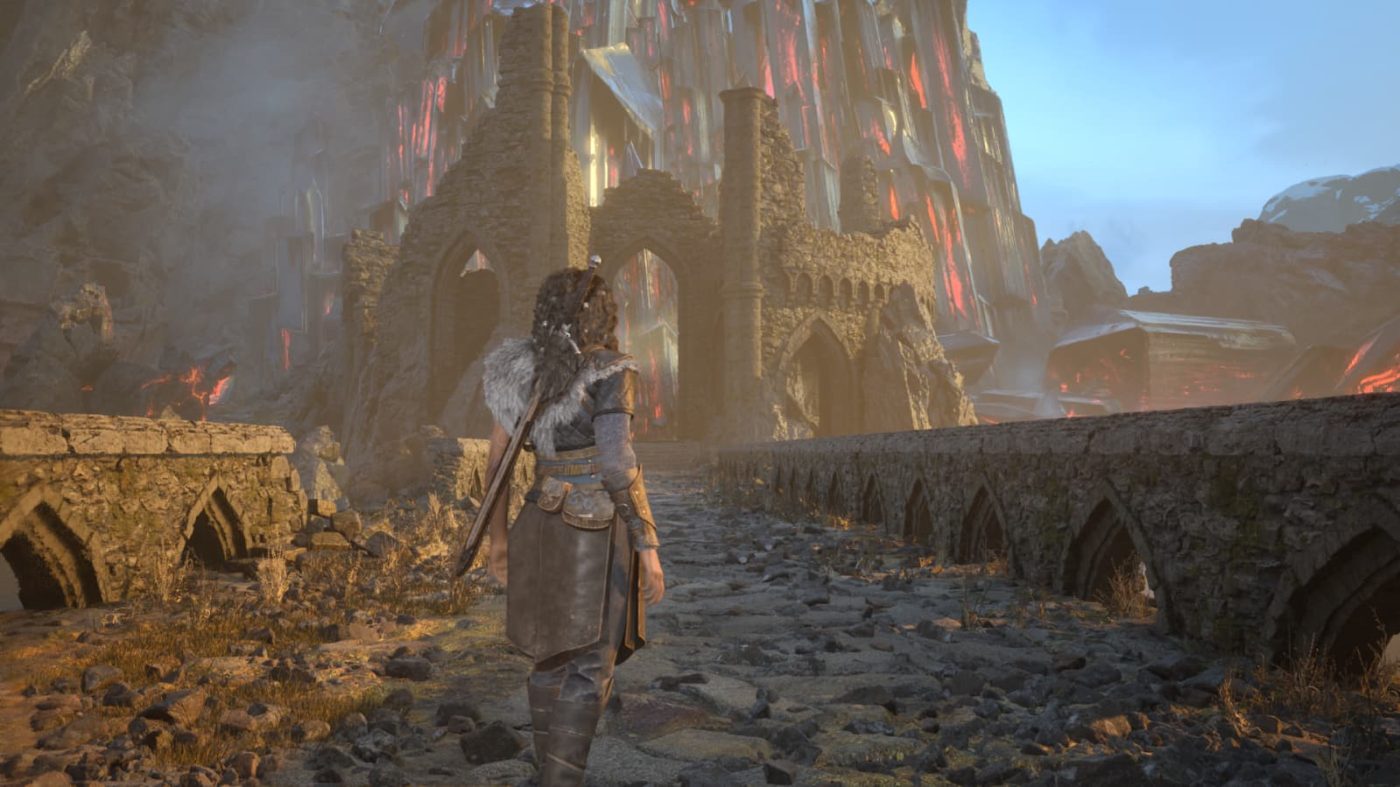

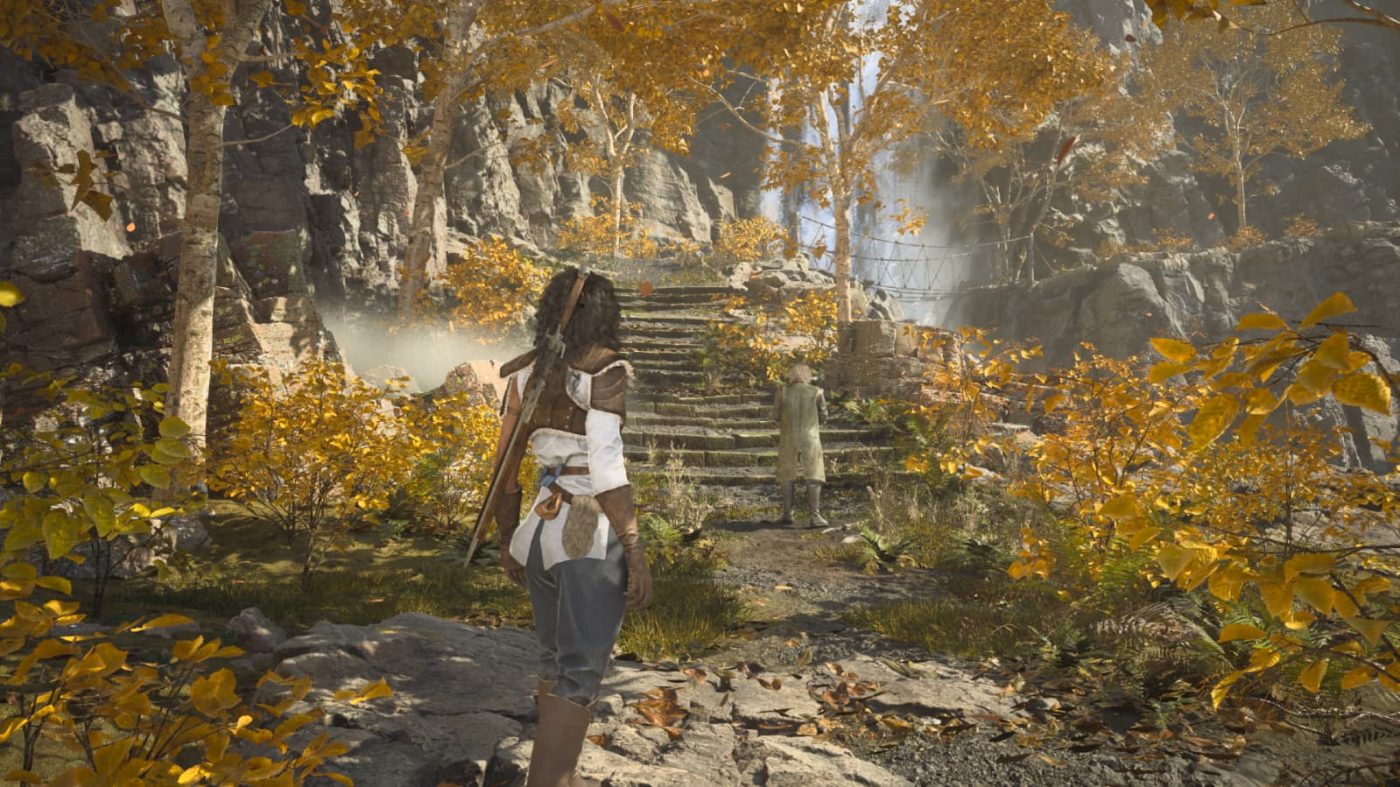
Endings and Beginnings
If the plot provides the structural foundation of the experience, the narrative operates as its emotional and philosophical core, allowing the game to move beyond spectacle toward a more reflective and contemplative design philosophy. Rather than delivering events through linear or overt progression, meaning emerges through restraint, silence, and symbolic suggestion, encouraging players to first inhabit emotional space before engaging in analytical interpretation. This intentional creative approach aligns the work more closely with existential storytelling traditions than with conventional action-driven fantasy narratives.
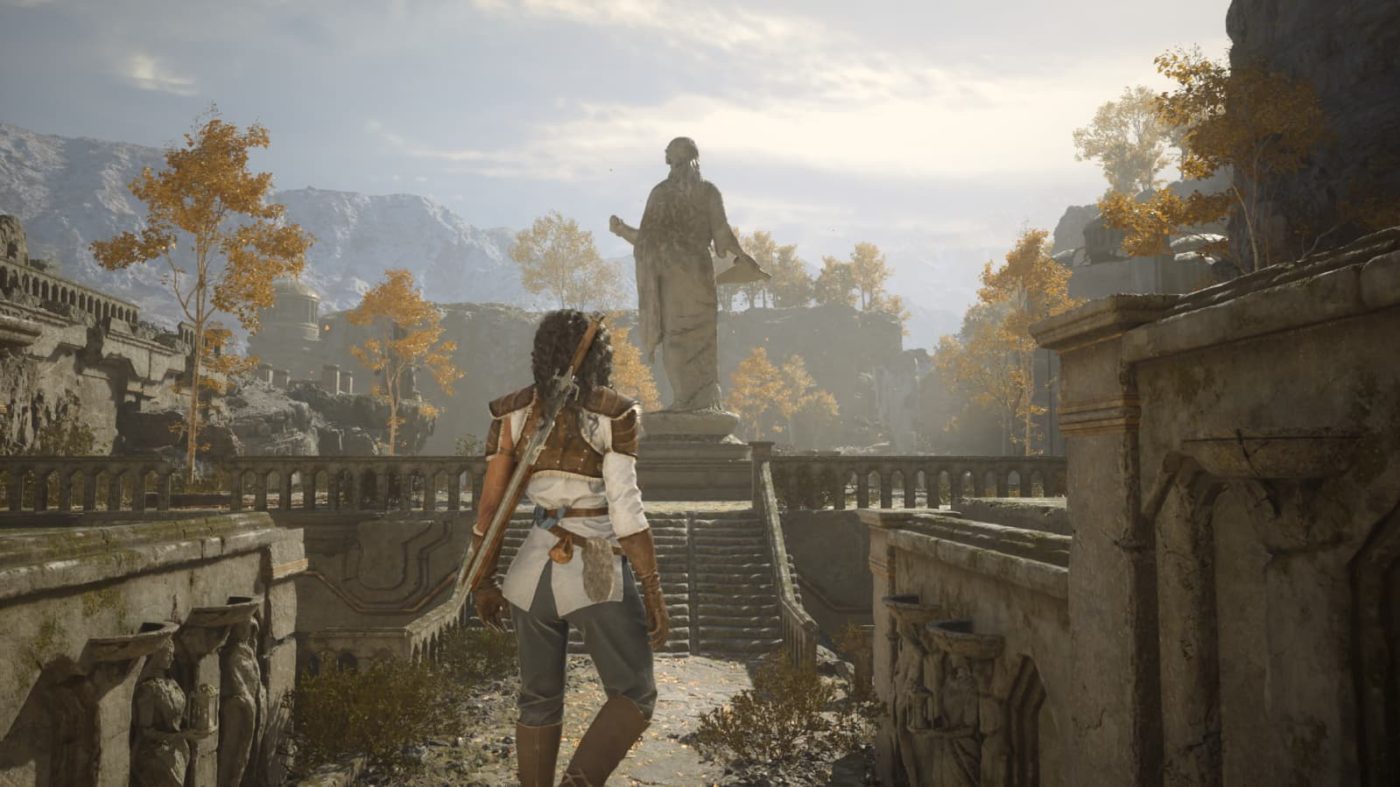
Memory stands as one of the central thematic pillars of the work. Within the game world, remembrance is not presented as a neutral cognitive process but rather as a force capable of shaping, distorting, and destabilising reality itself. Environments appear to retain and absorb the emotional and historical weight of past events, as though landscapes were marked by the experiences of those who once inhabited them. Exploration thus becomes a form of emotional archaeology, where ruins, abandoned structures, and forgotten objects serve as residual signs of presence, conveyed through resonance and suggestion rather than direct representation.
Identity emerges as another key narrative theme. Characters encountered throughout the journey often exist in a state of tension between past and present, struggling to recognise themselves within a reality that has disrupted historical continuity. The game suggests that identity is not a fixed attribute but an ongoing process of reconstruction, particularly when collective historical reference points begin to dissolve. Within this framework, the protagonist’s journey also becomes a search for personal meaning and definition amid uncertainty.
Time is conceived as a stratified rather than linear construct. Rather than progressing through sequential cause-and-effect logic, temporal experience is portrayed as layered and cumulative, resembling geological sedimentation more than continuous chronological flow. Environmental design reflects this philosophy, allowing architectural forms from different historical periods to coexist and occasionally overlap, reinforcing the sense of a world trapped within a temporal fracture.
The theme of responsibility is explored without moral simplification. The narrative does not rely on traditional antagonistic archetypes. Instead, conflict emerges from consequence rather than intent. The major crises that shaped the game’s world are not attributed to a singular malevolent force, but to the gradual accumulation of decisions, fears, and ambitions whose long-term effects ultimately became uncontrollable. This approach offers a profoundly human interpretation of catastrophe, suggesting that destruction does not originate from absolute evil, but from the collective inability to fully grasp the weight and implications of shared action.
Solitude remains a pervasive thematic undercurrent, though it is never reduced to mere physical isolation. Rather, it is framed as a metaphysical condition – the experience of inhabiting a world that appears to have fallen silent. Dialogue is sparse and deliberately measured, with pauses and moments of quiet carrying as much emotional weight as the spoken word. This controlled restraint establishes a slow, contemplative rhythm that favours introspection over urgency, ultimately shaping the experience into one that feels deeply personal and emotionally resonant.
Alongside these darker reflections, Echoes of the End introduces a subtle, understated thread of hope. This is never expressed directly but emerges through the possibility of restored connections. Each discovery and reconstructed fragment implies that the end does not necessarily signify annihilation but transformation. Destruction is reframed as a process of redefinition, a transitional phase through which the world may assume a new form – different from what was lost, yet still meaningful.
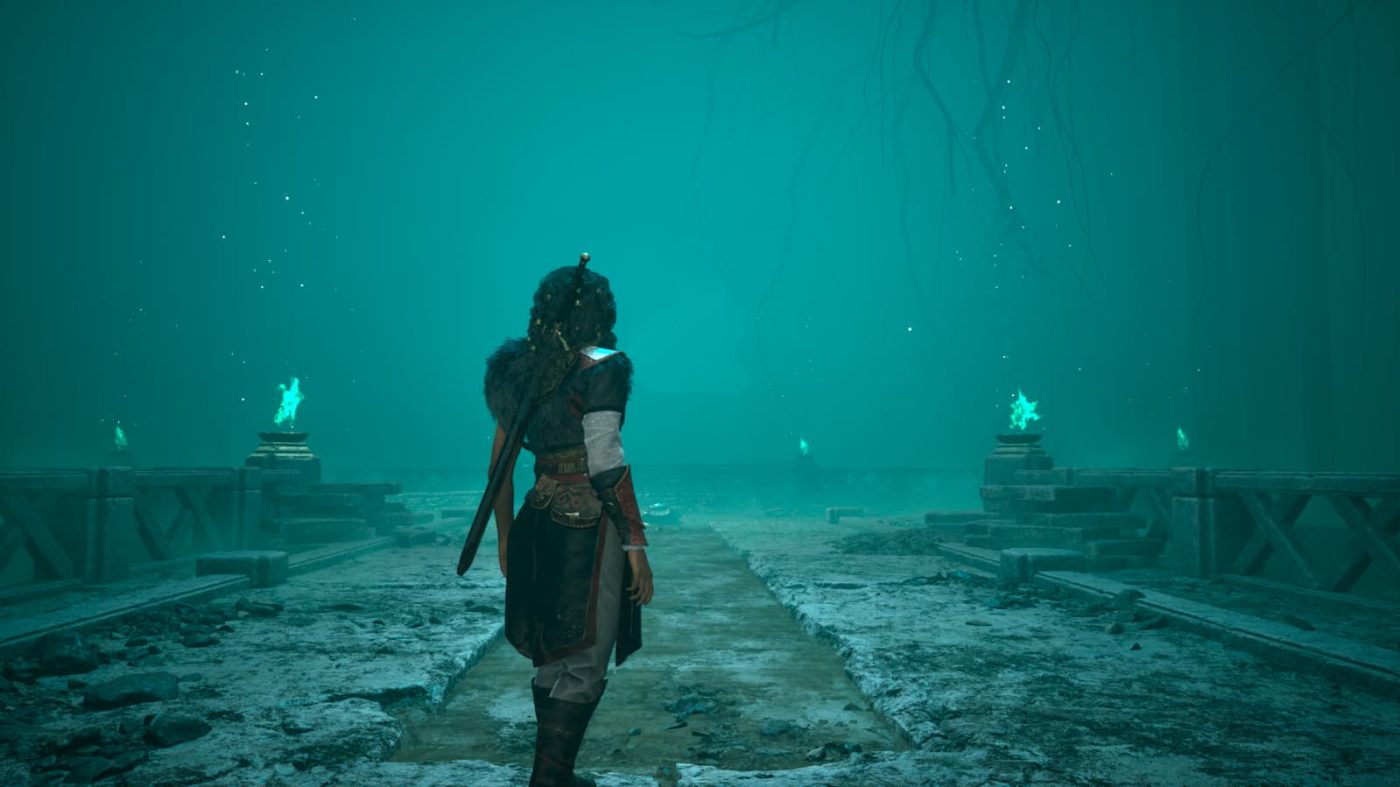
A Visually Arresting Experience
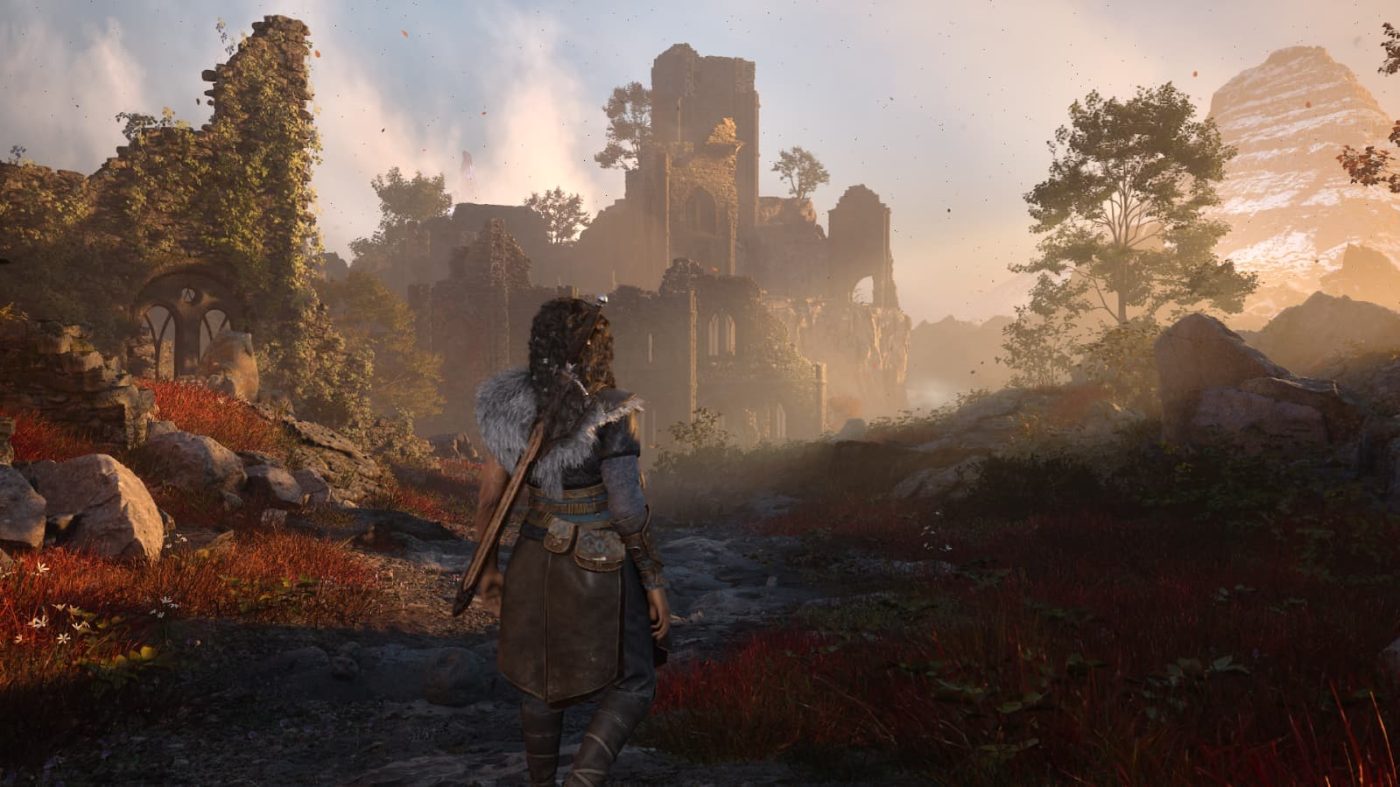
From a technical and visual perspective, Echoes of the End emerges as a production fully aware of its aesthetic ambitions. Its graphical philosophy does not pursue spectacle as an end in itself; rather, it priorities environmental expressiveness, shaping each setting into a tangible reflection of the world’s inner tensions. Technology is deployed not as a display of power, but as a vehicle for atmosphere and tonal coherence.
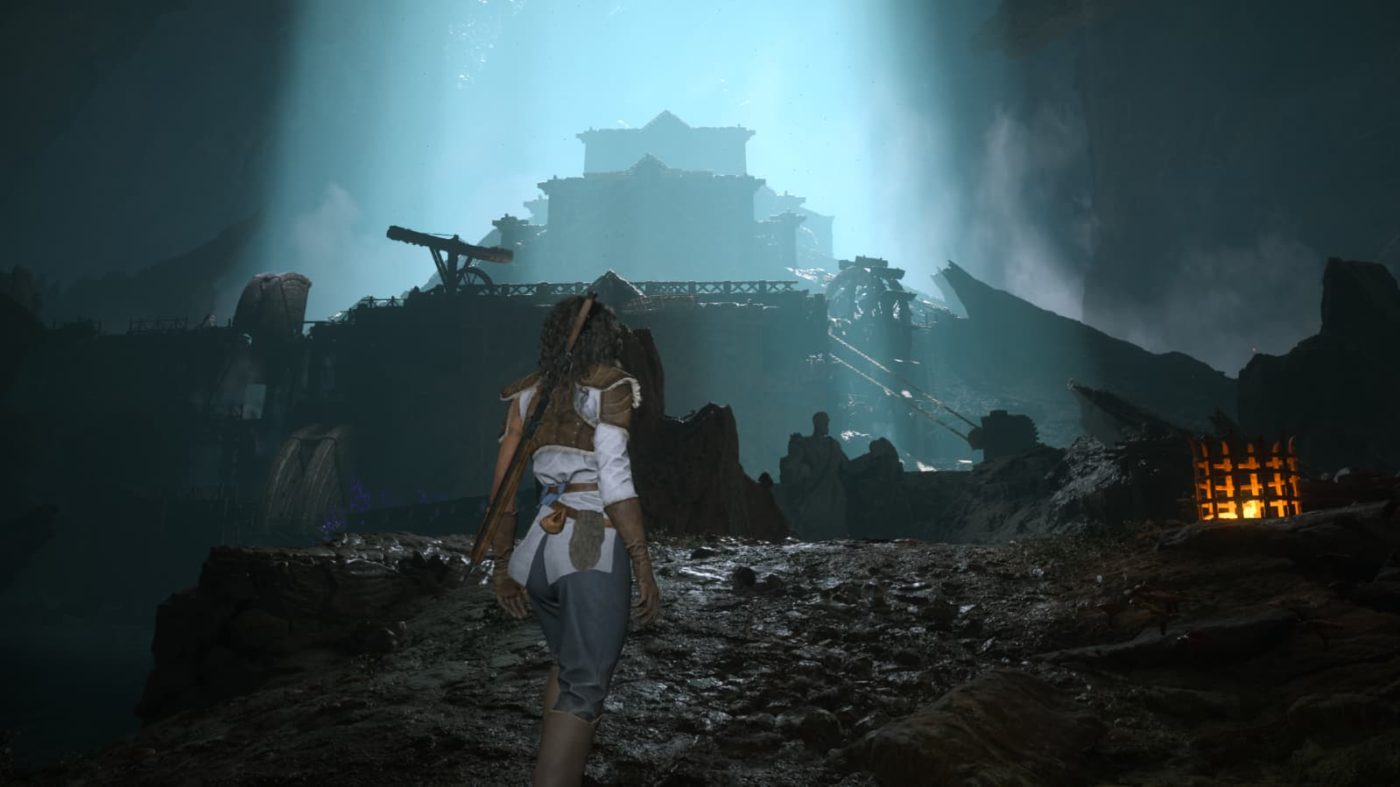
The art direction is notably layered, with material surfaces conveying the passage of time as eloquently as any line of dialogue. Weathered stone, fractured masonry, oxidised metal and worn textiles are not merely high-fidelity assets, but carefully integrated narrative devices. Technical precision consistently operates in service of storytelling, reinforcing the sense of a world marked by deep and irreversible transformation.
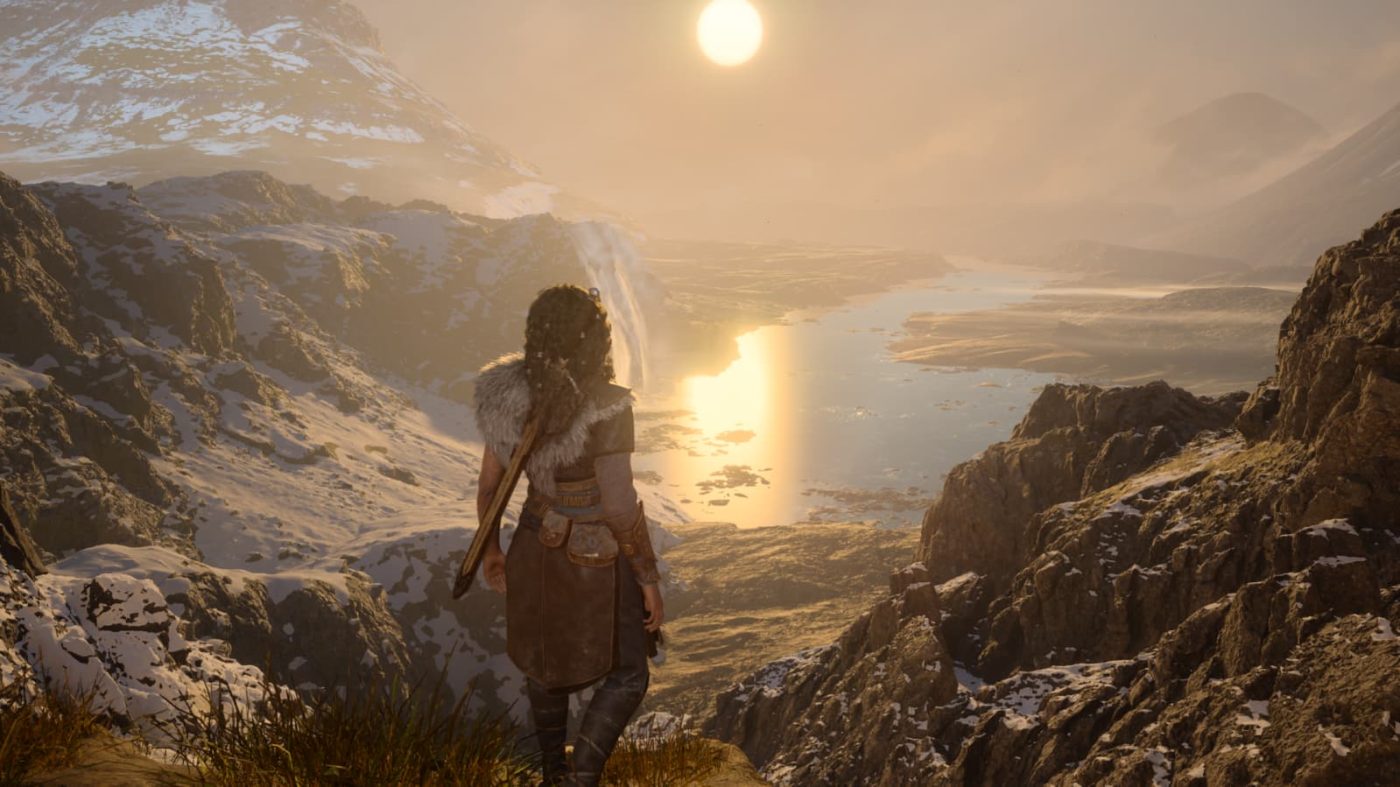
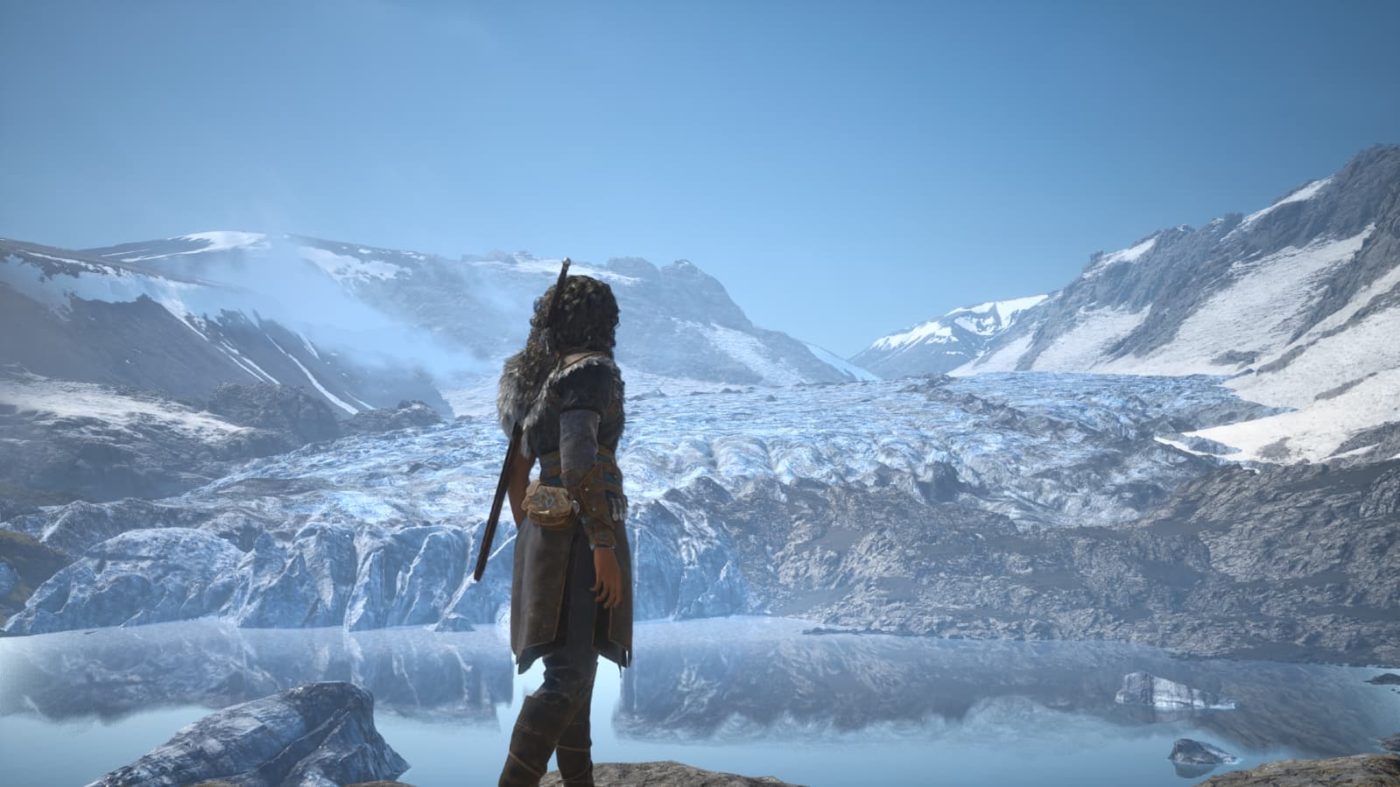
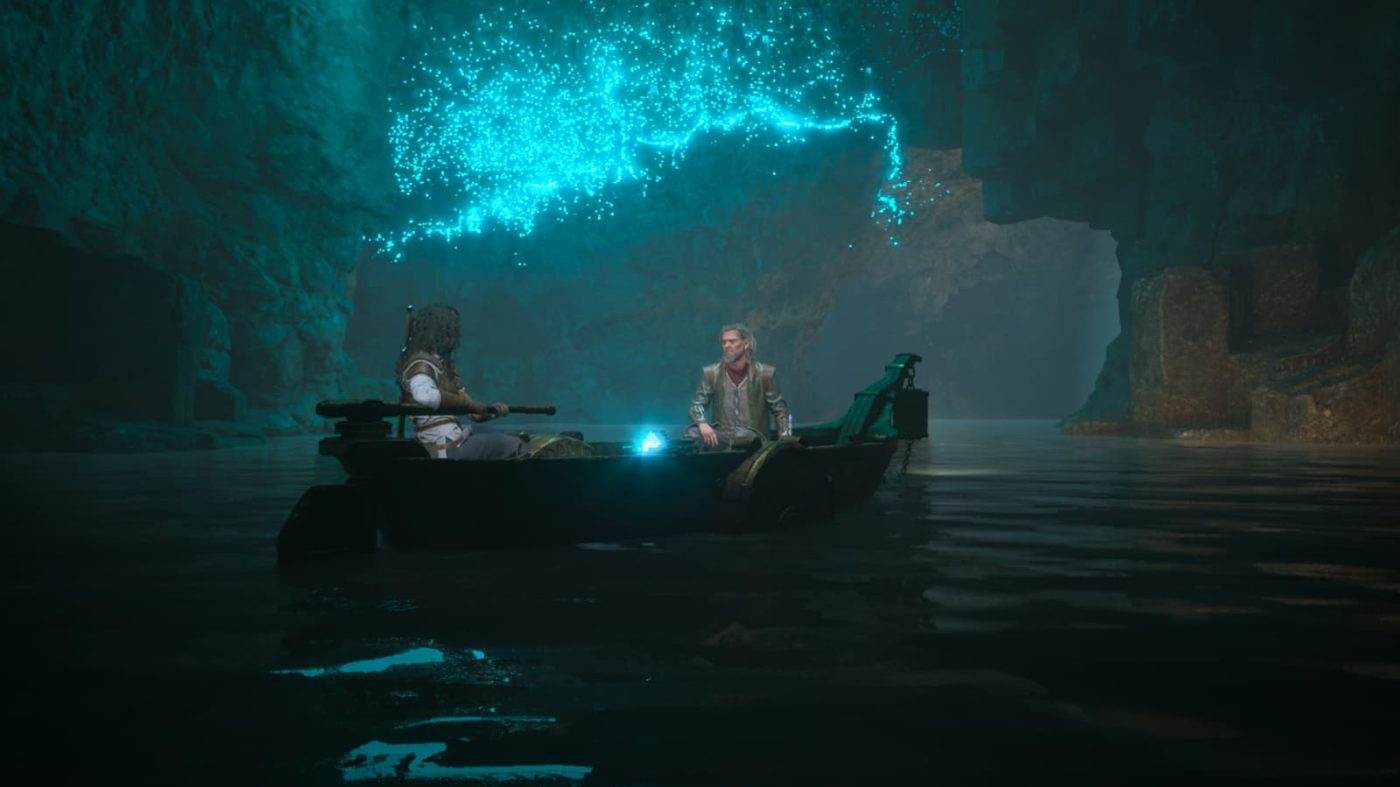
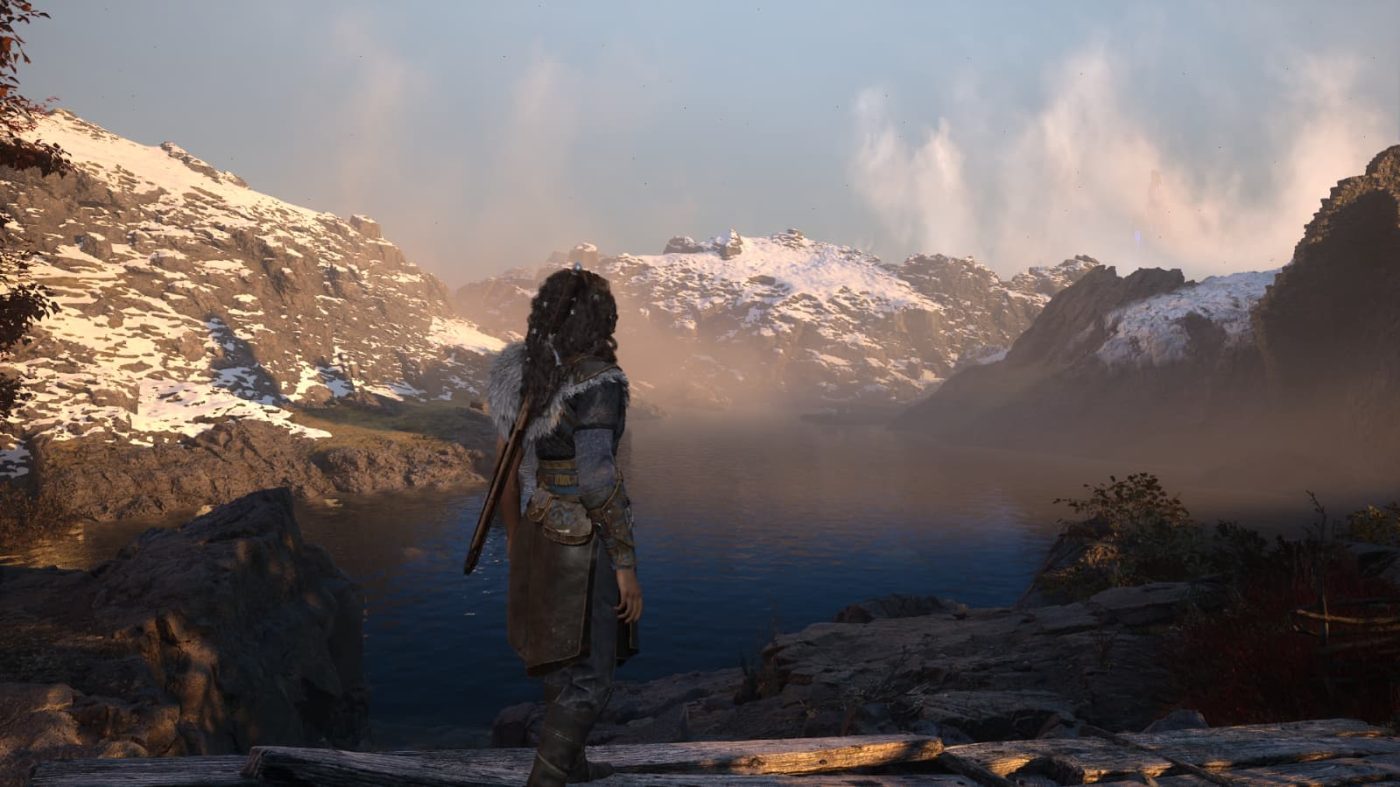
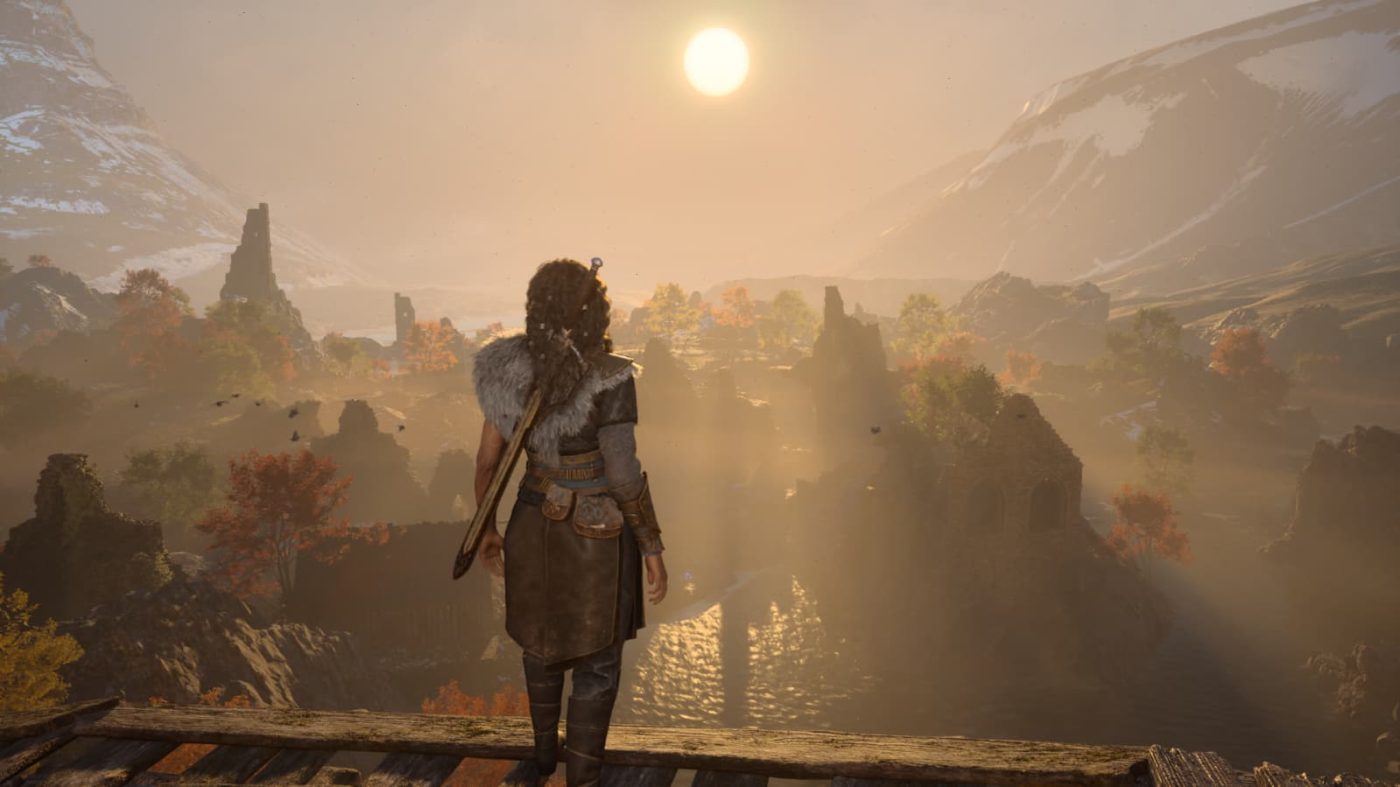
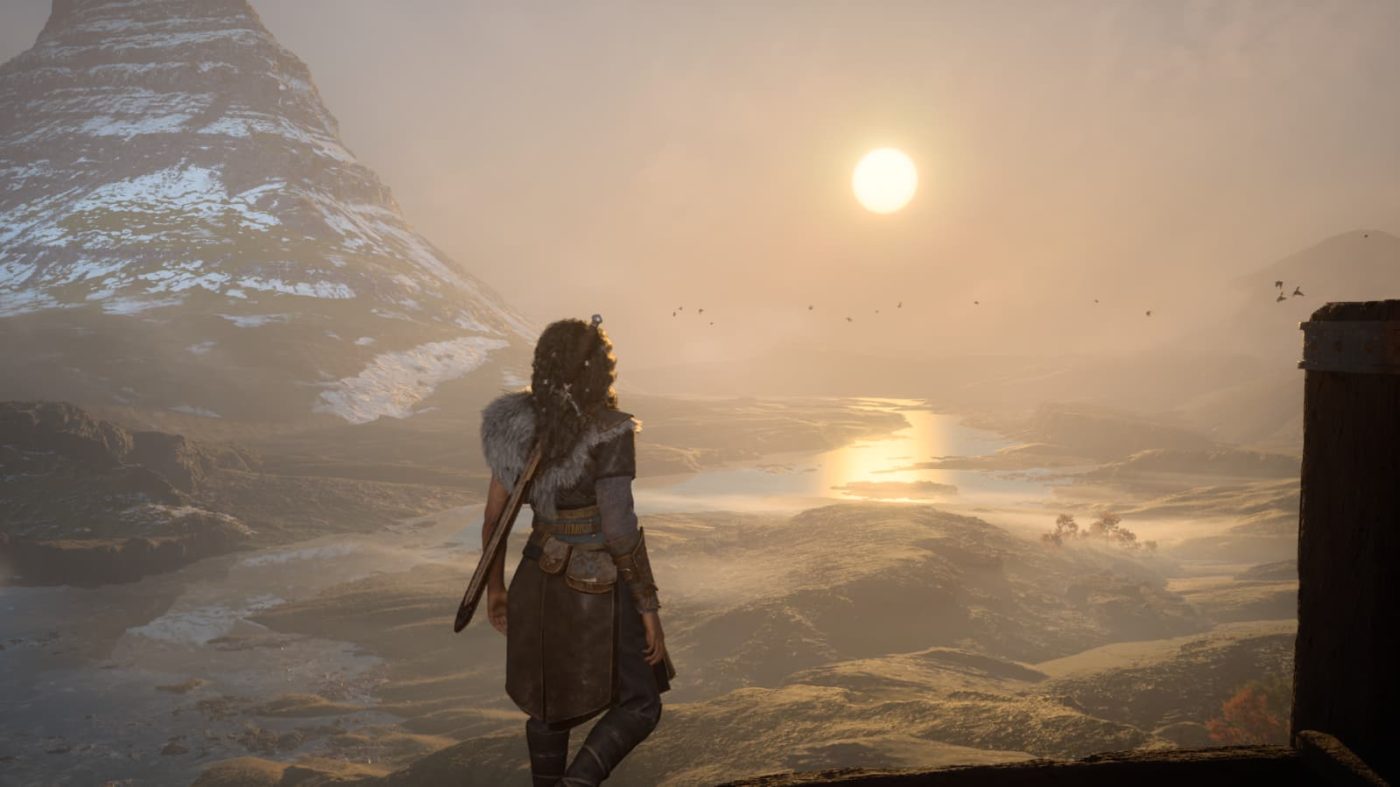
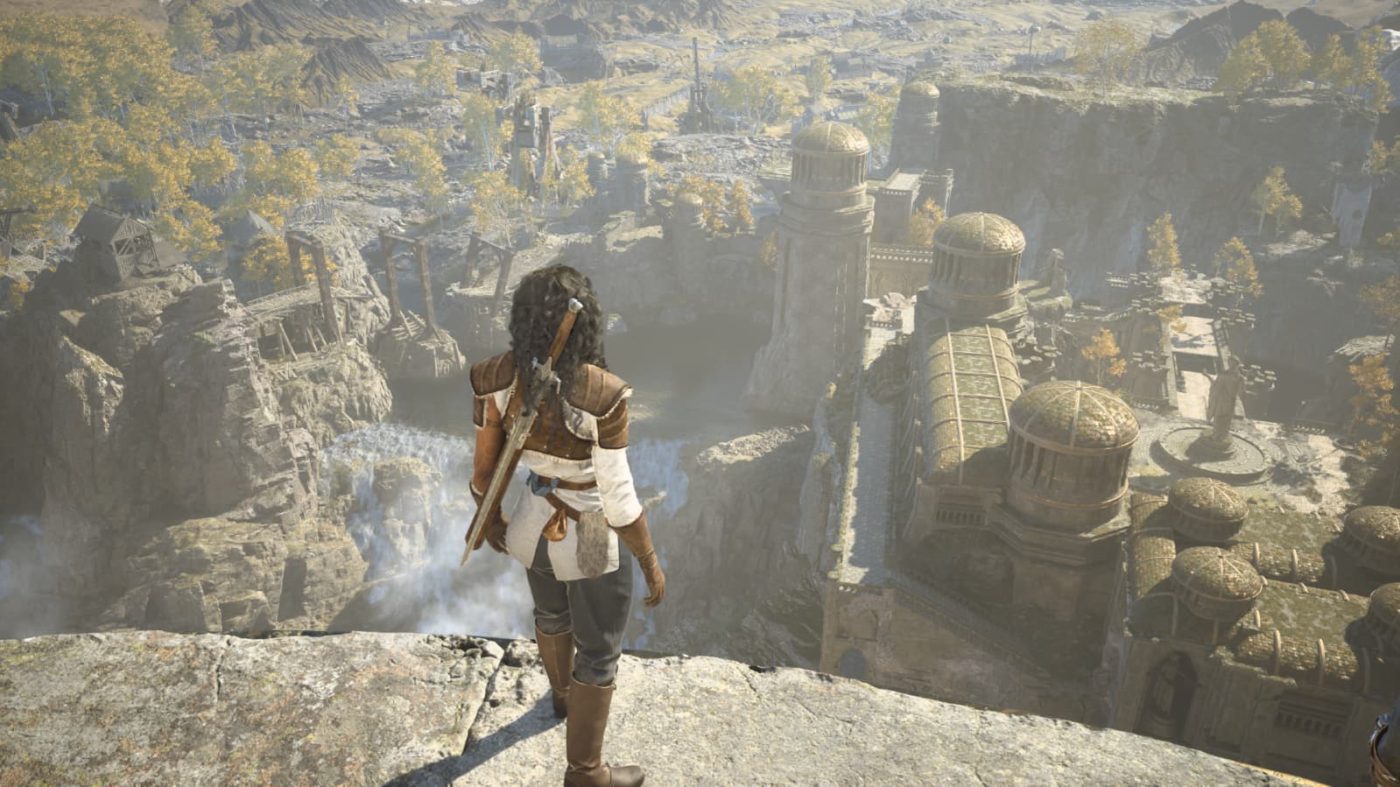
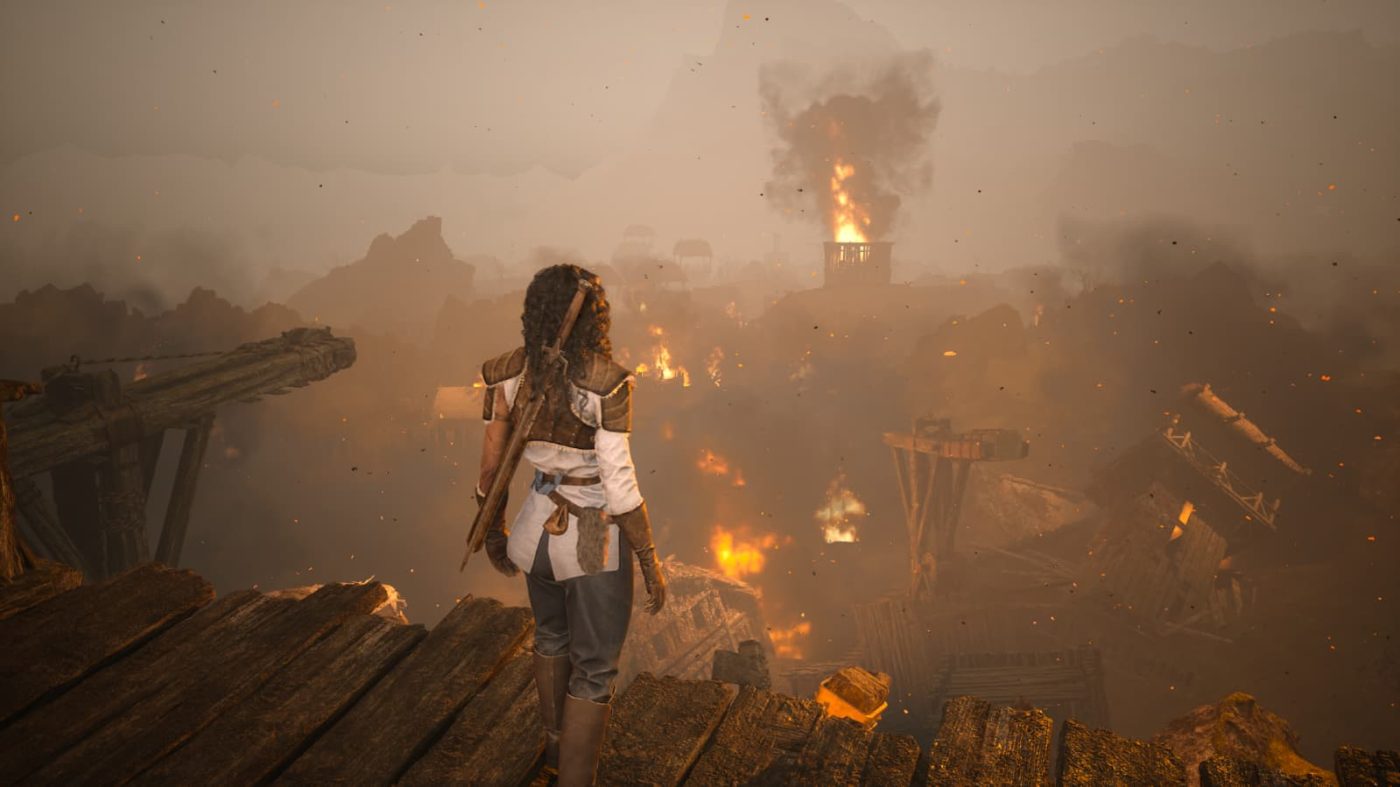
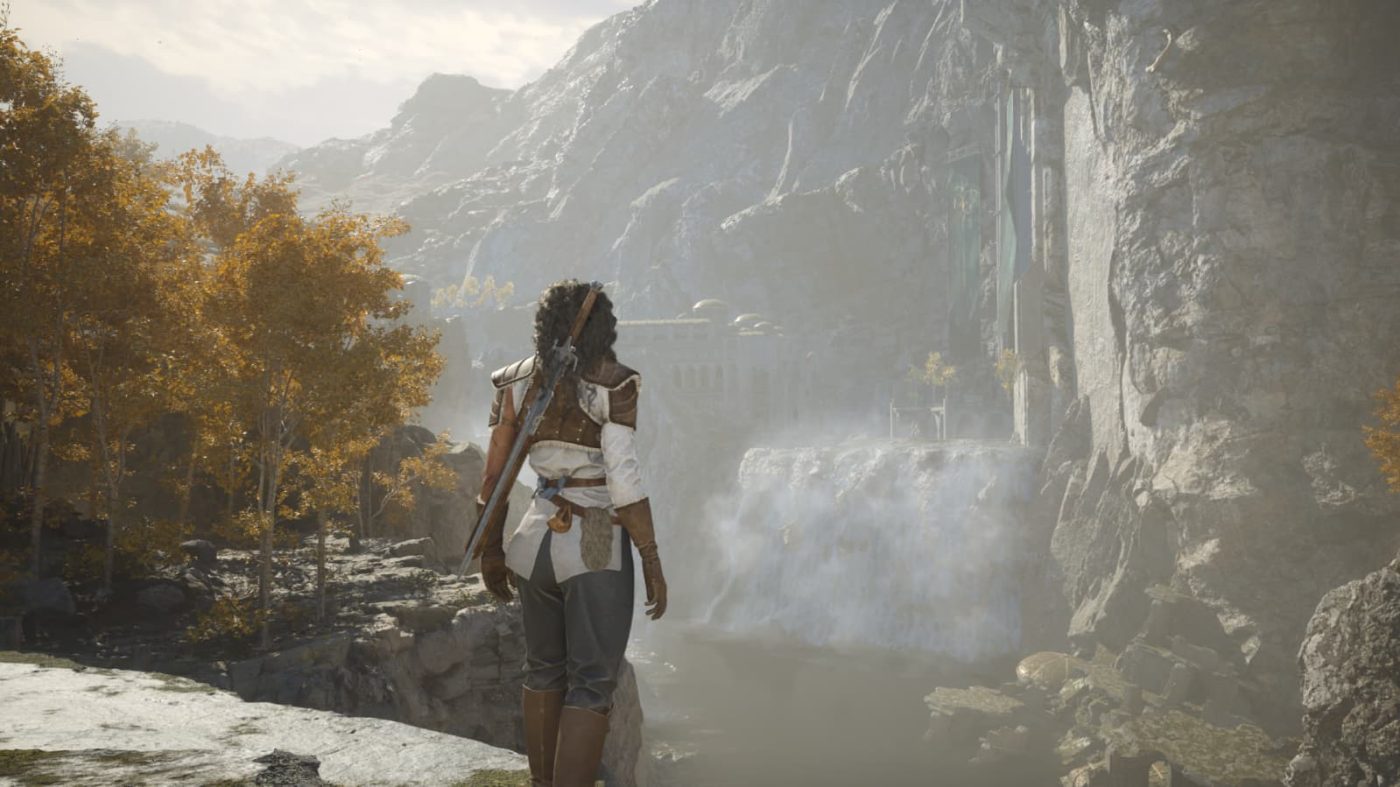
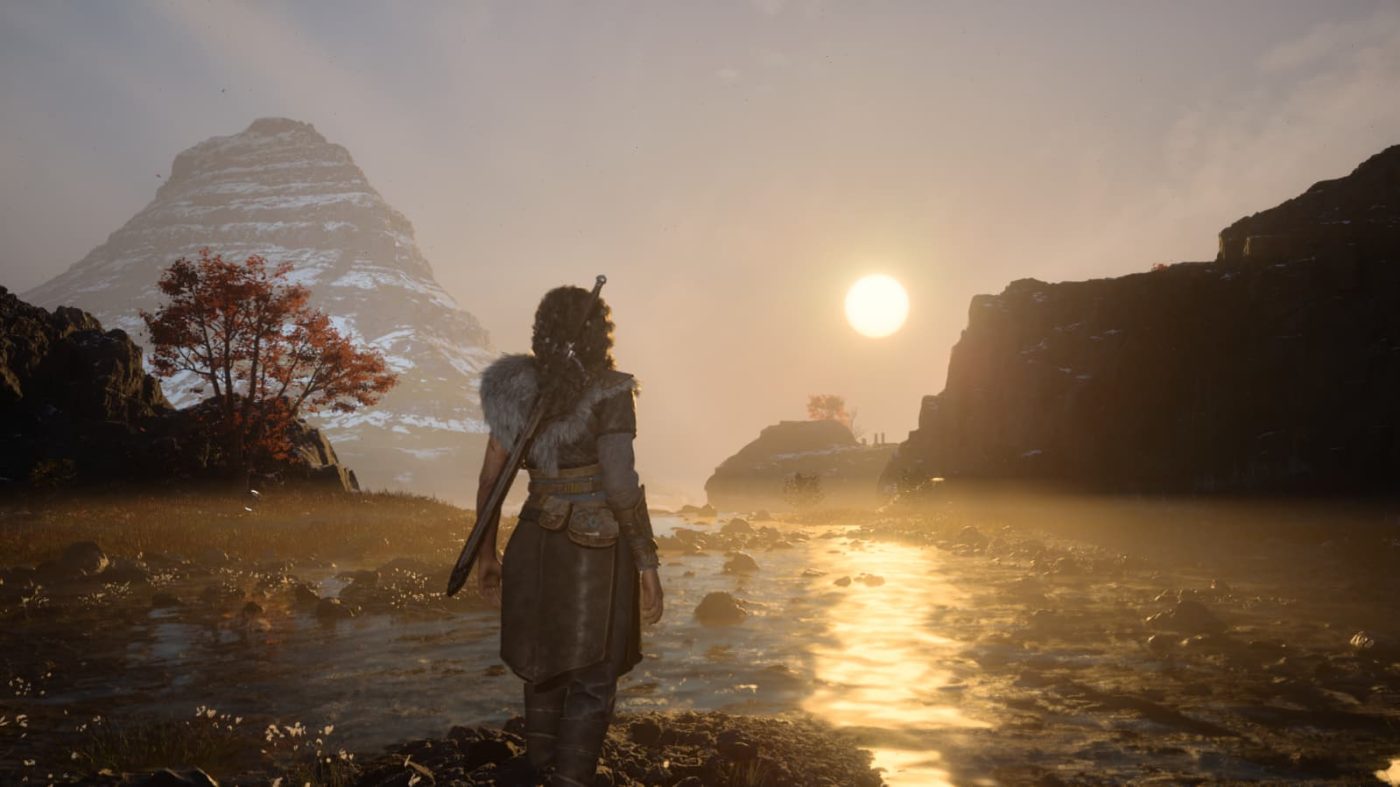
Built on Unreal Engine 5, the game achieves landscapes that are frequently arresting in scale and detail. The engine’s dynamic lighting capabilities are used with particular sophistication. Illumination functions not only as a tool of realism, but as a symbolic language: light filters through collapsed structures, disperses unevenly across open terrain, and fractures against irregular surfaces, accentuating the tension between decay and endurance. Subtle chromatic modulation accompanies emotional shifts, moving from restrained, desaturated palettes to brighter tonal inflections that hint at renewal.
Spatial design further strengthens this visual identity. The careful management of draw distance and atmospheric depth – enhanced by volumetric fog, suspended particulates and restrained perspectival distortion – creates environments that feel expansive yet faintly unstable. The world appears to shift almost imperceptibly, as though still undergoing transformation. These rendering techniques are applied with discipline, avoiding excess and preserving a cohesive, organic sense of place.
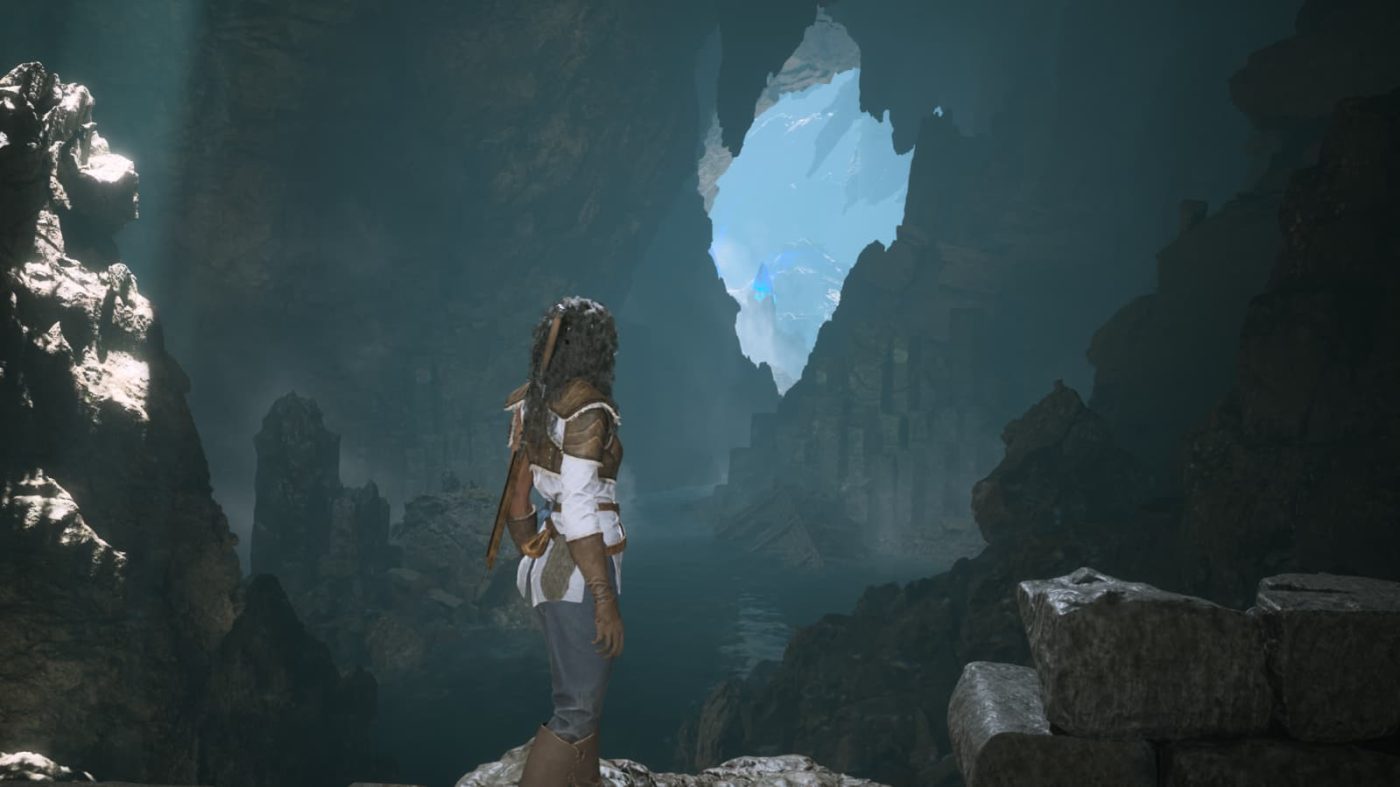
Environmental pacing alternates between breadth and compression. Sweeping, melancholic vistas give way to enclosed interiors where detail density increases and attention is drawn to the granular. This spatial rhythm is purposeful, reinforcing the impression that each location possesses memory, function, and narrative weight rather than existing as mere backdrop.
Character modelling resists overt stylisation in favour of a credible, subtly idealised aesthetic aligned with the work’s restrained tone. Animation design emphasises physical weight and intentional movement, with carefully calibrated transitions that convey fatigue, vigilance, and deliberation. The exaggerated agility typical of spectacle-driven action is notably absent; instead, each gesture feels grounded and consequential, governed by the same physical constraints and emotional pressures that shape the broader world.
The colour palette follows a similarly disciplined logic. Earth-bound, mineral tones – muted greens, slate greys, and cold blues – dominate the composition, reinforcing the perception of a landscape shaped by extensive historical transformation. When more saturated colours are introduced, they serve a clear symbolic function, acting as visual markers of energy, recollection, or existential tension within the established aesthetic framework.
An Emotionally Resonant Audio Design
If the visual presentation defines the material body of the game world, the audio design functions as its invisible core – the more subtle and emotionally resonant dimension of the experience. Rather than serving as a simple accompaniment to gameplay, sound design operates as a perceptual framework that supports environmental understanding and narrative mood. Sound is treated not as a supplementary feature but as a parallel expressive system working in close dialogue with visual storytelling.
The musical composition adopts a deliberately restrained structure, avoiding intrusive orchestration or overly prominent thematic motifs that could risk reducing emotional nuance through repetition. Instead, the score emerges as an atmospheric presence, built around harmonic resonance, extended textural layering, and slow-evolving progressions that evoke suspension, uncertainty, and reflective tension. Rather than functioning as a standalone melodic element, the music is designed as an experiential layer that subtly shapes the emotional architecture of the world.
Silence plays an equally important role in the overall sound architecture. Several sequences intentionally remove traditional musical accompaniment, allowing tension to develop through carefully placed auditory absence. Within these moments, even minor environmental sounds gain heightened narrative significance.
Environmental audio design is defined by its layered structural composition and meticulous attention to acoustic identity. Each location carries its own sound signature, shaped through the interaction of natural environmental sounds, subtle artificial resonance, and extremely faint vibrational textures that suggest the presence of systems extending beyond immediate visual perception. Sounds such as wind movement or spatial ambience are never treated as generic effects; instead, they contribute meaningfully to the historical and emotional character of the setting, reinforcing its narrative and atmospheric depth.
Spatial audio implementation plays a crucial role in reinforcing immersion. Directional sound propagation and carefully calibrated intensity variation create a convincing sense that audio sources occupy realistic spatial positions, reflecting, echoing, or dissipating according to environmental structure. Player interactions are supported by an extensive system of micro-acoustic responses. Contact with different materials produces distinct sound signatures that convey physical weight, surface texture, and resistance, strengthening the perception of tactile realism during movement and environmental interaction.
Voice performance follows the same restrained design philosophy. Dialogue delivery avoids theatrical emphasis, favouring naturalistic interpretation defined by measured pacing, subtle hesitation, and realistic emotional modulation. Rather than dominating the auditory space, voices are seamlessly integrated into the broader soundscape, functioning as organic components of the environmental acoustic structure.
The inclusion of abstract sonic textures further enriches the experience. Semi-musical sound forms without conventional structural definition appear during moments of heightened symbolic or emotional intensity. These elements operate at a subconscious level, suggesting transformation, presence, or narrative tension without explicit visual representation.
Overall, the sound design of Echoes of the End reflects a high level of production maturity. Its effectiveness does not rely on volume or spectacle, but rather on precision, structural coherence, and the sustained integration of audio and visual expression. The result is a carefully refined auditory experience that rewards attentive listening and reinforces the game’s contemplative and atmospheric identity.
A World Built to Be Played
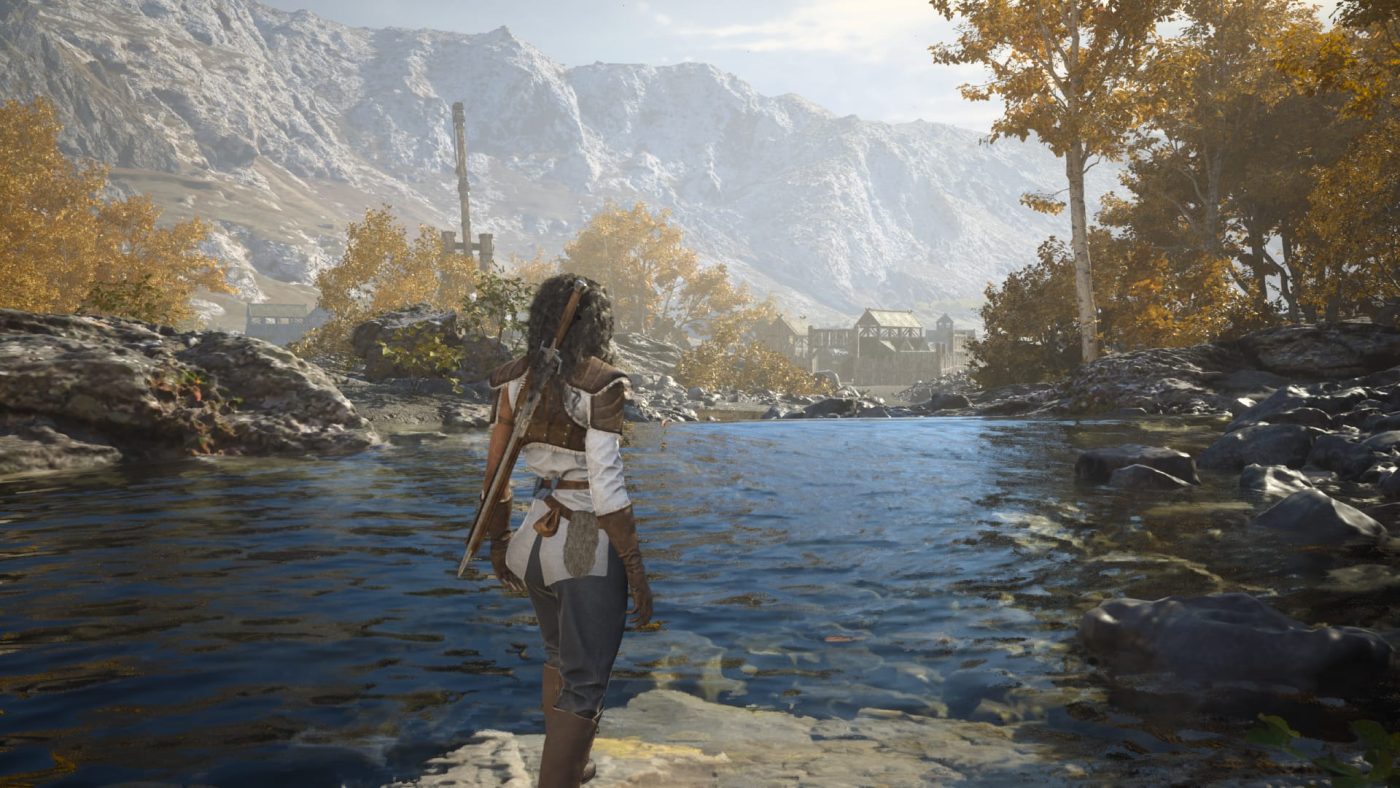
The construction of the game world stands as one of the core foundations of the experience, serving not merely as a contextual framework for gameplay mechanics but as an active system that shapes player perception and interpretation. World-building is conveyed not through extended exposition or didactic explanation, but through the environment itself, which operates as a narrative medium. The spatial arrangement of structures, the interaction between natural and architectural elements, and the persistent presence of remnants left by civilisations that appear to have undergone successive phases of transformation collectively function as integrated storytelling elements.
Environments are therefore conceived not as purely functional progression spaces, but as locations governed by their own internal logic and historical coherence. Each area suggests an underlying origin, an initial purpose, and a gradual process of decay or transformation, fostering the impression that players are moving through territories that possessed meaningful existence and cultural or structural significance long before their arrival.
In Echoes of the End, gameplay is tightly integrated with the broader environmental design philosophy. The structure of play follows a carefully modulated rhythm that alternates between observation, interaction, and moments of controlled tension. Rather than prioritising action-driven engagement alone, the experience maintains a deliberate balance between physical gameplay dynamics and environmental interpretation, where spatial comprehension is as important as traversal itself.
Interaction systems are designed to reinforce a strong sense of material presence within the game world. Objects convey perceptible weight, movement requires deliberate input, and every action is embedded within a coherent physical framework. This design philosophy enhances immersion while avoiding the excessive fluidity often associated with spectacle-oriented production. Player behaviour remains consistently anchored in spatial reality, with the environment responding in meaningful and logically consistent ways to interaction.
Progression is structured around gradual discovery rather than rapid advancement. New areas are not presented as artificial rewards or isolated unlocks, but as natural extensions of the journey, usually reached through pathways that encourage observation and the synthesis of seemingly distant environmental and narrative elements.
A defining feature of the game is the seamless integration of narrative and gameplay elements, with little distinction drawn between storytelling moments and player interaction. The two dimensions frequently operate in parallel: environmental puzzles may reveal aspects of a location’s historical background, while more dynamic sequences can symbolically reflect changes occurring within the world itself. This integrated design approach reduces perceptible discontinuity between story and play, supporting a unified and continuously unfolding experiential structure.
Pacing plays a crucial role in reinforcing world construction. The game deliberately alternates between expansive, contemplative passages and more intense sequences, establishing a rhythmic structure that reflects the thematic character of the journey. Progression is not driven by continuous escalation but instead allows moments of restraint, encouraging reflection, environmental observation, and sustained spatial awareness.
Combat is designed as a deliberately streamlined component of the experience. Ryn’s combat system prioritises fluidity, responsiveness, and structural coherence over mechanical complexity. The Vestige-based, psychic-like abilities enable players to defeat enemies, solve environmental challenges, and alter sections of the landscape in order to unlock new traversal pathways, integrating combat functionality with exploration and spatial progression.
A Consistent and Convincing Experience
Critically evaluating Echoes of the End requires engaging with a game that deliberately departs from several prevailing conventions of the contemporary market, openly accepting the design risks associated with a strongly author-driven creative approach. The project’s distinctive artistic identity represents both a defining strength and a potential limitation. What may be experienced by some players as deeply immersive and contemplative may be perceived by others as comparatively slow-paced or less immediately accessible.
One of the production’s most notable strengths lies in the consistency between form and content. The game maintains a clearly defined creative vision from start to finish, avoiding the tonal fragmentation that can characterise more structurally heterogeneous productions. Every design decision – from progression rhythm to environmental construction – appears directed toward sustaining a persistent melancholic and contemplative atmosphere. However, this coherence also requires a degree of patience from the player, offering limited concessions to those seeking faster or more continuously action-oriented gameplay.
A particularly notable aspect of the design is its rejection of entertainment conceived as a constant stream of stimulation. Instead, the experience adopts a structure that alternates between extended exploratory sequences and moments of increased intensity. This approach strengthens immersion and reinforces the sense of journey, though it requires a certain level of player engagement with slower, more deliberate pacing. Without this willingness, certain sections may be perceived as repetitive.
From a gameplay perspective, Echoes of the End demonstrates a high level of integration between mechanics and narrative structure, despite not pursuing radical systemic innovation. The design solutions employed are effective primarily because of their consistency with the broader creative framework. The game’s originality emerges less from individual mechanical features than from the way familiar elements are carefully combined and embedded within the overall experience.
Another critical consideration involves the balance between visual ambition and situational variety. The game’s strong emphasis on atmospheric continuity occasionally places aesthetic consistency above broad diversity of gameplay activity, producing sequences that may appear structurally similar despite changes in setting. This should not be interpreted as a limitation in design scope, but rather as a deliberate stylistic decision that prioritises thematic coherence over disruptive variation.
In contrast, the art direction and sound design emerge as defining pillars of the experience. The ability to establish such a clearly defined sensory identity allows the title to stand out immediately, avoiding the visual and auditory neutrality that often affects contemporary releases. Even when gameplay operates within relatively familiar structural territory, the quality of atmosphere – both visual and acoustic – helps sustain engagement.
Regarding accessibility, the game does not aim for universal audience appeal. Its structure requires attention, patience, and a predisposition toward dense narrative experiences. While this approach inevitably reduces immediate mass-market accessibility, it preserves the integrity of the project’s artistic vision, which appears designed for players willing to engage without expecting constant instant reward.
Echoes of the End
PRO
- Exceptional art direction that establishes a refined and immediately recognisable visual identity;
- Highly immersive atmospheric design that supports the game’s contemplative narrative tone;
- Organic world-building tightly integrated with environmental storytelling;
- Sophisticated use of sound design, including purposeful integration of silence as an expressive element;
- Deliberately measured pacing that reinforces thematic depth and exploratory engagement;
- Strong authorial vision and remarkable creative coherence across systems.
CON
- The deliberately slow and reflective pacing may not align with players seeking more immediate or action-oriented gameplay;
- Gameplay is well-designed and reliable but rarely pursues innovation;
- Certain sections exhibit structural repetition, reflecting the game’s commitment to atmospheric continuity over situational variety.


7.5/10