A new war is brewing in the Zone.

Some games are defined not merely by their launch, but by the path they carve in the months that follow – how they navigate early criticism, overcome technical hurdles, and withstand unmet expectations, gradually rebuilding the trust of their community. S.T.A.L.K.E.R. 2: Heart of Chornobyl fits squarely into this rare category.
When it first hit the market, GSC Game World’s latest installment already showcased the full scope of its vision: a sprawling, hauntingly alive Zone, teeming with political conflicts, deadly anomalies, and a pervasive sense of danger. Yet this ambitious vision was initially weighed down by technical instability, uneven balance, and gameplay frustrations that kept the experience from realizing its true potential.
Months later, the landscape has shifted dramatically. Post-launch support has been consistent, substantial, and remarkably effective. Patch after patch, GSC has refined nearly every aspect of the game: from performance and stability to AI behavior, combat balance, quality-of-life improvements, and expanded content.
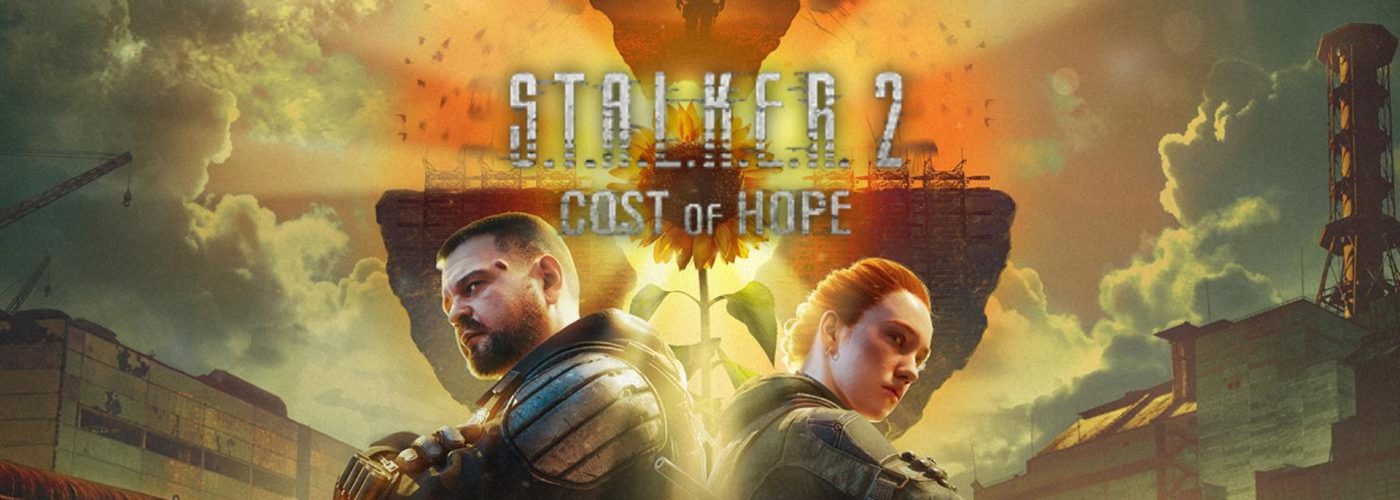
It is against this backdrop that Cost of Hope, the first full-fledged narrative expansion for S.T.A.L.K.E.R. 2, steps into the spotlight. Designed to fill gaps left by the main campaign, the expansion brings a sharper focus on the strategic role of factions and, most notably, restores the Duty faction’s pivotal influence over the Zone.
Spoiler Alert: This article delves into key narrative developments from the second half of S.T.A.L.K.E.R. 2: Heart of Chornobyl. If you haven’t completed the main campaign and want to avoid spoilers, we recommend revisiting this article at a later time.
A Sharper, Deadlier Zone
Before diving into the expansion itself, it’s worth taking a clear-eyed look at the current state of S.T.A.L.K.E.R. 2. Day-one players will remember a game defined by technical volatility: sudden crashes, corrupted save files, clipping issues, frame rate drops, and anomalies that often felt as integral to the experience as mutants or deadly emissions.
Today, the picture is markedly different. Stability has improved across all platforms, optimization has been refined, and many of the most glaring issues flagged by the community have been addressed. That said, a few quirks remain – such as the infamous crash in the Scorched Hill area or AI inconsistencies in particularly chaotic encounters – but overall, the game now feels far more stable, coherent, and closer to the vision GSC Game World originally intended.
However, the studio’s work goes far beyond mere bug fixes. Recent updates have introduced new content, including additional quests, unique weapons, and a wholly new difficulty mode: Expedition. Widely regarded as the game’s most punishing challenge yet, Expedition restricts save opportunities, tightens resource management, demands heightened vigilance for survival, and punishes mistakes with permanent consequences.

Untold Stories and the Hidden Side of the Zone
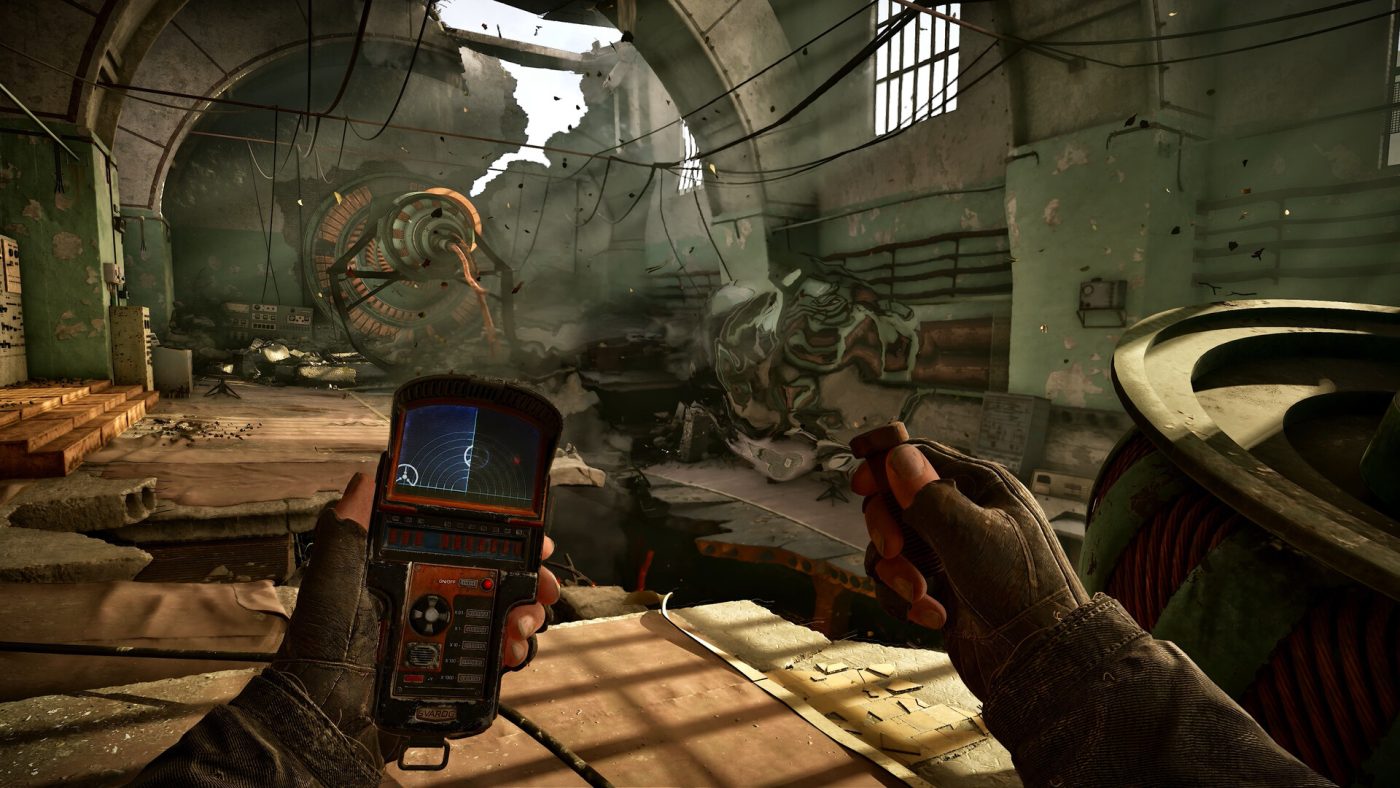
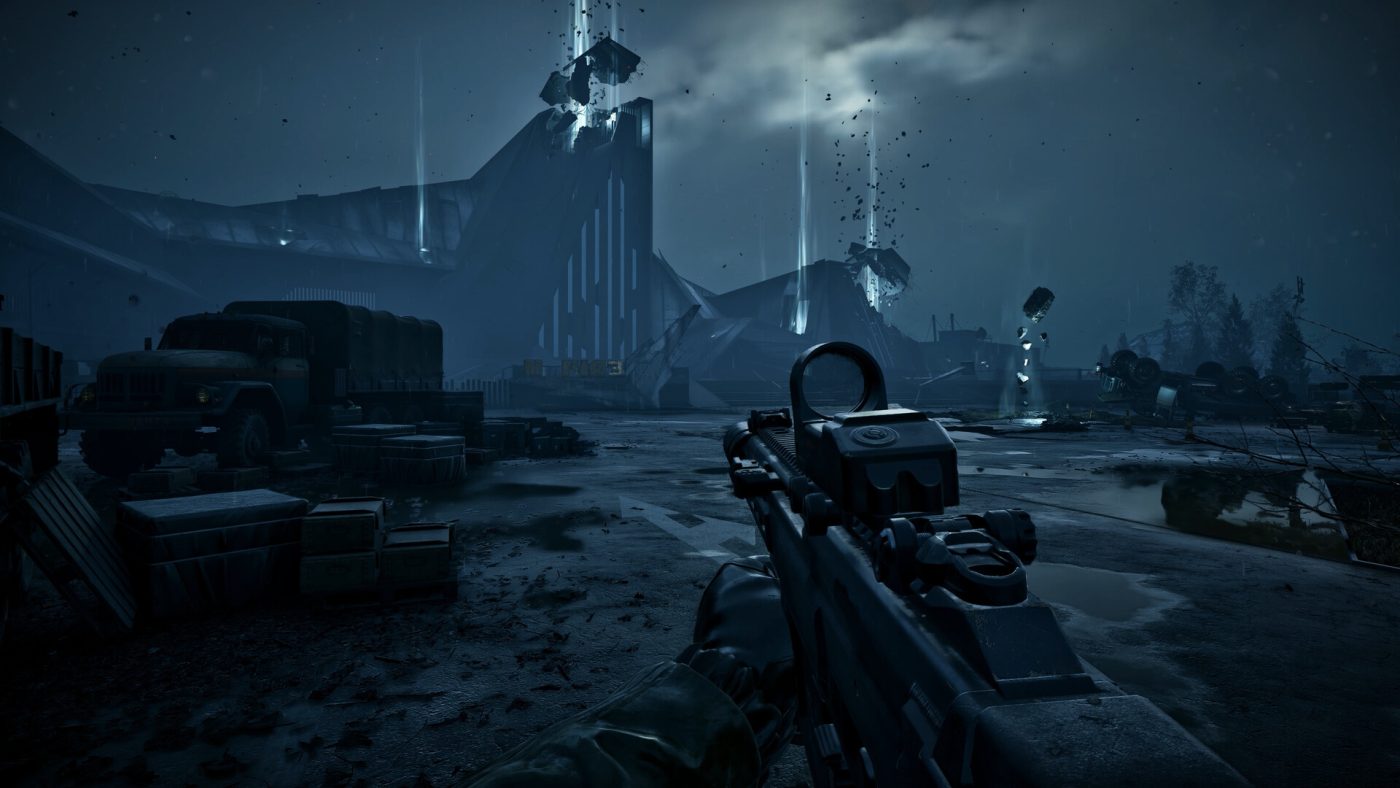
The free Untold Stories expansion has also played a meaningful role in enriching the overall experience. While smaller in scale than Cost of Hope, its importance should not be underestimated. Set within the Iron Forest, the new questline draws players back to one of the least explored regions of the main campaign, introducing a mysterious signal capable of killing – or driving insane – anyone exposed to it. As the phenomenon spreads, Skif becomes entangled in a new investigation alongside a previously unknown group of survivors, all searching for the source of the signal and a way to stop its devastating effects.
Although relatively brief, Untold Stories is significant because it offers a clear glimpse into the direction GSC Game World appears to be taking. The expansion places greater emphasis on tighter mission design, stronger environmental storytelling, more rewarding exploration, and a more purposeful use of overlooked sections of the map. Players who complete the questline under the right conditions can also unlock a unique weapon and gain access to an additional hub area.
Sharper Weapons, Smarter Enemies, Better Combat
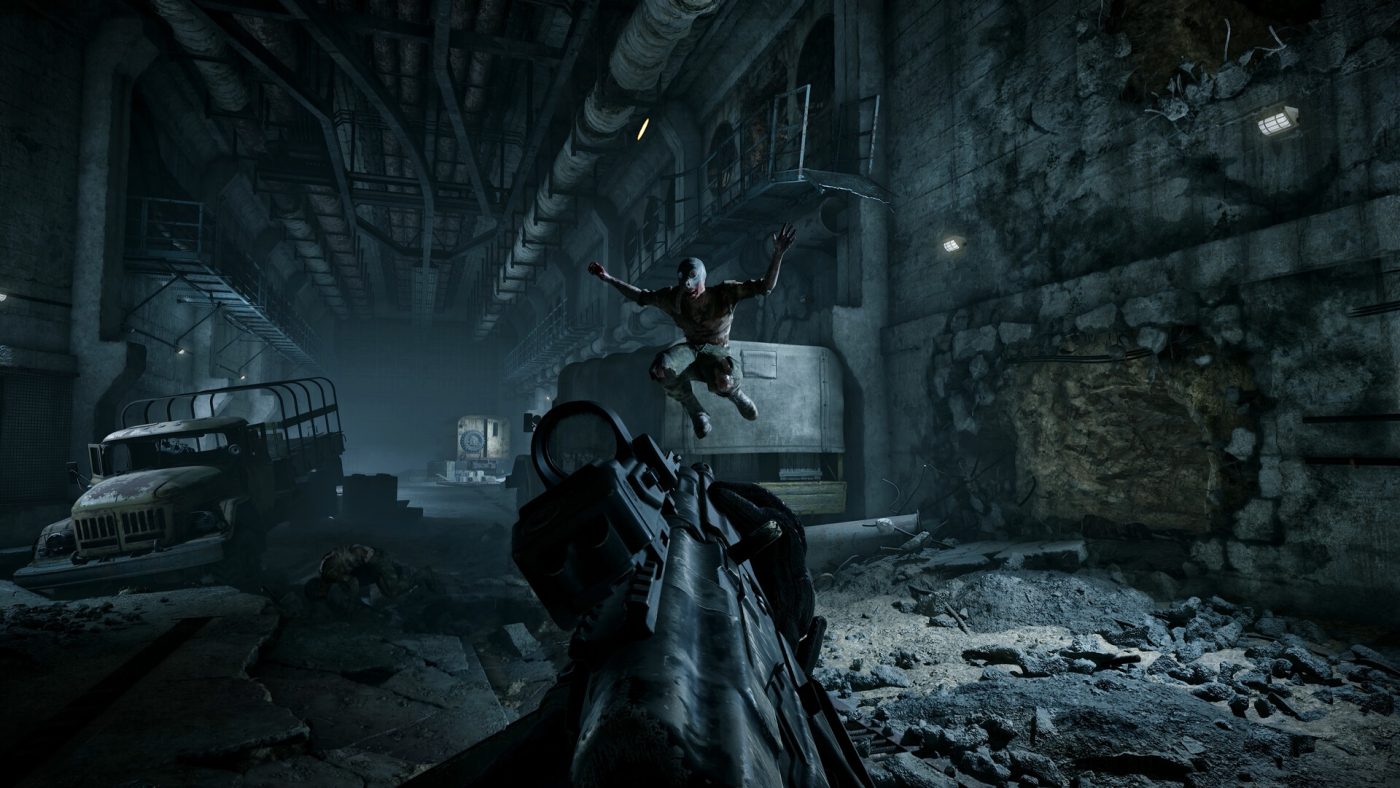
Among the most welcome improvements introduced through recent updates, the overhaul of the combat system stands out as one of the most significant. At launch, many of the Zone’s deadliest threats felt unevenly balanced. Bloodsuckers were capable of chain-staggering players with repeated attacks, Controllers dealt excessive psychic damage, and several major encounters – particularly those involving characters such as Faust – could quickly descend into exercises in frustration rather than skill.
Over the months, however, GSC Game World has made a clear effort to make combat feel fairer, more readable, and ultimately more rewarding. Damage values have been rebalanced, weapon handling is now noticeably more responsive, and many enemies have become far less frustrating to face. Bloodsuckers, for instance, no longer knock Skif to the ground with every successful hit – a seemingly small change, but one that has significantly improved the flow of combat and made encounters feel far more dynamic and less punishing overall.
The Shadow of Zulu
One of the main campaign’s most underexplored threads was the true influence of Duty. Long an iconic faction in the S.T.A.L.K.E.R. universe, Duty is militaristic, authoritarian, and driven by the conviction that the Zone must be contained and strictly controlled to prevent its dangers from spilling beyond its borders. Opposing them are Freedom – anarchic, idealistic, and determined that the Zone should be studied, experienced, and ultimately understood. This enduring rivalry has always been a defining pillar of the series – and Cost of Hope thrusts it firmly back into the spotlight.
The expansion unfolds in the wake of ISRAAC’s collapse and the Monolith’s return under Faust and Strider. Within this new balance of power, the fragile truce between Duty and Freedom teeters on the edge of collapse. Strengthened by a new alliance with the Ward, Duty moves decisively to tighten its control over the Zone, while Freedom is increasingly fractured, weakened by internal divisions and mounting tensions with Spark.
Adding even more tension to this already volatile landscape is the return of Zulu, a familiar character first introduced in Call of Pripyat. Known for his ambiguous ties to Duty – aligned with the faction yet never fully constrained by its hierarchy – Zulu’s reappearance suggests an attempt to reshape the group and restore its former strength within the Zone.
That tension gives Cost of Hope a broader ambition than a straightforward military conflict. At its core, the expansion frames an ideological struggle: order, control, and discipline on one side; chaos, freedom, and the conviction that the Zone must be understood, not conquered, on the other.
As always in S.T.A.L.K.E.R., however, no faction is entirely blameless.
The Mercenary and Monolith Threat
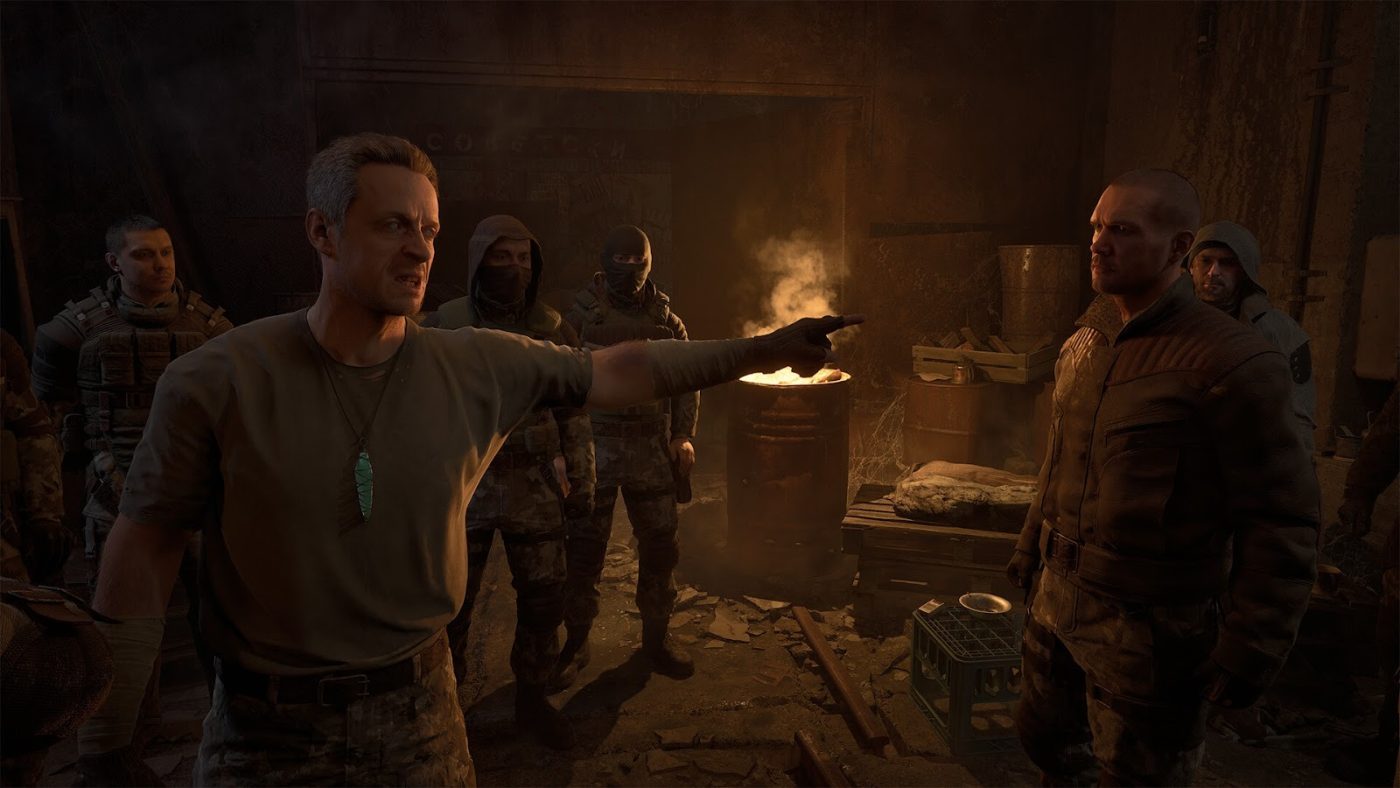
Cost of Hope turns the spotlight on one of the Zone’s most elusive forces: mercenaries. The main campaign had already hinted at shadowy actors pulling the strings behind armed factions, but the expansion looks set to push that idea further, delving into covert agendas, economic opportunism, and clandestine operations that exploit the Zone’s chaos for power and profit.
It is precisely this sense of hidden manipulation that gives the S.T.A.L.K.E.R. universe so much of its depth, where danger is rarely accidental and every conflict may be shaped by unseen hands. Adding to that instability is the return of the Monolith, now reactivated under Faust and Strider. Their resurgence threatens to push the Zone into even more volatile territory, where alliances are fragile, tensions escalate quickly, and survival depends on staying one step ahead of forces operating in the dark.

The Return of Limansk, Pripyat, and the Nuclear Power Plant
From a worldbuilding perspective, Cost of Hope is shaping up to be one of the most atmospheric and nostalgia-driven additions to S.T.A.L.K.E.R. 2 yet. Skif will revisit some of the series’ most iconic locations, each steeped in history, atmosphere, and dread.
Among the standout locations is Limansk, first introduced in Clear Sky and still remembered as one of the most haunting places in the S.T.A.L.K.E.R. universe. The underground tunnels of Pripyat, a fan-favorite from Call of Pripyat, will also make a return, alongside the nuclear power plant itself – the franchise’s most iconic and enduring symbol.
Exploration in Cost of Hope feels broader and more ambitious than ever. The trailer showcases newly accessible sections of the nuclear plant, including interior offices, previously unseen areas, and additional reactors. After years of mutations, anomalies, and radioactive emissions, these locations are likely to have changed dramatically. The footage also reveals brief glimpses of the X-Labs, long familiar to longtime fans, alongside a mysterious creature first teased in the game’s original reveal trailer.

When Will Cost of Hope Be Released?
GSC Game World has yet to announce an official release date for Cost of Hope, though the expansion is anticipated sometime this summer. The impression is that the team is taking extra time to fine-tune the experience, aiming for a launch that avoids the technical and performance issues that plagued the initial release of S.T.A.L.K.E.R. 2.
After months of relentless patches, updates, and improvements, Cost of Hope stands as far more than a standard expansion. For GSC Game World, it is an opportunity to prove that S.T.A.L.K.E.R. 2 can finally live up to the ambitious vision it promised. For players, it is a return to the defining pillars of the series: faction warfare, lingering mysteries, iconic locations, terrifying mutants, and the ever-present sense that in the Zone, control is always an illusion.
The war approaches. And once again, the Zone is calling.