An ambitious immersive sim where stealth isn’t just a mechanic, but a pulse of the world itself, shaping threats, possibilities, and player agency.
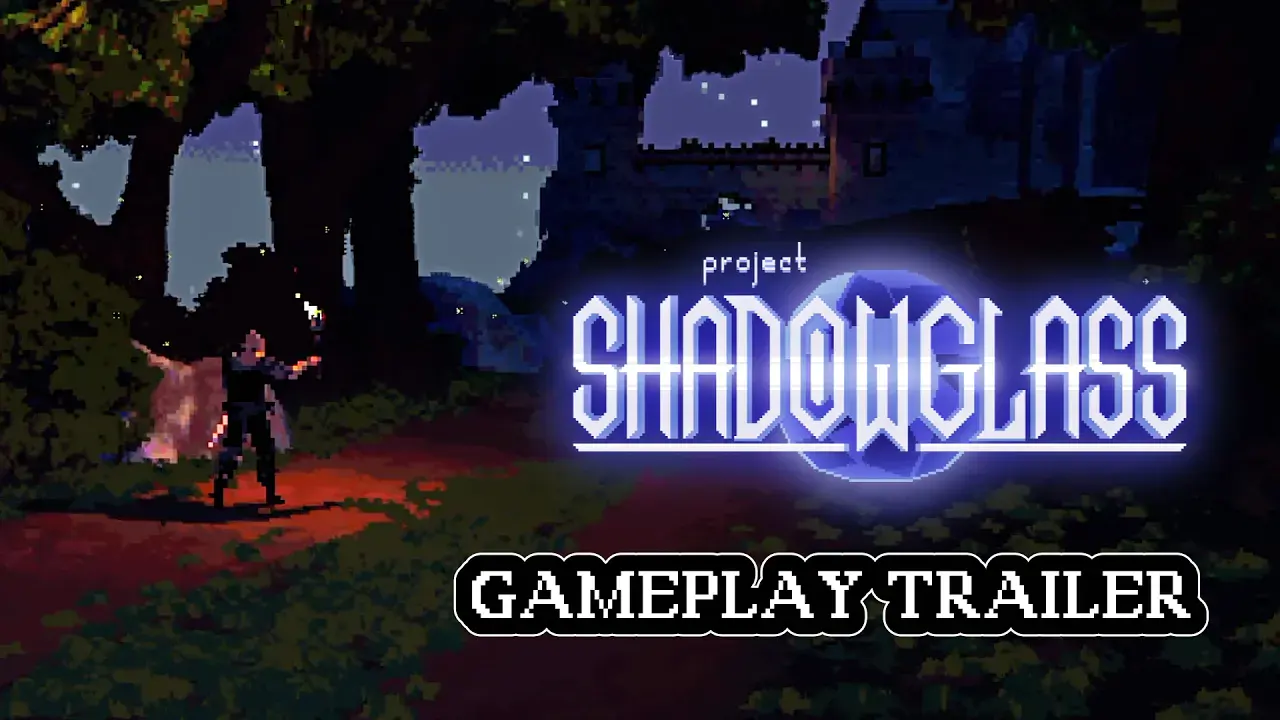
In an industry increasingly dominated by formulaic releases and blockbuster productions, some games deliberately swim against the current. Project Shadowglass, the debut game from Starhelm Studios, is one such game: it doesn’t merely look to the past, but seeks to inherit it, breathing new life into a once-influential yet now largely overlooked genre – the immersive sim.
The project is a heartfelt homage to two pillars of gaming history: Thief and Deus Ex. These influences go far beyond aesthetics, reflecting a design philosophy grounded in freedom, depth, and player-driven immersion. Its ambition is unmistakable: to place players at the heart of their own experience, where no path is preordained and every decision actively shapes the world.
A World You Can Feel
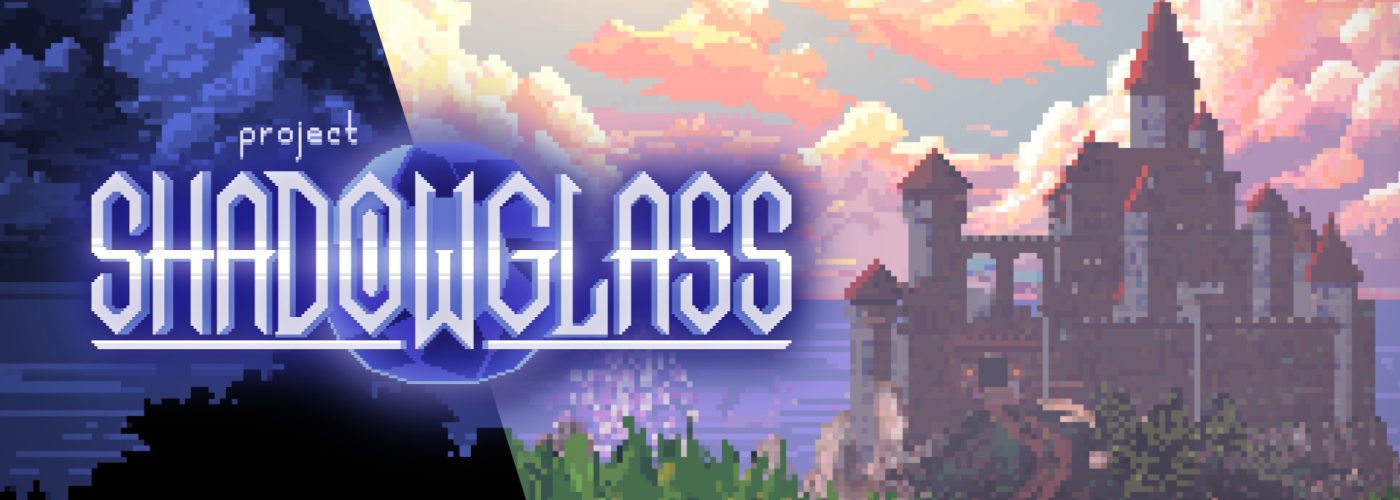
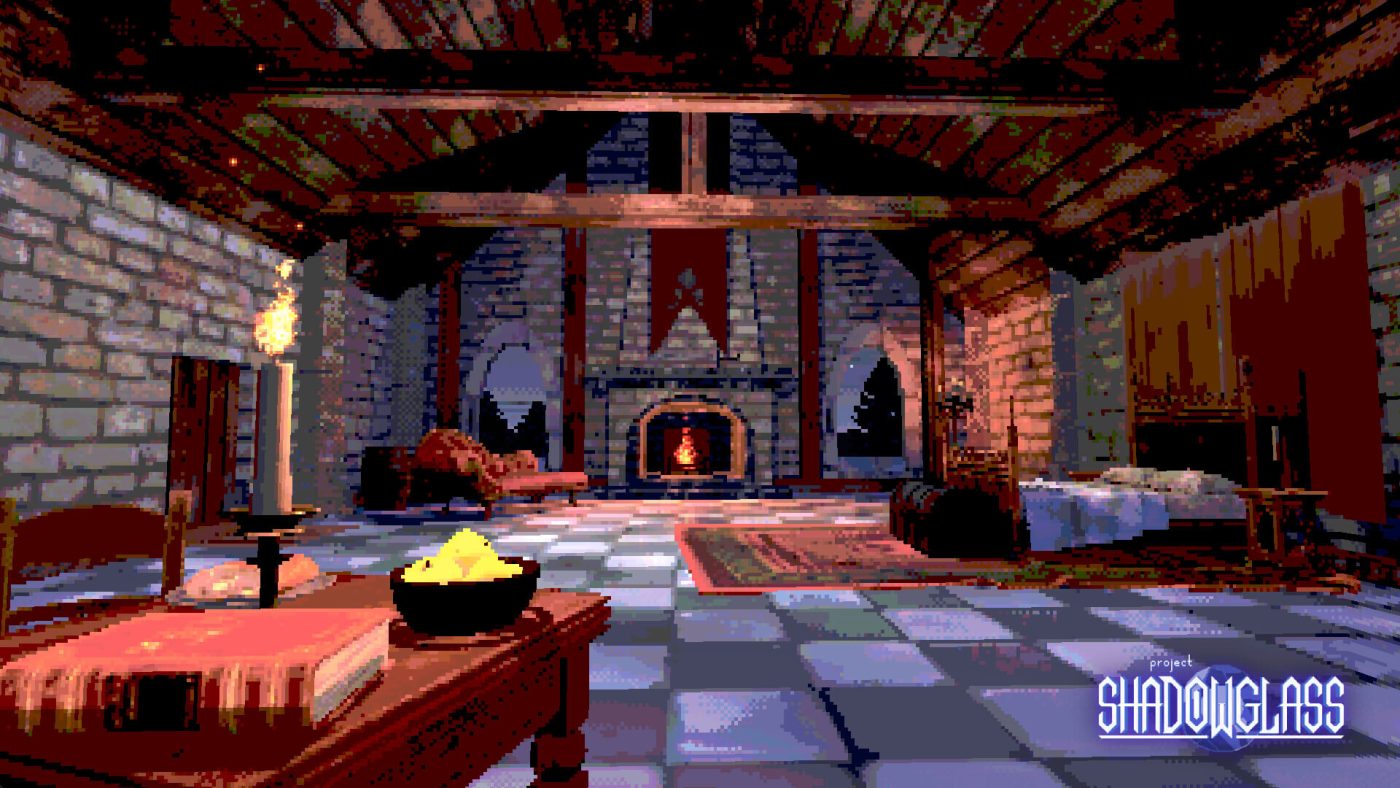
The first encounter with Project Shadowglass is nothing short of striking. Starhelm Studios has deliberately set aside any pretense of realism, embracing a bold hybrid style that fuses pixel art with fully realized 3D environments. The result is an aesthetic that is instantly distinctive and unmistakably their own. This is far more than a nostalgic nod or a production-driven compromise – the artistic direction stands as a confident statement of identity.
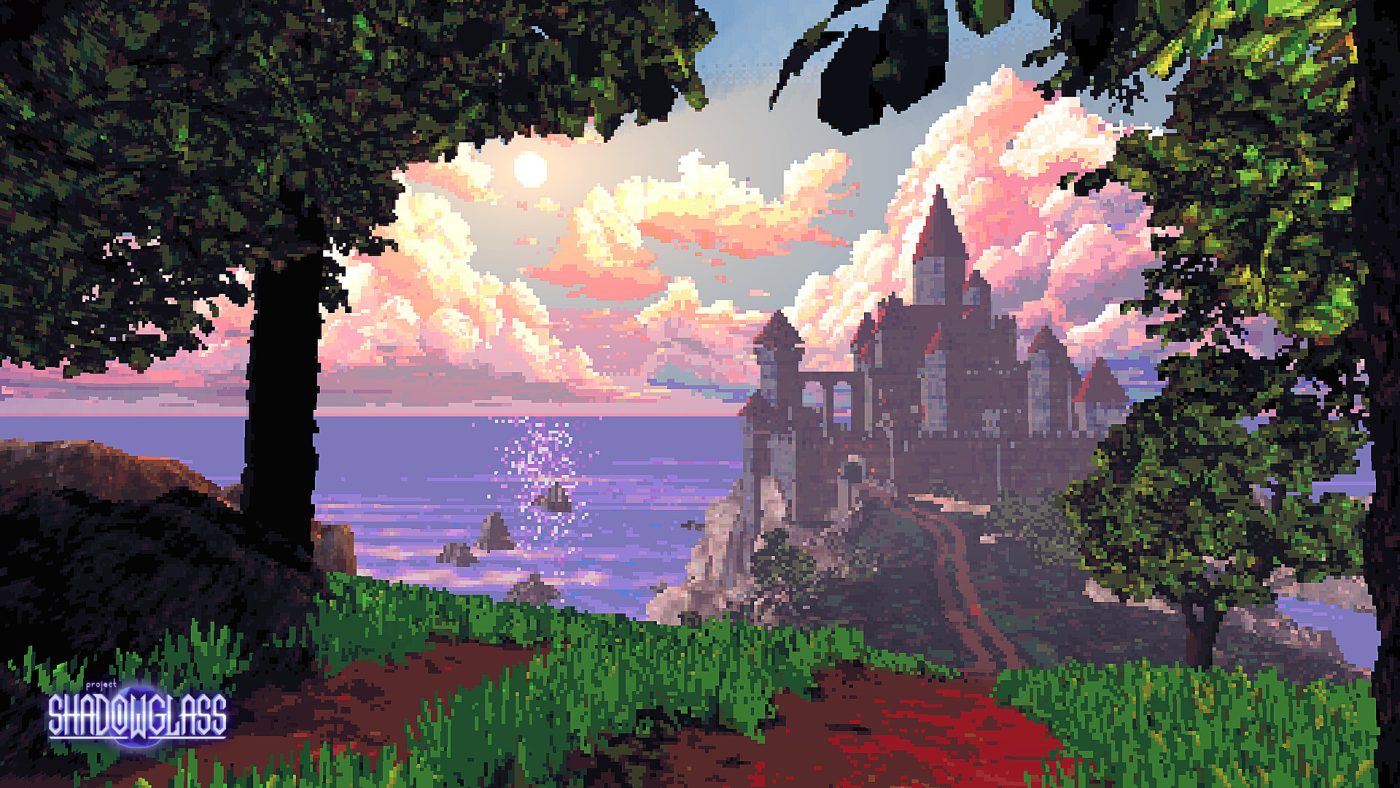
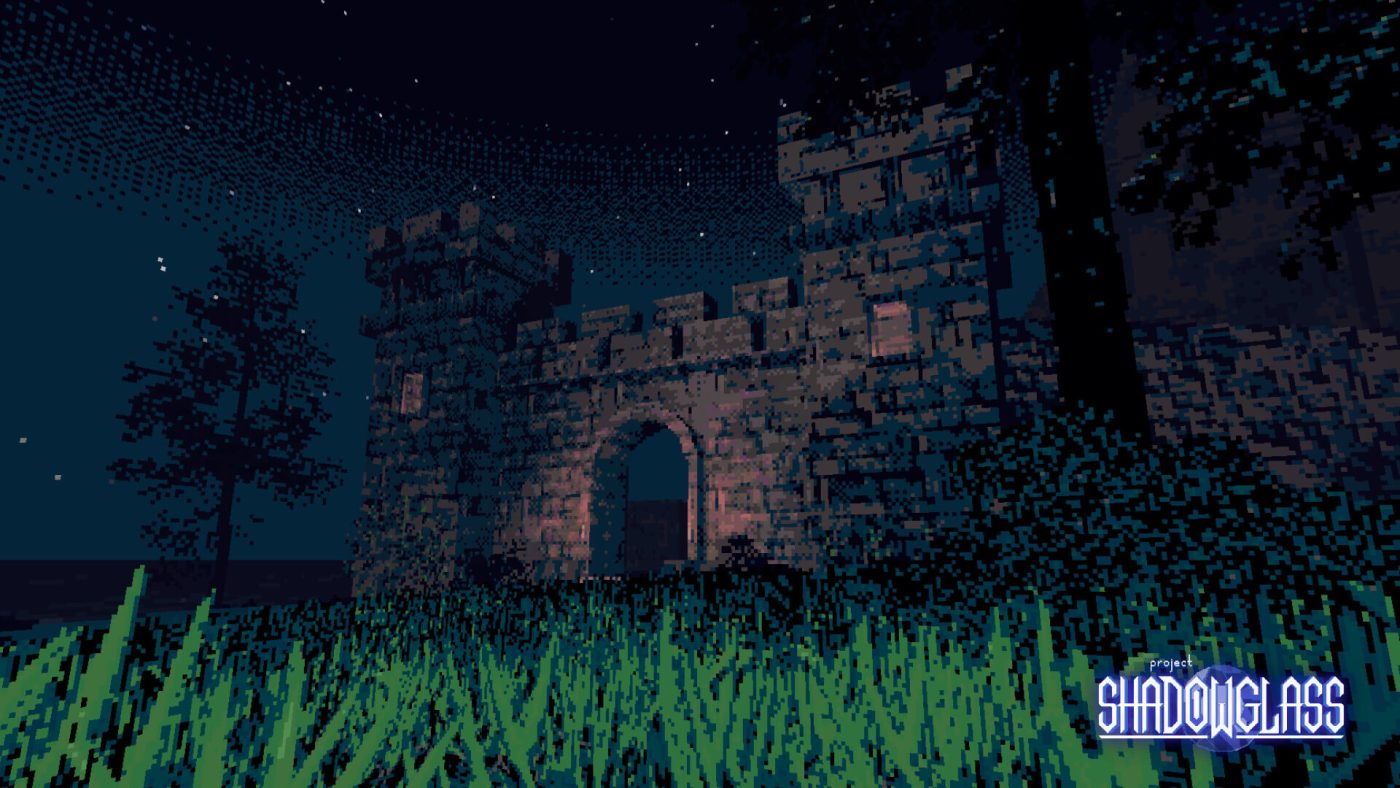
The game’s dark fantasy medieval world is brought to life through environments that strike a careful balance between realism and abstraction. The result is visually arresting – at times slightly disorienting, yet entirely consistent with the game’s tone and atmosphere. Every space reflects a meticulous attention to detail: architecture, interiors, and natural landscapes are not mere backdrops, but purposefully crafted to invite exploration and reward observation. This philosophy extends to the level design, which emphasizes verticality, alternative pathways, and a wide range of strategic possibilities.
The game’s visual language finds its fullest expression in its nighttime sequences, where the interplay of light and shadow takes center stage, shaping both atmosphere and gameplay. Light sources are never merely decorative; they define the rhythm of action and directly influence tactical decision-making. It is here that Project Shadowglass finds its most distinctive stylistic identity, seamlessly merging atmosphere and mechanics into a cohesive, deeply immersive experience.
The Soul of the Experience
At its core, Project Shadowglass is built around a clear commitment to the principles of the immersive sim – a genre that has largely receded from the mainstream, yet continues to captivate a dedicated and discerning audience. The premise is straightforward in theory, but notoriously difficult to execute: to craft an open, coherent, and reactive system in which every situation can be approached in multiple ways. There is no single “correct” solution; instead, the experience is shaped by the possibilities that emerge from the interplay between systems, environment, and enemy behavior.
Based on what has been revealed so far, Project Shadowglass appears fully committed to shaping its identity around this philosophy. The environment is far from a passive backdrop; it is a living, systemic space – lights can be dimmed, objects manipulated, and alternative routes uncovered. Players are encouraged to observe, plan, and experiment, rather than simply follow a predefined path.
If executed with sufficient depth and consistency, this approach could stand as Project Shadowglass’ greatest strength – while also remaining its most significant vulnerability. In immersive sims, success is measured by the precision of systemic design: the quality of interactions, the reliability of player choice, and the world’s ability to respond in a believable and coherent manner. It is in these details that the project’s true depth – and ultimately its credibility – will be tested.
The Art of Stealth: Control, Strategy, and Spatial Awareness
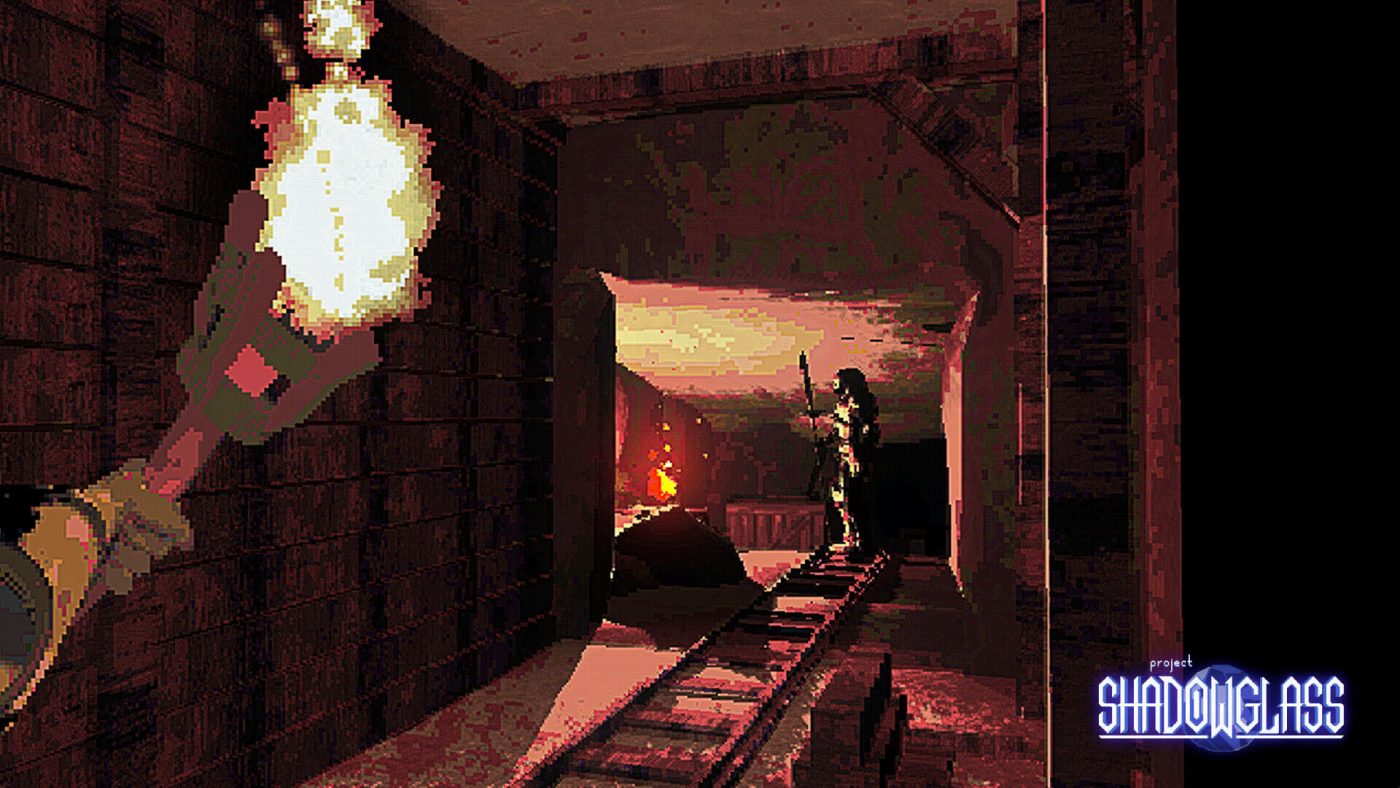
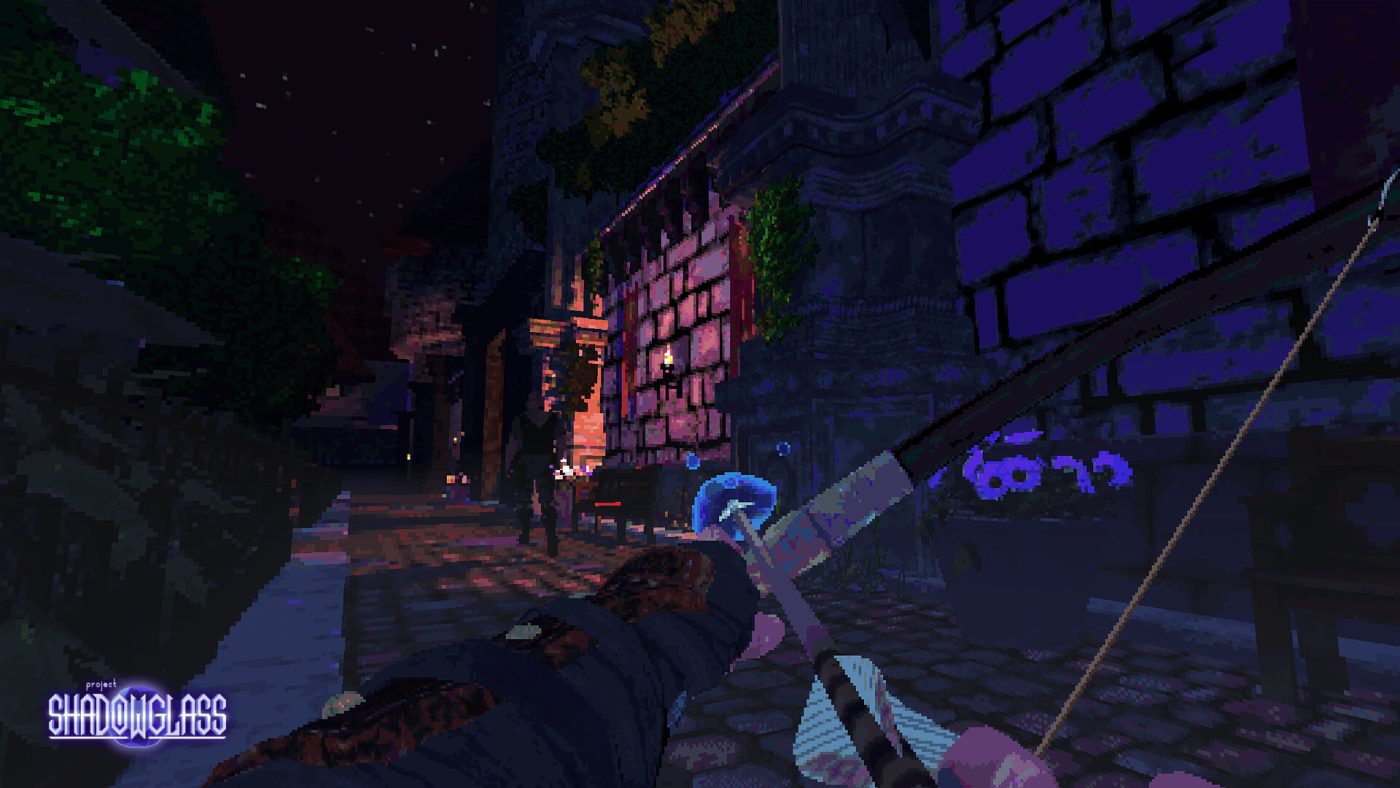
Stealth lies at the very heart of Project Shadowglass. The mechanics showcased so far are firmly rooted in the classic conventions of the immersive sim: navigating shadows, managing light sources, deploying equipment strategically, and carefully reading enemy behavior patterns.
The bow, for instance, goes beyond being a mere weapon, serving as a versatile tactical tool that allows players to extinguish torches and reshape their surroundings by creating pockets of darkness. Likewise, environmental objects can be used to distract or manipulate enemies, encouraging multiple approaches and rewarding inventive problem-solving. Equally notable is the enemy AI: guards respond convincingly to sounds, disturbances, and shifts in their environment.
Ultimately, the success of the stealth mechanics will hinge on the precision and balance of their design. Shadow management, the reliability of enemy perception, and the clarity of player feedback are all critical. In a genre as exacting as the immersive sim, even minor inconsistencies can compromise the experience. While the foundations shown so far are promising, only hands-on gameplay will reveal whether Project Shadowglass can deliver the depth, cohesion, and polish necessary to stand out.
Combat in Project Shadowglass: Optional or Essential?
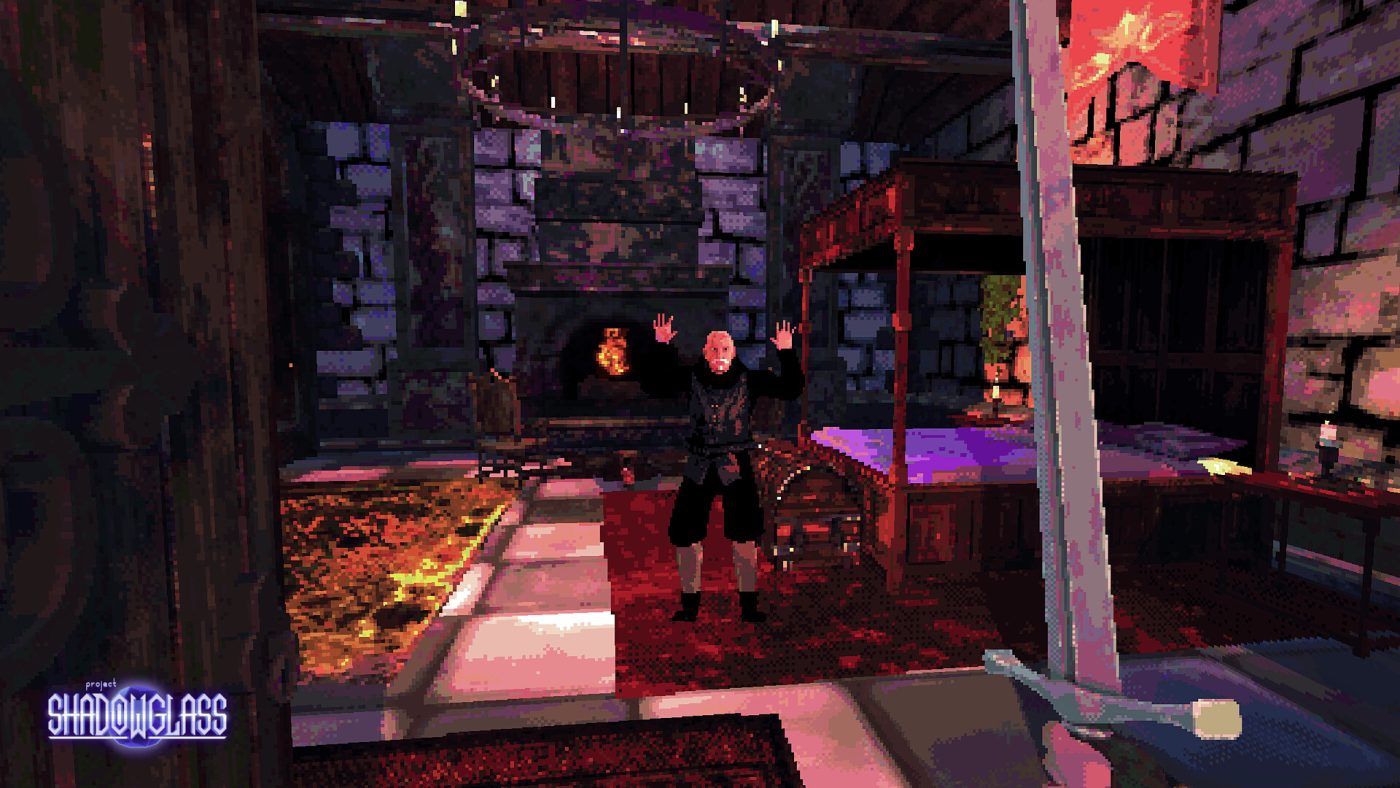
Alongside its core stealth gameplay, Project Shadowglass introduces a melee combat system, primarily focused on swordplay. Early footage suggests a clean, functional system designed as a situational option rather than the default path.
In a carefully balanced immersive sim, combat should never overshadow other options; it exists to offer a viable path for players who prefer a direct approach or need to respond to unexpected challenges. Its effectiveness hinges on integration with the broader systems, ensuring melee encounters never become the easiest – or most advantageous – choice.
At this stage, the combat system demonstrates real potential, though it still requires careful refinement. Its seamless integration with stealth, environmental interactions, and other core mechanics will be crucial to delivering an experience that feels truly flexible, balanced, and rewarding.
Potential vs. Risk: The High-Stakes Gamble of Project Shadowglass
Project Shadowglass is a game brimming with promise, yet one that carries its share of uncertainties. Its ambition is unmistakable: to revive a long-forgotten genre, reinterpret it for a modern audience, and achieve this through a project defined by a bold and distinctive artistic vision.
So far, its strengths are clear:
- A visually striking and highly original artistic direction
- Gameplay rooted in the legacy of genre-defining classics
- A strong emphasis on atmosphere, immersion, and meaningful player agency
Yet, several key questions remain:
- How deep and meaningful will the interactions be?
- Can enemy AI deliver believable and consistent responses?
- Will the balance between player freedom and overall game design hold up?
These are elements that cannot be fully assessed from trailers or presentations alone – they will only be proven through direct, hands-on experience.
A Game That Could Leave Its Mark
Project Shadowglass is, for now, a promise – but one rooted in a clear and ambitious vision. This is not a project that seeks shortcuts; it aims high, fully aware of the challenges such an undertaking entails. The 2026 demo will be its true proving ground: the moment when the game must show that it is more than a visual spectacle or a carefully crafted homage to the classics, and that its gameplay has real substance, consistency, and depth.