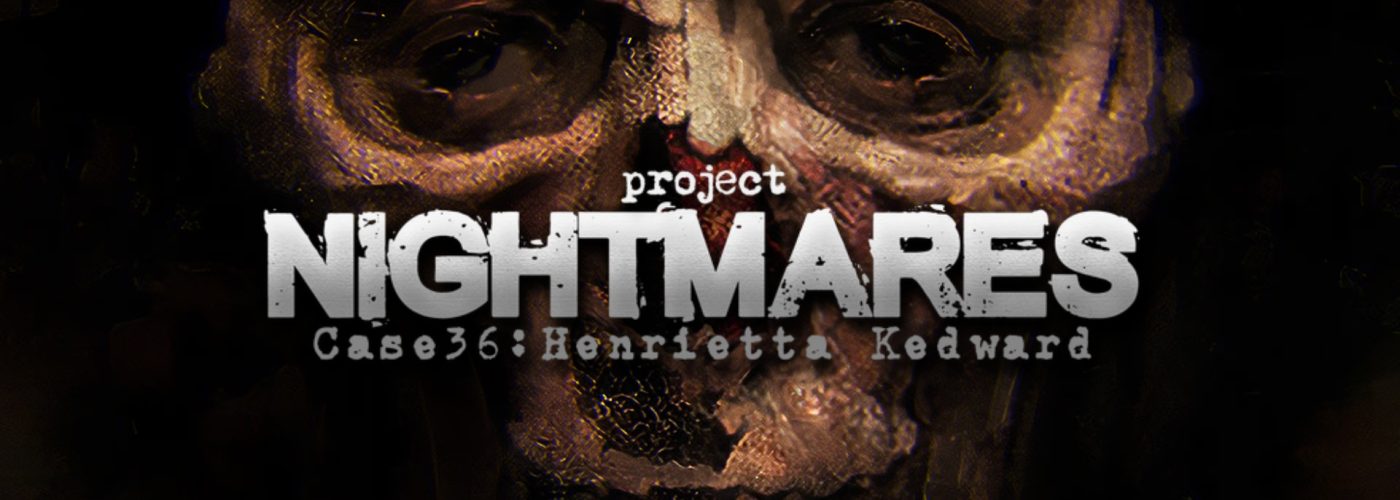
A journey into darkness. A woman with a hidden past. Will you uncover the truth?
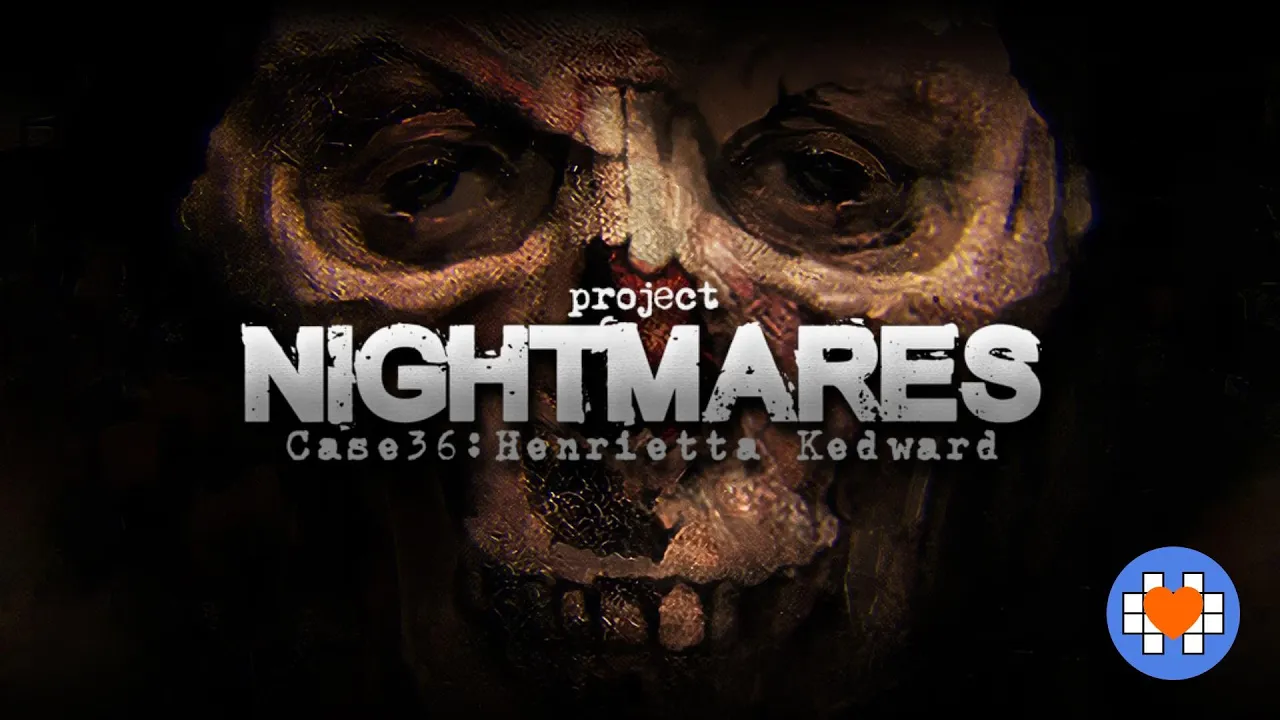
Project Nightmare Case 36: Henrietta Kedward is an intense, deeply immersive video game designed to draw players into a world of tension, mystery, and psychological horror. It seamlessly blends investigative storytelling, environmental exploration, and puzzle-solving, offering a horror experience that prioritizes atmosphere, introspection, and emotional engagement over jump scares or graphic violence. Here, discovery and understanding are active, almost meditative experiences.
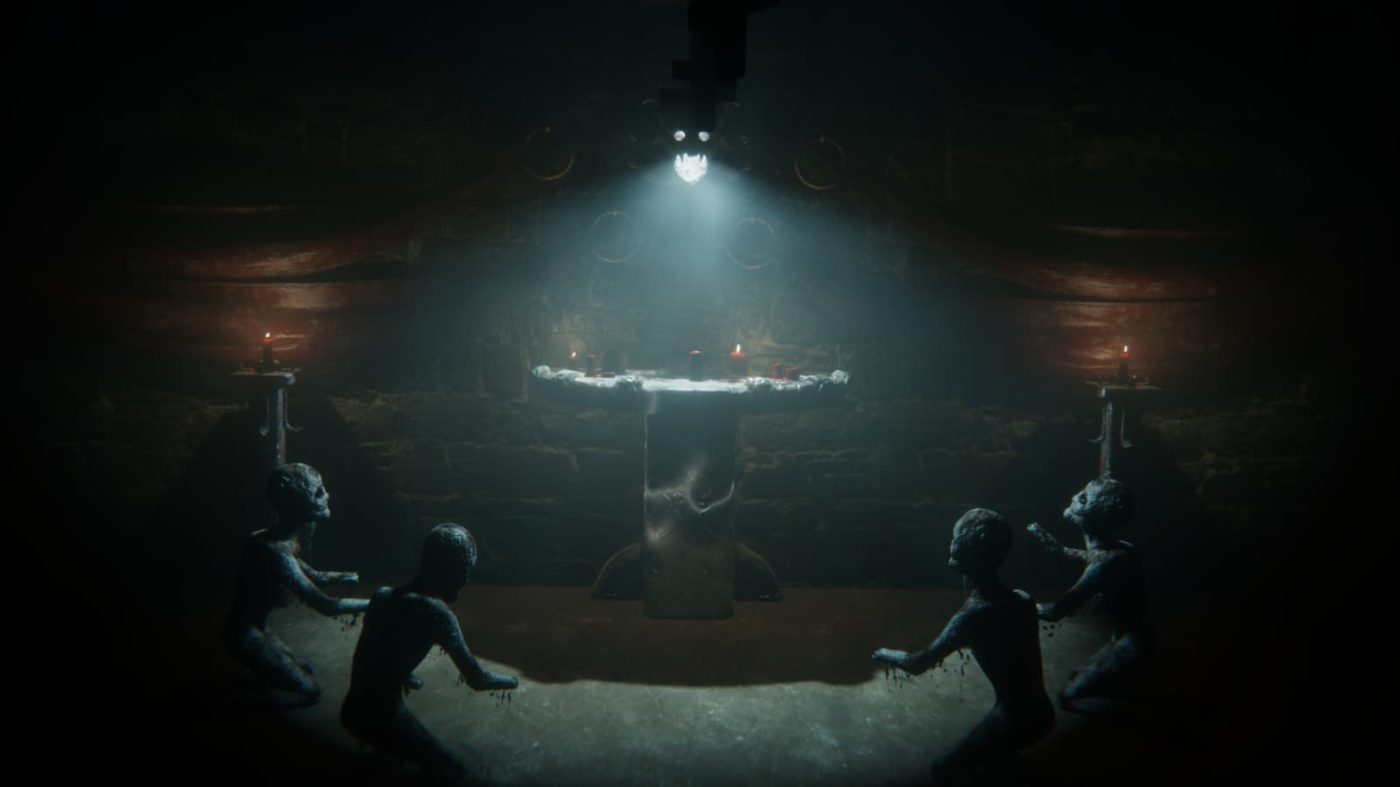
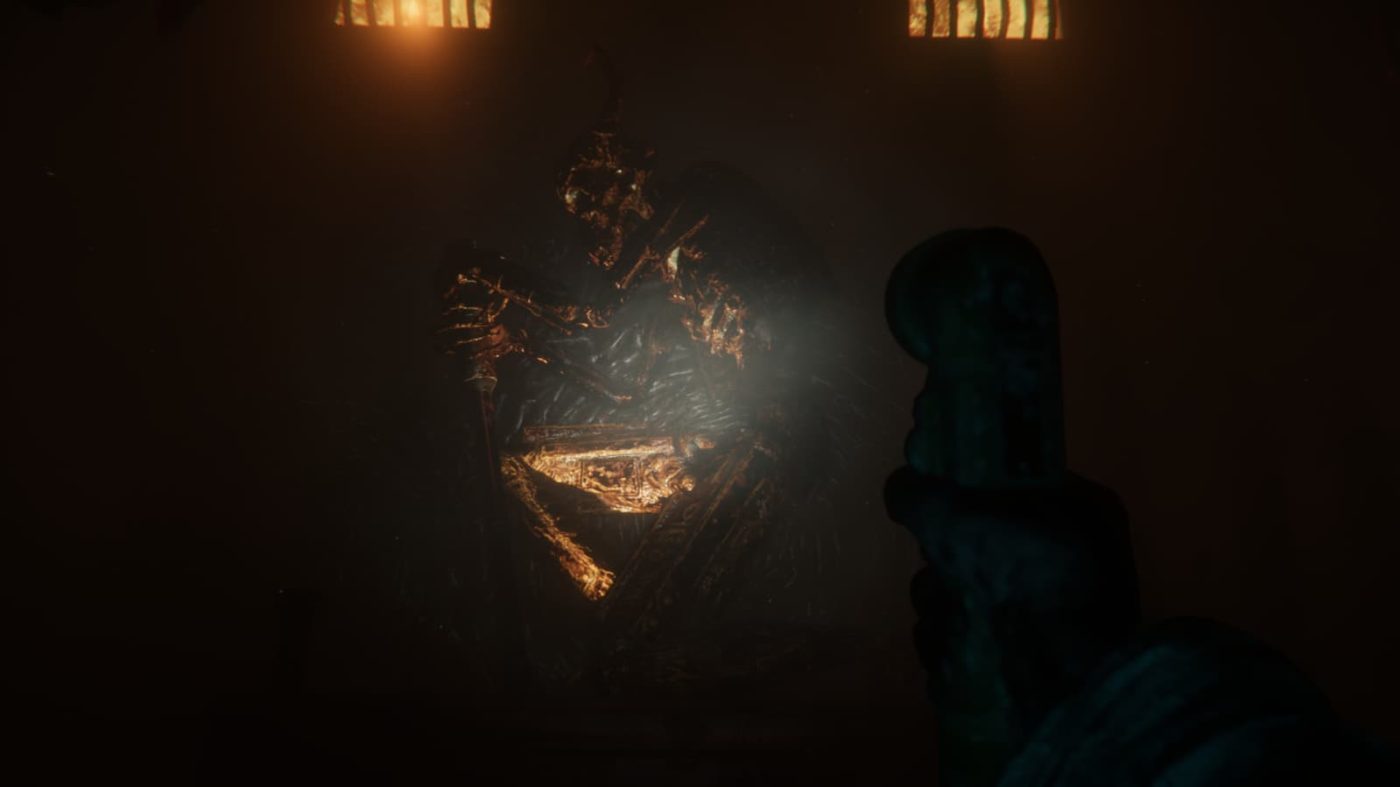
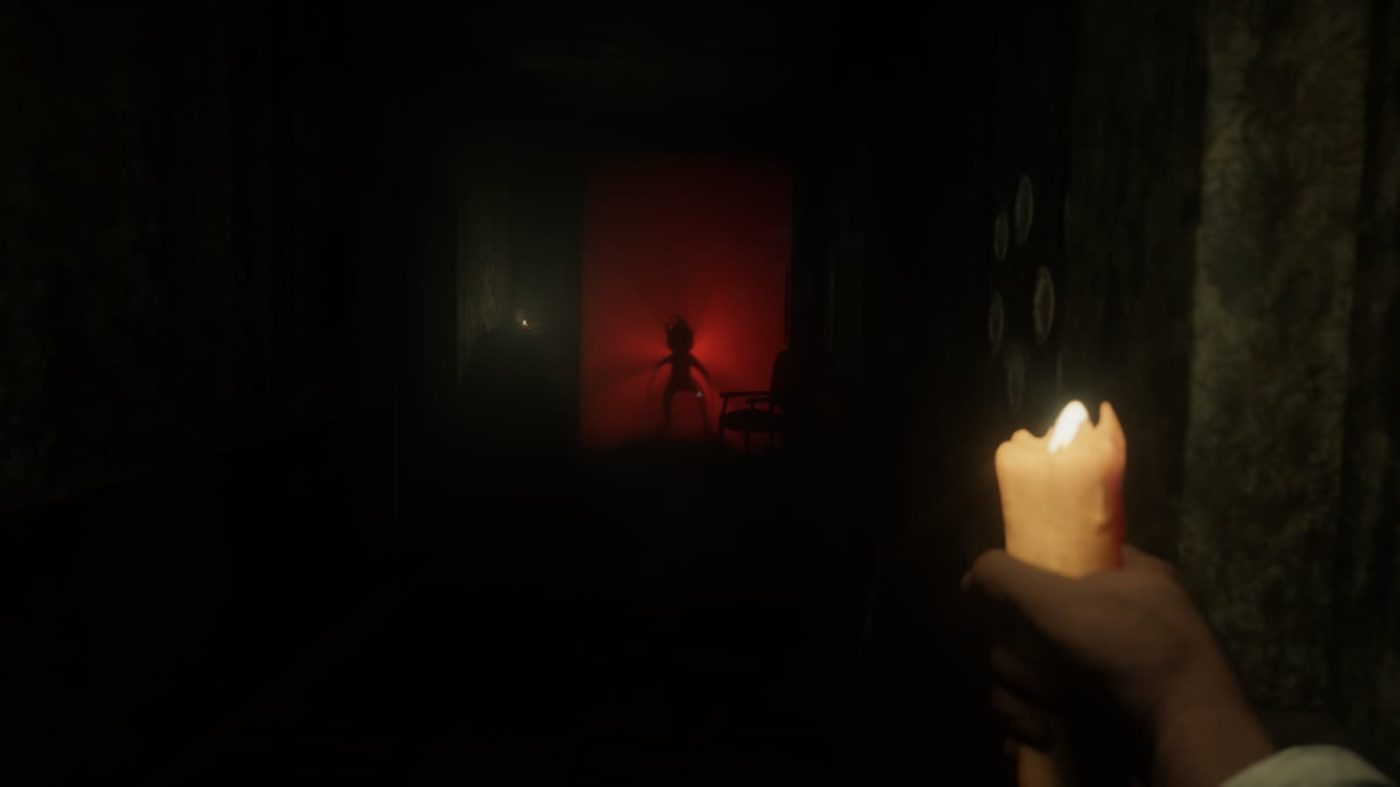
From the very first moments, the game plunges players into a dark, unsettling world. Realistic, meticulously detailed environments create a constant sense of isolation and vulnerability. The story unfolds in confined, claustrophobic spaces – abandoned homes, shadowy laboratories, dimly lit corridors, and rooms packed with enigmatic objects and symbols. Every location is carefully designed, both visually and through sound, to ignite curiosity, build tension, and reward careful observation, compelling players to piece together the story through the subtle clues embedded in every corner.
At the heart of the experience is Henrietta Kedward herself. Through traces of her presence – documents, diaries, recordings, and personal items scattered across these spaces – players gradually piece together her past, uncover her tormented history, and understand the dark circumstances behind the mysterious events at the core of the plot. The game’s deliberately non-linear structure scatters clues fragmentarily, requiring players to interpret and connect them actively. Logic, intuition, and observation become essential tools for unraveling the story in its entirety.
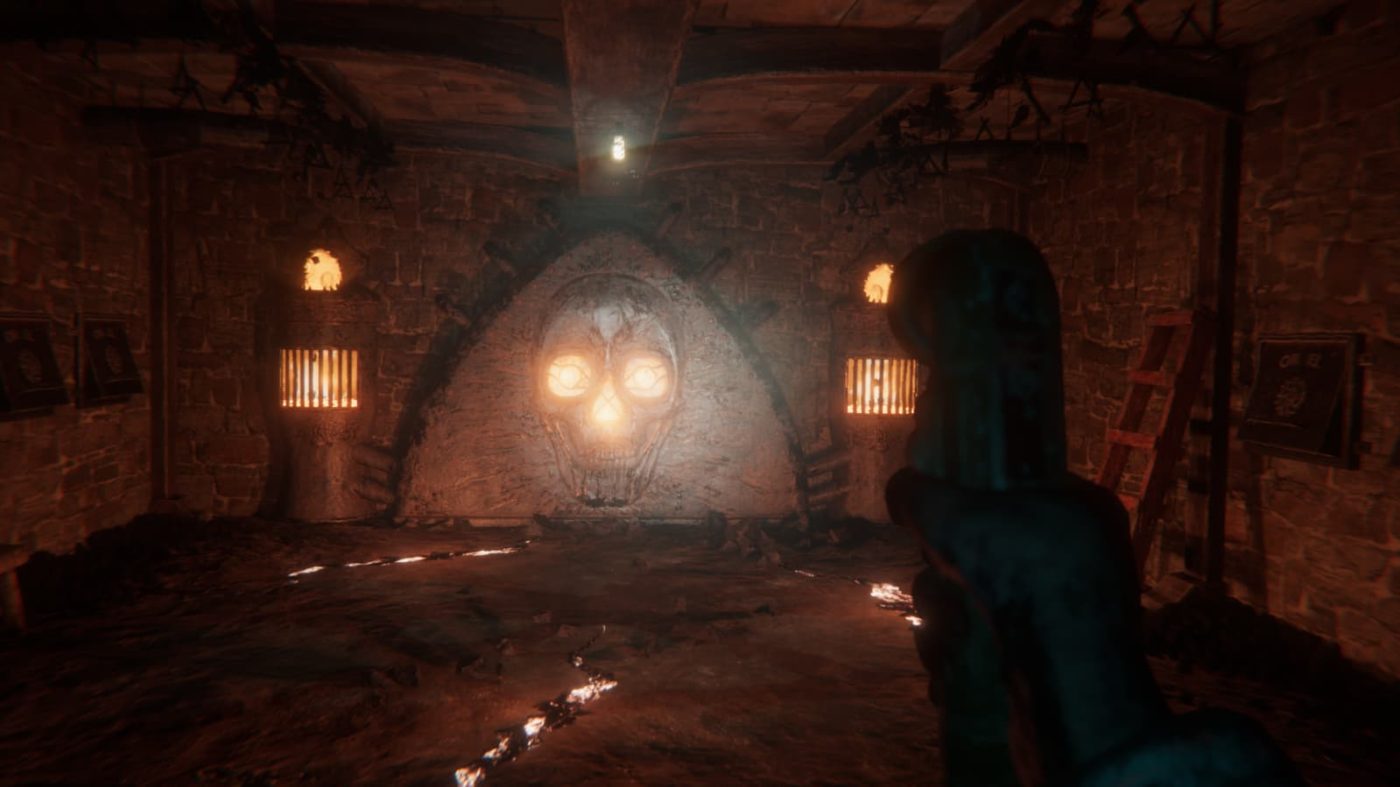
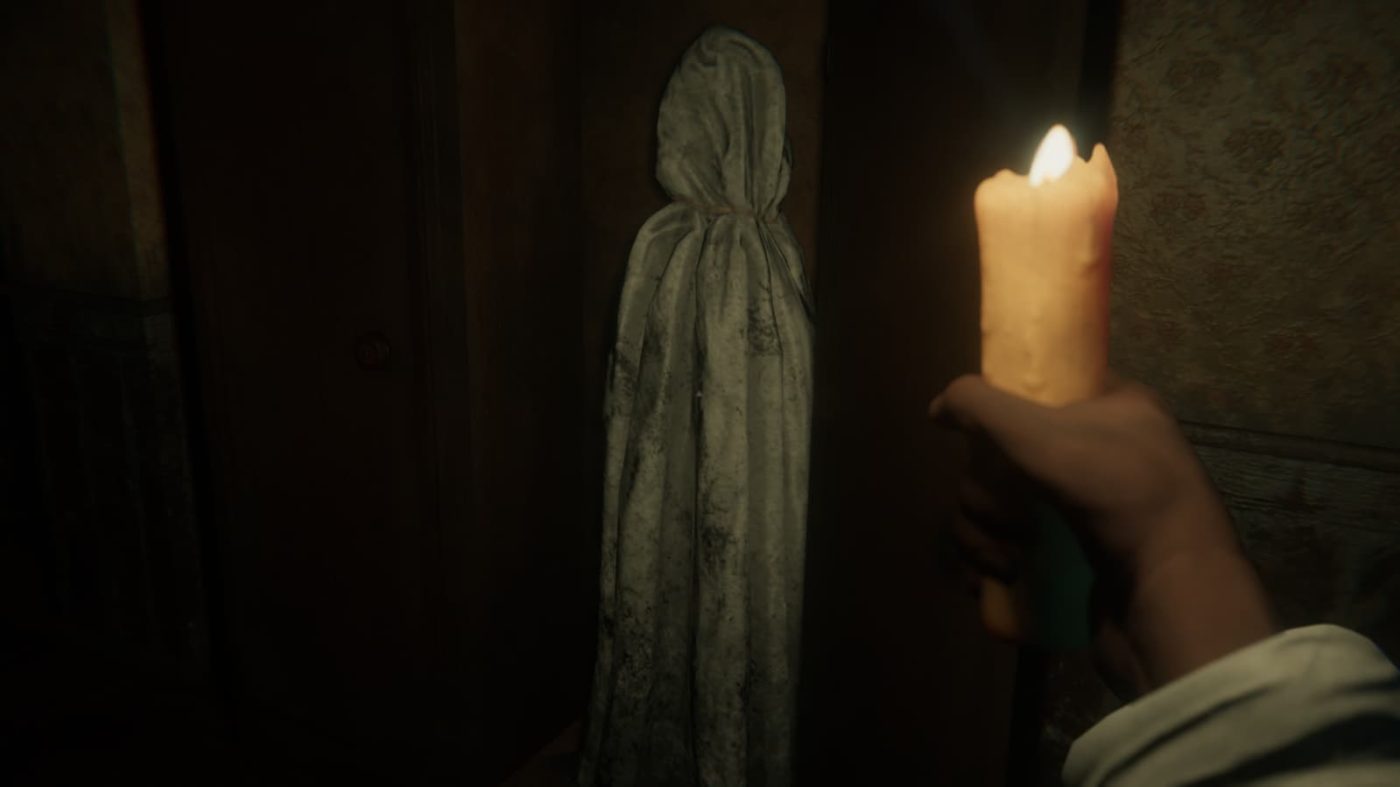
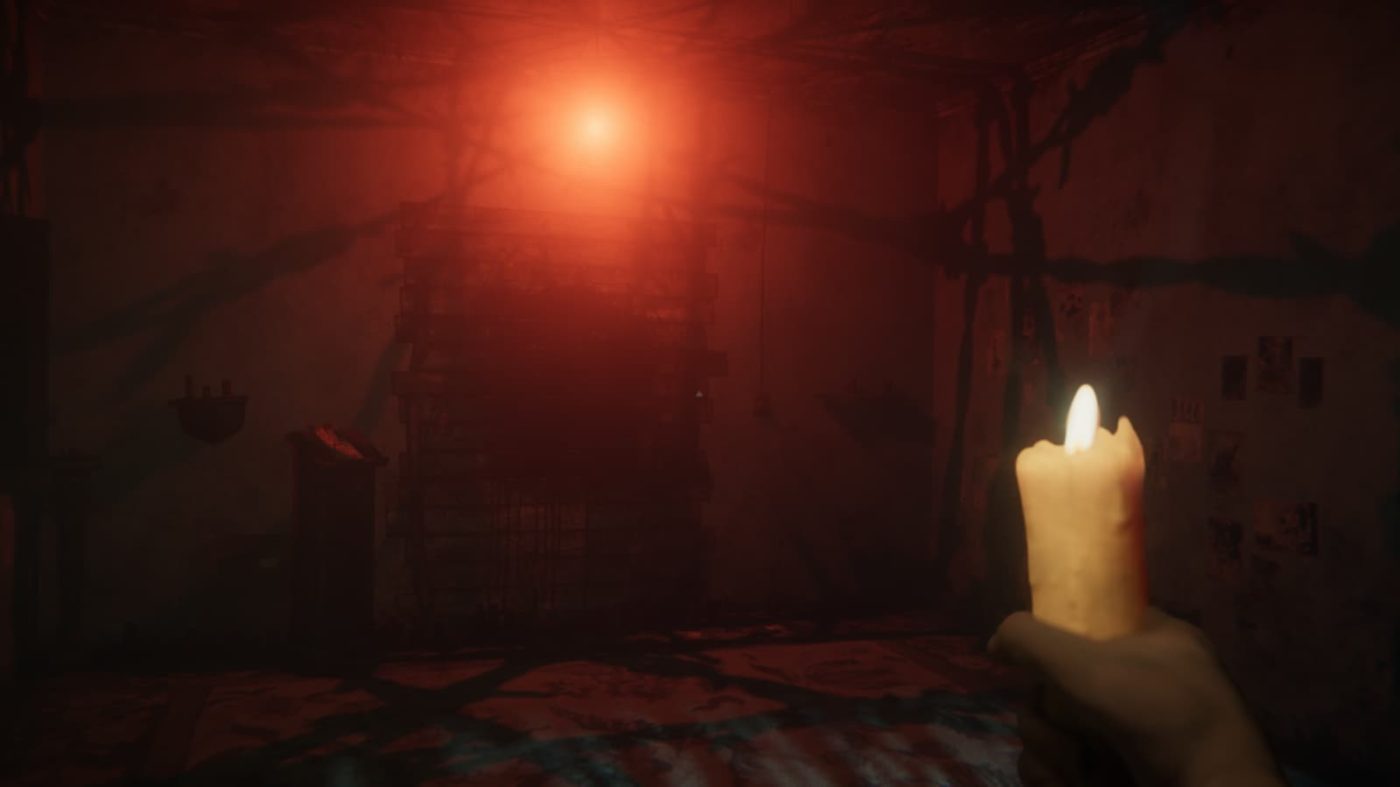
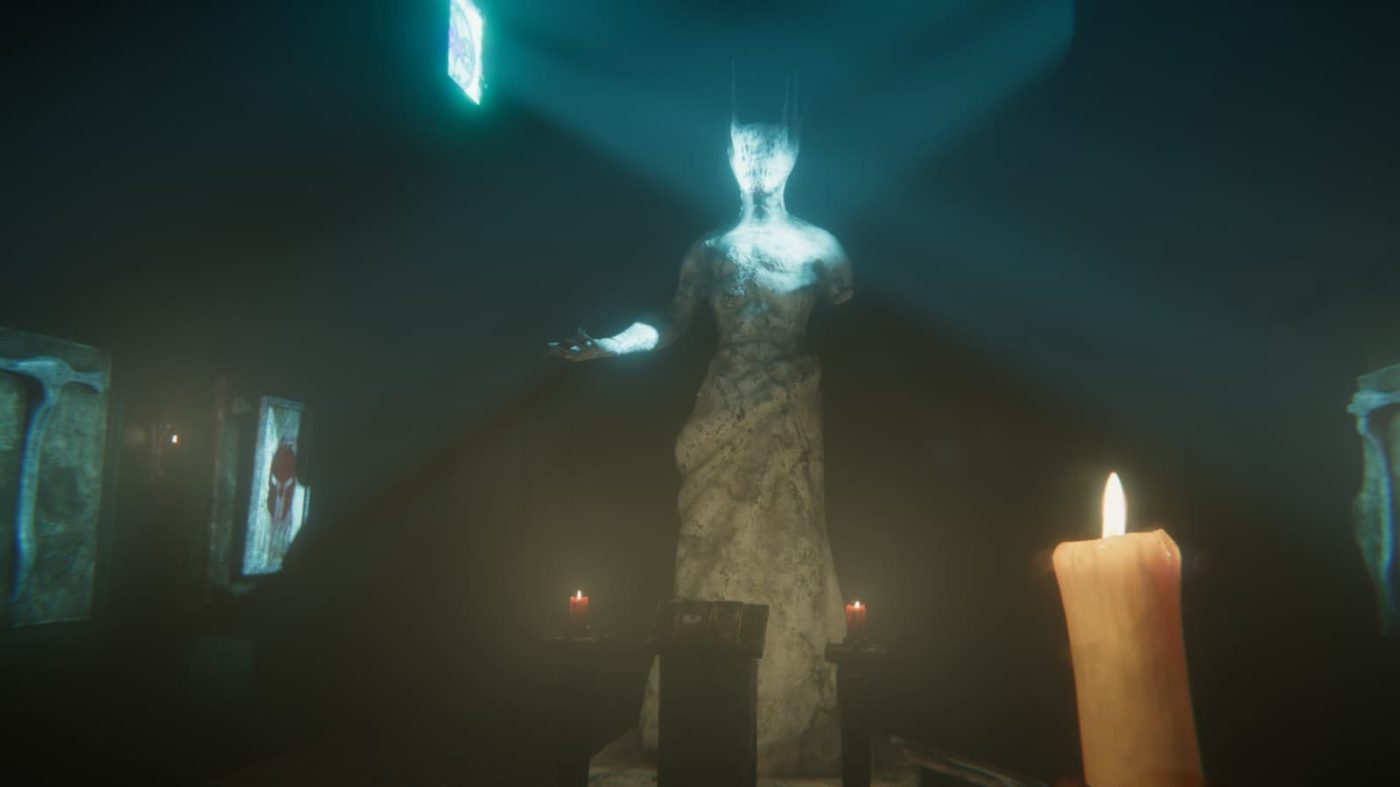
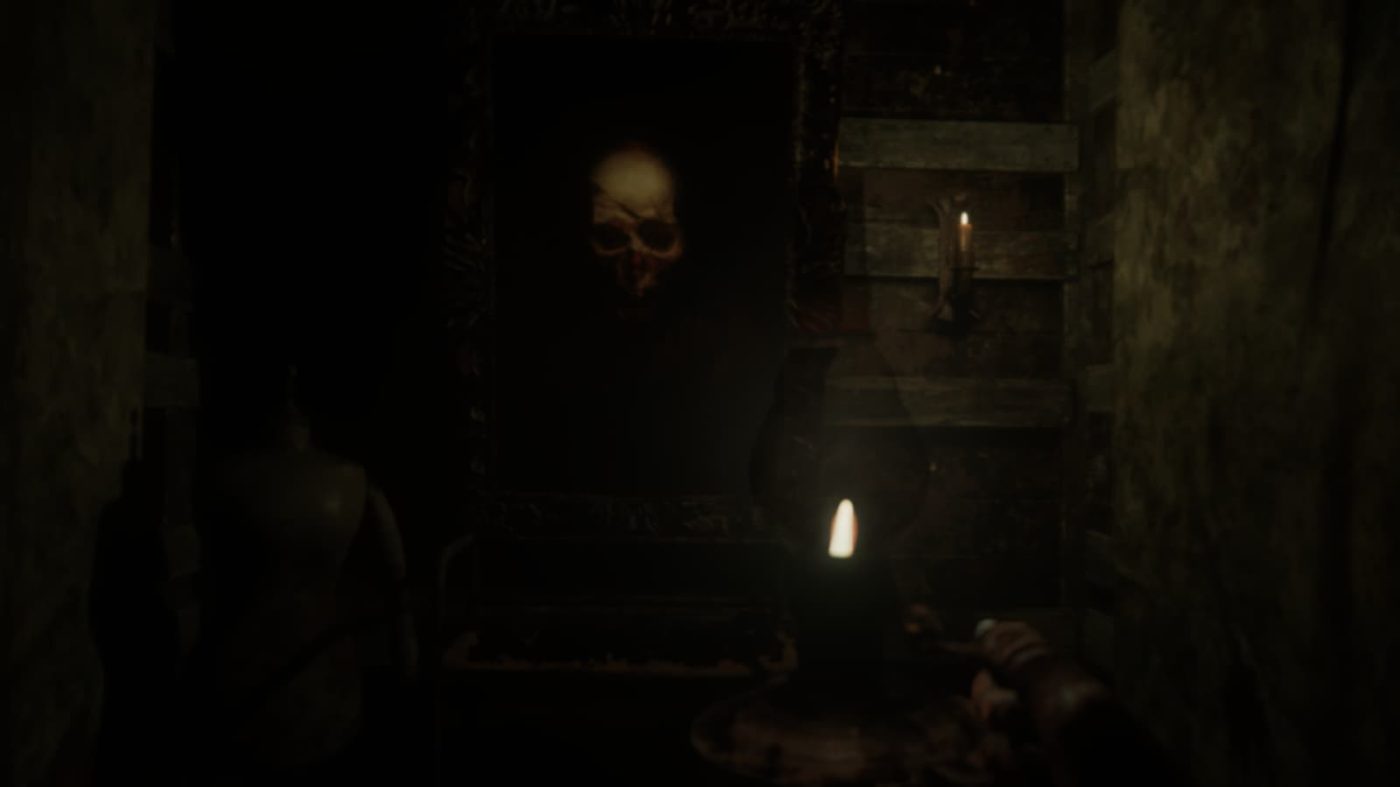
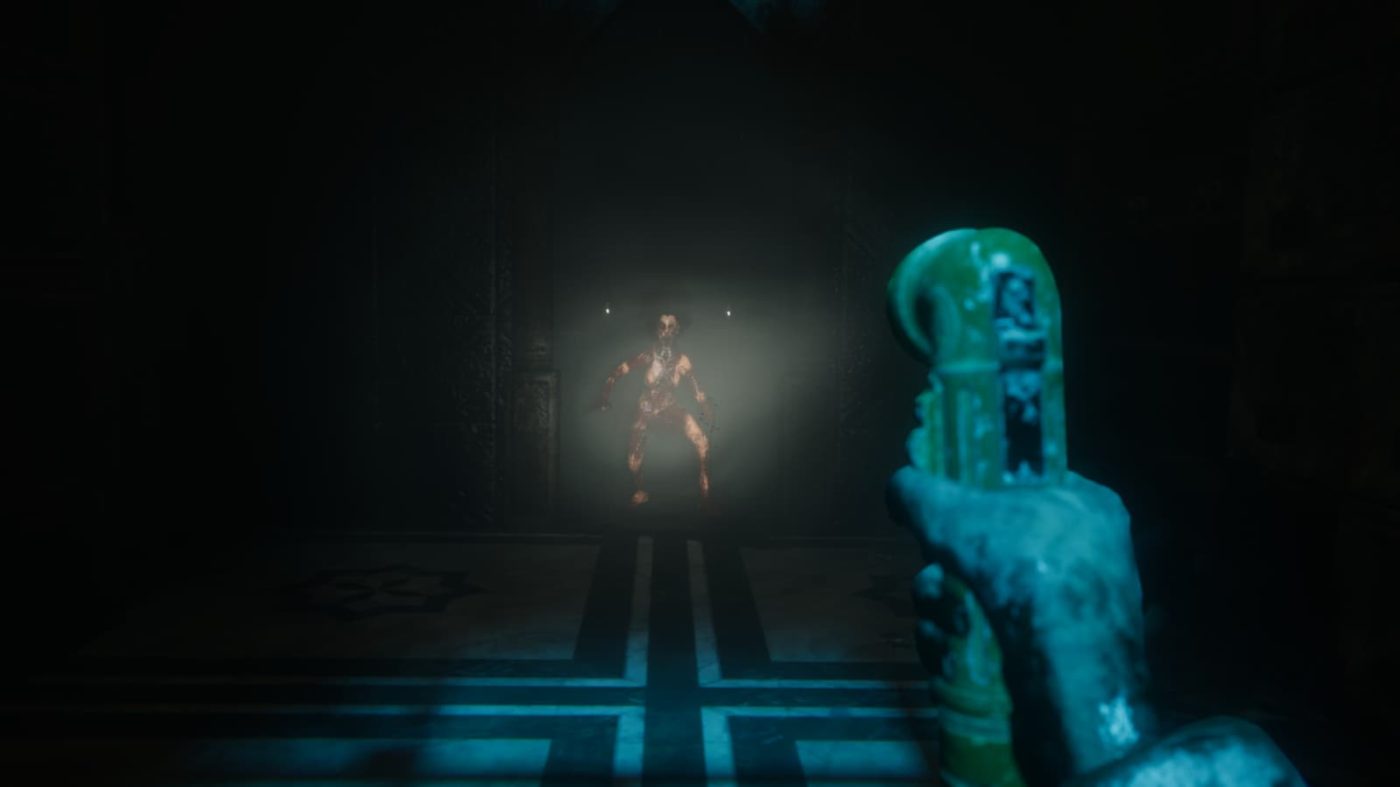
The atmosphere is further heightened by masterful use of light and shadow, contrasting illuminated areas with spaces shrouded in darkness, alongside an intricate sound design. Ambient noises, indistinct footsteps, creaks, and subtly altered natural sounds sustain a constant sense of anxiety and unease. These audio-visual elements do more than create tension – they reinforce the narrative, hint at past events, and suggest unseen threats lurking within the environment.
What truly sets Project Nightmare Case 36: Henrietta Kedward apart is its emotional depth. The interplay of isolation, mystery, and rich narrative detail draws players deeply into the story, making every discovery feel meaningful, every solved puzzle a small triumph, and every interaction with the environment a psychologically engaging experience. The game encourages a measured, contemplative pace, inviting players to observe, analyze, and reflect on each element. Exploration becomes almost meditative, while an undercurrent of psychological tension persists throughout the journey.
By masterfully intertwining investigation, exploration, and psychological horror, the game transforms players from passive observers into active participants in Henrietta Kedward’s story. Every visual detail, sound, and narrative fragment converges to build a chillingly authentic world, crafting a layered, intricate narrative that rewards patience, curiosity, and thoughtful engagement.

Inside Feardemic’s Vision
Project Nightmare Case 36: Henrietta Kedward is the creation of independent developer Feardemic, a studio renowned for its narrative focus and commitment to the player’s psychological experience. Specialising in games that blend horror, mystery, and investigation, Feardemic transforms emotional tension and environmental detail into immersive storytelling tools. Every space, room, and object is deliberately designed to convey narrative cues, suggest puzzles, or evoke a persistent sense of unease, ensuring that both visual and auditory elements fully immerse the player in Henrietta Kedward’s world.
The partnership with publisher NC Studio provided the technical, logistical, and distribution support needed to refine the game engine and implement dynamic lighting, volumetric effects, and richly detailed textures. The result is a set of environments that feel both realistic and cohesive, capable of building palpable tension without resorting to intrusive mechanics or frequent jump-scares. Instead, the game embraces a more deliberate, contemplative pace, encouraging players to slow down, observe closely, and interpret their surroundings with care.
The game engine delivers highly realistic light and shadow effects that shape spatial perception and guide emotional response, while the meticulously crafted sound design – featuring ambient noise, unsettling audio cues, and spatialised effects – reinforces tension, suggests hidden threats, and amplifies the pervasive atmosphere of mystery and isolation.
Every technical element is designed to serve both gameplay and narrative. Player interactions are meaningfully integrated into the story and environment, making each action a contribution to suspense and plot development. The publisher also ensured solid cross-platform optimisation and managed broader distribution, allowing the game to reach a wider audience while preserving the developers’ artistic and narrative vision.
The partnership between Feardemic and NC Studio has resulted in a cohesive, highly detailed, and immersive experience. From 3D models to the placement of documents and environmental objects, every artistic and technical decision contributes to an emotionally resonant, psychologically engaging, and narratively rich game. This demonstrates how a relatively small team, with the right support, can produce a sophisticated, high-level work that harmoniously blends aesthetics, atmosphere, emotional tension, and gameplay into a memorable and fully realised experience.

The Mystery at the Heart of Case 36
The narrative of Project Nightmare Case 36: Henrietta Kedward is the beating heart of the game, unfolding with a depth and complexity that demand active, thoughtful engagement from the player. Rather than following a straightforward, linear story, the game casts players as investigators, tasked with piecing together clues, decoding symbols, interpreting documents, and connecting elements scattered throughout the environment to fully uncover Henrietta Kedward’s tale – a woman trapped in a dark mystery, haunted by supernatural events and a troubled past gradually revealed through a layered, fragmented narrative.
The game begins with a team of scientists activating a mysterious device, plunging the player into a dreamlike world where the line between reality and perception is deliberately blurred. The environment itself becomes part of the story: abandoned homes and interiors serve as repositories of memories, secrets, and lingering presences, all contributing to a pervasive sense of unease and tension. The protagonist’s mission is to unravel the events that drove Henrietta into a spiral of cruelty and fear, leading her toward the darkest forms of witchcraft, in order to uncover a hidden, sinister truth.
Henrietta herself is not revealed all at once. Players reconstruct her past by collecting clues, reading letters, diaries, and notes, examining personal items, and uncovering the events that shaped her life and those around her. Each discovery adds layers to her personality, psychology, and the context of the unfolding story. The narrative is coherently structured yet non-linear, creating a complex mosaic that rewards patience, curiosity, and attention to detail.
The plot tackles delicate and complex themes – memory, trauma, guilt, the perception of reality, and confrontation with the unknown – in a way that encourages players not merely to witness events, but to reflect on their significance, Henrietta’s motives, and the implications of the choices embedded within the story. Her journey is never passive; it calls for interpretation and analysis, transforming gameplay into a meditative path of discovery and introspection.
Throughout, moments of suspense, tension, and mystery are carefully balanced with quieter periods of exploration and investigation, interspersed with episodes of anxiety and fear. Sound design, lighting, and environmental cues are meticulously crafted to evoke emotion and immerse players psychologically, making the narrative not just a story to follow, but a fully realized experience in which environment, gameplay, and plot seamlessly intertwine.
The gradual revelation of Henrietta Kedward’s story and the events surrounding her maintains a consistently high level of suspense, encourages careful reasoning, and ensures that each newly uncovered detail carries meaningful weight in understanding the narrative as a whole. In short, the plot of Project Nightmare Case 36: Henrietta Kedward successfully combines narrative depth, active investigation, psychological tension, and emotional depth into a unique, layered, and compelling experience, where the player becomes an active participant in uncovering piece by piece the mystery that envelops Henrietta and the unsettling world she inhabits.

Deeply Layered and Intertwined Themes
Narrative is one of the standout strengths of Project Nightmare Case 36: Henrietta Kedward, meticulously crafted to deliver an immersive and psychologically compelling experience that goes far beyond a simple linear storyline. At its core lies the mystery surrounding Henrietta Kedward, whose dark past and traumatic experiences drive the narrative and shape the world around her.
The game employs a layered, fragmentary structure in which documents, objects, diaries, recordings, and environmental details are carefully placed for players to discover. This approach transforms exploration and information-gathering into an active, investigative process: the player is not a passive observer but an investigator tasked with piecing together Henrietta’s story, one clue at a time.
The themes explored are deep and multifaceted, encompassing memory, psychological trauma, the perception of reality, and the boundary between rationality and the supernatural, as well as guilt, moral responsibility, and the fragility of the human mind. These elements are woven subtly and consistently into the narrative, environment, and gameplay, encouraging players to reflect on the implications of events, the motives behind Henrietta’s actions, and the consequences of her choices. At the same time, the oppressive atmosphere and pervasive sense of isolation amplify the emotional impact and immersion.
While Henrietta remains the narrative’s central focus, the story is far from static or monotonous. Every visual, auditory, and interactive element carries narrative weight – from eerie sounds reverberating through corridors and laboratories to objects deliberately placed throughout rooms, from subtle lighting to deep shadows that render spaces psychologically rich and enigmatic. This careful design enables players to fully immerse themselves in the story, observing how the environment reflects Henrietta’s emotional state and the unfolding events, creating a dynamic, layered, and deeply engaging narrative experience.
The game also examines the relationship between observer and observed, investigator and victim, prompting reflection on moral responsibility, the ethics of discovery, and how trauma, fear, and isolation can distort one’s perception of reality. Every discovery and interaction is purposeful, serving to deepen understanding, build tension, and enhance psychological complexity.
In short, the narrative of Project Nightmare Case 36: Henrietta Kedward, along with its intricately interwoven themes, lies at the heart of the experience. This is far more than a standard horror adventure – it is an emotional and intellectual investigation that rewards the player’s curiosity, intuition, and interpretive skills. Every environmental detail, document, and clue contributes to a complex, coherent, and deeply immersive mosaic, placing the player at the center of the unfolding mystery and making them an active participant in uncovering Henrietta’s story.
A World So Real It Breathes Back
The technical execution and artistic direction of Project Nightmare Case 36: Henrietta Kedward are among the game’s most impressive and defining features, showcasing meticulous attention to detail, expert use of the game engine, and a remarkable ability to create immersive, emotionally engaging atmospheres.
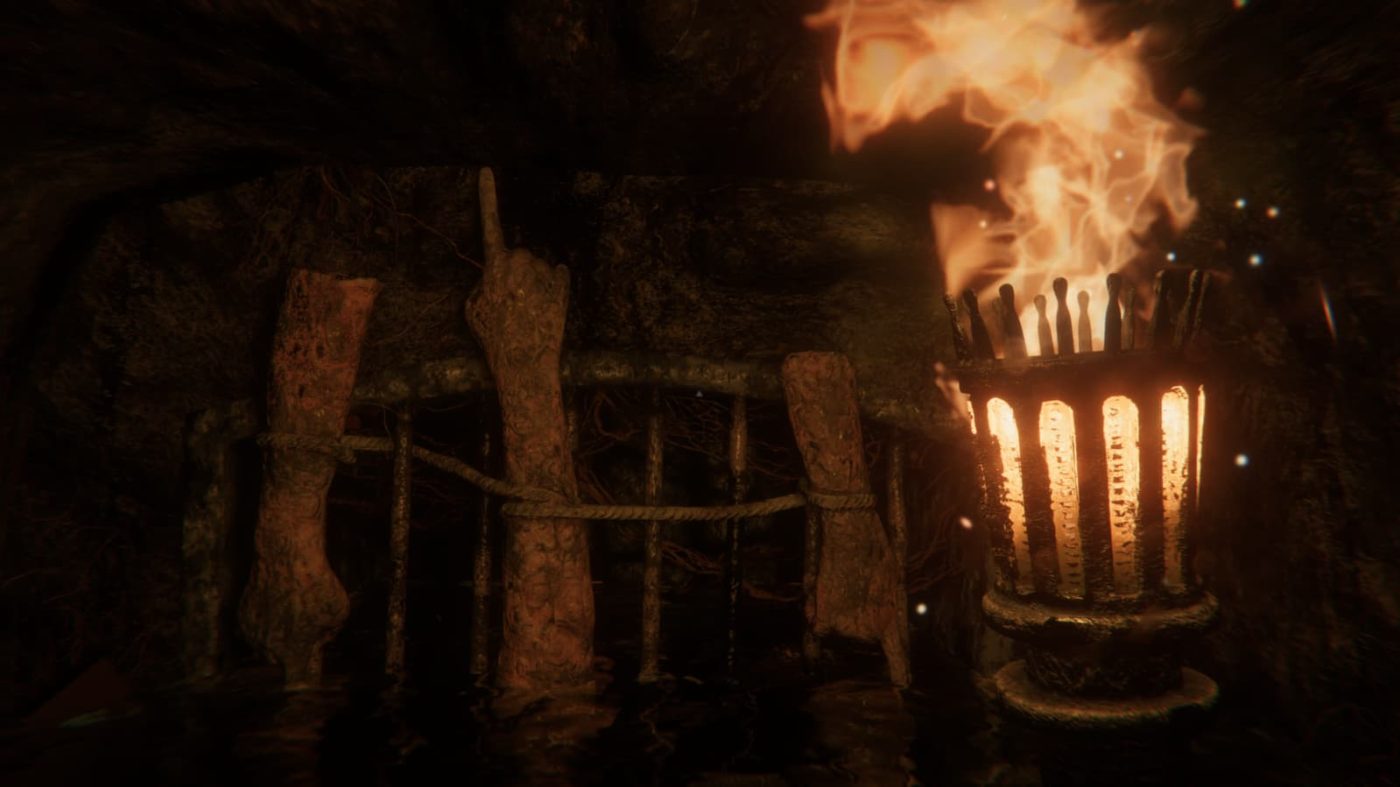
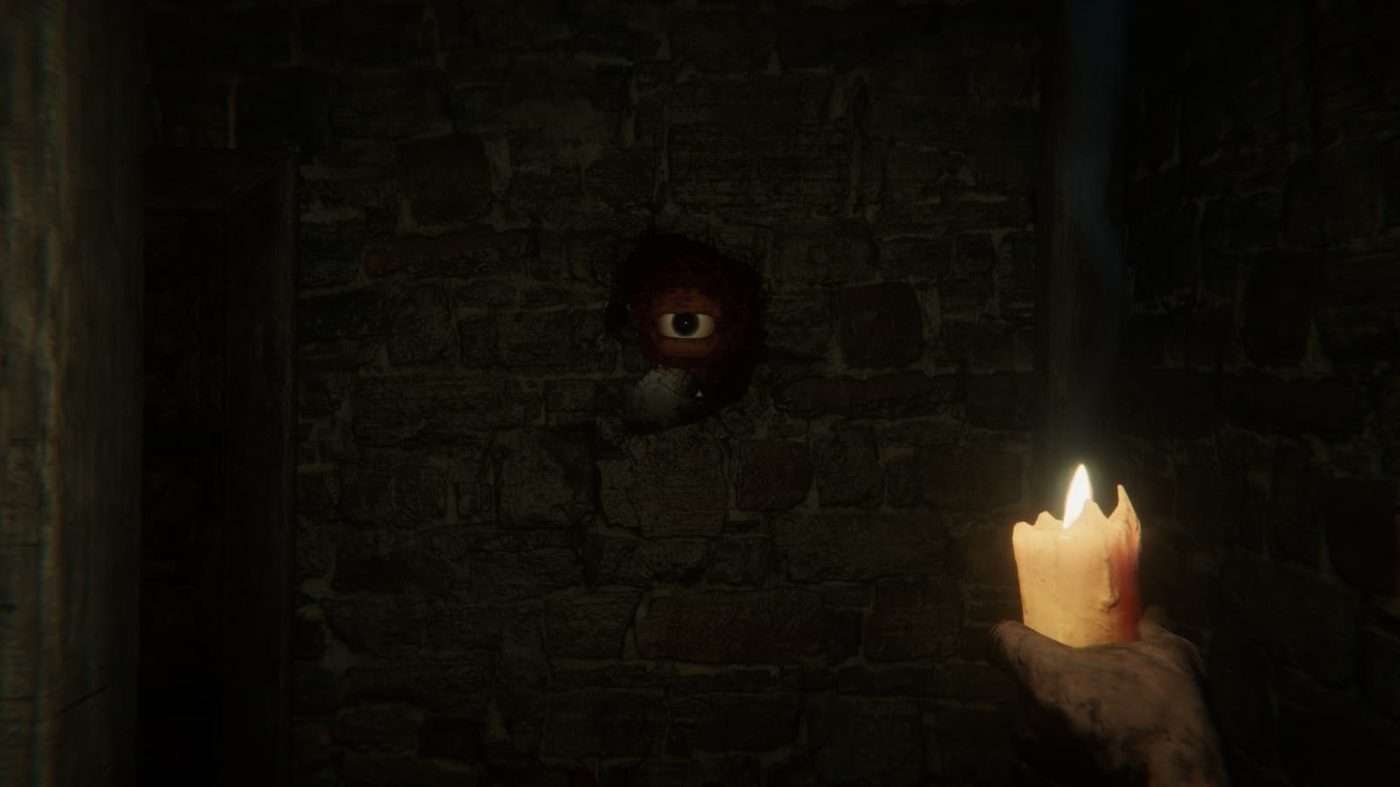
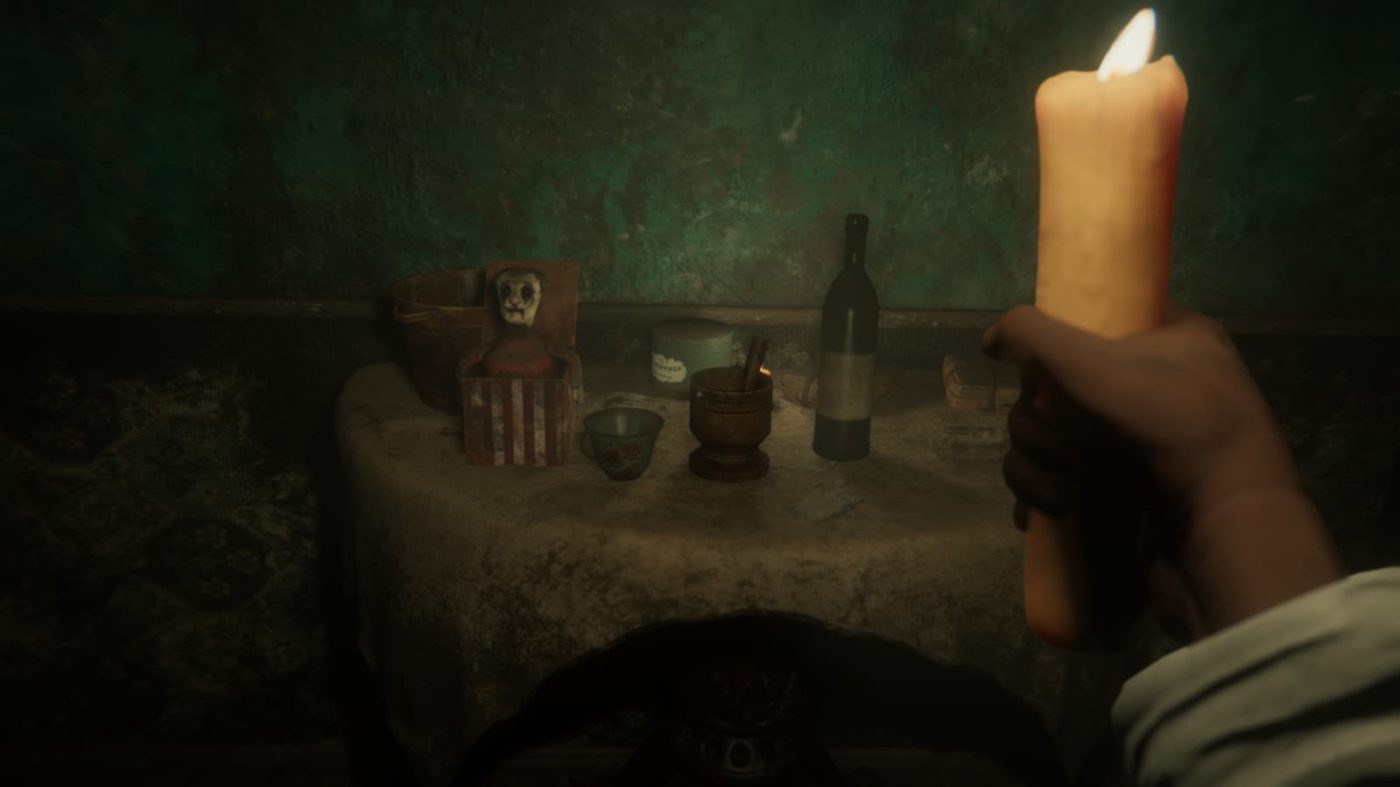
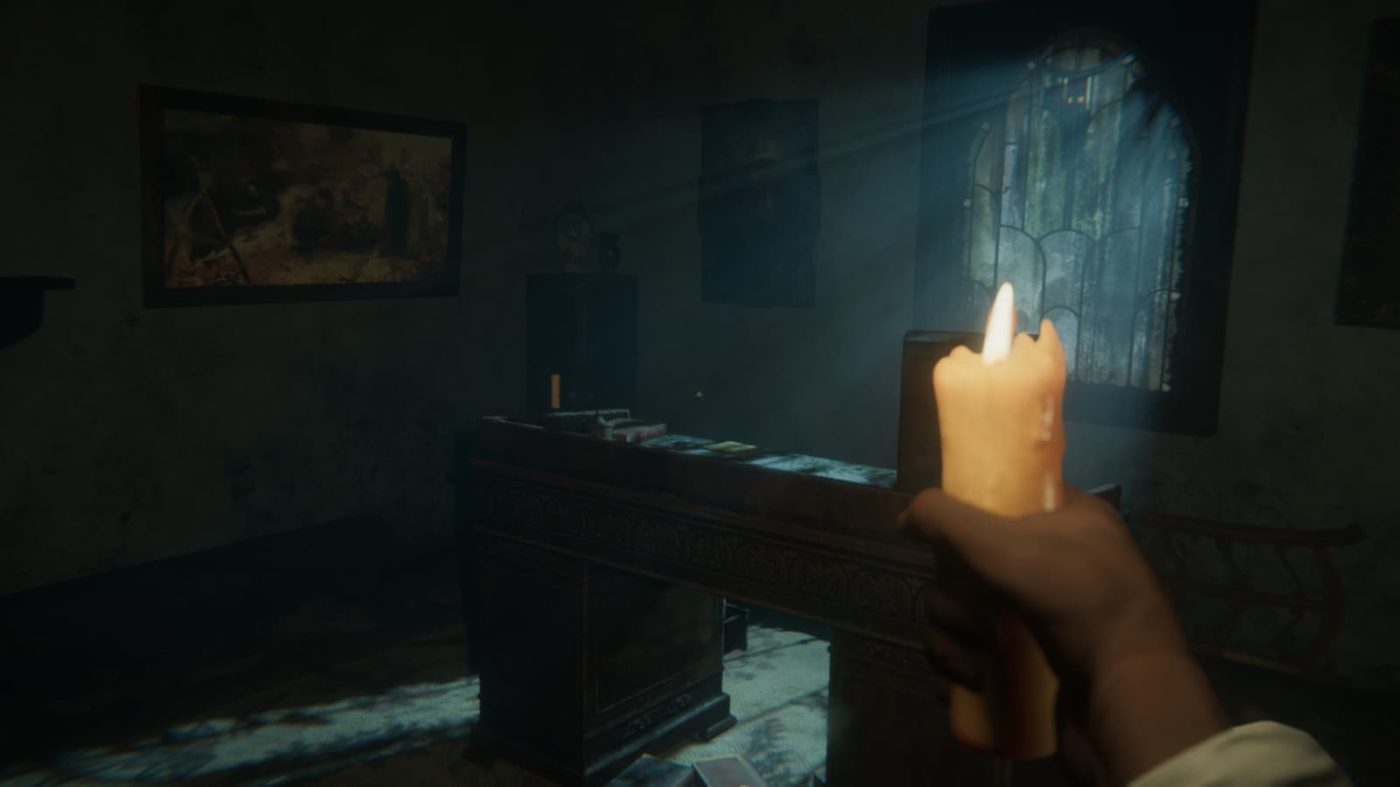
The environments, centred on locations tied to Henrietta Kedward’s story, are crafted with painstaking precision. Complex interiors, realistic architecture, rooms furnished with narrative-driven objects, and exterior spaces that emphasise isolation, desolation, and mystery all contribute to a world that feels tangible and alive. Every detail – from material textures and surface reflections to the subtle wear on objects and the interplay of natural and artificial lighting – enhances the realism, making every corridor and room emotionally resonant and narratively meaningful.
The developers employ the engine to its full potential, implementing dynamic and volumetric lighting, intricate shadow work, and environmental effects that respond in real time to the player’s actions. Tension and atmosphere shift naturally with context, making every movement and interaction immersive and charged with suspense. Micro-details such as depth-of-field, fog, light streaming through windows, flickering lamps, dust, cracked plaster, and overturned objects reinforce the sense of realism, turning exploration into a constant psychological and sensory experience that complements the unfolding narrative.
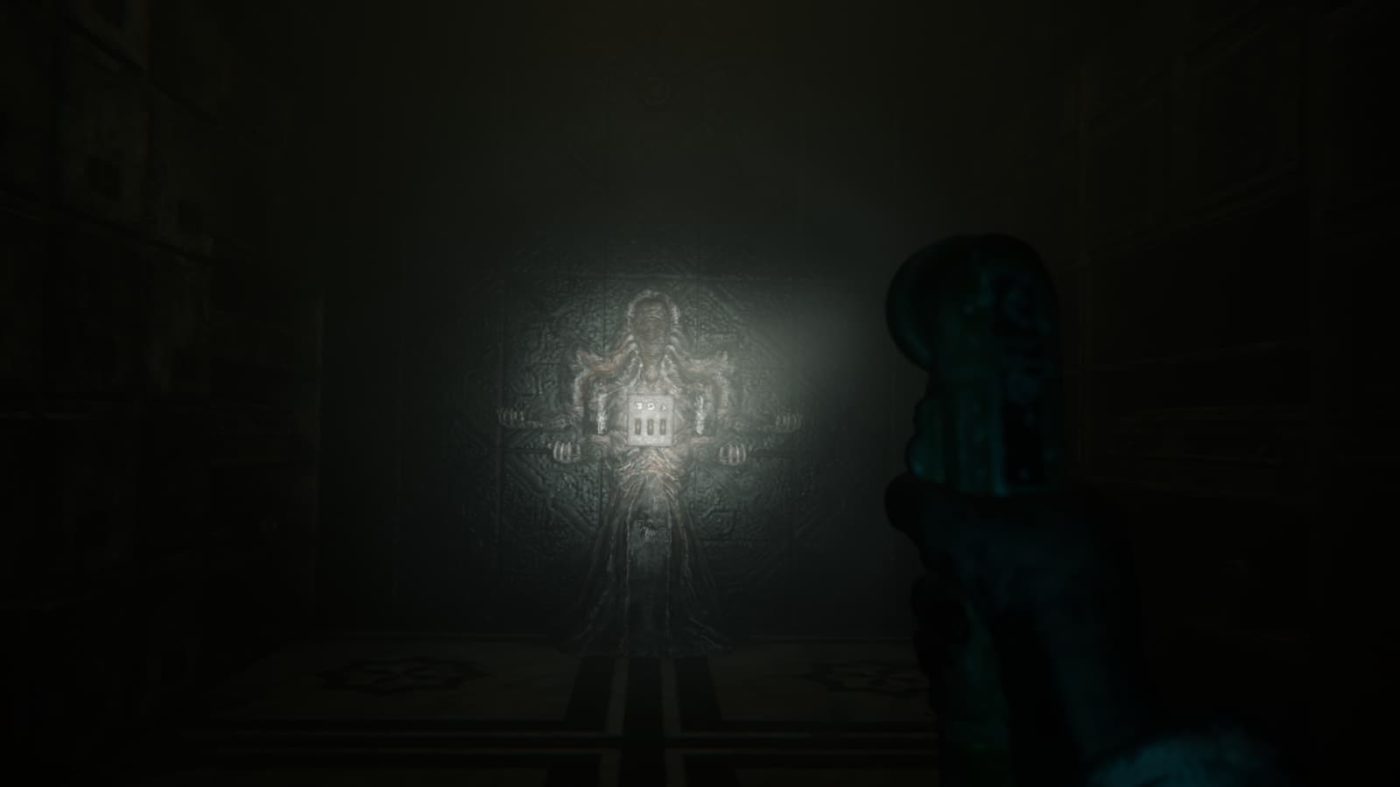
The art direction, too, is carefully attuned to the emotional landscape of the story. Cold, desaturated colours convey unease and isolation, while deliberate lighting contrasts draw attention to key points. Hidden symbols and environmental cues guide the player toward narratively important elements. Every object is purposeful, serving both aesthetic and narrative functions, ensuring that interaction with the environment is meaningful and heightens the psychological tension.
Technically, the game excels in 3D modelling, animation, and texturing, complemented by smooth character movement and a level design approach that guides the player without feeling restrictive. Exploration feels open yet intentional, with every space thoughtfully designed to serve the narrative and reinforce the atmosphere. Character models – while not cutting-edge – effectively convey emotion through posture, micro-gestures, and subtle facial expressions, allowing feelings to be communicated without extended cinematics or explicit dialogue. Environmental animations—creaking doors, interactive objects, and dynamic effects like wind and shifting light – further heighten immersion and realism.
Stylistically, the art maintains a consistent visual language, blending realism with suggestion. The world feels lived-in and storied, and the careful management of sightlines, player paths, and focal points guides exploration without breaking the illusion of freedom, making every discovery satisfying and meaningful.
The Hidden Voice of Fear
Like the game’s technical and visual craftsmanship, the sound design stands as one of the experience’s core strengths. Audio here is far more than an accompaniment – it actively shapes the player’s journey, crafting an immersive, tense, and unsettling atmosphere where every sound carries emotion, suspense, and narrative weight.
The development team meticulously crafted every sonic element, from recorded and manipulated environmental noises to echoes, creaks, indistinct footsteps, altered natural sounds, and dynamic audio cues that react to the player’s actions. This attention to detail fosters a constant sense of presence and interaction, heightening the player’s feelings of isolation and vulnerability central to Henrietta Kedward’s story.
Sound in the game is a narrative tool as much as it is an atmospheric one. Every noise provides context: hinting at hidden threats, referencing past events, or signaling forthcoming occurrences, while guiding player focus toward key elements. The soundtrack is intentionally minimal yet evocative, balancing silence with subtle, unsettling tones to heighten exploration and emotional tension. Carefully timed audio peaks underscore discoveries, the opening of doors, or the activation of important objects, making sound an integral driver of both storytelling and psychological immersion.
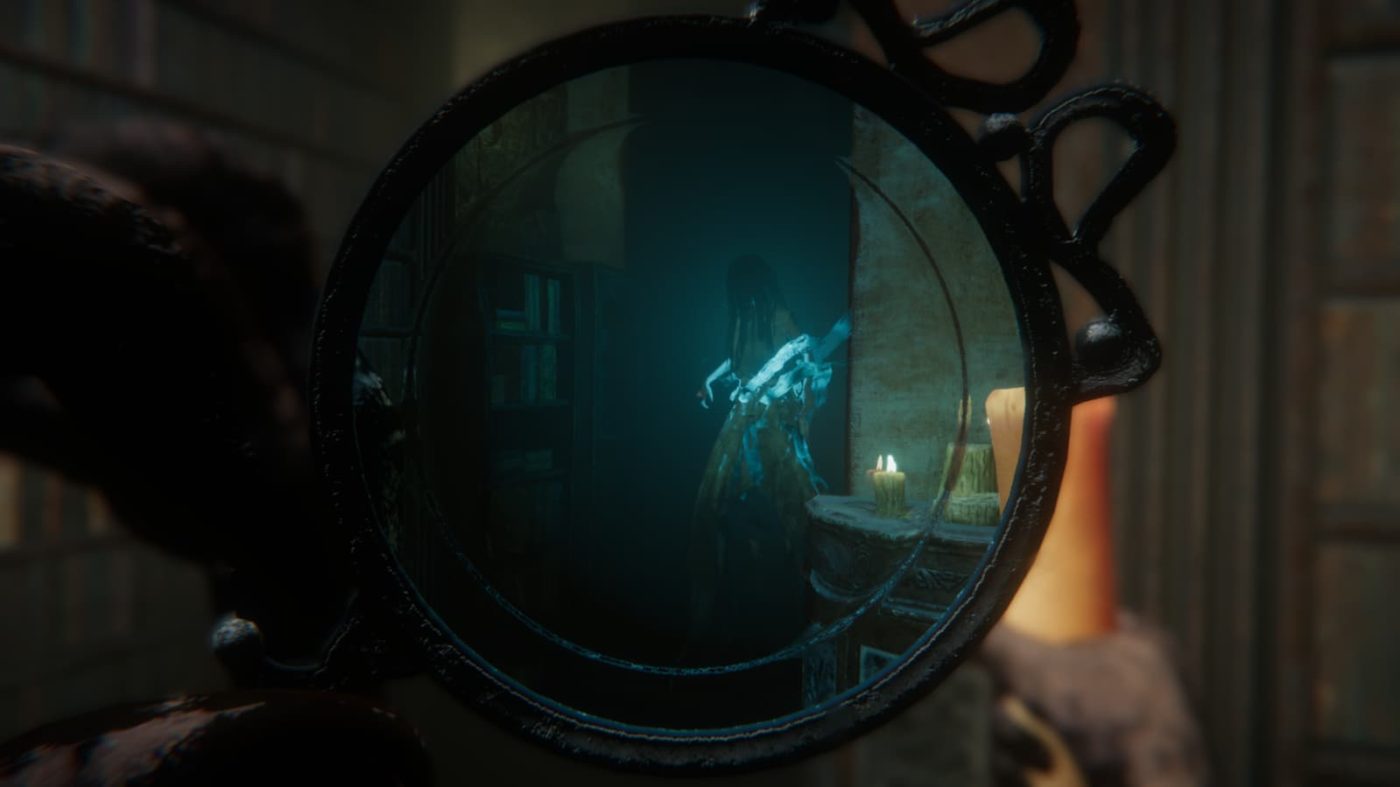
Technically, the game seamlessly integrates audio with visuals and engine mechanics. Three-dimensional spatial sound allows players to gauge the distance and direction of noises, enhancing tension and emotional engagement, while precise synchronization between environmental interactions, animations, and sound effects reinforces the realism of every step, gesture, and movement in the game world.
Dynamic sound design continually modulates the player’s emotional experience. In isolated or high-tension areas, silence becomes a tool for suspense, amplifying vulnerability. In moments of revelation, sound emphasizes narrative and emotional impact, creating a psychological rhythm that guides the experience without breaking immersion.
The technical framework also ensures smooth performance, stability, and optimization, allowing players to freely explore complex environments without interruptions, while maintaining consistent audio-visual fidelity even in dense or detailed spaces. This integration of sound, graphics, and engine functionality results in a cohesive experience where every technical element reinforces narrative, atmosphere, and tension.
In essence, the sound design of Project Nightmare Case 36: Henrietta Kedward is not just functional – it is narrative and emotional storytelling in its own right. It amplifies suspense, deepens player engagement, and transforms exploration and investigation into a psychologically intense, coherent, and memorable experience, where every sonic detail contributes to the game’s mystery, tension, and haunting atmosphere.

Explore the Unseen, Uncover the Unknown
World-building is one of Project Nightmare Case 36: Henrietta Kedward’s most distinctive strengths, demonstrating how a meticulously crafted environment can be as vital as the story or the characters themselves. The game constructs a cohesive, immersive, and deeply unsettling world where architecture, objects, lighting, sound, and storytelling merge into a single experiential fabric that fully captivates the player.
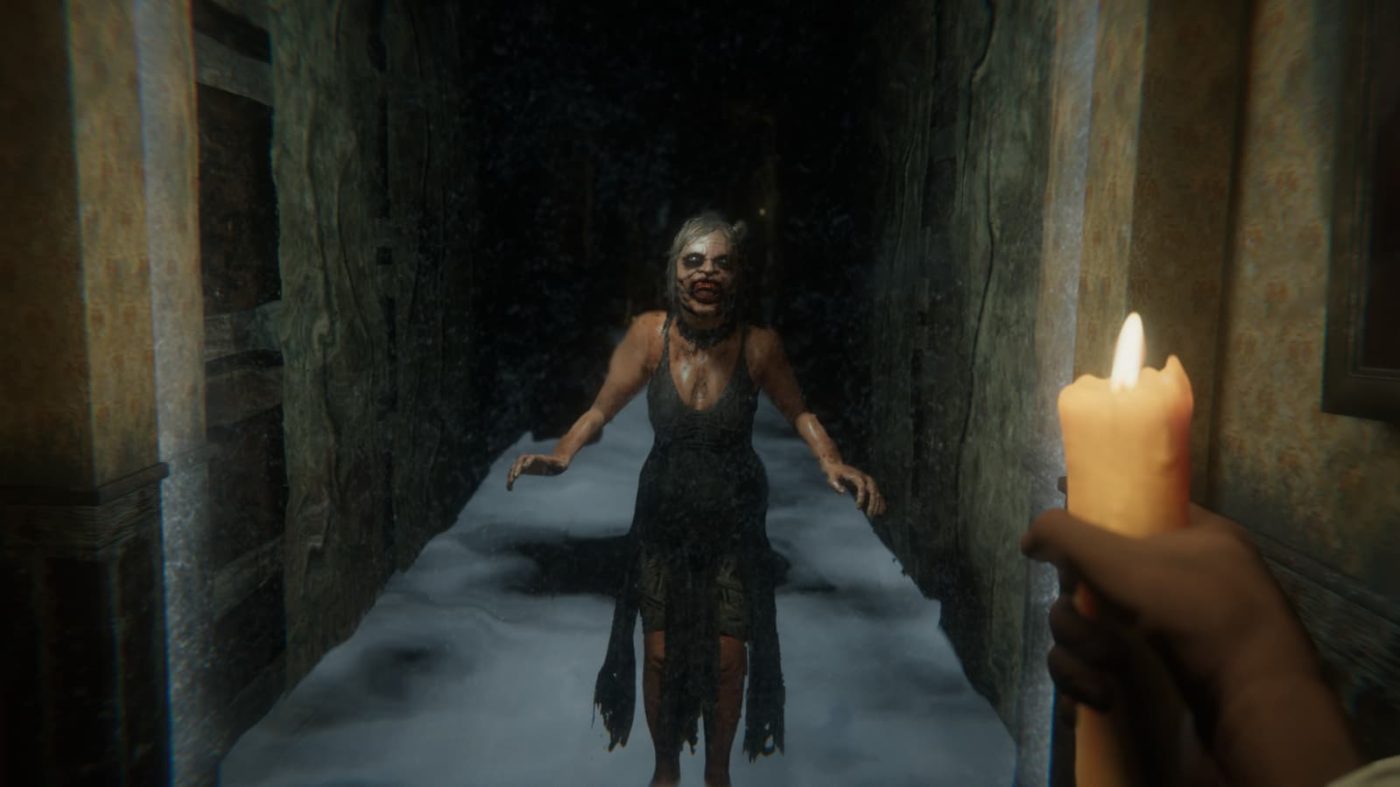
Every explorable space – from narrow, dimly lit corridors in abandoned homes to rooms brimming with symbolic objects and documents, and even outdoor areas that evoke isolation and desolation – is designed with a clear narrative purpose. Each detail reflects Henrietta Kedward’s story and psychology while guiding the player through paths of discovery, tension, and meaning, making every interaction significant.
Gameplay and world-building are tightly intertwined. Exploration is never random; it rewards careful observation, deduction, and interpretation. Players must connect elements, decipher clues, solve environmental puzzles, and interpret hidden symbols that reveal layers of story, character psychology, and supernatural mystery. The pacing is deliberately meditative, encouraging gradual discovery and the formation of a mental map of the environment, where understanding spatial relationships and the interplay between objects and locations is crucial for progress.
The world-building also shines in its stylistic and thematic consistency. Every room, object, and architectural detail follows a coherent visual language, with materials, colors, lighting, and object placement reflecting the protagonist’s emotional state, the story’s tension, and the enigmatic nature of events. This creates a strong sense of continuity and immersion, amplifying psychological engagement.
The environments are steeped in history, filled with traces of past lives, hints of previous or impending events, and symbols that spark curiosity and interpretation. Exploration becomes a narrative and investigative act. The gameplay is further enriched by interactive mechanics: players examine objects, manipulate tools, open drawers and cabinets, read documents, listen to recordings, and observe subtle environmental cues. Each action uncovers fragments of truth and propels the narrative forward.
Puzzles are carefully balanced to challenge reasoning and logic without breaking immersion, with each discovery influencing the overall understanding of the story and characters. The spaces themselves reinforce the world’s coherence: pathways suggest logical connections, environmental cues guide players subtly, and dynamic elements – flickering lights, movable objects, ambient sounds, and atmospheric shifts – enhance realism, tension, and believability.
In short, the integration of world-building, environmental design, and gameplay in Project Nightmare Case 36: Henrietta Kedward delivers a layered, immersive experience. Every visual, auditory, and interactive element contributes to atmosphere, psychological engagement, and investigative progression, making players feel like active participants in a complex, mysterious, and unsettling world. Discovery, reflection, and interaction with the environment are central to experiencing Henrietta Kedward’s story, establishing the game as a standout example of harmonized design, narrative depth, and psychologically rich, meditative gameplay.

The Critics’ Verdict: Immersive and Thought-Provoking
Project Nightmare Case 36: Henrietta Kedward deserves to be assessed in light of its ambition and complexity, as it masterfully blends psychological horror, layered storytelling, and environmental investigation into a deeply immersive and contemplative experience. Narratively, the game excels in conveying a complex and engaging story without relying on heavy-handed exposition or intrusive cinematics. Players are tasked with reconstructing Henrietta’s past, uncovering character motivations, and interpreting events through careful observation of clues, documents, and environmental details – creating an investigative experience that is both intellectually challenging and deeply rewarding for fans of psychological horror and intricate mystery.
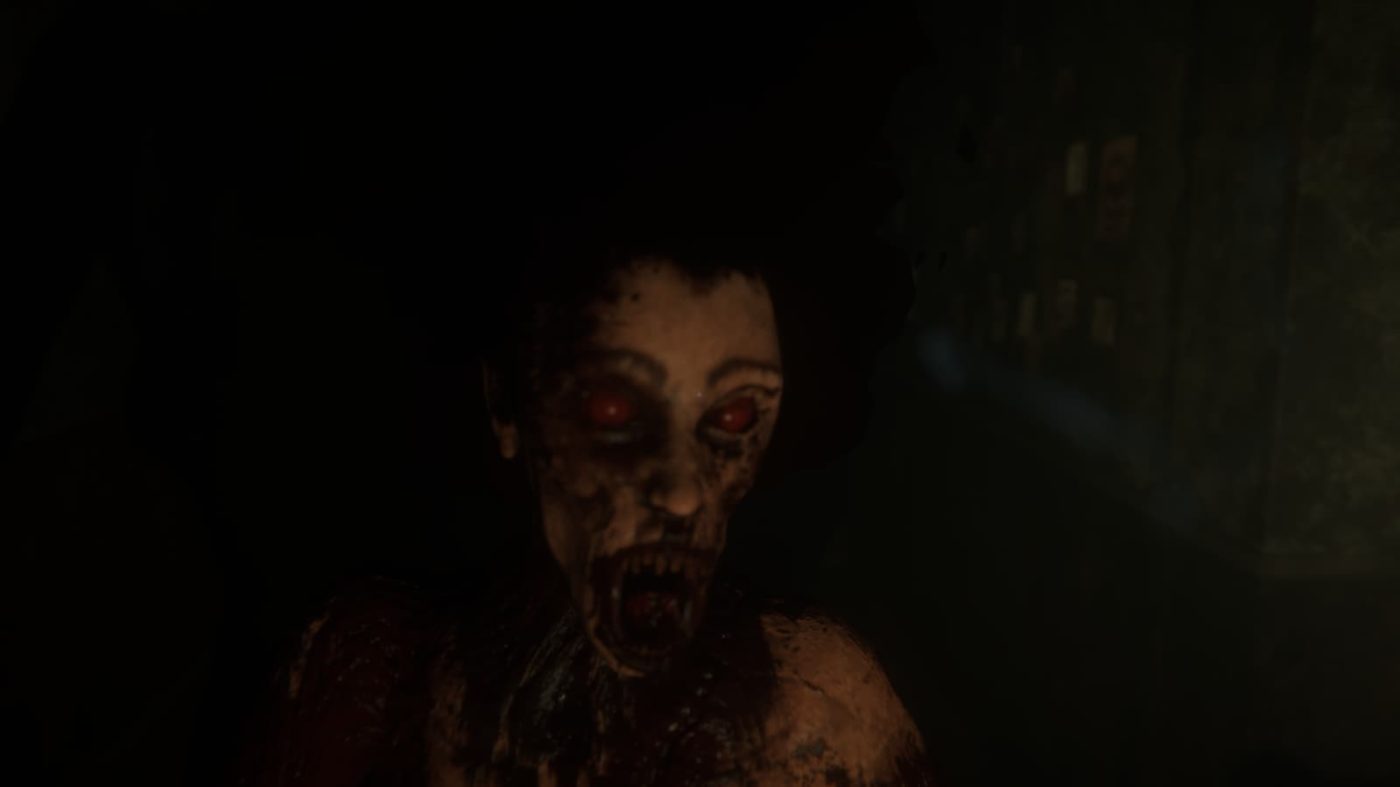
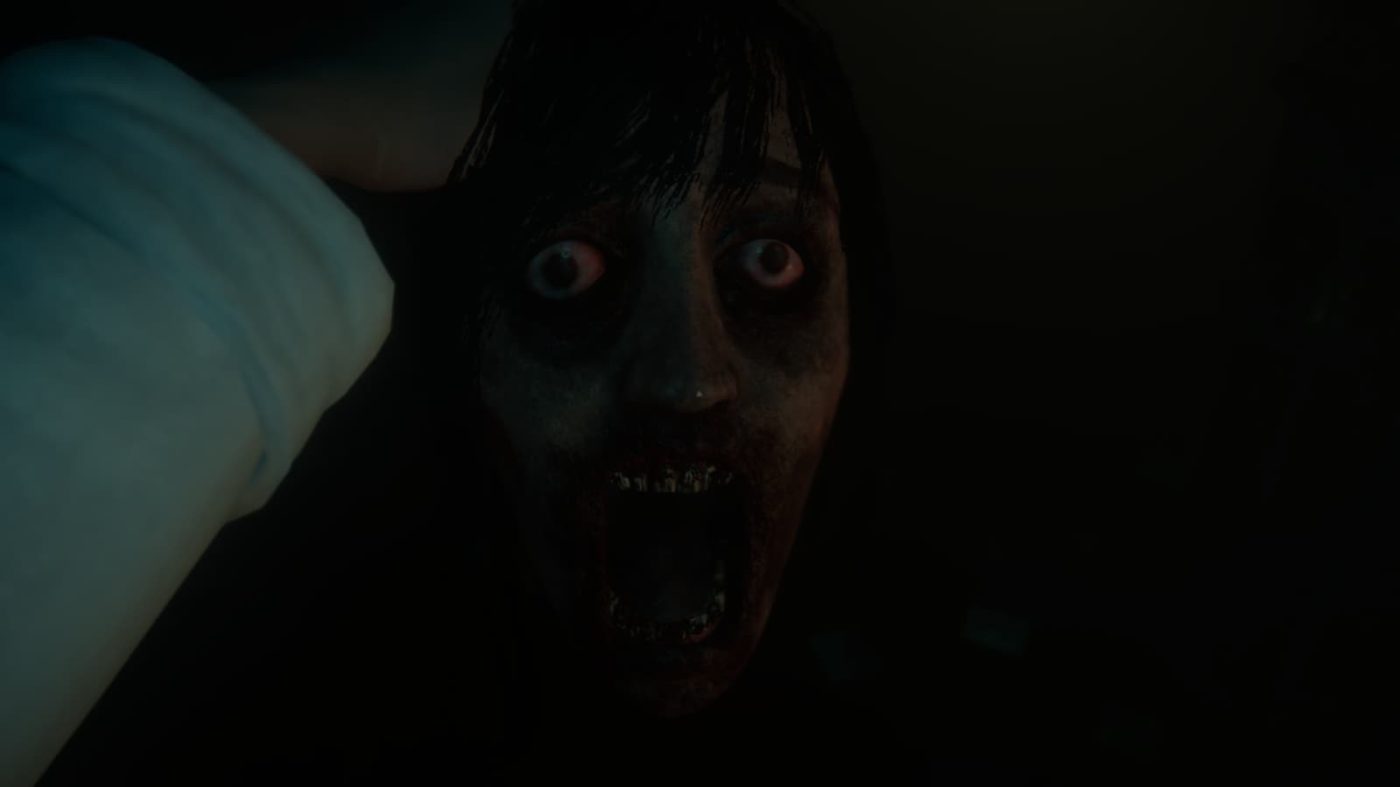
Reviewers have consistently praised the game’s atmospheric design. Through masterful use of lighting, shadows, volumetric effects, and dynamic sound, the game maintains a constant tension and sense of unease without over-relying on jump scares, though these are present sparingly. The result is a pervasive, lingering dread that heightens engagement at every turn. Technically, the title excels in graphics quality, character and environment modeling, fluid engine performance, and consistent art direction. Minor issues, such as occasional frame rate drops in complex areas or small interaction glitches, are noted but do not diminish the overall experience.
The game’s approach to level design and its fragmented narrative has received widespread acclaim. By focusing on exploration, environmental puzzles, and subtle, implicit storytelling, it cultivates a persistent sense of discovery and mounting tension without relying on combat or intrusive mechanics. Although the deliberate, contemplative pacing may not suit players accustomed to faster, more linear experiences, those who appreciate psychological horror and immersive storytelling will find the game both compelling and highly rewarding.
Finally, the integration of world-building, art direction, narrative, and sound design is exceptional. Richly detailed environments, narrative-driven objects, ambient audio, and music all work in harmony to evoke emotion, build suspense, and encourage interpretation of the game’s symbolic universe. Project Nightmare Case 36: Henrietta Kedward does more than entertain; it invites reflection and critical engagement, establishing itself as a complex, layered, and emotionally resonant work that captivates players and stands out for its depth, atmosphere, and psychological impact.

Project Nightmare Case 36: Henrietta Kedward
PRO
- Highly detailed and coherent world-building, with symbolic and narrative depth;
- Layered, non-linear storytelling that rewards careful observation and critical reasoning;
- Immersive atmosphere supported by expertly crafted lighting and art direction;
- Dynamic sound design and evocative soundtrack that heighten tension,
- Reflective, deliberate gameplay encouraging deduction and analytical thought;
- Emotionally compelling storytelling with sensitive handling of intricate themes;
- Consistent focus on psychological horror;
- Strong technical performance and high graphical fidelity.
CON
- Deliberate, contemplative pacing may not suit players preferring faster or more action-oriented gameplay;
- Limited diversity in conventional mechanics, with a strong emphasis on exploration and environmental interaction.


8/10