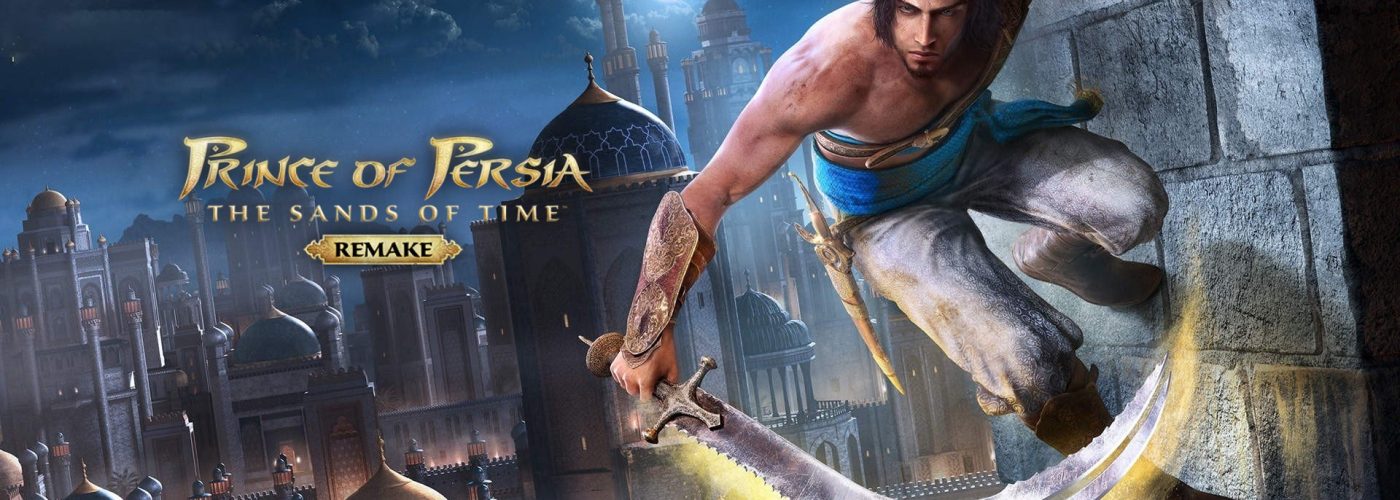
The project that could (and arguably should) have marked Ubisoft’s return to its creative roots.

For years, Ubisoft has been grappling with a deep, systemic crisis – one that extends far beyond the commercial failure of individual projects. Its gradual, persistent decline is reflected in a string of project misfires, internal reorganizations, mass layoffs, and a growing erosion of creative identity.
Once a visionary powerhouse in the gaming industry, Ubisoft now resembles a production machine lacking clear direction, weighed down by a model that prioritizes serial output, cost-cutting, and formulaic repetition over innovation and quality.
Three projects might have marked a turning point: Star Wars Outlaws, Avatar: Frontiers of Pandora, and the Prince of Persia: The Sands of Time remake. Each carried high symbolic and strategic value. And each ultimately fell short.
The first two, despite generous budgets and prestigious licenses, laid bare the limitations of Ubisoft’s traditional open-world formula: sprawling, meticulously detailed maps; endless checklists of repetitive tasks; mission structures that often felt mechanical; superficial narratives; and overall gameplay lacking a distinct identity. What once drove sales now feels stale, outpaced by a market increasingly attuned to originality, depth, and meaningful experiences.
In recent weeks, Ubisoft’s stock has tumbled to around $6, a stark reflection of waning investor confidence. Its latest internal restructuring – intended to diversify projects and mitigate risk – has so far resulted in a fragmented strategy, providing little in terms of coherent direction.
Remaining hopes, such as Beyond Good and Evil 2 or the Splinter Cell remake, now feel more like symbolic gestures than genuine catalysts for revival. Coupled with the shift toward live-service models, the dilution of identity in storied IPs like Rainbow Six and Ghost Recon, and the homogenization of production aesthetics and structures, the picture is decidedly grim.
This is no mere temporary setback. Ubisoft is facing a crisis of its very business model.
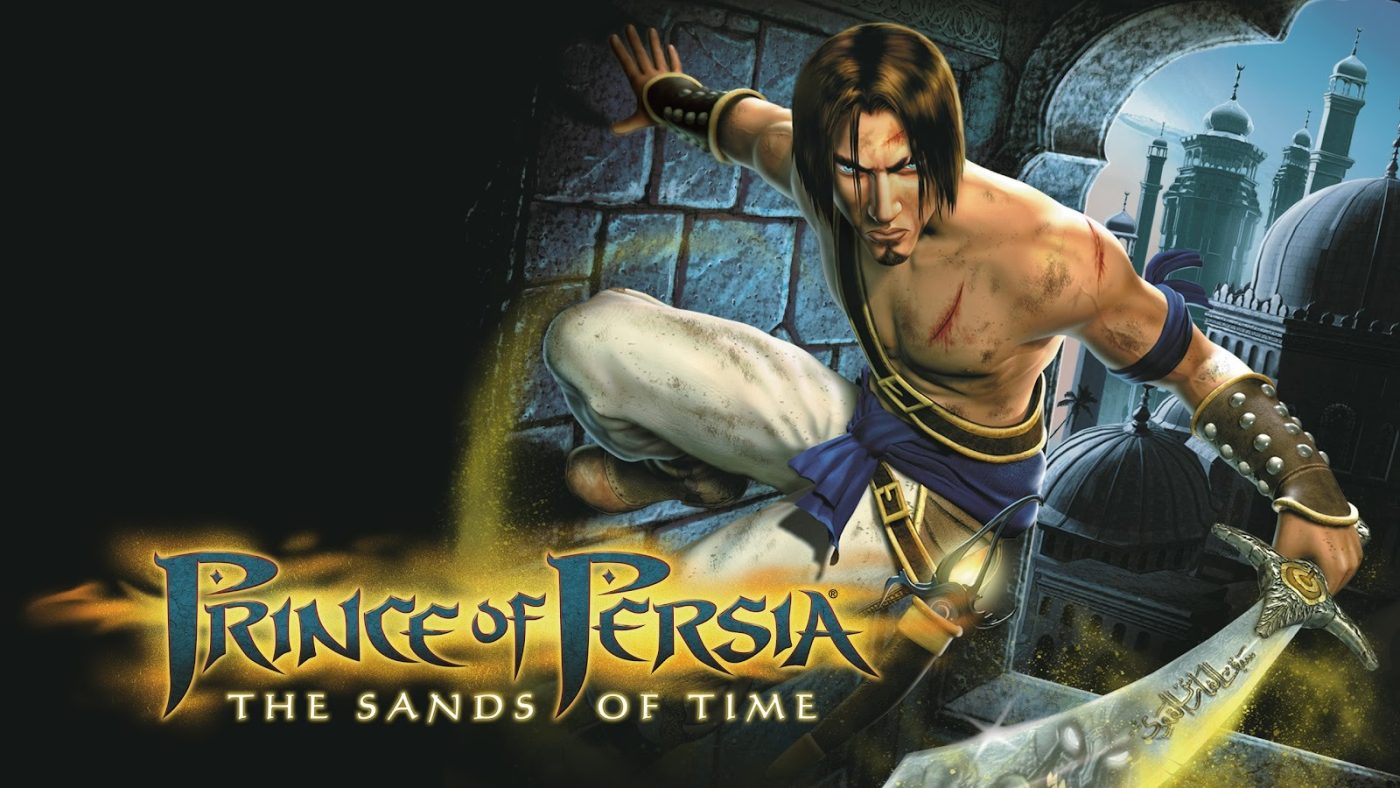
The Prince of Persia Lesson
The failure of the Prince of Persia: The Sands of Time remake has come to symbolize Ubisoft’s broader struggles. The saga itself carries a timeless lesson: underestimate a force – whether it’s time, an enemy, or a single leap – and disaster is inevitable.
When Ubisoft released the first trailer in 2020, the reaction from both players and critics was immediate and overwhelmingly negative. Animations felt stiff, the technical framework was outdated, and the artistic direction appeared uncertain. For a franchise that helped define modern platforming and action-adventure games, the response was a clear indication that expectations had not been met.
The project was delayed, then suspended, quietly shelved, and ultimately cancelled. This chain of missteps reveals a fundamental strategic misjudgment: Ubisoft attempted to produce a premium experience while investing minimally, severely underestimating both the complexity and the historical significance of the franchise. The decision disregarded not only technical challenges but also the cultural and symbolic value that Prince of Persia holds in gaming history.
Prince of Persia is far more than just a game franchise. It is a cornerstone of modern gaming history.
Three core elements made the saga legendary:
- Movement: A fluid, readable, and physically grounded platforming system that remains a benchmark even today.
- Combat: Dynamic, choreographed encounters that emphasize mobility, positioning, and rhythm.
- Cinematic Direction: Thoughtful scene construction, narrative depth, and compelling performances that elevated storytelling in games.
Recreating these elements requires expertise, time, significant investment, and above all, vision. Attempting shortcuts in any of these areas inevitably undermines the legacy of a series that set the standard for an entire genre.

A Complex and Ambitious Undertaking
The remake of The Sands of Time trilogy was never intended as a mere exercise in nostalgia – it was both a cultural and gameplay-driven endeavor. Ubisoft possessed a “goldmine” of content, lore, mechanics, and narrative potential, offering an unprecedented opportunity to reintroduce a legendary franchise to modern audiences.
The challenge was twofold: to preserve the original platforming’s structure and difficulty, while adapting it to contemporary standards. This meant integrating advanced motion capture, realistic physics, organic animations, and agile, visually striking combat. Every jump, traversal, and combat encounter had to feel natural and intuitive, without relying on intrusive visual aids such as highlights or artificial indicators.
Ubisoft could have pursued a modular strategy: releasing a single remake as a technical and narrative foundation, then gradually reviving the entire trilogy. Instead, as the company’s post-2010 record shows, long-term planning has largely been abandoned in favor of short-term, high-risk strategies – approaches that consistently fail to capitalize on its most valuable historic IPs.
Prince of Persia: A Franchise at a Crossroads
Today, Prince of Persia navigates a gaming landscape dominated by fast, accessible, and intuitive experiences. The complexity, precision, and meticulous design that once defined the series are increasingly difficult to adapt for modern audiences.
Previous revival attempts have met with mixed results:
- The Forgotten Sands, a technically competent entry, ultimately faded into obscurity.
- Prince of Persia: Redemption, a highly promising project, never came to fruition.
Will the Prince return? Perhaps. But today, Ubisoft appears to have poured the last grains from the hourglass of the Sands of Time. No magic, no “rewind,” can reverse the fate of a franchise long subjected to neglect and underestimation.
The failure of the remake is far from an isolated event. It stands as a stark metaphor for a company in crisis – one that has lost its creative identity and severed its connection to a rich cultural legacy. And this time, unlike in the games themselves, there is no turning back the clock.