In a world without end, the true loss is not death, but the very meaning of life.

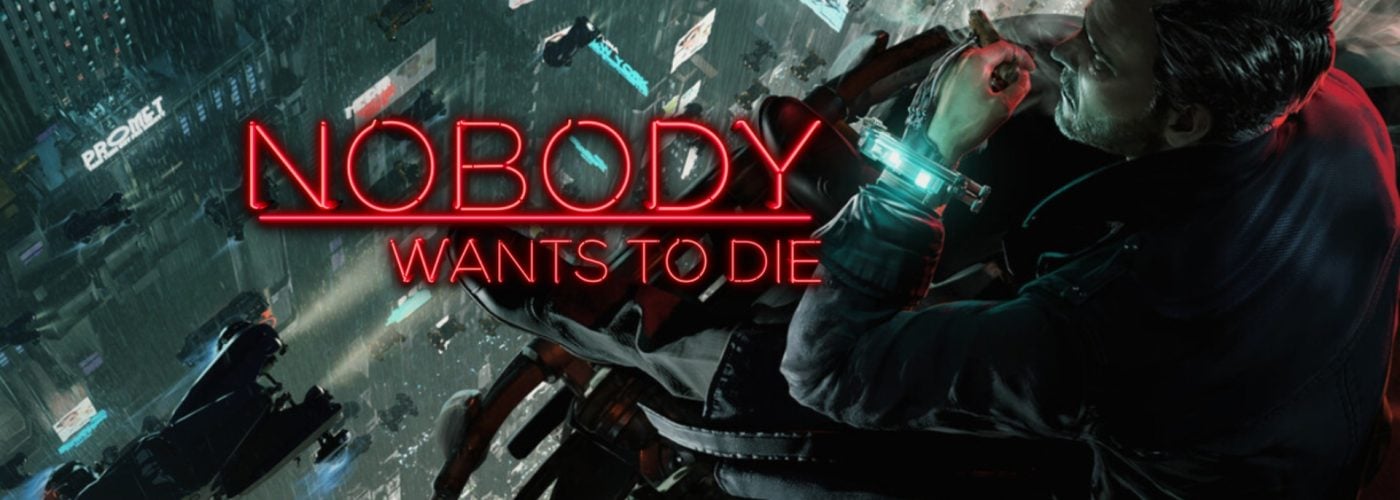
Nobody Wants to Die positions itself from the very first moment as a bold and unmistakably singular work in today’s gaming landscape. Rejecting flashy mechanics and instant spectacle, it establishes a distinctive identity through style, theme, and narrative, drawing openly on the shadows of noir and the moral complexity of dystopian science fiction. Set in an alternate New York, the game immerses players in a future where immortality is within reach yet profoundly ambiguous – a world that challenges the very way we perceive life, death, and the meaning of existence.
From the very first moments, Nobody Wants to Die makes its intentions unmistakably clear: this is neither light nor conventional fare. Its tone is dark, contemplative, and imbued with a persistent sense of melancholy and disillusionment. The narrative is meticulously crafted to explore weighty existential questions – identity, memory, sacrifice, and the ethical consequences of technological progress. Straddling the line between narrative-driven adventure and investigative experience, the game prioritizes observation, deduction, and interpretation over action, immersing players in a world meant to be understood and experienced, rather than merely conquered.
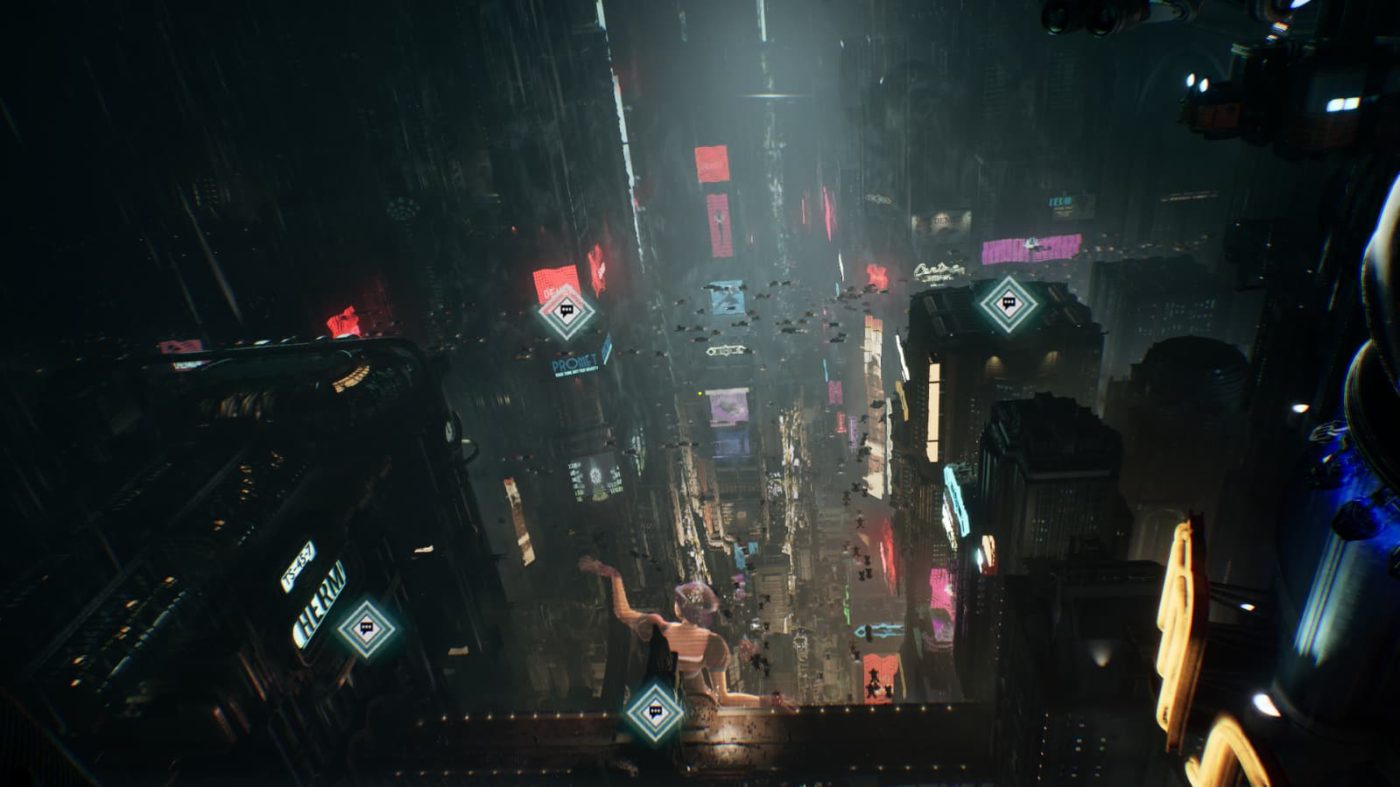
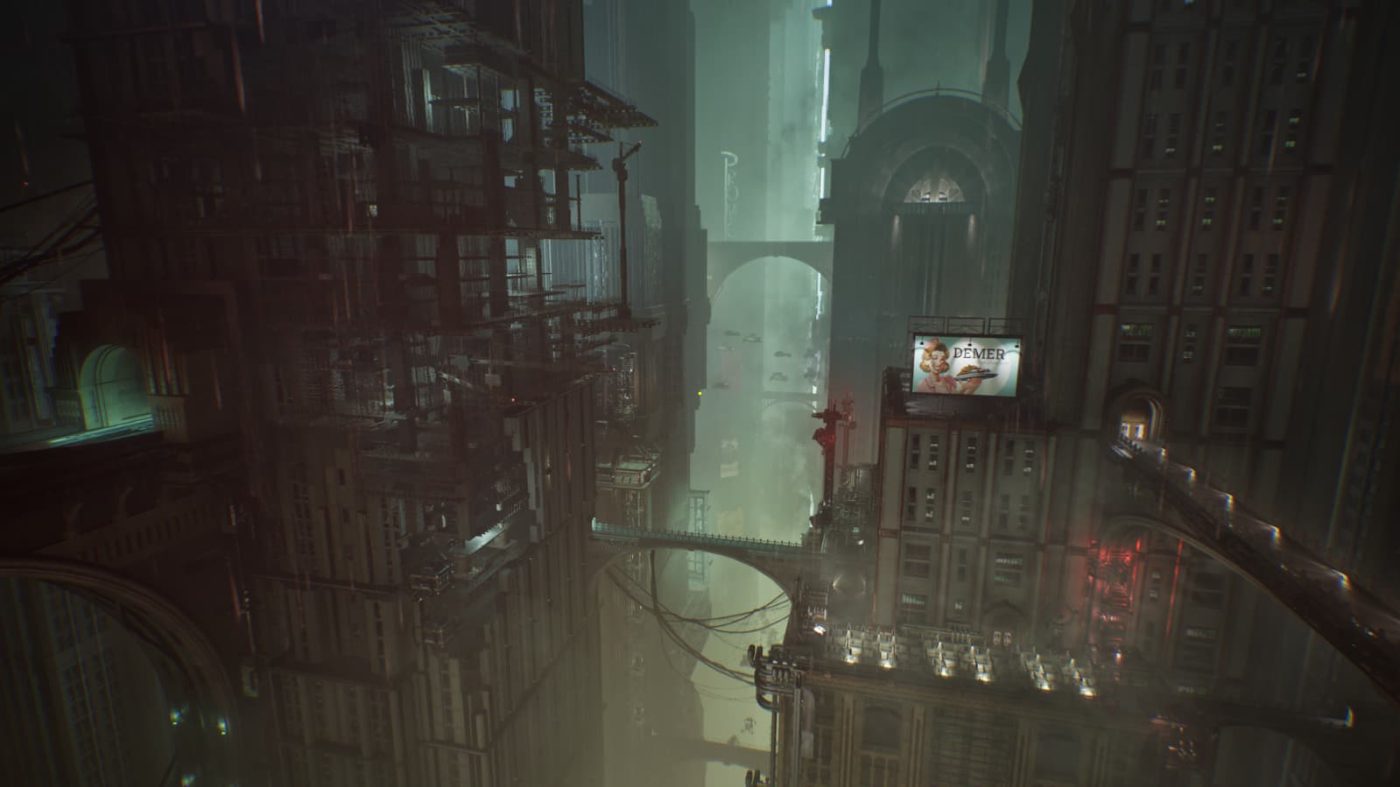
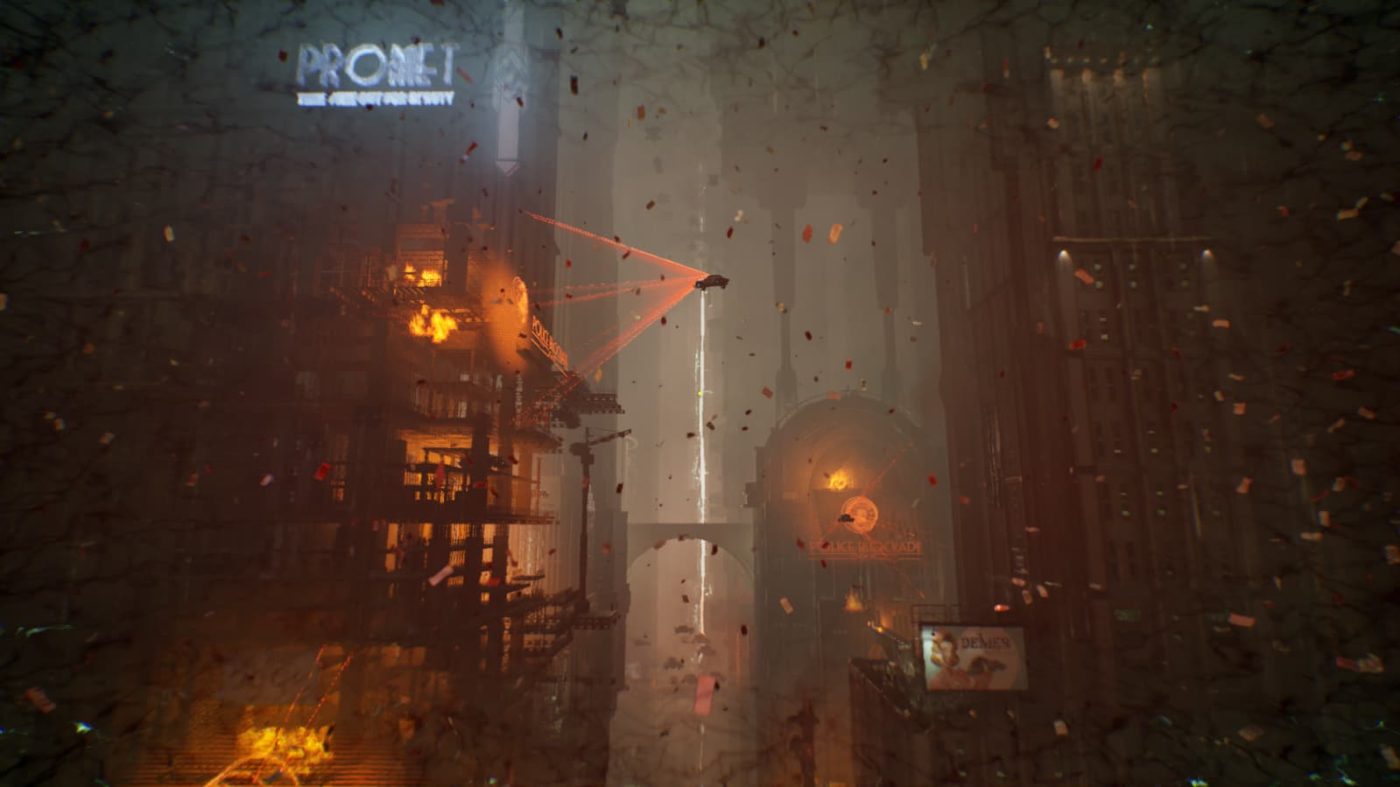
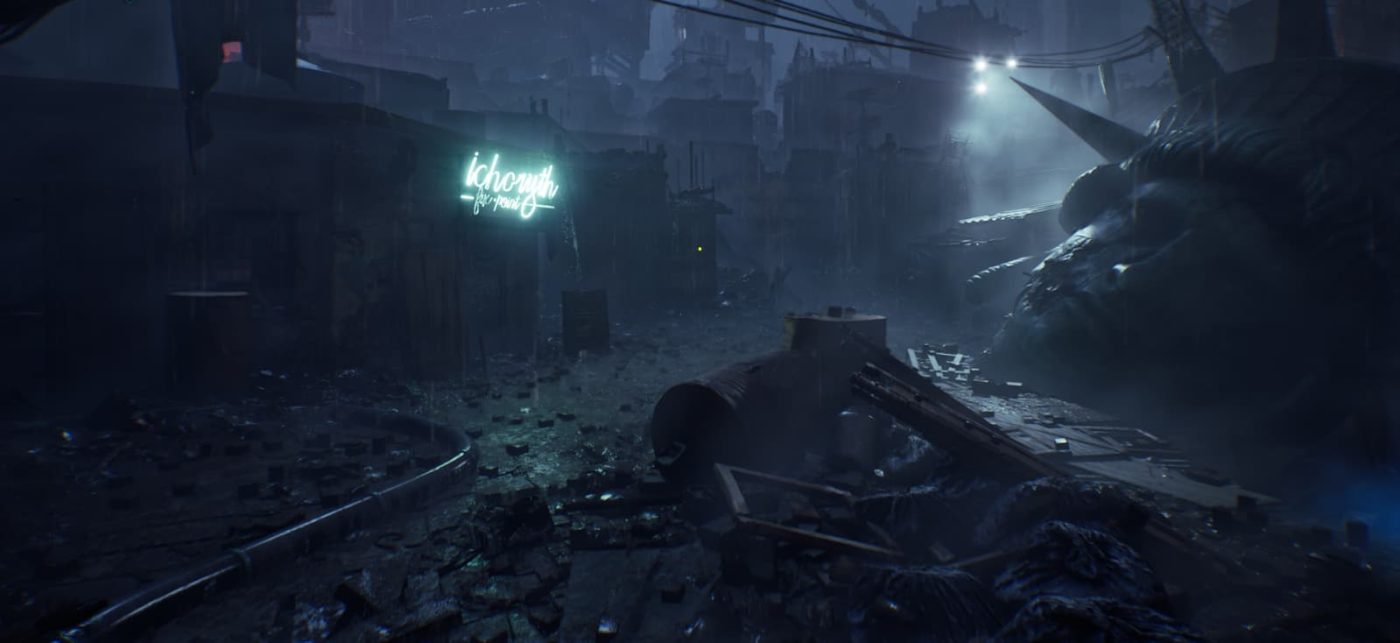
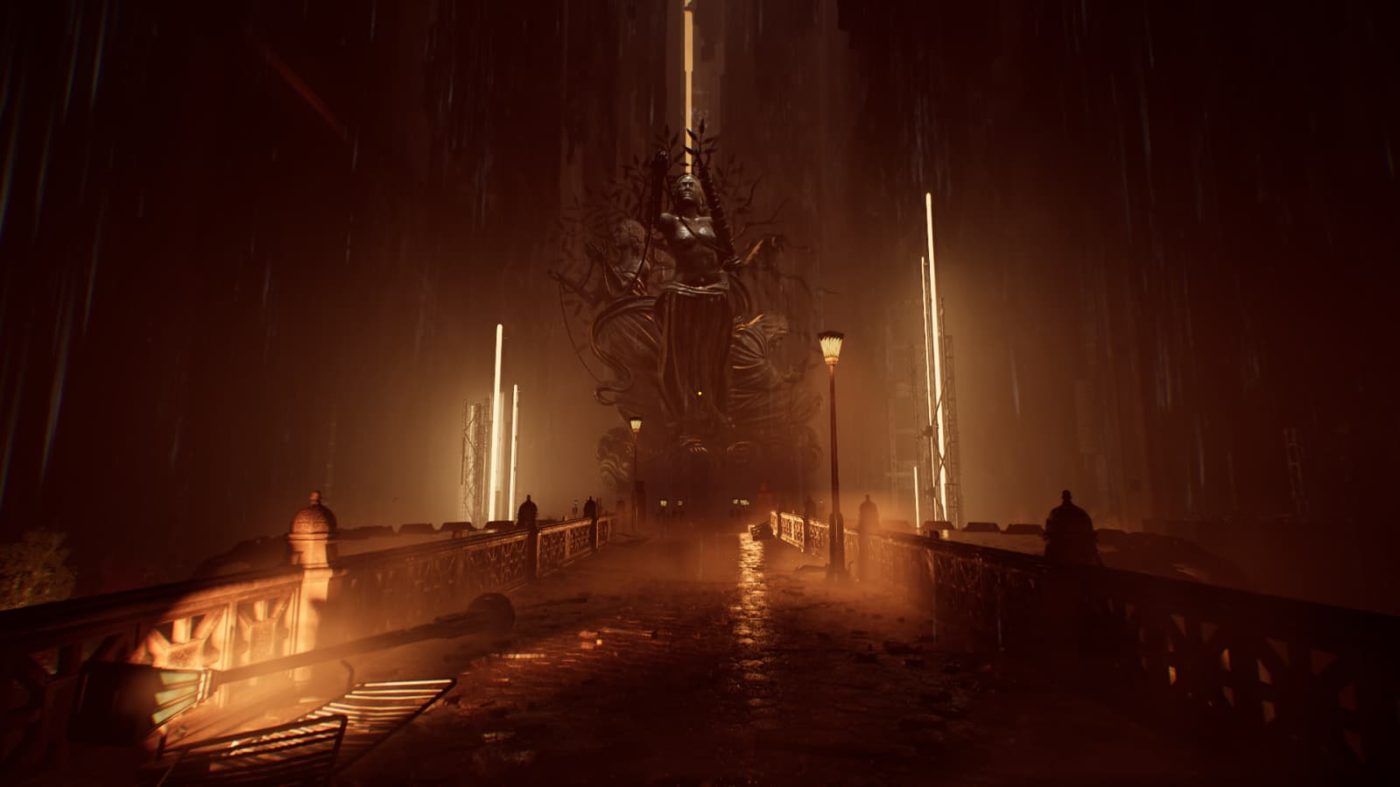
Atmosphere stands as one of Nobody Wants to Die’s most compelling strengths. Rain-slicked streets, glowing neon, and decaying architecture converge to craft a city that feels both alive and oppressive, paying homage to classic noir while weaving in deeper philosophical reflection. The game meticulously builds its universe, revealing its rules, contradictions, and emotional resonance with deliberate care, never relying on cheap shocks. Players step into the role of an investigator in a world where death is no longer absolute – a premise that propels a story exploring the meaning of choice, identity, and existence in a society that has blurred the line between natural life and engineered survival.
The result is a rich, introspective, and powerfully evocative narrative experience. Nobody Wants to Die deliberately eschews instant thrills, instead forging a lasting impact through meticulous world-building and carefully measured storytelling, delivering a journey that is as compelling as it is unsettling.

From Poland with Ambition and Talent
Nobody Wants to Die is the product of a relatively young development team driven by a clear creative vision. Polish studio Critical Hit Games, in its first major release, positions itself deliberately outside the pull of fleeting market trends, choosing instead to cultivate a bold, distinctive narrative and stylistic identity. Tackling complex themes such as immortality, memory, and the value of life is intentional, reflecting a mature, thoughtful approach to game development – one more akin to auteur cinema or speculative fiction than mainstream gaming.
The backing of publisher PLAION proves crucial, giving the team the resources necessary to realize this ambitious vision without compromising its essence. In recent years, PLAION has shown a growing commitment to titles that foreground narrative and artistic identity, and Nobody Wants to Die fits perfectly within this editorial line. The partnership between developer and publisher is a careful balance: creative freedom to explore challenging themes and unconventional storytelling, paired with production support that ensures a technical and artistic standard suitable for an international audience.
Critical Hit Games has clearly invested heavily in world-building, environmental detail, and narrative tone – elements that demand time, consistency, and a shared vision. The studio’s European sensibilities are evident in the nuanced treatment of social and ethical issues, often leaving space for ambiguity and personal interpretation – a subtlety rarely seen in mainstream productions.
Nobody Wants to Die is more than a game – it is a bold statement of intent. It proves that emerging studios, when supported by a thoughtful and non-intrusive publisher, can craft ambitious experiences that tackle complex themes without compromise. The result is a game imbued with the unmistakable personality of its creators, reflecting a meticulously balanced collaboration – an increasingly rare achievement in an industry often driven by purely commercial considerations.
In a City That Never Dies…
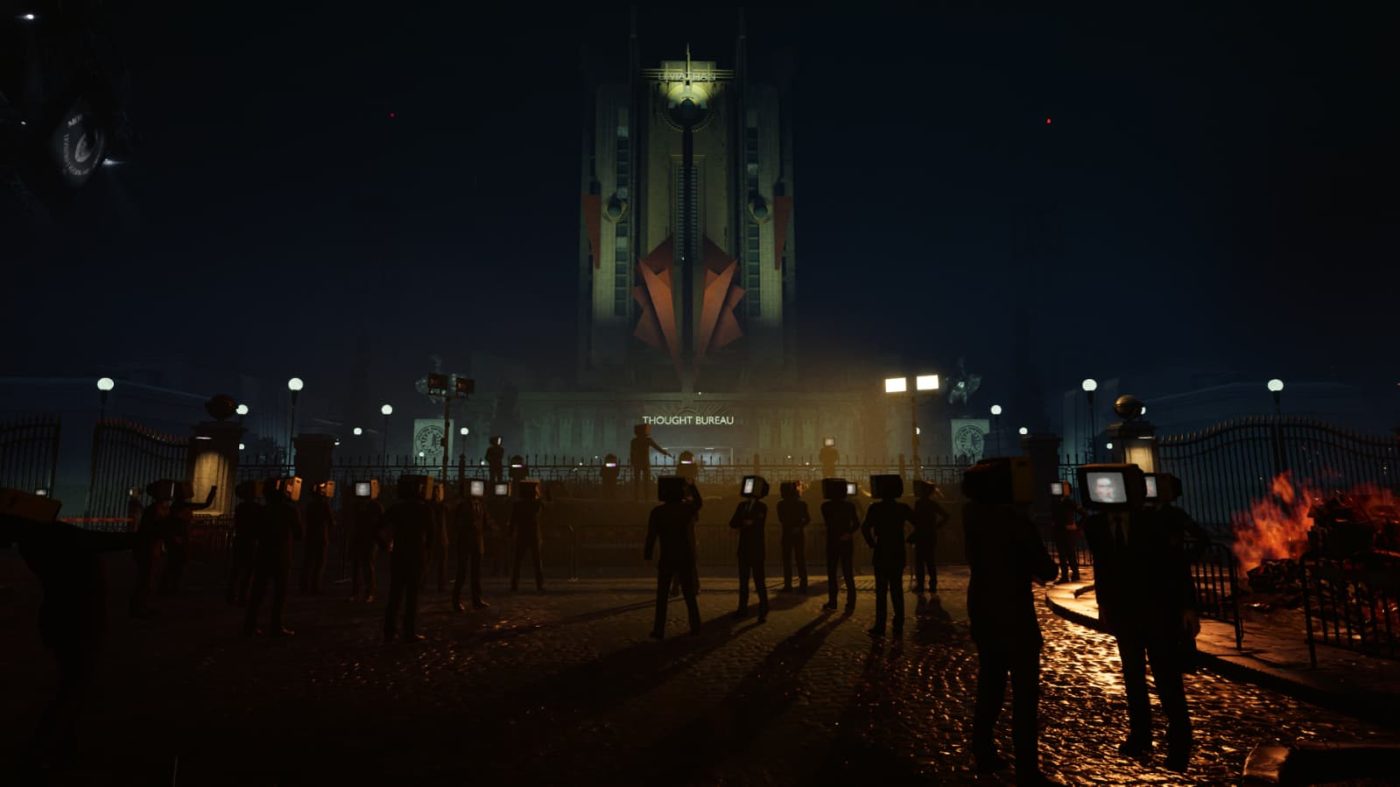
Nobody Wants to Die unfolds as a noir investigation set within a dystopian, retro-futuristic world, blending philosophical introspection with a narrative that transcends the conventions of a standard murder mystery. Players assume the role of James Karra, a seasoned investigator navigating an alternate New York that evokes the 1940s, yet exists in 2329 – a metropolis transformed by a profound and irreversible technological breakthrough: the ability to transfer human consciousness between bodies, making death theoretically avoidable. But this leap has not led to a fairer or more enlightened society; instead, it has deepened inequality, drawing a stark line between those who can purchase immortality and those condemned to mortality.
The story is driven by a series of seemingly impossible murders, striking at the heart of the city’s elite – those who, thanks to advanced technology, should be beyond the reach of permanent death. From this starting point, the narrative gradually unravels through careful interrogations, meticulous environmental exploration, and dialogue rich in subtext, revealing a web of intrigue that is as unsettling as it is intricate.
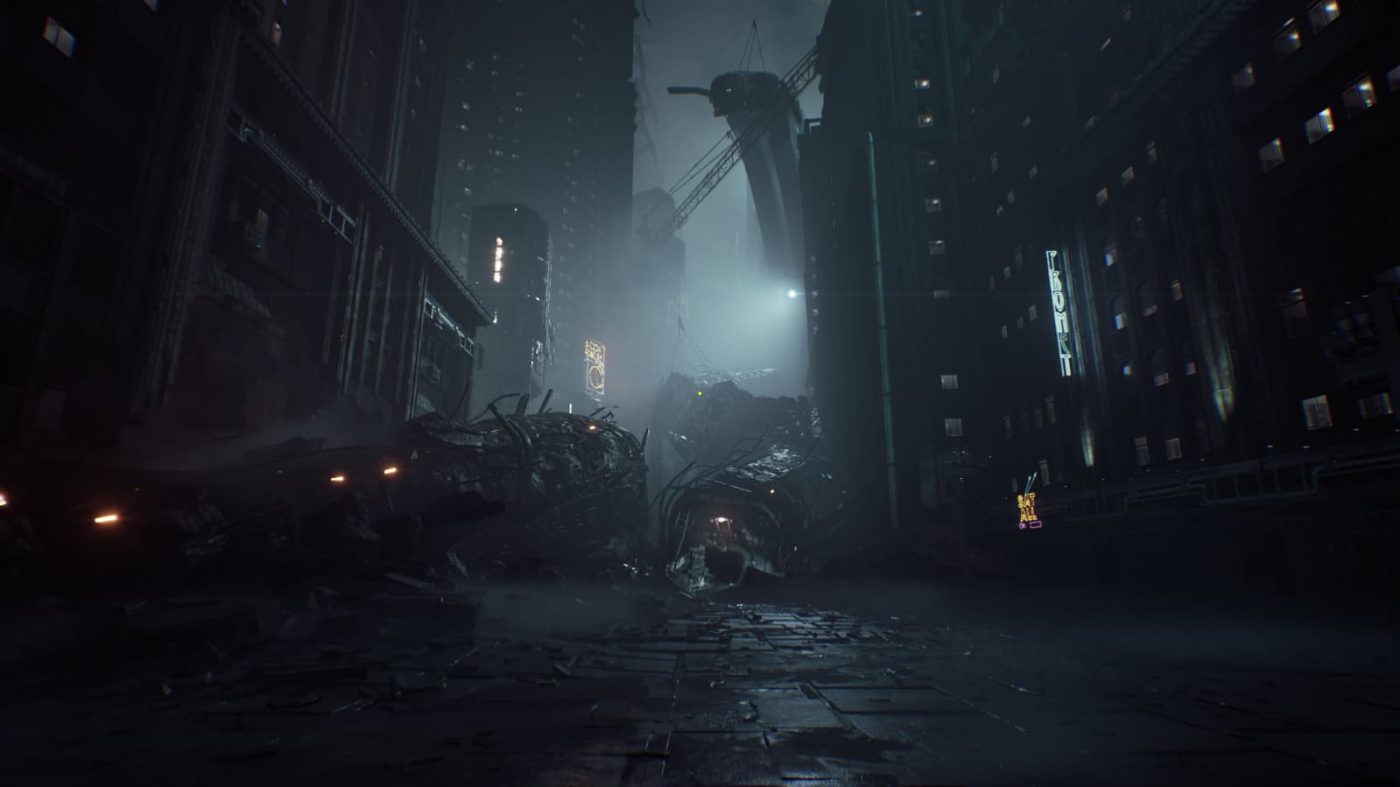
Rather than following a linear or reassuring narrative, Nobody Wants to Die unfolds through fragments, subtle hints, and deliberate silences, compelling players to reconstruct events and interpret the often ambiguous, sometimes contradictory motivations of its characters. Karra’s past – shaped by personal trauma and a complex relationship with the technology of immortality – intertwines with the investigation, yielding a story that is as introspective as it is outward-looking. The city itself becomes a character: decaying, rain-soaked, bathed in harsh neon, and permeated by a persistent sense of fatalism that reflects the mindset of its inhabitants.
As the narrative unfolds, ever more profound questions surface about the meaning of life in a world where death has been privatized, regulated, and commodified. The game deliberately steers clear of easy answers or consolatory resolutions. Its storytelling is never driven by shock for its own sake; instead, it cultivates a sustained, nuanced emotional tension, anchored in meticulously crafted dialogue, fully realized supporting characters, and the gradual erosion of certainty.
Through its investigative framework, Nobody Wants to Die engages with universal themes – the burden of memory, the moral weight of choice, and the illusion of control over one’s existence – elevating the narrative into a profound moral journey as well as a story-driven experience. By the conclusion, the title itself strikes with bitter irony: in a world where no one wishes to die, it is precisely the denial of mortality that threatens to strip life of its truest meaning.
The Fragile Meaning of Life in a World Without Death
The narrative power of Nobody Wants to Die lies in its ability to use the language of video games to grapple with deeply human and universal themes. Far from mere entertainment, the game constantly prompts reflection, placing the concept of immortality at its core – not as a utopian ideal, but as an ambiguous, potentially corrosive condition that irreversibly reshapes humanity’s relationship with time, memory, and the meaning of existence.
The game explores, with remarkable precision, how death is not merely a biological endpoint but a fundamental pillar of personal identity – and how its absence can lead to profound alienation. In this world, eternal life does not equate to a better life; it often becomes a burden, an artificial prolongation of unresolved traumas, regrets, and moral debts.
Nobody Wants to Die unfolds across past and present, weaving memories, fragments, and testimonies into a layered narrative where truth is never straightforward. Memory, in particular, is central: if consciousness can be transferred from one body to another, what remains of the self? Can memories be trusted, or are they vulnerable to manipulation, erasure, or rewriting? The game suggests identity is fragile, a delicate balance of experience, perception, and loss – one that immortality threatens to disrupt.
Alongside these existential reflections, a sharp social critique emerges, exposing inequalities created by a technology accessible only to the privileged few. Immortality becomes a tool of class power, consolidating the elite while condemning others to “second-class” mortality, turning death into a political and economic issue.
The narrative also confronts the moral responsibility of technological progress, asking who should set the boundaries of innovation and what the ethical consequences of unchecked advancement might be. The tone is deliberately melancholic and disillusioned, in line with noir tradition, yet tempered by a modern sensitivity that eschews tidy resolutions or comforting conclusions. Characters are fractured, often burdened by flawed choices and moral compromises, and their humanity emerges through these contradictions.
Nobody Wants to Die does not deliver easy judgments. Instead, it challenges players to navigate complex ethical dilemmas, suggesting that in a world where death has been defeated, what is lost is not just the end itself but the sense of limits, urgency, and the value of time. Science fiction becomes a lens for examining the present and its obsessions, establishing itself as a profoundly auteur-driven experience – one that lingers in the mind long after the final scene.


From Art Deco to Retro-Futurism: The Art Behind Nobody Wants to Die
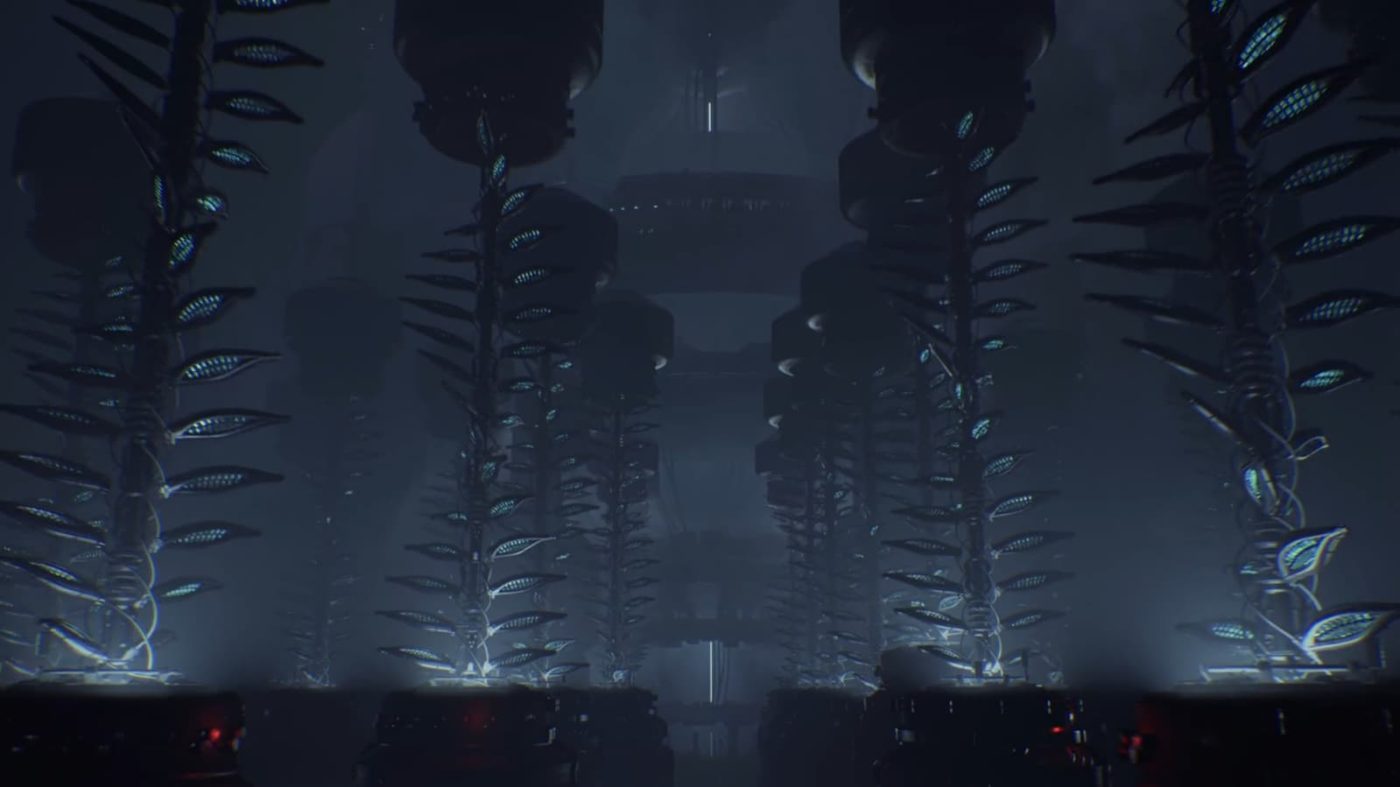
The technical execution and art direction of Nobody Wants to Die are among the most immediately striking and accomplished aspects of the game, playing a pivotal role in shaping its identity and immersive impact. Built on Unreal Engine 5, the game harnesses the engine’s capabilities to deliver a precise and cohesive aesthetic vision, seamlessly blending the allure of classic noir with retro-futuristic sci-fi influences. Every design choice – whether lighting, materials, or spatial composition – serves the narrative and atmosphere, prioritizing substance over spectacle.
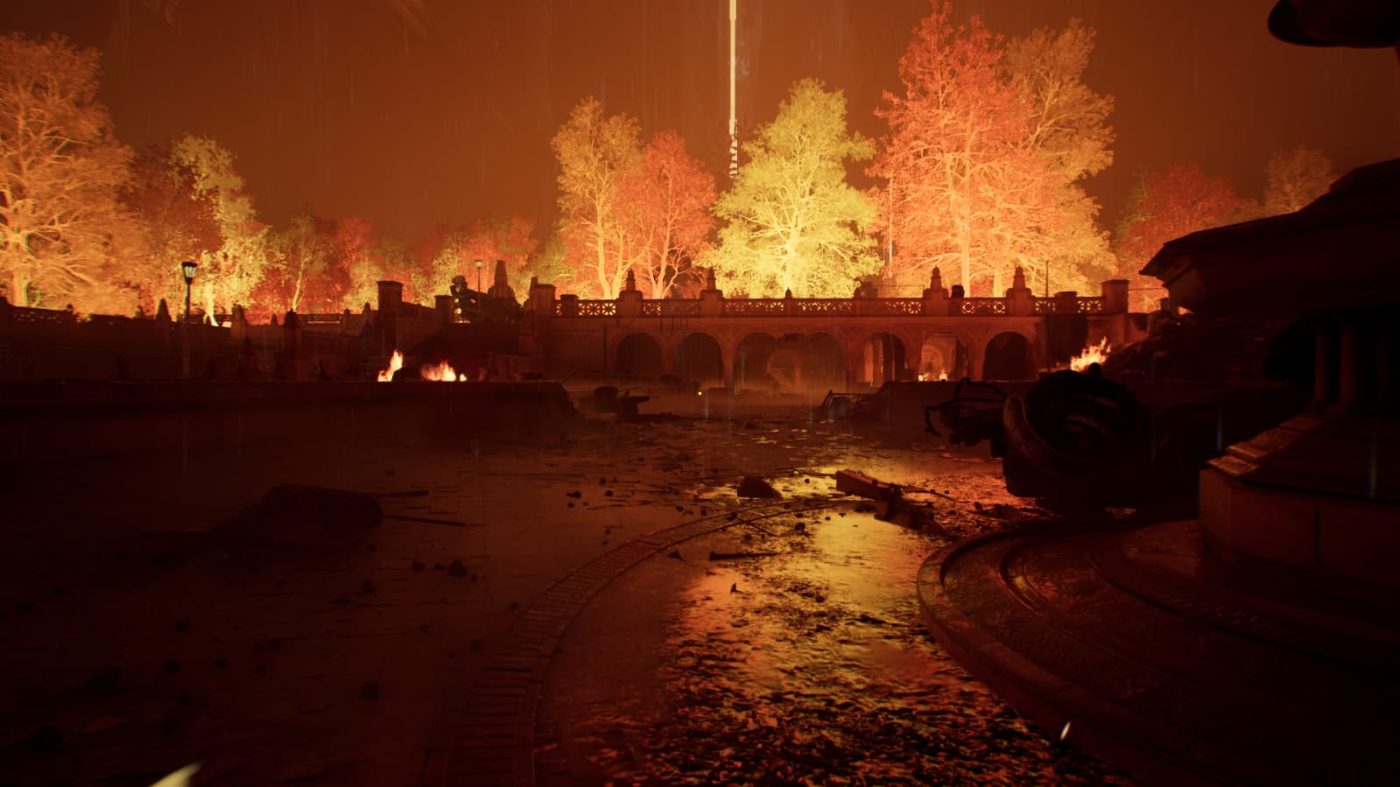
New York’s rain-soaked, neon-lit streets are rendered with painstaking attention to detail, immersing players in a city steeped in decay and quiet disillusionment. Each urban scene unfolds like a meticulously composed, melancholic tableau. Dynamic lighting plays a central role: cold, flickering artificial lights contrast sharply with deep shadows, creating cinematic compositions that pay homage to classic noir while subtly guiding the player’s gaze, highlighting paths, points of interest, and emotional nuances.
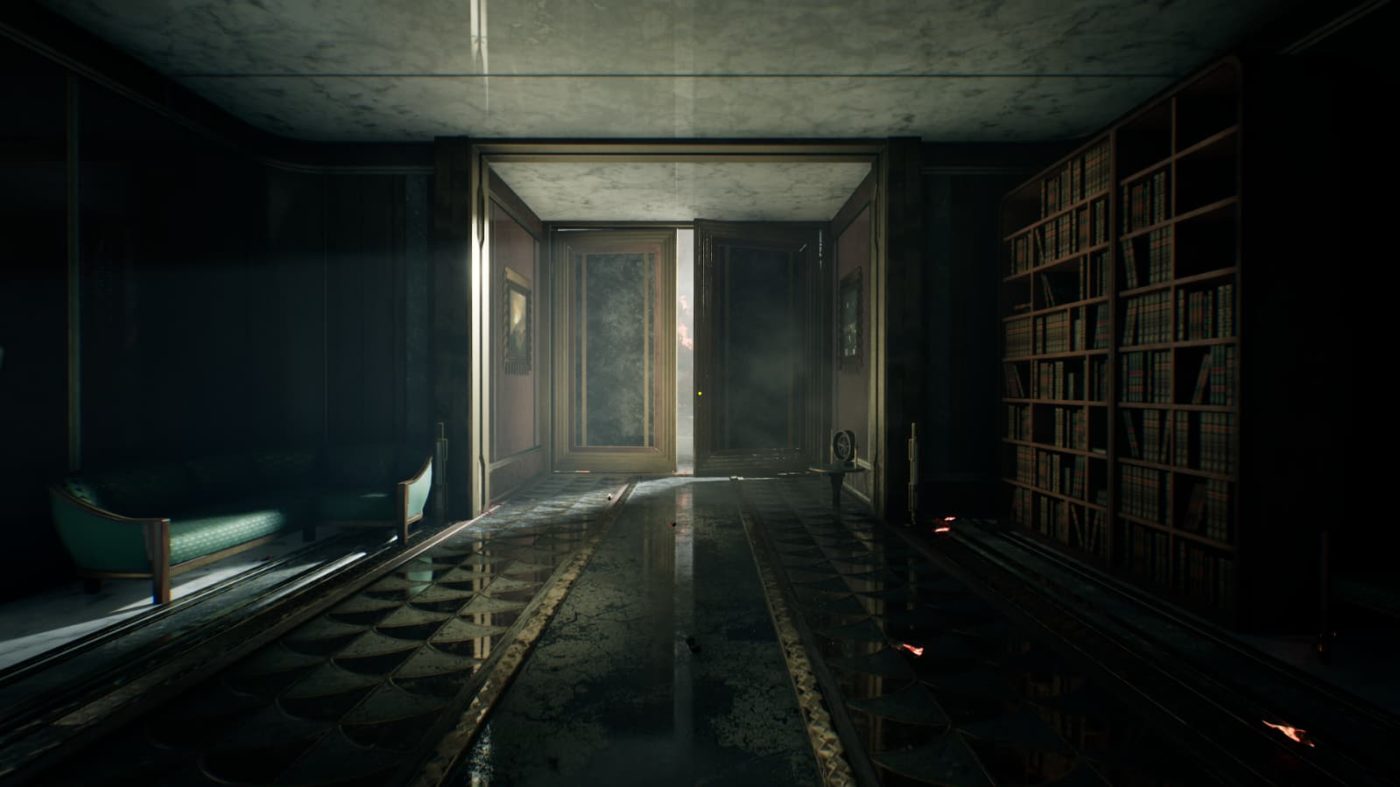
The art direction stands out for its remarkable stylistic coherence. Art Deco architecture, futuristic technology, and period furnishings blend seamlessly, creating a world that is at once familiar and otherworldly. Character models, while not pursuing hyper-realism, are highly expressive and fluidly animated, with careful attention to facial expressions and body language – essential in a game where narrative and dialogue drive the experience. Interior spaces – from offices and private residences to the exclusive quarters of the city’s elite – visually communicate social hierarchies and economic disparities, employing materials, color palettes, and spatial composition as integral narrative tools.
From a technical standpoint, Nobody Wants to Die demonstrates remarkable stability and polish, making full use of advanced engine features such as global illumination and realistically rendered reflective surfaces – effects that are especially striking in the game’s nocturnal, rain-drenched cityscapes. The user interface is deliberately minimalist and unobtrusive, integrating seamlessly with the overall aesthetic to maintain immersion. Camera direction and shot composition reinforce the cinematic tone, employing techniques inspired by investigative cinema to guide the player’s focus without ever detracting from the narrative.
Ultimately, the technical and artistic design of Nobody Wants to Die avoids flashy excess and empty spectacle. Every element serves a clear and cohesive artistic vision, demonstrating how technology, when applied with intent, can become a powerful expressive tool – enhancing both thematic depth and emotional resonance. The result is a meticulously crafted, author-driven experience that leaves a lasting impression.


The Voice of the City
The sound design of Nobody Wants to Die stands out as one of the game’s most defining elements, serving not merely to support gameplay but to shape the emotional tone and immersive depth of its world. From the opening moments, the audio demonstrates near-cinematic precision, with every sound carefully crafted to enrich the game’s noir-infused, dystopian atmosphere.
New York is brought to life through a meticulously layered soundscape: the relentless patter of rain on asphalt, the distant hum of neon signs, the muffled clatter of night-time traffic, and footsteps echoing through narrow alleyways combine to create a dense, believable environment that fully immerses the player in the investigation. Silence, too, is given expressive weight, employed deliberately to heighten tension, underscore isolation, and amplify the city’s pervasive sense of alienation.
The musical score, drawing on classic jazz and noir motifs, is used with remarkable restraint, emerging at pivotal moments to underscore emotional beats or key scenes without ever dominating the narrative. This careful balance cultivates a measured, melancholic atmosphere, reinforcing the game’s sophisticated and contemplative storytelling.
The voice performances are equally remarkable: subtle, convincing, and layered with subtext, they convey fatigue, disillusionment, and moral ambiguity without ever tipping into melodrama. Strategic pauses, nuanced inflections, and deliberate silences within dialogue enrich characterisation and relationships, making the audio a vital narrative instrument in its own right.
Even the sound design of interactions and investigative tools is meticulously executed: each action, technological activation, or object manipulation produces precise, coherent audio feedback, enhancing the sense of physicality and realism. Sound is used subtly as a narrative guide, providing clues without heavy-handed exposition and encouraging careful listening and interpretation.
In sum, the soundscape of Nobody Wants to Die transcends mere accompaniment to become a narrative force in its own right, conveying the city, its inhabitants, and their emotional states as effectively as visuals or dialogue. It exemplifies how, when applied thoughtfully, sound can serve as a powerful expressive tool, amplifying both thematic resonance and player immersion.


A Living, Breathing World: Gameplay as Storytelling Tool
The world-building in Nobody Wants to Die crafts a rich, layered, and fully coherent universe without relying on exposition or heavy-handed explanation. The game’s alternative New York is not merely a backdrop but a living, breathing city, shaped by social hierarchies, economic tension, and moral contradictions that reveal themselves naturally through exploration, dialogue, and environmental detail. Every neighborhood, building, and interior tells a story, revealing a society divided between the privileged immortals and the condemned mortals, between the ostentatious luxury of the elite and the quiet decay of the underclass.
The game excels at conveying its history and social dynamics through subtle visual and auditory cues: furnishings, documents, snippets of conversation, and architectural choices all serve as narrative tools, enriching the world without interrupting the player’s engagement. This approach rewards careful observation and attention to detail, immersing players deeply in its universe.
Gameplay is seamlessly woven into this rich world, following an investigative structure that emphasizes analysis, deduction, and interaction with the environment over frantic action. The mechanics are deliberately restrained and narrative-focused: employing technological tools to reconstruct events, examine crime scenes, and interrogate witnesses forms the core of the experience, positioning the player as an active, contemplative observer.
Progression is guided not by combat or conventional challenges, but by a growing understanding of the events and forces shaping the city, heightening both intellectual and emotional engagement. The deliberately unhurried pace, in keeping with the noir tone, fosters sustained tension while giving weight to every discovery. Character interactions are rich with ambiguity, often confronting the player with ethical dilemmas without imposing judgment or predetermined outcomes.
In Nobody Wants to Die, world-building and gameplay operate in perfect harmony, forging an experience where narrative and action are inseparable. Every mechanic carries thematic weight, and each narrative choice shapes the player’s understanding of the world. The game showcases exceptional design maturity, using gameplay as a lens to explore identity, memory, and the value of life within a society that has lost its sense of limits.
The result is an experience that engages players not only on a mechanical level but also intellectually and emotionally, leaving the lasting impression of having inhabited a fully realized, intricate world rather than merely moving through its spaces.


An Experience Defined by Its Own Rules
Nobody Wants to Die positions itself as a bold, highly distinctive work, though not without design choices that may polarize players – particularly those accustomed to faster, more conventional gameplay structures. The game demands to be judged on its own terms: it is neither an action-packed spectacle nor a guided, cinematic experience, but an interactive narrative that places atmosphere, reflection, and active player engagement at the heart of its meaning. This deliberate focus is arguably its greatest strength, allowing the game to stand out in a market often dominated by instant gratification and immediacy.
These very choices, however, carry inevitable consequences for accessibility and player engagement. The slow, deliberate pacing, scarcity of traditional tension peaks, and limited mechanical variety may frustrate – or even alienate – those expecting a more dynamic or conventionally interactive experience. While the investigative structure is coherent and tightly integrated with the narrative, it requires patience and attention not universally common, and the game offers little accommodation for players who struggle to embrace its contemplative rhythm.
Narratively, Nobody Wants to Die demonstrates notable maturity, deliberately leaving many questions unresolved and eschewing comforting conclusions. This enhances the thematic depth but may leave some players feeling unsettled or disoriented. The writing, overall solid and evocative, occasionally drifts into cryptic territory, risking clarity for ambiguity. Likewise, the gameplay, though narratively aligned, has some limits in mechanical depth, with interactions that may feel repetitive over time.
Technically and artistically, the game excels, showcasing meticulous attention to detail and a coherent aesthetic vision, even if minor compromises appear in environmental variety or secondary animations.
The most significant critique lies in its balance: Nobody Wants to Die demands a great deal from the player – keen attention, emotional sensitivity, and thoughtful engagement – rewarding only those willing to embrace its deliberate pace and rules. It is not a game made for everyone, nor does it seek to be. Yet within this conscious approach lies both its greatest limitation and its defining strength.


Nobody Wants to Die
PRO
- Distinctive authorial voice;
- Mature and ambitious narrative;
- Compelling noir atmosphere;
- Exceptional art direction;
- Refined soundscape and musical score;
- Narrative-driven gameplay;
CON
- Deliberately slow pace;
- Limited gameplay variety;
- Reduced accessibility;
- Low replayability;
- Open-ended narrative.


6.5/10