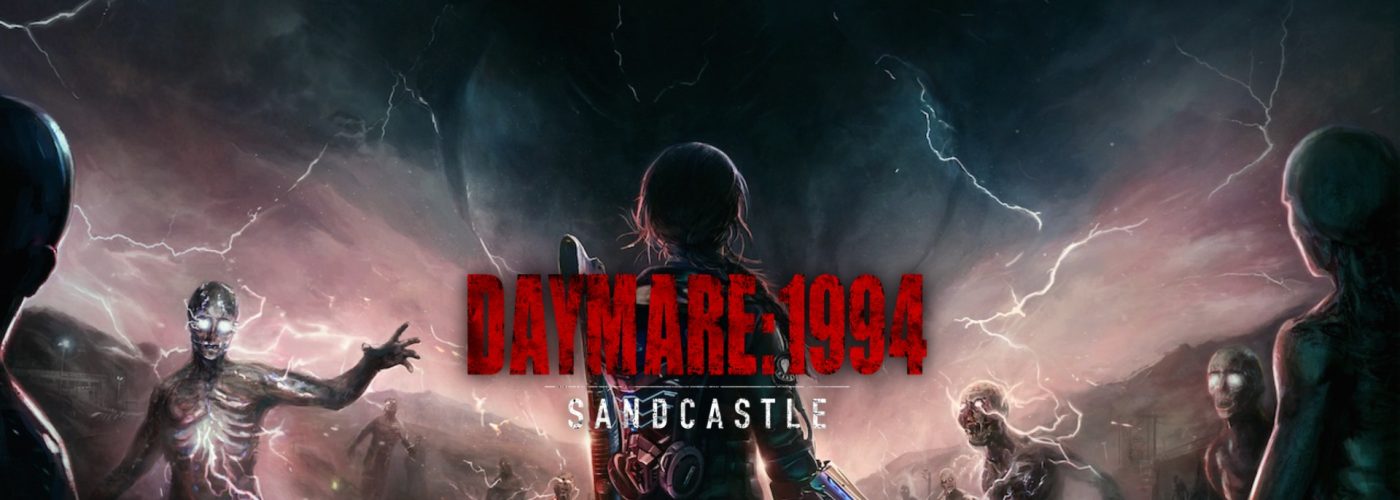
Before the catastrophe, before the outbreak, before everything falls apart: the moment the nightmare is born.

Daymare: 1994 Sandcastle positions itself as a survival horror deeply rooted in the classic tropes of scientific dread, reviving dense, obsessive atmospheres brimming with emotional tension, while reframing them through a modern, self-aware narrative lens – crafted with a level of precision and care that surpasses the franchise’s previous entry.
From the very first moments, the developers make their ambition clear: this is not merely a sequel, but a conceptual and thematic expansion of the Daymare universe. The focus is on a subtler, more insidious horror – one that thrives in quiet unease, in the slow unraveling of reality, and in the fissures that threaten to expose it. It is a terror intimately tied to the protagonist’s psychological perspective and to the shadowy depths of a hidden scientific project that stretches far beyond a simple biological disaster.
The game deliberately moves away from the more straightforward survival formula of its predecessor, favoring a structure that emphasizes immersion, the rhythm of discovery, and a persistent, almost palpable sense of threat. Every metallic echo in the underground laboratories, every interference from analog machinery, every suffocating silence in abandoned corridors works in concert to suggest that the environment itself is alive – and hostile.
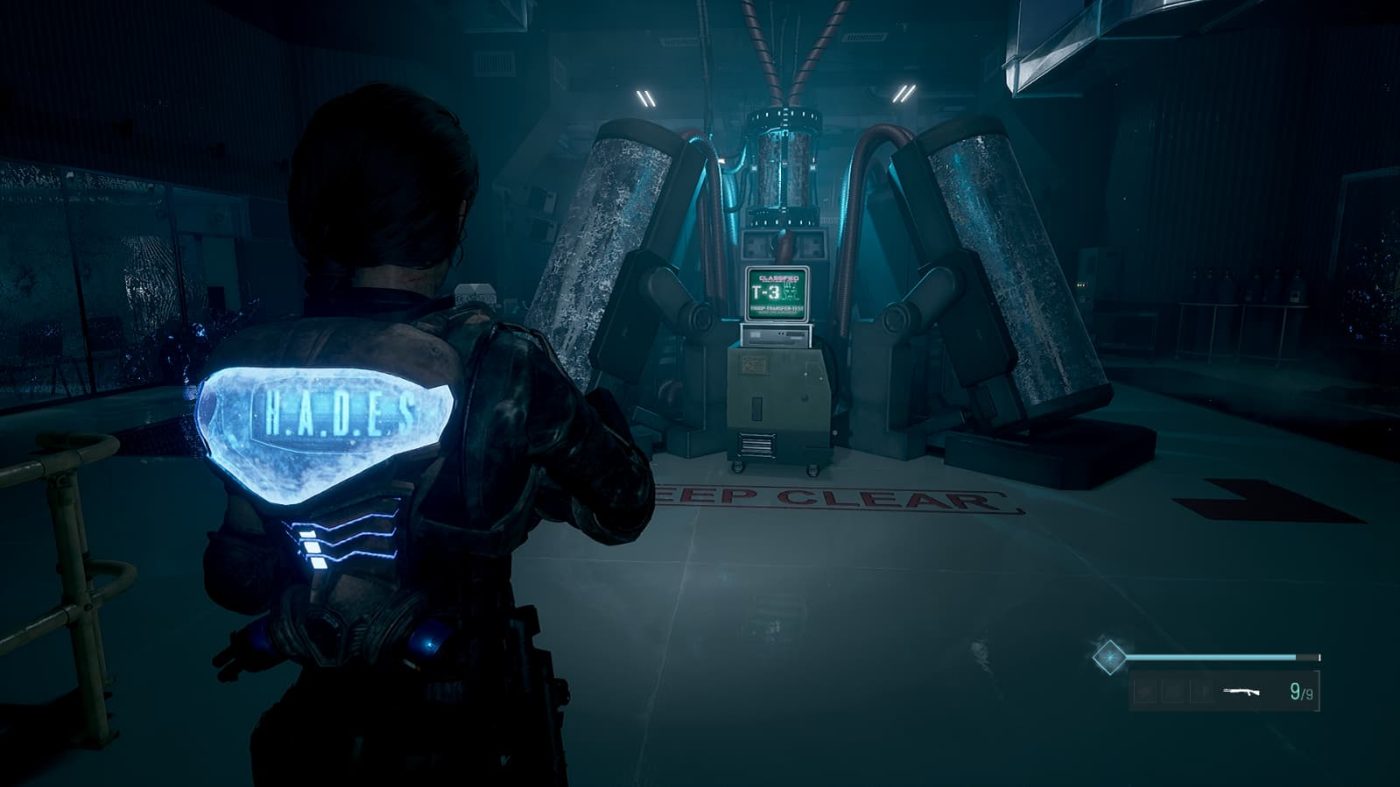
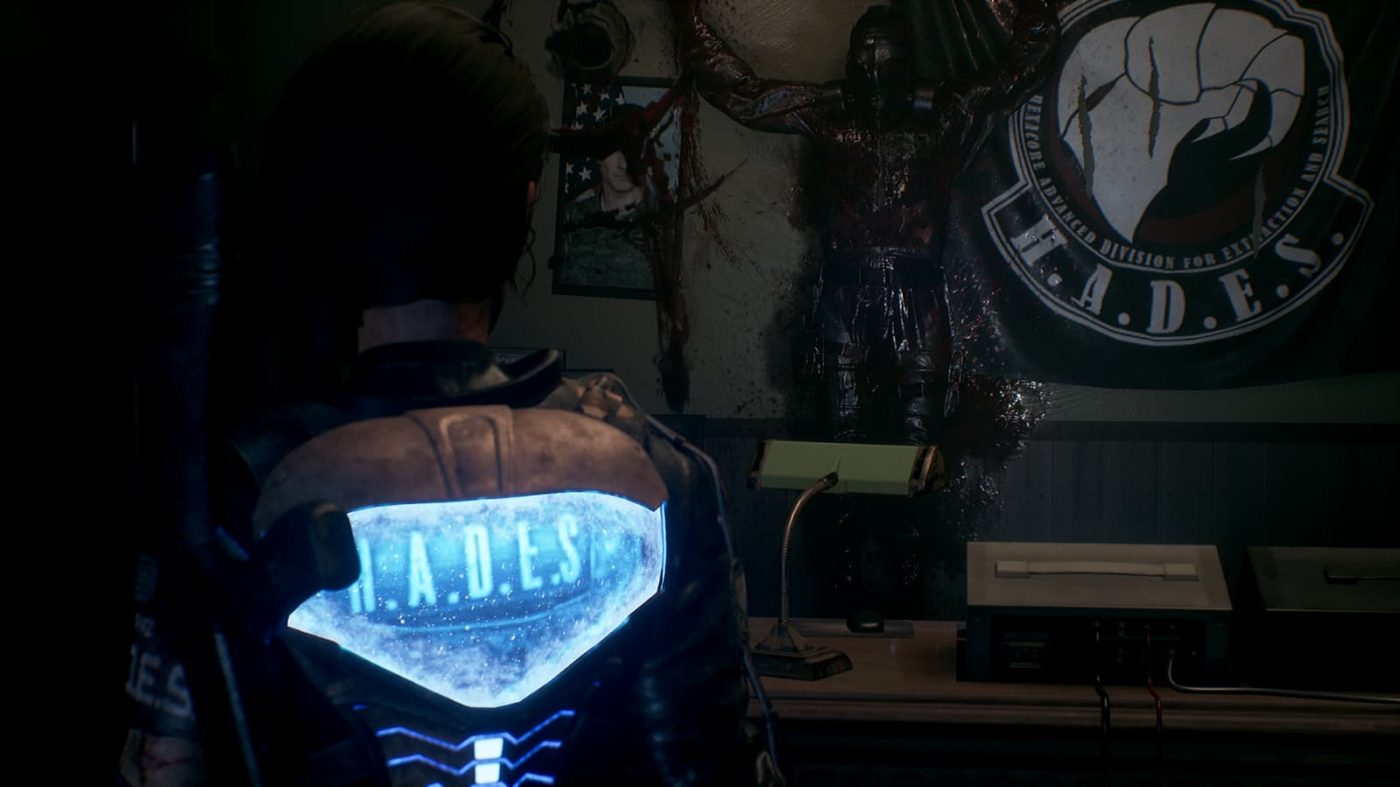
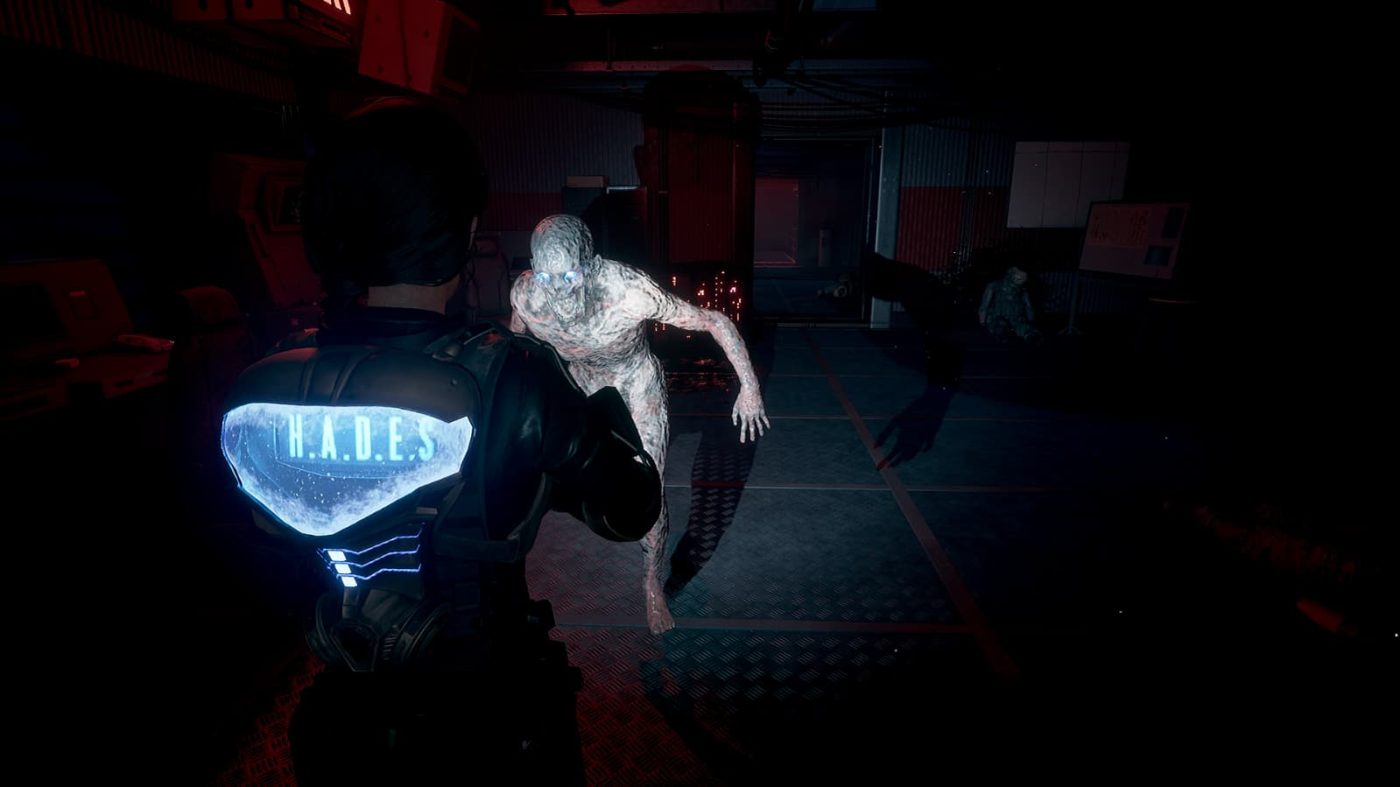
Stepping into Daymare: 1994 Sandcastle is also stepping into a distinctly 1990s military-government aesthetic: classified documents, secret protocols, experimental research facilities, elite operations units, and the constant sensation of trespassing into a world never intended to be seen – or understood – by outsiders. The protagonist, Dalila Reyes, an agent of H.A.D.E.S., navigates a labyrinthine facility where impersonal architecture, industrial design, and omnipresent technological apparatus create a profound sense of isolation that shadows the player at every turn.
Storytelling unfolds not just through dialogue or logs, but through spatial design, abandoned objects, the traces of scientific and military operations, structural anomalies, ambient sound cues, and the ever-present impression of being watched by something hidden in the shadows. From the outset, the game strikes a careful balance between explicit and implicit narrative, inviting players to read the environment, interpret subtle signals, and actively construct meaning as the atmosphere grows steadily denser and more oppressive.
Although it draws heavily on the nostalgic aesthetic of 1990s horror, Daymare: 1994 Sandcastle does more than replicate familiar tropes: it reinvents them with a contemporary sensibility, blending detailed three-dimensional modeling, refined particle effects, and sophisticated visual design. From the opening sequence, the tone is unmistakable: a descent into mystery, technological decay, invisible threats, and narrative fragments that emerge slowly – like faint glimmers in an ever-deepening darkness.
It quickly becomes clear that what lies ahead is not simply a scientific accident, but an encounter with the unknowable and the terrifying – where fear is psychological as much as physical, and where science is no longer a beacon of salvation, but the very source of the nightmare itself.
Redefining Survival Horror, One Facility at a Time
The team behind Daymare: 1994 Sandcastle combines the passion and ambition of an Italian studio that has carved out a place in the international horror scene with unmistakable creative maturity, technical evolution, and a commitment to a distinctive stylistic identity. The game is developed by Invader Studios, already recognized for Daymare: 1998, a game that granted the team worldwide visibility and established them as one of the most compelling voices within the European indie landscape.
The studio traces its origins to a small group of enthusiasts working on a fan remake of Resident Evil 2, a project that quickly drew attention for its technical proficiency and artistic vision. Though the remake could not continue due to intellectual property restrictions, Capcom acknowledged the team’s skill and encouraged them to transform their concept into an original project. This led to the birth of Daymare: 1998. Its success allowed Invader Studios to expand its staff, strengthen production pipelines, and approach the development of Daymare: 1994 Sandcastle with greater confidence, ambition, and structural solidity.
Composed of specialists in 3D art, animation, sound design, programming, writing, and gameplay design, the team adopted a more methodical approach for this installment, addressing the limitations of the first game while refining mechanics, deepening world-building, and pushing the Daymare brand toward a more complex, elegant, and technically sophisticated identity.
Publisher Leonardo Interactive, also Italian, has been instrumental in bringing the title to a global audience. Through funding, marketing, physical and digital distribution, and international promotion, Leonardo Interactive has helped Sandcastle reach European, American, and Asian markets – showcasing both the game itself and the broader potential of Italian creative talent. Together, developer and publisher exemplify the best of independent production: meticulous craftsmanship, technical rigor, narrative ambition, and a commitment to delivering an intense, immersive, and original experience.
The results speak for themselves. Daymare: 1994 Sandcastle not only surpasses its predecessor in quality but also proves that Italian studios can produce mid-to-high-budget projects with a strong artistic identity and global relevance – offering an encouraging glimpse into the growing role of independent development within the international gaming industry.
Secrets Buried in Steel and Glass
Daymare: 1994 Sandcastle unfolds as a claustrophobic, increasingly unsettling descent into a world where science, government secrecy, and biological horror intersect in a spiraling narrative. The story is filtered through the perspective of Dalila Reyes, a former government operative now part of the elite H.A.D.E.S. unit (Hexacore Advanced Division for Extraction and Search), trained to respond to high-risk biological, chemical, and military crises.
Dalila and her team are dispatched to the underground U.S. government facility known as “Sandcastle,” a highly classified Nevada complex where cutting-edge experiments linked to Hexacore Biogenetics – the same corporation behind the events of the previous installment – have been conducted for years. From the very beginning, it is clear that this is no standard operation: orders arrive in fragments, emergency protocols are cryptic, and instructions are incomplete, all suggesting that the full extent of the crisis has been deliberately obscured.
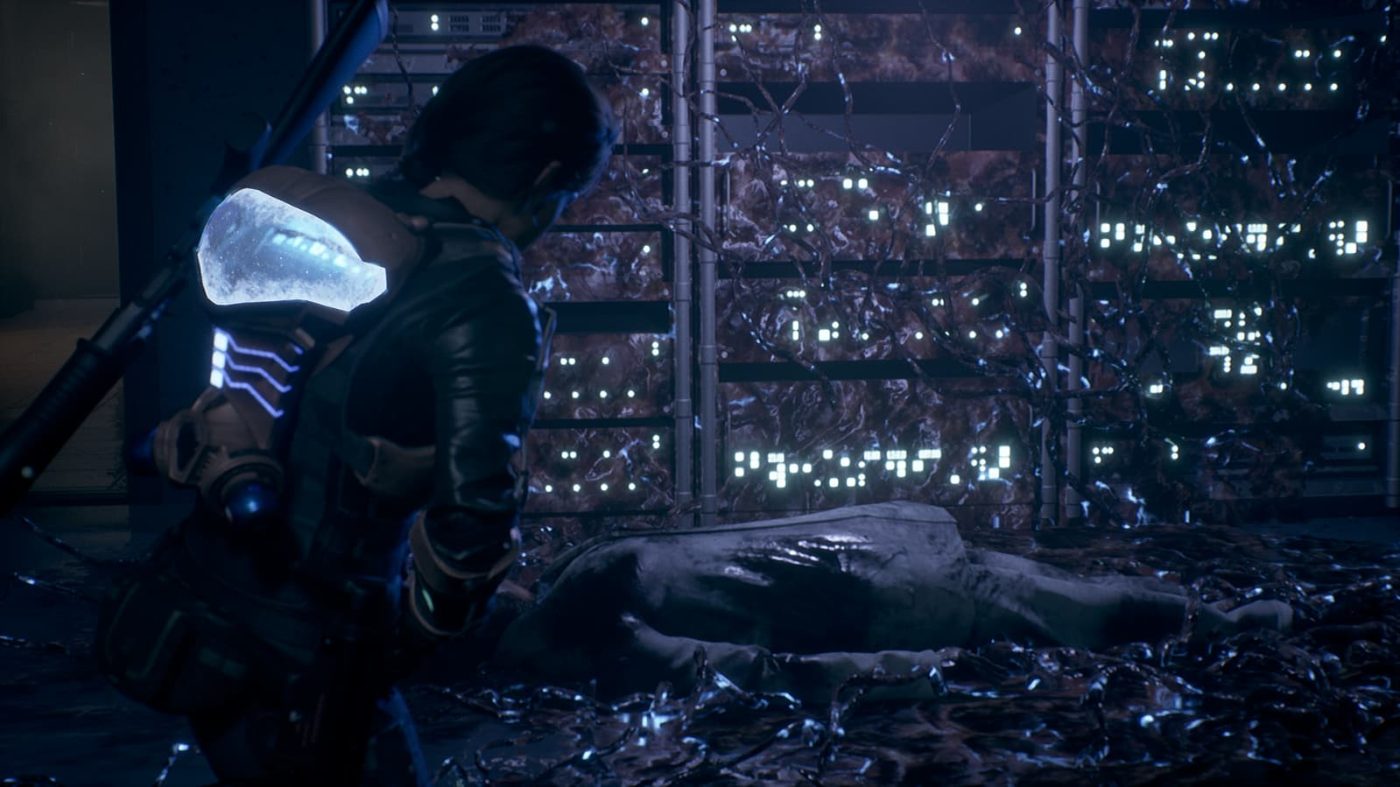
Upon entering the facility, the team encounters not silence, but a space frozen in the aftermath of catastrophe: sealed doors, flickering lights, damaged machinery, signs of struggle, and unmistakable traces of an uncontrolled biological collapse. It quickly becomes clear that an experiment has breached containment, spreading chaos throughout the underground complex.
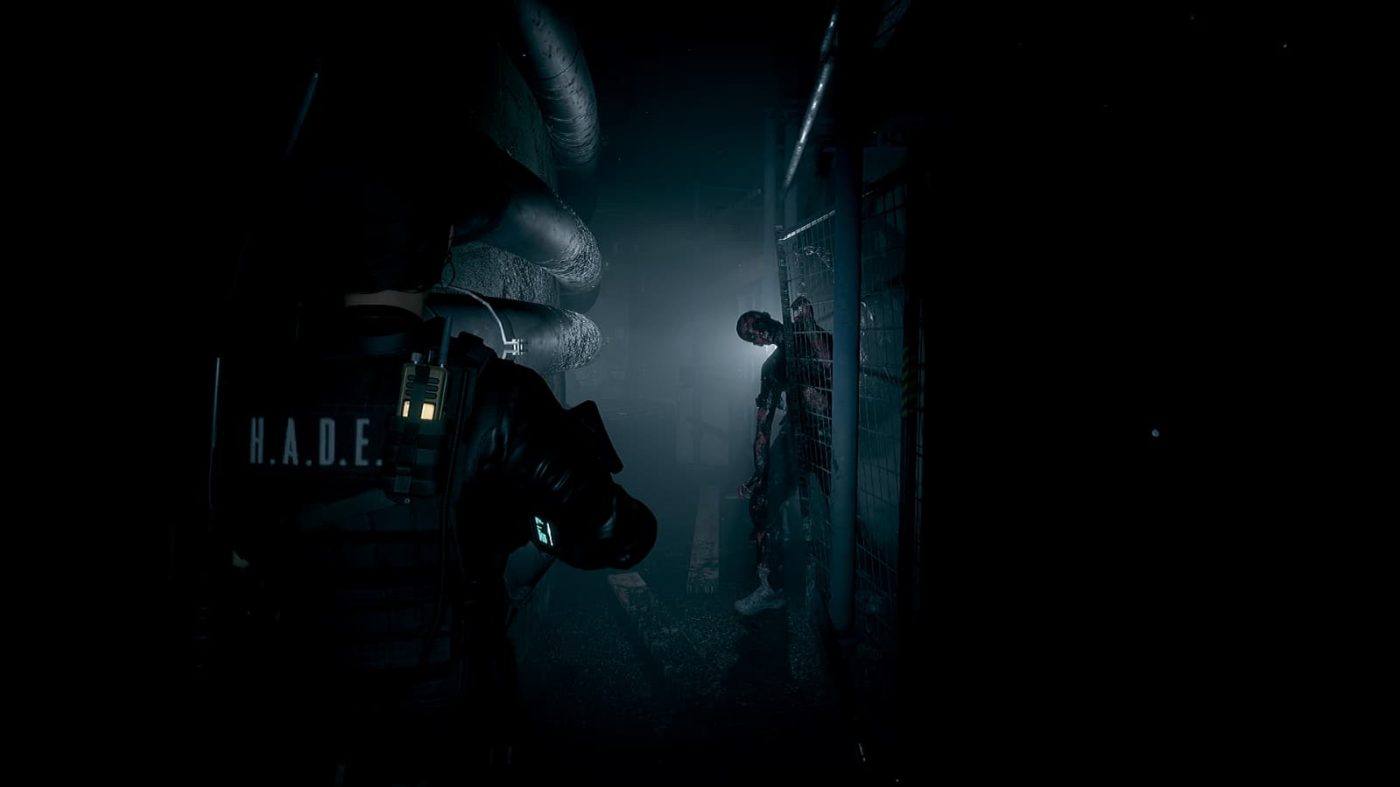
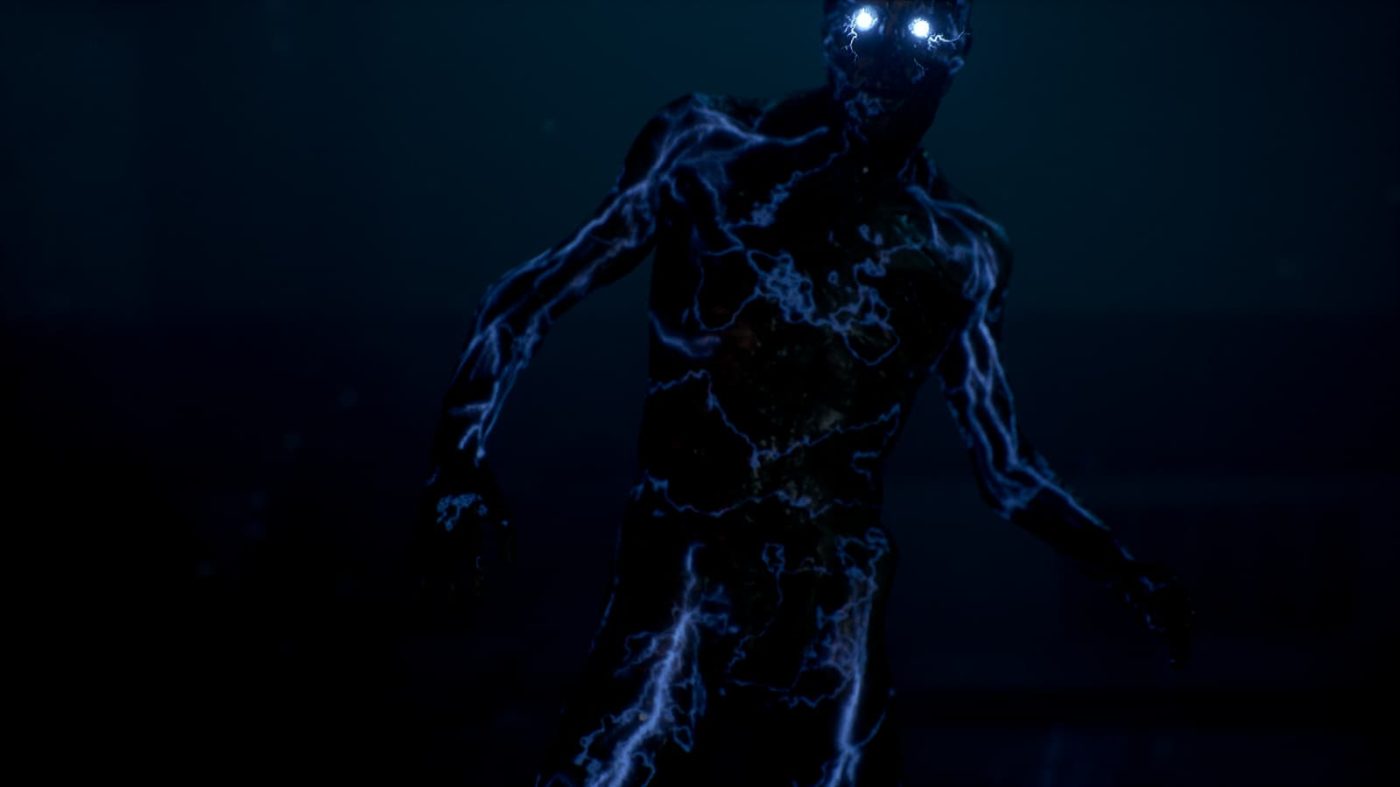
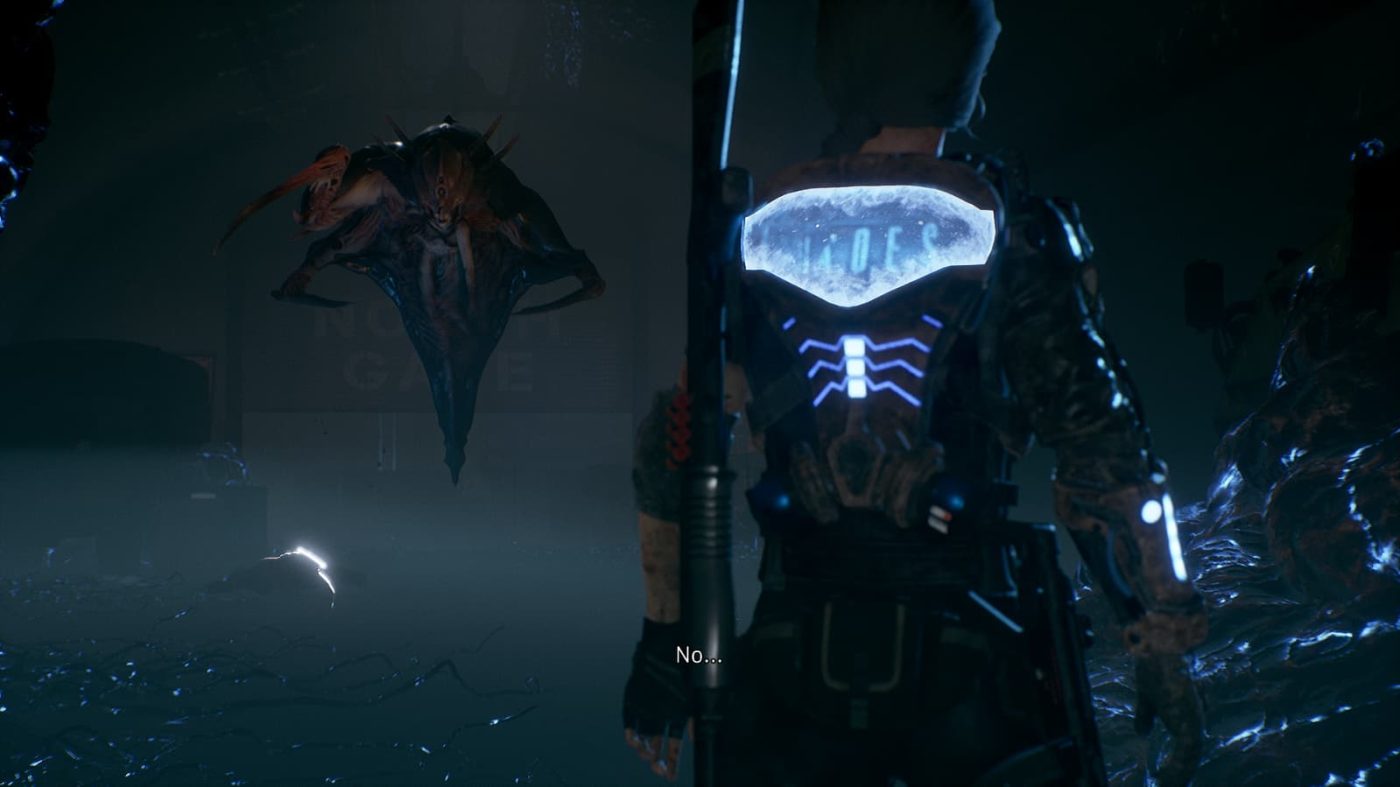
This first confrontation introduces the primary threat: infected entities transformed by unknown biochemical agents. Capable of mutation and unpredictable behavior, these creatures – often referred to as “Decoys” or similar variants – pose a deadly danger, while also serving as living proof of Sandcastle’s ambitious and ethically questionable research into manipulating life itself.
As Dalila delves deeper, the narrative gradually unravels through documents, recordings, fragmented video footage, and testimonies that expose an ever-expanding web of conspiracies, betrayals, and scientific obsession. At the same time, she experiences visions and fragmented memories from a past she has long tried to suppress. The psychological dimension of the story emerges gradually, revealing that Sandcastle’s horrors are not only tied to corporate and governmental machinations but also to Dalila’s personal history.
The plot further reveals that Hexacore’s experiments were part of the “Hades Initiative,” a clandestine project aimed at manipulating life energy through hybrid technologies combining biology, advanced chemistry, and unknown energetic processes. The catastrophic consequences of these experiments – manifested in the facility’s horrors – spiraled beyond the scientists’ control.
Additional revelations uncover surviving personnel, teetering on the brink of madness, whose scattered messages and distress signals link the ongoing disaster to a wider network of secrecy and manipulation. Through betrayals, shocking discoveries, and escalating tension, it becomes evident that Sandcastle is not merely the site of a failed military operation, but the culmination of years of forbidden experimentation.
The story builds toward a final confrontation in which Dalila must face both the facility’s hidden truths and the consequences of her own past decisions – choices that will determine not only her survival but the fate of the Hades Initiative itself. The narrative ultimately merges biological horror, psychological thriller, and military conspiracy, guiding players toward a truth that was never meant to be uncovered.
The Invisible Hand of Horror
From the very first moments, narrative emerges as the cornerstone of the experience, crafted with meticulous attention to pacing, psychological tension, and the gradual unveiling of secrets. Rather than following a simple, linear path, the game weaves a layered story that constantly challenges players to question what is real, what is illusion, and what moral compromises lie at the heart of the Sandcastle project’s hidden operations.
The story unfolds through a blend of cinematic sequences, documents, audio logs, dialogue, flashbacks, and environmental cues, forming a dense mosaic through which players gradually reconstruct the connections between scientific experimentation, biological anomalies, and the institutional secrecy of H.A.D.E.S. and governmental authorities.
Central to the narrative is Dalila Reyes’s psychological depth. She is far more than a skilled operative; she is a complex, human figure shaped by unresolved trauma, fractured relationships, and lingering guilt. The game leverages her perspective to depict Sandcastle not merely as a hostile physical environment, but as an emotional catalyst that dredges up buried memories, latent fears, and inner conflict.
Key themes include the manipulation of science, humanity’s hubris in attempting to control forces beyond comprehension, the ethical collapse of unchecked research, the militarization of discovery, and the moral ambiguity inherent in institutional decision-making. The game demonstrates how the relentless pursuit of power can strip away humanity, turning scientific ambition into a biological nightmare whose consequences ripple far beyond the walls of the laboratory.
Themes of trauma and identity are equally central. Dalila is caught between duty and conscience, survival and redemption, obedience and moral resistance. The game’s oppressive architecture – underground laboratories, crumbling corridors, and sealed containment chambers – visually amplifies this psychological suffocation, while the mutated creatures stand as striking embodiments of ambition and experimentation taken beyond ethical limits.
All these elements are woven into a narrative that unfolds with surgical precision, alternating high-tension moments with quieter phases of exploration and interpretation. Its greatest strength lies in what it deliberately withholds, allowing implication and ambiguity to sustain unease and keep the player intellectually and emotionally engaged until the final, harrowing moments.
A New Level of Immersion
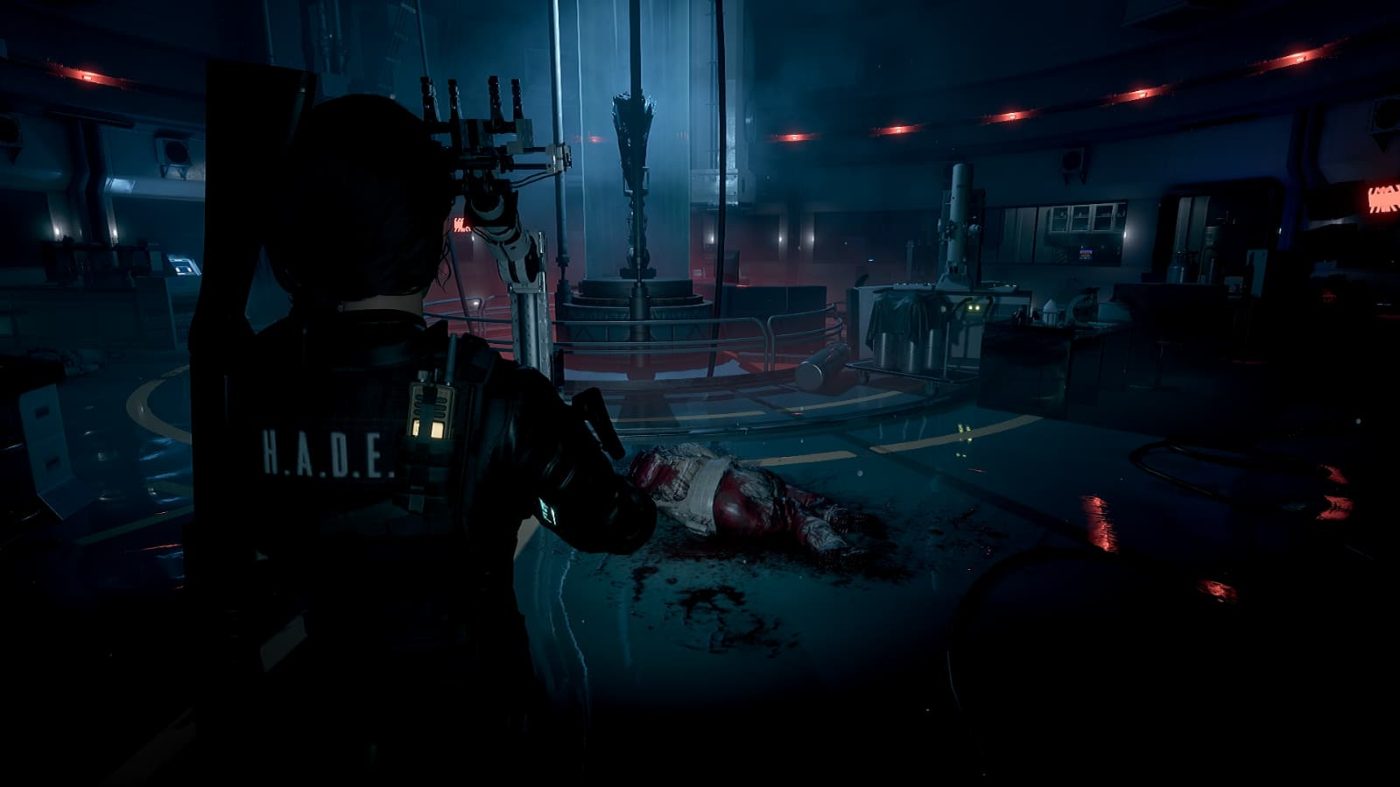
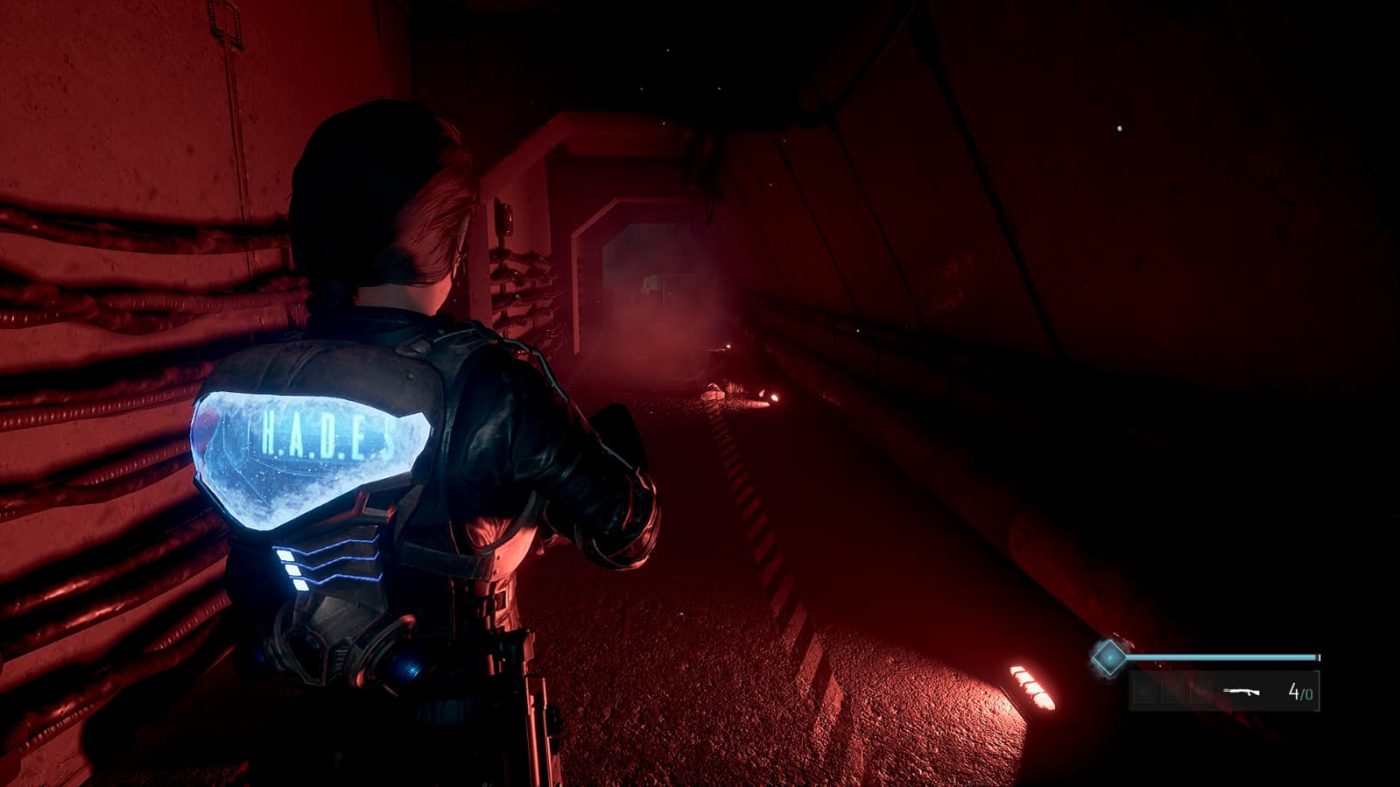
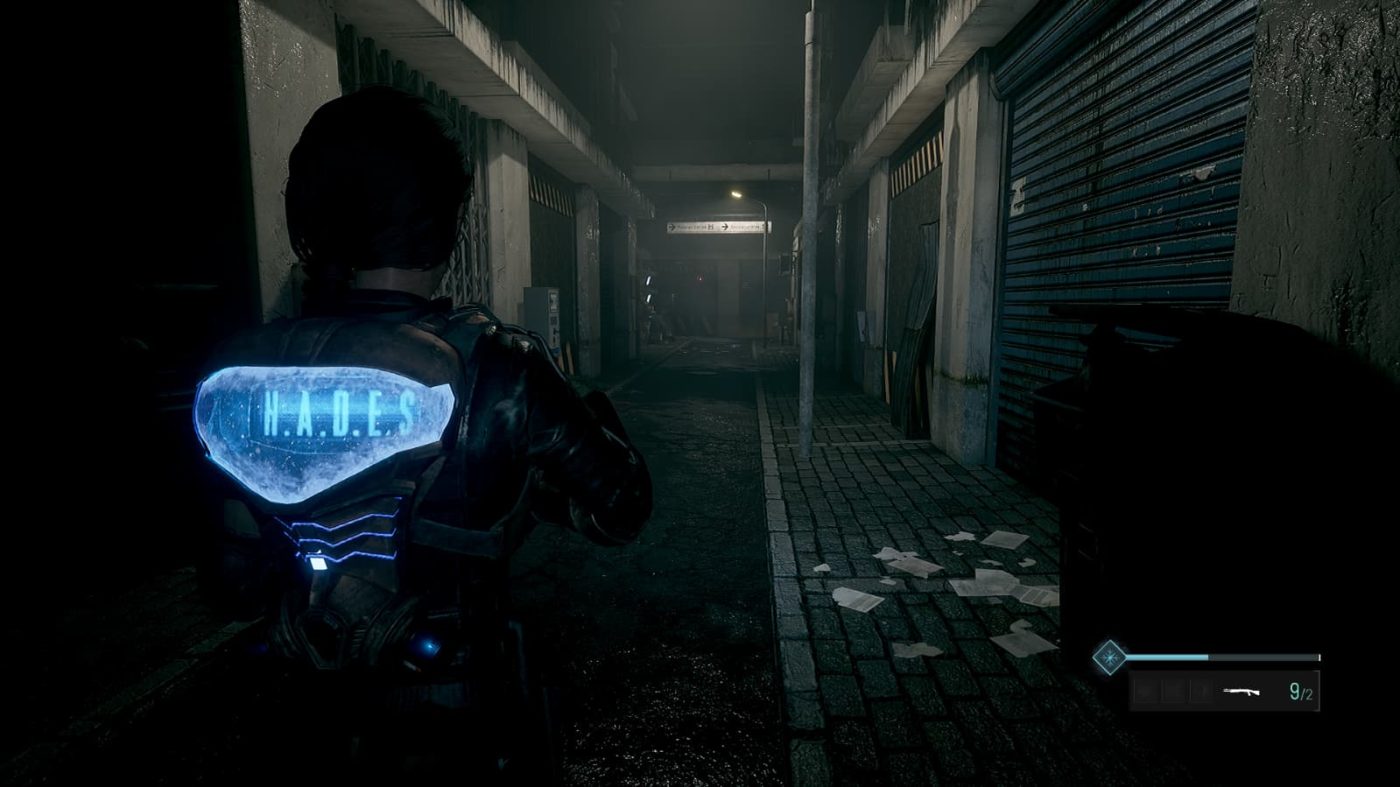
Daymare: 1994 Sandcastle showcases the technical growth and maturity of Invader Studios. Building on its predecessor, the game not only enhances visual fidelity but also elevates scenic impact, aesthetic cohesion, and atmospheric clarity, creating a world that feels immersive, believable, and seamlessly woven into the narrative. Every technical element serves a clear purpose, reinforcing both the story and the underlying psychological tension.
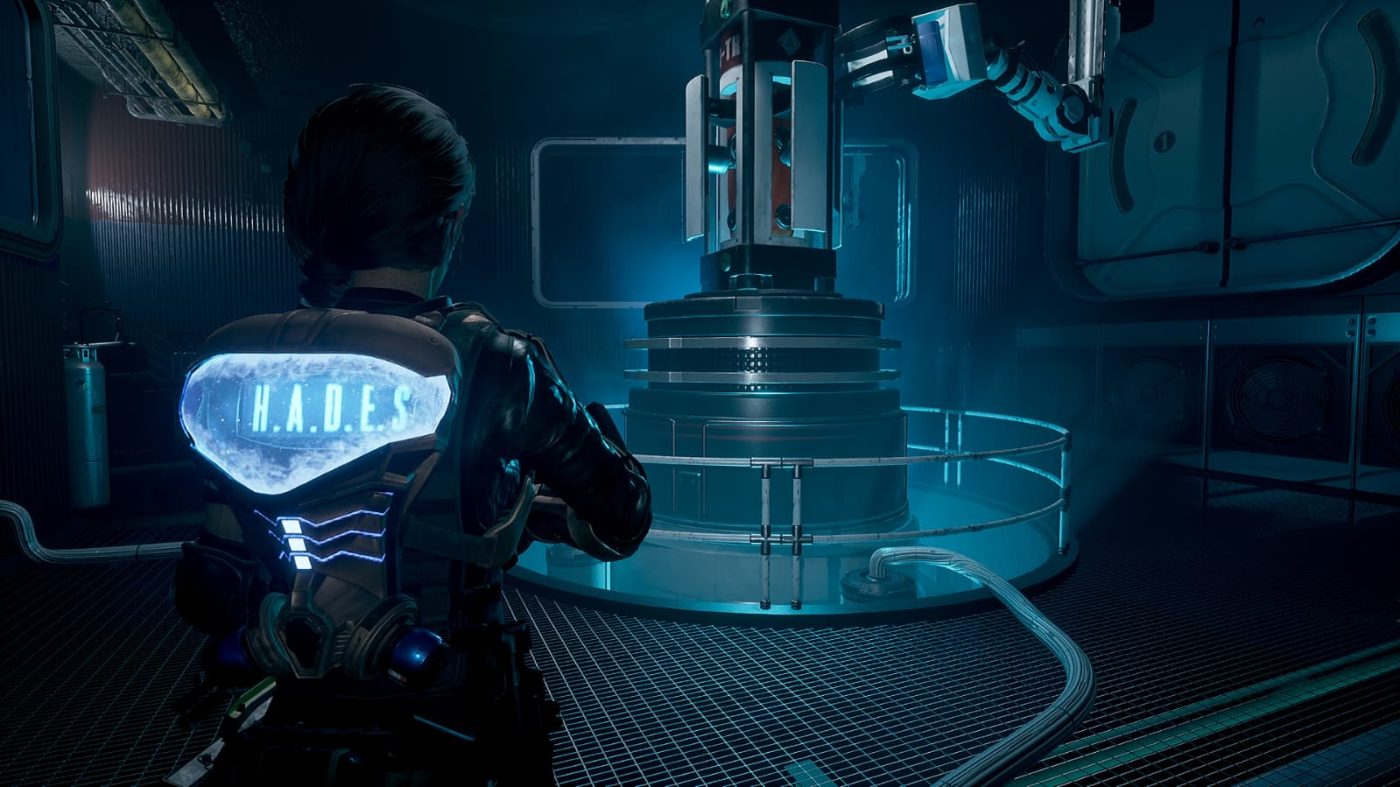
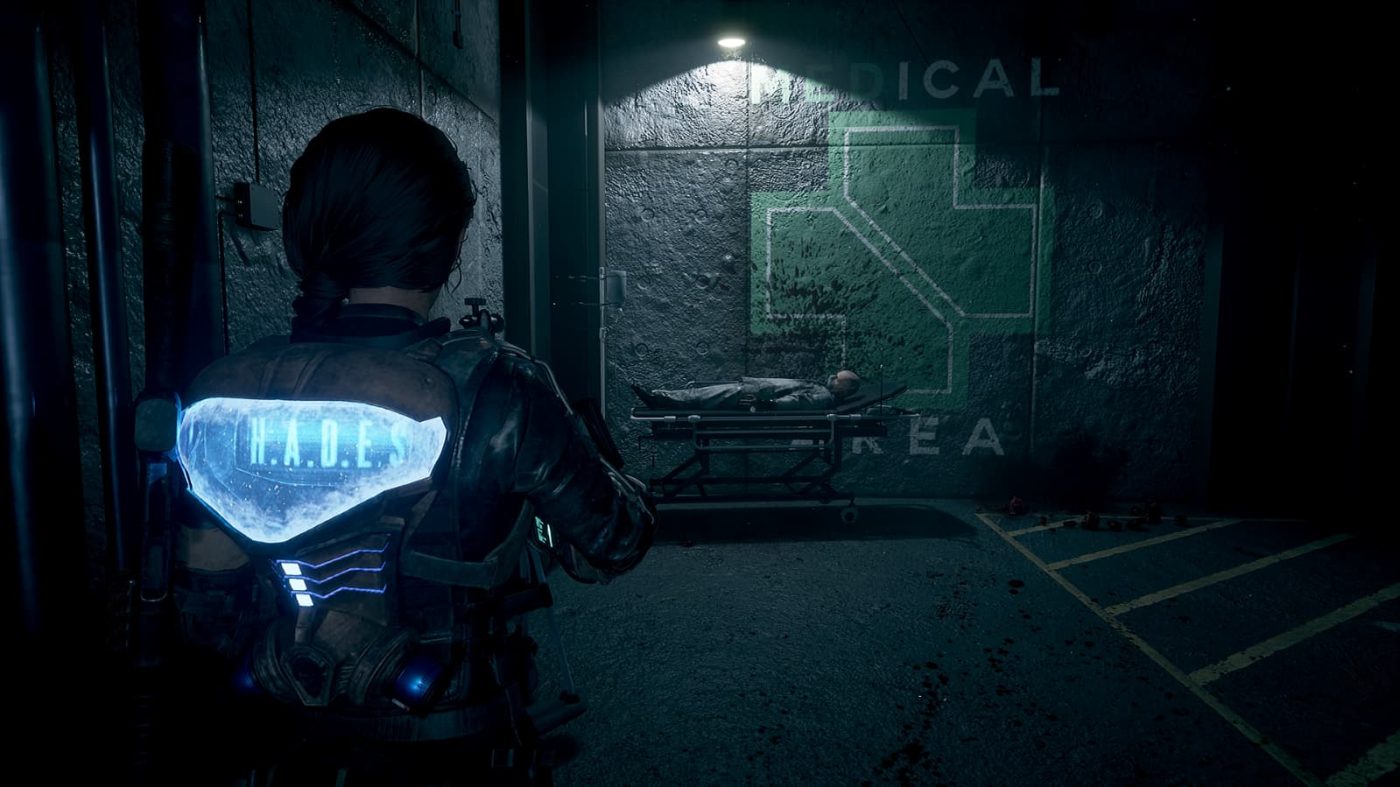
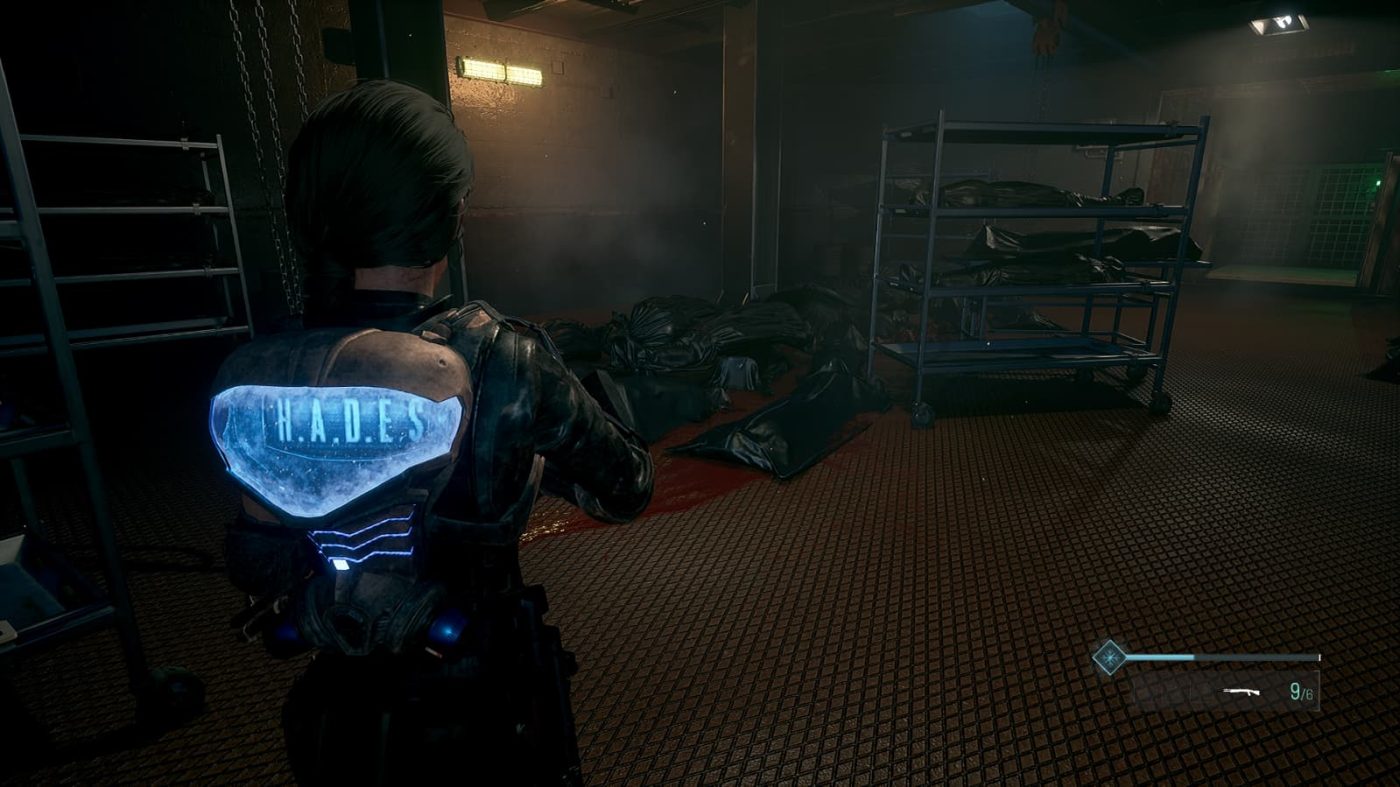
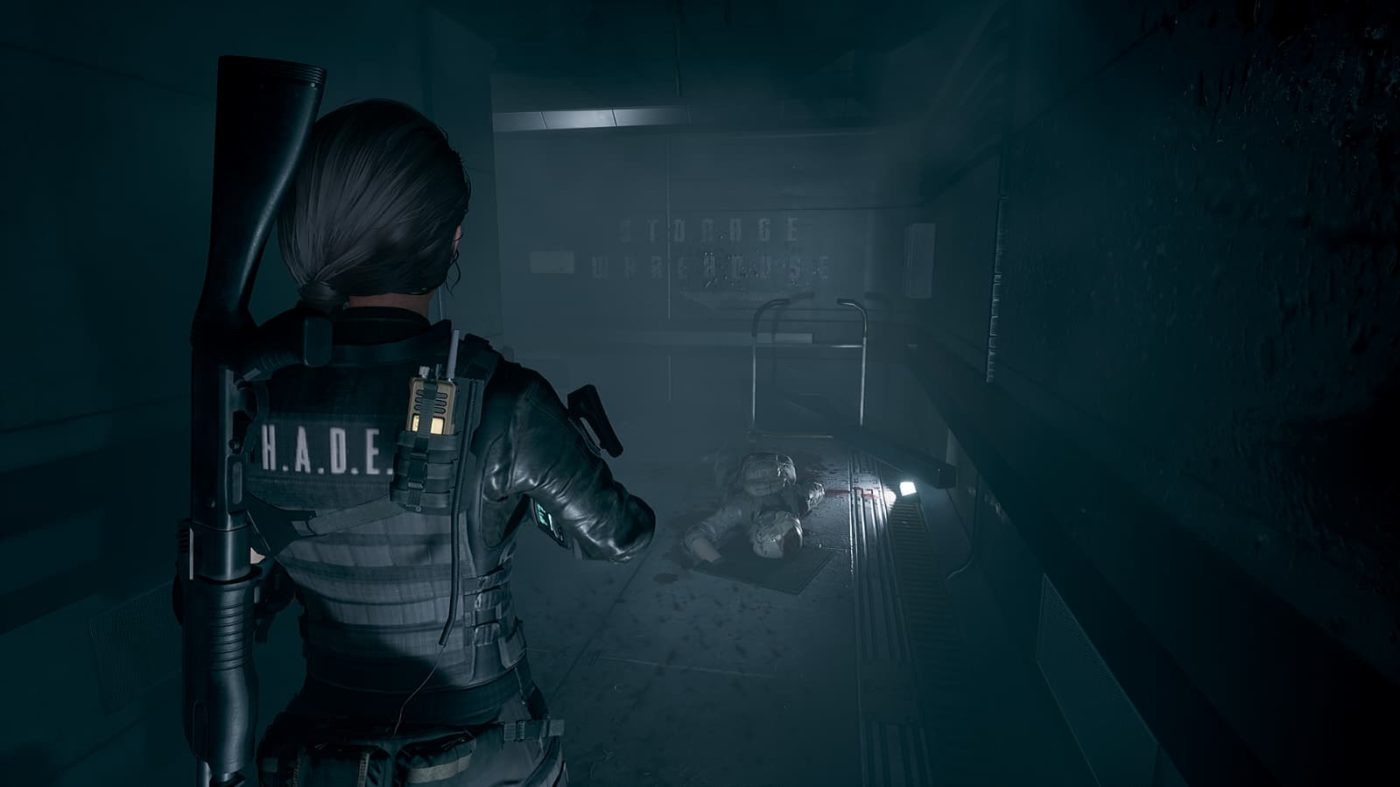
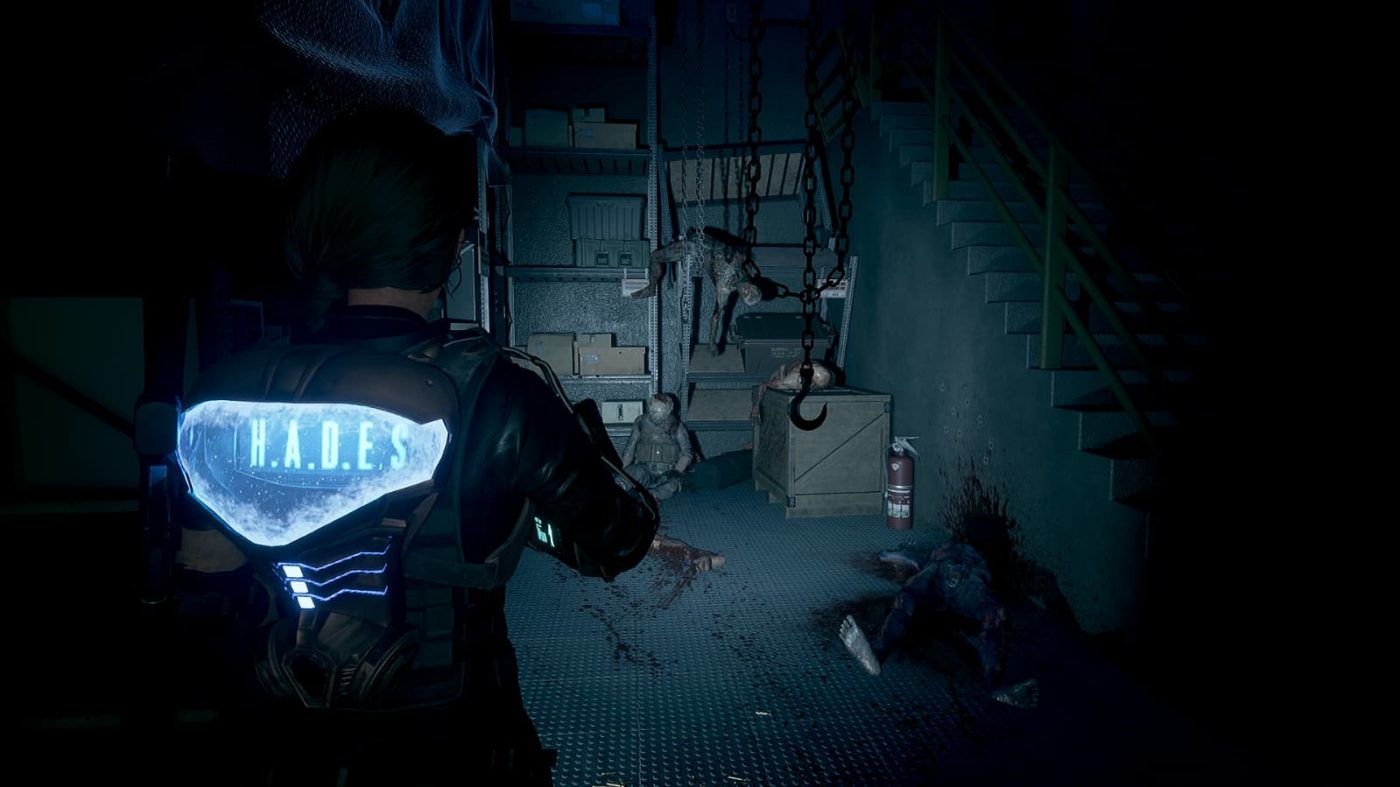
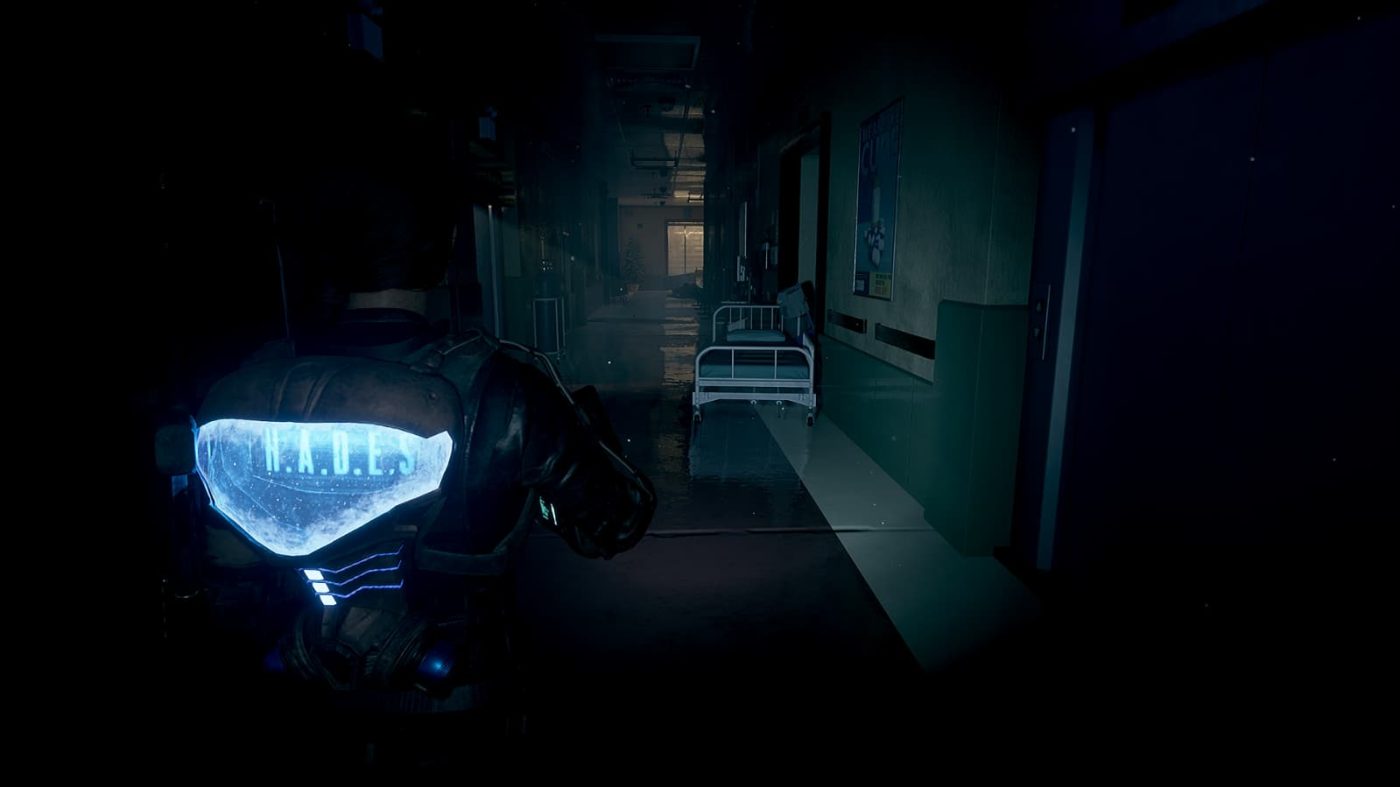
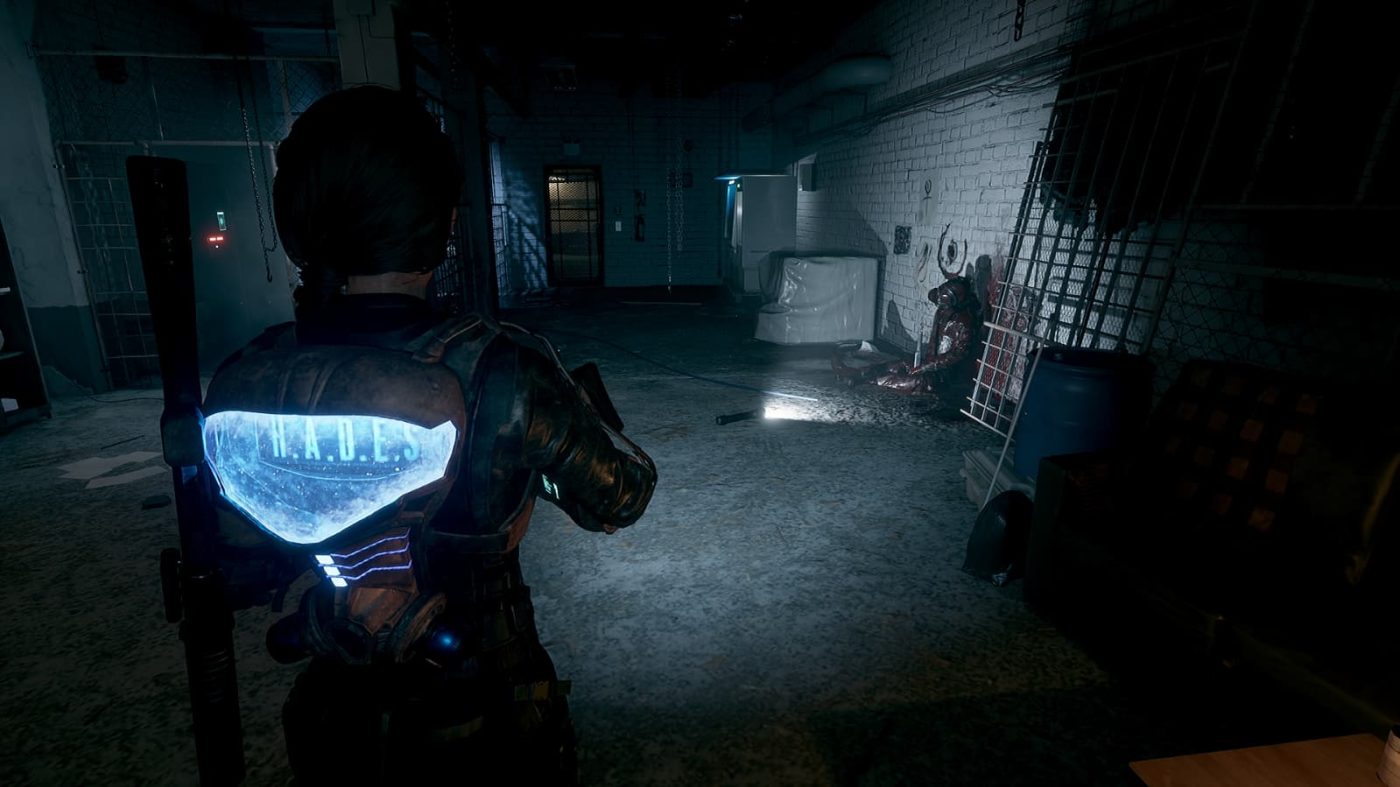
The environments impress from the very first step. Subterranean laboratories, military compounds, reinforced corridors, containment zones, and research halls are rendered with a level of precision the series has never achieved before. High-resolution textures convey the cold hardness of metal, the porous roughness of concrete, the sterile gleam of control panels, and the slow decay of biologically compromised rooms. Powered by Unreal Engine, the game handles a dense array of real-time assets – dynamic lighting, realistic reflections, layered particle effects, and fluid animations for both objects and enemies – transforming each location into a living, hostile organism that constantly exudes tension and unease.
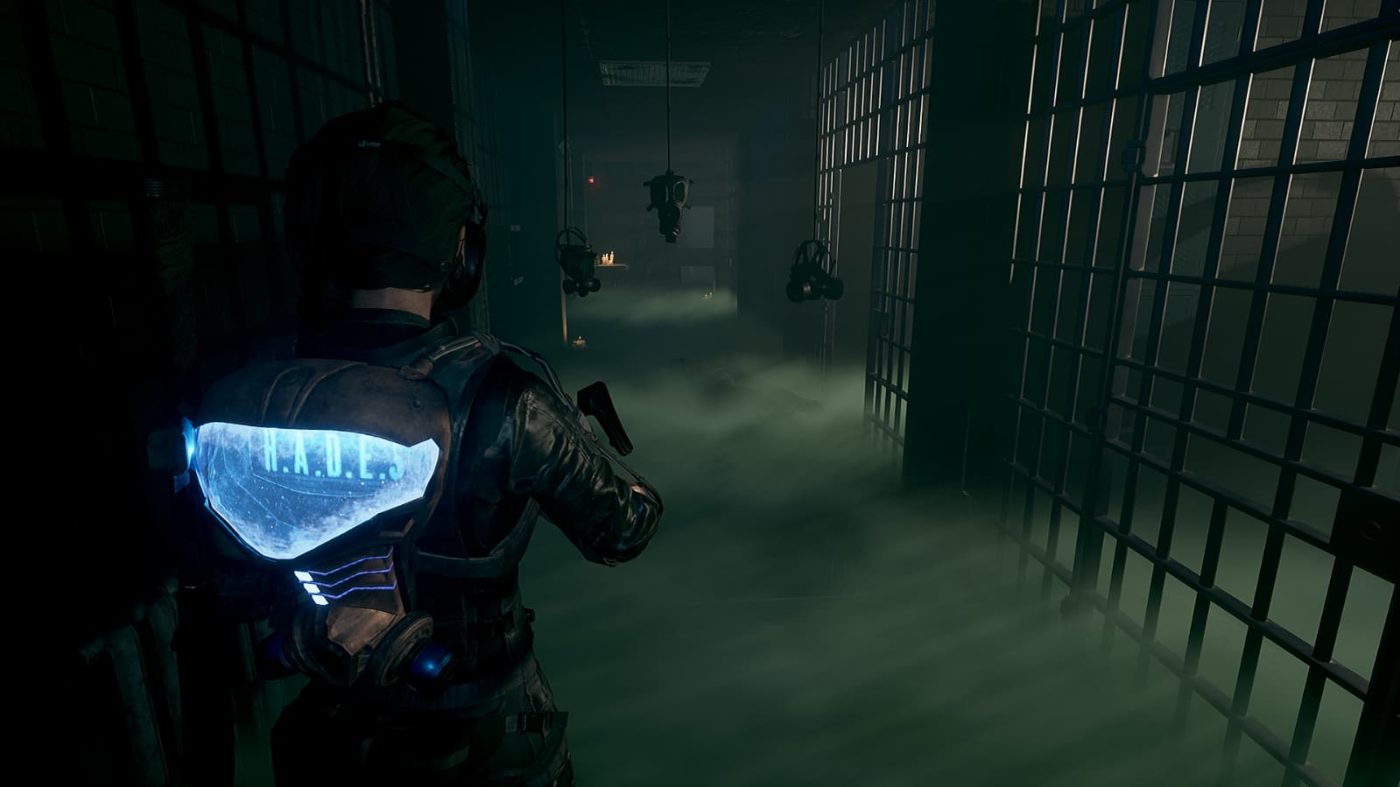
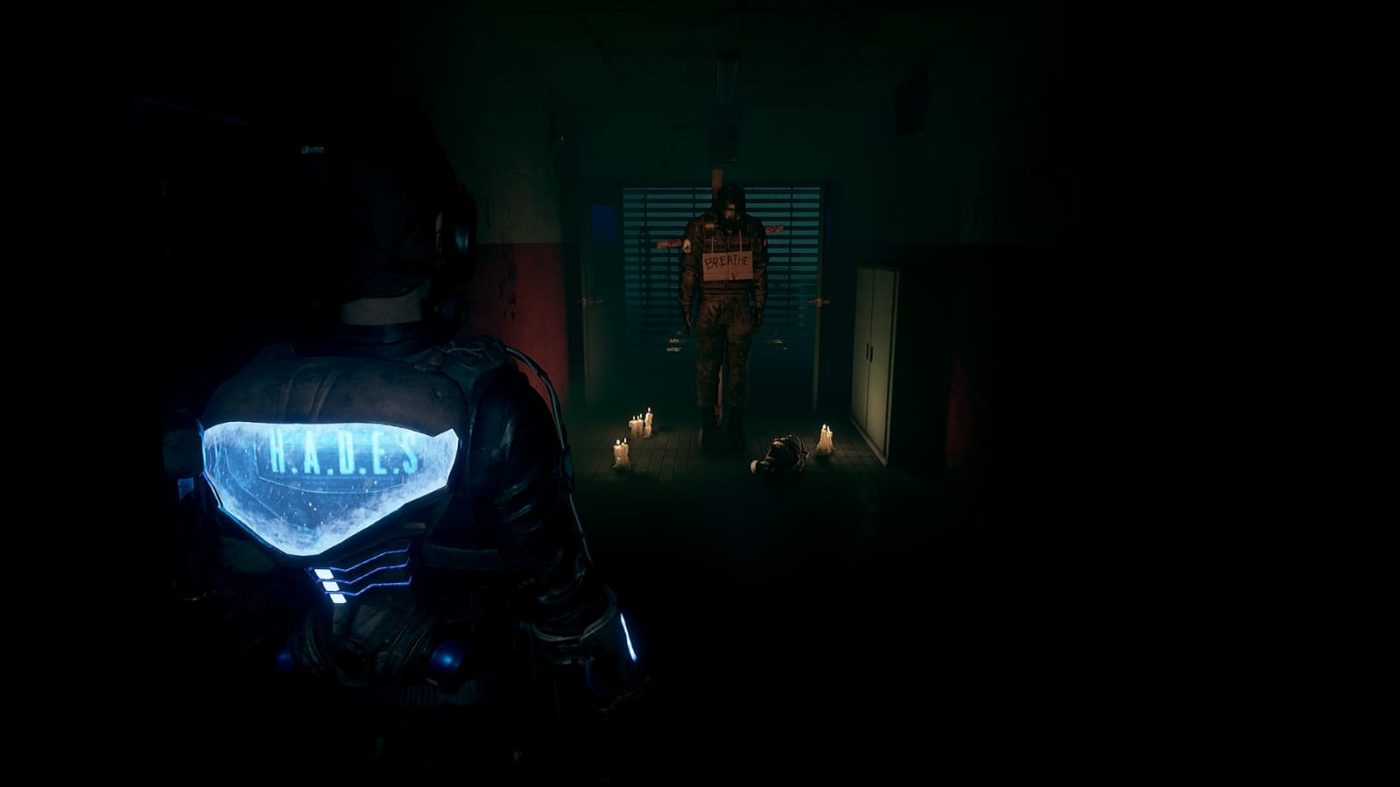
The art direction seamlessly blends industrial realism with subtle sci-fi flourishes, producing spaces that feel functional yet saturated with history – echoes of clandestine experiments, buried protocols, and past catastrophes. Cold blues and sickly greens, the omnipresence of electronics, nuanced surface palettes, and scattered holographic displays maintain visual clarity while reinforcing a persistent sense of threat.
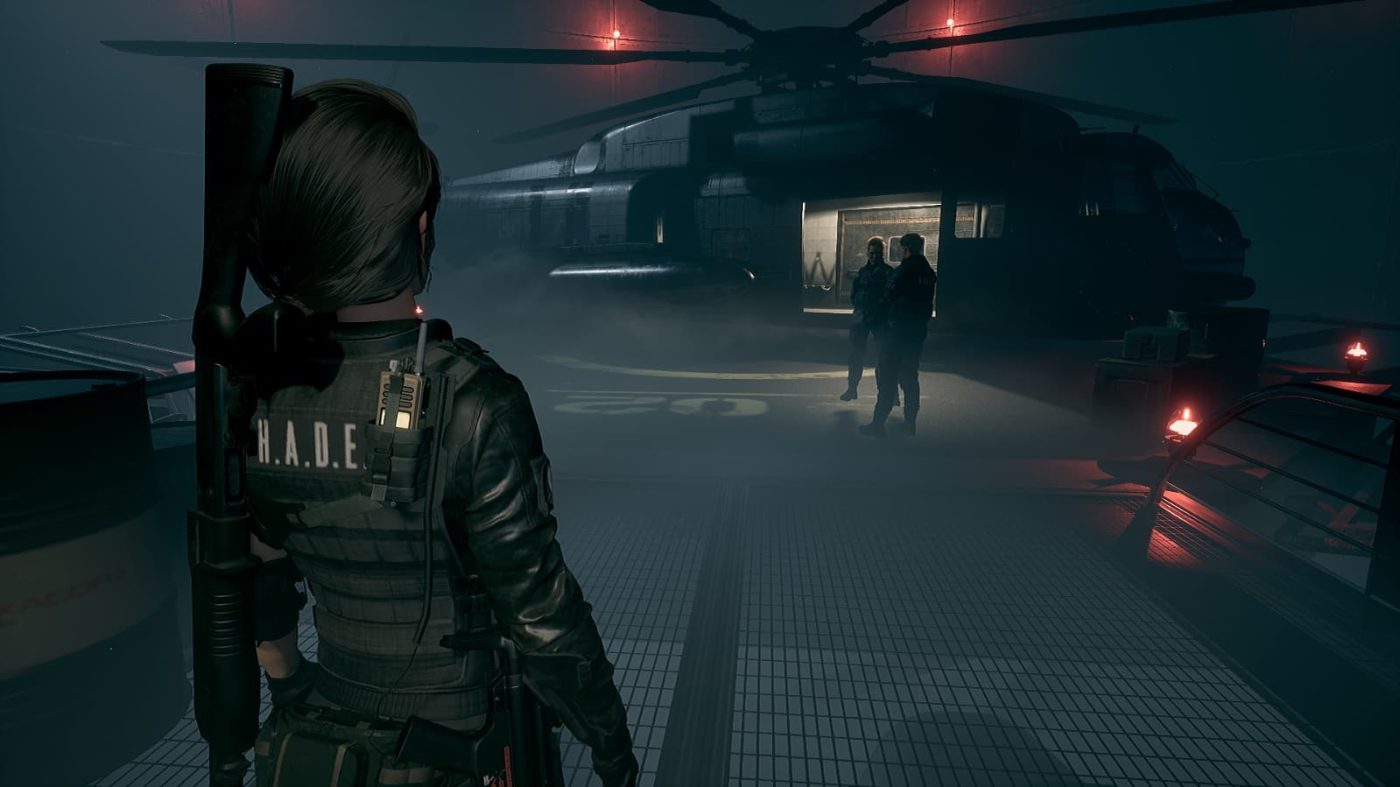
Variety is achieved without sacrificing coherence. Claustrophobic corridors open into expansive, futuristic chambers; near-total darkness is pierced by pulsating red emergency lighting; sterile laboratories give way to areas awash with mysterious liquids, synthetic vapors, and biological residues left behind by H.A.D.E.S. creations. Enemy design is particularly striking: mutated entities move with fluid, unsettling grace, glow with pulsating internal light, and shift in color to suggest unstable biochemical reactions – creatures that feel at once organic and elemental, living embodiments of human hubris.
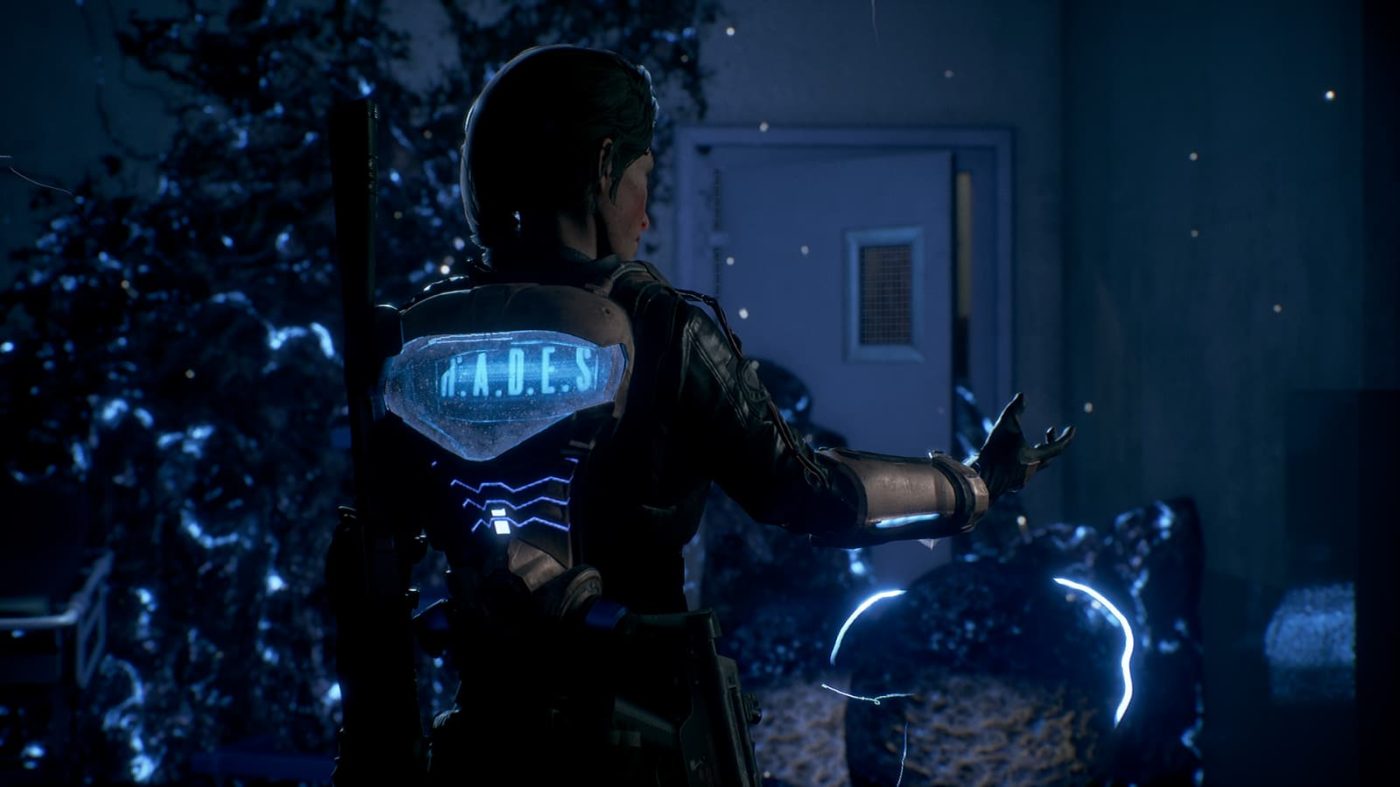
Particle effects and environmental interactions are more than decorative. Suspended dust, sparks, dynamic smoke, hot vapors, reflective liquids, and energy discharges are fully integrated into gameplay, particularly through the Frost Grip weapon, which generates ice crystals, localized freezing, and environmental alterations that influence both enemy behavior and scene physics. These effects reinforce the sense of the world as reactive, mutable, and dangerous.
Character modeling shows a clear step forward. Facial animations convey subtle emotion, clothing and equipment exhibit convincing material detail, and movement is noticeably smoother – particularly in close-quarters encounters. Weapons carry a satisfying sense of weight and mechanical credibility, while environmental props are thoughtfully arranged, lending laboratories, offices and control rooms the authenticity of functional spaces rather than constructed sets.
Level design guides players intuitively. Lighting, color cues, object placement, and furniture subtly indicate direction and points of interest without breaking immersion or relying on intrusive markers – maintaining tension while preserving readability.
Where Horror Is Heard Before It Is Seen
The audio design stands as one of Daymare: 1994 Sandcastle’s most accomplished and defining elements – a foundation that underpins not only its atmosphere of horror and narrative tension, but also the player’s psychological immersion. Far from functioning as background embellishment, sound is treated as a core narrative device: carefully calibrated to evoke emotion, foreshadow danger, heighten claustrophobia, and guide the player’s attention toward key environmental and story beats.
From the opening moments, players are immersed in a dense sonic tapestry of electrical hums, metallic reverberations, mechanical rhythms, distorted voices, and distant moans drifting through the facility’s corridors. These are not ornamental effects, but integral components of the game world – subtle narrative fragments expressed through frequency, texture, and modulation, reinforcing the sense that the environment itself is alive with hidden activity.
Each area is given a distinct acoustic identity. Research wings throb with the breath of machinery, low vibrations, and distant impacts, while abandoned corridors resonate with a silence that is never truly empty – broken by creaks, sudden thuds, or faint shifts in ambient noise that sustain a constant undercurrent of tension. Even ostensibly safe rooms are layered with audio cues suggesting power instability, unseen movement, or the lingering traces of past events, ensuring that narrative continuity persists even in moments of stillness.
Enemy sound design is equally refined. Creatures warped by the game’s unnatural energies emit irregular breathing, distorted whispers, low-frequency vibrations, sharp impacts, and organic noises that defy easy classification, reinforcing their alien nature. Each enemy type is audibly distinct, enabling players to gauge proximity and movement without granting certainty, as environmental acoustics often distort or filter these cues, preserving unpredictability.
The musical score deserves particular recognition. Restrained and purposeful, it never overwhelms the experience, instead emerging at key moments through dark tonal layers, gradual crescendos, metallic timbres, electronic textures, and rhythmic distortions that intensify tension or accentuate narrative revelations. The soundtrack remains in constant service to atmosphere and pacing, enhancing emotional impact without drawing attention to itself.
Spatial audio is another standout feature. Directionality, distance, and acoustic depth are finely tuned, allowing players to perceive footsteps on metal walkways, sounds bleeding through walls, structural collapses, or the deep vibrations generated by the volatile substance at the core of the facility’s experiments. This precise sound staging reinforces both immersion and situational awareness. Silence, too, is used with remarkable intent – not as emptiness, but as a dense, anticipatory presence that amplifies isolation and psychological unease, as though the structure itself were a sentient entity, aware of Dalila’s movements and quietly responding to them.
Sound design also feeds directly into gameplay. Stealth, navigation, and threat assessment rely heavily on auditory interpretation, forcing players to distinguish genuine danger from acoustic deception in environments where unstable energy distorts perception. Weapons and tools such as the Frost Grip are given distinct, impactful audio signatures – vibrations, discharges, and reactive tones that convey power, volatility, and narrative weight.
Taken as a whole, the audio design of Daymare: 1994 Sandcastle stands among the title’s most refined and sophisticated achievements. It does not merely support the experience – it defines it, shaping a layered, immersive, and deeply unsettling soundscape that draws players into a scientific nightmare that resonates long after the final moments fade to silence.
World Building and Gameplay: A Step Forward
World building and gameplay are seamlessly interwoven, working together to construct tension, atmosphere, and narrative momentum. The game world is crafted with meticulous attention to detail, offering not only visual appeal but a coherent internal logic in which every space reflects what came before and subtly anticipates what lies ahead. Each room feels purposeful: architectural choices become narrative clues, and abandoned objects quietly suggest untold stories, forming a believable and oppressive ecosystem that rewards attentive exploration.
Nothing in the environment feels arbitrary. Each area is arranged to evoke the structure of a functioning government facility, guided by practical design principles evident in room layouts, operational zones, research wings, alternate paths, and internal shortcuts. This spatial logic strengthens immersion, making the complex feel like a real place rather than a sequence of disconnected levels.
Gameplay reinforces this sense of place through exploration, interaction, environmental puzzles, and resource management, but most notably through combat. The introduction of the Frost Grip system marks a significant evolution from the previous installment. By allowing players to freeze, immobilize, block, or shatter enemies, the mechanic becomes a core part of the game’s rhythm rather than a superficial addition. Encounters demand tactical judgment: when to conserve energy, when to engage, and when to evade. This layer of decision-making dovetails naturally with the claustrophobic environments, heightening both tension and strategic depth.
Level design adopts a deliberately labyrinthine structure. Intersecting corridors, gradually expanding zones, and previously inaccessible areas unlocked through tools or puzzle-solving create a tangible sense of progression. This architecture supports a carefully modulated rhythm – shifting between exploration, narrative build-up, high-intensity combat, and environmental problem-solving – ensuring that the experience remains dynamic without sacrificing atmosphere.
The game’s “government-industrial” aesthetic – military infrastructure, surveillance technology, containment facilities, and scattered documentation – does more than establish tone. It reinforces the perception of Sandcastle as a functioning complex shaped by years of activity and secrecy. Environmental storytelling is elegantly embedded through control panels, flickering monitors, digital logs, and interactive objects, conveying scientific context and human consequence without interrupting the flow of play.
Mechanically, the balance between action and restraint is finely judged. Combat encounters are spaced to preserve their impact, while puzzles demand observation, memory, and the ability to connect disparate details, offering moments of reflection that never fully release tension. Resource management remains central: Frost Grip energy, ammunition, medical supplies, and batteries must be carefully rationed, turning every decision into a matter of survival rather than convenience.
Ultimately, the world building and gameplay of Daymare: 1994 Sandcastle form a tightly integrated whole – a fusion of atmosphere, implicit storytelling, psychological pressure, and meaningful interaction. Every corridor, door, and encounter contributes to a coherent and unsettling journey defined by discovery, endurance, and the slow, inexorable revelation of buried truths.

Generally Well Received
Assessing Daymare: 1994 Sandcastle requires a nuanced critical perspective – one that considers both its narrative ambitions and its technical and stylistic choices. The game operates at the intersection of atmosphere, gameplay, storytelling, pacing, and immersion, elements that collectively define its identity within the contemporary survival-horror landscape.
Among the most consistently praised elements is its strong artistic identity. Eschewing imitation of genre classics, Daymare: 1994 Sandcastle carves out a unique aesthetic, fusing science-fiction horror, biological corruption, and claustrophobic design. This cohesive style has been widely praised: Sandcastle’s environments are frequently described as alive and pulsating, rich with implied history, where every sound, shadow, and flicker of light feels charged with potential danger.
Critics have also highlighted the game’s deliberate control of tension. Its structure alternates intense combat sequences with slower investigative and exploratory phases, avoiding monotony while sustaining narrative momentum. That said, some reviewers note that this pacing can occasionally feel uneven, particularly during sections involving extended backtracking or environmental puzzles that temporarily interrupt the action. Even so, these elements are often framed as integral to the game’s oppressive atmosphere rather than as structural shortcomings.
From a technical standpoint, reception has been largely positive. Character models, animation quality, particle effects, lighting systems, and the implementation of energy-based mechanics have all drawn favorable attention. Minor criticisms tend to focus on isolated performance dips in visually dense areas or moments of stiffness in animation transitions – issues that rarely undermine the overall experience but emerge in more exacting technical analyses. Enemy design has also been well received: the emphasis on bio-energetic mutation offers a distinctive and unsettling threat profile, though some players report occasional difficulty spikes, particularly in the early stages.
Narrative response has been more divided. Many reviewers welcome the expansion of the series’ lore and the stronger ties to Daymare: 1998, while others point to a degree of fragmentation in storytelling, attributed to the game’s brisk pacing and prioritization of action over introspection. Nonetheless, the consistency of the world-building, the protagonist’s characterization, and the quality of written and environmental storytelling transform the narrative into an investigative experience that rewards attentive players.
Sound design and music have received widespread acclaim. The use of low-frequency tones, metallic textures, environmental reverberation, and energy-based effects is frequently cited as essential in sustaining psychological tension and reinforcing Sandcastle’s identity as a hostile, living space – leaving an impression that extends well beyond individual play sessions.


Daymare: 1994 Sandcastle
PRO
- Rich, immersive atmosphere;
- High-quality art direction and visual coherence;
- Outstanding sound design, tightly integrated with gameplay;
- Solid engine performance;
- Modern, refined combat system (Frost Grip)
- Intuitive inventory and resource management;
- Believable, coherent world-building;
- Focused narrative with a well-developed protagonist;
- Balanced pacing between exploration, puzzles, and combat;
- Environmental puzzles that feel logical and integrated;
- Consistent progression and effective use of freeze mechanics;
- Strong psychological tension management.
CON
- Psychological horror elements slightly less dominant than in the previous installment;
- Some encounters can feel repetitive;
- Occasional dips in tension in certain areas;
- Sporadic stiffness in animation;
- Enemy AI can be inconsistent, alternating between highly reactive and somewhat predictable.


7.5/10