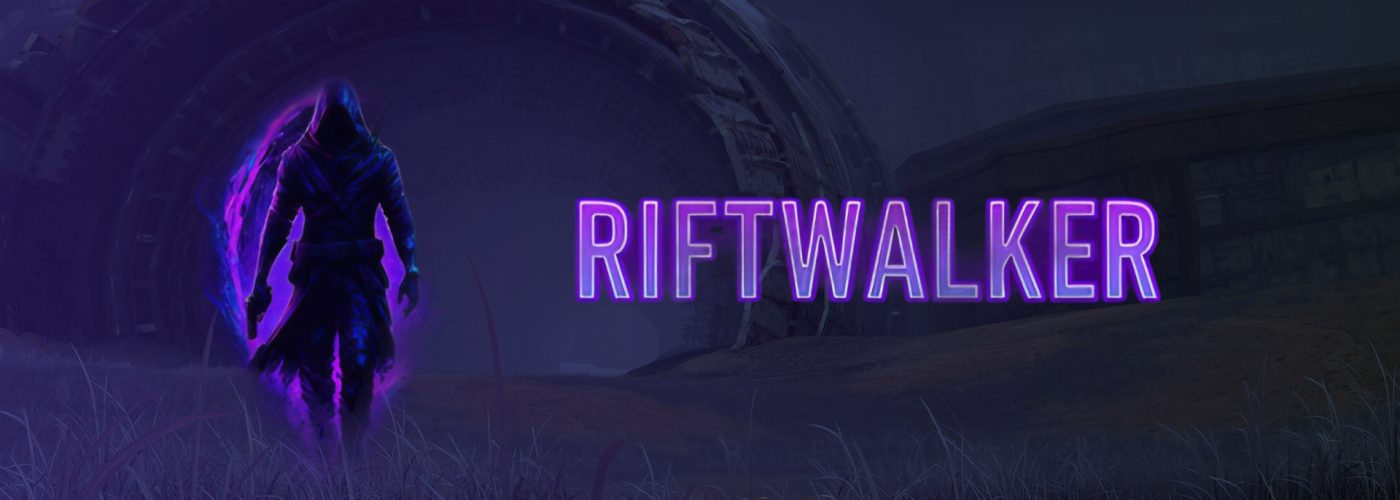
Power, consequence, and a world shaped by player choice: Riftwalker aims to redefine bounty hunting through a bold, author-driven vision.
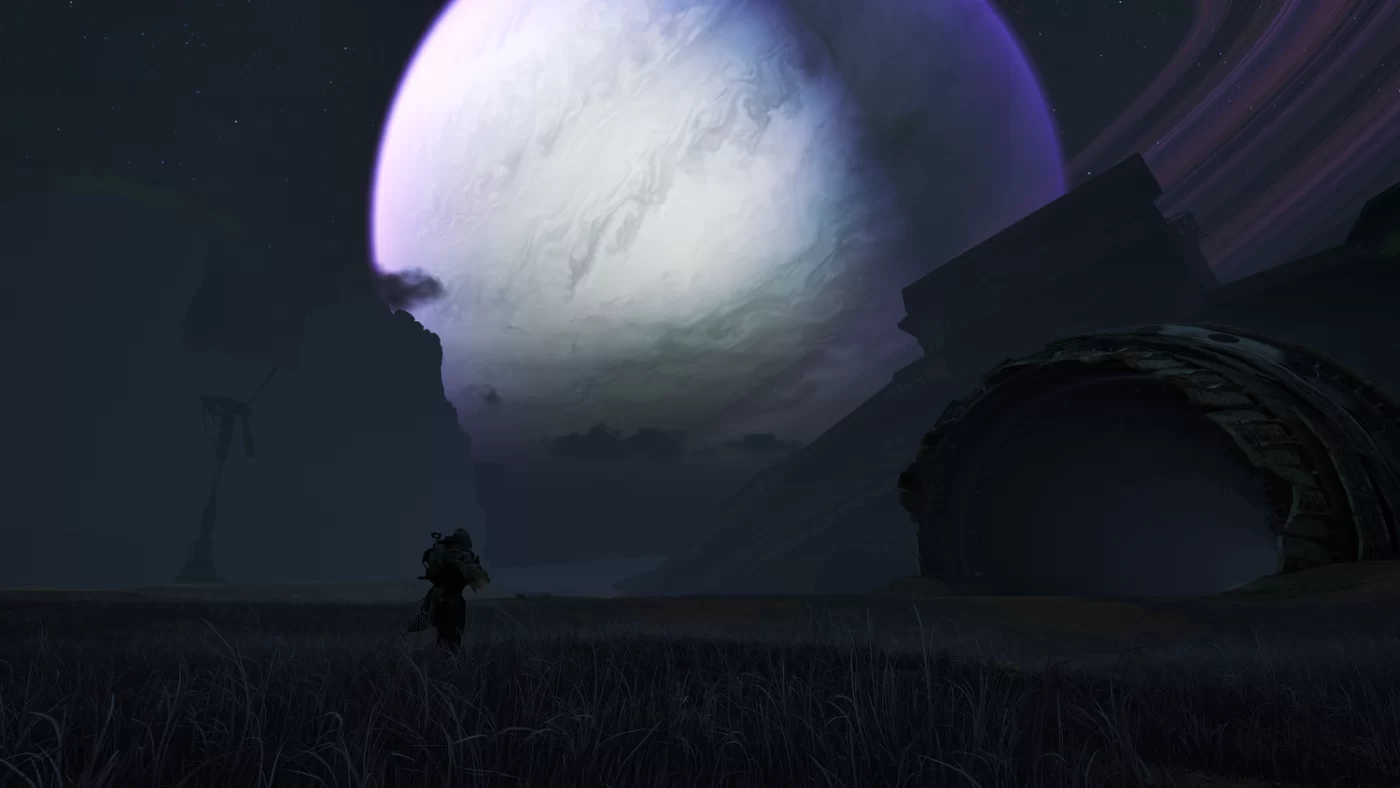
In an industry increasingly dominated by sequels and formulaic design, Riftwalker stands out as a distinctly author-driven project, built around a single, unifying mechanic that organically weaves narrative, gameplay, world-building and atmosphere. Developed entirely in Unreal Engine 5 by a solo creator, the game occupies the borderland between independent creativity and AAA ambition, where inventive vision inevitably meets tangible production constraints.
Early demonstrations reveal a story-driven action RPG that defines its identity around a deceptively simple yet potentially disruptive concept: the Rift, a shadow plane layered over reality that serves both as a tactical resource and as a catalyst for escalating threats. Every venture into the Void offers immediate advantages but triggers progressively greater consequences – it is this careful balance of risk and reward, if supported by disciplined design, that could turn traditional bounty hunting into a truly reactive, choice-driven experience.
The Rift: A Dual Force of Advantage and Threat
Riftwalker follows Ashton Mercer, a bounty hunter who – through a series of as-yet-unrevealed events – gains the ability to enter the Void, a shadowy dimension layered over reality. The Void is not a simple parallel world but a hostile, sentient space populated by entities that react to every intrusion.
Narratively, the Rift serves two intertwined purposes:
- Metaphor: it embodies corrupting power and the price exacted for immediate advantage.
- Gameplay device: it reshapes the game’s rules, creating new tactical possibilities and moral trade-offs.
Using the Rift grants immediate benefits – enhanced mobility, tactical leverage, ways to bypass obstacles or turn the tide of otherwise unwinnable encounters – but it also steadily increases the Void’s attention. This design choice discourages indiscriminate use of special abilities and forces players to weigh how much power they are willing to exploit and what consequences they will accept. When executed with precision and depth, this mechanic can become the emotional and mechanical centerpiece of the game, giving real weight to both gameplay and narrative choices.
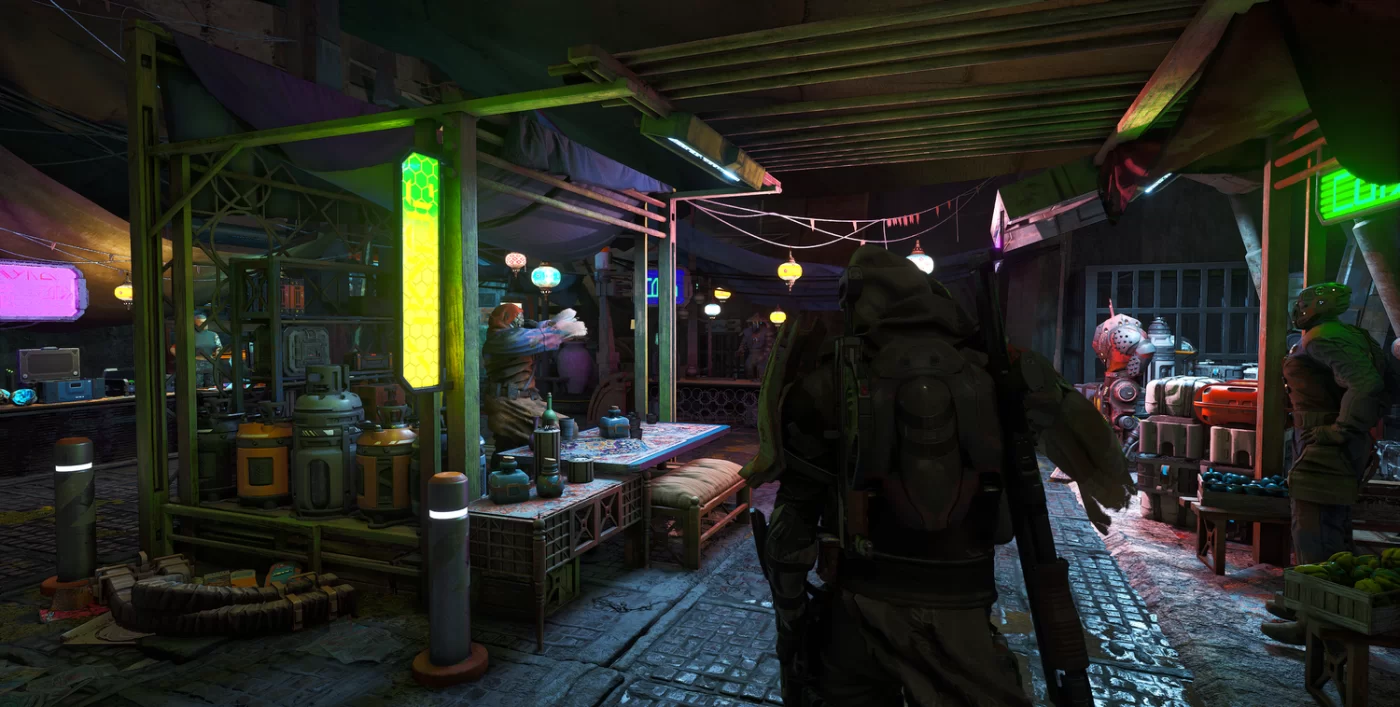
The Rift as a Gameplay System: Risk, Pressure, and Control
At the heart of Riftwalker lies the Rift as a dynamic risk-reward system. Void-linked abilities let players:
- shift positioning mid-combat,
- bypass environmental obstacles,
- turn seemingly unwinnable encounters in their favor.
Each use of the Rift, however, increases the likelihood of attracting hostile entities, introducing a sustained pressure that goes beyond simple cooldowns or resource drains. This design deliberately reframes the player’s decision-making: from “when can I use an ability?” to the more meaningful “how much risk am I willing to take?”
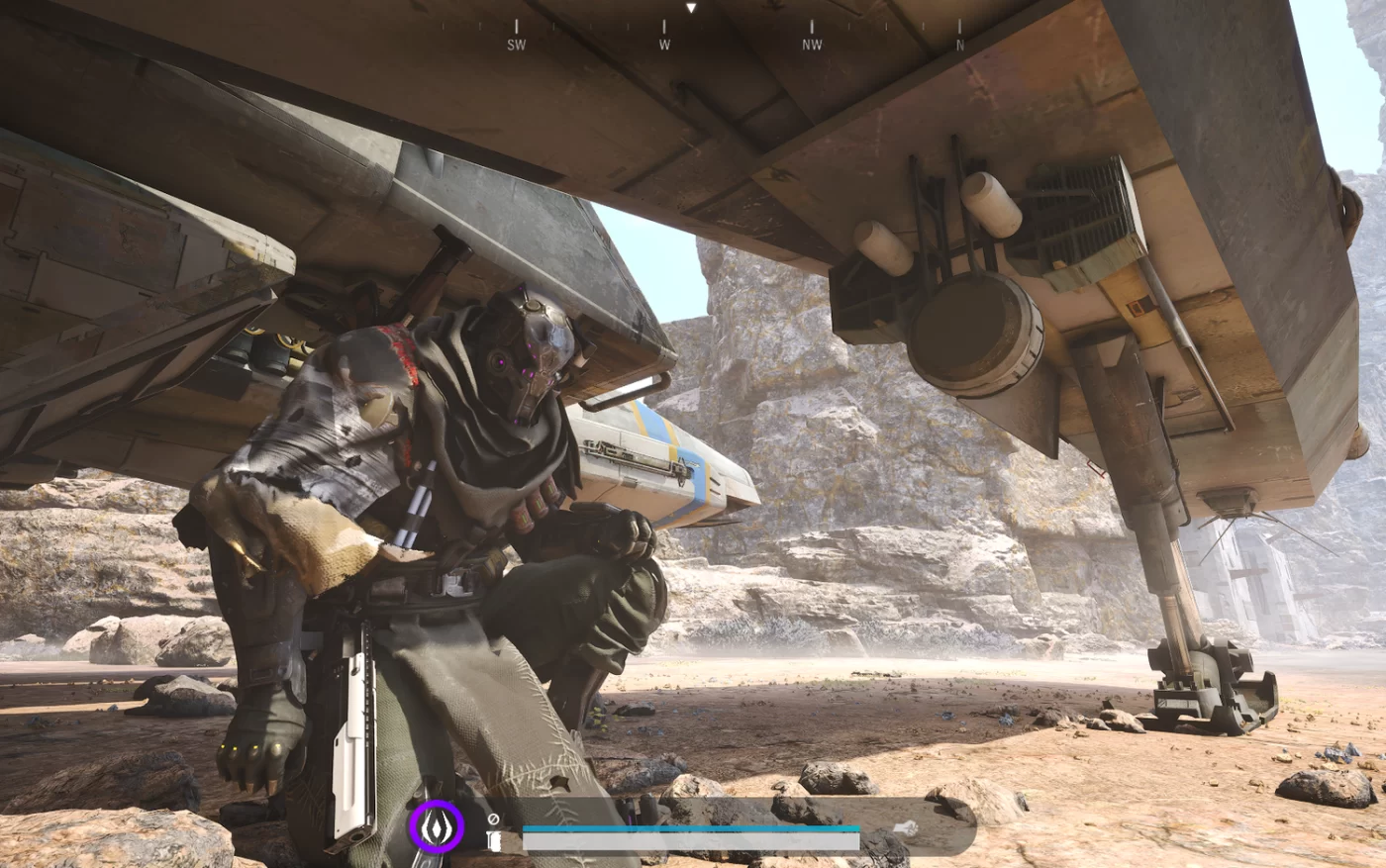

Combat System: Strengths and Balancing Challenges
Riftwalker is structured as a third-person shooter with robust RPG elements. Early demonstrations show responsive, readable gunplay, yet important balancing concerns remain. The inclusion of enemy energy and armor bars demands meticulous tuning: without meaningful enemy variety and mechanics that reward strategic thinking, encounters risk devolving into prolonged “bullet sponge” firefights. The key design challenge is to ensure combat emphasizes positioning, timing, and creative use of Rift abilities, rather than reducing gameplay to simple damage management.
The system’s potential is clear, but its success depends on integrating the Rift organically into combat flow, making it a core, systemic element rather than a superficial add-on.
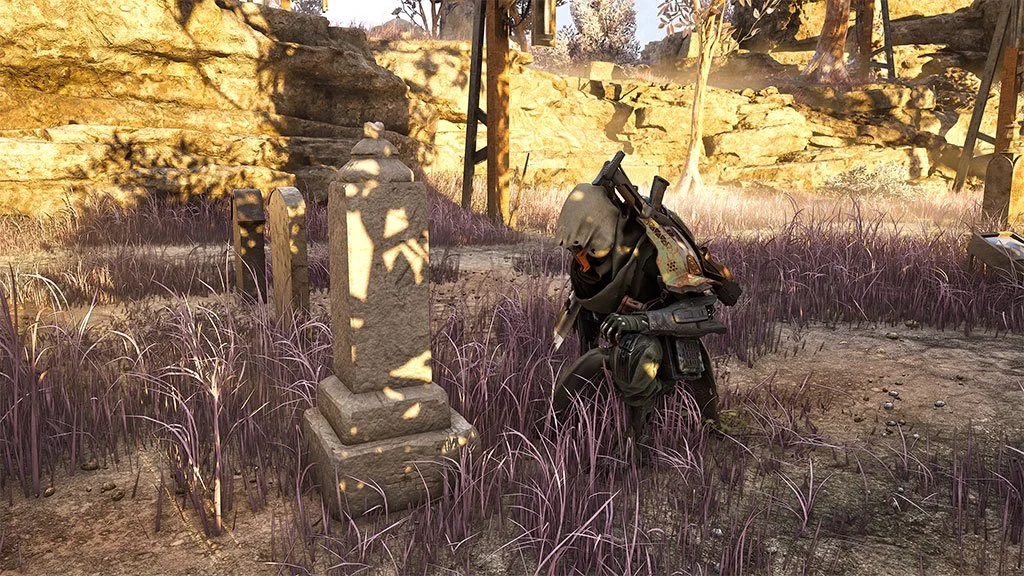
Spaces That Speak: Art and Exploration in Riftwalker
One of Riftwalker’s most compelling strengths lies in its art direction, shaped by the developer’s extensive experience as a lead artist and world designer. The environments revealed so far convey:
- a strong and convincing sense of place;
- a coherent, carefully curated color palette;
- readable, distinctive architecture that supports navigation and environmental storytelling.
The atmosphere evokes classic sci-fi settings – from barren deserts to frontier settlements – adopting a western-sci-fi flavor reminiscent of The Mandalorian without lapsing into mere imitation.
It remains unclear whether the game will adopt a full open world or a series of connected macro-areas. Early indications suggest a focus on density and distinctive character rather than sheer scale – a practical and intelligent approach, particularly for a solo development effort, prioritizing meaningful, immersive spaces over empty expanses.

One Creator, One Vision: Creative Vision and Production Risks
Riftwalker is the creation of Ethan “LuclinFTW” McKinnon, a veteran with over 25 years of experience in art direction and world design. Developing the game solo is both its defining strength and its greatest vulnerability. On one hand, a solo development approach ensures a coherent creative vision and a distinct auteurial voice, allowing bold stylistic and narrative choices without compromise. On the other, it exposes the project to real-world constraints: extended development timelines, limited playtesting, and reduced bandwidth for polishing can all impact technical stability and gameplay balance.
McKinnon’s strategy – engaging the community through Patreon and Discord – offers a smart solution, turning player feedback into an active component of the creative process while securing crucial support and visibility. Ultimately, the success of Riftwalker will hinge on maintaining a careful balance between ambitious artistic vision and disciplined production.
Project Status and Roadmap Ahead
Riftwalker is currently in advanced development and has no official release date. Fans can support the project via Patreon, gaining access to regular updates and direct engagement with the developer. Given the game’s ambitious scope and available resources, a lengthy development cycle is anticipated, yet one guided consistently by a clear and coherent creative vision.