One of the most disturbing psychological horror games of recent years, where fear and loss intertwine in a haunting emotional labyrinth with no way out.

Within a contemporary horror landscape increasingly defined by immediacy – from predictable jump scares to the recycling of familiar formulas – Luto positions itself as a distinctly different proposition: more introspective in design, more restrained in execution, and primarily concerned with the slow accumulation of unease rather than instant shock.
It does not aim to overwhelm through excess, but instead works through gradual infiltration, settling into the player’s perception and sustaining a constant undercurrent of instability built on doubt, repetition, and unresolved meaning.
Although firmly rooted in first-person psychological horror, Luto avoids simple stylistic imitation. From its opening moments, it establishes a distinct identity: domestic spaces rendered unfamiliar and increasingly hostile, looping environments folding back on themselves, and a fragmented narrative conveyed through visual traces and deliberate absence. Space and imagery are not treated as backdrop, but as structural instruments of tension, with meaning consistently left for the player to reconstruct.
At the heart of the experience lies a pervasive sense of confinement. The protagonist is trapped inside their own home, unable to escape – a condition that operates on both physical and psychological levels, transforming domestic space into an unstable emotional and perceptual maze. The premise is deceptively simple, yet highly effective, subverting the traditional idea of “home” as safety and reconfiguring it as something mutable, claustrophobic, and fundamentally unreliable.
Pacing is one of the game’s defining features. Luto consistently resists urgency: it neither rushes exposition nor prioritises clarity. Instead, it relies on suggestion and accumulation, allowing tension to build gradually through restraint. The result is a sustained sense of uncertainty, in which even the smallest detail is continuously charged with potential meaning.
From a gameplay perspective, the experience is rooted in narrative exploration, with a clear emphasis on observation and environmental reading over action or survival systems. In doing so, Luto positions itself within a more atmospheric strand of psychological horror, prioritising immersion and interpretative engagement over traditional gameplay escalation.
This approach is reinforced by its tonal consistency, which immediately conveys grief, loss, and disorientation. Horror is not externalised as a clear threat, but internalised as a manifestation of psychological fracture. Fear arises not only from what is shown, but from what is withheld – from the unstable space between familiarity and distortion.

An Independent Project with a Strong Identity
Behind Luto is Broken Bird Games, an independent Spanish studio aiming to establish a distinct identity within contemporary horror. From the outset, the project is not presented as a response to market trends, but as the outcome of a clearly defined creative vision centred on psychological tension, the processing of trauma, and a conception of horror rooted in emotional discomfort rather than spectacle. This independence is reflected in the game’s structure.
Luto is built around a disciplined set of priorities: atmosphere, visual language, sound design, pacing, and thematic coherence. The result is a deliberate form of indie design where impact is determined less by scale than by precision of intent.
At its core, Broken Bird Games approaches horror as an emotional and narrative framework rather than a sequence of shocks. Luto draws on the genre to explore grief, anxiety, loss, and psychological fragility, favouring symbolic and experiential depth over immediate effect. Publishing support comes from Selecta Play, a publisher increasingly associated with distinctive independent projects. Here, its role goes beyond distribution, helping position Luto as an atmospheric, author-driven experience rather than a conventional genre entry, and ensuring it reaches an audience aligned with its tone and intent.
The collaboration between studio and publisher appears closely aligned. Broken Bird Games retains clear creative autonomy, while Selecta Play provides a framework that enhances visibility without diluting identity. This balance is essential for a project of this nature, which could easily lose its edge if shaped too heavily by commercial expectation. Instead, Luto maintains a consistent sense of unease and introspection, resisting any drift toward familiar genre conventions.
Grief as Prison, Memory as Labyrinth
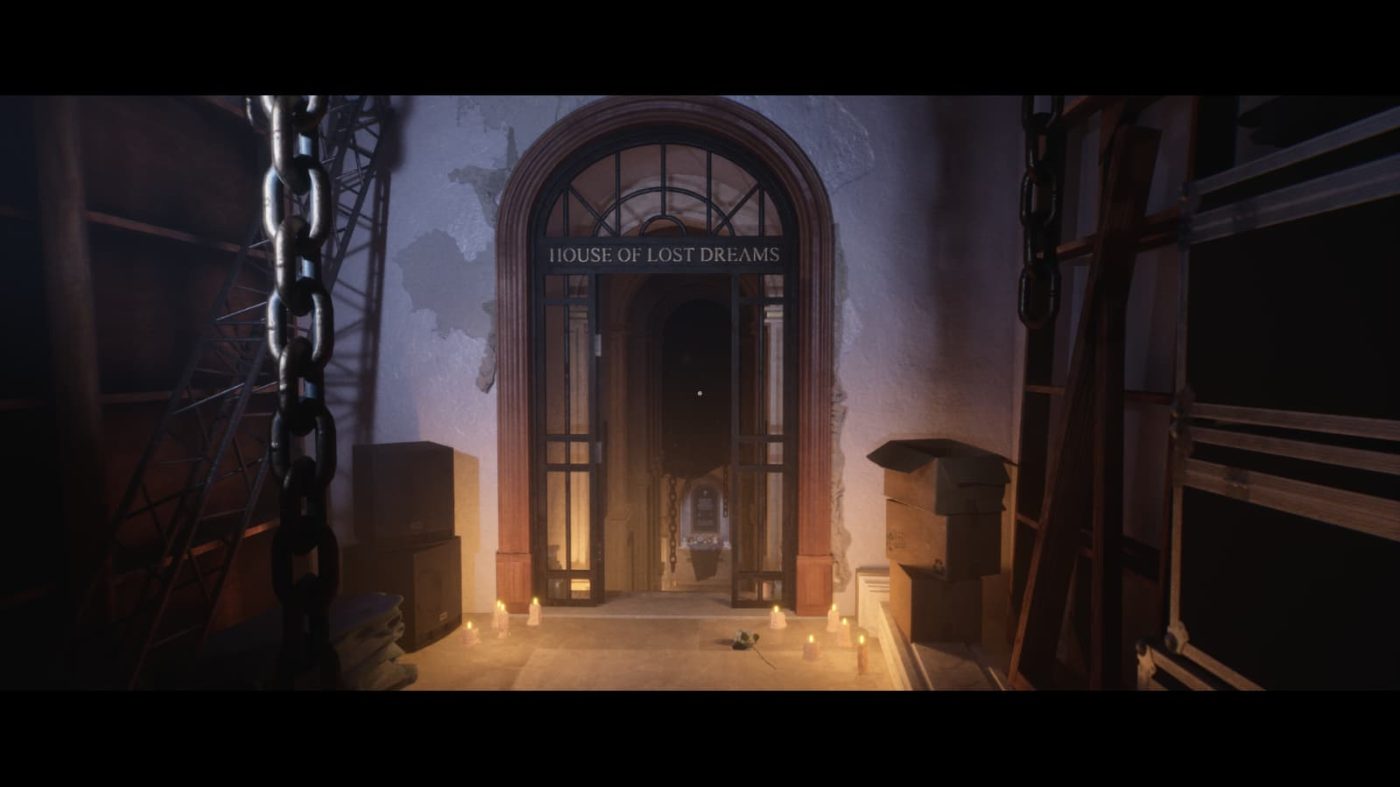
The narrative of Luto is built on a premise that is both simple and deeply unsettling: the protagonist is unable to leave their home. This is not merely a physical constraint, but an existential condition that defines the entire experience. From the very first moments, Luto makes clear that it does not belong to the tradition of horror built around a clearly defined external threat. Instead, it turns domestic space into a direct projection of a fractured mind. The house is not merely a setting, but the symbolic and narrative core of the experience – a vessel of pain in which each room appears as a fragment of broken consciousness.
The narrative unfolds as a gradual descent into an increasingly unstable reality. Each attempt at escape leads not outward, but deeper into a labyrinth of corridors, rooms, and shifting scenarios that resist linear logic. The resulting disorientation is not arbitrary; it is integral to the game’s intent to simulate, rather than simply depict, psychological fragmentation.
Luto is explicitly introduced as “a story about death,” placing the player in the role of someone trapped within an experience shaped by loss, anxiety, and depression. Content warnings addressing these themes further establish the game’s narrative tone and emotional sensitivity from the outset. At its core, the story revolves around the processing of grief, which is never treated as a completed event but as a persistent and invasive presence.
“Luto” becomes the key interpretative lens for the entire experience: a force that distorts space, reshapes perception, and turns the home into an unstable emotional archive, where every object and room may carry symbolic weight.
Rather than relying on conventional exposition, the game adopts a fragmented narrative structure built on environmental detail, suggestion, and interpretation. The story is not delivered directly, but reconstructed by the player through observation and inference, turning progression into an act of emotional decoding. A defining element is the gradual erosion of the boundary between reality and hallucination. The game never establishes a stable distinction between what is real and what is perceived, instead employing ambiguity as a structural device to convey psychological collapse from the player’s perspective.
Recurring symbols and cyclical patterns suggest that Luto extends beyond a strictly literal reading. It is not simply the story of an individual tragedy, but rather an exploration of a broader psychological condition, in which repetition and distortion become expressive tools for a descent into anxiety, denial, and the inability to process trauma. Horror arises not from an external threat, but from the breakdown of identity, memory, and the stability of everyday perception.
A Psychological Horror Built on Absence and Loss
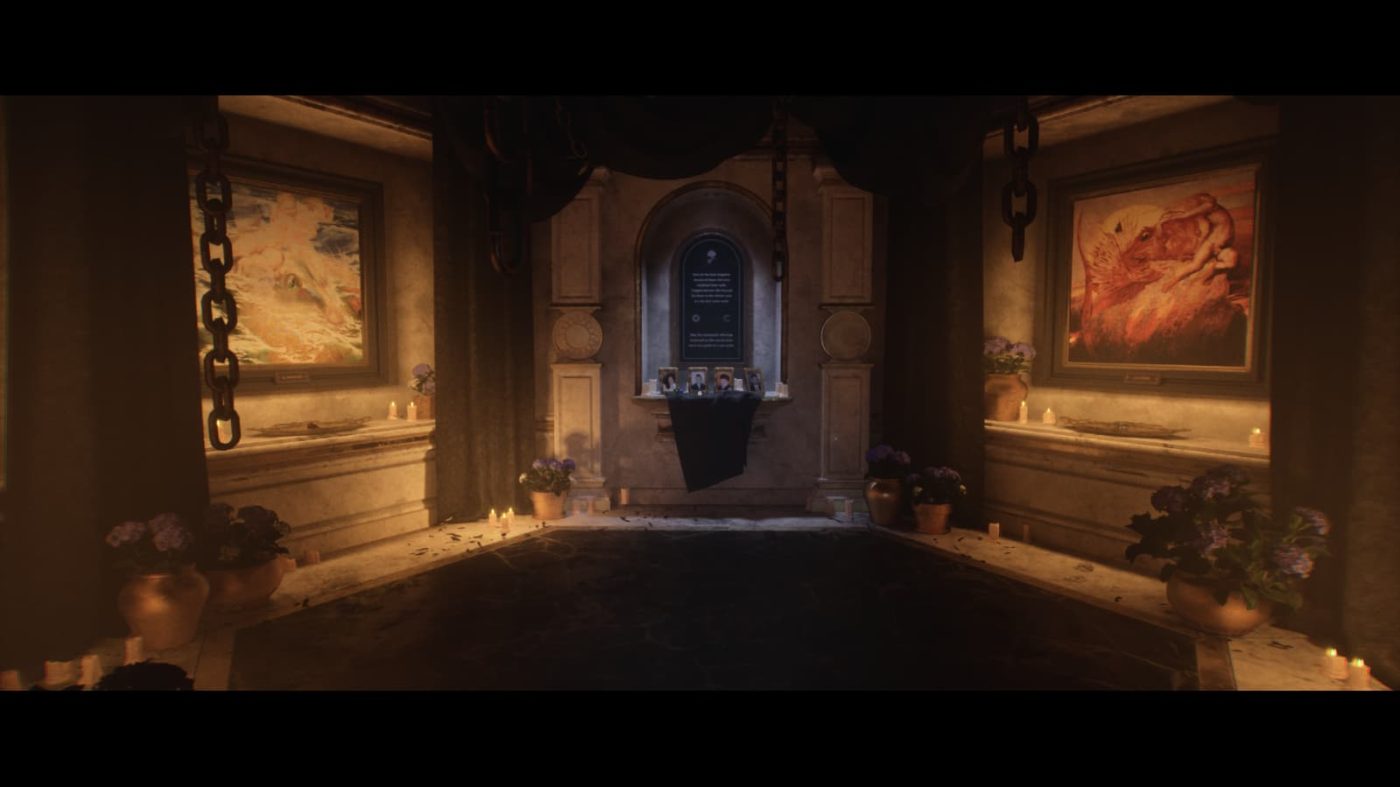
If the plot of Luto provides the structural backbone of the experience, it is in its narrative design and thematic depth that the game establishes its most distinctive and unsettling identity. From the outset, it becomes clear that the game is not simply attempting to tell a horror story, but to use the language of interactive media to evoke a sustained emotional condition – defined by psychological fracture and an all-encompassing sense of suffering expressed through space, time, and perception.
Grief stands as the central thematic axis, already embedded in the game’s title. Yet it is not framed as a biographical event or emotional backdrop, but as the organising principle of the entire experience. The game is structured around unresolved loss and emotional suspension, where absence is not processed but endured. Pain does not recede into memory; it persists as an active force that reshapes the present, distorts spatial logic, and denies any sense of closure or escape. The house, in its shifting and oppressive form, becomes the architectural expression of this arrested state of mourning.
Closely tied to this is the theme of psychological confinement. The inability to leave the house functions less as a plot device than as an extended metaphor for isolation, and inner paralysis. Movement is present, but it seldom amounts to real progress. Exploration is designed to feel cyclical: doors open, corridors stretch onward, yet every path seems to fold back toward the same emotional centre. In this way, advancement is quietly undermined, and traversal is recast not as escape, but as recurrence.
The game also engages directly with mental health, without reducing it to narrative shorthand or aesthetic embellishment. Anxiety, depression, dissociation, and the loss of control are not peripheral motifs, but integral elements of the experience itself.
Narratively, one of Luto’s most effective choices is its rejection of linear exposition. The story is never presented in a clear or sequential manner, but instead emerges gradually through accumulation – fragments embedded in environments, objects, visual cues, and subtle spatial irregularities. This fragmented structure echoes the logic of traumatic memory, which seldom unfolds coherently, but instead returns in loops, omissions, and distortions. In doing so, the game translates that psychological pattern into an interactive framework, turning reconstruction itself into a core element of the player’s engagement.
A further central theme lies in the tension between the familiar and the uncanny. The house is progressively stripped of its protective function and reconfigured as something unstable, alien, and resistant to clear interpretation. The effect is immediate and deeply psychological: what should reassure instead unsettles, and what should be known becomes estranged.
Luto draws on the logic of the Freudian uncanny, in which discomfort arises not from the wholly unknown, but from the distorted return of the familiar – rendered unhomely, fractured, and subtly wrong.
Equally central is the way the game approaches absence. Luto does not rely on a clearly defined threat or antagonist, but on what is missing – what is no longer present, yet continues to echo through its absence. This shift is significant: fear is no longer grounded in confrontation, but in persistence. Emptiness itself becomes oppressive in its continuity, with grief emerging not simply as a theme, but as an all-encompassing presence that inhabits the experience in its entirety.
The Quiet Beauty of Distortion
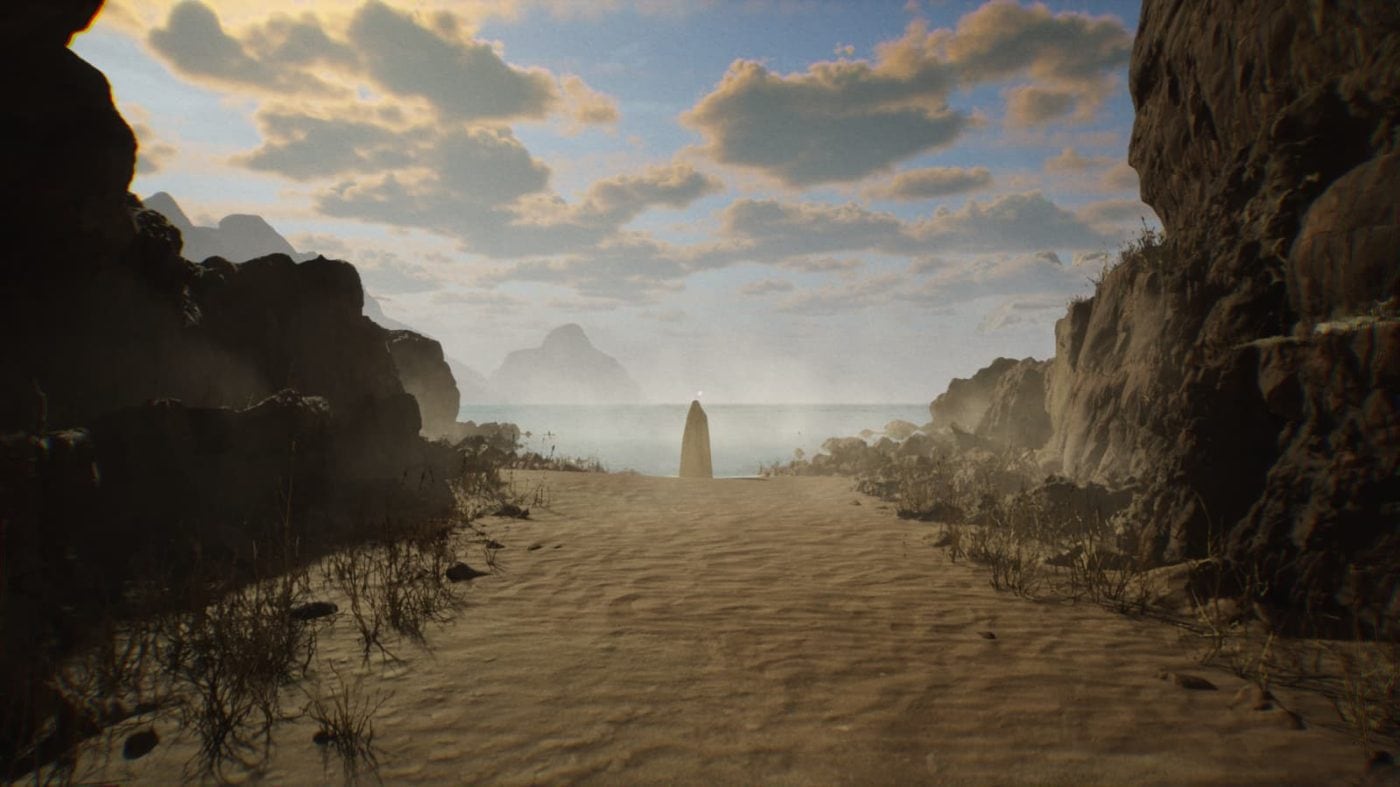
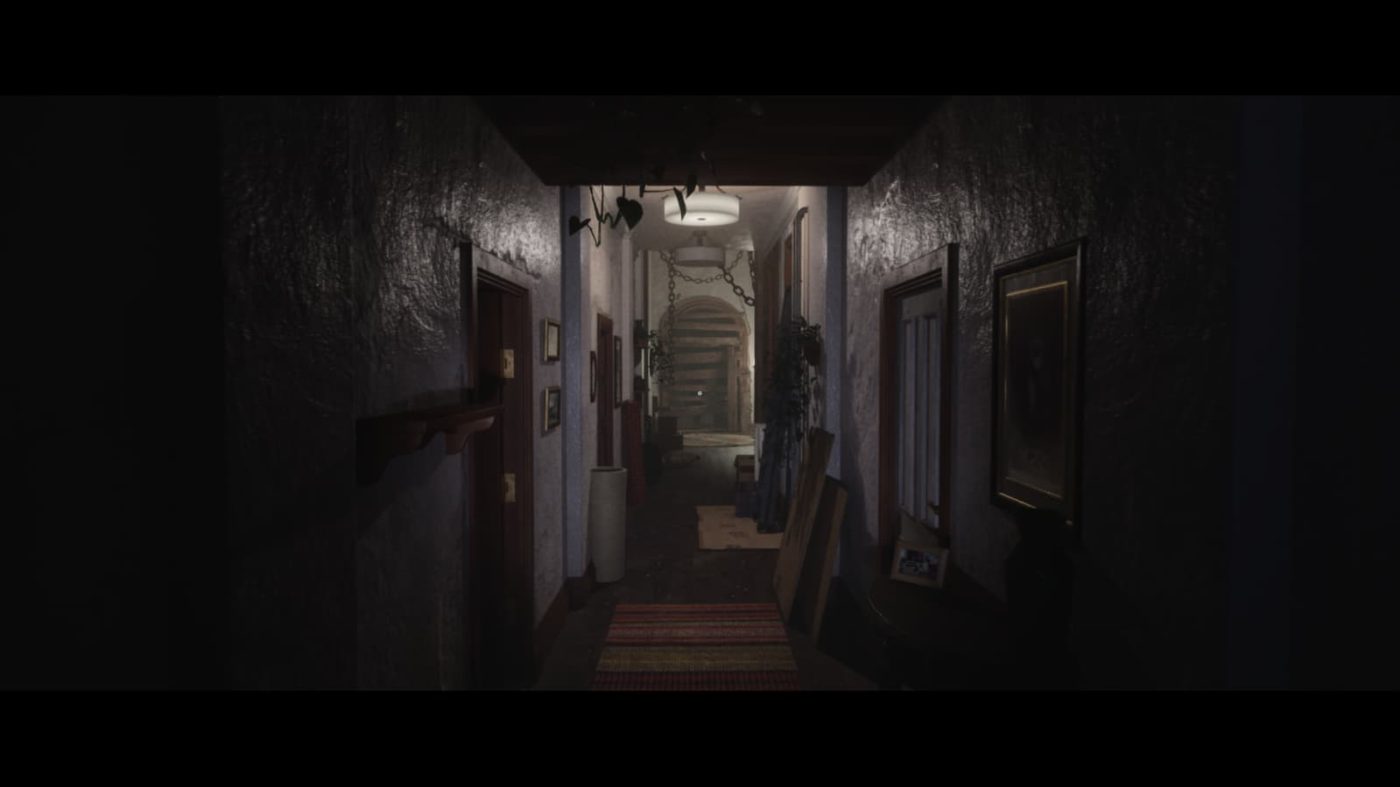
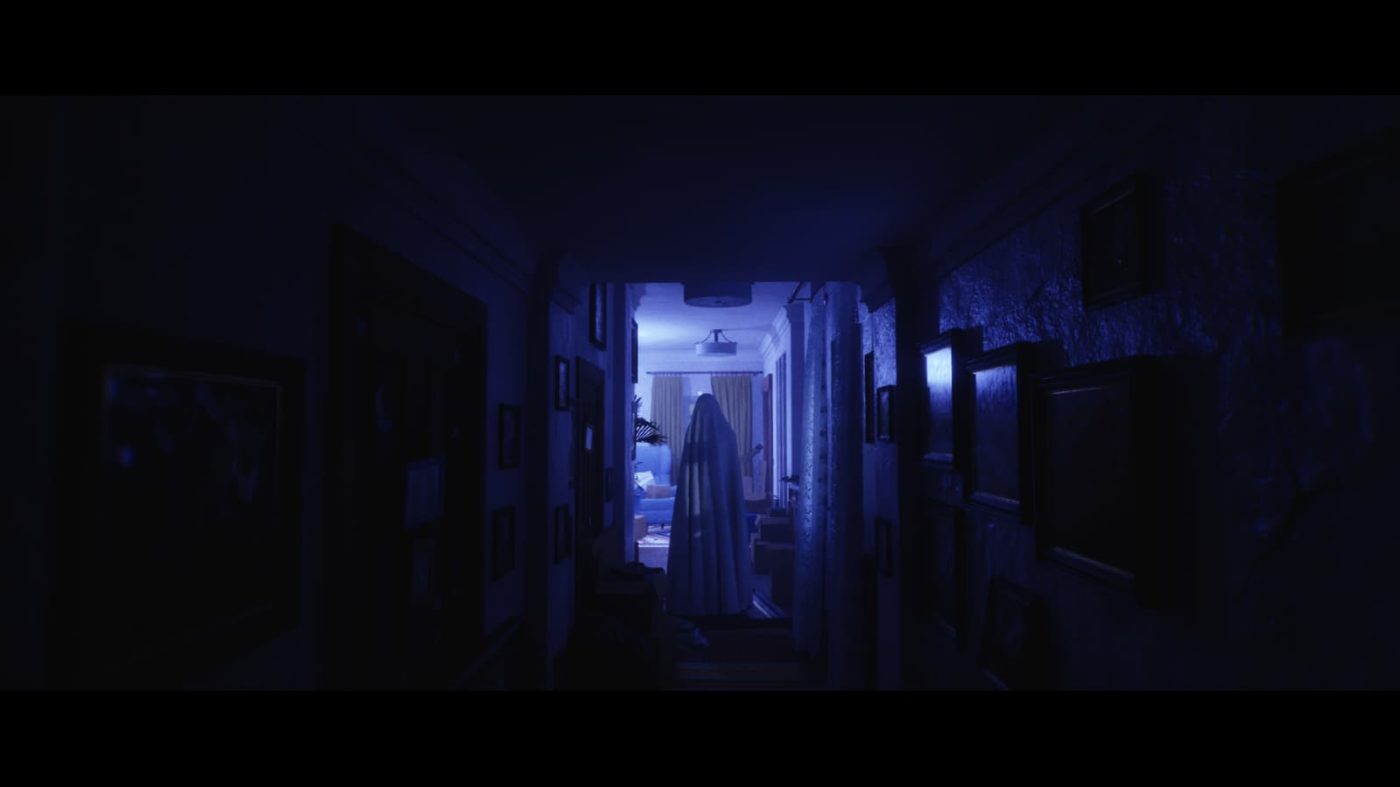
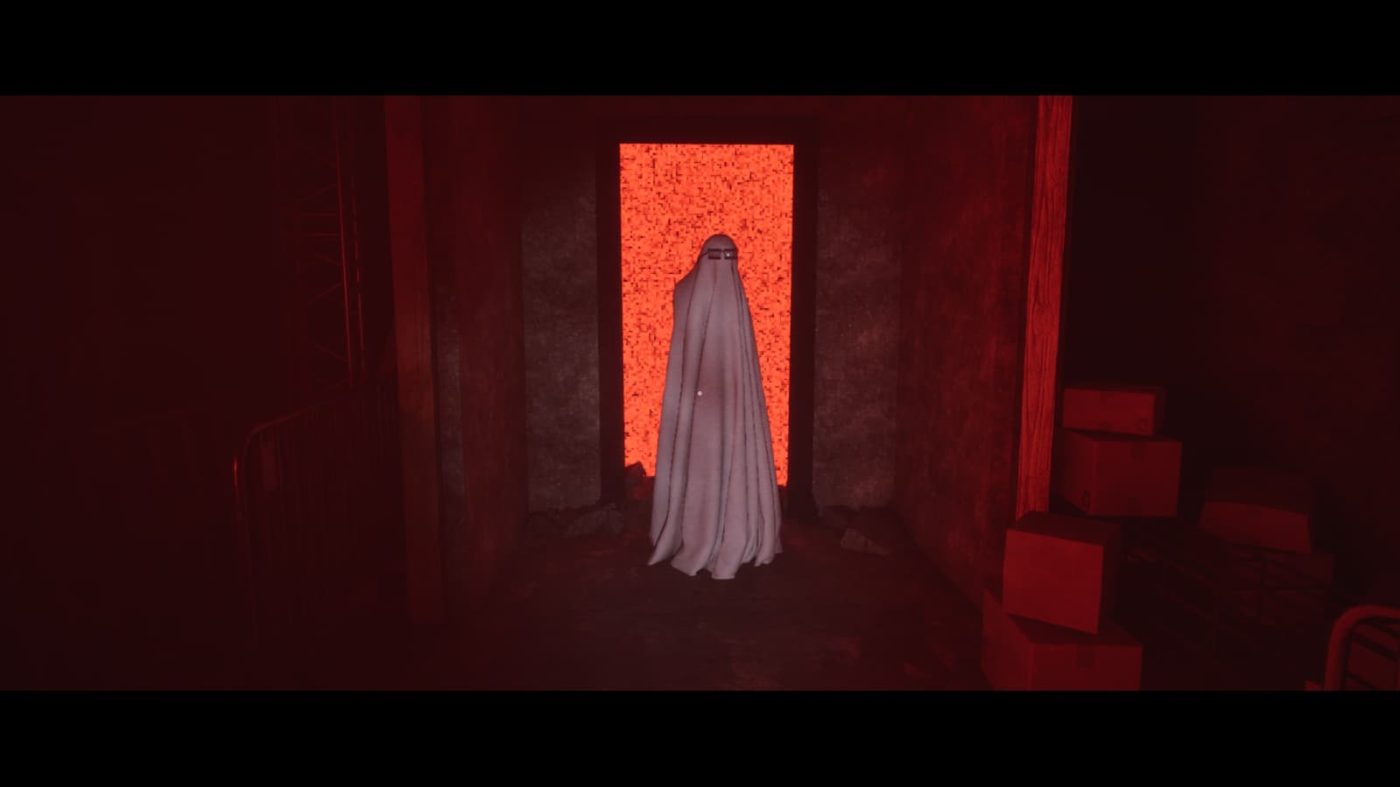
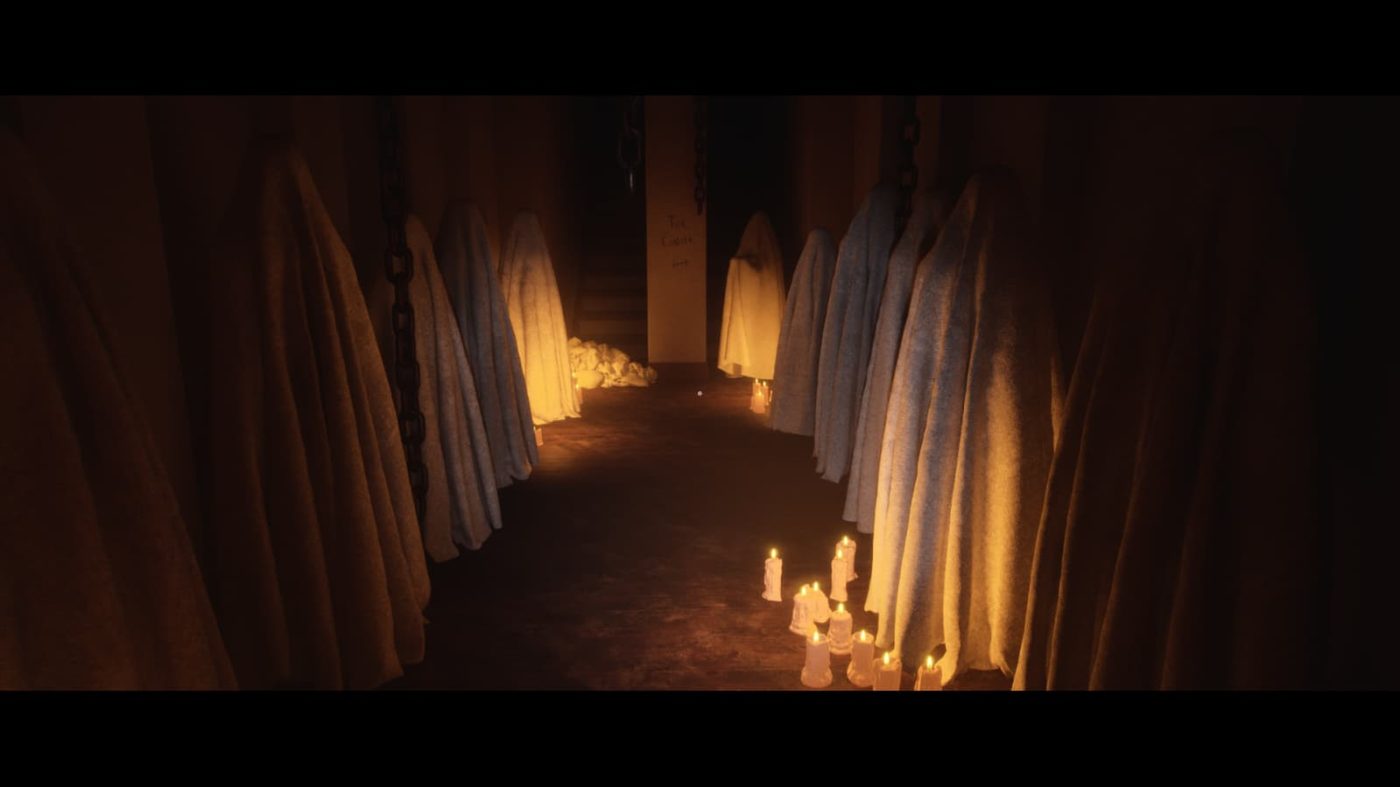
From a technical and visual standpoint, Luto positions itself as a restrained and deliberately controlled work, one that prioritizes spatial credibility over spectacle and builds its horror through the gradual destabilisation of the familiar. Rather than relying on overt grotesque imagery, it begins with grounded, everyday environments and slowly subjects them to a subtle process of perceptual degradation. Its visual language is therefore defined by a continuous tension between realism and distortion, familiarity and disorientation, with the domestic interior emerging as the central conduit of unease.
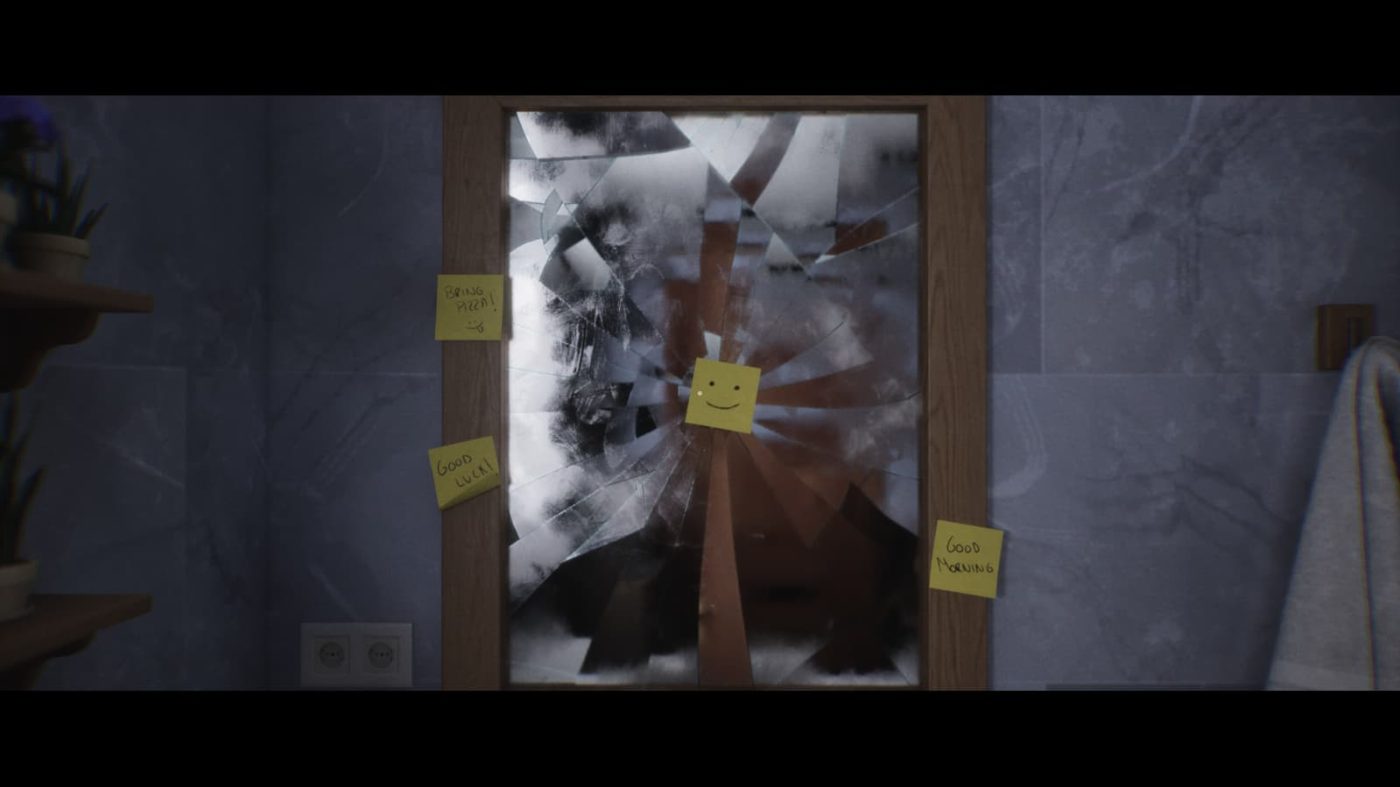
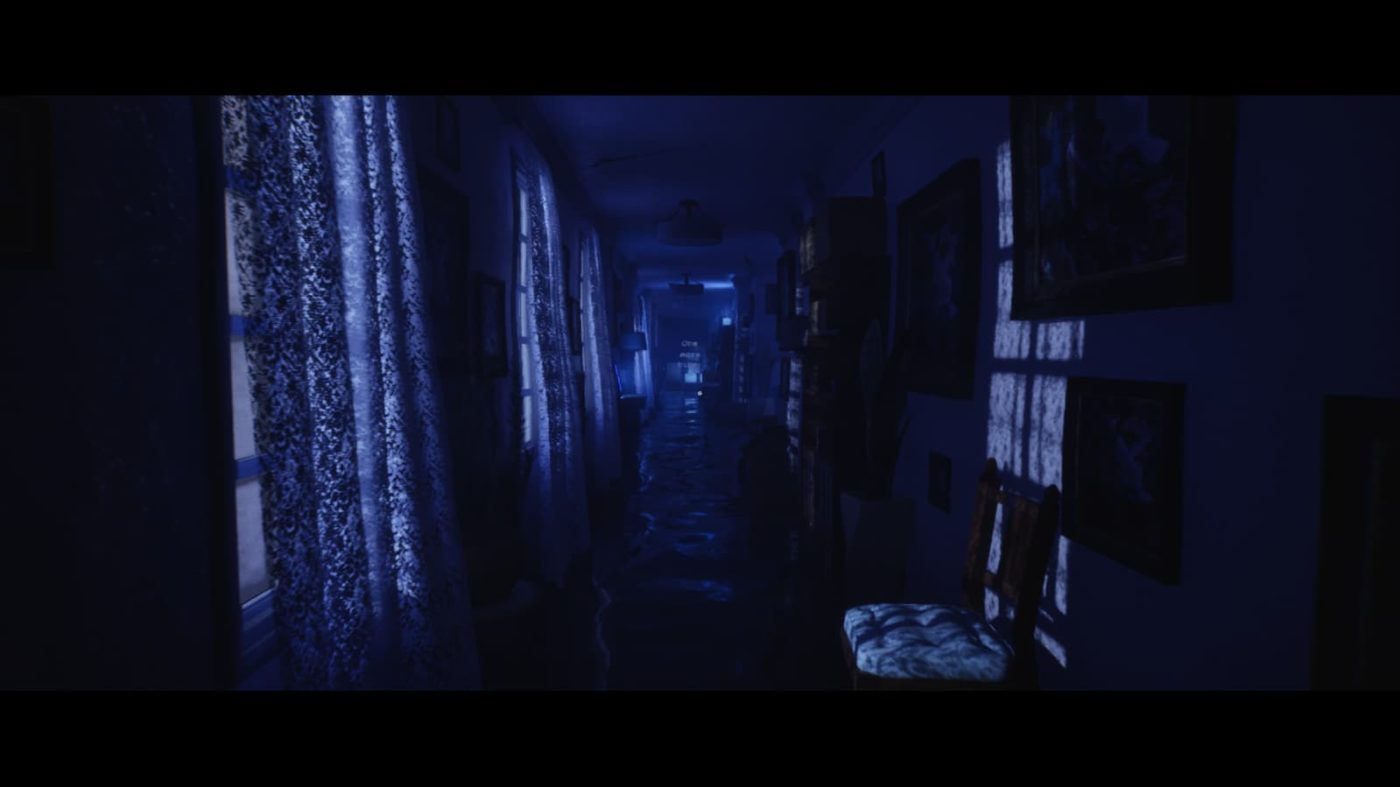
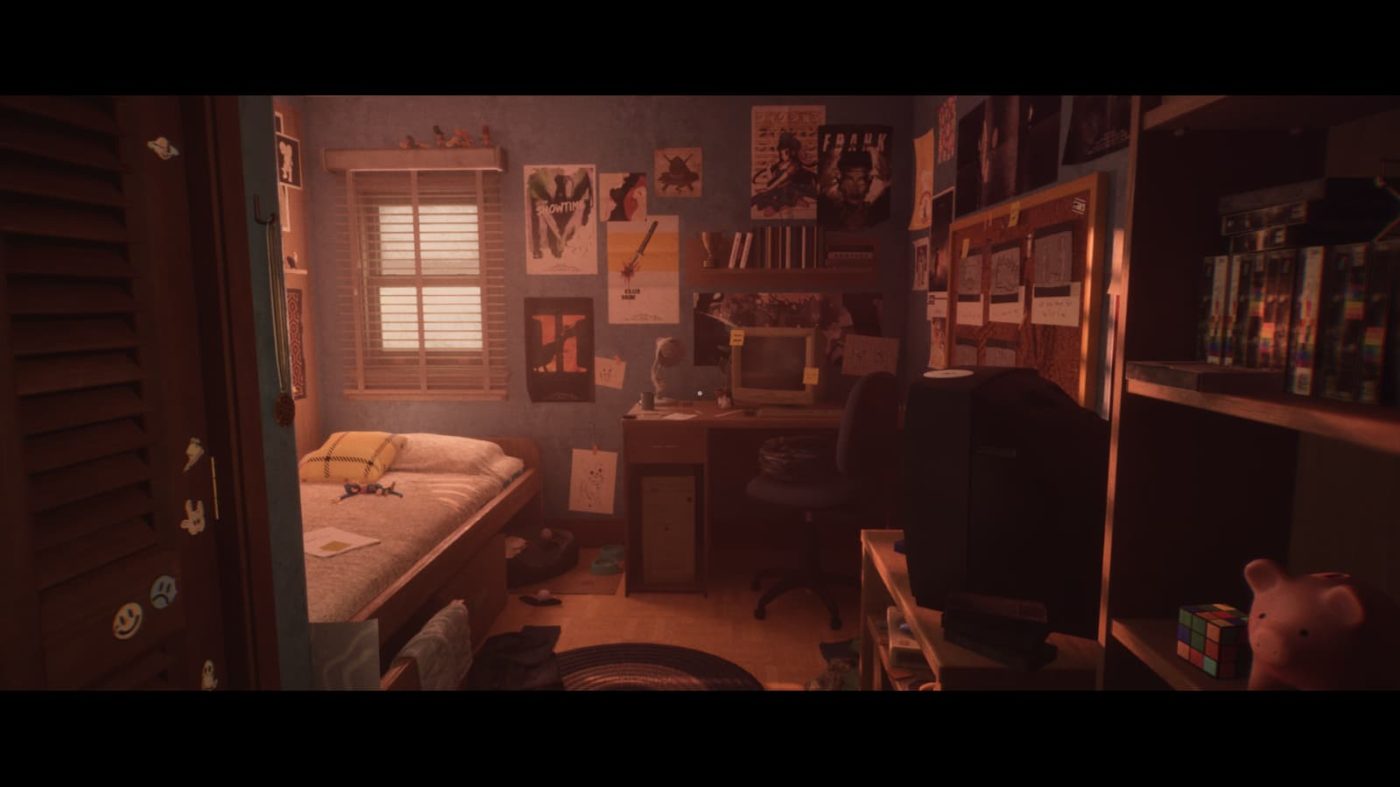
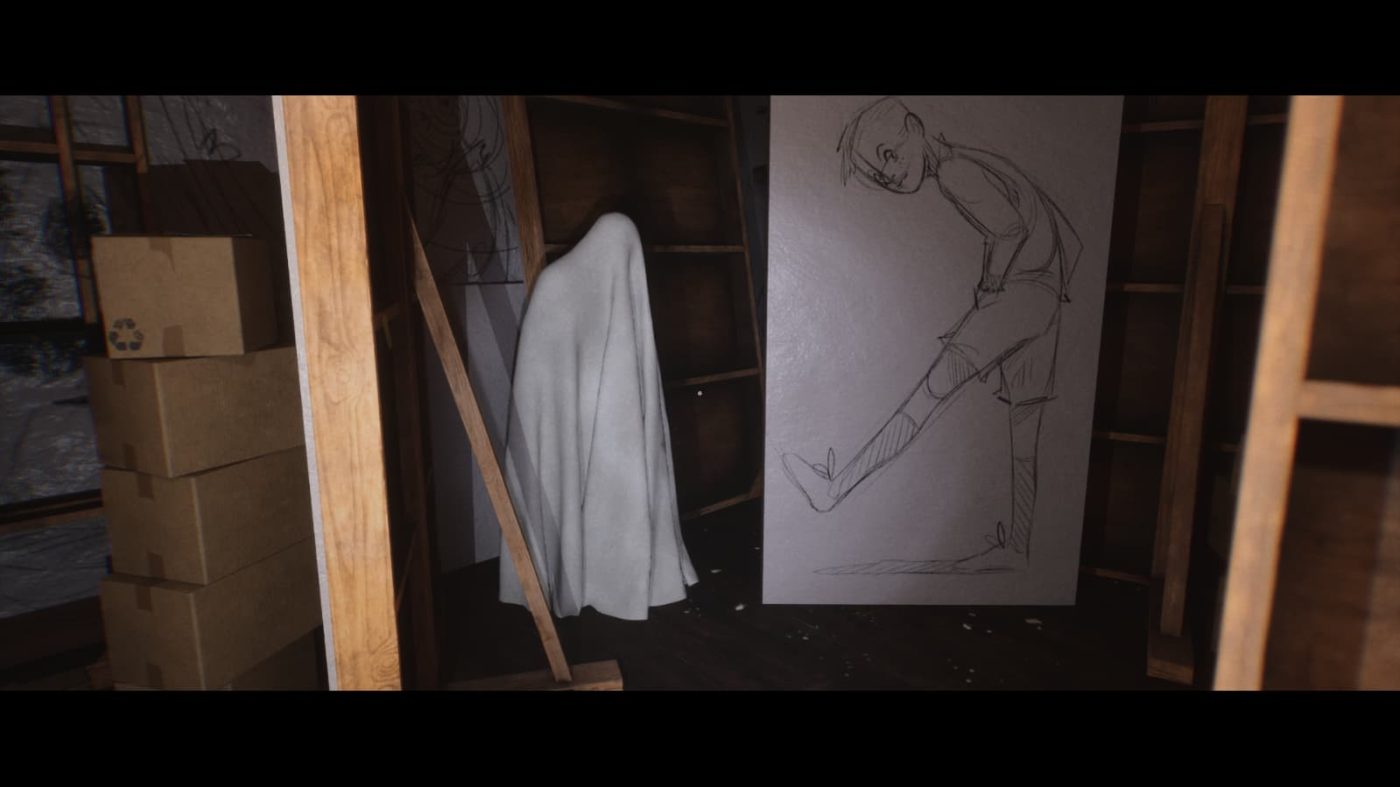
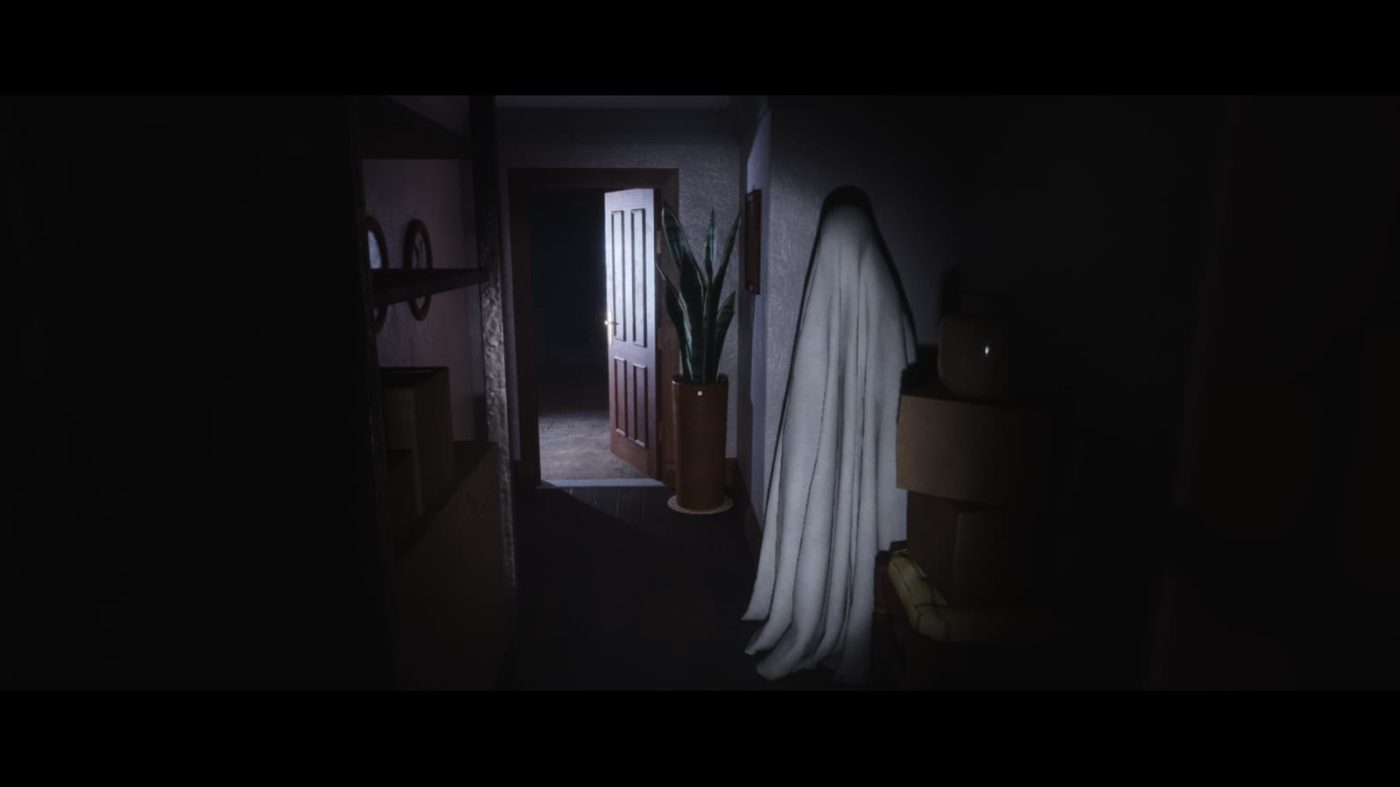
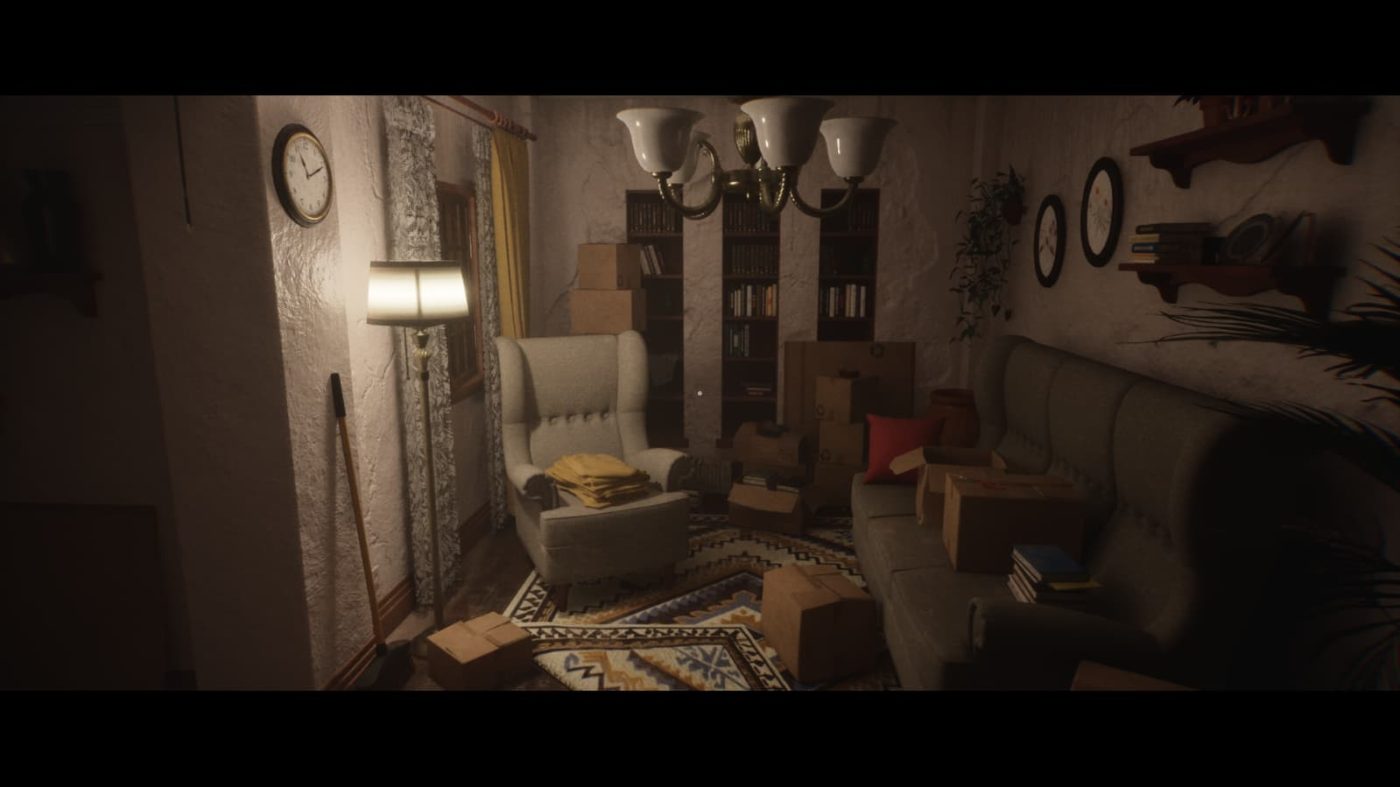
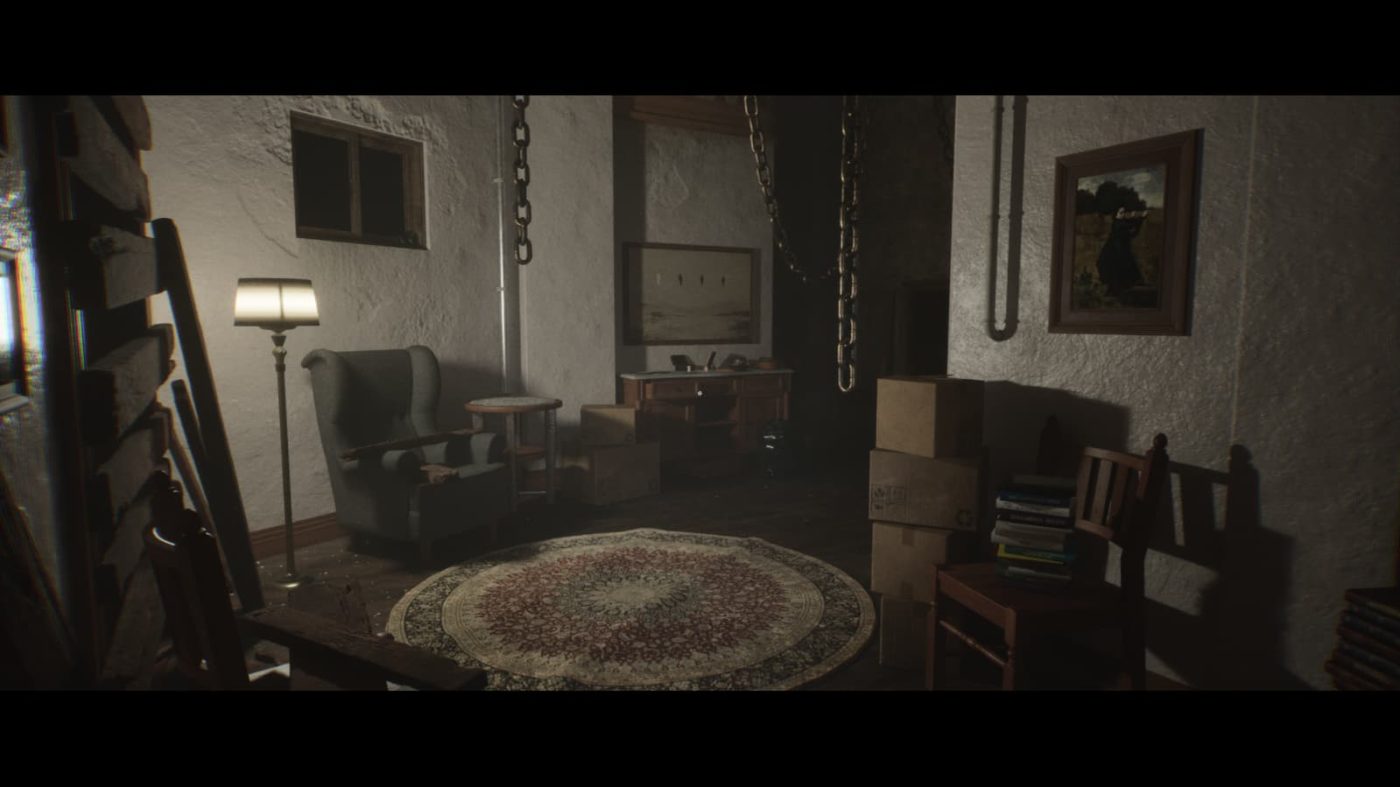
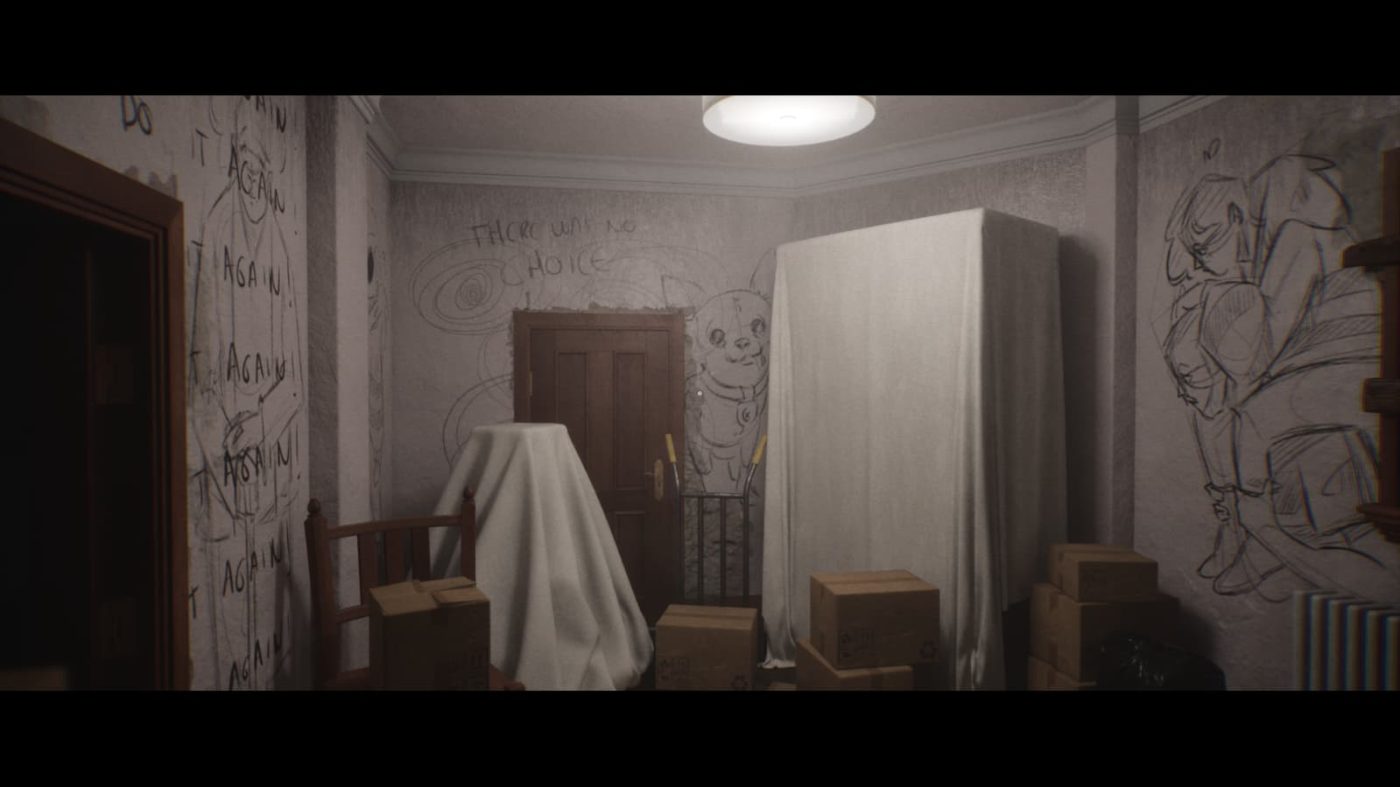
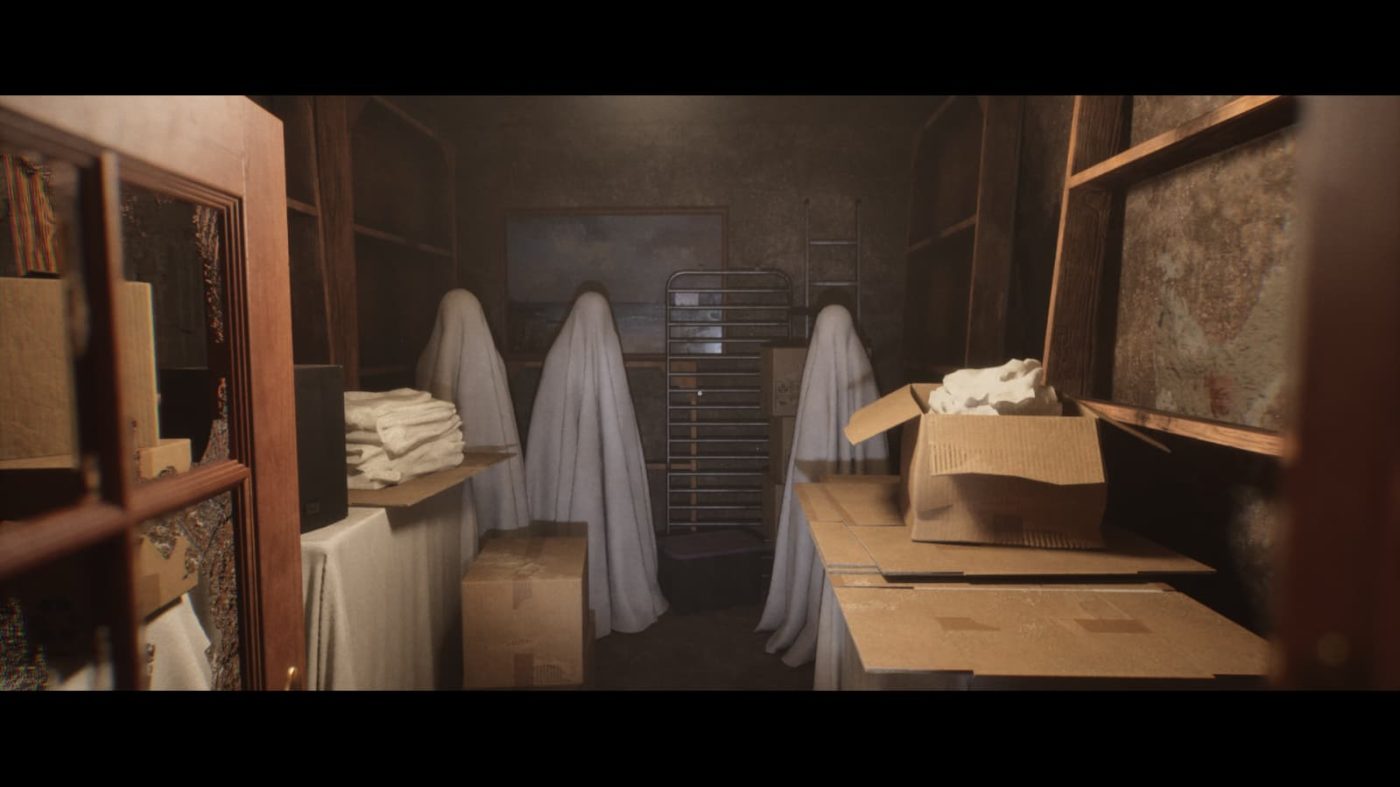
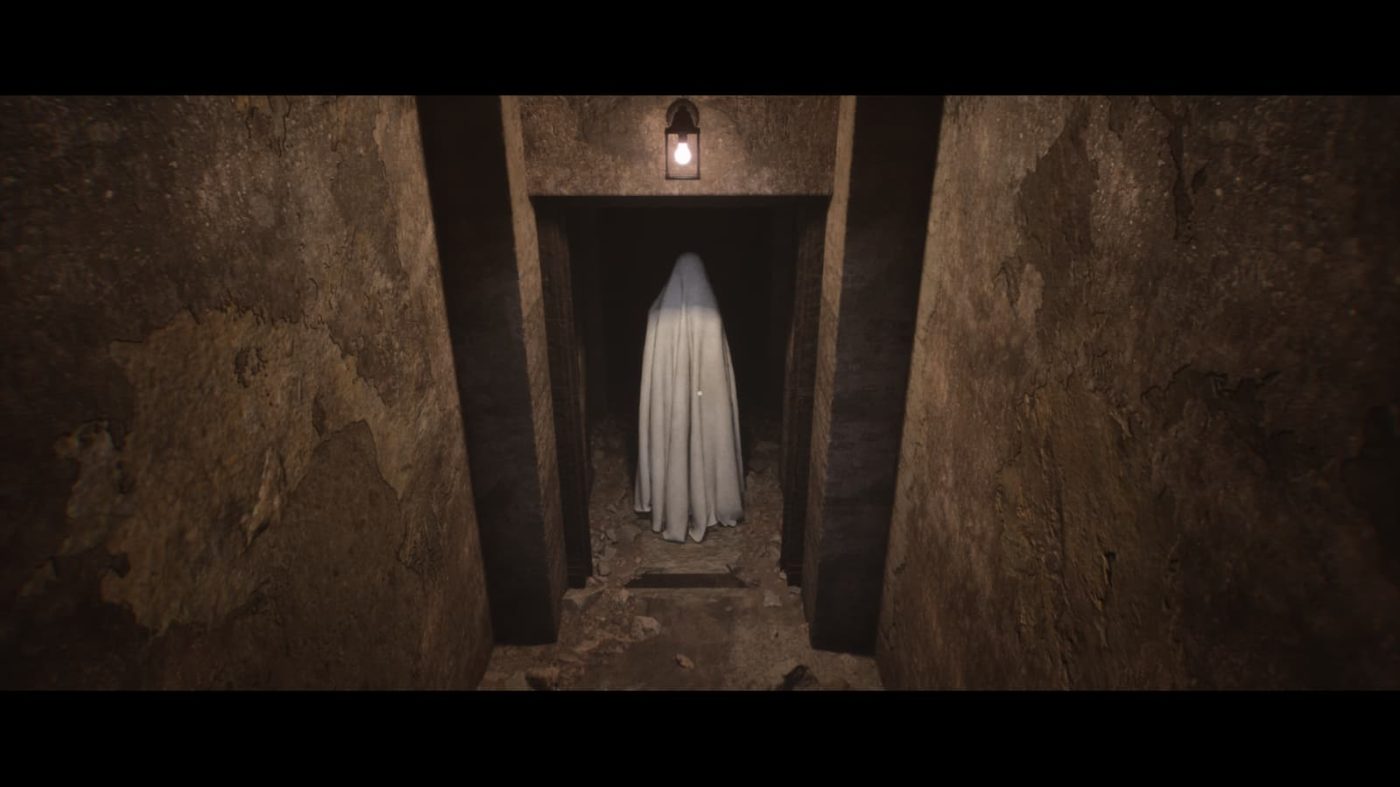
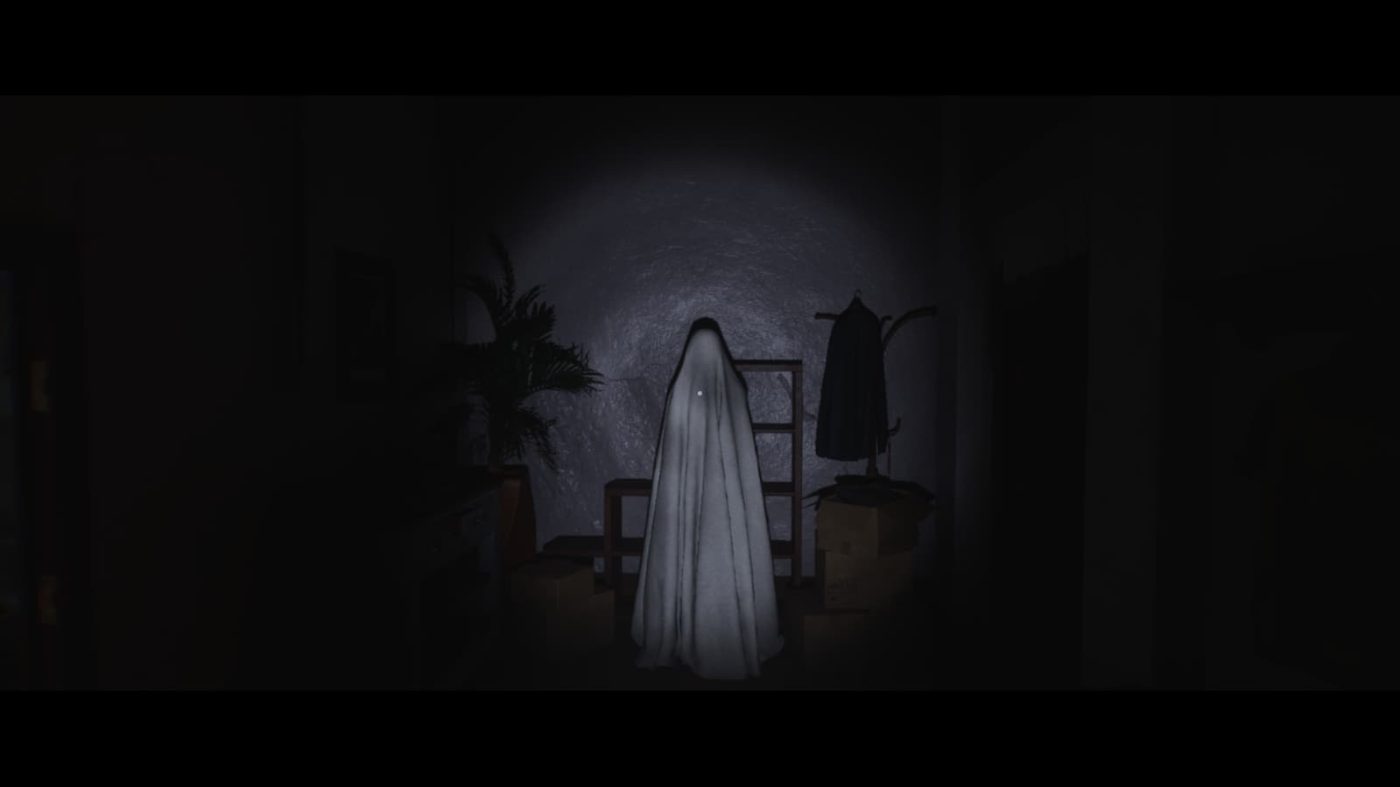
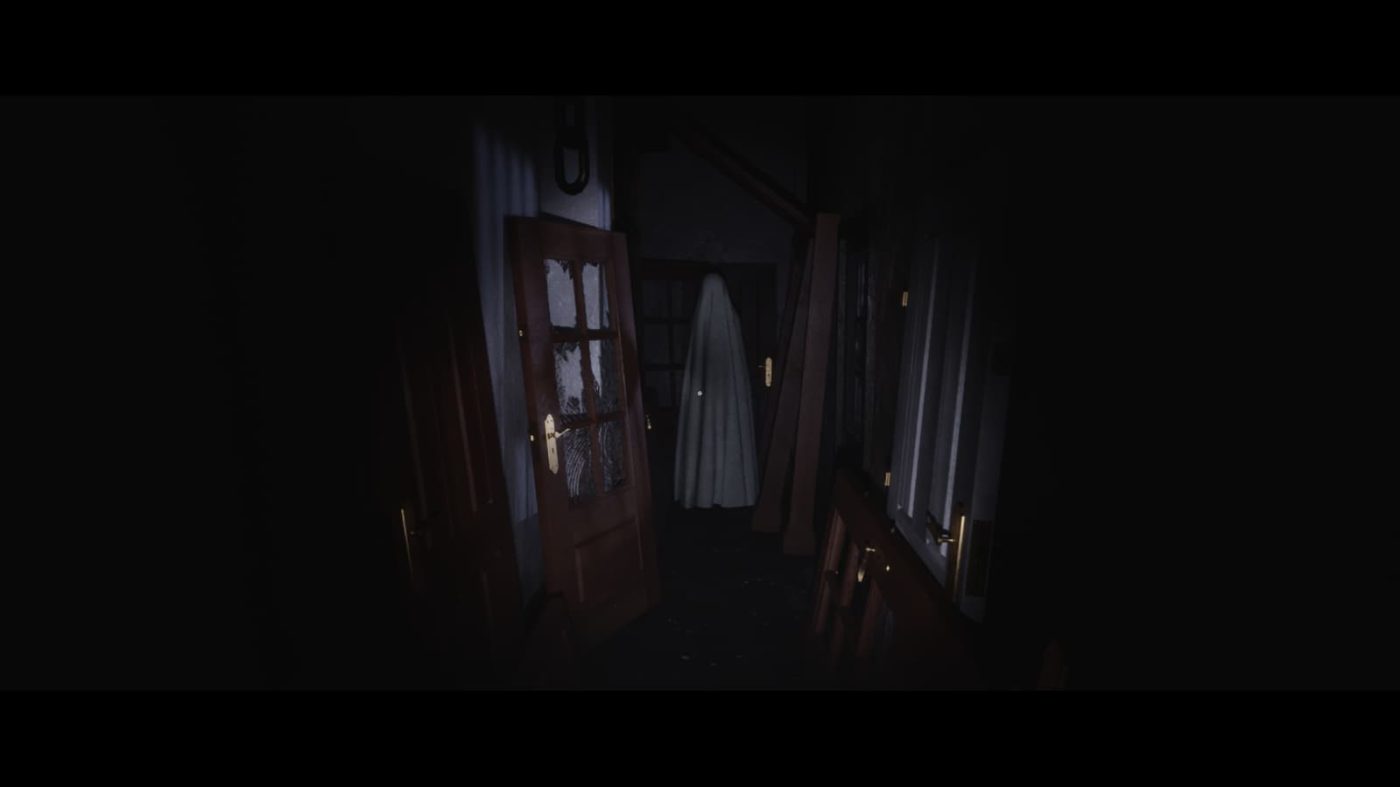
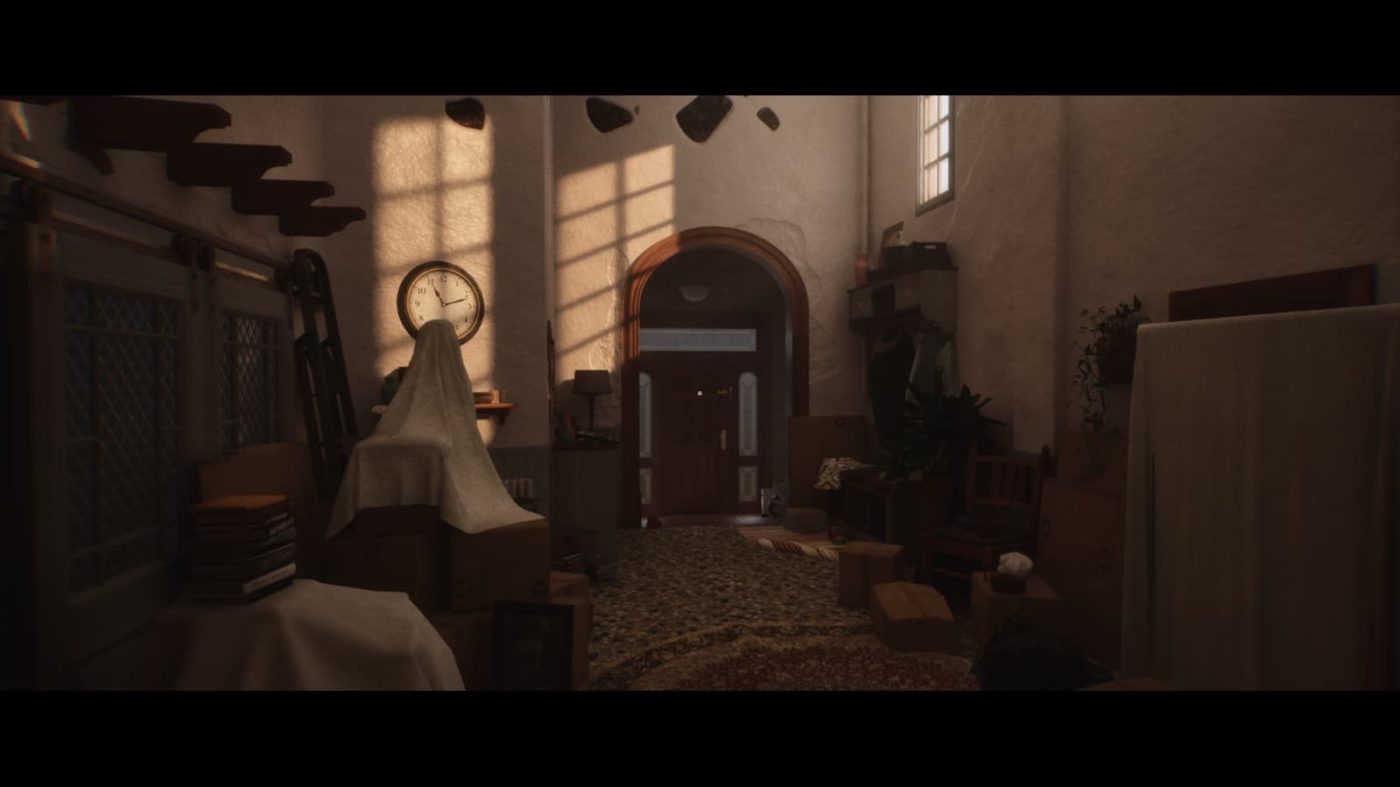
The primary setting – a conventional residential house – is rendered with a high degree of detail, prioritising immersion and spatial believability. Domestic clutter, worn textures, artificial lighting, narrow corridors, and everyday furnishings collectively construct an environment that feels convincingly lived-in and materially grounded. This carefully sustained sense of normality is not incidental, but structural: the game’s horror depends on the integrity of the everyday, which is first established and then gradually destabilised, allowing familiarity itself to erode.
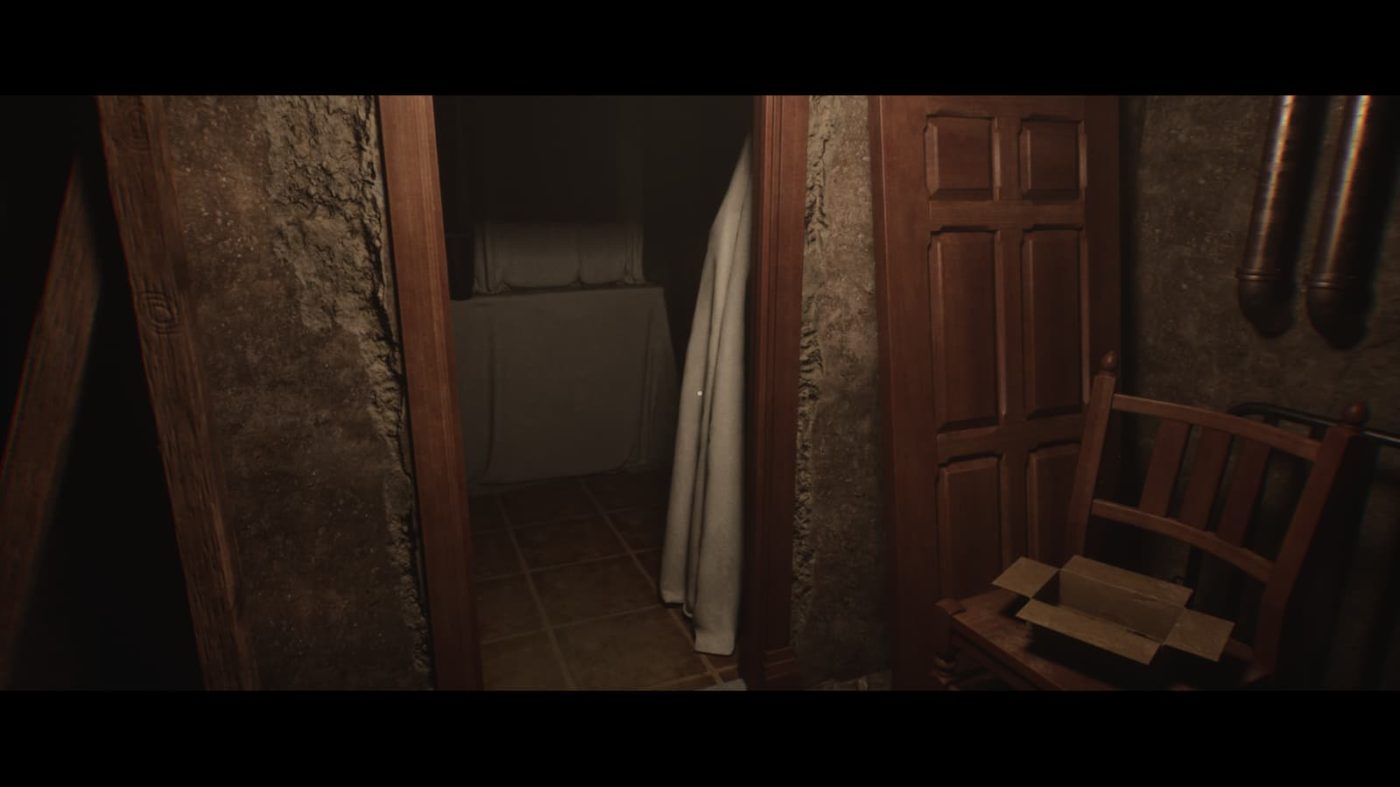
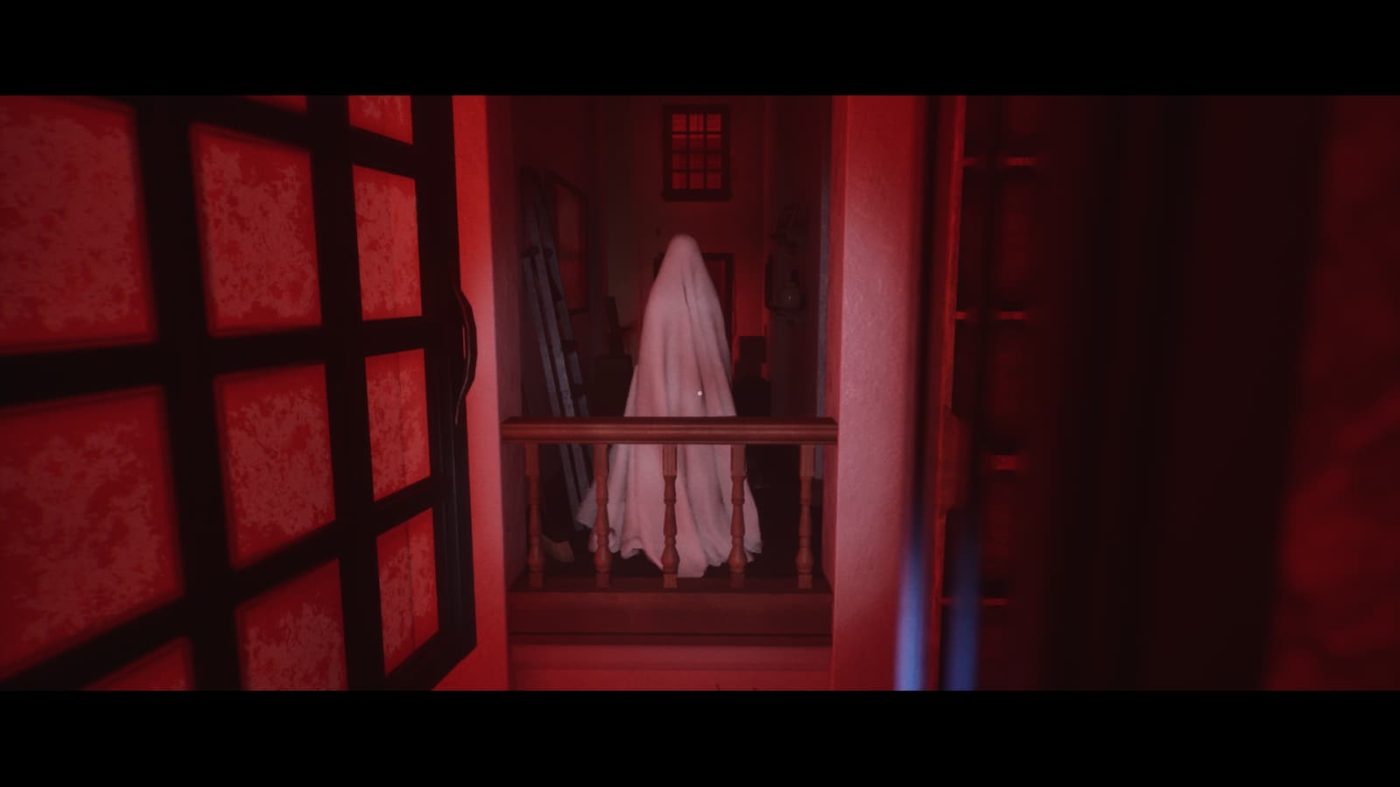
Aesthetically, Luto adopts a disciplined, understated visual language, deliberately avoiding overt gothic stylisation or excessive visual theatrics. Its horror is constructed instead through subtle, incremental deviations from spatial logic: a corridor that extends imperceptibly beyond expectation, a room that shifts without clear explanation, a perspective slightly misaligned with spatial intuition, or a light source that quietly distorts depth and orientation.
Lighting plays a central role in this construction of atmosphere. Cold, artificial, and often unevenly distributed, illumination shapes the environment as much by what it conceals as by what it reveals. Space is divided into zones of clarity and ambiguity, where visibility is unstable and meaning is constantly negotiated. On a technical level, Luto is built on a robust modern pipeline, delivering convincing material fidelity, nuanced lighting behaviour, and finely detailed interior environments.
The art direction further reinforces this approach through a tight integration of environmental design and narrative implication. The house is not merely a setting but a structured expression of absence and memory: each room implies patterns of use, traces of habit, and the residual imprint of a lived life. This embedded domestic logic gives the space narrative density, ensuring that any disruption carries both emotional and visual consequence. When coherence begins to fracture, it does so against a carefully established baseline of normality.
Even the game’s surreal elements adhere to a clear internal consistency. Spatial loops, architectural impossibilities, and subtle structural distortions function less as decorative horror devices and more as externalisations of psychological disintegration. This coherence prevents the experience from drifting into pure aesthetic abstraction; each anomaly retains an emotional weight, reinforcing the sense that perception itself is becoming unreliable. The horror, ultimately, arises not from strangeness in isolation, but from the collapse of trust in what was once familiar.
A House That Never Stops Speaking
If there is a single element that elevates Luto from conventional psychological horror into a sustained state of unease, it is its sound design. Built around perception, repetition, and ambiguity rather than overt shocks, the game treats audio not as accompaniment but as structure – an active force that shapes emotional response while continually undermining the player’s spatial certainty. In many instances, sound becomes the first indication of threat, well before anything is visually confirmed, or even when nothing is ever explicitly revealed.
At its core, the audio design is defined by restraint. Rather than relying on constant music, intrusive effects, or persistent danger cues, Luto draws heavily on silence, pauses, minimal ambience, and distant, indistinct sonic traces. This reduction is not aesthetic minimalism, but a deliberate design choice. It transforms listening into a state of alertness, compelling the player to constantly interpret what is heard – and what may only be implied.
Ordinary domestic sounds are consequently recontextualised as sources of tension. A door creak, an electrical hum, muffled movement behind walls, the flicker of a light fixture, or the subtle displacement of an object carry no inherent threat on their own. Within Luto, however, they gain significance through isolation and framing. Set against silence, they become ambiguous signals rather than background detail, gradually eroding the familiarity of the domestic space.
The ambient soundscape reinforces the sense of a space that is inhabited in an unstable, residual form. Rooms are never entirely silent, yet they never feel fully alive either. Instead, they appear to retain acoustic traces. The result is an environment that feels subtly reactive, as though the house itself were registering and responding to the player’s presence.
The musical layer follows the same logic of restraint and control. It avoids any recognisable melodic identity or overt emotional signalling, instead relying on low-frequency drones, subdued electronic textures, and unresolved harmonic tension. Rather than directing interpretation, it sustains atmosphere, extending unease without ever offering resolution or release.
Spatial audio design is another central pillar of the experience. In a first-person structure built around enclosed and repetitive interiors, directional sound becomes essential to spatial comprehension. Luto leverages distance, positioning, and ambiguity of origin to undermine orientation. Sounds may emerge from behind, above, adjacent rooms, or indeterminate points in space, forcing the player to construct the environment as much through hearing as through sight.
The result is a more physical form of tension. The game demonstrates a clear understanding of a core principle of horror audio design: fear rarely emerges from impact, but from anticipation. Its most effective moments therefore do not rely on abrupt spikes or traditional jumpscares, but on sustained silence and subtle frequencies that feel faintly – but persistently – out of place.
As with any atmosphere-driven horror experience, the effectiveness of Luto’s sound design is also shaped by the conditions in which it is experienced. It is clearly calibrated for headphones or systems capable of rendering spatial depth and fine-grained detail. In less controlled listening environments, some of its complexity is inevitably lost.
A Space You Don’t Just Explore, But Inhabit Through Play
In Luto, the relationship between world building and gameplay is so tightly interwoven that the two effectively collapse into one another, making it difficult to meaningfully separate environmental design from player interaction. Rather than presenting a conventional explorable structure built around discrete areas, explicit objectives, or clearly signposted progression, the game constructs a space that functions as an extension of the protagonist’s psychological condition.
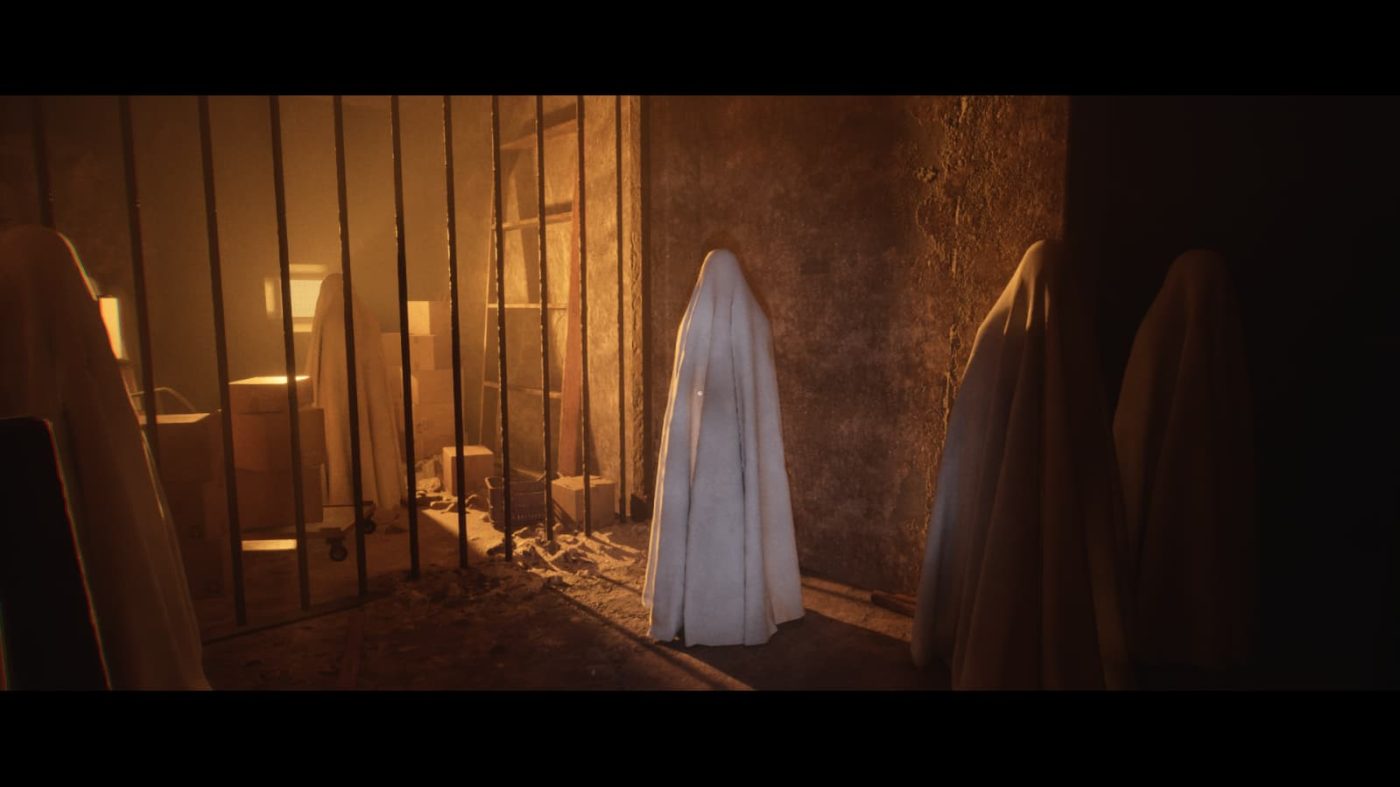
Although the game is almost entirely set within a domestic interior, even the term “house” feels inadequate. What Luto constructs is an environment in a state of continuous instability. Familiar corridors reconfigure without warning, doors lead to displaced or impossible destinations, and previously traversed spaces return in subtly altered forms. The result is a spatial logic that is less architectural than perceptual: a labyrinth defined not by physical structure, but by uncertainty, where orientation depends as much on memory as on the gradual realisation that space itself can no longer be trusted.
The house becomes a materialisation of grief and psychological confinement: an enclosed system that resists escape, loops back on itself, and gradually reveals increasingly distorted versions of the familiar. The absence of any meaningful “outside” is crucial here, intensifying a sustained sense of claustrophobia and emotional enclosure. Rather than scale or openness, the world is defined by density – recursive, compressed, and structurally unstable.
From a gameplay perspective, Luto aligns with first-person exploratory design, placing emphasis on observation, environmental interaction, and spatially grounded puzzle-solving. It does not rely on action-driven systems or survival mechanics; instead, progression emerges through careful attention, interpretative reading of space, and the gradual recognition of environmental shifts. The rhythm of play is therefore not defined by challenge in the traditional sense, but by perception itself.
Puzzles are not isolated abstractions, but are woven directly into the fabric of the environment. Players are required to read subtle shifts in spatial configuration, identify environmental cues, and continually reassess assumptions about layout and continuity.
Repetition serves as one of the game’s primary structural principles, employed not as redundancy but as transformation. Returning to familiar spaces, retracing corridors, and interacting with recurring doors becomes an expressive design strategy, where each recurrence introduces subtle – often disquieting – variation. Familiarity is gradually destabilised: what appears identical is never entirely the same, and what feels understood is persistently undermined.
Pacing is deliberately restrained and introspective. The game avoids abrupt escalation or traditionally structured moments of intensity, instead sustaining tension through continuity and accumulation. This creates a persistent psychological pressure, generated not by spikes in activity, but by the absence of relief. While this approach enhances immersion and thematic coherence, it may also feel deliberately subdued to players accustomed to greater variation or faster-paced progression.
Equally significant is the absence of a persistent, tangible threat. Rather than structuring gameplay around enemies or survival mechanics, Luto operates through the perception of danger itself. The player is frequently placed in states of uncertainty without clear explanation, shifting the focus from “how to survive” to “how to interpret what is unfolding.”
A Must for Anyone Who Loves This Kind of Horror
To critically evaluate Luto is to confront a work whose tightly defined identity functions as both its greatest asset and its most divisive quality. It is a psychological horror experience that deliberately rejects immediacy, action-driven structure, and conventional pacing in favour of atmosphere, repetition, perceptual instability, and a deeply symbolic narrative framework. This clarity of intent allows the game to stand apart within the contemporary horror landscape, while simultaneously narrowing its accessibility for players expecting more traditional forms of engagement.
At its core, Luto is defined by an unusually strong sense of design coherence. The experience adheres firmly to its own internal logic, consistently prioritising mood and psychological weight over spectacle or conventional notions of entertainment. Every design decision feeds into a single overarching aim: the construction of sustained psychological confinement, emotional unease, and interpretative ambiguity. Such unity of purpose is uncommon within the genre. However, this same coherence can, at times, verge on rigidity, potentially narrowing the range of interpretative and experiential openness.
The game is fully conscious of its constraints, but shows little interest in softening them for the sake of accessibility. Its slow pacing, recursive spatial structure, environmental repetition, and deliberate narrative opacity are likely to resonate with players drawn to auteur-led or introspective horror. Conversely, they may prove alienating to those seeking clearer progression, greater variation, or more explicit narrative framing. Luto rarely provides interpretative guidance, instead maintaining the player in a sustained state of uncertainty – a choice that is as confident as it is polarising.
From a gameplay perspective, the experience is most compelling in the way it blends exploration with environmental tension. However, it also exposes limitations in mechanical range. Core interactions and traversal remain consistent throughout, and while this supports tonal cohesion, it also risks producing a sense of structural uniformity over time. The result is a gameplay loop that maintains strong atmospheric purpose, but offers limited evolution in its underlying systems.
Narratively, Luto’s fragmented and symbolic approach is effective in generating ambiguity and thematic density, but it does not always translate into interpretative depth. While its refusal of explicit explanation encourages reflection, it can also risk collapsing into indeterminacy, where absence of clarity does not necessarily yield meaningful subtext. At times, this may result in emotional distance rather than engagement, particularly for players less inclined towards interpretive abstraction.
Thematically, the game engages directly with sensitive subject matter, including grief, anxiety, depression, and suicide. This lends the work considerable emotional weight, while also introducing a significant responsibility in how psychological distress is represented. Luto approaches these themes with notable restraint, yet the boundary between expressive representation and the aestheticisation of trauma remains inherently fragile. The result is an experience that can be genuinely impactful and affecting, though not always comfortably so.
On a technical and artistic level, Luto demonstrates strong atmospheric control and consistently effective environmental composition. However, it largely avoids visual escalation or stylistic variety, maintaining a restrained aesthetic language throughout. While this reinforces coherence, it can also contribute to a sense of visual and spatial repetition, particularly in the later stages of the experience.
Ultimately, the most accurate reading of Luto is that it is deliberately selective in its design philosophy. It neither pursues broad appeal nor attempts to accommodate a wide spectrum of playstyles or player expectations. Instead, it delivers a form of psychological horror that resists immediate accessibility by design. This positions it, on the one hand, as more distinctive and author-driven than many contemporary genre counterparts; on the other, as inherently more constrained in its reach.
Luto
PRO
- Deeply immersive psychological atmosphere, sustained with remarkable consistency;
- Persistent and carefully controlled sense of unease throughout the experience;
- Careful and effective use of domestic space as a core narrative and emotional device;
- Immersive sound design that significantly enhances tension and immersion;
- Strong authorial identity;
- Mature and nuanced approach to sensitive subject matter;
- Visually grounded yet subtly unsettling presentation;
- Effective environmental storytelling that reinforces both narrative and emotional tone.
CON
- Deliberately slow, restrained pacing that may not suit all players;
- Limited variety over extended play;
- Intentionally ambiguous narrative structure, which can reduce clarity and accessibility;
- Emotionally demanding experience that may feel heavy or draining;
- Relatively narrow environmental diversity, with repetition becoming more apparent over time.


8.5/10