A beautifully restrained fantasy action-adventure driven by atmosphere, emotion, and a distinctive artistic voice.
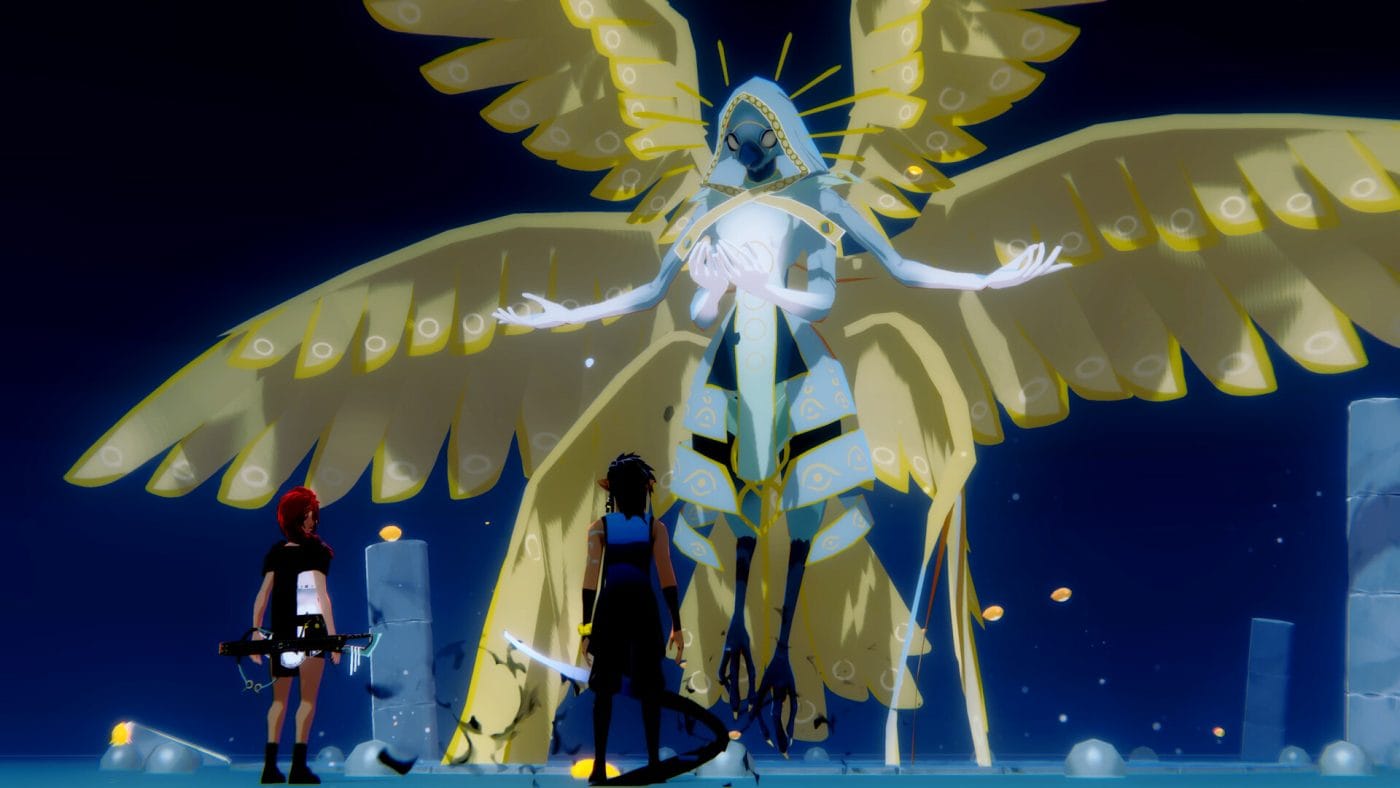
Some games captivate through sheer technical mastery – immaculate visuals, seamless animation, and finely tuned mechanics. Others leave a more enduring mark, not because they are flawless, but because they resonate emotionally, crafting worlds that linger in memory long after the controller is set aside. Altheia: The Wrath of Aferi clearly belongs to the latter category.
From its very first moments, the game draws players into a world poised between light and shadow – richly atmospheric, quietly alive, and steeped in environmental storytelling. Landscapes, ruins, and fleeting details speak without exposition, encouraging observation rather than urgency. What unfolds is less a traditional action-adventure spectacle than an introspective journey shaped by mood, character presence, and a carefully cultivated sense of place.
It is far from flawless. Combat can be demanding, some puzzles test both patience and observation, and platforming occasionally falters in precision. Yet these imperfections rarely detract from the overall experience; if anything, they contribute to its distinct personality. Challenges acquire emotional weight, immersion builds gradually, and the player’s connection to the world deepens through engagement rather than mere technical polish.
The game’s greatest strength lies in its power to make players feel part of the story, transforming them from passive observers into active participants. Its story of vulnerability, growth, and quiet resilience unfolds with measured restraint, cultivating genuine empathy without ever veering into melodrama. In an industry often obsessed with technical perfection as the ultimate standard, this adventure serves as a powerful reminder that atmosphere, authenticity, and a clear artistic vision can resonate just as deeply – and endure far longer – than flawless mechanics.
Above all, it is an experience that rewards careful attention. It asks players to slow their pace, to watch, to listen, and to absorb every nuance, tone, and detail as much as the action itself. The result is a journey that lingers – ambitious yet fragile, imperfect yet deeply resonant – capable of turning the smallest moments into lasting emotional impressions.
Art That Speaks Louder Than Words
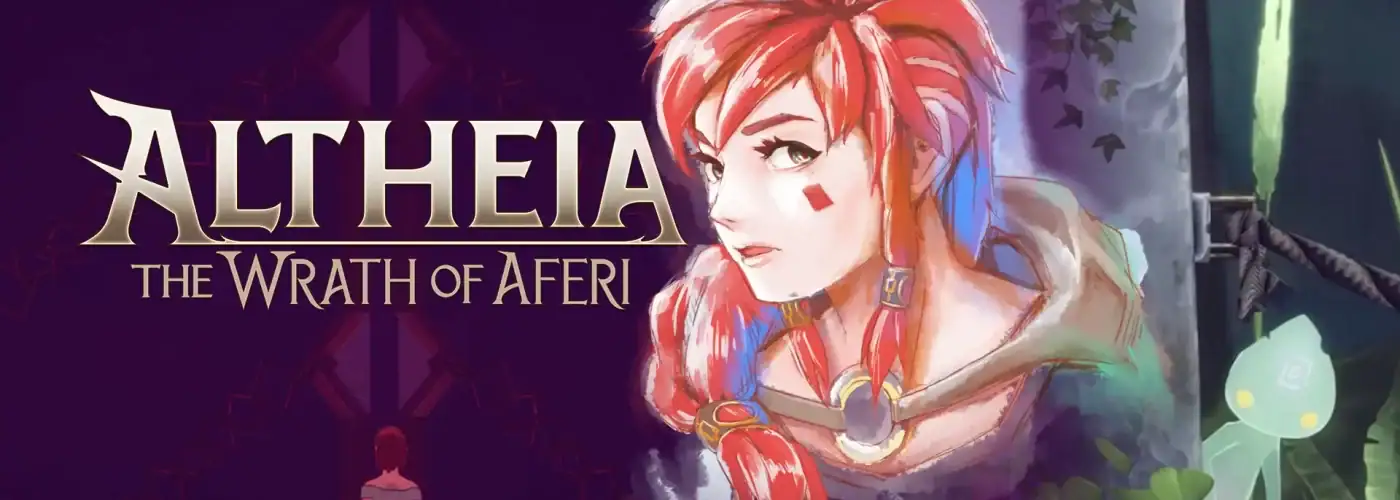
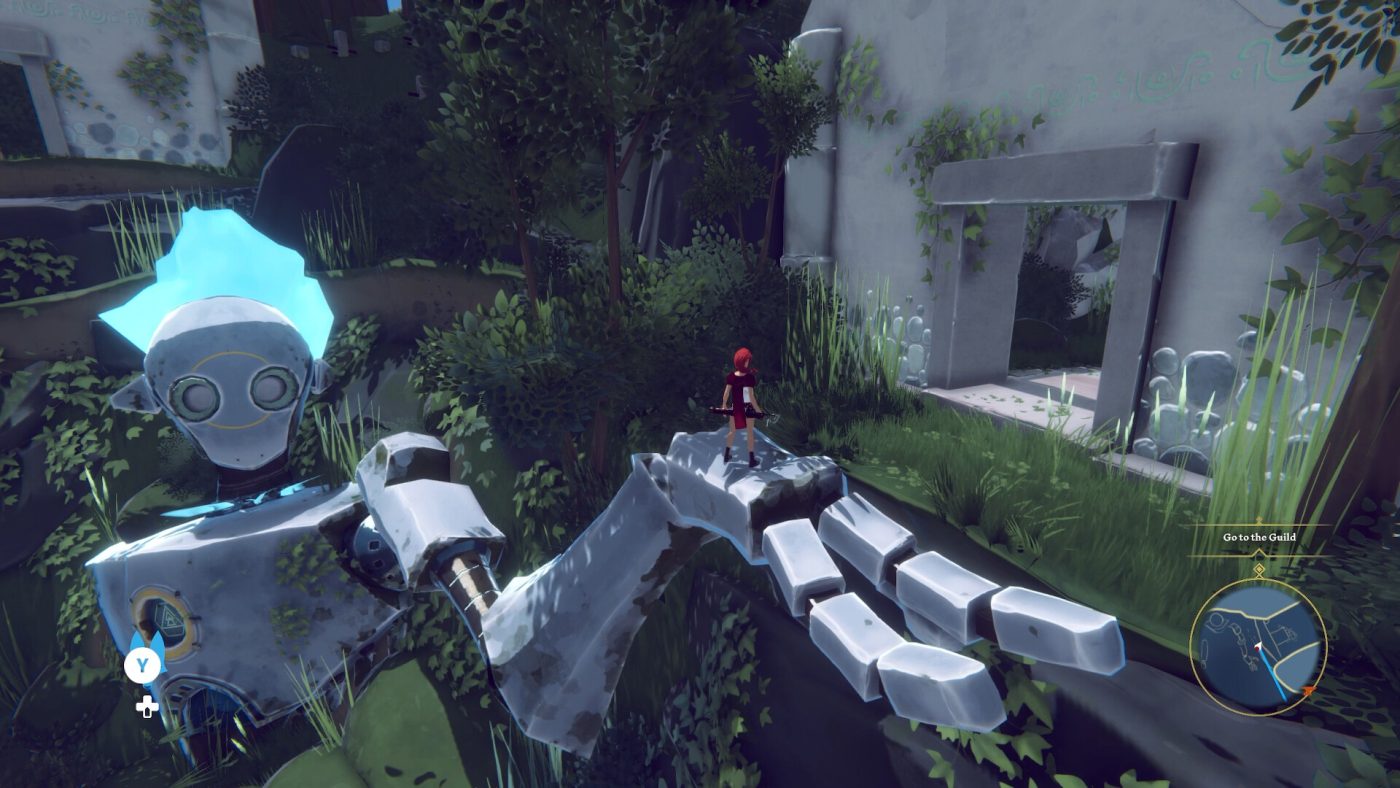
From the very first moments, Altheia: The Wrath of Aferi announces its artistic identity with absolute clarity. It does not chase photorealism or spectacle for their own sake; instead, it embraces a deliberate, authorial aesthetic. Painterly environments, anime-inspired character designs, and a carefully calibrated use of colour converge to convey emotion, tension, and narrative nuance long before a single line of dialogue is spoken.
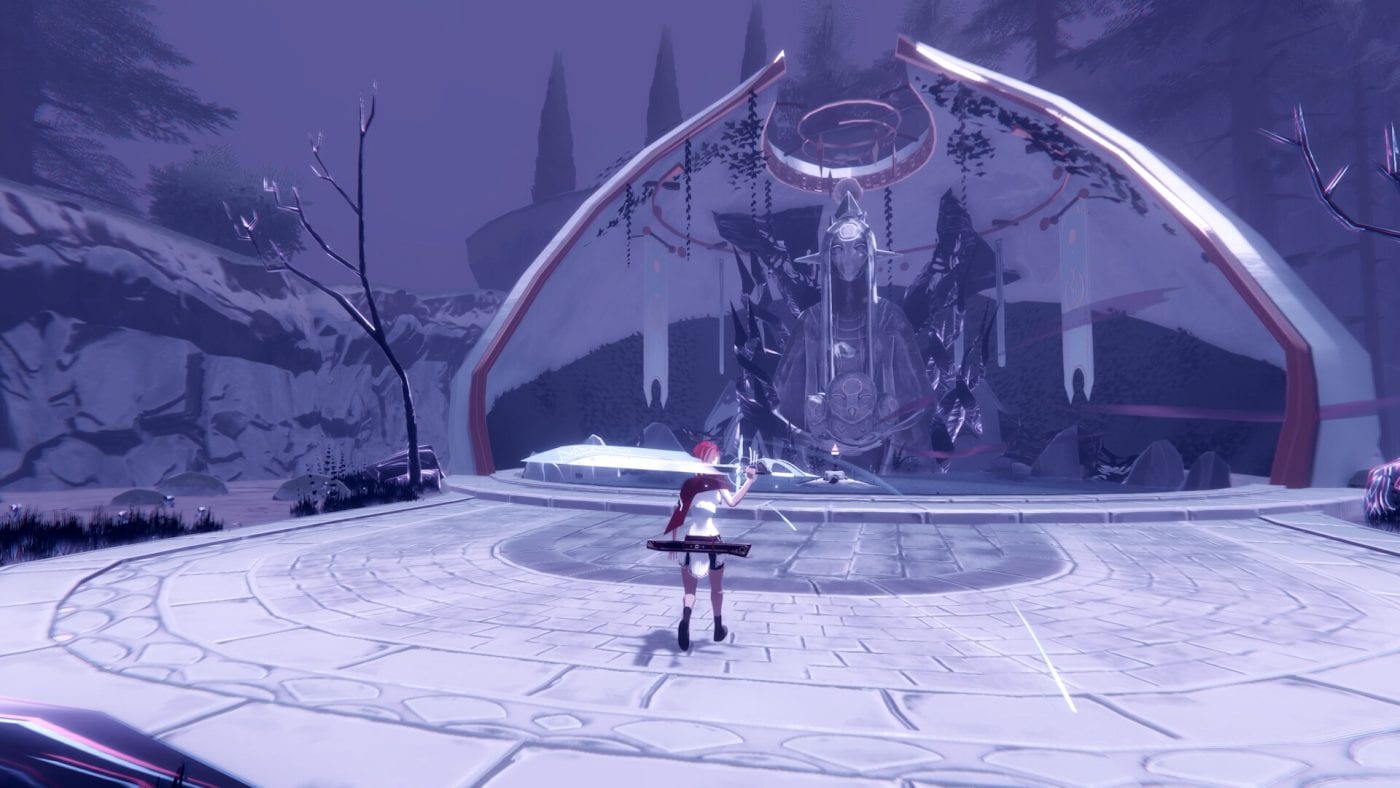
This visual approach is never ornamental or superficial. Each environment tells a story: an abandoned village resonates with echoes of lives once lived, a weathered temple hints at rituals long forgotten, and a forest suspended between enchantment and decay exudes both mystery and latent danger. Collectively, these spaces form a layered, breathing world – one that players sense beneath their footsteps and gradually come to inhabit, rather than merely traverse.
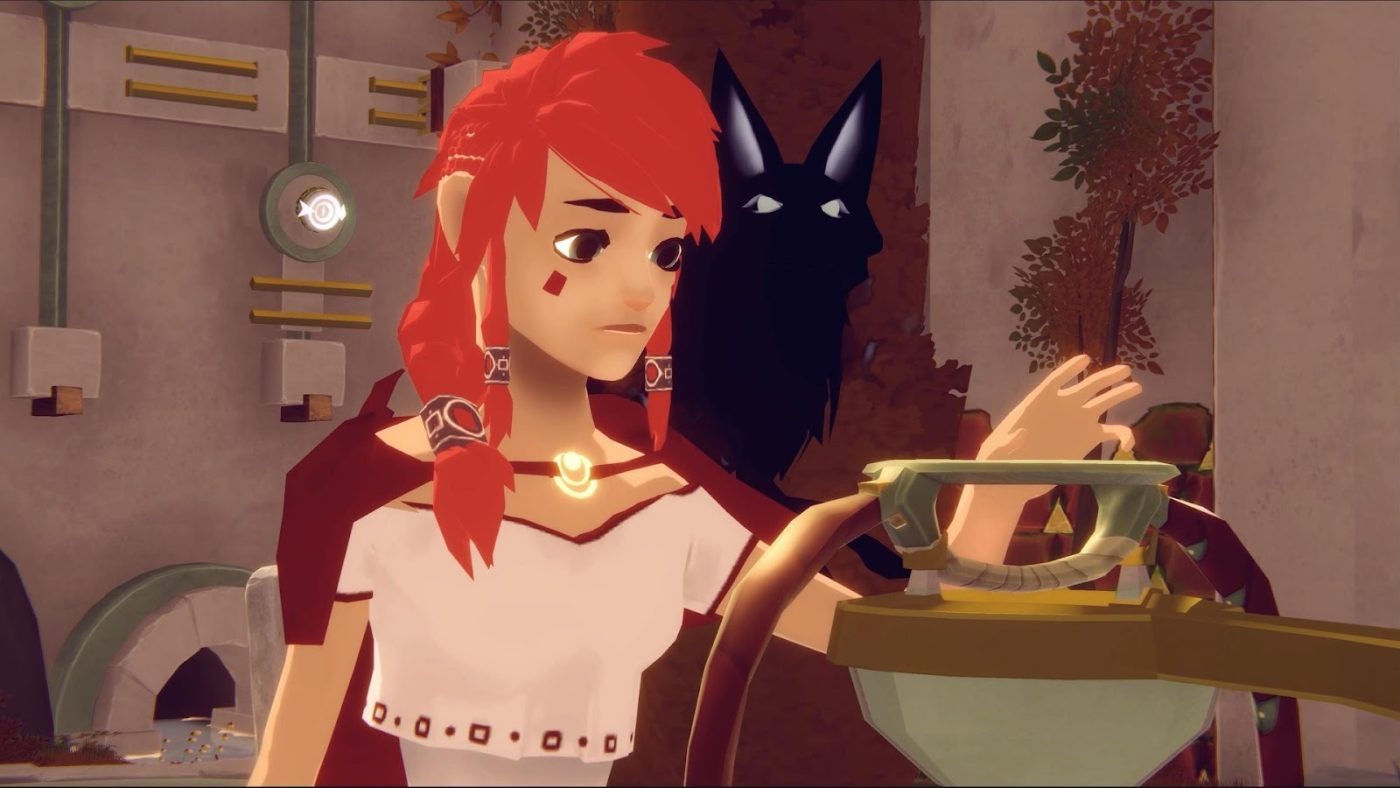
The game’s character design is equally meticulous. The protagonist and her monk companion are imbued with subtle expressive nuance: posture, gesture, and facial micro-expressions immediately communicate personality, emotional state, and narrative role. Their movement through the world feels natural and intentional, creating a sense of agency and intimacy. Players do not simply observe these characters; they journey alongside them, sharing in their fears, hopes, and vulnerabilities. The result is a profound empathetic connection, one that transforms narrative moments into deeply personal experiences.
In Altheia, visual identity is not an accessory – it is the framework through which the world communicates. It guides the player’s attention, shapes emotional engagement, and reinforces the narrative in ways both overt and subliminal. Every environment, character, and carefully chosen palette works in concert to ensure total immersion, making the game’s aesthetic voice unmistakable, cohesive, and profoundly resonant.
The Heart of Altheia: Reflection, Choice, and Emotional Depth
At its core, Altheia: The Wrath of Aferi tells a deeply human and intimate story. The young guardian protagonist carries the weight of a childhood mistake – not a mere narrative footnote, but an emotional anchor that shapes every step of her journey. The world around her reflects her fears, hopes, and aspirations, transforming progression from a simple act of mechanical advancement into a rich process of confronting vulnerability, grappling with guilt, and ultimately learning forgiveness. Every encounter, every path explored, resonates with emotional consequence.
The monk companion is far more than a supporting figure. He serves simultaneously as guide, mirror, and quiet challenge, his presence a constant reminder of the story’s stakes. Their relationship unfolds with deliberate subtlety: carefully measured dialogue, meaningful silences, and understated tension cultivate an intimacy that never drifts into melodrama. Every gesture, fleeting glance, and unspoken moment carries profound narrative weight, lending the story a rare maturity and an emotional authenticity that resonates deeply with the player.
Although the main story follows a relatively linear path, the world of Altheia rewards those who take the time to explore. Environmental storytelling is a central pillar of the experience: forgotten objects, decaying structures, and optional side paths enrich the narrative quietly, without heavy-handed exposition. The game’s worldbuilding is seamlessly integrated into gameplay, encouraging players to observe, reflect, and engage, turning every corner of the world into a meaningful story beat. In Altheia, patience and attentiveness are not just virtues – they are the key to unlocking a richer, more emotionally resonant adventure.
Fight Together, Think Together
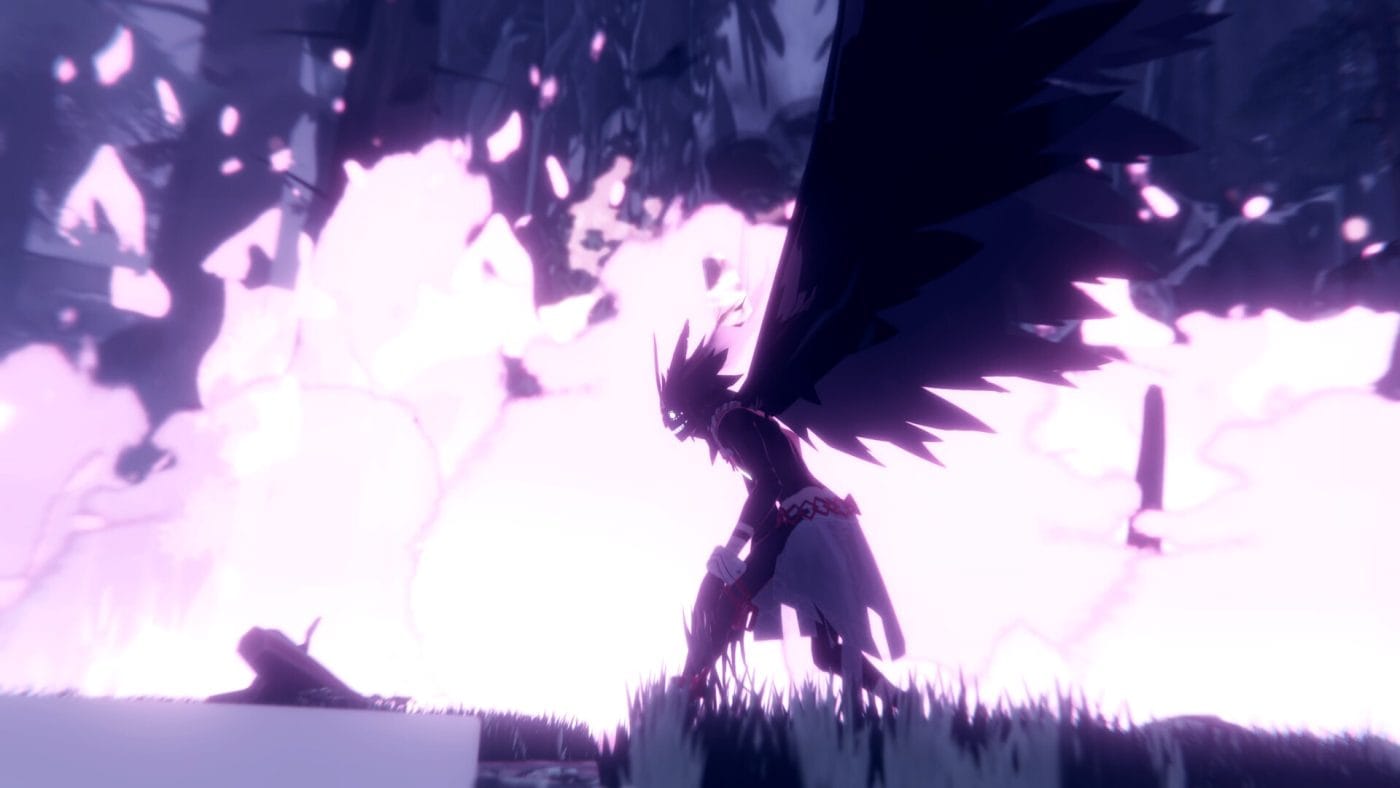
Combat, platforming, and puzzle-solving form the backbone of Altheia: The Wrath of Aferi, built on familiar action-adventure conventions but elevated by the seamless cooperative interplay between its two protagonists. Their synergy goes far beyond mechanics; at its finest, each encounter becomes a meticulously crafted strategic puzzle, where timing, positioning, and complementary abilities carry both tactical significance and narrative weight.
Players rarely navigate challenges alone – every obstacle becomes a shared trial, with the protagonists’ combined efforts transforming adversity into an experience that is simultaneously engaging, emotionally resonant, and narratively compelling.
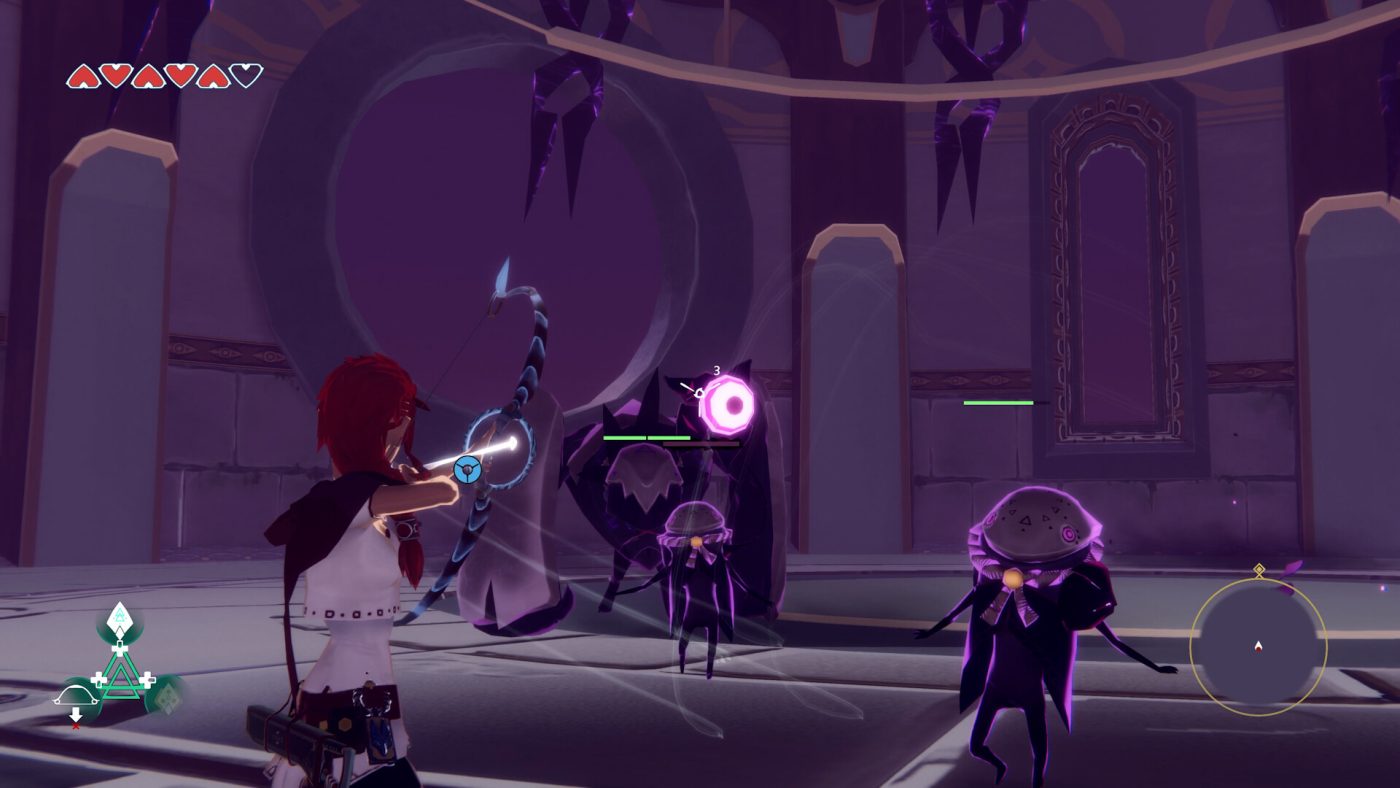
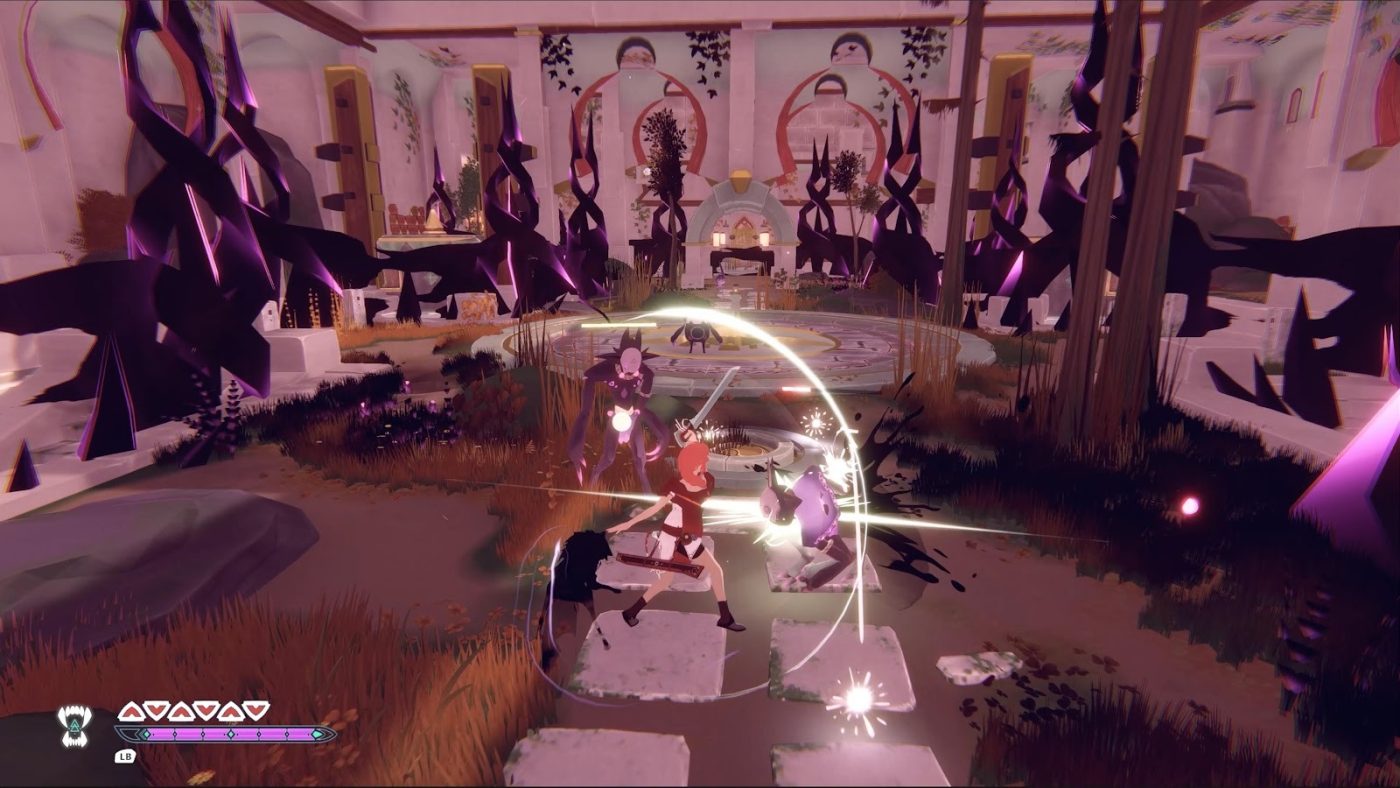
Combat, while satisfying and engaging, exposes certain limitations reflective of the game’s modest development scale. Inputs can occasionally feel sluggish, particularly on keyboard, and visual feedback during intense skirmishes is not always immediately clear. Boss encounters, with intricate patterns and sudden bursts of high damage, can challenge even seasoned players. Yet these moments rarely feel unfair; they reward careful observation, thoughtful strategy, and mastery of both characters’ abilities, enhancing the sense of accomplishment when overcome.
Platforming is consistently strong. Character animations convey weight and momentum convincingly, level layouts are clear and readable, and the gradual introduction of new traversal abilities offers a satisfying sense of growth and progression. Minor collision inconsistencies and occasional timing imprecision are present, reflecting the project’s artisanal craftsmanship, but they rarely disrupt immersion, instead reinforcing the sense of a meticulously hand-crafted world.
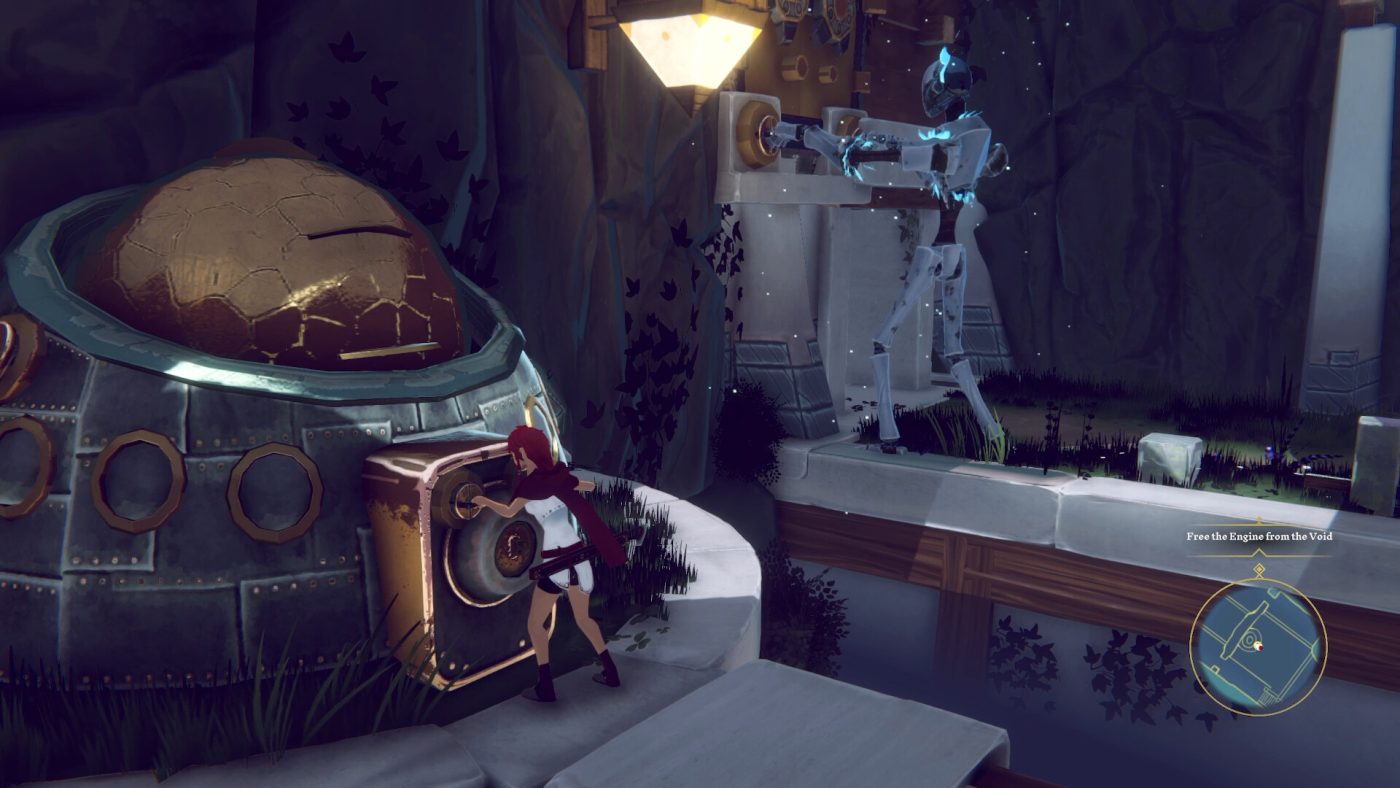
Puzzles remain the most inconsistent element of Altheia: The Wrath of Aferi’s gameplay. At their best, they blend organically with exploration and narrative, offering genuine moments of discovery that reward curiosity, observation, and thoughtful engagement. However, when clues are sparse or solutions less intuitive, pacing can briefly stall and the game’s emotional momentum may wane, causing mild but noticeable frustration.
Technical Performance and Overall Presentation
From a technical standpoint, the game delivers remarkable performance. Despite the richness of its art direction, the game remains lightweight on PC, sustaining smooth and stable frame rates even during extended play sessions.
Nonetheless, a few areas reveal room for improvement. Transitional animations occasionally lack seamless fluidity, and certain hitboxes show subtle inconsistencies that can affect timing in precision-heavy platforming sections. Combat audio feedback, particularly during intense encounters, can also feel slightly delayed, occasionally diminishing the clarity of actions and reactions. While these minor technical hiccups rarely compromise the overall experience, they reflect the inherent challenges of delivering a visually ambitious, artisanal indie production.
Final Verdict
Altheia: The Wrath of Aferi is, above all, a game to be experienced rather than merely played. Its imperfections – subtle collision quirks, occasional uneven animation, and moments where audio feedback lacks immediacy – do little to detract from the game’s core magic. If anything, they underscore the artisanal nature of the project, reflecting a development team deeply committed to crafting a world that breathes with emotion, character, and intention.
At the core of the experience lies the young guardian’s journey, shaped by vulnerability, personal growth, and the enduring weight of past mistakes. Every triumph, every setback, becomes more than a gameplay moment; it transforms into a lesson in resilience, self-reflection, and emotional connection. Her companion, the monk, serves as both guide and mirror, their relationship unfolding with deliberate subtlety – through meaningful silences, measured dialogue, and understated gestures. Never slipping into melodrama, these interactions imbue the narrative with a quiet, profound emotional depth, inviting players to connect intimately with both characters and their shared journey.
The world itself is a storytelling partner. From abandoned villages and timeworn temples to forests teetering between decay and magic, every environment communicates narrative and mood, rewarding careful observation and patient exploration. Progression is as much about introspection and engagement as it is about mechanics, encouraging players to inhabit the world fully and feel the stakes of every decision.
For players seeking a pristine, flawless action-adventure, Altheia: The Wrath of Aferi may feel unconventional. Yet for those attuned to atmosphere, narrative subtlety, and a distinctive artistic vision, it delivers a rare, intimate experience – one that lingers, quietly demanding attention, contemplation, and empathy. This is not a game that merely entertains; it resonates, challenges, and remains with the player long after the final scene fades.
Altheia: The Wrath of Aferi
PRO
- Distinctive and compelling artistic and visual identity;
- Emotionally resonant and engaging narrative;
- Rich, coherent, and immersive worldbuilding;
- Rewarding exploration and environmental storytelling;
- Narrative progression seamlessly integrated with gameplay.
CON
- Combat can feel rough around the edges, with controls occasionally sluggish or unresponsive;
- Certain puzzles are overly cryptic or unintuitive;
- Platforming can feel inconsistent, with occasional lapses in precision affecting timing and movement;
- Difficulty spikes can feel uneven or poorly balanced.


7/10